
Electric SUVs often appear to offer the ideal combination: generous passenger space, strong acceleration, lower routine maintenance, and freedom from gasoline. On a short demonstration drive, the experience can feel effortless. Real ownership, however, introduces variables that rarely fit neatly onto a specification sheet.
Range changes with weather and speed, charging claims depend on ideal conditions, and family-sized batteries take considerable time to refill. Towing, cargo, home parking, tire costs, repairs, and depreciation can also reshape the ownership experience. These 12 practical limitations explain why some electric SUVs feel less versatile than expected, even when they remain quiet, capable, and enjoyable vehicles for the right household.
Range Ratings Are Not Road-Trip Guarantees

An electric SUV’s advertised range is a standardized estimate, not a promise for every journey. EPA figures are produced on laboratory dynamometers, adjusted for real-world influences, then blended from city and highway results. That process creates a useful comparison tool, but it cannot reproduce every combination of speed, wind, elevation, temperature, passengers, and cargo. A family seeing “300 miles” may picture a 300-mile highway day, yet the usable distance can be smaller once a prudent arrival reserve is included.
Independent highway testing shows why expectations drift. Consumer Reports has found some EVs traveling as much as 50 miles less than their EPA estimates at sustained highway speeds, while others outperform the label. The inconsistency matters in a large SUV because its broad frontal area demands more energy as speed rises. A gasoline SUV can recover that lost efficiency with a brief fuel stop; an electric SUV may turn it into an earlier charging stop, a changed meal break, or a route selected around available fast chargers.
Cold Weather Shrinks the Comfortable Safety Margin
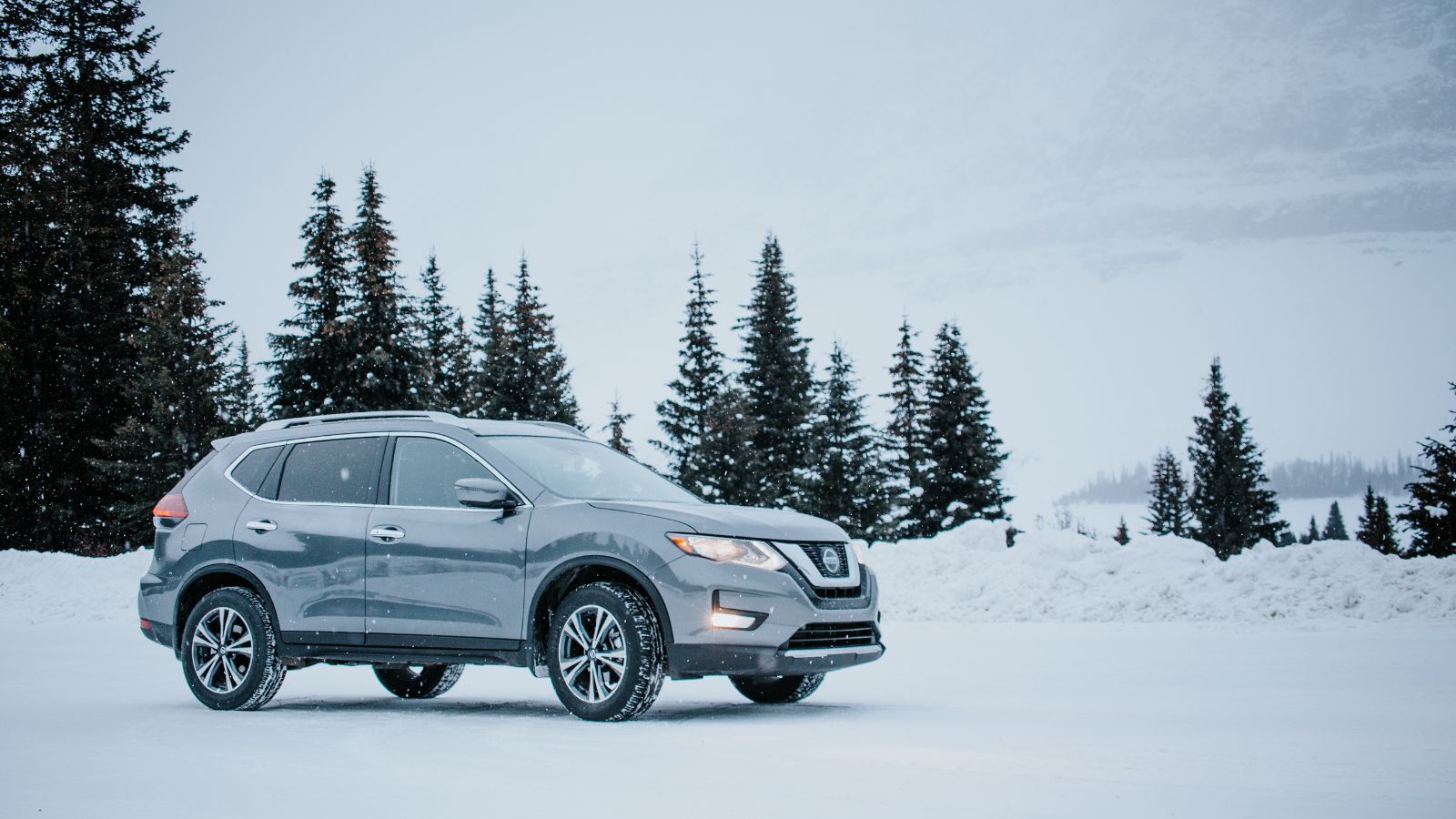
Cold weather affects battery performance and the energy needed to keep a large cabin warm. In AAA’s 2026 laboratory testing, battery-electric vehicles operating at 20°F showed a 39 percent reduction in calculated range compared with testing at 75°F. The effect varies by model, trip length, heat-pump design, and driving conditions, but the practical lesson is consistent: the winter version of an electric SUV may not travel as far as the mild-weather version advertised on the window sticker.
The size that makes an SUV appealing can make winter consumption noticeable. Heating three rows of air, defrosting a large windshield, warming seats, and conditioning a cold battery all draw energy from the same pack. Preconditioning while plugged in can reduce the early-trip penalty, and heat pumps generally use less energy than resistance heaters in suitable conditions. Still, a household driving to ski hills, rural properties, or distant gatherings may discover that winter requires more planning, a larger charging buffer, and stops that were unnecessary in warmer months.
Peak Charging Numbers Can Be Misleading
A headline charging rate—such as 150, 250, or 350 kilowatts—describes a peak the vehicle may reach under favourable conditions. It does not mean the SUV will accept that power throughout the session. Charging speed depends on battery temperature, starting charge, charger output, cable limits, thermal management, and the vehicle’s charging curve. Most EVs deliberately reduce power as the battery approaches roughly 80 percent, protecting the pack but making the final portion disproportionately slow.
That distinction matters on family trips. A driver may expect an advertised 10-to-80-percent time, only to find a cold battery, a derated charger, or a session beginning at 45 percent rather than 10 percent. Department of Energy data covering about 2.4 million paid fast-charging sessions found an average session length of 42 minutes. Some modern electric SUVs are much quicker, but others are not. Practicality depends less on the biggest brochure number and more on sustained charging performance across the battery range.
Public Charging Still Requires Backup Plans
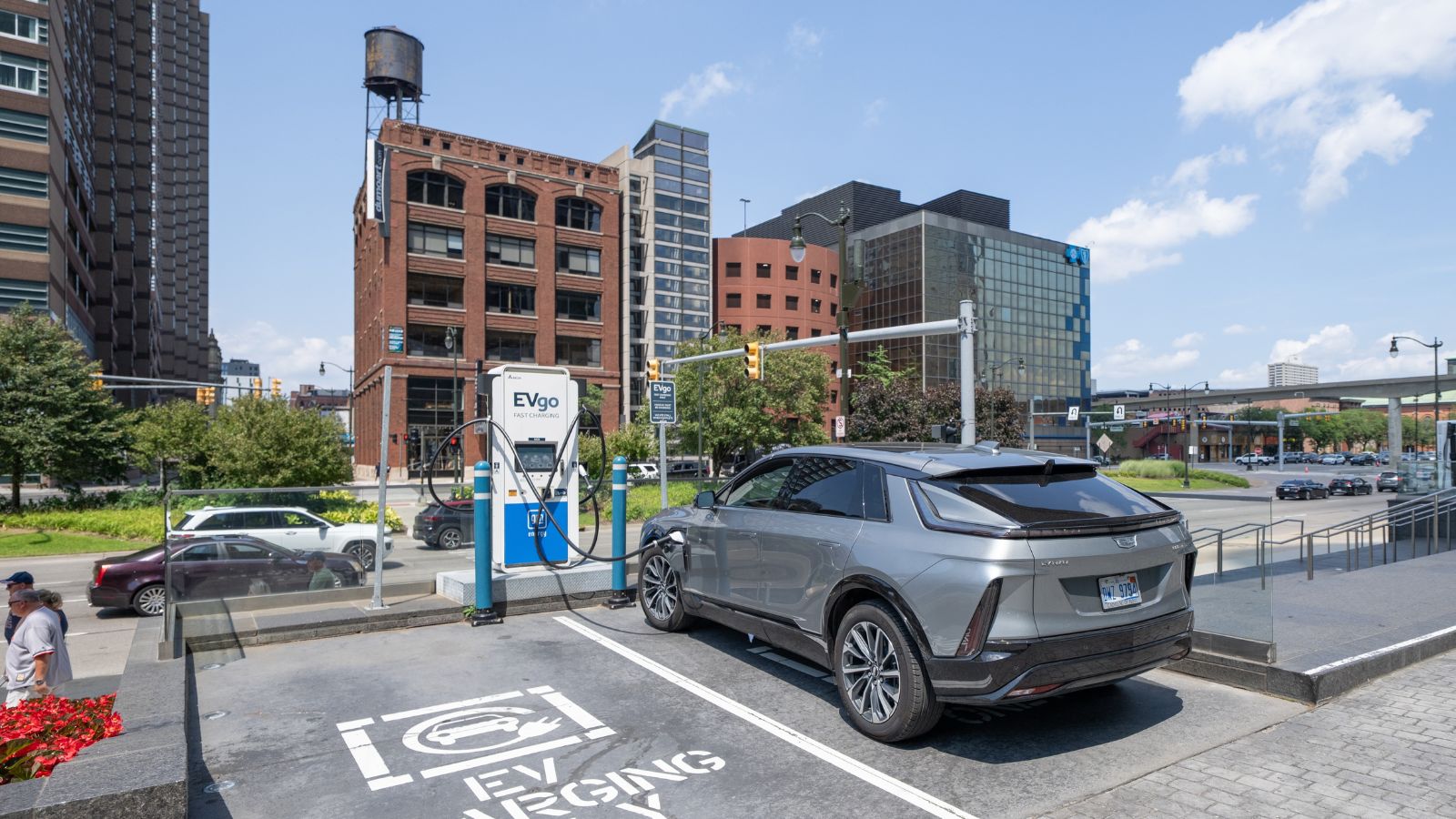
Public charging networks are expanding, yet the experience is not always as predictable as stopping at a fuel pump. A charger may appear available in an app but fail to initiate, deliver less power than expected, require another account, or have a damaged screen or connector. Consumer Reports’ charging community reported a problem in roughly one out of five public sessions, with broken or unresponsive screens and error messages among the most common charger-related issues.
For an electric SUV carrying children, luggage, or pets, a failed stop creates more than a technical inconvenience. The next station may be outside the comfortable range buffer, while queues can turn a planned 25-minute break into something much longer. National-laboratory and industry programs are improving reliability, including systems that automatically retry failed sessions. Until performance becomes consistently fuel-station-like, owners often need a second-choice location, multiple payment methods, and enough remaining charge to leave. That mental workload can make an otherwise capable SUV feel less spontaneous.
Towing Can Transform the Range Calculation
Electric motors suit towing because they deliver strong torque immediately and maintain power at elevation. The surprise arrives in energy consumption. Trailer aerodynamics, weight, speed, wind, and terrain can reduce range substantially; SAE research describes towing penalties commonly reaching roughly 30 to 50 percent. A boxy travel trailer can be especially demanding because aerodynamic drag rises quickly at highway speed, regardless of whether the tow vehicle is electric or gasoline-powered.
Charging layout adds another complication. Many fast-charging sites use ordinary head-in or back-in parking spaces rather than pull-through lanes. An SUV towing a camper or utility trailer may need to unhitch, block an aisle, or occupy more than one stall simply to place the charge port near the cable. The RV Industry Association has called for more pull-through charging because towing increases charging frequency while making conventional stalls harder to use. For local towing, the compromise may be minor; for repeated long-distance towing, it can redefine practicality.
Home Charging Is Not Equally Easy for Every Household
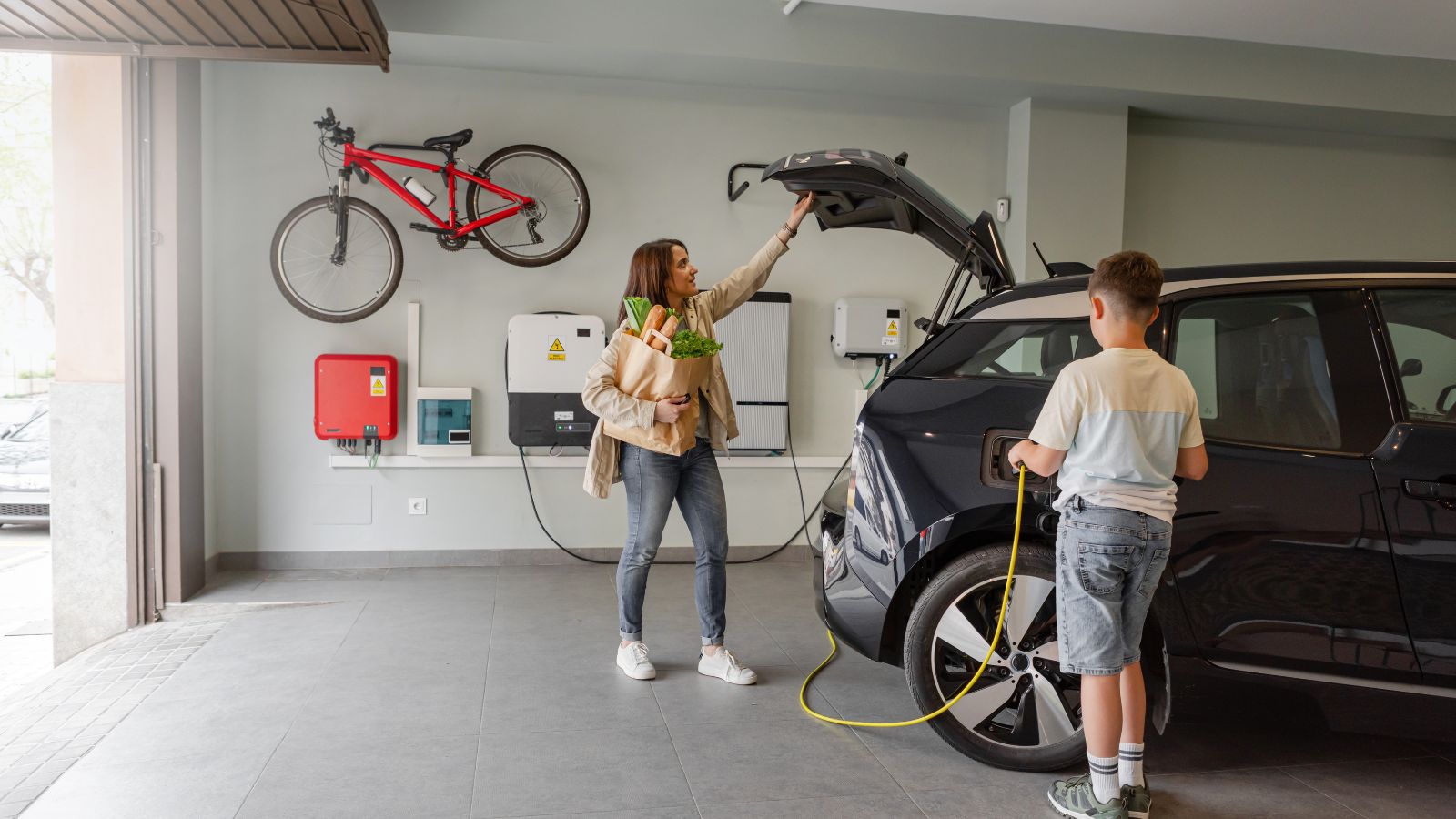
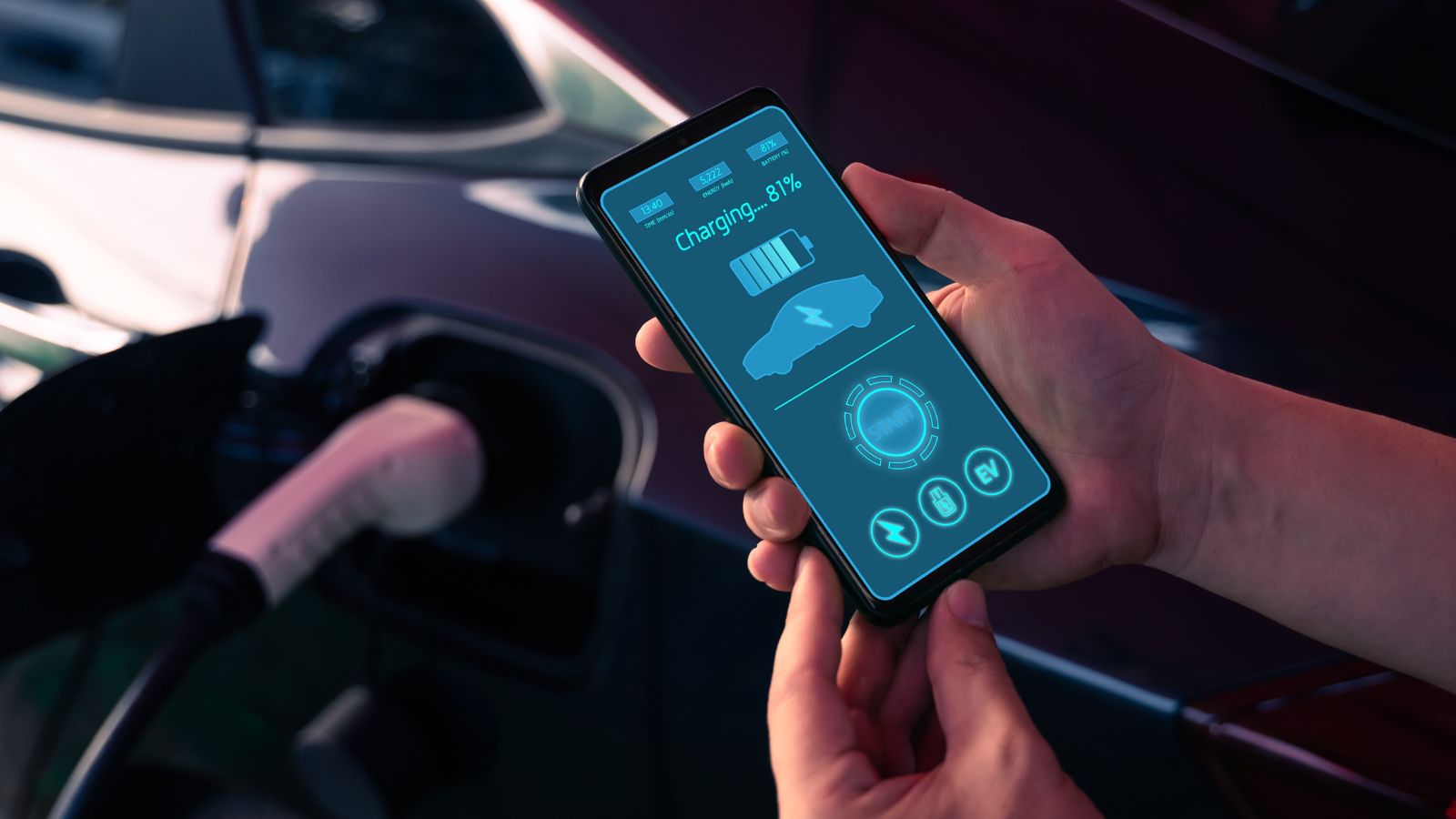
Electric ownership is simplest when the vehicle can charge overnight in a private parking space. The Department of Energy says most EV drivers use home charging, commonly with Level 1 or Level 2 equipment. A Level 2 unit can usually replenish a depleted EV overnight, but installation may require a dedicated circuit, electrician, permits, a long cable run, or an electrical-panel upgrade. Older homes with limited service can turn a straightforward vehicle purchase into a larger home-improvement project.
Apartments, condominiums, rental homes, and street parking create a different reality. Permission from a landlord or homeowners’ association may be needed, shared chargers can be occupied, and assigning electricity costs can become complicated. A household relying mainly on public fast charging loses much of the effortless “wake up with a full battery” advantage. It may also pay more than a homeowner using off-peak residential rates. The SUV itself may be spacious and refined, yet the parking arrangement can determine whether living with it feels convenient or burdensome.
Large Batteries Take Time to Refill at Home
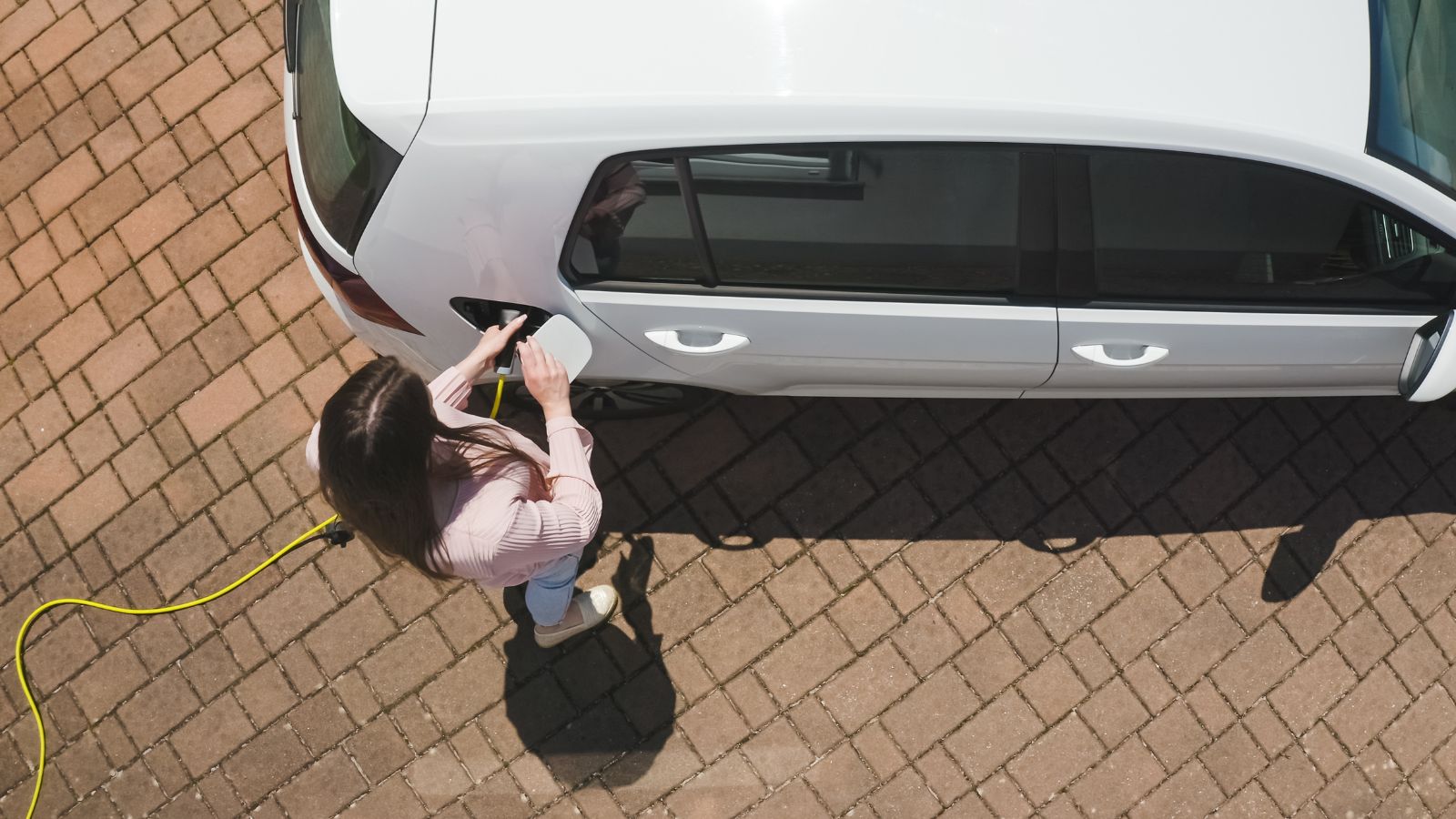
Electric SUVs often use large battery packs to overcome weight and aerodynamic drag. That supports useful range, but it also means more energy must be replaced after a long trip. Charging time is governed by the home circuit and the vehicle’s onboard charger, not simply by battery size. A standard 120-volt outlet may add only a few miles of range per hour, while Level 2 equipment is far quicker but still requires several hours for a major refill.
The difference becomes noticeable when the SUV returns late with a low battery and must leave early the next morning. Consumer Reports measured a Mercedes-Benz EQS SUV gaining about 25 miles of range per hour from its 9.6-kilowatt onboard charger; its battery exceeded 100 kilowatt-hours. That is workable overnight, but less forgiving than refuelling in minutes. A household with two EVs, frequent evening activities, or irregular shifts may need load management, a higher-output circuit, or a disciplined charging routine to prevent scheduling conflicts.
Three Rows Do Not Guarantee Unlimited Cargo Space
Electric platforms can create excellent passenger space because motors are compact and there is no conventional transmission tunnel. However, the battery pack still occupies thickness beneath the floor, and a third row must fold somewhere. Designers balance headroom, seat height, ground clearance, roof shape, and cargo volume, so a large exterior does not always produce minivan-like flexibility. Some passengers may sit with knees higher than expected, while luggage space can shrink sharply when every seat is occupied.
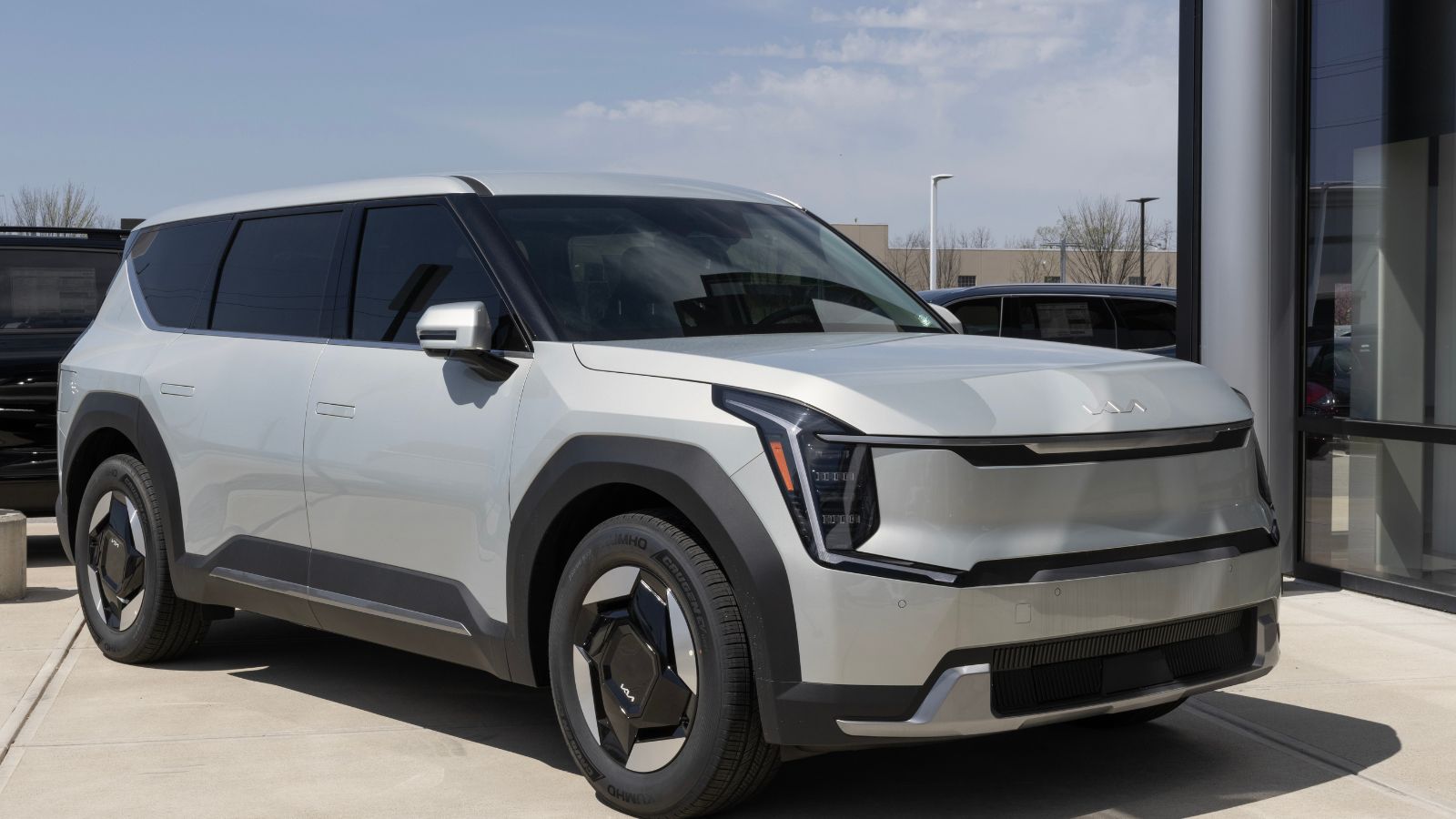
The Kia EV9 illustrates both thoughtful packaging and its limits. Kia lists 20.2 cubic feet of cargo room behind the third row—useful for groceries and several bags—but far less than the 81.7 cubic feet available when the rear rows are folded. That trade-off is normal in three-row SUVs, electric or otherwise, yet buyers sometimes expect a flat floor and long wheelbase to eliminate it. A family carrying seven people, a stroller, sports equipment, and vacation luggage should test the exact seating-and-cargo combination rather than relying on exterior size.
Extra Weight Changes the Everyday Experience
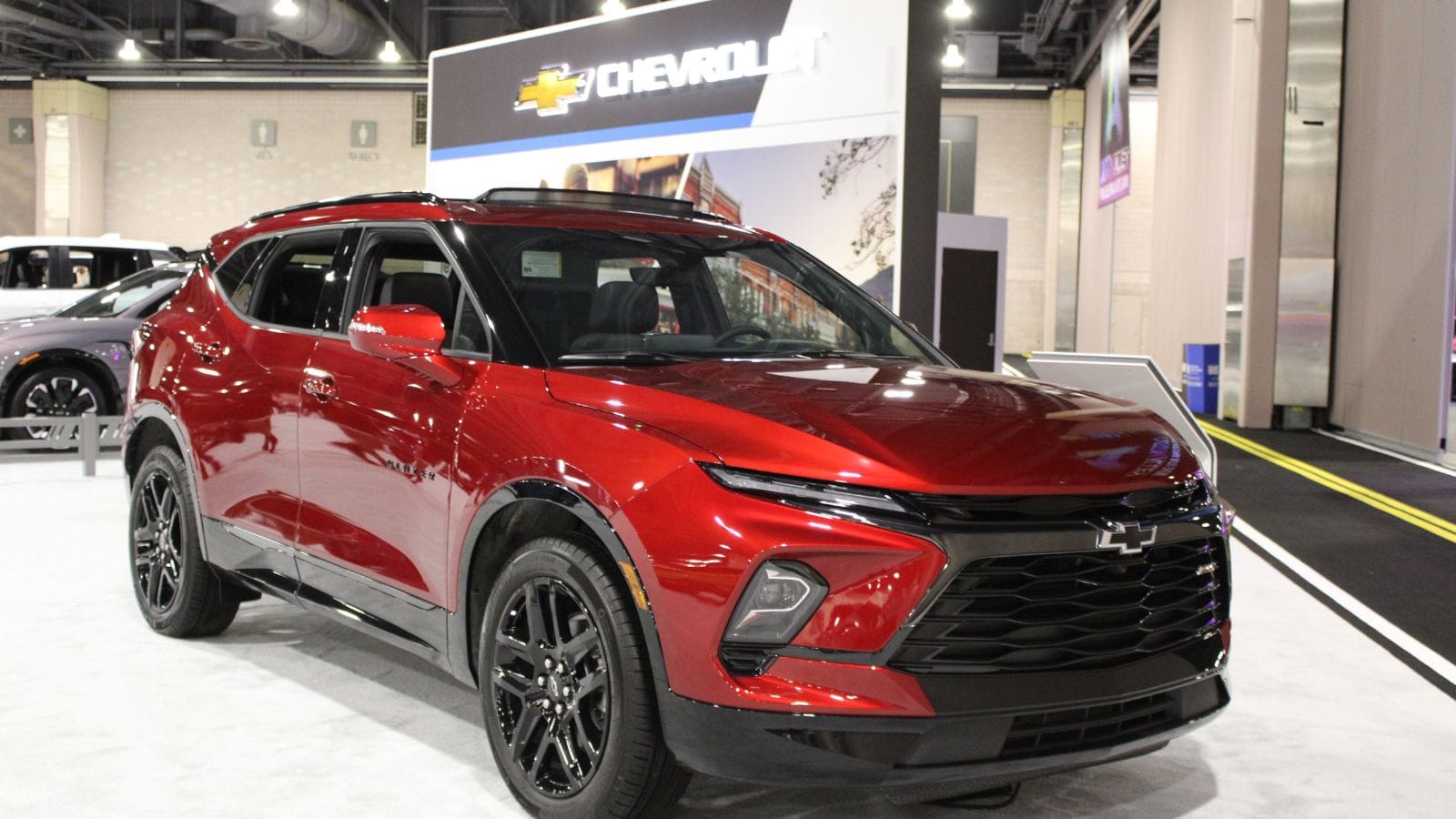
Batteries make many electric SUVs substantially heavier than similarly sized gasoline models. Consumer Reports weighed a Chevrolet Blazer EV at 5,240 pounds, about 1,000 pounds more than the V6-powered Blazer it had previously tested. Engineers use low-mounted batteries, sophisticated suspension, and strong brakes to manage that mass, often producing impressive stability. Even so, weight can be felt over sharp bumps, in tight parking areas, during emergency manoeuvres, and when lifting the vehicle for tire or repair work.
Tires carry much of the practical burden. SAE research notes that EV tires must balance higher axle loads, immediate motor torque, low rolling resistance, grip, ride comfort, noise, and tread life. Aggressive acceleration, incorrect pressure, heavy loads, and large wheel packages can accelerate wear or make replacement more expensive. Regenerative braking may reduce use of friction brakes, but it does not remove the tire bill. A buyer attracted by sports-car acceleration in an SUV body may find that restraint and careful tire maintenance are central to affordable ownership.
Adventure Equipment Can Quietly Reduce Efficiency

Roof boxes, bicycles, kayaks, all-terrain tires, lifted suspension, and large wheels fit the lifestyle image attached to many electric SUVs. They also increase aerodynamic drag, rolling resistance, or both. The Department of Energy notes that highway travel uses more energy because of increased drag at higher speeds. Consumer Reports found a roof rack and rooftop carrier cut fuel economy by 19 percent in one SUV test; the exact EV effect varies, but the same aerodynamic forces apply.
Factory choices can create measurable differences before accessories are added. Cars.com notes that the 2026 Hyundai Ioniq 5 XRT’s all-terrain tires reduce its rated range compared with a less rugged AWD trim, while testing of a Rivian R1S found its off-road package added tire noise and reduced range. None of this makes an adventure-oriented EV impractical. It means the most photogenic configuration may be less efficient than the version used to create the strongest range headline, especially once real camping gear is attached.
Collision Repairs and Insurance Can Surprise Owners
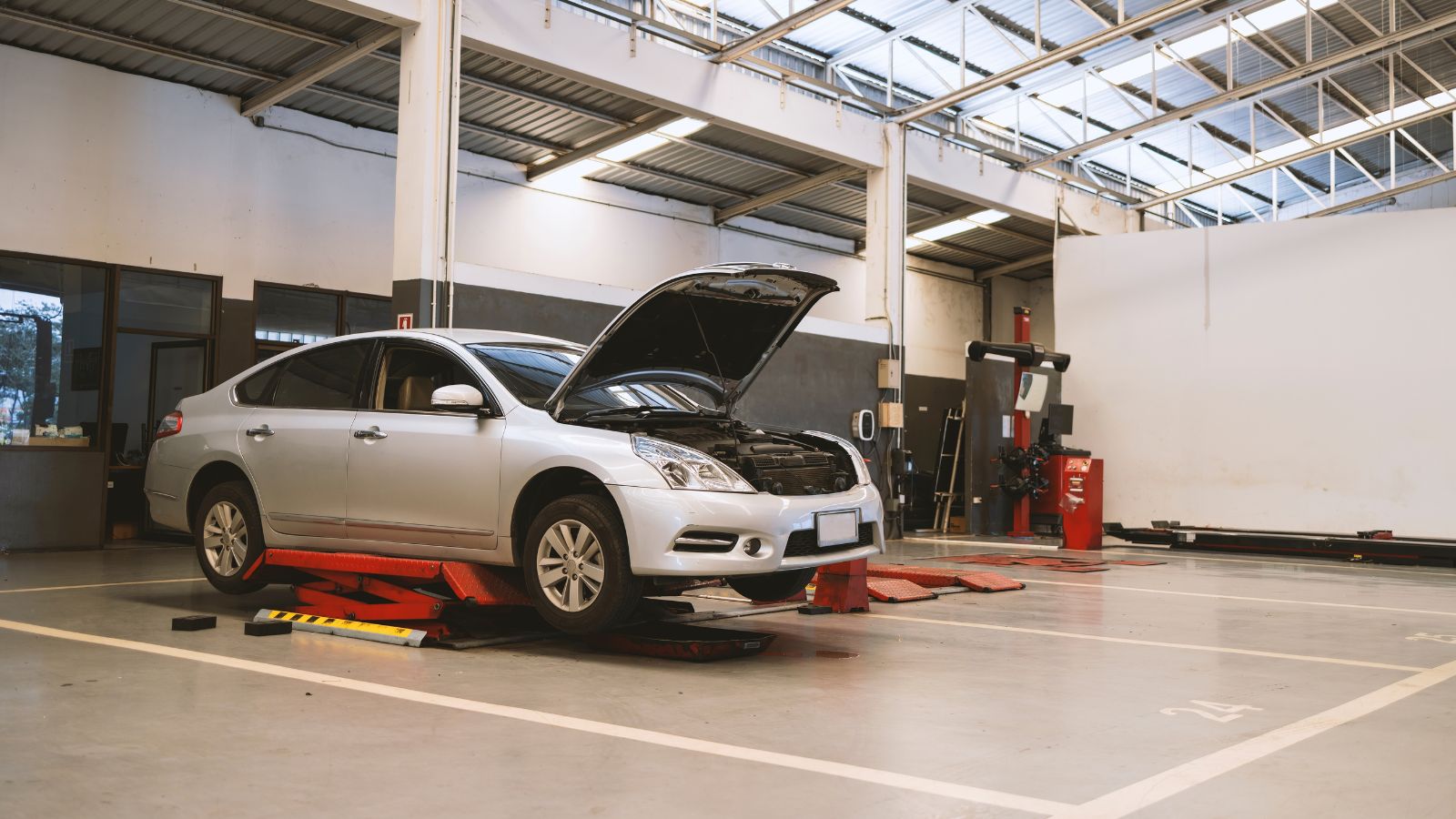
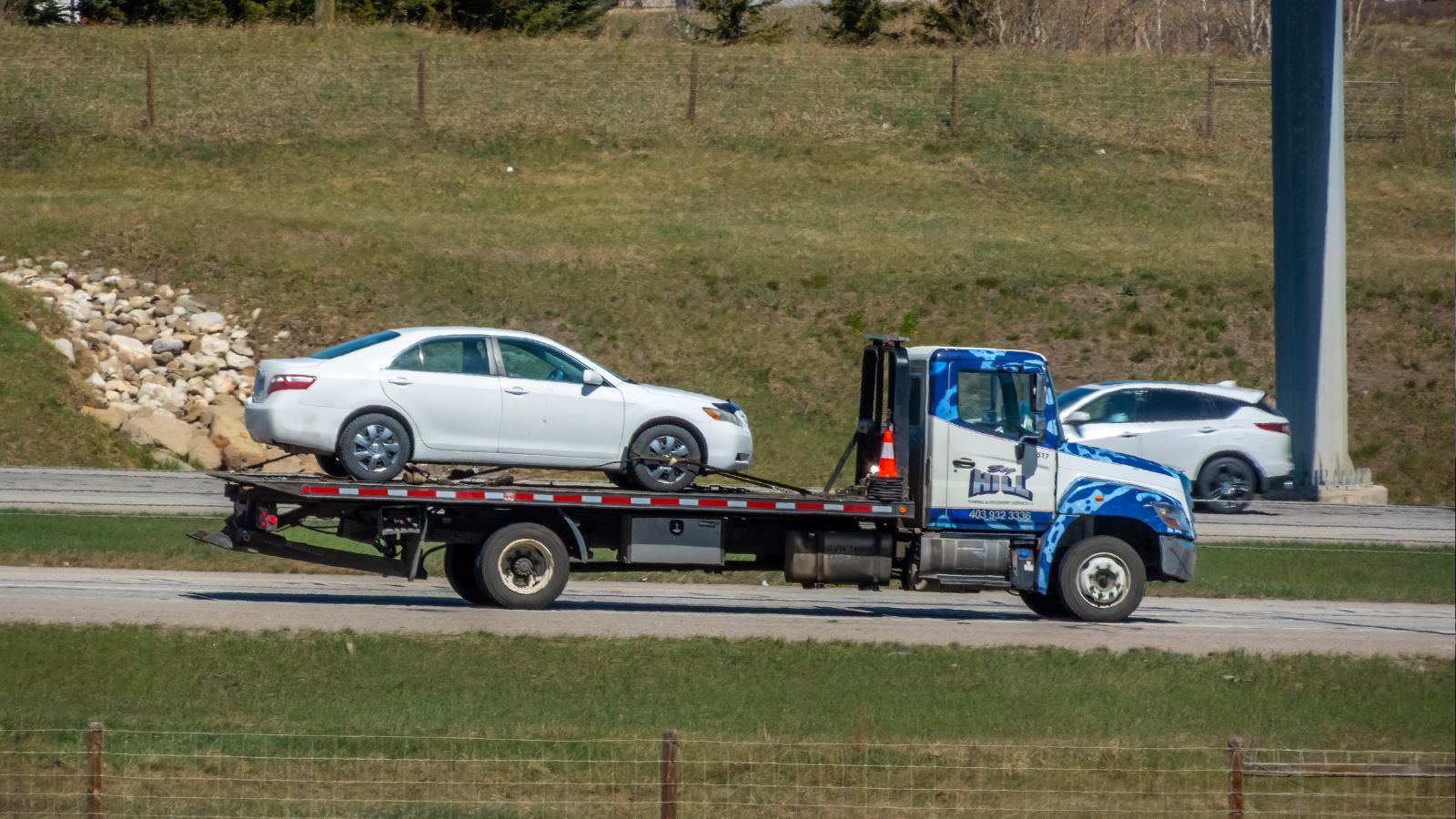
Routine EV maintenance is often simpler because there are no oil changes, spark plugs, or conventional transmissions. Collision repair is a separate issue. High-voltage safety procedures, battery inspection, driver-assistance sensors, structural work, and limited repair-shop capacity can raise costs or extend repair times. Mitchell’s first-quarter 2026 data placed average U.S. repairable collision severity at $6,042 for battery-electric vehicles, compared with $4,902 for gasoline-powered vehicles, a difference that can influence insurance pricing.
The gap does not mean every electric SUV is expensive to insure, and model, location, driver history, parts supply, and insurer experience matter. Still, the National Association of Insurance Commissioners identifies costlier repairs and scarcity of qualified facilities among factors that can push premiums higher. A low scheduled-maintenance budget can coexist with a high collision premium or a long wait for body work. Practical shoppers should obtain an insurance quote before purchase and ask where certified repairs can be completed locally.
Resale Values Remain Less Predictable
Electric-vehicle technology and pricing are changing quickly. New models gain range, charging speed, features, and lower prices, while incentives and manufacturer discounts can alter the value of nearly new vehicles. That pace can make a three-year-old electric SUV look less competitive even when its battery remains healthy. The International Energy Agency reported that used electric-car sales exceeded 1.5 million globally in 2025, but it also documented weaker resale-value performance in several major markets.
Industry data shows why ownership plans matter. Canadian Black Book reported that four-year-old battery-electric models experienced the sharpest depreciation in its 2025 analysis, falling 14 percent year over year amid oversupply and rapid technological change. Conditions can shift, and falling used prices benefit second-hand buyers, but an owner who financed near the original sticker price may face negative equity or a disappointing trade-in. Leasing can transfer some residual-value risk, while long-term ownership can make short-term swings less important. Resale assumptions deserve as much attention as range.
22 Things Canadians Do to Their Cars in Spring That Mechanics Hate

Spring brings relief to many Canadian drivers after months of snow, freezing temperatures, and icy roads that put serious strain on vehicles. As temperatures rise across the country, drivers begin washing cars, switching tires, and preparing vehicles for warmer weather and upcoming road trips. However, mechanics across Canada notice the same mistakes every spring when drivers attempt to recover from winter damage. Road salt, potholes, and harsh winter driving conditions often leave vehicles with hidden problems that drivers ignore. Some spring habits even create new mechanical issues that could have been avoided with proper maintenance. Here are 22 things Canadians do to their cars in spring that mechanics hate.

Alanna Rosen is an experienced content writer that focuses on many EV and educational content. Her articles are regularly published on Get CyberTrucked and syndicated on large publications.