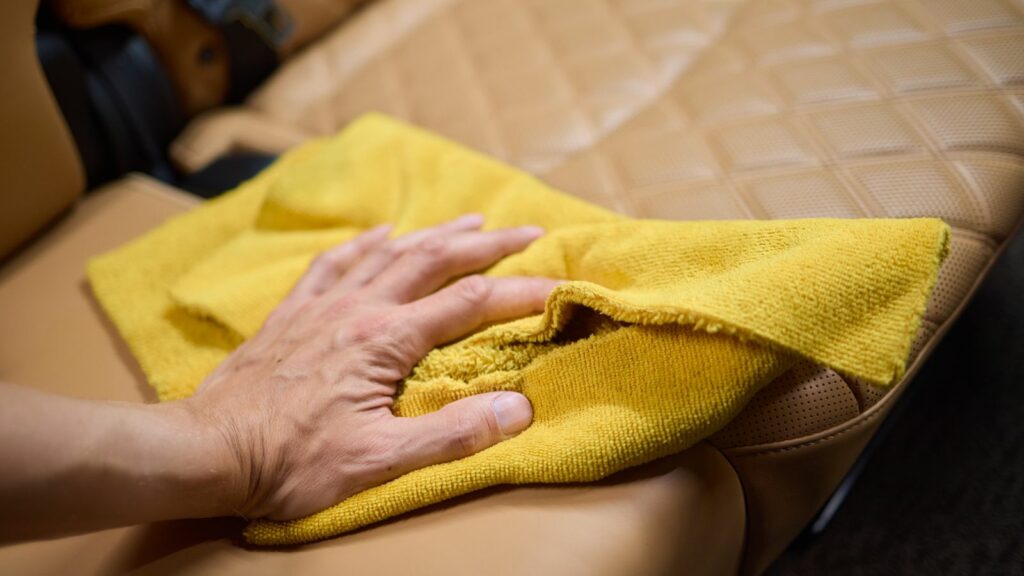
A car cabin can look tired years before the odometer suggests serious age. The decline rarely comes from one dramatic event. More often, sunlight, heat, friction, moisture, residue, and incompatible cleaning products slowly change the colour, texture, smell, and fit of interior materials. A shiny steering wheel, loose headliner, scratched console, or permanently musty carpet can make an otherwise sound vehicle feel neglected. These 17 factors explain why some interiors remain presentable after heavy use while others look worn surprisingly early, even when the mechanical condition is strong.
Constant Sunlight and Ultraviolet Exposure
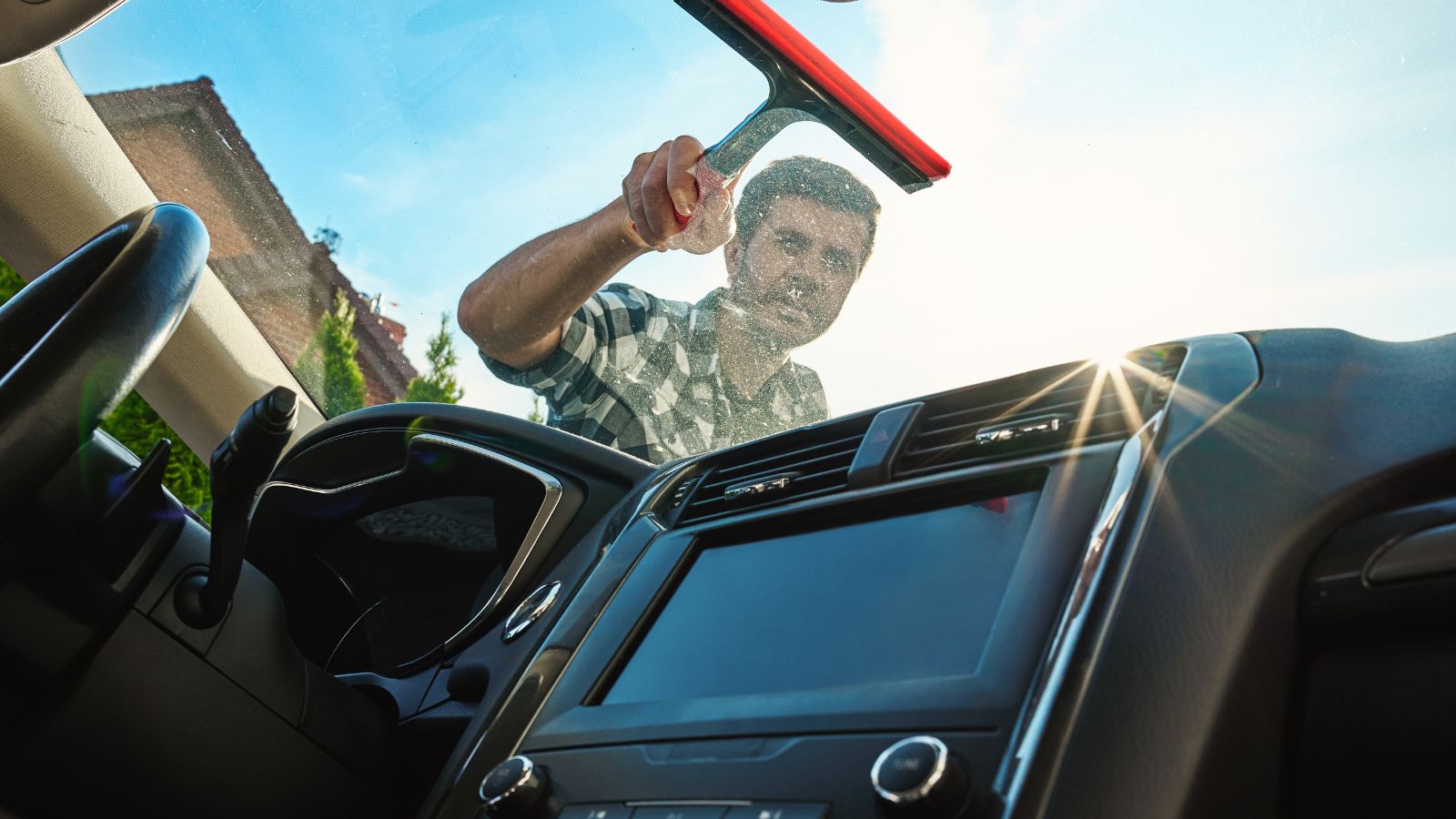
Sunlight does more than warm the dashboard. Ultraviolet radiation can trigger chemical changes in polymers, gradually fading pigments, weakening surfaces, and making some plastics more brittle. NHTSA notes that a parked vehicle can become 20 degrees Fahrenheit hotter in as little as 10 minutes, so the materials behind the windshield experience an unusually harsh combination of light and heat. Over many summers, that exposure may show up as chalky plastic, faded seat fabric, cracked vinyl, or uneven colour between shaded and exposed areas.
The damage often looks selective. A dashboard top may fade while lower panels remain rich in colour, or the outer shoulder of a seat may age faster than the inner cushion. Vehicles parked outdoors every workday reveal the pattern first. A windshield shade, covered parking, and use of material-appropriate protectants cannot stop ageing entirely, but they can reduce the intensity and duration of exposure that accelerates it.
Repeated Heat Cycling
A cabin does not get hot once; it repeatedly moves from cool mornings to extreme daytime temperatures and back again. Laboratories use accelerated ageing tests involving ultraviolet light, humidity, and temperature changes to reveal how materials perform over years. Each cycle asks plastics, adhesives, foams, fabrics, and decorative films to expand and contract at different rates. Differences invisible when a vehicle is new can become squeaks, lifted edges, loose trim, or distorted surfaces.
The classic example is a car that looks perfect during mild weather but develops rattles and curling trim after several hot seasons. Heat can also make existing weaknesses more obvious, especially where thin decorative skins are bonded to harder substrates. Parking shade helps, but so does avoiding unnecessary heat buildup, such as leaving dark covers or electronics pressed against the dashboard. A cabin that experiences fewer severe temperature swings generally gives its bonded materials an easier life.
Soft-Touch Coatings That Turn Sticky
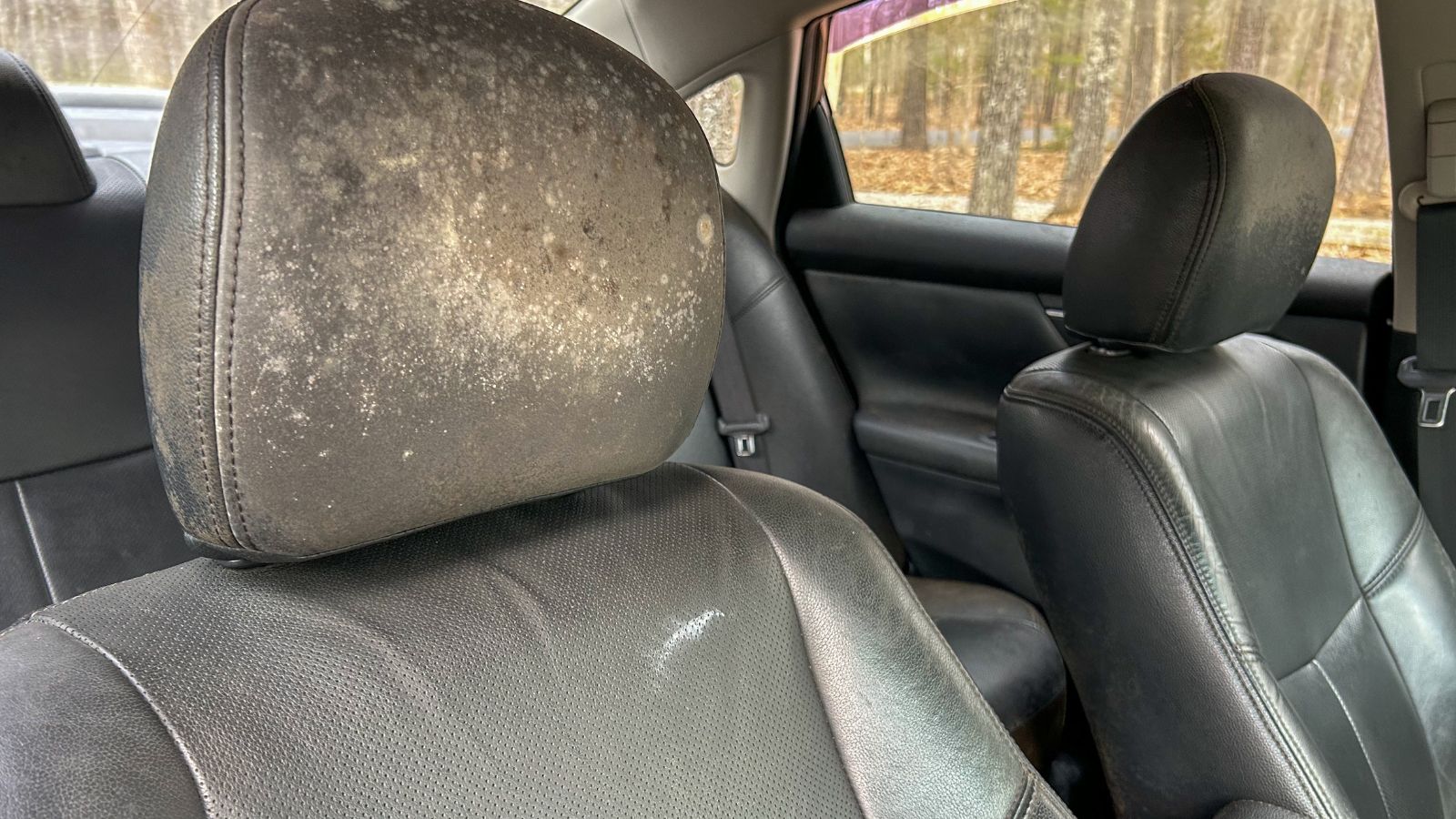
Soft-touch finishes feel expensive when new, yet some age less gracefully than plain textured plastic. Many use polyurethane-based coatings to create a low-gloss surface. Polyurethane materials can lose mechanical integrity when exposed to moisture, heat, skin oils, and repeated handling, and hydrolytic degradation can leave a coating gummy, fragile, or prone to peeling. Buttons, door pulls, radio knobs, and console edges are common trouble spots because they combine frequent contact with elevated cabin temperatures.
Owners first notice the problem as a fingerprint that will not wipe away. Cleaning harder can make it worse by removing more of the weakened coating and exposing a different colour beneath. The result may resemble dirt even when the area is clean. Once the finish has chemically broken down, detailing cannot truly restore it; refinishing or replacement is required. Simple, uncoated plastics may look less luxurious in the showroom, but they often hide age convincingly.
Neglected Leather and Coated Leather
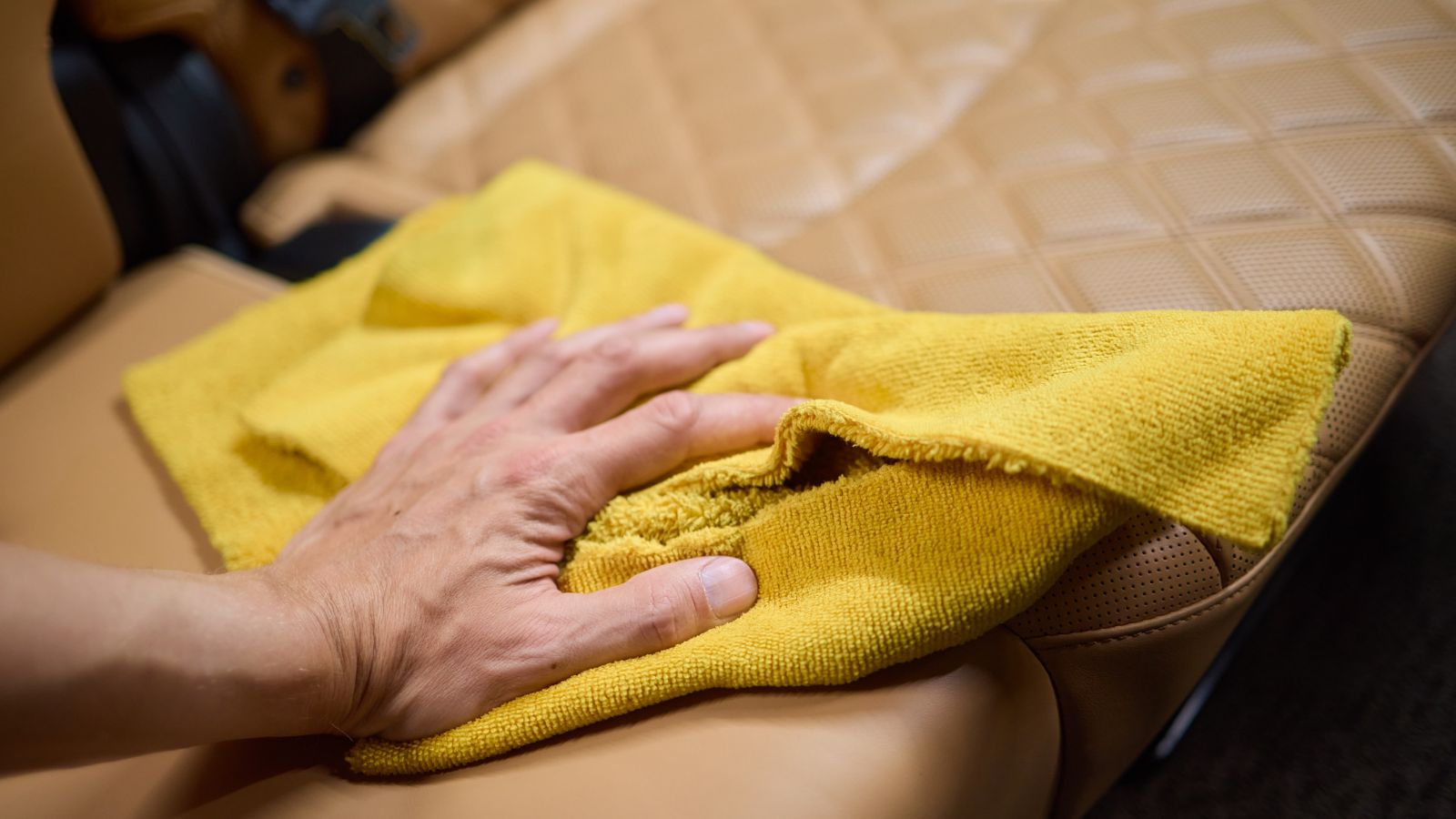
Leather upholstery is not immune to the cabin environment. Research on chrome-tanned leather shows that temperature, humidity, and ultraviolet exposure influence ageing, while automotive leather studies have long treated heat and light resistance as critical durability concerns. Modern car leather is protected by surface coatings, but those coatings still face body oils, perspiration, denim friction, sunscreen, and repeated flexing. The driver’s outer bolster and steering wheel reveal the cumulative effect before the rear seats do.
A lightly creased seat can look natural; a glossy, darkened, cracked bolster looks neglected. The difference often comes down to whether contamination was removed before it became embedded and whether the surface was cleaned with products suitable for coated automotive leather. Heavy conditioners are not always helpful, especially when they leave residue on a sealed surface. Gentle cleaning, limited soaking, and attention to high-contact areas usually preserve an even finish better than occasional aggressive “restoration” sessions.
Harsh Household Cleaners
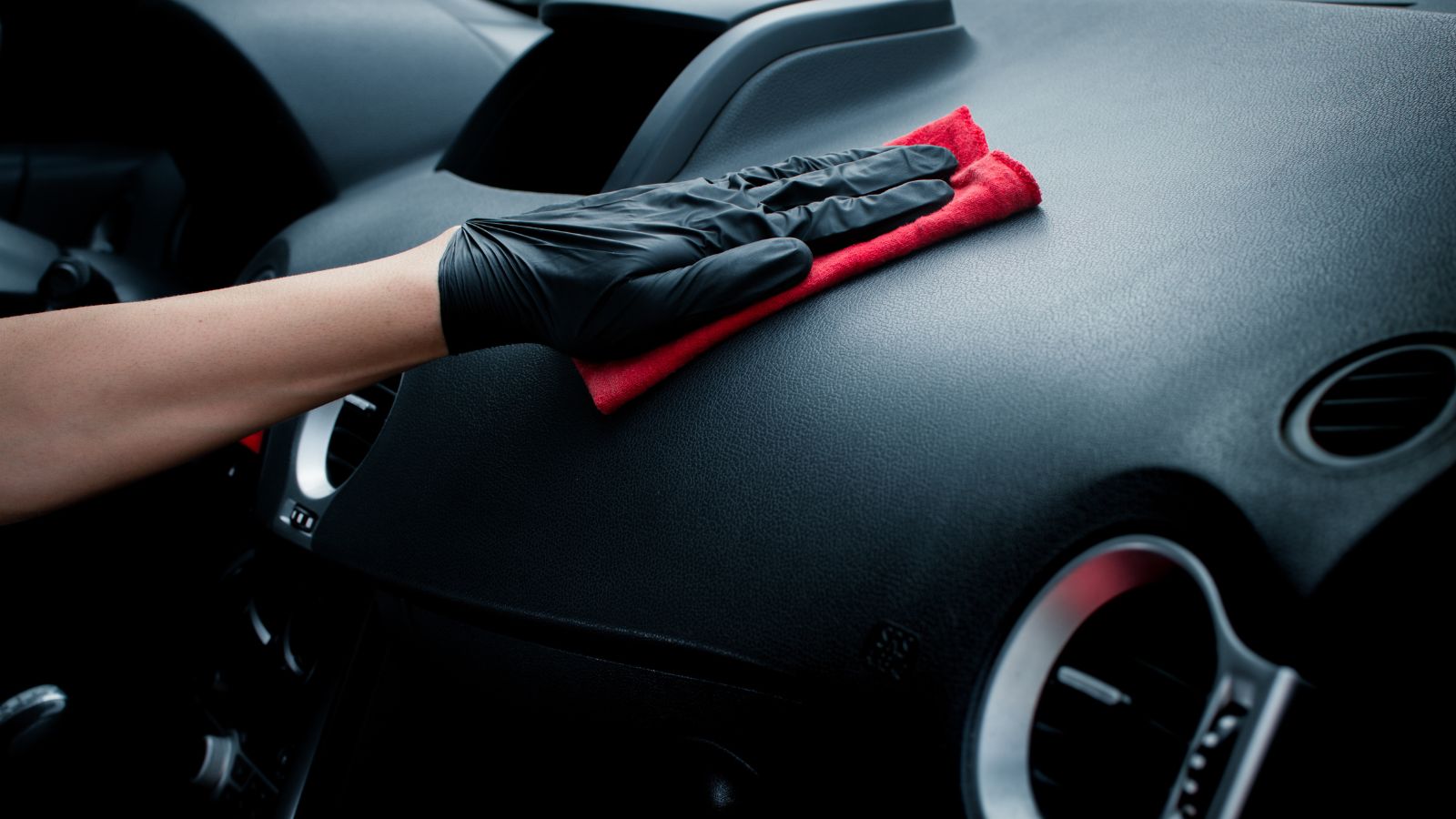
A cleaner that works on a kitchen counter may be too aggressive for a vehicle interior. Cabin surfaces can include painted plastic, polyurethane coatings, vinyl, coated leather, anti-glare films, and printed switch markings within a few centimetres of one another. Tesla’s owner guidance, for example, warns that improper cleaning solutions can damage interior components and specifically restricts certain glass cleaners, alcohol gels, wipes, and statically charged cloths on displays. Chemical compatibility matters more than cleaning strength.
Damage may appear as cloudiness, lost gloss, colour transfer, softened coating, or lettering that disappears from buttons. The mistake is made with good intentions: a driver reaches for a strong degreaser after seeing a shiny steering wheel or sticky cupholder. A safer routine starts with vacuuming and a lightly damp microfiber cloth, then moves to a product approved for the surface. Testing an inconspicuous area is less dramatic than refinishing a permanently blotchy dashboard.
Sunscreen, Lotion, and Hand Sanitizer Transfer
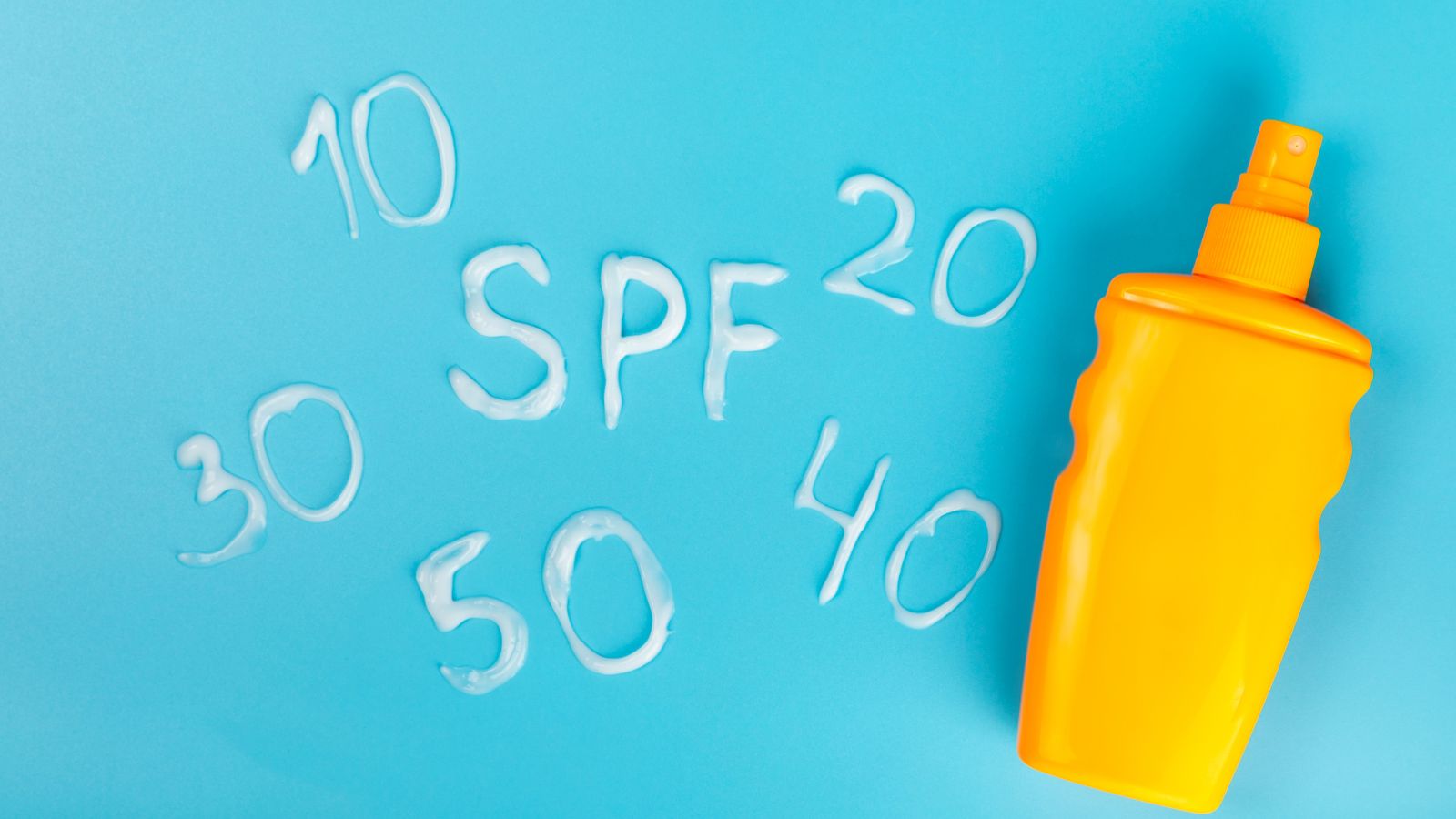
Personal-care products are a source of interior wear. Automakers and testing laboratories maintain specific resistance tests for sunscreen and insect repellent because these substances can stain or chemically affect painted and coated interior parts. Ford publicized material testing involving sunscreen and hand sanitizer, noting that formulations can react with surfaces unless protective finishes are designed to resist them. The issue is visible on door panels, steering wheels, armrests, and seat edges.
A summer driver may leave pale handprints on a black door pull without noticing them until the residue has baked through several hot afternoons. Repeated scrubbing can then create a second problem by polishing or stripping the finish. Fresh transfer is easier to remove than an old, heat-cured mark. Wiping hands before touching trim, using a removable seat towel after beach trips, and cleaning residue promptly with a compatible product can prevent cosmetic marks from becoming permanent discolouration.
Food and Drink Spills Left to Set
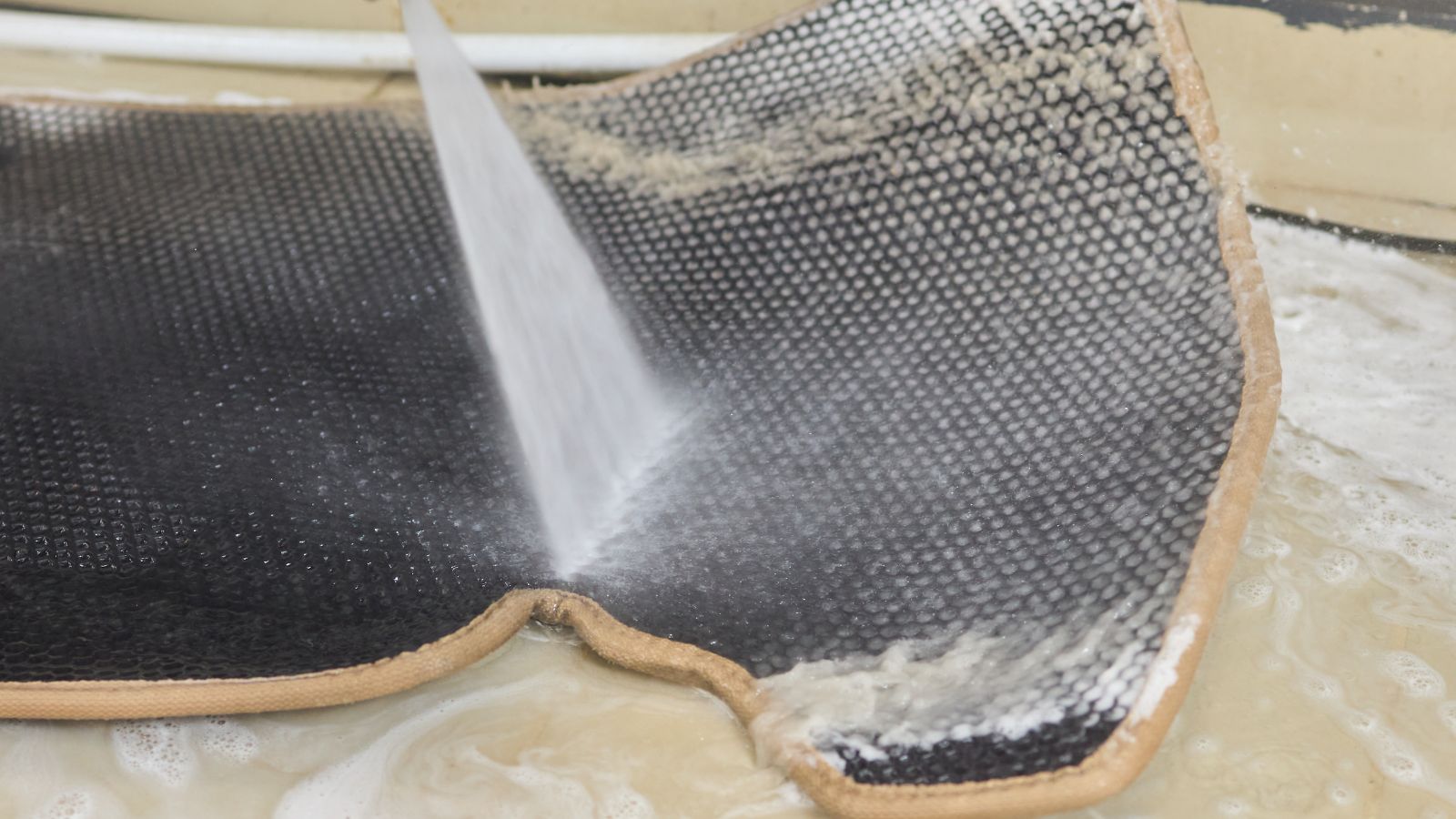
The first minutes after a spill can determine whether it becomes temporary or permanent. Coffee can migrate through perforated leather, milk can reach seat foam, and sugary drinks can dry inside switches or cupholder seams. Once liquid reaches absorbent padding, surface wiping may remove the stain while leaving moisture and organic residue underneath. Hidden material later produces a sour smell or a stain that seems to return.
Moisture guidance from the U.S. Environmental Protection Agency stresses drying wet materials within 24 to 48 hours to reduce the chance of mold growth. Although that advice is written for buildings, the moisture principle is relevant to compact, poorly ventilated vehicle cabins. A rushed wipe with a napkin is not enough for a large spill. Extraction, airflow, and drying matter, especially when the liquid reaches carpet underlay or foam. One forgotten milk spill can make a relatively new interior smell decades older.
Smoking Inside the Cabin

Smoke does not leave through an open window. Research on thirdhand smoke describes pollutants that remain on surfaces and in dust after smoking, then can be re-emitted into the air or transferred through contact. In a vehicle, fabric headliners, seat foam, carpets, seat belts, and ventilation ducts provide surfaces where residue can settle. The yellowing and stale odour associated with a smoker’s car are therefore not just short-lived air-quality problems.
This is why a heavily smoked-in cabin can remain recognizable even after shampooing and fragrance treatment. A used-car seller may clean the visible surfaces, yet warm weather or heater use can release the odour again. Light-coloured headliners and sun visors reveal the history first, while glossy films may build around windows and frequently touched areas. Deep remediation can require repeated cleaning or replacement of porous components, which is far more difficult than preventing residue from accumulating in the first place.
Wet Carpets, Umbrellas, and Trapped Humidity
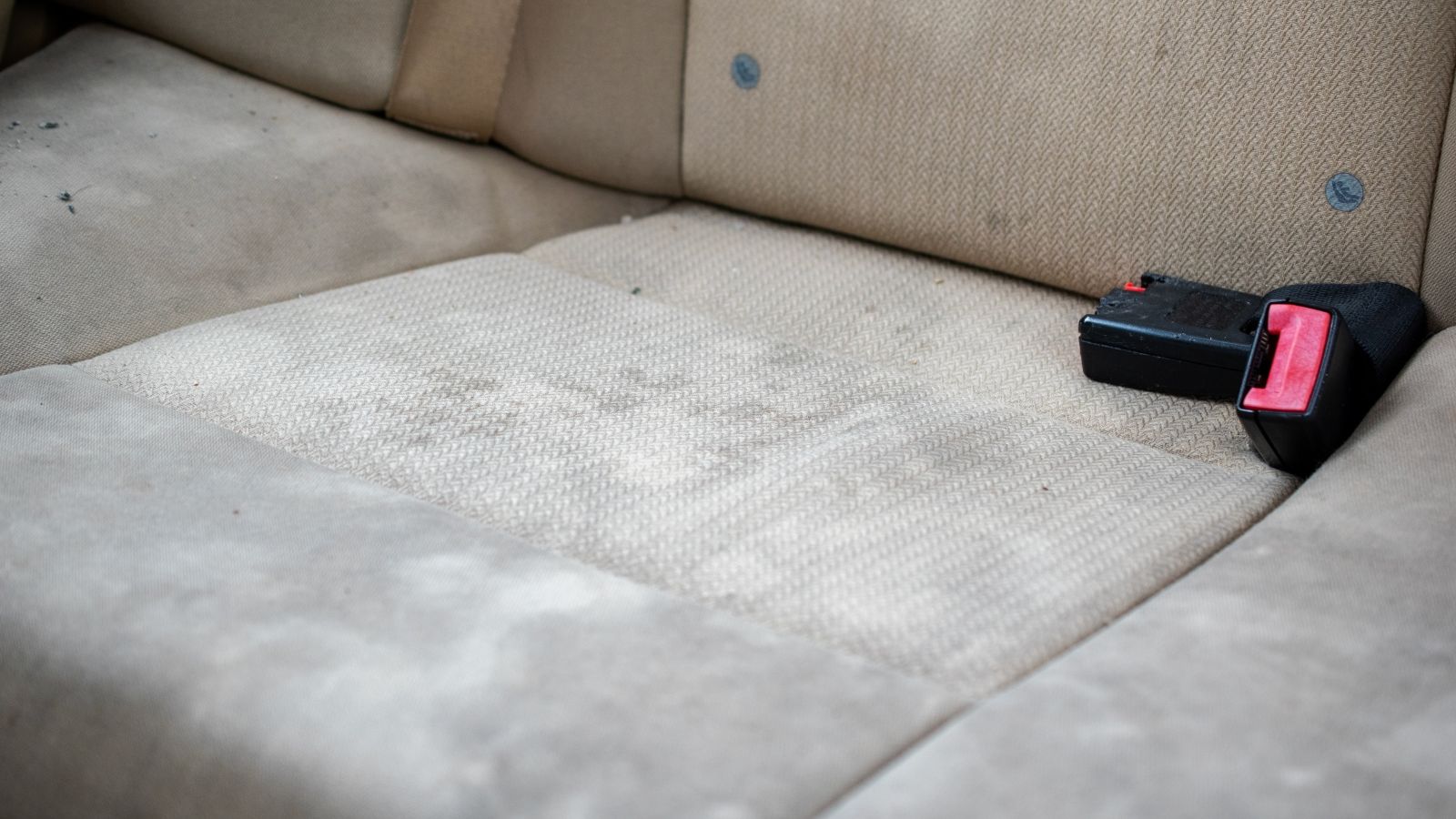
A cabin may stay damp without an obvious flood. Wet umbrellas, snowy boots, soaked floor mats, beach towels, and clothing placed in the cargo area add moisture. If the vehicle is closed before those items dry, humidity rises and water can remain in carpet fibres, foam backing, or underfloor insulation. EPA guidance emphasizes that controlling moisture is the key to controlling mold, and that wet materials should be dried quickly rather than merely deodorized.
The warning signs are subtle: windows fog more easily, the cabin smells earthy after sitting overnight, or metal seat hardware begins showing surface corrosion. Rubber floor liners can hide moisture underneath, creating a dry-looking surface above a wet carpet. Removing wet items, lifting mats, and running ventilation with air can prevent the trapped-water cycle. A scented spray may cover the smell, but it cannot correct the moisture source that makes an interior feel old and unhealthy.
Pets Riding Without Interior Protection

Pets add companionship, but unprotected travel can age upholstery quickly. Claws concentrate force into small contact points, while paws carry grit that increases abrasion. Automotive seat fabrics are evaluated with abrasion tests because repeated rubbing causes measurable weight loss and surface change. A dog jumping onto a seat, turning in place, and bracing during corners can reproduce that wear in the same high-contact zones trip after trip.
The damage is not limited to visible scratches. Hair packs into carpet edges and seat tracks, moisture transfers from coats and paws, and natural oils can darken armrests or door panels. A pet that always rides behind the driver may create an older-looking half of the rear cabin. Secure fitted covers, washable cargo liners, trimmed claws, and prompt vacuuming reduce the accumulation. The best protection is consistent, because one deep scratch in coated leather is harder to disguise than months of loose hair.
Sand, Dust, and Grit Ground Into Surfaces
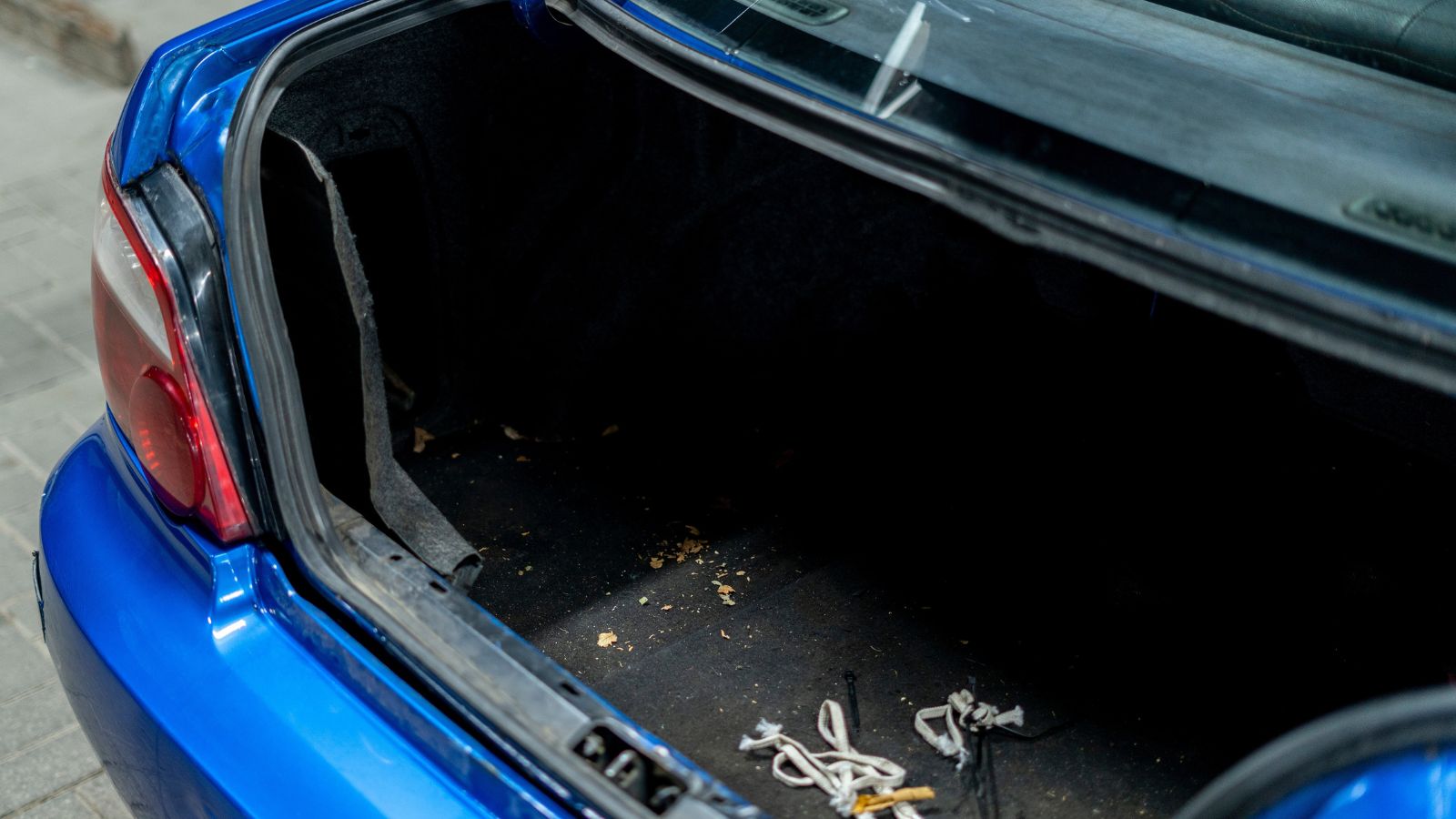
Fine particles are overlooked because each grain is tiny, yet their effect is abrasive. Sand on clothing, dust on a console, and grit trapped in floor mats can be dragged across plastic, leather coatings, and fabric fibres. Automotive upholstery research uses controlled abrasive materials and repeated cycles because rubbing produces progressive wear. The same principle applies when a dusty dashboard is wiped with a dry cloth: the cloth can move particles across the finish rather than lifting them away.
Beach trips and construction-site commuting make the pattern obvious. Door sills become scuffed, seat edges turn polished, and clear instrument covers develop fine marks that catch sunlight. Vacuuming before wiping is more than cosmetic housekeeping. It removes the loose abrasive material before contact pressure turns it into a sanding agent. Very soft brushes, clean microfiber cloths, and frequent mat cleaning preserve texture better than occasional forceful scrubbing after dirt has accumulated.
Sliding Across Seat Bolsters
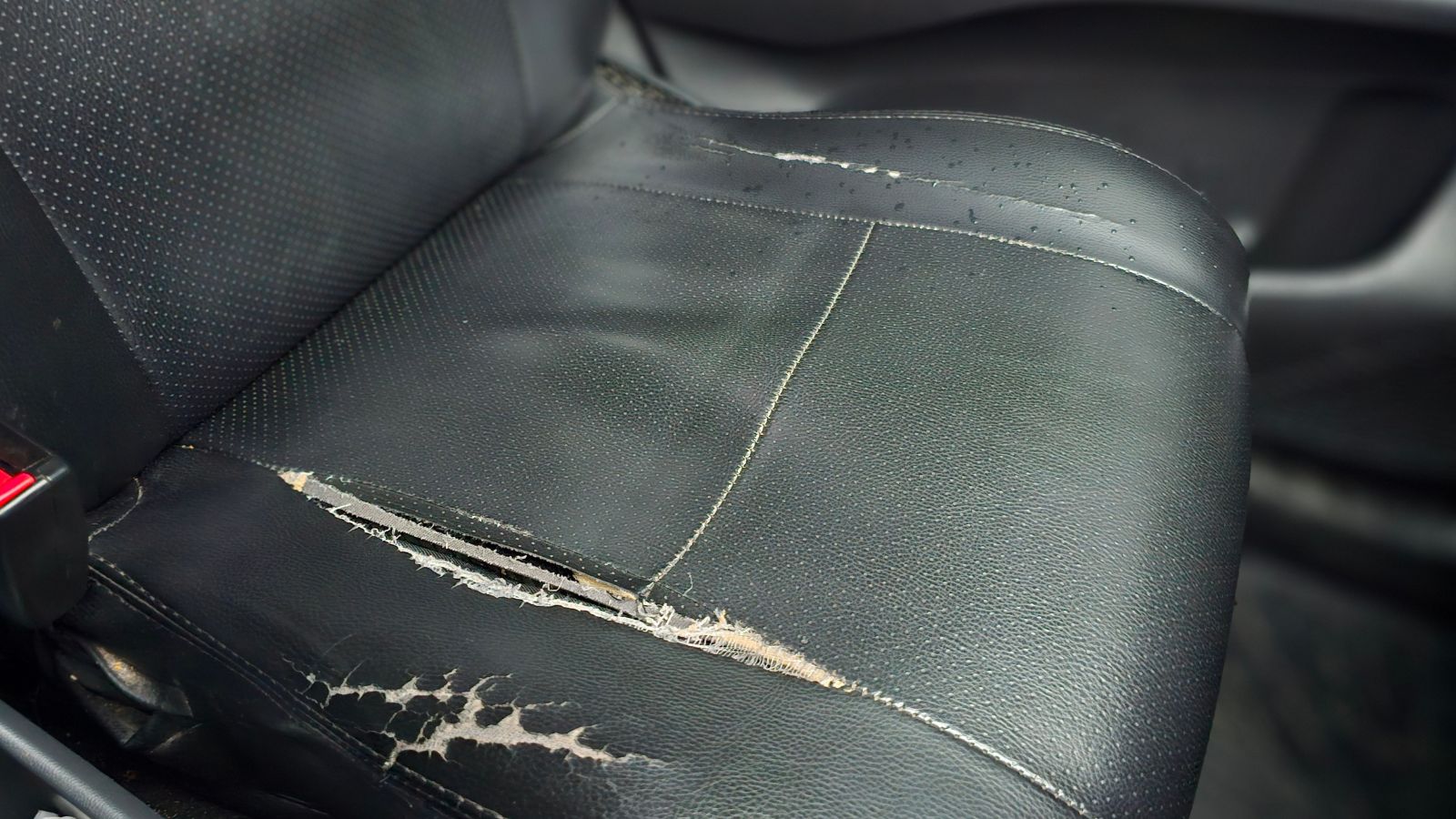
The outer bolster of the driver’s seat is a revealing area in any used car. Every entry and exit bends, compresses, and rubs the narrow strip of material. Upholstery abrasion studies show that wear increases with repeated cycles and is measured through changes such as mass loss. A tall seat cushion, low roofline, tight parking space, or limited door opening can make occupants slide across the bolster rather than lower themselves directly into the seat.
That movement explains why a carefully maintained car may still show cracked leather, flattened foam, or fuzzy fabric on one edge. Keys, belt hardware, rivets, and rough clothing can intensify the contact. Raising the seat to exit, opening the door fully when space allows, and avoiding sharp objects in back pockets can reduce stress on the area. Seat covers may help, but loose covers can create their own friction if they shift with every movement.
High-Gloss Piano-Black Trim

Glossy black trim delivers strong showroom contrast, but it is unforgiving in daily use. Research on scratch visibility in polymers has found that high-gloss surfaces can have lower resistance to visible scratching, partly because reflections make fine surface damage easier to detect. Black surfaces also create strong contrast between highlights, fingerprints, dust, and micro-scratches. A panel can remain structurally sound while looking prematurely worn under direct sunlight.
The centre console usually suffers first because it collects rings, keys, charging cables, and repeated wiping. Even a clean microfiber cloth can mar the surface when dust is already present. Over time, isolated lines merge into a hazy patch that looks permanently dirty. The best defence is low-pressure cleaning after loose particles have been removed, along with avoiding objects that slide across the panel. Matte or textured trim may be less dramatic when new, but it generally disguises ordinary wear more effectively.
Sagging Headliner Fabric
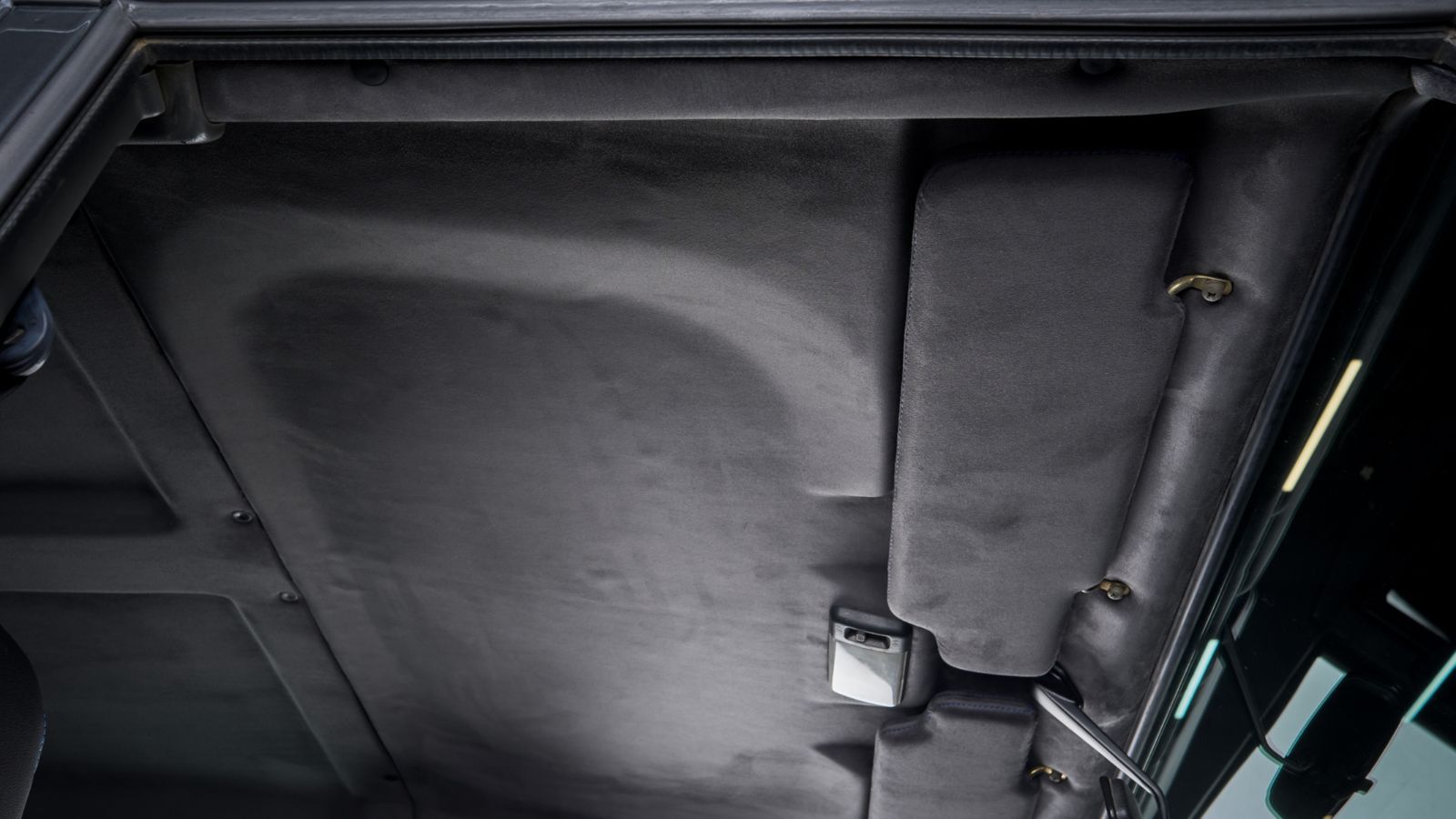
A sagging headliner can make a well-kept vehicle look neglected overnight, yet the failure develops gradually. Automotive headliners rely on adhesive systems to bond foam-backed fabric to a shaped shell. With age, heat, and moisture, the foam layer or adhesive interface can weaken. Once the bond fails, gravity pulls the fabric downward, beginning near the windshield, rear glass, or overhead console where temperature and handling stresses are concentrated.
Owners sometimes try pins, spray adhesive, or improvised clips, but those repairs often create stains, hard spots, or visible punctures. The familiar “curtain” above the rear seats is usually evidence that the foam itself has deteriorated, not merely that one edge came loose. Proper repair generally involves removing the headliner board, stripping degraded foam, and applying new material evenly. Preventing extreme cabin heat cannot guarantee the headliner will last forever, but it reduces one of the environmental stresses placed on the bond.
Improper Touchscreen Cleaning

Large displays have introduced a way for interiors to look old. Fingerprints are harmless, but the cleaning response can be damaging when owners use window spray, paper towels, alcohol gel, or a saturated cloth. Tesla’s cleaning guidance warns against glass cleaners, alcohol-based gel products, wet wipes, and certain dry cloths on its displays. The concern is not the glass alone; modern screens can include anti-glare, anti-fingerprint, or other surface treatments that react poorly to incompatible chemicals and abrasion.
A damaged coating may appear as permanent haze, rainbow-like patches, streaks that never disappear, or a shiny spot where repeated wiping has changed the finish. Spraying liquid directly onto a screen also increases the chance that fluid reaches edges or controls. A clean, soft microfiber cloth and the manufacturer’s approved method are safer than improvisation. As dashboards become more screen-dominant, a clear display determines whether the entire cabin feels modern or tired.
Permanent Adhesive Mounts and Accessories

Phone holders, navigation mounts, decorative strips, air fresheners, and aftermarket gauges can leave visible evidence long after they are removed. Garmin’s guidance for some dashboard mounting disks describes the adhesive as extremely difficult to remove, while other mount instructions warn that soft dashboards may suffer permanent indentation. Heat strengthens some bonds, softens others, and can encourage plasticizer migration or uneven fading around the covered area.
The result may be a clean rectangle surrounded by sun-faded material, a glossy ring where adhesive was scrubbed away, or a compressed patch that never regains its texture. Owners often worsen the mark with blades, solvents, or high heat. Before attaching anything, it is worth checking whether the surface is textured, soft-touch, leather-wrapped, airbag-adjacent, or explicitly excluded by the accessory maker. A removable vent clip or model-specific bracket may look less permanent, but that is precisely why it tends to leave lasting permanent evidence less often.
Neglected Cabin Filtration and Ventilation
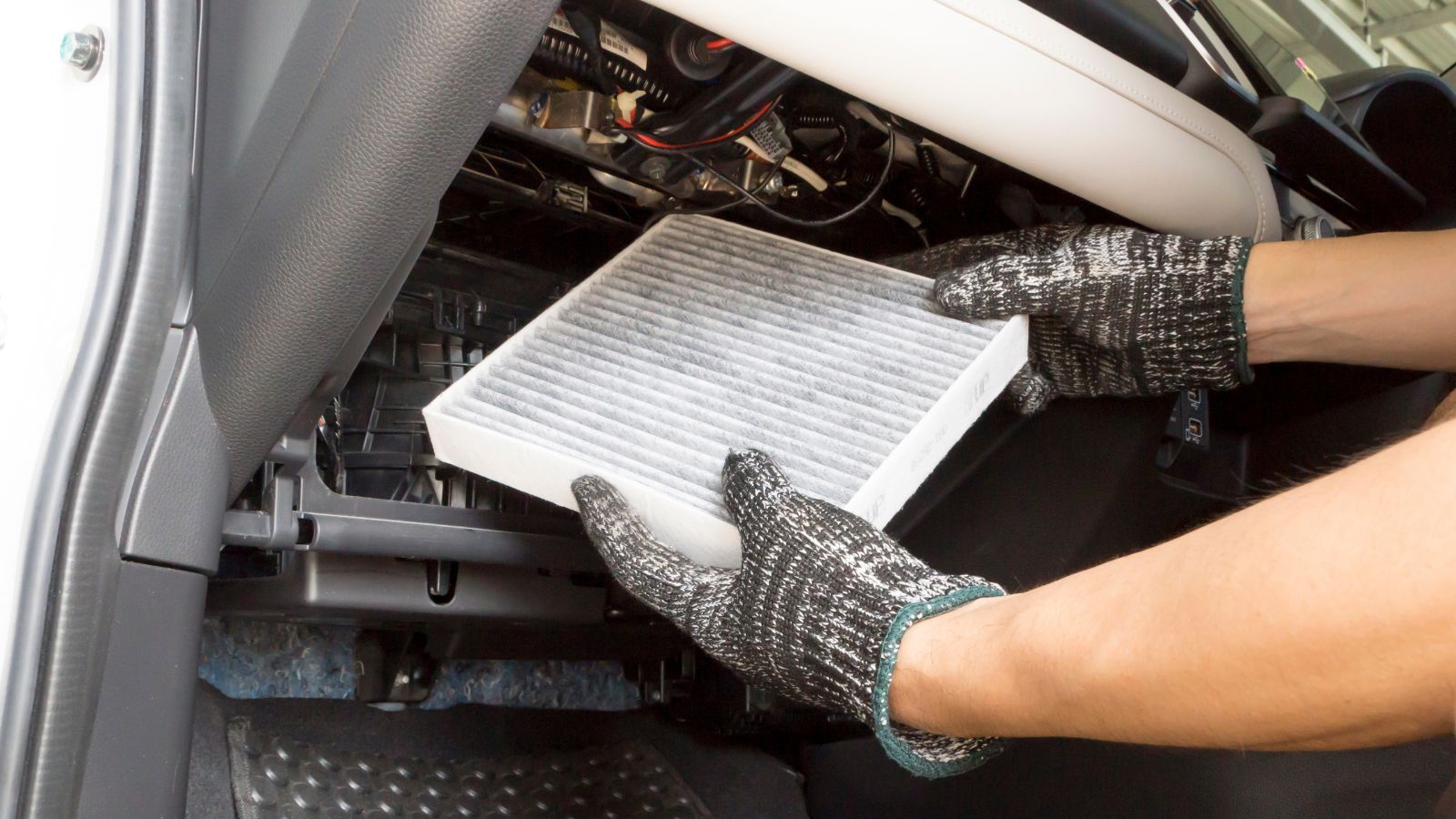
An interior can feel old even when its surfaces look acceptable. Dust from outside air, pollen, traffic particles, and debris entering the heating and air-conditioning system can gradually settle around vents and circulate through the cabin. Research finds cabin filtration can reduce exposure to airborne pollutants, while NHTSA recommends checking cabin filters during seasonal preparation. A clogged or neglected system can also reduce airflow and make stale odours more noticeable.
The example is a car that smells dusty when the fan starts, especially after rain or a long period of disuse. Replacing the filter may help, but persistent odour can indicate moisture or contamination on the evaporator or inside ductwork. Cleaning visible vents without addressing the source provides a brief improvement. A dry cabin, correct routine filter maintenance, and occasional fresh-air ventilation preserve the sensory quality that influences whether passengers ultimately perceive an interior as clean, modern, and cared for.
22 Things Canadians Do to Their Cars in Spring That Mechanics Hate

Spring brings relief to many Canadian drivers after months of snow, freezing temperatures, and icy roads that put serious strain on vehicles. As temperatures rise across the country, drivers begin washing cars, switching tires, and preparing vehicles for warmer weather and upcoming road trips. However, mechanics across Canada notice the same mistakes every spring when drivers attempt to recover from winter damage. Road salt, potholes, and harsh winter driving conditions often leave vehicles with hidden problems that drivers ignore. Some spring habits even create new mechanical issues that could have been avoided with proper maintenance. Here are 22 things Canadians do to their cars in spring that mechanics hate.

Alanna Rosen is an experienced content writer that focuses on many EV and educational content. Her articles are regularly published on Get CyberTrucked and syndicated on large publications.