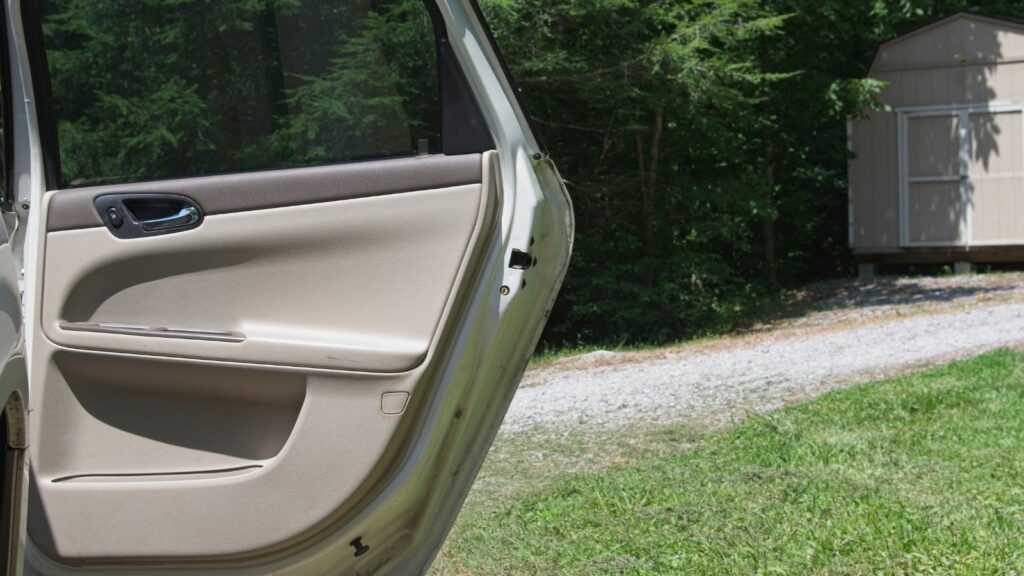
Car theft is rarely random in the way it first appears. Criminals often look for the easiest combination of access, concealment, resale value, and weak security. A vehicle can become more attractive because of something as simple as an unlocked door, a key fob stored near the front entrance, or a bag left where it can be seen through the glass.
These 15 factors explain how everyday habits, vehicle design, parking choices, and valuable components can raise the odds of theft or break-in. The goal is not to create fear, but to show how small changes can remove opportunity. Even after a major U.S. decline in 2025, nearly 660,000 vehicles were reported stolen nationwide, showing that prevention still matters.
1. Leaving Doors or Windows Unlocked

A door left unlocked turns a secured vehicle into an open invitation. Even when nothing valuable is visible, an unlocked cabin gives a thief quick access to the ignition area, registration documents, garage remote, or anything hidden in the console. Open windows and sunroofs create the same problem by reducing the time and noise needed to enter.
Police and road-safety agencies consistently place locking doors and closing windows among their first prevention recommendations. Some modern cars provide a visual clue when left unlocked: power-folding mirrors may remain extended. Metropolitan Police guidance notes that organized thieves can look for that signal while moving through a street or parking area. A five-minute stop at a convenience store can therefore carry the same exposure as overnight parking. The useful habit is simple: lock the vehicle, listen for the confirmation, check the mirrors or lights, and test the handle before walking away every time.
2. Keeping Keys or Spare Fobs Inside

Keys left in the ignition, cupholder, console, or an unlocked gym bag remove obstacles between a thief and the road. Spare fobs can be just as risky. Drivers sometimes hide them inside the vehicle for emergencies, forgetting that a thief who enters the cabin may search the most predictable storage spots first.
NHTSA specifically advises motorists never to leave keys in a vehicle, including during brief fuel stops. The danger is not limited to older cars with metal keys. A push-button vehicle may remain startable when a fob is somewhere inside, and some drivers do not notice that the car failed to lock because the system detected the key. Consider the familiar grocery-store scene: the owner steps away for one forgotten item while the key stays in the console. That short absence can be enough. Keys and spares belong on the person, not anywhere in or near the parked car.
3. Storing a Keyless Fob Near the Front Door
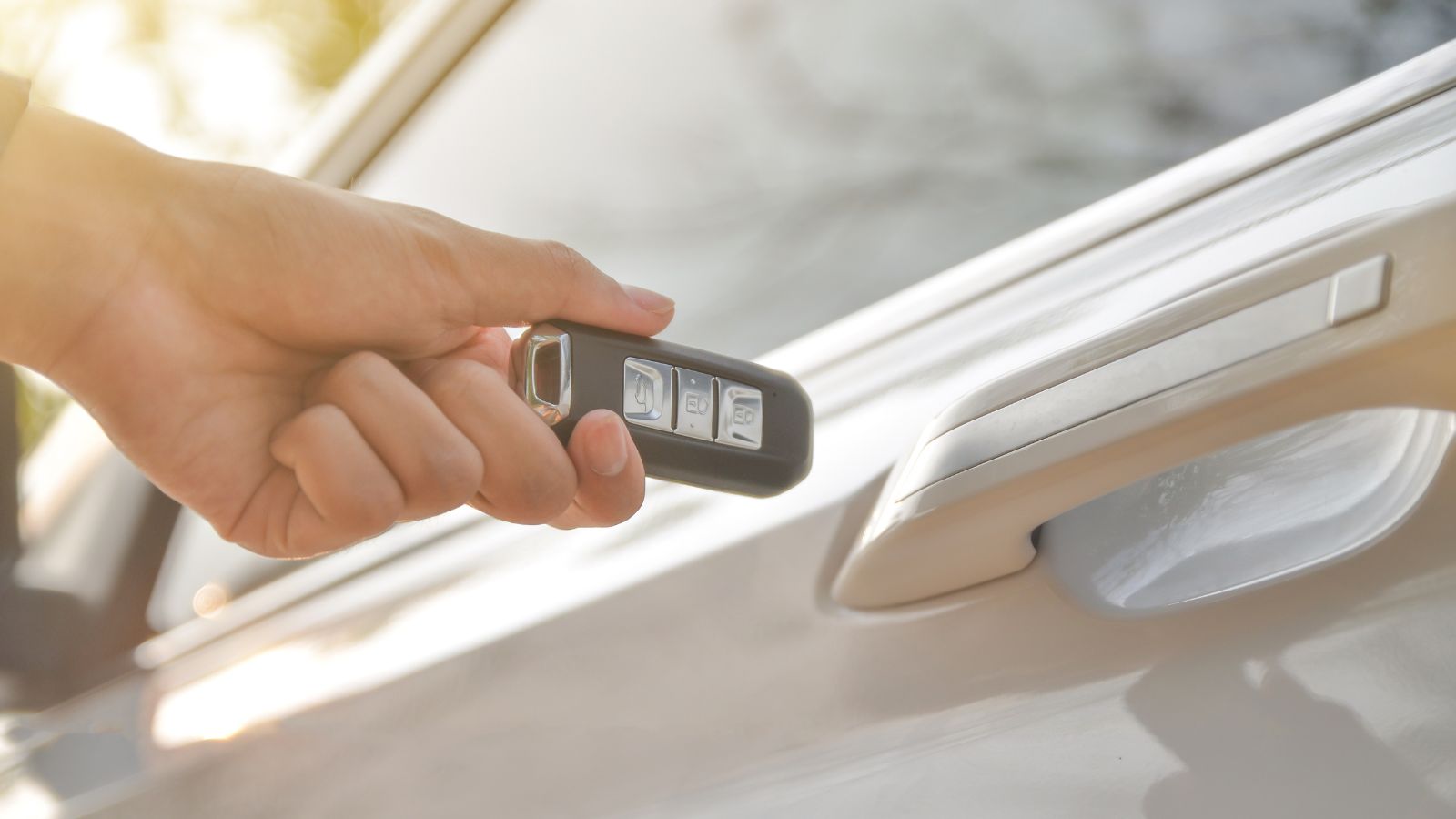
Passive keyless entry is convenient because the vehicle can unlock when the fob is nearby. That convenience can also create a relay-theft opportunity when the fob is stored close to a front door, window, or exterior wall. Criminals may use electronic equipment to extend the apparent distance between the key and the car, fooling the vehicle into responding as though the owner were standing beside it.
Metropolitan Police and Thatcham Research both describe this method and recommend keeping all fobs well away from the vehicle. Signal-blocking pouches can help, but they should be tested periodically by placing the fob inside and checking whether the car still unlocks. Some fobs can also have their wireless function disabled when not in use. A hallway bowl beside the front entrance may feel organized, yet it can place the key within reach of a relay device outside. Moving it deeper indoors adds protection overnight.
4. Leaving the Engine Running Unattended

A running vehicle with no driver nearby is one of the clearest theft opportunities imaginable. Cold-weather warmups, quick coffee stops, driveway defrosting, and curbside deliveries can create the same vulnerable moment: the engine is on, the doors may be unlocked, and the thief does not need to defeat the ignition system.
NHTSA warns drivers not to leave running vehicles unattended, and NICB describes an empty car with its engine running as an invitation to opportunistic criminals. The habit can feel harmless because the owner remains “only a minute away,” perhaps watching from a kitchen window. Yet the vehicle is already prepared to move, which removes the delay that normally protects it. Even locking the doors may not solve the problem when a key or fob remains inside. The safer routine is to shut the engine off, take keys, close the windows, and lock the doors whenever the driver steps away.
5. Displaying Bags, Electronics, or Clothing
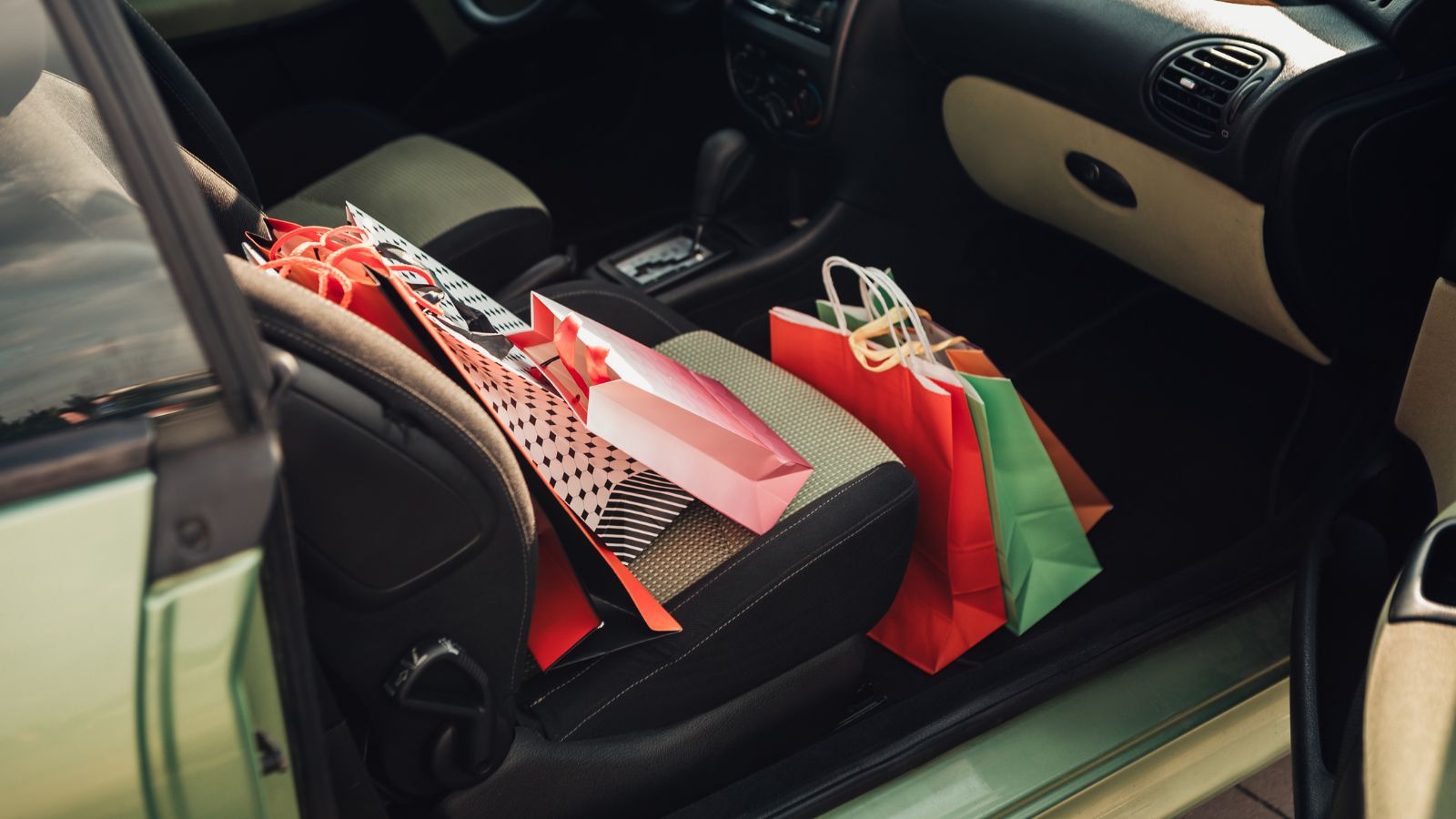
A laptop sleeve, shopping bag, phone cable, or jacket on a seat can advertise a reward even when the item itself is inexpensive. Thieves cannot know whether a closed backpack holds gym clothes or a computer, so the container may be enough to justify a smashed window. Small clues, including a navigation-device mount or charging lead, can suggest that electronics are stored nearby.
Victoria Police recommends removing valuables, GPS units, and dash cameras, then wiping away suction-cup marks that reveal equipment may be hidden in the vehicle. NHTSA likewise advises motorists to hide valuables. The best approach is to remove items before arriving, because moving a bag into the trunk after parking can show an observer exactly where it went. A commuter who tidies the cabin at home creates a less interesting target than one who reorganizes belongings in a lot. An empty-looking interior offers thieves fewer reasons to investigate.
6. Advertising Tools or Commercial Equipment
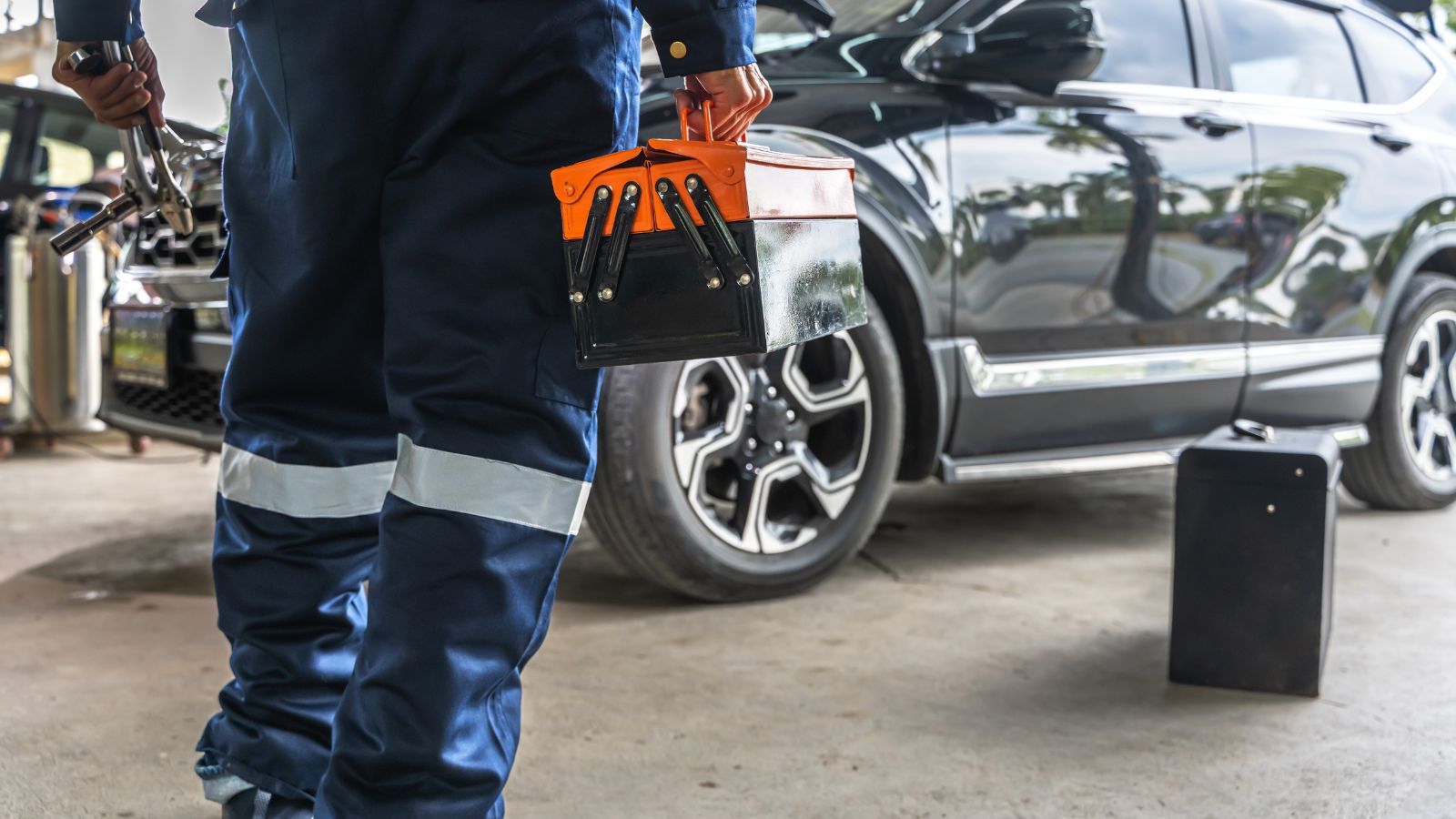
Work vehicles often reveal their value before anyone opens a door. Ladder racks, trade signage, external toolboxes, and equipment cases tell thieves that tools or gear may be inside. Even a pickup with a tonneau cover can suggest cargo worth checking, especially when it is parked overnight in the same place.
Victoria Police advises removing valuables and locking external toolboxes or equipment that cannot be taken indoors. The financial stakes can be larger than the replacement cost alone. A stolen drill, diagnostic scanner, or landscaping tool may cancel jobs, delay income, and force a small business to replace items at once. The safer routine is to unload expensive equipment daily, use secured boxes anchored to it, and avoid displaying inventory through windows. Removing company branding is not always practical, but reducing visible clues and adding locks makes the expected reward smaller and the required effort greater for an opportunistic thief.
7. Parking in Dark or Secluded Areas
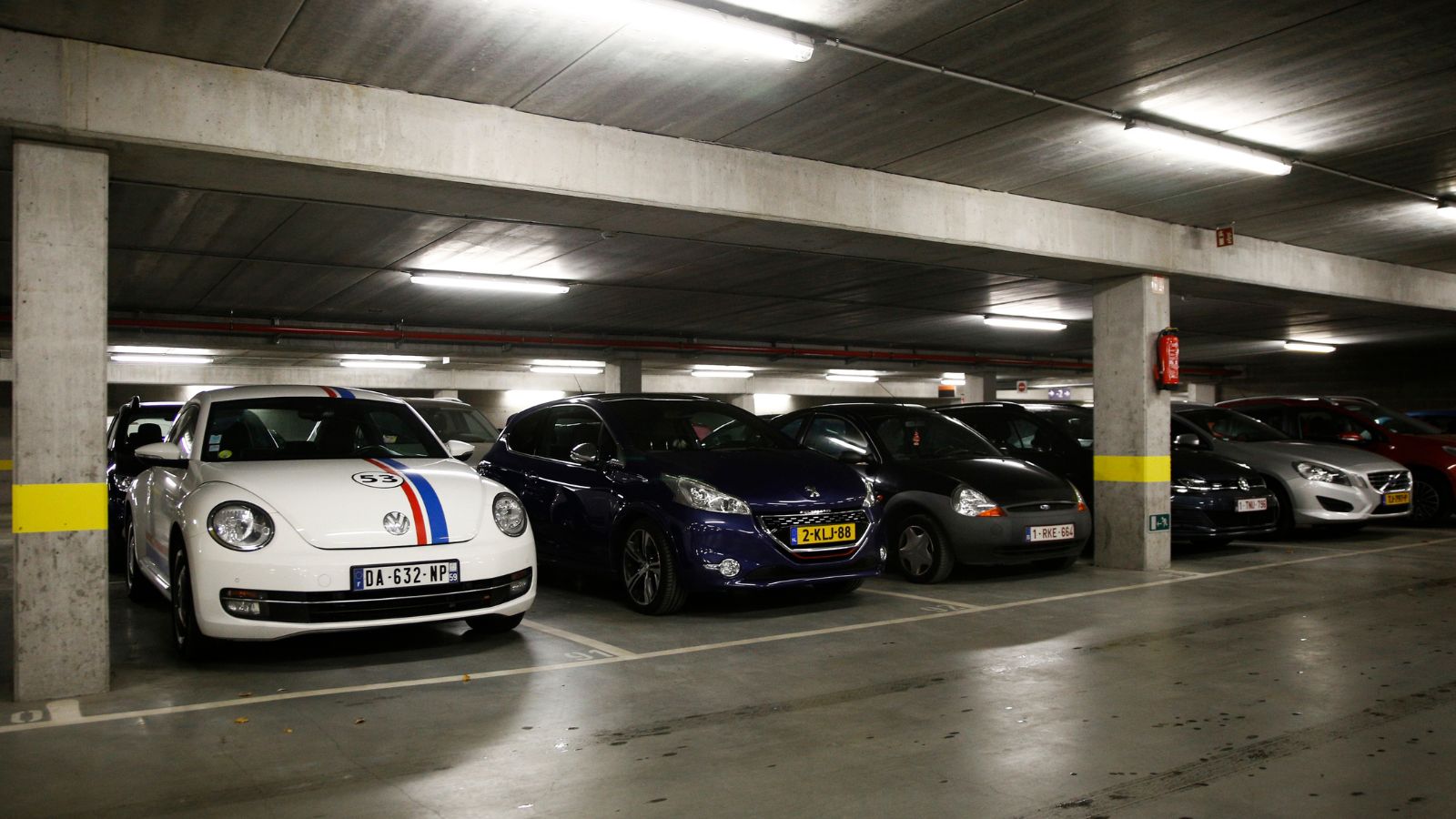
A dark, secluded parking space gives a thief two advantages: fewer witnesses and more time. The closest spot to a destination is not always the safest, particularly when it sits behind a building, beneath broken lighting, or at the quiet end of an empty lot. Concealment can matter as much as the vehicle’s value.
NHTSA recommends well-lit parking, while Metropolitan Police advises choosing illuminated, staffed facilities or busy streets. Cleveland Police adds that vehicles in darker, less active locations are more liable to be damaged or broken into because offenders are harder to see. A driver returning late from work may save two minutes by using an isolated side street, yet that convenience can leave the car unobserved for hours. Better choices include spaces near entrances, pedestrian routes, cameras, attendants, or occupied buildings. Lighting cannot guarantee security, but it raises visibility and reduces the privacy many opportunistic crimes depend upon.
8. Owning a Frequently Stolen Model
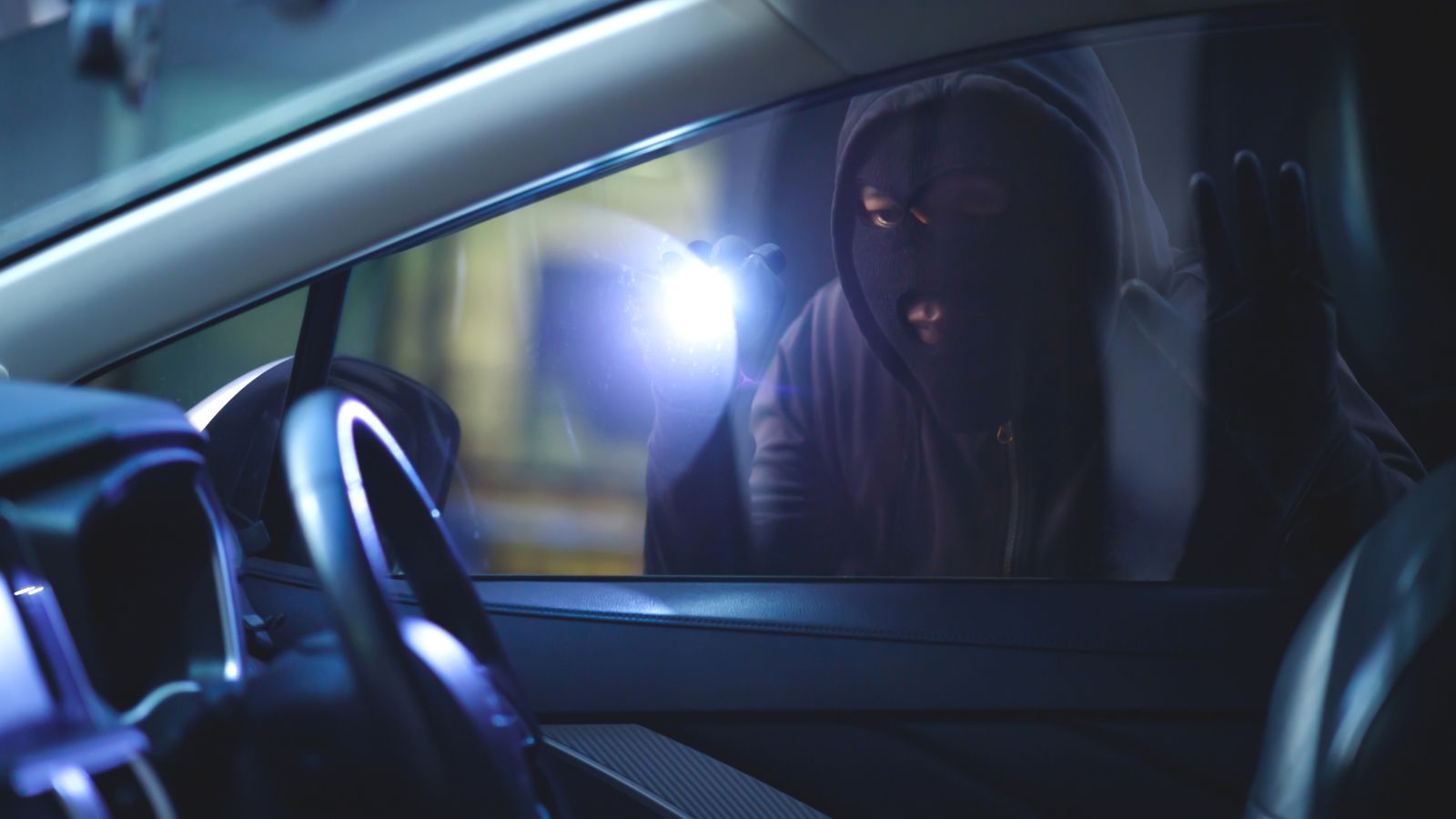
Some vehicles attract more attention simply because thieves know them, can sell their parts, or have learned particular weaknesses. Popularity matters too: a model seen everywhere creates steady demand for replacement components and gives a stolen example more anonymity in traffic. The badge on the trunk can therefore influence risk before the owner does anything wrong.
NICB’s 2025 U.S. data placed the Hyundai Elantra first with 21,732 reported thefts, followed by the Honda Accord with 17,797. The Hyundai Sonata, Chevrolet Silverado 1500, and Honda Civic also ranked near the top. These totals do not mean every example is equally vulnerable; model year, equipment, location, and installed updates matter. Still, owners of frequently targeted models should treat the ranking as a reason for extra layers, not panic. A visible steering lock, current manufacturer security updates, careful key storage, and secure parking can make a familiar target look considerably less convenient overnight.
9. Missing an Immobilizer or Security Update
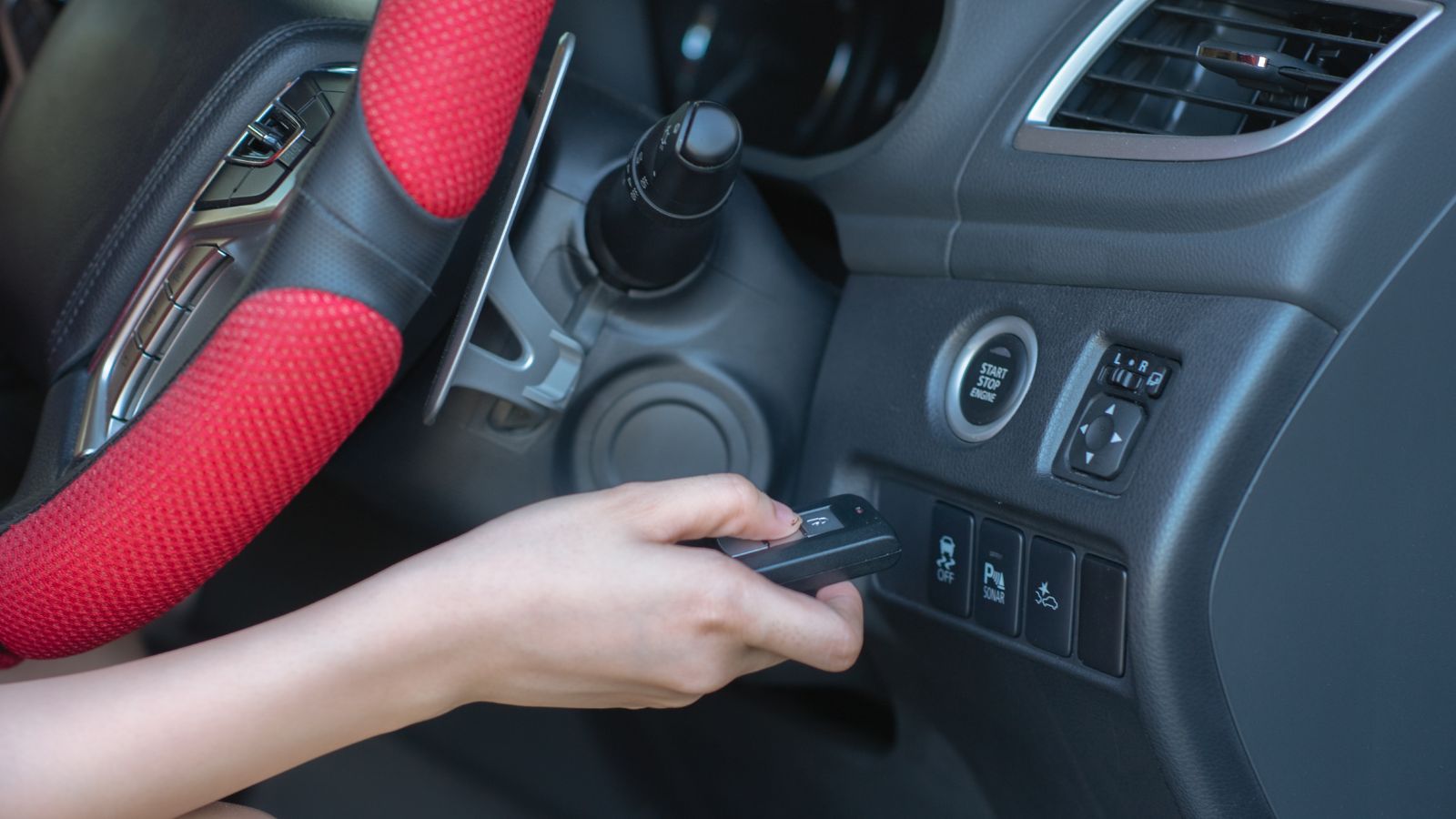
An electronic immobilizer prevents the engine from starting unless the vehicle recognizes an authorized key or signal. Cars without one, or with security that has not received an available update, can stand out to thieves who already know which versions are easier to defeat. The difference may be invisible to the owner but familiar within theft networks and online communities.
Highway Loss Data Institute research showed how much this technology matters. A theft-deterrent software upgrade for eligible Hyundai and Kia vehicles without immobilizers reduced theft claim frequency by 53 percent and whole-vehicle theft frequency by 64 percent compared with vehicles that had not received the upgrade. The lesson extends beyond those brands: factory campaigns, software patches, and recall-related security work should not be postponed. Owners can check with a dealer using the vehicle identification number. A car that looks unchanged after an update may be harder to start without authorization.
10. Relying Only on Factory Security
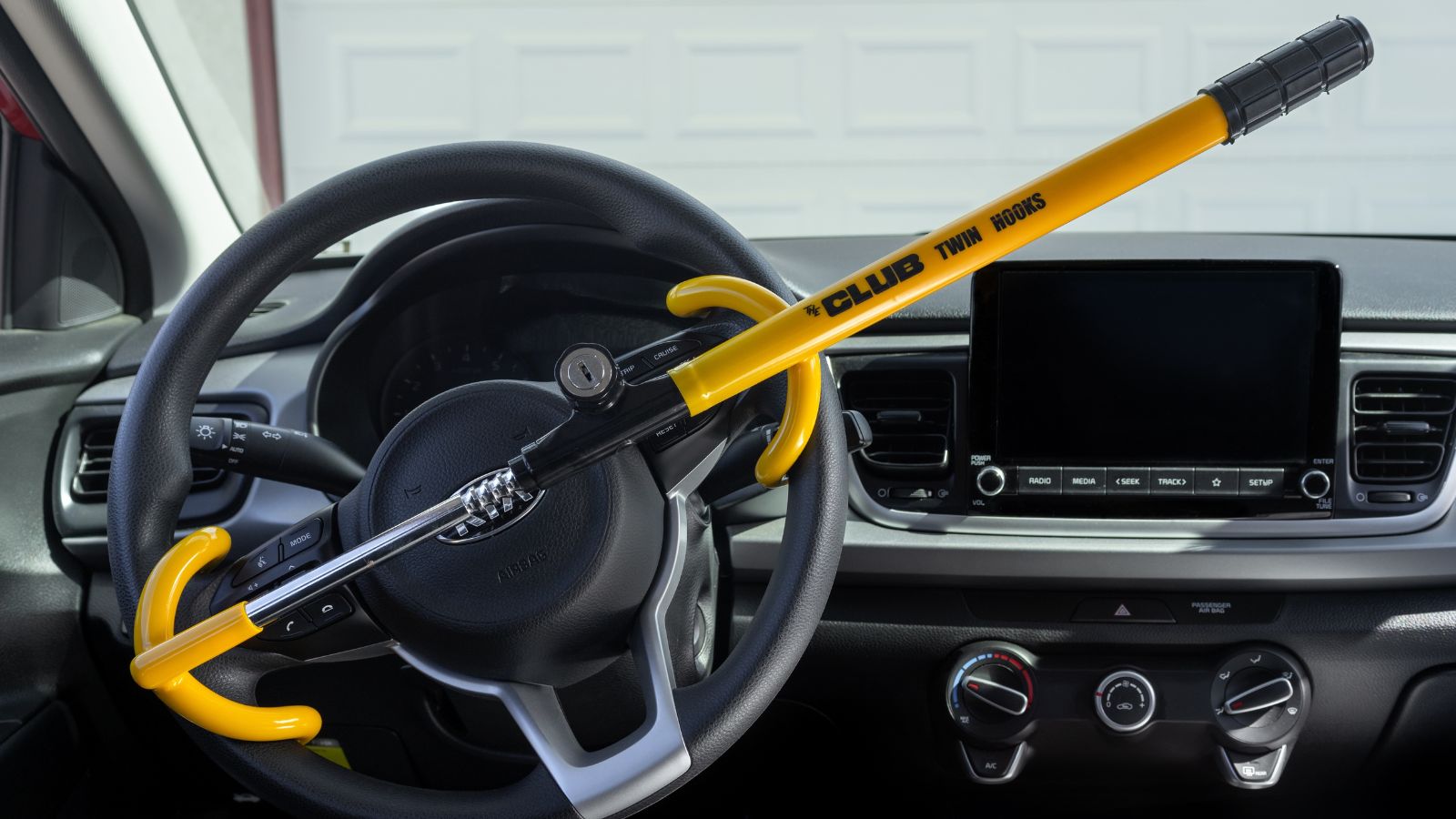
Factory security matters, but relying on one layer can leave a vehicle looking easier than the car beside it. A steering-wheel bar, pedal lock, gear-selector lock, alarm decal, or a visible device tells an approaching thief that entry will not immediately produce a drivable vehicle. Deterrence begins before any glass is broken.
Metropolitan Police notes that additional physical security can prevent a vehicle from being driven away even after a thief gains entry. NICB similarly recommends layered protection, including audible alarms, steering locks, immobilizing devices, and tracking technology. No product makes theft impossible, and cheap devices vary widely in strength. The practical advantage is added time, noise, uncertainty, and effort. In a row of comparable cars, the one displaying a fitted lock may be passed over for an easier option. The strongest setup combines a visible barrier with an immobilizer and a tracker rather than treating one gadget as sufficient.
11. Having an Easily Reached Catalytic Converter
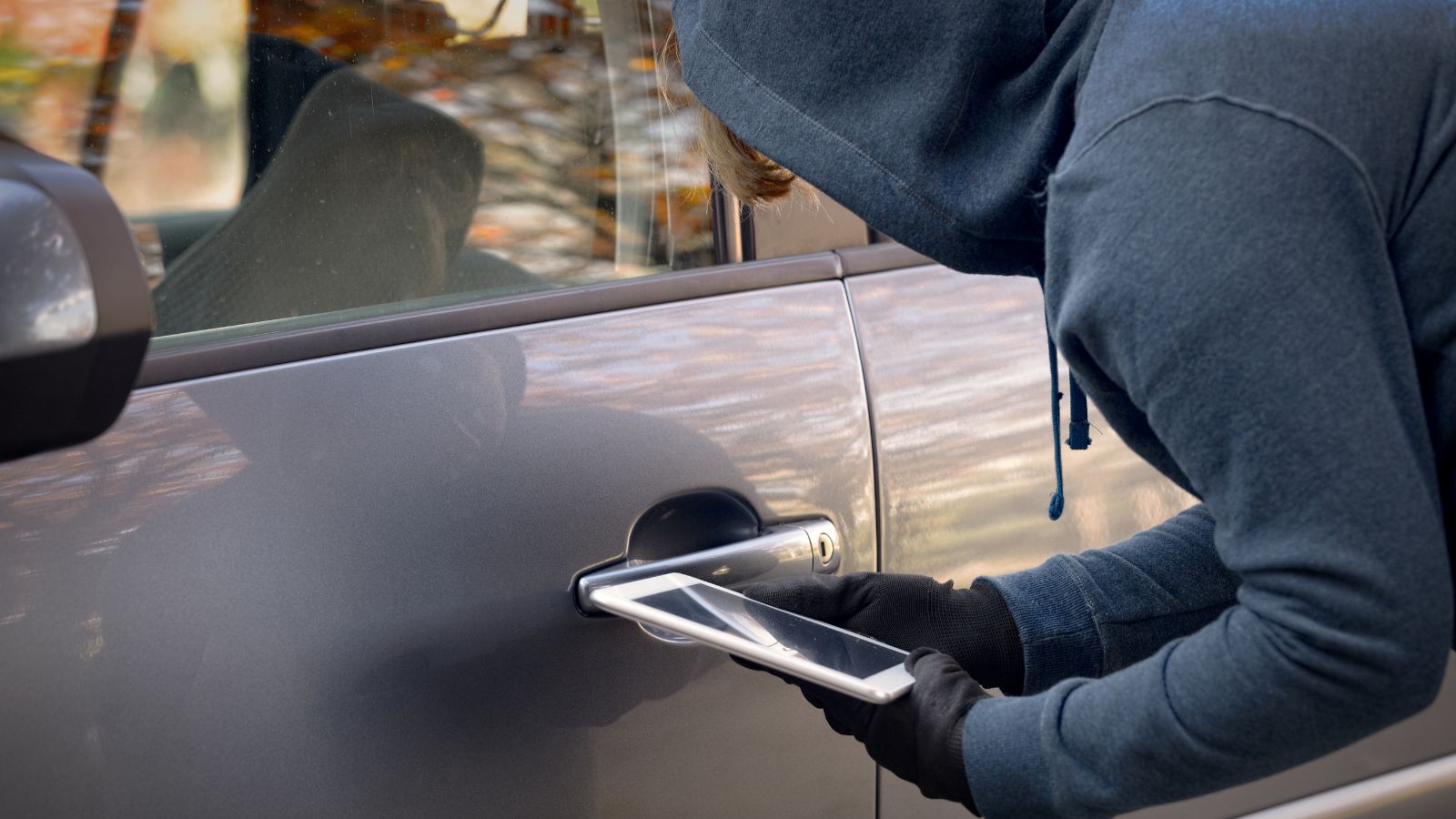
A thief does not need to steal the whole car to create a loss. Catalytic converters contain valuable metals and can be removed from beneath a vehicle, making them attractive components for resale. Vehicles with generous ground clearance ease access, so SUVs, pickups, and vans can face added exposure when parked in open areas.
The Metropolitan Police specifically warns that vehicles sitting high above the road are vulnerable. A 2026 U.S. Justice Department case described a nationwide market driven by valuable metals, relative ease of removal, and limited identifying marks; certain converters could bring more than $1,200 on the black market. Owners can reduce access by using a locked garage, parking where the underside is harder to reach, or installing a model-appropriate shield. Registration and forensic marking may also make disposal more difficult. The unmistakable roaring exhaust on startup is often the owner’s first sign that the converter is gone.
12. Installing Valuable Wheels or Removable Parts
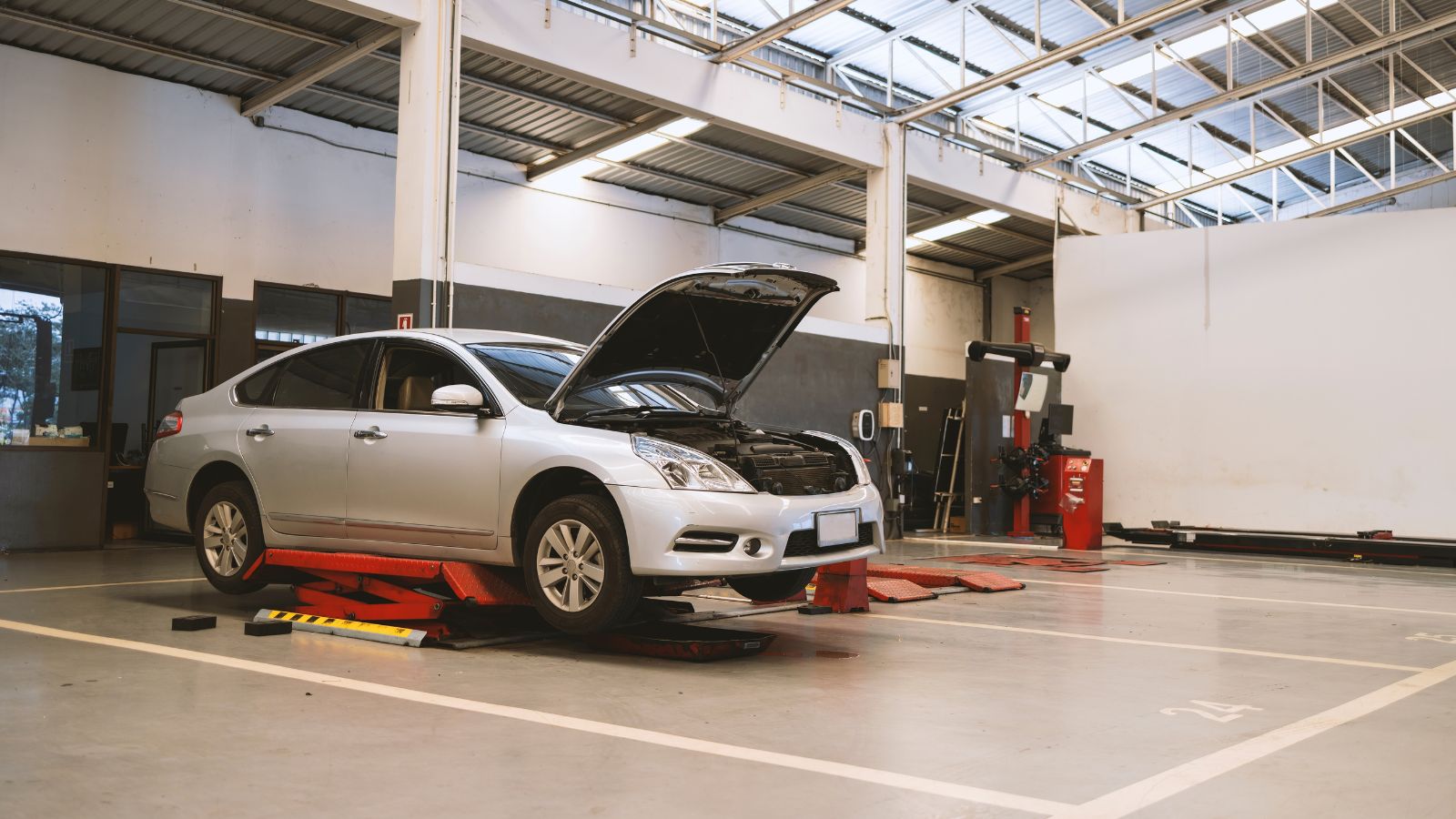
Wheels, performance tires, LED headlamps, pickup tailgates, and other removable parts can make a parked vehicle valuable without the engine ever starting. Professional thieves may prefer components because they can be separated, transported, and sold individually. A vehicle with desirable factory upgrades or obvious aftermarket equipment can therefore attract both whole-car thieves and parts specialists.
NICB has noted that wheels, tires, and tailgates maintain strong resale markets. Its parts analysis found that commonly replaced components on a 2016 Toyota Camry were valued at nearly $11,000 before labor, while selected components on a 2016 GMC Sierra exceeded $21,000. Prices have changed since that analysis, but the basic incentive remains clear. Locking lug nuts, a tailgate lock, secure parking, and identifying marks add friction. Owners should also photograph modifications and record serial numbers. A gleaming wheel package may improve appearance, yet it can also advertise portable value from across a parking lot.
13. Leaving the Diagnostic Port Unprotected
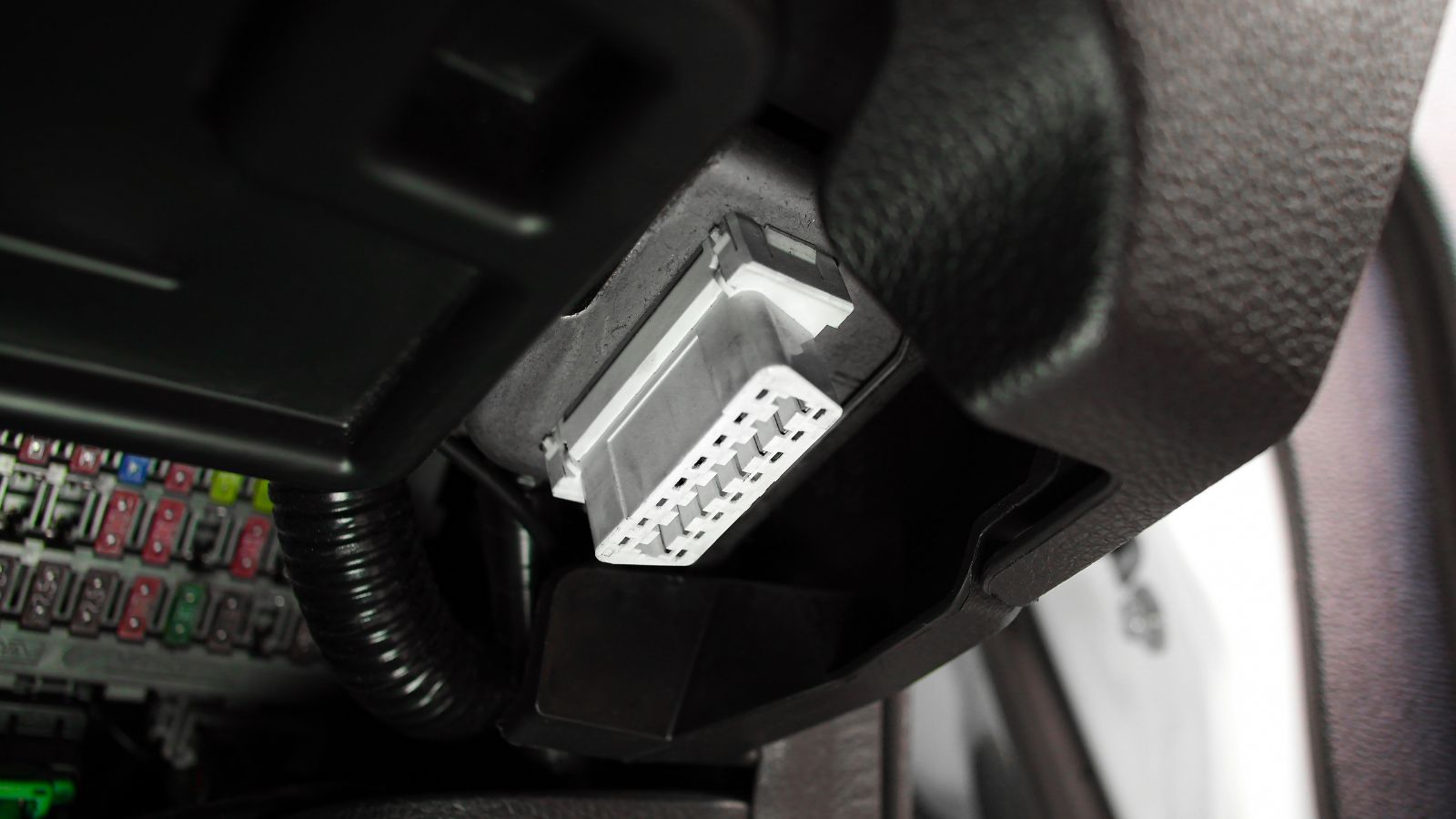
The diagnostic port beneath the dashboard exists so technicians can read faults, perform service work, and in some vehicles program keys. That access can become a weakness after someone enters the cabin. A thief equipped for electronic theft may use the port to make the vehicle accept another key, bypassing the security expectations created by push-button start.
Thatcham Research identifies on-board diagnostic access as a digital theft route, while Metropolitan Police advises owners of affected vehicles to consider a lockable port cover. Risk varies by make, model, and year, so a generic device should not be installed without confirming compatibility and emergency-service access. The larger lesson is that locking the cabin remains essential even when the engine appears electronically protected. For a targeted vehicle, a steering lock, approved immobilizer, diagnostic-port protection, and current software can work together. Modern convenience does not eliminate theft; it changes the points that need defending.
14. Regularly Parking in a Theft Hot Spot
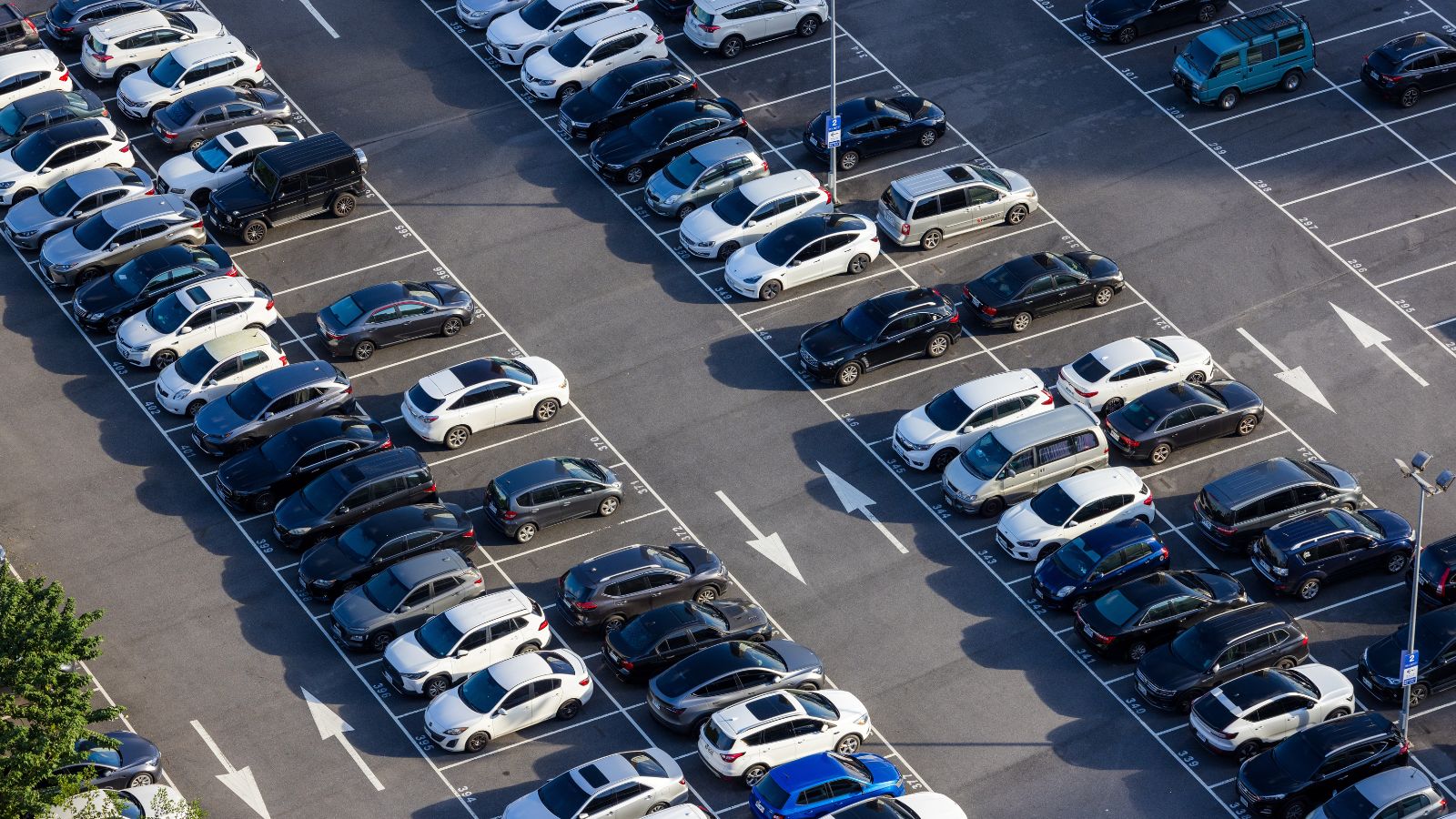
Where a vehicle spends the night can matter as much as what it is. Theft risk is not evenly distributed, and repeat activity often concentrates around particular streets, apartment complexes, transit corridors, entertainment districts, and large parking facilities. A desirable car parked regularly in a known hot spot may receive more attention than the same vehicle in a controlled garage.
NICB reported that more than one-third of U.S. vehicle thefts in 2025 occurred within the ten metropolitan areas recording the highest totals. Los Angeles–Long Beach–Anaheim alone reported 53,911 thefts, while New York, Chicago, Houston, and San Francisco–Oakland also ranked highly. Metro totals do not identify the risk on every block, but they show why local information matters. Drivers can review police crime maps, building notices, insurer guidance, and recent neighborhood reports. In higher-risk areas, secure garages, staffed lots, cameras, lighting, physical locks, and trackers deserve greater priority than convenience alone.
15. Leaving Documents and Home Access Inside
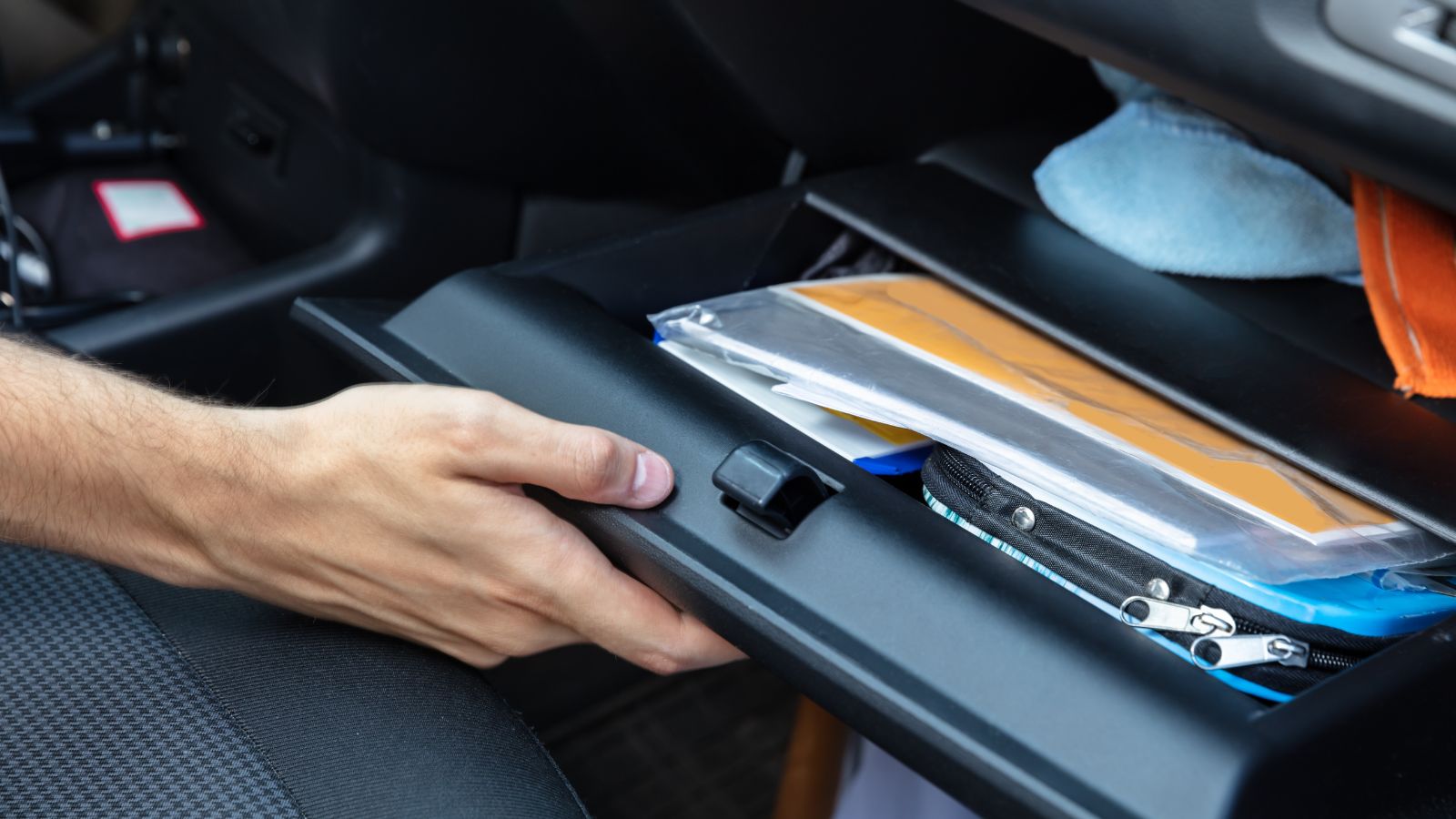
A car becomes more attractive when it contains access to something beyond the car. Registration papers can reveal a home address, while house keys and a garage-door remote may provide entry. The vehicle may be parked at an airport, workplace, or restaurant, signaling that the associated home could be unattended for hours.
Victoria Police warns motorists not to leave documents, house keys, or garage openers in vehicles because they may contribute to identity theft or later burglary. The target may begin with an unlocked console, then expand once the thief discovers personal information. Digital navigation systems can create similar exposure when “Home” is saved as an exact address. Practical protection means carrying essential documents where local law permits, securing necessary copies, removing remotes and spare keys, and using a nearby landmark instead of a precise home destination. An empty console denies thieves property and a roadmap to a second crime.
22 Things Canadians Do to Their Cars in Spring That Mechanics Hate

Spring brings relief to many Canadian drivers after months of snow, freezing temperatures, and icy roads that put serious strain on vehicles. As temperatures rise across the country, drivers begin washing cars, switching tires, and preparing vehicles for warmer weather and upcoming road trips. However, mechanics across Canada notice the same mistakes every spring when drivers attempt to recover from winter damage. Road salt, potholes, and harsh winter driving conditions often leave vehicles with hidden problems that drivers ignore. Some spring habits even create new mechanical issues that could have been avoided with proper maintenance. Here are 22 things Canadians do to their cars in spring that mechanics hate.

Alanna Rosen is an experienced content writer that focuses on many EV and educational content. Her articles are regularly published on Get CyberTrucked and syndicated on large publications.