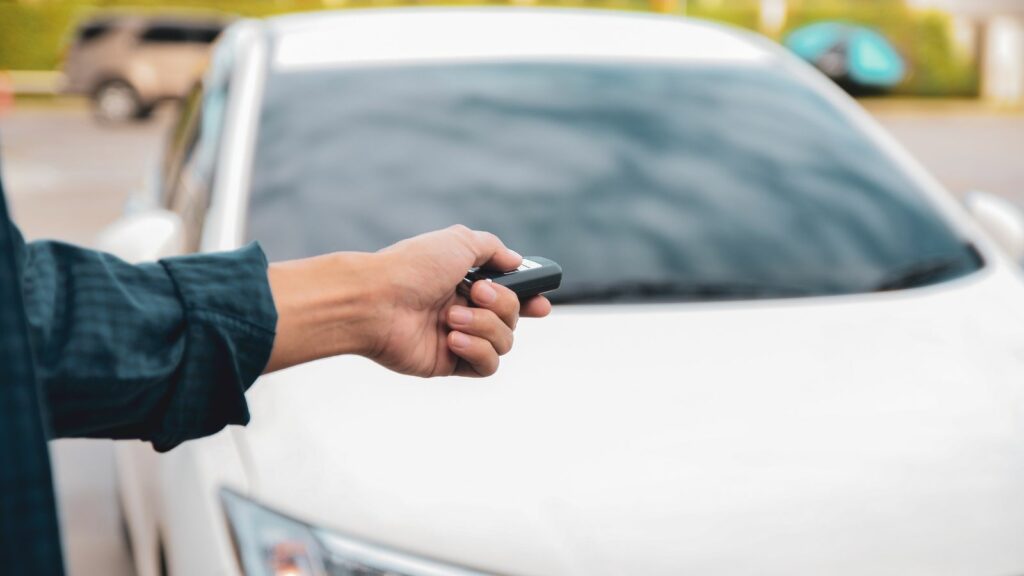
For years, the electronic key fob seemed like one of the easiest automotive upgrades to appreciate. It unlocked doors with full hands, enabled push-button starting, and quietly replaced the ritual of searching for a metal key. The backlash began when that convenience accumulated conditions: protect the signal, replace the battery, learn the emergency start procedure, budget for programming, and double-check that the vehicle actually locked.
The 12 concerns below explain why some drivers are reconsidering passive-entry and smart-key systems. The issue is not simple nostalgia. Electronic immobilizers and proximity access offer genuine benefits, but trust weakens when a basic task depends on invisible radio communication, model-specific software, and a small device whose failure can interrupt the entire trip.
The Theft Risk Became Impossible to Ignore
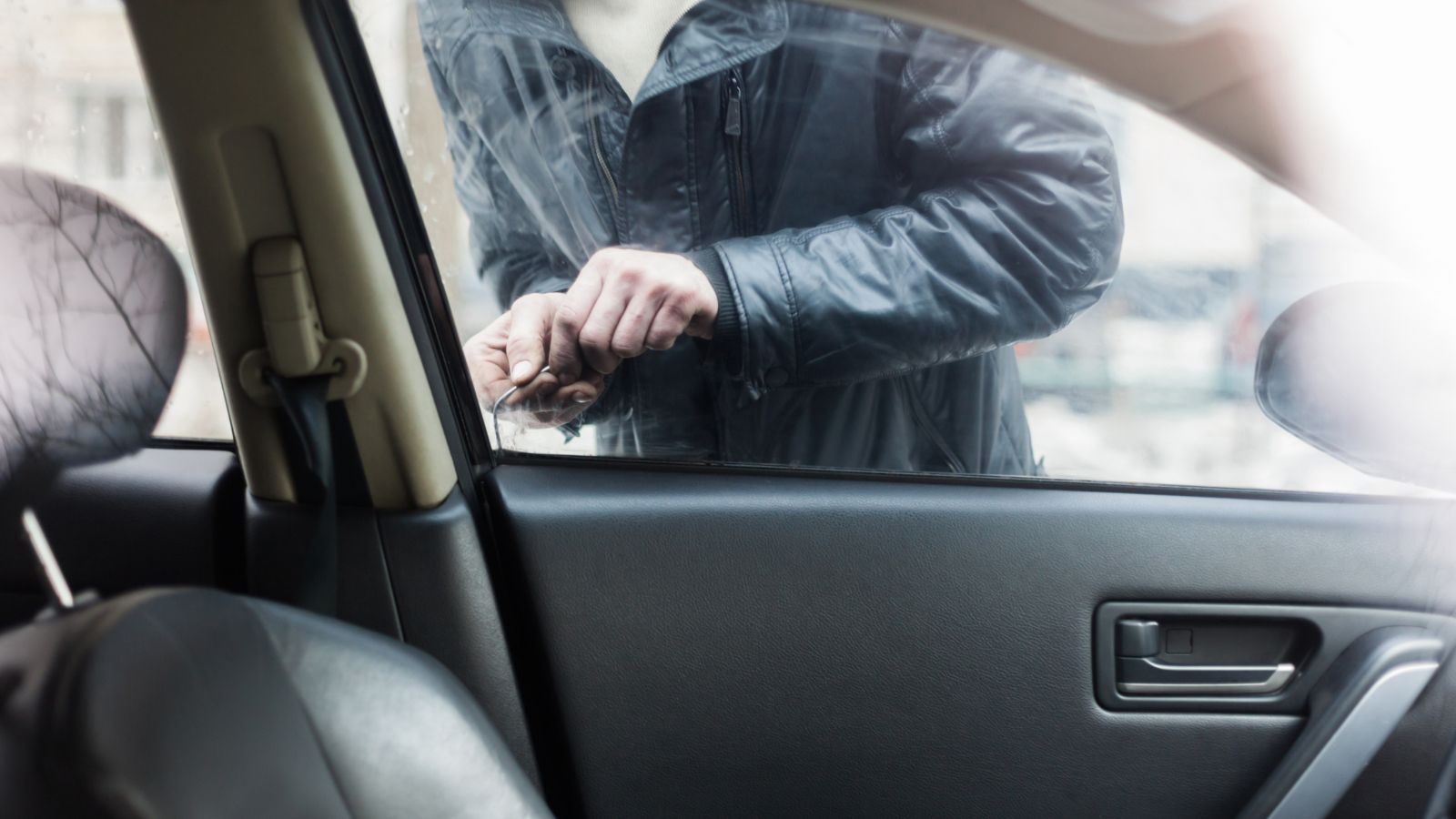
Passive-entry fobs were sold as a frictionless upgrade: keep the device in a pocket, touch the handle, and drive away. That promise is harder to enjoy once owners learn that some systems can be targeted through relay attacks. In this technique, criminals extend or retransmit communication between a nearby vehicle and a fob located elsewhere, making the vehicle behave as though its authorized key is present.
The anxiety is not merely theoretical, although keyless technology is only one part of the wider theft problem. Statistics Canada recorded 83,652 police-reported motor-vehicle thefts in 2025, equal to 201 incidents per 100,000 people. That was a 16% improvement from 2024, yet still represents hundreds of vehicles disappearing on an average day. For an owner who bought keyless entry as a premium convenience, being told to rethink where the fob sleeps can feel like the feature transferred responsibility from the manufacturer back to the household.
Convenience Now Comes With a Nightly Security Ritual
The most visible sign of lost confidence may be the Faraday pouch sitting beside the front door. Police and vehicle-security organizations advise some owners to store passive-entry fobs, including spares, in signal-blocking containers. They may also suggest disabling passive entry overnight or asking whether the fob contains a motion sensor that stops transmitting after it remains still.
Those precautions can reduce exposure to relay theft, but they also reverse the original sales pitch. A device meant to disappear into a pocket now has to be placed carefully in a tested pouch, kept away from exterior walls, and sometimes awakened before every trip. A family may end up with two pouches, a steering-wheel lock, and a nightly routine around a vehicle advertised as effortless. The frustration is psychological as much as practical: every added ritual reminds the owner that convenience was achieved by leaving a wireless access system ready to respond.
A Tiny Battery Can Stop the Whole Routine
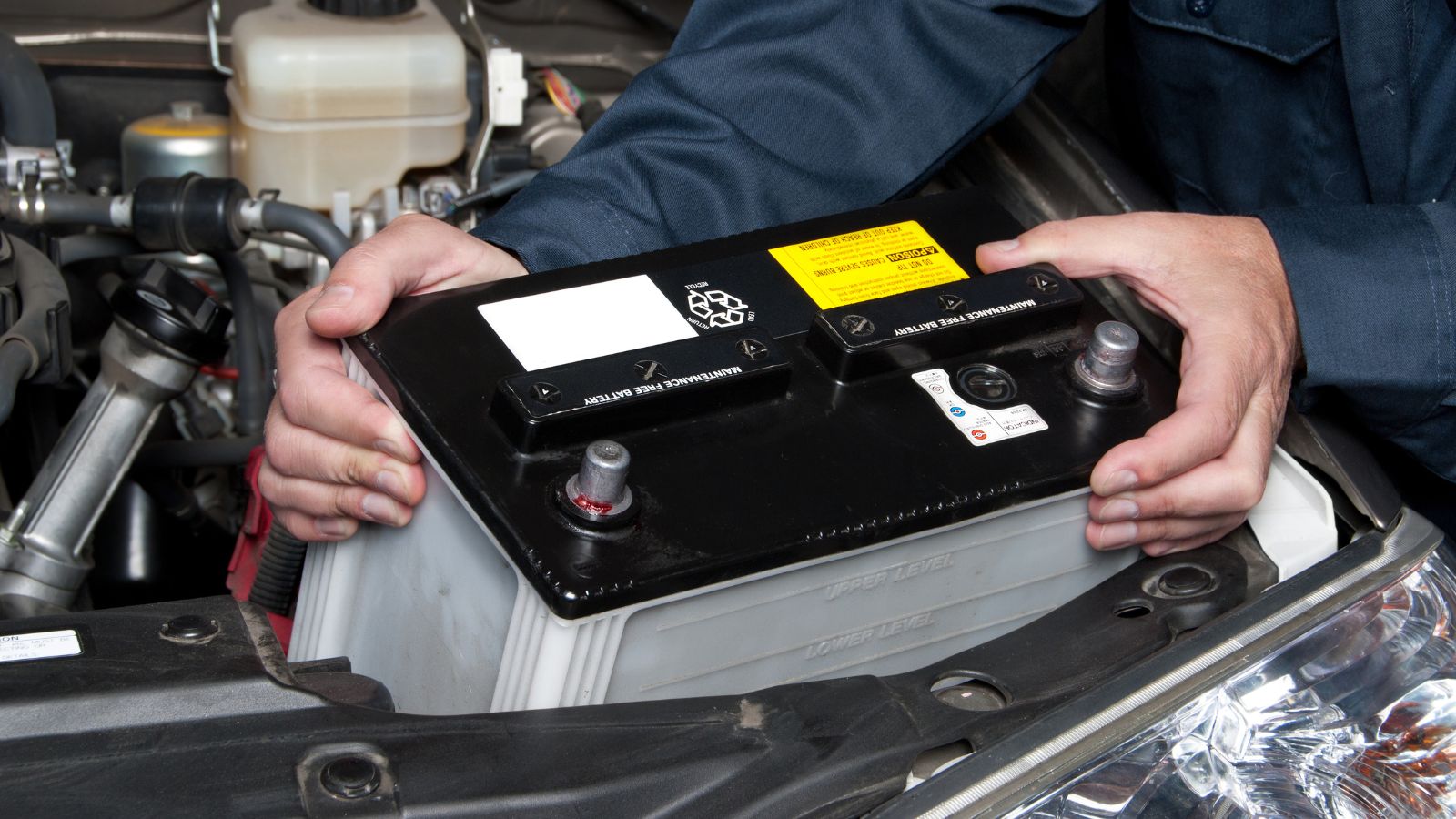
A key fob often works so consistently that its coin-cell battery becomes invisible—until the morning it does not. Passive entry may stop responding, the dashboard may report that no key is detected, and the driver may initially suspect the vehicle’s much larger 12-volt battery. The actual fix can be inexpensive, but discovering the correct procedure under pressure is another matter.
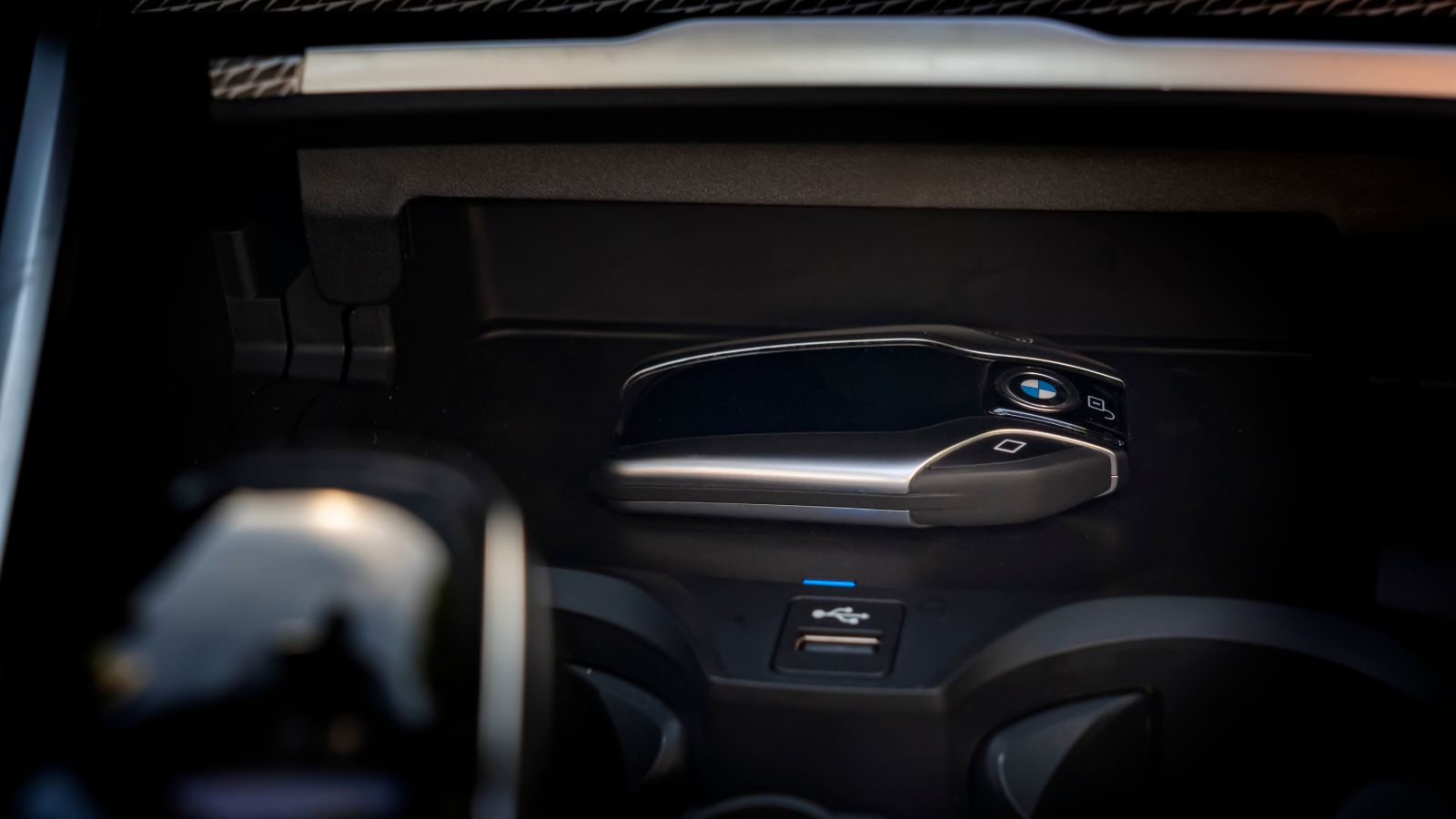
Manufacturers commonly provide two fallbacks. A small mechanical blade may be hidden inside the fob for opening the driver’s door, while the immobilizer can often read the depleted fob when it is held against a designated spot or directly against the start button. One Ram manual, for example, instructs the driver to press the nose of a dead fob against the engine-start switch. These safeguards are clever, but they are rarely intuitive. Owners who never studied that page of the manual may feel stranded even though the car was designed to start.
Replacement Costs Feel Out of Proportion
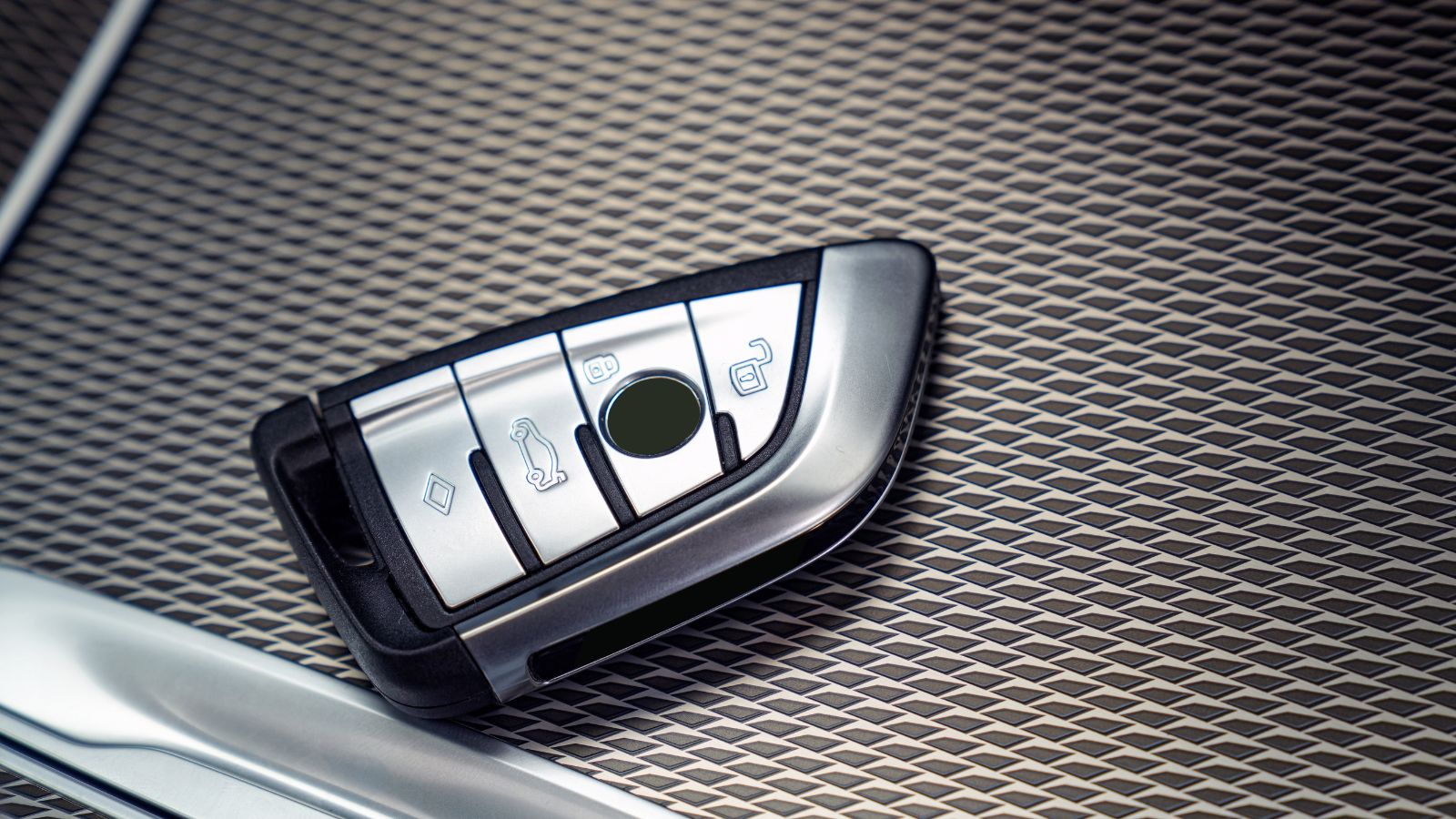
Losing a metal key was inconvenient; losing a modern fob can become a parts, programming, identification, and scheduling problem. The shell contains a transmitter and coded credential that must be accepted by the vehicle’s immobilizer. Depending on the model, replacement may require a dealer or automotive locksmith, proof of ownership, a cut emergency blade, and labour to register the new device.
Consumer Reports has cited U.S. replacement prices ranging from US$50 to US$400, depending on the brand and complexity, while other consumer guidance notes that programming can add another charge. Luxury, proximity-entry, and remote-start fobs can cost more than basic remotes. The real irritation is the mismatch between size and consequence: a palm-sized object can carry a bill comparable to a meaningful repair. Owners who misplace keys regularly may see the fob not as elegant technology but as an expensive electronic liability that must be insured with an equally costly spare.
Radio Interference Makes Failure Hard to Diagnose
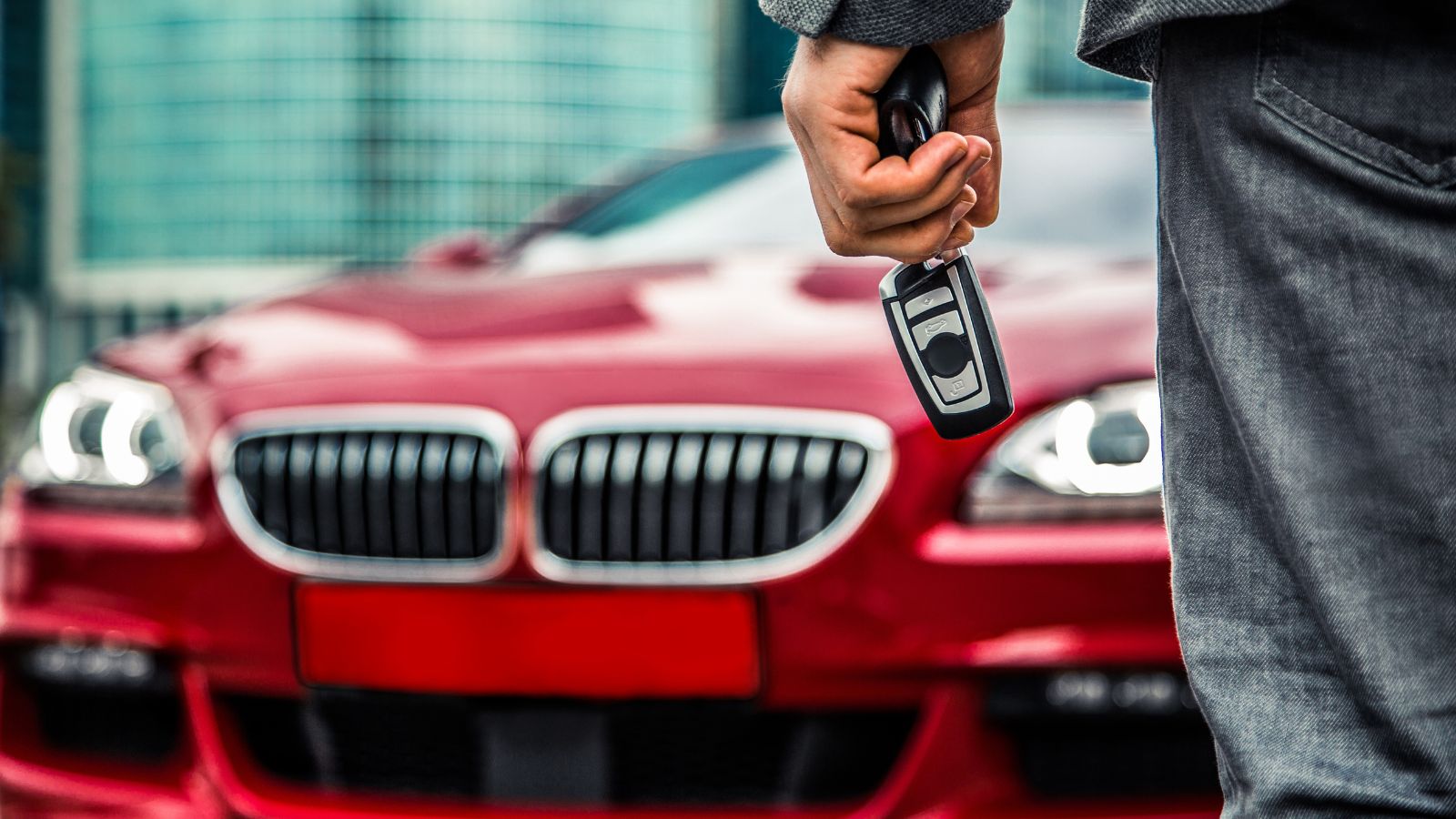
When a mechanical key fits a lock, the cause-and-effect relationship is obvious. A wireless fob can fail for reasons that leave no visible clue. Manufacturer guidance warns that operation may be affected by a depleted battery, radio-frequency interference, nearby electronic devices, metal objects, or physical obstructions between the fob and receiver. In some systems, even a phone or metallic-finished bag can contribute to detection trouble.
That uncertainty creates the familiar parking-lot performance: move the fob, remove it from the bag, press the button repeatedly, try another door, and finally use the mechanical backup. Nothing is necessarily broken, and the same fob may work perfectly minutes later. Ford documentation for some models specifies an operating area of roughly one metre around the handles while listing interference as a limitation. For drivers accustomed to tools that either work or do not, intermittent recognition can feel worse than a simple worn key because it is difficult to diagnose or reproduce.
Owners Are Never Quite Sure It Locked

Passive entry can blur the moment when a vehicle is actually secure. With a conventional key, the cylinder turns and the hand receives physical confirmation. With a digital fob, owners may depend on a chirp, flashing lamps, folding mirrors, or a brief handle touch. In a noisy lot or bright daylight, those signals can be missed, leaving uncertainty after the driver has already started walking away.
The systems also need special logic to prevent the act of checking from immediately unlocking the door again. One Ram guide tells owners to wait two seconds after using the exterior lock button before testing the handle. Other vehicles offer walk-away locking, but its operation can depend on settings, door order, fob location, or whether every opening closed properly. The technology may be functioning exactly as designed, yet the owner still circles back to look at the mirrors or press lock once more. That repeated checking is a sign that convenience has not produced confidence.
The Car May Keep Running After the Fob Leaves
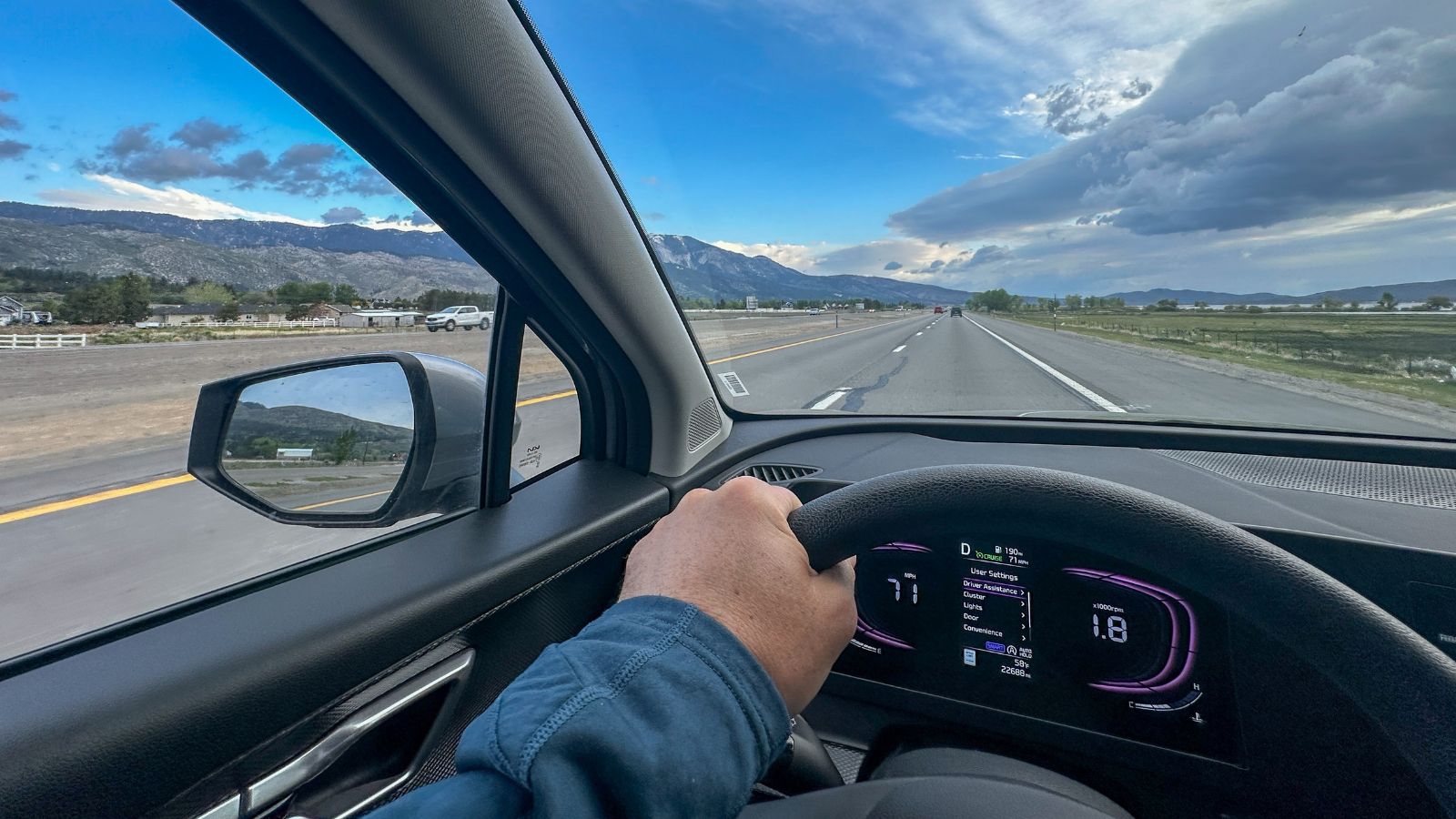
Keyless ignition separates the authorization device from the mechanical state of the engine. Once many vehicles have been started, they can continue running even if the fob leaves the cabin, usually while sounding a warning. That behaviour prevents an engine from shutting down dangerously if the fob battery fails or a passenger carrying the key steps out, but it can also surprise drivers who assume distance automatically turns the vehicle off.
U.S. safety regulators have examined keyless-ignition risks involving vehicles left running, drivers exiting without selecting Park, rollaway, and carbon-monoxide exposure in enclosed spaces. Modern vehicles may add chimes, dashboard messages, or automatic shutoff strategies, yet designs and model years differ. The criticism is therefore not that push-button start is inherently unsafe. It is that the old physical sequence—turn key, remove key, engine off—made vehicle status difficult to misunderstand. A silent hybrid or insulated cabin can make that distinction even less obvious.
Losing the Spare Can Become a Major Event
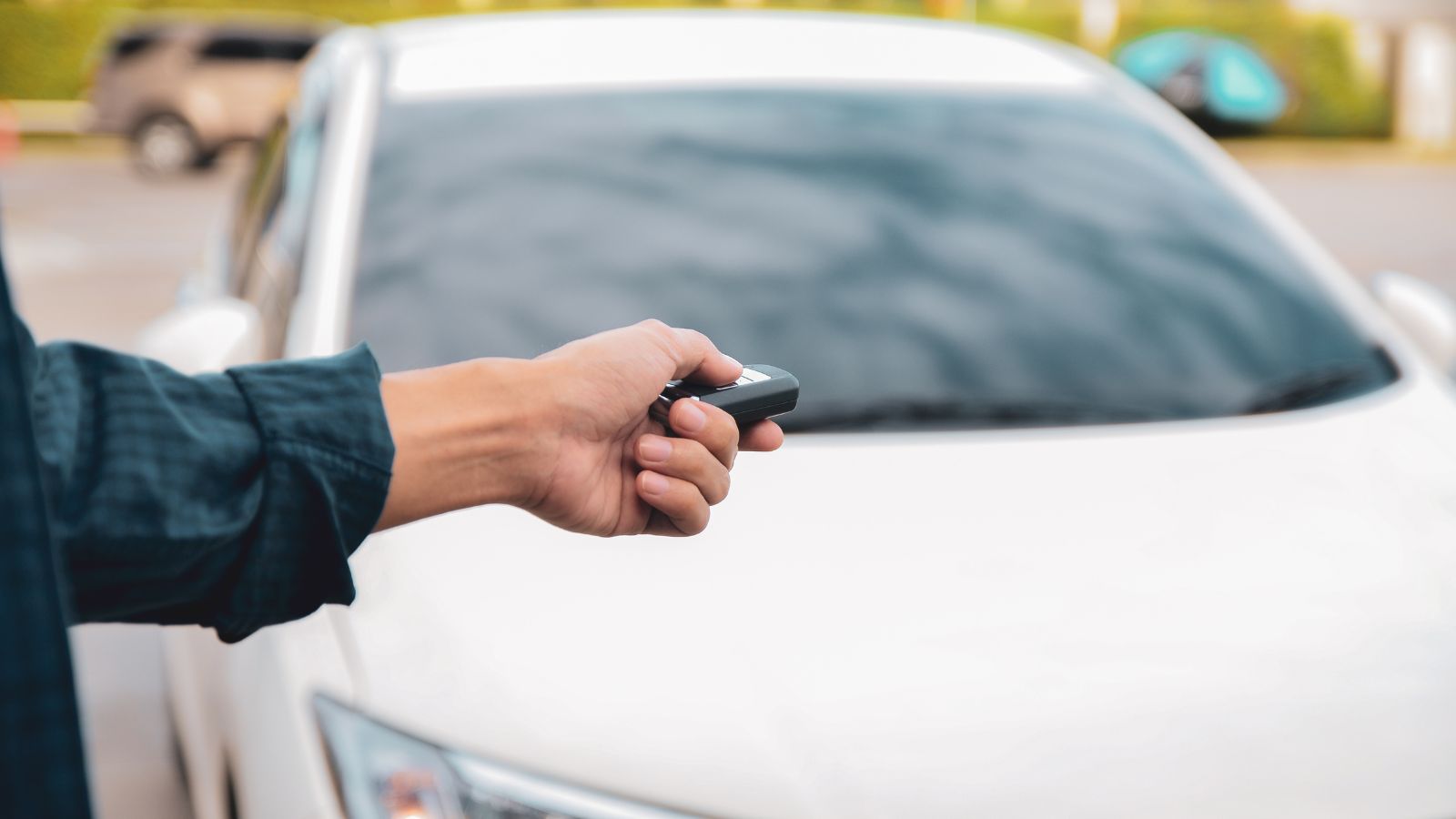
A spare fob is not always a spare in the old sense of a cheaply copied key. Some vehicles allow owners to program another intelligent-access device only when two already-programmed fobs are present. Without those credentials, dealer equipment may be required. Ford owner information for certain models warns that losing every programmed transmitter can mean towing the vehicle to an authorized dealer, erasing old codes, and registering new keys.
That possibility changes how households treat the second fob. It cannot casually disappear into a kitchen drawer or be handed to a teenager without a plan. Used-car shoppers also have reason to ask whether both original fobs are included, because buying the missing one later may be costly. Toyota manuals advise contacting a dealer with all remaining electronic keys after one is lost because an unaccounted-for registered key can increase theft risk. A simple loss can therefore create both an access problem and a security-cleanup task.
One Fragile Device Controls Too Much
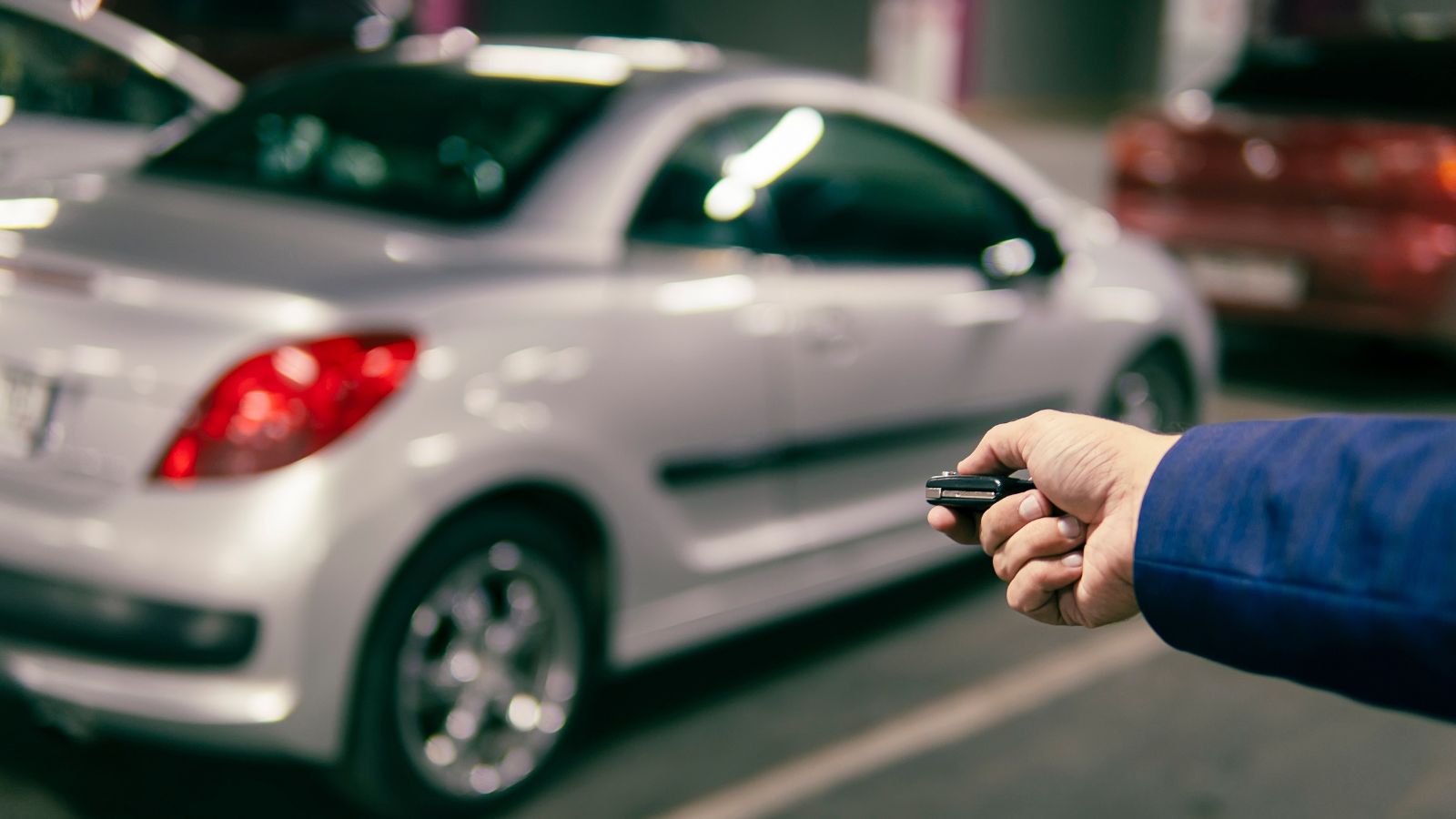
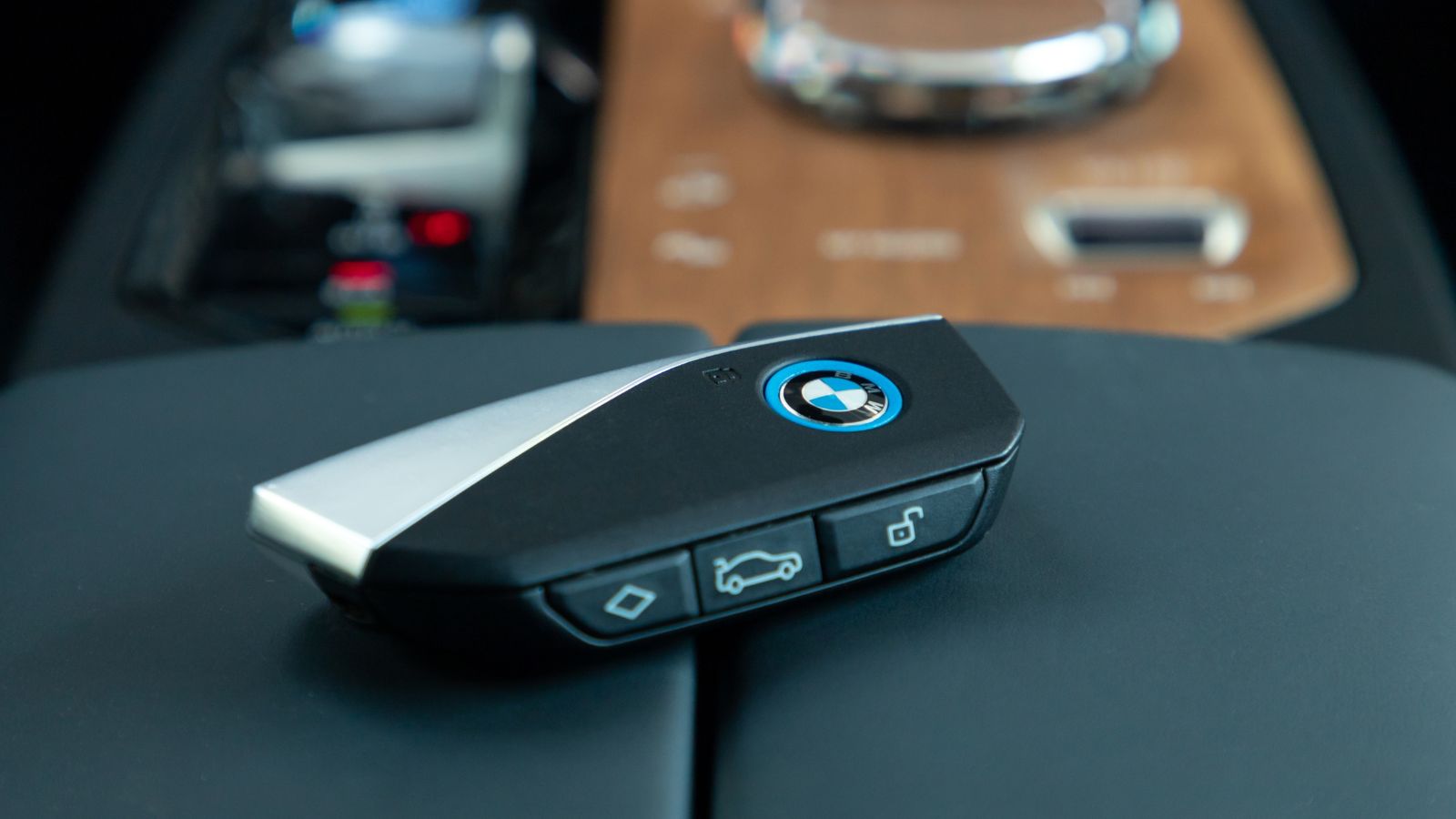
Modern fobs concentrate more functions into one object than many owners realize. Depending on the vehicle, buttons may control locks, remote start, a power liftgate, a panic alarm, window opening, or even a moonroof. Toyota documentation for some models lists electronic-key commands for windows, the power back door, and the alarm in addition to ordinary locking and unlocking.
More capability also creates more ways for one damaged device to become annoying. AAA notes that smart keys are durable but not waterproof, an important distinction for something carried beside drinks, dropped in snow, or sent through a washing machine. A cracked housing can expose buttons, while worn symbols make similar controls harder to distinguish by touch. The mechanical key remains usable in some failures, but most of the premium functions disappear with the electronics. Drivers who once carried a thin metal key may reasonably wonder why the replacement became larger, more delicate, and more expensive at the same time.
Buyers Cannot Easily Compare Security
Security has improved, but not in a way that is easy for the average buyer to evaluate. Some fobs enter a sleep state when motion stops. Some vehicles let owners deactivate passive entry. Newer systems may use more precise ranging technology designed to confirm that the authorized device is genuinely close. Meanwhile, older or less sophisticated implementations may respond differently to relay equipment.
Thatcham Research advises owners to consult manuals, ask dealers about security updates, use tested signal-blocking storage, and determine whether a motion-sensing fob is available. Sensible advice still leaves a basic consumer problem: two vehicles can both advertise “keyless entry” while offering different protections beneath the same showroom label. Model year, trim, software, and regional specification may matter. Drivers who cannot easily identify which generation they own may conclude that the feature demands specialist knowledge simply to understand its risk. A metal key was crude, but its security limits were visible.
Personalization Adds Another Layer of Confusion
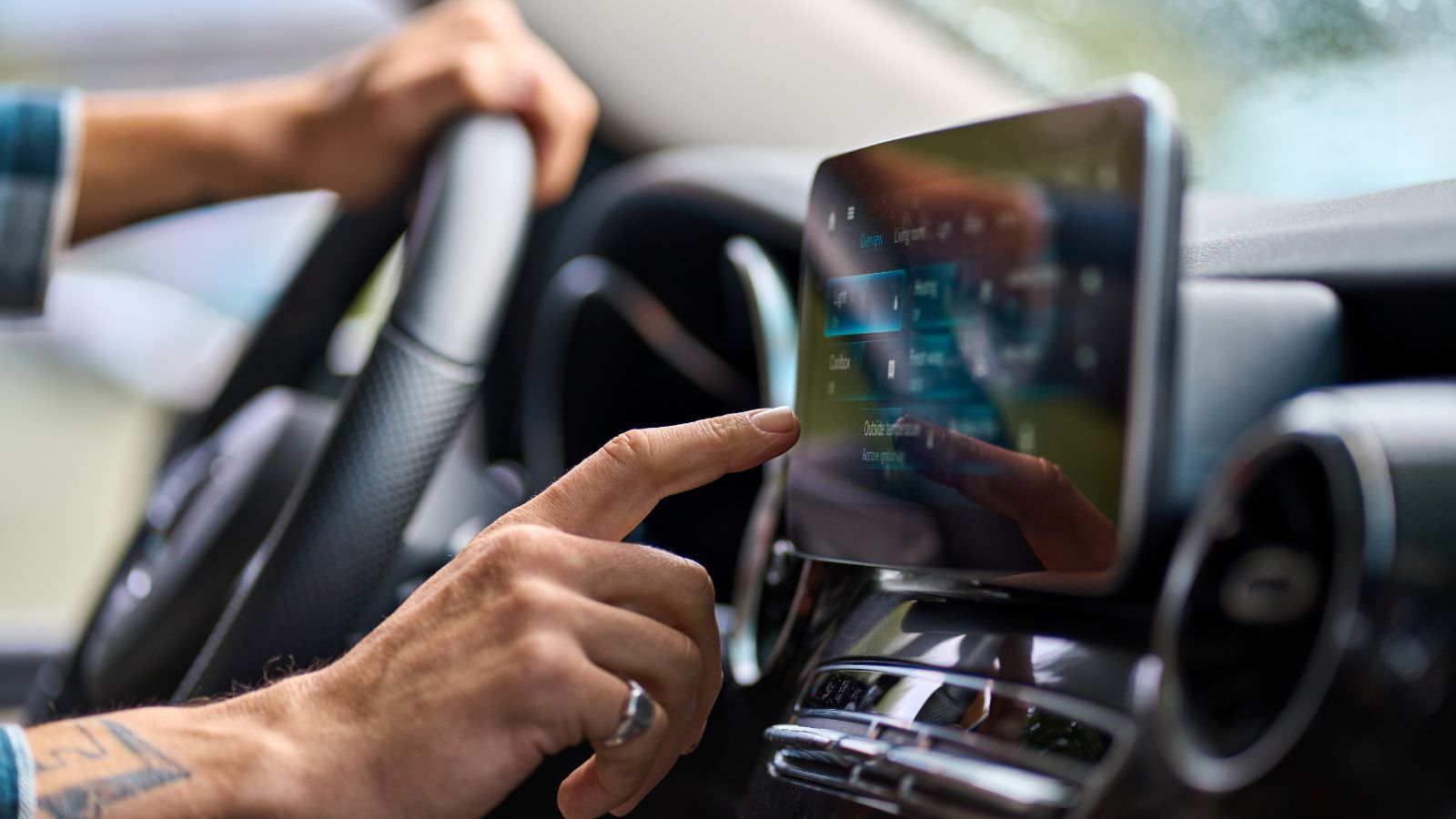
Personalization makes the fob more capable, yet it can also make shared vehicles behave unpredictably. Some models link an intelligent-access key to memory settings for the seat, mirrors, steering column, audio, navigation, or driver-assistance preferences. Ford documentation notes that certain vehicles can store presets for multiple fobs and may recall the settings associated with the first linked key that initiates the command.
That is useful when two people use one car every day. It is less elegant when both fobs are in the cabin, a guest borrows the vehicle, or the wrong transmitter is picked up during a rushed morning. The seat may begin moving, mirrors may change, and the infotainment system may load a profile the current driver did not expect. None of this represents a defect; it is the system performing its programmed task. Still, it adds another layer of invisible logic to an object that once did little more than unlock a door and turn an ignition cylinder.
Mechanical Fallbacks Feel Reassuring Again

The growing resistance to digital fobs is ultimately about recoverability. Mechanical keys can bend, wear, or be copied without permission, and electronic immobilizers provide real theft protection by requiring a registered credential before the engine will start. Passive entry also helps when hands are full, mobility is limited, or weather makes searching through a bag unpleasant. The older solution was never perfect.
What some drivers miss is a clear fallback that does not require a battery, radio link, software setting, dealer appointment, or remembered emergency sequence. That explains the appeal of vehicles that retain an obvious lock cylinder, a readily accessible key blade, and the ability to disable passive entry without losing ordinary remote locking. The likely future is not a wholesale return to bare metal keys. It is a demand for digital access that fails gracefully, confirms actions clearly, resists relay attacks, and never makes the owner feel locked out of a machine that recognizes them only through invisible signals.
22 Things Canadians Do to Their Cars in Spring That Mechanics Hate

Spring brings relief to many Canadian drivers after months of snow, freezing temperatures, and icy roads that put serious strain on vehicles. As temperatures rise across the country, drivers begin washing cars, switching tires, and preparing vehicles for warmer weather and upcoming road trips. However, mechanics across Canada notice the same mistakes every spring when drivers attempt to recover from winter damage. Road salt, potholes, and harsh winter driving conditions often leave vehicles with hidden problems that drivers ignore. Some spring habits even create new mechanical issues that could have been avoided with proper maintenance. Here are 22 things Canadians do to their cars in spring that mechanics hate.

Alanna Rosen is an experienced content writer that focuses on many EV and educational content. Her articles are regularly published on Get CyberTrucked and syndicated on large publications.