Buying a car online can turn a weeks-long search into a few evenings on a laptop, but convenience also removes many of the clues buyers normally collect in person. A polished listing can hide an unlicensed seller, an outstanding lien, a rebuilt vehicle, an open recall, or a contract that becomes binding with one electronic signature.
These 19 checks cover the seller, the vehicle, the financing, the paperwork, and the delivery process. Together, they help Canadian buyers separate a genuinely convenient purchase from a deal that only looks simple on a screen.
Verify That the Seller Is Legitimate

A professional-looking website is not proof that the business behind it is licensed. Before discussing deposits or financing, buyers should search the appropriate provincial regulator’s public database and confirm the dealer’s legal name, licence status, address, and salespeople. In Ontario, protection under motor-vehicle sales law generally depends on buying from an OMVIC-registered dealer. Alberta and British Columbia have comparable licensing systems through AMVIC and the Vehicle Sales Authority.
The distinction matters when something goes wrong. Registered dealers face disclosure, advertising, contract, and complaint rules that private sellers and illegal “curbsiders” may not. A common warning sign is a seller who claims to be private but has several vehicles listed, avoids giving a home or business address, or wants to meet only in a parking lot. The safest online transaction begins with an independently verified business, not a logo, review score, or social-media page that could have been created only yesterday.
Confirm the Seller Owns the Vehicle
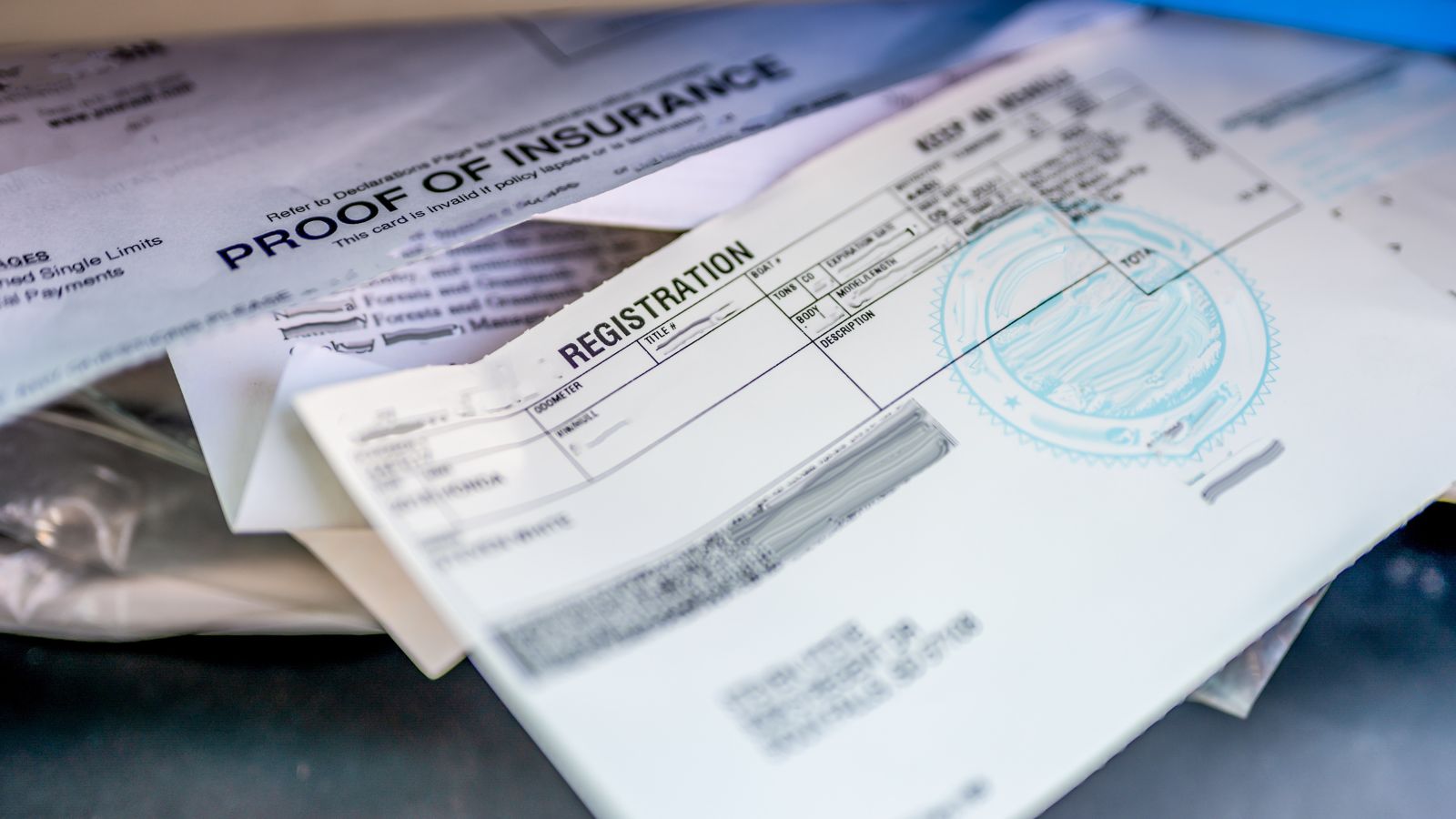
The name on the registration should match the person or company selling the car. Buyers should ask to see the original registration, government-issued identification, and a bill of sale that uses the same legal name and address. When a dealer is involved, the contract should identify the licensed dealership that is actually selling the vehicle, not an unrelated company, auction, or “partner” that appears only at the payment stage.
This check catches more than ordinary paperwork mistakes. A seller who cannot prove ownership may be reselling without authorization, acting as an unlicensed dealer, or offering a stolen vehicle. In British Columbia, ICBC advises buyers to review ownership documents and make sure the registered owner transfers the vehicle properly. A simple example is a listing posted by “Mike” while the registration belongs to someone with a different surname and address. That mismatch needs a documented explanation before money changes hands, not a reassuring story sent through chat.
Match Every VIN Before Proceeding
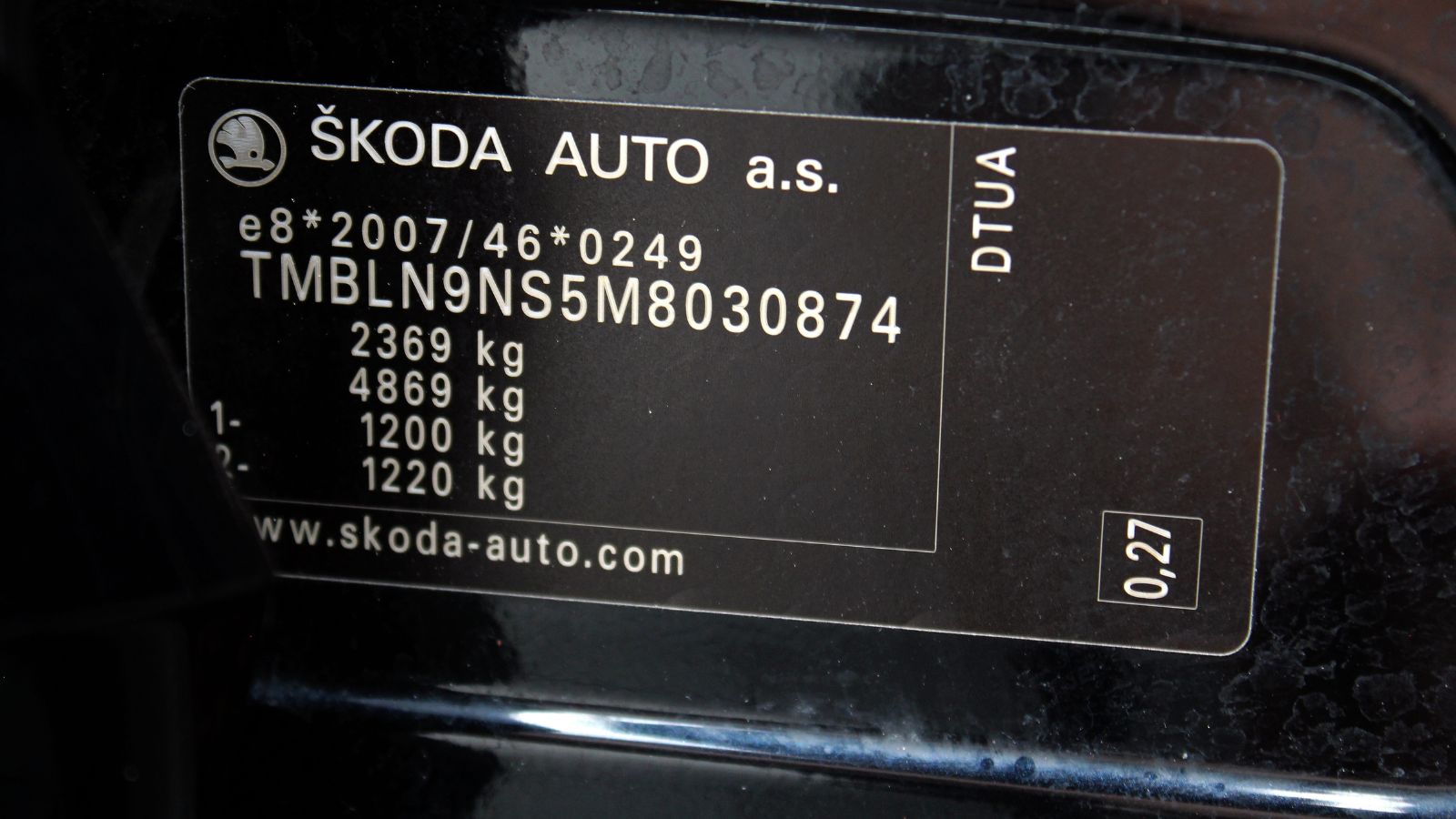
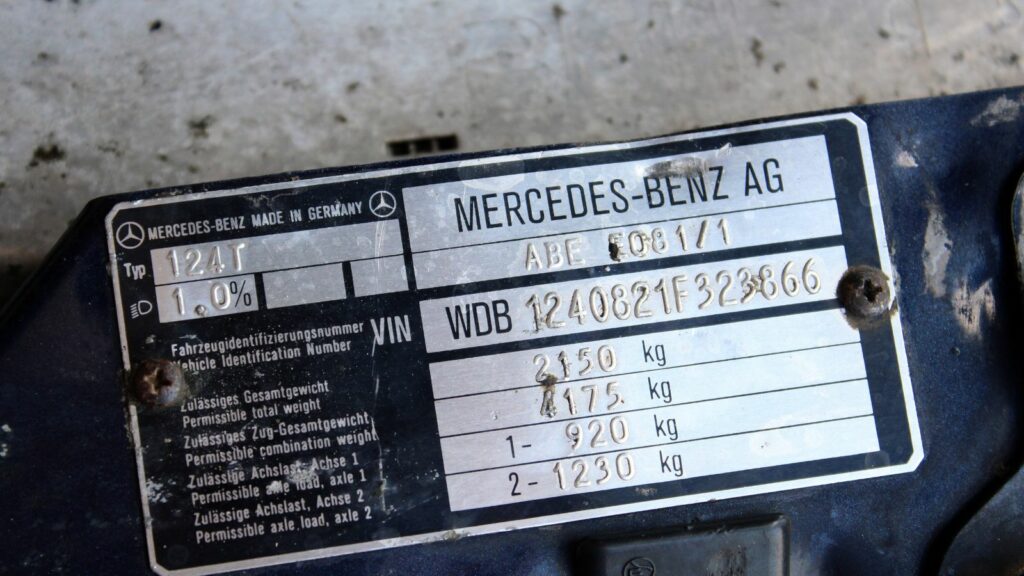
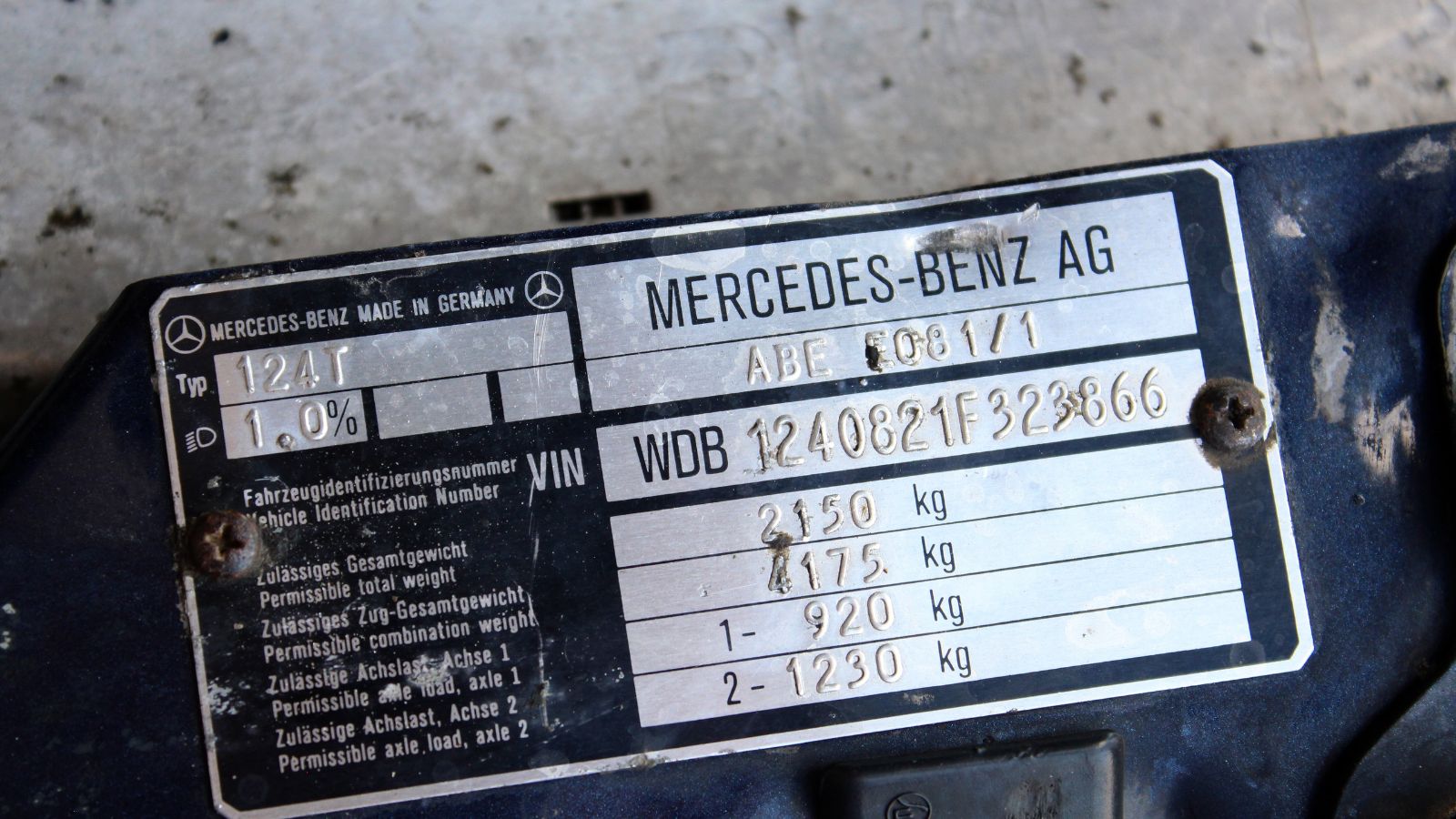
The vehicle identification number is the car’s permanent identity, so it should match everywhere it appears. Buyers should compare the 17-character VIN in the listing, registration, history report, sales contract, dashboard plate, driver-door label, and any available manufacturer records. Even one incorrect character can connect the buyer to the wrong history, recall status, lien search, or insurance quote.
Physical inspection still matters because criminals can alter or replace VIN plates. Look for damaged rivets, scratched labels, inconsistent fonts, fresh adhesive, or a dashboard plate that appears disturbed. Insurance Bureau of Canada warns that VIN manipulation can be used to disguise stolen vehicles, while ICBC recommends confirming that the VIN, make, model, and licence plate match the registration. A seller who provides only a partial VIN “for privacy” is blocking several essential checks. Legitimate buyers routinely need the full number before committing money to buy a used vehicle online with confidence.
Order a Fresh Vehicle History Report

A vehicle history report can reveal accident records, registration history, branding, reported theft, prior jurisdictions, and recorded odometer readings. Buyers should obtain a fresh report using the confirmed VIN rather than relying only on a PDF or screenshot supplied by the seller. Altered reports, expired links, and reports generated for a similar vehicle can make a damaged car look clean.
No report is complete enough to replace inspection or documentation. British Columbia’s Vehicle Sales Authority says a history report is only one step in the buying process, and ICBC notes that different products contain different records. A useful example is a car advertised as “local, one owner” whose report shows registrations in several provinces and a major insurance claim. That does not automatically make it a bad purchase, but it changes the questions, price, and inspection priorities. The value lies in comparing the report with the listing, service records, and seller’s written statements.
Search for Liens in Every Relevant Province

A lien means a creditor has a legal interest in the vehicle because money remains owing. If the debt is not cleared, a buyer may face repossession or a dispute even after paying the seller in full. The lien search should cover the province where the vehicle is registered and any other jurisdiction where it was previously registered, because an online purchase often crosses provincial boundaries.
This risk is not rare among vehicles submitted for lien checks. CARFAX Canada reported in 2026 that 40% of vehicles it checked during the previous year had outstanding debt, a company-specific figure that underlines why buyers should not rely on a seller’s verbal promise. In Ontario, the Used Vehicle Information Package identifies registered liens, while ICBC recommends Canada-wide lien information for B.C. buyers. The safest closing process requires written proof that every lien has been discharged, with the lender—not merely the seller—confirming the payout and release.
Check Whether the Vehicle Is Reported Stolen
Canada’s public Canadian Police Information Centre lets buyers search a VIN to see whether a vehicle has been reported stolen. That search should be completed shortly before payment because status can change. A clear result is useful, but it does not replace ownership verification, a history report, or careful examination of the VIN plates.
Buyers should also understand “reVINing,” in which criminals place a legitimate-looking VIN on a stolen vehicle. Insurance Bureau of Canada warns that an unsuspecting purchaser may lose the vehicle if police later uncover its true identity. Consider a late-model SUV advertised well below market value, with rushed delivery and a seller who refuses an inspection. Even if the supplied VIN produces no stolen hit, mismatched labels or suspicious ownership documents remain serious concerns. Any “possible stolen vehicle” result should end the transaction until local police confirm the status and advise exactly what the buyer should do next.
Review the Vehicle’s Brand and Damage Status

Provincial vehicle brands describe major past events and can include normal, salvage, rebuilt, or non-repairable status, although terminology varies across Canada. Buyers should confirm the current brand through official registration records and the history report, then ask for repair invoices, structural assessments, photographs, and inspection documents when a vehicle was rebuilt.
The difference is critical. Insurance Bureau of Canada’s VIN Verify tool checks participating records for non-repairable vehicles in Alberta, Ontario, and Atlantic Canada. IBC explains that a vehicle flooded to the bottom of the dashboard is treated as non-repairable under the national branding guideline because of electrical, mould, and safety concerns. A rebuilt car may legally return to the road after required work and inspection, but its history still affects value, insurability, financing, and future resale. “Clean title” in an advertisement should never outweigh the official brand recorded against the VIN in provincial registration and insurance files across Canada.
Audit the Odometer Against the Paper Trail
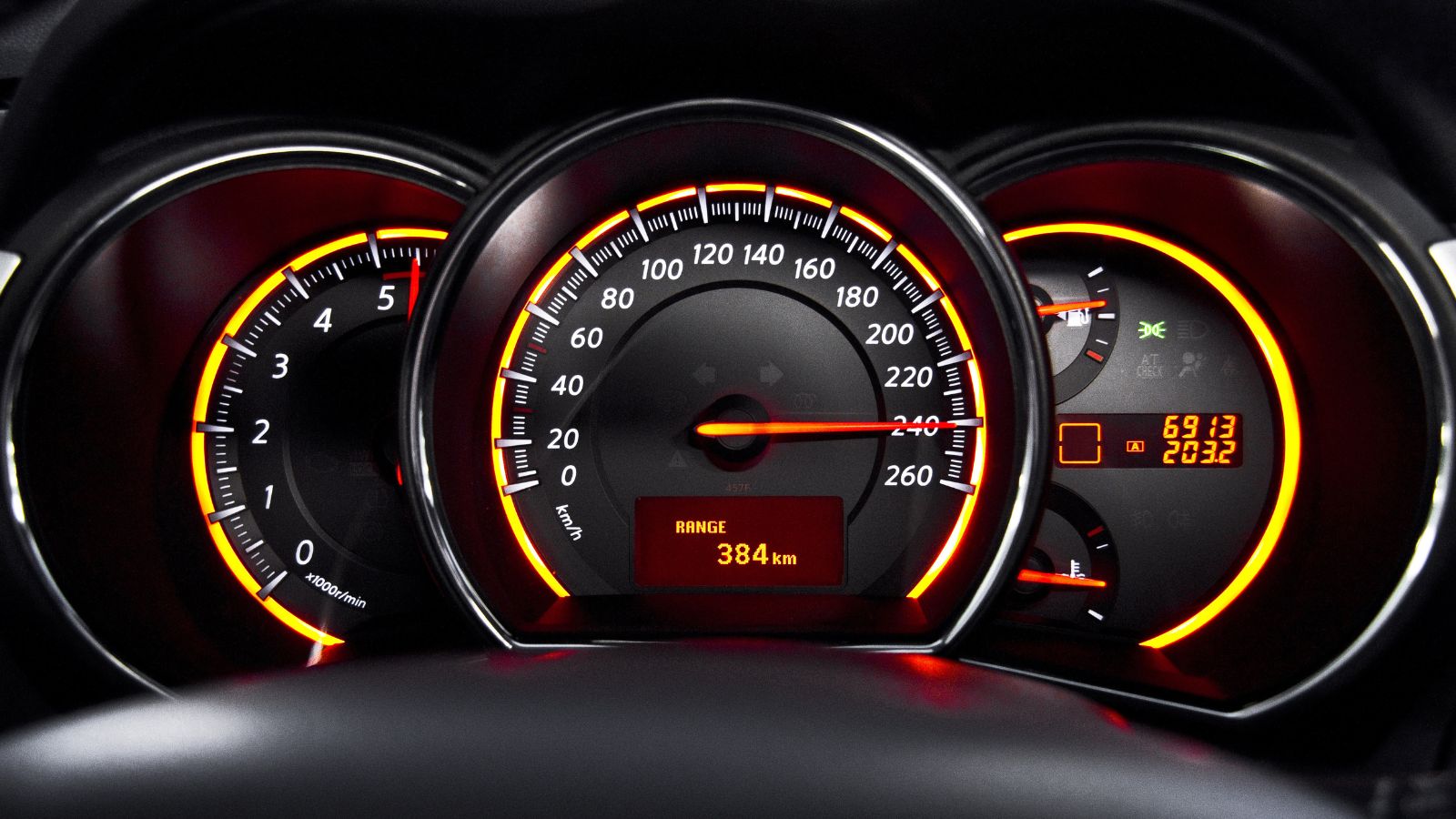
Low mileage can raise a vehicle’s price, which is why the odometer deserves more than a dashboard photo. Buyers should compare the current reading with service invoices, inspection records, registration history, oil-change labels, tire records, and historical readings in a vehicle history report or provincial package. Mileage should move forward logically over time.
OMVIC warns that rolled-back vehicles are increasingly offered online and notes that unusual wear may expose a false reading. A car showing 55,000 kilometres should not normally have a heavily polished steering wheel, collapsed driver’s seat, worn pedal rubber, and maintenance records that once listed 140,000 kilometres. Digital odometers are not immune to manipulation. When records conflict, buyers should ask for a written explanation and have an experienced technician inspect the vehicle. A bargain based on “exceptionally low kilometres” can become an expensive ownership and resale problem if the advertised number cannot be independently supported by credible records.
Look Up Outstanding Safety Recalls

Transport Canada maintains a national recalls database, while many manufacturers provide VIN-specific lookup tools. Buyers should use both because a model-level recall notice does not always show whether a particular vehicle is affected or whether the repair has already been completed. An authorized dealer can often confirm open campaigns using the VIN.
This is not a minor paperwork exercise. Transport Canada’s database includes recalls dating back to 1970, and more than eight million Takata airbag inflators have been recalled in Canada. Most recall repairs are performed without charge, but parts availability, towing needs, or “do not drive” instructions can affect delivery. A sensible purchase condition is that urgent open recalls be completed before possession, with repair confirmation supplied in writing. After buying, the new owner should also register contact information with the manufacturer so future notices do not continue going to the previous registered owner after the online sale is completed.
Demand a Live, Detailed Walkaround
Still photos can be old, selectively framed, or copied from another listing. Before paying a deposit, buyers should request a live video call that shows the actual VIN, cold start, instrument panel, warning lights, exterior panels, glass, tires, interior, cargo area, underbody where visible, and every included key or charging cable. The seller should follow directions in real time rather than sending another edited clip.
Online-scam guidance from OMVIC identifies excuses that prevent inspection as a warning sign. A seller may claim the vehicle is already in storage, at a shipping terminal, or unavailable because of a sudden move. Legitimate remote sales can involve logistics, but the buyer should still be able to arrange live viewing by a trusted person or independent inspector. Ask the camera operator to show small, unpredictable details, such as today’s date written on paper beside the VIN. That simple request helps confirm that the car exists and that the seller controls it.
Arrange an Independent Pre-Purchase Inspection

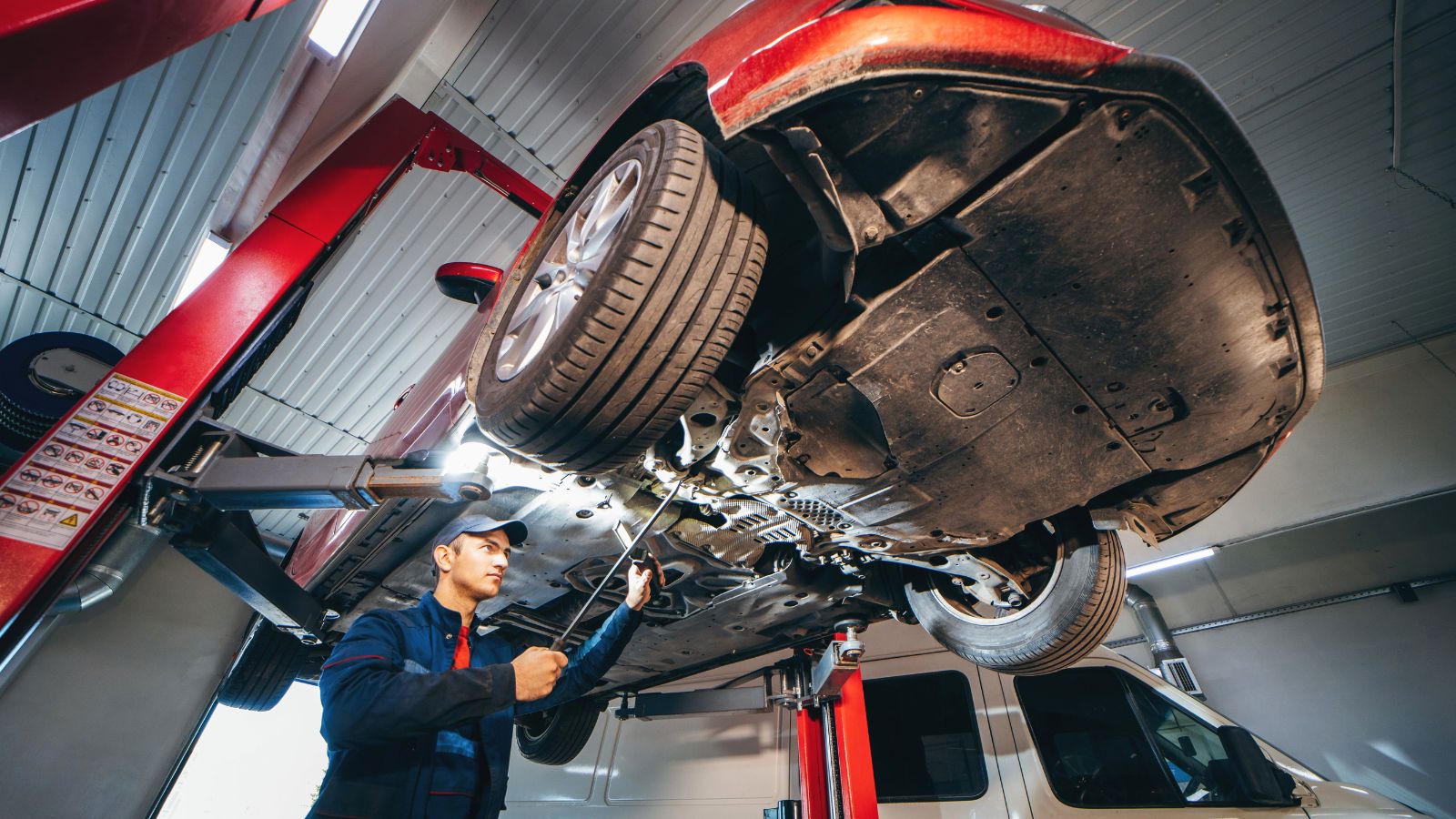
A dealer’s checklist or safety certificate is not the same as an inspection performed for the buyer. An independent licensed technician should examine the vehicle before the contract becomes unconditional, ideally at a shop chosen by the purchaser. The inspection should cover structural condition, corrosion, leaks, brakes, tires, suspension, electronics, diagnostic codes, charging equipment for an EV, and evidence of previous repairs.
ICBC, OMVIC, and British Columbia’s Vehicle Sales Authority all recommend pre-purchase inspection as an important safeguard. It can uncover defects the seller did not know about as well as problems that were never disclosed. For example, a clean-looking crossover may have fresh undercoating hiding corrosion, mismatched paint over structural repair, or diagnostic codes recently cleared. If the seller refuses to release the vehicle for inspection, the buyer can hire a mobile inspector or walk away. A refusal is information, especially in a transaction where the buyer cannot examine the car personally.
Do Not Skip the Driving Evaluation

A road test reveals problems that photographs and stationary inspections cannot. The evaluator should start the vehicle cold, drive at city and highway speeds, test steering and braking, listen over rough pavement, check transmission behaviour, verify driver-assistance systems, and confirm that climate controls and infotainment work. For an electric vehicle, the drive should also assess charging behaviour, displayed range, and warning messages.
When the buyer is far away, a trusted mechanic or independent inspection service can perform the driving evaluation and provide notes or video. CARFAX Canada recommends both a thorough test drive and a qualified mechanical inspection before buying used. Consider a vehicle that idles quietly in a seller’s video but develops wheel-bearing noise at 80 km/h or pulls under braking. Those defects may not be catastrophic, yet they affect price and safety. The contract should remain conditional until the buyer accepts the inspection and road-test results in writing.
Calculate the True All-In Price

The number displayed beside the vehicle is not always the amount required to take it home. Buyers should obtain an itemized, written total covering the vehicle price, taxes, licensing, registration, delivery, inspection, documentation, finance charges, warranties, accessories, and any trade-in balance. Optional products should be clearly separated from mandatory charges.
Rules vary by province. In Ontario, a dealer’s advertised price must include the fees and charges it intends to collect, except HST and licensing when properly disclosed. Alberta also requires all-in advertised pricing from licensed sellers. Federal competition law separately prohibits selling a product above its advertised price in certain circumstances. A vehicle advertised at $28,000 can stop being competitive after transport, administration, protection packages, and financing fees are added. Buyers should compare offers using the final cash price and total financed amount, not the monthly payment or headline price alone when choosing between competing offers.
Compare the Loan’s Total Cost, Not Just the Payment

Online checkout tools often emphasize an affordable weekly or biweekly payment. Buyers should instead compare the annual interest rate, loan term, payment frequency, financing fees, amount financed, total cost of borrowing, and whether optional products have been rolled into the loan. They should also obtain quotes from a bank or credit union rather than assuming dealer-arranged financing is the cheapest.
The Financial Consumer Agency of Canada shows how term length changes the outcome. In its example, a $25,000 vehicle financed at 5% costs $26,974 over 36 months but $29,681 over 84 months. The longer loan lowers the payment while adding thousands to the total. A buyer should also verify that income, down payment, trade-in value, and outstanding trade debt are recorded accurately. Electronic signatures make it easy to move quickly, but they do not make an incorrect, overly long, or unnecessarily expensive loan harmless for the household budget afterward financially.
Read the Contract, Deposit, and Cancellation Terms

A digital contract can become binding as soon as it is signed. Buyers should save and read every page, including linked terms, financing disclosures, delivery conditions, trade-in details, deposit rules, arbitration clauses, and cancellation language. Blank spaces, verbal promises, and statements such as “details to follow” should be resolved before signing.
Many Canadians are surprised to learn that vehicle purchases do not automatically come with a cooling-off period. Ontario and Alberta regulators both warn that signed vehicle contracts are generally final, subject to specific legal exceptions or written conditions. Deposit rights can also depend on whether a contract has been signed and what the agreement says. A prudent condition might state that the deposit is refundable if the inspection is unsatisfactory, financing exceeds a stated rate, delivery misses a deadline, or the vehicle differs from its description. Without written conditions, buyer’s remorse is rarely enough to unwind the completed deal.
Examine Warranty Coverage and Optional Add-Ons

Buyers should identify what protection actually comes with the vehicle: remaining manufacturer warranty, dealer warranty, certified-pre-owned coverage, statutory protections, or no warranty at all. The contract should state the provider, term, kilometre limit, deductible, covered components, exclusions, claim procedure, cancellation rules, and whether repairs must be completed at a specific network.
In Ontario, OMVIC notes that used vehicles do not receive an automatic warranty and that a safety standards certificate is not a warranty. Optional products such as extended warranties, rustproofing, tire coverage, loan insurance, and appearance protection should appear separately and require informed consent. A plan described online as “comprehensive” may exclude diagnostics, seals, wear items, pre-existing conditions, or labour above a set rate. Buyers should compare the add-on’s cash price with the financed cost, because interest can continue long after the product’s practical value has ended for the vehicle’s new owner during the long and extended vehicle-financing term.
Check Registration, Tax, and Inspection Rules Before Crossing Borders
An online bargain in another province can create extra steps at home. Before buying, Canadians should contact their provincial registration authority and confirm acceptable ownership documents, tax treatment, inspection requirements, temporary permits, plate rules, and deadlines. The seller’s promise that the vehicle is “ready to register anywhere” should be verified independently.
Requirements differ substantially. B.C. generally requires buyers to register a transferred used vehicle within 10 days and may require a pre-registration inspection for an out-of-province vehicle. Québec identifies used vehicles from outside the province as a category that may require mechanical inspection. A vehicle imported from the United States or Mexico must also satisfy Transport Canada and Registrar of Imported Vehicles requirements, including eligibility, recall clearance, customs procedures, and inspection. Shipping a non-compliant vehicle across the country can turn a price advantage into storage, modification, towing, or return costs before the buyer can legally obtain plates and insurance coverage.
Get an Insurance Quote for the Exact VIN
Insurance should be priced before the purchase becomes final, not after the vehicle arrives. Buyers should give an insurer or broker the exact VIN, intended use, drivers, postal code, annual distance, financing details, and desired coverage. The make, model, year, repair cost, safety equipment, and theft experience can all affect the premium.
Insurance Bureau of Canada specifically recommends comparing premiums before buying. Its claims-based tools show that vehicles with different collision, repair, and theft records can produce different costs even when their purchase prices are similar. In Ontario, FSRA reported an average annual private-passenger premium of $2,164 as of October 2025, while regional and individual prices varied widely. A vehicle that is affordable to finance may still strain the budget if comprehensive coverage is expensive or required by the lender. Written confirmation of insurability also prevents an unpleasant surprise when the vehicle finally reaches the buyer’s driveway after transport arrives.
Control Payment, Shipping, and Final Delivery

Large payments should move only after identity, ownership, VIN, contract, inspection, and lien conditions are satisfied. Buyers should independently verify bank instructions using a trusted phone number, avoid cryptocurrency or gift-card demands, and be wary of unfamiliar “escrow” or shipping services chosen by the seller. Competition Bureau guidance warns that unusually cheap online merchandise and advance-payment schemes are common scam patterns.
Delivery should be treated as a final inspection, not a ceremonial handoff. Before accepting the vehicle, compare its condition, mileage, VIN, equipment, keys, tires, charging cable, and promised repairs with the contract and pre-shipping records. Confirm receipt of the bill of sale, registration documents, financing agreement, warranty papers, inspection certificate where applicable, lien release, and transport damage report. OMVIC advises buyers to collect all paperwork before leaving. If the car arrives materially different from what was promised, document the issue immediately and avoid signing an unconditional acceptance merely because the carrier is waiting.
22 Things Canadians Do to Their Cars in Spring That Mechanics Hate

Spring brings relief to many Canadian drivers after months of snow, freezing temperatures, and icy roads that put serious strain on vehicles. As temperatures rise across the country, drivers begin washing cars, switching tires, and preparing vehicles for warmer weather and upcoming road trips. However, mechanics across Canada notice the same mistakes every spring when drivers attempt to recover from winter damage. Road salt, potholes, and harsh winter driving conditions often leave vehicles with hidden problems that drivers ignore. Some spring habits even create new mechanical issues that could have been avoided with proper maintenance. Here are 22 things Canadians do to their cars in spring that mechanics hate.

Alanna Rosen is an experienced content writer that focuses on many EV and educational content. Her articles are regularly published on Get CyberTrucked and syndicated on large publications.