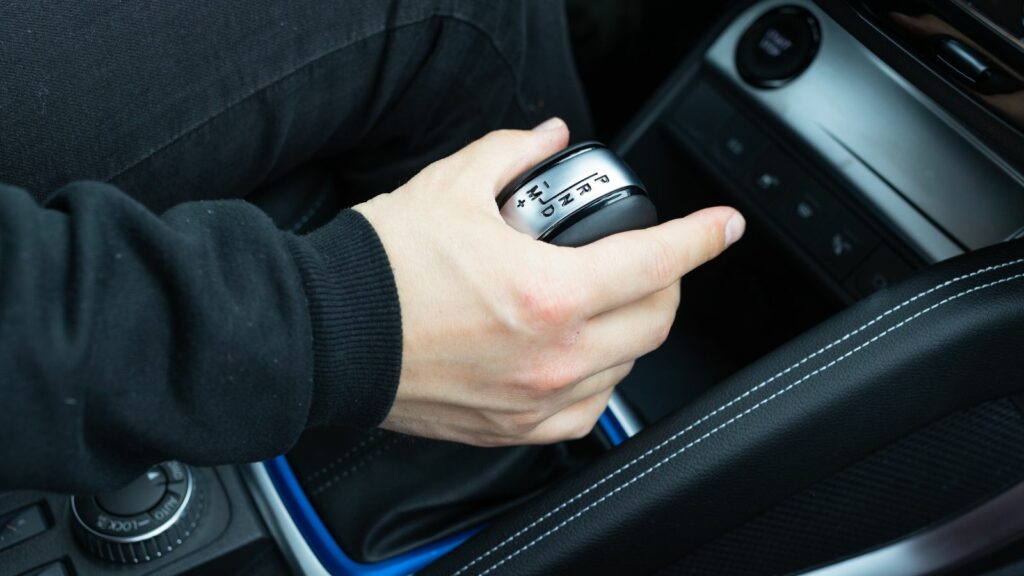
parking manoeuvre can feel finished before the vehicle has actually stopped moving. That brief moment matters, because selecting Park while an automatic vehicle is still rolling can force a mechanical locking device inside the transmission to engage against moving parts. The result may be anything from a harsh click to unnecessary wear, loss of control, or costly internal damage in a severe case.
The risk becomes more confusing on slopes, where the transmission may also be left carrying the vehicle’s weight after the brake pedal is released. These 12 key points explain what Park really does, why the mistake is harder on the drivetrain than it appears, how modern electronic shifters respond, and which parking routine gives both the transmission and the parking brake the jobs they were designed to perform.
The Mistake Happens Before the Car Is Fully Still
The damaging habit is selecting Park while the vehicle is still creeping forward or backward. It often happens during rushed parking: the driver brakes, feels the body settle, and moves the selector before the wheels have completely stopped. Manufacturers repeatedly warn against this. Mazda states that shifting to P before a complete stop applies unnecessary force to the transmission and can cause damage, while Ford and Hyundai instruct drivers to come to a complete stop before selecting Park.
The distinction between “nearly stopped” and “stopped” can be easy to miss in a heavy vehicle. A sport utility vehicle rolling at walking pace still carries momentum, especially on a driveway or parking-garage ramp. Selecting Park should therefore be the final drivetrain command, not part of the braking process. The service brakes are meant to remove the last bit of motion. Once the vehicle is motionless and the brake pedal is being held, Park can engage without being asked to arrest a moving output shaft.
Park Is a Mechanical Lock, Not Another Brake
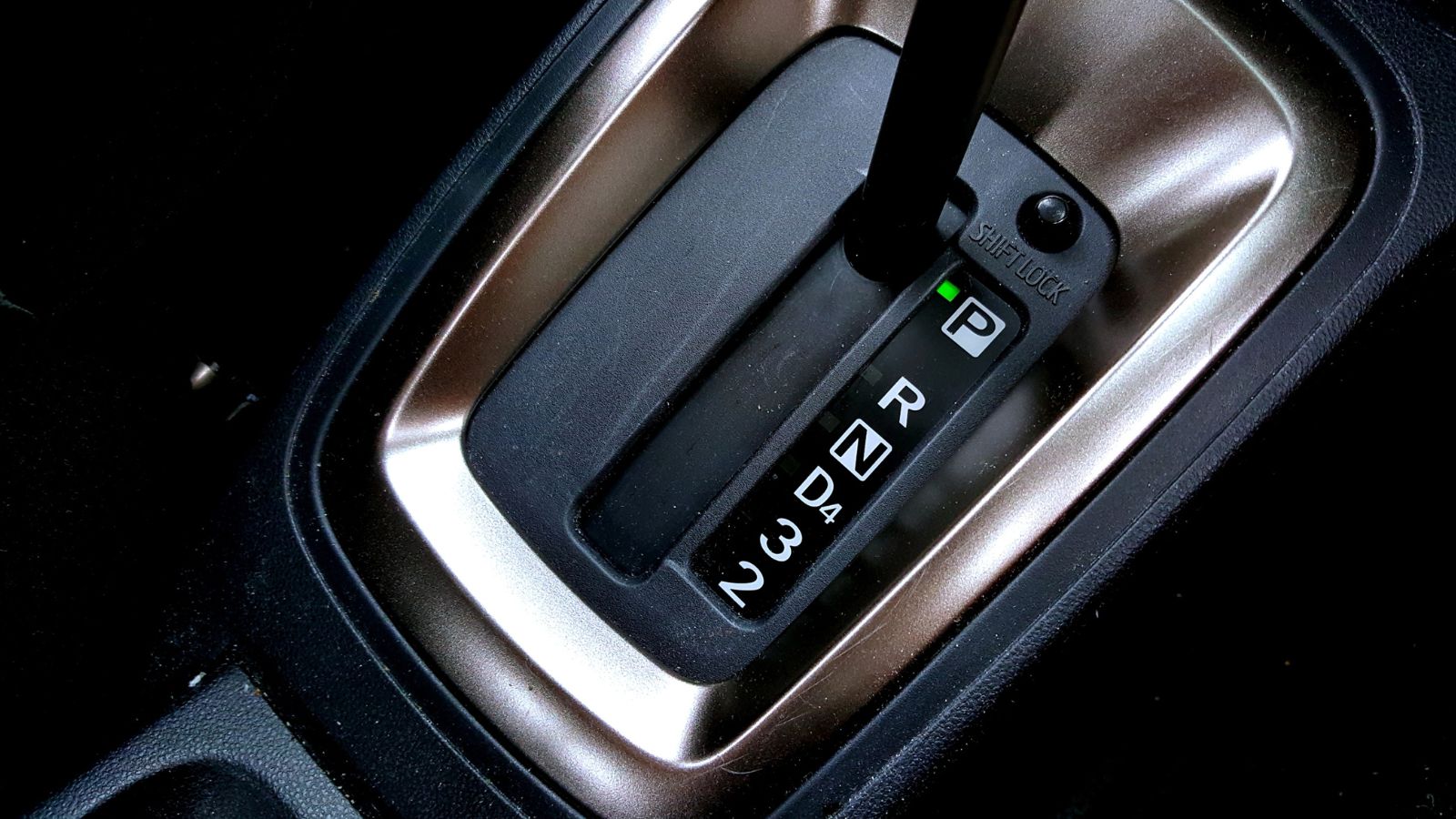
The letter P can create the impression that the transmission is applying a powerful internal brake. In most conventional automatic transmissions, Park works differently. A parking pawl—a strong, pivoting metal component—engages a toothed parking gear connected to the transmission’s output side. When the pawl seats between the gear’s teeth, it prevents the output shaft and driven wheels from rotating. Technical papers and patents describe the system as a mechanical locking mechanism rather than a friction brake.
That design explains why Park should be selected only after motion has ended. A brake is built to convert motion into heat through controlled friction. A pawl is built to hold parts that are already stationary. A useful comparison is a door bolt: it can keep a closed door shut, but it should not be thrown into place while the door is swinging. The transmission component is engineered and tested for substantial loads, yet its intended job remains vehicle immobilization after stopping—not routine deceleration during the final metre of a parking manoeuvre.
Even a Slow Roll Can Create a Sharp Load
Low speed does not mean zero force. If the parking gear is rotating when Park is requested, the pawl may contact the edge of a tooth instead of dropping cleanly into a gap. Depending on the transmission design and vehicle speed, the mechanism may ratchet, refuse engagement, delay engagement, or strike the gear before locking. Engineers specifically model dynamic park-pawl engagement because impact speed, component geometry, spring force, and vehicle mass all affect the load experienced by the mechanism.
A familiar real-world example is the rapid clicking or grinding-like sound heard when an older automatic is accidentally placed in Park while still moving. That sound should never be treated as a normal way to stop the vehicle. Modern control systems may prevent full engagement at higher speeds, but a driver cannot assume every vehicle will react identically. The safest rule works across generations: keep firm pressure on the brake pedal, wait until the wheels are completely still, and only then select P.
The Parking Brake Decides What Holds the Weight
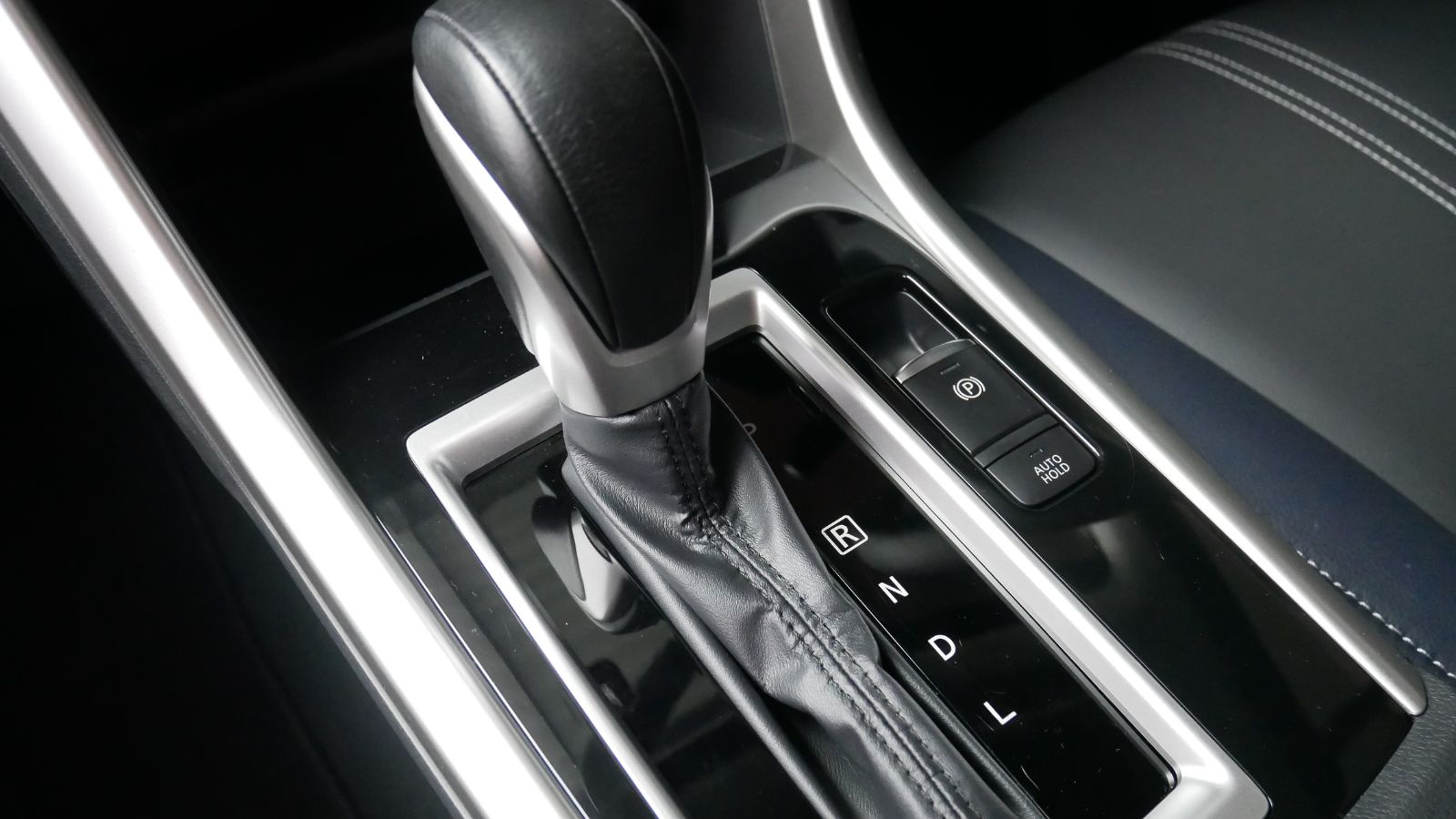
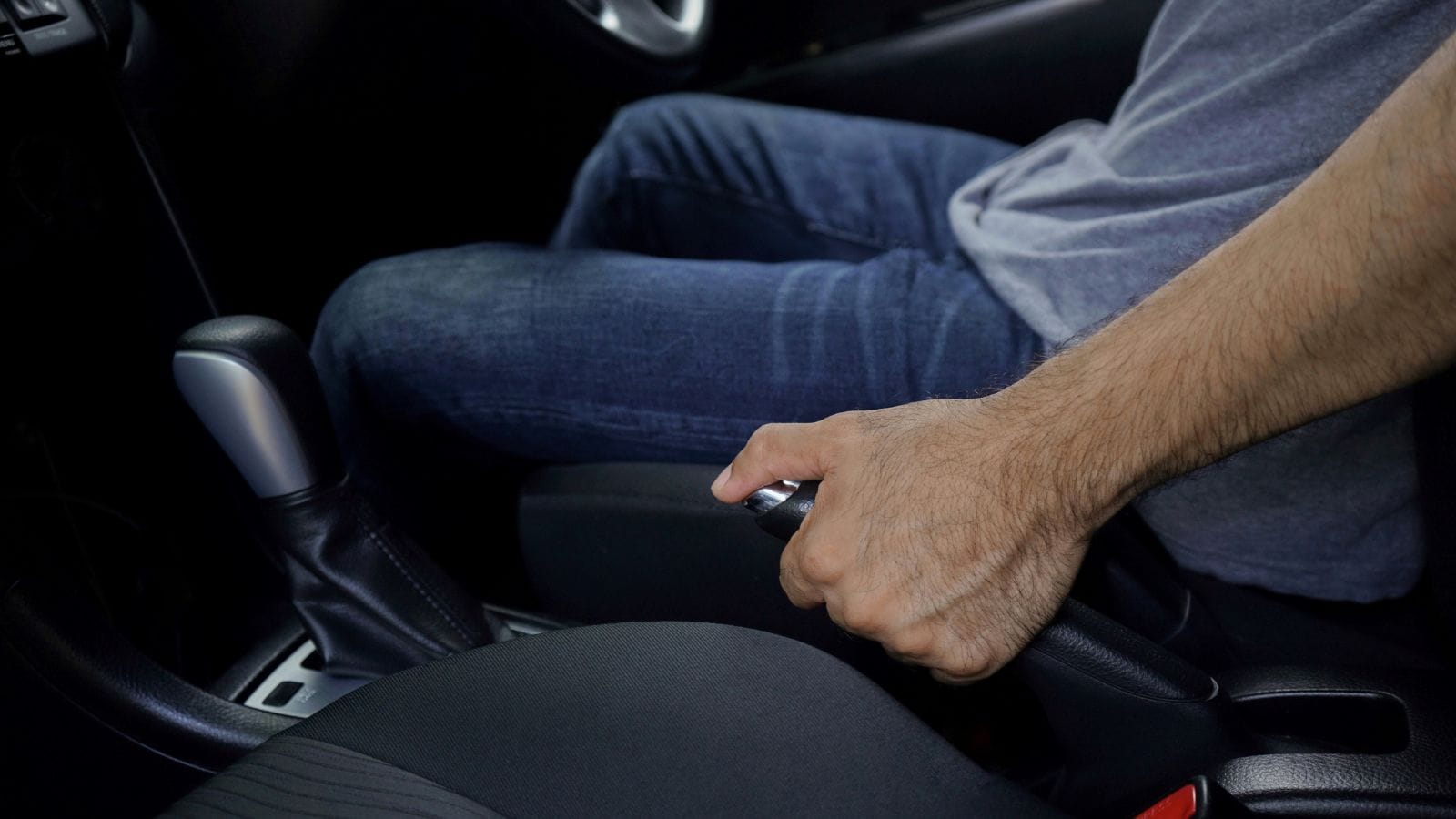
A second version of the same parking mistake happens after the vehicle stops: Park is selected, the foot brake is released, and the parking brake is ignored. On level pavement, the resulting movement may be barely noticeable. On a slope, however, the vehicle can roll until the parking pawl contacts a gear tooth. At that point, the drivetrain—not the wheel brakes—is holding much of the vehicle’s downhill load. Owner’s manuals from several manufacturers therefore instruct drivers to use both Park and the parking brake.
This is not merely an obscure enthusiast preference. An SAE parking-brake-use study reported that a majority of drivers with automatic vehicles rarely or never set the parking brake. Consider a loaded crossover on a steep cottage driveway: when the driver releases the foot brake before setting the parking brake, the body may settle backward with a thump. Applying the parking brake while the service brake is still holding the vehicle lets the wheel brakes carry the static load before the transmission is allowed to relax.
That Small Lurch After Parking Has a Cause
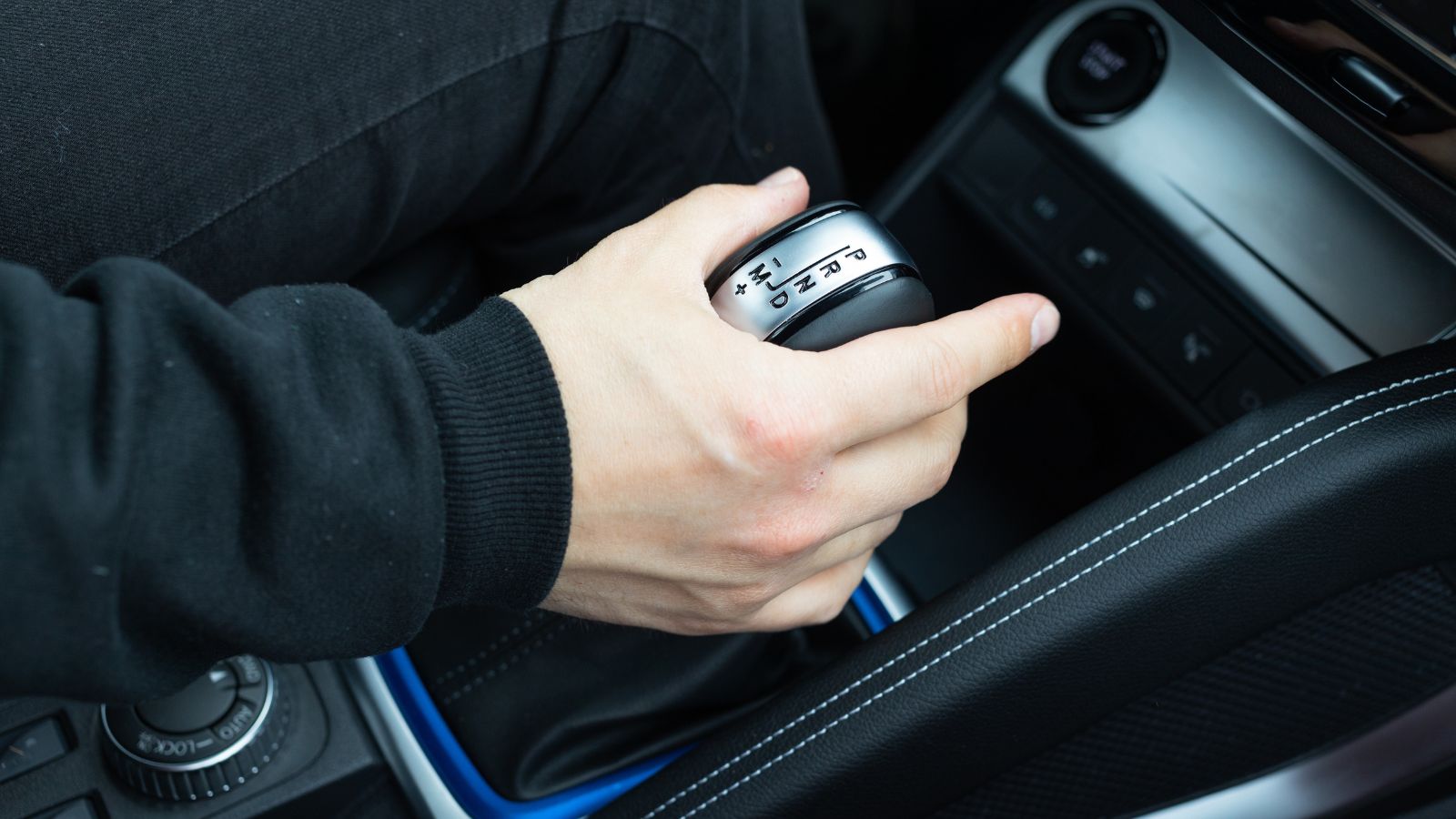
Many automatic vehicles move a few centimetres after the driver selects Park and lifts off the brake pedal. Some movement can be normal because the parking pawl may initially rest against the top or side of a gear tooth; the wheels rotate slightly until the pawl seats securely in the next available gap. The noticeable stop at the end of that movement is the transmission lock taking the load. A single gentle lurch does not, by itself, prove that anything is broken.
The sensation becomes more pronounced on an incline or when the parking brake was not applied first. It may also explain why the selector later feels stubborn when moving out of Park: the vehicle’s weight is pressing the pawl against the gear. Drivers sometimes force the lever and hear a heavy clunk as the load releases. A better response is preventive rather than forceful. Hold the vehicle with the foot brake, engage the parking brake, select Park according to the owner’s manual, and then release the pedal gradually so the brakes—not the pawl—settle the vehicle.
A Better Parking Routine Takes Only Seconds

For many automatic vehicles, a sound routine is straightforward: bring the vehicle to a complete stop with the foot brake, keep the pedal firmly depressed, apply the parking brake, select P, switch off as directed, and release the foot brake gradually. This sequence makes sure the vehicle is stationary before the parking mechanism engages and allows the parking brake to assume the holding load. Several manuals phrase the order slightly differently, but they consistently require a complete stop and the use of the parking brake.
The routine is especially valuable on steep streets, uneven driveways, trailer ramps, or when the vehicle is heavily loaded. Imagine parking a pickup facing downhill. If the driver selects Park and immediately lifts off the pedal, the truck may roll into the pawl. If the parking brake is applied while the service brake is still clamping the wheels, that roll is minimized. The owner’s manual remains the final authority because some vehicles automatically apply an electronic parking brake or automatically select Park when the ignition is turned off.
Neutral Is Not a Mandatory Extra Step
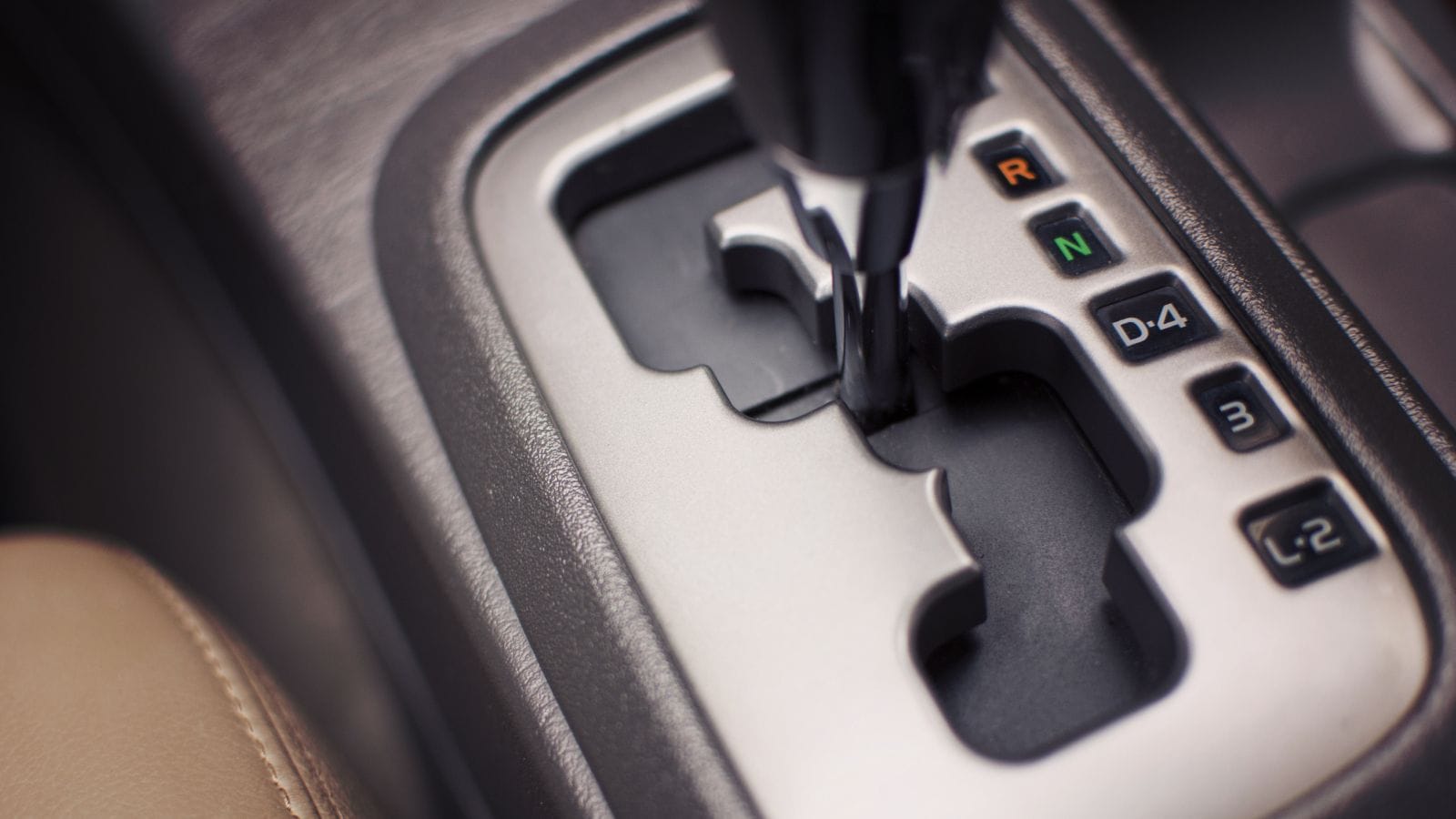
Online parking advice often insists that every automatic must be shifted into Neutral before the parking brake is applied. That method can help a driver deliberately transfer the vehicle’s weight to the parking brake, but it is not a universal manufacturer requirement. Many current owner’s manuals simply direct the driver to stop completely, hold the brake pedal, select Park, apply the parking brake, and shut the vehicle down. Adding Neutral is unnecessary when the prescribed procedure already keeps the vehicle motionless and the brakes loaded.
Neutral can also create a new risk if the foot brake is relaxed too early, because the vehicle is then free to roll. On a steep slope, even a short unintended movement can surprise the driver or reduce control. The important principles are more reliable than an internet ritual: stop fully, maintain brake pressure, engage the parking brake, confirm Park, and follow the model-specific instructions. A driver who uses Neutral should do so only while firmly controlling the vehicle and only when that approach is consistent with the manufacturer’s guidance.
Electronic Shifters Add Protection, Not Permission
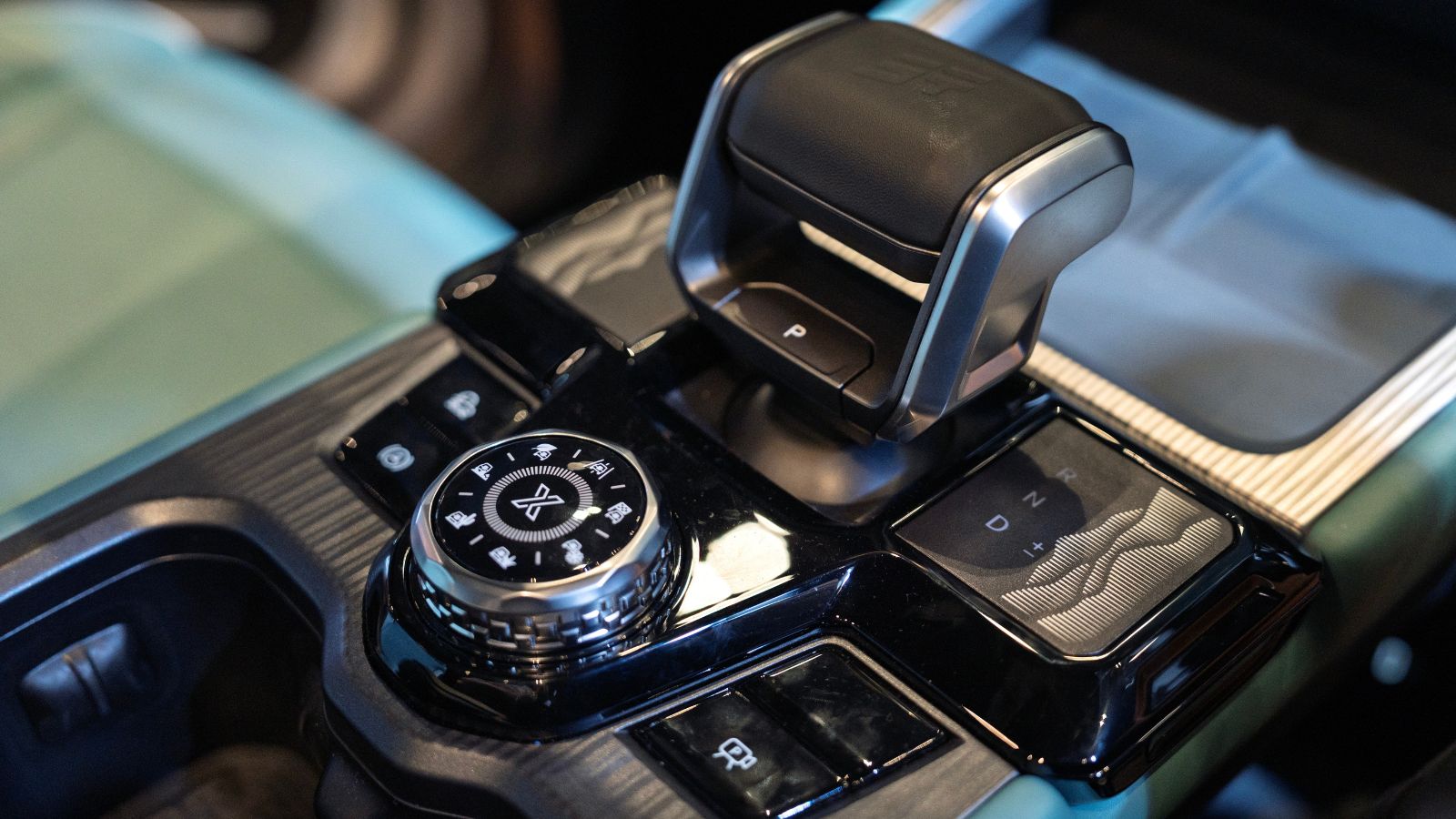
Shift-by-wire systems can make the mistake less obvious. Instead of a lever mechanically linked to the transmission, the driver may press a P button, rotate a dial, or tap a touchscreen command. Some vehicles will reject an unsafe request, flash the selected gear, delay Park engagement, or avoid an automatic shift to Park while the vehicle is moving in order to protect the transmission or reduction gear. These safeguards are valuable, but they do not turn Park into a normal braking control.
The exact response varies by model. Ford manuals describe situations in which the requested gear flashes because the vehicle cannot perform the shift. Hyundai manuals note that automatic Park engagement may be withheld while the vehicle is moving to prevent damage. Some electric vehicles provide a special emergency function that uses a prolonged Park-button command to apply braking, but that is explicitly an emergency procedure, not routine parking technique. Drivers should therefore treat software protection as a backup. The normal sequence still begins with the brake pedal and a complete stop.
One Slip Does Not Automatically Mean Failure
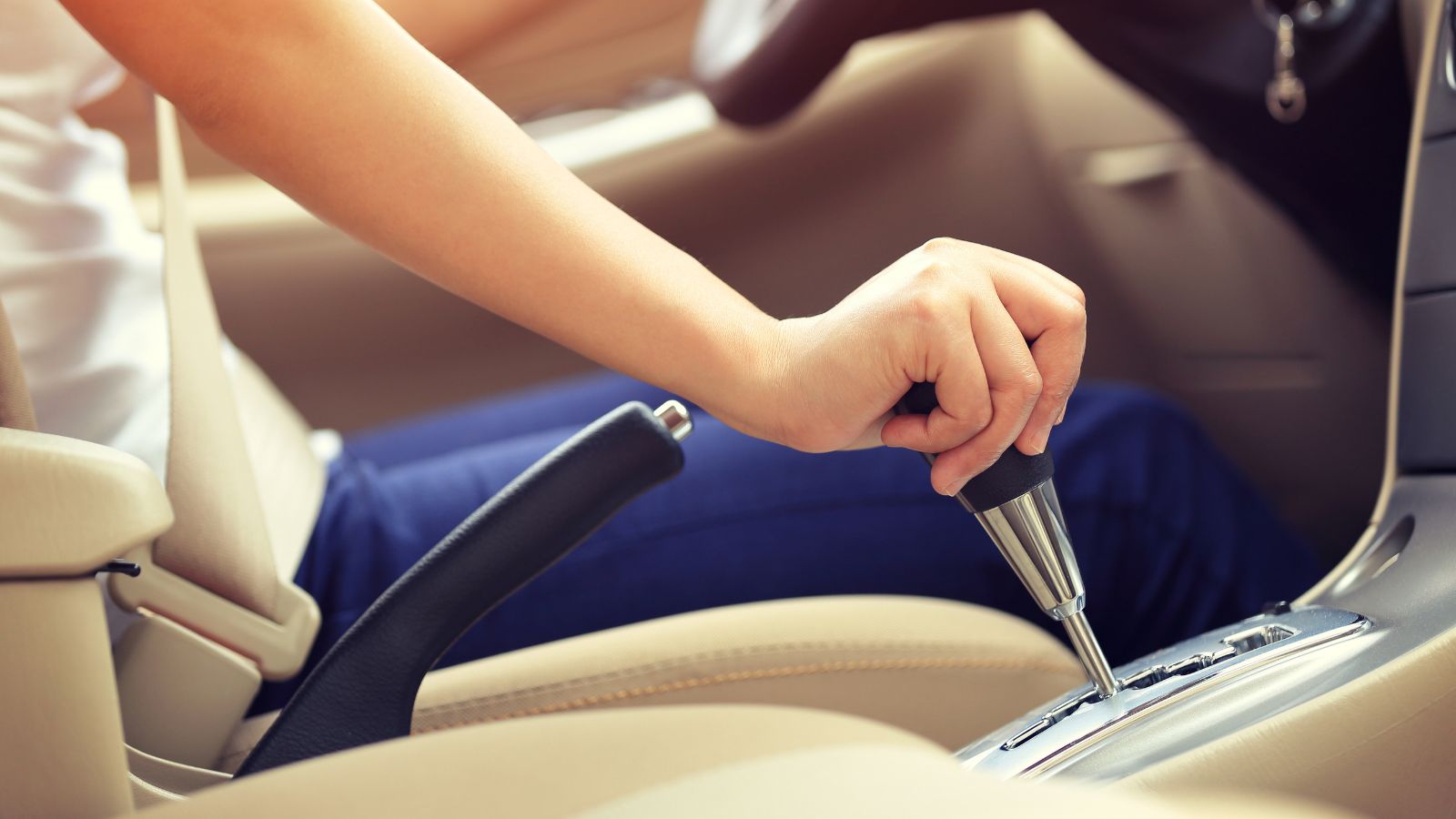
Accidentally selecting Park during a very slow roll can produce an alarming noise, yet it does not guarantee that the transmission has been ruined. Park mechanisms are engineered and validated to meet durability and integrity requirements, and many modern vehicles use controls that limit engagement under unsafe conditions. The outcome depends on speed, vehicle mass, slope, transmission design, whether the pawl actually engaged, and whether the event was isolated or repeated.
That nuance matters because panic can be as misleading as complacency. A brief click followed by normal operation may not indicate lasting damage, while repeated ratcheting, harsh engagement, or using Park to stop the vehicle is abusive. The driver should avoid “testing” the system again to see whether the sound returns. Instead, confirm that Park holds normally on level ground while the parking brake is also used, watch for warnings, and pay attention to changes in selector effort or unusual noises. When symptoms persist, a qualified technician should inspect the vehicle rather than relying on guesswork.
Certain Warning Signs Need Professional Attention
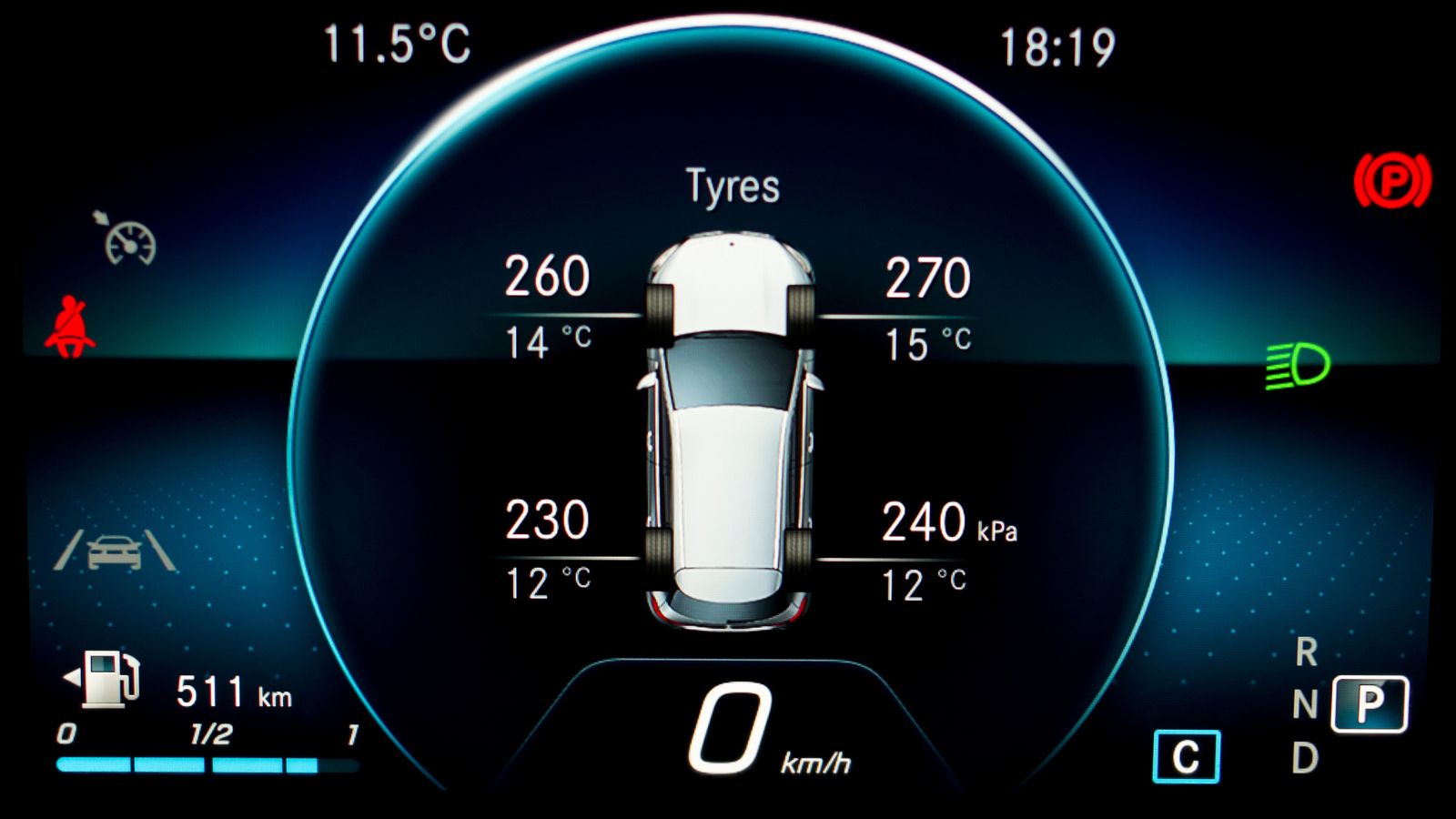
The most concerning symptoms are not a single ordinary clunk on a hill, but repeated or worsening problems. These can include grinding or ratcheting when Park is selected, a Park or shift-system warning, the vehicle failing to remain stationary, the selector becoming unusually difficult to move, or the transmission refusing to enter or leave P under the normal brake-pedal procedure. A vehicle that rolls despite a confirmed Park selection should be secured with the parking brake and kept out of service until checked.
Parking mechanisms are also safety components. NHTSA recall documents have described defects in which a partially engaged or damaged parking pawl could contribute to rollaway, showing why abnormal Park behaviour deserves prompt attention. The cause may be mechanical, electrical, software-related, or part of the brake-shift interlock rather than driver damage alone. Owner’s manuals commonly advise dealer inspection when the selector cannot be moved correctly or a Park malfunction message appears. Forcing the selector, crawling beneath the vehicle, or improvising a release can create additional hazards.
Towing and Car-Wash Modes Follow Different Rules
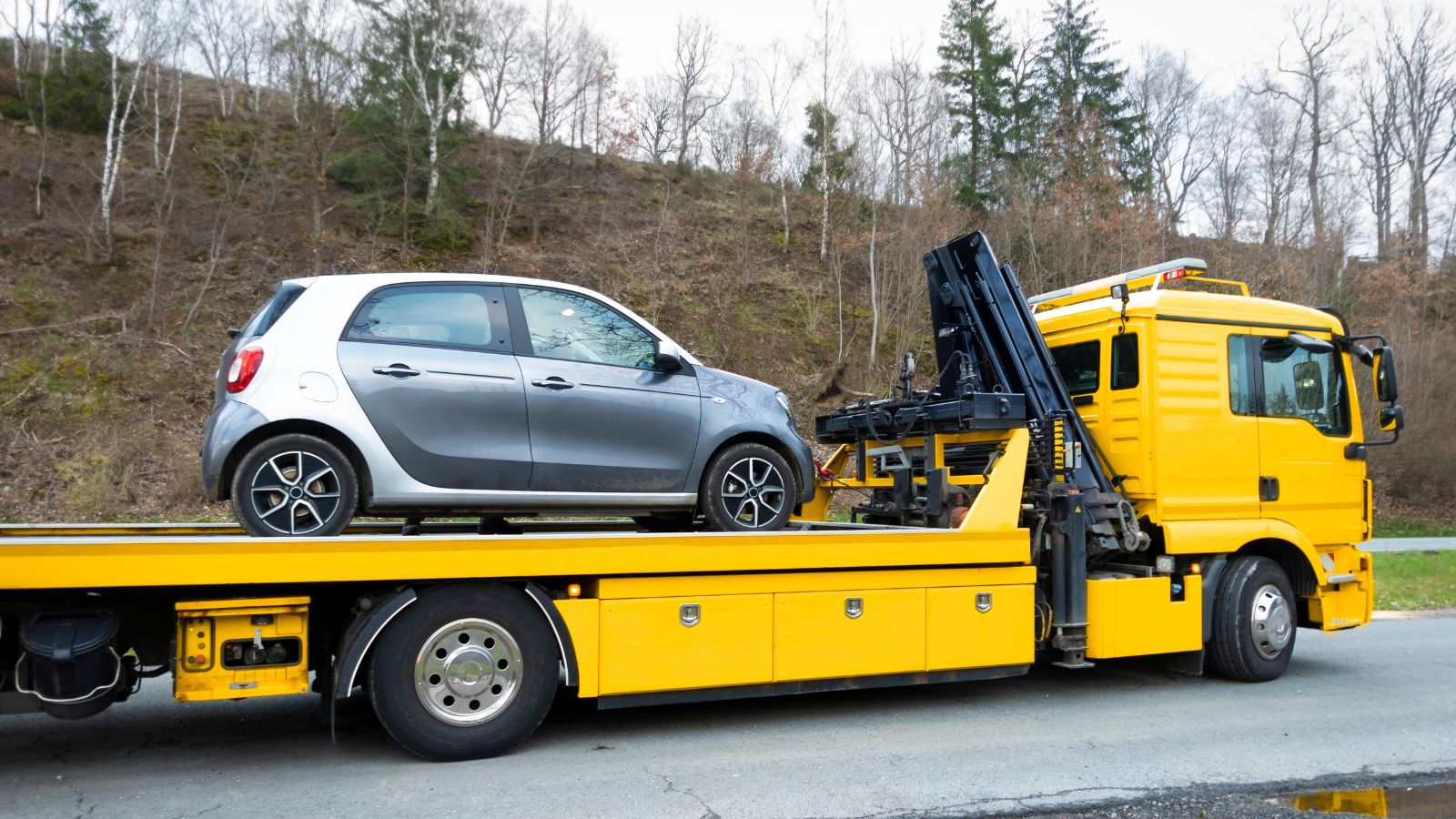
Situations that require the vehicle to roll while the engine is off—such as certain conveyor car washes, loading onto recovery equipment, or emergency towing—must not be handled by simply leaving the transmission in an ordinary driving state and hoping Park stays disengaged. Modern vehicles may automatically select P when the ignition is switched off, the driver’s door opens, the seat belt is released, or battery voltage falls. Others provide a dedicated Stay in Neutral, car-wash, transport, or manual park-release procedure.
These procedures are highly model-specific because the transmission, electronic parking brake, and shift-by-wire system may be linked. Ford, Hyundai, and other manufacturers warn that an incorrect Neutral or towing procedure can allow the vehicle to shift into Park or cause damage. A recovery operator should use the approved method and the correct wheel-lift or flatbed arrangement described in the manual. The same principle remains intact: the parking pawl should never be forced to engage while the wheels are being driven by a tow truck, conveyor, or rolling vehicle.
The Habit Also Reduces Rollaway Risk
Protecting the transmission is only part of the reason to park correctly. Park and the parking brake provide two different forms of restraint. The pawl locks the drivetrain, while the parking brake acts at the wheels through a mechanical or electromechanical system. Using both creates redundancy if one system is not fully engaged, is incorrectly selected, or develops a fault. Safety regulators focus heavily on rollaway prevention because an unattended vehicle can injure occupants, pedestrians, or people standing behind it.
The most dependable habit is therefore deliberately unhurried: stop completely, keep the service brake applied, set the parking brake, confirm P, switch the vehicle off as instructed, and make sure it is stable before stepping out. On a steep grade, wheel direction and wheel chocks may also matter, particularly for heavy vehicles or trailers. The key mistake is easy to avoid once Park is understood correctly. It is a holding lock used after stopping—not a substitute for the brakes and not the mechanism that should absorb the final movement of every parking manoeuvre.
22 Things Canadians Do to Their Cars in Spring That Mechanics Hate

Spring brings relief to many Canadian drivers after months of snow, freezing temperatures, and icy roads that put serious strain on vehicles. As temperatures rise across the country, drivers begin washing cars, switching tires, and preparing vehicles for warmer weather and upcoming road trips. However, mechanics across Canada notice the same mistakes every spring when drivers attempt to recover from winter damage. Road salt, potholes, and harsh winter driving conditions often leave vehicles with hidden problems that drivers ignore. Some spring habits even create new mechanical issues that could have been avoided with proper maintenance. Here are 22 things Canadians do to their cars in spring that mechanics hate.

Alanna Rosen is an experienced content writer that focuses on many EV and educational content. Her articles are regularly published on Get CyberTrucked and syndicated on large publications.