
A winter highway can turn a full washer-fluid reservoir into an empty one with surprising speed. The usual culprit is not a tiny tank or a faulty dashboard warning, but a driving habit that keeps the windshield trapped in a steady cloud of salty slush. Once that film begins building, every passing kilometre seems to demand another spray.
These 12 points explain why following too closely—especially behind trucks, plows, and tightly packed traffic—drains washer fluid so quickly, how cold weather makes the problem worse, and which practical habits preserve visibility without wasting a critical winter supply.
Staying in the Spray Zone

The mistake is not using the washer too often. It is remaining too close behind another vehicle on a wet, salted highway. Tires lift a mist of water, slush, road salt, sand, and grime into the air. At highway speed, that dirty plume can reach the windshield every few seconds, forcing repeated washer cycles just to preserve a clear view.
A driver may assume the reservoir is unusually small because the warning light appears halfway through a trip. In reality, the car may have spent an hour inside the spray trail of a transport truck or tightly packed traffic. Opening a larger gap can reduce how much contamination reaches the glass while also improving reaction time. The simplest way to conserve fluid is therefore behavioural: move out of the heaviest spray when safe, avoid hovering behind large vehicles, and treat a suddenly dirty windshield as a signal to create more space rather than immediately accepting nonstop washer use.
Why Winter Highways Produce So Much Grime

Winter pavement can look merely wet even when it is carrying a complicated mixture. Canadian road authorities use salt, pre-wetted salt, brine, sand, and other materials to improve traction or prevent ice from bonding to the road. Environment and Climate Change Canada has estimated that roughly five million tonnes of road salts are used across the country in a typical year.
Once traffic passes over that treated surface, tire tread throws the mixture upward as fine spray. Water may evaporate from the windshield, but dissolved salt and road dirt remain behind as a pale film. That residue scatters light, especially around headlights at night, and often requires fresh washer fluid rather than dry wiping. A familiar example is the windshield that appears clear after leaving town but turns milky within minutes of joining a busy expressway. The reservoir drains quickly because each cleaning removes one layer while the vehicle ahead immediately supplies another.
Large Vehicles Create a Bigger Plume

Transport trucks and buses can make the problem noticeably worse. Their larger tires move through a broader area of wet pavement, and multiple axles can send repeated waves of slush toward nearby vehicles. Transport Canada specifically warns that truck and bus wheels spray substantial rain in summer and slush in winter, which is why drivers are advised to have their wipers ready when approaching them.
The fluid-saving lesson is not to race alongside a truck or settle directly behind its trailer. A passenger car can remain inside the spray cloud for kilometres, especially when traffic prevents a clean pass. The windshield may need another wash before the previous coating has fully cleared. A better approach is to pass only when there is enough room to complete the manoeuvre smoothly, or to remain farther back where the spray has more distance to disperse. The result is usually better visibility, less frantic wiper use, and a lower chance of being surprised by debris or sudden braking.
Snowplows and Salt Trucks Need Extra Room
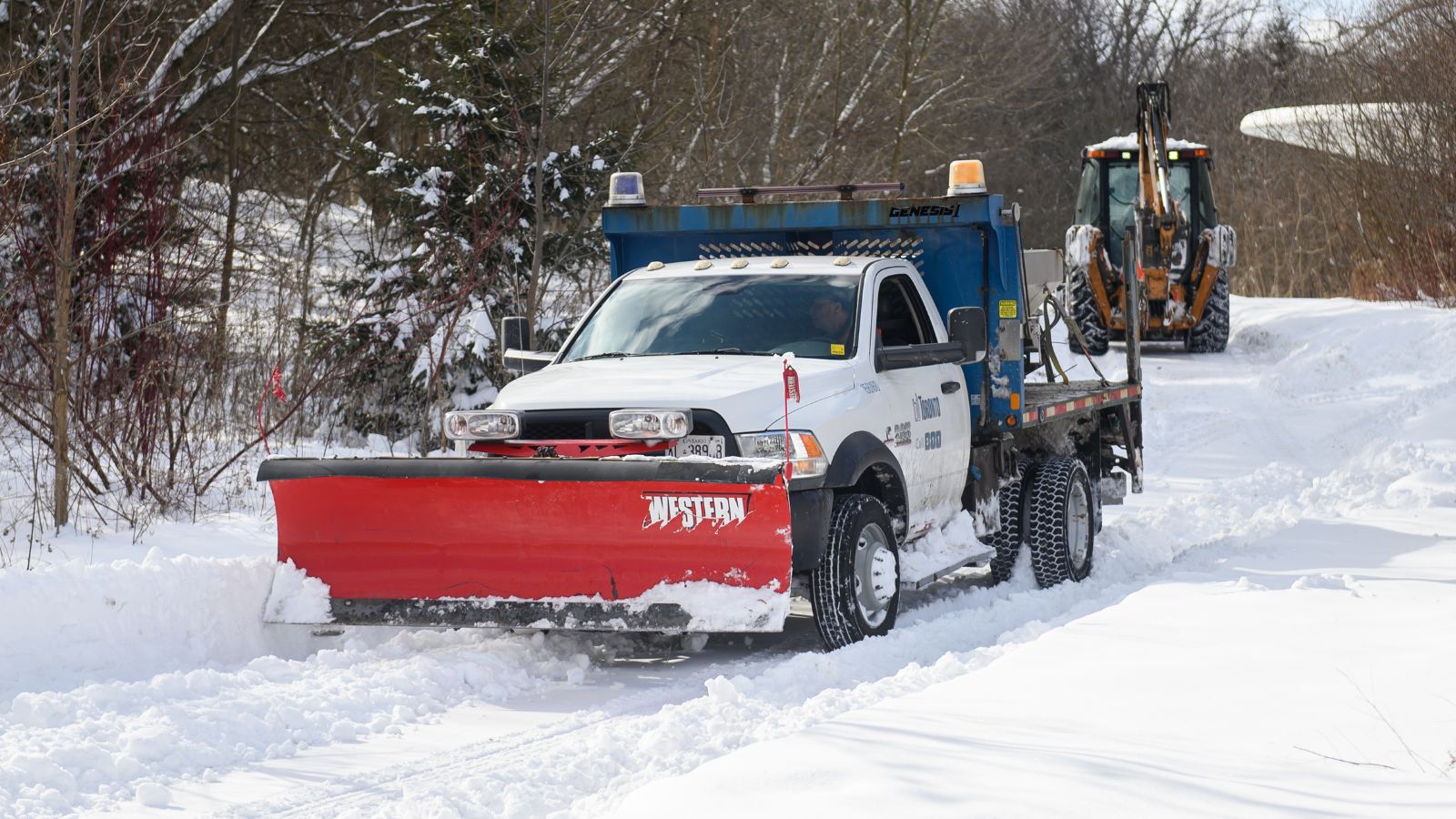
Following a working snowplow or salt truck closely is one of the fastest ways to coat a windshield. These vehicles operate where snow, slush, and treatment materials are most concentrated. Ontario’s winter-driving guidance tells motorists to stay back from plows and other maintenance vehicles, including trucks spreading salt or spraying anti-icing liquid. The advice protects both visibility and stopping space.
There is also little practical benefit in crowding a plow. The road immediately beside or behind the truck may be turbulent, partially cleared, or covered by material being applied. A driver who sits near the rear lights can receive continuous spray and may instinctively hold the washer lever longer than necessary. Waiting at a safe distance often produces a cleaner windshield and gives the maintenance vehicle room to work. When passing is permitted and clearly safe, it should be completed decisively rather than by lingering beside the truck. Conserving fluid is secondary to safety, but in this case the safer choice also reduces contamination.
Following Distance Is the Main Fix

Increasing the gap to the vehicle ahead addresses the cause rather than the symptom. Winter-driving authorities consistently recommend more following distance because snow, ice, poor visibility, and slick pavement lengthen the time needed to recognize and respond to trouble. AAA guidance commonly suggests extending the normal dry-road interval to about five or six seconds in winter conditions, with even more space appropriate on ice or in severe weather.
That extra distance also allows road spray to settle or drift away before it reaches the windshield. Consider two cars travelling through salty slush: the closer car receives a dense, freshly thrown mist, while the more distant car encounters a thinner cloud. Drivers can check the gap by choosing a fixed roadside marker and counting the seconds after the vehicle ahead passes it. If another vehicle moves into the space, rebuilding the gap is safer than trying to defend it. The goal is not a perfect number; it is enough room to see clearly, brake progressively, and avoid living on the washer switch.
Speed Makes the Cycle More Wasteful
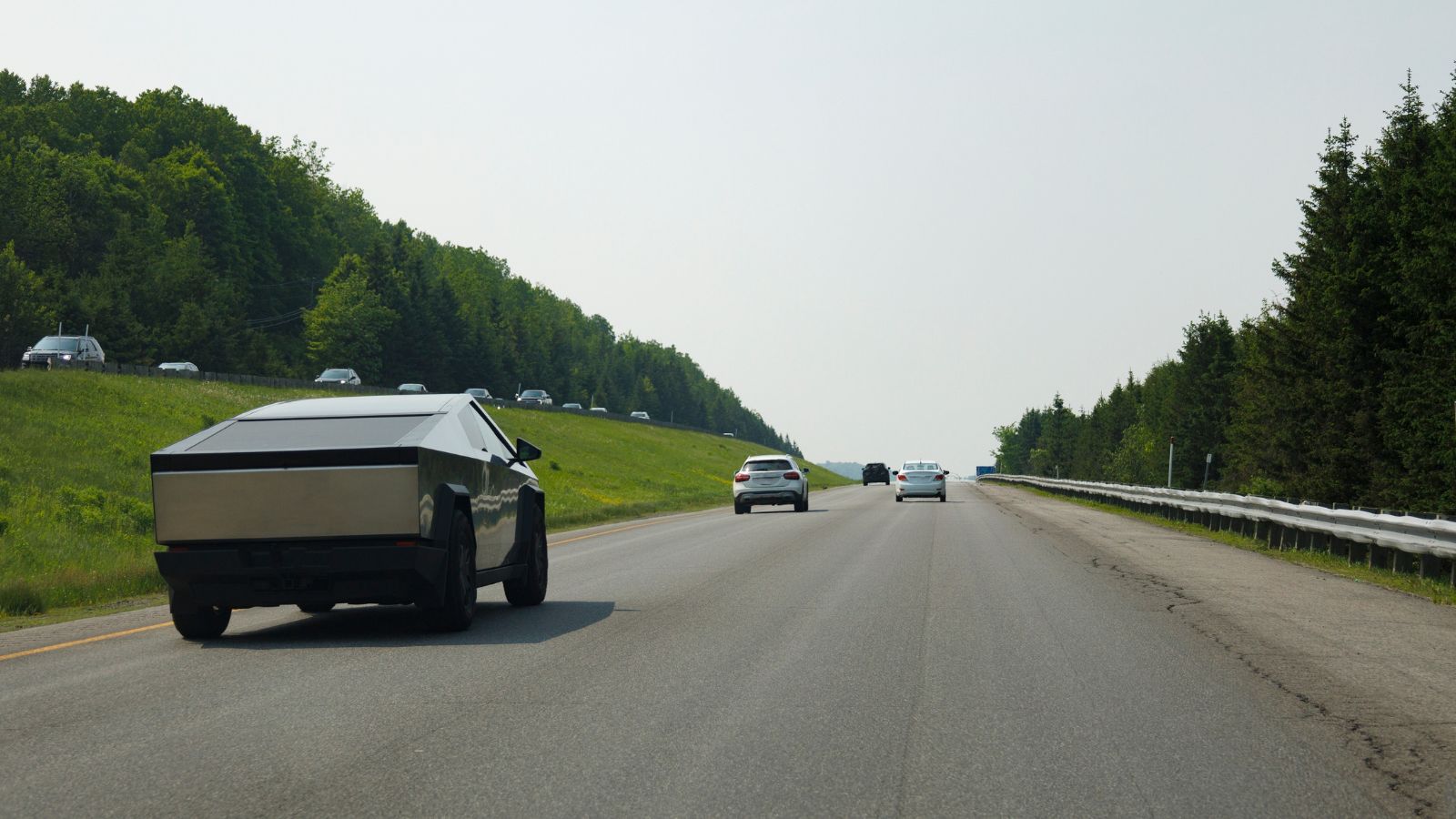
High speed increases the urgency of every visibility problem. Spray reaches the glass rapidly, airflow spreads it across a larger area, and the driver has less time to tolerate a smeared view. When traffic is moving too quickly for the conditions, washer use can become a repetitive cycle: spray, wipe, regain visibility, and repeat seconds later. Slowing modestly can reduce both contamination and the pressure to clean immediately.
Speed should always match road surface, weather, and sight distance rather than the posted limit alone. Transport Canada’s winter guidance emphasizes adjusting driving to conditions and keeping windows clear before and during a trip. A commuter who drops speed slightly in heavy slush may discover that the windshield stays usable for longer between washes. The reduction does not justify driving with impaired visibility; fluid should be used whenever needed. It simply means that a calmer pace, paired with a larger following gap, can prevent the windshield from becoming dirty as quickly and preserve more fluid for later in the journey.
Dry Wiping Can Turn Residue Into a Smear

Wipers cannot remove dissolved salt and oily road film indefinitely without liquid. When the windshield is only lightly damp, a blade may spread contamination into a broad haze rather than lifting it away. The effect is especially distracting after dark, when oncoming headlights reveal streaks that were almost invisible during the day. CAA notes that winter wipers must handle salt, sand, dirt, and debris mixed into slush.
This is why repeatedly flicking the wipers without washer fluid can make the driver reach for an even longer spray moments later. Clean, flexible blades help, but they still need enough liquid to suspend and carry away grime. If streaking persists after a normal wash, the blades and windshield should be cleaned when the vehicle is safely parked. Worn rubber, ice buildup, or residue on the blade edge can all reduce performance. Effective wiping conserves fluid because one short cleaning cycle works; poor wiping wastes it because the same patch of glass must be washed again and again.
Use Controlled Bursts Instead of Holding the Lever
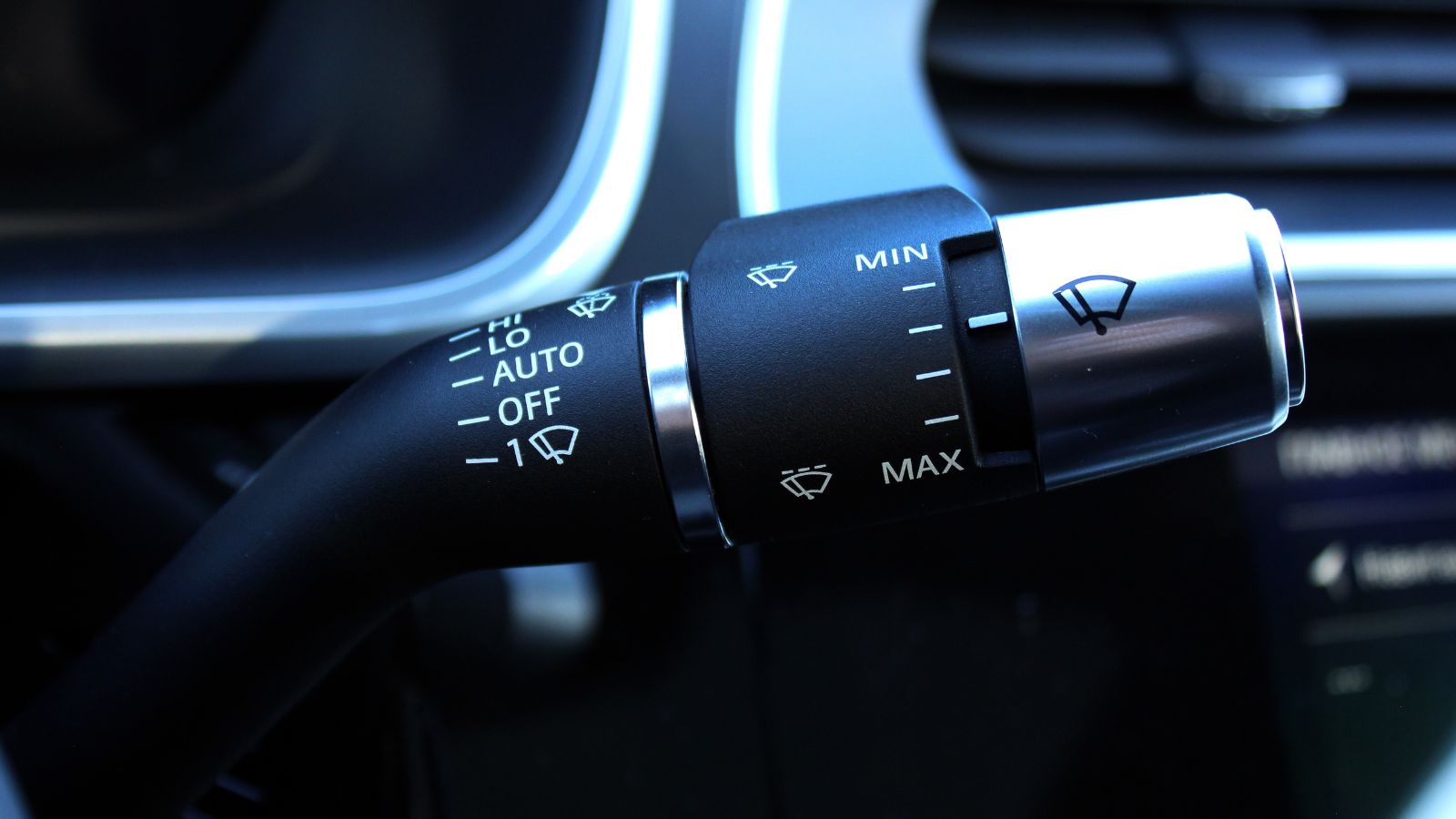
Most modern washer controls are designed to spray fluid and run the wipers for a small number of cycles. Hyundai and Kia manuals, for example, describe a gentle pull of the lever that sprays the windshield and activates roughly one to three wipes. Holding the control continuously can release far more fluid than the glass needs, particularly when panic sets in after a sudden blast of slush.
A more efficient response is a firm, brief application that wets the dirty area, followed by enough time for the blades to clear it. If visibility is still poor, another short burst can be used. This technique should never replace adequate washing; a dangerously obscured windshield requires immediate action and, if necessary, a safe place to stop. The point is to avoid treating every light film like a frozen windshield. Drivers often discover that one deliberate pulse works better than a long stream because the fluid remains on the glass long enough to loosen grime instead of being swept away before it can clean.
Winter-Grade Fluid Prevents False Economy
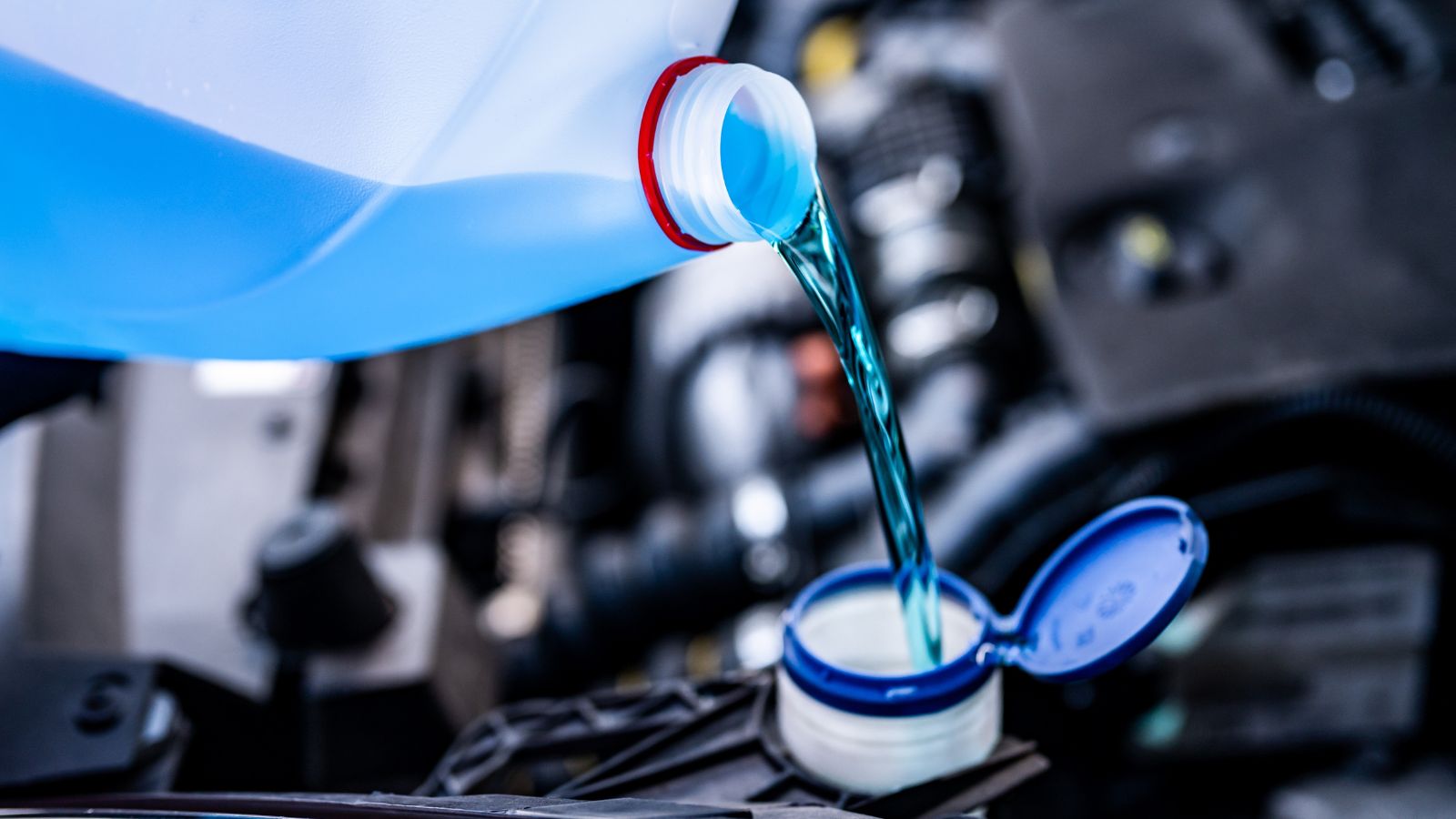
A bargain fluid that is not rated for the expected temperature can create a much larger problem than an empty reservoir. Transport Canada recommends filling with winter washer fluid rated for temperatures around minus 40 degrees Celsius and carrying an extra jug. Vehicle manufacturers also warn that inadequate freeze protection can allow fluid to freeze on the windshield or within parts of the system, reducing visibility and potentially damaging components.
The label matters because products are formulated for different climates. Plain water or heavily diluted summer fluid may seem economical during a mild afternoon, then become useless when the temperature drops overnight. A partially frozen line can deliver a weak spray, encouraging the driver to hold the lever longer and waste whatever liquid still moves. Before winter travel, the reservoir should contain a product suitable for the forecast and the vehicle’s manual. Mixing unknown leftovers can weaken freeze protection, so topping up repeatedly with the correct seasonal fluid is safer than guessing what concentration remains.
Warm the Windshield Before Spraying in Deep Cold

Even properly rated fluid can behave poorly on glass that is extremely cold. Hyundai and Kia owner guidance warns drivers to warm the windshield with the defroster before using the washer in freezing conditions because liquid may freeze on contact and obscure the view. That warning matters most at the start of a trip, when the cabin and glass have not yet warmed.
A common mistake is pulling onto the highway with a partly frosted windshield and trying to finish the job using repeated washer sprays. The first application may create a thin icy haze, prompting several more attempts and draining the reservoir without producing a clear surface. The safer routine begins before moving: remove snow and ice, run the defroster, and confirm that the washers and wipers work. Once the windshield is warm enough, short cleaning cycles are more effective. Heat does not eliminate the need for winter fluid, but it helps prevent the expensive and dangerous pattern of spraying repeatedly onto glass that immediately refreezes.
Begin the Trip Full and Carry a Spare
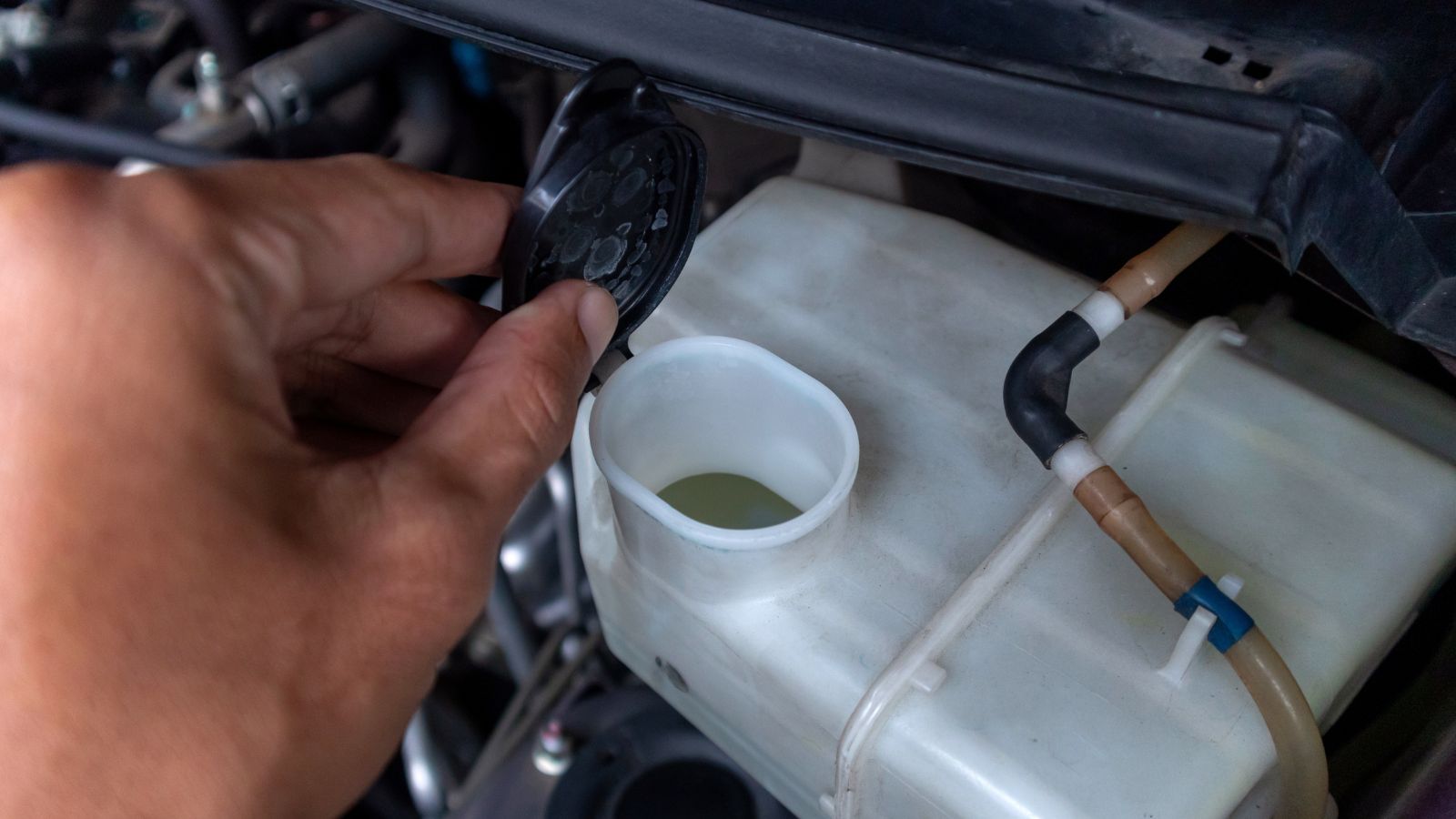
Washer fluid is a visibility supply, not merely a convenience item. Transport Canada recommends a full reservoir and an extra jug as part of winter vehicle preparation. CAA and AAA offer similar advice because salty slush can force unexpectedly heavy use during a long highway run. A reservoir that seemed adequate during city driving may be exhausted quickly in a storm or behind dense traffic.
The practical check takes only a few minutes. Top up before departure, confirm that both nozzles spray evenly, and place a sealed spare jug where it will not roll or leak. Drivers should also know whether their vehicle has a low-fluid warning; some models provide one, while others offer little notice before the spray stops. On a remote highway, losing washer fluid can turn a manageable trip into a visibility emergency. A spare jug cannot be added while moving, of course, but it allows a safe roadside stop or service-area refill instead of continuing with a windshield that becomes progressively harder to see through.
When Rapid Loss Signals a Mechanical Problem
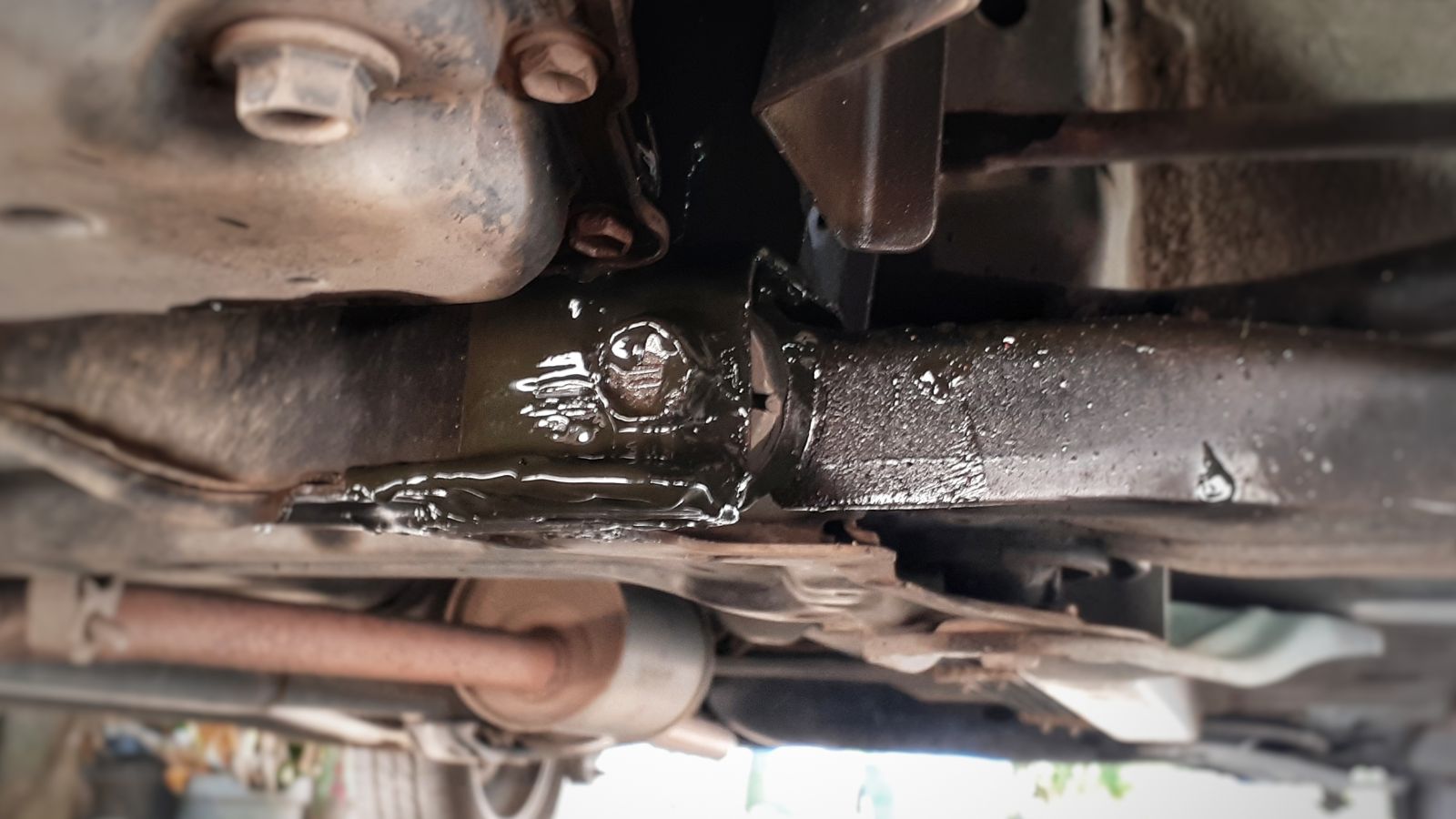
Heavy road spray explains fast consumption only while the washer system is actually cleaning the glass. If the reservoir level drops sharply on a dry day, the spray pattern becomes weak, or fluid appears under the vehicle, the cause may be mechanical rather than behavioural. A loose hose, damaged reservoir, blocked nozzle, or failing pump can prevent the expected amount of fluid from reaching the windshield.
Manufacturer guidance recommends checking the washer-fluid level regularly, and several owner manuals warn against operating the system when the reservoir is empty because the pump can be damaged. A useful test is to fill the reservoir, operate the washers briefly while parked, and observe whether the nozzles spray evenly and whether liquid leaks inside the engine bay or onto the ground. Frozen fluid can also clog or damage the reservoir and hoses, according to Ford’s maintenance guidance. If the level continues to fall without normal use, the system should be inspected rather than repeatedly refilled. Conservation cannot compensate for a leak.
22 Things Canadians Do to Their Cars in Spring That Mechanics Hate

Spring brings relief to many Canadian drivers after months of snow, freezing temperatures, and icy roads that put serious strain on vehicles. As temperatures rise across the country, drivers begin washing cars, switching tires, and preparing vehicles for warmer weather and upcoming road trips. However, mechanics across Canada notice the same mistakes every spring when drivers attempt to recover from winter damage. Road salt, potholes, and harsh winter driving conditions often leave vehicles with hidden problems that drivers ignore. Some spring habits even create new mechanical issues that could have been avoided with proper maintenance. Here are 22 things Canadians do to their cars in spring that mechanics hate.

Alanna Rosen is an experienced content writer that focuses on many EV and educational content. Her articles are regularly published on Get CyberTrucked and syndicated on large publications.