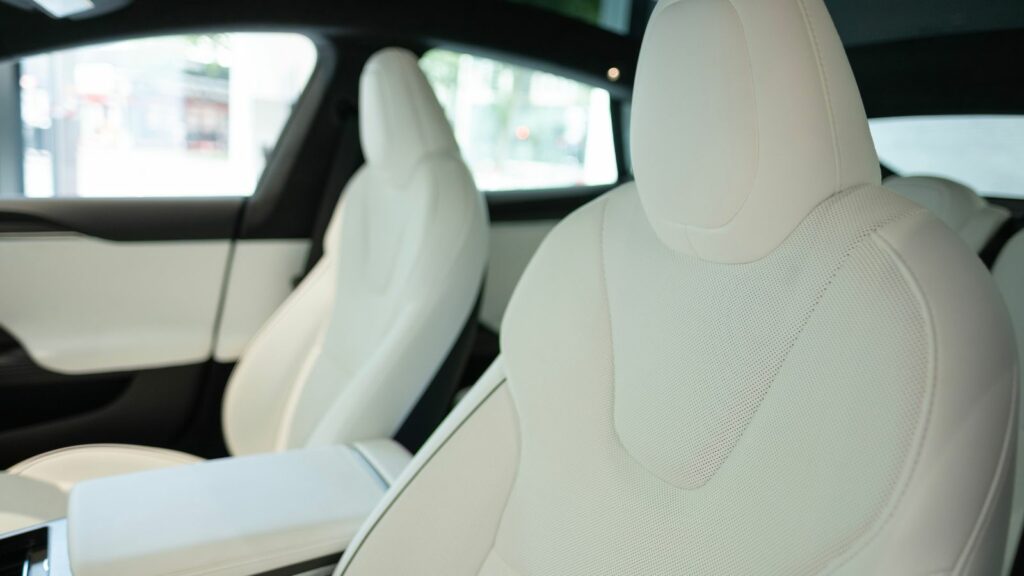
White interiors have become a symbol of modern automotive design, especially in electric vehicles and upscale SUVs where bright cabins photograph beautifully and appear larger than they are. Yet the same seats that look calm in a showroom can feel less practical after a Canadian winter, a family road trip, or years of daily commuting.
The hesitation is not simply about spilled coffee. It reflects 12 practical concerns involving clothing dye, road salt, pets, cleaning restrictions, sunlight, safety equipment, and future resale. Pale upholstery can still be durable and attractive when cared for properly, but ownership often demands faster cleanup and closer attention than darker cabins. For buyers who want a vehicle to look relaxed rather than carefully preserved, that extra responsibility is becoming harder to ignore.
Dark Denim Does Not Always Stay on the Jeans
A white seat can pick up colour from ordinary clothing before food or coffee causes trouble. Dark denim is the familiar example, but jackets, belts, handbags, and other accessories may also transfer dyes or oils. Tesla’s care guidance specifically warns that these marks can be difficult to prevent and cannot always be removed safely, particularly from light-coloured leather.
That changes the rhythm of ownership. A commuter who wears raw denim several days a week may notice a blue cast on the driver’s bolster, while the passenger seat remains bright. The contrast makes transfer easier to spot, yet waiting can make cleaning more difficult. Prompt wiping with the manufacturer-approved method is usually safer than attacking the stain later with a stronger product. For some Canadians, the need to think about what they are wearing before climbing into the car makes a white cabin feel less effortless than its showroom appearance suggests.
Winter Road Salt Finds Its Way Inside
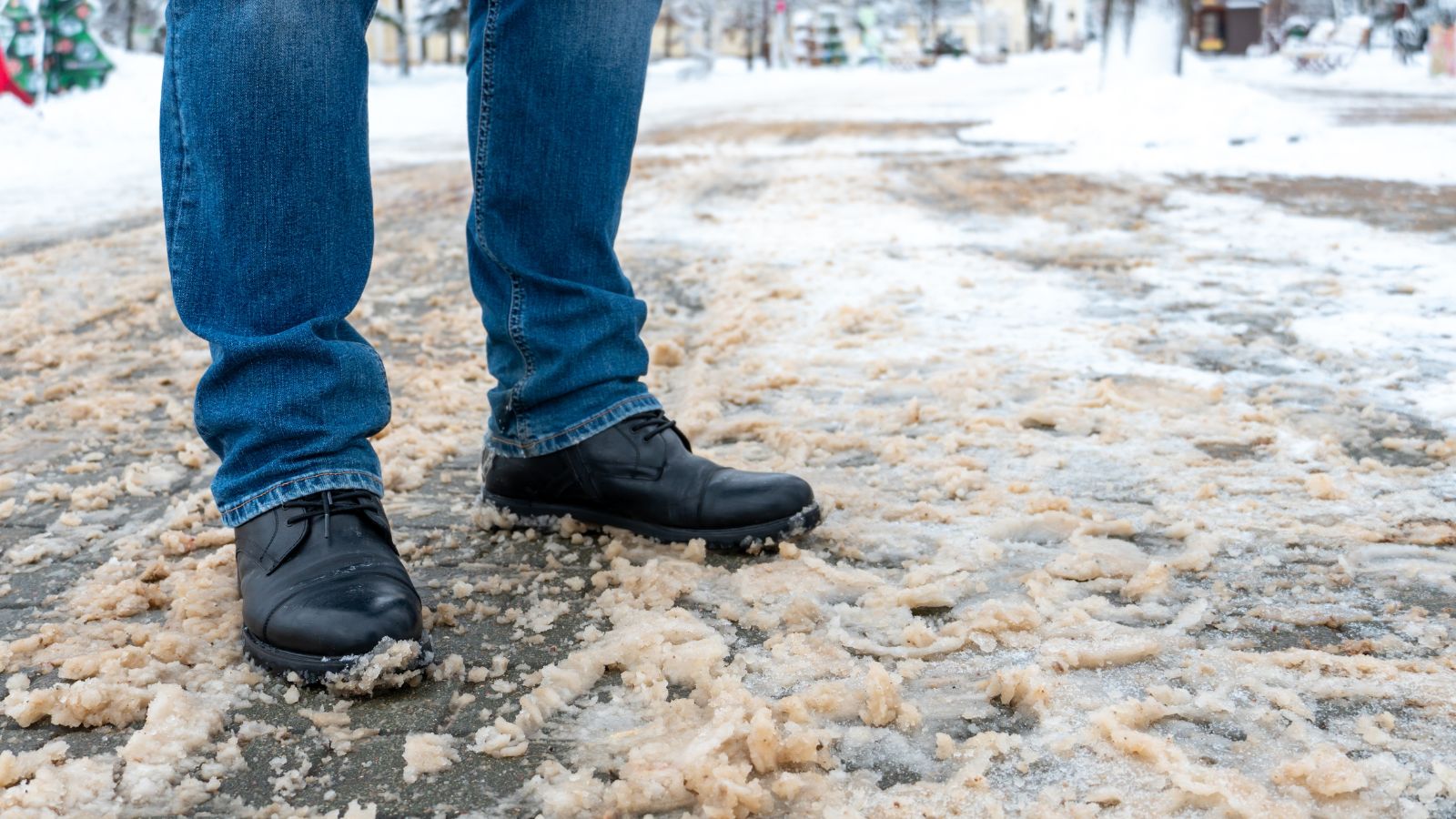
Road salt is widely used across Canada for de-icing and anti-icing. It rarely stays on the roadway. Boots carry salty slush onto floor mats, trouser cuffs brush seat edges, and wet bags rest against pale door panels. Once the moisture dries, chalky residue can remain in seams, carpet fibres, and textured trim.
A dark cabin can hide some of that disorder until the next thorough cleaning. A white or cream interior tends to display every splash and muddy handprint immediately. Consider a parent loading children after a snowy school pickup: one boot on a light seat base can leave a mark that becomes the first thing seen whenever the door opens. All-weather mats protect the floor, but they cannot shield lower seat cushions, consoles, or door cards. The concern is not that white materials are inherently fragile; it is that Canadian winter grime creates more visible maintenance, week after week.
Family and Pet Life Changes the Calculation

White interiors can work in a lightly used commuter, but family duty introduces more variables. Agriculture and Agri-Food Canada reported about 8.9 million cats and 8.3 million dogs in 2024, with close to four in ten households owning each. Muddy paws, shedding fur, drool, snack crumbs, and damp outdoor gear are ordinary cabin realities, not unusual accidents.
A pale rear bench also turns moments into visible evidence. A dog returning from a wet trail may brush the seat before a towel is in place. A child can grind a cracker into a perforation or leave marker on an armrest on a long drive. Protective cargo liners help, and these incidents need not cause permanent damage. Still, owners must be organized about blankets, wipes, and cleanup timing. Buyers who expect the vehicle to serve as a moving family room may favour a medium-tone interior that disguises disorder between cleanings.
Sunscreen and Cosmetics Bring Their Own Chemistry
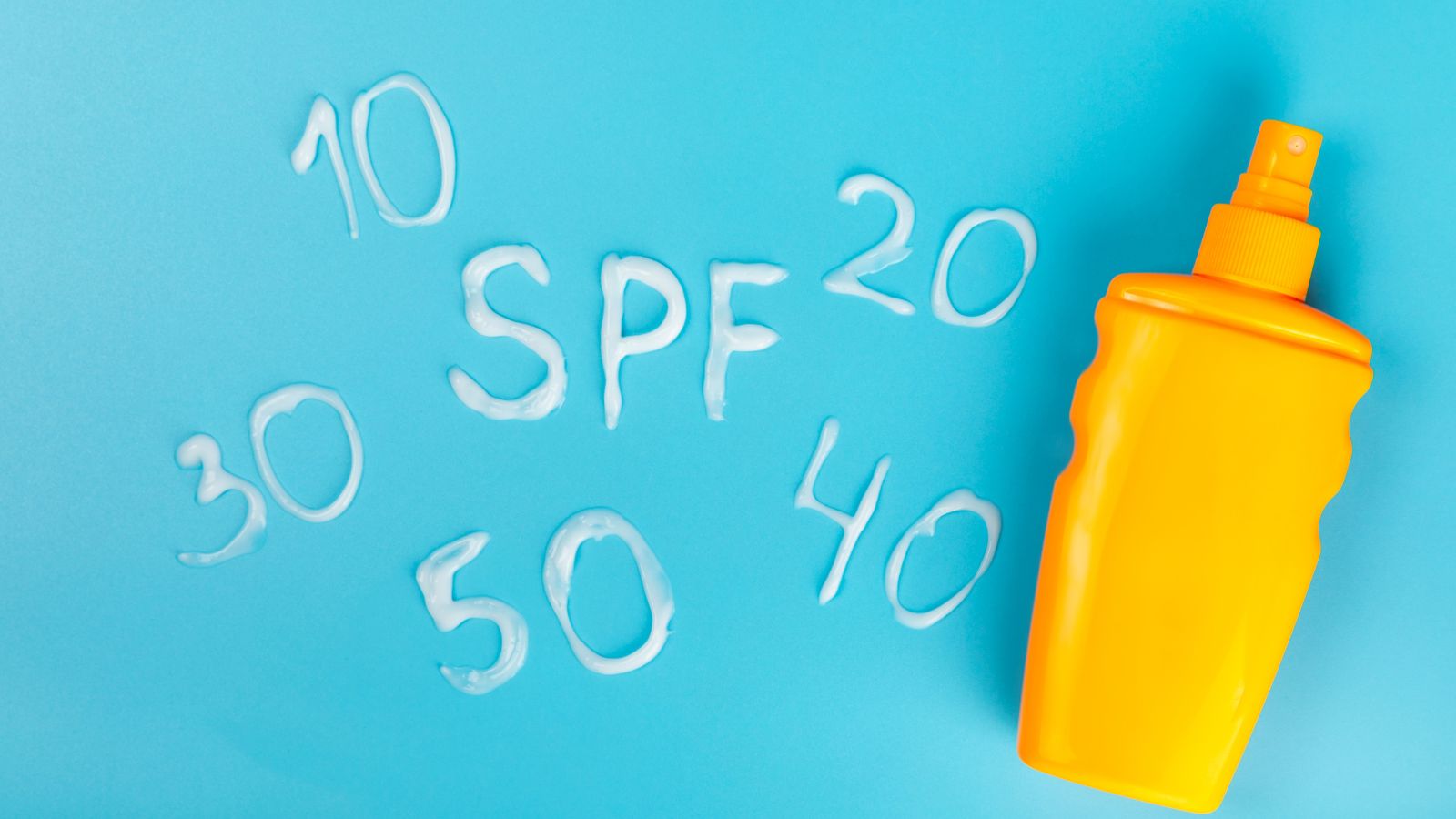
Summer mess goes beyond melted drinks. Sunscreen, hand cream, makeup, hair products, and self-tanner can leave oils or pigments on seats, armrests, steering wheels, and door pulls. Manufacturer guidance warns that cosmetics may transfer dyes and oils, while certain chemicals can degrade or discolour interior surfaces. Pale upholstery makes an orange, pink, or grey trace immediately visually prominent.
The problem often appears after a pleasant summer day. Someone applies sunscreen at the beach, then rests a bare arm on a white centre armrest during the drive home. The residue may seem harmless, but repeated contact can create a dull patch that attracts attention because the surrounding surface remains bright. Scrubbing aggressively can do more harm than the original mark. That leaves careful owners wiping high-touch areas promptly with mild soap and a soft cloth. For shoppers seeking a cabin that tolerates spontaneous summer use, that routine may feel surprisingly demanding.
Not Every White Interior Uses the Same Material
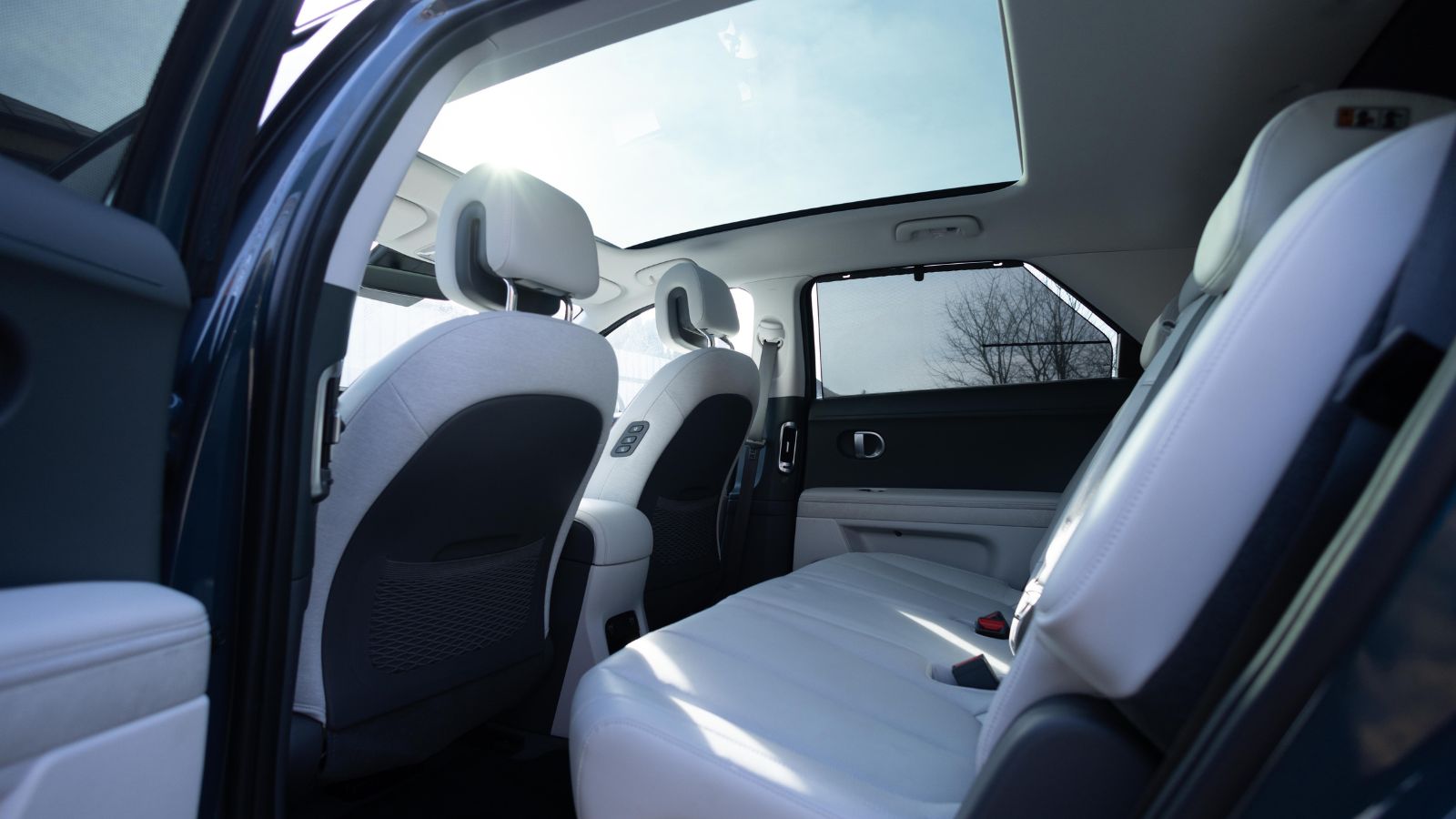
The phrase “white interior” can describe different surfaces. Cabins may combine coated leather, synthetic leather, woven textile, wool blend, vinyl, and moulded plastic in shades marketed as white, cream, zinc, or dawn. Volvo, for example, offers light upholstery choices across multiple materials, and each surface type has its own cleaning method and moisture limits.
This matters because a product that is safe on one panel may be unsuitable for the seat beside it. Leather conditioners can discolour some coated materials; strong solvents can damage plastics; textile upholstery may require extraction and complete drying rather than a quick wipe. A well-meaning owner can therefore turn one stain into several finishes with different sheen or colour. The safest approach is to check the owner’s manual rather than treating the whole cabin as household furniture. Buyers who dislike specialized care may discover that a multi-material pale cabin requires more product discipline than expected.
Perforations Make Cleaning More Exacting
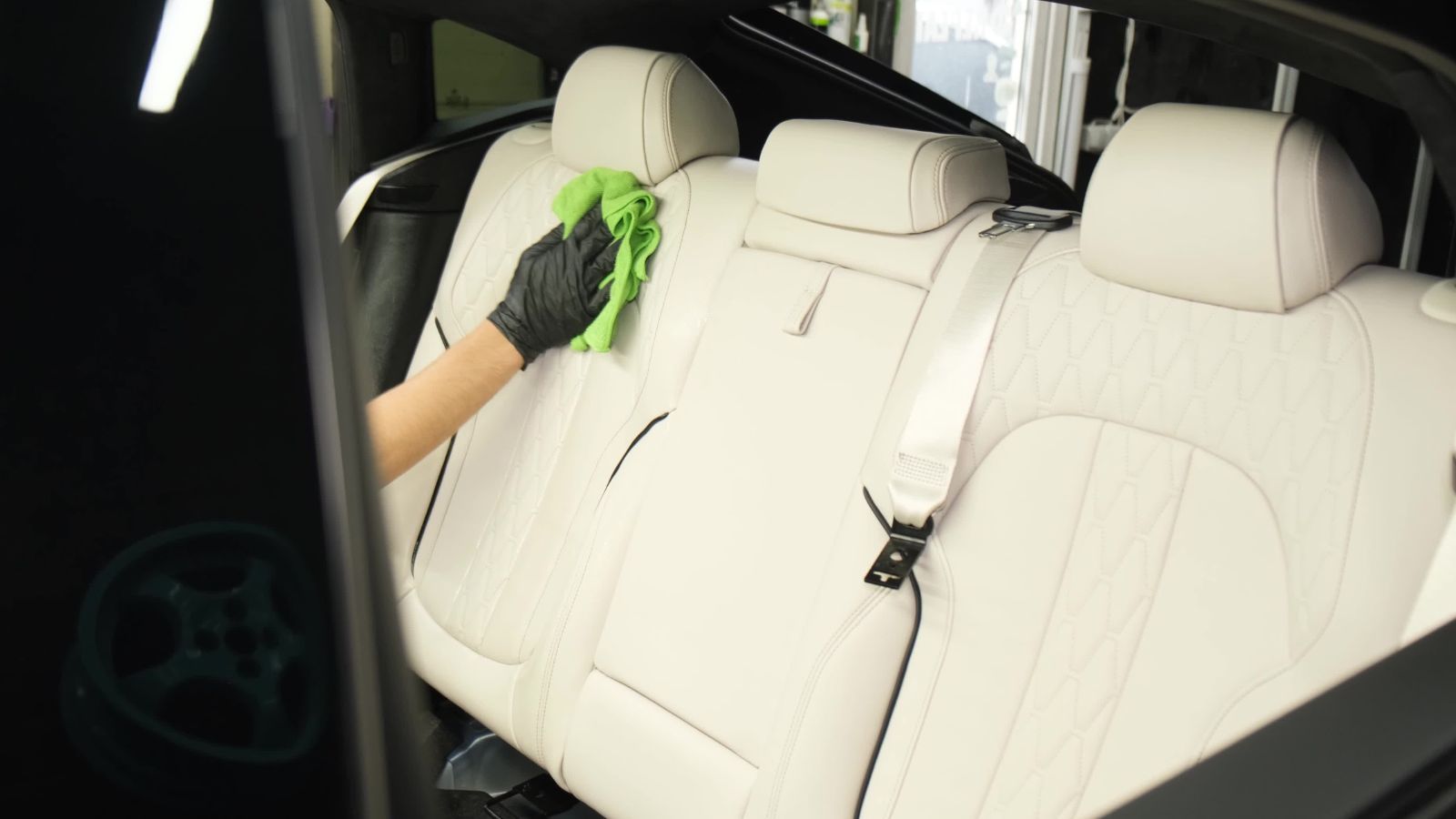
Ventilated seats are appealing during humid summers, and many systems move air through perforated upholstery. Those tiny openings, along with contrast stitching and sculpted seams, add comfort and distinctive visual detail. They also create places where crumbs, dried residue, and fine grit can become noticeable, especially when the surrounding material is white. Cleaning must be thorough without flooding the seat.
That balance is important because manufacturers warn against spraying seats directly or over-saturating areas that contain electronics, microphones, heating elements, or ventilation components. A quick soak-and-scrub approach is therefore unsuitable. Imagine a sugary drink reaching a perforated cushion: the visible surface may wipe clean, yet residue around the holes can demand patient work with a lightly damp cloth and careful drying. Owners who enjoy detailing may see this as routine. Others may prefer a darker, simpler seat surface that does not turn every trapped speck into a small precision-cleaning job.
Strong Cleaners Can Create Permanent Damage
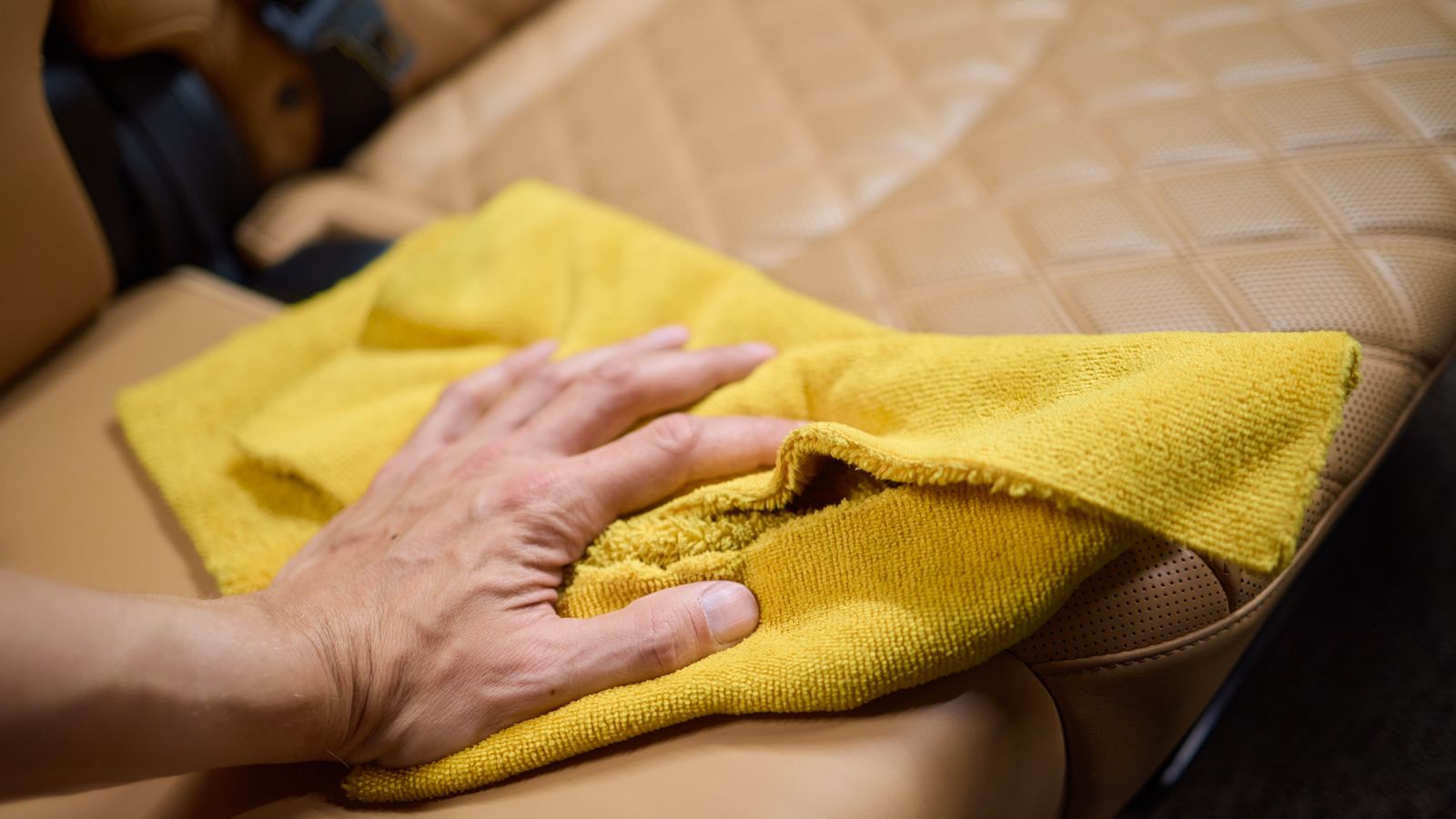
When a stain stands out on white upholstery, owners may reach for the strongest cleaner. That can backfire. Automaker manuals can restrict alcohol, bleach, solvents, disinfectants, conditioners, and abrasive products inside vehicles. Tesla allows diluted isopropyl alcohol on white seats only as a last resort and warns that aggressive or extended use can damage the top coat and make staining easier.
The risk creates a paradox: pale seats encourage frequent cleaning, yet repeated experimentation can shorten the life of the finish. A household wipe that works on a kitchen counter may leave an automotive surface dry, shiny, blotchy, or permanently discoloured. Some warranties also exclude damage caused by improper care products. The response is gentle cleaning with a soft cloth, mild soap, and the method specified for that material. Canadians who want a low-attention cabin may decide that an interior demanding such restraint is less practical than it first appears.
Sunlight and Age Can Shift Pale Surfaces
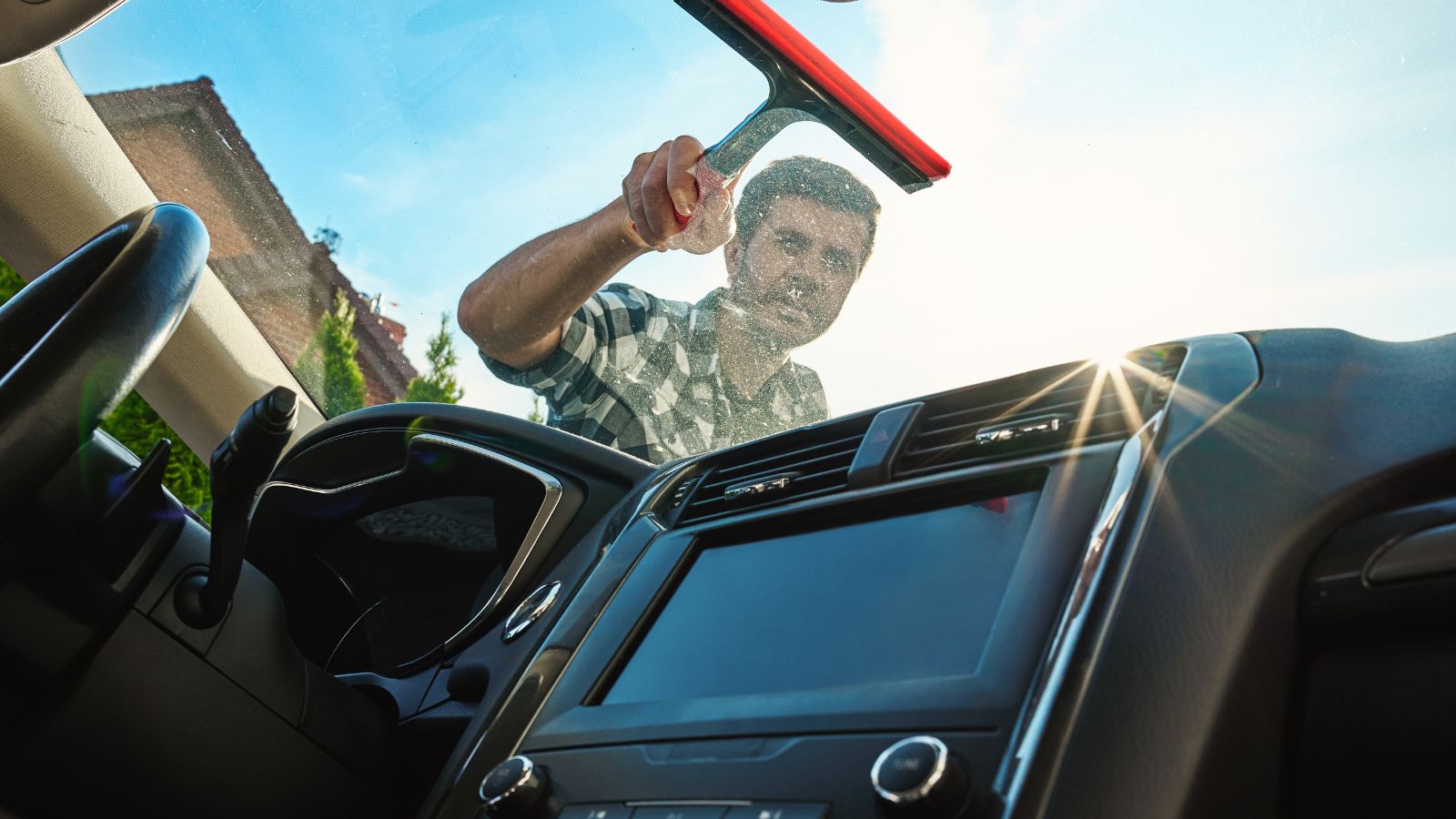
Automotive materials are engineered to withstand heat and sunlight, but they are not immune to ageing. Research on interior polymers, leatherette, leather, and textiles evaluates colour change, texture, cracking, flexibility, and hardness after natural or accelerated weathering. Light-coloured trim draws attention because discolouration and uneven ageing can be easier to notice across broad, uniform surfaces.
This does not mean every white seat will yellow. Formulation, coatings, glass, parking conditions, climate, and maintenance all influence the result. Still, a pale cabin may reveal differences between frequently touched areas and protected sections, or between a sun-facing bolster and the shaded rear bench. The effect can be cosmetic rather than structural, yet appearance is the main reason many buyers choose white in the first place. Regular cleaning, shaded parking, and appropriate sun protection can help. Even so, buyers planning to keep a vehicle for many years may prefer colours that age less visibly.
Bright Upper Trim Can Add Windshield Reflections
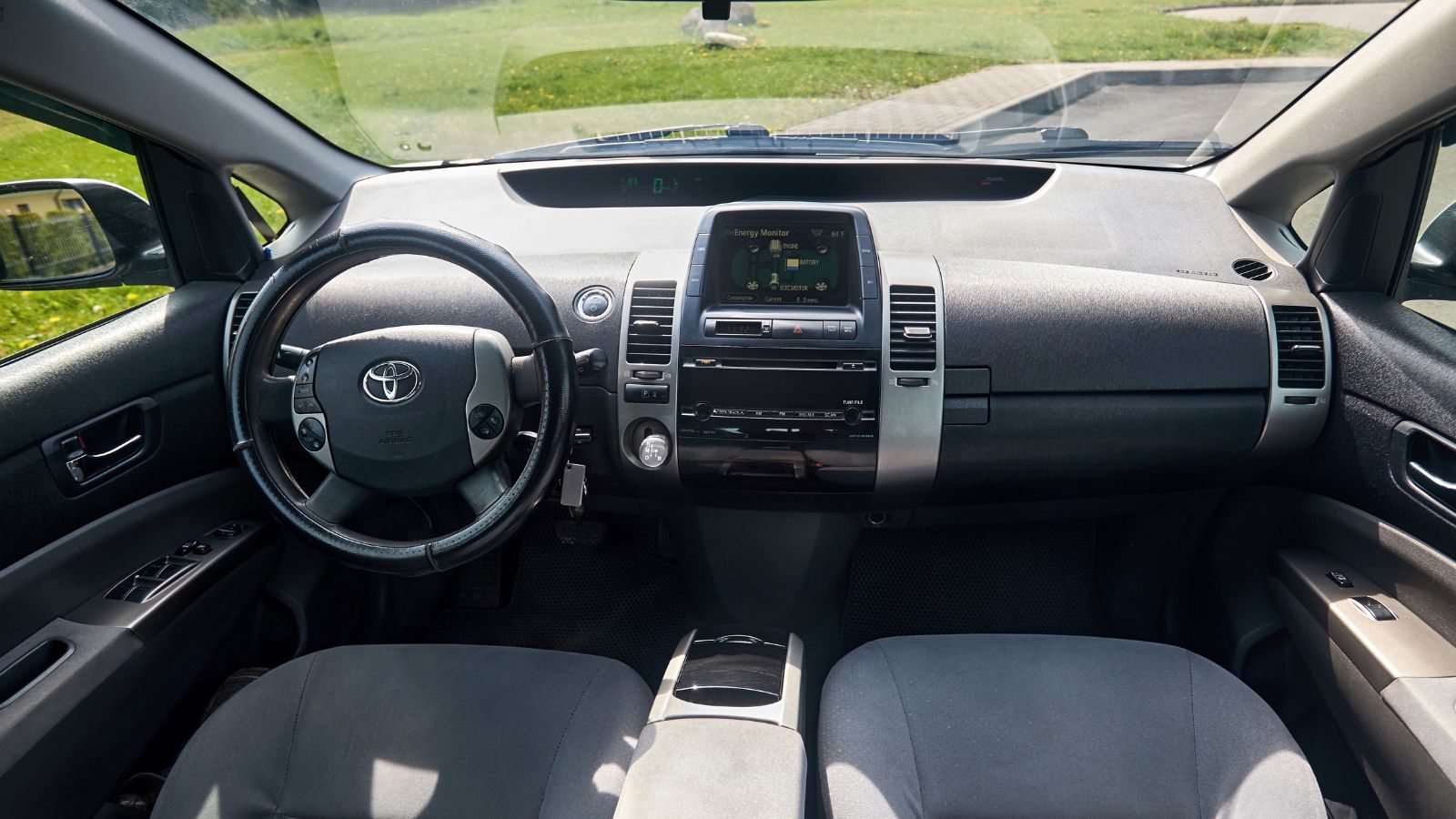
White seats do not automatically create visibility problems, but pale or glossy upper-dashboard trim deserves attention. Research has examined veiling glare caused when the instrument panel reflects in the windshield. Under certain sun angles, that reflection can reduce contrast in the forward road scene, making details harder to distinguish even through clean glass.
That concern helps explain why many dashboards stay dark and matte, even when the seats and lower panels are bright. Buyers considering a dramatic two-tone cabin should carefully test it in bright daylight rather than judging it only under showroom lighting. A strip of light trim that looks elegant indoors may become distracting on a low-sun winter drive. Polishes can worsen the effect by making surfaces more reflective, so owner guidance often discourages shine-enhancing products on the upper dash. The lesson is specific: white upholstery can be harmless, but bright reflective surfaces near the glass merit scrutiny.
Seat Covers Are Not a Universal Safeguard
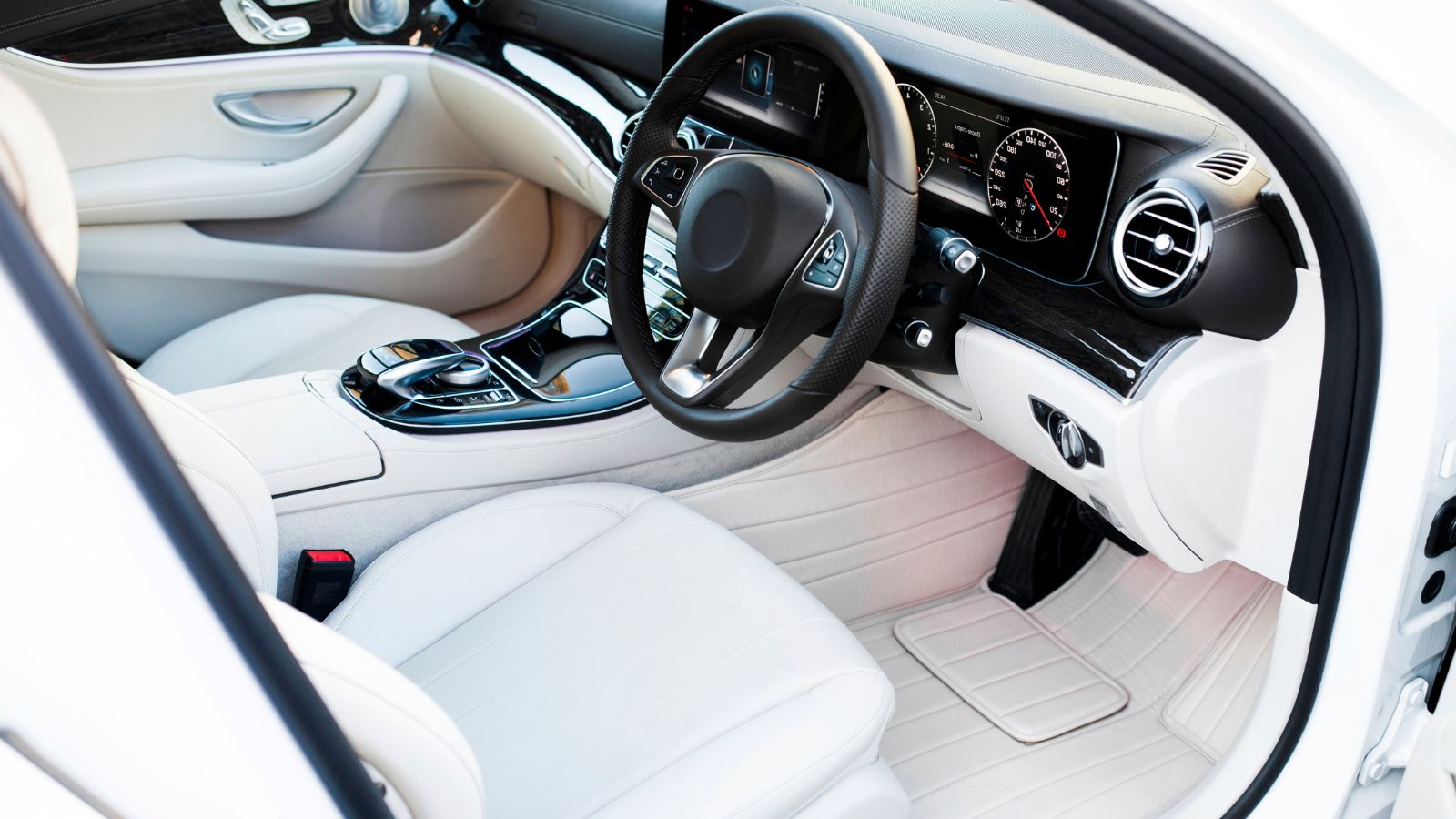
A removable cover may seem an easy way to protect white seats from children, work clothes, or pets. Compatibility matters, however. Modern seats can contain occupancy sensors, side airbags, heating elements, ventilation channels, microphones, and shaped controls. Tesla warns that non-approved covers may affect sensor sensitivity, stain or damage seats, or restrict airbag deployment.
Purpose-built covers show why fit is more than an aesthetic issue. Ford Canada describes vehicle-specific products patterned to preserve access to controls and remain compatible with seat-mounted side airbags. A loose universal cover may not provide the same assurance, and it can hide moisture or grit against the original upholstery. Owners must therefore research approved accessories rather than throwing a blanket over the problem. For someone choosing white only because it can supposedly be covered later, that complication changes the equation. The safer solution may be selecting a cabin colour suited to use from the beginning.
Used-Car Buyers Examine the Cabin Closely
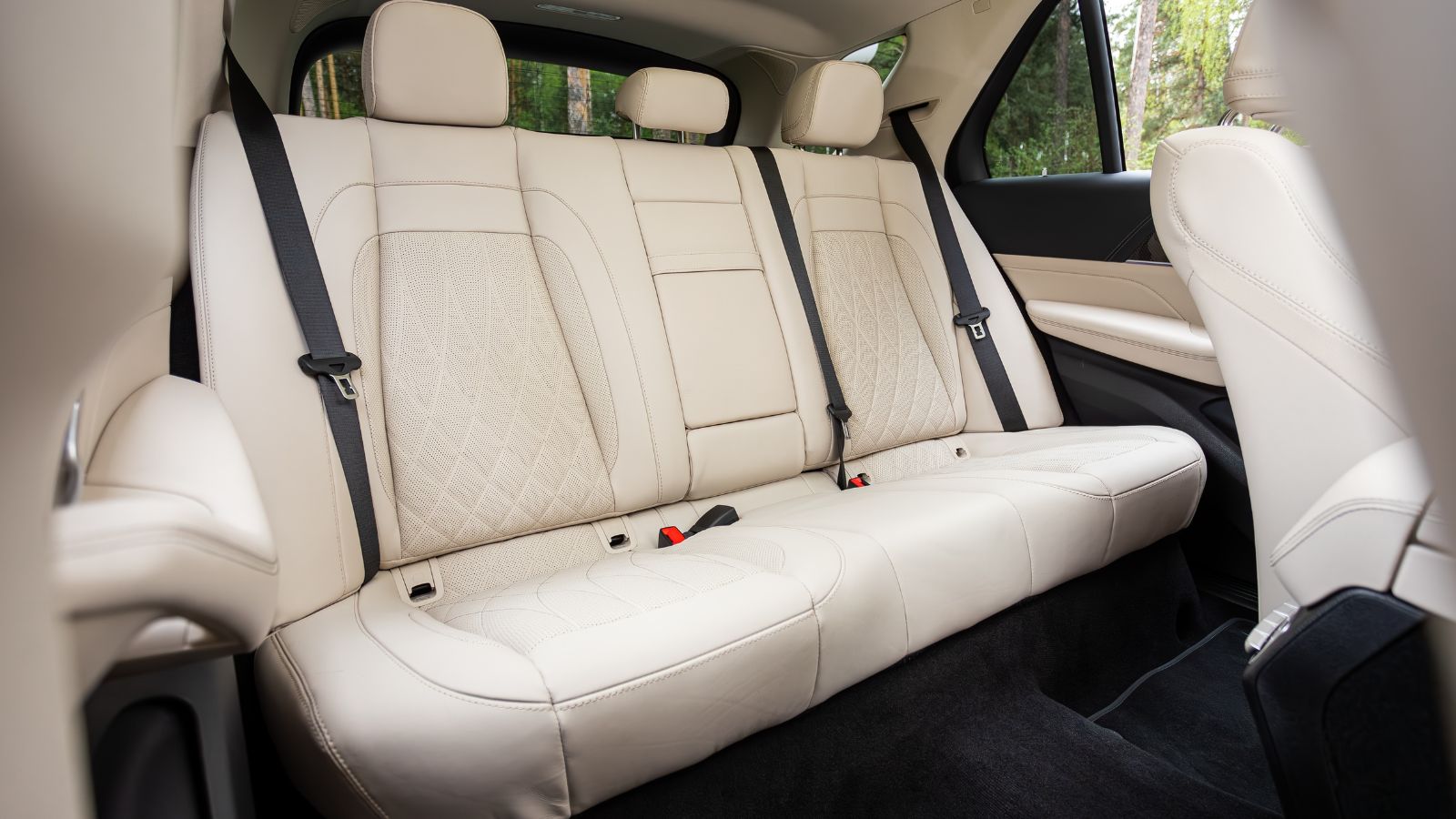
Interior condition matters when a vehicle changes hands. Canadian used-car guidance tells shoppers to inspect seats, trim, and the dashboard, and notes that a well-maintained cabin can indicate how the rest of the vehicle was treated. On white upholstery, dye transfer, scuffed bolsters, darkened stitching, and mismatched repairs can be difficult to conceal in photos or in person.
That visibility can reward meticulous owners, because a clean pale cabin makes an impression. It can create negotiating points from flaws that would blend into charcoal material. A buyer may wonder whether a grey driver’s seat signals neglect, whether a repaired panel matches under daylight, or whether stains will return after detailing residue wears off. None of this establishes a fixed resale penalty; model demand, mileage, history, and mechanical condition remain more important. Still, owners who know they will sell in years may prefer an interior that is easier to present consistently.
The Cooling Benefit Is Real but Limited
Light upholstery can absorb less solar energy than dark upholstery, so white seats may remain cooler after direct sun exposure. That is a significant comfort advantage during a Canadian summer, particularly when bare skin meets a seat or armrest. However, Consumer Reports testing concluded that light interiors were only slightly cooler overall, with parked cabins still exceeding 100°F, or about 38°C, regardless of colour.
Solar radiation entering through glass drives most cabin heating. Consequently, a pale cabin cannot substitute for shade, a windshield sunshade, suitable window treatments, ventilation, or pre-conditioning. The benefit may be noticeable at the surface without transforming the entire vehicle into a cool space. For buyers weighing white upholstery primarily as a heat solution, maintenance costs deserve equal consideration. A lighter interior can reduce the sting of a hot seat, but it does not eliminate the basic physics of a closed parked vehicle in summer.
22 Things Canadians Do to Their Cars in Spring That Mechanics Hate

Spring brings relief to many Canadian drivers after months of snow, freezing temperatures, and icy roads that put serious strain on vehicles. As temperatures rise across the country, drivers begin washing cars, switching tires, and preparing vehicles for warmer weather and upcoming road trips. However, mechanics across Canada notice the same mistakes every spring when drivers attempt to recover from winter damage. Road salt, potholes, and harsh winter driving conditions often leave vehicles with hidden problems that drivers ignore. Some spring habits even create new mechanical issues that could have been avoided with proper maintenance. Here are 22 things Canadians do to their cars in spring that mechanics hate.

Alanna Rosen is an experienced content writer that focuses on many EV and educational content. Her articles are regularly published on Get CyberTrucked and syndicated on large publications.