A vehicle can look affordable in the showroom and still carry an insurance bill that changes the entire ownership calculation. Insurers do not price coverage by purchase price alone. They also examine how frequently a particular model generates claims, how costly those claims tend to be, where the vehicle is kept, how it is driven and who regularly sits behind the wheel.
The differences can be substantial, even between vehicles that appear similar on paper. A safer, easier-to-repair model may cost less to cover than a cheaper vehicle with poor theft or collision-loss experience. These 17 factors explain why some vehicles receive surprisingly expensive insurance quotes—and why checking premiums before signing a purchase or lease agreement can prevent an unpleasant financial surprise.
A High Replacement Value
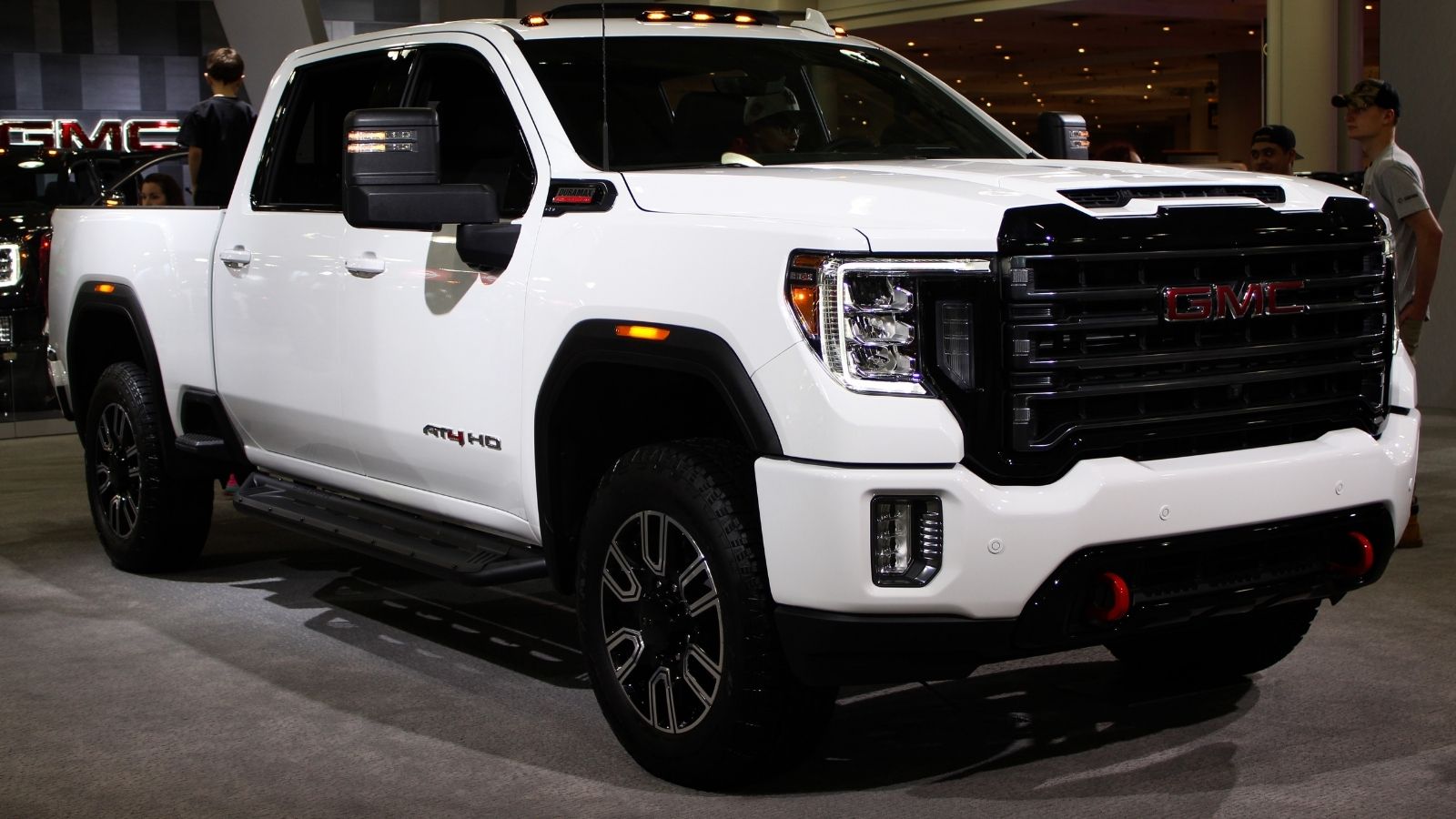
A vehicle with a high market value exposes the insurer to a larger potential payout if it is stolen or declared a total loss. That does not mean every expensive vehicle automatically receives an extreme premium, but replacement value is one of the basic characteristics insurers consider when calculating collision and comprehensive coverage. A modest parking-lot collision involving a luxury SUV may be repairable, while a major crash could require a settlement worth tens of thousands of dollars more than the payout for an economy hatchback.
The same issue can affect newly released mainstream vehicles. A well-equipped pickup or three-row SUV may no longer be a moderately priced family vehicle once premium packages, larger engines and technology options are included. Insurers consider the vehicle’s make, model, year and value alongside its expected claims experience. Before purchasing, buyers should obtain a quote for the exact trim and model year rather than assuming that every version of the same nameplate will cost approximately the same to cover.
Expensive Parts and Specialized Labour
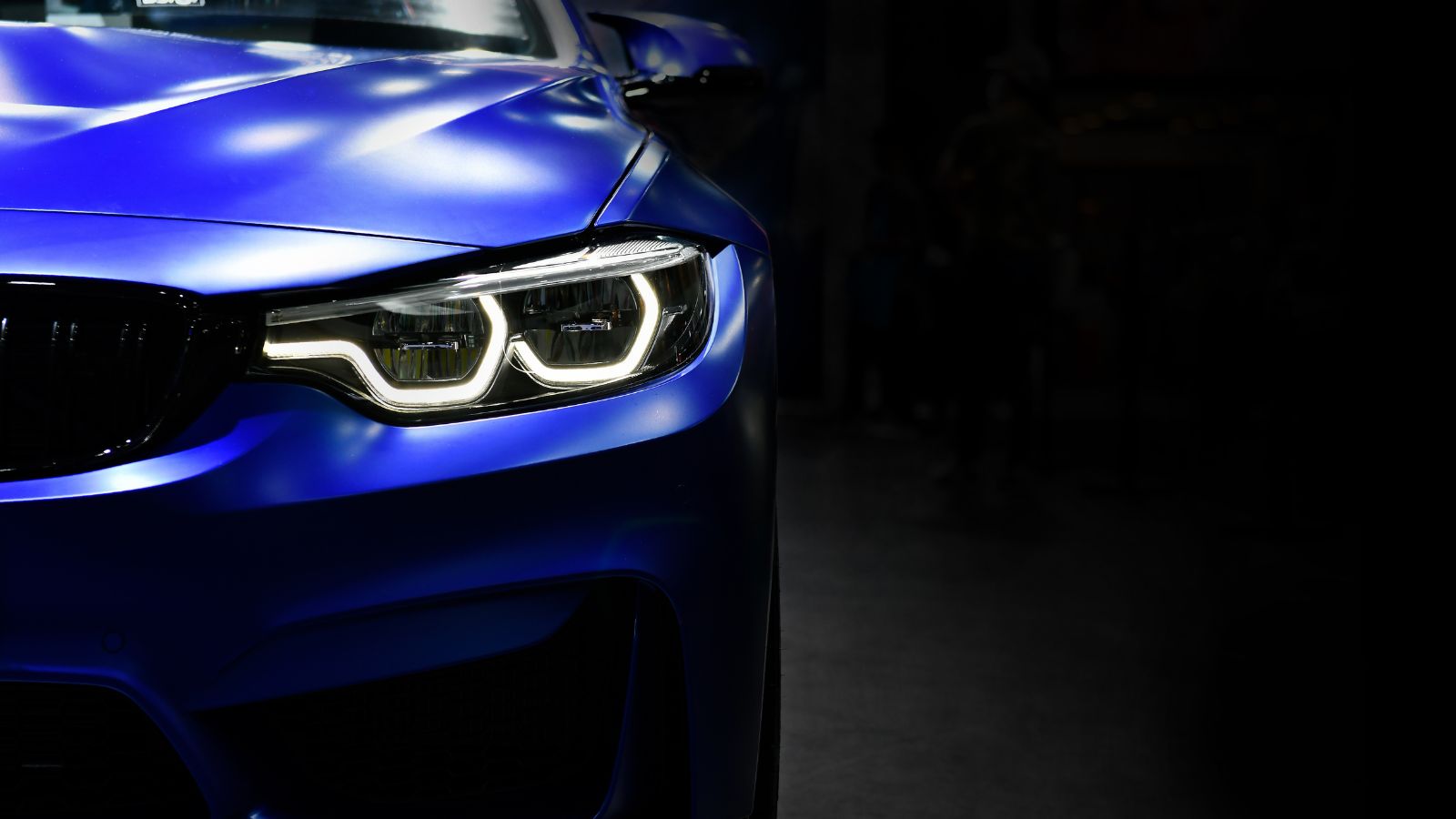
Insurance premiums reflect not only how often crashes happen but also how much insurers expect to pay when they do. Vehicles requiring costly original-equipment parts, dealership-only diagnostics or technicians with specialized training may generate larger collision claims. Even a damaged headlamp can become a major expense when the assembly includes adaptive lighting, control modules and model-specific electronics rather than a simple bulb and housing.
Repair inflation has made this issue more visible. The Insurance Bureau of Canada has highlighted an example in which a comparable repair on a 2022 vehicle required 39 parts and cost an average of $4,144—about 50 percent more than the repair on the 2012 version. Labour, towing, paint materials, appraisals and replacement transportation can add further costs. A vehicle that spends more time in a specialized shop may also produce a longer rental-car claim. Collectively, these expenses influence the loss data insurers use when pricing individual makes and models.
Cameras, Radar and Other Driver-Assistance Hardware
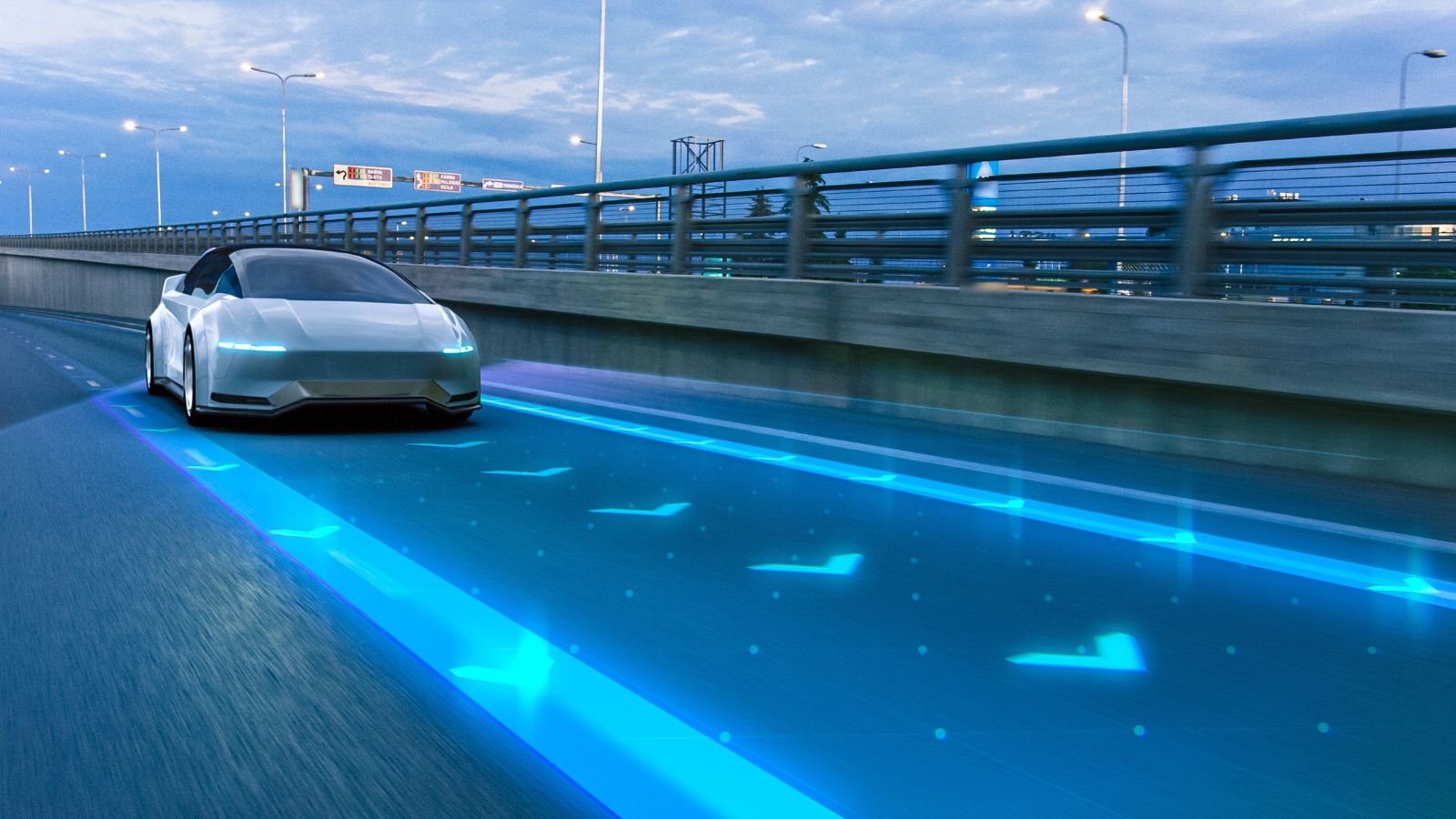
Automatic emergency braking, blind-spot monitoring and adaptive cruise control can reduce certain crash risks, but the hardware behind those systems can make repairs much more complicated. Cameras may be located in the windshield or mirrors, while radar and ultrasonic sensors can sit behind bumpers that once contained little more than plastic and reinforcement material. A seemingly minor impact may therefore damage electronics that must be replaced and precisely calibrated.
AAA studied several 2023 vehicles and found that advanced driver-assistance components added an average of $1,540 to the repair estimate for a minor front-end collision. In its rear-impact scenario, the technology accounted for an average of $684, or roughly 41 percent of the estimated repair. Individual sensor, labour and calibration costs ranged from $290 to $1,596 across the scenarios studied. Although these systems can improve safety and may benefit a vehicle’s overall claims record, insurers must also consider the cost of restoring them properly after damage.
Popularity Among Vehicle Thieves
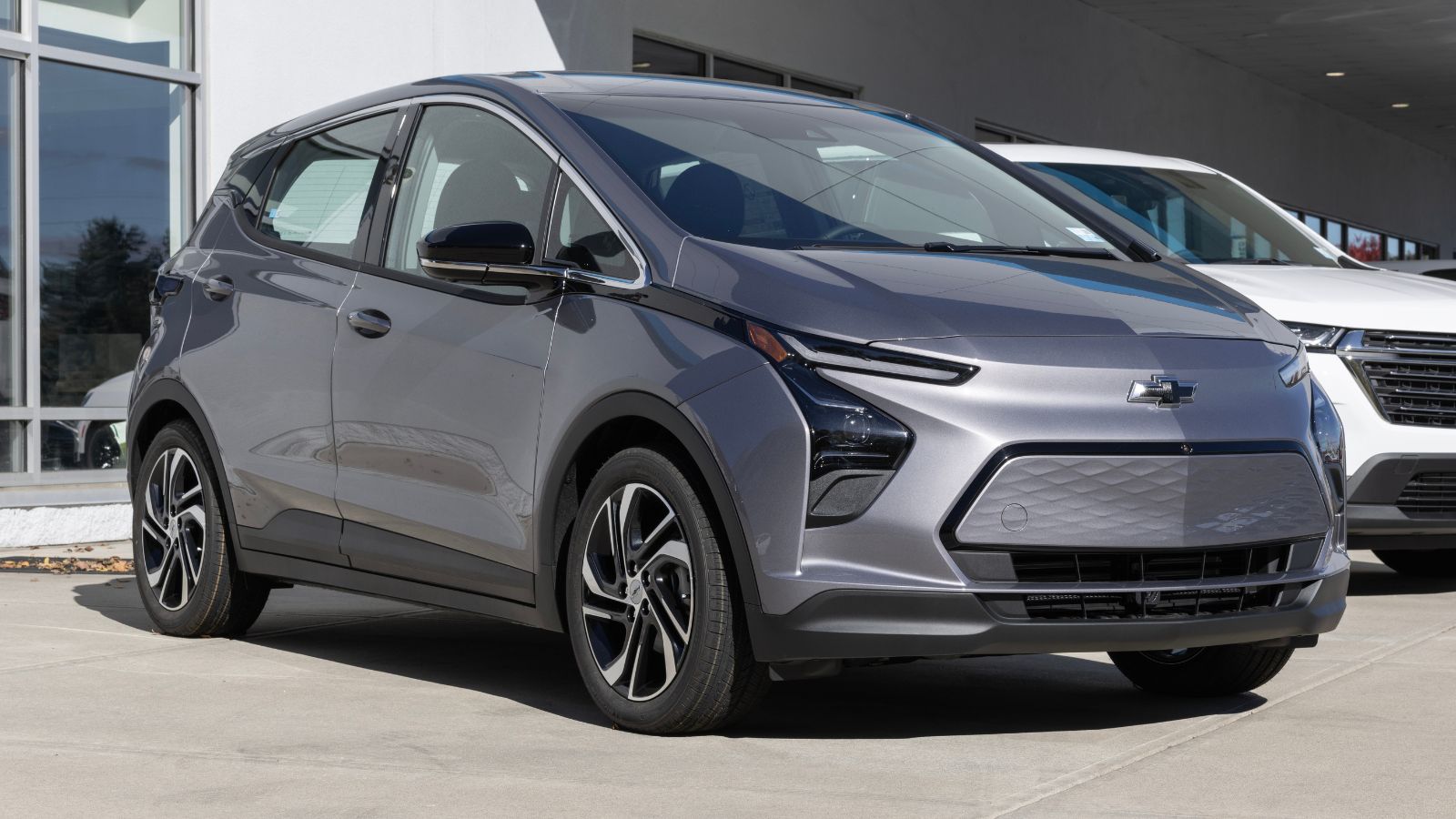
A vehicle can be reliable, practical and safe yet still be expensive to insure because thieves want it. Comprehensive coverage ordinarily responds to theft, so models stolen frequently or producing unusually large theft losses may attract higher premiums, surcharges or additional security requirements. Demand for exported vehicles, replacement parts and illegally re-identified vehicles can turn otherwise sensible SUVs and pickups into costly insurance risks.
Équité Association reported that Canadian auto-theft losses exceeded $1 billion in claims during 2024. Its national list identified the Toyota RAV4 as the most frequently stolen vehicle, with more than 2,000 thefts recorded that year. Newer SUVs, particularly models with exploitable keyless-entry systems, remained prominent targets. The situation is not static: organized theft networks change their preferences as security improves and overseas demand shifts. Buyers should therefore check current theft information rather than relying on a model’s reputation from several years earlier.
A Poor CLEAR Rating
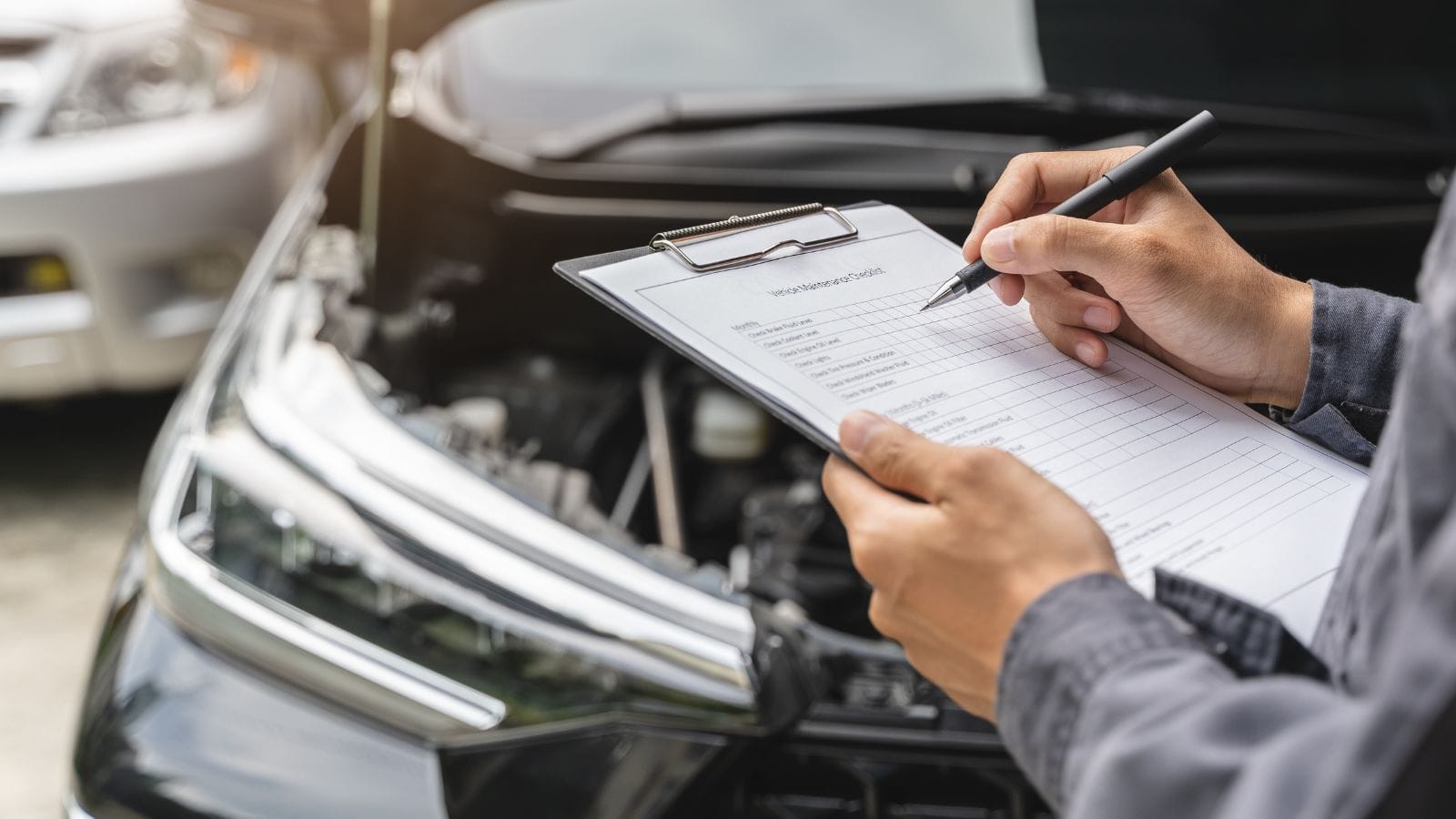
Canadian insurers frequently use the Canadian Loss Experience Automobile Rating system, commonly known as CLEAR, to estimate the future cost of insuring specific passenger vehicles. The system draws on industry claims information, including claim frequency, claim cost and theft likelihood. A vehicle that repeatedly produces expensive collision, comprehensive or injury claims may receive a higher rating even when its purchase price appears reasonable.
This explains why two similarly priced crossovers can generate very different quotes. One may have inexpensive parts, strong theft protection and relatively few claims. The other may be stolen more often, sustain costly damage in routine crashes or have a history of larger insurance settlements. CLEAR attempts to isolate the vehicle’s contribution by adjusting for non-vehicle factors such as territory, driving record and usage. It is not the only factor used by insurers, but it gives buyers a useful reminder: the cheapest vehicle to purchase is not necessarily the cheapest vehicle to place in an insurance risk pool.
High-Performance Engines and Sport-Oriented Trims
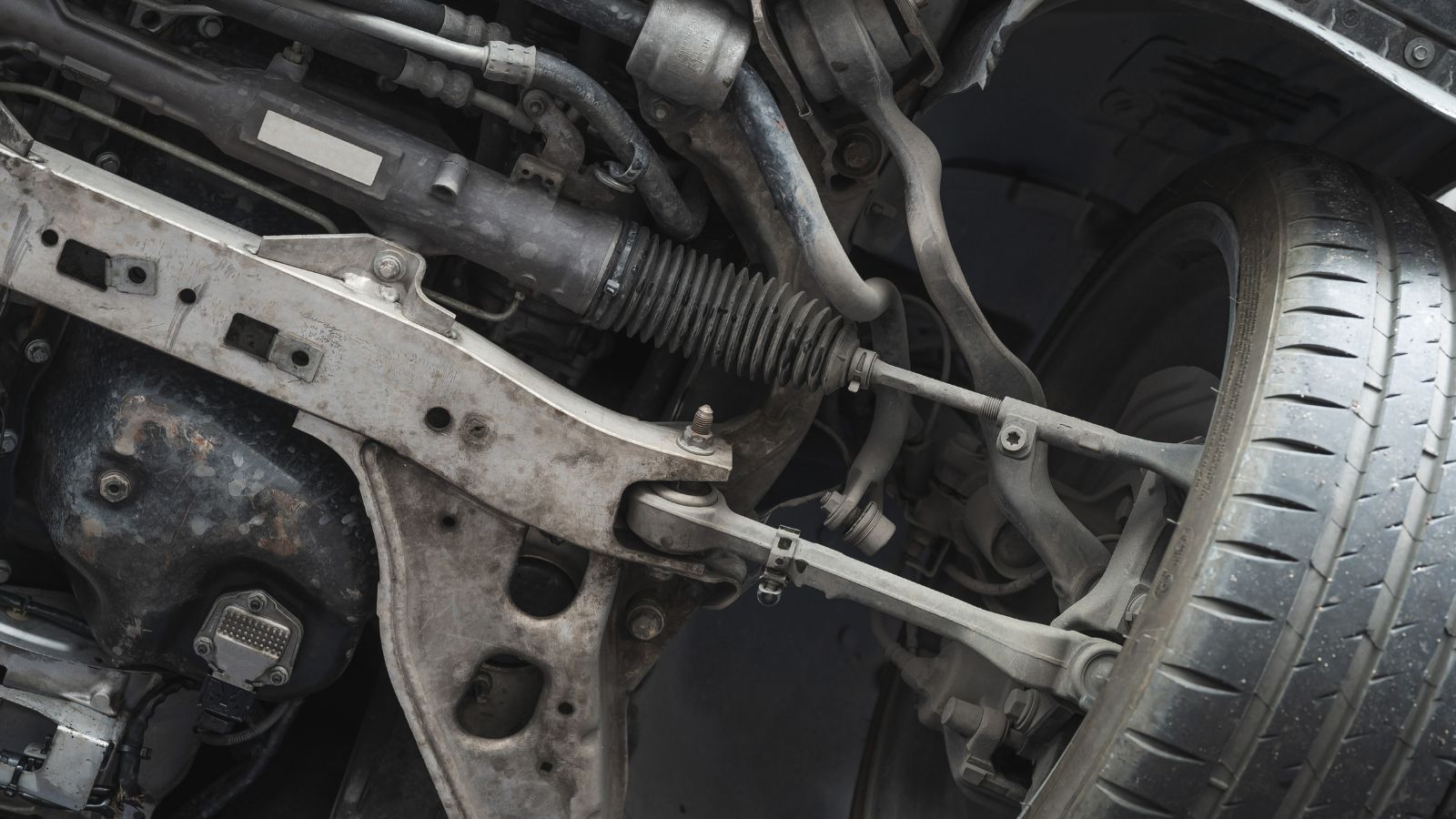
A performance badge can change more than acceleration. High-output engines, specialized brakes, wider wheels, costly tires and sophisticated suspension systems can all increase the expense of restoring a vehicle after a collision. Some performance models also have unfavourable theft or collision-loss histories. Insurers generally price according to actual or expected losses rather than horsepower alone, but the equipment and claims patterns associated with certain sport-oriented vehicles can produce higher quotes.
Trim level matters. A standard sedan and its turbocharged performance version may share a model name while having very different parts, values and driver profiles. The Highway Loss Data Institute publishes claim information by make, model, class and size, and its recent findings have identified particularly high theft losses among some large sports cars. This does not make every fast vehicle uninsurable. It does mean that buyers should quote the precise engine, trim and body style instead of using the price for an entry-level version as a rough estimate.
Large Size and Heavy Curb Weight
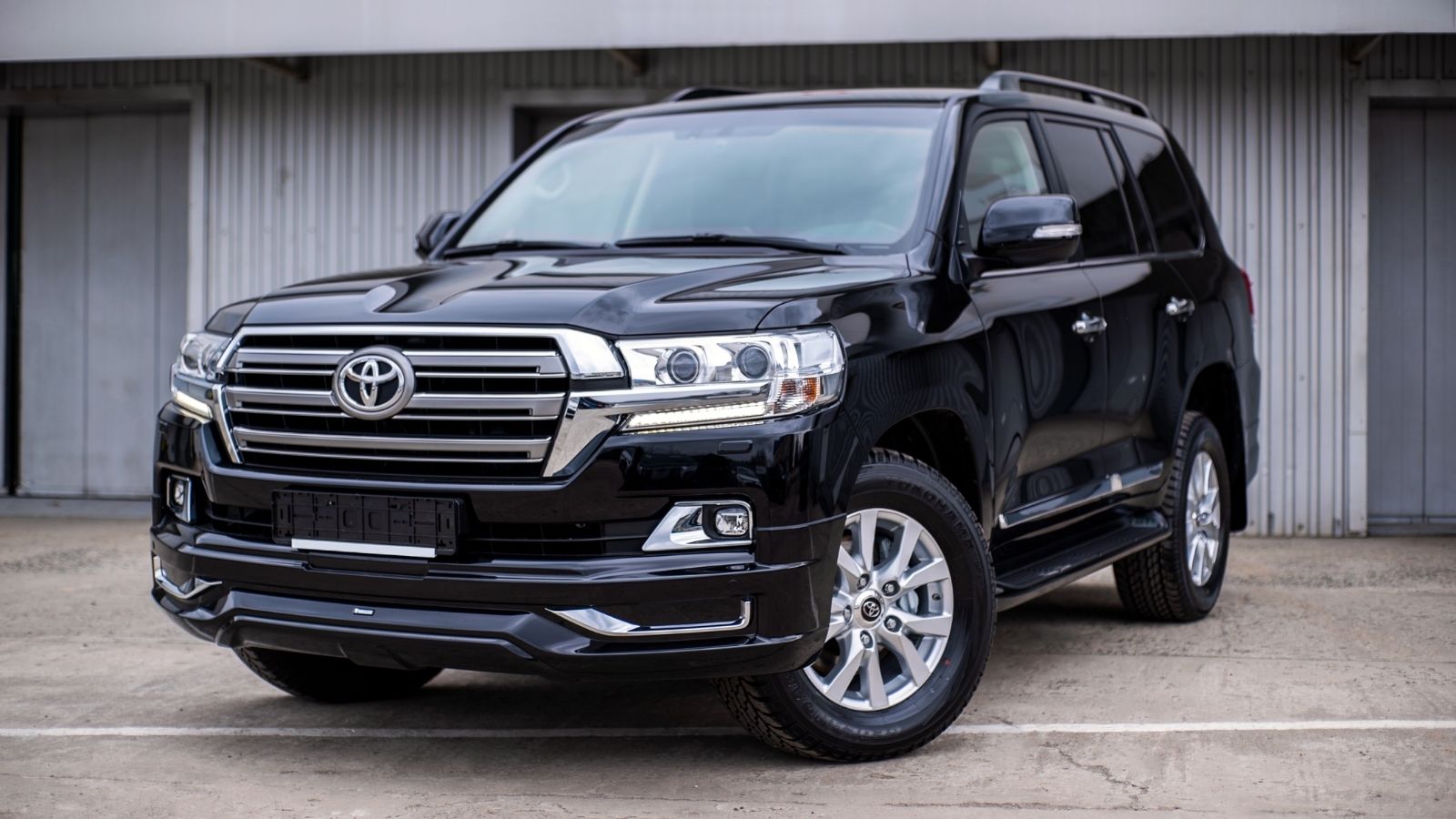
Large SUVs and pickups can provide excellent occupant protection, cargo capacity and winter confidence, but their insurance picture is complicated. They usually cost more to purchase and may require larger body panels, wheels, tires and structural components. When a heavy vehicle damages another vehicle or piece of property, the resulting liability claim can also be substantial. Insurers study both the frequency and severity of those losses.
Research from the Highway Loss Data Institute shows that collision losses and injury patterns can vary with vehicle class and size. Larger vehicles often have lower first-party injury claim frequency because occupants benefit from greater mass and survival space. However, collision repairs can be expensive, and the severity of some injury claims may increase when more passengers are involved. The lesson is not that every large vehicle carries a premium penalty. Rather, size does not guarantee low insurance costs, especially when it is combined with a high purchase price, expensive components or poor model-specific loss experience.
Proprietary or Hard-to-Source Components
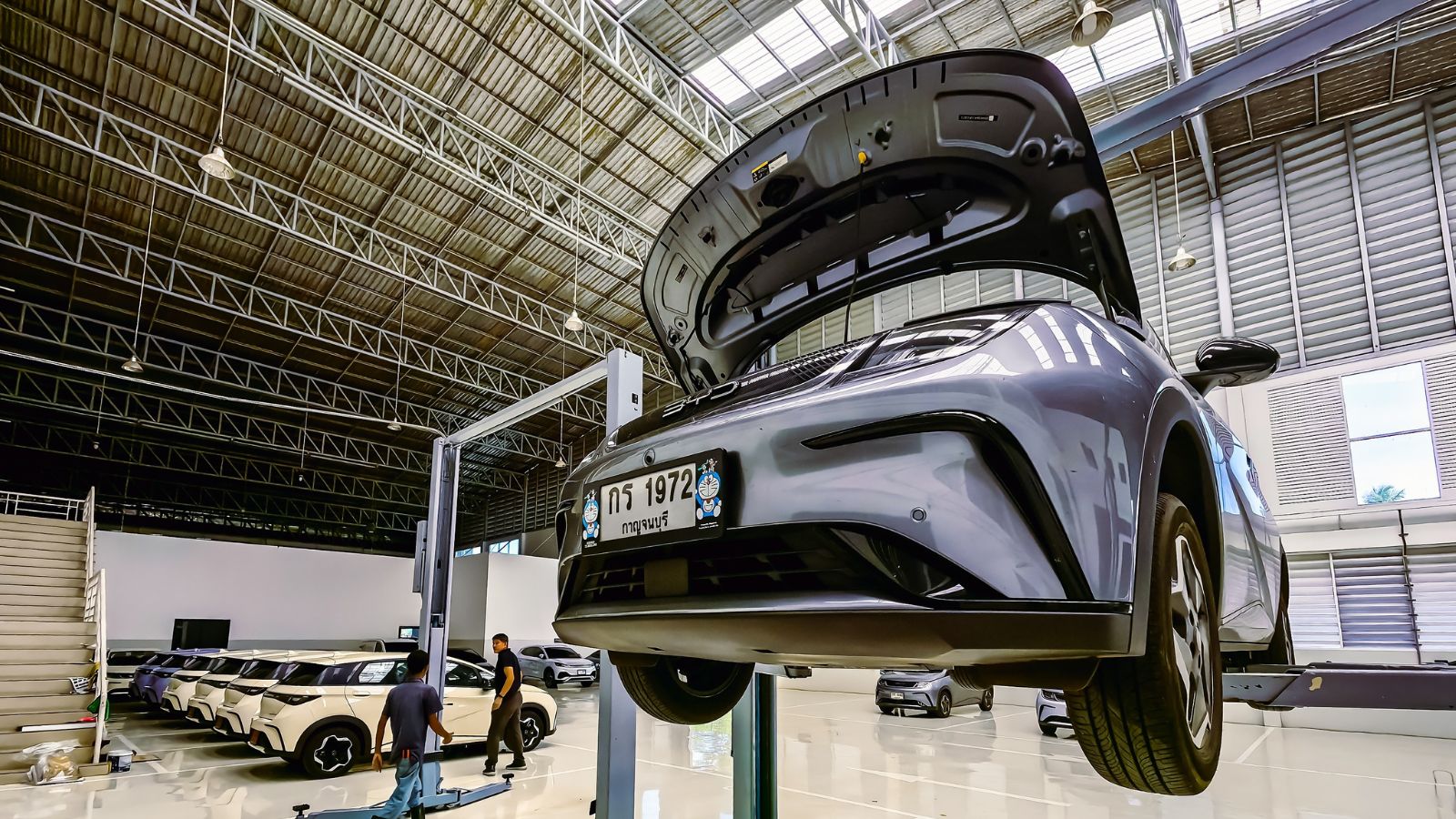
Some vehicles are expensive to insure because their parts cannot be obtained quickly from ordinary repair suppliers. Low-volume imports, recently introduced brands and models containing proprietary electronics may require components to be ordered through a limited dealer network. Shipping, diagnostic access and technician availability can all affect the final claim. A repair that would take several days on a common sedan might keep a rare model off the road for weeks.
Long repair times matter because an insurer may also be paying for towing, storage, appraisal work and temporary transportation. Insurance Bureau of Canada guidance notes that insurers consider rental vehicles and other claim-related expenses alongside parts and labour. ICBC has similarly identified proprietary components, cameras and onboard computer systems as sources of growing repair complexity. A rare vehicle may seem appealing because it stands out in a parking lot, but that exclusivity can become costly when a damaged lamp, body panel or control module has no readily available substitute.
Electric-Vehicle-Specific Claim Experience
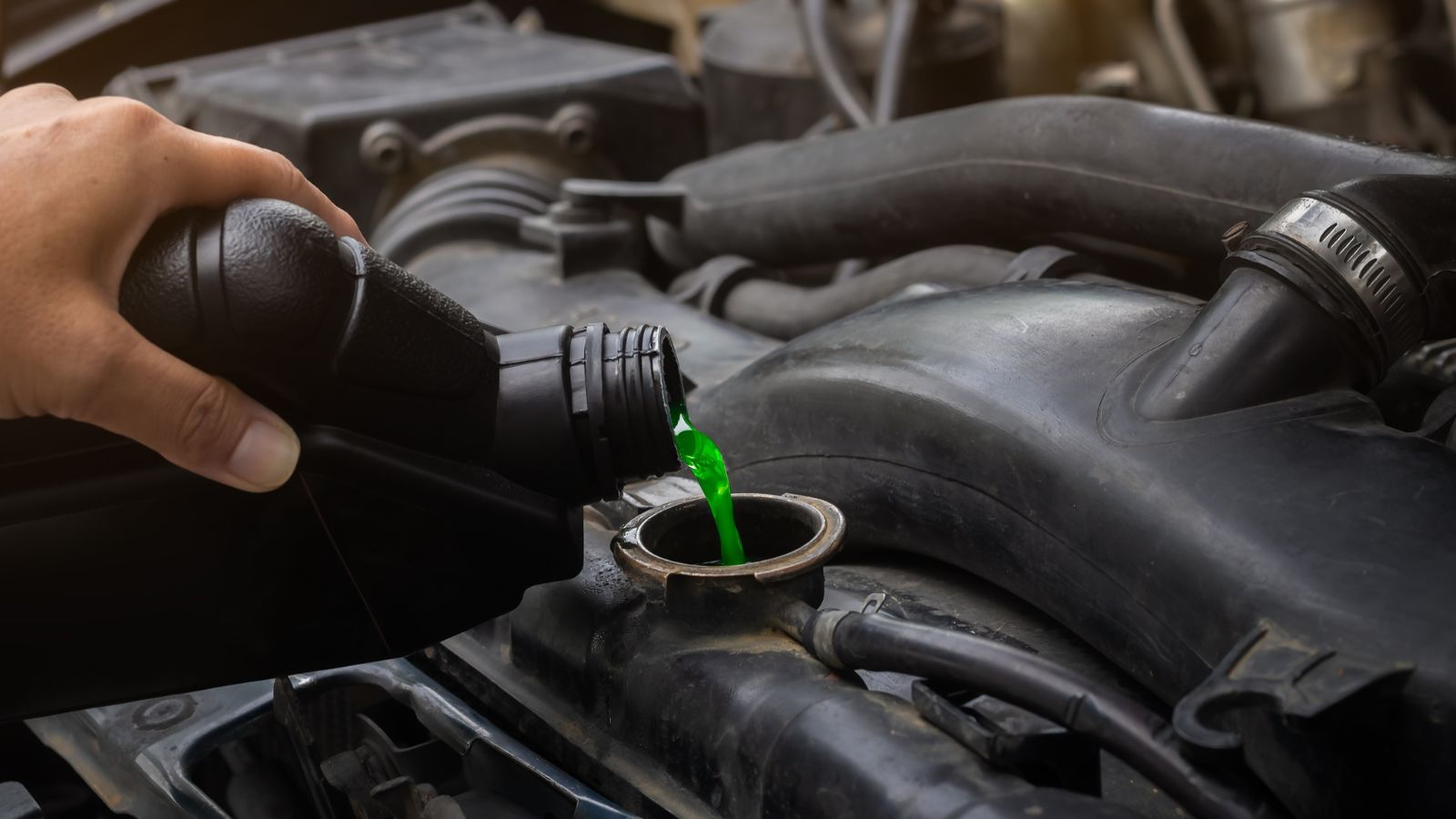
Electric vehicles should not automatically be assumed to cost more to insure. Premiums vary by model, value, repairability and actual claims experience, just as they do for gasoline-powered vehicles. However, certain EVs may be costly to repair because of their battery structures, cooling systems, high-voltage components, specialized body construction or limited repair networks. A relatively small impact can require additional inspection procedures before technicians determine whether the battery or electrical system is safe.
Ontario’s insurance regulator has directed insurers to ensure that EV-related pricing reflects actual and emerging claims data rather than broad assumptions. That distinction is important. Two electric crossovers may have completely different repair outcomes, theft rates and vehicle-rate-group assignments. Some insurers also offer EV discounts, while particular models may generate higher premiums because of their value or loss record. Buyers should compare the exact EV against both conventional alternatives and other electric models instead of assuming that the power source alone determines the insurance price.
Limited Safety and Loss-Prevention Equipment
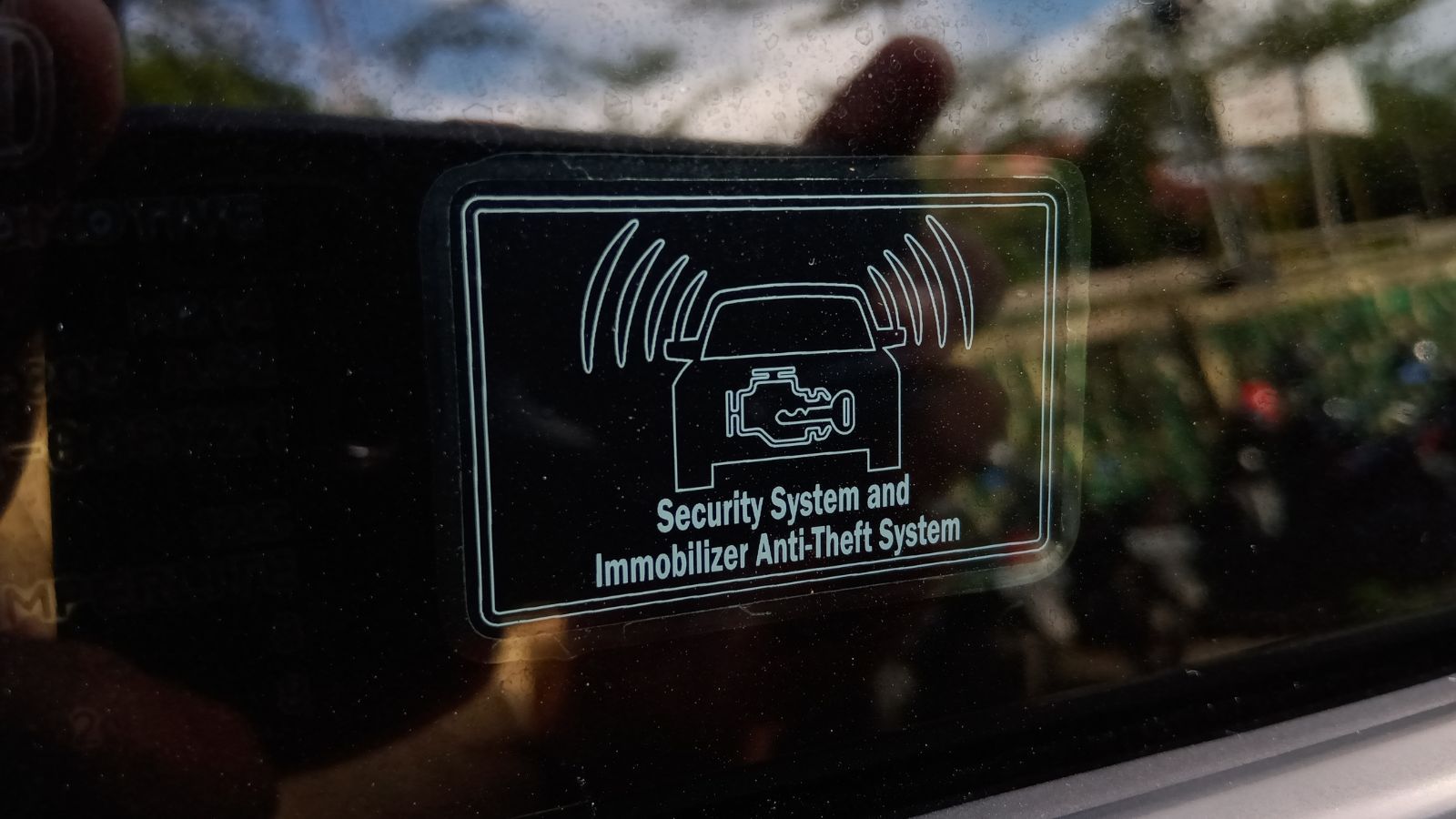
An inexpensive vehicle with basic safety equipment can sometimes cost more to insure than a better-equipped model. CLEAR ratings may reflect the presence of anti-lock brakes, airbags, side-impact protection, collision-avoidance technology and anti-theft devices. These features can reduce the probability or financial severity of certain claims, although their repair costs must also be considered. Insurers are interested in the net result shown by real claims experience.
A vehicle lacking effective theft protection may create a particularly clear disadvantage. Older immobilizer technology, vulnerable keyless systems or minimal factory security can increase comprehensive losses. Likewise, weak crash protection may contribute to larger injury claims even when the vehicle itself is inexpensive to replace. The relationship is not always simple: an advanced safety system may prevent crashes but cost more to repair when damaged. That is why insurers evaluate the overall pattern rather than awarding a universal discount for every feature listed on a dealership window sticker.
Aftermarket Modifications
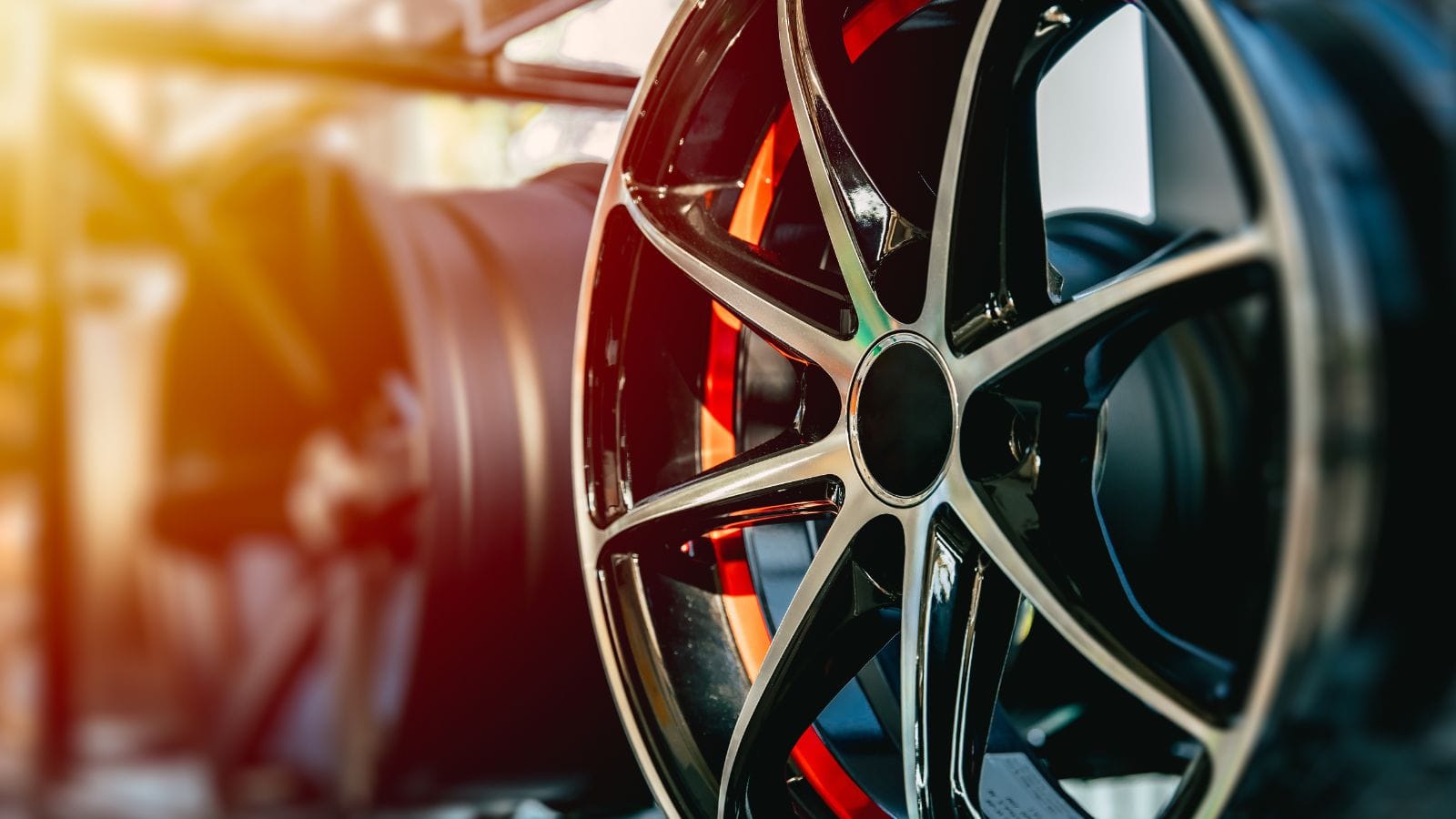
Custom wheels, suspension alterations, engine upgrades and expensive audio systems can change a vehicle’s value, performance and repair requirements. Some modifications are minor and have little effect on premiums. Others can require additional coverage, a professional appraisal or placement with an insurer that accepts modified vehicles. Significant performance changes may also narrow the number of companies willing to provide coverage, reducing the owner’s ability to shop among competing quotes.
Canadian insurer Sonnet notes that modifications increasing a vehicle’s value or repair cost can raise premiums, while certain safety- or performance-related alterations may affect eligibility altogether. ICBC requires qualifying passenger and light-commercial vehicles with altered chassis, powertrain, suspension, steering, brakes or fuel systems to be registered as modified vehicles. An owner who installs a turbocharger, major lift kit or custom bodywork should speak with the insurer before the work begins. Failing to disclose a material change can create far more serious problems than a higher premium, including disputes over coverage after a loss.
Rideshare, Delivery or Other Business Use

A personal vehicle used to generate income may face different insurance requirements because its exposure changes. Rideshare and delivery vehicles can spend more time on the road, operate in dense traffic and make frequent stops in unfamiliar areas. Ordinary personal insurance may not cover every stage of that activity, making an approved rideshare, delivery or commercial arrangement necessary.
The details depend heavily on the province, platform and insurer. In Ontario, approved rideshare policies generally cover drivers, passengers and vehicle owners from the time the app is activated until the passenger exits. The owner’s personal policy applies when the app is off. FSRA has also told insurers not to impose an extra personal-policy premium for insured rideshare activity unless they can demonstrate additional personal-coverage exposure. Other business activities may be treated differently. A contractor transporting tools every day or a driver making deliveries outside an approved platform should disclose the use accurately rather than assuming that “occasional work” remains ordinary pleasure driving.
High Annual Mileage and Long Commutes
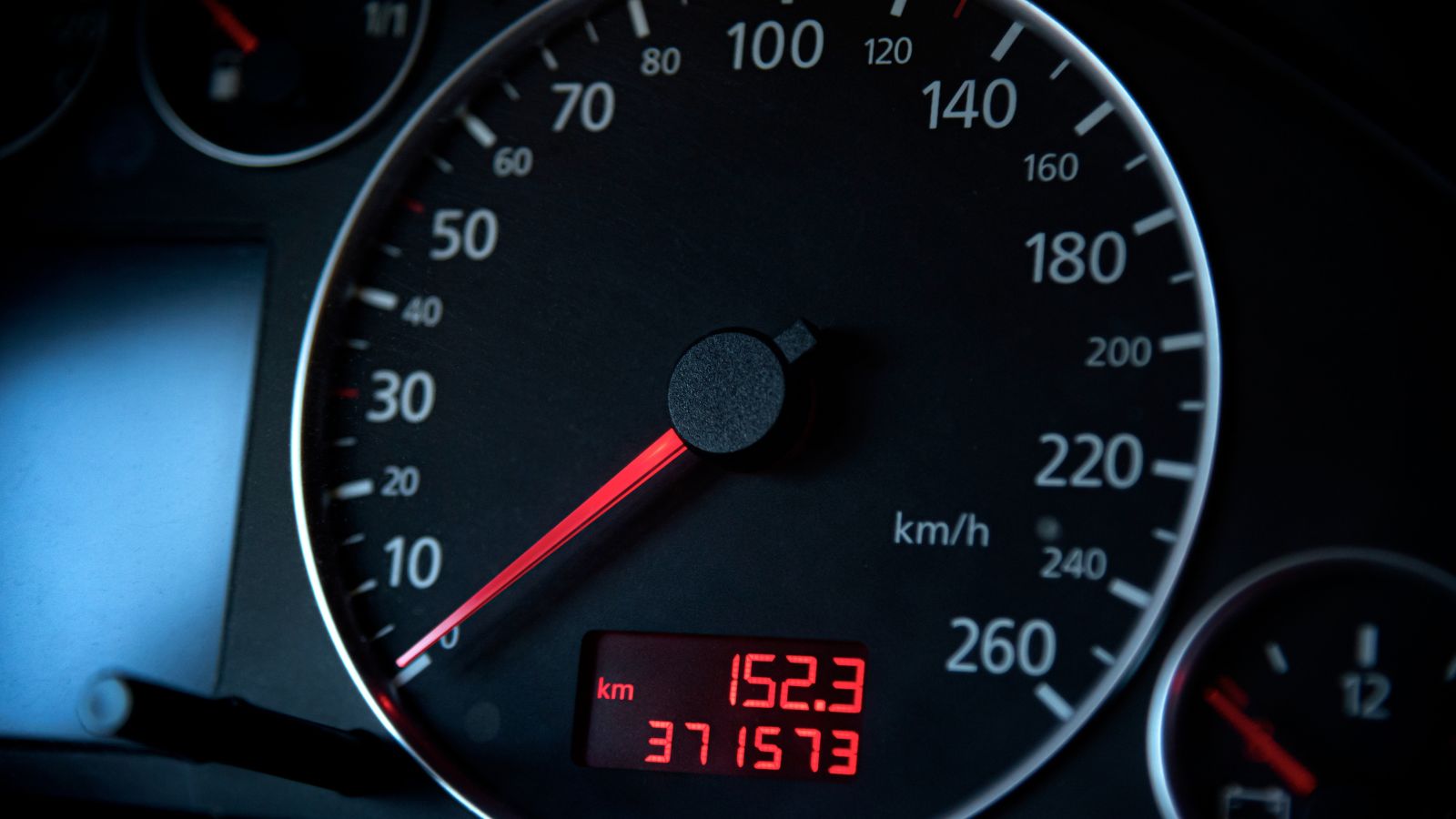
The more kilometres a vehicle travels, the more opportunities it has to be involved in a collision, damaged by road debris or exposed to theft and weather. Insurers therefore ask about estimated annual distance and whether the vehicle is used for commuting, school, pleasure or business. A daily highway commute can produce a different rate from occasional weekend use, even when the driver, vehicle and address remain unchanged.
FSRA states that Ontario premiums are calculated partly from annual kilometres and whether the vehicle is driven to work or school. It also advises policyholders to update their insurer when a commute disappears or annual use declines. Low-mileage discounts are available from some companies, while distance-based and usage-based programs may offer additional savings. Accuracy matters in both directions. Overestimating distance can result in unnecessary cost, but deliberately understating a lengthy commute can create policy problems. The estimate should reflect realistic driving habits rather than the lowest number likely to pass through an online quote form.
A High-Risk Location
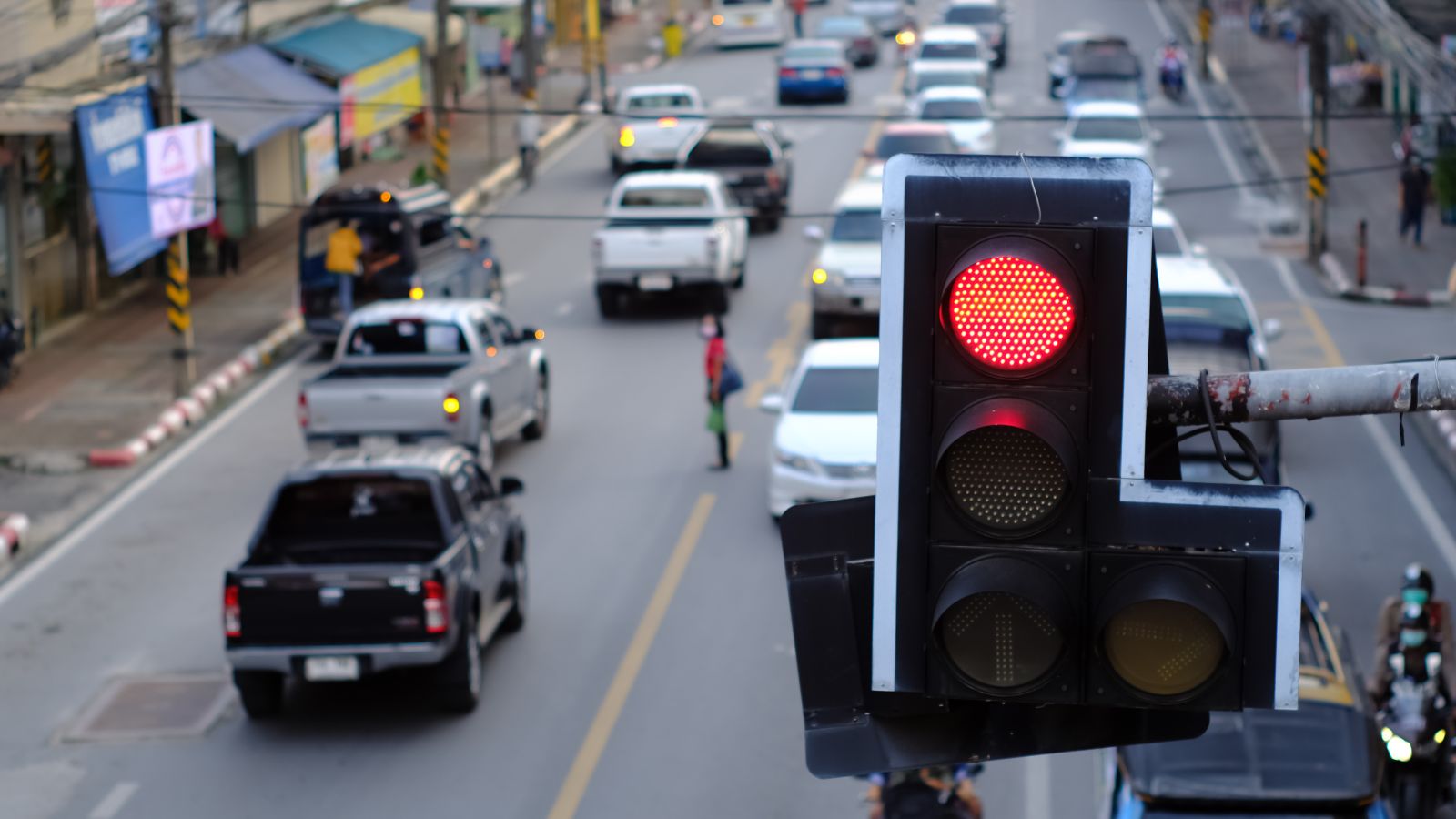
Where a vehicle is normally kept can influence premiums almost as much as the model itself. Urban areas generally experience more traffic, collisions, theft and vandalism than rural communities. Even within the same metropolitan region, neighbourhood claim patterns can differ. Insurers may consider the territory associated with the policyholder’s home address and the vehicle’s principal location when estimating future losses.
Theft risk is especially relevant for vehicles parked outdoors, in busy apartment garages or near routes used to move stolen vehicles. FSRA has instructed insurers to evaluate whether previously identified high-risk models, model years and territories remain elevated as new theft data becomes available. Location-based pricing is broader than theft, however. Congestion, intersection density, weather exposure and local repair expenses can all affect claim costs. Moving to a new address may therefore change the premium even when the vehicle and driver remain exactly the same. The insurer should always receive the location where the vehicle is genuinely kept rather than a lower-cost address used mainly for correspondence.
Young or Inexperienced Listed Drivers

A vehicle’s premium is partly determined by the people who regularly drive it. Adding a teenager, newly licensed adult or driver with limited recognized experience can increase the price, particularly when that person becomes the principal operator. Regulators and insurers generally view driving experience as an important indicator of future risk because newer drivers have had less time to establish a claim-free record.
FSRA reports that younger drivers, especially teenagers, generally have more accidents than older drivers. ICBC likewise uses the experience and crash histories of listed drivers when calculating premiums. In British Columbia, 75 percent of the driver-related portion is based on the principal driver and 25 percent on the highest-risk listed driver. Other provinces use different systems, but the basic principle remains relevant. A parent handing down a powerful SUV to a newly licensed child may discover that the family’s insurance calculation changes dramatically, even though the vehicle was inexpensive to insure when driven exclusively by an experienced adult.
At-Fault Crashes, Tickets and Convictions

A vehicle may become more expensive to insure because of the record attached to its drivers rather than anything mechanical. Previous at-fault crashes, speeding tickets and driving convictions can indicate a greater probability of future claims. A clean record usually produces more favourable pricing, while repeated losses or serious offences may remove discounts, create surcharges or push the driver toward a higher-risk insurance market.
FSRA includes accidents, licence history, driver training, tickets and convictions among the factors used to build an Ontario insurance profile. ICBC describes crash history as a key risk indicator and states that drivers responsible for more crashes pay more for insurance. A single minor ticket does not have the same effect in every province or at every company, and comprehensive-only claims may be treated differently from at-fault collisions. Nevertheless, buyers comparing vehicles should consider the whole quote. Switching to a cheaper model cannot completely offset the insurance consequences of a deteriorating driving record.
More Coverage and a Lower Deductible

The vehicle may be expensive to insure because the policy is designed to provide more protection. Collision, comprehensive, increased liability limits, optional accident benefits, rental-car coverage and replacement-cost endorsements all add potential insurer obligations. A newer financed or leased vehicle may also need physical-damage coverage to protect the lender or leasing company’s financial interest, preventing the owner from reducing the policy to a basic liability package.
Deductibles affect the calculation as well. A lower deductible transfers more of each covered loss to the insurer, so the premium generally rises. A higher deductible can reduce the price, but it also creates a larger out-of-pocket obligation after a claim. FSRA advises consumers that additional coverage increases premiums and that lower deductibles generally cost more. The most useful comparison therefore keeps coverage limits and deductibles identical across quotes. A low premium paired with minimal protection is not necessarily a better deal than a higher price for coverage that would realistically protect the vehicle and household finances.
22 Things Canadians Do to Their Cars in Spring That Mechanics Hate

Spring brings relief to many Canadian drivers after months of snow, freezing temperatures, and icy roads that put serious strain on vehicles. As temperatures rise across the country, drivers begin washing cars, switching tires, and preparing vehicles for warmer weather and upcoming road trips. However, mechanics across Canada notice the same mistakes every spring when drivers attempt to recover from winter damage. Road salt, potholes, and harsh winter driving conditions often leave vehicles with hidden problems that drivers ignore. Some spring habits even create new mechanical issues that could have been avoided with proper maintenance. Here are 22 things Canadians do to their cars in spring that mechanics hate.

Alanna Rosen is an experienced content writer that focuses on many EV and educational content. Her articles are regularly published on Get CyberTrucked and syndicated on large publications.