
A car can look family-ready in a showroom and still become a daily source of frustration once child seats, school bags, groceries, strollers, sports gear, and tired passengers enter the picture. The problems are not always obvious from a quick test drive. Some involve safety, while others emerge through hundreds of small inconveniences: awkward doors, weak airflow, poor storage, noisy cabins, or seats that simply do not work with growing children. These 18 trouble spots show how a vehicle that seems spacious, modern, or affordable can turn out to be a poor match for real family life.
Rear-Facing Car Seats Consume Too Much Space
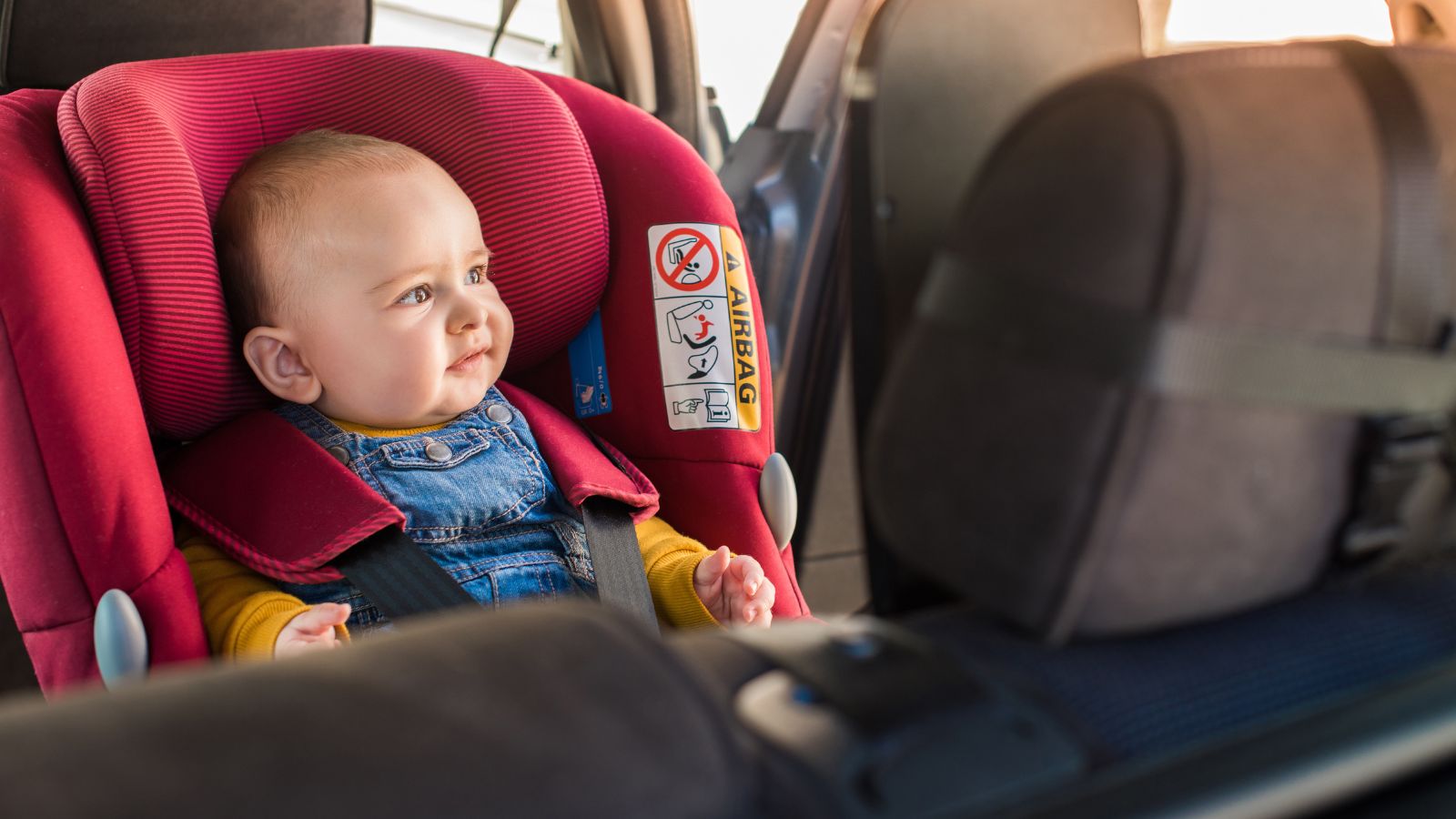
Rear-facing child restraints are among the best examples of why published passenger-space figures do not tell the whole story. A bulky infant or convertible seat can force the front passenger seat far forward, leaving an adult sitting upright with limited legroom. In a compact car or sharply styled crossover, that compromise may continue for years because safety guidance keeps children rear-facing until they reach the restraint manufacturer’s height or weight limit.
The inconvenience becomes especially obvious when a second child seat is added. A parent who fit comfortably during the dealership visit may discover that the usable front cabin changes completely once both restraints are installed at their required recline angles. NHTSA instructs caregivers to place rear-facing seats in the back and maintain the correct recline, while vehicle testers specifically recommend confirming that a rear-facing restraint will not sacrifice front-seat comfort. A genuinely family-friendly vehicle should be evaluated with the actual car seat, not an empty back bench.
Child-Seat Anchors Are Buried or Awkward
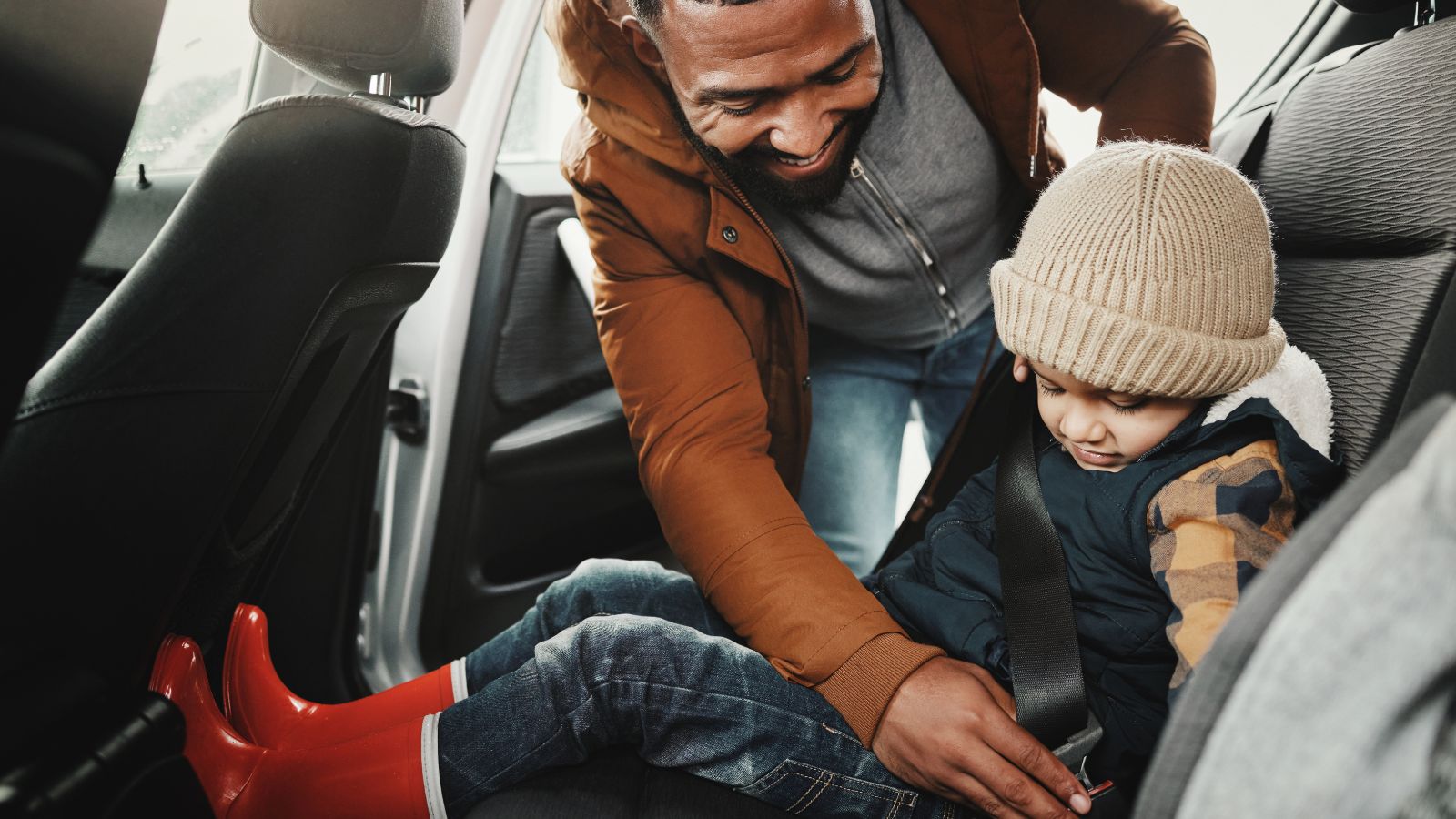
A vehicle may technically provide LATCH hardware and still make every installation feel like a wrestling match. Lower anchors can be buried deep between stiff cushions, positioned behind flaps, or surrounded by trim that leaves little room for a connector. Tether anchors may be poorly labelled or placed low on the seatback near cargo hooks, creating confusion at exactly the moment a secure installation matters most.
IIHS created its LATCH ease-of-use ratings because hardware design varies widely and difficult access can contribute to installation mistakes. The organization notes that a poor rating does not mean the anchors themselves are unsafe; it means achieving a correct installation is harder. That distinction matters for busy families who move seats between vehicles, accommodate grandparents, or reconfigure the cabin for carpools. NHTSA has reported that a large share of child restraints are installed or adjusted incorrectly. A car that turns routine installation into a complicated task adds stress and increases the chance that a rushed caregiver will miss an important step.
The Second Row Is Too Narrow for Real Life
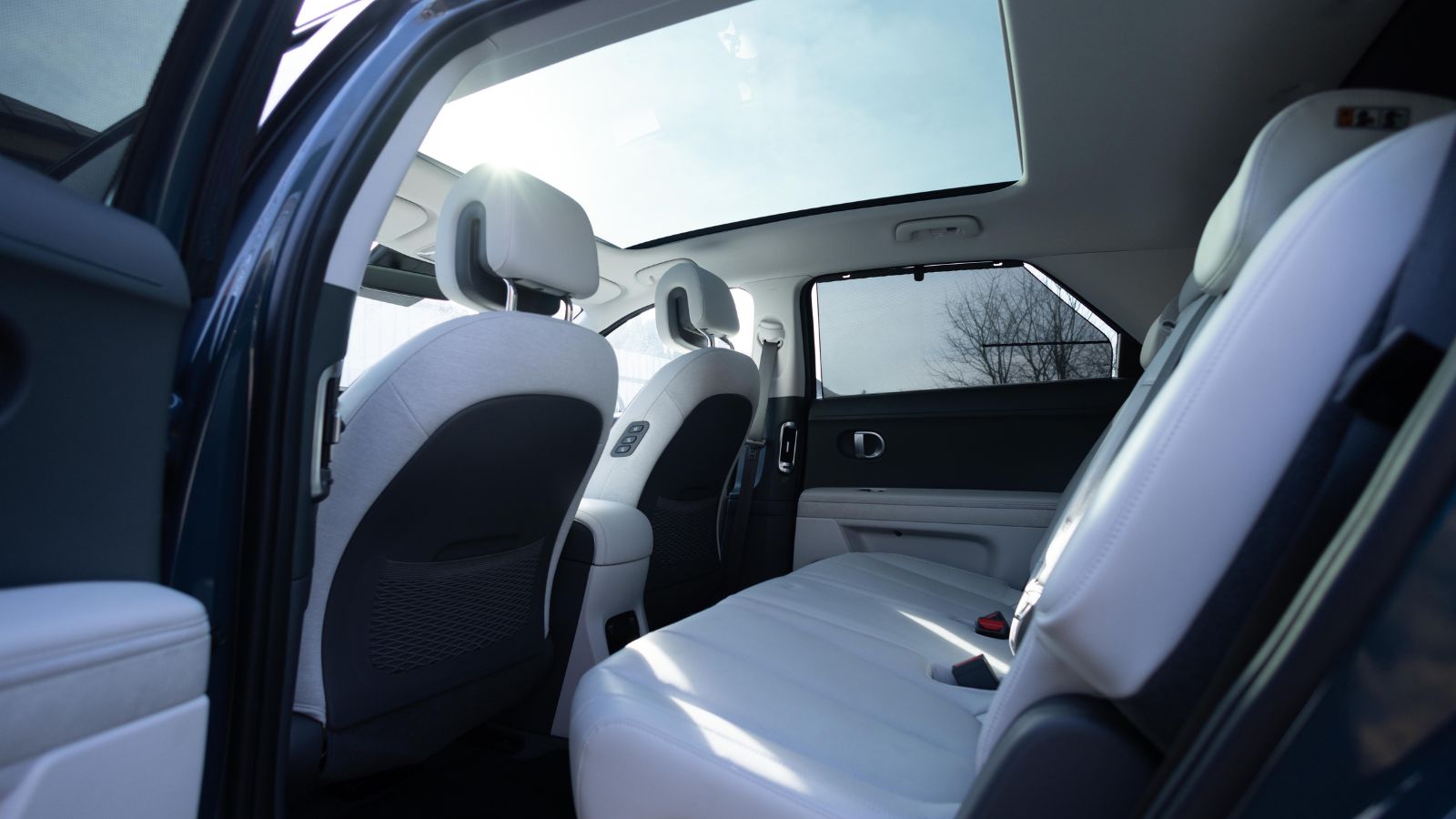
A rear bench can be advertised for three passengers yet struggle to hold three children comfortably, especially when two or three restraints are involved. Seat contours, raised bolsters, buckle locations, and the spacing of lower anchors can make the centre position nearly unusable. Even when three restraints physically fit, buckling a booster may require a child or adult to reach into a narrow gap beside another seat.
This problem often appears only after a family grows. A vehicle that worked with one infant seat may become impractical when a second child arrives or an older child transitions to a booster. Automotive testing organizations note that fitting three car seats across is difficult and that even minivans may require the correct second-row bench configuration rather than captain’s chairs. NHTSA explains that vehicles generally provide full lower-anchor hardware in only two rear seating positions. Families planning for three-across use should therefore test the exact restraint combination, buckle access, and door closure before assuming a nominal five-seat vehicle can handle the job.
Rear Doors and Rooflines Make Loading Children Difficult

Small rear-door openings and sloping rooflines can turn a simple school-run task into repeated bending, twisting, and head-bumping. The problem is especially severe when an adult must lean into the cabin to tighten a harness, lift a sleeping toddler, or guide a child into a booster. A thick door sill and sharply angled roof pillar can make the opening feel much smaller than the vehicle’s exterior dimensions suggest.
Consumer Reports evaluates front and rear access because wide door openings, low sills, and useful roof height make entry and exit easier for people of different sizes and mobility levels. That same geometry matters to caregivers handling child seats several times a day. The disadvantage becomes even more obvious in tight parking spaces, where long conventional doors cannot open fully. A sleek crossover may look more fashionable than a minivan, but sliding doors and a low step-in height can be far easier to live with. Families should judge the doorway as a working space, not merely an entrance.
The Third Row Is Mostly Decorative

A third row can make a vehicle sound ideal for a larger family, yet some are useful only for small children on short trips. Limited knee room, low seat cushions, tight headroom, and restricted foot space can leave passengers sitting with knees raised. Access may also require folding or sliding a heavy second-row seat, which becomes far harder when a child restraint is installed there.
Consumer Reports evaluates third rows for both access and passenger comfort because the number of seat belts alone says little about usability. In everyday family service, the third row also competes with cargo space. Raising it may leave too little room for a stroller, grocery bags, or team equipment, forcing families to choose between passengers and belongings. A practical test should include climbing into the back, checking head clearance, fastening the belt, and closing the hatch with normal cargo aboard. If the third row works only when the second row is pushed uncomfortably forward, it is not truly adding family capacity.
Cargo Space Vanishes With Every Seat Occupied
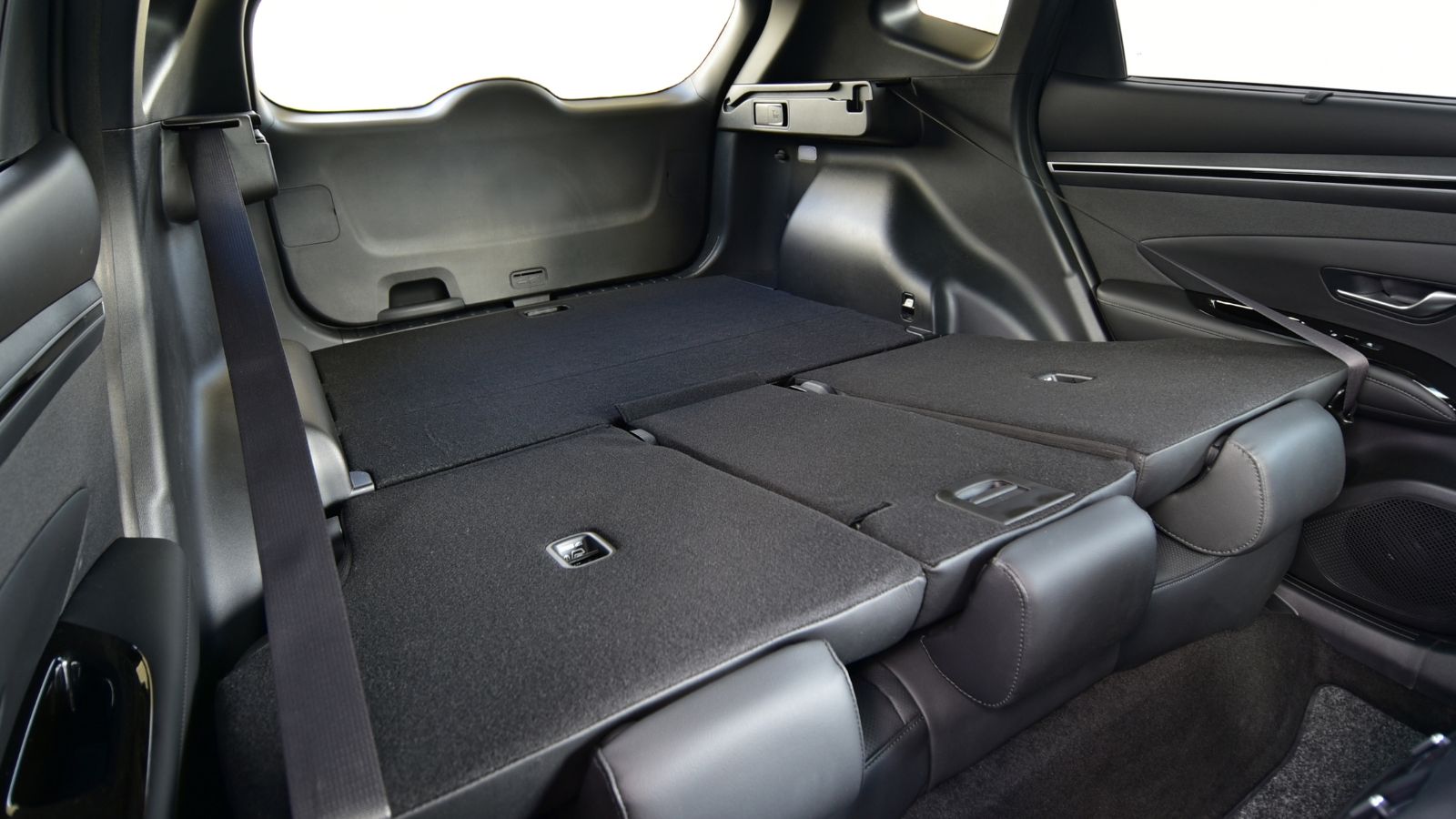
Cargo figures often look impressive because they are measured with one or more rows folded. Families, however, usually need the seats and the cargo area at the same time. A three-row SUV may offer a huge maximum volume yet leave only a shallow strip behind the raised third row. That can be inadequate for a stroller, diaper bag, groceries, luggage, and the collection of small items that accumulates during a day out.
Consumer Reports measures the usable box-shaped space that can fit behind the seats and separately evaluates room behind an upright third row. It also advises shoppers to bring a must-fit item, such as a stroller or folded wheelchair, to the dealership. That is practical because cargo areas with similar published litres or cubic feet may differ dramatically in shape. Wheel-well intrusions, a steeply sloped hatch, and a high floor can waste space. A family car becomes frustrating when every trip requires removing parcel shelves, stacking bags above the seatbacks, or leaving essential gear at home.
The Trunk Opening Is Awkward and the Load Floor Is High
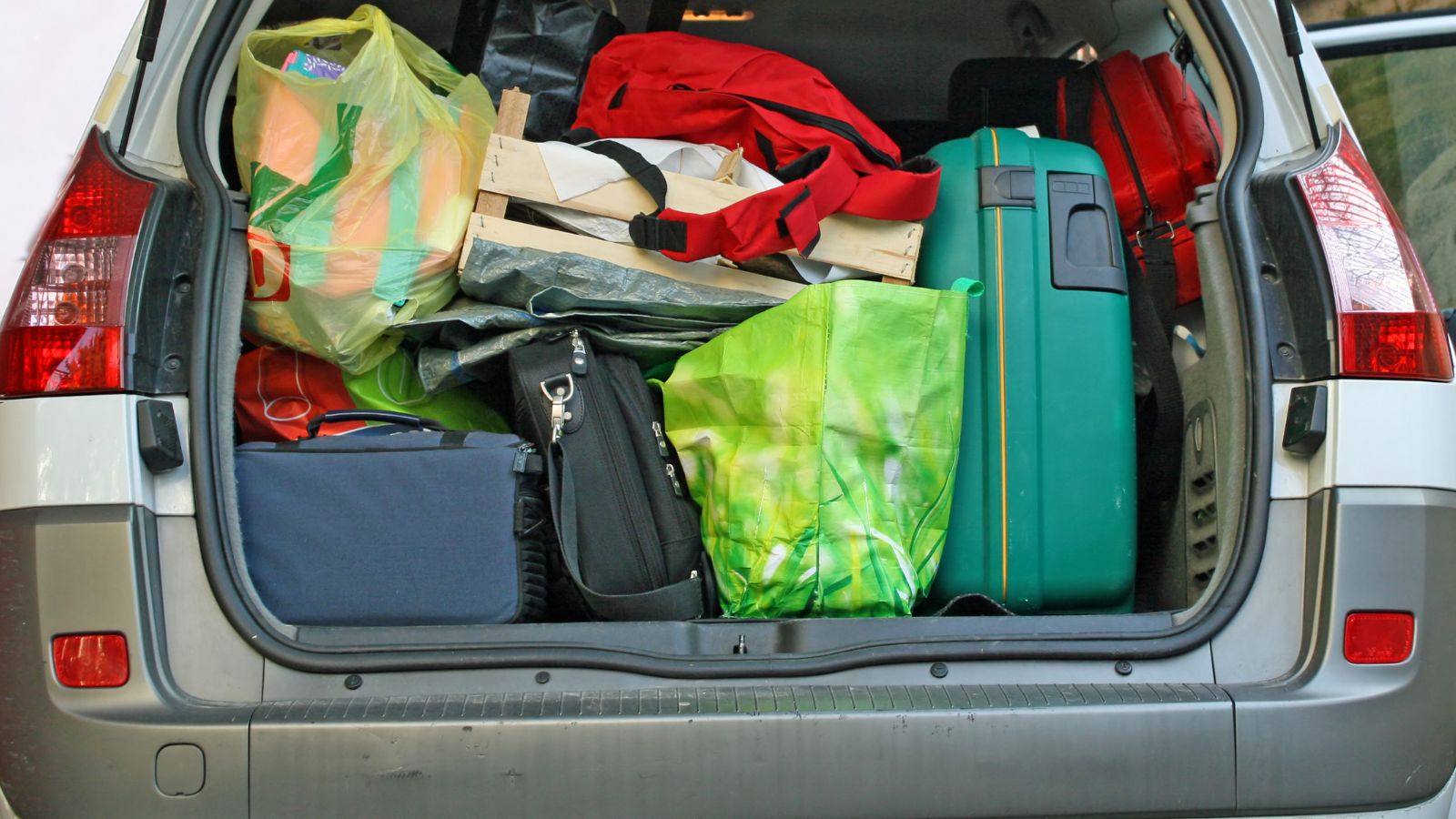
Even a reasonably large cargo bay can be unpleasant to use when the opening is narrow, the bumper is deep, or the floor sits high above the ground. Lifting a stroller, cooler, or large grocery order over a tall lip places more strain on the adult doing the loading. It also makes it harder for children to place their own backpacks or sports bags in the vehicle.
Consumer Reports notes that waist-height cargo areas and trunks without a large lip are typically easier to load. Its SUV buying guidance also points out that SUVs often have higher cargo floors than minivans, which can make heavy objects more difficult to handle. The issue is not glamorous, but it repeats constantly. A parent may open the hatch six times during a weekend of errands, lessons, and visits. A wide, square opening with a low lift-over height often proves more valuable than a few extra units of theoretical cargo volume hidden behind awkward bodywork.
Rear Passengers Get Weak Climate Control
A front cabin that cools quickly can hide uncomfortable conditions in the back. Rear-facing child seats block airflow, large glass areas absorb heat, and a crowded second or third row warms faster than the driver may realize. Without rear vents or separate climate zones, children can remain hot while the front passengers are already comfortable. In cold weather, the same problem appears as slow warming and fogged rear glass.
Consumer Reports advises that, at minimum, a rear vent is important for airflow and says well-designed climate systems can reduce stress during family travel. The need is especially clear in three-row vehicles, where dashboard vents may have to push air through two rows of passengers. Families should test fan strength in every occupied row, not simply confirm that vents exist. A small outlet near the floor or centre console may provide little benefit to a rear-facing infant. Strong roof or pillar vents, adjustable direction, and independent controls make a major difference on long, hot, or humid trips.
The Ride Is Too Harsh for Tired Passengers
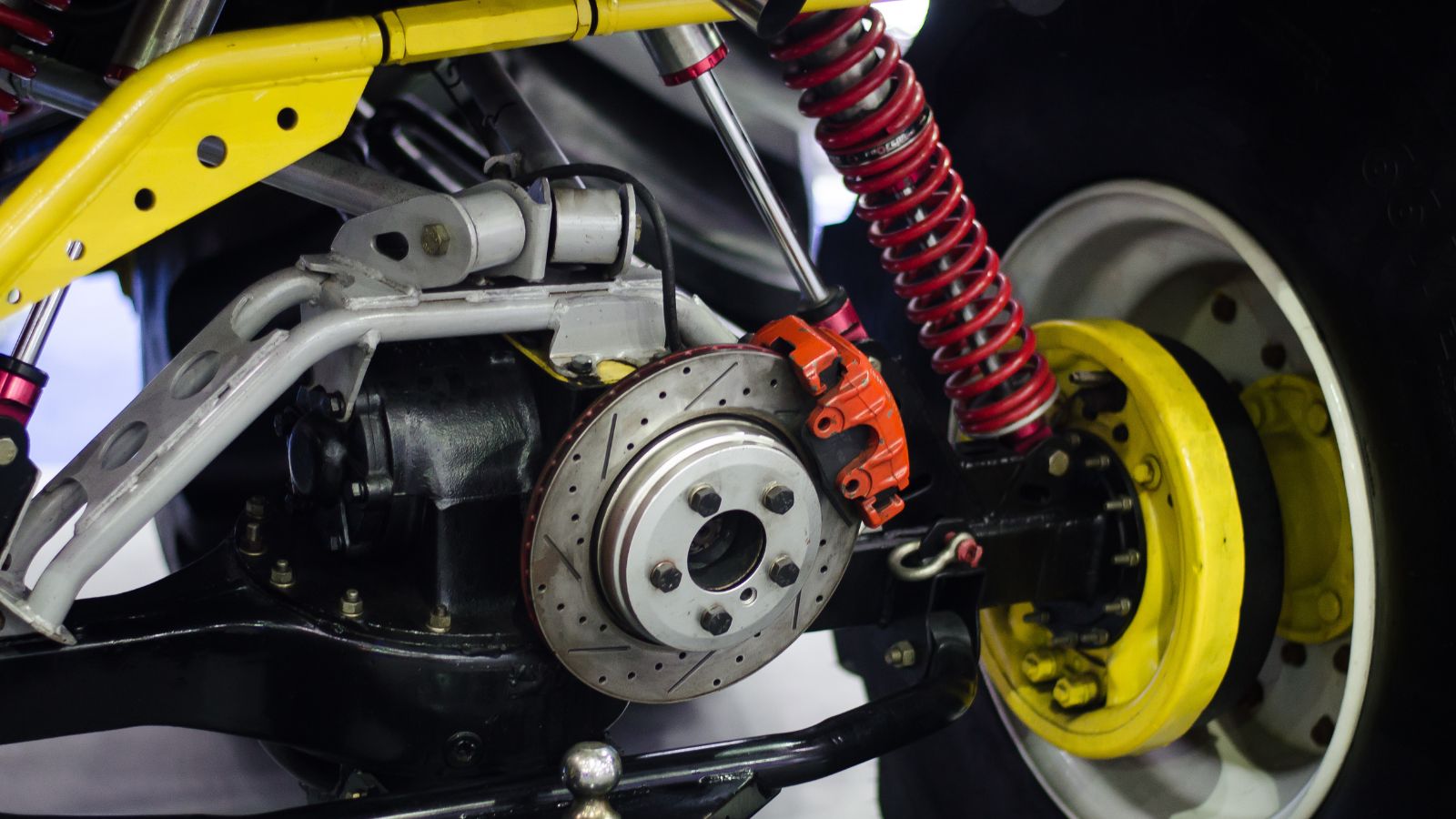
Firm suspension can make a vehicle feel sporty during a short solo drive, but family use exposes every sharp impact. Large wheels with low-profile tires, stiff shock absorbers, and short wheel travel can transmit potholes and broken pavement directly into the cabin. Children trying to sleep may be repeatedly jolted awake, while motion-sensitive passengers can become uncomfortable as the body pitches and bounces.
Consumer Reports treats ride quality as a central part of comfort and identifies a smooth ride, quiet interior, supportive seats, and adjustable belts as key characteristics of the most comfortable cars. The difference becomes clearer on a two-hour trip than on a smooth road around a dealership. A useful family test drive should include patched streets, speed humps, rough concrete, and a highway section with expansion joints. A vehicle that feels exciting for ten minutes may feel exhausting after a weekend journey with a full passenger load. Comfort is not a luxury when the car regularly carries children, grandparents, or anyone prone to travel sickness.
Road and Tire Noise Dominate the Cabin
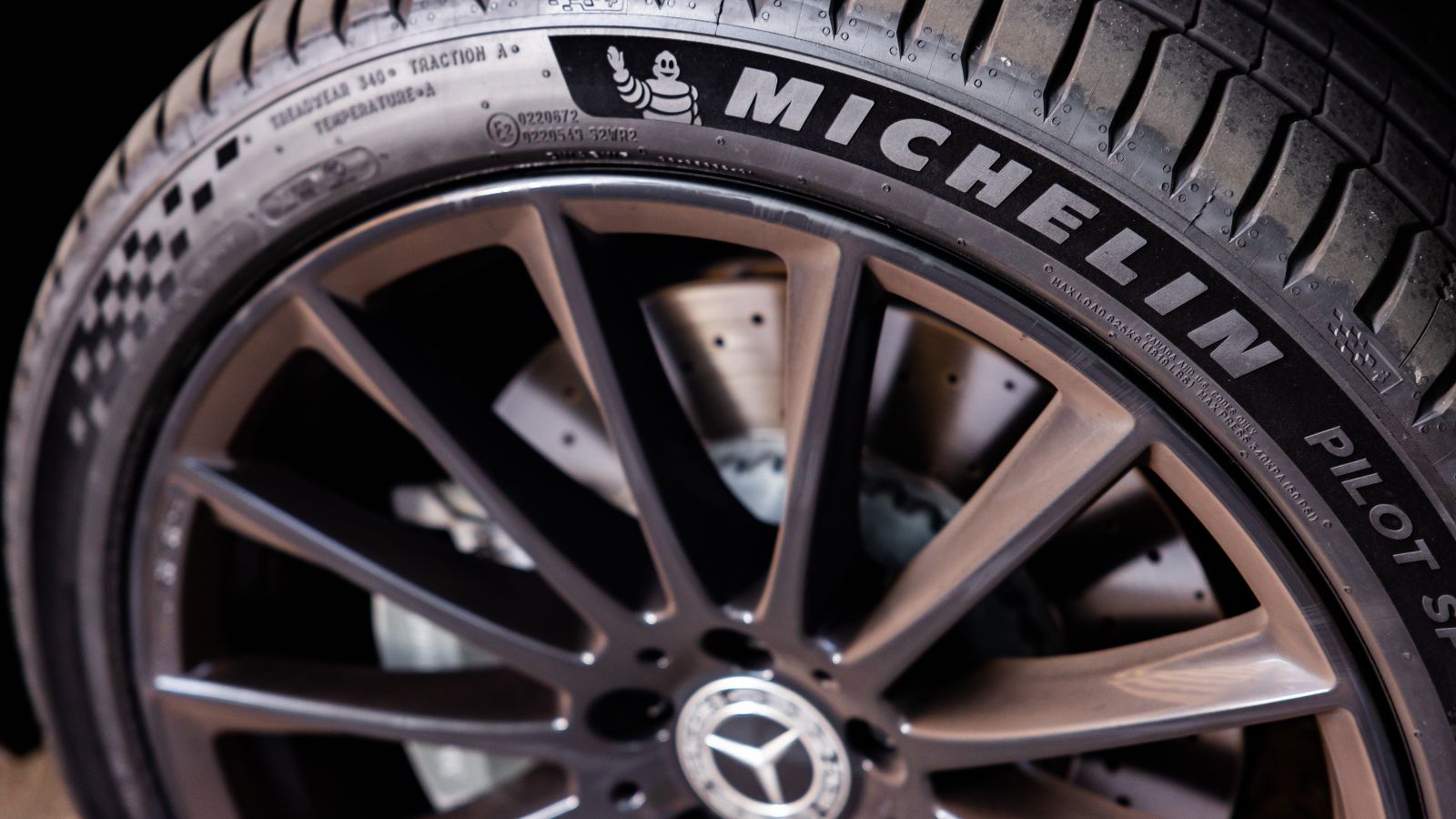
A noisy car can make every family trip feel longer. Tire roar, wind noise, and engine vibration force passengers to raise their voices, make it harder to hear a child in the third row, and can interfere with hands-free calls or spoken navigation. The problem may become worse on coarse pavement or at highway speed, even when the vehicle seems acceptably quiet during an urban test drive.
Consumer Reports conducts interior-noise testing and publishes separate evaluations of quiet compact and midsize SUVs because cabin sound levels vary meaningfully within the same class. Quietness also works together with ride comfort: a vehicle that filters both impact and noise creates a calmer environment for conversation and sleep. Families should test the car with the audio system off and sit in the second or third row while another adult drives. A loud cabin is not merely an annoyance; it can create fatigue and make routine communication more difficult, particularly when children are upset or passengers have hearing limitations.
Blind Zones Hide Children and Small Objects
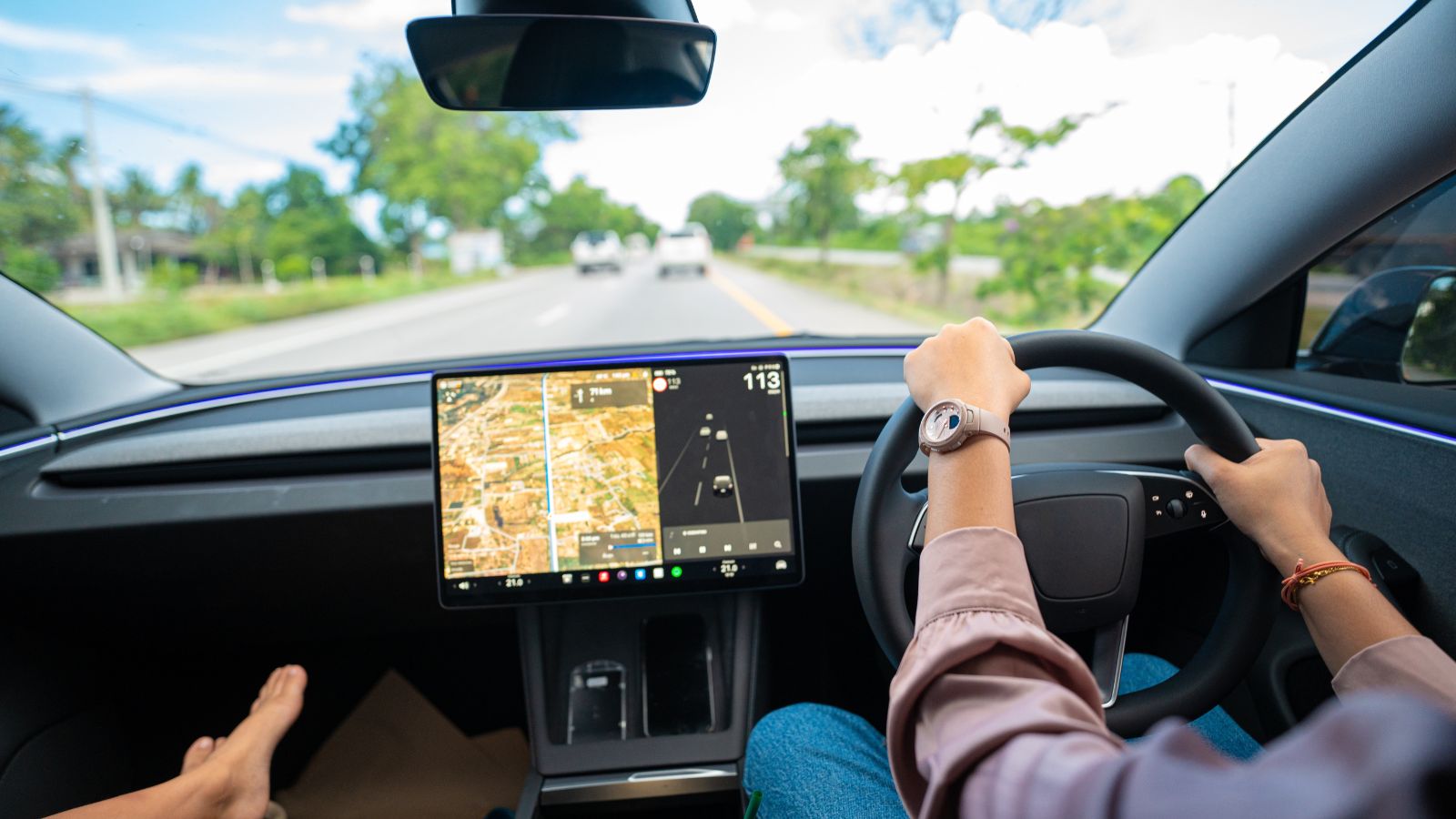
Tall hoods, thick roof pillars, small rear windows, and rising beltlines can make a large vehicle difficult to place accurately. For families, poor visibility carries a particular concern because children, bicycles, scooters, and toys are low to the ground. A commanding seating position does not guarantee that the driver can see what is directly in front of or behind the vehicle.
IIHS reports that forward blind zones in several popular SUVs grew substantially between 1997 and 2023, making small children harder to see. Earlier research also found that large SUVs generally had the worst rear visibility, while backup cameras and parking sensors sharply reduced blind areas. Those systems are valuable, but they should supplement rather than replace direct observation. A family car should provide clear sightlines, useful mirrors, a high-resolution camera, and sensors that work consistently. Before buying, the driver should check how easily a small cone, bicycle, or child-sized object disappears around the vehicle from the normal seating position.
Rear-Seat Crash Protection Lags Behind
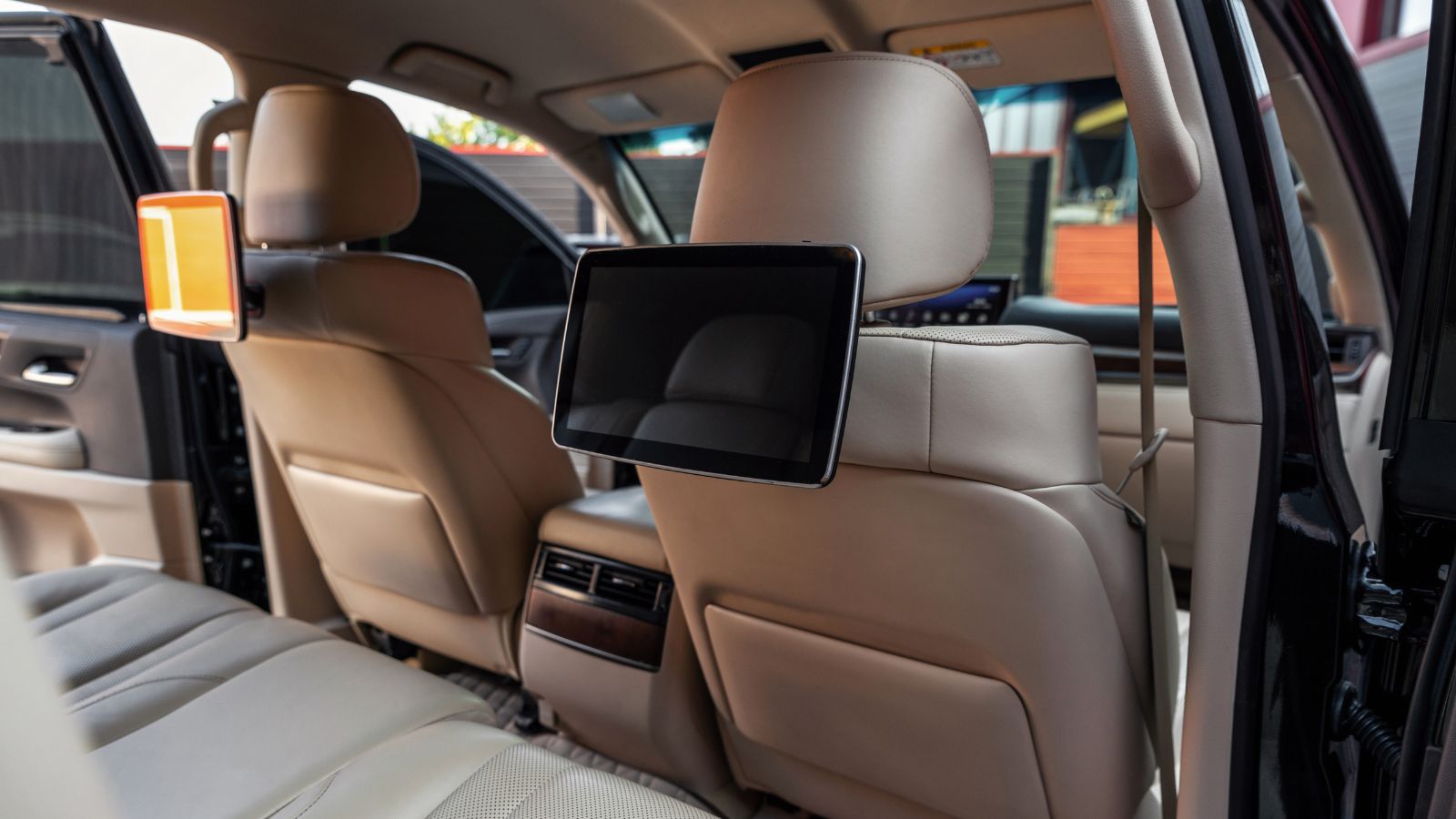
Families often assume that a vehicle with strong overall crash-test results protects every seating position equally. That is not always true. Safety improvements such as advanced belts, load limiters, and airbags reached the front seats earlier, while rear-seat restraint systems in some vehicles did not progress at the same pace. The result can be a disappointing performance where children and adults are most likely to sit.
IIHS strengthened its moderate-overlap evaluation by placing a second dummy in the rear seat and made good rear-seat protection increasingly important for its awards. The institute has found that some popular midsize SUVs and minivans performed poorly or marginally in the updated test, despite their family-oriented reputations. Buyers should therefore look beyond a single star rating or marketing claim. The updated moderate-overlap result, side-impact protection, head restraints, and rear belt technology all matter. A family vehicle should not treat the second row as an afterthought simply because the driver and front passenger are well protected.
Poor Reliability Disrupts the Whole Household
An unreliable car creates more than repair bills. It can interrupt school drop-offs, medical appointments, work schedules, and weekend plans, while forcing a family to arrange rides or rent another vehicle. Complex power doors, infotainment systems, climate controls, and driver-assistance features add convenience when they work, but repeated faults can make a modern vehicle harder to live with than a simpler one.
Consumer Reports bases its reliability rankings on owner-reported problems across major systems and warns that models differ substantially in their risk of trouble. Its used-car guidance combines reliability, safety, and road-test performance rather than treating purchase price as the only measure of value. For families, the most important question is often not whether a repair is covered under warranty, but how long the vehicle will be unavailable. A car with a poor reliability record, limited dealer support, or long parts delays can become a logistical burden. Dependability is a family feature because daily routines depend on the vehicle starting and operating predictably.
Fuel Economy Is Painful in Everyday Use
A family vehicle that uses much more fuel than expected can turn every school run, activity pickup, and holiday drive into a budget concern. The problem is often magnified by short urban trips, heavy traffic, roof boxes, all-wheel drive, and a full passenger load. A large tank can hide poor efficiency by reducing the number of stops, but it does not reduce the amount spent.
The U.S. Environmental Protection Agency emphasizes that fuel costs depend on fuel economy, distance driven, and local prices, and its labels include annual and five-year cost comparisons for that reason. The agency has estimated that multi-vehicle households could save meaningful amounts by using their more efficient vehicle more often. Families should compare realistic city or combined consumption rather than focusing only on a favourable highway figure. The best choice is not always the smallest car, but a vehicle whose size and capability match the household’s actual needs. Paying for unused towing capacity or unnecessary weight every week can make a supposedly practical model financially exhausting.
Essential Controls Are Buried in a Touchscreen

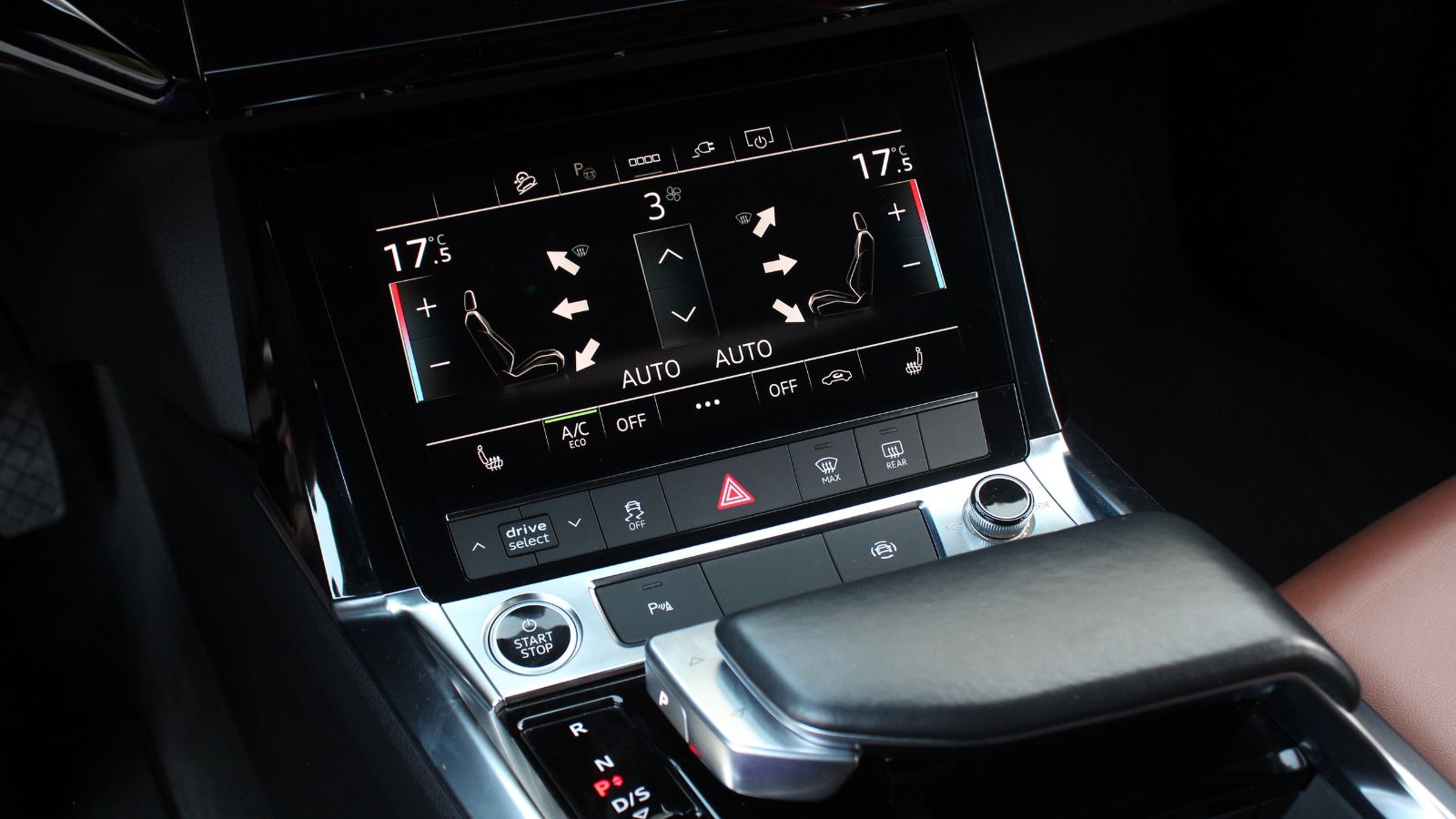
A family driver often adjusts temperature, fan speed, audio, cameras, and navigation while also listening to children and watching busy traffic. When basic functions are buried in menus, a simple change can require several glances away from the road. The problem becomes worse when the screen is slow, icons are small, or the interface changes after a software update.
AAA research found that some in-vehicle voice and touchscreen tasks created high visual and mental demand, with certain activities occupying drivers for more than 40 seconds. Euro NCAP’s 2026 assessment gives greater attention to clear human-machine interfaces and the availability of physical controls for commonly used functions. That shift reflects a practical truth: a large screen is not automatically easier or safer. Families benefit from direct buttons, knobs, steering-wheel controls, and a system that a second driver can understand without a tutorial. A vehicle that turns climate control into a digital scavenger hunt adds distraction precisely when the cabin is already demanding attention.
There Is No Effective Rear-Seat Reminder
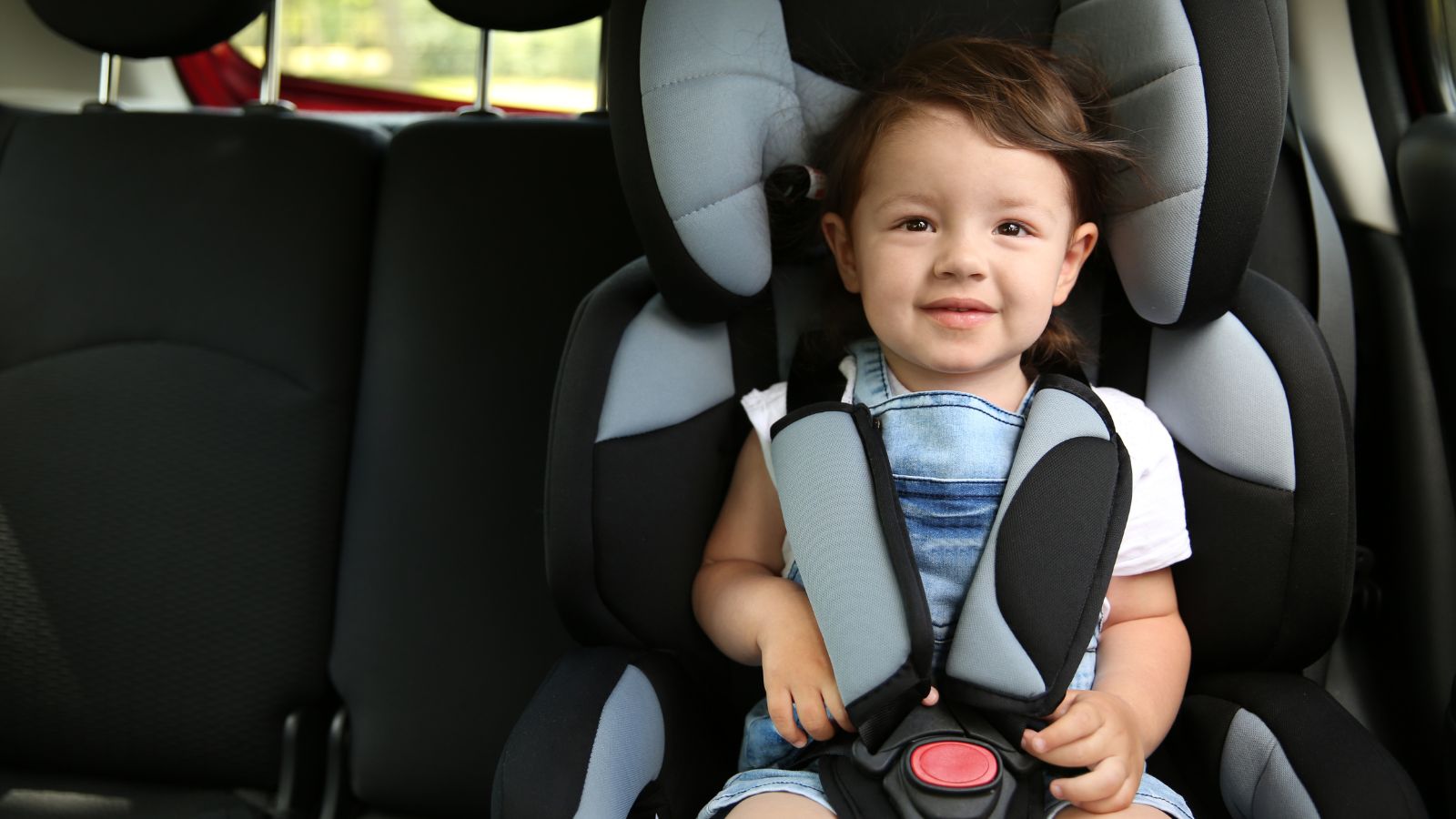
Busy routines can become dangerously automatic, especially when schedules change, a quiet infant falls asleep, or one caregiver assumes another has completed a drop-off. Rear-seat reminders and child-presence detection cannot replace attentive caregiving, but they can provide another layer of protection by prompting the driver to check the back after parking.
NHTSA has studied unattended-child reminder systems and notes that vehicle interiors can heat rapidly, with the greatest temperature rise often occurring during the first half-hour. The agency also describes door-logic reminders now used in many vehicles, while newer systems can directly detect an occupant. Euro NCAP’s current assessments give credit to child-presence detection that identifies a child left in the vehicle and issues a warning. A family car without any meaningful reminder may feel outdated, particularly when competing models provide one as standard equipment. The feature should be tested, understood, and kept enabled rather than dismissed as another chime.
Rear-Seat Belt Use Is Too Easy to Miss
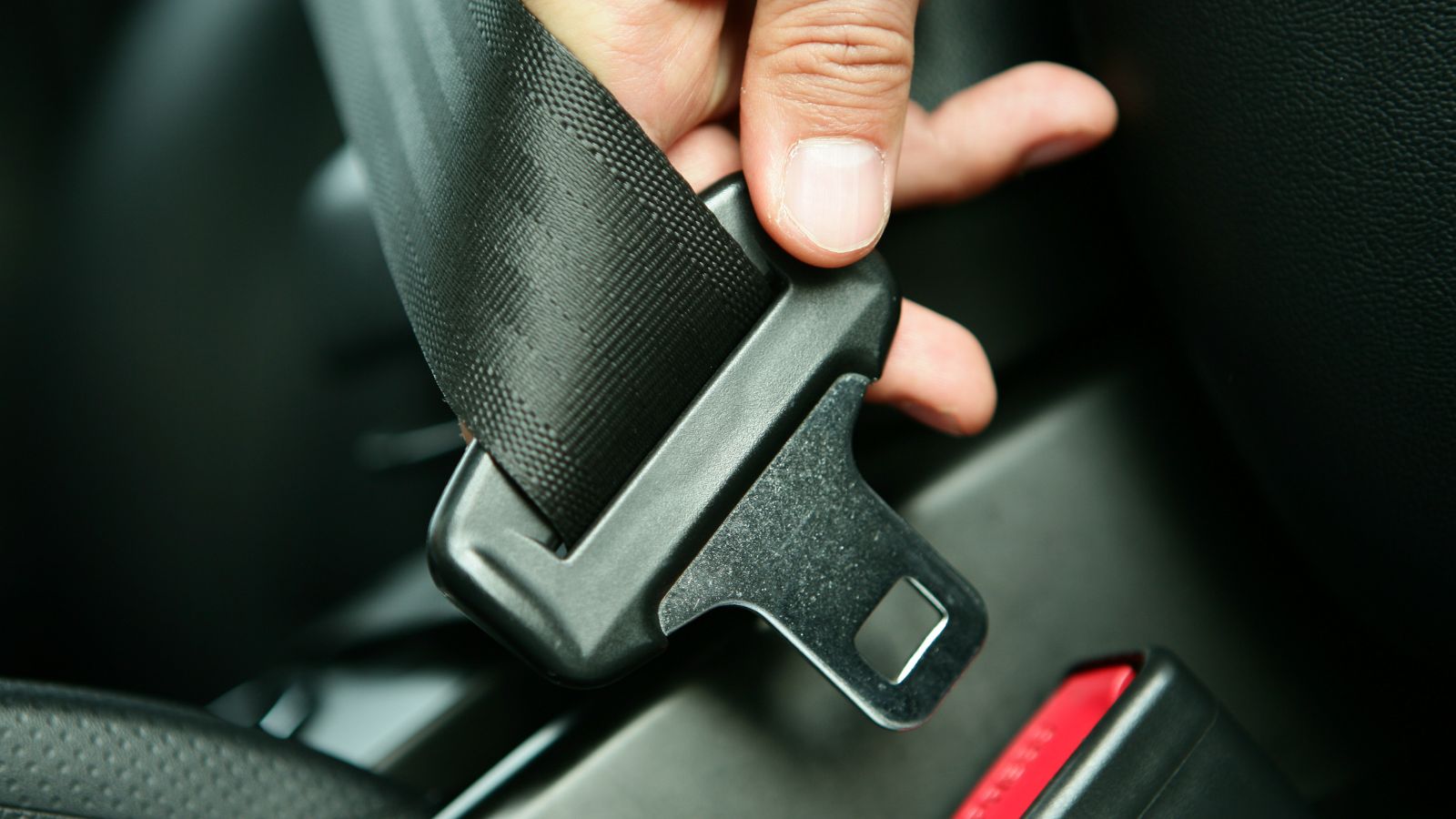
Children eventually move from harnessed restraints to boosters and then to the vehicle belt, while older children may buckle themselves. In a busy cabin, a driver may not notice that a belt was never fastened or was released during the trip. A dashboard that reports only the front occupants leaves the driver relying on verbal confirmation or a quick glance that may not reveal correct belt use.
NHTSA finalized requirements to expand seat-belt warning systems to rear seating positions, reflecting the safety importance of reminding occupants throughout the cabin. IIHS also evaluates seat-belt reminders and notes that lap-and-shoulder belts substantially reduce fatal-injury risk for front occupants; the basic protective value of buckling applies throughout the vehicle. A strong family system should show which rear seats are occupied, which belts are latched, and whether a belt is unfastened while moving. It should warn clearly without becoming so irritating that the household disables it. This is a small display feature with significant everyday value.
The Cabin Has Nowhere for Family Clutter
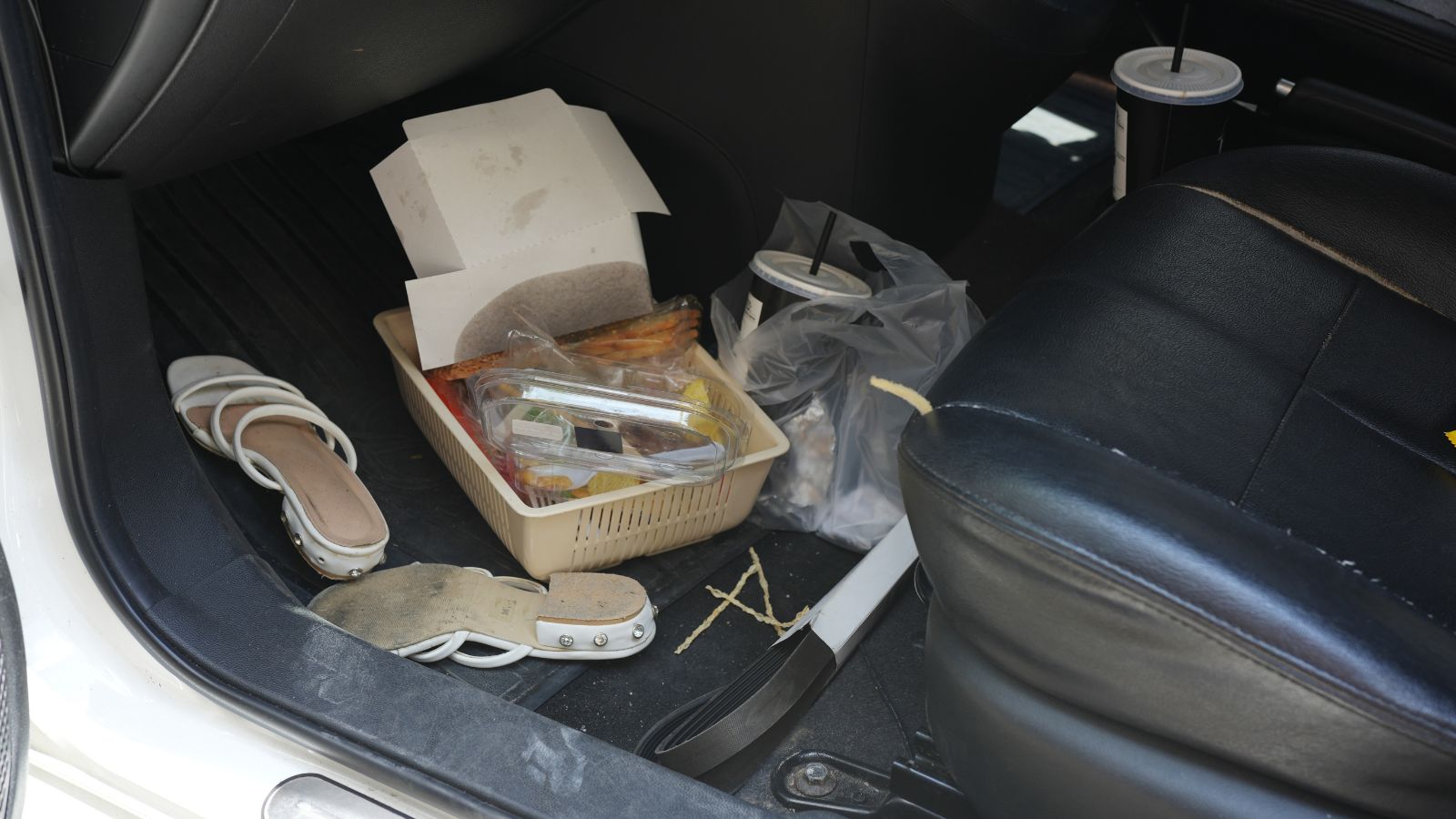
A family cabin quickly fills with water bottles, wipes, snacks, charging cables, sunglasses, school papers, small toys, and bags. When door pockets are narrow, cupholders are poorly placed, and the centre console offers little usable space, those items migrate to seats and floors. Clutter then becomes harder to control and can interfere with passenger comfort or access to buckles.
Family-focused vehicles often stand out through dozens of small storage decisions rather than one dramatic feature. Kelley Blue Book has highlighted models with numerous cupholders and storage spots, while comparisons praise open lower consoles, dual gloveboxes, and second-row-accessible bins for making family life easier. Easy-clean surfaces matter as well; vehicle testers have specifically praised family SUVs whose interiors tolerate messy hands and are simple to wipe down. A car becomes frustrating when every spilled drink reaches carpet, every snack disappears beside a seat rail, and every device competes for the same charging point. Practical storage and durable materials save time long after the showroom appeal fades.
22 Things Canadians Do to Their Cars in Spring That Mechanics Hate

Spring brings relief to many Canadian drivers after months of snow, freezing temperatures, and icy roads that put serious strain on vehicles. As temperatures rise across the country, drivers begin washing cars, switching tires, and preparing vehicles for warmer weather and upcoming road trips. However, mechanics across Canada notice the same mistakes every spring when drivers attempt to recover from winter damage. Road salt, potholes, and harsh winter driving conditions often leave vehicles with hidden problems that drivers ignore. Some spring habits even create new mechanical issues that could have been avoided with proper maintenance. Here are 22 things Canadians do to their cars in spring that mechanics hate.

Alanna Rosen is an experienced content writer that focuses on many EV and educational content. Her articles are regularly published on Get CyberTrucked and syndicated on large publications.