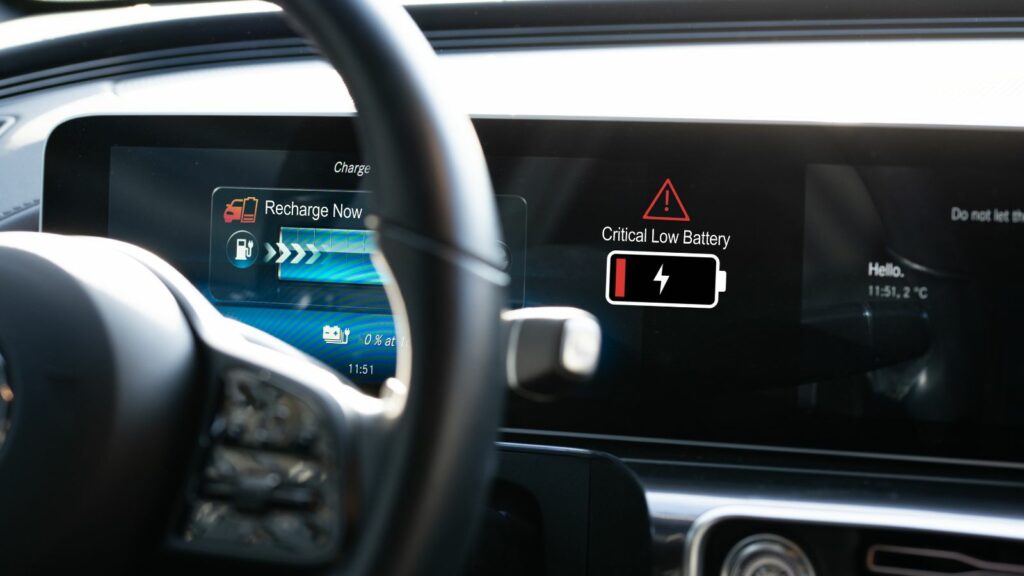
A vehicle launch can feel like an invitation to own the newest design, powertrain, and technology before everyone else. Yet many Canadian drivers are deciding that being first also means accepting questions that have not been answered by a full winter, a large owner base, or years of repair experience.
The concern is not that every first-year model will be unreliable; plenty arrive well engineered and remain trouble-free. The issue is uncertainty, especially when vehicles are expensive, financing terms are long, and a family may depend on one car every day. These 12 reasons explain why some buyers prefer to let a redesigned or all-new model spend a year on Canadian roads before signing a purchase agreement.
Early Production Bugs Can Be Difficult to Predict
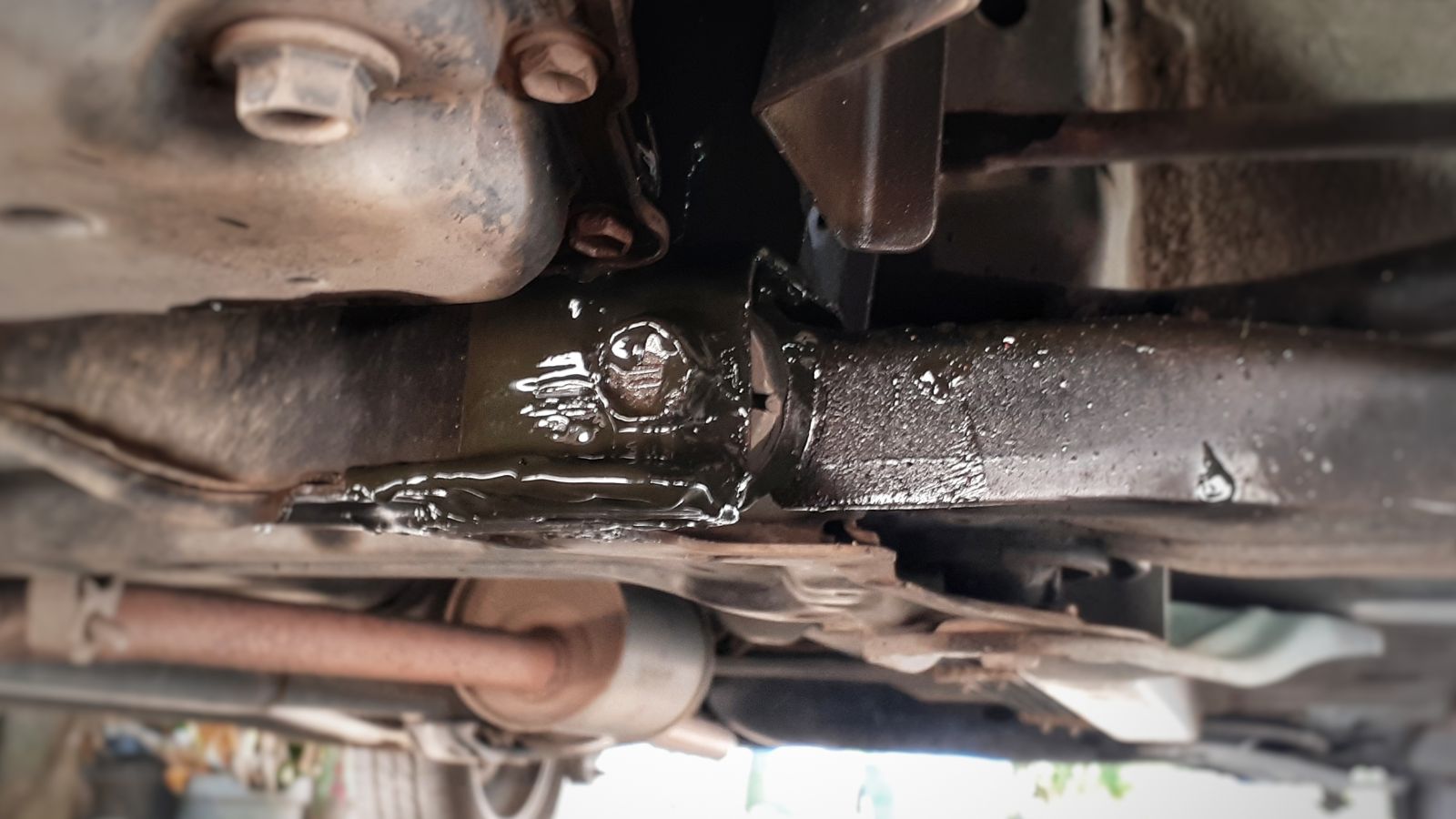
The first production year is when an automaker moves from controlled development testing to thousands of vehicles driven by ordinary owners. That transition can expose rattles, electrical faults, water leaks, sensor errors, or assembly inconsistencies that were difficult to reproduce during validation. Consumer Reports has repeatedly advised caution with all-new or redesigned vehicles because its reliability data show that early model years often generate more trouble than later versions.
The pattern is meaningful, not a guarantee. Consumer Reports reported in 2020 that 44 percent of new or redesigned vehicles in its analysis had much-worse-than-average reliability. A careful Canadian buyer may therefore prefer an established model whose factory processes, suppliers, and service fixes have already matured. The decision can be especially practical for commuters in smaller communities, where a return trip to the selling dealer may involve hours of driving. Waiting a model year trades novelty for a clearer picture of how the vehicle behaves outside the launch event.
Recall Patterns May Not Appear Immediately
A safety recall does not automatically mean a vehicle was poorly designed, and established models can be recalled too. The concern with a first-year model is that some defects may become visible only after a larger fleet accumulates kilometres in varied conditions. Early owners can be the first group asked to return for inspections, software changes, replacement hardware, or temporary operating instructions while a remedy is prepared.
Transport Canada requires manufacturers to issue a notice when they identify a safety defect or non-compliance, and its recall database covers notices dating back to 1970. That system protects owners, but a recall can still create inconvenience when parts are limited or dealerships are scheduling many vehicles at once. A driver who relies on one pickup for work or one crossover for school transportation may view that disruption differently from an enthusiast who owns a second vehicle. Waiting allows time for early recall patterns and service campaigns to become visible before purchase.
New Software Can Create Old-Fashioned Frustration

Modern launches increasingly depend on software for basic cabin functions, phone connectivity, driver-assistance settings, charging, navigation, and even climate controls. A first-year model may introduce a new electrical architecture or operating system at the same time as new hardware. That combination creates more opportunities for frozen screens, lost profiles, delayed cameras, failed phone pairing, or updates that solve one issue while changing another.
J.D. Power’s 2026 U.S. Initial Quality Study found infotainment was the only problem category that worsened year over year. It recorded 44.4 problems per 100 mass-market vehicles and 38.3 per 100 premium vehicles in that category, with Android Auto and Apple CarPlay connectivity contributing to the increase. Those are American owner reports, but many of the same North American models and systems are sold in Canada. For buyers who expect a new vehicle to simplify daily life, waiting for several software releases can feel more sensible than becoming an unpaid beta tester.
Replacement Parts May Be Harder to Find
When a newly launched vehicle needs a component, the replacement may be unique to that generation. Dealers cannot always pull from years of regional inventory, and the aftermarket may not yet produce an equivalent part. A damaged lamp, camera bracket, body panel, charging component, or electronic module can therefore become a special-order item. The vehicle may remain technically repairable while sitting unusable because one part has not arrived.
Collision-industry reporting from CCC has linked parts shortages and rising parts costs with longer repair cycles. CCC also notes that newer electric vehicles rely heavily on original-equipment parts because aftermarket availability is more limited, which can extend repair time. The issue is not confined to EVs, but it illustrates the first-year problem clearly: a fresh platform has a smaller repair ecosystem. In a Canadian winter, being without a vehicle for several weeks can affect work, childcare, and access to appointments. Some drivers wait until parts distribution and alternative repair channels become better established.
Technicians Are Learning the Vehicle Too

A redesigned model can require unfamiliar scan tools, calibration targets, structural repair methods, high-voltage procedures, and diagnostic routines. Dealership technicians receive manufacturer training, but real-world troubleshooting still develops case by case. The first unusual noise or intermittent warning may take longer to diagnose because there is no deep archive of completed repairs, proven shortcuts, or widely circulated technical guidance.
Repair complexity is rising across the industry. CCC reported that calibration procedures appeared on more than 31 percent of direct-repair-program estimates in the first quarter of 2025, up from 23.9 percent previously. I-CAR, which trains collision professionals, emphasizes vehicle-specific repair procedures and hands-on calibration skills for cameras and sensors. For a first-year model, technicians may be learning a new platform while owners are learning it too. A buyer far from a large metropolitan dealer may be particularly cautious, since specialized equipment or expertise may not be available at the nearest independent shop.
A New Powertrain Has Little Long-Term History
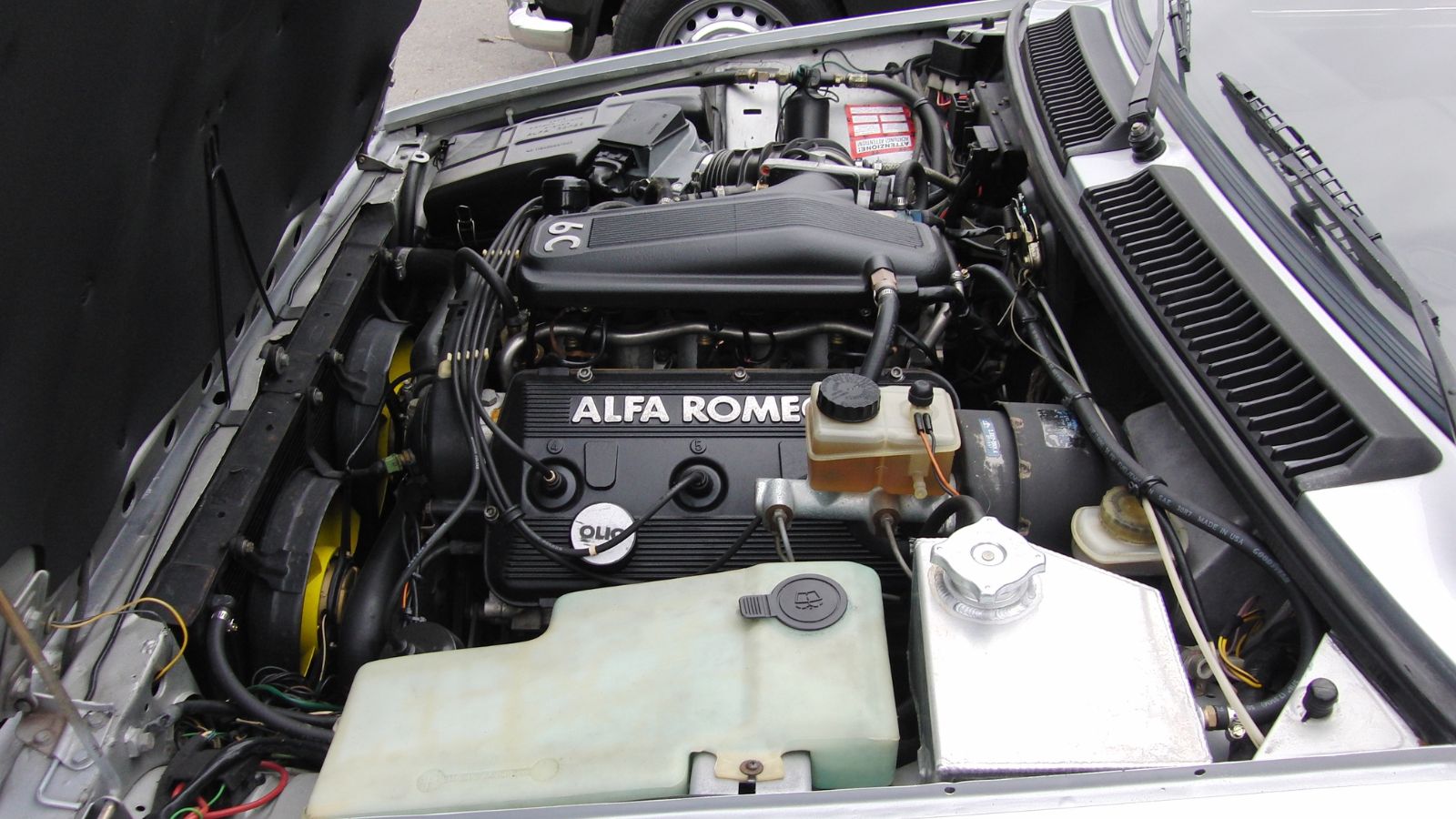
An all-new badge does not always mean an all-new engine, transmission, hybrid system, or battery. Sometimes proven components carry over, reducing risk. In other launches, however, the vehicle combines a new platform with a new powertrain and new control software. That makes it harder to know whether fuel economy, oil consumption, cooling, shifting behaviour, charging performance, or component wear will remain acceptable after several Canadian seasons.
Consumer Reports says its normal reliability predictions draw on the previous three model years when a vehicle has not been redesigned. For a brand-new or heavily revised model with insufficient data, it must rely more on the manufacturer’s record and related components. That methodology reveals the information gap buyers face: the exact vehicle may not yet have a long history. A driver planning to keep a car for eight or ten years may prefer a powertrain with millions of kilometres of owner experience rather than one supported mainly by engineering projections and a warranty.
Canadian Winters Provide a Serious Reality Check
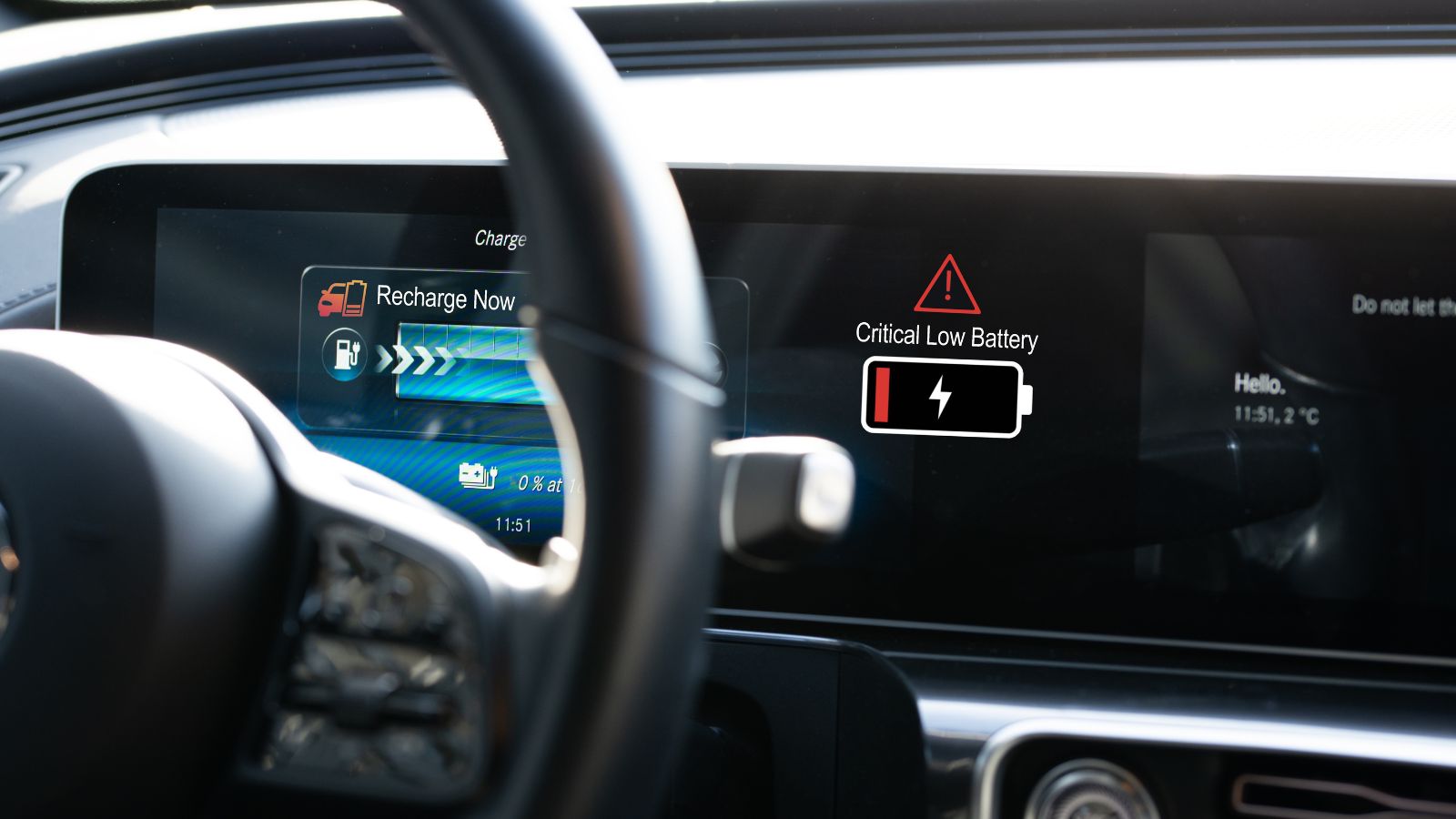
Canadian weather can reveal weaknesses that a mild launch drive never shows. Deep cold affects batteries, charging speed, seals, washer systems, door hardware, heat pumps, screens, sensors, and the time required for a cabin to warm. Snow, slush, road salt, freeze-thaw cycles, and potholes add stresses that may not appear during a few months of warm-weather ownership. A model introduced in spring may reach dealerships before any independent Canadian winter experience exists.
CAA’s 2025 winter test drove 14 electric vehicles in temperatures between roughly -7 C and -15 C. The vehicles travelled 14 to 39 percent less than their official range, and the results varied substantially by model. That does not make first-year EVs inherently poor choices; it shows why model-specific winter evidence matters. Similar patience can apply to gasoline and hybrid vehicles with new thermal systems or electronic door mechanisms. Some Canadians simply want to see how the first owner fleet performs in January before buying in February.
Insurance Costs Can Be Less Predictable

Insurance costs are influenced by more than the driver’s record. The vehicle’s year, value, theft experience, collision frequency, safety equipment, and repair cost can all affect premiums. With a first-year model, mature loss data may be limited, while expensive sensors, lighting, glass, or body structures can make even a modest collision surprisingly costly. Getting a quote before ordering is therefore essential, especially when the model replaces a simpler predecessor.
Insurance Bureau of Canada says its How Cars Measure Up tool uses actual claims data and includes model results only after at least 1,500 vehicles were insured during the measured period. That threshold illustrates why a fresh model may not yet have a settled public claims profile. IBC also reported that repairing a rear bumper on a 2022 Toyota RAV4 required 39 parts and averaged $4,144, compared with 17 parts and $2,769 for the 2017 version—a 50 percent increase. Some buyers wait until pricing and repair experience become less speculative.
Resale Value Has Not Been Proven Yet

Resale value is partly a judgment about the future. A familiar nameplate with a stable powertrain gives used-car shoppers years of evidence, while a first-year model asks the market to guess how reliability, demand, incentives, and technology will age. If the launch later develops a poor reputation—or the manufacturer quickly changes pricing—early owners may discover that the newest design does not command the expected premium at trade-in time.
Canadian Black Book says many new vehicles lose roughly 20 to 30 percent of their value in the first year, although depreciation varies widely. Its residual-value forecasts consider historical depreciation, market conditions, brand strength, and supply and demand. An all-new vehicle naturally has less model-specific history feeding that judgment. This matters most to drivers who finance for long terms, lease, or replace vehicles frequently. Waiting one year can reveal transaction prices, fleet supply, incentives, and early used-market demand, making the ownership-cost calculation more grounded than the optimistic assumptions surrounding a launch.
There Is Not Enough Owner Evidence

Owner experience is a form of evidence that does not exist on launch day. After thousands of people live with a vehicle, patterns emerge around seat comfort, fuel use, charging, tire wear, warning lights, child-seat access, cargo practicality, and dealership support. Professional road tests can identify many strengths and weaknesses, but they rarely reproduce several winters, daily short trips, rough rural roads, or years of family use.
Consumer Reports’ 2025 reliability work drew responses covering about 380,000 vehicles. Its methodology states that predictions for brand-new, redesigned, or low-data models must lean on the manufacturer’s record and related models, rather than a full history for that exact vehicle. Its most-reliable list also requires at least two model years of survey data. For a cautious buyer, the absence of data is not proof of a problem; it is simply unresolved risk. Waiting allows owner reports, technical bulletins, long-term tests, and independent repair observations to accumulate.
Second-Year Improvements Can Be Significant

The second model year often looks almost identical in advertisements, yet small changes can matter. Automakers may revise software, substitute a supplier, strengthen a bracket, alter a seal, update calibration, change production tolerances, or publish a better service procedure. These improvements are rarely dramatic enough to earn a full redesign announcement, but they can remove the irritations that shaped early owner complaints.
Consumer Reports has said first-year problems commonly get sorted out in subsequent years and has found that manufacturers may take two to three years—or longer—to address issues in newly redesigned models. Waiting does not guarantee a perfect vehicle, and later versions can introduce their own changes. Still, the buyer gains the benefit of lessons learned from the launch fleet. A common Canadian scenario is the commuter who keeps a vehicle for a decade: giving up one year of novelty may mean avoiding repeated dealer visits during the years when the loan balance is highest.
Complete Safety Information May Arrive Later

Crash protection cannot be judged from styling, size, or a long list of driver-assistance features. Independent testing examines structural performance, restraint systems, headlights, pedestrian detection, and other details that may differ by trim or production date. A brand-new model may reach showrooms before every evaluation is complete, leaving buyers to rely on manufacturer statements or results from a previous generation that no longer has the same structure.
The Insurance Institute for Highway Safety publishes model-specific ratings widely used across North America. Its record for the redesigned 2024 Subaru Crosstrek shows why production timing matters: Subaru modified rear seatbelts on vehicles built after February 2024 to improve protection in the updated moderate-overlap test. That example does not suggest the Crosstrek was uniquely unsafe; it demonstrates that safety-related refinements can occur within a first model year. Some Canadian families wait for complete ratings and build-date details before choosing a newly redesigned vehicle, especially when children regularly ride in the rear seats.
22 Things Canadians Do to Their Cars in Spring That Mechanics Hate

Spring brings relief to many Canadian drivers after months of snow, freezing temperatures, and icy roads that put serious strain on vehicles. As temperatures rise across the country, drivers begin washing cars, switching tires, and preparing vehicles for warmer weather and upcoming road trips. However, mechanics across Canada notice the same mistakes every spring when drivers attempt to recover from winter damage. Road salt, potholes, and harsh winter driving conditions often leave vehicles with hidden problems that drivers ignore. Some spring habits even create new mechanical issues that could have been avoided with proper maintenance. Here are 22 things Canadians do to their cars in spring that mechanics hate.

Alanna Rosen is an experienced content writer that focuses on many EV and educational content. Her articles are regularly published on Get CyberTrucked and syndicated on large publications.