Modern cars can brake before a crash, keep lanes, stream music, update software, and surround occupants with cameras. Yet the more capable the cabin becomes, the more some drivers find themselves missing a different kind of sophistication: a knob that turns, a key that works, a gauge that explains itself, and a car that does not need an account. The appeal is not simply nostalgia. It reflects a growing tension between technological capability and everyday usability.
Across safety research, quality studies, repair data, and recent automaker design changes, that tension appears in 12 recurring reasons, from touchscreen fatigue and software glitches to subscription fees, sensor-heavy repairs, privacy concerns, and the loss of mechanical feedback. Simpler cars had serious shortcomings, especially in safety and emissions by modern standards, but their controls often made fewer demands on attention and came with a clearer sense of ownership.
Touchscreens Made Simple Tasks Feel Like Computer Tasks

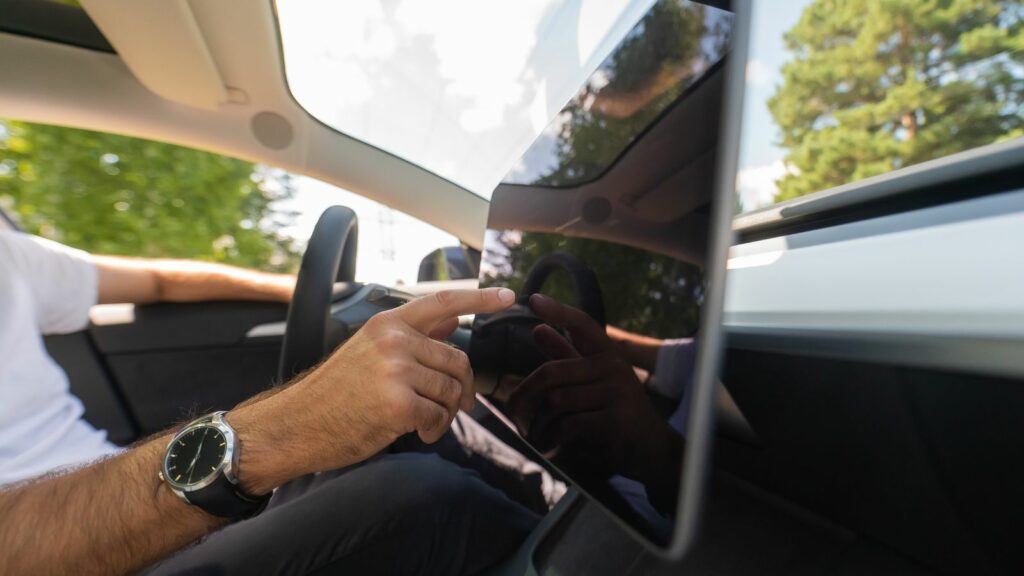
There was a time when changing cabin temperature meant reaching for a dial and turning it without much thought. In newer vehicles, the same adjustment may involve waking a screen, finding a climate panel, and tapping a small target. AAA Foundation research has found that infotainment tasks can create visual and cognitive demand, while J.D. Power has identified frustration with screen-heavy interfaces. Touchscreens are not inherently unsafe or useless. They can consolidate navigation, media, settings, and camera views well.
The frustration comes when a screen replaces a control that worked better by feel. A driver on a dark highway or winter road may prefer a knob whose location never changes to a graphic hidden behind another menu. That difference captures much of the appeal of simpler cars: their controls often asked less interpretation from the driver. Convenience once meant doing less. Increasingly, it can mean having more capability to manage.
Physical Buttons Let Muscle Memory Do More of the Work
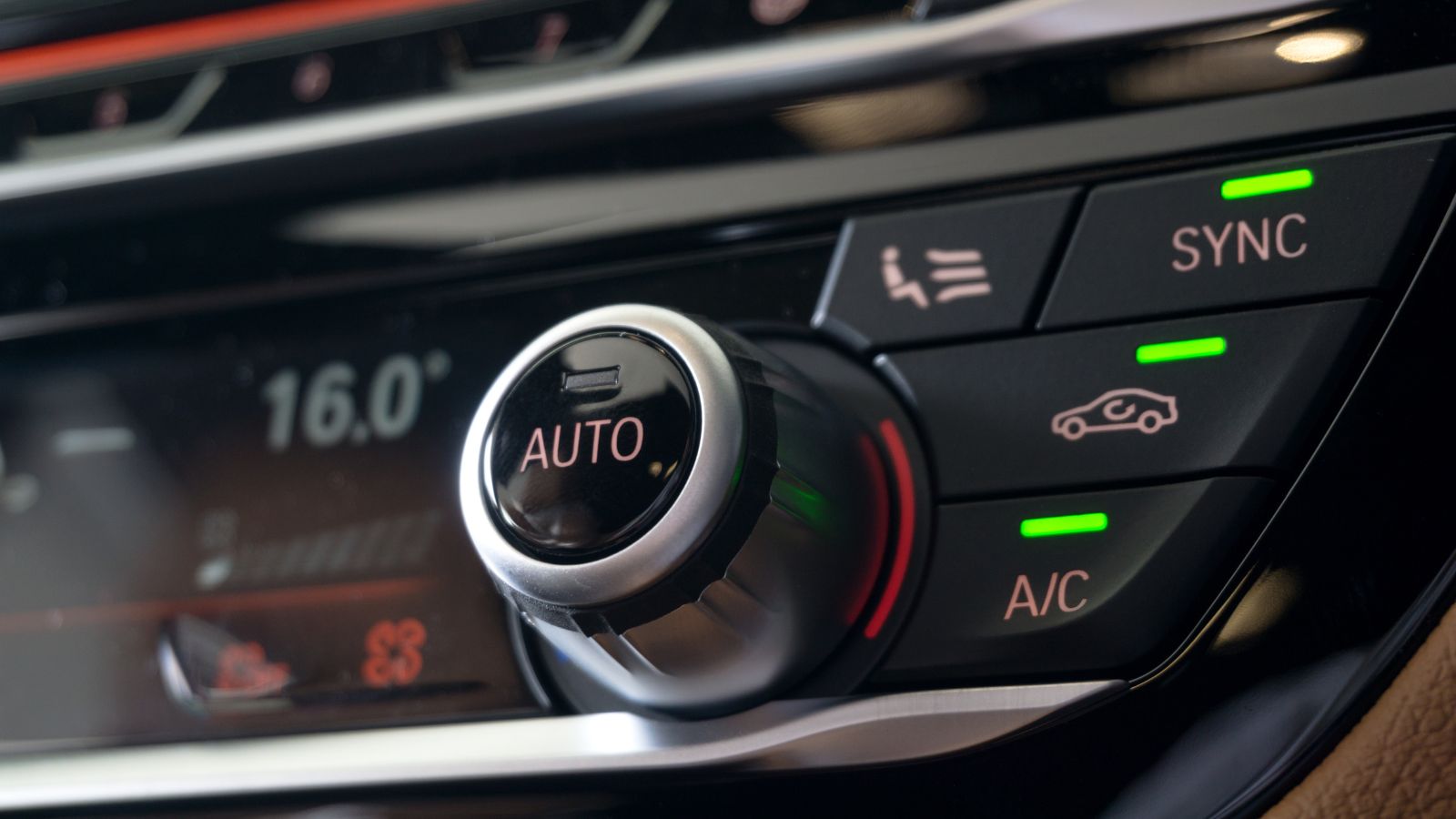
Physical controls have an advantage easy to overlook until they disappear: shape, resistance, and position provide information before drivers look down. A fan switch or volume knob can often be found by touch. That is one reason the debate over buttons has moved beyond nostalgia. Euro NCAP’s 2026 assessment rules encourage manufacturers seeking the highest safety scores to provide physical controls for critical functions, including indicators, hazard lights, the horn, windscreen wipers, and emergency calling.
The point is not that every function deserves its own switch. Cabins would become cluttered if hundreds of settings had separate buttons. The stronger case is for hierarchy. Frequent or safety-critical controls benefit from being predictable and immediately available, while less urgent settings can live on a screen. Drivers who miss older dashboards are missing that hierarchy more than old plastic. A simple button promises something reassuring: press here, and this one thing will happen.
Software Glitches Can Make a New Car Feel Less Dependable
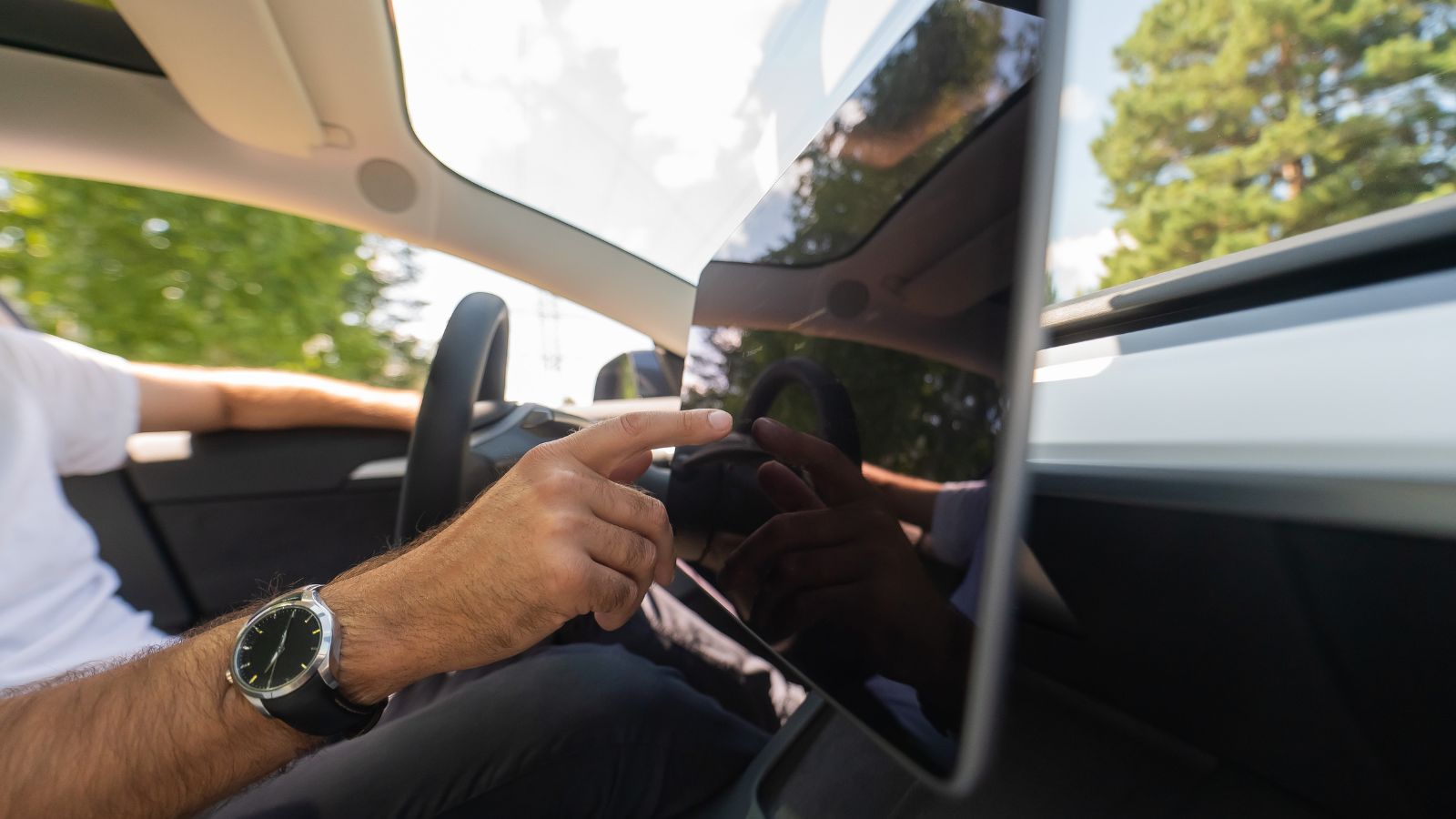
Modern vehicles behave like rolling computers, delivering capabilities older cars could never gain. Updates can refine interfaces, add functions, or fix faults without replacing hardware. The trade-off is that digital problems now sit beside mechanical ones. J.D. Power’s 2026 U.S. Initial Quality Study found infotainment was the only major problem category that worsened, with smartphone connectivity contributing to the increase. A frozen display or failed phone connection may not stop the engine, but it can sour daily experience.
That matters because drivers judge reliability through routines, not engineering categories. If the radio refuses to connect during a commute, the backup-camera view hesitates, or a setting changes after an update, the car can feel temperamental while its powertrain remains healthy. Older vehicles had electrical faults and broken switches too. What they usually lacked was an operating-system layer touching so many ordinary tasks. Simplicity made failures easier to understand and mentally separate.
Driver Assistance Can Bring Both Reassurance and Alert Fatigue
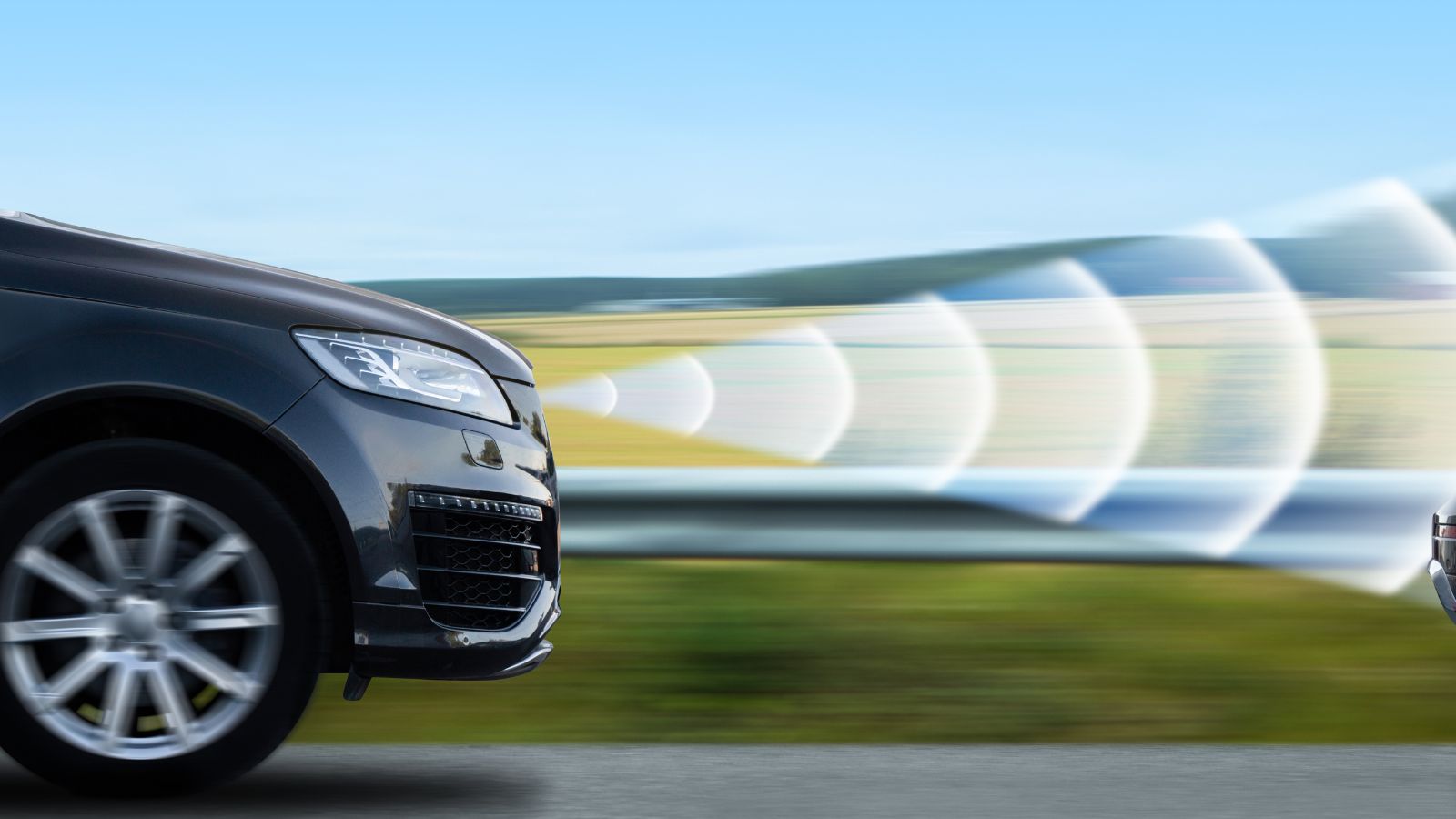
Automatic emergency braking, lane support, blind-spot warnings, and adaptive cruise control can provide safety benefits, and nostalgia should not erase that progress. Yet how these systems communicate can create friction. In J.D. Power’s 2026 quality research, driver-assistance alerts accounted for a share of complaints tied to feeling distracted. Beeps, steering-wheel vibrations, flashing icons, and repeated warnings can help at the right moment, but irritate when drivers do not understand why a system intervenes.
Partial automation also creates a peculiar responsibility: the vehicle may handle speed and steering for stretches, while the human must remain ready to supervise it. IIHS safeguard evaluations emphasize strong driver monitoring and clear attention reminders for that reason. Some drivers miss the older bargain, where responsibility was obvious because the car did less. The answer is not abandoning assistance technology. It is making assistance quieter, clearer, and easier to trust without creating another task to manage.
Subscriptions Changed the Meaning of an Option List
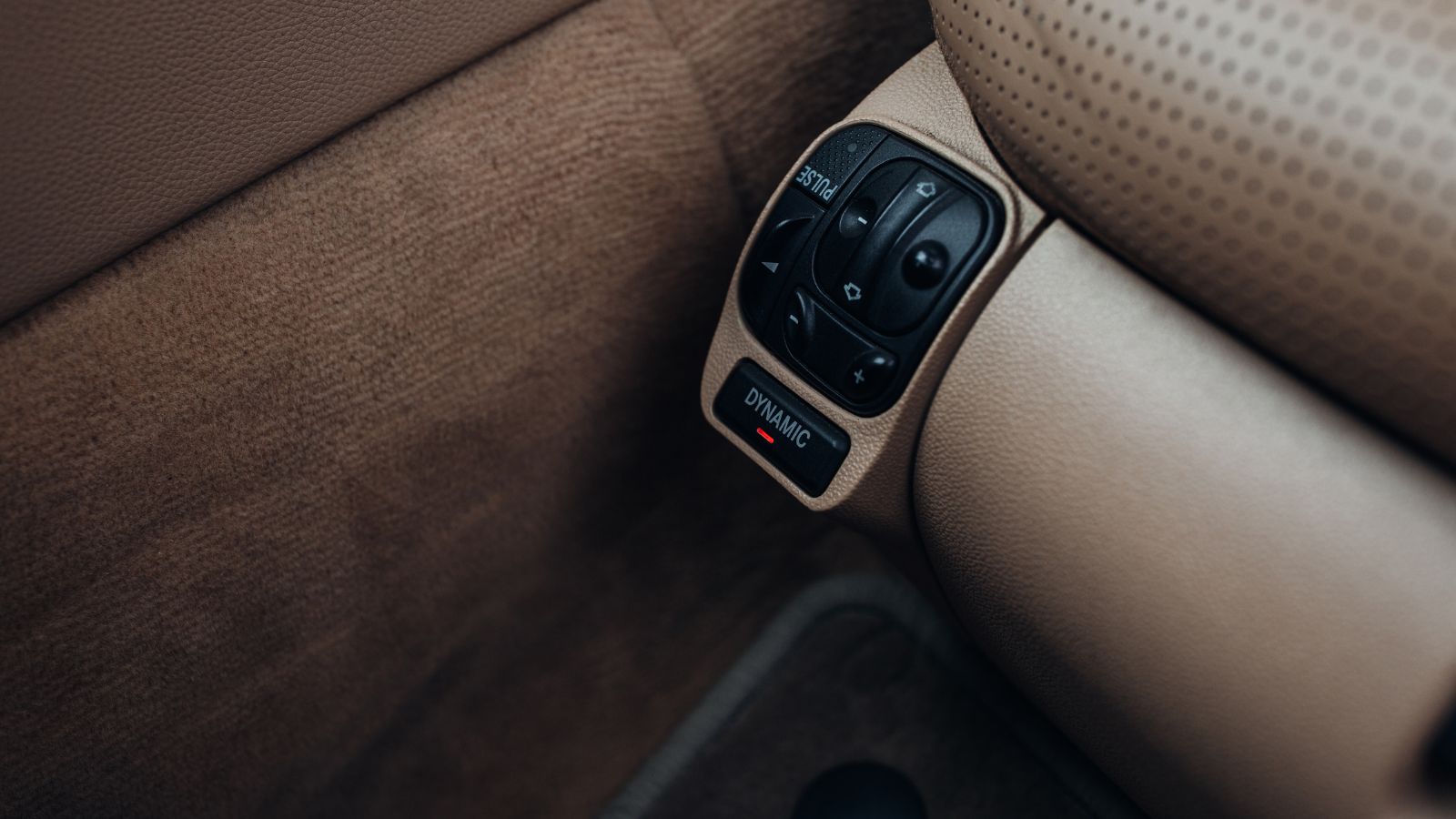
Older cars made optional equipment clear. A buyer paid for heated seats, upgraded audio, or another feature, and it remained with the vehicle. Connected cars make subscriptions possible: hardware or software can be enabled through recurring payments. Cox Automotive research found resistance, with consumers saying they would consider another brand if desired features were available only by subscription. Free trials can appeal, but permanent monthly charges feel different from financing a list of equipment.
That reaction helps explain why simpler cars can feel satisfying to own. Their boundaries were visible. The keys, controls, and equipment in the driveway represented what had been purchased. Software-defined vehicles blur that boundary because a capability may exist but remain locked behind an account or payment. Not every subscription is unreasonable; live data services have ongoing costs. Still, drivers can miss an era when a trim level felt final and ownership required fewer recurring decisions.
Minor Repairs Can Become Sensor-and-Calibration Jobs

A cracked windscreen or damaged mirror was inconvenient but straightforward. In vehicles, those parts may carry cameras, radar units, heating elements, or driver-assistance hardware. AAA research found that ADAS components can add cost to collision repairs, and windscreen replacement may require camera calibration. The expense is not pointless: those sensors support systems designed to prevent crashes or reduce their severity. But they change the economics of what once looked like a simple repair.
That becomes tangible after a parking-lot mishap. A mirror housing may contain a camera; a bumper can conceal radar; a new windscreen can require alignment so a forward-facing camera interprets the road correctly. Owners are no longer paying only for painted plastic or glass. They are restoring part of a safety system. Simpler cars did not offer those protections, but their damage was often easier to price at a glance. For cost-conscious drivers, that predictability remains attractive.
Keyless Convenience Added a New Kind of Security Problem
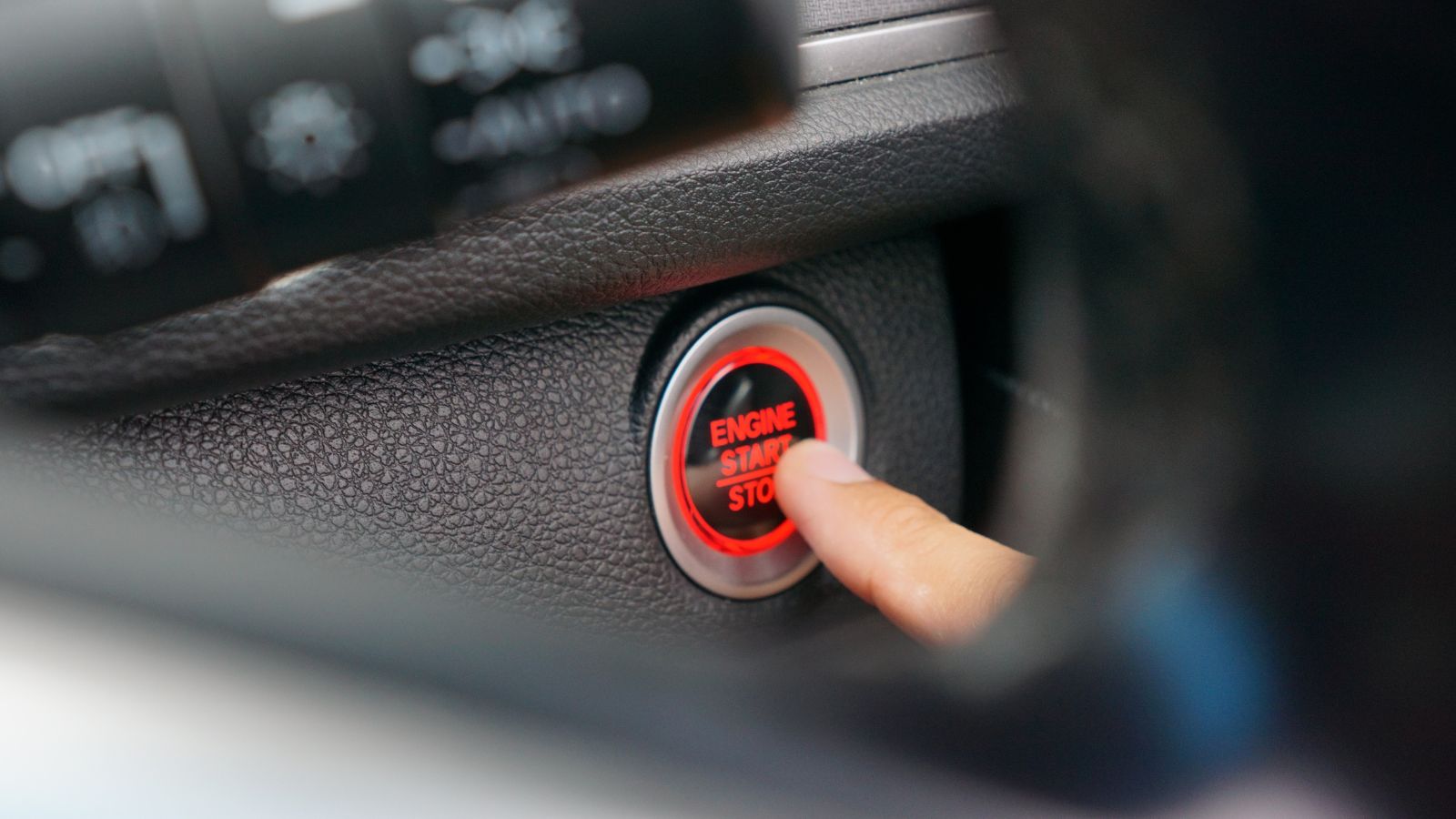
Keyless entry and push-button starting removed a ritual from driving: taking a key from a pocket and turning it. The convenience is, especially with full hands or in bad weather. Researchers have documented relay attacks against passive keyless systems, in which radio communication between a vehicle and its key can be manipulated. Manufacturers have responded with designs and countermeasures, so the problem is not universal to every new vehicle.
Still, the contrast explains why some drivers romanticize simpler hardware. A traditional key had limitations, but its operation was visible and understandable. With passive entry, an owner may never consciously unlock the car, while security depends on protocols, sensors, software, and implementation details hidden from view. That does not make old locks superior; they could be picked, copied, or defeated in other ways. It does make modern convenience less transparent. Simplicity means knowing what stands between a parked car and access.
Growing Vehicles Can Feel Harder to Place on the Road
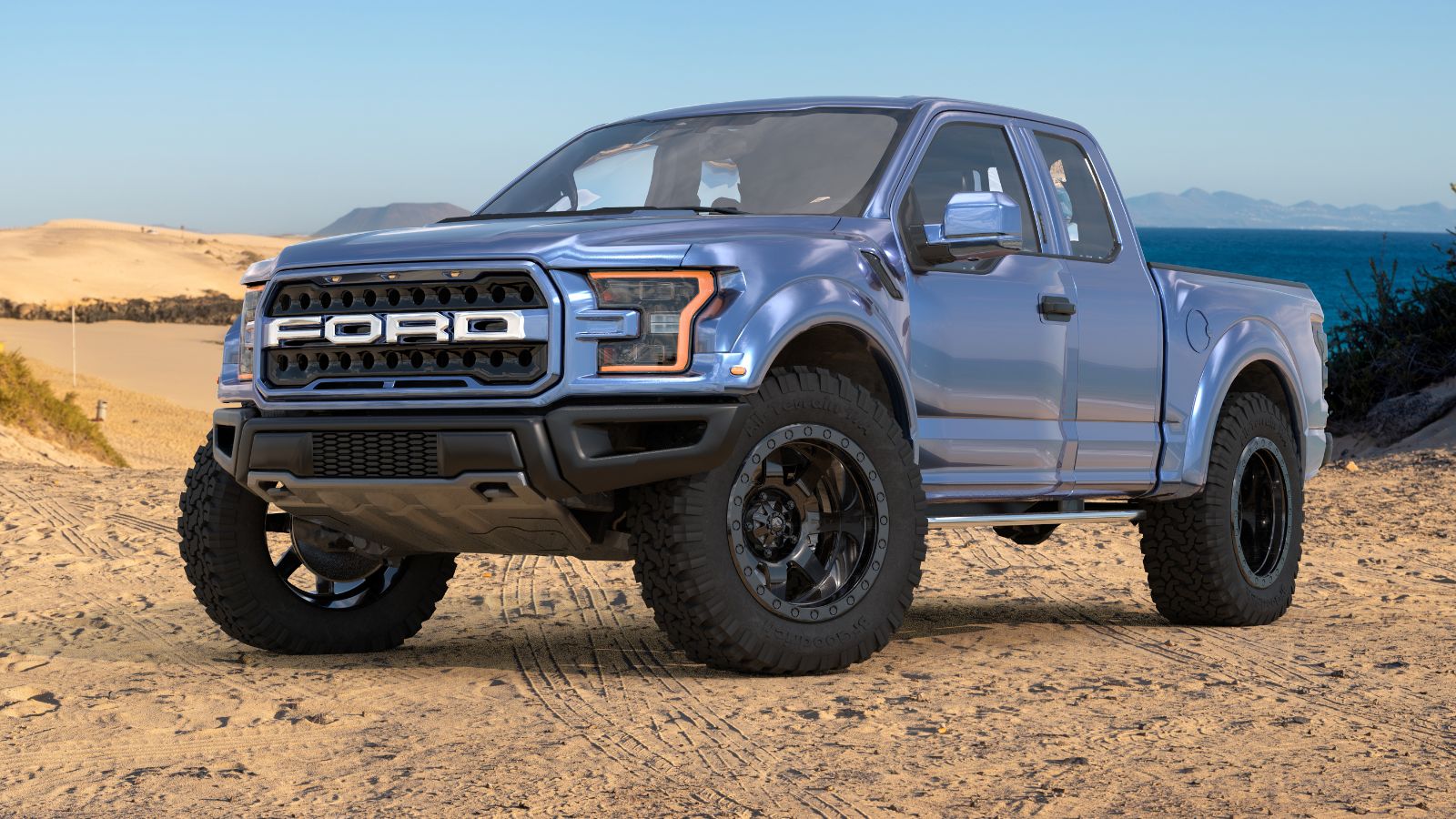
Drivers appreciate the height, cargo room, and security of SUVs and pickups, but larger bodies can impose trade-offs. IIHS research in 2025 found forward visibility within a close radius had declined across several popular models over time, especially in some SUVs. Separate IIHS work has linked taller, more vertical front ends with greater pedestrian risk. Vehicle design has competing demands, so size alone does not determine whether a model is easy or difficult to see out of.
The experience appears in ordinary spaces. A wide vehicle can feel cumbersome in a parking garage, and a tall hood can make the area ahead harder to judge without cameras. Those cameras are useful, but they illustrate the cycle: vehicles become harder to place by direct sight, then technology helps compensate. A smaller, lower car with generous glass can feel legible by comparison. Drivers sometimes miss not minimalism, but visibility that came naturally.
Connected Cars Raise Questions About Who Gets the Data
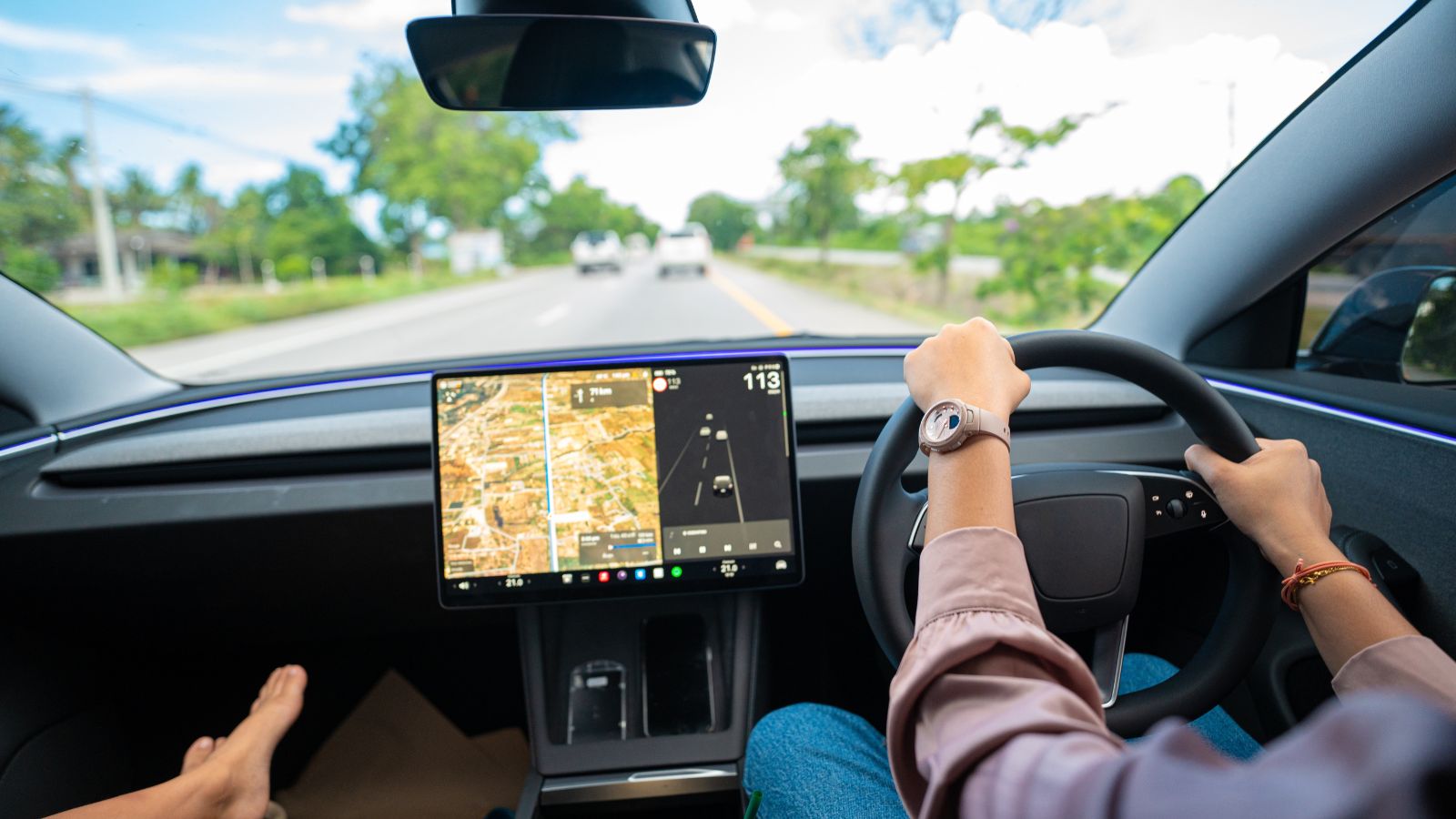
A vehicle can generate information about location, driving behaviour, diagnostics, app use, and connected services. That data can enable remote status, navigation, and maintenance alerts. It has drawn regulatory scrutiny. In January 2026, the U.S. Federal Trade Commission finalized an order settling allegations that General Motors and OnStar collected and sold certain precise geolocation and driving-behaviour data without adequately informed consent. The order imposed restrictions and consent, access, and deletion requirements.
For drivers, the issue is less abstract than a privacy-policy screen makes it sound. A car was once a machine that carried its owner somewhere; increasingly, it can be a connected account recording aspects of the journey. Many people will exchange some data for features they value, provided the choice is clear. Nostalgia for simpler cars often reflects the opposite experience: fewer permissions to review, fewer accounts to maintain, and less uncertainty about what the vehicle knows or shares.
Manual Transmissions Still Offer a Kind of Mechanical Conversation
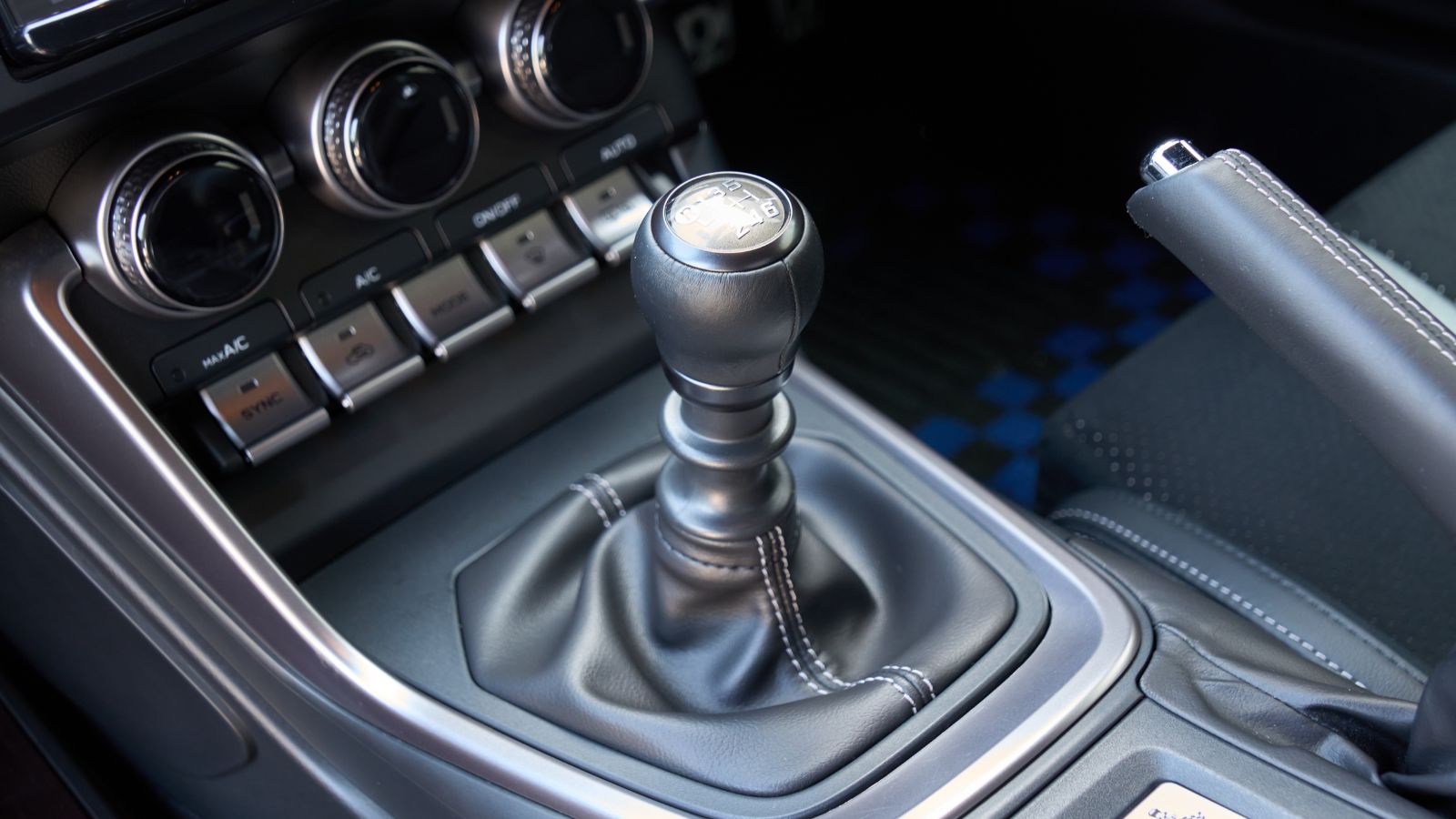
The manual gearbox has become rare in North America, displaced by automatics that are easier in traffic and often quicker. Yet enthusiasts remain. In 2026, Porsche said it was bringing a six-speed manual back to the 911 Carrera S in North America in response to customer demand. The decision is niche, but it captures something larger: some drivers value participation even when technology can perform the task efficiently.
A manual transmission asks for more work, not less. That makes its appeal instructive. Selecting a gear, feeling the clutch engage, and matching engine speed create a direct chain between action and response. Similar satisfaction comes from communicative steering, a mechanical handbrake, or a natural engine note. These qualities do not make an older car better transportation. They make the machine easier to read through the body. For drivers who enjoy driving, that feedback can feel more memorable than another convenience feature.
Keeping an Older Car Has Become Rational as Well as Sentimental
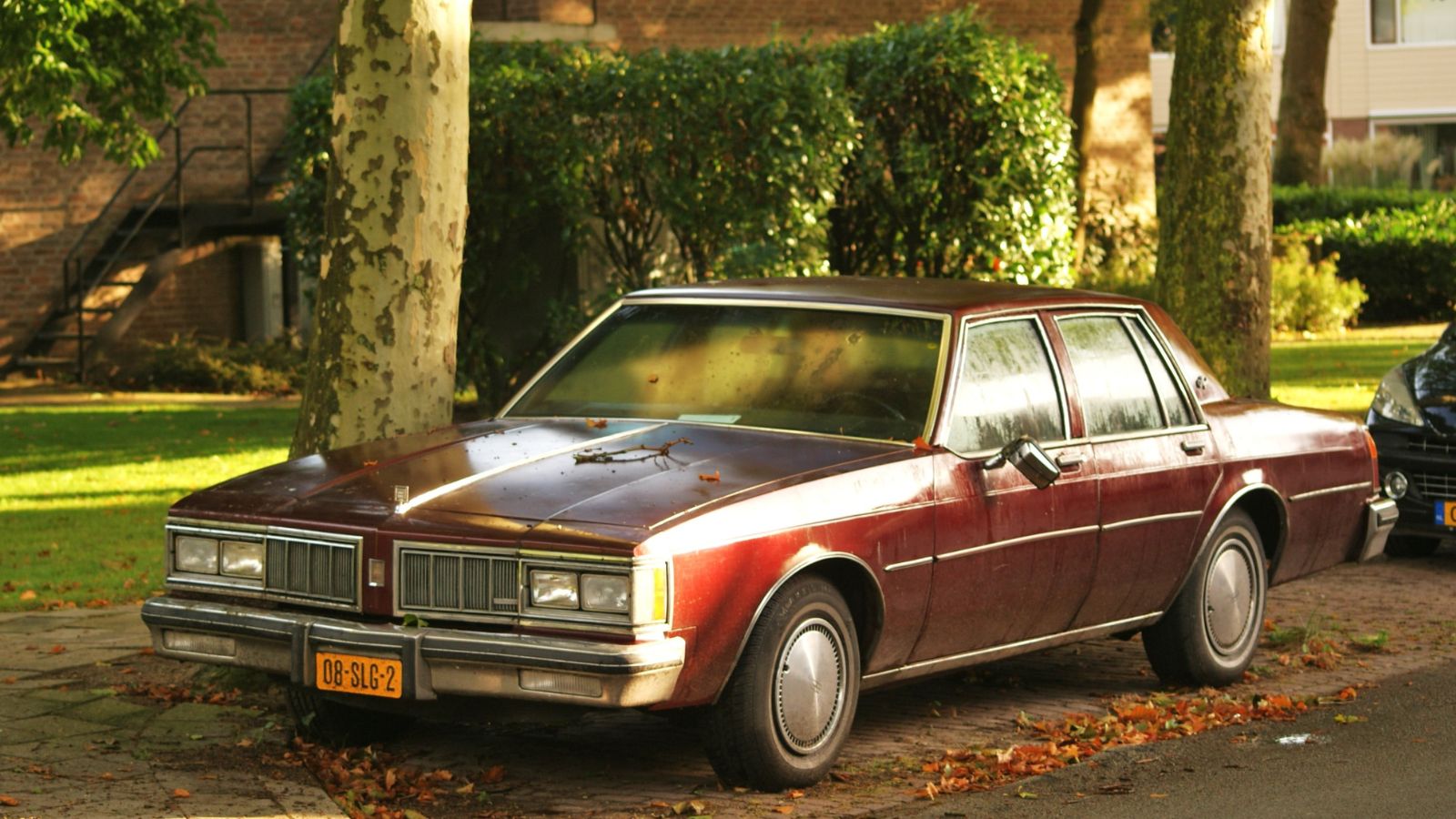
The desire for simplicity is unfolding while vehicles stay on the road longer. S&P Global Mobility reported that the average age of U.S. light vehicles reached 12.8 years in 2025, reflecting a fleet where durability, repair decisions, and replacement costs all matter. That statistic cannot prove that millions of drivers reject new technology. Affordability is a force, and modern vehicles can remain useful for years. Yet many households continue with older control layouts they already understand.
Familiarity has economic value. An owner may know which switch is worn, how the engine sounds when healthy, what routine service costs, and which local mechanic understands the vehicle. Replacing that car can mean learning a new interface as well as taking on a new payment. For someone whose current vehicle still does the job, simplicity can become part of the case for keeping it. Nostalgia and practicality often occupy the same parking space.
Automakers Are Beginning to Rediscover the Middle Ground
The clearest sign the simplicity debate matters is that manufacturers are adjusting. Volkswagen plans more physical controls in upcoming models, including buttons for common functions in everyday use, after criticism of screen-dependent interiors. Euro NCAP’s revised 2026 methodology creates a safety-rating incentive for physical access to critical controls. These moves do not mean returning to switch-packed dashboards. They point toward a hybrid approach that gives screens the jobs they do well and keeps essential actions immediate.
That may be the destination of the backlash against complexity. Drivers are unlikely to surrender automatic emergency braking, cameras, smartphone integration, powertrains, or navigation to regain an old-fashioned cabin. Many want technology that recedes until needed. A well-designed modern car can be sophisticated underneath while remaining calm and obvious at the surface. In that sense, the simpler car is not necessarily behind us. Its best ideas may be returning in a more capable form.
19 Used Cars Canadians Should Avoid in 2026 (Based on Owner Complaints)

Buying a used car in Canada can feel safe until repair bills start stacking up. Owner complaints tell a different story than glossy listings. Transmission failures, electrical problems, and weak winter reliability show up again and again in consumer reports. Many of these issues appear after warranties expire, when owners least expect them. Some vehicles look affordable upfront, but become expensive to keep on the road. Others struggle in cold weather, urban driving, or long highway commutes. Here are 19 used cars Canadians should avoid in 2026 (based on owner complaints).
19 Used Cars Canadians Should Avoid in 2026 (Based on Owner Complaints)

Alanna Rosen is an experienced content writer that focuses on many EV and educational content. Her articles are regularly published on Get CyberTrucked and syndicated on large publications.