Canadian winter has a way of exposing the gap between what a vehicle can do in perfect conditions and what actually works after hours of snow, freezing rain, road salt, and slush. Features that feel indispensable in October can suddenly display warnings, behave unpredictably, or switch themselves off once sensors become covered or moving parts freeze. That does not necessarily mean something has failed; many systems are deliberately designed to reduce or suspend operation when conditions prevent reliable performance. From driver-assistance technology to powered exterior hardware, these 18 vehicle features can become surprisingly limited—or temporarily useless—during a difficult Canadian winter.
Lane-Keeping Assist Can Lose Sight of the Road

Lane-keeping systems generally depend on a forward-facing camera to identify road markings and determine whether a vehicle is drifting toward the edge of its lane. That works well when pavement markings are visible. A snow-covered Canadian highway is another matter. Manufacturers specifically warn that snow or ice obstructing the windshield area around the camera can interfere with operation. Some systems also need at least one recognizable lane marking before they can provide assistance.
Fresh snowfall creates another problem even when the windshield itself is clear: painted lines can simply disappear beneath packed snow. A driver accustomed to feeling a steering-wheel vibration or corrective steering input may suddenly receive little assistance. The feature has not necessarily malfunctioned; it simply lacks dependable visual information. On a dark highway after a snowplow has passed, the safest assumption is therefore that lane-keeping technology may contribute far less than it does on dry pavement.
Adaptive Cruise Control Can Be Knocked Offline

Adaptive cruise control is one of the most convenient highway features in modern vehicles because it automatically adjusts speed to maintain distance from traffic ahead. Many systems rely heavily on front radar, sometimes combined with cameras. Snow, ice, slush, and road spray can interfere with those sensors. Ford, for example, warns that heavy snow can interfere with radar signals and that ice, water, or other material in front of the radar can produce a blocked-sensor warning.
The result can be familiar to anyone driving through a messy winter storm: adaptive cruise suddenly reports that it is unavailable just when the trip is becoming most tiring. Some manufacturers also discourage using adaptive cruise on slippery roads because maintaining traction and judging conditions remains the driver’s responsibility. Clearing accumulated snow from the appropriate sensor area may restore the feature, but another stretch of wet, salty highway can coat it again surprisingly quickly.
Automatic Emergency Braking Can Have Reduced Capability
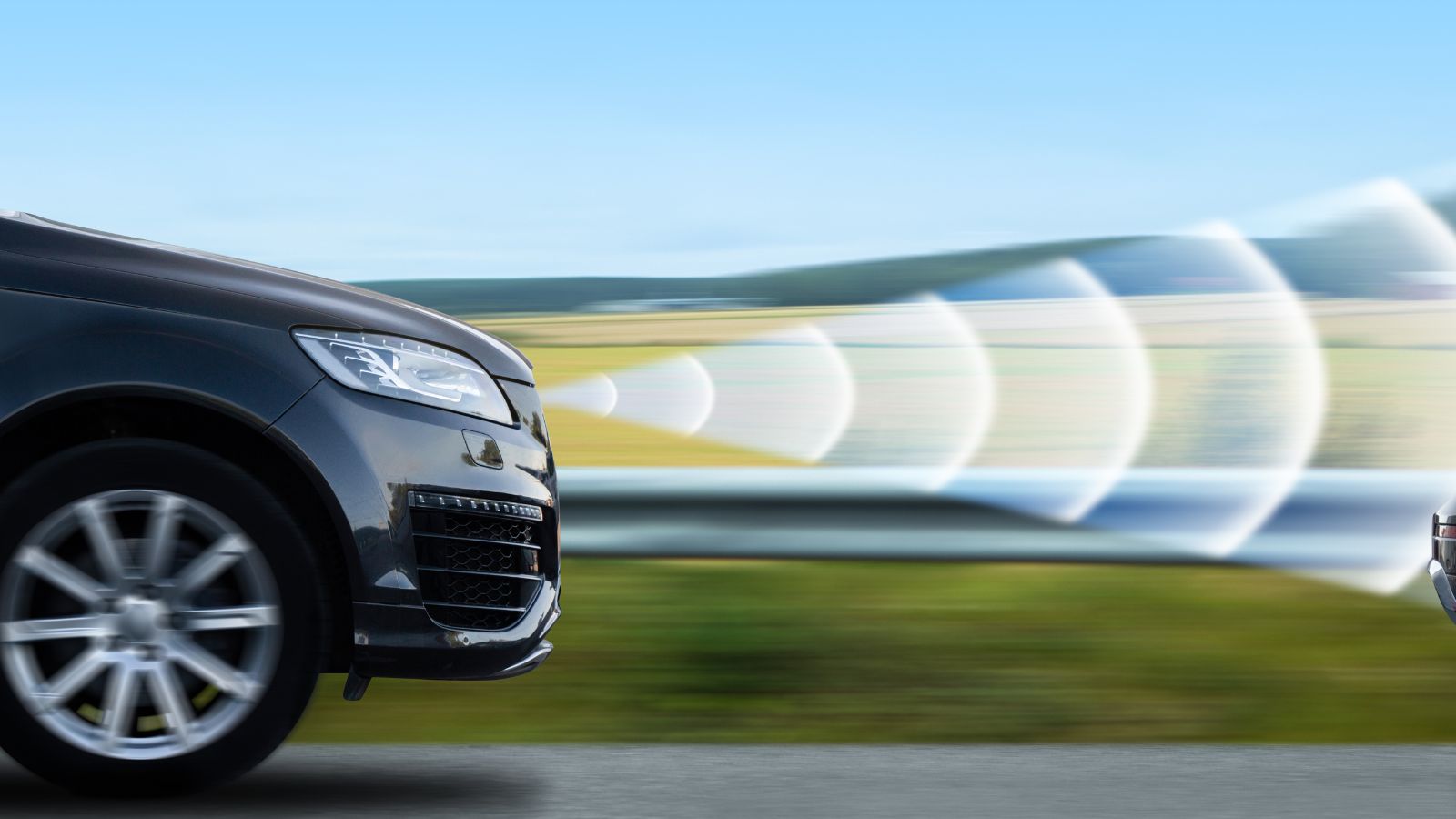
Automatic emergency braking and pre-collision systems are designed to identify certain collision risks and, depending on the vehicle, warn the driver or apply braking assistance. Their usefulness depends on sensors obtaining reliable information. Manufacturer guidance specifically notes that snow, ice, heavy rain, spray, and fog can reduce the effectiveness of camera- and radar-based pre-collision technology. Snow or ice covering the sensor area may lead to limited operation or temporary unavailability.
That is important because winter is exactly when drivers may feel most reassured by another electronic safety net. Imagine approaching slow traffic through blowing snow while the grille-mounted radar has accumulated a crust of frozen slush. The system may be dealing with degraded information at the same time visibility and stopping distances are already challenging. Automatic emergency braking remains valuable technology, but winter conditions are a reminder that it supplements attentive driving rather than replacing it.
Blind-Spot Monitoring Can Suddenly Go Silent

Blind-spot monitoring often relies on radar sensors mounted behind or near the rear bumper. Their position makes them particularly exposed to the material thrown around during winter driving. Manufacturers warn that mud, snow, ice, or heavy accumulations of dirt around these sensors can cause the system to become unavailable or reduce its accuracy. Some vehicles explicitly display a message indicating that blind-spot information is temporarily unavailable until the obstruction is removed.
That can create a subtle behavioural problem. Drivers who normally see an illuminated symbol in the mirror whenever another vehicle enters the blind spot may begin expecting that confirmation without consciously thinking about it. After a long drive on a slushy highway, the warning may no longer be dependable. A quick inspection of the rear bumper can reveal why: the sensor areas can be buried beneath frozen road grime. Traditional mirror checks and shoulder checks become especially important when winter interferes with electronic monitoring.
Parking Sensors Can Become Constantly Wrong—or Completely Quiet
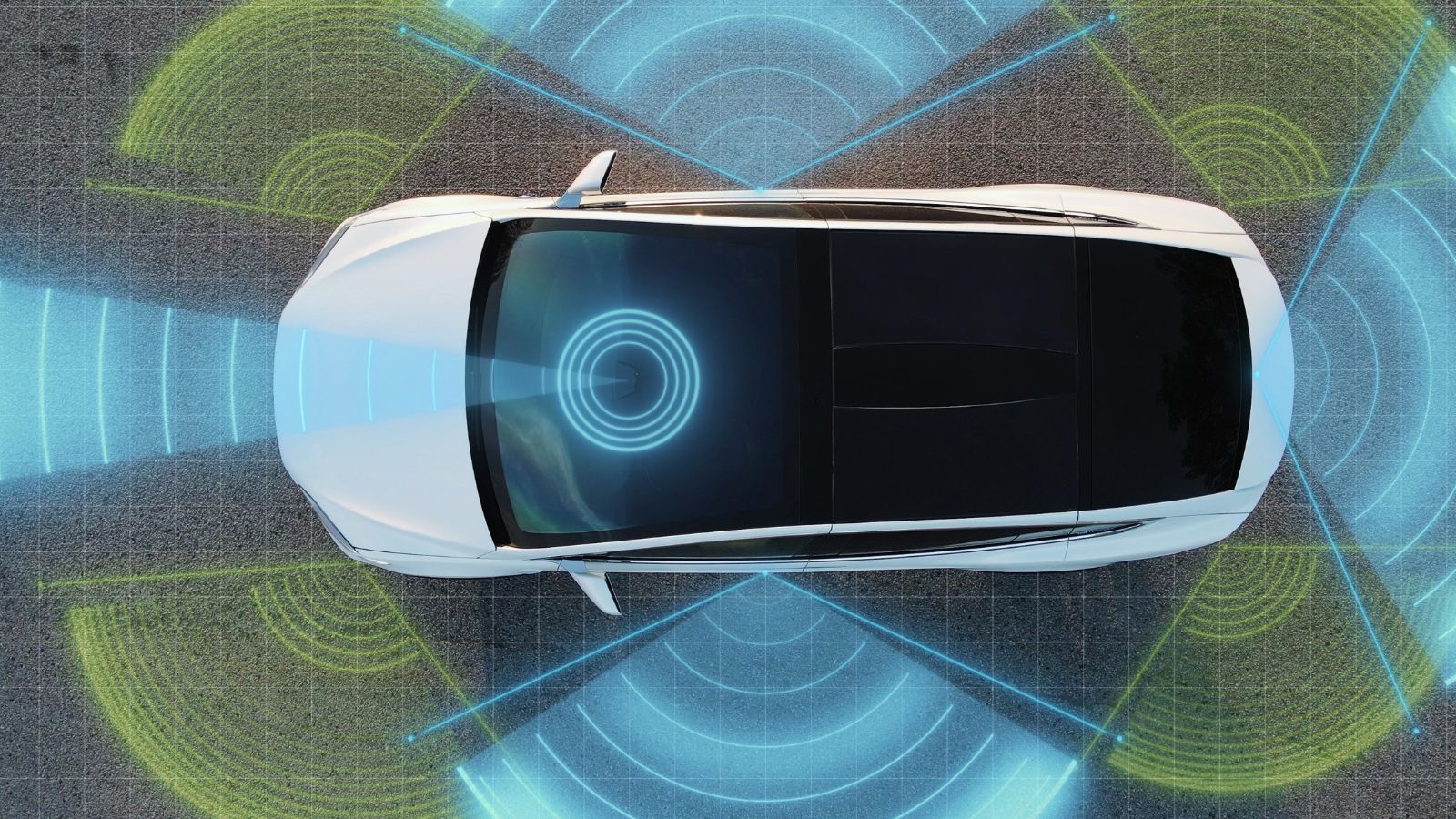
Ultrasonic parking sensors appear simple because they merely beep as a vehicle approaches an object, but their exposed bumper locations make winter contamination a common limitation. Manufacturer instructions warn that parking sensors covered with snow, ice, mud, or dirt may not work properly. Some systems can produce unreliable distance information, while others may behave as though an obstruction is constantly nearby. Snow itself can also be difficult for some ultrasonic systems to interpret consistently.
The practical result is easily recognizable in a snowy parking lot. A driver backs toward a snowbank and hears frantic warnings even though plenty of usable room remains—or receives little warning because the sensors are coated in frozen slush. That does not make the technology inherently poor; it demonstrates how dependent it is on a clean sensing surface. Clearing the small circular sensors on the bumpers can restore normal operation, but they may become dirty again after only a short drive on heavily salted streets.
Rear-View Cameras Can Turn Into a Blurry Screen
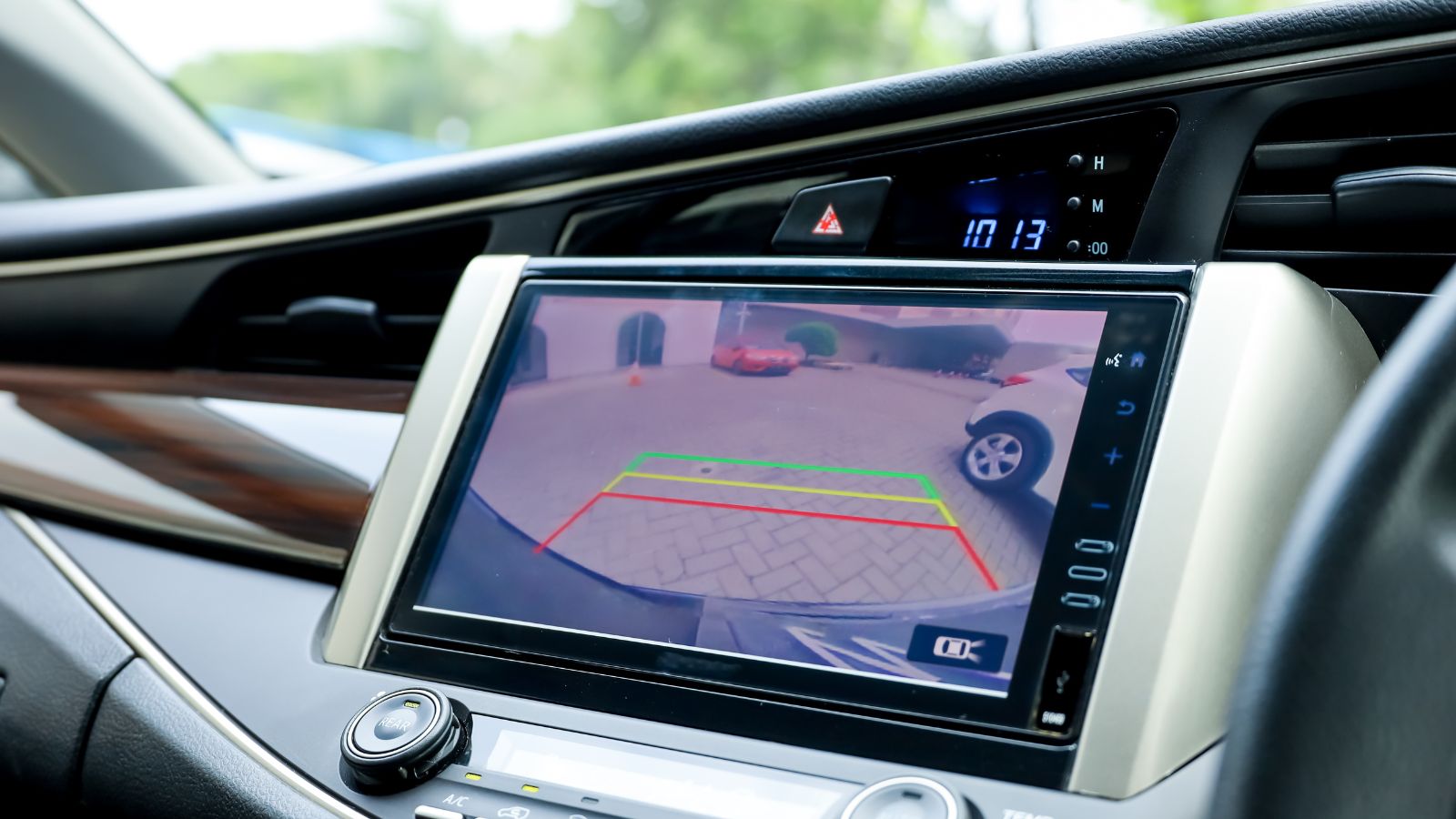
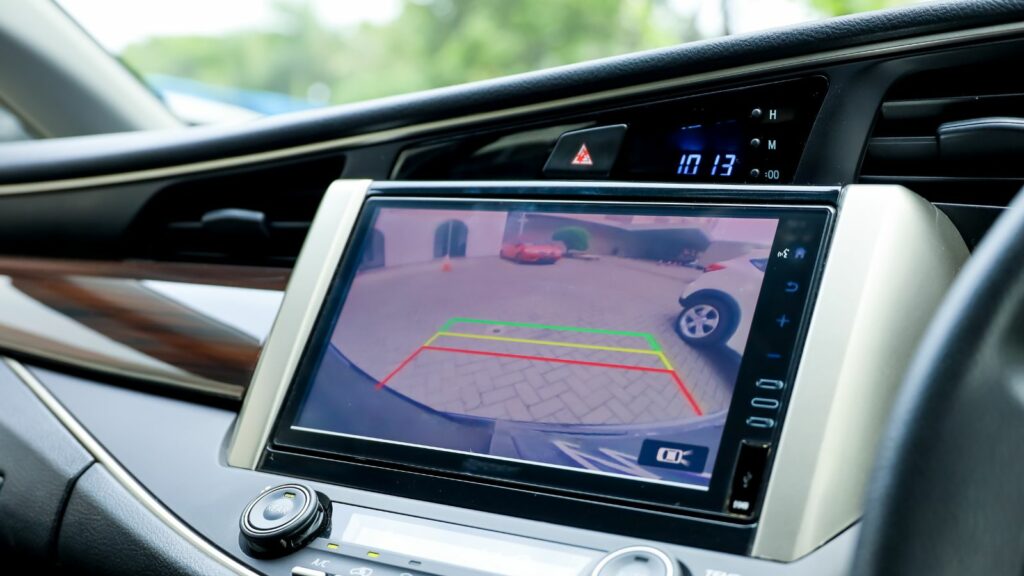
The rear-view camera has become such a normal part of reversing that a dirty lens can feel remarkably inconvenient. These cameras are generally mounted on the tailgate, liftgate, or rear bodywork, where winter road spray collects quickly. Manufacturer documentation warns that debris, water, or other material obstructing the camera can prevent it from operating correctly, while winter guidance recommends keeping vehicle cameras clear of ice, snow, and debris.
The problem is especially noticeable during freeze-thaw conditions. Moisture and salty spray can settle on the lens, temperatures drop, and the contamination freezes into an opaque film. Shifting into reverse then produces little more than a distorted grey image. Some vehicles now include rear-camera washers precisely because camera visibility can deteriorate, but even those systems may require manual cleaning when the lens remains obscured. The old-fashioned habit of physically looking around before reversing remains essential when the screen becomes useless.
360-Degree Camera Views Can Lose Their Biggest Advantage
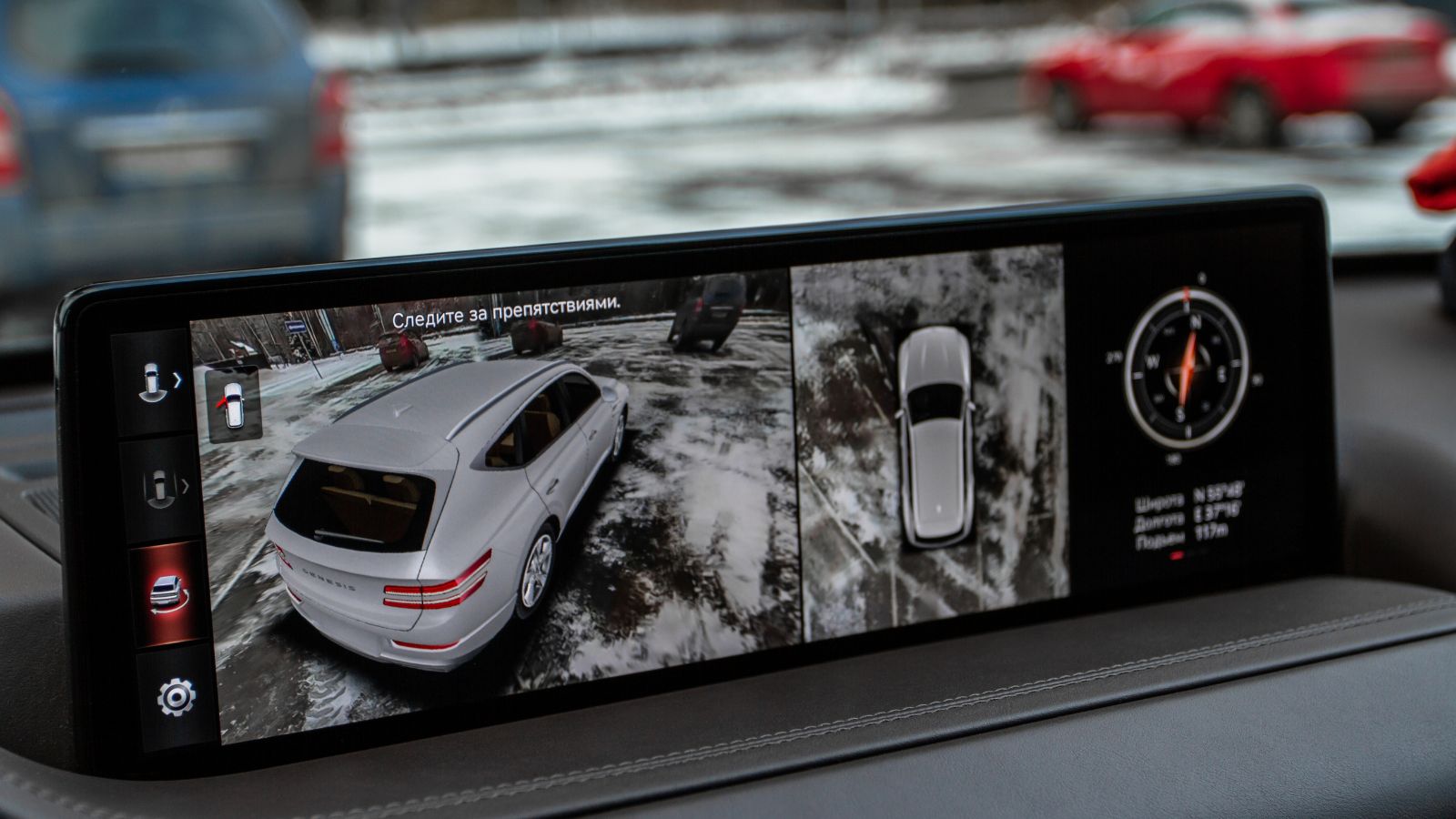
Surround-view systems create an impressive overhead-style image by combining feeds from cameras mounted around the vehicle. That means the feature has several exposed lenses rather than just one. A front camera may collect snow, a rear lens may be coated with road salt, and cameras beneath the side mirrors can encounter spray. If even one view becomes obscured, the stitched image becomes far less useful for judging curbs, parking lines, or nearby obstacles.
Manufacturer guidance confirms that 360-degree systems depend on multiple front, side, and rear cameras, while winter instructions emphasize clearing cameras of snow, ice, and debris. Some designs also include movable front-camera mechanisms that must remain free of snow and ice to function properly. Consider a tight underground parking entrance after an hour on a snowy expressway: the vehicle may technically still offer its bird’s-eye display, but dirty sections can remove exactly the visual information needed for precise positioning.
Automatic Parking Can Stop Finding Parking Spaces
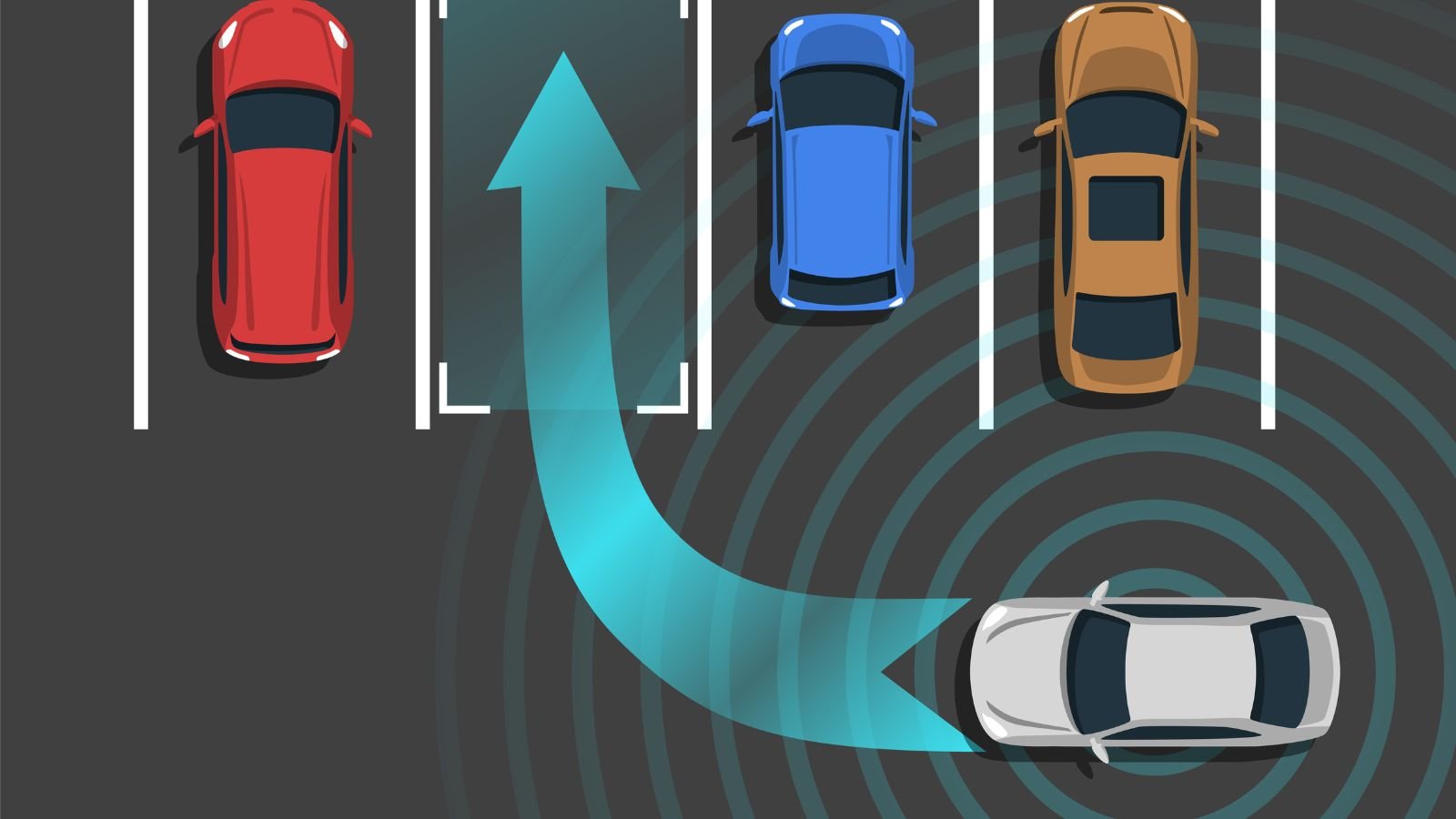
Automatic parking systems depend on sensors to identify suitable spaces and guide the vehicle through a manoeuvre. That makes them vulnerable to the same winter contamination affecting ordinary parking sensors. Ford owner documentation, for example, notes that snow, ice, or large accumulations of dirt can block the sensors used to detect parking spaces. When that happens, the system may fail to identify a space or may have reduced accuracy.
Winter parking environments add another complication: the space itself may be poorly defined. Painted lines disappear beneath snow, plowed snowbanks reduce usable width, and frozen piles can create irregular boundaries. A driver who normally presses a button and waits for the vehicle to recognize a parallel-parking opportunity may find the system simply driving past it. Automatic parking is convenient under favourable conditions, but a snow-covered curbside space can quickly turn a high-tech demonstration into a conventional hands-on parking job.
Automatic High Beams Can Become Much Less Automatic
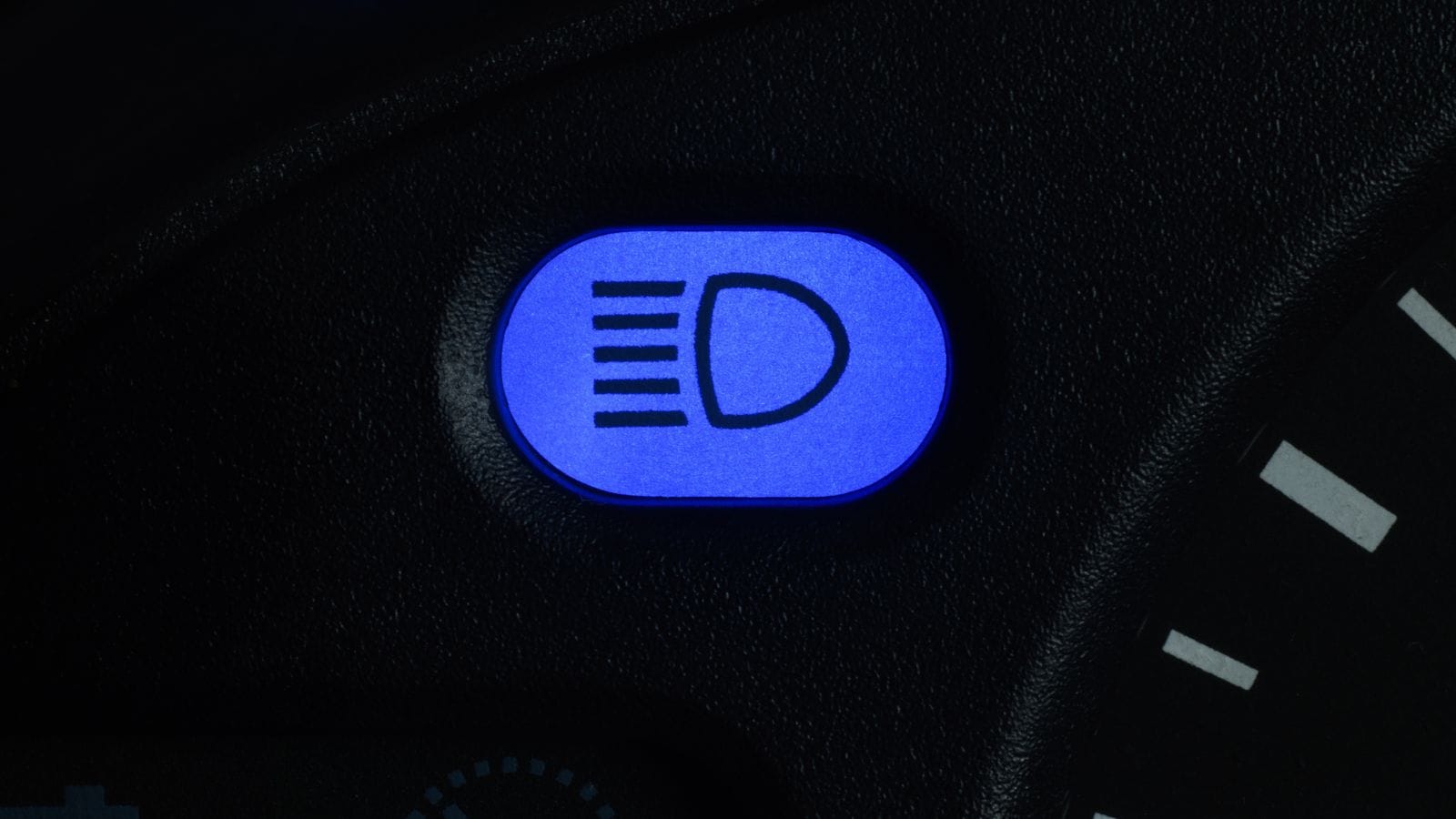
Automatic high-beam systems commonly use a windshield-mounted camera to recognize approaching headlights, taillights, and surrounding illumination. Severe winter weather can interfere with that process. Manufacturer documentation notes that automatic high beams may operate less reliably in cold or inclement conditions, while some systems remain on low beam when the windshield camera detects dense fog or when heavy precipitation requires high-speed wiper operation. Snow or ice blocking the camera can also force automatic operation to stop.
The inconvenience is most noticeable on dark rural roads, where automatic high beams normally save frequent manual switching. During blowing snow, however, the camera may struggle at the same time high beams themselves can reflect strongly from airborne flakes. Drivers may therefore need to control the headlights manually rather than assuming the automated system will always choose the appropriate beam. Winter effectively turns an automatic convenience feature back into a traditional stalk-operated one.
Rain-Sensing Wipers Can Become Unpredictable
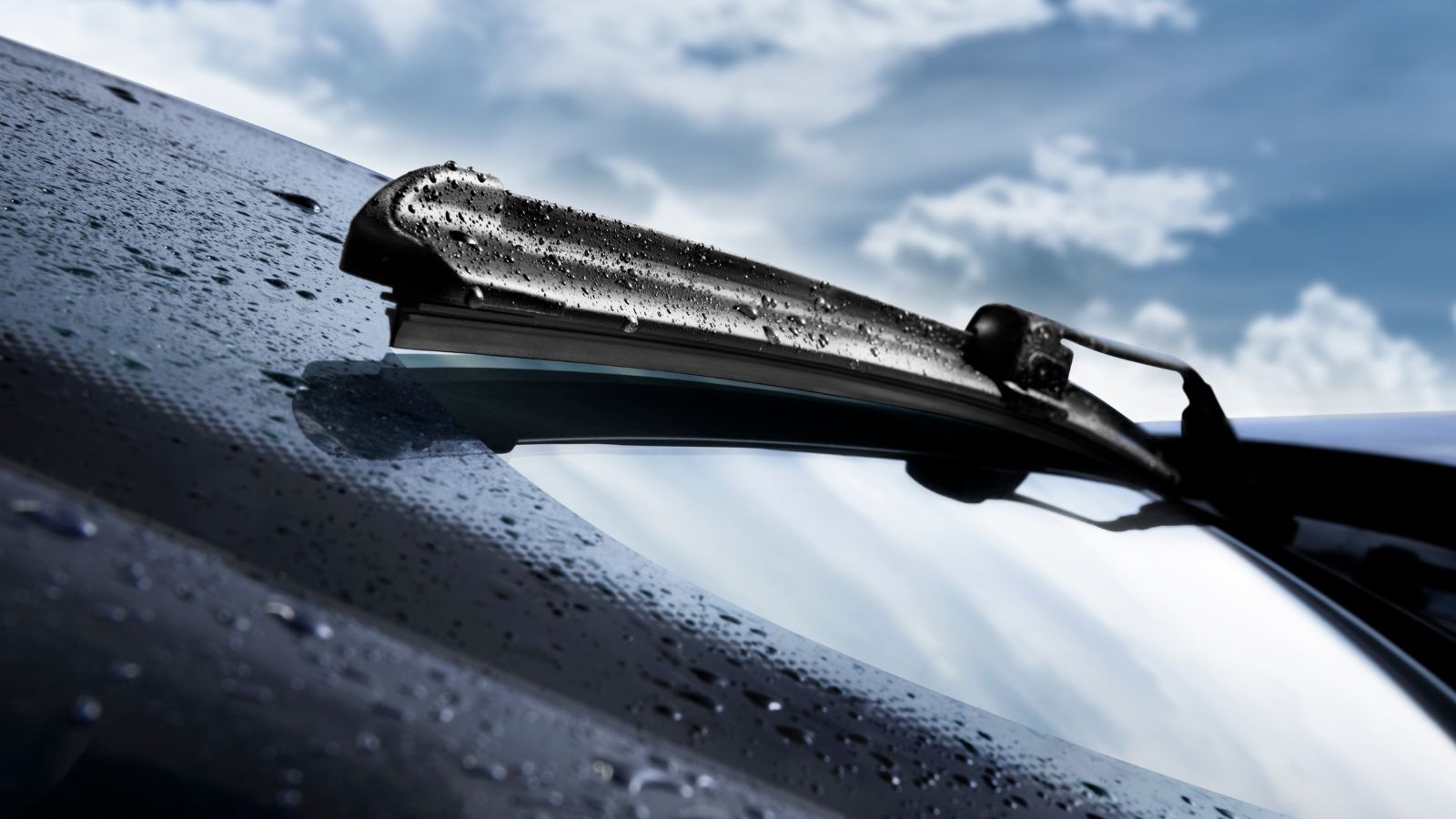
Rain-sensing wipers use a windshield sensor to determine when wiping is needed and often adjust their speed automatically. Unfortunately, Canadian winter does not provide the clean liquid precipitation these systems handle most easily. Ford warns that ice, snow, and salty road mist can cause inconsistent or unexpected wiping or smearing. Some versions also delay rain-sensing operation when the vehicle is parked and temperatures are below 0°C, helping protect blades that could be frozen to the glass.
This can produce frustrating behaviour during a messy commute. Fine road spray may trigger more wiping than expected, while frozen contamination around the sensing area can interfere with normal response. Worse, activating wipers before the windshield is properly defrosted can strain blades trapped in ice. Manufacturers therefore recommend fully defrosting the windshield before operating them. When winter conditions become severe, manually selecting an appropriate wiper speed may be more dependable than leaving everything to the rain sensor.
Power-Folding Mirrors Can Freeze in Place
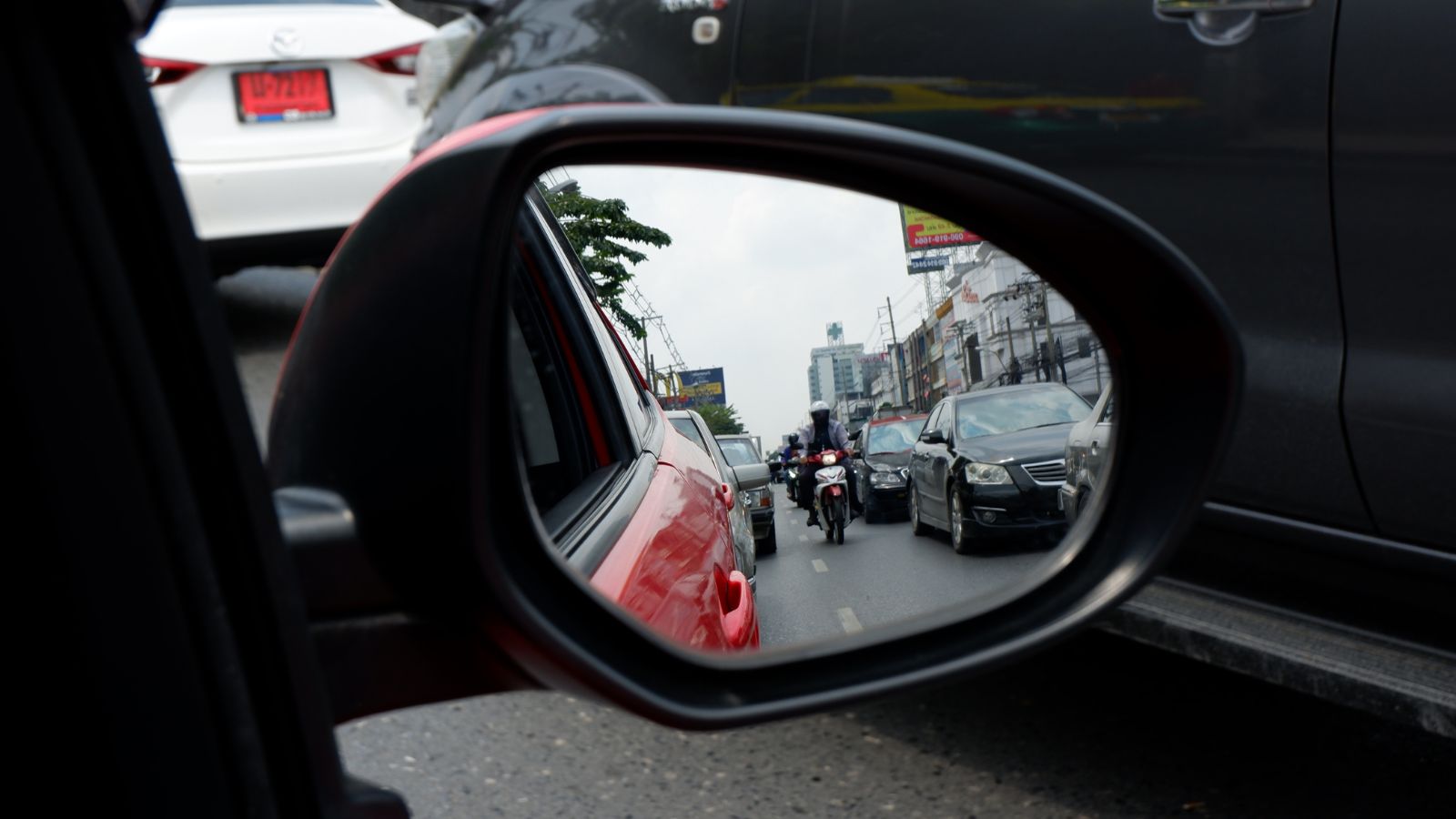
Power-folding mirrors are excellent in narrow garages and parking spaces because motors retract them against the vehicle automatically. Ice, however, does not care how sophisticated the mechanism is. Tesla’s cold-weather guidance explicitly warns that ice buildup can prevent exterior mirrors from folding or unfolding and recommends disabling automatic folding when significant icing is expected. Other manufacturer guidance similarly provides procedures for resetting powered mirrors when their normal movement becomes disrupted.
A freezing-rain event can make the limitation obvious the next morning. The vehicle unlocks, the mirrors attempt to unfold, and nothing happens because the mechanism is encased in ice. Forcing movement risks damaging components that were designed to move freely, not fight frozen precipitation. Heated mirrors can help remove frost from the glass, but that does not automatically mean every hinge and moving component is immediately free. Sometimes the most advanced option is simply to wait for the ice to thaw.
Flush Door Handles Can Refuse to Come Out
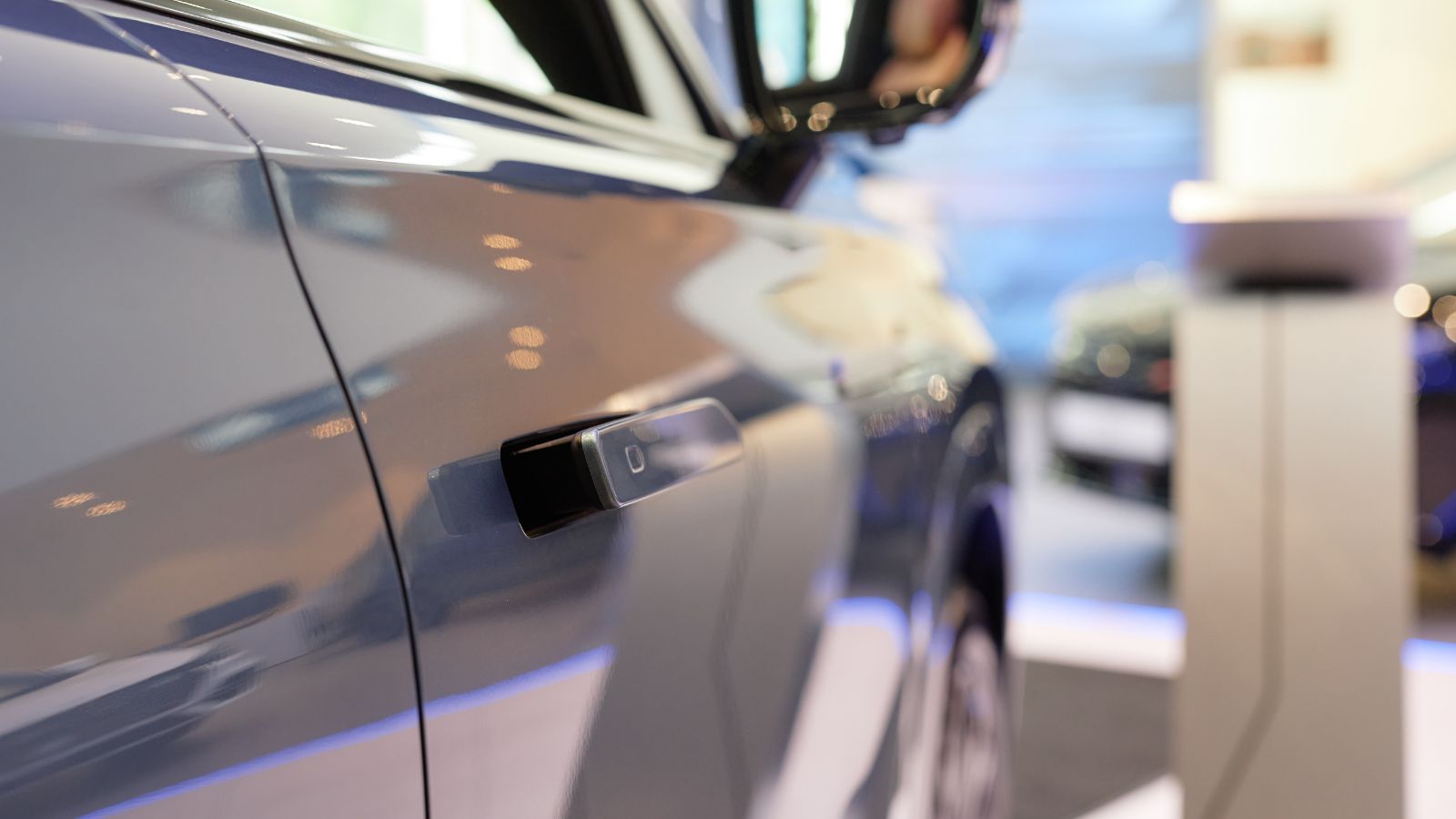
Retractable or flush-mounted door handles provide sleek styling and may reduce aerodynamic drag, but they introduce moving exterior components directly into winter weather. Tesla specifically warns that severe winter conditions can allow ice to build up inside or around certain door handles, preventing them from opening normally. Its owner guidance provides dedicated procedures for freeing frozen handles and cautions against using tools or excessive force.
That is a striking example of how a design advantage can become an inconvenience at -20°C after freezing precipitation. A traditional fixed handle is mechanically simple and easy to grab even when wearing gloves. A flush handle may first have to pivot, extend, or move before the door can be opened. Manufacturers have developed software workarounds, remote door-release functions, and de-icing recommendations, but the underlying reality remains: when ice physically locks the mechanism in place, the elegant exterior feature can temporarily become useless.
Power Running Boards Can Get Trapped by Ice
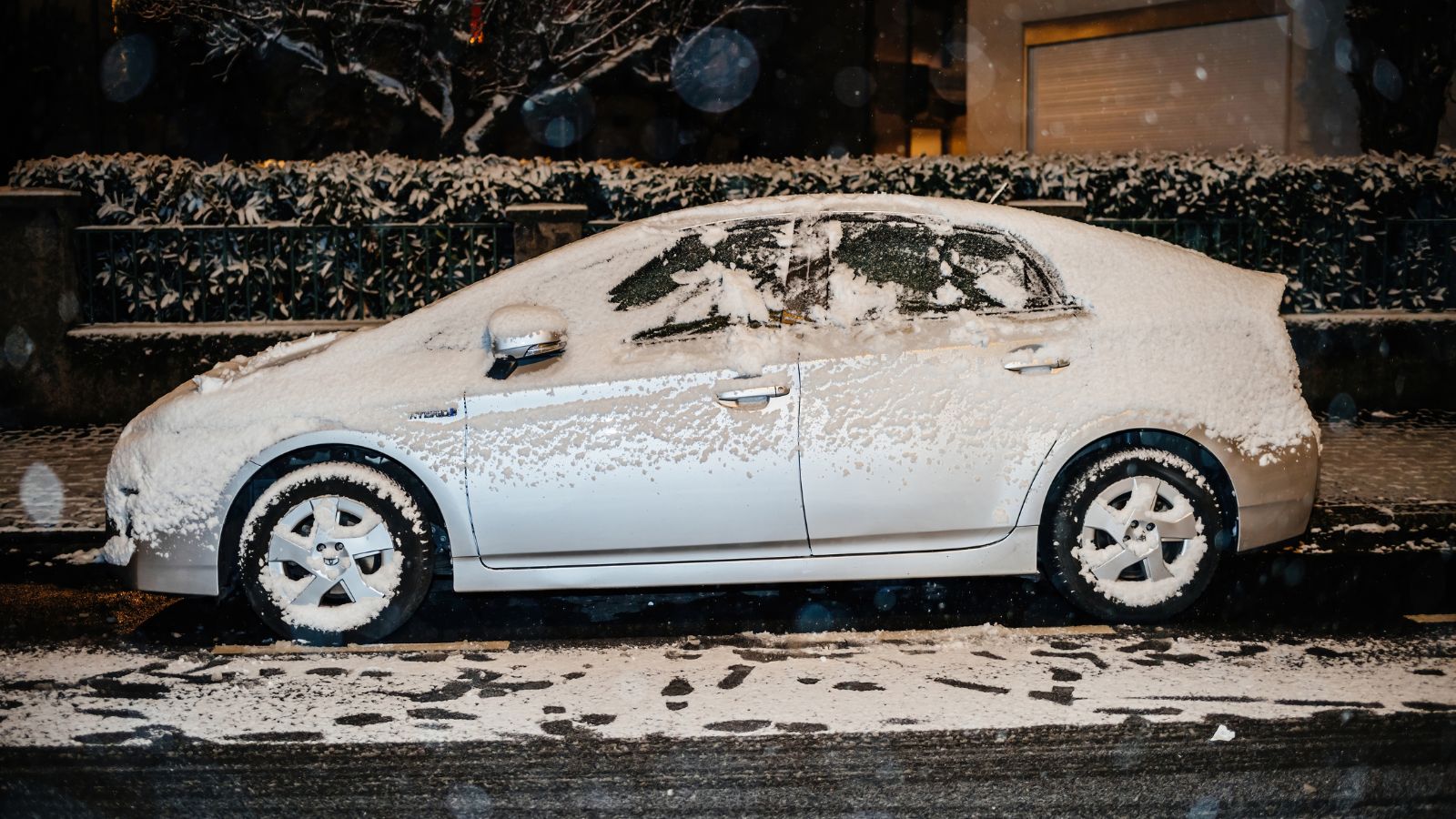
Large SUVs and pickups sometimes use electrically deploying running boards that extend when a door opens and retract when it closes. Their location beneath the vehicle makes them exceptionally vulnerable to snow, road salt, ice, and mud. Ford’s documentation warns that the mechanism can collect this debris and, in extreme climates, excessive ice buildup may prevent the running boards from deploying. Normal operation is expected to return after the obstruction is cleared.
For Canadian drivers, the irony is obvious. Deep snow is exactly when an extra step can be helpful when climbing into a tall truck, yet it is also when the mechanism underneath may be packed with frozen material. A running board that only moves halfway is not something occupants should simply step onto without checking. Manufacturers recommend cleaning the mechanism and hinge areas when accumulation causes problems. Mechanical simplicity has an advantage here: a fixed step does not need an electric motor to defeat January.
Windshield Washers Can Be Defeated by the Wrong Fluid
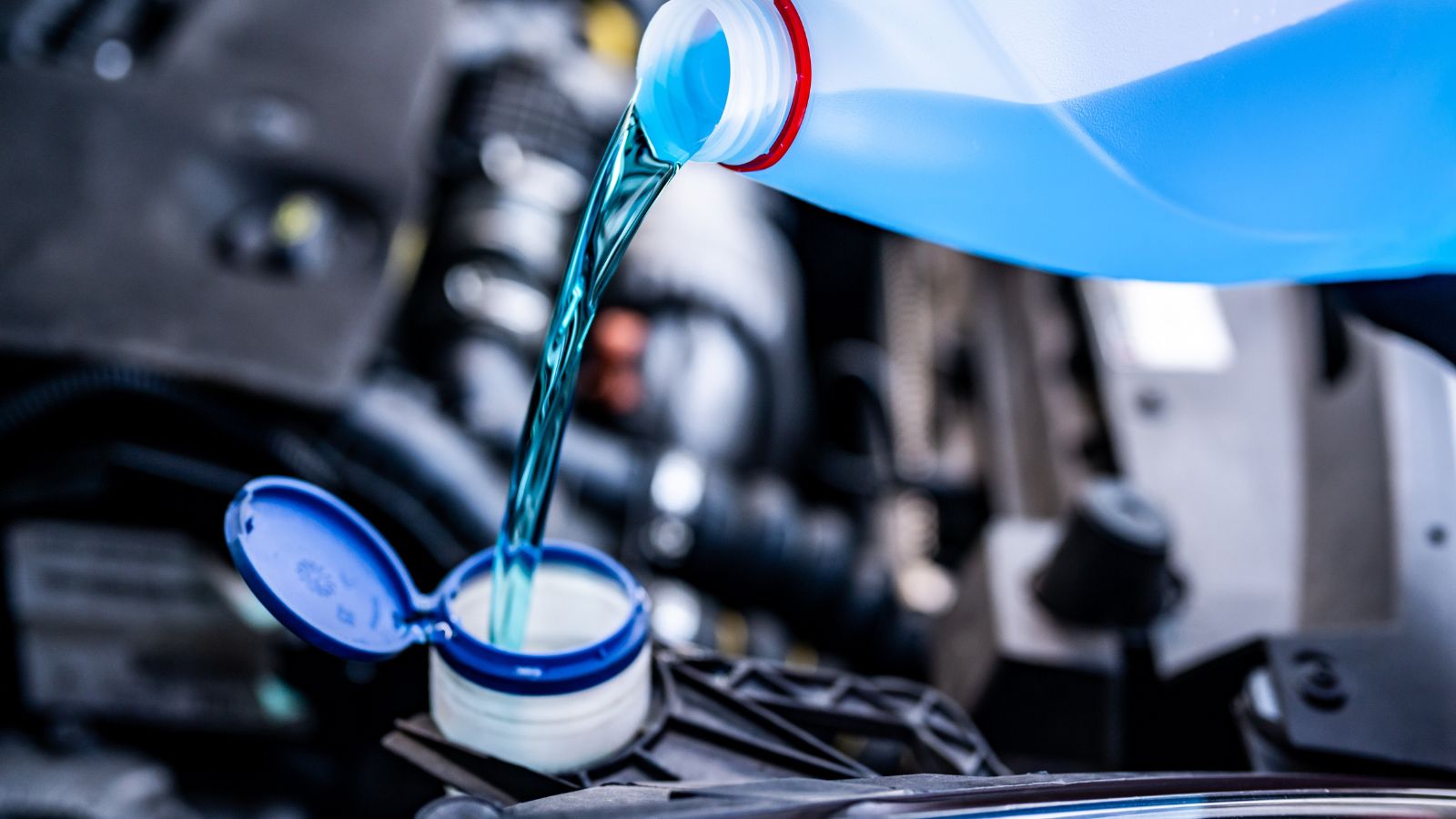
A windshield washer system seems too basic to fail because of temperature, but the fluid inside it matters enormously. Ford warns that vehicles operated below 5°C should use washer fluid with antifreeze protection. Other owner guidance similarly recommends winter-appropriate washer mixture to help prevent freezing. If unsuitable fluid freezes in the reservoir, lines, or nozzles, pressing the washer control may accomplish little when a salty windshield most urgently needs cleaning.
That can quickly become more than an inconvenience. Winter highways constantly throw fine brine and grime onto the glass, particularly when following trucks or traffic on treated roads. Wipers alone can smear that residue into an increasingly opaque film. A functioning washer system supplies the liquid needed to clear it. The lesson is simple but easy to overlook during an early cold snap: a reservoir filled with warm-weather fluid can turn a normally dependable visibility feature into dead weight until temperatures rise or the frozen system is safely thawed.
Auto Start-Stop May Hardly Operate in Deep Cold
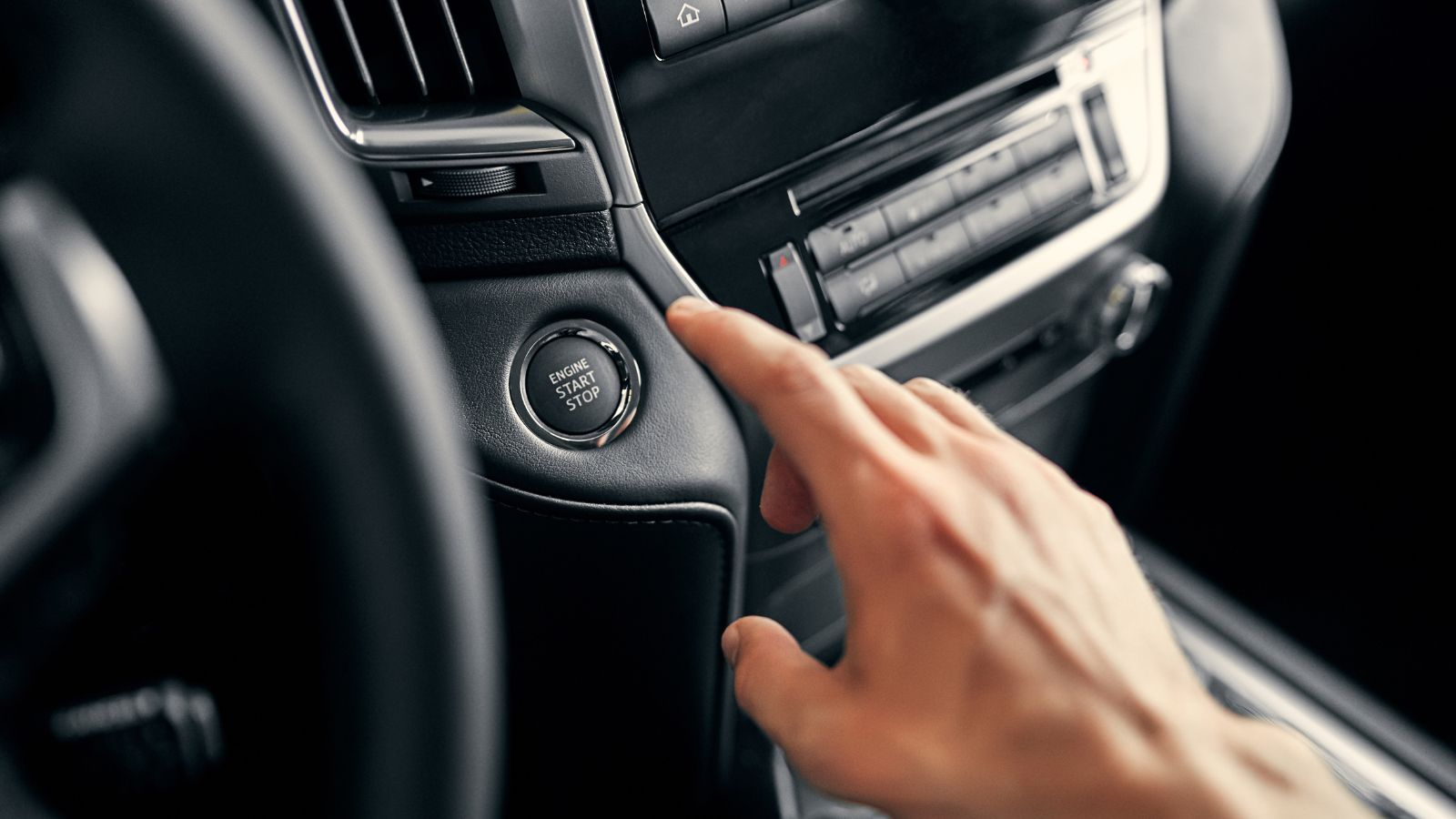
Automatic start-stop shuts the engine off during some stationary periods to reduce unnecessary idling, then restarts it when the vehicle needs to move. Drivers sometimes assume something is wrong when the system stops activating during winter. In reality, manufacturers program numerous conditions that can intentionally prevent shutdown. Ford lists low outside temperature, an engine that has not warmed sufficiently, unsuitable battery temperature or charge, and the need to maintain cabin climate or reduce window fogging among possible reasons.
In a Canadian winter, several of those conditions can exist simultaneously. The engine may still be warming, the battery may be cold, the heater may be working hard, and windshield defrosting may be required. Under those circumstances, keeping the engine running can take priority over saving fuel at a red light. The feature therefore may appear to vanish for much of a particularly cold trip, only to begin functioning normally once temperatures and vehicle systems return to a suitable operating range.
EV Regenerative Braking Can Feel Dramatically Weaker
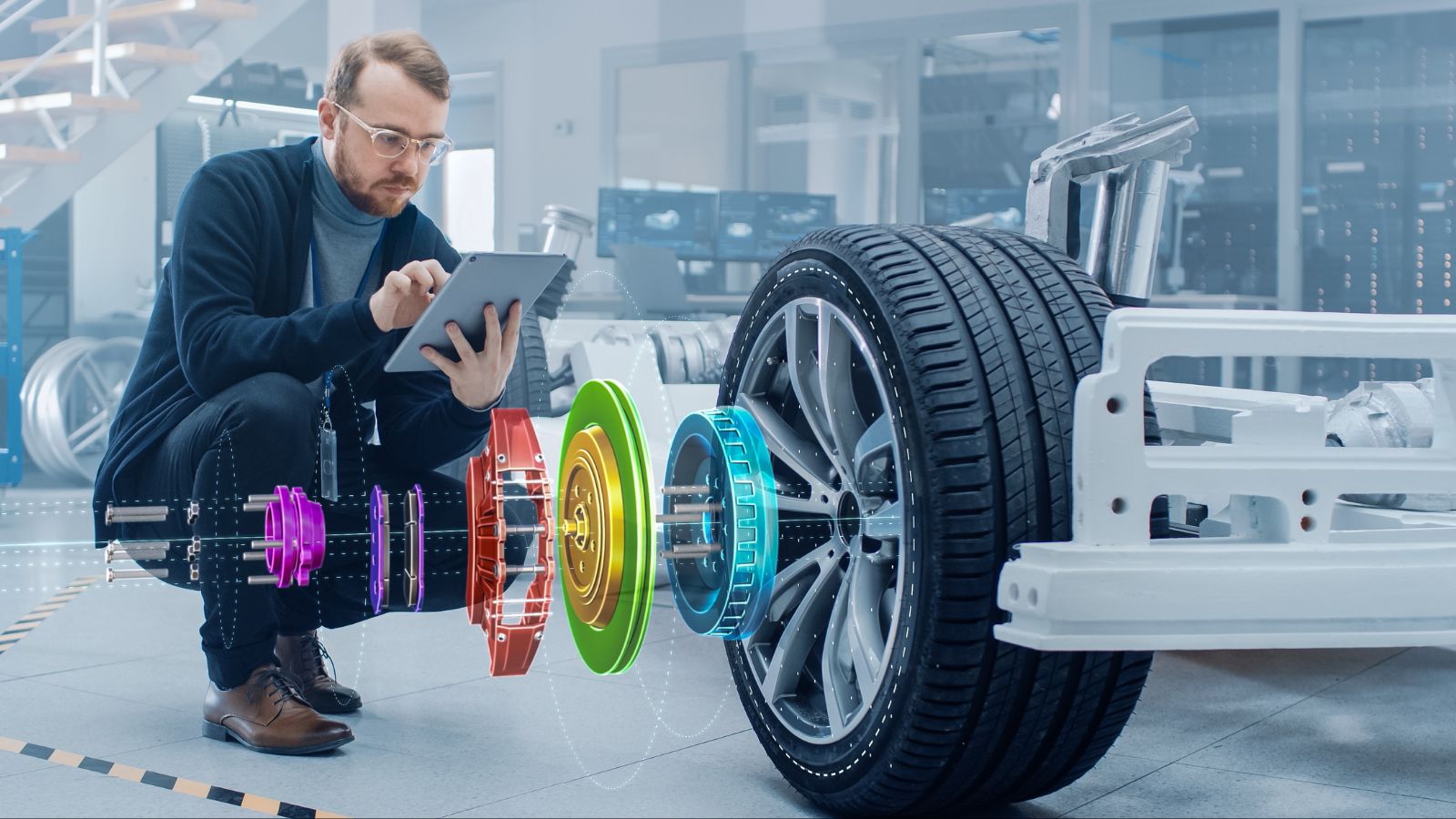
Many electric vehicles use regenerative braking to slow the vehicle while returning energy to the battery. Drivers who become accustomed to strong regeneration—or one-pedal driving—can build considerable muscle memory around the way the vehicle decelerates after the accelerator is released. Cold batteries complicate that experience. Tesla states directly that regenerative braking can be limited when the battery is too cold, with regenerative capability increasing as the battery warms.
That means an EV can feel noticeably different on a frigid morning than it did the previous afternoon. Depending on the vehicle, conventional friction brakes may compensate automatically, or the driver may notice reduced regenerative deceleration and need to use the brake pedal differently. Preconditioning the battery can reduce the limitation on supported models. The broader lesson is important: winter does not merely reduce EV driving range. It can temporarily change how one of an electric vehicle’s most distinctive driving features behaves.
An EV Charge-Port Latch Can Freeze Shut
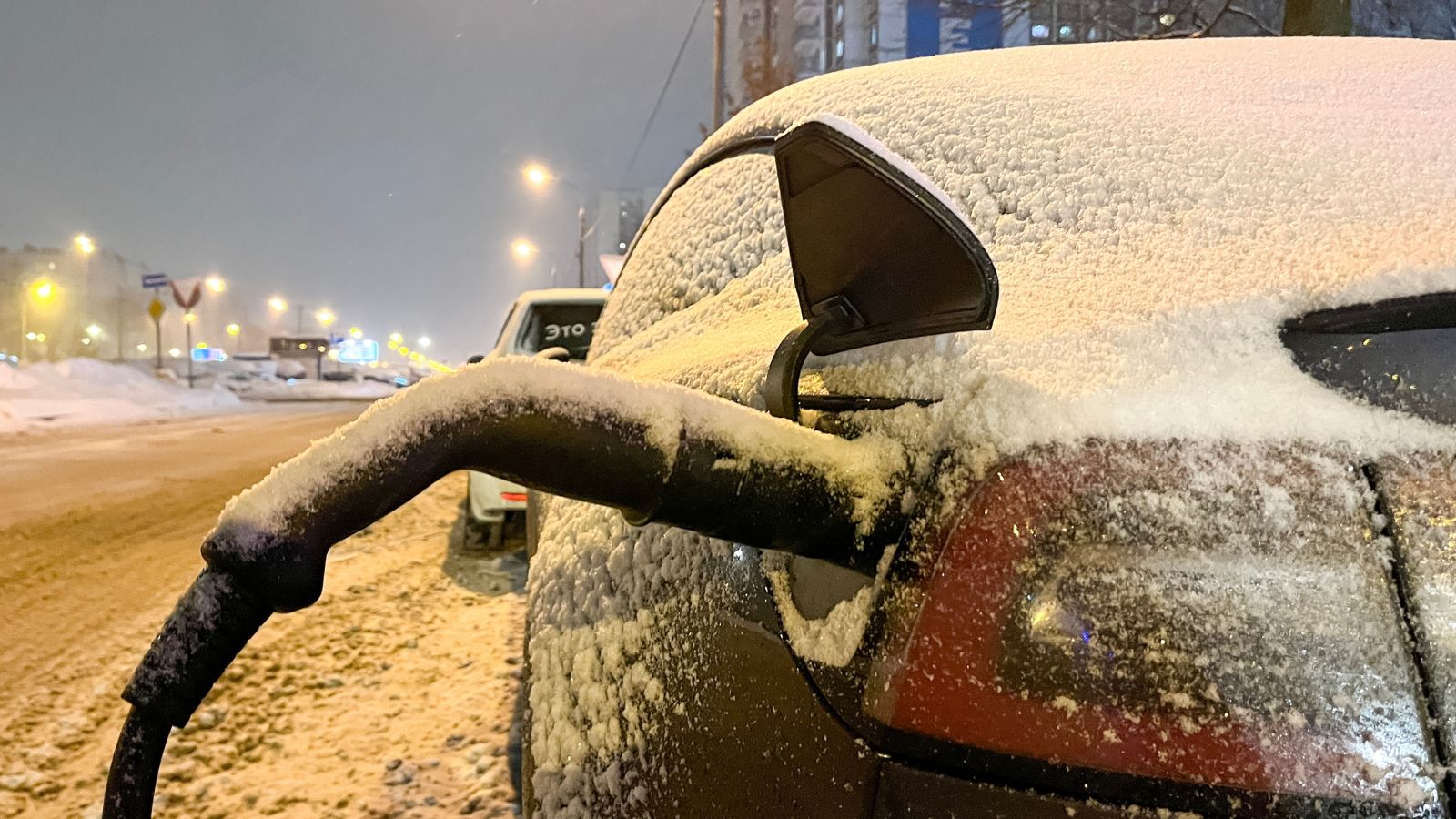
Charging equipment introduces another winter-sensitive moving part: the charge-port latch. Tesla’s Canadian-market owner documentation notes that in extremely cold or icy conditions, a charge-port latch can freeze in place. Some vehicles are equipped with a charge-port inlet heater, and the manufacturer also describes using vehicle preconditioning or rear defrost functions to help thaw affected hardware.
That limitation can be particularly annoying because it appears at exactly the wrong moment. A driver arrives home with a partially depleted battery, plugs in successfully, and later discovers that freezing rain has turned the connection into a stubborn piece of ice—or finds that the latch will not cooperate when trying to connect. The charging system itself may be perfectly healthy; a small frozen mechanical component is causing the problem. Winter therefore transforms something as routine as plugging in a vehicle into another reason to think about preconditioning and ice management.
Traffic-Sign Recognition Can Miss What Winter Hides
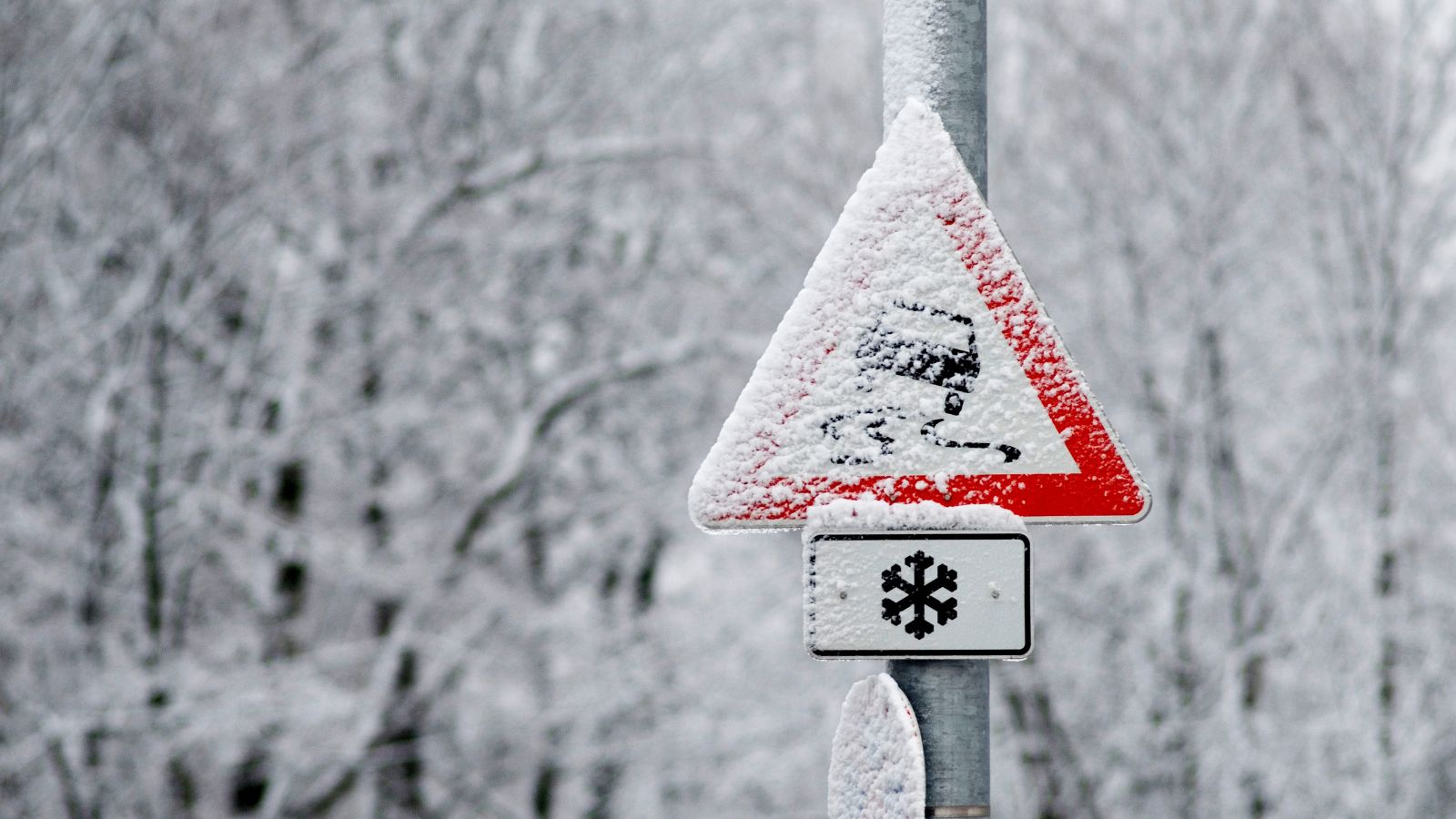
Traffic-sign recognition typically uses a forward-facing camera to identify information such as posted speed limits and display it to the driver. It sounds straightforward until snow and ice begin obscuring the windshield, the camera’s view, or the signs themselves. Ford warns that traffic-sign recognition may not function correctly in cold and severe weather and specifically lists rain, snow, and road spray as conditions that can prevent proper sensor operation. It also instructs drivers to keep the windshield around the sensor free from snow and ice.
There is a practical limit technology cannot overcome: a camera cannot reliably read information that is not visible. A speed-limit sign partially buried beneath windblown snow or coated in ice may be difficult for both a person and software to interpret. Navigation databases can supplement some systems, but displayed information should not be treated as infallible. During winter, the actual roadside sign and attentive observation remain the final reference.
19 Used Cars Canadians Should Avoid in 2026 (Based on Owner Complaints)

Buying a used car in Canada can feel safe until repair bills start stacking up. Owner complaints tell a different story than glossy listings. Transmission failures, electrical problems, and weak winter reliability show up again and again in consumer reports. Many of these issues appear after warranties expire, when owners least expect them. Some vehicles look affordable upfront, but become expensive to keep on the road. Others struggle in cold weather, urban driving, or long highway commutes. Here are 19 used cars Canadians should avoid in 2026 (based on owner complaints).
19 Used Cars Canadians Should Avoid in 2026 (Based on Owner Complaints)

Alanna Rosen is an experienced content writer that focuses on many EV and educational content. Her articles are regularly published on Get CyberTrucked and syndicated on large publications.