A car rarely becomes a financial burden overnight. More often, the change happens quietly: another warning light, another fluid top-up, another unexplained noise, and another repair bill that seems manageable on its own. Eventually, the pattern matters more than any single invoice.
Some aging vehicles remain dependable for years with ordinary maintenance, while others begin developing faults across several systems at once. Recognizing the difference can prevent thousands of dollars from being spent simply because the last repair has already been paid for. These 20 signs can help reveal when an otherwise familiar vehicle is shifting from normal ownership costs toward an increasingly expensive cycle of repairs, lost time, and uncertain reliability.
Warning Lights Keep Coming Back
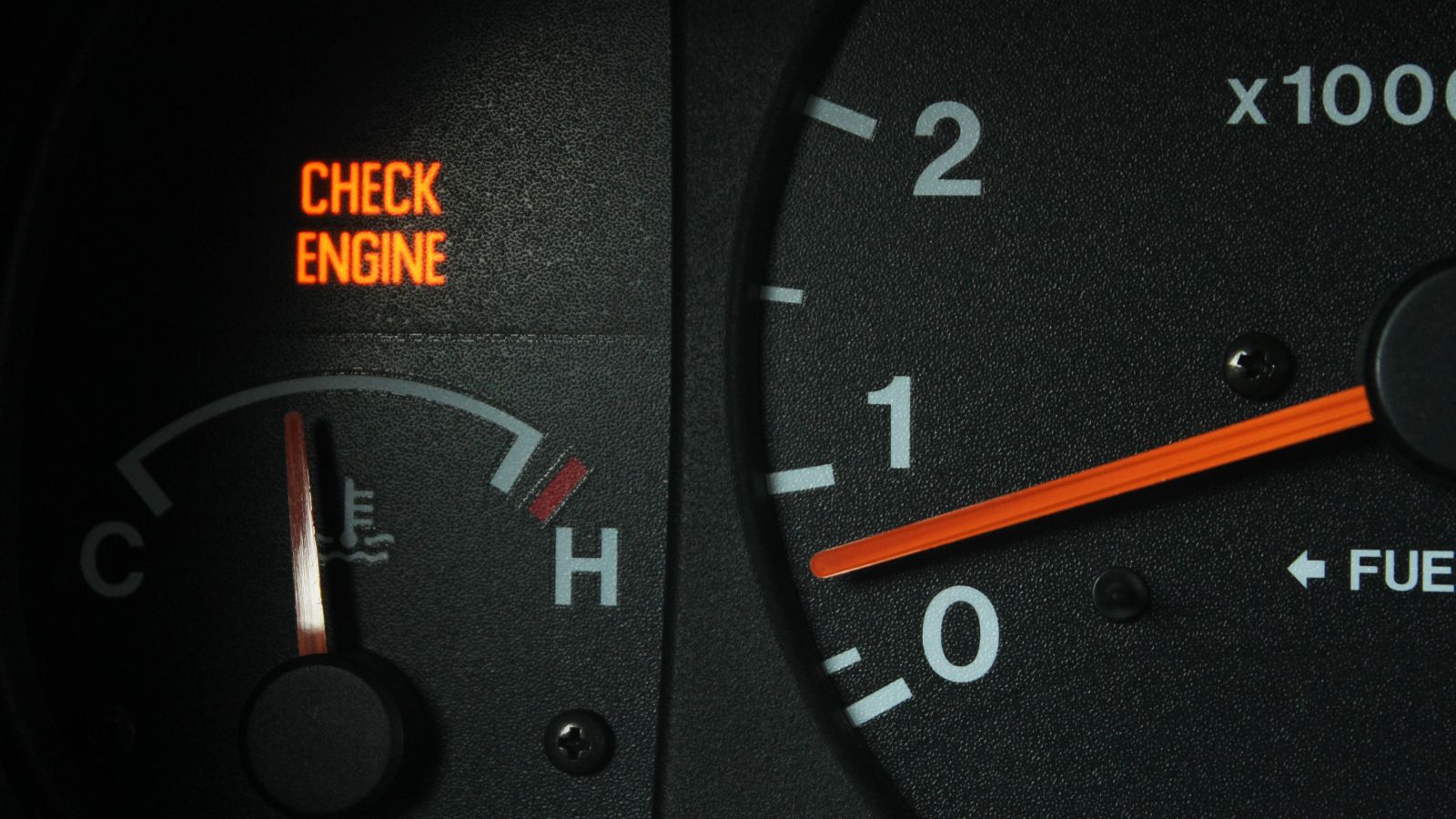
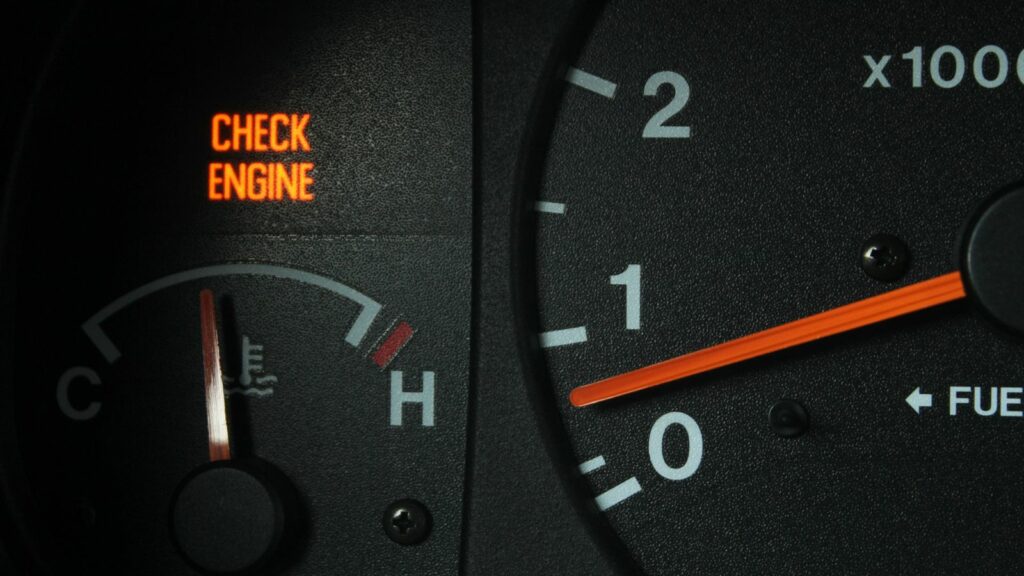
A warning light that returns after being cleared is more important than one isolated alert. The check-engine light can point to anything from a loose fuel cap to ignition, emissions, sensor, or catalytic-converter trouble, while oil-pressure, charging-system, brake, and temperature warnings can signal more urgent faults. When different lights begin appearing over several months, the car may be moving from a single repair into a pattern of diagnosis, parts replacement, and repeat shop visits.
The expensive part is often the uncertainty. A diagnostic code can identify the system reporting a problem without necessarily proving which component caused it, so replacing parts by guesswork can waste money. A flashing check-engine light deserves especially quick attention because it can indicate a severe misfire and possible further damage. For an owner already collecting repair invoices, recurring warning lamps are less a nuisance than a financial trend worth tracking carefully.
Jump-Starts Are Becoming Routine
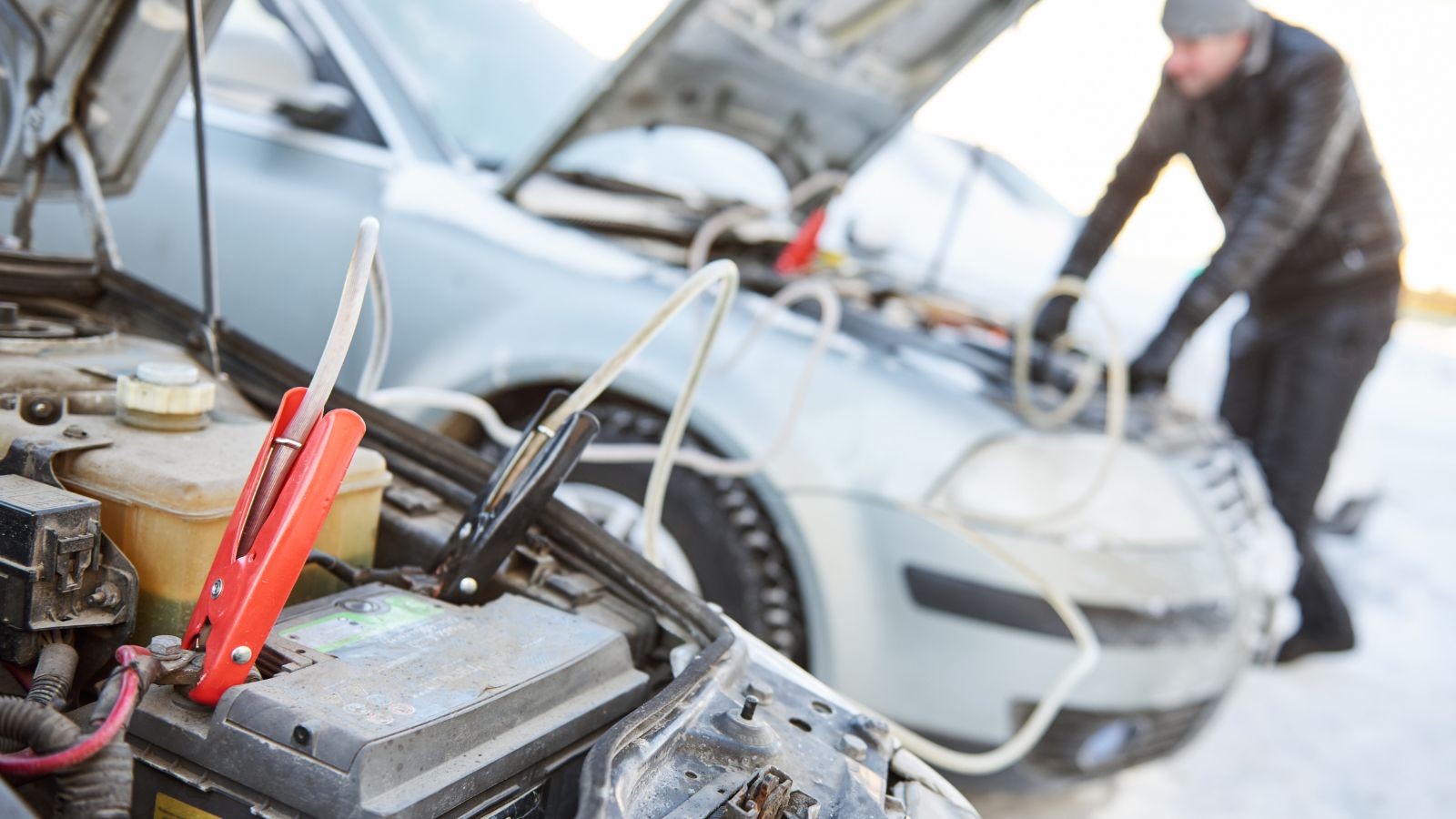
Needing one jump-start after accidentally leaving the lights on is an inconvenience. Needing several is a pattern. A battery that will not hold a charge may simply be aging, but repeated dead-battery episodes can also point toward an alternator, wiring, connection, or broader charging-system problem. Dim headlights, flickering cabin lights, sluggish power windows, and a battery warning lamp provide additional clues.
This is where small expenses can begin stacking up. Replacing a battery without testing the charging system may provide only temporary relief if the alternator is actually failing. The reverse can happen when an alternator is blamed for corroded connections or a weak battery. If a normally driven vehicle regularly requires a boost, it is effectively advertising an unresolved electrical fault. Repeated no-start mornings also carry a less obvious cost: missed appointments, towing, roadside assistance, and the loss of confidence that the car will work when needed.
Engine Oil Keeps Disappearing
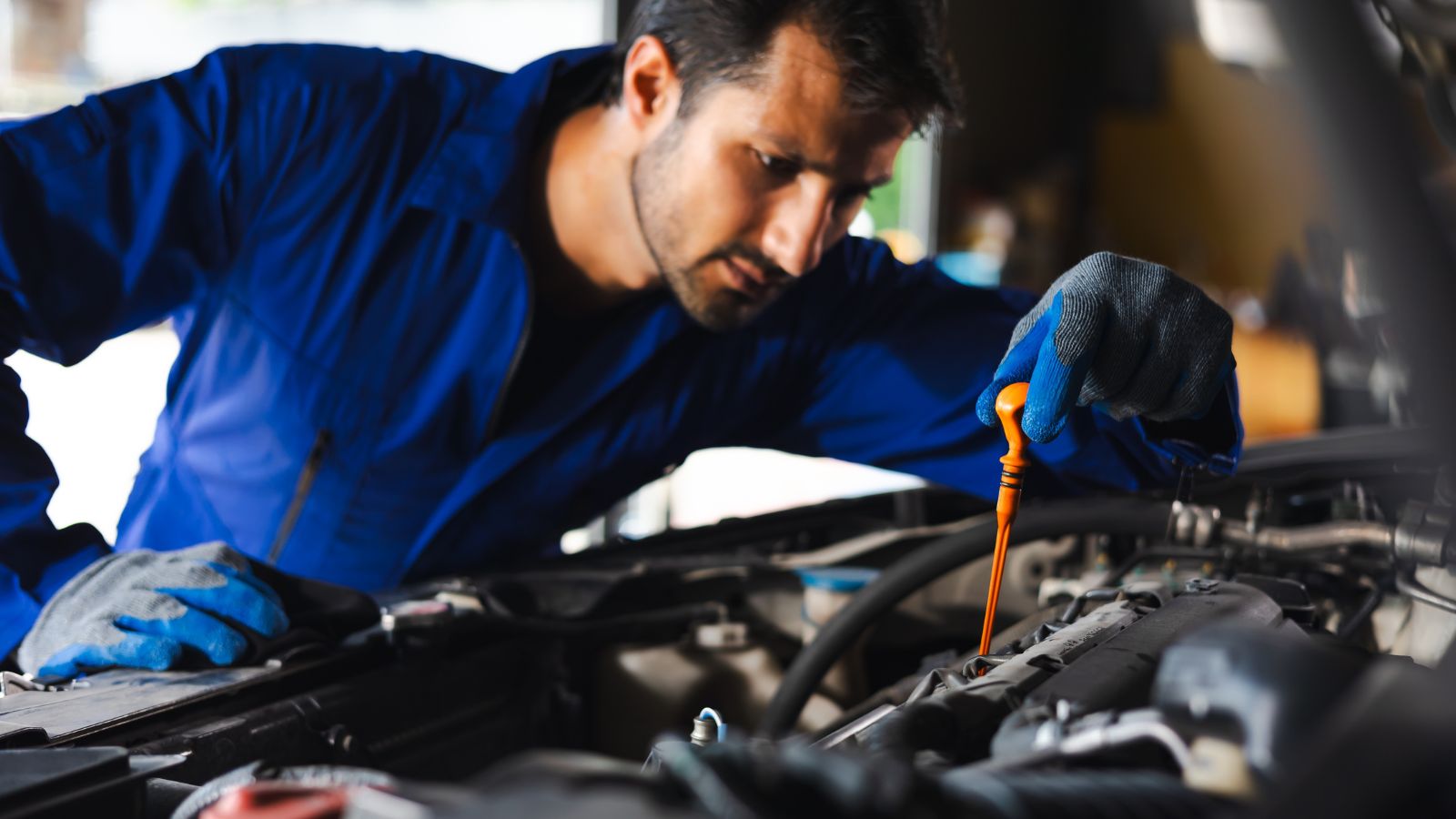
Oil should not become a constantly purchased top-up item between normal services. If the level repeatedly falls, the engine may be leaking oil externally or burning it internally. Puddles beneath the vehicle, a burning-oil smell, bluish exhaust smoke, or an oil-pressure warning can help narrow the possibilities. Worn seals, gaskets, piston rings, valve-stem seals, and crankcase-ventilation problems are among the potential causes.
The danger is not only the price of additional oil. Insufficient oil or oil pressure reduces the lubrication available to moving engine components, raising the risk of excessive wear and serious damage. An owner who repeatedly adds oil without identifying the reason may simply be postponing a much larger decision. A leaking gasket can sometimes be relatively straightforward to repair, while serious internal oil consumption may be considerably more involved. Once checking and replenishing oil becomes part of the weekly routine, the vehicle deserves both a proper diagnosis and a realistic estimate of what permanent correction will cost.
Coolant Loss and Overheating Keep Returning
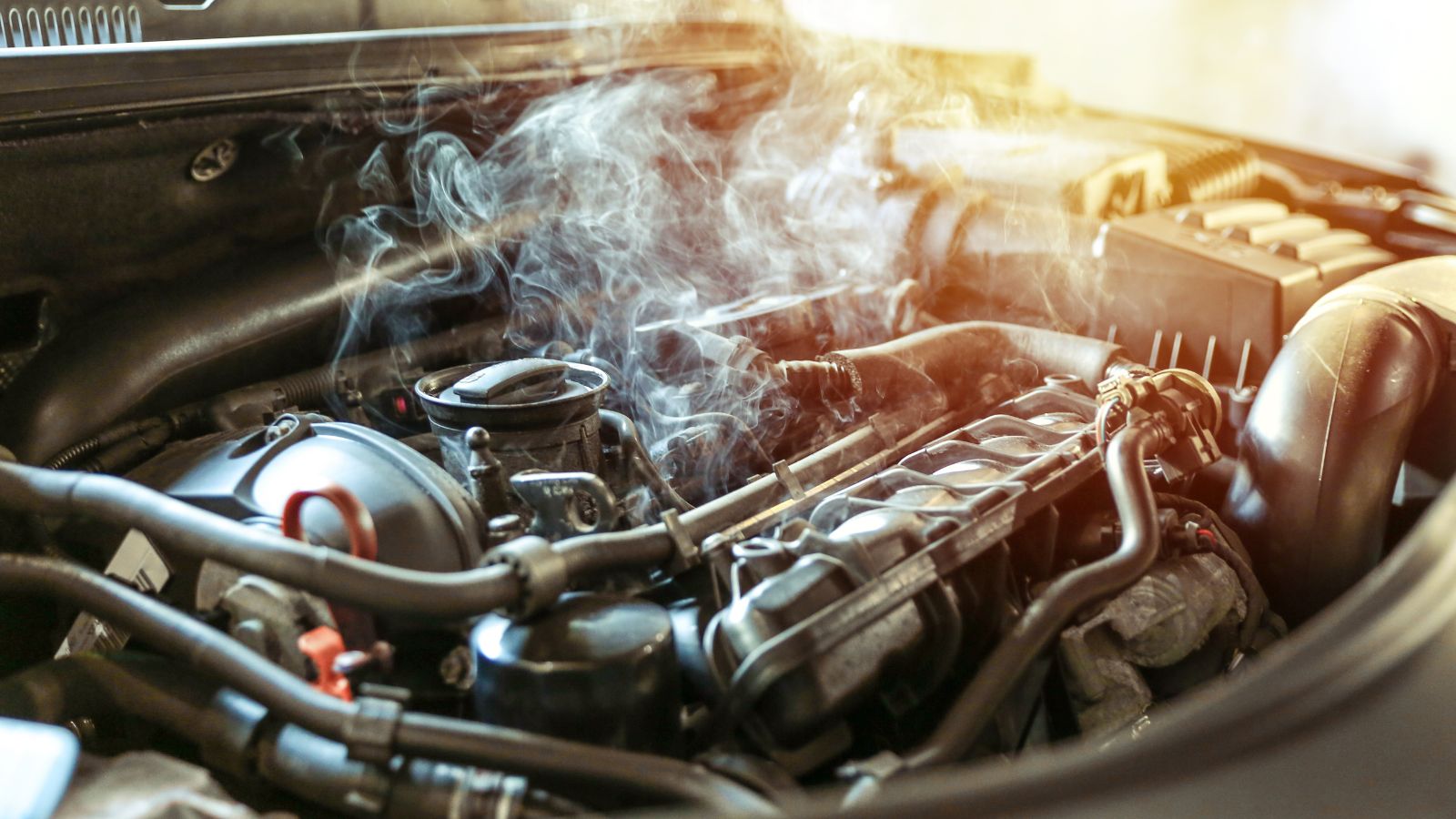
A cooling system that needs frequent topping up is not behaving normally. Coolant can escape through hoses, a radiator, water pump, reservoir, thermostat housing, or other connections. Repeated overheating may also involve a thermostat or circulation problem. Common clues include a sweet smell, coloured fluid beneath the vehicle, steam, a rising temperature gauge, or declining engine performance. One overheating incident deserves attention; repeated incidents indicate something remains unresolved.
Cooling faults become particularly expensive because engine temperature affects far more than cabin comfort. Continuing to operate an overheating engine can produce severe damage, potentially transforming what began as a hose, clamp, radiator, or water-pump repair into a major engine job. If one cooling-system component has already been replaced and another leak quickly appears, the entire system deserves evaluation. A car that cannot consistently maintain proper temperature is quietly putting one of its most valuable assemblies at risk every time it leaves the driveway.
Transmission Shifts Are Getting Rougher
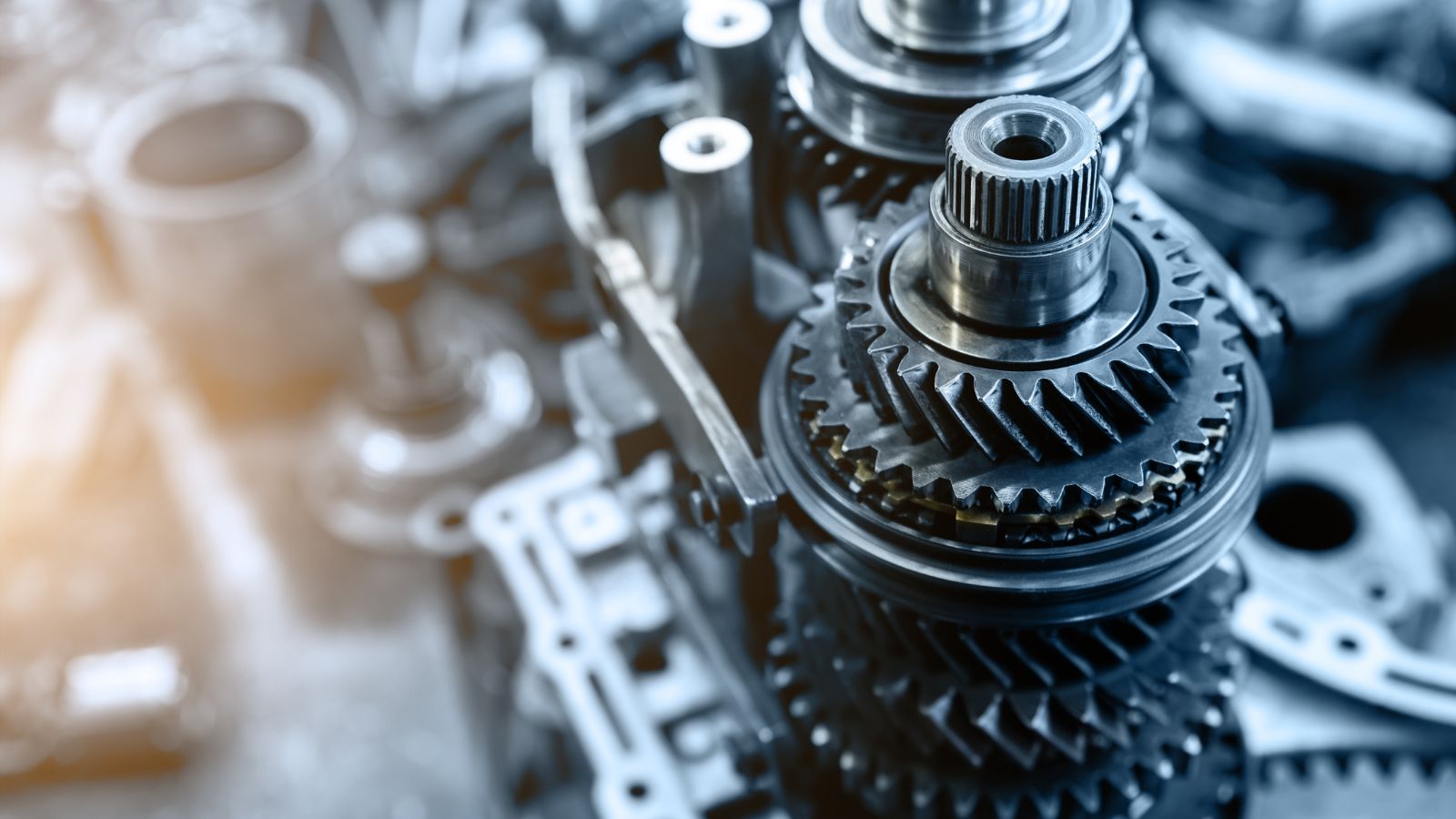
Automatic transmissions should generally shift smoothly enough that ordinary gear changes attract little attention. New hesitation, harsh engagement, slipping, unusual revving, humming, burning smells, or red-to-brown fluid beneath the vehicle can indicate trouble. Continuously variable transmissions can feel different from conventional automatics by design, so the important sign is usually a noticeable change from the vehicle’s established behaviour rather than one unfamiliar sensation.
Transmission problems deserve early investigation because fluid leaks and internal wear can escalate. Low fluid may interfere with lubrication, cooling, and hydraulic operation, while delayed repairs can allow a relatively manageable fault to become significantly larger. A driver who begins avoiding hills, accelerating gently to prevent slipping, or waiting nervously for Drive to engage is already living with reduced reliability. When each garage visit produces another transmission-related recommendation, the financial question is no longer just what today’s repair costs. It becomes how much confidence remains in the entire powertrain.
Brake Problems Return Too Quickly
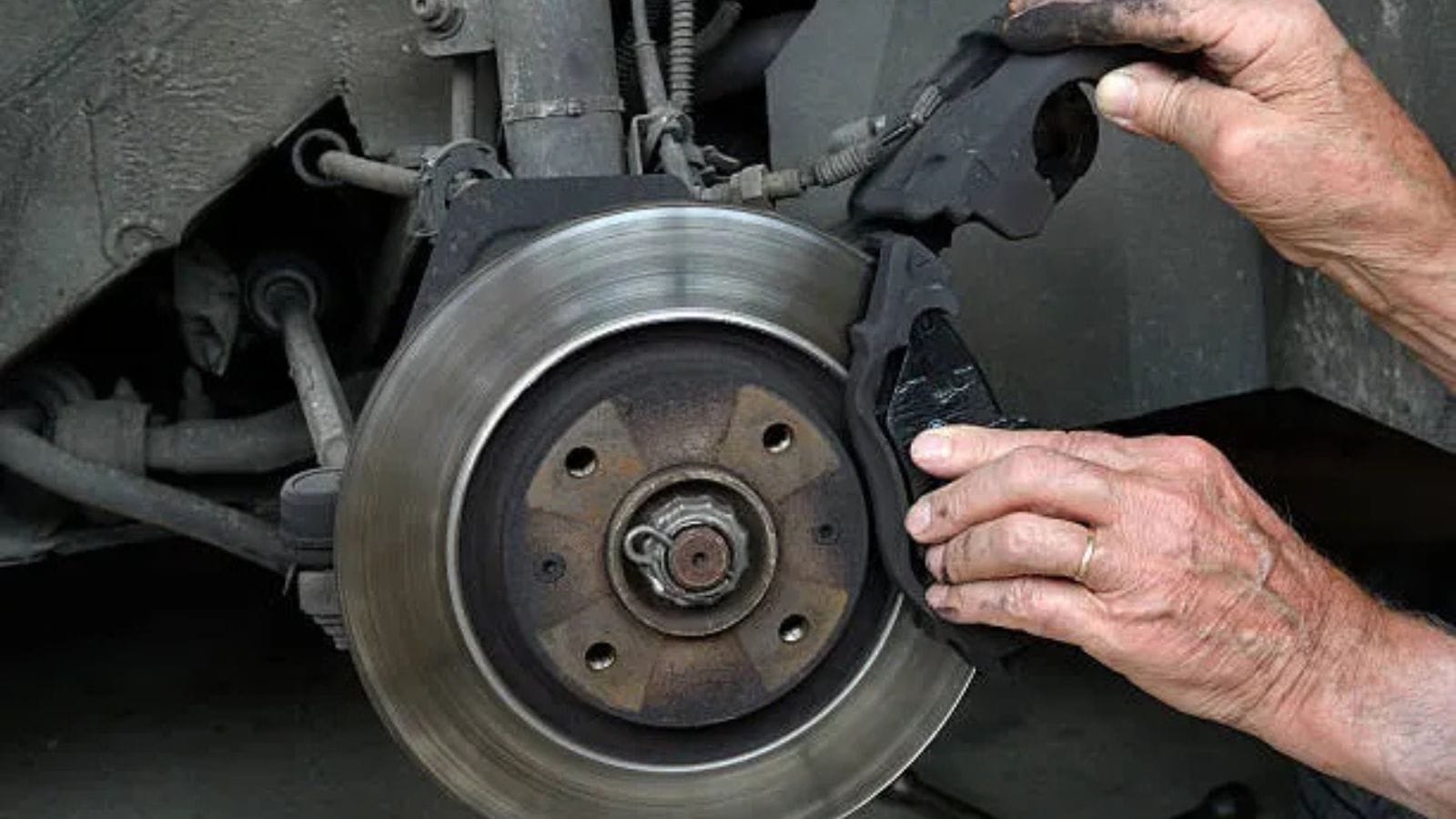
Brake pads and rotors are wear items, so replacement alone does not make a vehicle a money pit. The concern is a braking system that seems to demand attention unusually often or begins developing additional symptoms such as grinding, persistent squealing, pulling during stops, a soft pedal, vibration, fluid loss, or warning lights. Those symptoms can involve pads, rotors, calipers, hydraulic components, hoses, or related hardware.
Consider a car that receives new pads and soon begins grinding because a sticking caliper has damaged a rotor. The first invoice may have addressed the visible wear without correcting the underlying cause. Brake trouble also cannot be evaluated purely as a financial inconvenience because braking performance is fundamental to safety. Once repeated brake work begins arriving alongside tire, suspension, or corrosion repairs, costs can spread rapidly. Frequent braking problems therefore provide two warnings at once: an immediate reason for professional inspection and evidence that several interconnected components may be aging together.
Tires Wear Unevenly Again and Again
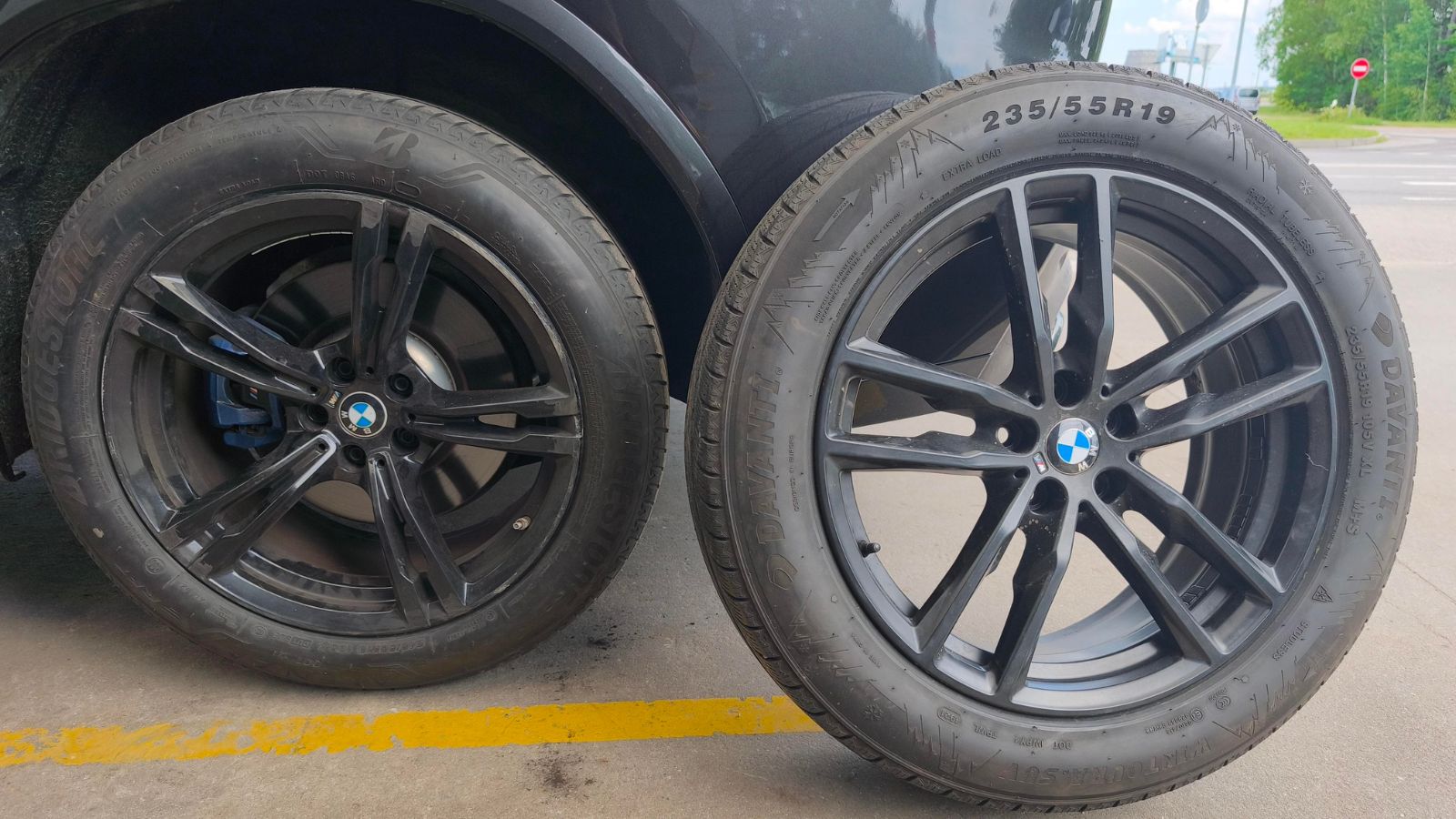
Tires repeatedly wearing heavily on one edge, developing cupping, or showing major tread differences can reveal more than a tire problem. Tire rotation can help control irregular wear, but persistent patterns may point toward improper alignment, balance problems, or suspension faults. If a fresh set starts developing the same unusual pattern relatively quickly, simply purchasing another set treats the evidence rather than the underlying mechanical cause.
That repetition matters because tires should provide thousands of miles of useful service when properly selected, inflated, maintained, and aligned. A mechanical problem that shortens tire life adds the cost of tires to whatever alignment, steering, or suspension repair is eventually required. Pulling to one side, steering-wheel vibration, or noticeably uneven handling strengthens the case for a broader inspection. When new tires become an unexpectedly common purchase, the vehicle may effectively be converting one unresolved chassis problem into a recurring expense every time another portion of tread disappears prematurely.
Suspension Noises Are Multiplying
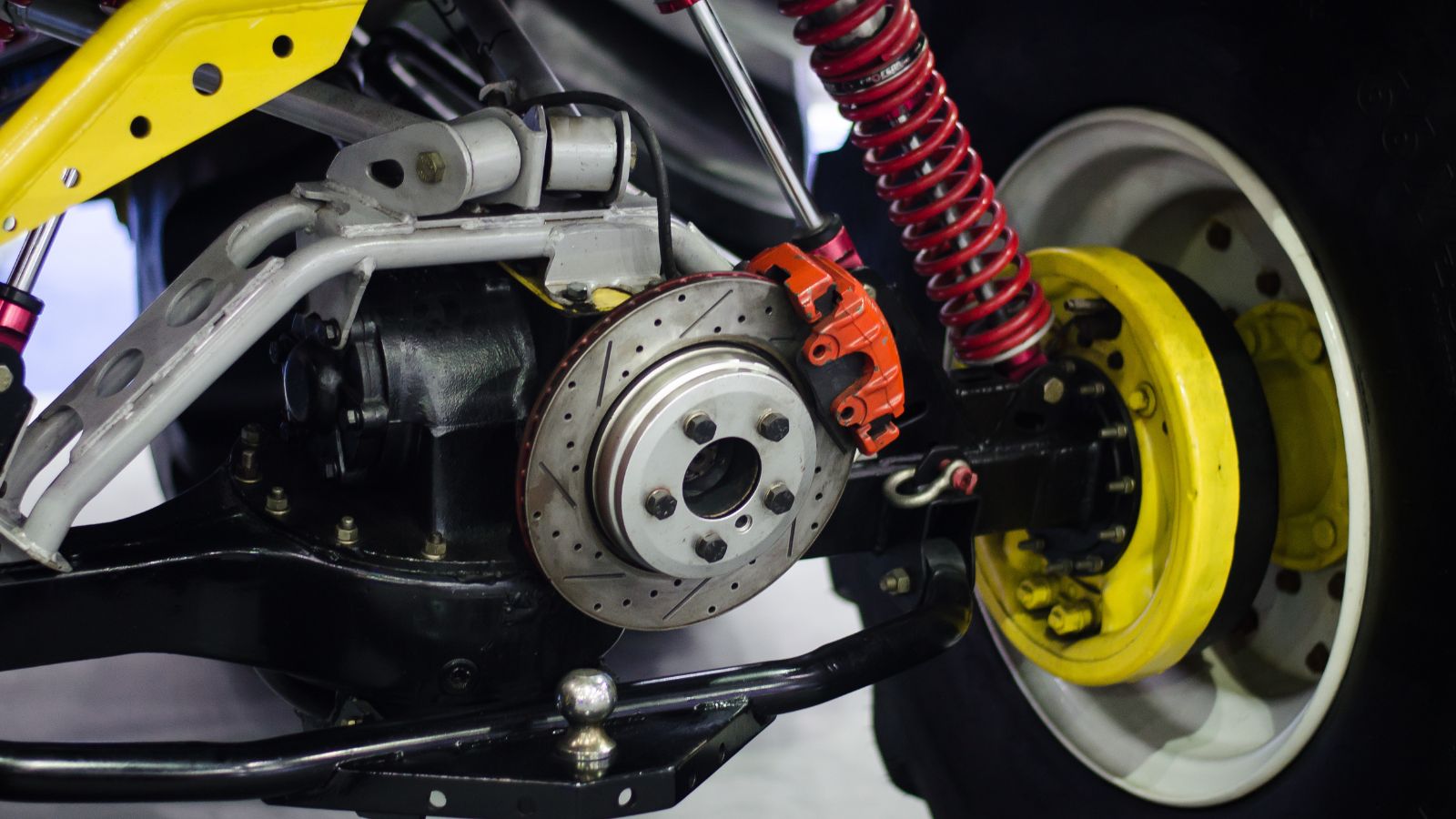
A new clunk over a pothole, boom over a speed bump, harsh ride, or excessive bouncing can indicate worn or damaged suspension components. Shocks and struts control body movement, while numerous other suspension pieces position the wheels and help produce stable, predictable handling. Continuing to drive on damaged components can also place additional stress on parts that were previously healthy, potentially creating a chain of repair needs.
The money-pit sign is rarely one worn shock absorber. It is the progression: first a noise, then uneven tire wear, followed by an alignment problem and another worn joint or bushing. Owners sometimes adapt gradually, slowing dramatically for every bump or accepting that the steering no longer feels settled. That adaptation can disguise how much the car’s condition has changed. If an inspection begins producing a list of interconnected suspension repairs rather than one isolated component, keeping the chassis quiet, aligned, and stable may require considerably more investment than the first clunk suggested.
Steering Starts Feeling Loose or Heavy

Steering should remain consistent and predictable. New looseness, excessive play, stiffness at low speed, groaning, whining, or fluid beneath the front of the vehicle can indicate a steering-system problem. On hydraulic systems, low or contaminated power-steering fluid, aging hoses, seals, belts, or a failing pump may be responsible. Electrically assisted systems use different hardware, but changes in steering effort or warning messages still warrant diagnosis.
Recurring steering trouble becomes expensive because symptoms can overlap with suspension, alignment, tire, and electrical problems. Replenishing leaking hydraulic fluid without correcting the leak, for example, can leave other components operating under stress. Worn steering or suspension hardware can simultaneously contribute to poor tire wear. The financial warning appears when the owner is no longer repairing one identifiable part but chasing the same steering complaint across several visits. Any meaningful decline in steering precision is also a safety concern, making continual postponement a poor strategy regardless of the vehicle’s market value.
Hard Starts and Stalls Become Normal

A dependable vehicle should not require a daily ritual of prolonged cranking, throttle coaxing, or repeated attempts before starting. Starting trouble can involve the battery, starter, fuel delivery, ignition system, sensors, or other engine-management components. Stalling, rough idling, hesitation, misfires, and weak acceleration provide further evidence that the engine is having difficulty operating consistently and should be inspected before a roadside failure occurs.
The financial complication is the number of possible causes. A worn starter represents one repair; a failing fuel pump represents another; persistent misfires can lead to spark plugs, coils, sensors, air leaks, or fuel-system faults. When several of these components have already received attention and the symptoms continue returning, confidence can decline faster than mileage increases. A vehicle that only starts reliably when temperatures, fuel level, or other conditions are just right is not merely developing an eccentric personality. Its basic transportation function is becoming dependent upon the next successful diagnosis.
Fuel Economy Drops Without an Obvious Reason
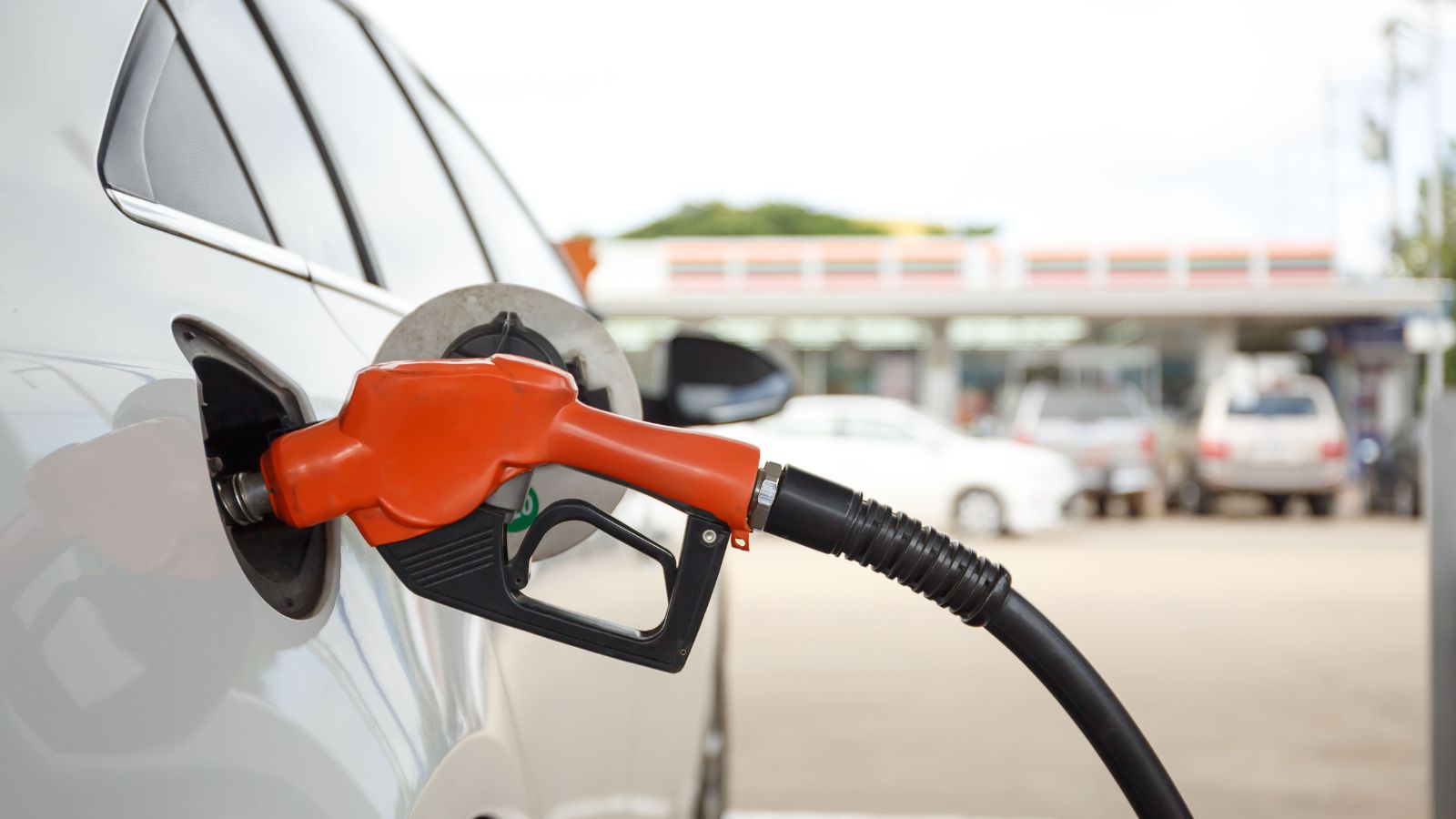
Fuel consumption naturally changes with weather, traffic, speed, journey length, cargo, and driving habits, so one disappointing tank proves very little. A persistent decline under broadly similar conditions deserves more attention. Government efficiency guidance emphasizes that proper maintenance, correct tire pressure, wheel alignment, and appropriate servicing influence fuel consumption, while automotive experts also recognize unexplained drops in economy as potential signs of mechanical trouble.
For an owner, deteriorating efficiency can create two expenses simultaneously. Fuel costs rise immediately while the mechanical reason may still require money to correct. Underinflated tires, poor alignment, ignition problems, engine-condition issues, or sensor faults can all affect efficiency. The useful comparison is the vehicle against its own recent history: the same commute and similar driving conditions suddenly produce substantially fewer kilometres or miles from each tank. If the change persists after basic maintenance and tire-pressure checks, the car may be charging extra money at the fuel pump while quietly preparing another garage invoice.
The Exhaust Starts Smelling or Sounding Wrong
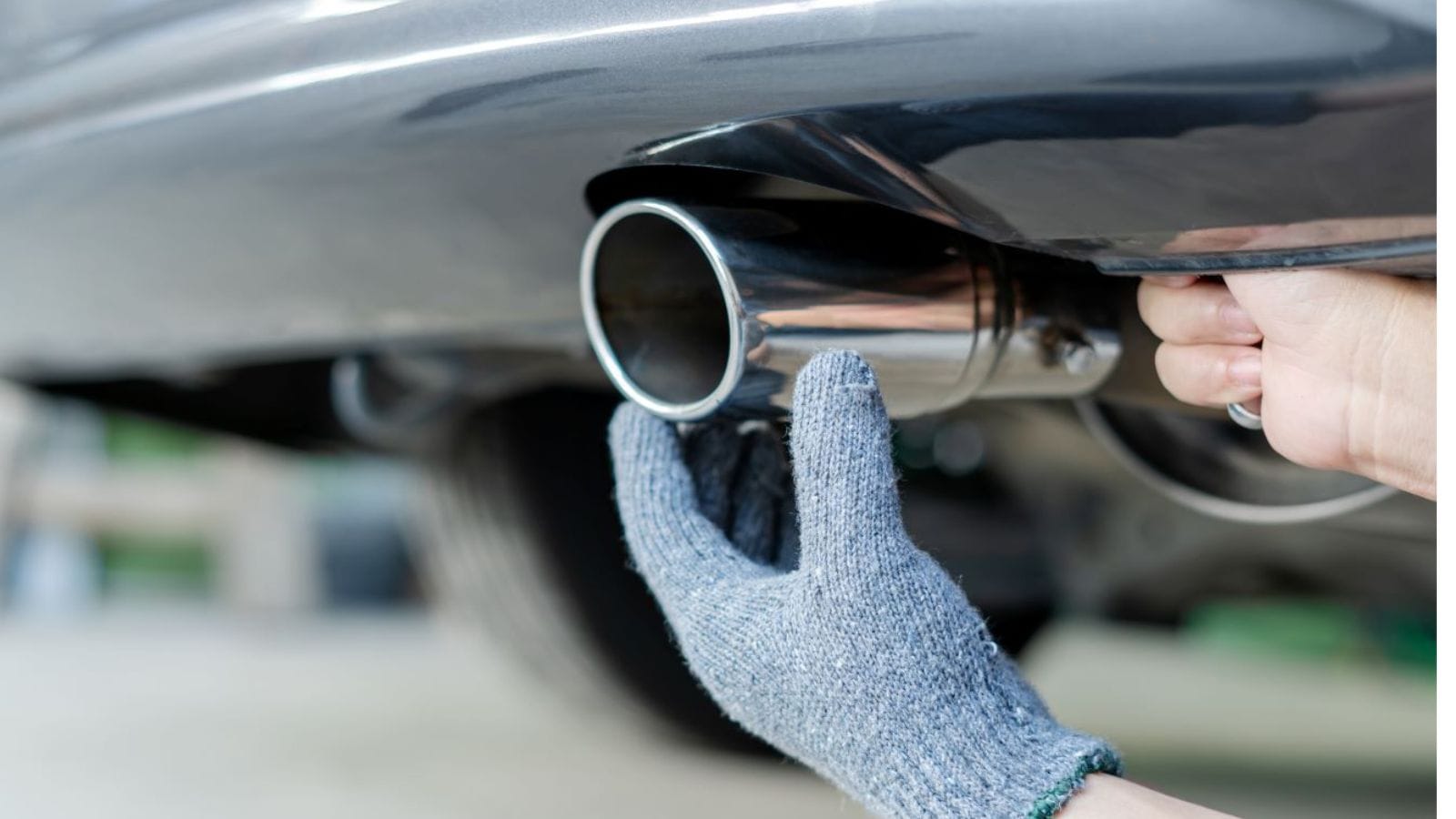
A persistent sulfur or “rotten egg” smell is not simply an unpleasant characteristic of an aging automobile. Automotive repair guidance identifies that odour as a potential sign of trouble involving the catalytic converter or another emissions-control component. Rumbles can also indicate defects involving exhaust pipes, mufflers, converters, or driveline components. Catalytic converters are especially noteworthy because replacement can easily become a four-figure repair depending on the vehicle.
The converter may not always be the original source of the problem. Misfires, faulty ignition components, sensor problems, or other engine faults can create conditions that ultimately damage emissions equipment. Replacing an expensive exhaust component without correcting the upstream cause can therefore produce an especially painful repeat bill. If an owner has already paid for oxygen sensors, exhaust components, or multiple check-engine diagnoses, a new sulfur smell or exhaust rattle deserves context. Once emissions-system repairs repeatedly trace back toward engine-performance problems, the vehicle’s difficulties may be becoming systemic rather than isolated.
The Air Conditioner Needs Constant Recharging

An air-conditioning system that becomes cold after servicing and then repeatedly loses cooling should not be treated as though refrigerant were ordinary fuel. Refrigerant does not normally disappear through use in the same way gasoline does. Frequent recharging can therefore indicate leaks around hoses, seals, O-rings, condensers, service ports, or other components. Weak airflow, warm air, strange noises, and frequent compressor cycling provide additional reasons for diagnosis.
This becomes a money-pit clue when every warm season brings another recharge but no lasting repair. Topping up the system can initially appear cheaper than leak detection, yet repeated charges accumulate while compressor, condenser, blower-motor, cooling-fan, or electrical problems may remain underneath. Modern climate-control systems also rely heavily on electronics, making certain faults more complicated than a simple refrigerant leak. Comfort may be the obvious concern, but repeatedly failing air conditioning reveals something broader: another major vehicle system has moved from dependable equipment into its own recurring category on the household repair budget.
Electrical Gremlins Start Spreading
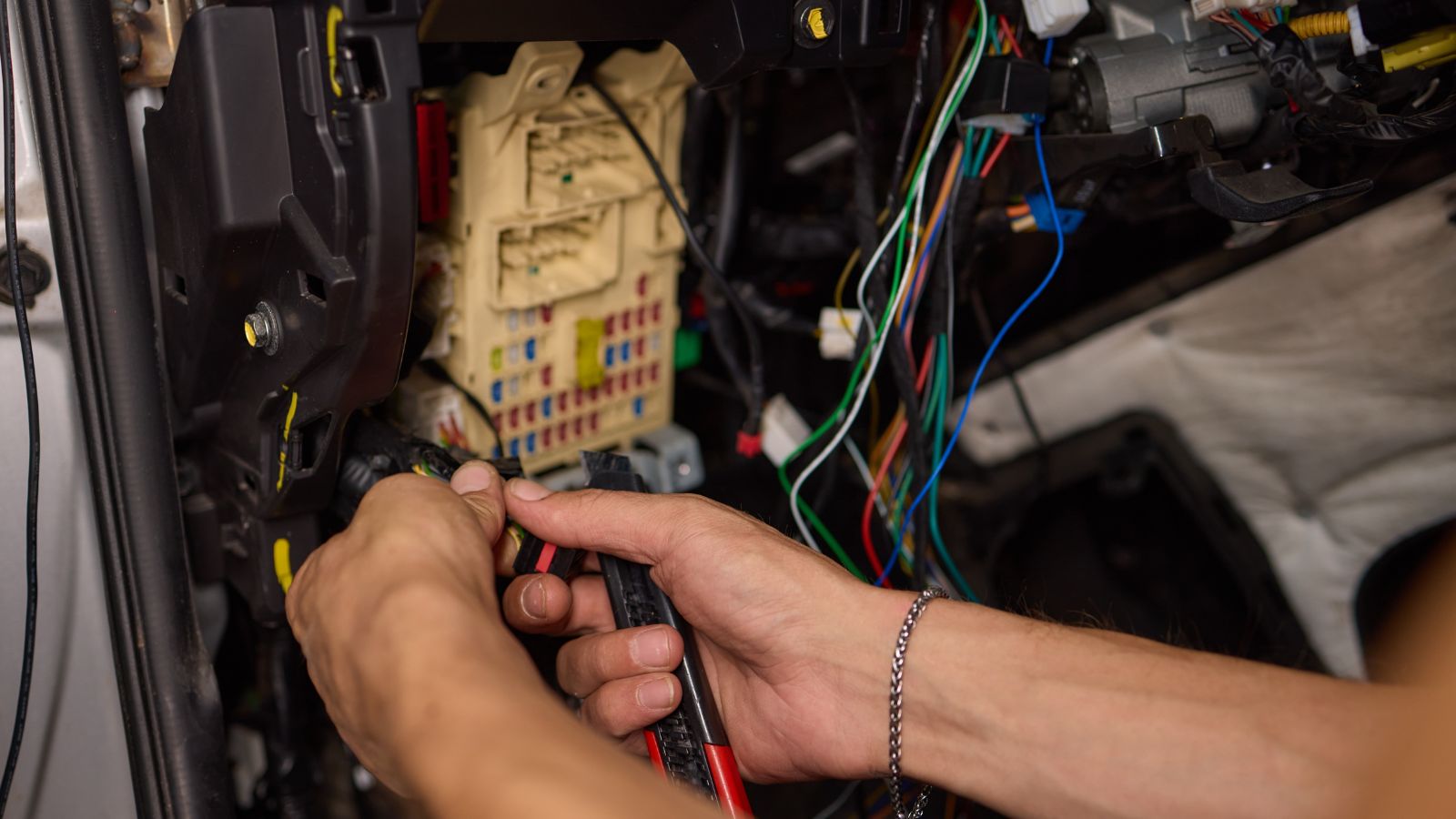
One sluggish power window is annoying. Flickering lights, intermittent accessories, radio failures, repeated dead batteries, warning messages, and strange electrical smells occurring together are more concerning. Dim or unusually bright lights and malfunctioning accessories can accompany charging-system problems, while the sharp smell of overheated or burning insulation can indicate an electrical short that requires professional diagnosis rather than continued driving.
Electrical problems can be expensive precisely because intermittent faults sometimes disappear once the vehicle reaches the garage. Diagnosis may involve testing the battery, alternator, wiring, grounds, fuses, connectors, individual accessories, or control modules. Labour spent tracing the fault becomes part of the ownership cost even when the eventual replacement component is inexpensive. A car whose electronic conveniences and essential systems fail one after another can consequently become costly without experiencing a dramatic engine failure. When electrical symptoms begin appearing across unrelated circuits, it is reasonable to investigate broader charging, wiring, corrosion, or moisture problems rather than dismissing every malfunction as coincidence.
Rust Is Moving Beyond Cosmetic Spots
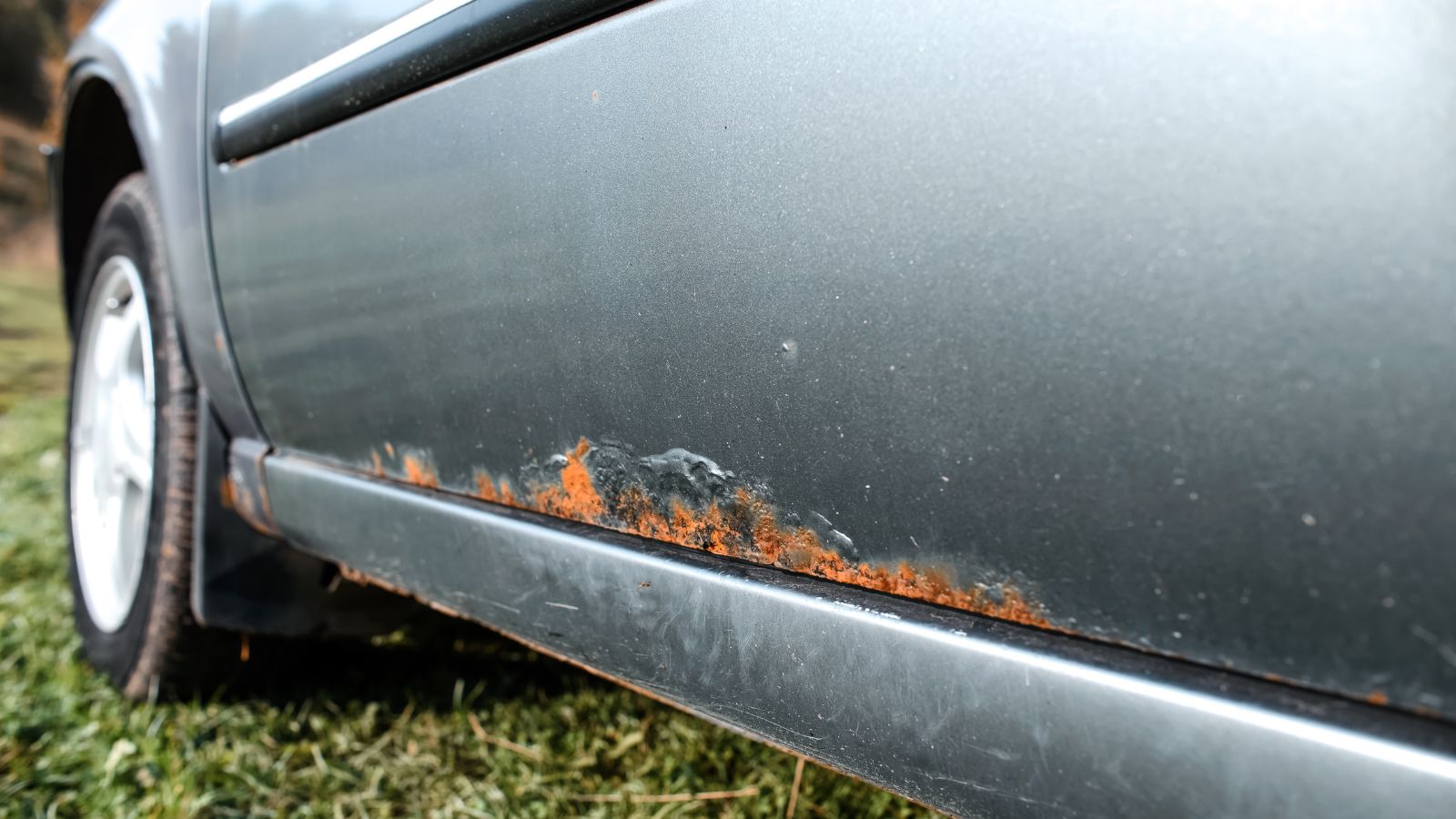
A small patch of surface rust around a paint chip is very different from corrosion attacking the underside of a vehicle. Road salt and de-icing chemicals can corrode brake lines, fuel tanks, exhaust components, electrical connections, floor structures, and other critical areas. Once corrosion begins compromising safety-related hardware or structural integrity, an older car can become considerably more difficult and expensive to preserve.
Rust is also difficult to judge purely from visible bodywork. A small paint bubble can conceal larger corrosion underneath, while serious underbody deterioration can remain unnoticed during normal driving. Financially, corrosion is troublesome because it does not respect system boundaries. One vehicle may require body repair, brake-line work, exhaust replacement, seized-fastener removal, and structural attention within a relatively short period. Automotive ownership guidance specifically treats significant rust, corrosion, and structural damage as reasons to reconsider continued investment. Once rust moves beyond appearance, a professional inspection and comparison with the vehicle’s value become far more important than cosmetic repair alone.
Moisture Keeps Appearing Inside
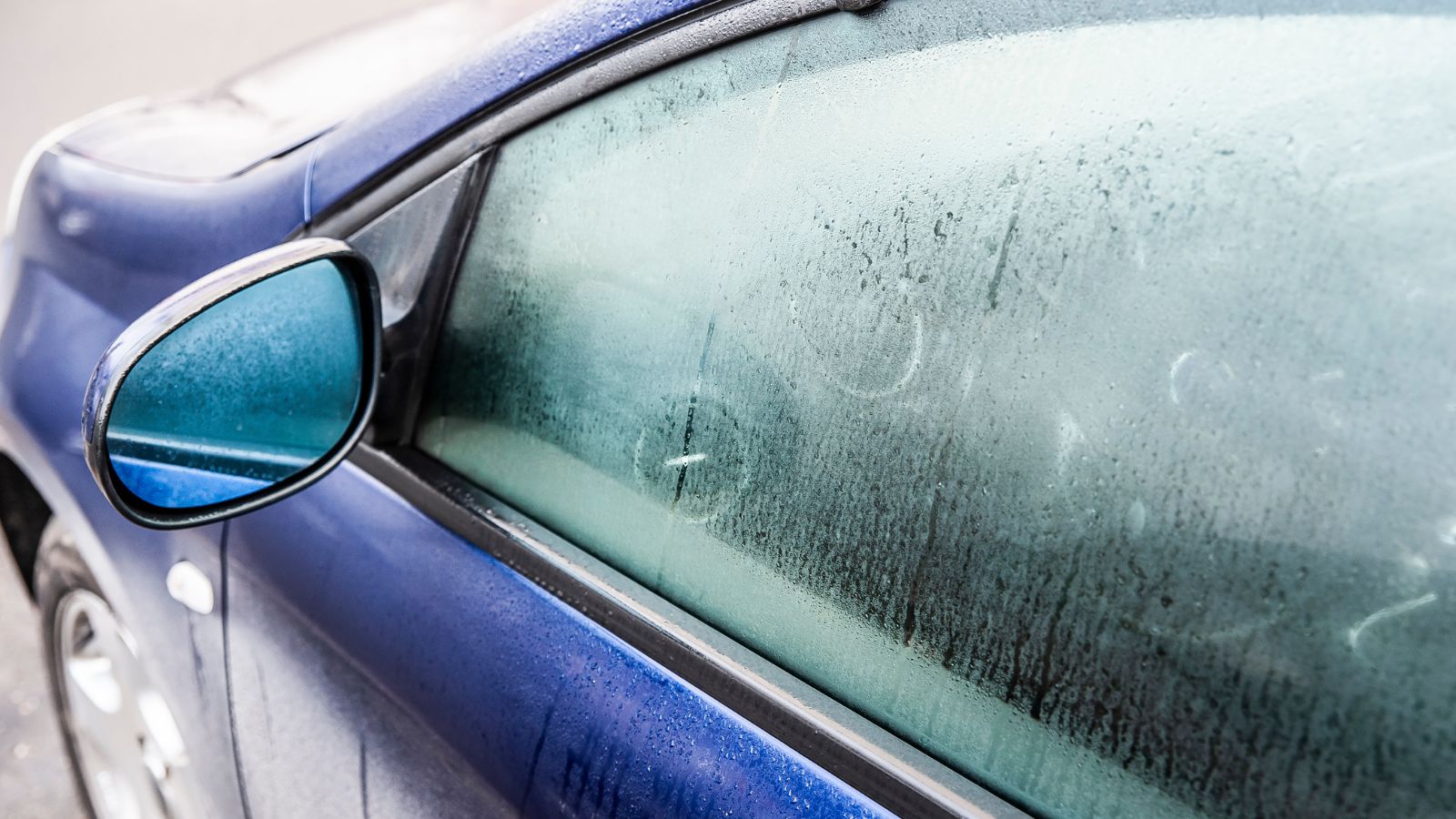
Persistent wet carpeting, musty odours, fogged lighting units, water stains, or interior corrosion can indicate water intrusion rather than a harmless spill. Water exposure can affect wiring, electronic sensors, brakes, powertrain components, airbags, and numerous connections. Warning signs associated with serious water exposure include moisture beneath carpeting, rust, brittle or corroded wiring, mud deposits, malfunctioning electrical accessories, and condensation where it normally should not appear.
The financial problem is delayed failure. Corrosion caused by moisture may continue developing after visible water has disappeared, meaning a vehicle can seem fine after drying only to develop electrical faults later. Sunroof drains, door seals, windshield bonding, body seams, air-conditioning drains, or previous flood exposure may require investigation. If dampness appears alongside erratic warning lights, failing windows, electrical problems, or persistent mildew smells, the issue has moved well beyond cosmetic inconvenience. A consistently dry cabin should be normal. Recurring moisture can instead create an unpredictable stream of diagnosis, cleaning, corrosion repair, wiring work, and replacement electronics.
Belts and Hoses Are Failing in Bunches
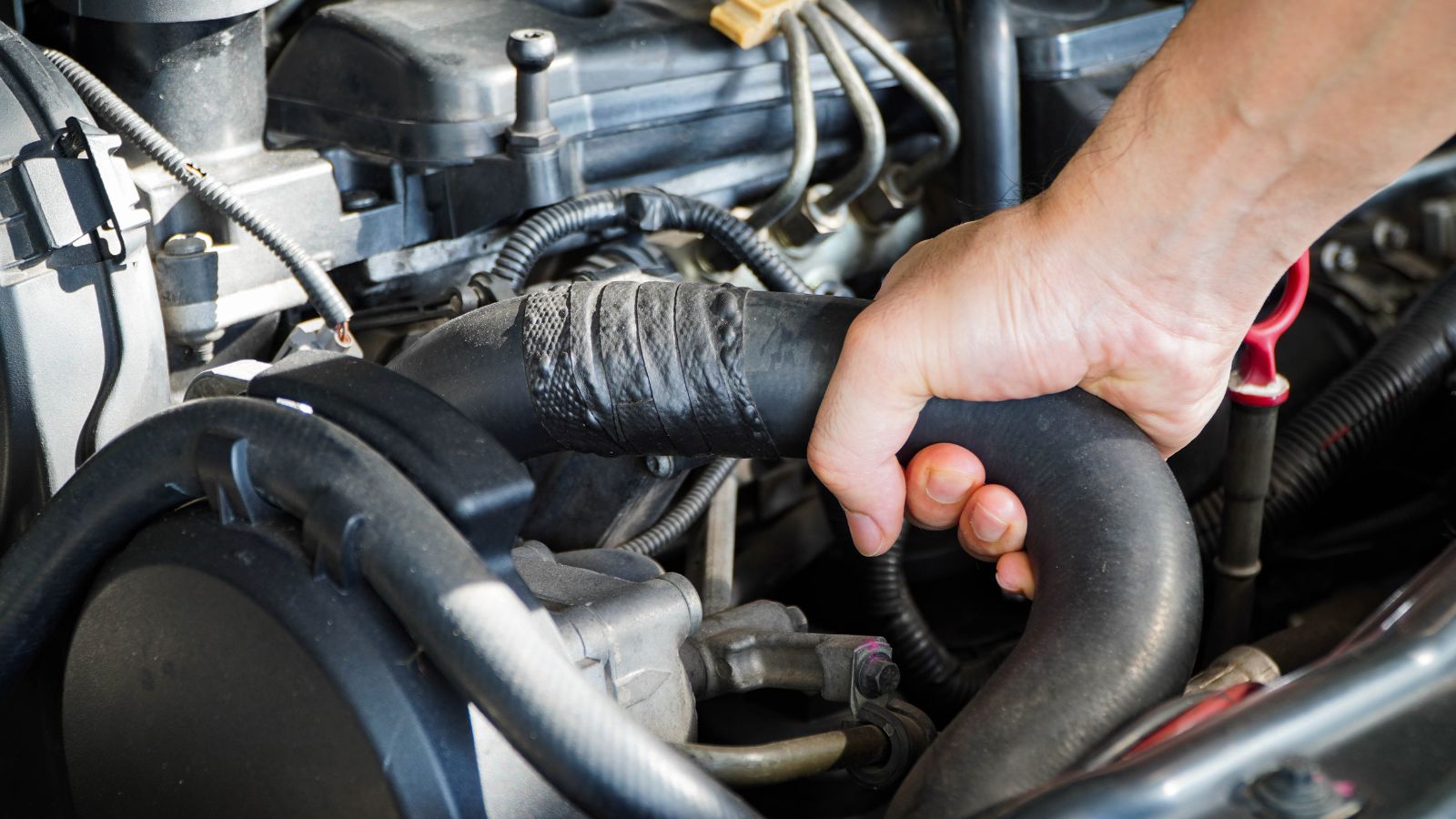
Belts and hoses are normal maintenance components, but several deteriorating together can reveal that an aging engine compartment has entered a new maintenance phase. Cracking, fraying, glazing, bulging, unusual stiffness, excessive softness, and fluid leaks can all indicate deterioration. Depending on vehicle design, drive belts may operate the alternator, water pump, power-steering pump, and air-conditioning compressor, while hoses transport coolant and other essential fluids.
The money-pit risk comes from what failure can trigger. A damaged belt may disable an accessory or interfere with coolant circulation, while a failed coolant hose can lead to overheating and potentially serious engine damage. Replacing one deteriorated hose is ordinary upkeep. Discovering that numerous hoses, clamps, tensioners, and belts are reaching the same condition is a broader budgeting issue. Older components often age together because they have endured the same years, heat cycles, and mileage. That does not automatically condemn the car, but future maintenance should be priced as a group rather than evaluated one cracked hose at a time.
Different Fluids Are Leaking From Different Places
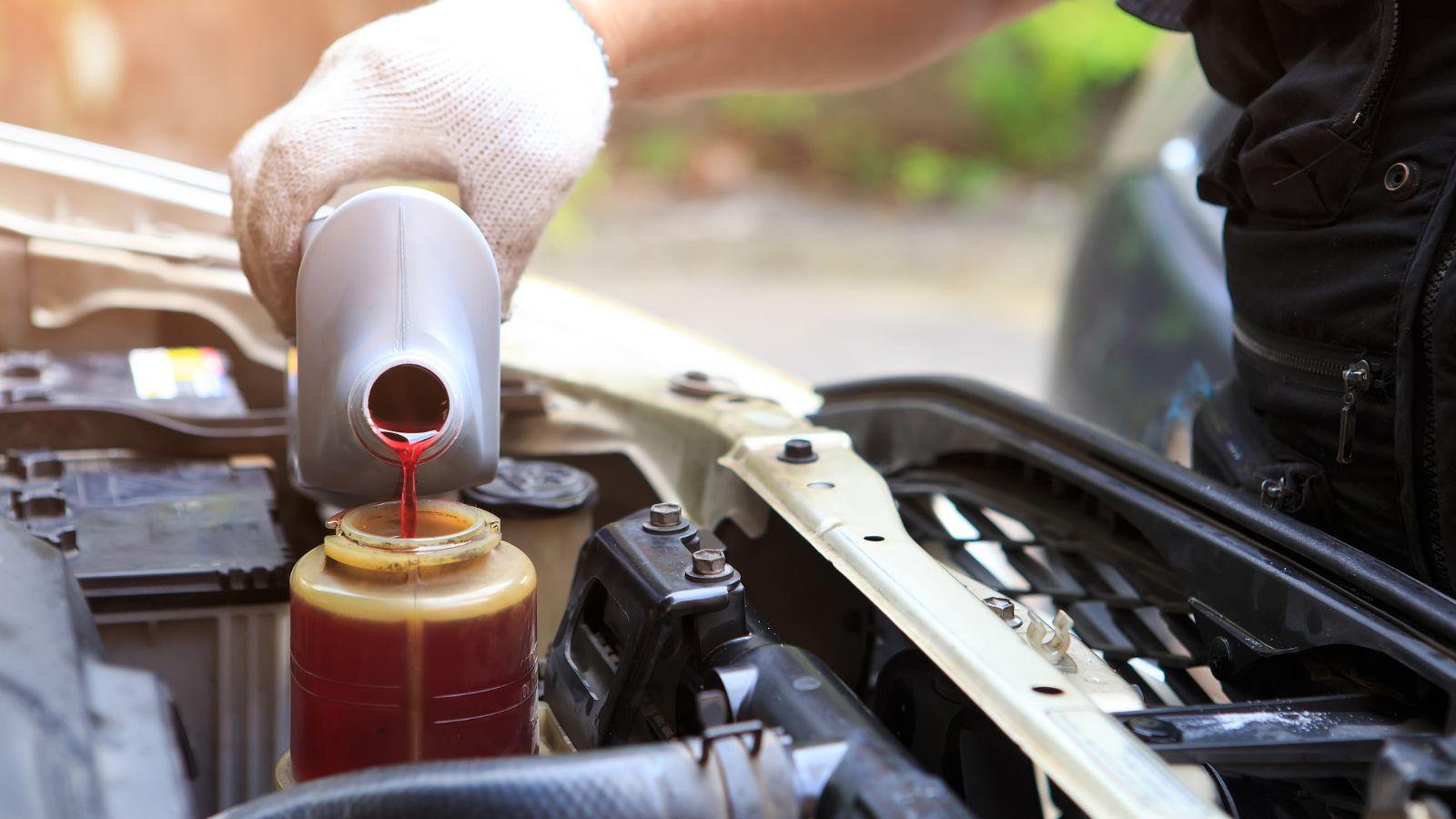
One small leak may have one straightforward repair. Several leaks involving engine oil, coolant, transmission fluid, power-steering fluid, or brake fluid suggest that seals, hoses, gaskets, or hydraulic components are aging across multiple systems. Different fluids carry very different consequences: coolant loss can lead to overheating, transmission-fluid loss can interfere with transmission operation, and brake-fluid leakage can directly compromise the vehicle’s ability to stop safely.
The financial signal is accumulation. An owner may replace an oil-pan gasket, discover a cooling-system leak months later, and then confront a steering-fluid problem. None of those repairs by itself proves that continued ownership is uneconomical. Together, however, they show deterioration spreading beyond a single assembly. Repeated topping up is also not an adequate substitute for locating the source. When the driveway regularly develops new stains and the service history contains repairs to several fluid systems, upcoming work should be compared with the vehicle’s market value, reliability record, and realistically expected remaining service life.
Repair Visits Are Becoming More Frequent
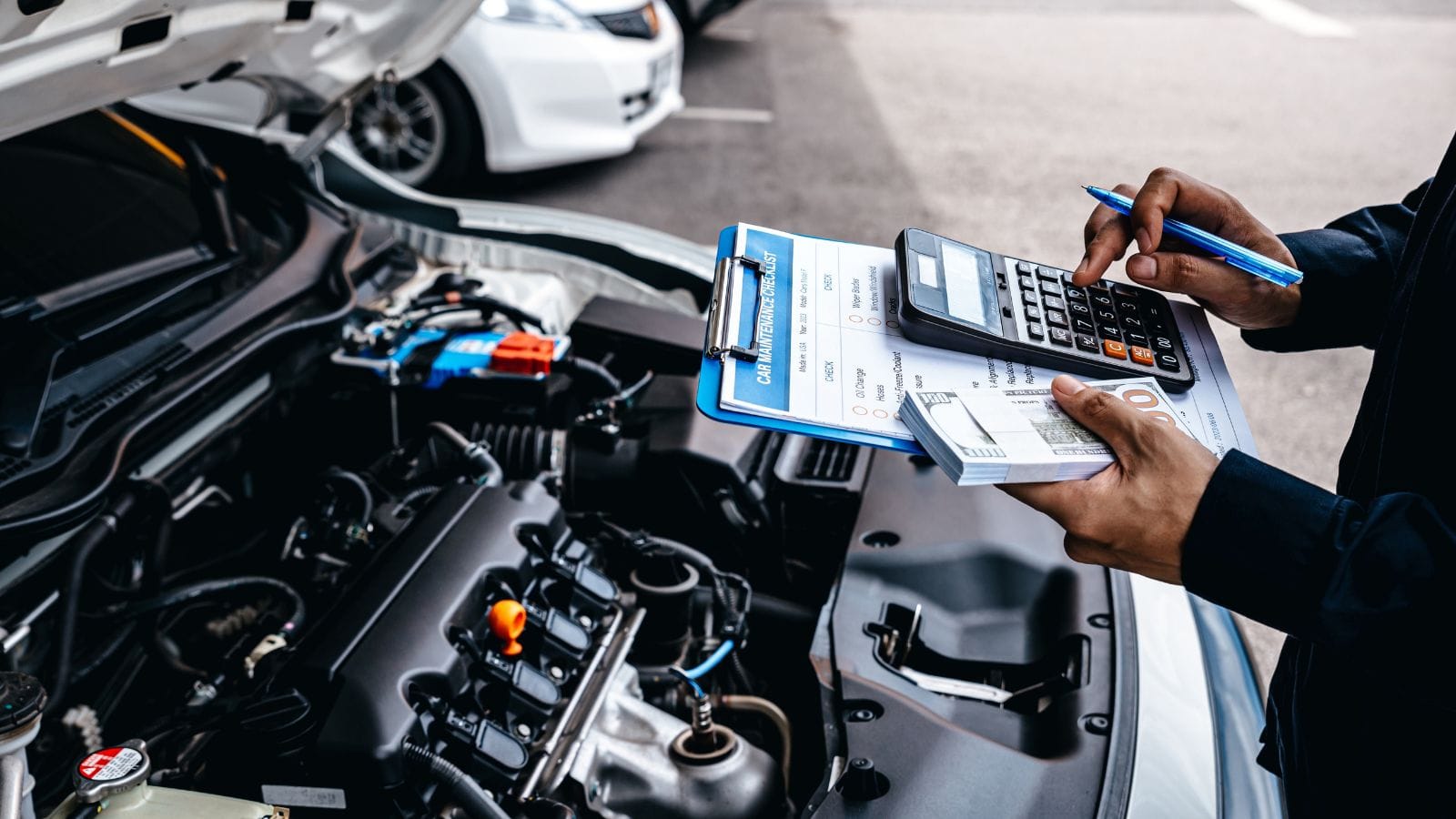
Older vehicles normally require more maintenance, and preventive servicing can still cost dramatically less than replacing an otherwise dependable car. The warning is not age alone but frequency: one repair is completed, the vehicle returns home, and a different problem develops soon afterward. Age, condition, mileage, repair history, and known upcoming work should all be considered when estimating what continued ownership is likely to cost.
One practical method is reviewing an entire year of receipts rather than remembering only the latest invoice. Separate scheduled maintenance from actual failures, then include diagnosis charges, towing, rental transportation, repeated visits, and lost time. Tires, an oil service, and routine brake work might be perfectly reasonable depending on mileage. An alternator, cooling leak, suspension repair, air-conditioning failure, and another warning light in the same period tell a different story. Once the spacing between unscheduled repairs keeps shrinking, individual bills stop being isolated events. They become evidence of a worsening reliability trend.
The Next Repair Rivals the Car’s Value
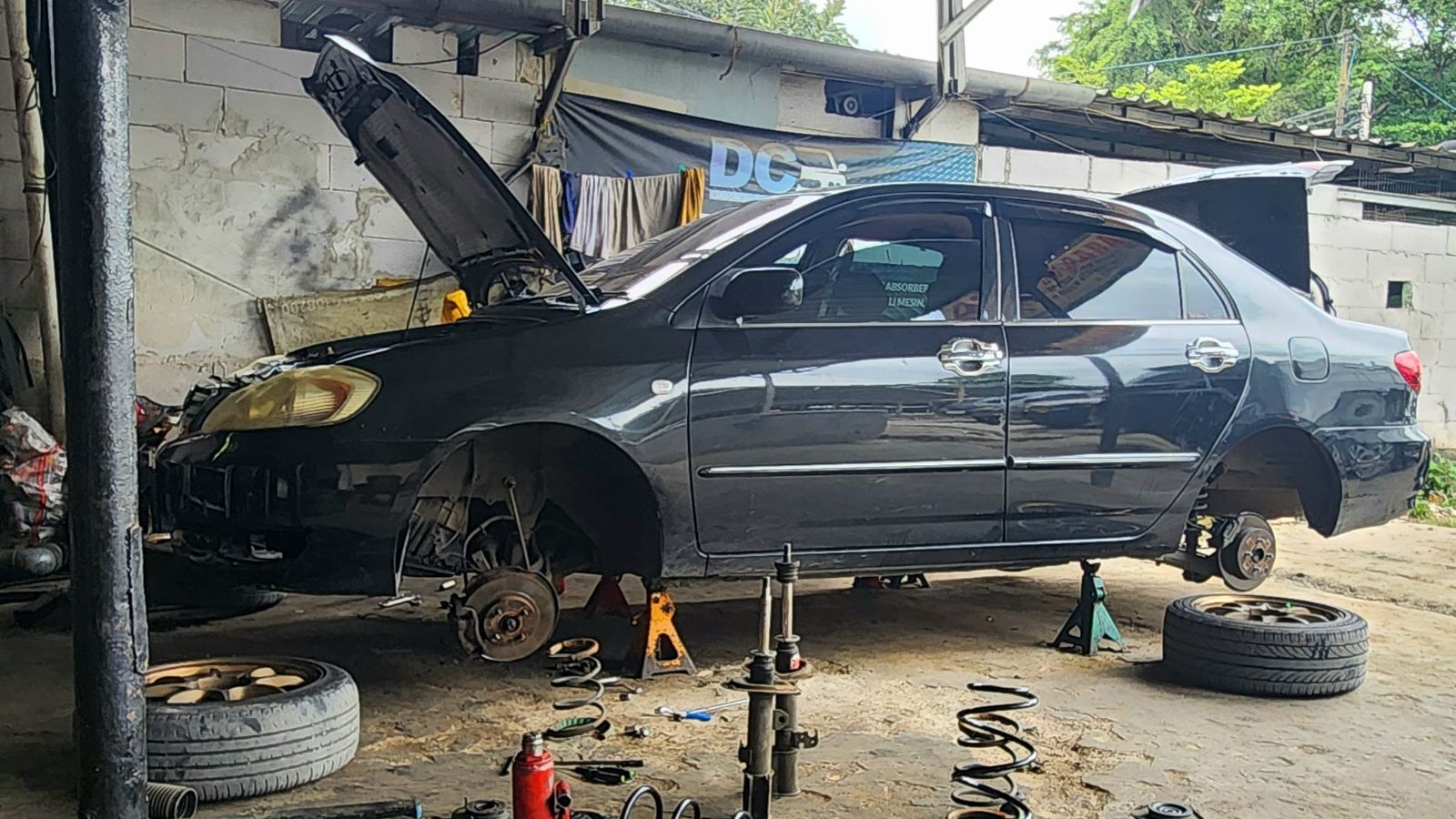
The clearest money-pit signal arrives when repair needs and market value begin colliding. Automotive ownership guidance recommends obtaining an estimate for the work required to keep a vehicle operating safely and comparing that amount with its realistic resale value. Frequent repairs whose combined cost approaches or exceeds vehicle value, serious corrosion, safety concerns, and increasingly expensive high-mileage failures can all strengthen the argument for replacement.
That does not mean every large repair automatically justifies another car. A dependable, well-maintained vehicle needing one expensive component may still provide several economical years, particularly when replacement vehicles are costly. The better calculation includes the current estimate, likely upcoming maintenance, reliability history, safety, fuel consumption, financing, insurance, and resale value. When a mechanic presents a substantial estimate immediately after months of smaller repairs, however, the owner should stop examining each invoice independently. At that point, the question is no longer simply whether the newest repair can be afforded. It is whether additional money invested in the car is likely to restore dependable transportation.
19 Used Cars Canadians Should Avoid in 2026 (Based on Owner Complaints)

Buying a used car in Canada can feel safe until repair bills start stacking up. Owner complaints tell a different story than glossy listings. Transmission failures, electrical problems, and weak winter reliability show up again and again in consumer reports. Many of these issues appear after warranties expire, when owners least expect them. Some vehicles look affordable upfront, but become expensive to keep on the road. Others struggle in cold weather, urban driving, or long highway commutes. Here are 19 used cars Canadians should avoid in 2026 (based on owner complaints).
19 Used Cars Canadians Should Avoid in 2026 (Based on Owner Complaints)

Alanna Rosen is an experienced content writer that focuses on many EV and educational content. Her articles are regularly published on Get CyberTrucked and syndicated on large publications.