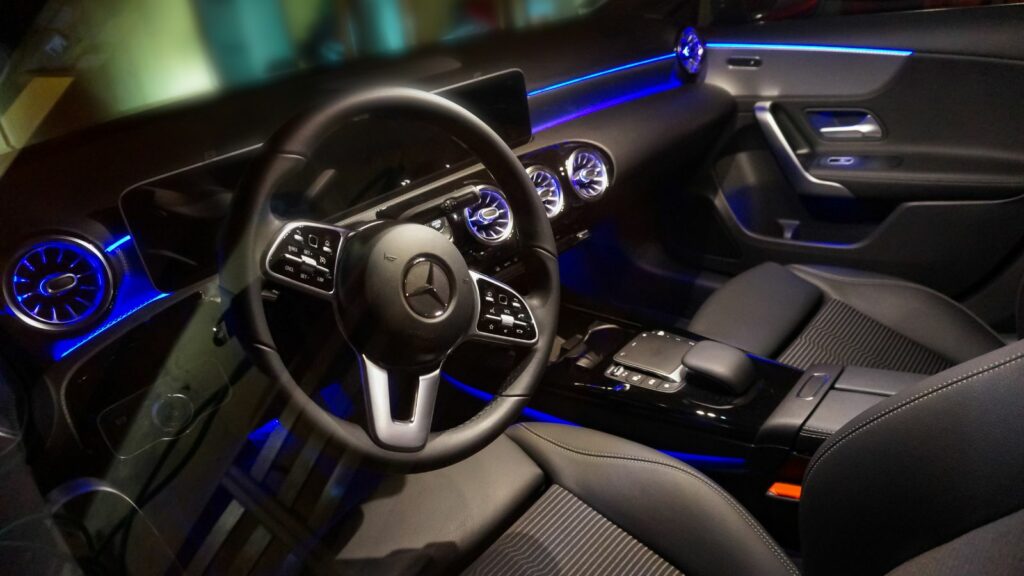
A high sticker price can buy more power, technology, leather, and brand prestige, but it does not automatically create a convincing sense of quality. Much of what makes a vehicle feel expensive is surprisingly subtle: the sound of a closing door, the resistance of a button, the texture beneath an elbow, or the amount of noise entering the cabin at highway speed. Small inconsistencies can become especially noticeable when expectations are already elevated by a premium price.
These 17 things show how materials, assembly, acoustics, software, comfort, and durability can quietly undermine an otherwise costly vehicle. None necessarily makes a car bad, but each can create that nagging impression that the experience does not quite match the money spent.
Hard Plastics in the Places Hands Touch Most
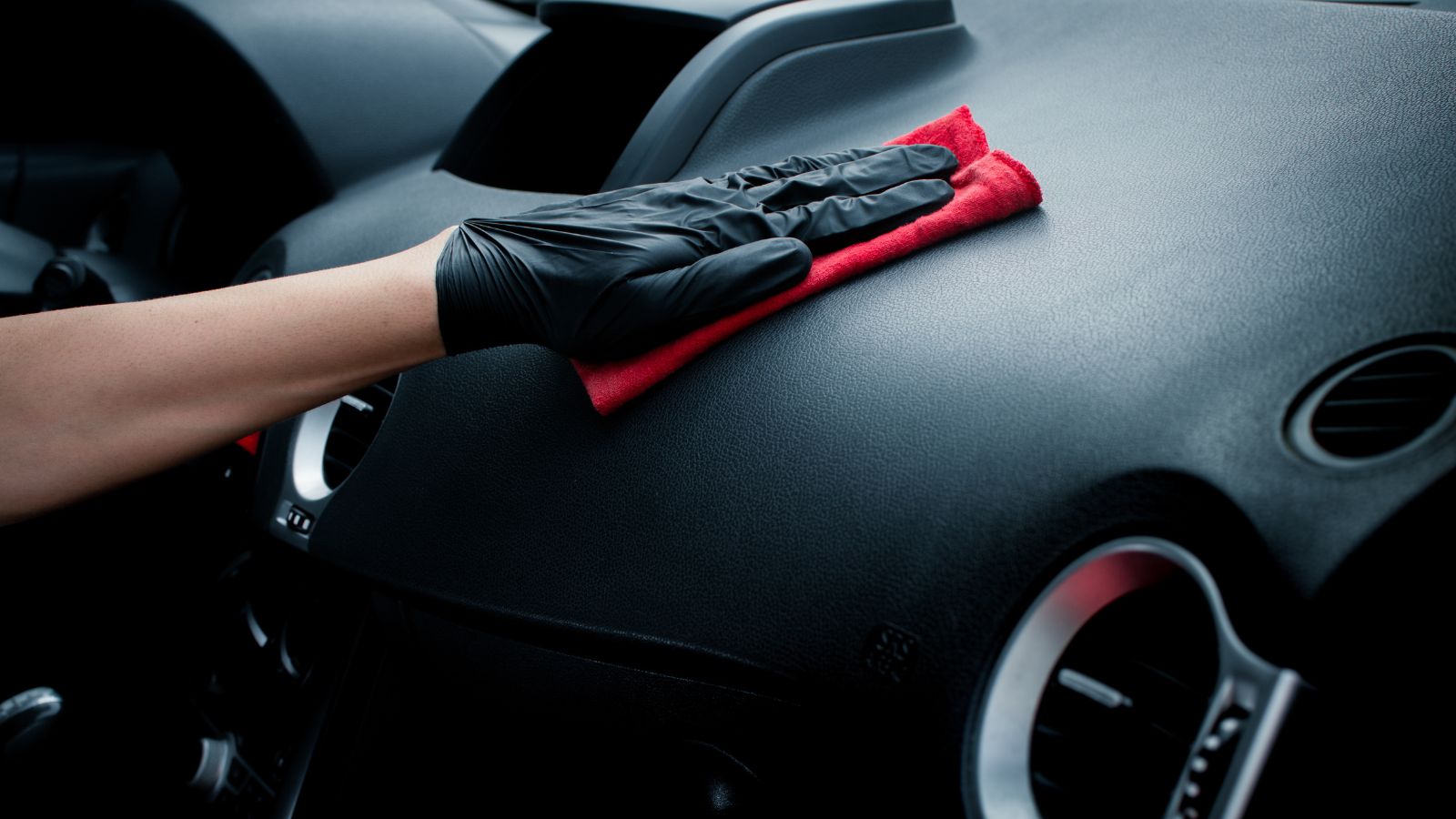
A cabin does not become cheap simply because plastic is present. Modern vehicles rely on polymers because they are light, durable, moldable, and cost-effective. The problem is where and how those plastics are used. A hard, shiny dashboard top, brittle door pull, or grainy center console can undermine an expensive interior because occupants repeatedly see and touch those surfaces. Research on automotive interior materials has found that tactile sensation contributes significantly to perceived luxuriousness and satisfaction, while studies of textured plastics show that physical surface characteristics influence how people judge them.
That explains why some modestly priced cars feel richer than expected while certain expensive models disappoint. Wards has criticized premium-priced vehicles for excessive hard plastic even when the design itself was attractive. Soft-touch padding is not required everywhere, but strategic use matters. When elbows, fingertips, and knees repeatedly meet thin, hollow-feeling surfaces, the price badge starts losing the argument.
Hollow-Sounding Doors
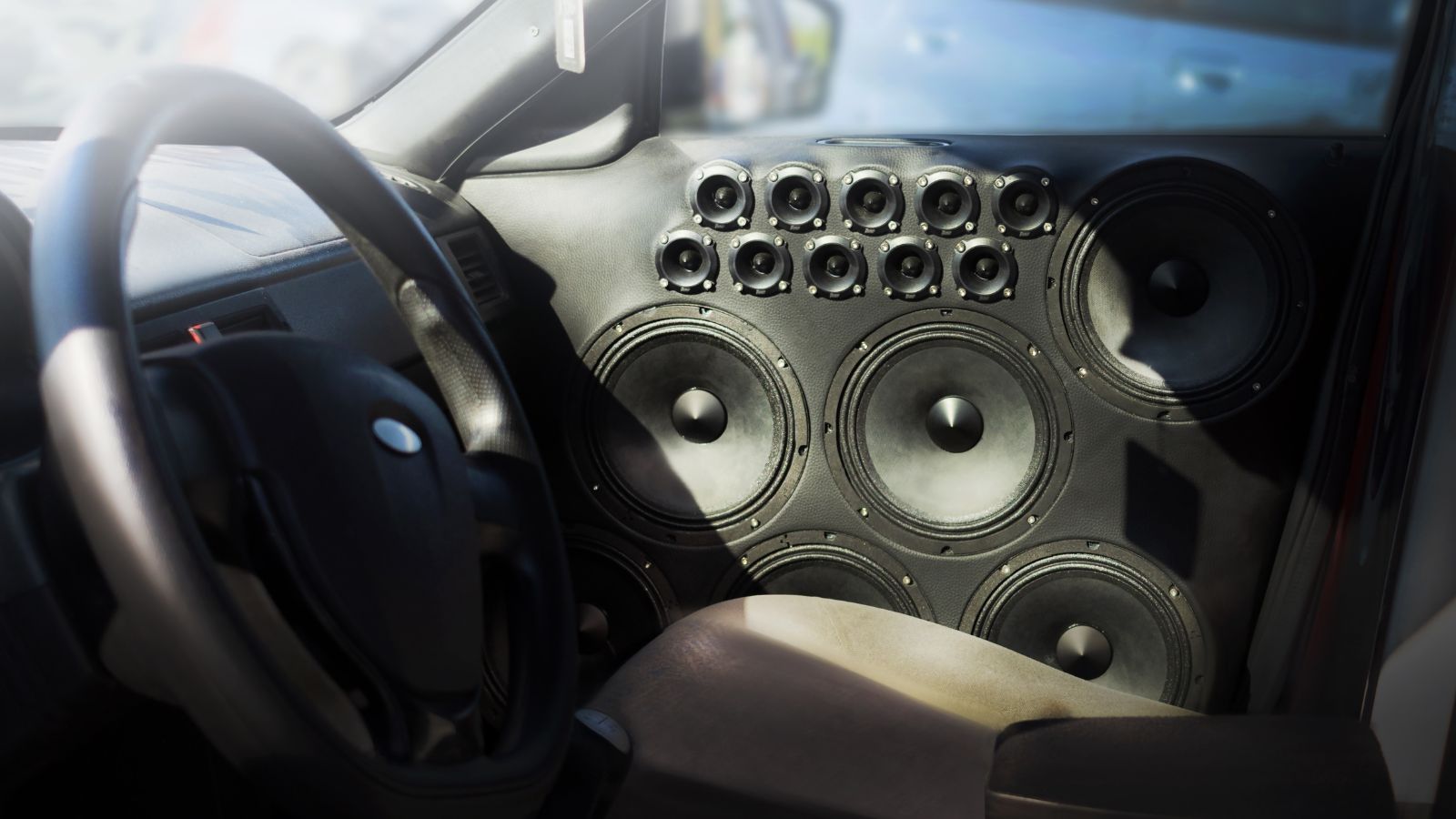
The sound a door makes when it closes is one of the oldest shortcuts the brain uses to judge a car. A dense, controlled thud suggests mass, sealing, and careful assembly; a tinny clang or lingering vibration suggests the opposite, even when the structure is safe. Acoustic research has found a strong relationship between door-closing sound and perceived quality. Engineers therefore tune latches, seals, panels, and structural components to create a closing event that sounds deliberate rather than accidental.
That sensory cue matters because it arrives before the engine starts. A shopper can form an impression by opening the driver’s door, settling into the seat, and shutting it once. Premium manufacturers have long treated this sound as part of the product experience, much like the click of a high-end appliance or camera control. When a costly vehicle’s door sounds light, buzzy, or poorly damped, the emotional mismatch can be striking.
Squeaks and Rattles Over Ordinary Roads
Few things erase a premium impression faster than a dashboard chirp, seat-frame rattle, or door-panel squeak appearing over normal pavement. These noises may be minor mechanically, yet they signal movement between components that occupants expect to feel tightly integrated. Automotive engineering literature treats squeak and rattle performance as part of perceived quality, not merely an annoyance. Researchers have developed dedicated test tracks, simulation methods, and end-of-line detection techniques because intermittent interior noises can be difficult to reproduce and diagnose.
The effect becomes more noticeable in quiet vehicles. Once powertrain noise is reduced, a loose trim clip or rubbing plastic panel can dominate the cabin soundtrack. That is why a luxury car with impressive leather, screens, and acceleration can feel strangely old after a few thousand kilometres if the interior starts chattering. A recurring rattle near the driver’s ear can make the entire cabin seem less solid than its materials suggest.
Buttons and Knobs With Weak Feedback
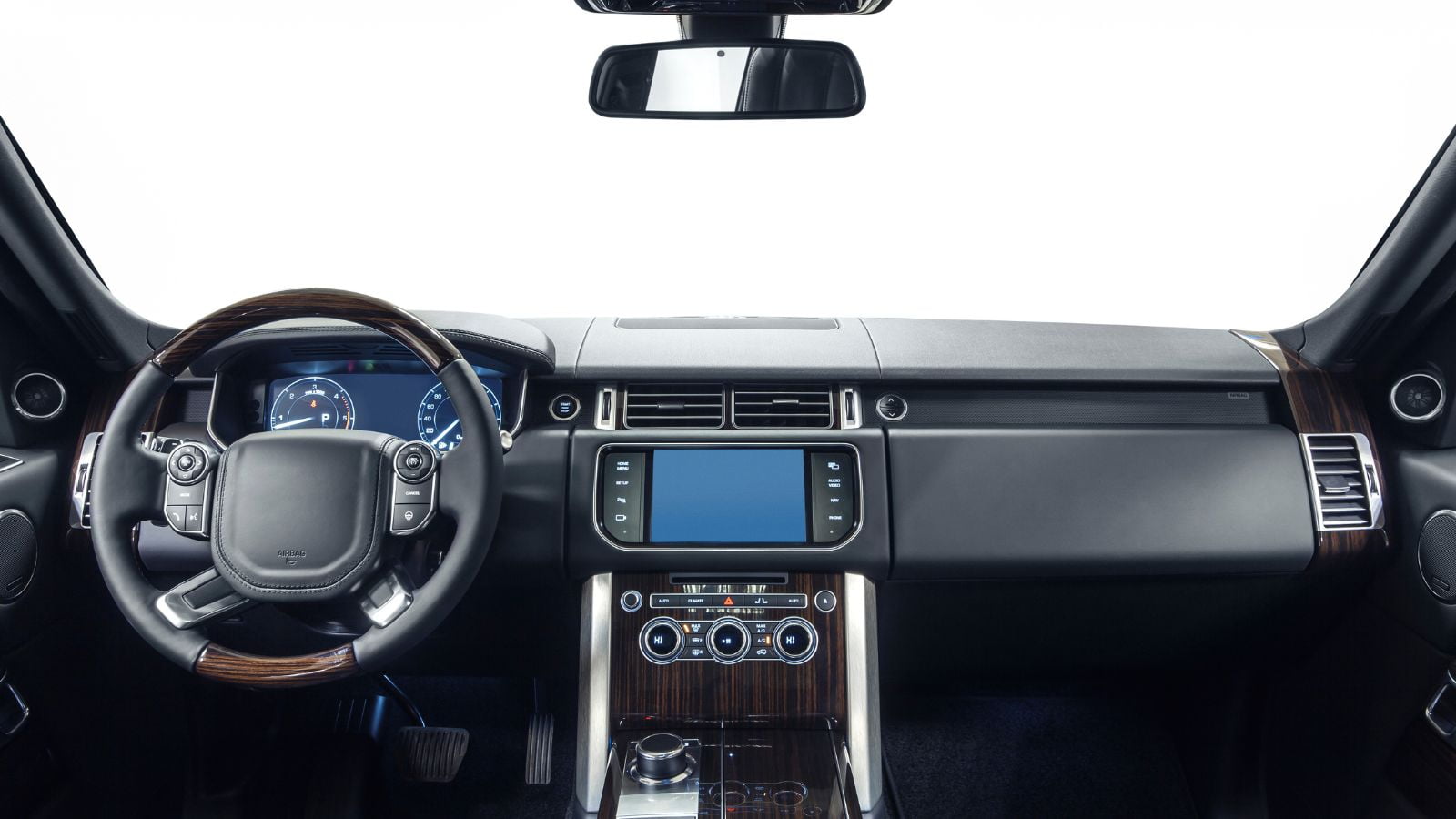
A button can be inexpensive to manufacture yet still feel precise. What separates convincing switchgear from disappointing switchgear is the combination of travel, resistance, click sound, surface texture, and consistency from one control to the next. Studies of automotive radio buttons and switches have shown that haptic and acoustic characteristics influence subjective judgments of interface quality. In other words, the moment when a finger presses a control is part of the vehicle’s perceived engineering.
Cheap-feeling switchgear reveals itself through wobble, vague activation, inconsistent resistance, or a hollow click. The problem is especially obvious when an expensive car surrounds those controls with leather, metal-look trim, or large displays. A temperature knob that rocks sideways or a steering-wheel button that feels mushy can become the detail passengers remember. Premium cabins tend to make ordinary actions feel deliberate. When every small interaction feels loose or disposable, the price can seem harder to justify.
Uneven Panel Gaps and Misaligned Trim
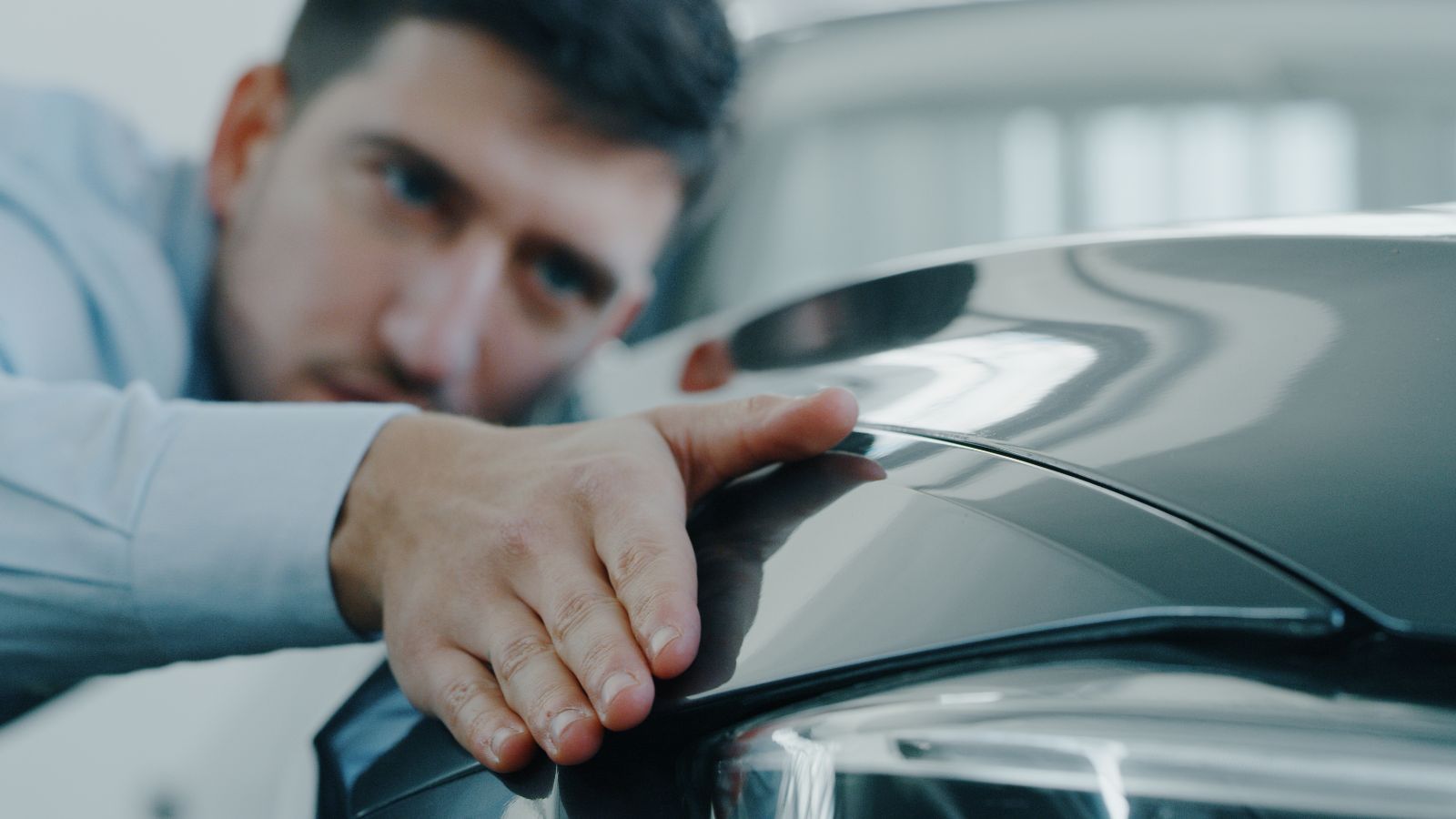
Fit-and-finish is not just a reviewer’s obsession. Automotive perceived-quality research examines gap, flushness, alignment, parallelism, and the visual relationships between adjacent parts. Small inconsistencies attract attention because the human eye is good at noticing broken lines and asymmetry. A dashboard seam that widens toward one side, a console panel sitting slightly proud, or exterior trim that does not line up cleanly can make expensive materials look poorly assembled.
The effect is cumulative. One imperfect seam may go unnoticed, but several irregular gaps can create the impression that tolerances were not controlled carefully. SAE material on perceived quality describes gap, flushness, fitment, and appearance as factors tied to customer perception, while academic work identifies split-line geometry as an important visual cue. This is why a less expensive car with clean, consistent assembly can feel surprisingly upscale. Precision is visible, and when it is missing, a high purchase price cannot hide it.
Seat Materials That Look Better Than They Feel
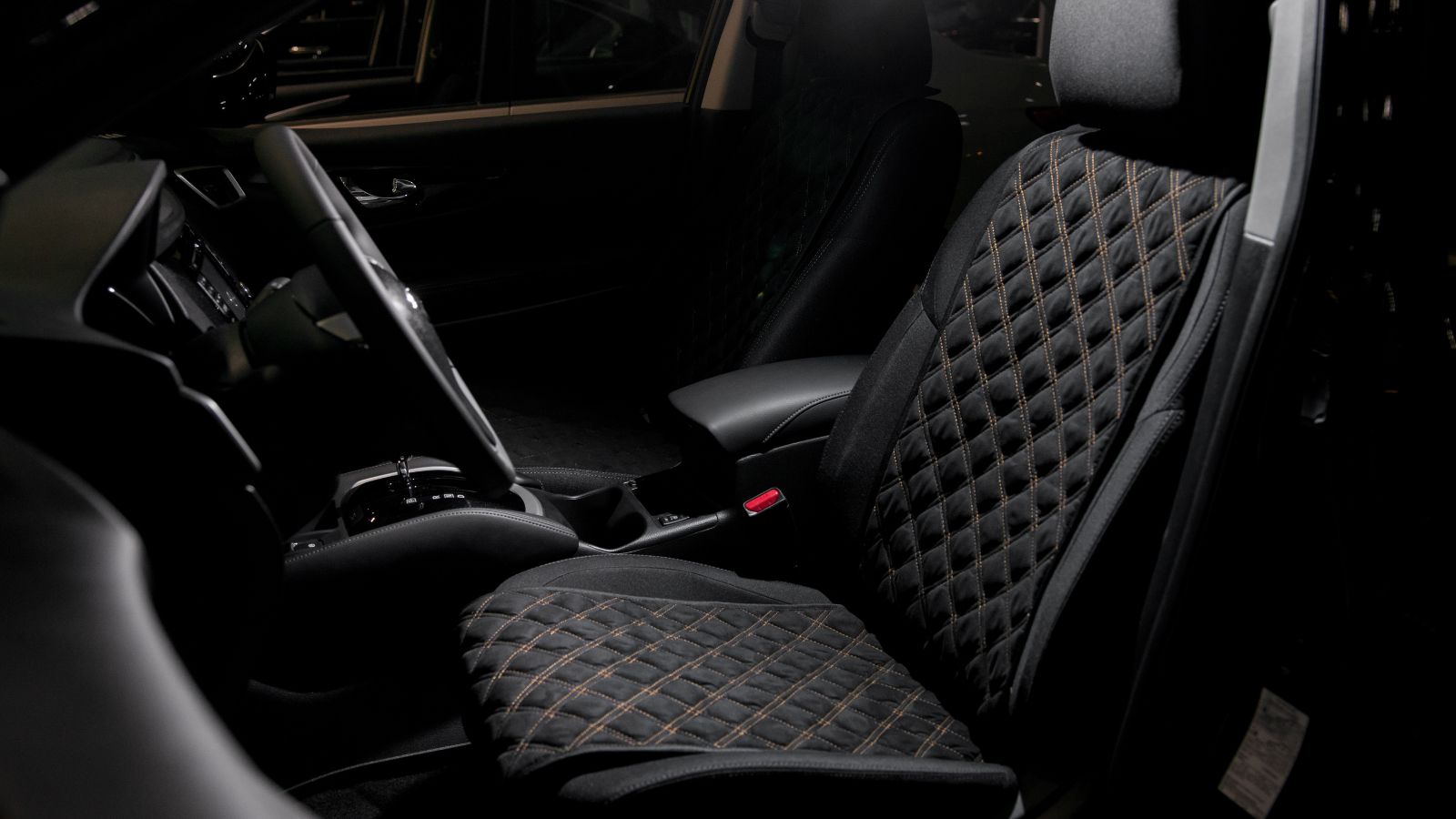
Seats dominate a cabin visually, but their test begins after a few minutes. Upholstery that looks convincing from across a showroom can feel thin, plasticky, slippery, or poorly supported once someone settles in. Research comparing natural and synthetic automotive leathers has found differences in tactile perception, and seat-comfort studies also recognize material choice, cushioning, pressure distribution, and surface properties as contributors to the overall experience. A premium badge does not automatically solve those details.
The mismatch is noticeable when decorative stitching or perforation suggests luxury while the underlying foam feels flat or the surface becomes clammy. Conversely, well-chosen cloth can feel more substantial than poorly executed leatherette. The expensive-car effect depends less on whether a seat uses a prestigious material name and more on whether the entire assembly feels considered. If the cushion compresses awkwardly, the bolsters feel hollow, or the upholstery seems loosely fitted, the cabin can lose credibility.
Too Much Road and Tire Noise
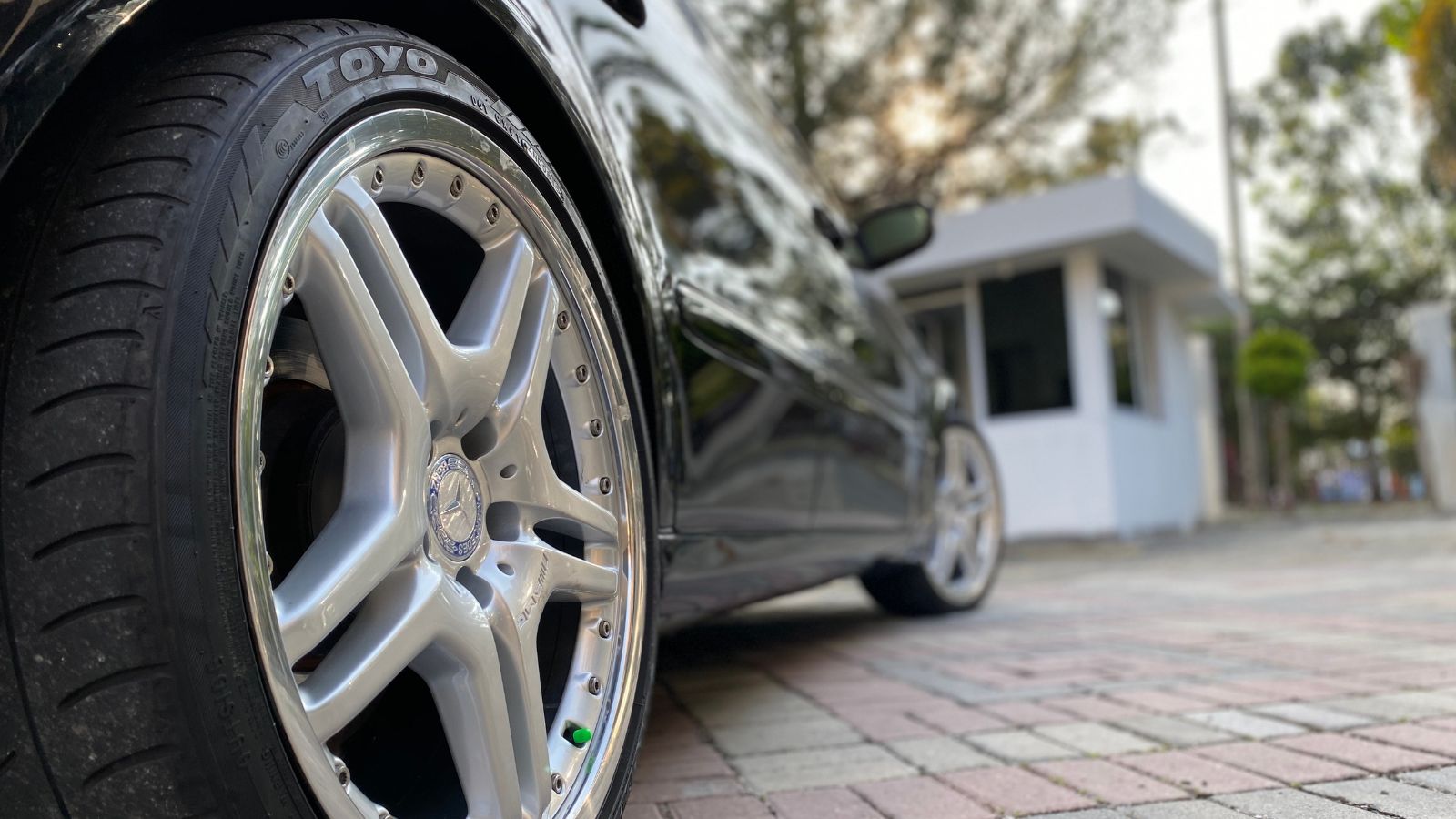
Quietness is one of the clearest ways a vehicle communicates refinement. Consumer Reports evaluates engine, road, tire, and wind noise in its road testing, while automotive NVH engineering treats those sounds as contributors to comfort and perceived quality. Car and Driver measures cabin loudness using both decibels and sones, a scale reflecting perceived loudness more directly. Its testing showed differences between vehicles cruising at the same highway speed.
A costly car does not need to be silent, if it is deliberately sporty, but unwanted tire roar can make the structure feel less insulated and less expensive. Rough pavement is revealing: if conversation requires raised voices or the audio system must work harder, the cabin loses its sense of isolation. Luxury is partly the absence of intrusion. When tire noise floods through the floor and wheel wells, premium materials elsewhere have to fight much harder for attention during long journeys, too.
Wind Noise Around the Glass and Mirrors

A highway-speed whistle can undo expensive engineering. Wind noise often comes from airflow around mirrors, pillars, glass, door frames, and sealing systems. Research on vehicle aerodynamics and door sealing shows these areas contribute measurably to interior sound. One door-and-window sealing study examined how different sealing strips affect cabin wind noise, while other work has linked side-door window sealing performance to customer perception of vehicle quality.
Not every whisper indicates a defect. Rather, wind noise breaks the sense that the cabin is sealed off from the outside world. It can also draw attention to one corner of the vehicle, making occupants wonder whether a gasket, window, or door is poorly fitted. At premium prices, expectations rise. A car that feels calm at 50 km/h but develops a conspicuous hiss at motorway speeds can seem less polished than its showroom presentation suggested, especially during long-distance cruising in otherwise calm conditions at speed.
A Ride That Feels Busy Instead of Controlled

Firm suspension is not automatically cheap. Performance cars may deliberately transmit more road information, and some buyers prefer that character. The difference is control. An expensive vehicle feels poorly resolved when bumps create repeated vertical motions, sharp impacts reach the cabin, or the body never quite settles after a rough patch. Consumer Reports has criticized luxury vehicles when ride stiffness conflicts with the comfort and refinement expected in their class, showing sophisticated suspension hardware does not guarantee a polished result.
A well-tuned ride makes difficult roads feel managed rather than ignored. Dampers, springs, tires, bushings, seat design, and body structure shape what occupants experience. When those elements work together, a firm car can feel expensive because responses are clean and predictable. When they do not, the vehicle may feel as though every pothole passes through the chassis. That sensation can make an otherwise luxurious cabin seem thin-skinned and unfinished overall.
A Slow or Glitchy Infotainment System

Nothing dates an expensive cabin faster than a screen that hesitates after taps. Infotainment now controls navigation, media, climate functions, vehicle settings, connectivity, and some driving features, so poor responsiveness is encountered constantly. J.D. Power’s 2026 U.S. Initial Quality Study found infotainment was the only category with increased reported problems, recording 44.4 problems per 100 vehicles in mass-market models and 38.3 in premium models. Connectivity issues were a major contributor.
A beautiful display cannot compensate for menus that freeze, delayed responses, or wireless phone integration that drops. Consumer Reports has also documented owner frustration with slow systems, convoluted menus, and touch-sensitive controls that are difficult to use while driving. The problem becomes psychological and practical: a lagging interface feels like outdated consumer electronics bolted into an expensive product. When a smartphone responds instantly but the car needs repeated presses, the cabin’s technological sophistication starts to feel more decorative than real.
Blurry Cameras and Low-Resolution Displays
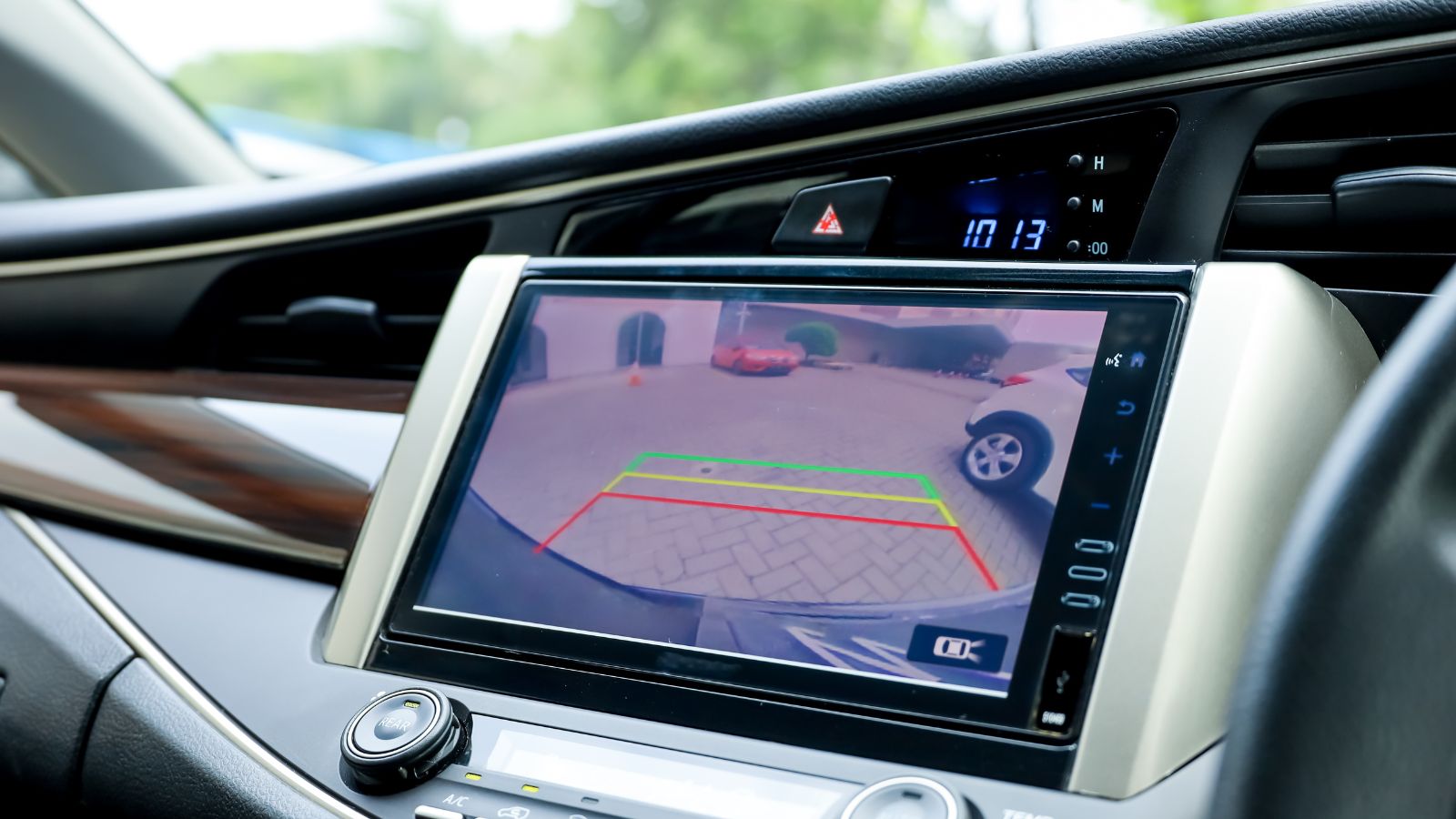
Large screens create an expectation of clarity. When the panel is bright but the reversing camera looks grainy, washed out, or poorly stitched, the contrast can make the system feel cheaper. Camera quality depends on resolution plus lighting, lens cleanliness, processing, dynamic range, and calibration matter too—but sharp presentation has become a marker of modern execution. Car and Driver has noted how newer 360-degree systems can blend multiple camera views so effectively that the stitching is difficult to notice.
The opposite is easy to recognize: jagged parking lines, muddy nighttime images, delayed video, or a camera feed that looks worse than the central display itself. High-end cabins use crisp digital clusters and detailed interfaces, so weak imaging stands out more than it once did. Wards has praised high-resolution in-car displays as part of strong user experience. In an expensive vehicle, outdated imaging can make expensive hardware feel one generation behind.
Thin Carpeting and a Basic Headliner
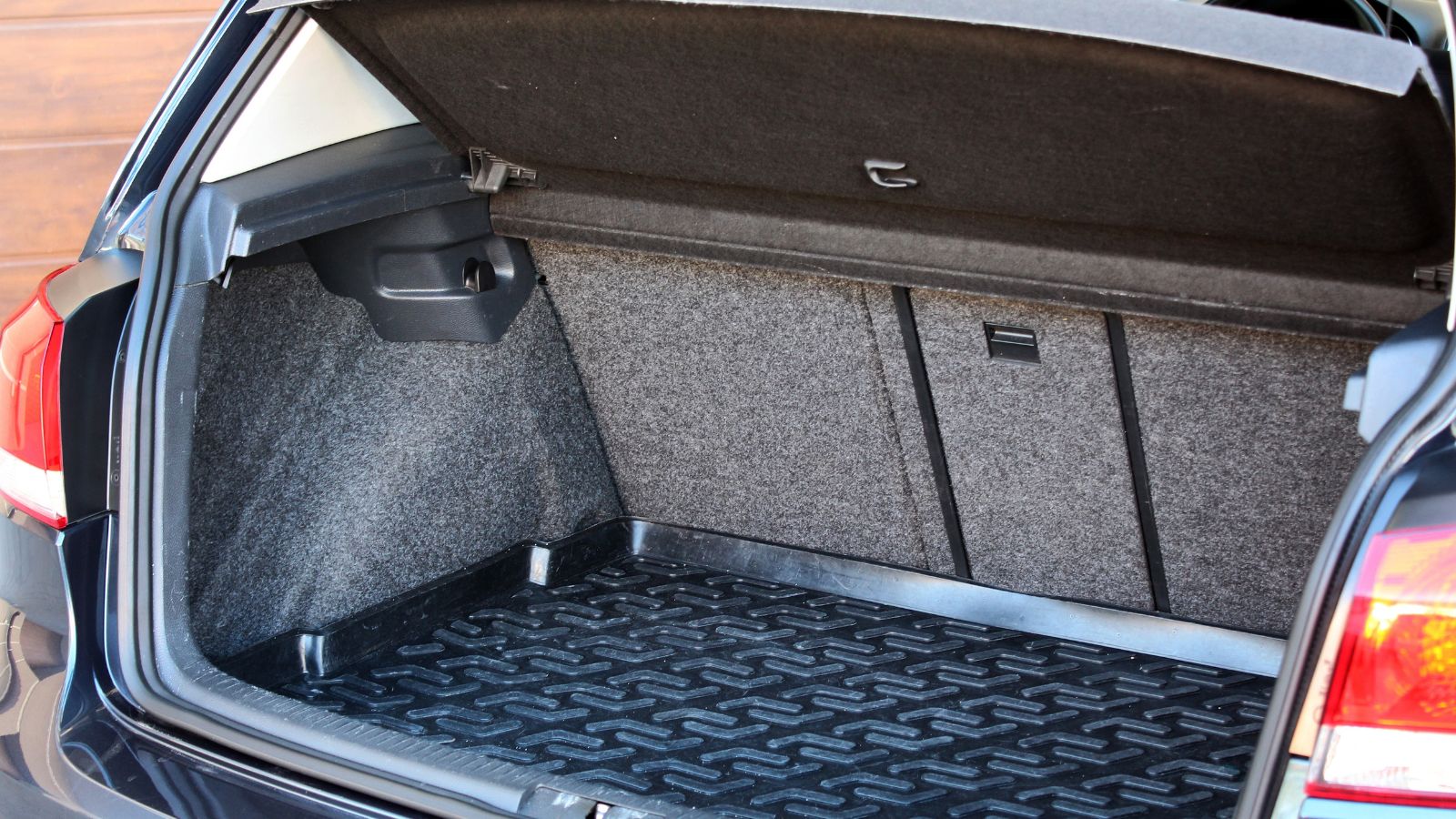
Luxury perception does not stop at eye level. Materials overhead, underfoot, behind the rear seats, and in the cargo area affect how complete the cabin seems. Wards has praised interiors for high-quality woven headliners, finished carpeting, and padded surfaces extending into less obvious areas. Those details suggest the level of attention was applied beyond the dashboard and front seats.
Cost cutting becomes obvious in the opposite case. A rough headliner, exposed edges, lightweight cargo carpeting, or hard seatbacks can make a costly vehicle seem as though the design budget ran out halfway through the cabin. These surfaces may not affect performance, yet they shape the sense of craftsmanship every time luggage is loaded or a rear passenger looks around. Premium feel often comes from consistency. If the front half of the cabin is well trimmed while secondary areas are plainly finished, the contrast can be worse than uniformly modest materials.
Piano-Black Trim That Ages Almost Immediately
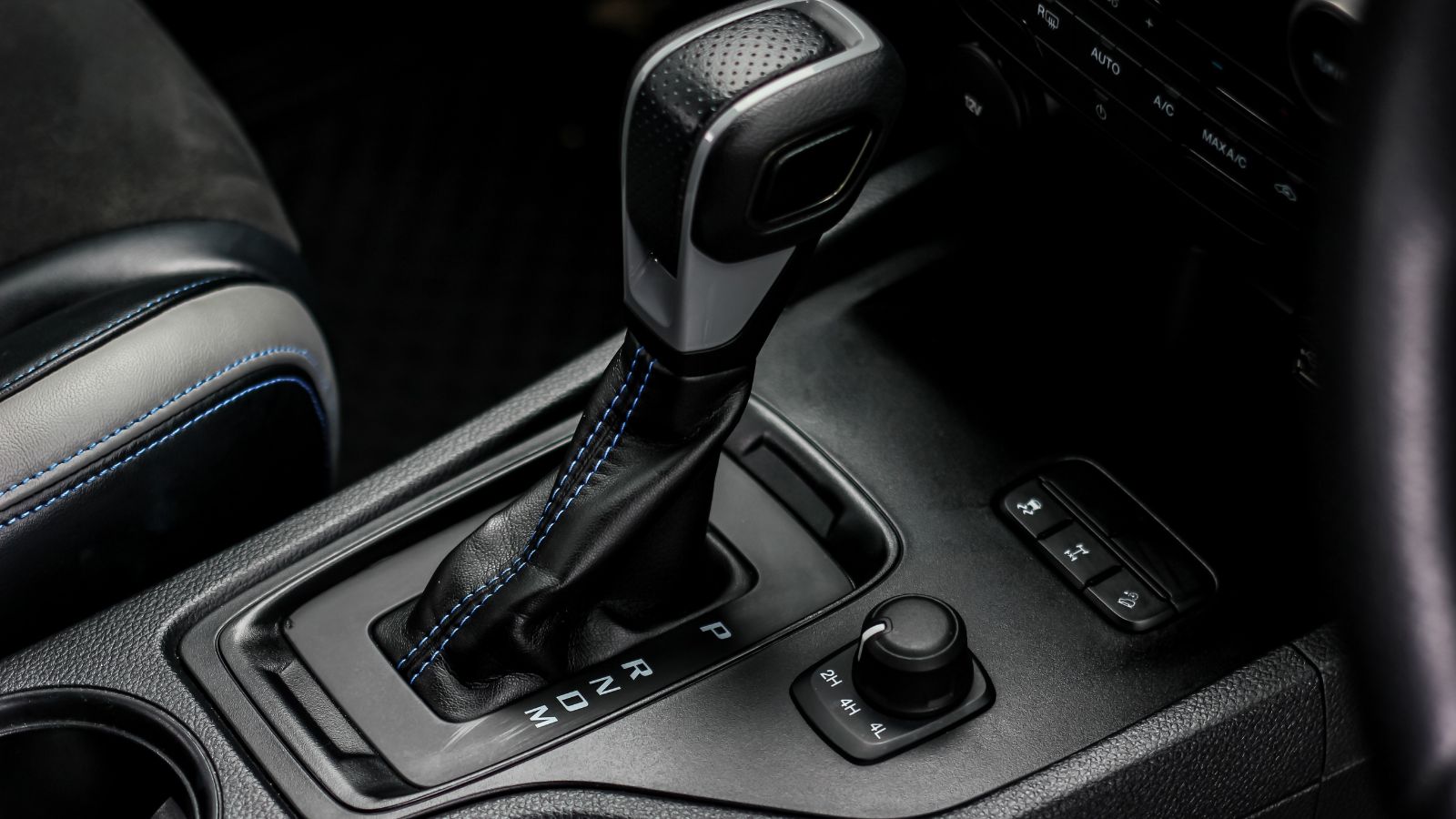
Glossy black trim can look dramatic under showroom lighting, but it has a weakness: fingerprints, dust, fine scratches, and reflections become visible. Consumer Reports has criticized shiny black interior trim because it scratches easily and shows smudges, while AutoTrader has noted test vehicles developing fine scratches after only a few thousand kilometres. That means a surface chosen to look upscale can quickly produce the opposite impression once normal use begins.
The problem is severe around shifters, cupholders, door pulls, and touch controls, where hands repeatedly make contact. Constant wiping can create additional micro-scratches, leaving swirls visible in sunlight. Automakers and suppliers have developed coatings intended to improve fingerprint and scratch resistance, which shows how real the durability challenge is. Matte plastics, textured finishes, real metal, or open-pore materials often age more gracefully. When glossy trim becomes cloudy and scratched early, the interior can look older than the vehicle actually is.
Interior Lighting That Feels Harsh or Uneven
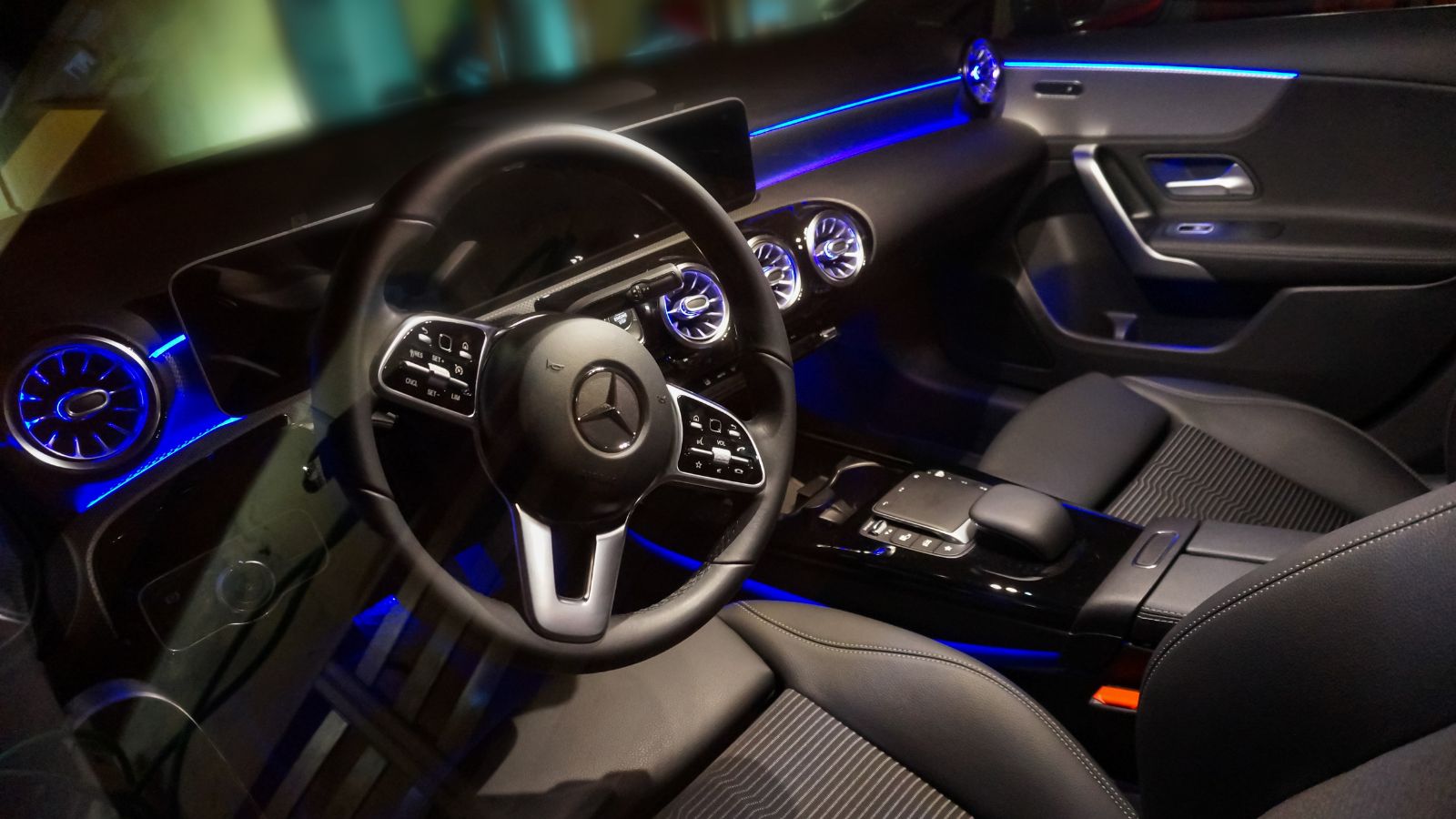
Ambient lighting may seem decorative, but research on automotive perceived quality suggests illumination affects how occupants judge the interior. Research examines vehicle-lighting preferences because brightness, distribution, colour, and integration can change the way materials and shapes are perceived. Good lighting reveals design deliberately; poor lighting can make even expensive surfaces look flat, plasticky, or unfinished after dark.
Cheapness often comes from inconsistency. One area may glow softly while another is illuminated by a harsh point source, or dashboard lighting may clash with stark white lamps elsewhere. Exposed LED hotspots and uneven light guides can distract because they reveal the hardware instead of creating an atmosphere. Premium execution hides the source and lets the light wash across surfaces evenly. When illumination looks like an accessory added late in development, it can make a sophisticated cabin feel like a modified economy car rather than a cohesive, carefully resolved luxury product at night.
A Noisy Climate-Control System
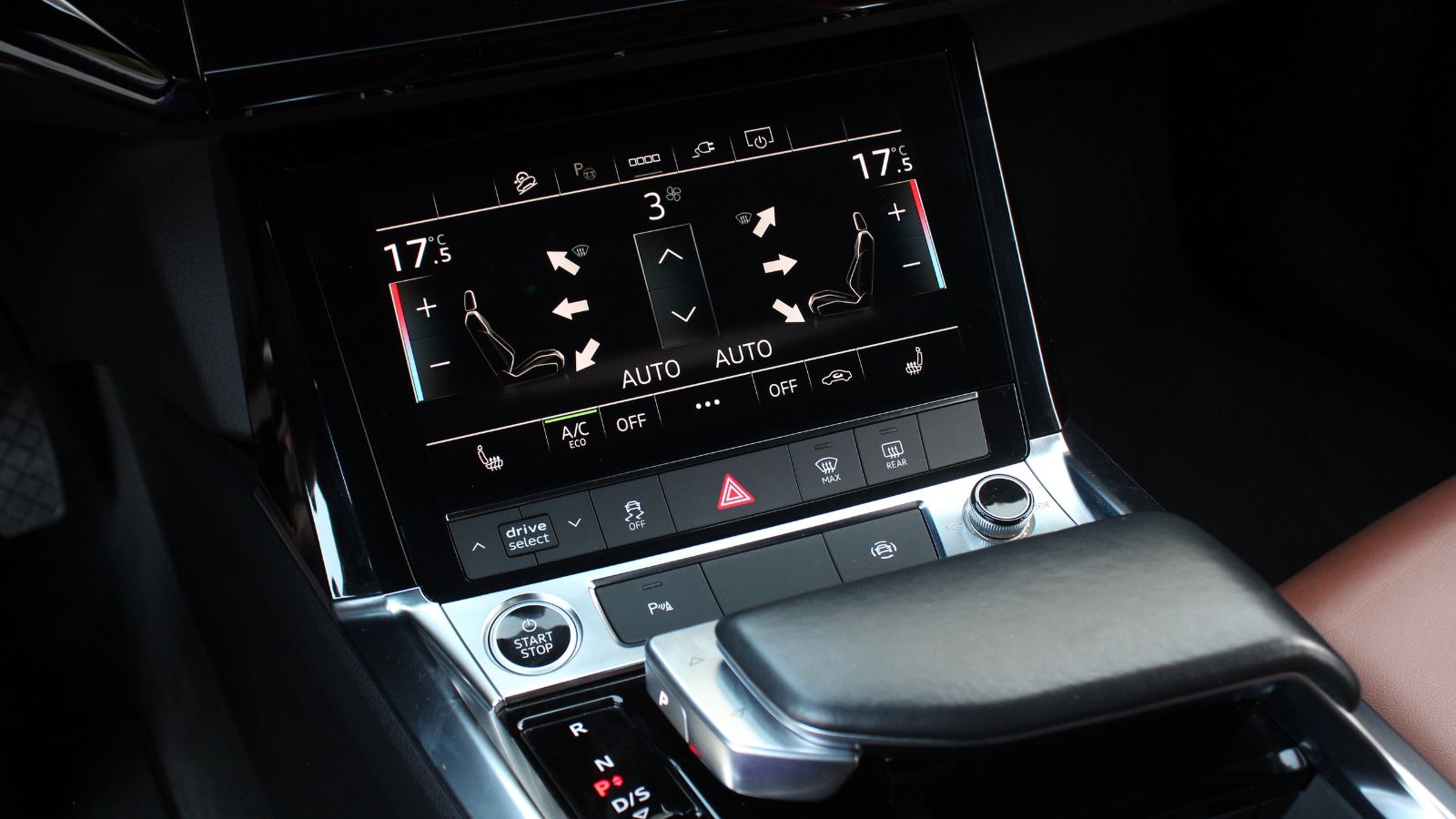
Climate control is supposed to disappear into the background. When the blower produces a coarse rush, high-pitched whine, or resonance at certain fan speeds, occupants notice the system instead of comfort. Research on automotive HVAC sound quality has found that HVAC noise contributes to perceived cabin quality and comfort. This matters especially in quiet hybrids and electric vehicles, where there is less engine noise available to mask fans, pumps, and airflow.
An expensive car can feel basic on a hot day when the fan is working hard. The issue is not volume alone. Sound character matters: smooth airflow tends to be less intrusive than tonal whines, rattles, or abrupt changes in pitch. Engineers use psychoacoustic and subjective evaluations to tune these systems for pleasantness. When that work is successful, passengers barely think about the HVAC. When it is not, the dashboard can sound like a desktop fan sitting inches away.
Rear Seats That Reveal the Cost Cutting
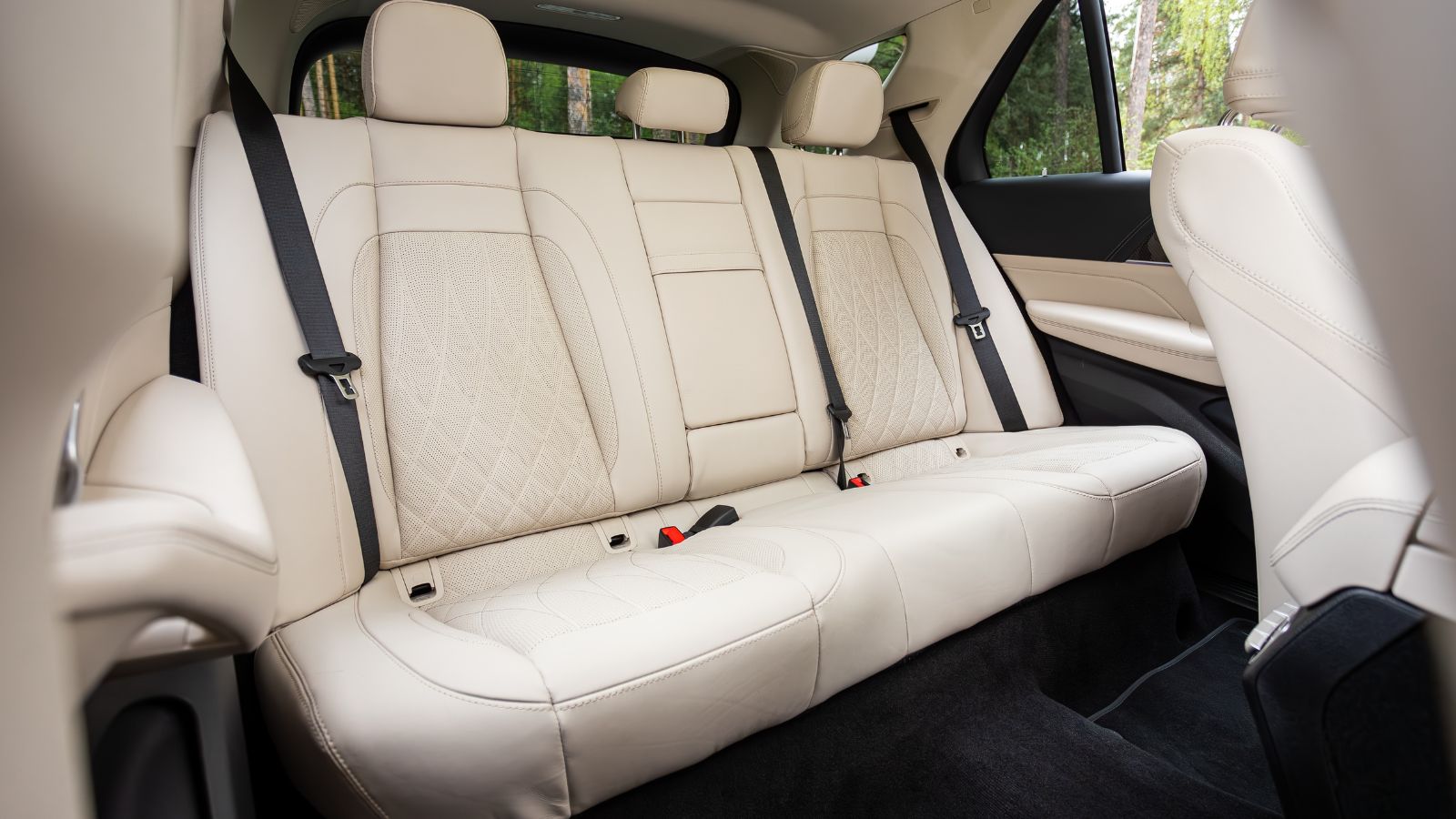
The front row usually receives the best materials because owners and shoppers spend the most time there. The rear cabin can expose cost cutting quickly. Hard door tops, plain seatbacks, missing trim, cheaper carpeting or simplified lighting may be acceptable in an economy car, but they stand out when the purchase price is high. Wards has specifically praised vehicles that carry padding and quality materials into the rear compartment.
Consistency matters because premium vehicles are often bought partly for passengers. A rear occupant seeing bare-looking plastics while the driver is surrounded by stitched surfaces gets a different message about where the money was spent. Car and Driver praised the 2027 Lincoln Nautilus because its second-row accommodations remain luxurious rather than dropping sharply in quality. The lesson is simple: an expensive cabin feels convincing when craftsmanship continues past the front seats. If it stops abruptly, the illusion of luxury does too.
Surfaces That Wear, Peel, or Shine Too Soon
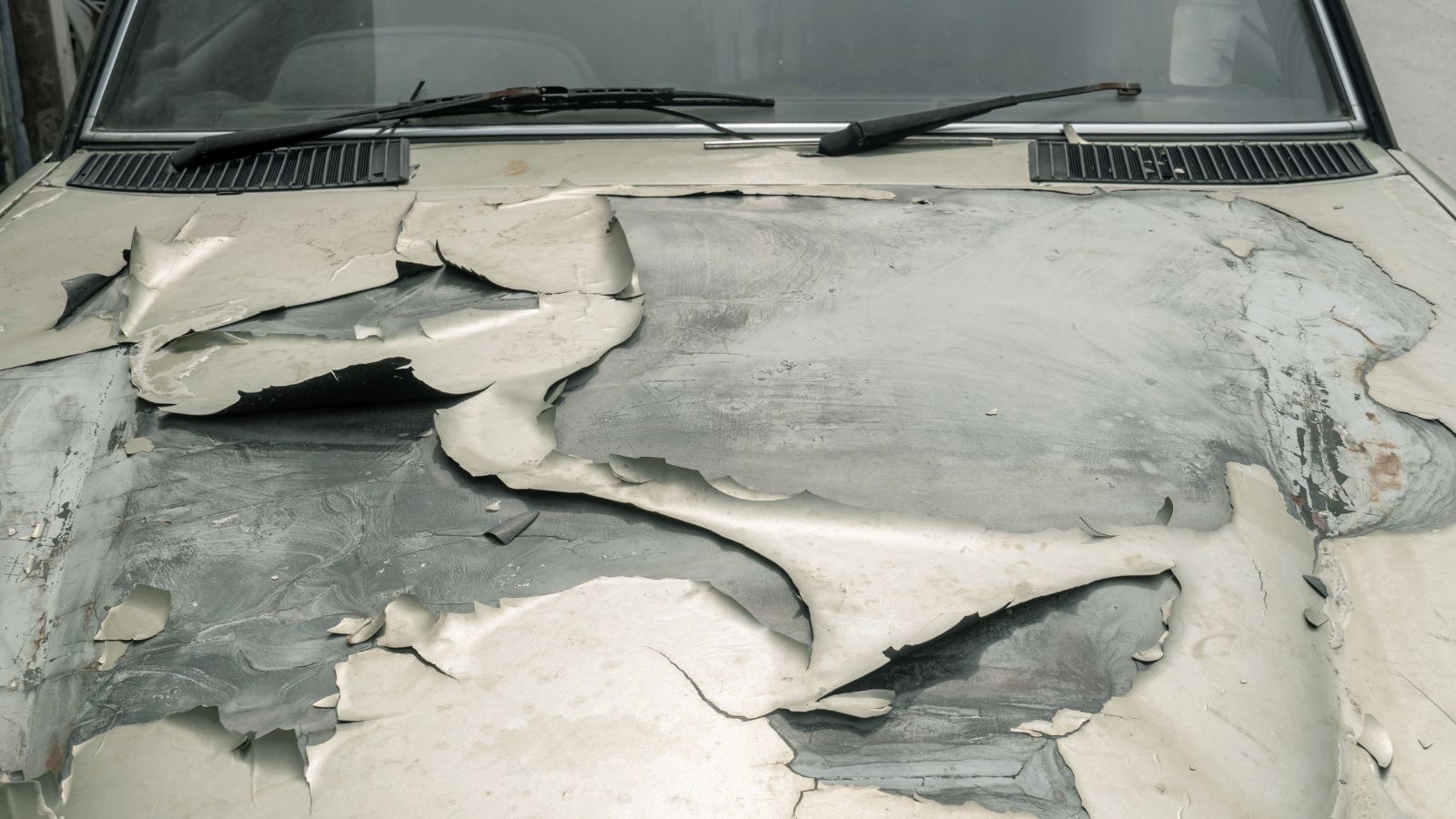
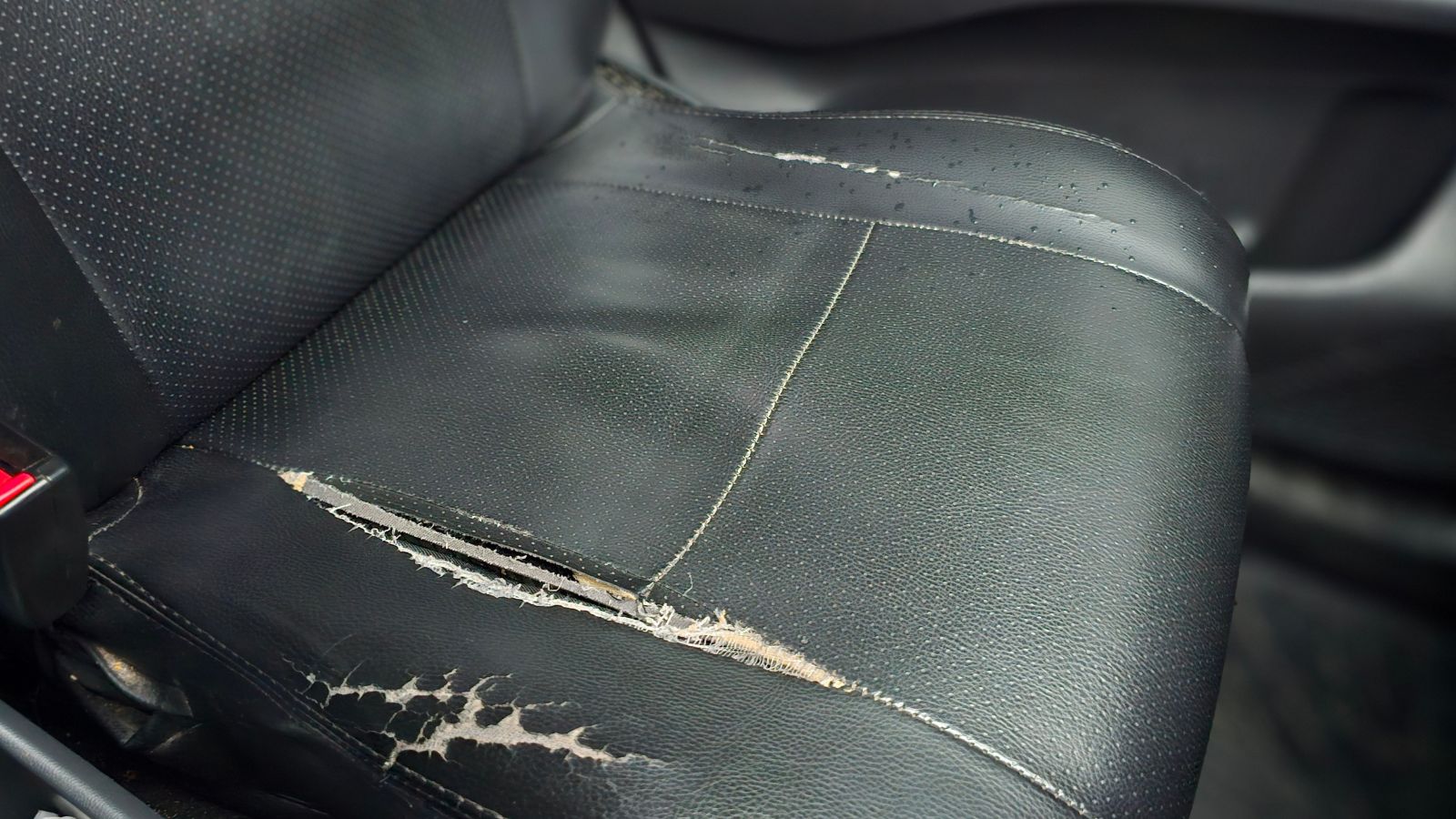
A new interior can hide weak durability. The real test comes after entries, exits, button presses, cleaning cycles, heat, and cold. Soft-touch coatings, seat bolsters, steering-wheel finishes, painted buttons, and glossy trim face abrasion and skin oils. Coatings research shows why manufacturers balance tactile softness against scratch, stain, and abrasion resistance; softer-feeling finishes can require careful chemistry to remain durable over time.
Premature wear makes an expensive car feel cheaper as it changes the story from “luxury” to “cost cutting.” Consumer Reports has published owner complaints describing carpets and upholstery showing wear early, illustrating how quickly appearance can influence satisfaction. A shiny steering wheel, peeling coating around a door pull, or faded seat bolster may not affect function, but each touch becomes a reminder of deterioration. Premium materials earn their reputation by aging gracefully. When visible wear arrives before the mechanical components feel old, the cabin can seem disappointingly disposable.
19 Used Cars Canadians Should Avoid in 2026 (Based on Owner Complaints)

Buying a used car in Canada can feel safe until repair bills start stacking up. Owner complaints tell a different story than glossy listings. Transmission failures, electrical problems, and weak winter reliability show up again and again in consumer reports. Many of these issues appear after warranties expire, when owners least expect them. Some vehicles look affordable upfront, but become expensive to keep on the road. Others struggle in cold weather, urban driving, or long highway commutes. Here are 19 used cars Canadians should avoid in 2026 (based on owner complaints).
19 Used Cars Canadians Should Avoid in 2026 (Based on Owner Complaints)

Alanna Rosen is an experienced content writer that focuses on many EV and educational content. Her articles are regularly published on Get CyberTrucked and syndicated on large publications.