Most vehicles blend into traffic without attracting much attention. Others stand out because something about their equipment, visibility, condition, or movement suggests a possible traffic-safety issue. That does not mean an unusual-looking car is suspicious, nor does any single detail automatically justify enforcement action. Traffic rules also differ considerably by province, state, and municipality.
Still, police routinely watch for observable safety and traffic violations, from unreadable licence plates to dangerous driving. Canadian road-safety rules offer especially clear examples of what officers may notice. These 19 things explain why an otherwise ordinary vehicle can earn a second glance—and why many of the issues are less about appearance than visibility, roadworthiness, and how the vehicle is being driven.
An Obscured or Unreadable Licence Plate
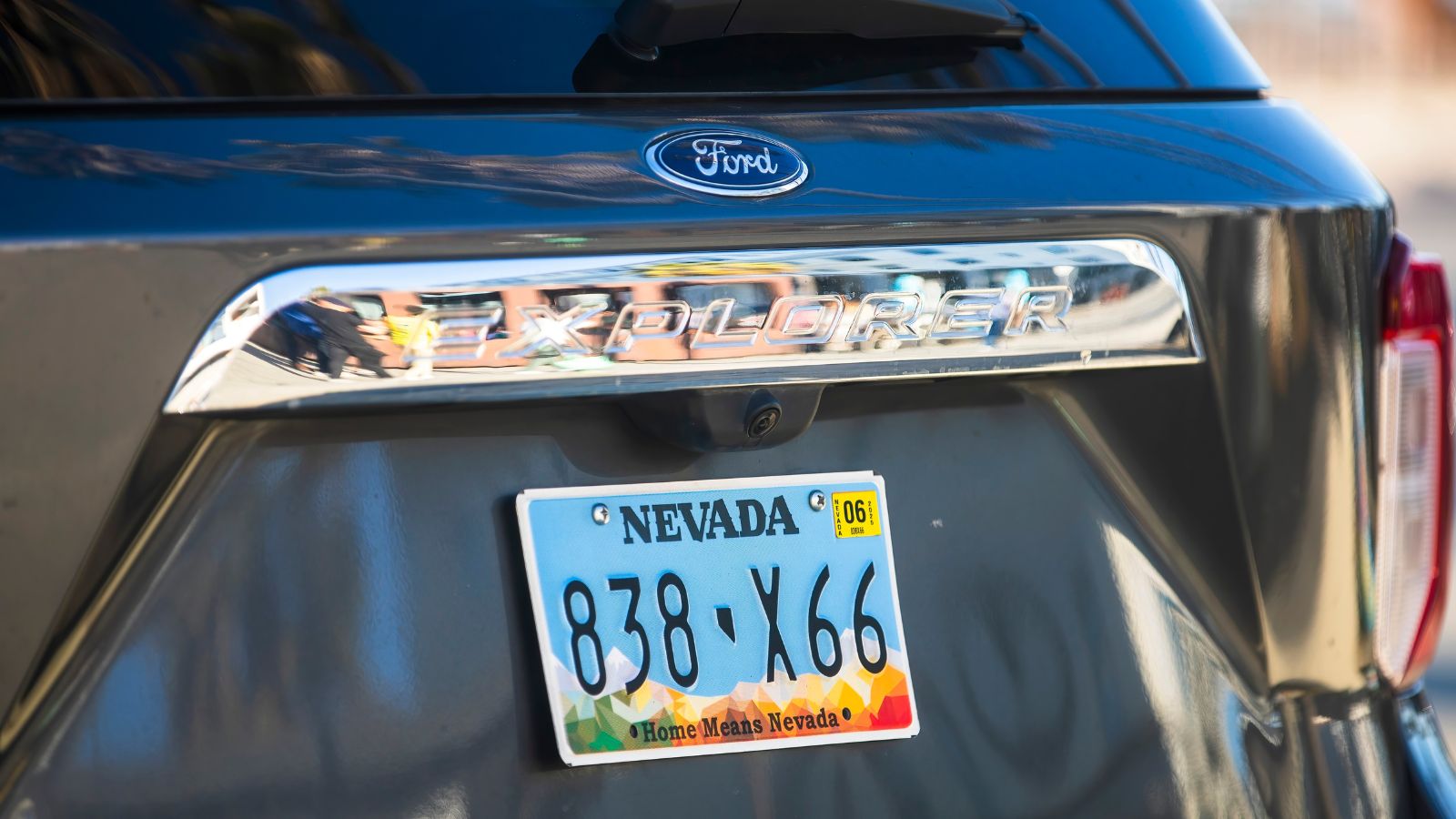
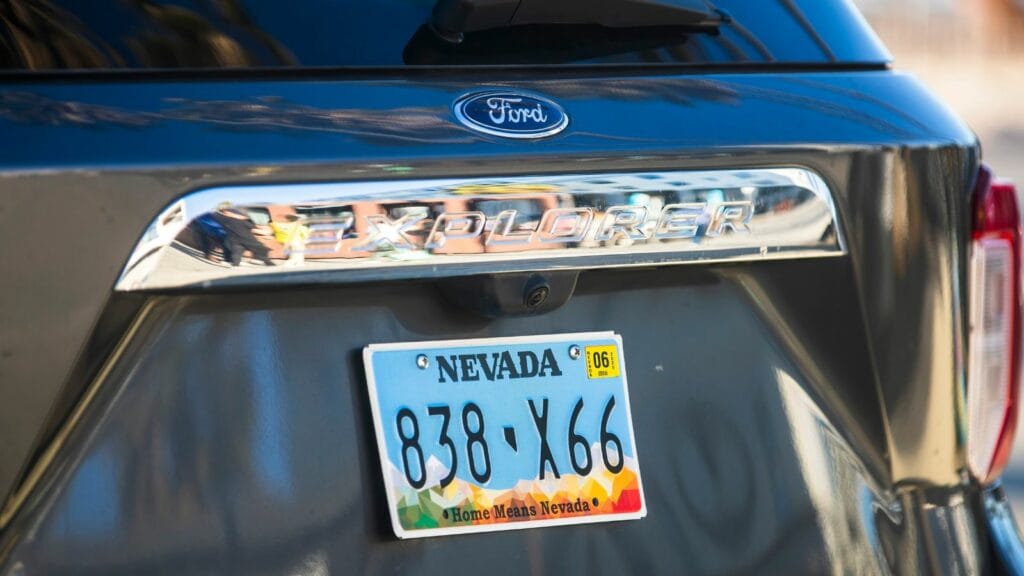
A licence plate is supposed to identify a vehicle quickly and clearly. When mud, snow, a decorative cover, a bicycle rack, or another object makes the characters difficult to read, the vehicle can become much more noticeable to an officer. In British Columbia, for example, regulations require number plates to remain entirely unobstructed and free of dirt or foreign material that prevents identification.
That means a perfectly ordinary family crossover can attract attention after a winter drive if road grime has turned the rear plate into a grey rectangle. The same principle can apply to tinted plate covers or frames that intrude over characters. Exact requirements vary by jurisdiction, but plate visibility is a basic enforcement issue throughout Canada. Importantly, an obscured plate is not evidence that the driver is doing anything more serious. Often the explanation is simply weather, neglect, or an accessory installed without realizing it affects readability.
A Burned-Out Headlight or Taillight
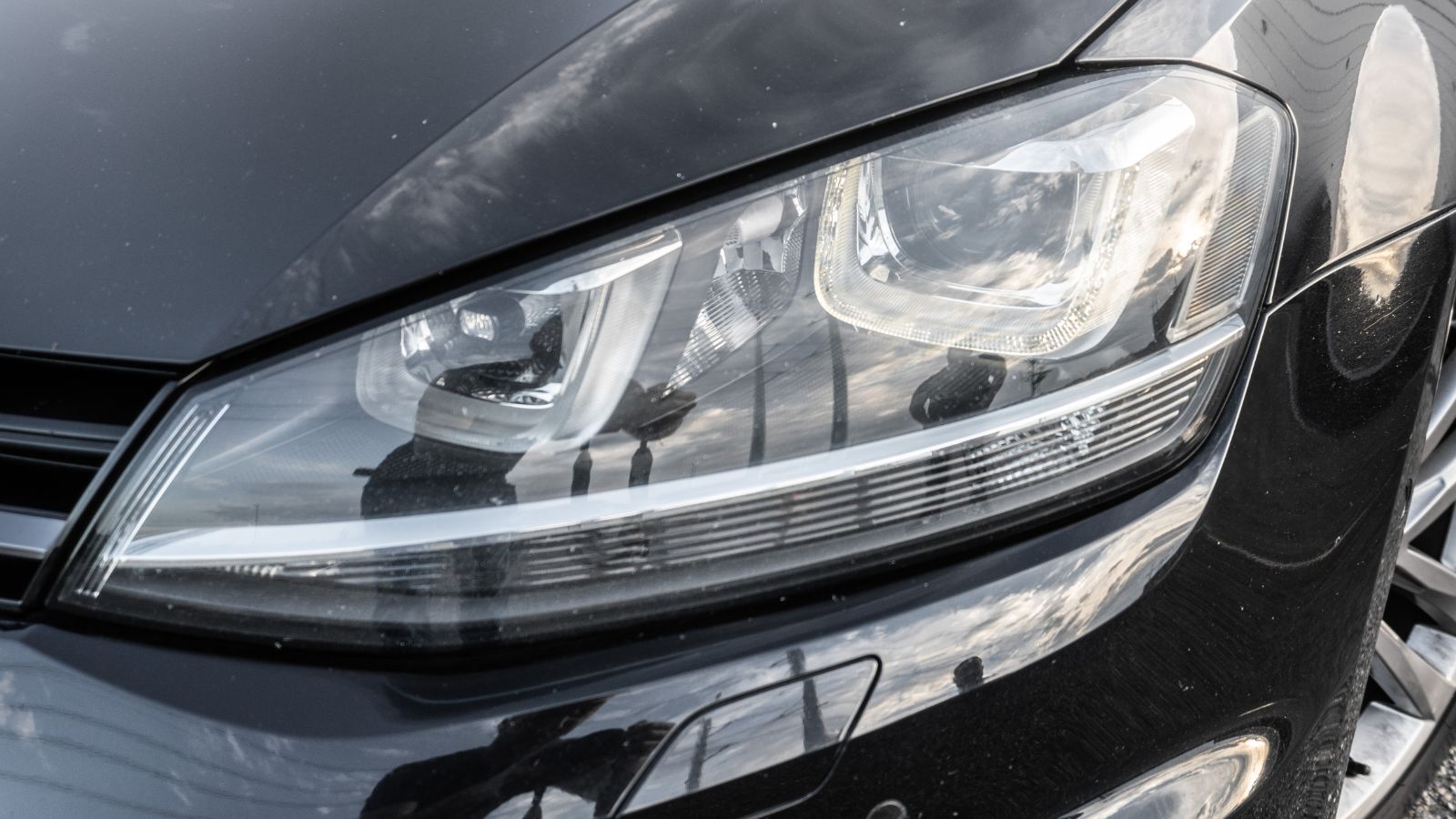
Few vehicle defects are easier to spot at night than a missing headlight, taillight, or brake light. Lighting rules exist because other road users depend on those lamps to judge a vehicle’s position, width, direction, and whether it is slowing. British Columbia’s regulations, for example, require specified lighting equipment to be maintained in good working order and prohibit required lamps from being obscured.
A burned-out bulb can therefore turn an otherwise invisible commuter car into something visually distinctive. From behind, one functioning brake light instead of two may become obvious every time traffic slows. From the front, a vehicle with only one headlamp can even resemble a motorcycle at a distance. The issue is generally practical rather than dramatic: officers conducting traffic enforcement routinely look for equipment that affects visibility. Drivers often discover a failed rear bulb only after someone else points it out, because many lighting failures are impossible to notice from the driver’s seat.
Window Tint That Appears Excessively Dark
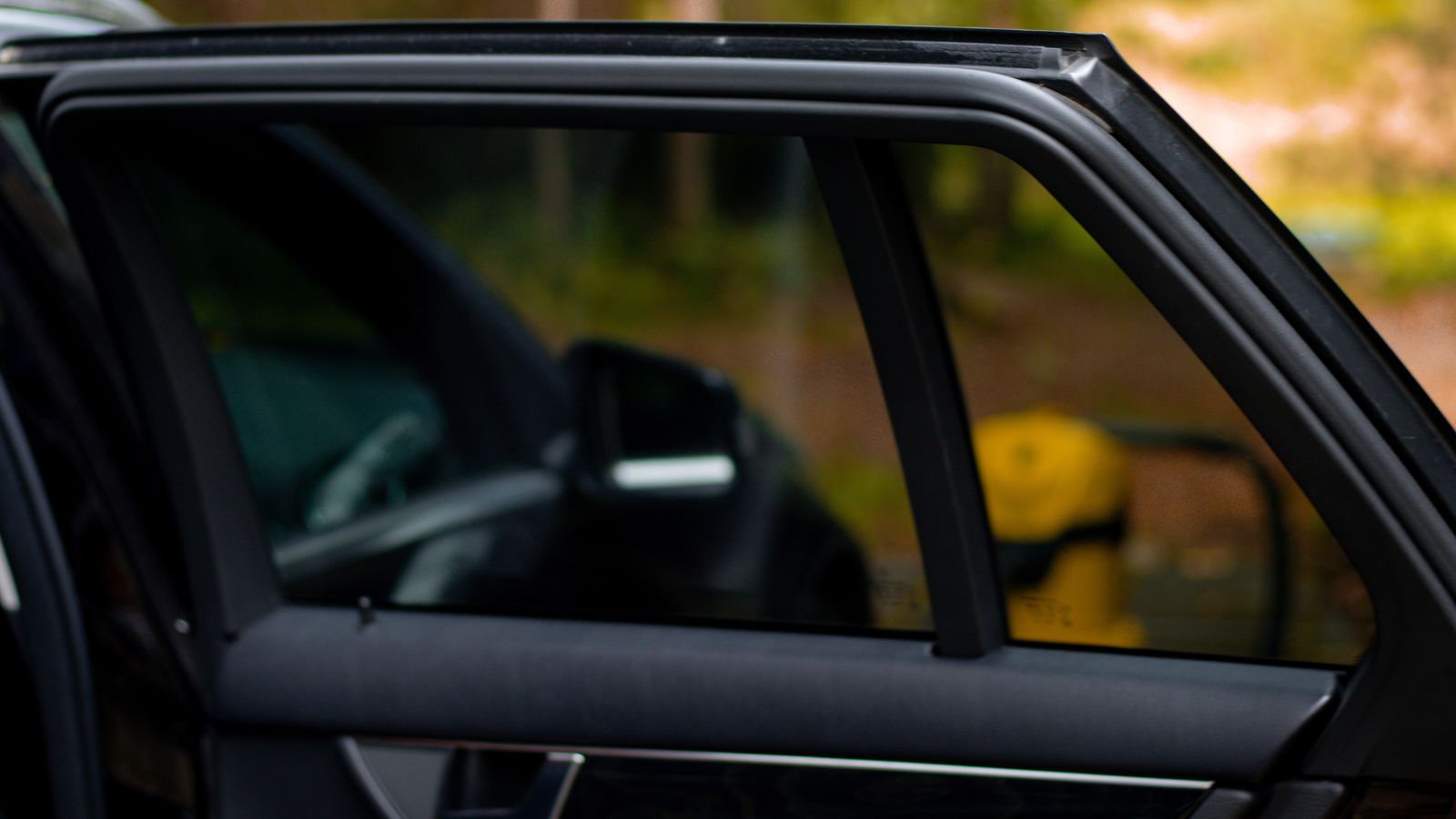
Dark tint changes what an officer—and everyone else on the road—can see through a vehicle. Regulations differ sharply between jurisdictions, particularly for front side windows and windshields. In British Columbia, material that reduces light transmission generally cannot extend down most of the windshield or cover the side windows beside the driver, while rear-window treatment is handled differently.
That makes extremely dark front glass an obvious visual cue. A factory-tinted rear passenger area on an SUV may be completely lawful while similar-looking film applied to the driver’s window may not be. Tint can also make nighttime communication difficult during a traffic stop because occupants’ movements become harder to see. None of this means a dark-tinted vehicle is automatically involved in wrongdoing. The practical concern is compliance and driver visibility. Anyone installing aftermarket film should therefore check the rules where the vehicle is registered rather than assuming a tint level advertised elsewhere is locally legal.
Unusual Flashing or Coloured Lights
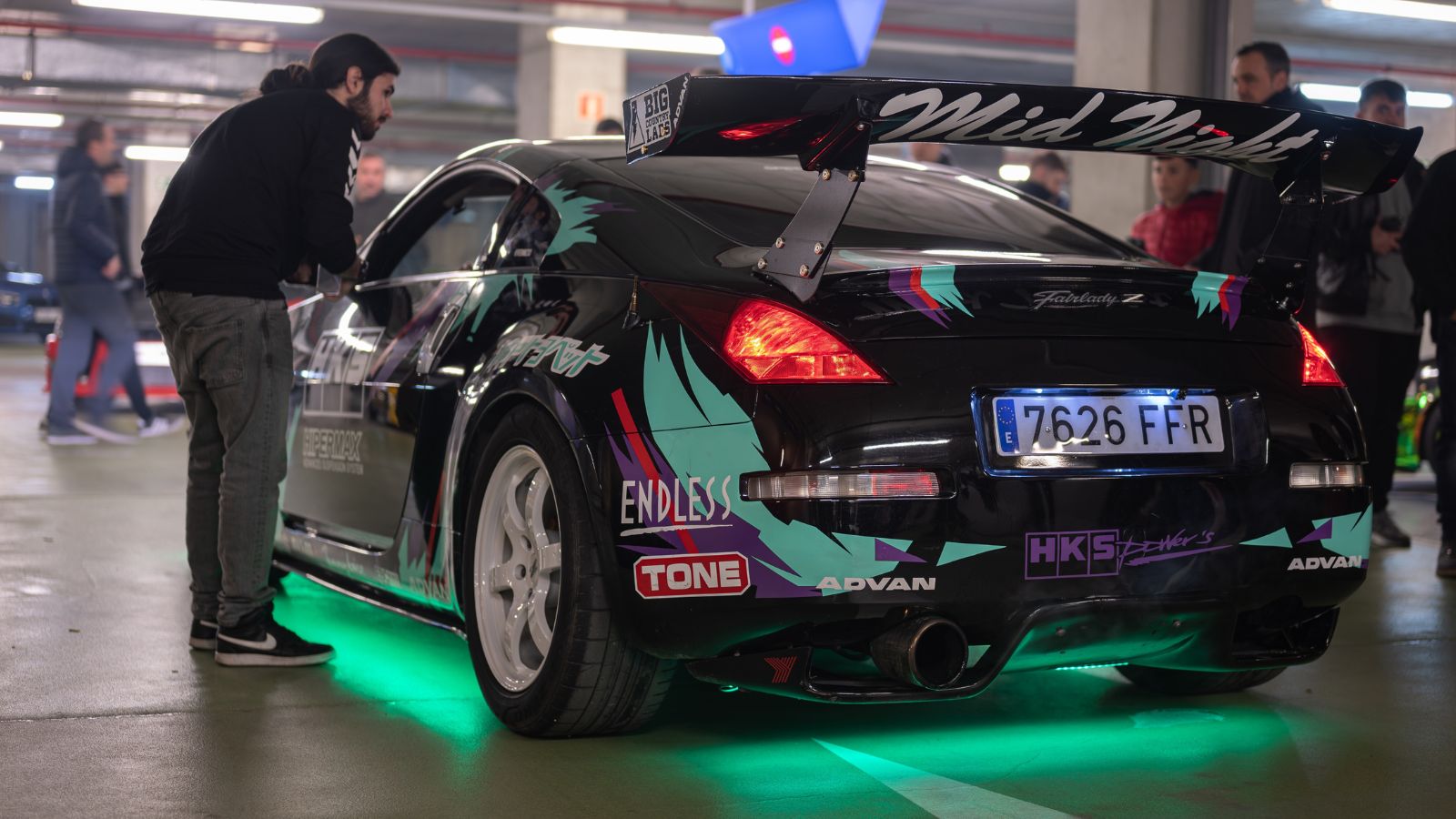
Aftermarket lighting can transform an ordinary sedan or pickup into something that is impossible to overlook. Flashing lamps, emergency-style colours, light bars, and certain decorative lighting are regulated because other drivers need to distinguish ordinary vehicles from police, fire, maintenance, and emergency vehicles. British Columbia, for example, restricts flashing lamps to authorized uses and requires vehicle lighting to comply with specified standards.
The reason is easy to understand on a dark highway. A powerful flashing light can cause another motorist to slow, yield, or assume an emergency vehicle is approaching. Even installations intended purely for appearance can create confusion if they resemble official warning equipment. Factory lighting generally goes through vehicle-safety certification, whereas aftermarket products can vary widely. Officers are therefore more likely to notice lighting that behaves unlike normal headlights, turn signals, brake lamps, or permitted auxiliary lamps. Legal rules depend on location, so an accessory allowed for off-road use may not necessarily be lawful on public roads.
An Exceptionally Loud Exhaust
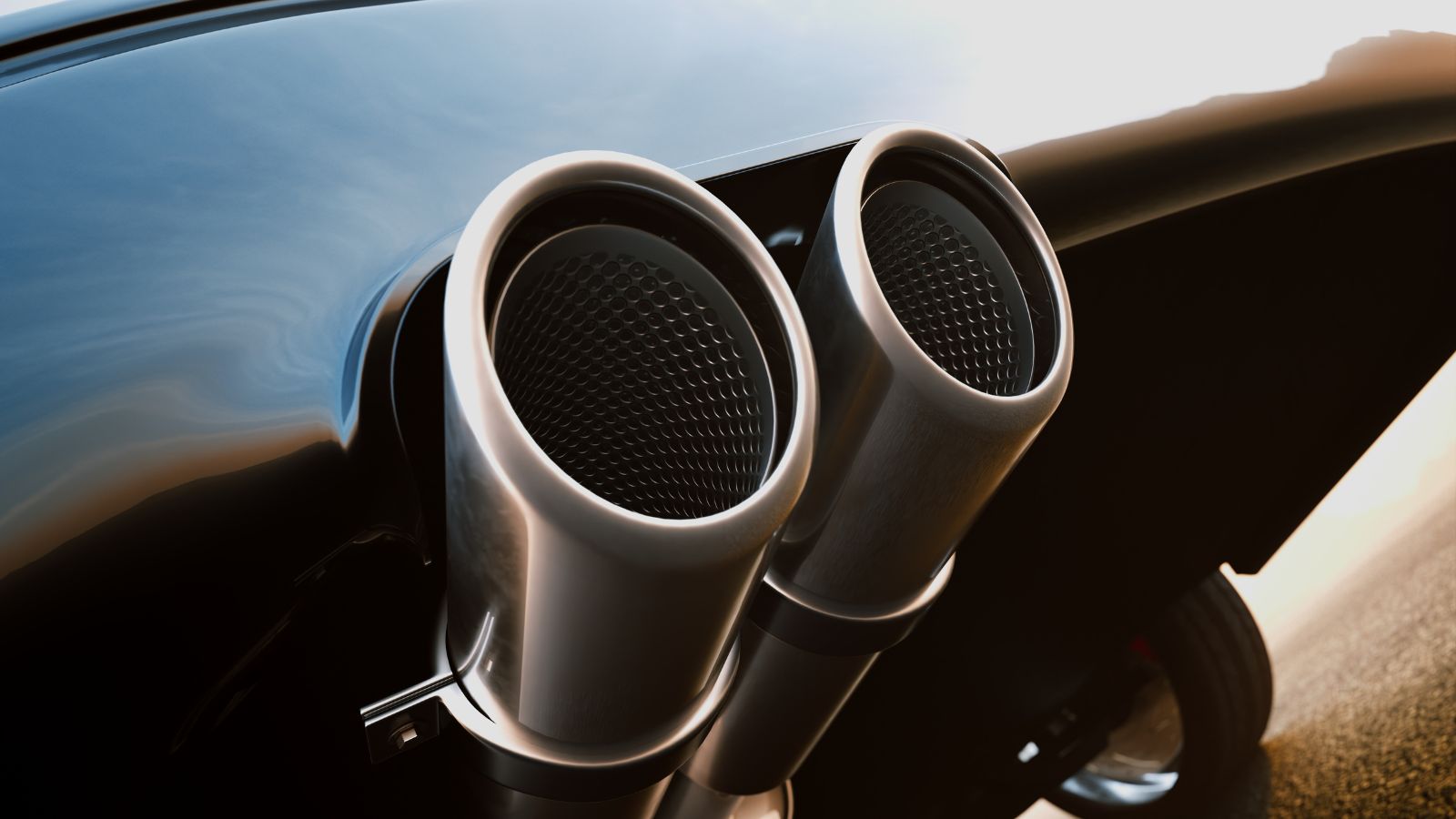
A vehicle does not have to be visually unusual to announce its presence from half a block away. Modified exhaust systems, missing mufflers, deliberate bypasses, and other changes capable of producing excessive noise are regulated in many jurisdictions. British Columbia’s vehicle regulations, for example, require internal-combustion vehicles covered by the rule to use an exhaust muffler designed to expel gases without excessive noise.
A loud exhaust can therefore attract attention before the vehicle itself comes into view. That does not mean every sports car or pickup with a deep exhaust note violates the law; some factory systems are naturally louder than others, and legal standards vary. The difference often involves whether equipment has been altered and whether local noise or vehicle-equipment requirements are being breached. Drivers sometimes inherit such modifications when purchasing a used vehicle and may not know exactly what previous owners changed. For police, however, unusually conspicuous exhaust noise can provide a straightforward reason to examine whether the vehicle meets applicable equipment rules.
A Windshield That Seriously Blocks the Driver’s View
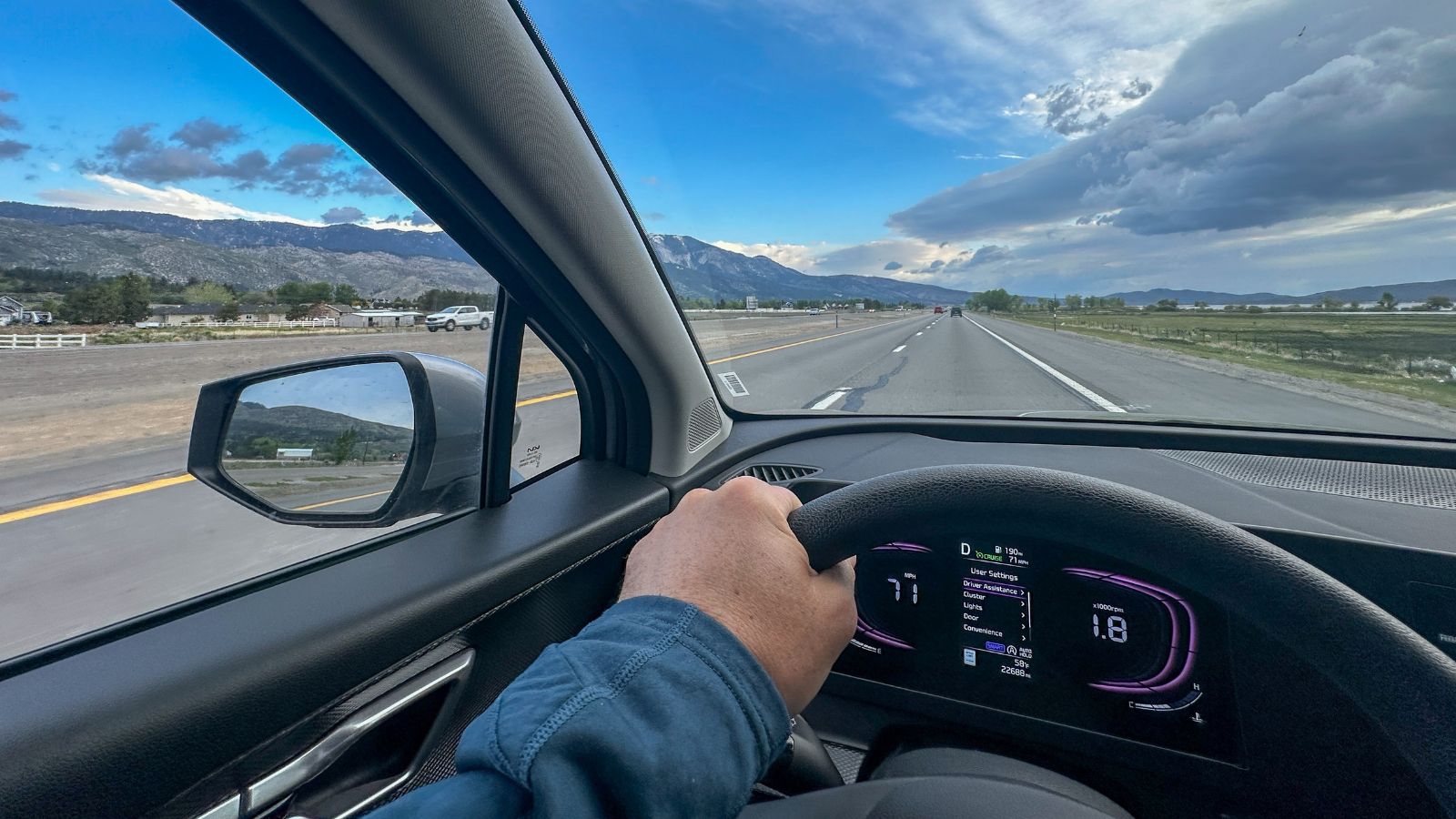
A small stone chip is common. A windshield covered by a large crack, heavy damage, opaque material, or objects that materially interfere with the driver’s view presents a different issue. Vehicle regulations generally focus on whether the driver can see the road safely. British Columbia specifically prohibits operating certain vehicles when the condition of the windshield or another window impairs the driver’s vision.
Imagine a crack that has spread directly across eye level, combined with grime and glare from a low winter sun. The problem is not simply cosmetic anymore; it may reduce the driver’s ability to identify pedestrians, traffic lights, or vehicles approaching from the side. The same concern can arise with badly placed stickers or other obstructions. Police do not treat every windshield blemish as remarkable, but obvious visibility problems can stand out during routine patrol. Repairing serious glass damage also has a practical benefit beyond compliance: clear sightlines become especially important at night, in rain, and around busy intersections.
Objects and Accessories Blocking Sightlines
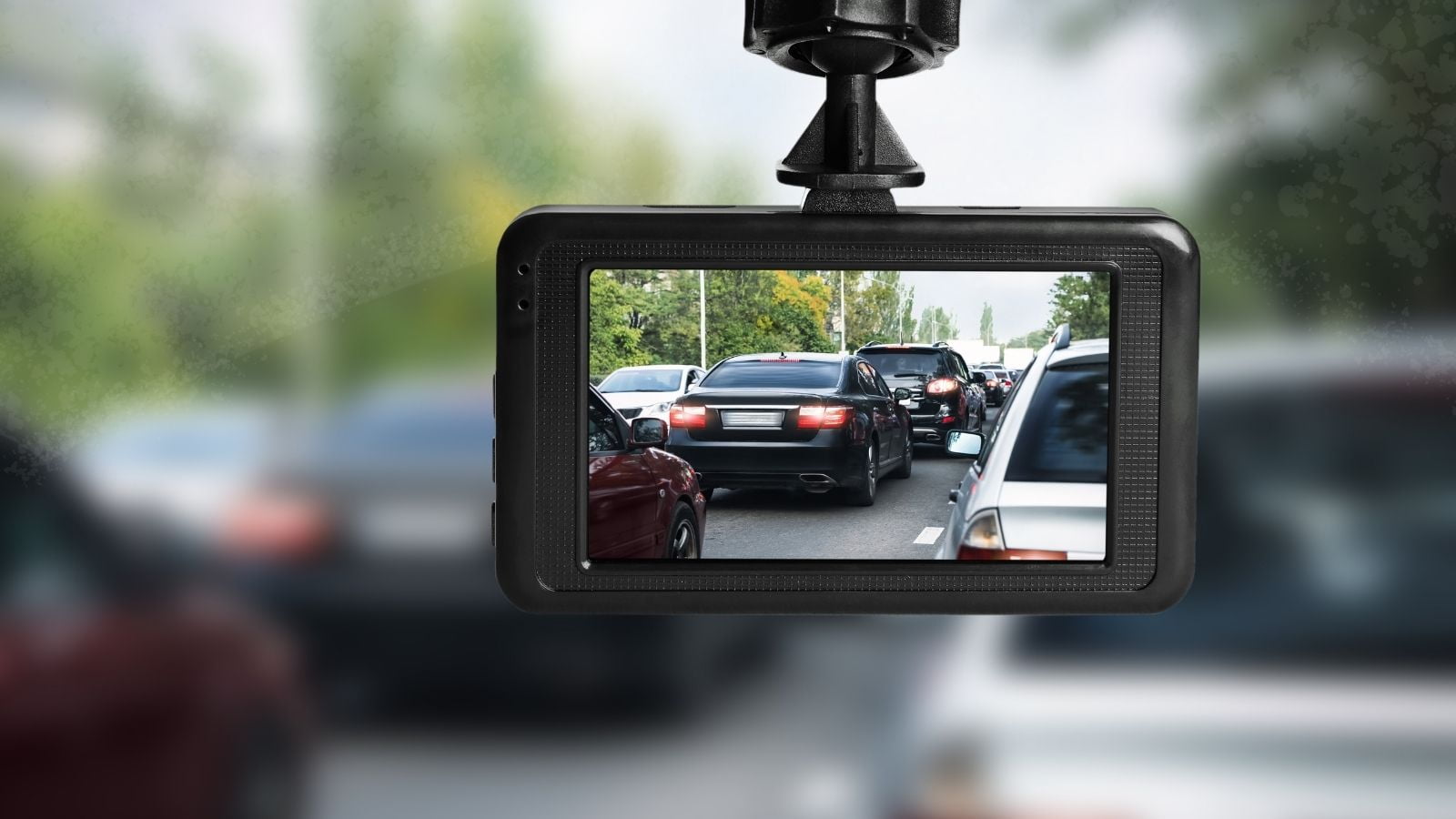
Dash-mounted devices, large ornaments, papers, decals, and bulky accessories can become more than cabin decoration when they interfere with the driver’s field of view. Rules vary, but the underlying safety principle is simple: the driver needs an unobstructed view of the road. British Columbia’s windshield provisions, for example, focus directly on whether the condition of the windshield or windows impairs vision.
The issue can be surprisingly ordinary. A large phone holder mounted in the wrong place may hide a pedestrian approaching from the right. A collection of permits or stickers along the windshield can create a blind spot that becomes noticeable only at intersections. Even rear-view mirrors and accessories must be positioned so they do not create unsafe interference with vision under B.C. regulations. Police observing a vehicle may therefore pay attention to obvious obstructions rather than the accessory itself. Good placement matters: equipment that is useful inside a parked vehicle may become hazardous once it blocks an important portion of the driver’s view.
Tires That Look Seriously Unsafe
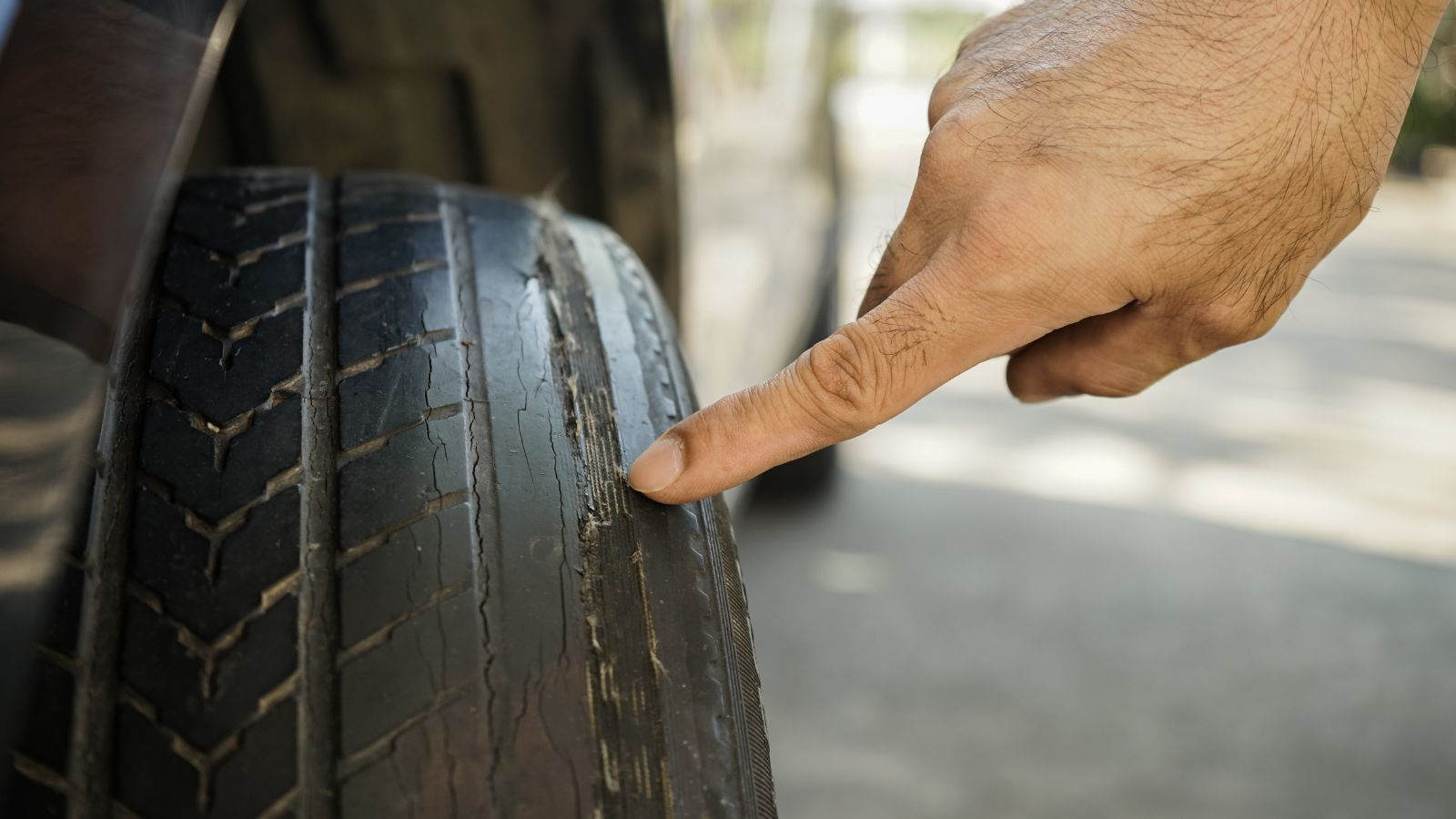
Tires are one of the few safety-critical components that remain plainly visible from outside a vehicle. Severe wear, obvious damage, very low pressure, or a tire that appears close to failure can attract attention because tires directly affect braking, steering, and stability. British Columbia’s regulations include requirements concerning pneumatic-tire defects, while provincial road-safety guidance stresses tread condition and proper inflation.
Winter makes the issue especially visible. In B.C., designated routes require qualifying winter tires during specified months, and a tire must have at least 3.5 millimetres of tread to meet the province’s winter-tire definition. That specific rule does not apply everywhere, but it illustrates how seriously regulators treat tire condition. A vehicle wobbling on a visibly deflated tire or running severely worn rubber is not simply an aesthetic concern. It may be difficult to control during emergency braking. Police attention in such circumstances is generally tied to roadworthiness and immediate safety rather than the vehicle’s age, value, or appearance.
Missing or Damaged Mirrors
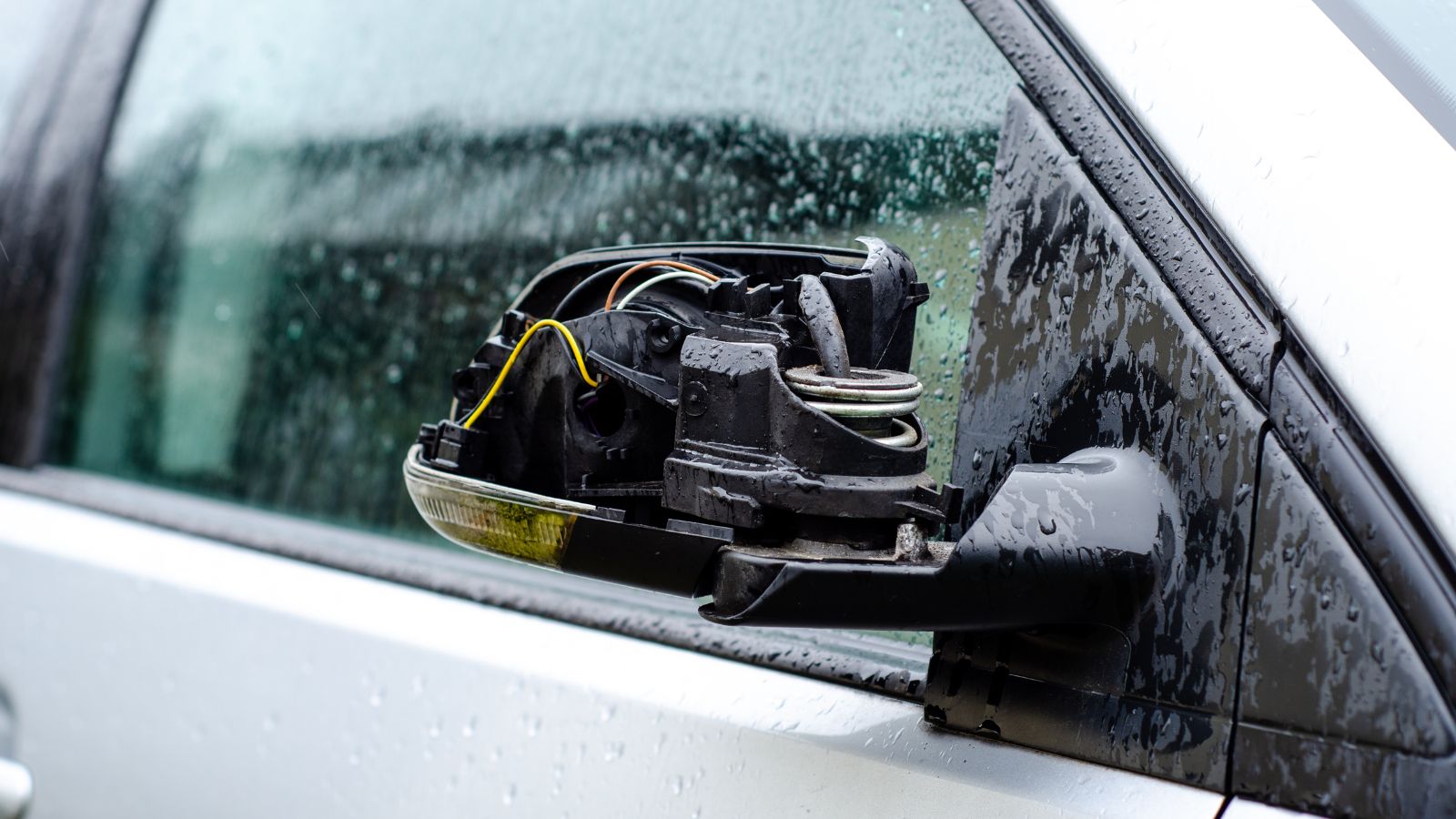
Mirrors are easy to take for granted until one is hanging by a wire or missing entirely. Their purpose is fundamental: drivers need to monitor vehicles approaching from behind and beside them before turning, merging, or changing lanes. British Columbia’s regulations require vehicles to have specified mirrors, and those mirrors must be securely mounted without creating unsafe interference with the driver’s vision.
A damaged mirror becomes particularly noticeable when the housing is smashed or the entire assembly has been knocked away after a minor collision. Although a driver may believe the remaining mirrors provide enough information, legal requirements can be more specific. The practical risk also grows on multi-lane roads, where small blind spots can hide motorcycles, bicycles, or cars. Police may therefore look more closely at a vehicle with visibly damaged mirror equipment. As with other equipment issues, the existence of damage does not suggest criminal conduct; it simply raises an obvious question about whether the vehicle remains legally and safely equipped.
Snow, Mud, or Dirt Covering Important Equipment
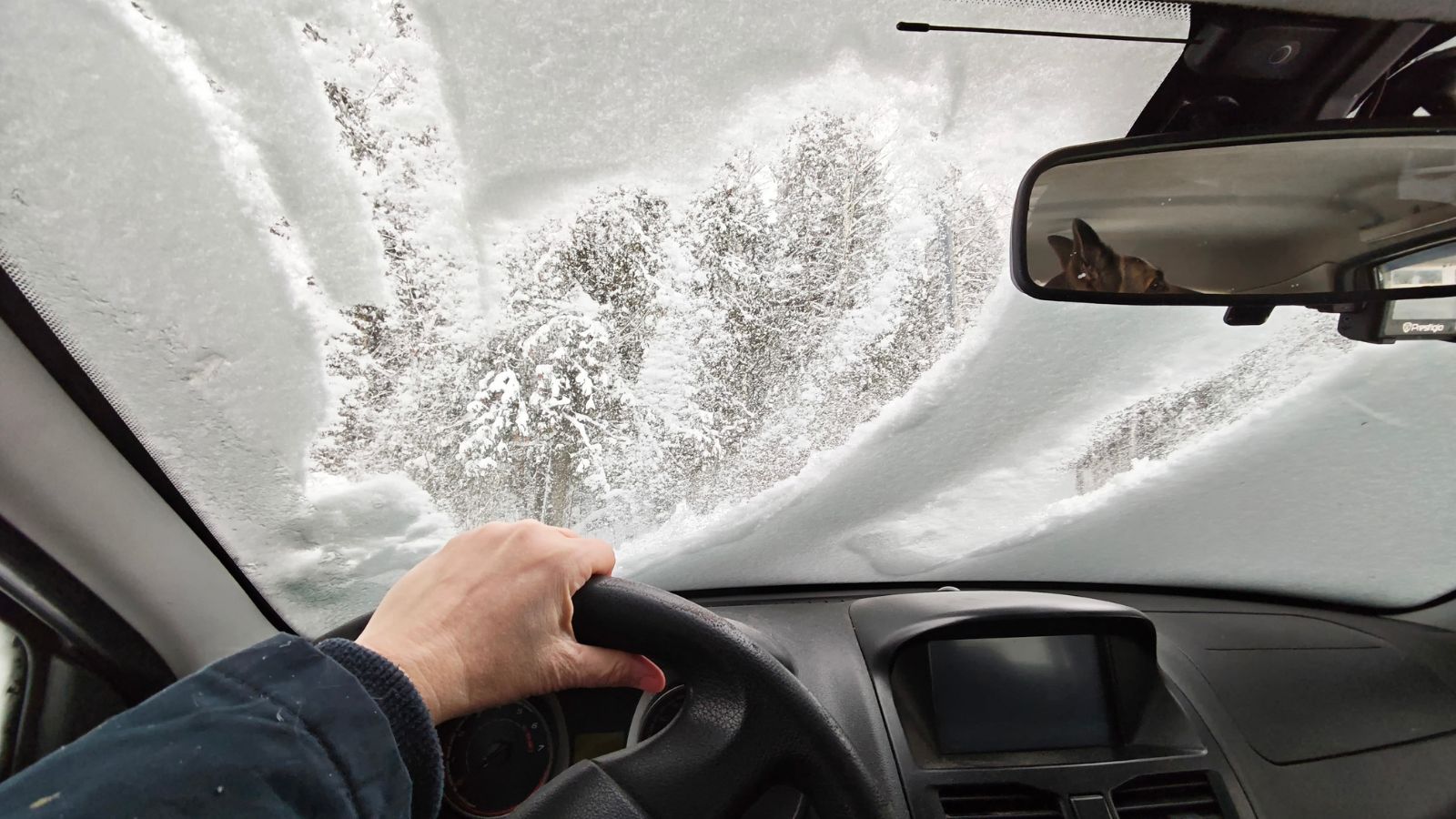
Canadian winters can make a road-legal vehicle look questionable in a matter of kilometres. Snow, slush, road salt, and mud can coat licence plates, headlights, taillights, and reflectors until they become difficult to see. British Columbia’s lighting regulations specifically say required lamps and reflectors must not be covered or obscured by dirt or other material, while plate rules also require identification to remain visible.
This is why brushing snow from only the windshield is not always enough. A driver who clears a small viewing hole but leaves the rear lamps buried can become harder for approaching traffic to see. Transport and insurance agencies also emphasize preparation and visibility in poor weather because posted speed limits are based on favourable conditions. A heavily snow-covered vehicle can therefore catch an officer’s eye for several practical reasons at once. Taking a few extra minutes to clear lights, windows, mirrors, and plates improves both compliance and the ability of everyone else to understand what the vehicle is doing.
Driving at Night Without Proper Lights
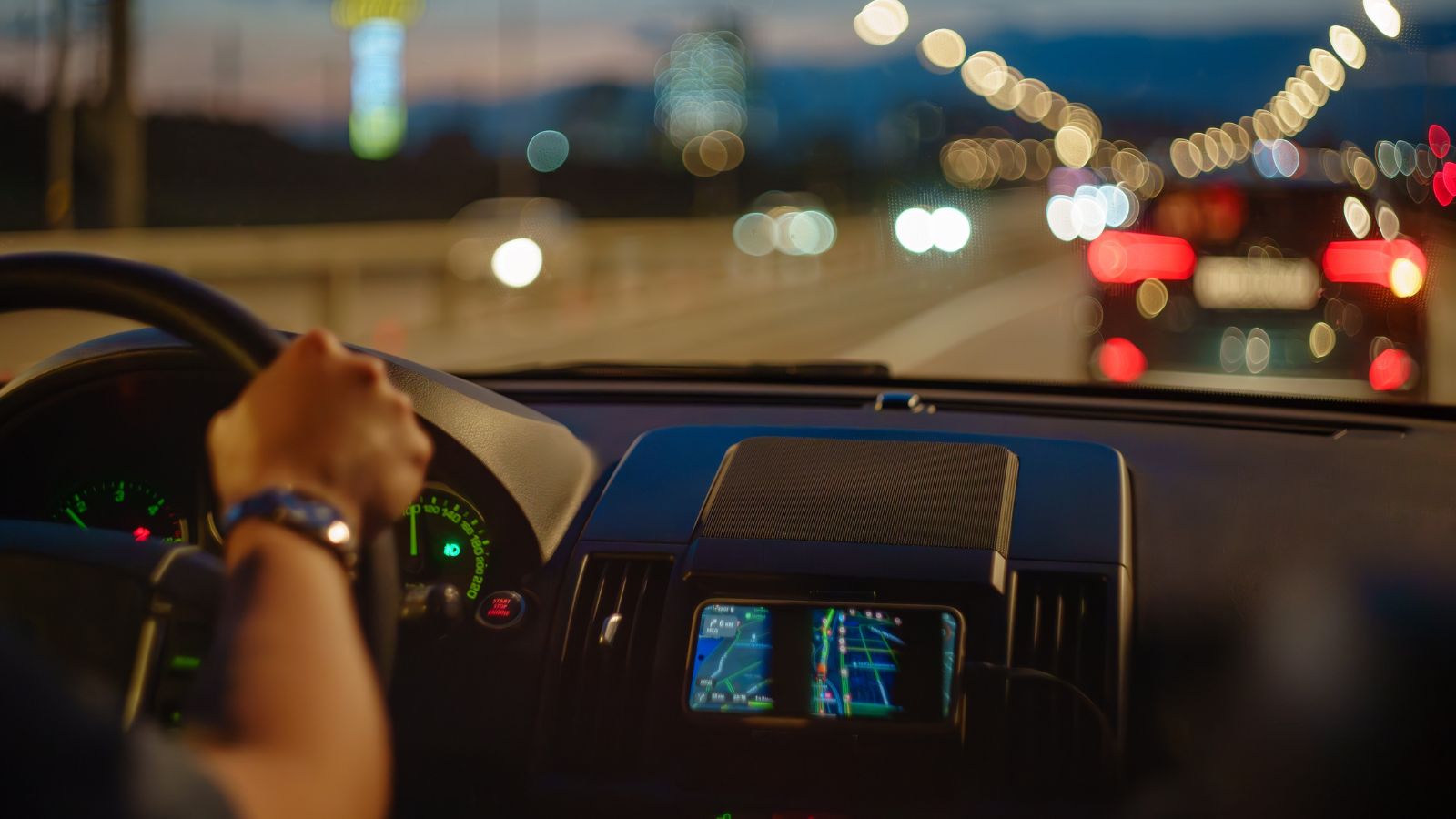
A dark vehicle travelling after sunset with no headlights or taillights is unusually conspicuous precisely because it is difficult to see. Modern dashboards can make this mistake easier than expected: some instrument panels illuminate automatically, leading a driver to believe the exterior lights are also operating. British Columbia requires prescribed lamps to be illuminated from half an hour after sunset until half an hour before sunrise and whenever visibility is sufficiently poor.
Fog, heavy rain, and snow can create the same issue during daytime hours. ICBC recommends using low beams in fog or heavy snow, emphasizing the broader principle of seeing and being seen. Police encountering an inadequately lit vehicle may therefore take a second look because the equipment is directly related to collision prevention. The concern is especially acute from behind, where a vehicle without illuminated rear lamps can disappear against a dark roadway. Checking the actual headlight setting rather than relying solely on dashboard illumination helps prevent this surprisingly common oversight.
Occupants Who Are Clearly Not Wearing Seat Belts
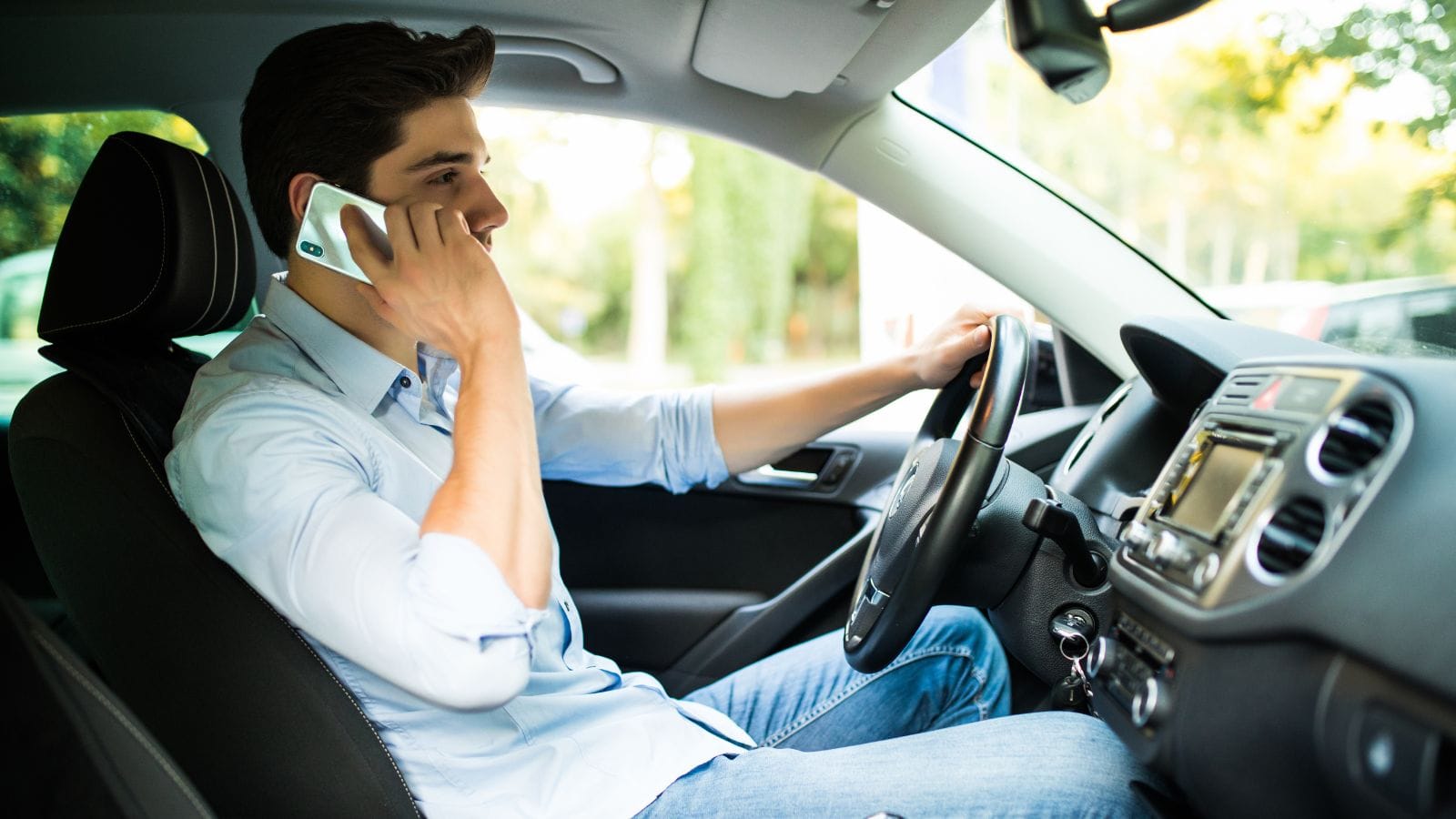
Seat-belt use is one of the most straightforward safety requirements visible through a vehicle’s windows. In British Columbia, occupants are generally required to use available seat-belt assemblies while the vehicle is being operated, and drivers have additional responsibilities for certain younger passengers. That makes an obviously unbelted driver or front passenger something traffic officers can notice without inspecting the vehicle mechanically.
The safety consequences are substantial. Transport Canada’s 2023 collision statistics reported that 32.6% of drivers who died in crashes were not wearing seat belts. The figure is striking because overall seat-belt use in Canada is much higher than that share would suggest, highlighting the disproportionate danger faced by unrestrained occupants. An officer noticing a shoulder belt hanging unused beside a driver may therefore be seeing both a legal issue and a well-documented safety risk. Seat belts are mundane equipment, but decades of collision research show that their everyday use remains one of the most important protections inside a vehicle.
A Child Who Appears Improperly Restrained
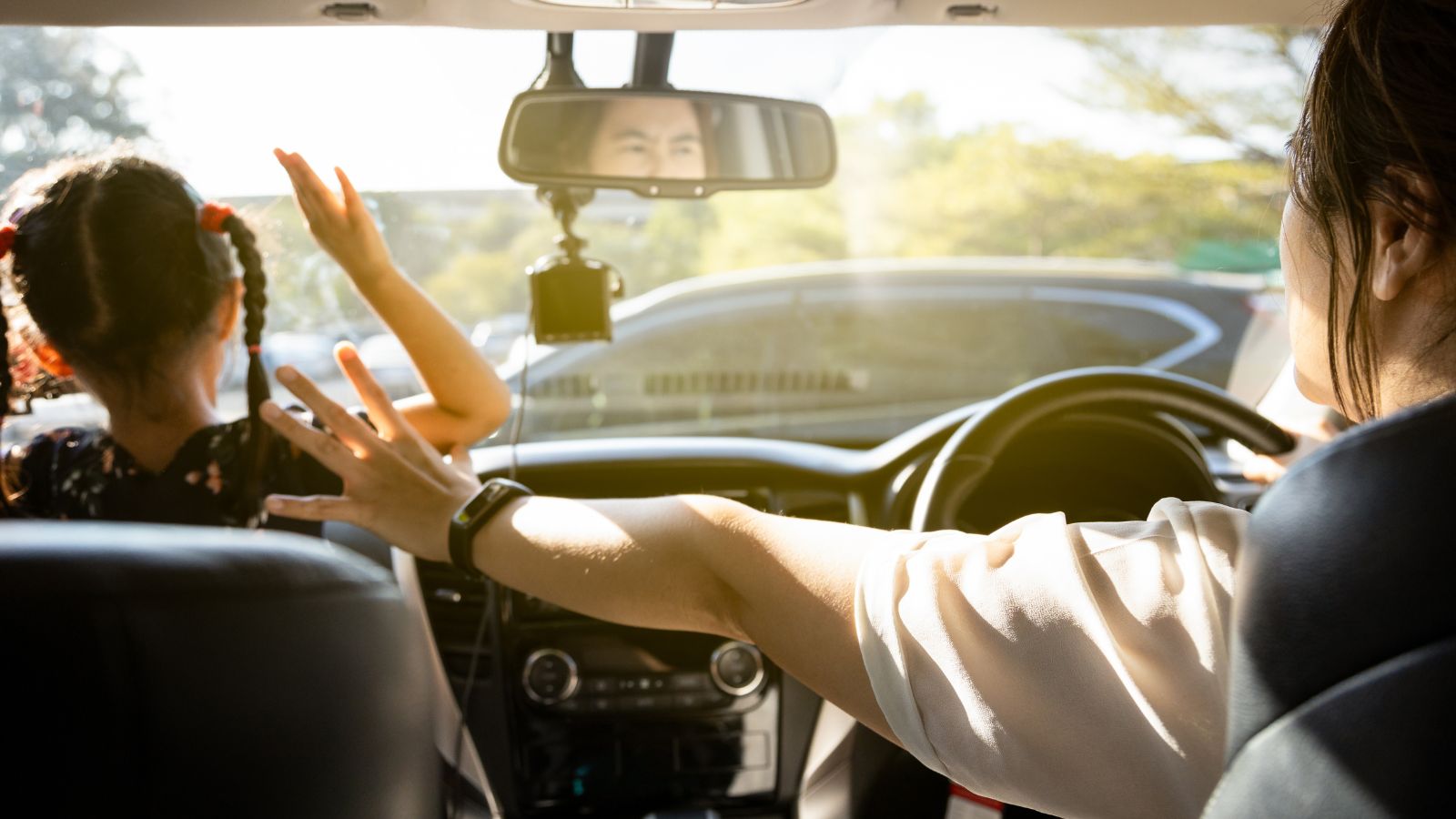
Child-restraint rules receive close attention because a small passenger cannot simply use adult safety equipment in the same way as a grown occupant. Requirements depend on the child’s age, size, and jurisdiction. In British Columbia, children under 16 must be correctly restrained using an appropriate child seat, booster, or seat belt, and drivers carry responsibility for ensuring certain young passengers are properly secured.
From outside a vehicle, an officer may notice a very young child standing, moving freely between seats, or sitting where no appropriate restraint appears to be in use. That visible situation is fundamentally different from trying to judge the technical installation of a car seat from across the road. Child restraints are engineered to position crash forces around smaller bodies more safely than adult belts alone can. Even attentive families can make installation mistakes, which is why transportation agencies publish detailed guidance on choosing and using restraints. The police concern is therefore primarily passenger protection rather than punishment for an unusual-looking interior.
A Phone Clearly in the Driver’s Hand
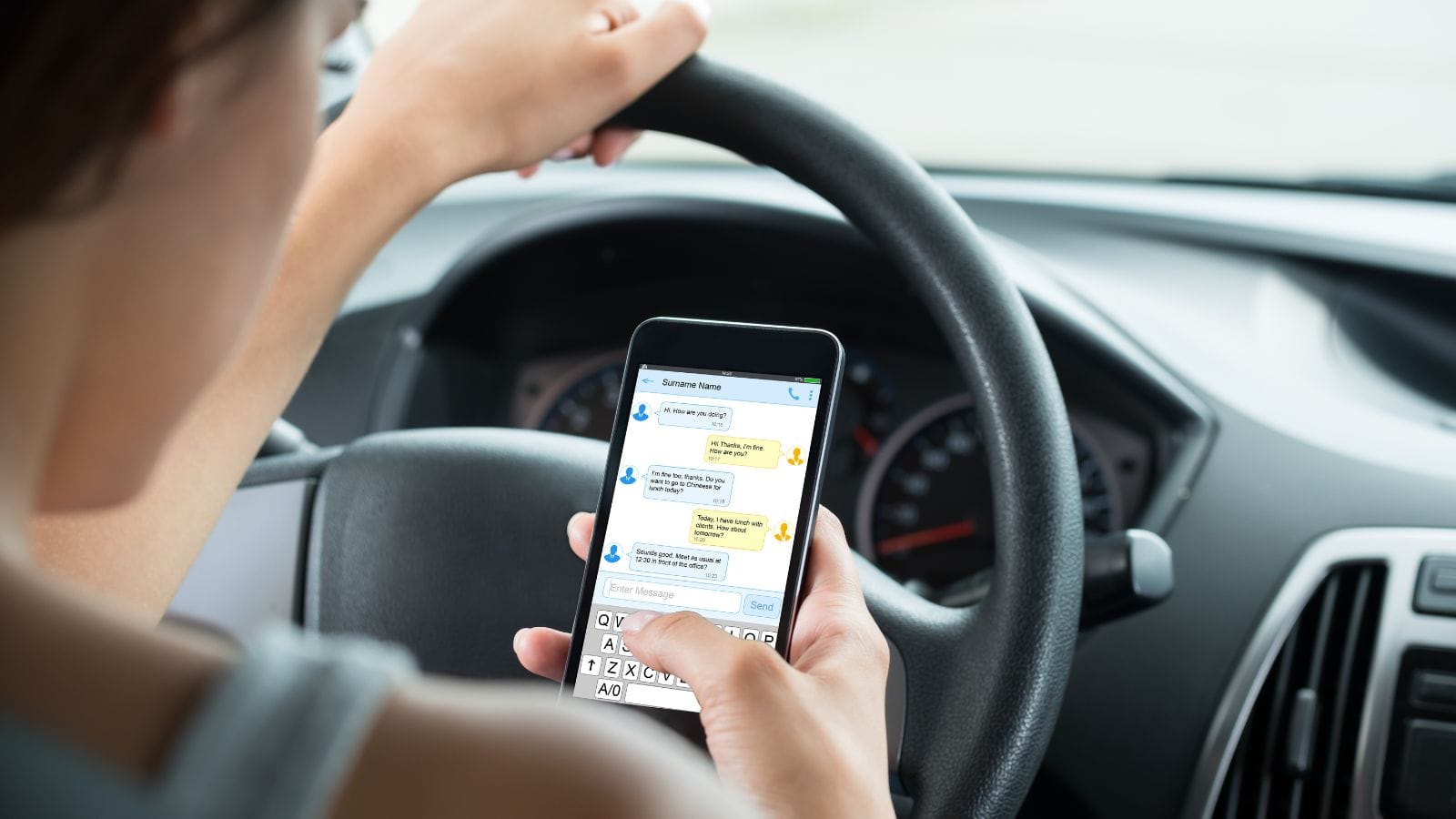
Few behaviours have become as recognizable in modern traffic enforcement as a driver staring down at a phone. Electronic-device rules vary across Canada, but hand-held use while driving is widely restricted. In British Columbia, the prohibition applies even when a vehicle is stopped at a red light, and novice drivers face additional restrictions on electronic devices.
The crash risk explains the enforcement focus. ICBC says a driver using a hand-held phone is about 3.6 times more likely to crash and estimates that roughly 80 lives could be saved annually in B.C. if driving distractions were eliminated. A phone held prominently at steering-wheel level can therefore be far more attention-getting than a cosmetic modification on the car itself. Police do not have to infer much from a vehicle’s style when a prohibited behaviour is plainly visible. Putting the device away before moving also removes the temptation to glance at notifications during slow traffic, where drivers can easily underestimate how quickly conditions change.
Speed That Stands Out From Surrounding Traffic
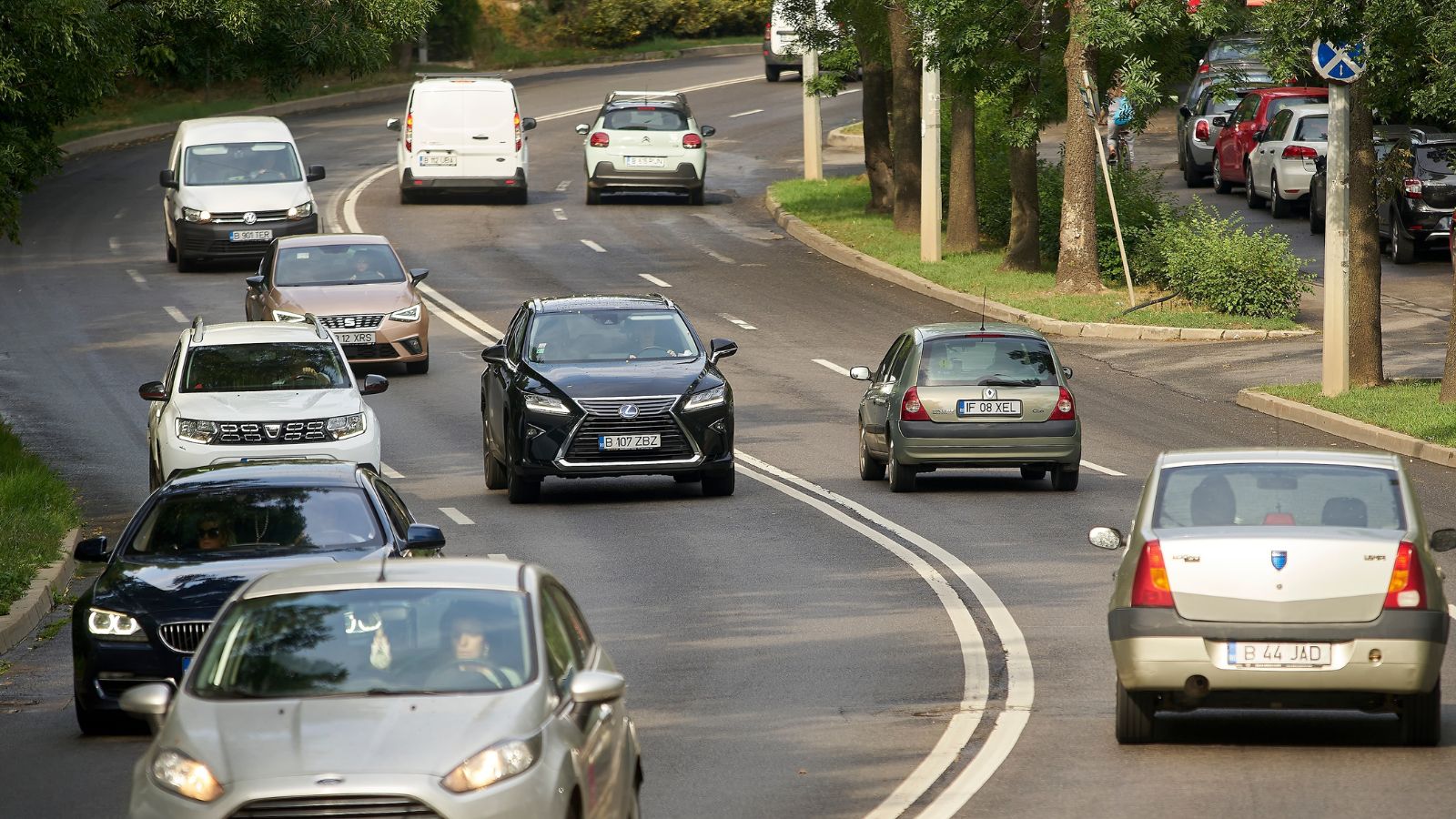
Traffic officers do not need an exotic car to notice speed. A minivan travelling substantially faster than surrounding vehicles can be more conspicuous than a sports coupe moving with the flow. Speed enforcement is a basic road-safety function because higher speeds reduce reaction time while increasing the energy involved when a collision occurs. Transport Canada has repeatedly identified speed as a major contributing factor in fatal crashes.
Context also matters. A speed that appears ordinary on a divided highway may be dangerous near a school, pedestrian crossing, construction zone, or during heavy snow. ICBC specifically advises motorists to slow down in busy areas and reminds drivers that posted limits should not be treated as a reason to drive faster than conditions allow. From an officer’s perspective, a vehicle rapidly closing the gap on surrounding traffic naturally attracts visual attention. The issue is not what badge is on the grille but whether the vehicle’s speed appears inconsistent with the law, conditions, or safety of other road users.
Weaving or Other Signs of Impaired Control
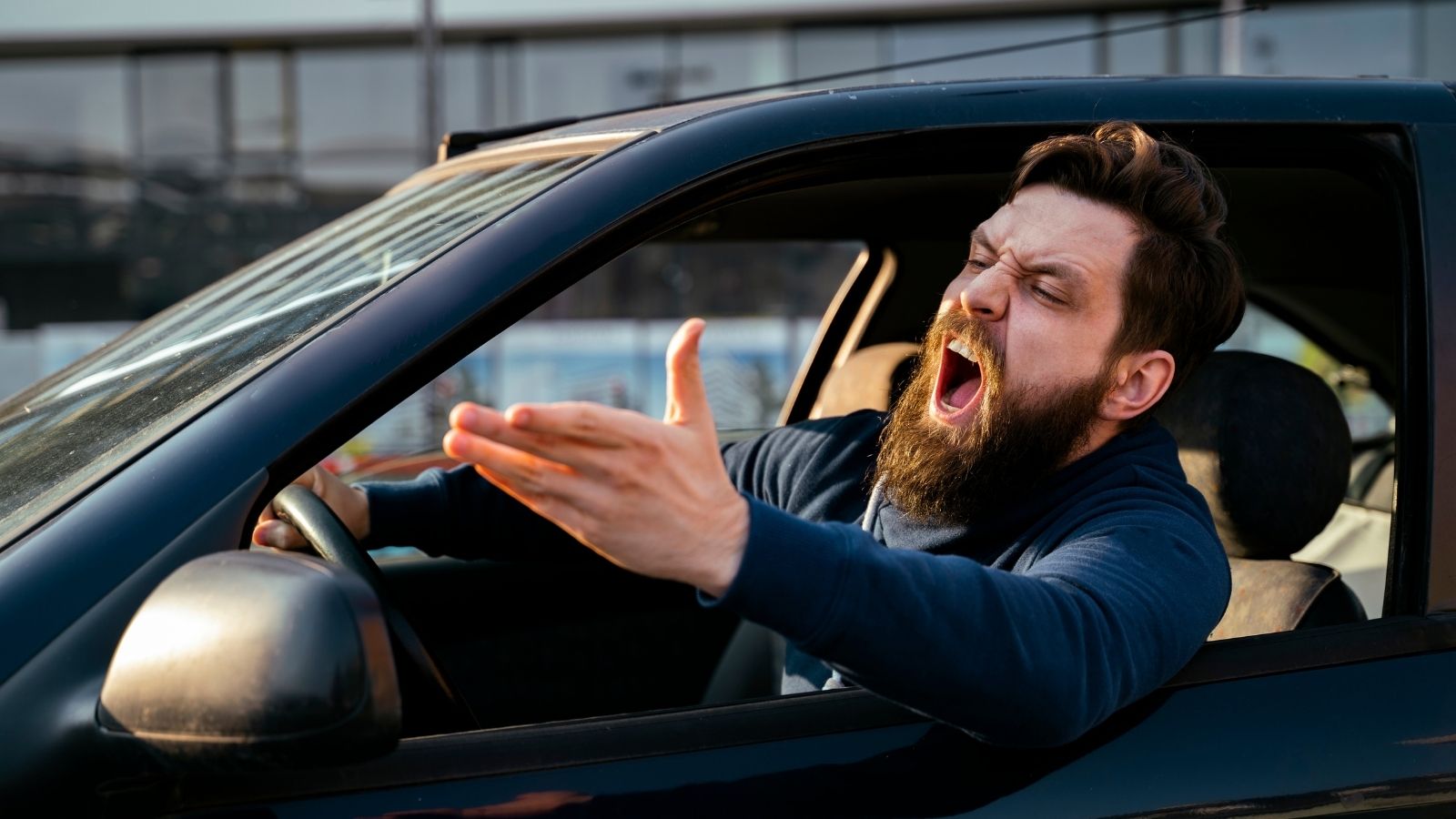
A vehicle that repeatedly drifts within its lane, wanders toward lane markings, makes inconsistent corrections, or otherwise appears difficult to control can draw immediate attention. Those movements may have innocent explanations—fatigue, distraction, poor road conditions, or even avoiding debris—but they can also be associated with impairment. Police are therefore trained to pay attention to driving behaviour rather than merely the type of vehicle involved.
Impaired driving remains a serious road-safety problem. ICBC reports that about 21% of fatal crashes in British Columbia involve impaired driving and that police conduct CounterAttack roadchecks during summer and winter. The important point is that a second look is not the same as a conclusion. An officer observing erratic movement still has to assess the actual circumstances. For motorists, the safety lesson is broader: alcohol, drugs, fatigue, distraction, and certain medications can all affect vehicle control. When someone cannot drive safely, arranging another way home protects both the occupants and everyone sharing the road.
Rolling Through Stop Signs or Red Lights
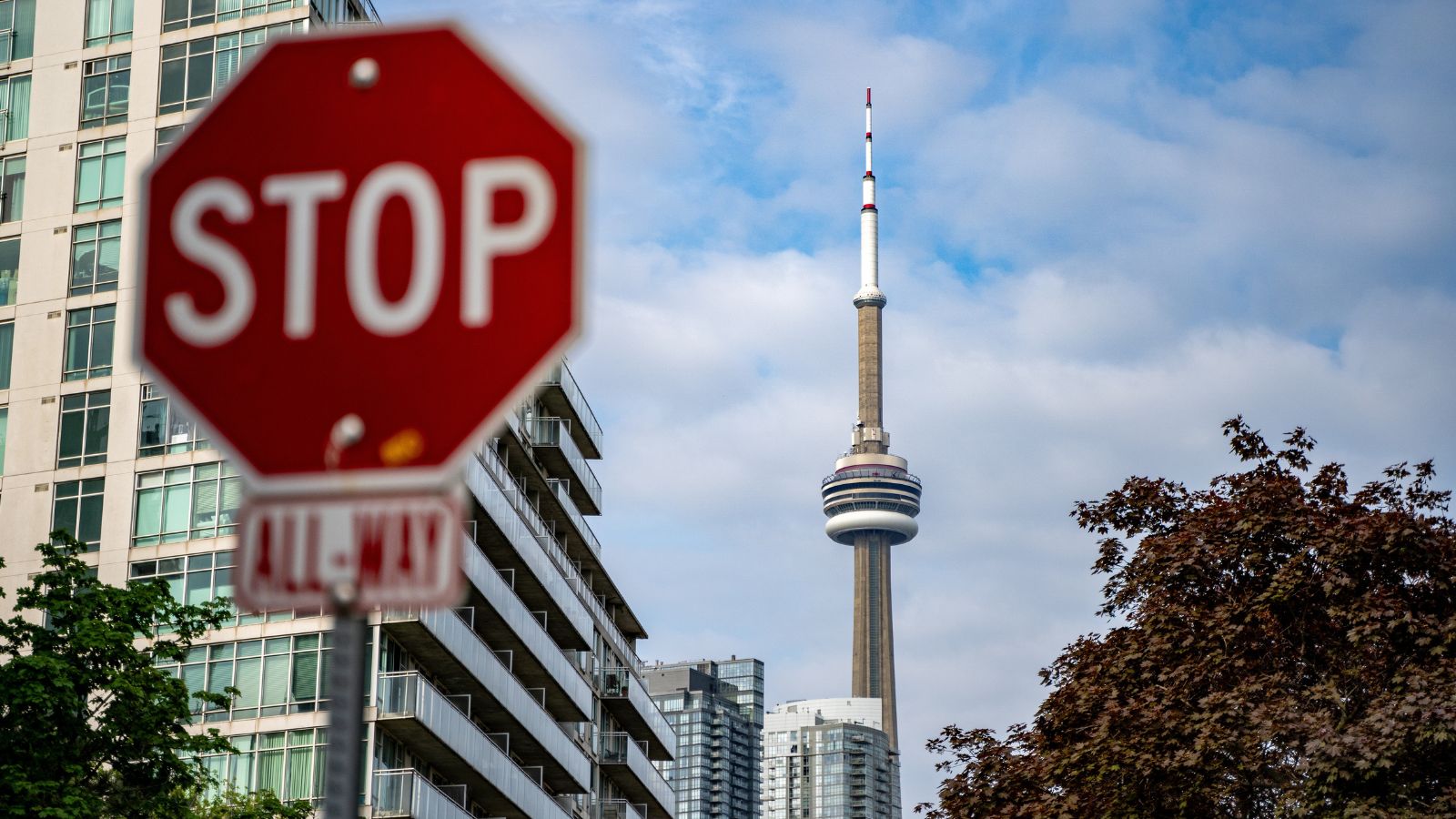
A vehicle that fails to make a proper stop can attract attention immediately because the behaviour happens at one of the most conflict-heavy places on the road: an intersection. ICBC classifies ignoring traffic-control devices as high-risk driving and specifically advises drivers to make complete stops at stop signs and red lights. Its intersection-safety program also targets red-light violations at high-crash locations.
The numbers help explain the scrutiny. British Columbia operates 140 intersection safety cameras across 26 communities, with selected locations also equipped for speed enforcement. Cameras and police officers are different forms of enforcement, but both focus on behaviours that can be objectively observed. A driver rolling through an apparently empty stop sign may believe there is little danger, yet a pedestrian, bicycle, or vehicle can enter the conflict zone in seconds. Police attention in this situation has almost nothing to do with what the car looks like. The movement itself is conspicuous because it directly contradicts a visible traffic-control instruction.
Following Another Vehicle Far Too Closely
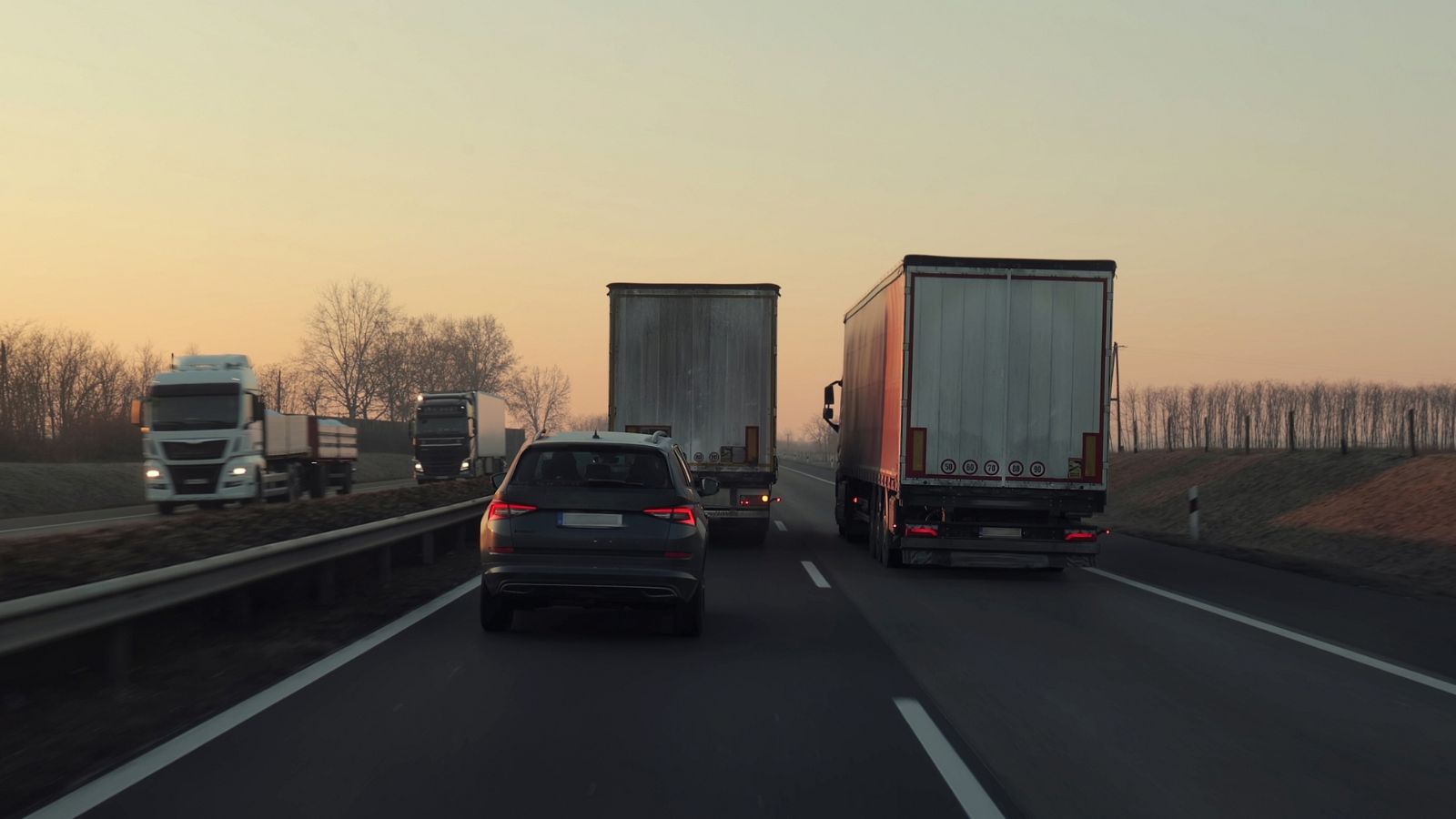
Tailgating tends to make a vehicle stand out because the gap between two cars looks visibly wrong, especially at highway speeds. ICBC includes following too closely among high-risk driving behaviours and advises leaving at least a two-second following distance in good conditions, with more space in circumstances where visibility or stopping conditions are worse.
A driver may close the gap unintentionally after traffic slows, but consistently sitting just a few metres behind another car creates an entirely different impression. The trailing driver has less time to react if brake lights suddenly illuminate, debris appears, or traffic stops. It can also pressure the vehicle ahead and contribute to aggressive interactions. Police observing traffic from a stationary position or while travelling with it can readily see unusually short spacing. Unlike subtle mechanical defects, tailgating is a dynamic behaviour that remains apparent over time. Increasing the gap is one of the simplest ways to lower collision risk while making traffic flow calmer and more predictable.
Aggressive Passing or Unsafe Lane Changes
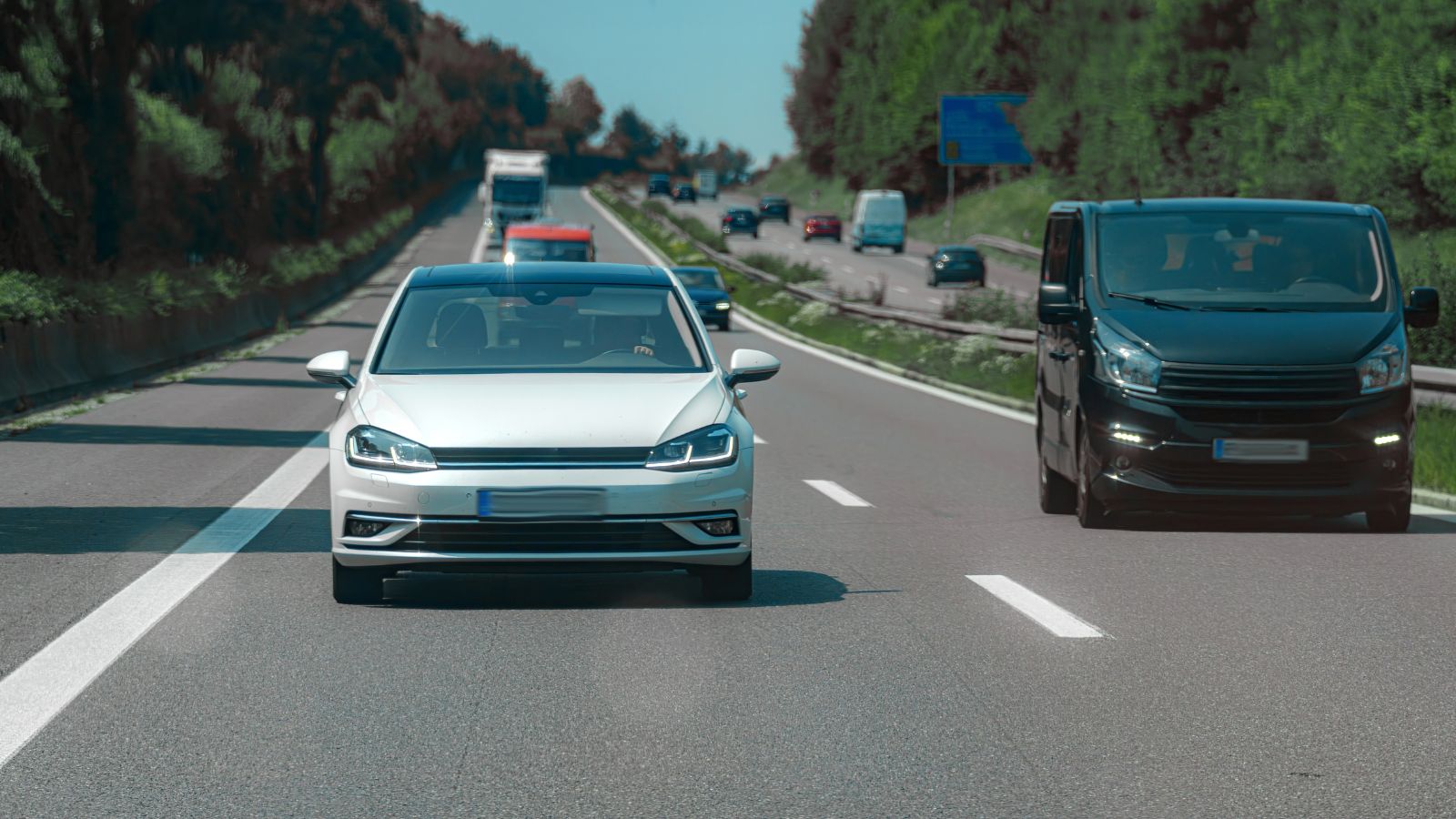
Rapid lane changes, passing where sightlines are poor, cutting closely in front of another vehicle, or changing lanes without proper communication can quickly attract an officer’s attention. ICBC lists improper passing among high-risk driving behaviours and advises drivers to stay within the speed limit, use signals, check mirrors and blind spots, and leave adequate room before moving back in front of another vehicle.
This category is especially important because a single lane change that merely looks abrupt is not automatically illegal. Enforcement depends on what actually occurred and the applicable rules. Still, a repeated pattern of hard acceleration, close passing, and sudden lateral movement is visually distinctive in otherwise steady traffic. Large trucks make the risk particularly clear: pulling back in too soon can dramatically reduce the space available to a vehicle that needs much farther to stop. For police, the reason to look twice is therefore the observed driving pattern, not assumptions about the driver’s personality or the style of car involved.
Loads or Equipment That Look Insecure
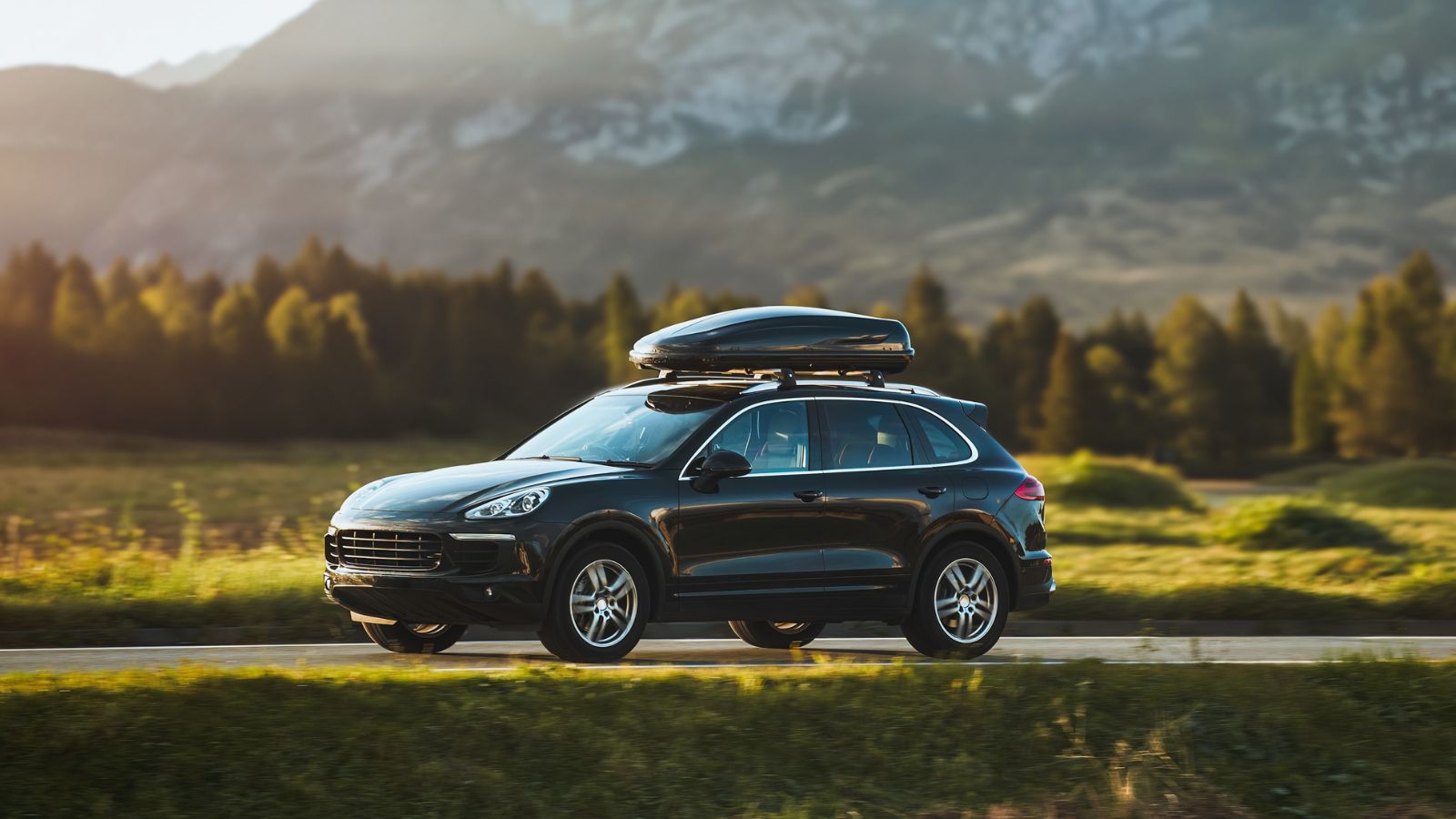
A mattress lifting from a roof rack, lumber extending well beyond a pickup bed, loose equipment bouncing in a trailer, or cargo appearing ready to fall can make a vehicle impossible to ignore. Load-securement rules exist because an object that leaves a moving vehicle can become a serious hazard. British Columbia’s regulations include specific requirements for protruding loads, including circumstances where flags or lamps must mark material extending beyond a vehicle.
Even relatively light objects become dangerous once speed enters the equation. A poorly secured chair or piece of construction material can force another motorist to brake or swerve, creating risk well beyond the vehicle carrying it. Police may therefore pay closer attention to visibly shifting cargo, overloaded roof racks, trailers with questionable connections, or long objects without required markings. The issue is not whether the vehicle looks untidy; it is whether the load appears controlled and properly identified. Taking additional time to use suitable tiedowns and check them after travelling can prevent both roadside problems and potentially serious collisions.
19 Used Cars Canadians Should Avoid in 2026 (Based on Owner Complaints)

Buying a used car in Canada can feel safe until repair bills start stacking up. Owner complaints tell a different story than glossy listings. Transmission failures, electrical problems, and weak winter reliability show up again and again in consumer reports. Many of these issues appear after warranties expire, when owners least expect them. Some vehicles look affordable upfront, but become expensive to keep on the road. Others struggle in cold weather, urban driving, or long highway commutes. Here are 19 used cars Canadians should avoid in 2026 (based on owner complaints).
19 Used Cars Canadians Should Avoid in 2026 (Based on Owner Complaints)

Alanna Rosen is an experienced content writer that focuses on many EV and educational content. Her articles are regularly published on Get CyberTrucked and syndicated on large publications.