
A car can look spotless on sale day and still raise doubts the moment its history comes under scrutiny. One of the easiest ways to weaken resale value happens long before a listing appears: routine maintenance is delayed, handled inconsistently, or completed without records that prove the work was done.
Used-car buyers and appraisers look for clues about how a vehicle has been treated, and uncertainty can become bargaining power. Service history, mechanical condition, warning lights, tires, brakes, corrosion, and even unresolved recalls can influence that impression. These 12 resale-value risks show why documented, on-time maintenance matters almost as much when a vehicle is sold as it does while the vehicle is being driven.
Missing Maintenance Records Create an Immediate Trust Problem

The most damaging maintenance mistake is treating routine care as something that leaves no paper trail. A car may have received oil changes, inspections, and repairs on time, but if invoices, digital records, or shop histories cannot be produced, a future buyer has to take the seller’s word for it. Kelley Blue Book notes that detailed service records can help boost a vehicle’s value when it is sold or traded, while CARFAX Canada includes available service history in its vehicle reports.
That gap matters because used-car pricing is partly about uncertainty. Two similar vehicles with comparable mileage can create different impressions when one comes with dated records and the other comes with vague assurances that everything was “always maintained.” Documentation does not guarantee a perfect car, and history databases can be incomplete. Still, consistent records give a buyer evidence to verify and can make an asking price easier to defend.
Oil-Change Gaps Can Raise Questions About Engine Health
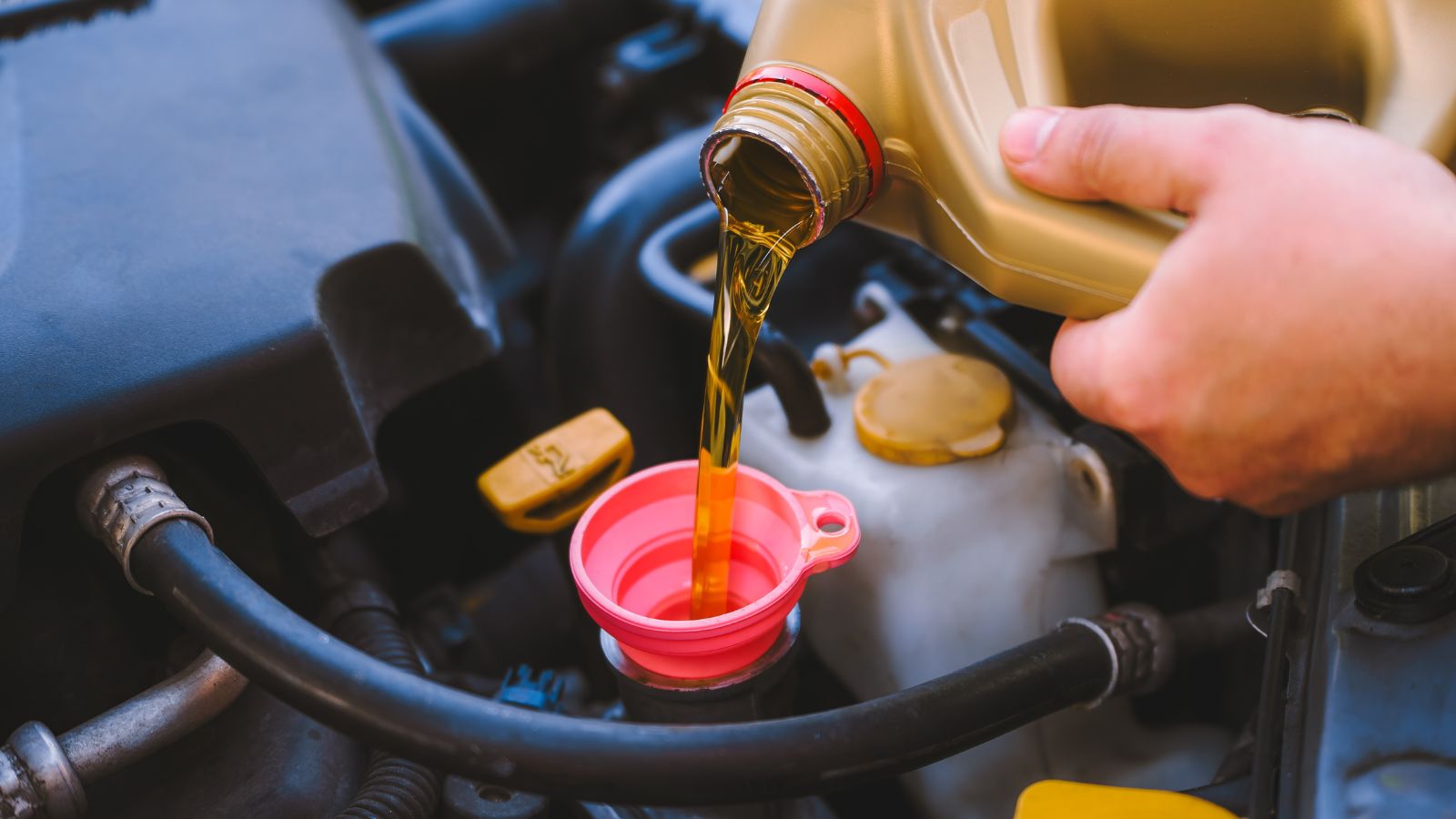
Oil changes are routine enough to feel forgettable, which is why missing them become a resale problem. Modern engines may go thousands of miles between services, but the correct interval depends on the vehicle, oil specification, driving conditions, and manufacturer guidance. AAA says many vehicles fall around 5,000 to 7,500 miles, while some synthetic-oil applications can go longer. Waiting far beyond the recommended interval can increase the risk of lubrication problems and costly engine damage.
At resale time, repeated oil-change entries are among the easiest records for a buyer to understand. A clean sequence of dates and odometer readings suggests that one of the engine’s basic needs was taken seriously. Long gaps invite uncomfortable questions: Was the oil changed elsewhere, or was it ignored? Even when the engine sounds fine during a short test drive, a buyer may price that uncertainty into the offer or insist on a detailed inspection.
Forgotten Fluid Services Can Look Like Future Repair Bills

Oil is only one fluid that matters. Automatic transmission fluid, coolant, brake fluid, and other serviceable fluids can have different replacement schedules, which is why the owner’s manual remains the safest reference. AAA notes that modern transmission-fluid recommendations vary widely and that coolant intervals can range from relatively short periods to more than 100,000 miles depending on the vehicle and fluid. Brake fluid also requires periodic attention because moisture and contamination can affect the hydraulic system.
A seller who cannot show whether these services were completed may hand the buyer a list of unknown future expenses. That matters on an older vehicle approaching a major mileage milestone. A prospective owner may assume overdue fluids will need immediate service, then deduct that cost mentally from the purchase price. A folder showing transmission service, coolant replacement, and brake-fluid work turns those items from liabilities into evidence that long-term maintenance was not postponed.
Skipping Major Service Intervals Creates Expensive Uncertainty

Major scheduled services can strongly affect buyer confidence because neglect may be expensive. Timing belts are a classic example on vehicles that use them. AAA says many manufacturers specify replacement somewhere between 60,000 and 100,000 miles, although the exact interval must come from the owner’s manual. On some engines, a failed timing belt can cause major internal engine damage; on others, it may simply leave the vehicle unable to run.
That makes a missing timing-belt receipt awkward when an older car is near or beyond the recommended interval. A buyer may budget for the job immediately rather than assume it was done. The same logic applies to other model-specific milestone services. A seller who can produce a dated invoice showing the belt, tensioner, water pump, spark plugs, or other scheduled work has removed costly resale uncertainty. In resale negotiations, removing uncertainty can be as important as making the car shine.
Dashboard Warning Lights Make Neglect Visible
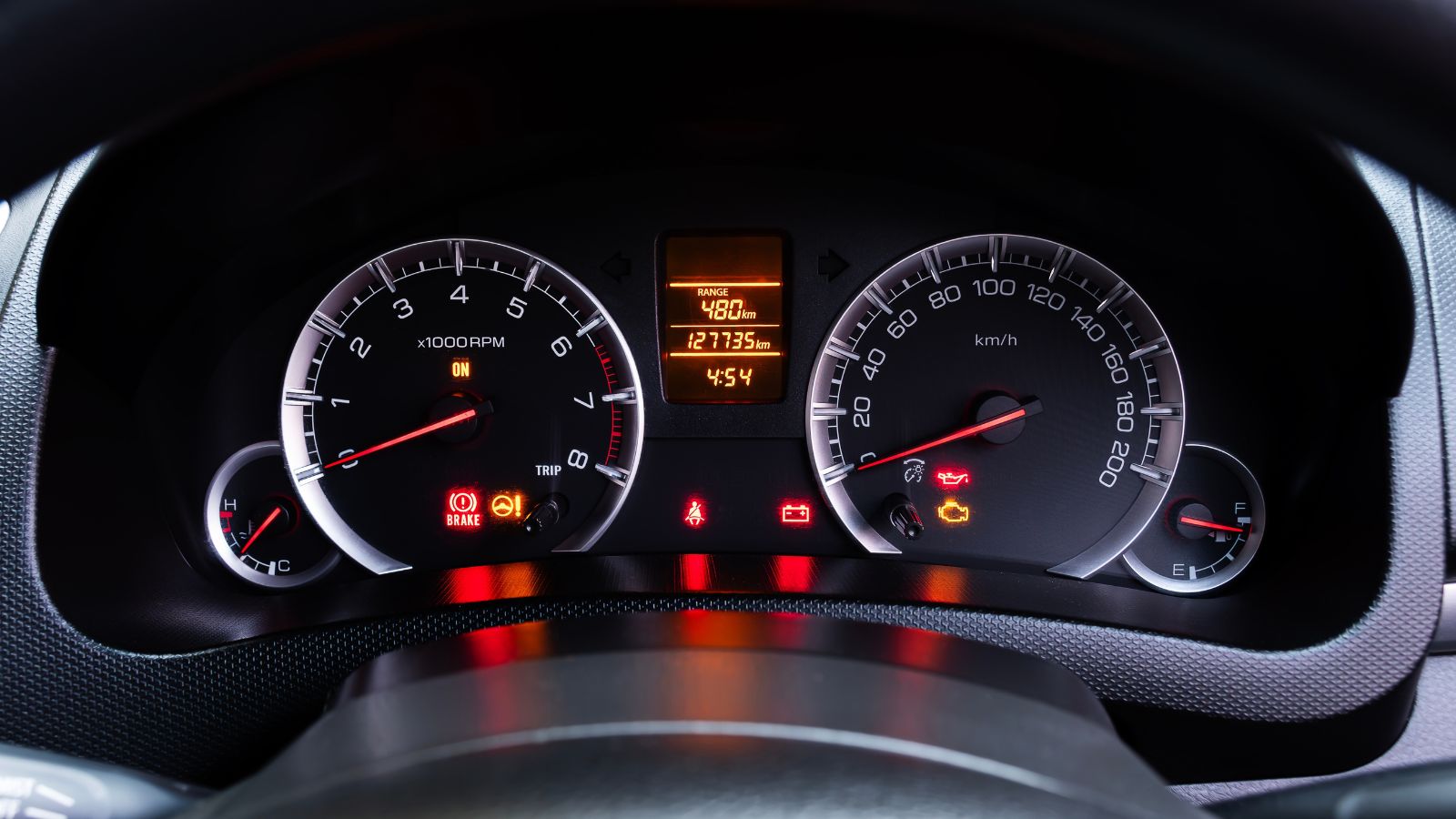
A dashboard warning light turns invisible maintenance history into a visible negotiation problem. Consumer Reports notes that warning lights can indicate potentially expensive engine or emissions repairs. Kelley Blue Book similarly tells sellers to disclose dashboard warning lights because condition and known issues can create significant price adjustments. Even an amber light can make a buyer wonder what has been deferred.
The problem becomes worse when a seller clears a code without fixing the cause. A short test drive might not reveal the fault immediately, but a professional inspection or diagnostic scan can. By contrast, a repair invoice showing what triggered the light, which parts were replaced, and that the issue was resolved provides a clear, reassuring explanation. Buyers do not expect every used vehicle being sold to be flawless. They do expect warning signs to have been investigated rather than ignored until the car was listed for sale publicly.
Tires Can Reveal Neglect Before Anyone Opens the Service File
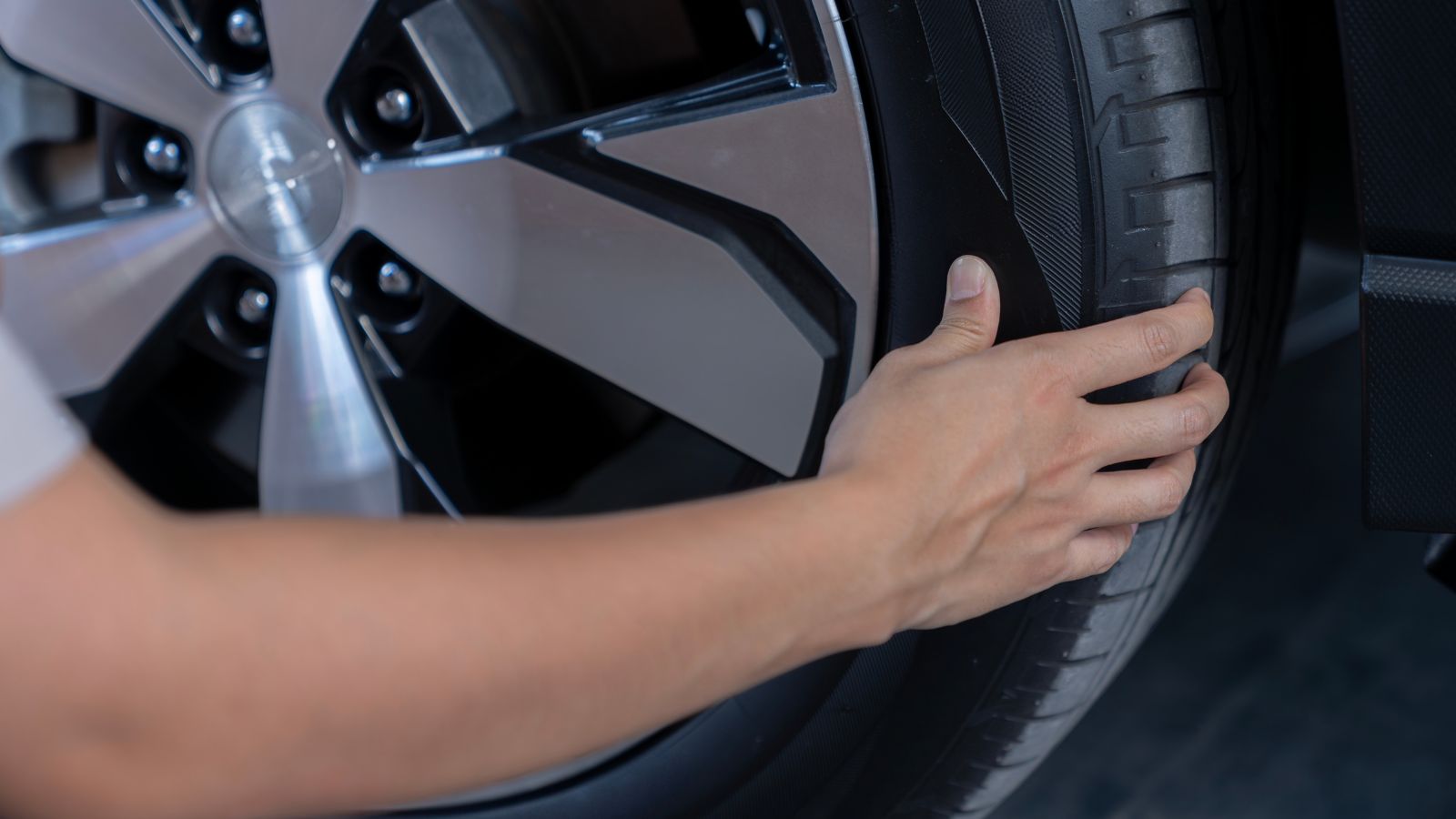
Tires act like a visible maintenance record written in rubber. NHTSA says tread worn to 2/32 of an inch is unsafe and recommends regular pressure and tread checks. It also notes that proper wheel alignment helps maximize tire life, while rotation can reduce irregular wear. Buyers can notice bald shoulders, mismatched tires, cupping, or a steering wheel that pulls to one side during a test drive.
Those clues can raise concerns beyond the cost of new tires. Uneven wear may point to poor inflation habits, alignment problems, or suspension issues, so an appraiser may closely scrutinize the rest of the car. A documented rotation schedule, alignment invoice, and even tread tell a different story. Tires are consumables and no seller can keep them new forever, but letting them deteriorate badly before a sale can make the entire vehicle appear neglected and give the buyer a reason to negotiate downward.
Brake Neglect Can Turn Routine Wear Into a Bigger Deduction
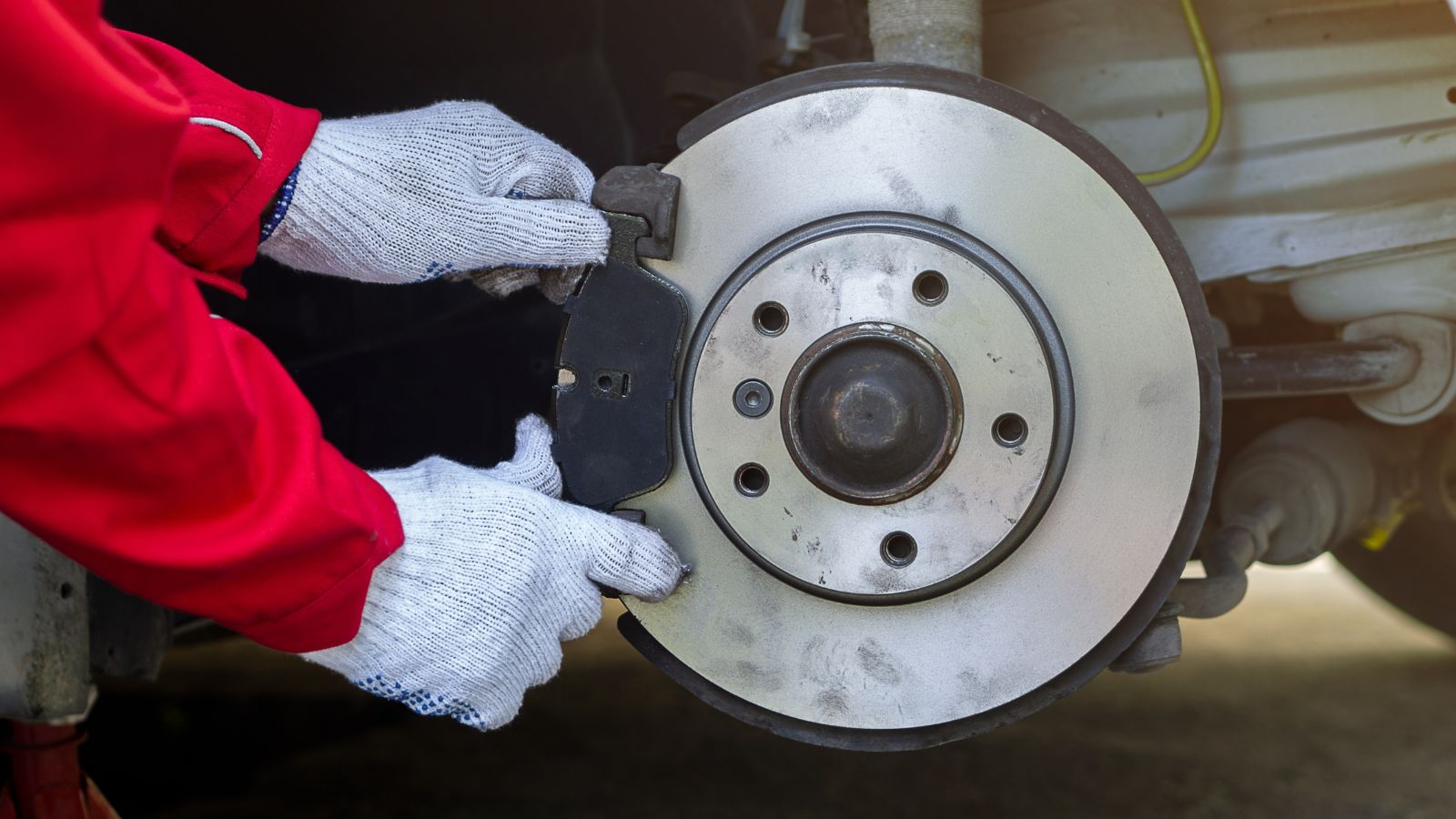
Brake neglect can quickly turn a routine wear item into a larger repair bill. AAA recommends periodic brake inspections that include pads, rotors, linings, and fluid, and notes that worn or contaminated components can cause noise, vibration, pulling, or longer stopping distances. Continuing to drive on squealing or badly worn brakes can also damage additional components, increasing the work needed before the vehicle feels ready for another careful owner.
A prospective buyer often notices brake problems during a test drive. Grinding, steering-wheel shake, a soft pedal, or a car that pulls under braking can shift the conversation from “well maintained” to “what else is due?” An appraiser may account for expected reconditioning cost. Recent brake invoices are therefore especially useful and persuasive records: they can show when pads or rotors were replaced, whether fluid was serviced, and whether a technician inspected the entire system rather than merely masking a symptom.
Road Salt Can Quietly Destroy an Otherwise Well-Kept Car
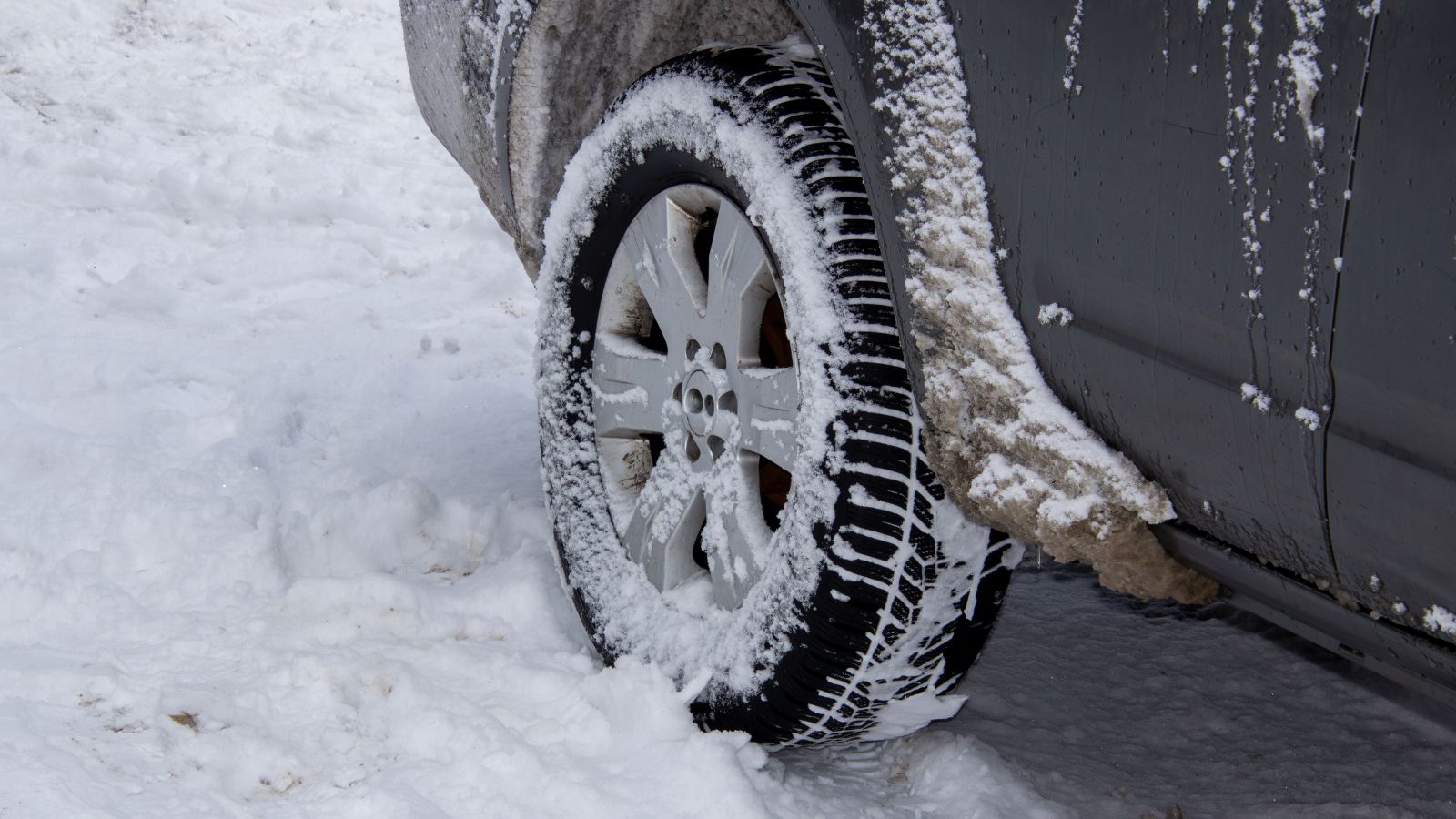
In snowy climates, washing the underbody is more than cosmetic upkeep. Road salt accelerates corrosion on exposed metal, and AAA warned in 2026 that the damage can affect undercarriage parts including brake lines and suspension components. Its winter-care guidance recommends regular washing, with particular attention to the underbody. For a Canadian vehicle that has lived through repeated winters, corrosion may be among the first things a buyer or technician checks underneath.
Rust is hard to hide because it spreads in seams, fasteners, wheel wells, subframes, and areas that surface polish never touches. Light surface corrosion may be ordinary for an older car, but advanced rust can suggest future repair expense or structural concerns. Receipts for rust protection are useful, yet physical condition matters here. Regular rinsing, prompt paint-chip repair, and inspection preserve both the car itself and the seller’s ability to show that winter exposure was managed rather than ignored.
A Weak Battery Can Make the Whole Car Feel Unreliable
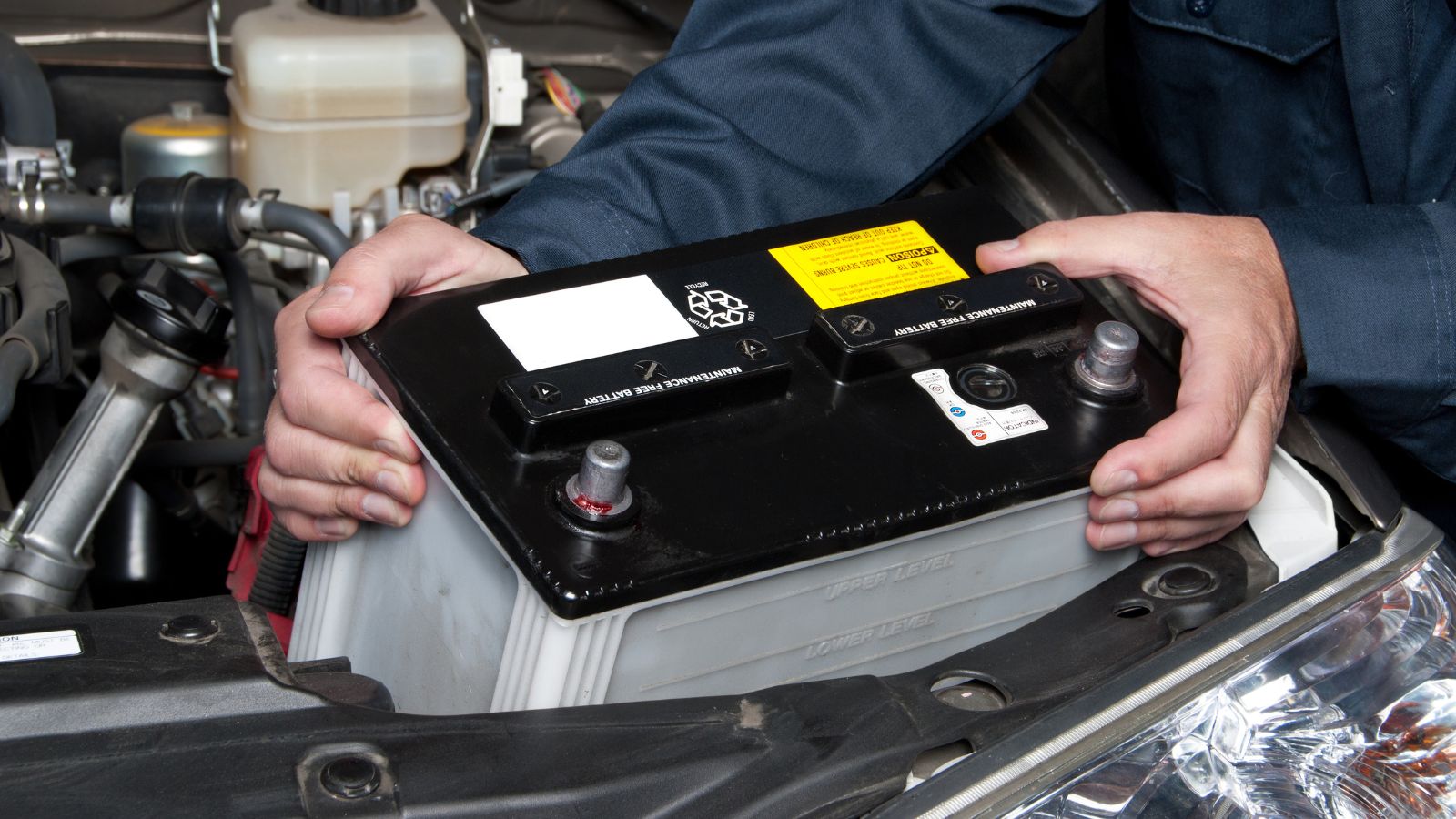
A weak 12-volt battery seems minor beside an engine or transmission, but it can make a vehicle feel unreliable at resale. Consumer Reports says typical car batteries last three to five years and recommends keeping terminals tight and free of corrosion. AAA likewise identifies slow cranking, dim lights, corrosion, and warning indicators as signs that a battery or charging system deserves attention, especially as a battery gets older.
Imagine a buyer arriving for a viewing and hearing the starter drag before the engine finally catches. The car may need nothing more than a battery, yet the first impression is that electrical trouble is beginning. On electronics-heavy vehicles, that suspicion can spread to other components. Recent battery testing or replacement receipt can prevent that uncertainty. Battery maintenance will not transform an average car into a premium one, but ignoring an obvious weak battery can undermine confidence in an otherwise well-kept vehicle.
Unresolved Recalls Add Another Question Mark
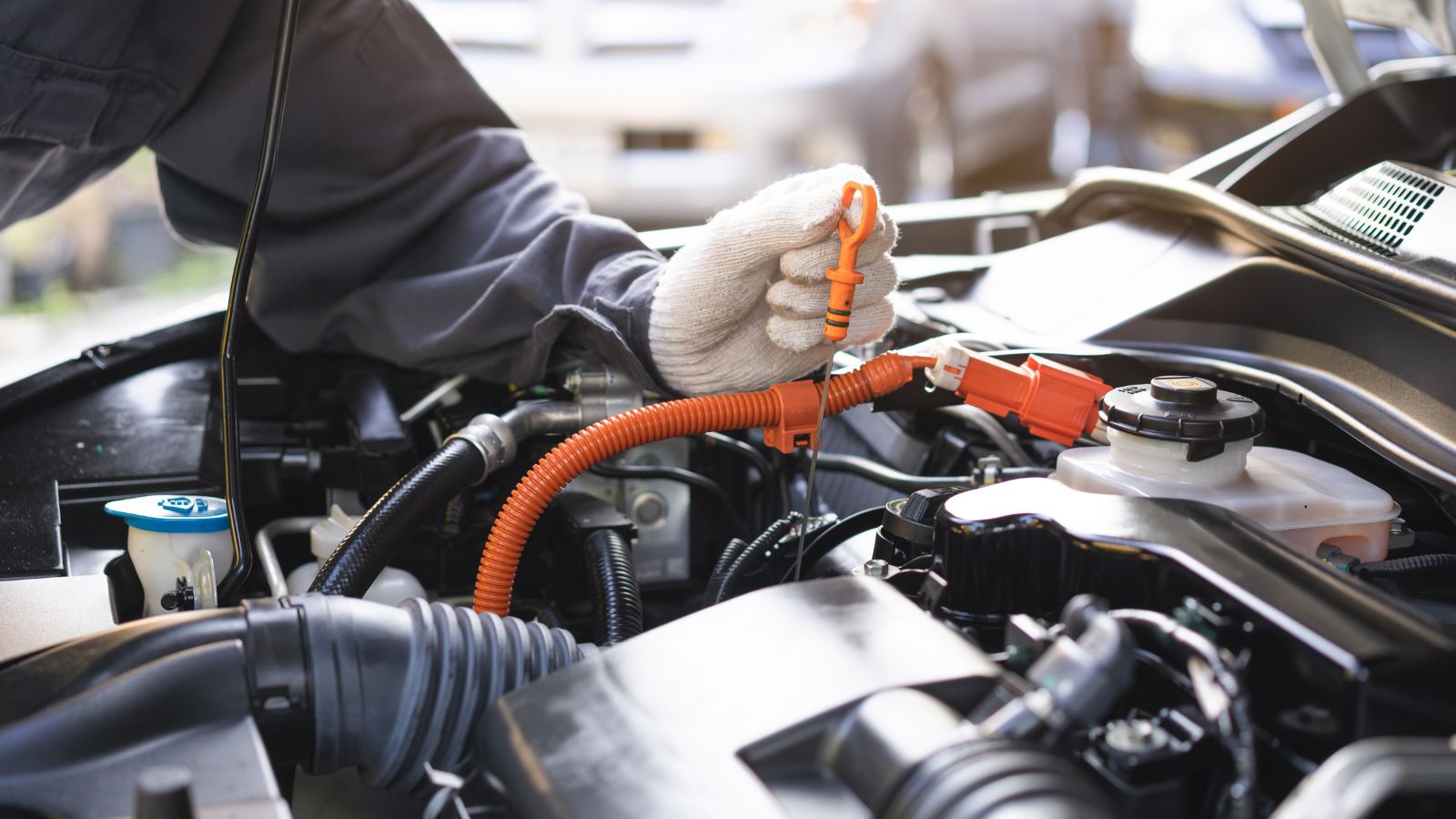
Open recalls are not the same as routine maintenance, but leaving them unresolved can add a sign of incomplete care. Transport Canada maintains a recall database that lets owners and shoppers check vehicles, including by VIN where available. CARFAX Canada reported in early 2026 that nearly one million vehicles on Canadian roads had unrepaired recalls identified, showing how common unresolved safety campaigns can be in the used market.
Because recall repairs are generally handled through the manufacturer, completing them can remove a concern without the owner absorbing the kind of bill associated with ordinary wear. A buyer who discovers an open campaign for airbags, brakes, fuel systems, or electrical components may delay the deal until the status is clear. A seller who checks recalls before listing, books available remedies, and keeps completion paperwork presents a cleaner ownership history. It is a step that reduces uncertainty during inspection and negotiation.
Small Neglected Problems Can Add Up to a Lower Appraisal

Resale value is rarely lost through one dramatic defect alone. Small neglected items accumulate until the car enters lower condition categories in the buyer’s mind. Kelley Blue Book says trade-in value depends on factors including mileage and condition, and advises owners to fix minor issues and present a clean vehicle before appraisal. Its guidance notes that repairing items such as windshield or minor engine issues can improve the trade-in outcome.
The effect is cumulative. A chipped windshield, noisy wiper, stained seat, burned-out bulb, overdue tires, and small fluid leak may each seem tolerable in daily use. Together, they tell an appraiser that reconditioning work is coming. Dealers need room to inspect, repair, clean, and resell a trade-in, while private buyers may reduce their offer by expected repair costs. Routine maintenance works best when it prevents that pileup instead of forcing a seller into an expensive catch-up session just before listing.
The Best Resale Story Is One the Records and Car Both Support
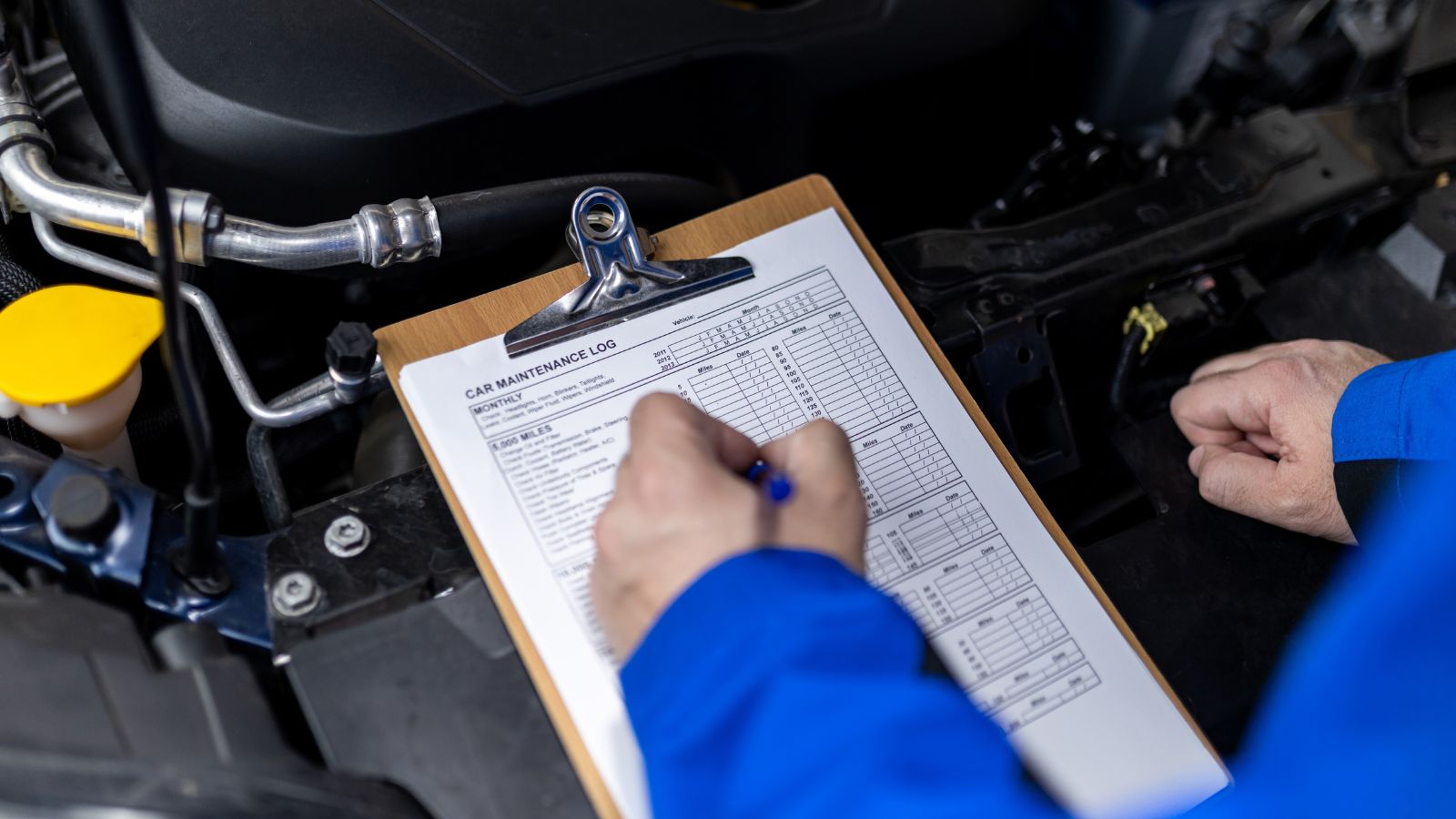
The strongest resale file combines maintenance records with evidence of the car’s current condition. Consumer Reports recommends that used-car buyers obtain an independent inspection, while vehicle-history services can show reported service, accidents, mileage, recalls, and other events. Kelley Blue Book also stresses that history reports do not replace a professional inspection because databases cannot show every instance of wear, repair, or unreported work.
The goal is not to create a perfect-looking folder while ignoring the vehicle itself. The records and the car should tell the same story. Receipts should match the mileage, major services should make sense for the model, warning lights should be absent for legitimate reasons, and the test drive should support the claim of careful ownership. When documentation, visible condition, and an inspection all agree, buyers have fewer reasons to assume hidden costs. That is how routine maintenance becomes a resale asset rather than a forgotten expense.
19 Used Cars Canadians Should Avoid in 2026 (Based on Owner Complaints)

Buying a used car in Canada can feel safe until repair bills start stacking up. Owner complaints tell a different story than glossy listings. Transmission failures, electrical problems, and weak winter reliability show up again and again in consumer reports. Many of these issues appear after warranties expire, when owners least expect them. Some vehicles look affordable upfront, but become expensive to keep on the road. Others struggle in cold weather, urban driving, or long highway commutes. Here are 19 used cars Canadians should avoid in 2026 (based on owner complaints).
19 Used Cars Canadians Should Avoid in 2026 (Based on Owner Complaints)

Alanna Rosen is an experienced content writer that focuses on many EV and educational content. Her articles are regularly published on Get CyberTrucked and syndicated on large publications.