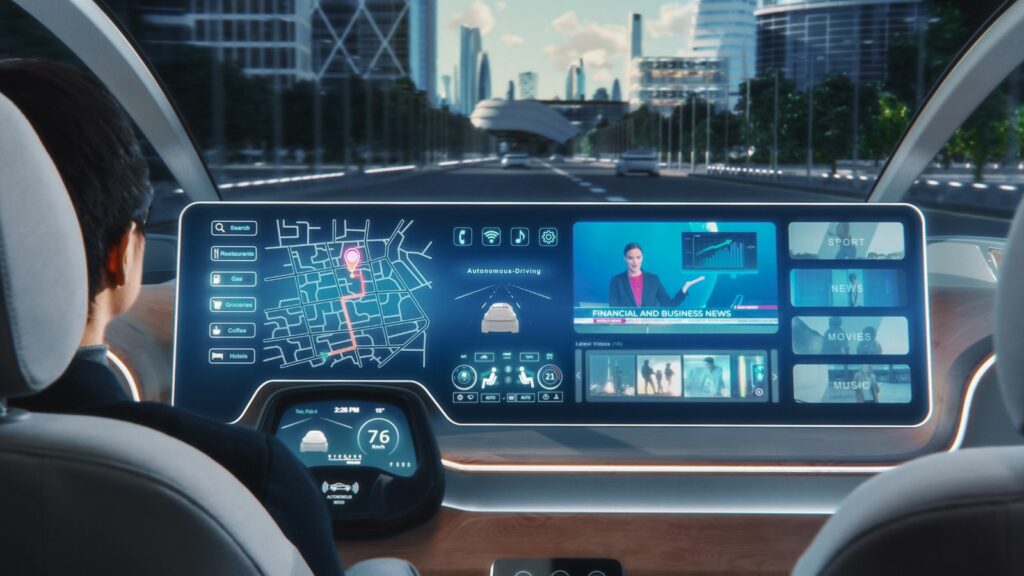
A modern vehicle can remember where it has been, how it was driven, which phone was paired with it and, depending on its features, information produced by apps, cameras and connected services. That makes the old idea of car ownership surprisingly incomplete: the keys and registration may belong to one person, while information generated around the vehicle can move through a much wider digital ecosystem.
In Canada, that tension is becoming a policy issue involving privacy, cybersecurity, insurance, repairs, resale and information that can cross national borders. These 12 issues explain why questions about car data are becoming harder to dismiss—and why the most important question may not be who “owns” every piece of information, but who can collect it, access it, use it, share it and erase it.
The Car Is Now a Rolling Data System
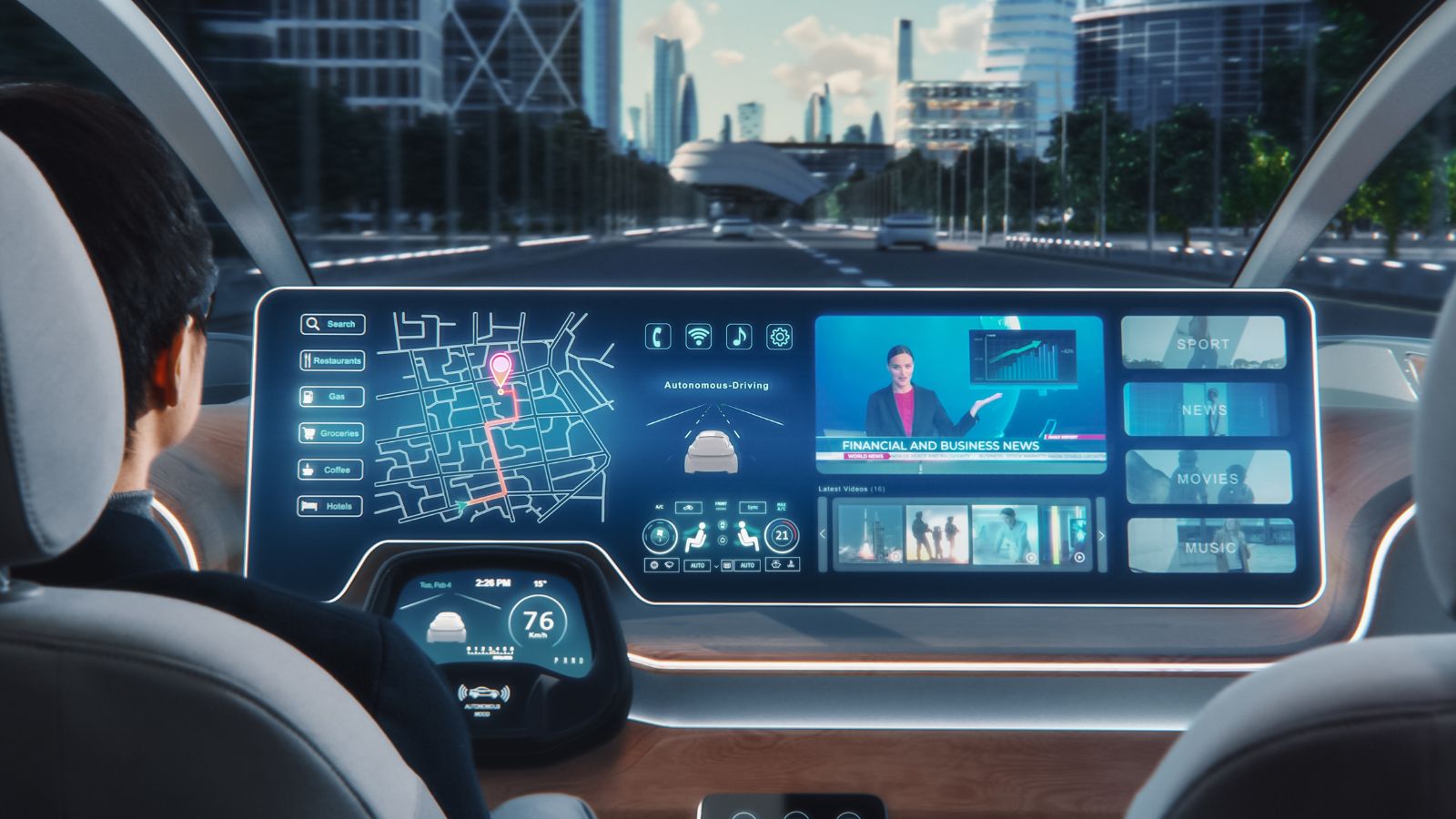
For decades, vehicle information largely meant the odometer reading, a maintenance record or a diagnostic code stored somewhere in the car. Connected models can create a much richer picture. Canada’s privacy regulator says modern vehicles may collect and transmit information such as location history, driving behaviour and personal preferences. Infotainment systems can add another layer when drivers connect phones or use navigation and online services.
Much of that information has legitimate purposes. Diagnostic data can help identify mechanical problems, while connectivity can support navigation, roadside assistance, remote functions and software services. The concern is the scale and persistence of the digital trail that can accompany those conveniences. A driver who thinks of a vehicle simply as transportation may not realize that ordinary trips can also produce records about speed, location, system use or device connections. That gap between what a car visibly does and what it quietly records is helping push vehicle-data privacy into public discussion.
Buying the Vehicle Does Not Settle the Data Question

Paying for a vehicle gives an owner clear rights over the physical machine, but Canadian privacy law does not reduce personal information to an equally simple property title. Under PIPEDA, organizations have responsibilities for personal information under their control, while individuals receive rights involving consent, transparency, access, accuracy and complaints. Alberta, British Columbia and Quebec also have substantially similar private-sector privacy legislation applying within their jurisdictions.
That distinction explains why the question “Who owns the data?” can be misleading. A driver may have strong privacy rights over identifiable information without possessing every database record in the same way the driver possesses the steering wheel. At the same time, an automaker’s ability to hold information does not create unlimited freedom to use it. CAA has highlighted the confusion, citing research in which seven in ten Canadians were unaware of who owned their vehicle information. What many consumers are really seeking is practical control: knowing what exists, why it exists and who gets to see it.
The Data Can Travel Far Beyond the Dashboard
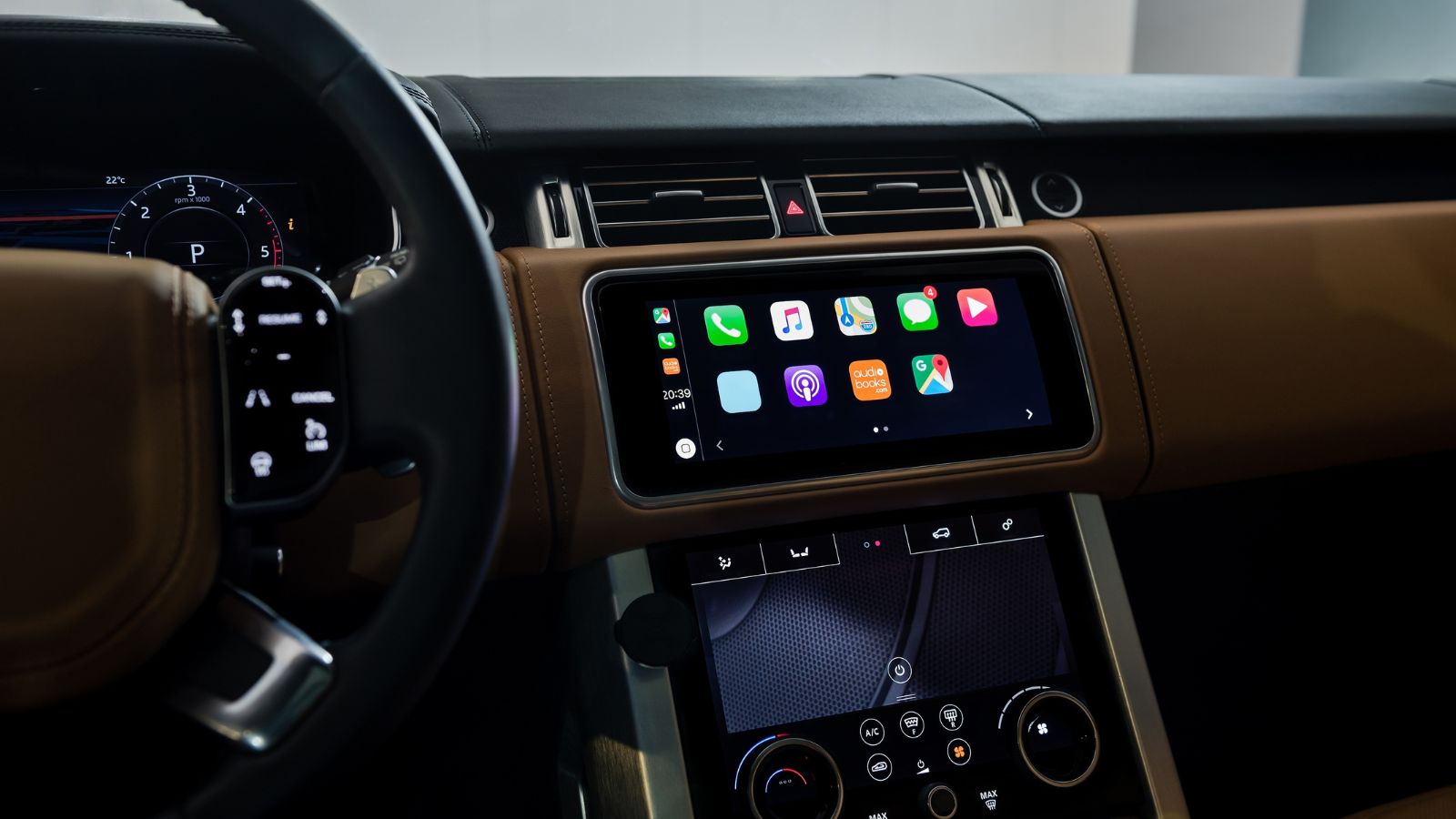
The digital relationship does not necessarily stop between a driver and an automaker. Connected-vehicle services can involve manufacturers, mobile applications, navigation providers, telecommunications systems, dealerships, service providers and other organizations. The Office of the Privacy Commissioner has repeatedly described these information flows as complex and often difficult for individuals to see clearly.
Geography adds another complication. In April 2026, the Privacy Commissioner told Parliament that connected-vehicle information can potentially be transferred to or stored in foreign jurisdictions, where different legal frameworks may affect access and protection. Under Canadian privacy rules, an organization transferring personal information to a third party for processing does not simply shed its accountability for that information. For an ordinary family, however, the important point is more intuitive: a car sitting in a Canadian driveway can participate in an information network extending far beyond that driveway. Questions about vehicle data therefore overlap with questions about cloud computing, corporate accountability, cybersecurity and digital sovereignty.
The Companion App Creates Another Door Into the Car
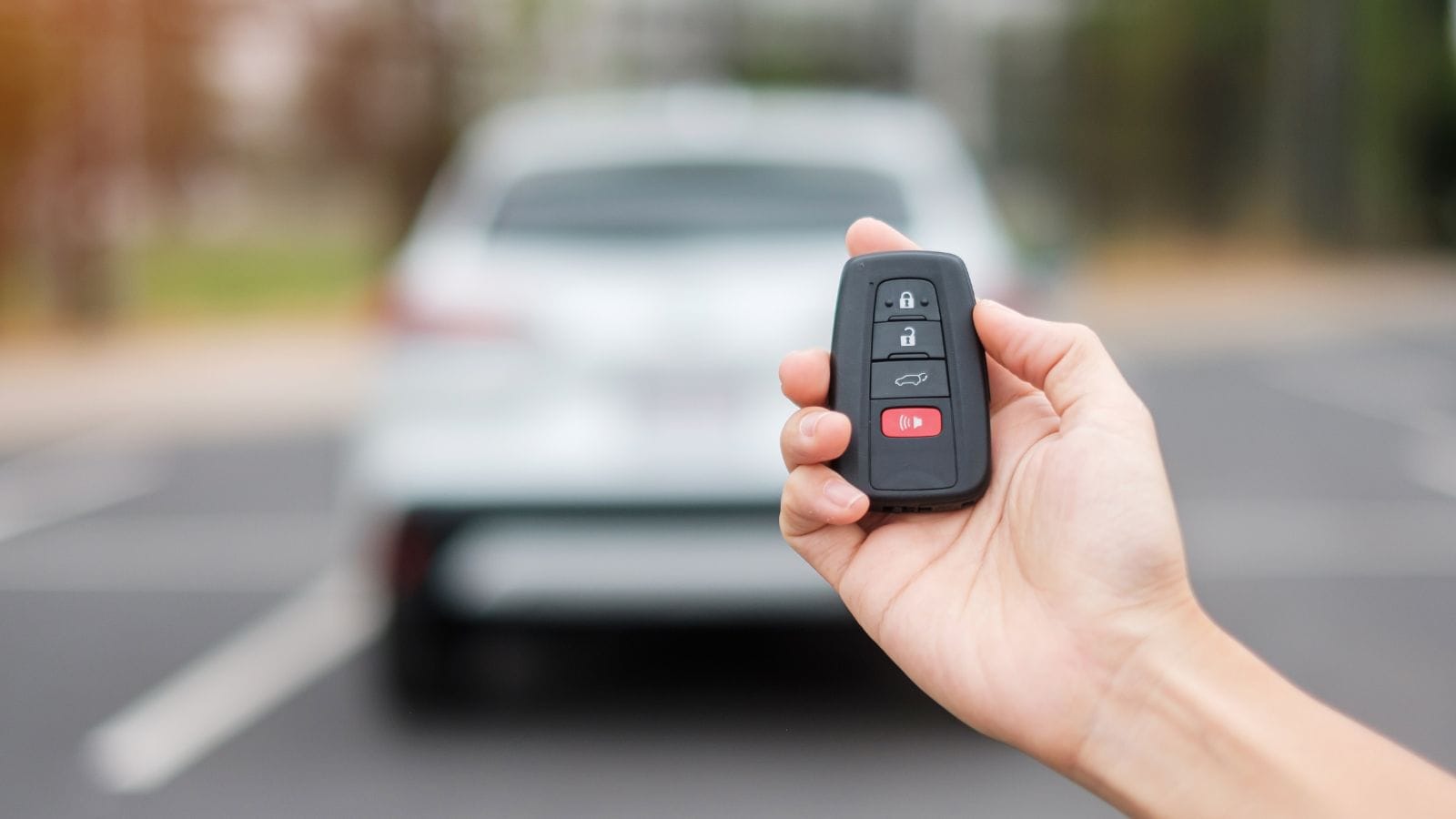
Connected-car applications make vehicle ownership considerably more convenient. Depending on the manufacturer and model, an app may display vehicle status, help locate a parked car or provide remote functions. Ford Canada, for example, explains that connected vehicles and associated accounts can make location and certain remote controls available to authorized users. That turns the vehicle into something resembling a physical product attached to an online account.
The arrangement becomes more complicated when several people share a vehicle. Ford’s Canadian privacy information warns that multiple app accounts associated with the same connected vehicle may have access to information including its location and status, along with functions such as remote locking or starting. That is useful for households sharing one car, but it also makes account management a privacy issue. A forgotten authorized user, an old phone or an account that was never disconnected can matter long after the original setup. Modern vehicle privacy therefore involves checking digital access almost as carefully as keeping track of spare physical keys.
Location History Can Map a Life
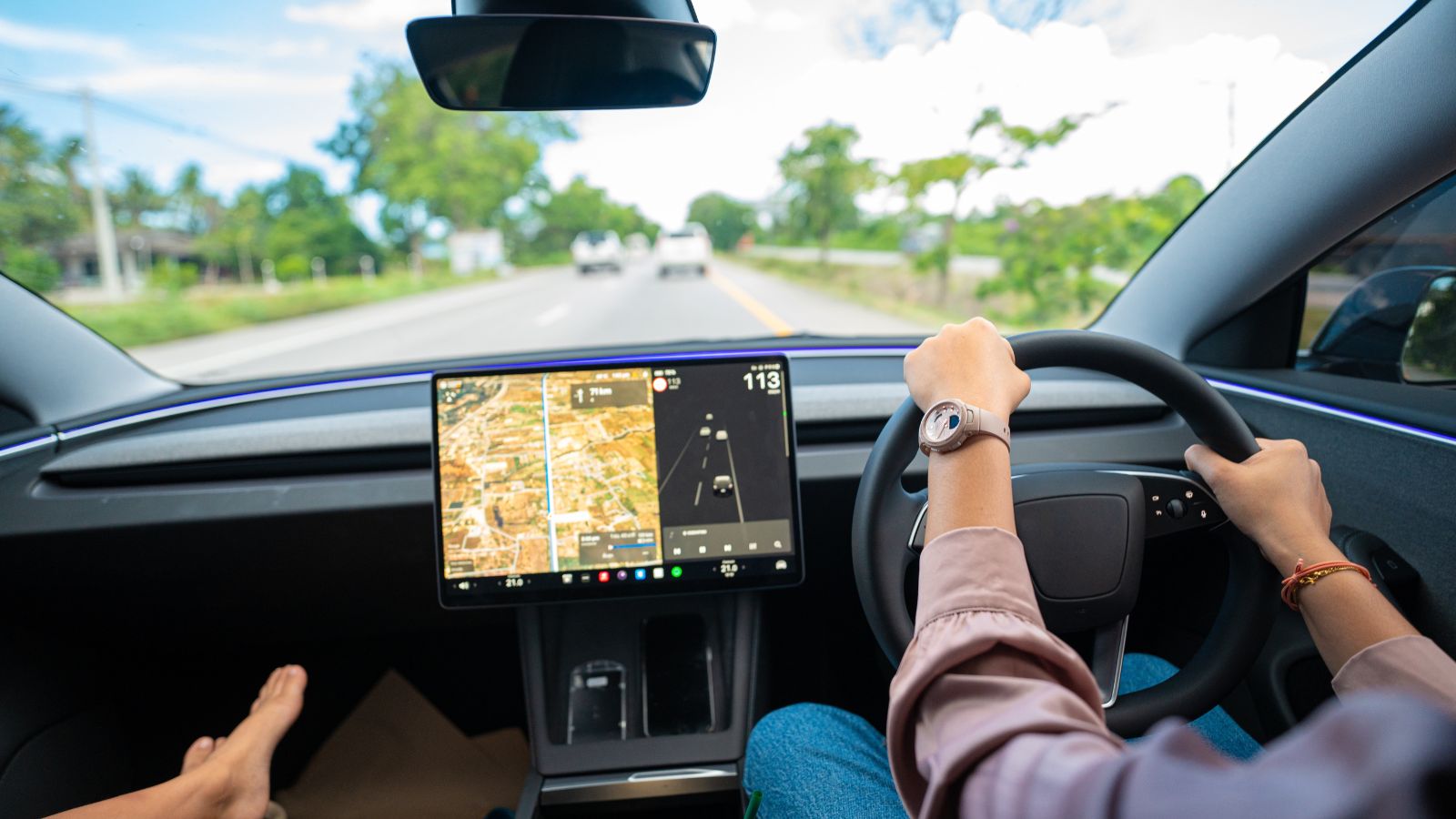
A location point looks harmless in isolation. A long sequence can tell a much more revealing story. Canadian privacy guidance has recognized geolocation as personal information when it can be associated with an identifiable person, and privacy research has noted how patterns of location data can expose places such as a person’s home and workplace. Repeated journeys may also reveal routines that were never intentionally disclosed.
That is why location information often deserves more attention than a driver initially gives it. Consider a vehicle that leaves the same suburban address every weekday morning, remains at another address during business hours and regularly stops at a particular clinic, religious facility or community organization. Even without a written profile, the pattern can generate powerful inferences. Not every connected vehicle collects or shares location information in the same manner, and settings vary substantially by service. Still, Canadians questioning car-data control are increasingly confronting the difference between a navigation feature knowing where the car is right now and a service potentially retaining a longer record of where it has been.
Safety Technology Can Add More Sensitive Signals
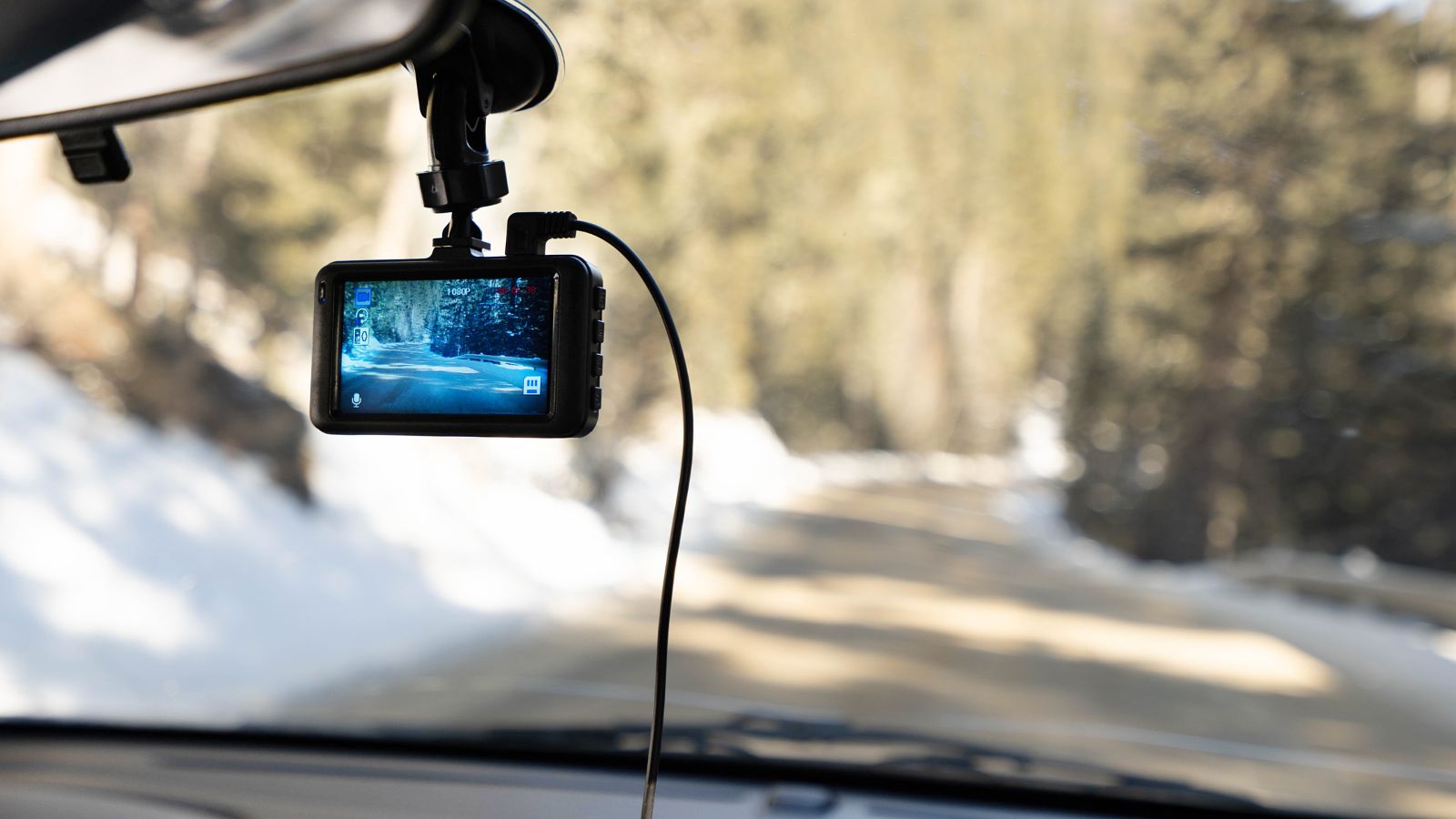
Newer vehicles rely increasingly on sensors to understand their surroundings. Transport Canada notes that advanced driver-assistance systems can use equipment such as cameras and radar for functions including collision warnings, lane assistance and other safety features. More sophisticated connected and automated systems may combine cameras with technologies such as radar, lidar and ultrasonic sensors. These systems can deliver genuine safety benefits without automatically creating the same privacy risk in every vehicle.
The concern is what happens when sensor information becomes connected with identifiable occupants or leaves the vehicle. In July 2026, an Office of the Privacy Commissioner research announcement specifically identified location history, driving patterns, biometric information and infotainment choices among the personal information that modern connected and autonomous vehicles can gather and relay. Biometric information is particularly sensitive when it can uniquely identify someone. As cabins gain driver-monitoring and personalized technologies, Canadians have reason to distinguish between a sensor performing an immediate safety task and information that is subsequently retained, analyzed or transmitted elsewhere.
A Paired Phone Can Bring Personal Communications Along
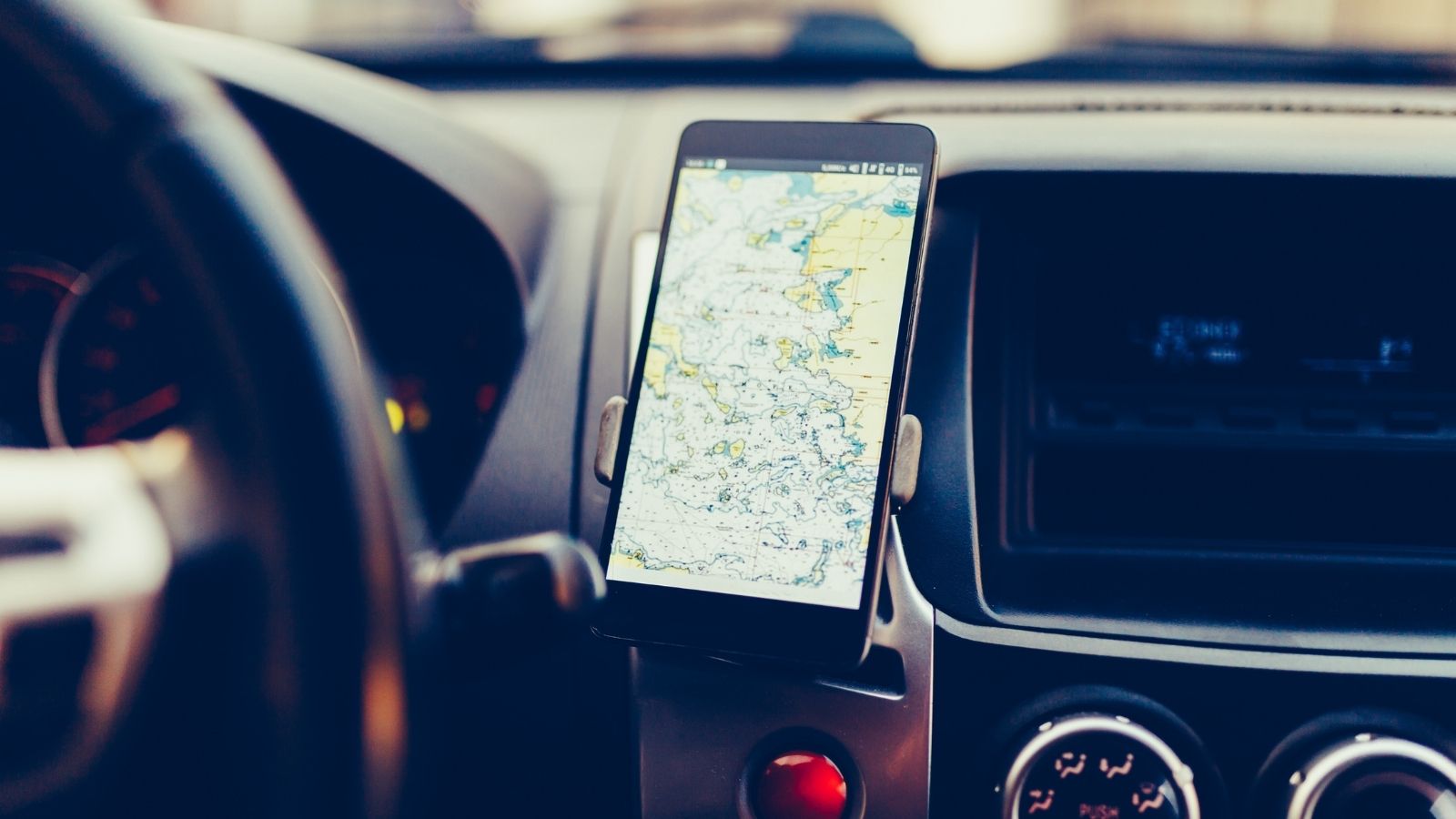
Connecting a phone to a dashboard may feel routine, especially when hands-free calling has become a basic expectation. Yet the connection can expose substantially more than a telephone number. The Office of the Privacy Commissioner has noted that vehicle infotainment systems can obtain access to a phone’s contact list as well as incoming calls, text messages and emails when devices are paired for communication features.
That changes the privacy calculation because some of the information inside the vehicle may concern people who never entered it. A saved contact, message notification or address-book entry can contain information about friends, relatives, colleagues or clients. Ford Canada also warns that connected vehicles may retain imported information such as an address book and may remember previously connected devices or networks. The practical lesson is easy to overlook: connecting a smartphone can merge two large digital environments that were once separate. Borrowed cars, rentals and vehicles shared among household members make that overlap especially important because personal information can potentially remain after the original driver has left.
Consent Is Harder When Data Flows Stay in the Background

Canadian privacy rules are built partly around meaningful consent. The federal privacy regulator says valid consent requires people to reasonably understand the nature, purpose and consequences of the collection, use or disclosure involved. That principle sounds straightforward when a person is deciding whether to provide an email address. It becomes more difficult when connectivity, navigation, remote features, diagnostics and other services are bundled into a product used every day.
The Office of the Privacy Commissioner has specifically described connected-car data flows as complex and non-transparent, noting that drivers may have little awareness of how information captured in a vehicle is being used behind the scenes or which controls are available. That creates a practical problem: a privacy policy can technically exist without making the real-world trade-off obvious. Meaningful choice requires more than a lengthy screen of legal language. Drivers need understandable explanations of what is essential for a feature, what is optional, which organizations receive information and what happens when particular permissions are declined.
Resale Can Leave a Digital Tail Behind
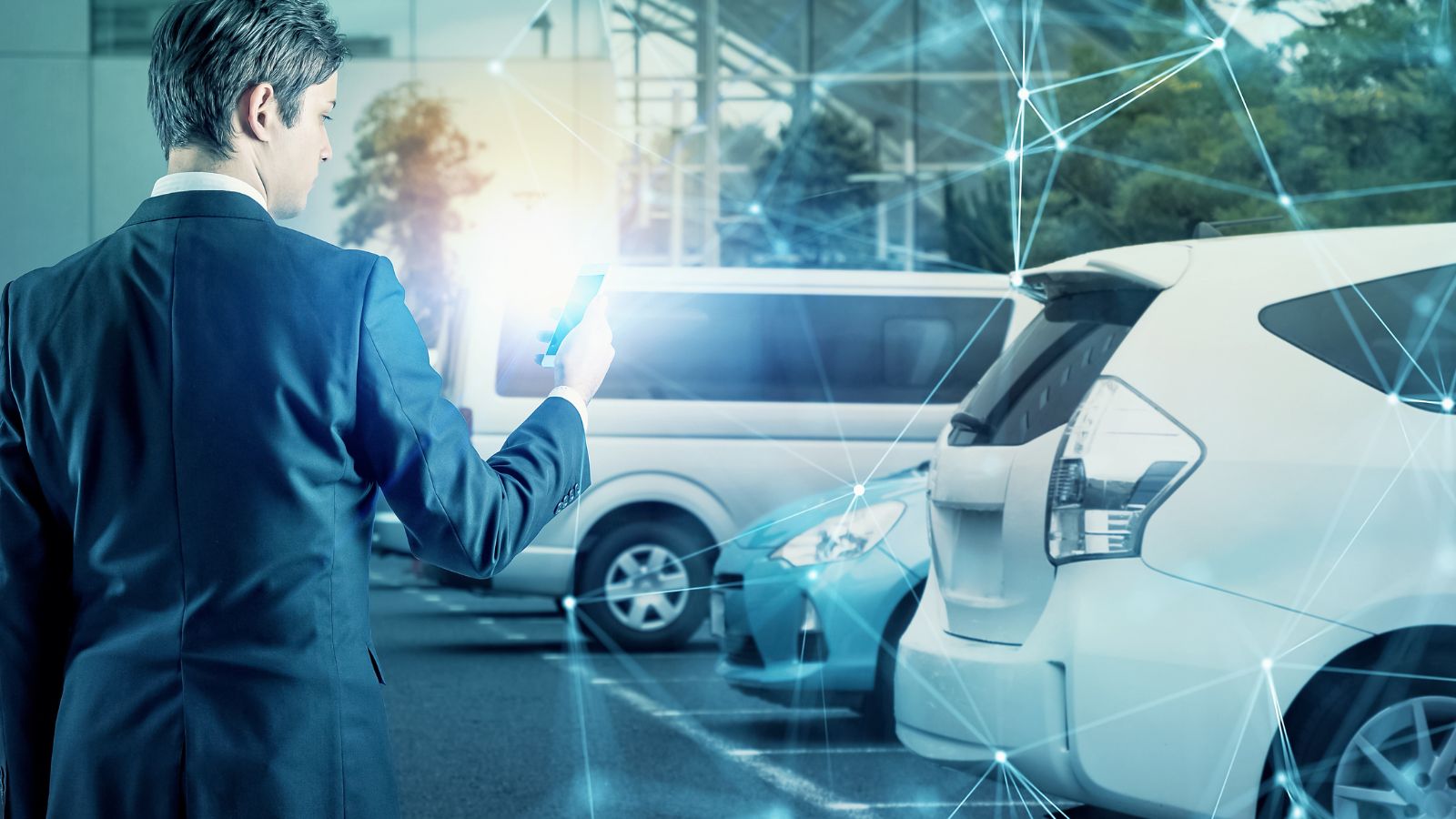
Selling a connected vehicle involves more than clearing the glove box. Ford Canada explicitly advises owners selling a connected vehicle—and consumers buying one used—to perform a master reset. The company says a vehicle may retain connectivity preferences, imported information such as an address book, remembered mobile devices or networks, and associations with connected-service accounts. That creates a modern version of a familiar resale problem: personal belongings can now be digital.
The complication is that a used-car transaction typically focuses on ownership papers, financing, mechanical condition and keys. Digital housekeeping can easily become an afterthought. A family trading in a vehicle after several years may have paired several phones, created multiple user profiles and activated remote services without remembering every connection. The next owner has the opposite concern: making sure a previous account no longer has access. Reset procedures differ among manufacturers and features, so the owner’s manual and account settings matter. The handover of a connected car increasingly deserves a digital checklist alongside the traditional paperwork.
Insurance Turns Driving Data Into Dollars
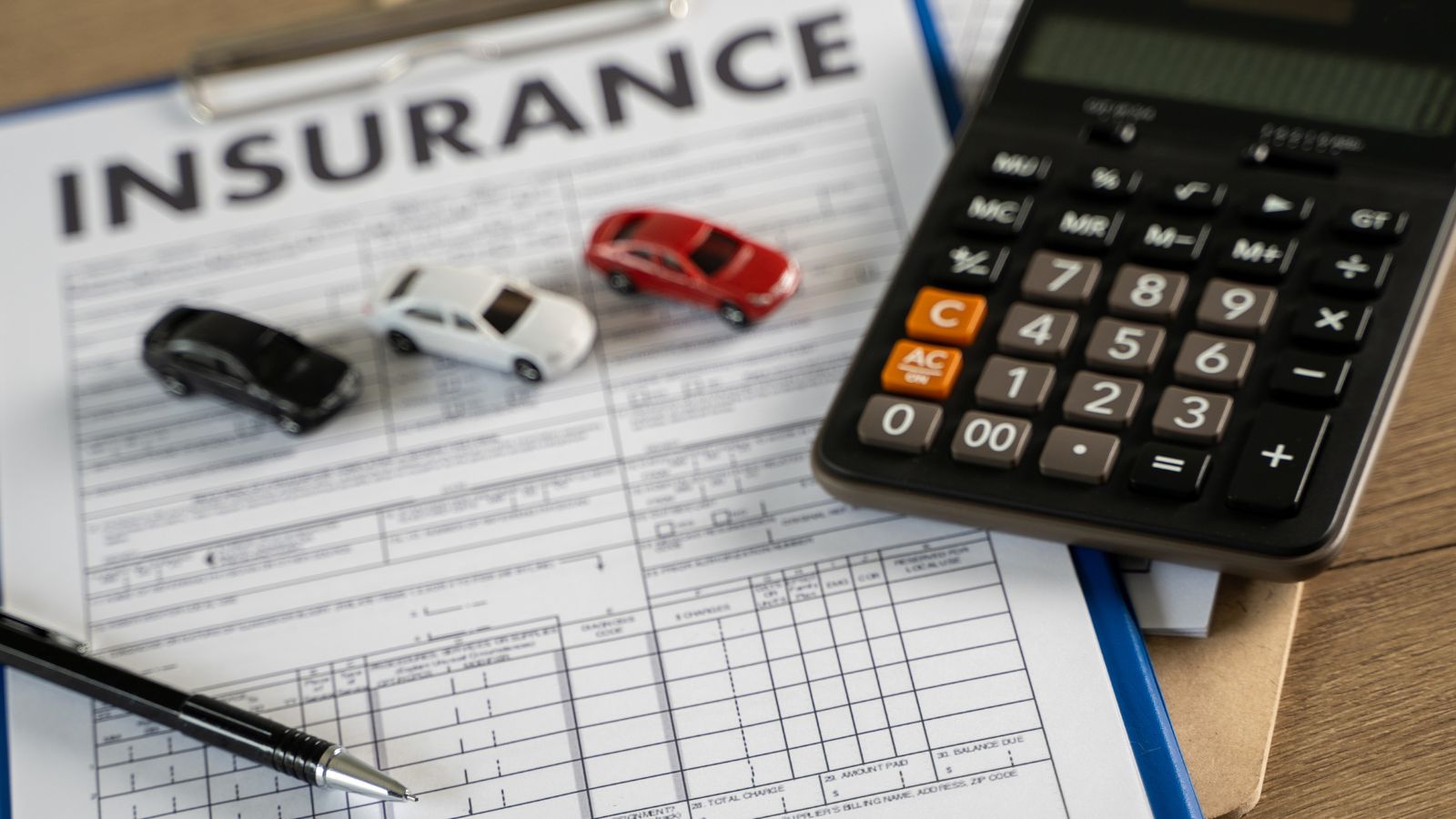
Vehicle information becomes especially tangible when it can affect household expenses. Usage-based insurance, often called telematics insurance, can use an application or device to measure driving patterns. The Insurance Bureau of Canada says these programs may personalize premiums, while Ontario regulatory material has described telematics systems as capable of collecting detailed information about where, how and when vehicles are driven.
This illustrates why vehicle-data debates are about more than abstract privacy. Information can have an economic consequence. Careful driving or low mileage may create an opportunity for savings, which makes telematics attractive to some motorists. At the same time, drivers naturally want to know which behaviours are measured, how scores are calculated, how long information is retained and whether it can be used for purposes beyond the program originally selected. Ontario’s regulator has previously treated telematics information as personal information where it can reasonably be associated with an identifiable driver. Once vehicle data helps determine a price, transparency becomes much more than a technical concern.
Repair Access Makes Data a Competition Issue
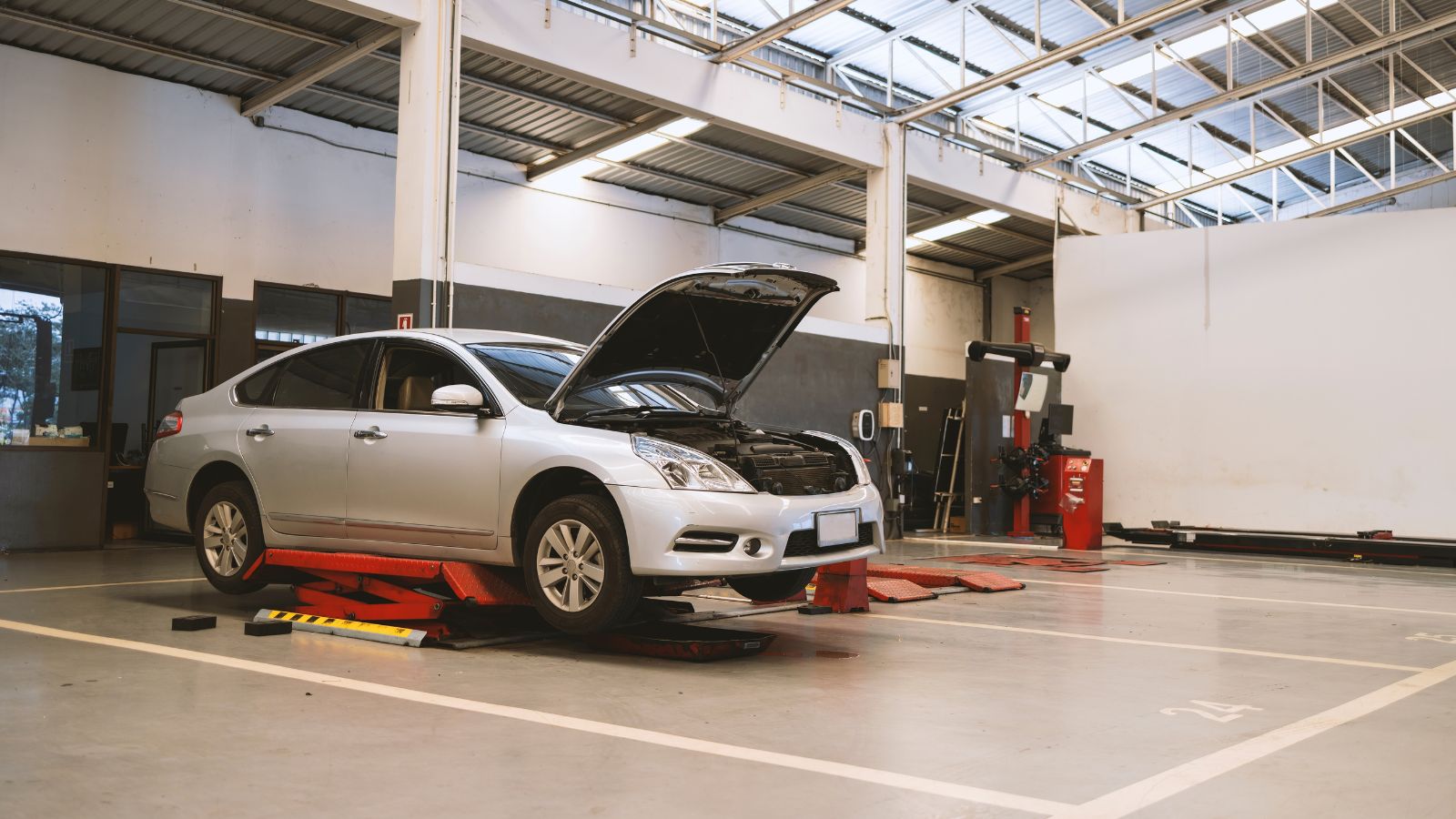
Modern repair increasingly depends on information as well as tools. Diagnostic codes, maintenance information and software-controlled systems can determine whether an independent technician can understand what is wrong and perform a repair effectively. Canada’s Competition Bureau describes right to repair as the principle that consumers should be able to choose a repairer, and it has supported policy approaches that reduce unnecessary barriers to independent repair.
Vehicle groups have pushed the issue further. CAA argues that restrictions on repair and maintenance data can limit who is able to service a vehicle, potentially reducing consumer choice and contributing to delays or higher costs. The Automotive Industries Association of Canada has similarly told the Competition Bureau that independent repairers need access to repair and maintenance information. These positions come from industry and consumer advocates rather than a finding that every automaker blocks every independent shop. Still, they show why “car data ownership” now intersects with competition policy. Control over digital information can influence where a physical vehicle can realistically be repaired.
Canada’s Rules Are Catching Up, but Control Still Matters

The federal debate is moving. Bill C-36, the Protecting Privacy and Consumer Data Act, was introduced on June 15, 2026 as a proposed overhaul of Canada’s federal private-sector privacy framework. As of August 19, 2026, Parliament listed the bill at second reading in the House of Commons, meaning it had not yet become law. Privacy Commissioner Philippe Dufresne called its introduction a pivotal step for privacy in Canada.
For vehicle owners, legislation is only one part of the answer. Existing privacy principles already emphasize accountability, understandable purposes, appropriate consent, safeguards, openness and access to personal information. Practical control also depends on the choices built into each vehicle: reviewing connected-service settings, checking authorized accounts, understanding location permissions, asking organizations what information they hold and resetting a vehicle before transfer. The larger shift is cultural as much as legal. Canadians once expected a car purchase to settle who controlled the machine. Connected vehicles are forcing a second question: who controls the information the machine creates?
19 Used Cars Canadians Should Avoid in 2026 (Based on Owner Complaints)

Buying a used car in Canada can feel safe until repair bills start stacking up. Owner complaints tell a different story than glossy listings. Transmission failures, electrical problems, and weak winter reliability show up again and again in consumer reports. Many of these issues appear after warranties expire, when owners least expect them. Some vehicles look affordable upfront, but become expensive to keep on the road. Others struggle in cold weather, urban driving, or long highway commutes. Here are 19 used cars Canadians should avoid in 2026 (based on owner complaints).
19 Used Cars Canadians Should Avoid in 2026 (Based on Owner Complaints)

Alanna Rosen is an experienced content writer that focuses on many EV and educational content. Her articles are regularly published on Get CyberTrucked and syndicated on large publications.