
Car buying becomes difficult when several numbers are moving at once: vehicle price, fees, financing, trade-in value, add-ons, and monthly payment. One carefully worded question can cut through much of that confusion: “Can I get the complete out-the-door price in writing, with every mandatory fee and optional add-on itemized, before we discuss financing or a trade-in?”
A capable, transparent salesperson should understand exactly what is being requested. An evasive response can reveal much more than a polished sales pitch. These 12 practical checks explain what the answer can expose, why written pricing matters, and how buyers can keep separate parts of the transaction from becoming an expensive blur.
The One Question That Changes the Conversation

The strongest version of the question asks for the complete out-the-door price in writing before financing or a trade-in enters the discussion. That means the buyer is requesting one understandable figure, along with enough detail to see what created it. The FTC specifically recommends obtaining an out-the-door price in writing and says that figure should account for the charges and fees associated with the purchase.
This immediately changes the tone of a negotiation. Imagine a vehicle advertised at $31,500. Instead of beginning with, “What payment are you hoping for?” the conversation must begin with what the vehicle actually costs. A professional salesperson may need a few minutes to calculate taxes or location-specific charges, but the request itself should not be mysterious. When someone repeatedly refuses to put a complete price on paper, the resistance deserves more attention than the sales pitch.
A Straight Answer Should Not Require a Sales Maze

A legitimate price question should normally produce a price-oriented answer. Trouble starts when the response becomes a series of conditions: the advertised figure only works with a particular financing program, an unexplained package must be purchased, or a discount disappears unless a trade-in is included. Those conditions may sometimes have legitimate explanations, but they should be disclosed clearly enough that a buyer can understand which price actually applies.
Pricing transparency remains an active enforcement issue. In March 2026, the FTC announced warning letters to 97 dealership groups concerning potentially deceptive advertised prices and emphasized that mandatory fees should be reflected in the prices consumers are shown. That does not make every complicated quote dishonest. It does show why clarity matters. A salesperson who calmly explains each condition is very different from one who keeps producing a new condition whenever the buyer gets close to a firm number.
A Monthly-Payment Detour Is an Important Warning Sign

“Where would you like the payment to be?” sounds helpful because most households budget monthly. Yet a payment by itself says surprisingly little about whether a vehicle is affordable. Loan term, interest rate, down payment, fees, and financed add-ons can all change the payment while leaving the buyer with a substantially different total cost. CFPB guidance therefore encourages consumers to consider total loan cost rather than concentrating only on the monthly figure.
Consider two deals that both land near $500 a month. One might involve a shorter term and modest interest expense; the other could stretch payments over additional years. The monthly experience initially feels similar, but the long-term economics are not. A salesperson does not become untrustworthy simply by discussing payments. The stronger warning appears when repeated requests for the selling price are answered only with payment questions. That makes comparison unnecessarily difficult and keeps the most basic number moving.
Itemization Makes Unwanted Add-Ons Harder to Hide

Dealer add-ons can include products such as service contracts, protection packages, GAP products, window etching, or other accessories and services. Some buyers genuinely want them. The problem begins when an optional product is presented as unavoidable, appears unexpectedly in the paperwork, or gets bundled so deeply into a payment that its individual price becomes difficult to recognize. Asking for an itemized out-the-door quote forces those products into the open.
The financial stakes can be substantial. In a 2026 settlement involving Lindsay Automotive Group, the FTC and Maryland Attorney General said more than $75 million in consumer charges could qualify for refunds after allegations involving deceptive pricing and unwanted add-ons; the settlement also included a $3.1 million state civil penalty. A buyer does not need to assume every dealership operates that way. Simply asking, “Which of these items can be removed?” provides a useful test of whether optional really means optional.
Vehicle Price Should Be Settled Before Financing

The vehicle purchase and the financing are connected, but they are not the same negotiation. Establishing the vehicle price first gives the buyer a stable figure to compare with quotes from competing dealers. Financing can then be evaluated using interest rate, APR, loan term, amount financed, finance charge, and total payments rather than allowing the loan structure to reshape perceptions of what the car itself costs.
There is another reason to separate the two. CFPB guidance explains that a lender may quote a dealer a “buy rate,” while the contract rate eventually offered to the customer can be higher. Dealer-arranged financing may therefore include compensation for the dealer, and the offered rate is negotiable. For example, a seemingly attractive vehicle discount may be less impressive if it comes with expensive financing. A transparent salesperson should not object when a customer wants to know the car price before deciding whether dealership financing is competitive.
The Trade-In Deserves Its Own Number

A trade-in can make a deal feel better without actually making the new vehicle cheaper. Suppose one dealership offers $3,000 more for an old car but charges $3,000 more for the replacement. The customer sees an impressive trade allowance, yet the overall transaction may be practically unchanged. Keeping the trade separate until the purchase price is understood prevents one moving figure from camouflaging another.
CFPB guidance treats trade-in value as one of several negotiable components and notes that consumers can obtain estimates from multiple dealerships. This is especially important when money is still owed on the old vehicle, because negative equity can potentially become part of the next financing arrangement. A good salesperson should be comfortable saying, in effect, “Here is our vehicle price, and separately, here is what we will pay for the trade.” When those numbers cannot be separated, comparing competing offers becomes far more difficult.
“Mandatory Fee” Should Come With a Name and Explanation

Not every fee on a dealership worksheet is automatically suspicious. Taxes, registration-related charges, and other legitimate costs may apply depending on the jurisdiction and transaction. What deserves scrutiny is a vague mandatory charge that cannot be explained, particularly when it appears only after the customer has invested significant time negotiating around a lower advertised number.
The practical response is simple: ask for every charge to be identified and ask whether it is mandatory, optional, dealer-imposed, or government-related. In 2026, the FTC told dealership groups to review whether advertised prices matched the prices actually charged and whether required fees were properly reflected. That makes itemization more than a bargaining tactic; it is a basic transparency check. A competent salesperson should be able to explain why a charge exists. Responses such as “everybody pays it” or “the computer automatically adds it” are not nearly as useful as a clear description and dollar amount.
A Written Quote Tests Whether the Advertisement Was Realistic

Advertising gets a customer through the door; a written quote shows what the dealership is actually prepared to sell. That difference matters when an attention-grabbing online price depends on rebates most shoppers cannot receive, undisclosed conditions, mandatory products, or additional dealership charges. The FTC advises buyers to obtain the out-the-door amount in writing partly because it makes competing offers easier to compare and helps reveal last-minute additions.
A real-world enforcement example shows why the distinction matters. The FTC’s 2026 warnings to dozens of dealership groups focused on concerns that advertised prices could be lower than what customers actually had to pay. A shopper looking at three similar SUVs can therefore learn more from three written out-the-door quotes than from three large website prices. If one salesperson is willing to email a complete breakdown while another insists that pricing can only be discussed after arrival, the difference itself is useful information.
Used-Car Warranty Claims Should Match the Buyers Guide

With a used vehicle, pricing is only part of the salesperson test. A buyer should also compare verbal claims about warranty protection with the FTC Buyers Guide displayed on the vehicle. Under the federal Used Car Rule, covered dealers must display this document on used vehicles they offer for sale. Among other information, it indicates whether the vehicle is being offered with warranty coverage or under applicable “as is” terms.
That creates a simple credibility check. Suppose a salesperson casually says, “Don’t worry, the dealership covers anything major for a few months,” while the paperwork provides much narrower protection. The written terms matter far more than a reassuring sentence across a desk. FTC materials specifically caution buyers about relying on oral promises and encourage getting commitments in writing. A trustworthy salesperson should be willing to slow down, show the relevant document, and explain exactly which systems are covered rather than leaning on vague phrases such as “fully protected.”
A History Report Is Useful, but It Is Not an Inspection

Used-car history information can reveal important facts that are difficult to discover during a short test drive. The federal National Motor Vehicle Title Information System provides consumers access to information that can include title history, the most recent reported odometer reading, brand history, and certain theft-related information. Asking whether the dealership can provide a history report is therefore another reasonable test of transparency.
Still, a clean-looking report should never be treated as proof that the vehicle is mechanically healthy. FTC guidance explicitly warns that a vehicle history report is not a replacement for an independent mechanical inspection. A report may identify a salvage history while saying little about a transmission beginning to fail, a leaking cooling system, or poorly completed suspension work. A cooperative salesperson should understand why a serious buyer wants an outside mechanic involved. Strong resistance to an independent inspection deserves careful consideration, particularly on an expensive used vehicle.
The VIN Can Reveal Open Safety Recalls
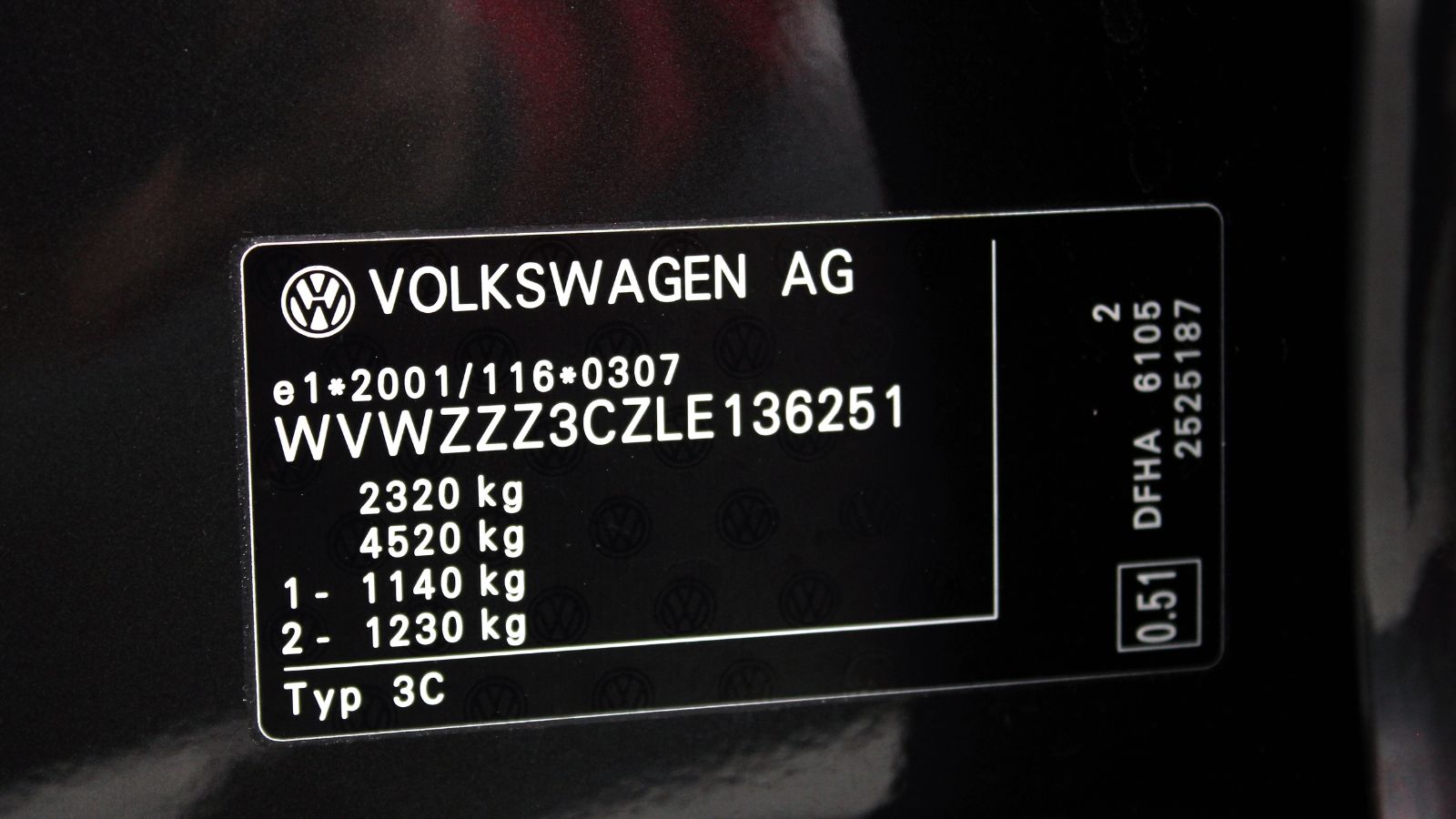
A vehicle identification number is more useful than many shoppers realize. NHTSA provides a recall lookup that allows consumers to enter a VIN or, in some circumstances, other vehicle information to check whether a specific vehicle has an unrepaired safety recall. Recall repairs are generally handled through the manufacturer’s dealer network without charging the owner for the recall remedy.
This creates another straightforward dealership interaction. Before signing for a used vehicle, a buyer can ask for the VIN and check it independently. There is little reason for a legitimate seller to make a vehicle’s identity difficult to verify. An open recall does not automatically make the salesperson dishonest or the vehicle unacceptable; recalls affect millions of vehicles and can often be corrected routinely. What matters is the response. A salesperson who provides the VIN and discusses the issue calmly inspires more confidence than one who dismisses a verifiable safety concern or pressures the customer to sign first.
The Final Contract Must Match the Deal That Was Discussed

Even a good verbal negotiation can become a bad purchase if the final paperwork contains different numbers. Before signing, the buyer should compare the contract with the written price previously provided, paying attention to the vehicle price, down payment, trade allowance, financed amount, optional products, APR, finance charge, and total payments. Truth in Lending disclosures for applicable auto financing are designed to present key borrowing costs before the contract is signed.
This is also where patience becomes valuable. FTC consumer guidance recommends reviewing sales and financing agreements carefully and questioning unfamiliar fees or unwanted add-ons. Imagine that the negotiated worksheet showed $34,200, but the contract suddenly includes a $1,495 protection product that was never requested. That is the moment to stop, not rationalize. The strongest protection provided by the original out-the-door question is a written reference point. If the final paperwork does not match it, the salesperson should be able to explain exactly why before anyone signs.
19 Used Cars Canadians Should Avoid in 2026 (Based on Owner Complaints)

Buying a used car in Canada can feel safe until repair bills start stacking up. Owner complaints tell a different story than glossy listings. Transmission failures, electrical problems, and weak winter reliability show up again and again in consumer reports. Many of these issues appear after warranties expire, when owners least expect them. Some vehicles look affordable upfront, but become expensive to keep on the road. Others struggle in cold weather, urban driving, or long highway commutes. Here are 19 used cars Canadians should avoid in 2026 (based on owner complaints).
19 Used Cars Canadians Should Avoid in 2026 (Based on Owner Complaints)

Alanna Rosen is an experienced content writer that focuses on many EV and educational content. Her articles are regularly published on Get CyberTrucked and syndicated on large publications.