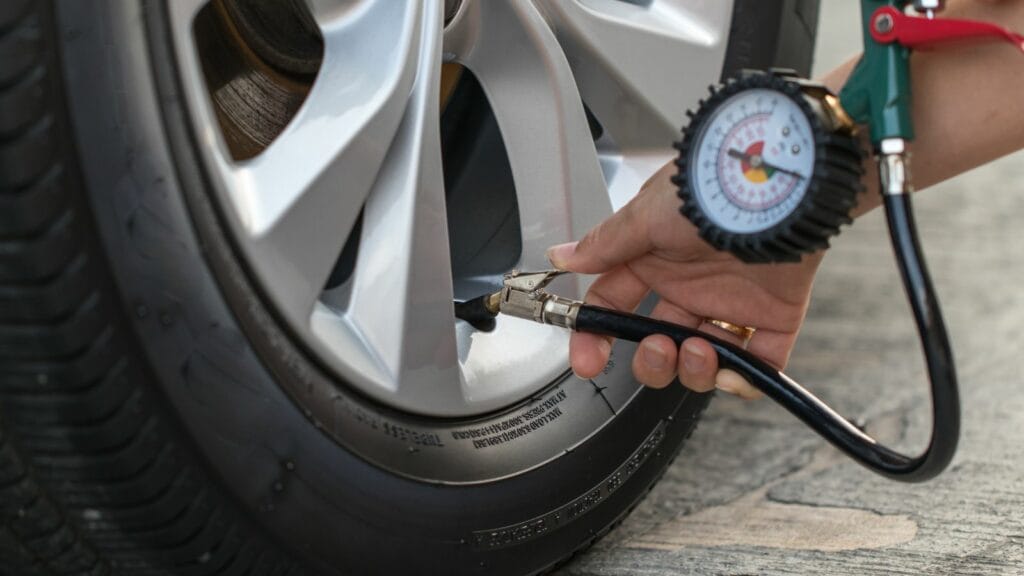
A tire can look perfectly healthy while quietly wearing itself out faster than necessary. One of the simplest ways to protect tread life costs little more than a few minutes: regularly checking and correcting tire pressure. Because pressure changes naturally with time, temperature, and driving conditions, small deviations can remain unnoticed until they have already affected wear, efficiency, or safety.
These 12 practical points explain why a monthly cold-tire pressure check matters, how to do it correctly, why dashboard warnings are not enough, and when an extra check makes sense. The goal is not to turn routine driving into constant maintenance, but to make one small habit consistent enough that expensive tires have a better chance of delivering the service life they were designed to provide.
Make It a Once-a-Month Ritual
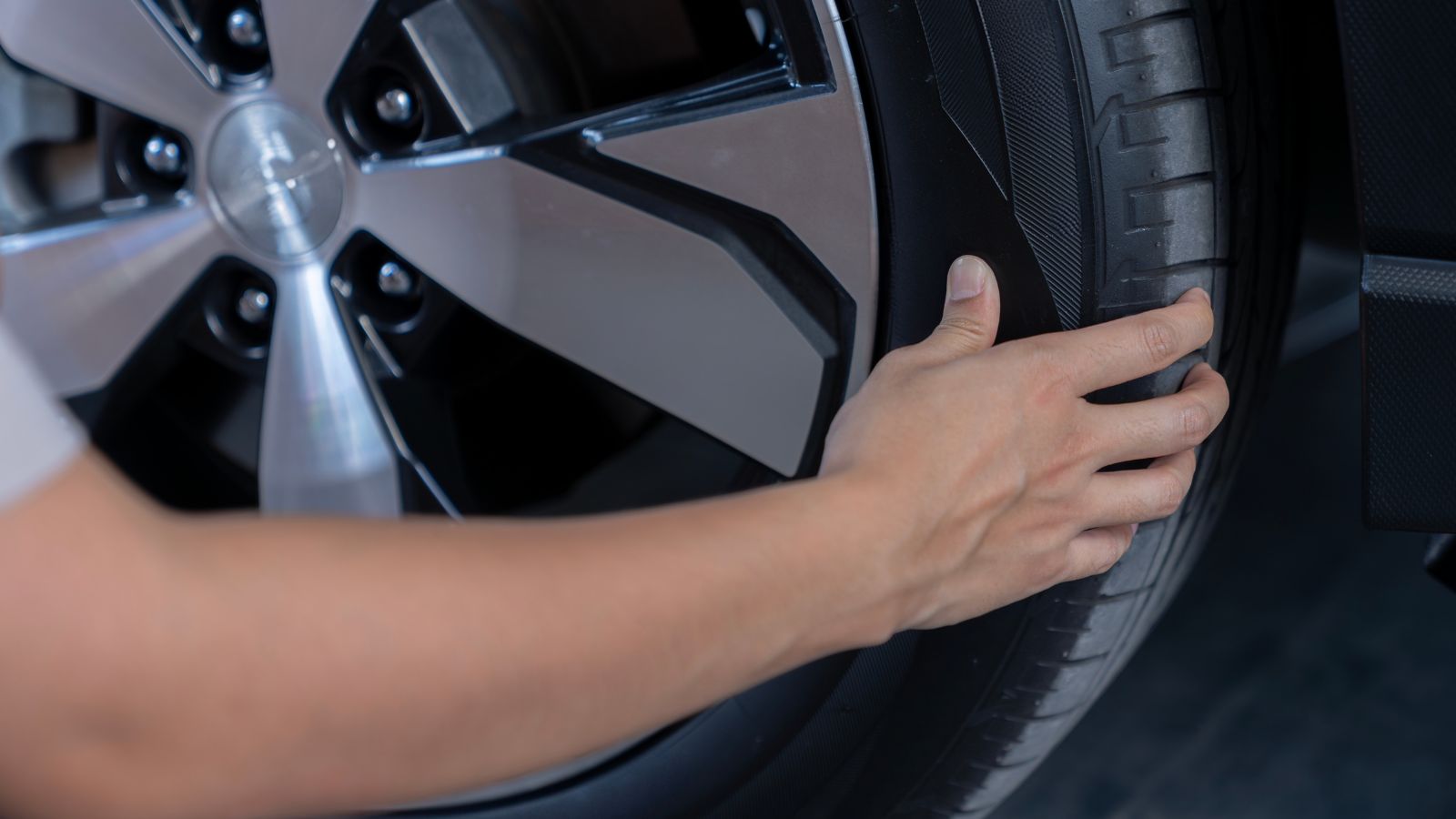
The easiest way to protect tire life is to turn pressure checking into a habit instead of reacting to a warning light. USTMA recommends checking inflation at least once a month with a tire gauge. That schedule matters because pressure can change gradually enough that a driver may not feel anything unusual from behind the wheel. A monthly check gives small losses a chance to be corrected before they become a persistent source of uneven wear, excess heat, or higher rolling resistance.
The routine does not need to become a maintenance project. A driver can keep a gauge in the glovebox, choose the same weekend each month, and check all four tires before the vehicle has been driven. The value comes from repetition. Tires are consumable parts, and avoiding months of unnoticed underinflation can help them reach more of the service life their tread and construction were designed to deliver.
Start With the Vehicle Placard, Not the Tire
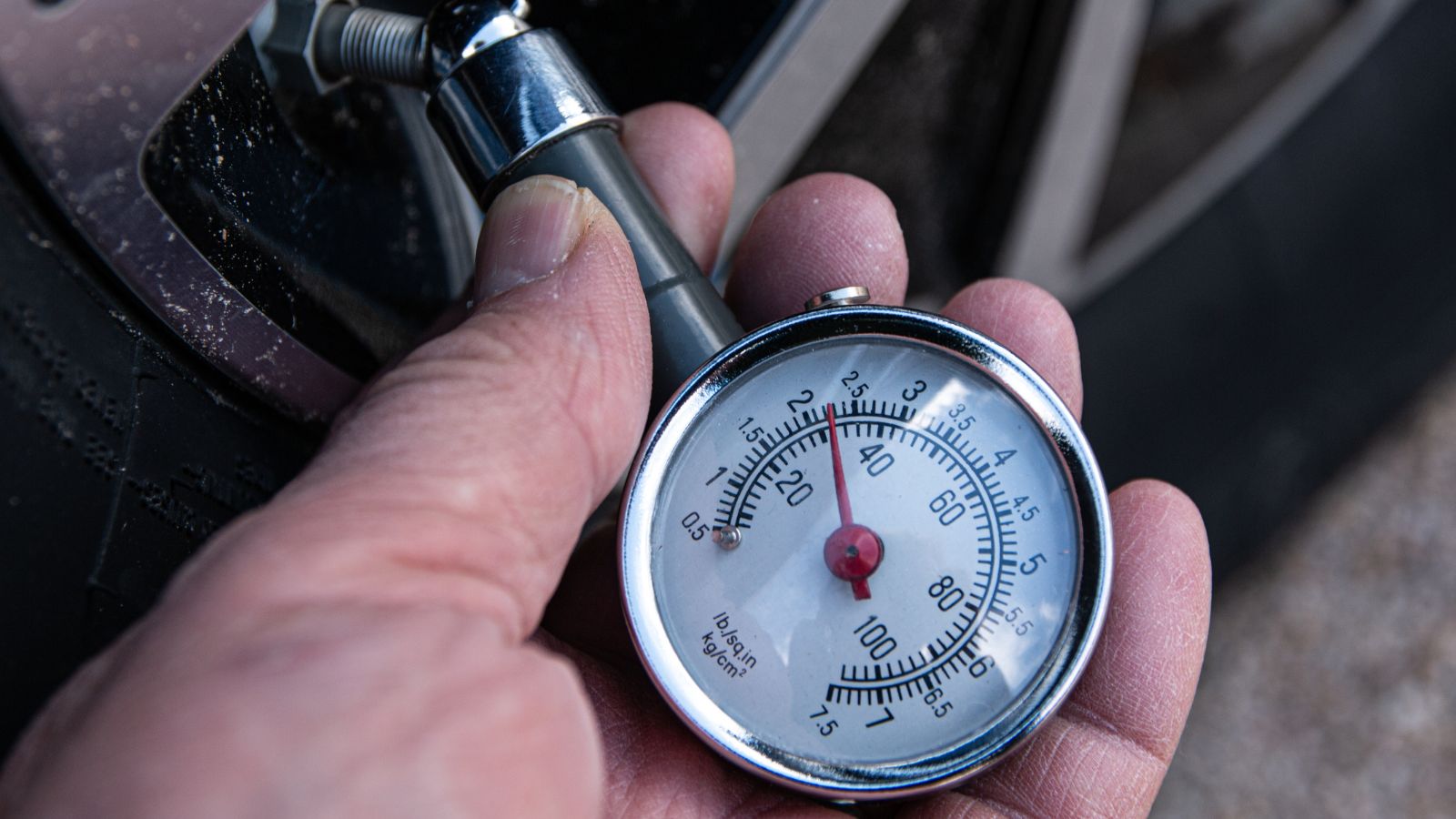
A pressure check is only useful when the target number is correct. The recommended cold inflation pressure appears on the vehicle’s driver-side door placard or in the owner’s manual. That figure is chosen by the vehicle manufacturer for the vehicle’s tires, loading, and handling requirements. The pressure molded onto a tire sidewall is not the everyday inflation target; it relates to the tire’s own rating and should not be confused with the vehicle recommendation.
This distinction prevents a surprisingly common maintenance mistake: seeing a large PSI number on the tire and assuming that is where the gauge should land. Instead, the placard should be treated as the reference point when pressure is checked or adjusted. Some vehicles specify different front and rear pressures, making the label even more important. Seconds spent carefully reading the placard can prevent months of driving on a setting that accelerates wear rather than controlling it.
Measure Before the Drive
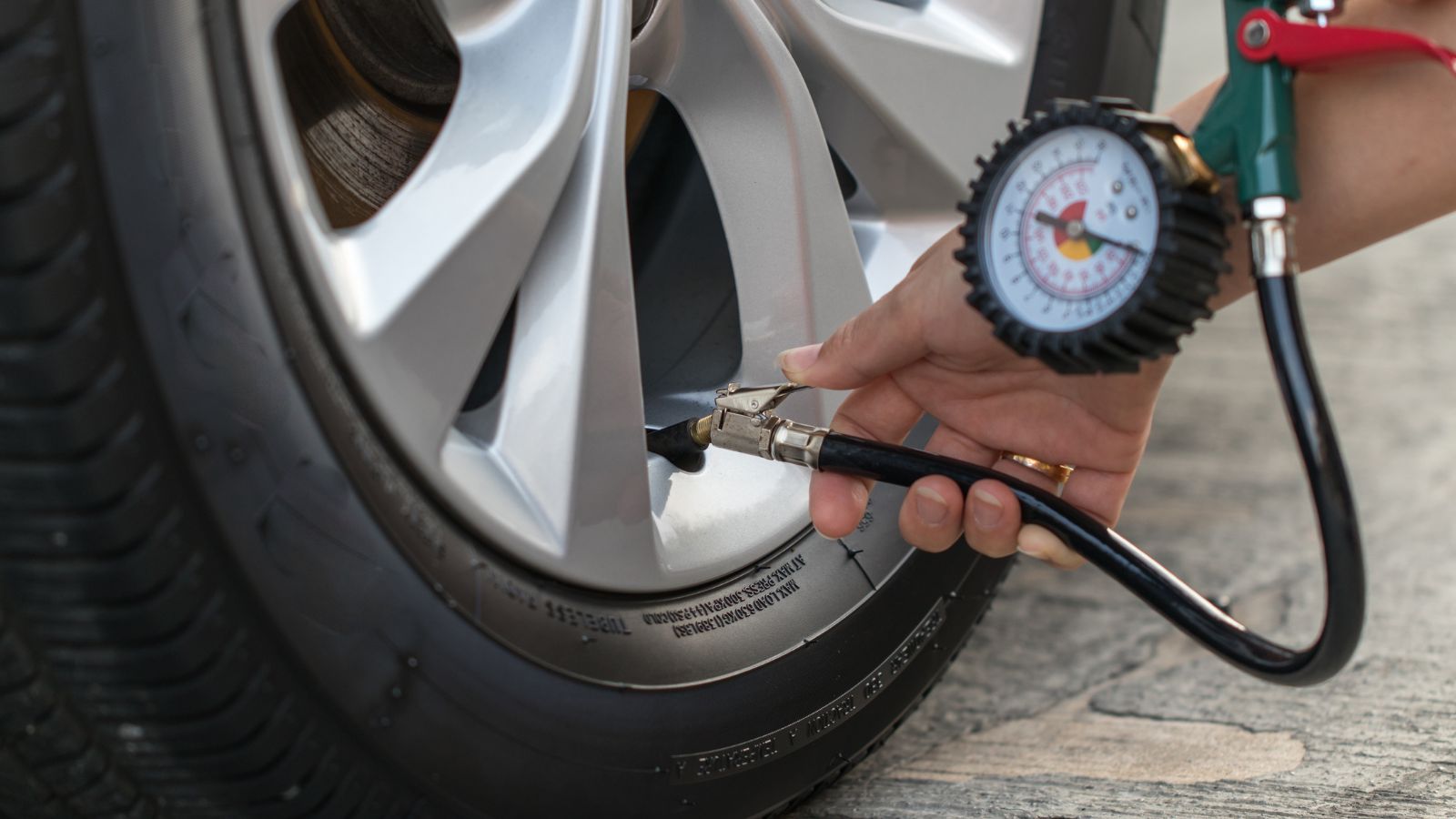
Tire pressure should be checked when the tires are cold because driving warms the tire and the air inside it. As temperature rises, the measured pressure rises as well. Michelin recommends checking before driving or after the vehicle has been parked long enough for the tires to cool. USTMA similarly defines a cold check as one made after the vehicle has been parked for at least three hours. That makes an early-morning check convenient.
A warm reading can create false confidence. A tire that appears to be at the recommended PSI after a highway drive may fall below that figure once it cools. Deflating a warm tire to match the cold-pressure specification can create the opposite problem, leaving it underinflated later. The simplest routine is therefore also the most accurate: check before the day’s driving begins, compare each reading with the placard, then add or release air only as needed.
Expect Pressure to Drift Down
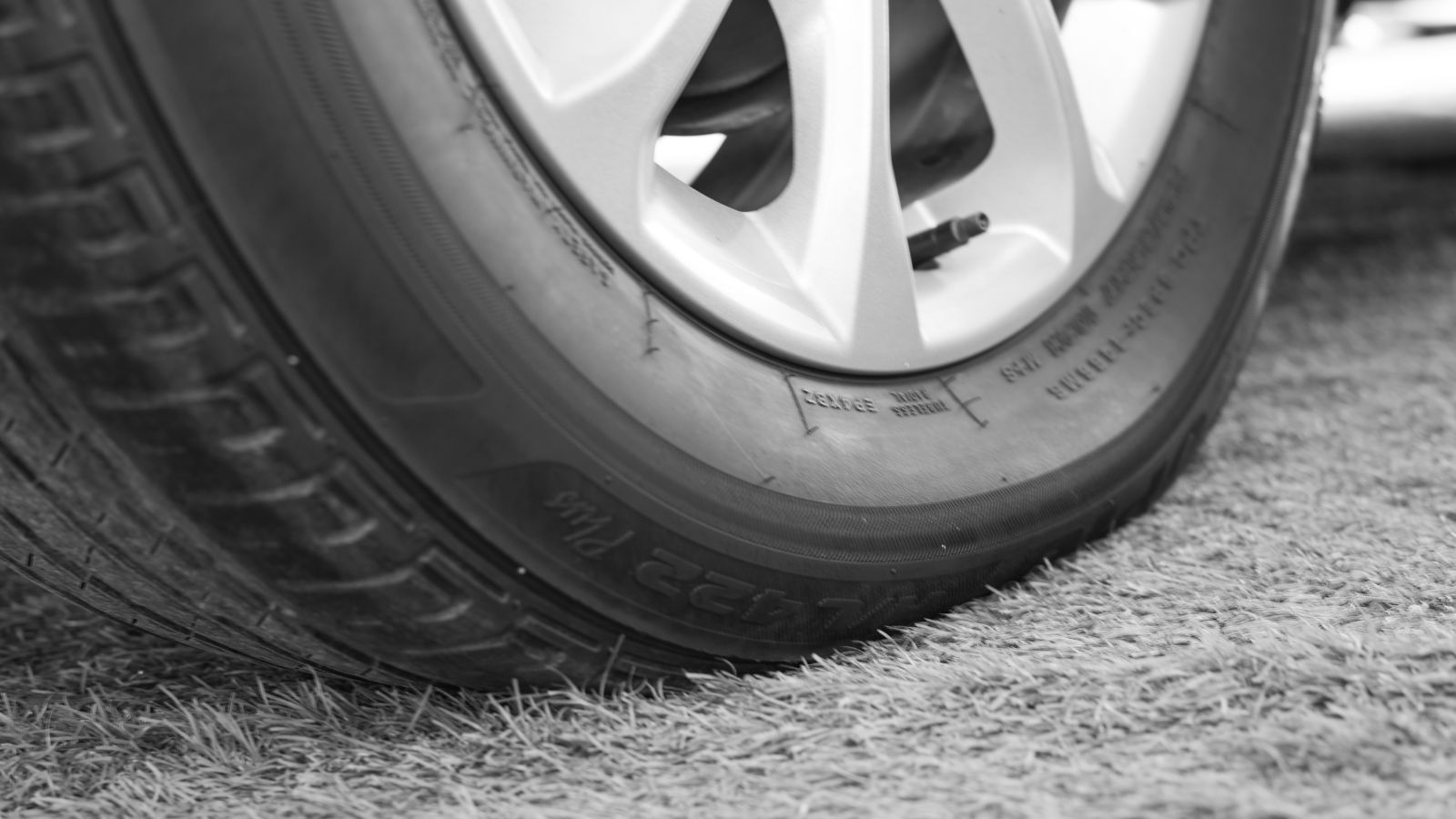
A tire does not need a nail in it to lose pressure. Michelin notes that tires naturally lose air over time, even without a puncture, which is why a regular schedule matters more than visual inspection. A tire can still look normal while sitting a few PSI below its recommended setting, particularly on modern vehicles with relatively low-profile sidewalls. Waiting for an obvious sag can therefore allow underinflation to persist for weeks or months.
Monthly checks catch that slow drift while the correction is still simple. Adding a small amount of air is inexpensive; replacing tread that has worn prematurely is not. The habit also creates a useful baseline. If every tire loses a modest amount over a long period, normal seepage or seasonal change may be involved. If one tire suddenly needs repeated top-ups, the pattern stands out and signals that something beyond ordinary pressure loss may need attention.
Weather Can Move the Gauge Quickly
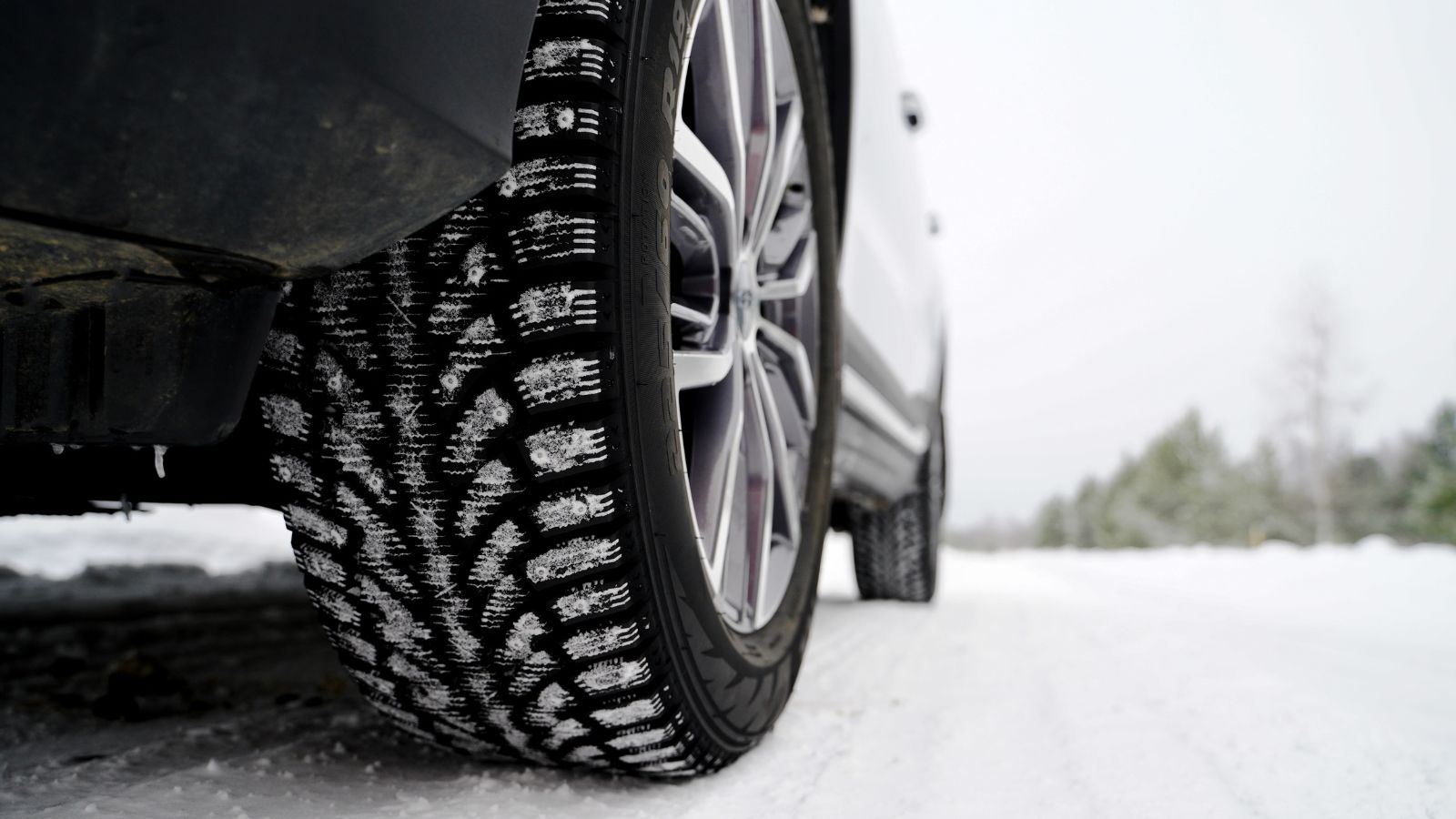
A sealed tire can show a different pressure when weather suddenly changes. USTMA says tire pressure can rise in warm weather or fall in cold weather by roughly one to two PSI for every 10-degree temperature change. That is why the first cold stretch of autumn often sends drivers to air pumps even when no puncture is present. The tire has not necessarily lost that air; internal pressure has changed with temperature.
The practical lesson is to keep the monthly habit flexible around major seasonal weather swings. A sharp overnight temperature drop is a good reason to check sooner rather than waiting for the next scheduled date. The same principle applies when seasons change or a vehicle travels between very different climates. Pressure should still be adjusted to the vehicle manufacturer’s cold specification, not to a guessed seasonal number. The gauge, the placard, and cold tires provide the reliable combination.
Low Pressure Makes the Tire Work Harder
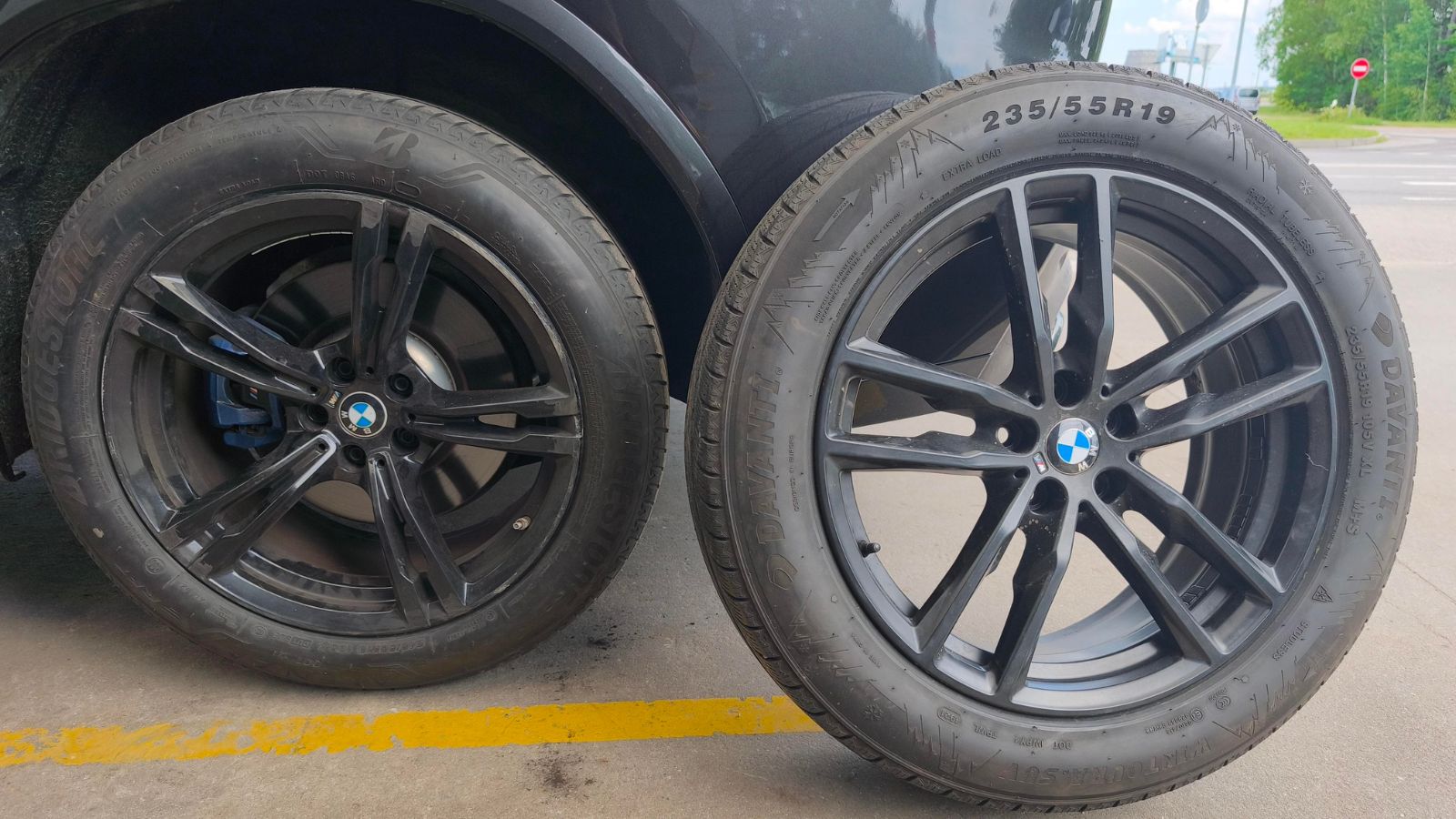
Underinflation changes how a tire flexes as it rolls. USTMA warns that underinflated tires generate excessive heat, stress, irregular wear, and internal damage. Michelin also explains that low pressure increases sidewall flexing, which raises operating temperature and can accelerate internal degradation. The issue is not merely different tread contact; the tire’s structure is being asked to bend more with every revolution, mile after mile.
That extra work helps explain why a small pressure deficit can become a surprisingly large ownership cost when ignored over time. A commuter may cover hundreds of miles in a week, meaning an underinflated tire can cycle through that added flexing thousands of times before anyone checks it. Correcting pressure early reduces the time spent operating in that damaging condition. It cannot undo damage already caused by severe or prolonged underinflation, but it can help prevent a minor pressure drop from becoming a long-term wear pattern.
Small Corrections Can Add Thousands of Miles
The payoff from proper inflation is measurable. NHTSA says keeping tires properly inflated can extend tire life by about 4,700 miles. Michelin provides another illustration of the same relationship, noting that a tire consistently 20% underinflated can lose about 20% of its potential service life. Those figures make pressure maintenance more than practical safety advice; they turn a few minutes with a gauge into defense against early replacement costs.
Consider a household that drives daily but rarely inspects the tires between oil changes. If pressure remains low for months, the tread may age unevenly long before the driver notices a problem. By contrast, a monthly check creates twelve opportunities each year to correct small deviations. No maintenance habit can guarantee a specific mileage because tire life also depends on alignment, rotation, road conditions, load, driving style, and tire design. Still, proper inflation removes one important, preventable source of premature wear.
Proper Pressure Pays at the Pump
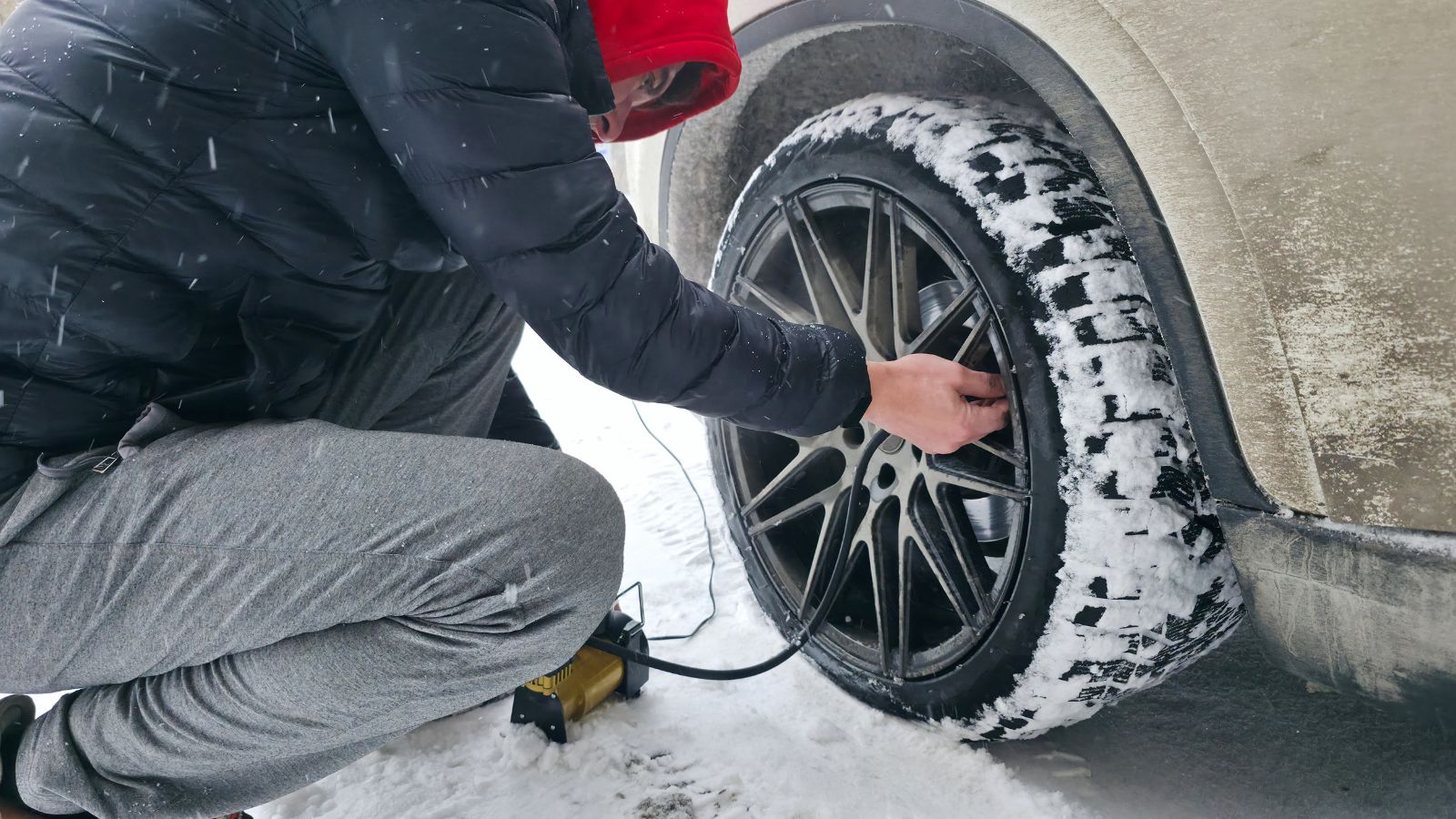
Correct inflation can also reduce the energy wasted in moving the vehicle. The U.S. Department of Energy states that properly inflated tires can improve gasoline mileage by about 0.6% on average and by as much as 3% in some cases. Underinflated tires have higher rolling resistance, so the engine must work harder to keep the vehicle moving. One fill-up may show little difference, but the effect repeats across trips on correctly inflated tires.
That makes tire pressure a habit that can quietly protect two budgets: the future tire bill and the current fuel bill. The benefit is especially easy for drivers to overlook because there is no dramatic moment when the savings appear. Instead, efficiency gains accumulate quietly over thousands of kilometres or miles. Drivers of gasoline vehicles see the effect at the pump, while the underlying principle—reducing unnecessary rolling resistance—also matters to overall vehicle efficiency more broadly.
Do Not Wait for the Dashboard Light
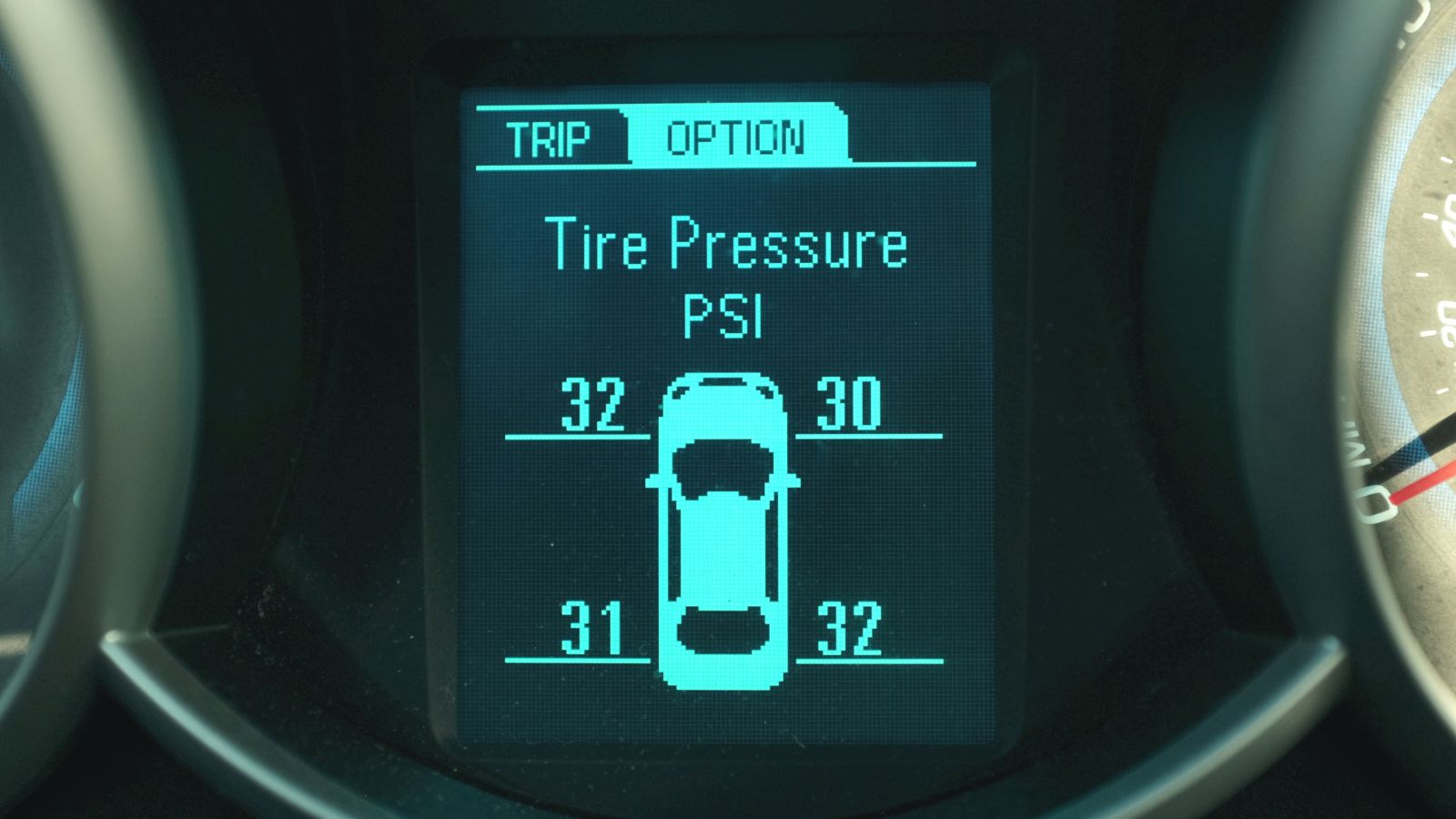
Tire-pressure monitoring systems are valuable safety devices, but they are not designed to replace routine checks. USTMA notes that TPMS warnings can occur when tires are about 25% underinflated and explicitly says the system is not a substitute for a monthly pressure check with a gauge. NHTSA also advises drivers to inspect tires and check pressure when a TPMS warning appears, including warnings that come and go during cold weather.
The distinction is between monitoring significant underinflation and maintaining the ideal everyday setting. A driver who waits only for the dashboard symbol may spend considerable time below the recommended pressure without receiving an alert. A simple gauge catches smaller deviations sooner and gives an actual PSI reading that can be compared with the door placard. TPMS should therefore be treated as a backup warning system, while the monthly cold-pressure check remains the preventive habit that keeps tires closer to specification.
Include the Spare in the Routine
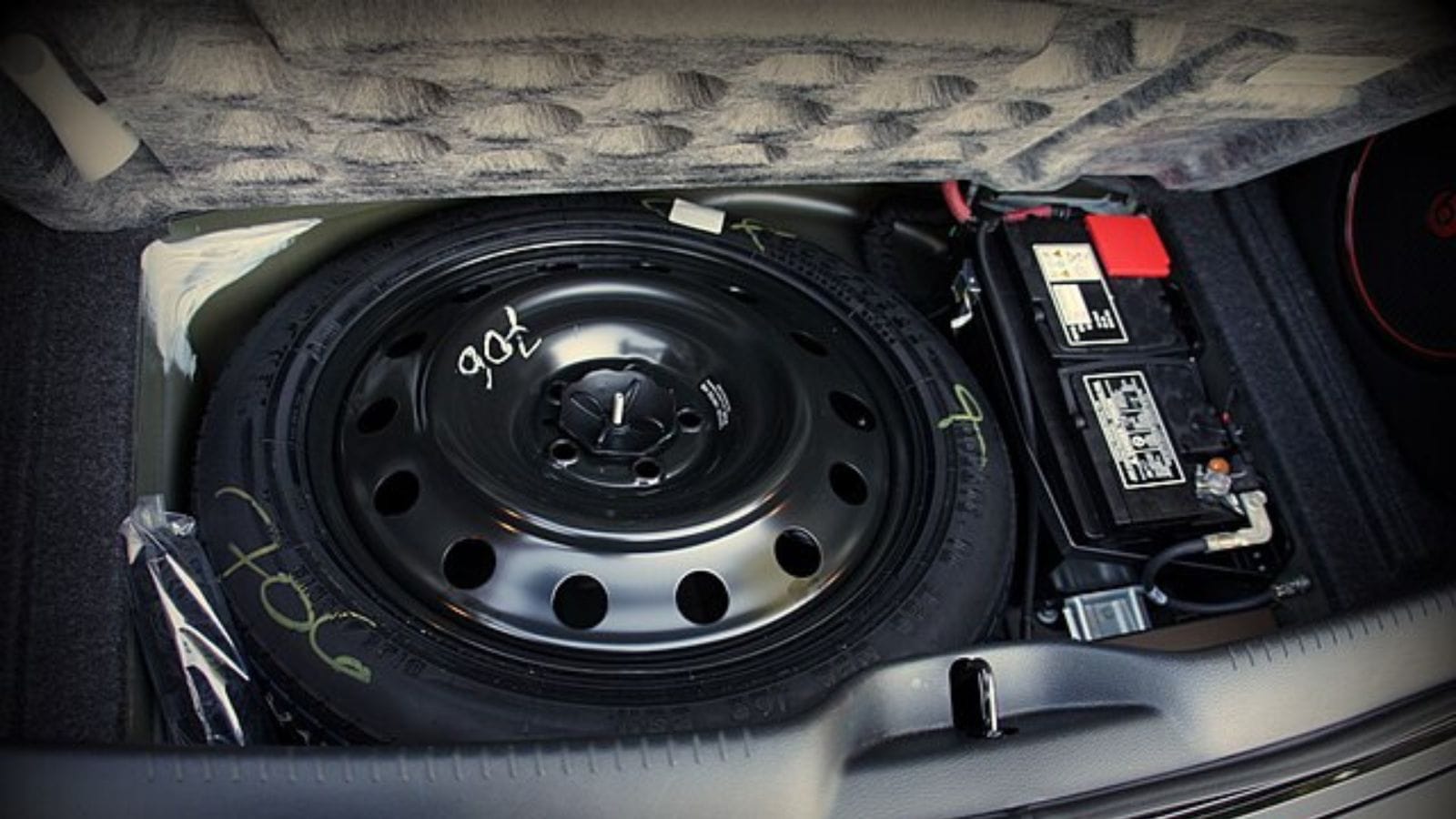
A spare tire can be forgotten because it does not accumulate tread wear in the trunk or under the vehicle. Air pressure is different and changes over time. Michelin notes that spare tires also lose air naturally and should be checked periodically too. USTMA likewise reminds drivers not to forget the spare when checking inflation. A badly underinflated spare often reveals itself at the worst time—after another tire has failed.
The spare may have a different recommended pressure from the four road tires, so its specification should be confirmed in the owner’s manual or vehicle information. Compact temporary spares often use substantially different pressure settings from full-size tires. Adding the spare to an established pressure routine turns an emergency component into something dependable rather than assumed. It takes little extra time, yet it can readily determine whether a roadside tire problem becomes a manageable inconvenience or a longer delay.
Check Again Before Extra-Demand Driving
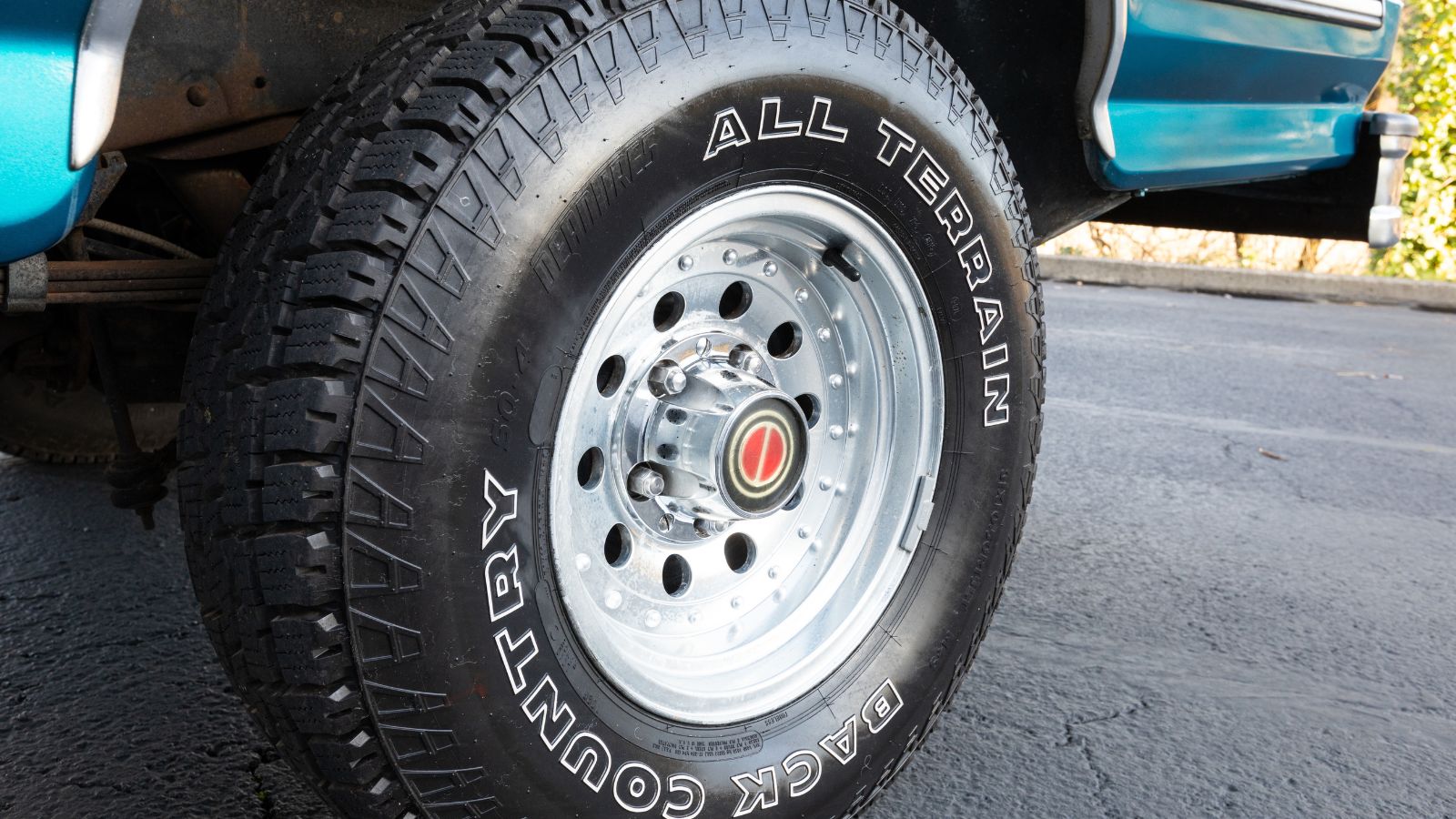
A monthly schedule is the foundation, not an excuse to ignore unusual driving demands. USTMA recommends checking tire pressure before long trips, when carrying heavy loads, or when towing a trailer. These situations place more demand on tires and make it important to start with the manufacturer’s specified cold pressure. A vacation, moving day, or towing weekend is a trigger for an extra check even if the regular monthly date is still weeks away.
This is also a moment to inspect the tread and sidewalls for visible damage, because pressure is only one part of tire condition. The check itself should still follow the same rules: use a gauge, work from the vehicle placard or owner’s manual, and measure when the tires are cold. Building these pre-trip checks into packing or loading routines helps turn tire care from an afterthought into part of preparing the vehicle for the job ahead.
Treat Repeat Pressure Loss as a Clue
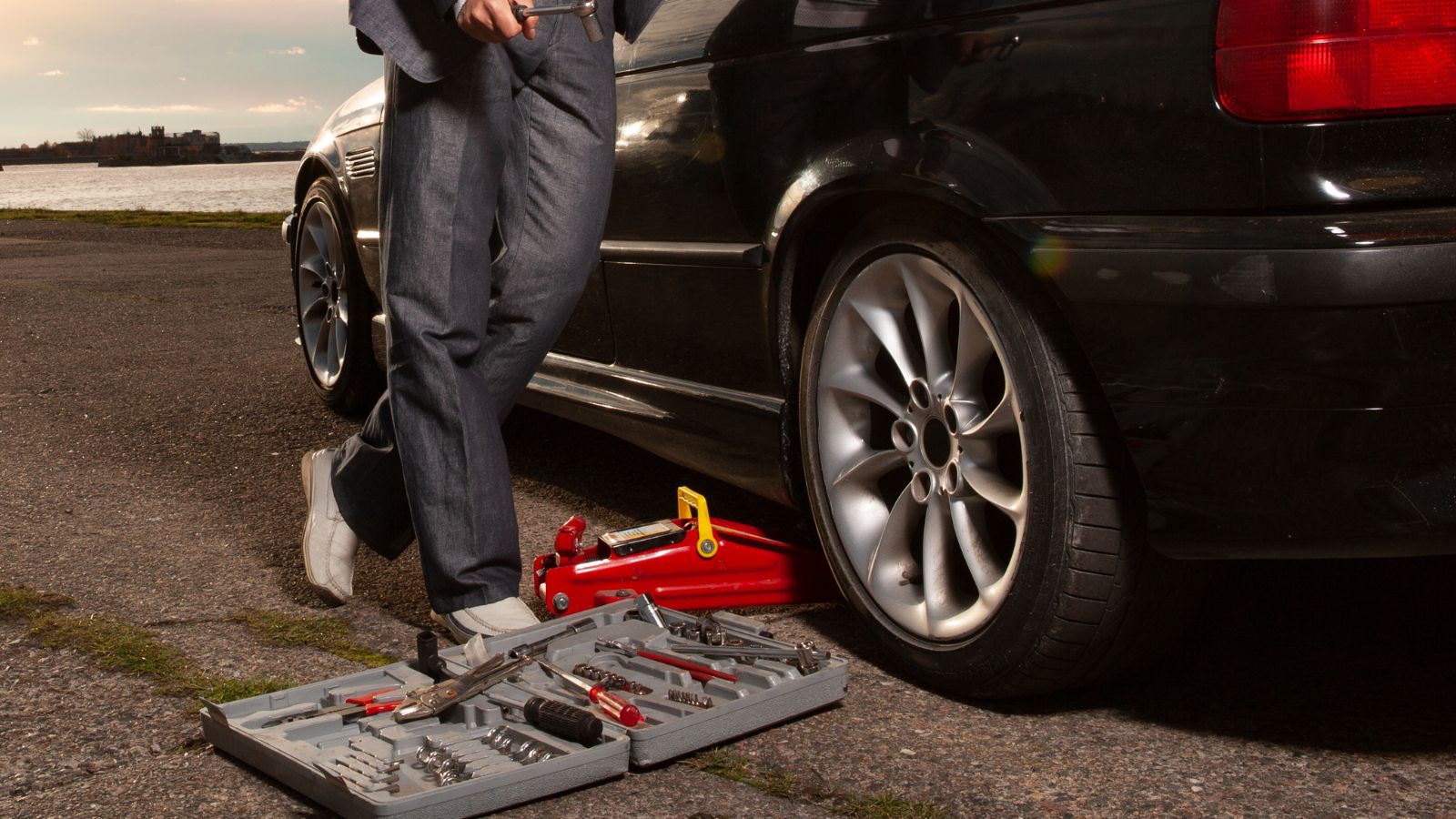
Normal seepage and temperature changes can explain small pressure movements, but one tire that repeatedly loses air deserves more attention. Michelin lists several possible causes of accelerated pressure loss, including punctures, defective valves, valve-related leaks, and problems at the tire-to-rim interface. A monthly routine makes these patterns easier to notice because the driver has recent readings instead of relying on memory or a warning light.
If the same tire needs air again soon after being corrected, repeatedly topping it up should not become the new routine. The better response is to have the tire and wheel inspected so the source can be identified and repaired when appropriate. That approach protects tire life because persistent low pressure can cause wear and heat damage while the leak continues. The gauge is therefore more than a measuring tool: used consistently, it becomes an early-warning system for maintenance problems that might otherwise remain hidden.
19 Used Cars Canadians Should Avoid in 2026 (Based on Owner Complaints)

Buying a used car in Canada can feel safe until repair bills start stacking up. Owner complaints tell a different story than glossy listings. Transmission failures, electrical problems, and weak winter reliability show up again and again in consumer reports. Many of these issues appear after warranties expire, when owners least expect them. Some vehicles look affordable upfront, but become expensive to keep on the road. Others struggle in cold weather, urban driving, or long highway commutes. Here are 19 used cars Canadians should avoid in 2026 (based on owner complaints).
19 Used Cars Canadians Should Avoid in 2026 (Based on Owner Complaints)

Alanna Rosen is an experienced content writer that focuses on many EV and educational content. Her articles are regularly published on Get CyberTrucked and syndicated on large publications.