
For years, the automotive industry has treated more technology as an automatic upgrade. Yet a different calculation is becoming increasingly attractive in Canada: a dependable vehicle that is already paid down, well understood, and relatively inexpensive to maintain can sometimes feel more valuable than another touchscreen, sensor package, or connected service. Canadian Black Book says affordability pressures are extending ownership cycles, while AutoTrader continues to describe vehicle prices as historically elevated despite recent easing. The result is not a wholesale rejection of modern cars. It is a more selective approach to what drivers actually need. These 12 reasons help explain why some Canadians are keeping proven vehicles longer or deliberately shopping for older, simpler models rather than automatically moving into the newest technology available.
New-Car Prices Still Feel High

Vehicle prices have begun moving in a friendlier direction, but the starting point remains uncomfortable for many households. AutoTrader reported that average new-vehicle prices fell 2.2% in the second quarter of 2026, while average used prices declined 2.6%. Even after those drops, the company described prices as historically high and affordability as a major influence on Canadian demand.
That changes the emotional appeal of an older vehicle. A ten-year-old sedan with sensible mileage may lack panoramic displays and semi-automated driving features, but it can leave tens of thousands of dollars out of the purchase equation. For a household already dealing with housing, groceries, utilities, and insurance, the difference between “newest” and “good enough” can be substantial. Reliability becomes a luxury of its own when it arrives without a large monthly payment attached.
The Affordable End of the Used Market Still Matters

There remains a large gap between the vehicles prominently displayed in new-car showrooms and what many people actually need for commuting, errands, school runs, or getting to work. Canadian Black Book has specifically noted renewed interest in efficient budget vehicles below $25,000 as affordability pressures influence the market.
At the lower end, there are even older vehicles that remain usable rather than disposable. AutoTrader highlighted Canadian examples of practical used cars around the $10,000 mark in 2025, including compact cars and hatchbacks that still offered everyday conveniences such as Bluetooth, heated seats, or all-wheel drive depending on the model. The attraction is not simply owning an old car. It is paying for transportation rather than prestige. A proven compact that starts every cold morning and costs considerably less to acquire can satisfy the actual mission surprisingly well.
Seven or Eight Years of Payments Is a Long Commitment

New technology becomes less exciting when it is accompanied by a financing contract that could outlive several phones, computers, and household appliances. AutoTrader notes that typical Canadian auto loans can run from 36 to 84 months, with longer terms reducing the monthly payment while increasing the amount of interest paid over time.
For some Canadians, an older car offers an escape from that cycle. Someone who buys a modest used vehicle with cash, a large down payment, or a much smaller loan may give up a digital key or 360-degree camera but gain considerably more monthly flexibility. That can matter when an unexpected roof repair, job change, or mortgage renewal arrives. A vehicle is necessary transportation for many households, but that does not mean it must consume a major share of available cash flow for most of the next decade.
Much of the Depreciation Has Already Happened

New vehicles begin their lives at their most expensive point. Used vehicles arrive after someone else has already absorbed part of that early depreciation. Canadian Black Book’s 2026 outlook projected four-year-old vehicles would retain an average of about 54.7% of their original value, illustrating how significant the value change can be during the earlier years of ownership.
The used market is also becoming somewhat more predictable. Canadian Black Book’s July 2026 Used Vehicle Retention Index slipped only 0.1 point from June, and the company said depreciation was beginning to settle into more traditional patterns. That does not make every older car a financial winner, but it helps explain the appeal. A carefully selected vehicle bought well into its depreciation curve can feel less financially fragile than something new whose resale value is still undergoing its steepest adjustment.
Proven Reliability Has Value of Its Own
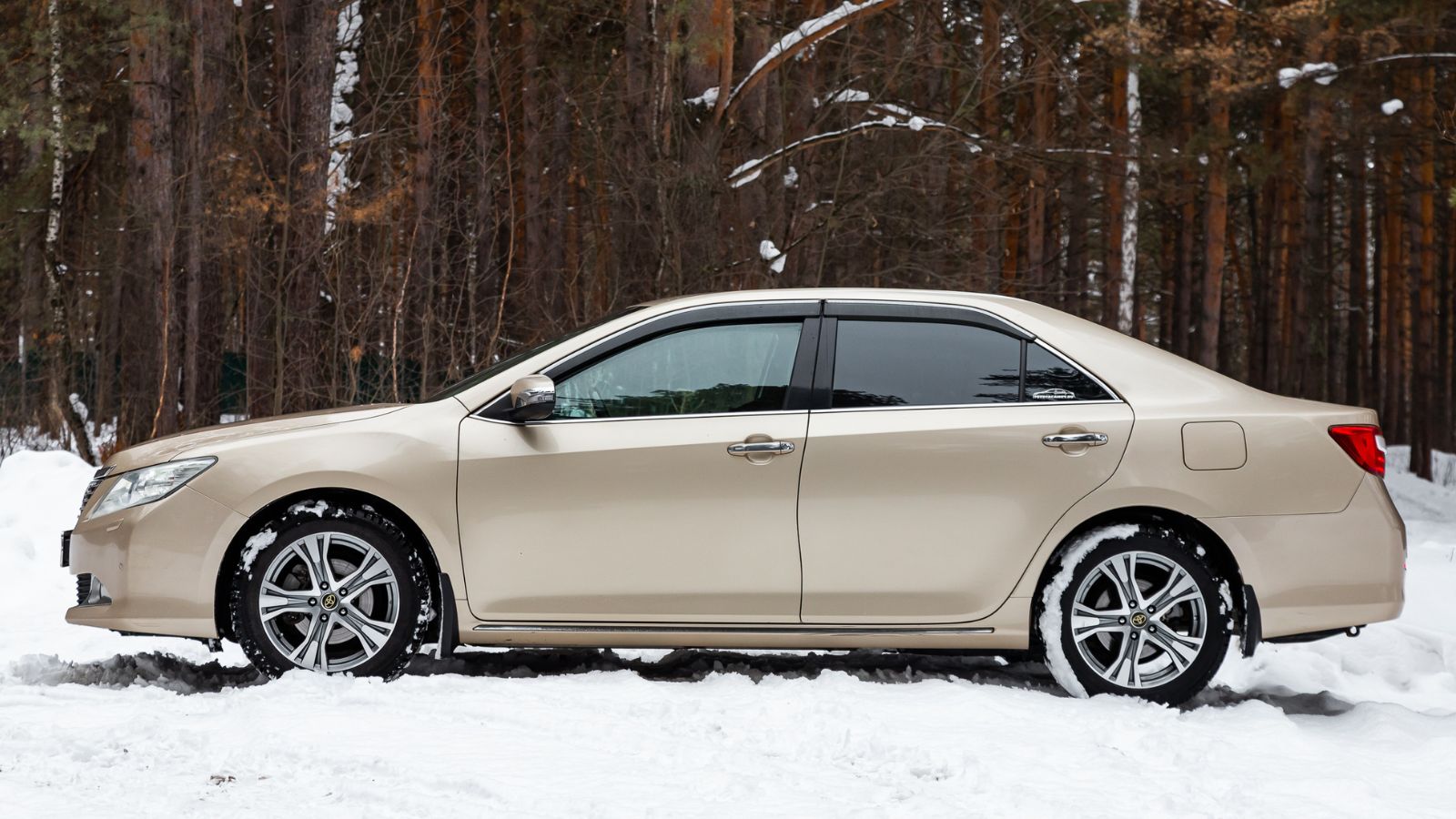
An older vehicle has one enormous advantage over a completely redesigned new model: history. By the time a car has been on Canadian roads for five, seven, or ten years, owners, independent mechanics, consumer groups, and reliability databases have usually learned where its weak points are. Common transmission problems, rust areas, electrical faults, and expensive maintenance requirements become easier to identify before purchase.
Consumer Reports’ 2025 reliability research drew responses covering roughly 380,000 vehicles from model years stretching back to 2000. It also publishes separate reliability assessments for five- to ten-year-old vehicles. That information can turn age into useful evidence rather than guesswork. A buyer looking at a mature Toyota, Honda, Mazda, Subaru, or another established model can investigate specific years instead of relying mainly on promises about a newly introduced design. Predictability can be deeply reassuring when transportation needs to work every morning.
Familiar Cars Can Be Easier to Repair Locally

A mechanical problem is less intimidating when a trusted neighbourhood shop has repaired the same engine, brakes, suspension, and electrical system hundreds of times. That service flexibility matters particularly outside major urban centres, where the nearest franchised dealership may be a significant drive away.
Increasing vehicle connectivity is making repair access more complicated. A 2025 Automotive Industries Association of Canada study found that 87% of respondents believed consumers should be able to service vehicles at any local shop they choose, while 70% supported standardized access to vehicle data for independent repairers. A 2026 report commissioned by the organization argued that restricted access to modern diagnostic information can increase inconvenience and cost. Older vehicles are not automatically easy to repair, but models with established parts supplies and familiar mechanical systems can preserve something drivers value: the freedom to choose who fixes the car.
Sensors Can Make Small Damage More Complicated
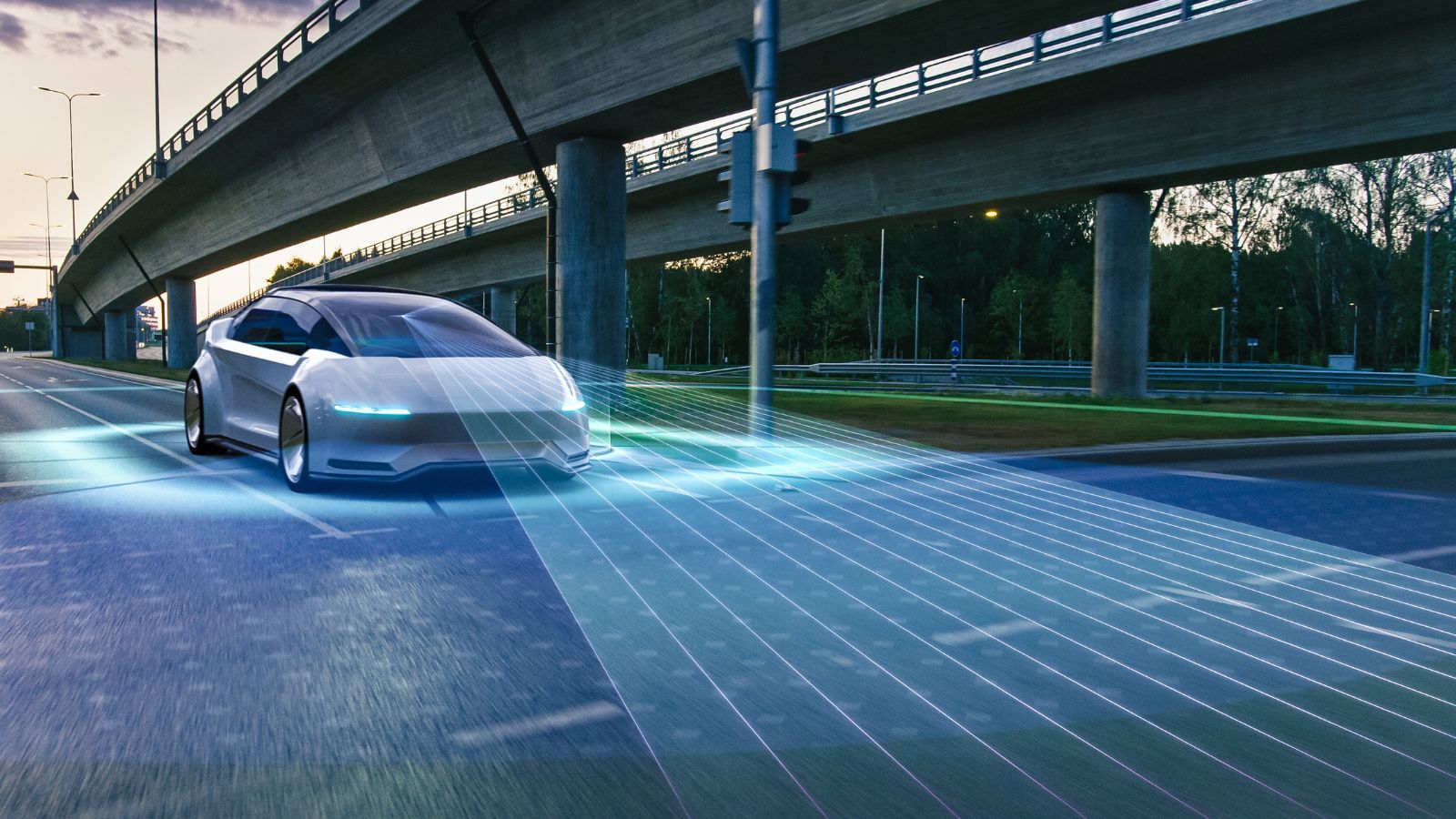
Modern driver-assistance technology can provide meaningful safety benefits, but the equipment supporting it often lives in vulnerable places. Radar units can sit behind bumpers, cameras can be built into windshields, and additional electronics can be hidden inside mirrors. Damage that once involved glass, plastic, or sheet metal can therefore involve replacement sensors and calibration work as well.
AAA studied three 2023 vehicles and found that advanced driver-assistance components added an average of $1,540 to the repair estimate after a minor front collision. In its scenarios, ADAS-related costs also averaged $684 after minor rear damage, while part of the expense of replacing certain windshields came from cameras and recalibration. Those figures are U.S.-based and vary significantly by vehicle, but the technical issue exists in Canada as well. ICBC specifically identifies glass facilities capable of recalibrating ADAS-equipped vehicles. Simpler cars avoid some of those added layers.
Not Everyone Wants Every Control on a Screen

Large screens photograph beautifully in advertisements, yet everyday ownership is less glamorous. Climate controls, audio settings, drive modes, heated seats, navigation, and vehicle settings can increasingly share the same interface. When that interface freezes, responds slowly, or hides a familiar function inside menus, drivers may begin missing ordinary knobs and buttons.
J.D. Power’s 2026 Vehicle Dependability Study found infotainment remained the most problematic category among the vehicles it examined, recording 56.7 reported problems per 100 vehicles. Its 2026 Initial Quality Study similarly found infotainment was the only category showing an overall increase in problems, with phone-integration issues contributing significantly. Those studies cover the U.S. market, but many of the same models and systems are sold in Canada. An older dashboard can therefore feel refreshingly direct: turn the knob, adjust the temperature, and continue driving without navigating another software layer.
Software Adds a Different Kind of Ownership Risk

Mechanical vehicles have always developed faults, but software-driven vehicles introduce problems that can feel unusually abstract. Bluetooth stops pairing. A companion app refuses to connect. A wireless update changes a setting. A digital feature works differently after a patch. None of these necessarily disables the vehicle, yet they add another category of troubleshooting to something that historically depended much more heavily on mechanical servicing.
J.D. Power’s 2026 dependability research found only 27% of owners who received a software update said it noticeably improved their vehicle, while 58% perceived no meaningful difference. Infotainment and device-integration problems remained prominent. Modern software can also deliver useful improvements remotely, so avoiding it is not automatically better. But some owners simply prefer a machine whose core experience changes very little after purchase. A mature car with straightforward controls offers that consistency, and consistency is one of the qualities people frequently mean when they describe a vehicle as reliable.
Connected Cars Raise Real Privacy Questions
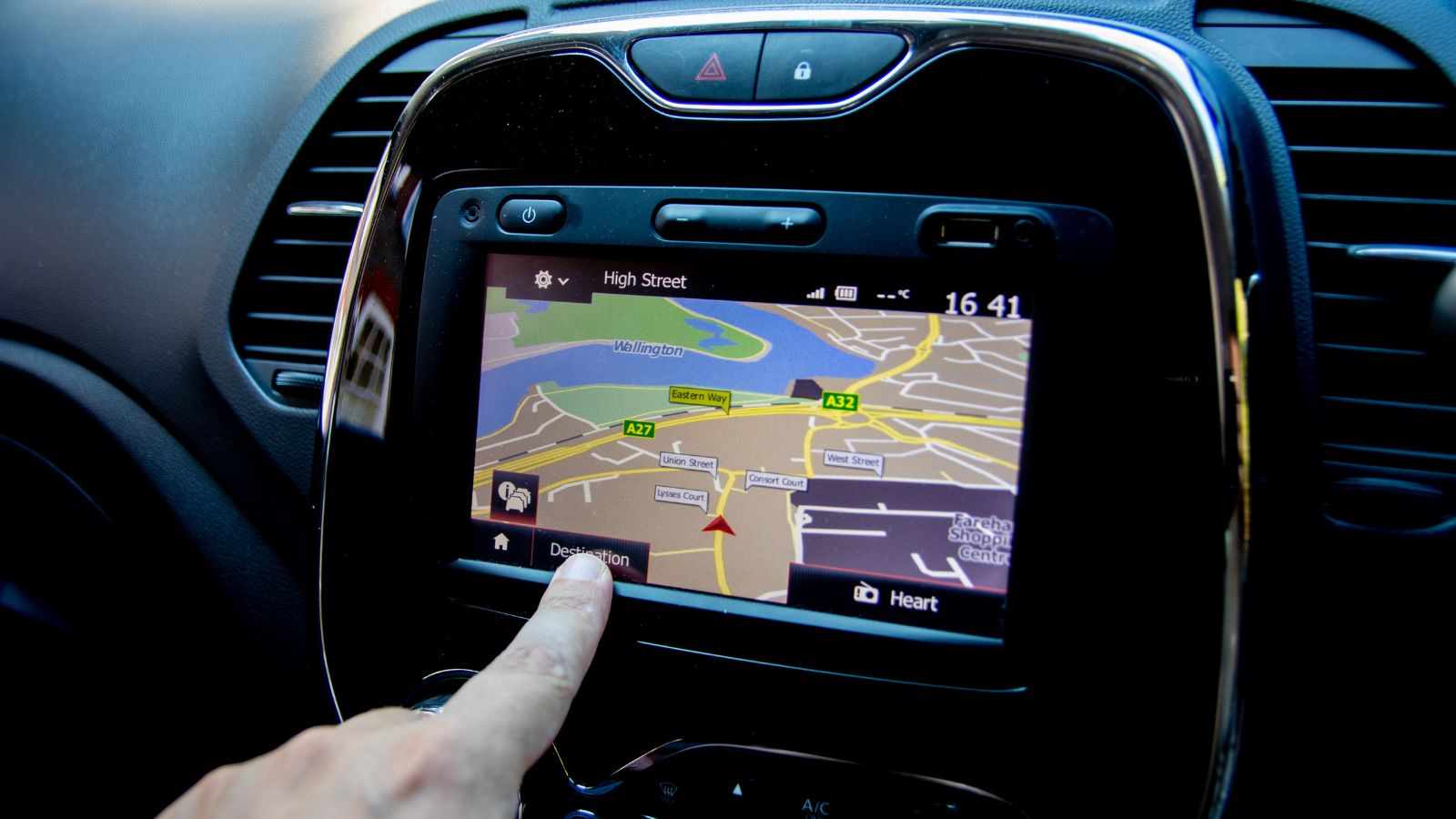
Buying a modern vehicle can increasingly mean acquiring another connected device. Navigation history, driving behaviour, preferences, diagnostic information, and other data can potentially move between the vehicle, manufacturer systems, apps, and outside service providers. For drivers already uncomfortable with the amount of information generated by phones and smart-home products, a less-connected vehicle can therefore have an unexpected attraction.
Canada’s Privacy Commissioner highlighted the issue directly in April 2026, warning that modern connected vehicles can collect and transmit large volumes of personal information, including location history and driving behaviour. The Commissioner’s office has also raised questions about information being stored or transferred to other jurisdictions. That does not mean every new car misuses personal information, nor does it make older vehicles completely private. Still, a car with limited connectivity simply creates fewer opportunities for data exchange, which some owners consider a feature rather than a technological shortcoming.
Insurance Costs Can Change the Equation
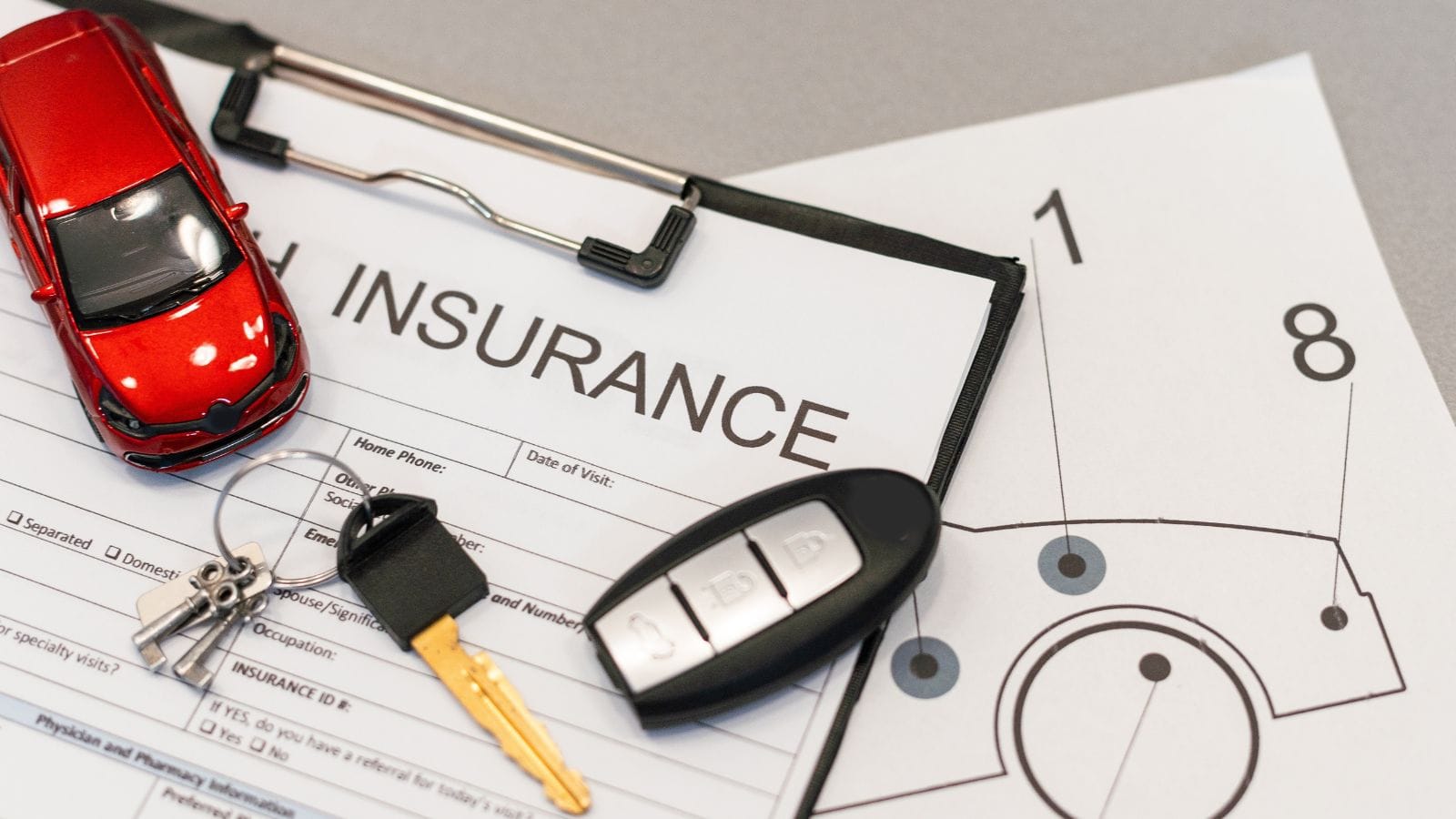
The purchase price is only the beginning of vehicle ownership. Insurance Bureau of Canada says premiums can be affected by factors including a vehicle’s make, model, model year, value, theft experience, and expected repair costs. A newer or more expensive vehicle therefore does not automatically translate into an affordable insurance experience simply because it has more safety equipment.
The theft issue makes the calculation even more complicated. Canadian auto-theft claims improved in 2025, but insurers still paid roughly $724 million in theft claims, according to IBC. That was substantially below the crisis peak but remained far above the level recorded a decade earlier. Some sought-after vehicles can consequently attract additional insurance costs or anti-theft requirements. An older car is not guaranteed to be cheaper to insure, but a low-value model with favourable claims history and inexpensive repairs can sometimes offer a less painful ownership profile than a desirable new SUV.
Keeping a Known Car Can Feel Safer Financially Than Starting Over

For some Canadians, the “older car” being chosen is already sitting in the driveway. Canadian Black Book reported in July 2026 that affordability pressures were encouraging longer ownership cycles, with households becoming more selective about replacement decisions. It described consumers as increasingly willing to delay replacing a vehicle when maintenance remained more manageable than buying another one.
That decision can be surprisingly rational when the existing car has a known history. Its owner knows when the brakes were changed, whether the transmission has behaved properly, which winter tires are fitted, what rust has appeared, and which maintenance jobs are approaching. Replacing it with another vehicle introduces a new purchase price and a new set of unknowns. A paid-off car that needs $1,500 of planned work can look far less frightening when the alternative is years of payments on a replacement costing tens of thousands of dollars.
“Old Reliable” Still Needs to Be Chosen Carefully
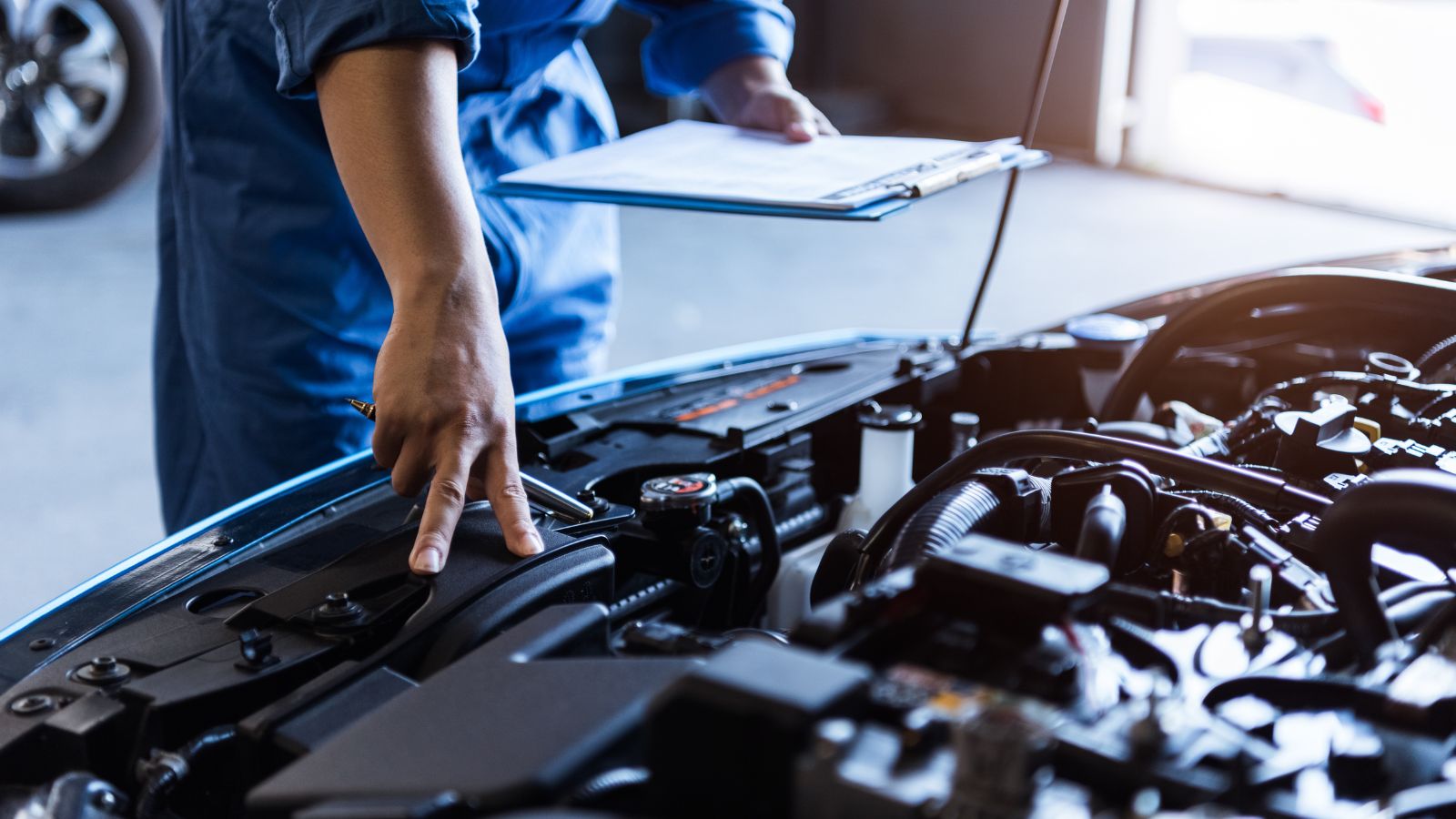
The strongest argument for an older car is not age itself. It is condition, maintenance history, sensible design, and a known reliability record. A neglected eight-year-old vehicle with severe rust, unresolved recalls, worn tires, and a questionable transmission can be vastly more expensive than a newer car. Cheap transportation stops being cheap very quickly when major mechanical work begins immediately after purchase.
That is why consumer organizations continue to emphasize inspection. The Automobile Protection Association calls a thorough pre-purchase inspection one of the most effective ways to avoid buying a vehicle that requires extensive maintenance, and it recommends checking body, chassis, mechanical condition, and road performance. Transport Canada also advises used-vehicle buyers to check outstanding safety recalls using the VIN. The sweet spot is therefore not simply “older.” It is a mechanically sound, properly maintained vehicle with enough modern safety equipment for its intended use and a repair history that supports confidence.

Alanna Rosen is an experienced content writer that focuses on many EV and educational content. Her articles are regularly published on Get CyberTrucked and syndicated on large publications.