
Buying a used vehicle always involves a little uncertainty, but uncertainty is different from secrecy. Honest sellers may forget a receipt, misunderstand a maintenance detail, or have imperfect records. Trouble begins when reasonable questions repeatedly produce evasive answers, inconsistent paperwork, unexplained restrictions, or pressure to make a decision before basic checks can be completed.
These 20 signs a used car seller may be hiding something cover everything from suspicious VIN and ownership issues to concealed collision damage, odometer concerns, liens, flood exposure, mechanical problems, and questionable payment tactics. None proves dishonesty on its own. Several appearing together, however, can turn an attractive bargain into a reason to slow down, investigate independently, or simply walk away.
The Seller Is Reluctant to Provide the VIN
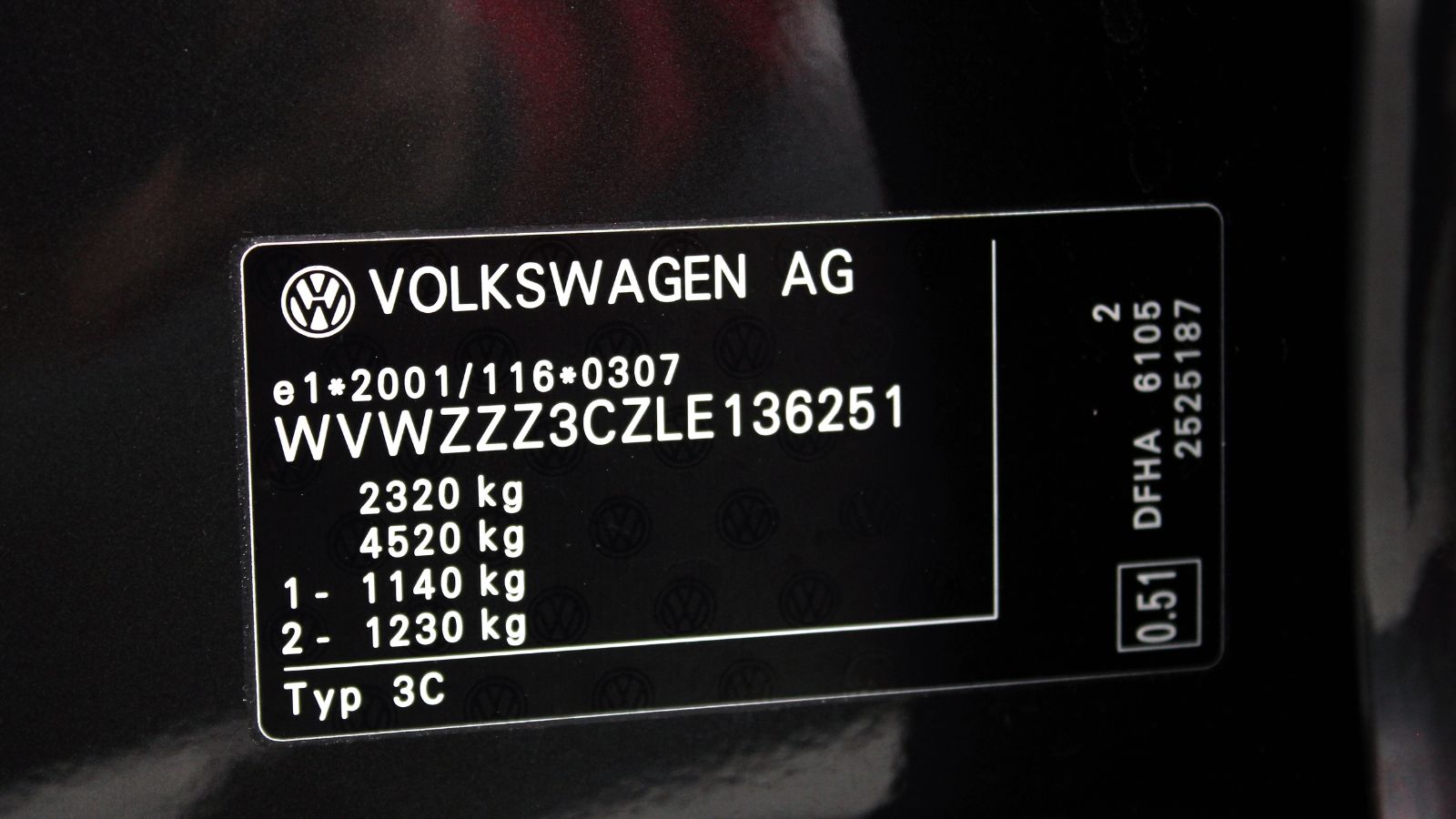
A legitimate seller normally has little reason to treat the vehicle identification number as confidential. The VIN allows a prospective buyer to research title information, reported damage, recalls, theft records, and other history before money changes hands. When someone repeatedly avoids providing it, sends only part of the number, or claims it can be seen only after a deposit is made, the restriction removes one of the buyer’s most useful independent verification tools.
There can be innocent explanations, particularly when a seller is overly cautious about online privacy. What matters is whether the VIN can eventually be verified directly on the vehicle and compared with the ownership documents. Government and industry databases use this unique identifier to connect records to the correct vehicle. A seller who becomes defensive when asked to verify it deserves additional scrutiny, especially when the advertisement also contains vague ownership information, an unusually low price, or pressure to close the sale quickly.
The Seller’s Name Does Not Match the Ownership Documents

Private sales become much riskier when the person collecting the money cannot clearly show why they are legally entitled to sell the vehicle. A mismatch between the seller’s identification and the registered owner’s name might have a perfectly legitimate explanation, such as a properly documented power of attorney or authorized estate sale. A vague explanation such as “it belongs to a friend” is different, particularly when supporting paperwork never appears.
Ownership mismatches are also associated with unlicensed vehicle resellers sometimes known as curbsiders. These sellers may present themselves as ordinary private owners even though they regularly buy and resell vehicles. Ontario’s regulator specifically identifies mismatched identification and ownership documents as a warning sign associated with illegal sellers. The safest response is not to argue over the seller’s story but to insist on a clear chain of ownership. If the person selling the car cannot document the legal connection to it, payment should not be the next step.
The Vehicle History and the Seller’s Story Do Not Agree

Vehicle history reports are not perfect databases, but inconsistencies between a report and a seller’s description deserve explanation. A seller might advertise a vehicle as having one owner while records show several ownership changes. An accident described as a parking-lot scrape may appear alongside a much more significant damage event. Odometer entries may also conflict with the mileage displayed on the dashboard.
The important issue is not that every discrepancy automatically indicates fraud. Records can contain errors, reporting delays, or incomplete information. The concern grows when the seller dismisses documented contradictions without trying to resolve them. U.S. Department of Justice guidance notes that NMVTIS reports can include title data, odometer information, brand history, salvage information, and certain theft records. Canadian history services can provide similar clues from available sources. When independent records and the sales pitch tell noticeably different stories, the difference should be investigated before the seller’s version is accepted.
Maintenance Records Are Mysteriously Missing

Not every responsible owner keeps a binder containing every oil-change receipt. Still, a seller claiming meticulous maintenance should normally be able to produce something supporting that description. Repair invoices, dealership records, digital service histories, inspection reports, or even dated parts receipts can help establish how a vehicle was cared for. A complete absence of documentation becomes more meaningful when the seller also cannot remember where routine work was performed.
Gaps matter because maintenance history can reveal much more than oil changes. Records may show recurring electrical faults, cooling-system work, transmission repairs, brake replacements, or repeated attempts to fix the same warning light. AAA and Consumer Reports both recommend reviewing available maintenance information when evaluating used vehicles. Consider the seller who says a timing-related service costing substantial money was “definitely done” but cannot identify the shop, date, mileage, or invoice. That does not prove the service never happened, but it provides little reason to price the car as though it did.
An Independent Inspection Is Suddenly “Not Possible”

Few warning signs are more significant than a seller who refuses to let a qualified independent technician inspect the vehicle. A pre-purchase inspection can uncover structural repairs, leaks, suspension wear, brake problems, corrosion, diagnostic faults, and other issues that may not appear during a casual walkaround. Even experienced shoppers cannot reliably evaluate every component while standing in a driveway.
Logistics can be negotiated. The buyer might pay the inspection fee, use a nearby shop, arrange a mobile mechanic, or leave identification while the vehicle is being checked. What deserves caution is an absolute refusal accompanied by excuses such as “another buyer is coming in an hour” or “my mechanic already looked at it.” AAA repeatedly recommends third-party pre-purchase inspections because they can reveal hidden defects that photographs and history reports miss. If a seller expects someone to spend thousands of dollars while prohibiting professional scrutiny, the restriction itself becomes valuable information about the deal.
The Engine Is Warm Before Every Viewing

Arriving to inspect a vehicle and finding the engine already at operating temperature is not automatically suspicious. The seller may simply have driven home from work. However, a seller who repeatedly ensures the car is warm before every appointment can prevent a buyer from observing an important part of its behaviour: the cold start.
Some starting problems, unusual noises, smoke, rough running, battery weakness, or other symptoms can be easier to notice when an engine has been sitting. The RAC specifically recommends checking whether a used vehicle starts properly from cold and questioning why it was warmed beforehand. A sensible approach is to arrange another viewing and politely ask that the vehicle remain parked for several hours beforehand. If the seller strongly resists that simple request, the warmed engine deserves more attention. For combustion-engine vehicles in particular, seeing both cold-start and fully warmed operation gives a much fuller picture than a five-minute demonstration.
The Seller Tries to Prevent a Proper Test Drive

A used car can look excellent while parked and behave very differently once moving. A meaningful test drive can reveal steering pull, brake vibration, wheel-bearing noise, suspension clunks, transmission hesitation, drivetrain vibration, overheating, or electrical problems. A seller who allows only a thirty-second trip around a parking lot effectively prevents many of those symptoms from becoming apparent.
Reasonable safeguards are understandable. A private seller may request a valid driver’s licence, accompany the prospective buyer, or restrict reckless driving. The warning sign is a seller who refuses normal operation without a convincing reason or insists the vehicle cannot be driven at road speed. AAA advises buyers to combine visual inspection with a thorough test drive and professional inspection. Transmission behaviour, braking and handling are among the issues that can reveal themselves on the road. If a seller wants full market value while preventing the vehicle from being properly driven, the buyer is being asked to accept unusually large unknowns.
Paint Colours and Body Gaps Do Not Quite Match

Used vehicles commonly have cosmetic repairs, and a replaced bumper does not automatically make a car undesirable. What matters is whether the physical evidence matches what the seller has disclosed. Paint that changes shade between adjacent panels, overspray on rubber trim, unusually fresh paint in one area, missing fasteners, or uneven gaps around doors and fenders can indicate previous bodywork.
Consumer Reports advises used-car shoppers to look for mismatched paint and inconsistent spacing between body panels because these clues can indicate past repairs. AAA similarly lists mismatched paint or panels among physical red flags. The important next question is what caused the repair. A properly repaired low-speed scrape is very different from poorly repaired structural damage. If the seller describes the vehicle as completely accident-free while visible evidence suggests substantial refinishing, an independent body inspection and history check become particularly important. The repair itself may be acceptable; an inaccurate explanation of it is the larger concern.
There Are Signs the Interior Has Been Wet
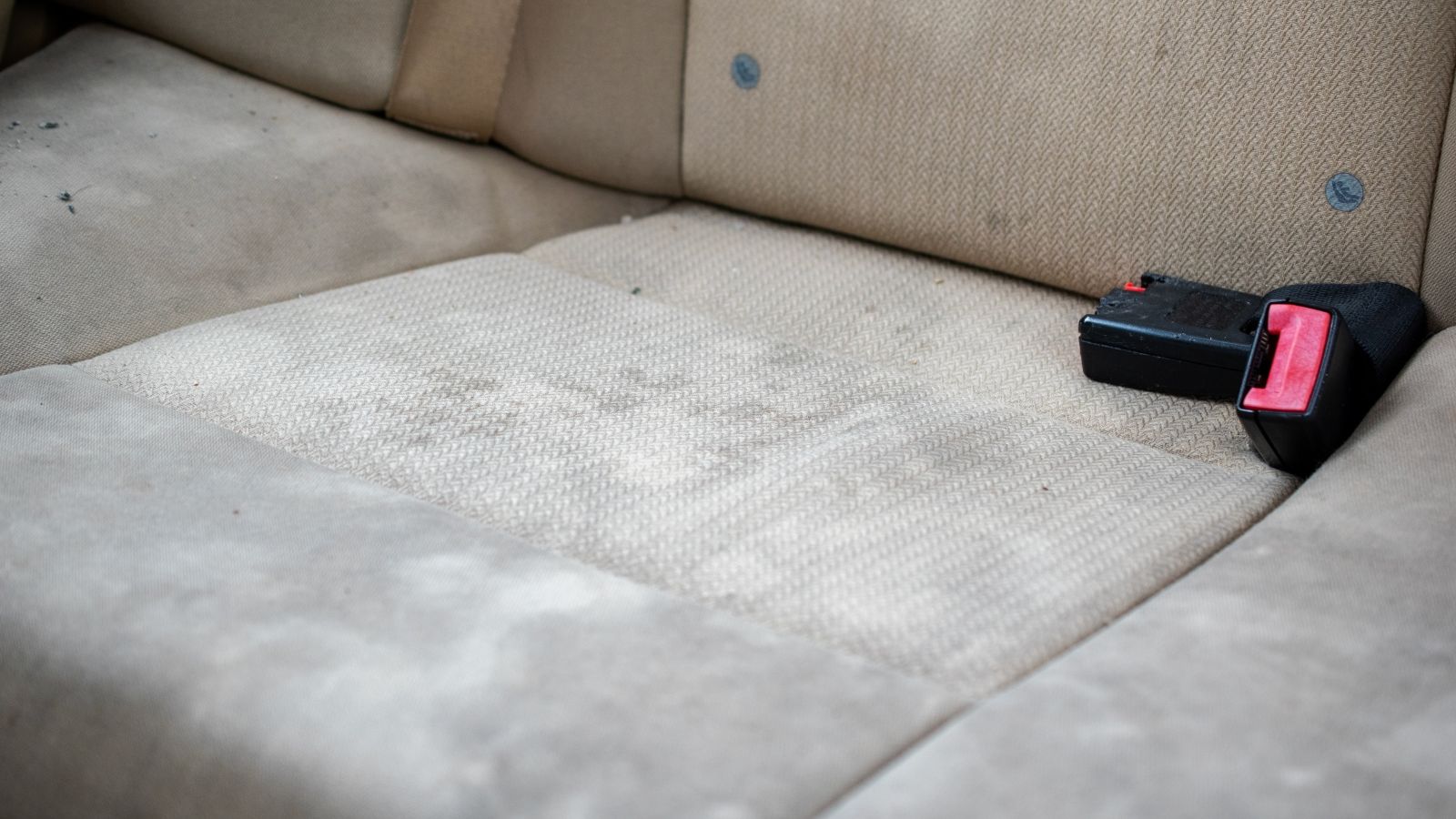
A strong air freshener can make an older car smell pleasant. It can also make it harder to notice a damp or musty interior. Water-damaged vehicles may show less obvious clues as well: rust on unusual interior fasteners, staining on seat belts, moisture beneath carpeting, silt in hidden areas, mismatched upholstery, corrosion under the dashboard, or water residue around the spare-tire well.
Flood damage deserves serious attention because water can affect electrical connections and components long after the upholstery dries. The National Insurance Crime Bureau advises shoppers to examine vehicles for musty odours, water stains, rust, silt or mud, moisture, and other evidence of flooding. A particularly questionable situation arises when several clues appear together but the seller insists the vehicle has never been wet. History reports and VIN databases may identify some flood or salvage records, but databases have limitations. Physical inspection remains important, particularly after major flooding events that put large numbers of damaged vehicles back into circulation.
The Tires Show Strange or Uneven Wear

Tires can tell a story the sales advertisement never mentions. Heavy wear on one shoulder, scalloped or “cupped” tread, or dramatically different wear patterns between tires can indicate alignment, steering, suspension, or braking issues. A seller may dismiss those patterns by saying the car merely needs inexpensive tires, but the cause of the wear can matter more than the rubber itself.
Consumer Reports notes that cupped tires may point toward larger steering, suspension, or brake problems, while AAA identifies uneven tire wear as something buyers should investigate during a physical inspection. Imagine a relatively low-mileage vehicle wearing a nearly new set of inexpensive tires on the front while the older rear tires show severe irregular wear. That does not automatically mean anything was concealed, but it raises reasonable questions about what the replaced tires looked like and why they were changed immediately before the sale. A mechanic can determine whether the underlying suspension and alignment are healthy rather than simply accepting a cosmetic explanation.
Dashboard Warning Lights Behave Strangely
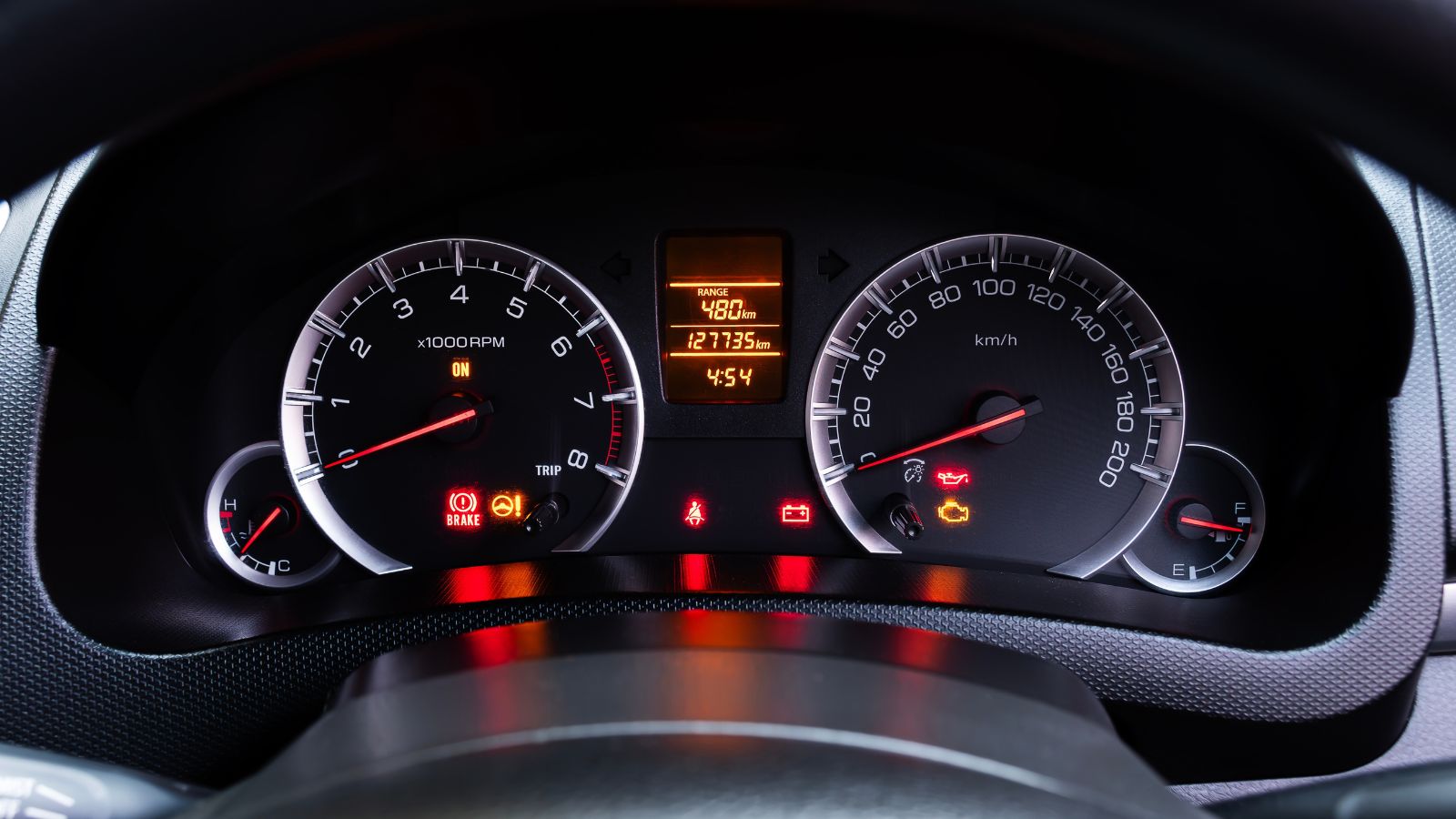
When the ignition is switched on, drivers should pay attention to the instrument cluster rather than immediately starting the engine. Warning systems are designed to alert occupants to detected faults, and illuminated engine, airbag, brake, battery, or other warning indicators after startup can point toward problems that need investigation. Equally suspicious is a seller who dismisses every warning light as “just a sensor” without documentation or diagnosis.
Modern vehicles also store diagnostic information through onboard systems. A recently disconnected battery or cleared diagnostic system can leave emissions readiness monitors incomplete until required self-tests run again. California’s Bureau of Automotive Repair, for example, uses OBD readiness information as part of emissions inspections and explains that the system stores diagnostic trouble codes and illuminates the malfunction indicator when relevant faults occur. A basic scan performed during a professional inspection can provide useful context. Clearing codes does not repair the underlying cause, so unexplained diagnostic resets immediately before a sale deserve questions.
The Mileage Does Not Match the Vehicle’s Wear
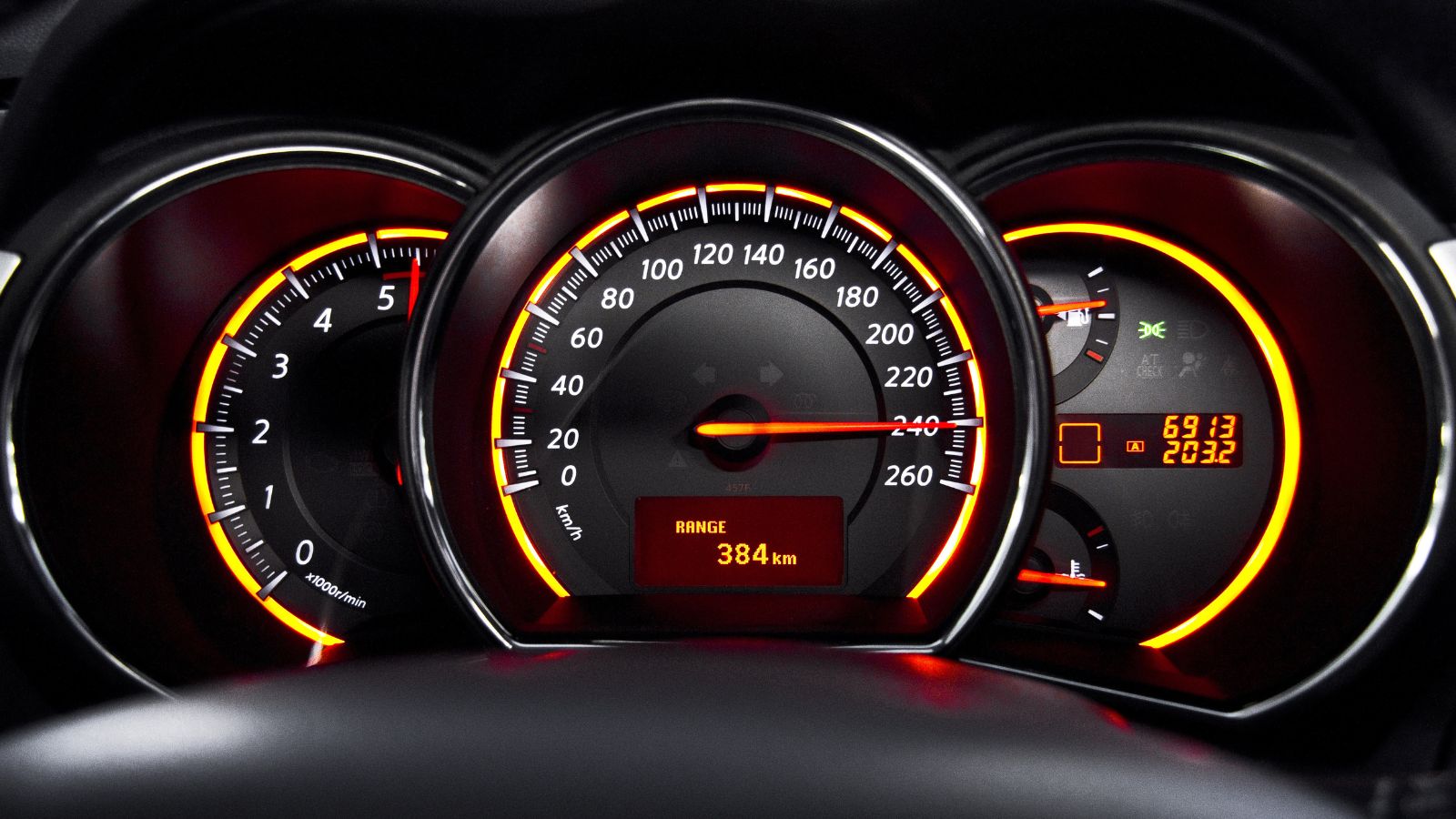
A low odometer reading is attractive because mileage strongly influences perceived value. That makes inconsistencies worth investigating. A vehicle showing relatively modest mileage but displaying a heavily polished steering wheel, severely worn pedal pads, collapsed seat bolsters, extensive suspension wear, and a badly pitted windshield may simply have lived a hard life. It may also justify comparing the displayed mileage with historical records.
Ontario’s motor-vehicle regulator advises shoppers to examine historical odometer readings and notes that wear inconsistent with mileage can be a warning sign of rollback. Examples include worn upholstery, steering wheels, suspension components, windshields, and pedal pads. NMVTIS reports in the United States also contain the latest reported odometer data available to the system. Small discrepancies can have innocent causes, especially when records were entered manually. A mileage sequence that moves backward substantially, however, deserves a credible documented explanation before the odometer reading is used to value the vehicle.
Claims About Completed Recalls Cannot Be Verified

A seller may confidently state that every manufacturer recall has been completed. That statement is easy enough to check that resistance to verification makes little sense. Both Transport Canada and the U.S. National Highway Traffic Safety Administration provide ways to investigate recalls, including VIN-based resources for many vehicles and manufacturers.
An open recall does not necessarily make a used vehicle a bad purchase. Safety recalls are common across numerous brands, and manufacturers generally provide prescribed recall repairs without charging the owner. The concern is when the seller insists a known campaign has been completed while refusing to provide the VIN, repair paperwork, or time for the buyer to confirm the status. NHTSA explains that its VIN lookup can show unrepaired safety recalls, while Transport Canada encourages used-vehicle buyers to check applicable recalls. Verification may take only minutes. A seller determined to prevent such a straightforward check may be revealing a broader unwillingness to let the vehicle’s condition be independently examined.
The Lien Situation Is Vague or Keeps Changing

Mechanical repairs are not the only expensive surprise hiding in a used vehicle. An outstanding lien means another party may have a legal financial claim connected to the car. A private seller saying, “The loan is basically paid off,” is not the same as producing documentation showing that the lien has actually been discharged.
The rules and risks differ by jurisdiction, so buyers should check the official process where the vehicle is registered. Ontario provides a useful example: its Used Vehicle Information Package can contain lien information, and OMVIC warns that a private buyer purchasing a vehicle with an outstanding lien may face serious financial consequences, including possible repossession if the debt remains unpaid. A seller who acknowledges financing but repeatedly changes the payoff amount, refuses to involve the lender, or promises the lien will disappear sometime after payment introduces unnecessary risk. The cleanest transactions establish the lien status before ownership and money are transferred, not through promises made afterward.
The Price Is Suspiciously Low and the Seller Is Rushing

Sometimes an inexpensive used car really is an excellent deal. Someone may be moving, settling an estate, or simply prioritizing a fast sale over maximum profit. The concern is the combination of a dramatically below-market price and a story designed to prevent normal verification. “Today only,” “leaving the country tonight,” or “ten other buyers are sending deposits” can shift attention from the vehicle to the artificial deadline.
AAA identifies pricing substantially below comparable market value, evasive answers, and pressure for a quick sale as important warning signs. Consumer-protection organizations have also documented scams in which attractive vehicle listings use stolen photographs and invented circumstances to explain unusually low prices. Rather than assuming every bargain is fraudulent, compare the asking price with similar vehicles of the same model year, mileage, trim, and condition. If the discount is enormous, there should be a comprehensible reason. A genuine bargain should survive enough time for identity, VIN, history, and mechanical checks.
Money Is Requested Before the Car Can Be Seen

A refundable holding deposit can exist in legitimate transactions, particularly through established dealerships or documented sales platforms. Sending irreversible money to an unknown private seller before seeing the vehicle is much riskier. Fraudsters commonly use scarce-supply stories, supposed shipping arrangements, or fake escrow services to convince buyers that payment must happen first.
Better Business Bureau investigations describe online vehicle scams in which criminals copy legitimate listings or use stolen photographs, then instruct victims to wire money or use other difficult-to-reverse payment methods. In many cases, the advertised vehicle never arrives because the seller never owned it. OMVIC similarly advises caution when sellers demand untraceable forms of payment. A buyer should be particularly wary when a seller claims the car is stored in another city, cannot be inspected, and will be delivered only after a deposit. Before significant money changes hands, the existence of the vehicle, the seller’s identity, and the seller’s authority to transfer ownership should all be independently established.
The Seller’s Identity or Location Is Constantly Shifting

A private vehicle sale normally involves enough information to understand who owns the vehicle and where it is coming from. Suspicion grows when every basic detail seems slippery. The seller may refuse identification, provide a name that changes between messages, claim the vehicle belongs to different relatives, or repeatedly avoid any setting in which the ownership documents can be compared with their identity.
This pattern can indicate a curbsider or an outright online scam. OMVIC has specifically warned about sellers who refuse to provide identification or whose names do not match vehicle ownership records. BBB has documented fraudulent vehicle advertisements using fake locations and even the names of legitimate businesses. None of this means a seller must disclose unnecessary personal information to strangers online. Verification can happen safely at the appropriate stage of the transaction. The red flag is not privacy itself; it is the inability to establish a consistent, documented connection between the person requesting payment and the vehicle supposedly being sold.
The Same Seller Appears to Be Selling Several “Personal” Cars

One private seller having two vehicles for sale is hardly proof of wrongdoing. Families change vehicles, enthusiasts own collections, and estates sometimes dispose of several cars. A different pattern emerges when someone claiming to sell a personal daily driver has numerous advertisements for unrelated vehicles, multiple phone numbers, or repeated explanations that each vehicle happens to belong to a friend or relative.
Ontario’s regulator identifies multiple online listings and inconsistent contact information among warning signs associated with curbsiders—unregistered dealers who pose as private sellers. These transactions matter because consumer protections that apply when buying from a registered dealer may not apply in the same way to a genuine private sale. A buyer who suspects commercial selling disguised as a private transaction can search the seller’s phone number, reuse distinctive phrases from the advertisement in a search, and review other marketplace listings. The goal is not amateur detective work; it is determining whether the seller’s claimed relationship with the vehicle is believable.
Verbal Promises Disappear When Writing Is Mentioned

A seller may make comforting statements during negotiations: the transmission was replaced, the vehicle has never been in a serious collision, a warning light will be repaired, or a particular warranty supposedly remains valid. Problems begin when the seller happily repeats those promises verbally but refuses to include important representations in the bill of sale or purchase agreement.
The Federal Trade Commission specifically advises used-car buyers to obtain promises in writing when dealing with dealers. Documentation matters because memories and verbal interpretations can change after payment. Regulations vary significantly between jurisdictions and between dealer and private-party sales, so a written statement does not automatically create the same legal rights everywhere. Still, reluctance to document a claim can be revealing. If an expensive component was supposedly replaced recently, asking for the invoice is reasonable. If accident history is central to the negotiation, the written contract should accurately reflect required disclosures. Confidence before signing should not transform into ambiguity afterward.
Important Paperwork Is Incomplete or Missing Pages

Used-car paperwork should become clearer as the transaction approaches, not more confusing. Missing ownership documents, incomplete bills of sale, unsigned forms, unexplained corrections, or missing pages from official vehicle-information packages can create transfer problems and conceal information. Blank documents that the buyer is encouraged to sign “so we can fill everything in later” deserve particular caution.
Requirements differ across provinces and states, making local motor-vehicle authorities the appropriate source for the exact documents needed. Ontario, for example, requires private sellers to provide a Used Vehicle Information Package in most applicable sales, and the package contains information that can include ownership history, liens, and historical odometer readings. California likewise warns buyers to make sure the seller is the owner or has appropriate documentation authorizing the sale. Paperwork should connect the VIN, vehicle, seller, purchase price, and ownership transfer into one understandable transaction. When the documents create more questions than answers, postponing payment is usually easier than fixing a defective ownership transfer later.
Every Concern Has a Convenient Explanation, but No Evidence
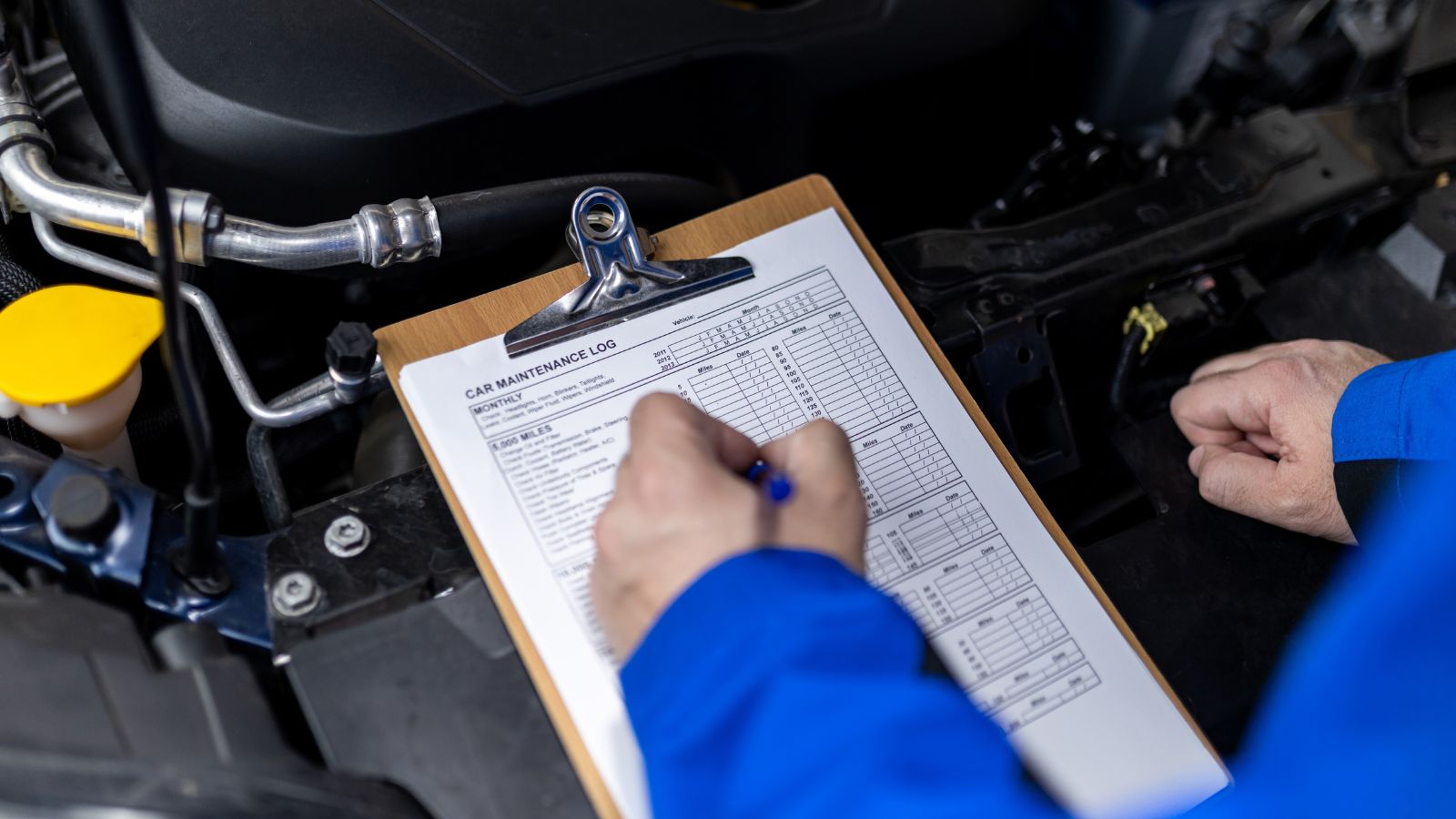
The strongest warning sign is often not one defect but a pattern. The mismatched paint supposedly came from “sunlight.” The missing maintenance file was “lost during a move.” The title is in somebody else’s name because “it is complicated.” The vehicle cannot be inspected because the seller is busy, cannot be cold-started because it was just moved, and must be purchased immediately because another buyer is supposedly on the way.
Any one explanation could be completely true. Twenty explanations unsupported by documentation are something else. Responsible used-car shopping depends on corroboration: physical inspection, VIN checks, maintenance records, ownership documentation, recall searches, history reports, lien searches where applicable, and a qualified mechanic’s assessment. Consumer Reports, AAA, government vehicle-history systems, and regulators consistently recommend combining several of these checks because no single source reveals everything. A seller does not need a perfect car or perfect records. What matters is whether reasonable questions produce verifiable answers. When they consistently do not, walking away can be the least expensive decision.

Alanna Rosen is an experienced content writer that focuses on many EV and educational content. Her articles are regularly published on Get CyberTrucked and syndicated on large publications.