A cabin can win someone over in seconds. Glossy trim catches the light, a panoramic roof opens the space, giant screens glow across the dashboard, and soft surfaces make a strong first impression. Yet perceived luxury is not fixed at the moment of purchase. It changes as materials are touched thousands of times, tires wear, software updates arrive, passengers discover the back seat, and small noises become familiar.
Research on automotive perceived quality shows that visual, tactile, lighting, and acoustic cues all influence how people judge a vehicle. Long-term ownership data adds another layer: infotainment faults, wear, rattles, noise, and other recurring annoyances can reshape that judgment. These 20 reasons explain why some vehicles initially feel far more expensive than they ultimately seem—and why durable luxury depends less on showroom theatre than on consistency over time.
Glossy Black Trim Loses Its Showroom Shine
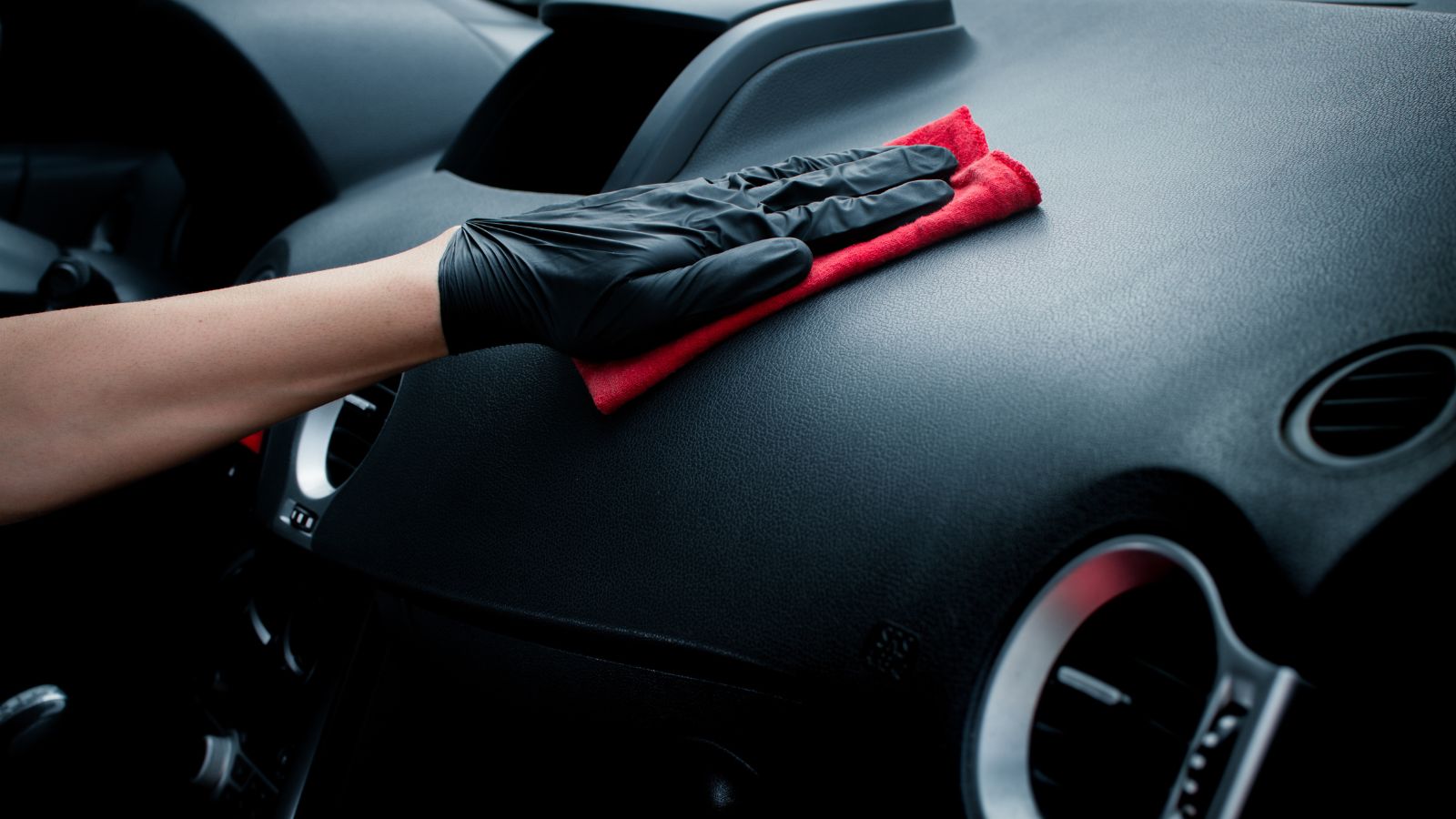
Piano-black trim can make a center console look expensive under dealership lighting. The problem is that the same surface is unusually unforgiving in normal use. Automotive reviewers repeatedly note that glossy black plastic attracts fingerprints, dust, smudges, and scratches, sometimes even on nearly new test vehicles. A pristine panel can therefore create a strong first impression that is difficult to preserve once keys, rings, charging cables, and daily cleaning enter the picture.
That deterioration changes more than appearance. Scratched reflective trim can make an otherwise well-built cabin feel older than its mileage suggests, particularly around shifters, cupholders, and touch controls where hands constantly pass. MotorTrend has documented piano-black pieces looking marked early in long-term or near-new vehicles, while Car and Driver has criticized the material for the same reason. Textured plastics, matte finishes, real wood, or metal may look less dramatic initially, but they often conceal ordinary wear far better.
Soft-Touch Surfaces Can Reveal Wear Quickly
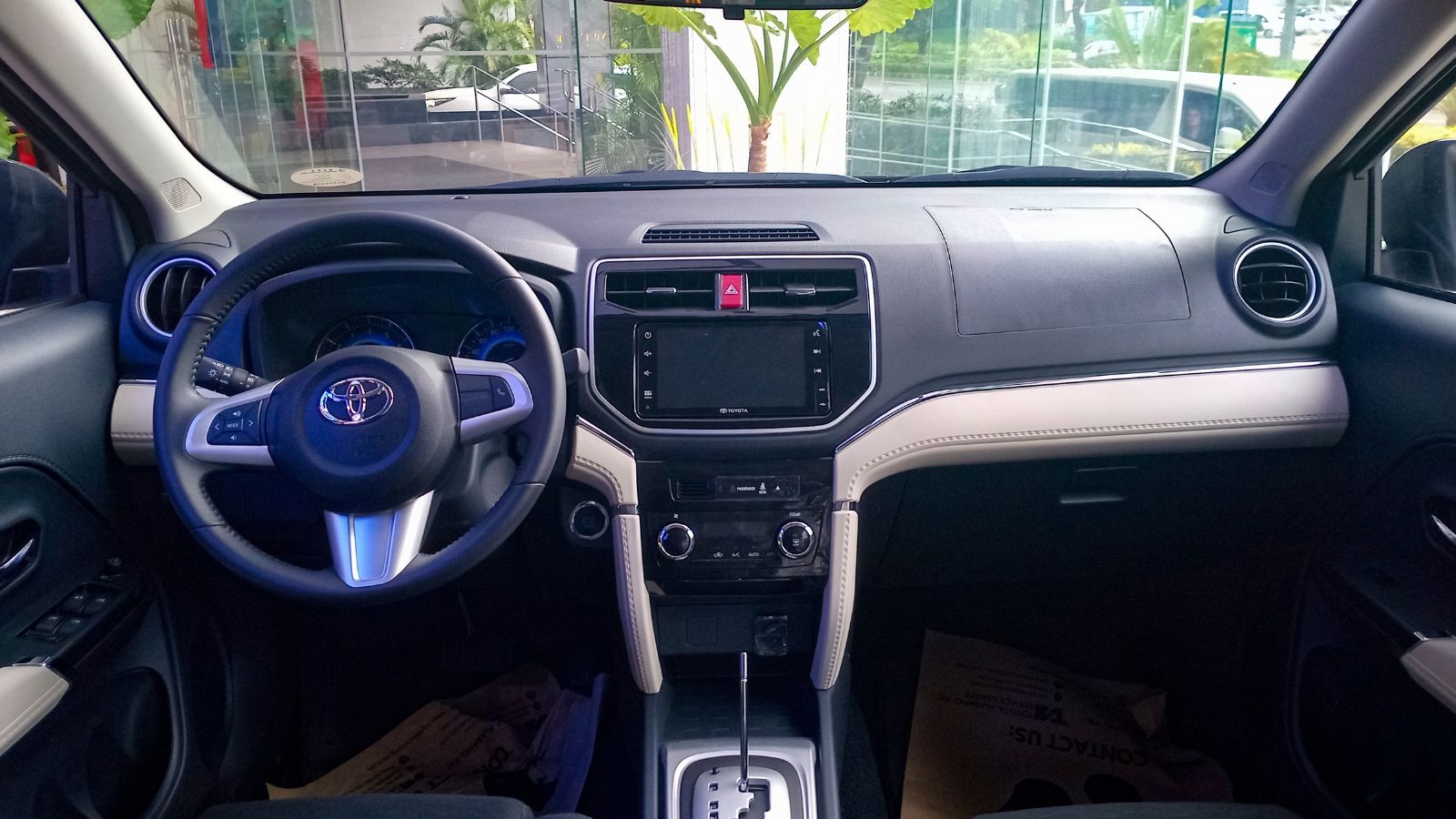
Soft-touch plastics are a classic shortcut to an upscale first impression. A padded dashboard, rubberized knob, or yielding door cap feels more sophisticated than hard molded plastic. Yet perceived quality depends on how those surfaces age, not simply how they feel when new. Long-term dependability research has identified interior materials that scuff or soil easily, along with door panels and trim that become worn or faded as mileage accumulates. That means a surface designed to win the first touch can become a recurring reminder of wear.
High-contact areas are revealing because owners see and touch them every day. Door pulls, console edges, armrests, and dashboards collect abrasion from clothing, bags, skin oils, cleaners, and sunlight. Once a coated or textured surface becomes shiny, discoloured, or visibly scuffed, the cabin’s sense of richness can fade. Durable materials do not always feel plushest on day one, but they often age more convincingly.
Seats Stop Looking New Long Before the Car Does
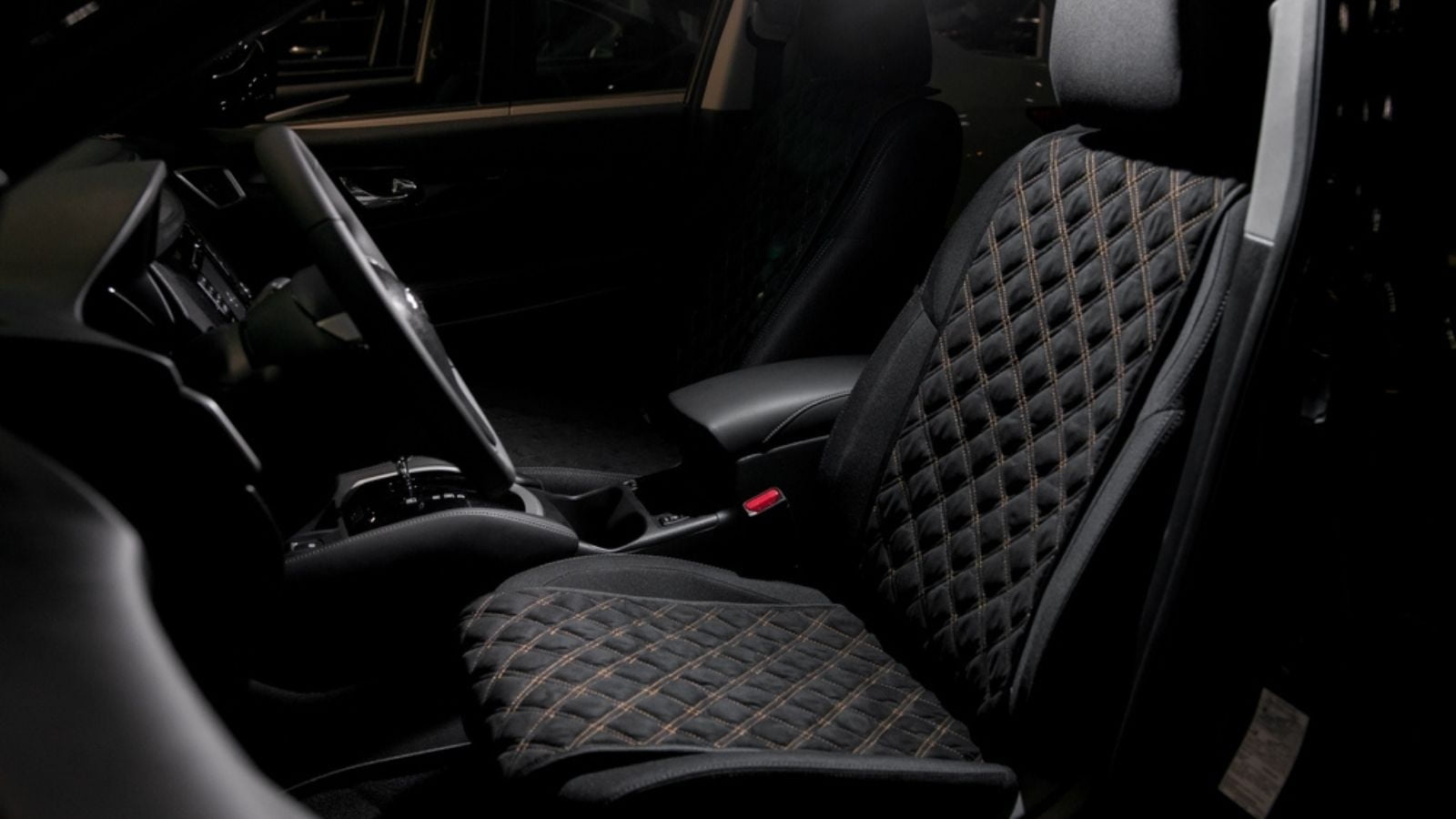
Seat upholstery carries enormous visual weight. Fresh leather, leatherette, contrast stitching, and pale colours can make an ordinary interior feel special. Real ownership is harder on those surfaces. Edmunds notes that genuine leather can dry and crack without maintenance, while synthetic upholstery can also crack after repeated use even though modern versions are often durable. Long-term testing has also shown light-coloured seats staining and bolsters becoming marred where occupants repeatedly slide in and out.
The effect is psychological as much as cosmetic. A vehicle may still be mechanically sound, yet wrinkled bolsters, denim transfer, flattened padding, or surface cracking can visibly make it feel far older. Premium-looking seats also create higher expectations, so visible wear can feel more disappointing than it would in cloth. The best luxury impression comes from upholstery chosen for the way it survives years of friction, heat, moisture, and cleaning—not simply the way it photographs when untouched.
Steering Wheels and Switches Expose Daily Use
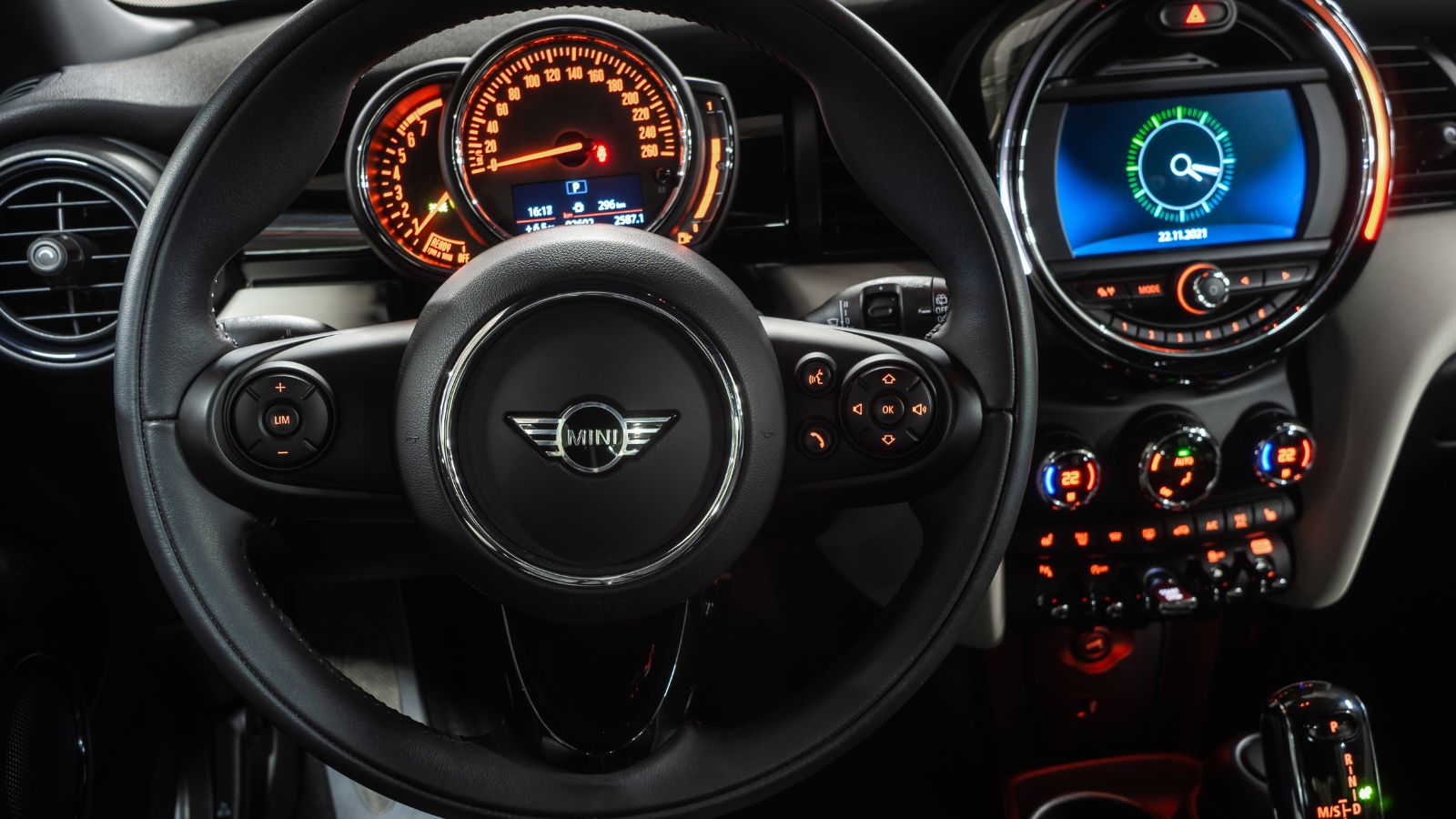
The steering wheel is one of the most heavily handled objects in a vehicle today. A soft wrap, metallic-look buttons, or grained surface can feel expensive at first, but skin oils, heat, friction, sunscreen, and cleaning products act on it. J.D. Power dependability research has identified worn or faded steering wheels, interior materials that scuff or soil easily, and lettering on controls that fades or disappears among owner problems. Those small defects are impossible to ignore.
The same applies to window switches, volume knobs, shifters, and used touchpoints. When coatings polish smooth, icons lose contrast, or trim edges begin to look rubbed through, the cabin stops supporting its original premium image. These failures are especially noticeable because they occur at eye level and under the driver’s fingertips. A simpler control made from durable, well-textured material may ultimately feel more expensive than an elaborate one whose finish cannot tolerate routine use.
Big Screens Age Faster Than Good Hardware
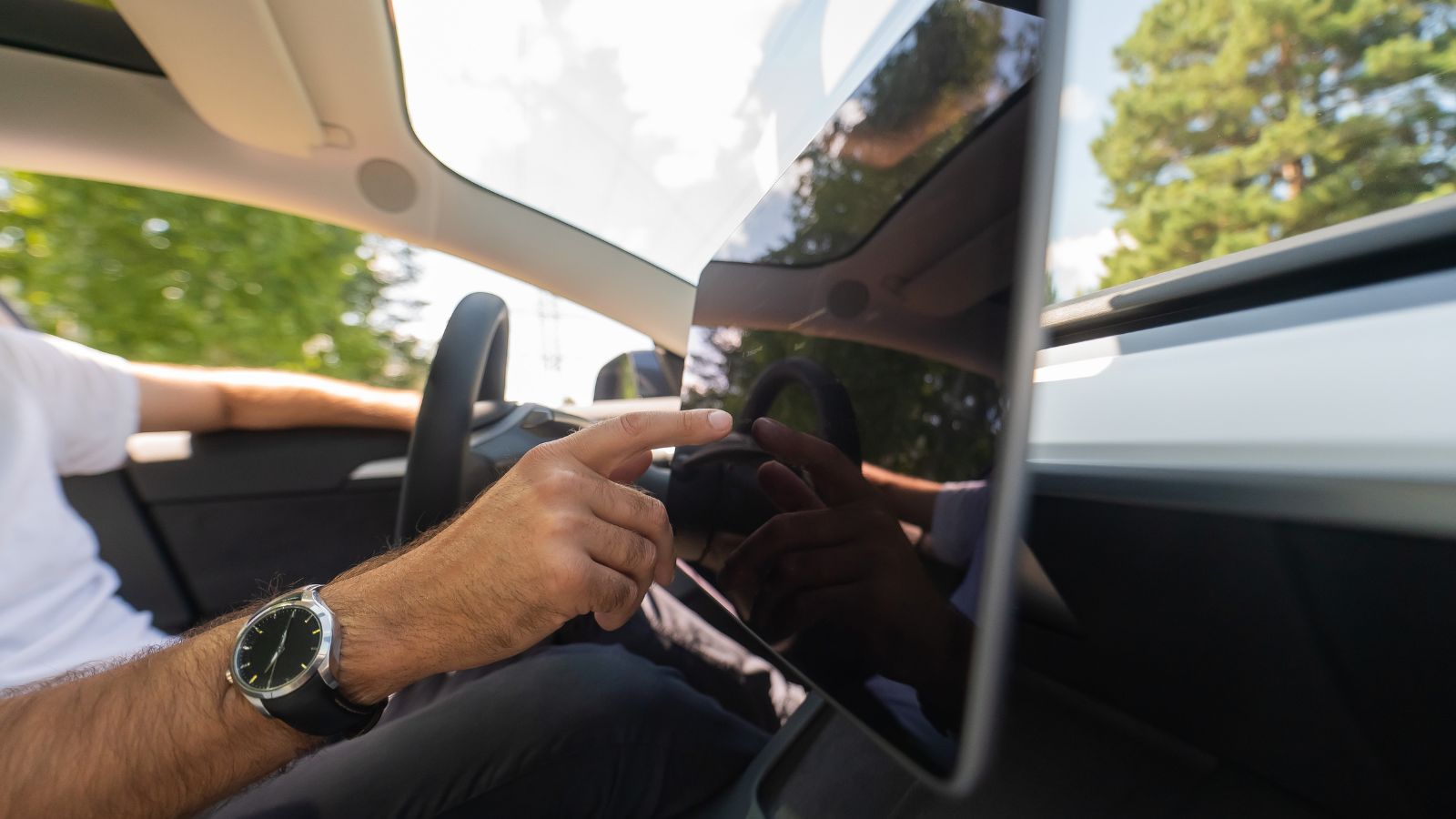
A wide digital display can transform a dashboard. Large screens make even a mainstream vehicle look technologically advanced. The problem is that screen size is not the same thing as interface quality. J.D. Power’s 2025 Initial Quality Study found infotainment remained the most problematic vehicle category at 42.6 problems per 100 vehicles, with owners reporting touchscreen issues as automakers moved climate controls, garage-door functions, and features into displays. It can become the cabin’s biggest source of irritation.
That frustration grows as owners repeat the same actions thousands of times. A beautiful home screen matters less when fan speed requires multiple taps, menus load slowly, or a common function is buried. Digital design also dates more than a well-shaped physical knob; graphics that seemed futuristic at launch can look ordinary after newer systems arrive. A luxurious interface earns its reputation through speed, clarity, and low effort, not through display acreage alone.
Touch-Sensitive Controls Trade Tactility for Drama

Capacitive controls can make a dashboard look exceptionally clean visually. Designers can create a seamless panel that glows dramatically at night and appears sophisticated. Daily use exposes the compromise. Drivers often need to confirm a touch visually because flat surfaces provide less guidance than shaped controls. J.D. Power has found that owners value simple controls, while Euro NCAP’s 2026 protocols encourage physical or accessible controls for key driving functions such as indicators, wipers, headlights, hazards, and the horn.
The issue is not nostalgia for old dashboards. Tactile controls allow muscle memory to develop, which can make common adjustments easier without glances away from the road. A touch panel that looks expensive while parked can therefore feel cheaper once its limitations become repetitive. Gloves, fingerprints, accidental touches, and menu states can add friction. Luxury is ultimately about reducing effort; a control system that demands extra attention can undermine that luxury promise.
Connectivity Problems Make Expensive Technology Feel Unfinished
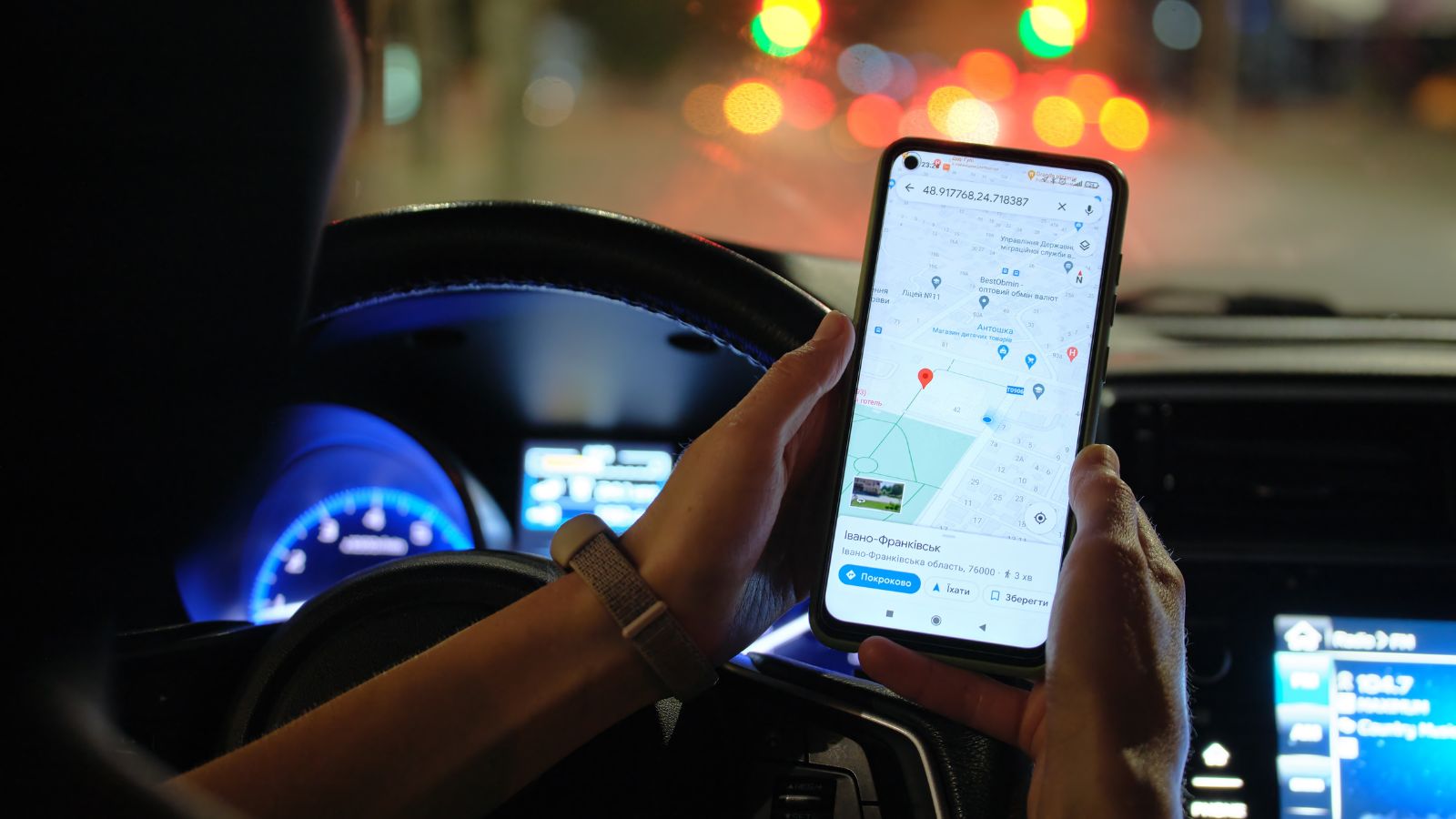
Wireless phone integration, app connectivity, Bluetooth, and charging pads shape the modern premium experience. When they work, they make a vehicle feel seamless and contemporary. When they fail intermittently, the opposite happens. J.D. Power’s 2026 U.S. Initial Quality Study found infotainment was the only major category to worsen year over year, with Android Auto and Apple CarPlay connectivity the largest single contributor to that decline. Its three-year dependability study also ranked smartphone integration among frequent industry problems.
Intermittent faults are damaging because they make an expensive feature feel unpredictable. An owner may forgive a simple cabin for lacking wireless integration, yet feel far less patient with a premium system that advertises convenience and then refuses to connect. Re-pairing devices, rebooting screens, or moving a phone around a charging pad erodes the sense of polish. Technology feels luxurious when it disappears into the daily routine; troubleshooting makes it feel noticeably unfinished.
Software Updates Do Not Always Make the Car Better

Modern vehicles increasingly behave like connected devices, receiving software changes. That sounds premium: new features, fixes, and refinements can arrive without a workshop visit. Yet the value depends on what owners actually experience. J.D. Power’s 2026 Vehicle Dependability Study reported that 40% of surveyed three-year-old vehicle owners had received a software update in the prior year. Among them, only 27% said the update improved the vehicle, while 58% perceived no noticeable difference. Over-the-air updates were also associated with an increase in reported problems in that study.
The contrast matters because software creates an expectation of improvement. If an update changes menus, introduces glitches, or simply adds nothing owners can notice, the feature can begin to feel like maintenance rather than luxury. Trim ages gradually; software can feel dated overnight when an interface appears. A premium digital cabin therefore needs long-term support, stable updates, and meaningful benefits, not just launch-day graphics.
Ambient Lighting Can Create a Stronger Impression Than the Materials
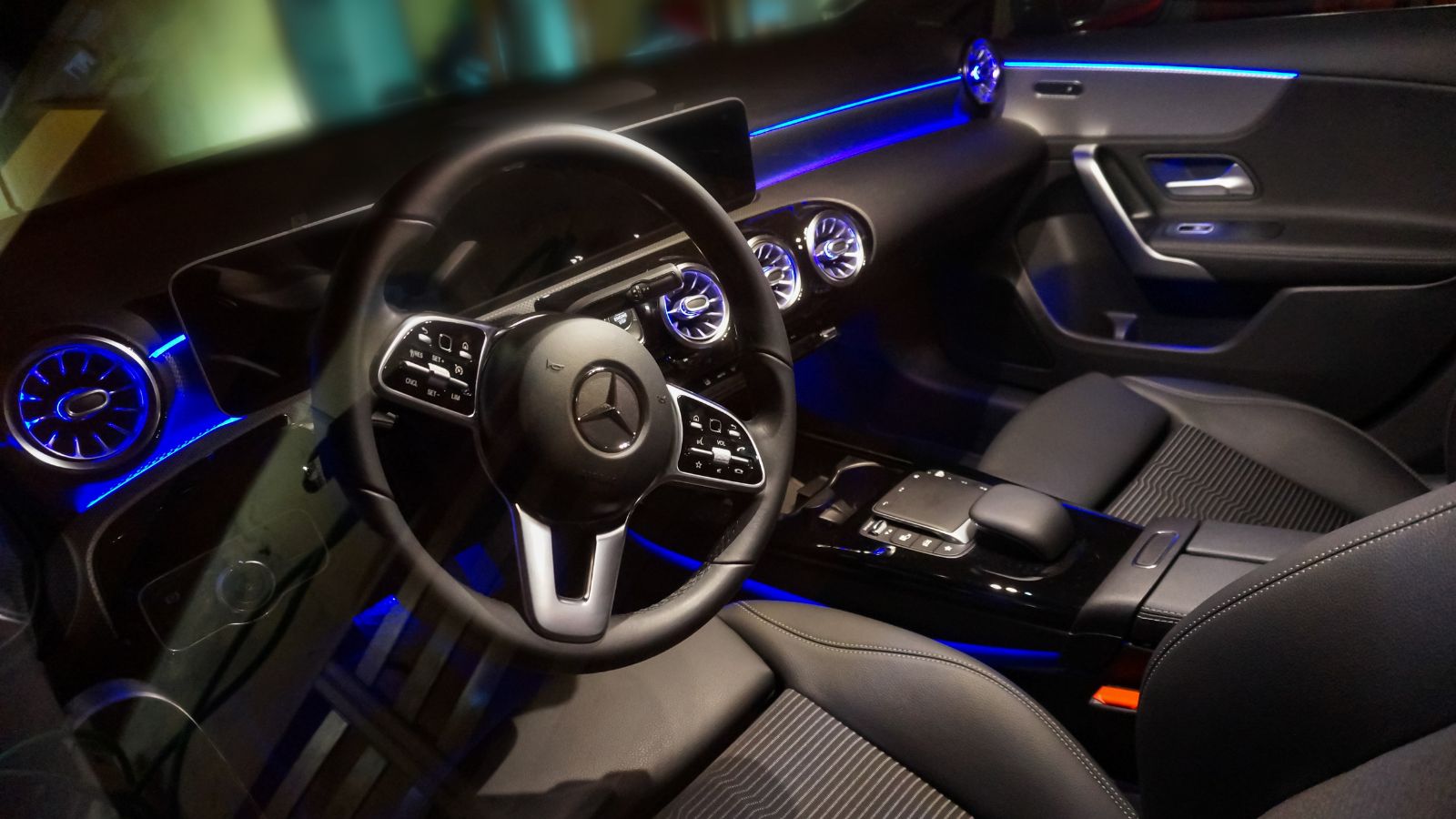
Ambient lighting is remarkably effective at changing how a cabin feels. Academic research finds that interior lighting significantly influences perceived quality, and manufacturers use it to shape mood and spaciousness. A glowing dashboard strip, illuminated door panel, or selectable colour theme can make inexpensive surfaces appear richer at night because attention shifts toward light, contrast, and design. The effect can be powerful when the rest of the cabin is clean and carefully staged.
The limitation appears in daylight and after familiarity sets in. Lighting cannot change how an armrest feels, whether a door panel flexes, or how trim resists scratches. Once the novelty becomes normal, the underlying materials carry more of the experience. This does not make ambient lighting a gimmick; good illumination can enhance a cabin. The trouble begins when manufacturers use visual theatre to create expectations that the plastics, upholstery, controls, and assembly quality cannot sustain in use.
Hard Plastics Hide Where Showroom Shoppers Rarely Touch
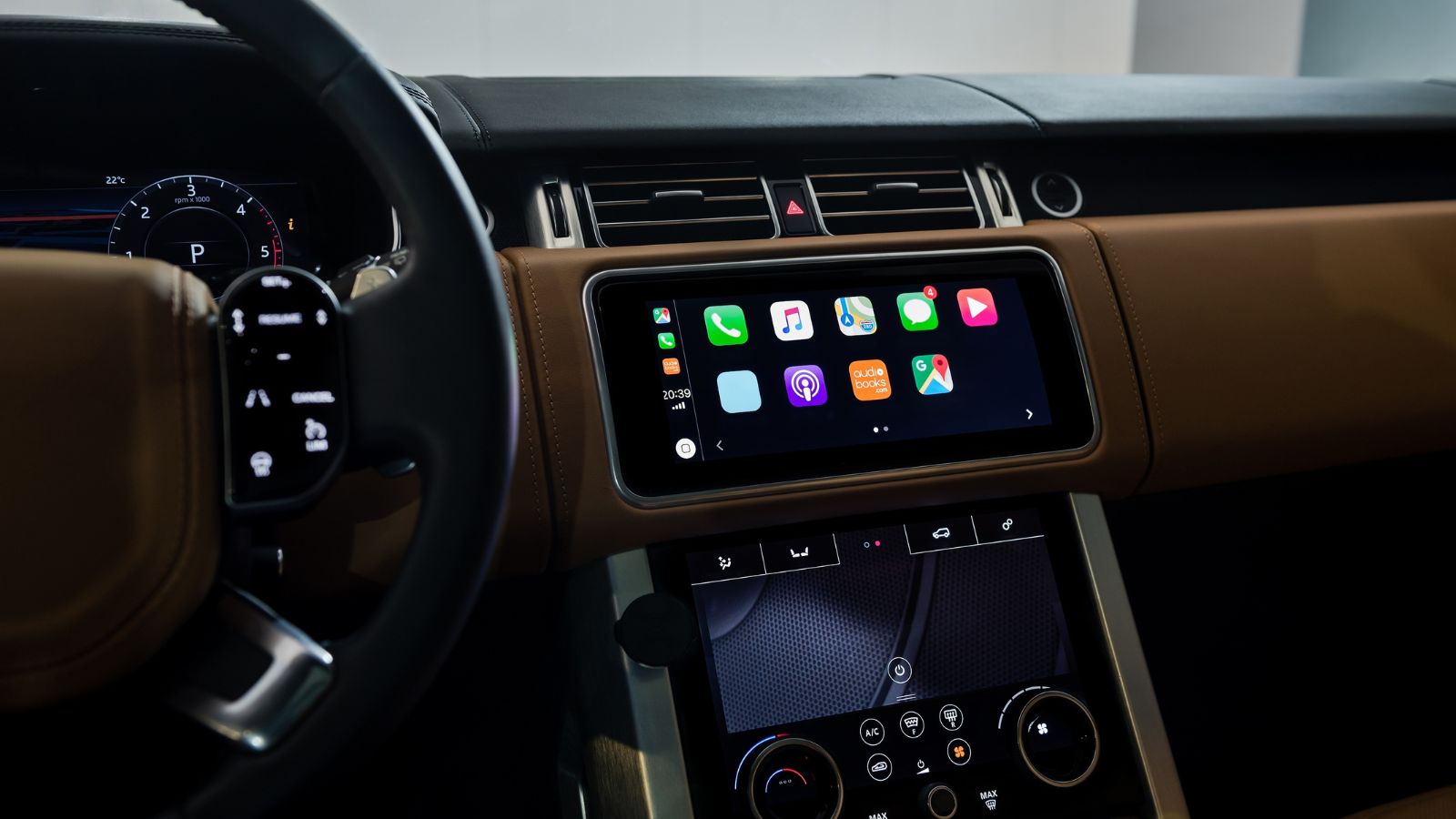
Interior designers know where hands and eyes land during a quick inspection. Manufacturers can concentrate soft materials on dashboards and armrests while using cheaper molded plastics lower down. Reviewers find this in mainstream and costly trims. MotorTrend has noted cabins where hard or seam-marked plastics are placed below hip level, while softer materials are reserved for more visible areas. The first impression can therefore be much richer than the complete material map of the cabin.
Those lower surfaces become harder to ignore. Knees brush the center console, shoes hit door pockets, bags scrape lower panels, and routine cleaning exposes the texture and hollowness of large plastic areas. What seemed like a polished cabin during a five-minute sit can feel less convincing during trips. Good design can make inexpensive materials attractive and durable, but obvious cost-cutting becomes more apparent once owners interact with every corner rather than only the presented touchpoints.
Rear-Seat Materials Can Reveal the Real Cost Cutting
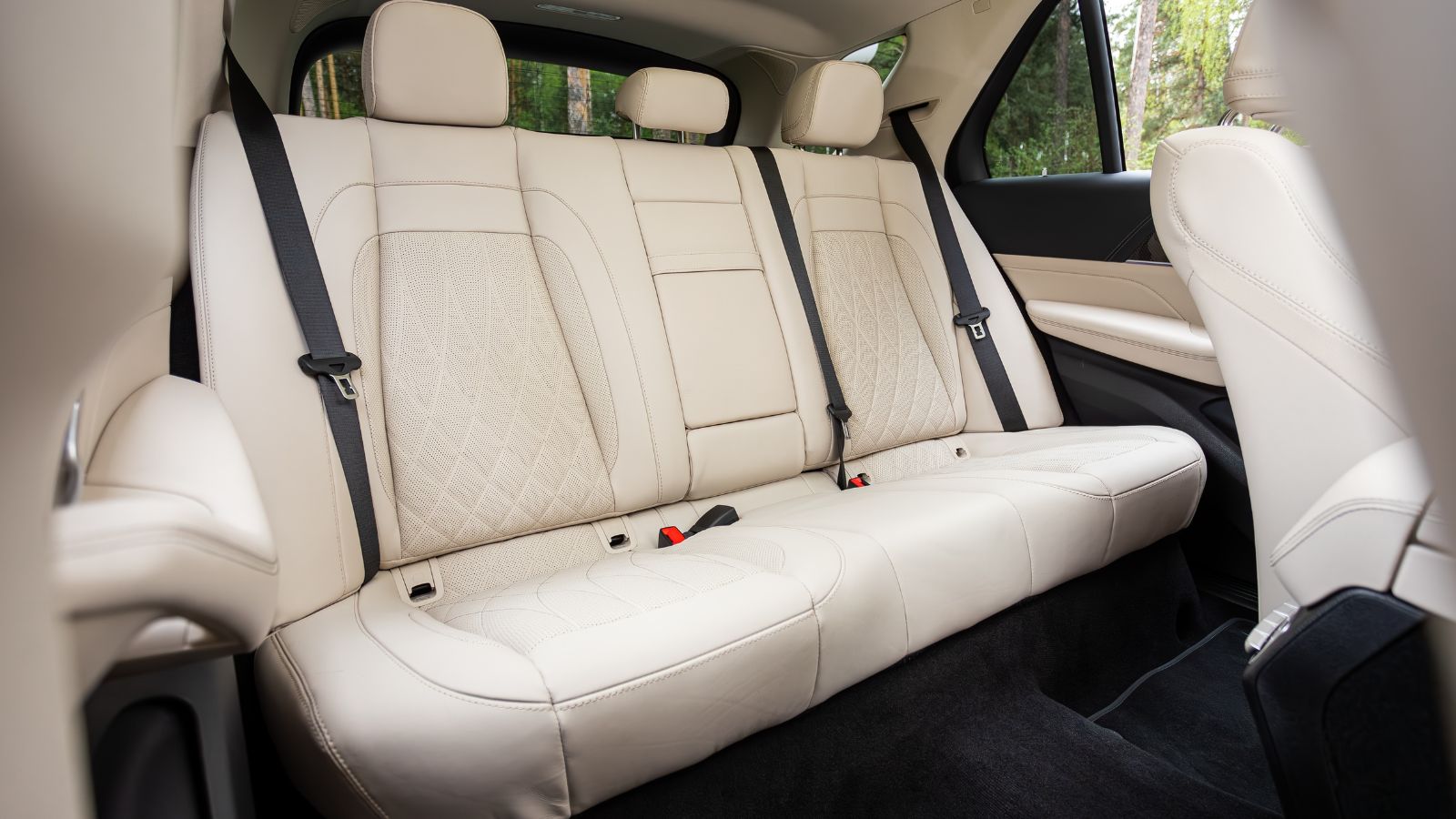
A vehicle can lavish attention on the front row while economizing behind it. Drivers and front passengers dominate test drives and press photography. Cars.com has documented vehicles whose upper front doors use hard plastic and whose rear door armrests become cheaper still. MotorTrend has noted that rear-door surfaces are a frequent target for cost cutting, so soft-touch rear trim stands out. The difference may be easy to miss until family or friends begin using the rear seats.
That unevenness matters because luxury is partly about consistency. A stitched dashboard and padded front armrest create an expectation that the same care will continue throughout the cabin. Discovering brittle rear-door tops, minimal storage, missing vents, or thin carpeting can make the original presentation feel superficial. Vehicles that maintain material quality across both rows tend to age more gracefully in perception, because the premium impression survives beyond the driver’s immediate field of view.
Shared Switchgear Can Break the Premium Illusion
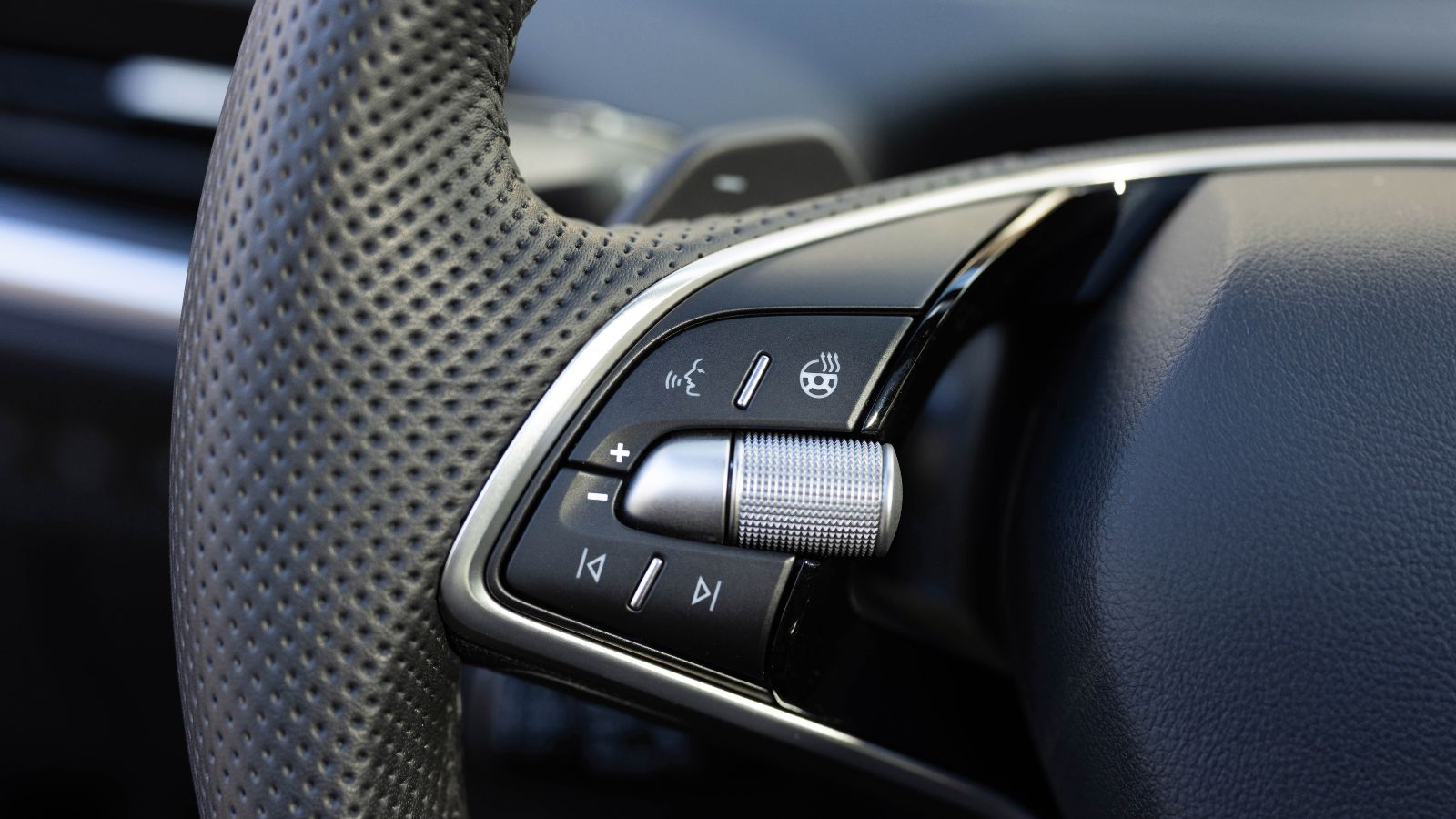
Automakers save money by sharing components across multiple vehicles. A reliable switch or screen can work well in both an affordable model and a premium one. The problem is perceptual. When buyers recognize the same steering wheel buttons, stalks, shifter, climate panel, or display from a cheaper sibling, the expensive vehicle can increasingly feel less special. MotorTrend noted this effect in the Acura ADX, where several controls and interfaces are shared with Honda products despite more upscale trim and branding.
Familiarity makes shared parts easier to notice. At first, leather, stitching, colour, and lighting dominate the eye; later, the shapes and actions of everyday controls become the cabin’s personality. Component sharing makes economic and engineering sense, and it can improve reliability, but premium models need enough differentiation in materials, damping, graphics, and tactile response to justify their position. Otherwise, the badge promises exclusivity that the hardware does not clearly reinforce.
Squeaks and Rattles Destroy the Sense of Solidity
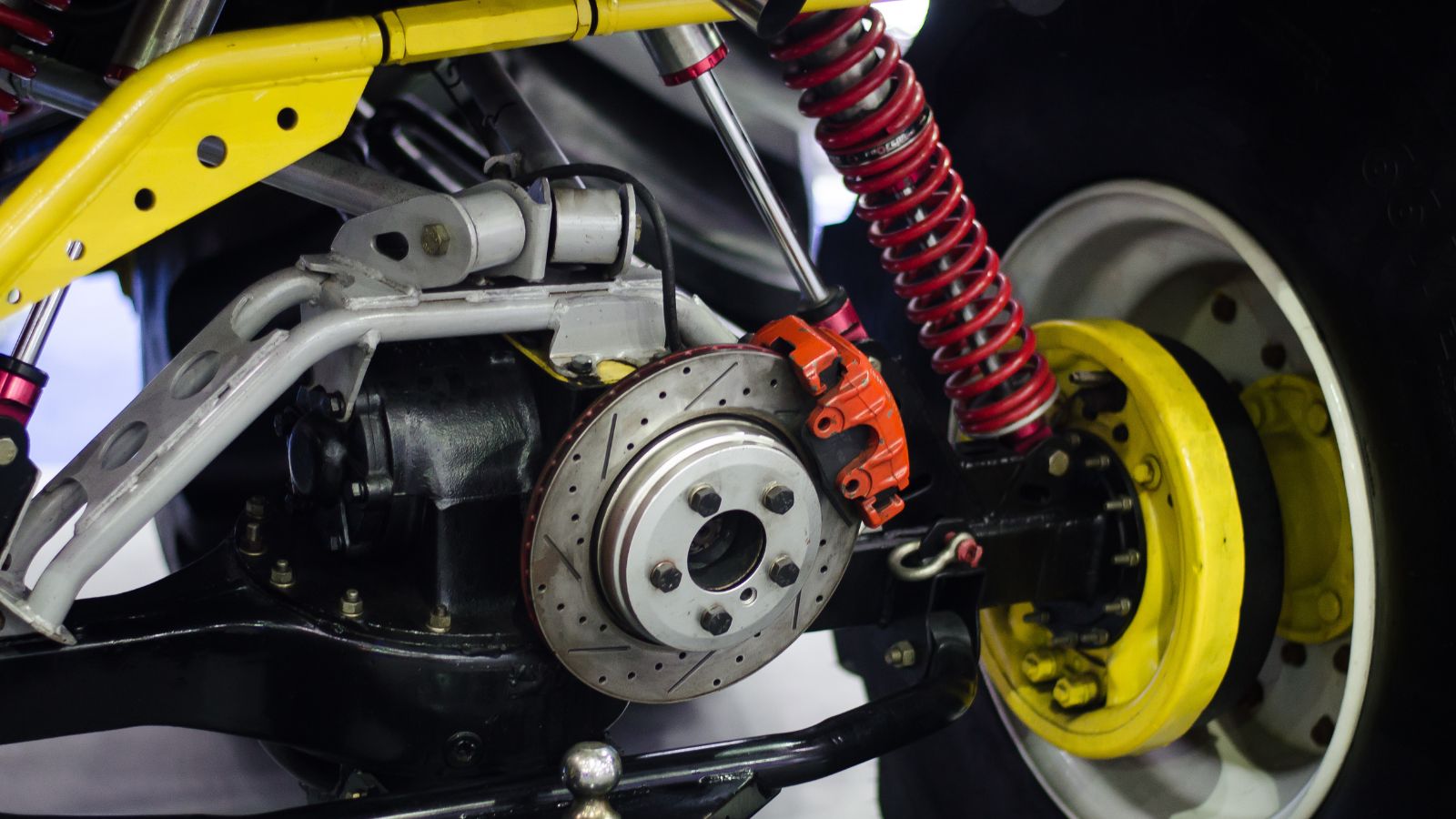
Few things make a cabin feel cheaper faster than a noise that should not be there. A dashboard buzz, seat squeak, console rattle, or window chatter may seem trivial compared with major mechanical problems, yet owners notice such sounds. J.D. Power research has linked noise, vibration, and harshness complaints with perceived quality. Dependability studies show rattles can increase with age and mileage, while premium electric-vehicle owners have reported squeaks and rattles as a leading problem category.
Silence suggests tight tolerances and structural solidity. Once a trim panel begins ticking over rough pavement, each bump becomes a reminder that pieces are moving against one another. Owners may start pressing panels, emptying storage bins, or listening for the source, which makes the defect more salient. A spectacular dashboard cannot compensate for a cabin that sounds loosely assembled. Long-term luxury depends as much on what occupants do not hear as what they see.
Road and Wind Noise Become More Obvious With Time

A quiet test drive can make a vehicle feel expensive because isolation is associated with comfort and refinement. Yet noise changes with speed, road surface, tires, weather, and wear. J.D. Power studies have listed excessive road noise and wind noise among owner complaints, and its 2025 China dependability study found noise and vibration among the fastest-growing long-term problem areas. Tire noise, wind noise, window rattles, and suspension noises all hurt the ownership experience.
Newness can mask these weaknesses because fresh tires are quiet, seals are new, and drivers are still focused on features. Months later, familiar sounds become easier to notice, especially on coarse pavement or long highway trips. The difference between premium and ordinary often comes down to isolation rather than styling. If wind hiss grows around the pillars or tire roar dominates the conversation, a cabin that looked luxurious in the showroom can begin to feel thinly insulated.
Large Wheels Can Make Luxury Look Better Than It Rides
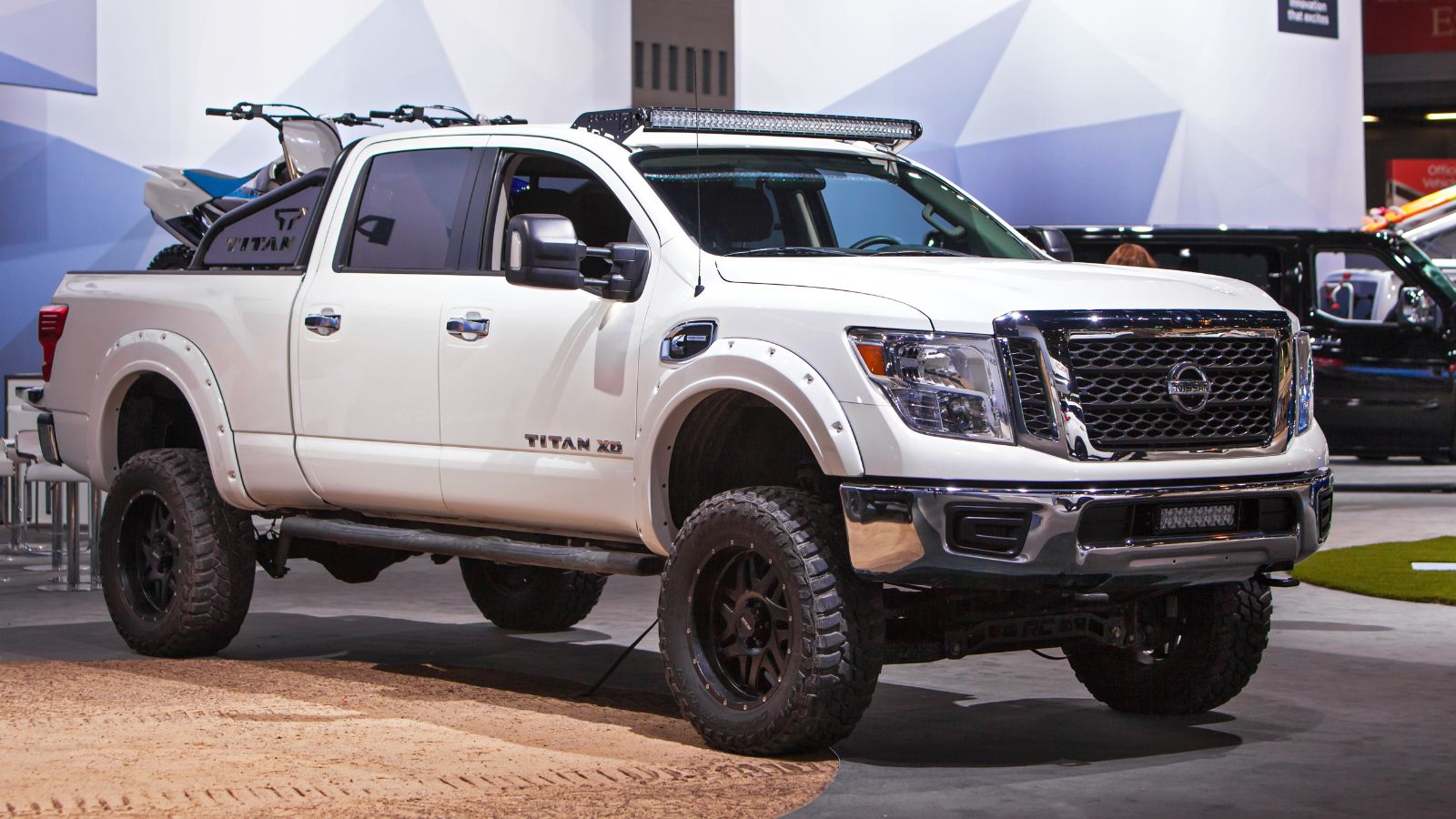
Oversized wheels are one of the easiest ways to make a vehicle look expensive. They fill the wheel arches, photograph well, and are often bundled with upper trim levels. But larger wheels use lower-profile tires with shorter, stiffer sidewalls. Consumer Reports says such combinations produce a harsher ride and increase the risk of tire or wheel damage from potholes. Car and Driver notes low-profile performance tires can be rougher, noisier, faster-wearing, and more vulnerable to road damage.
That compromise becomes much clearer. A 20- or 21-inch wheel may help sell the vehicle in a parking lot, but occupants experience every sharp expansion joint and broken patch of pavement from inside the cabin. Replacement tires also tend to cost more. In a luxury experience, comfort should survive imperfect roads. When styling forces owners to accept repeated impacts, noise, or expensive damage, the appearance can start feeling like theatre rather than substance.
A Satisfying Door Thud Can Overpromise the Rest of the Car

The sound of a door closing strongly influences perceived quality. Academic research in Applied Acoustics has shown that listeners associate certain door-closing sounds with solidity, security, and luxury, while SAE research calls closure sound important to craftsmanship image. Automakers engineer latches, seals, structures, damping, and acoustic characteristics to create a clean, substantial closing event. It is a “luxury” cue a shopper can judge before the engine starts.
That cue is real, but it is still only one moment. A deep, well-damped thud cannot guarantee durable trim, quiet suspension, reliable software, or comfortable controls. Because the sound creates such a powerful expectation, weaknesses can feel more disappointing. The vehicle initially communicates heft and precision, then daily ownership reveals whether the rest of the cabin supports that message. A premium car does not merely sound solid when the door shuts; it continues to feel solid across thousands of closures and rough-road miles.
Panoramic Roofs Add Drama but Also Daily Compromises
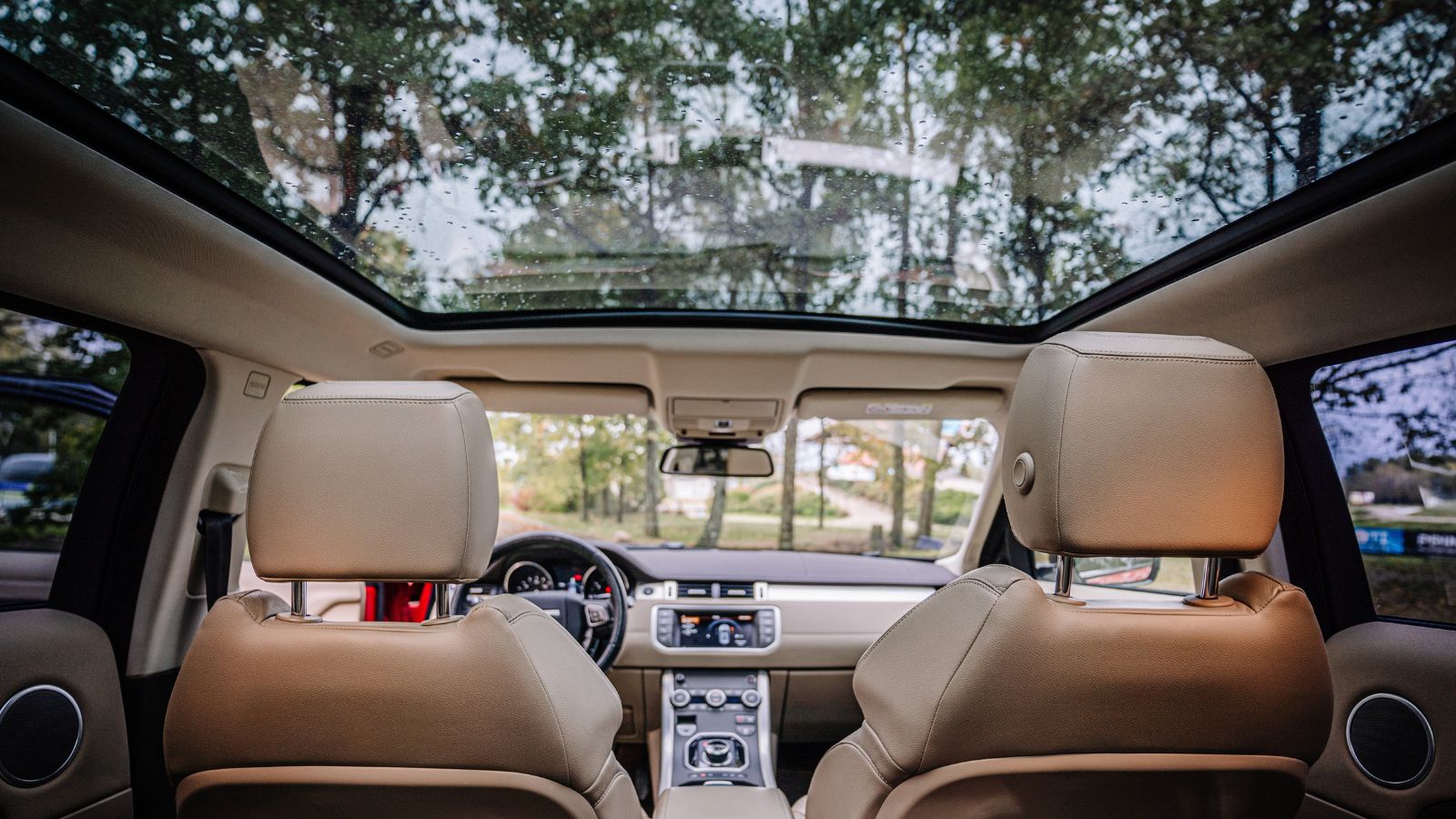
A panoramic glass roof can make an interior feel brighter, larger, and more expensive within seconds. It is a visible feature. But the glass mechanisms consume packaging space, and some vehicles lose headroom when the option is fitted. In Car and Driver’s test of a Chrysler 300S, the panoramic roof reduced front-seat headroom by 1.7 inches and rear-seat headroom by 1.0 inch. That is a trade for a feature whose appeal is primarily visual and experiential.
The compromise can matter more after the purchase, when passengers use every millimetre of space rather than simply admiring the roof. Taller occupants may notice the lower headliner, while a shade is often closed during intense sun. None of this makes panoramic roofs inherently undesirable; many owners value them greatly. The lesson is that an expensive-looking feature can still reduce everyday comfort, and genuine luxury is ultimately measured by how well the cabin works.
Driver-Assistance Alerts Can Turn Sophistication Into Annoyance
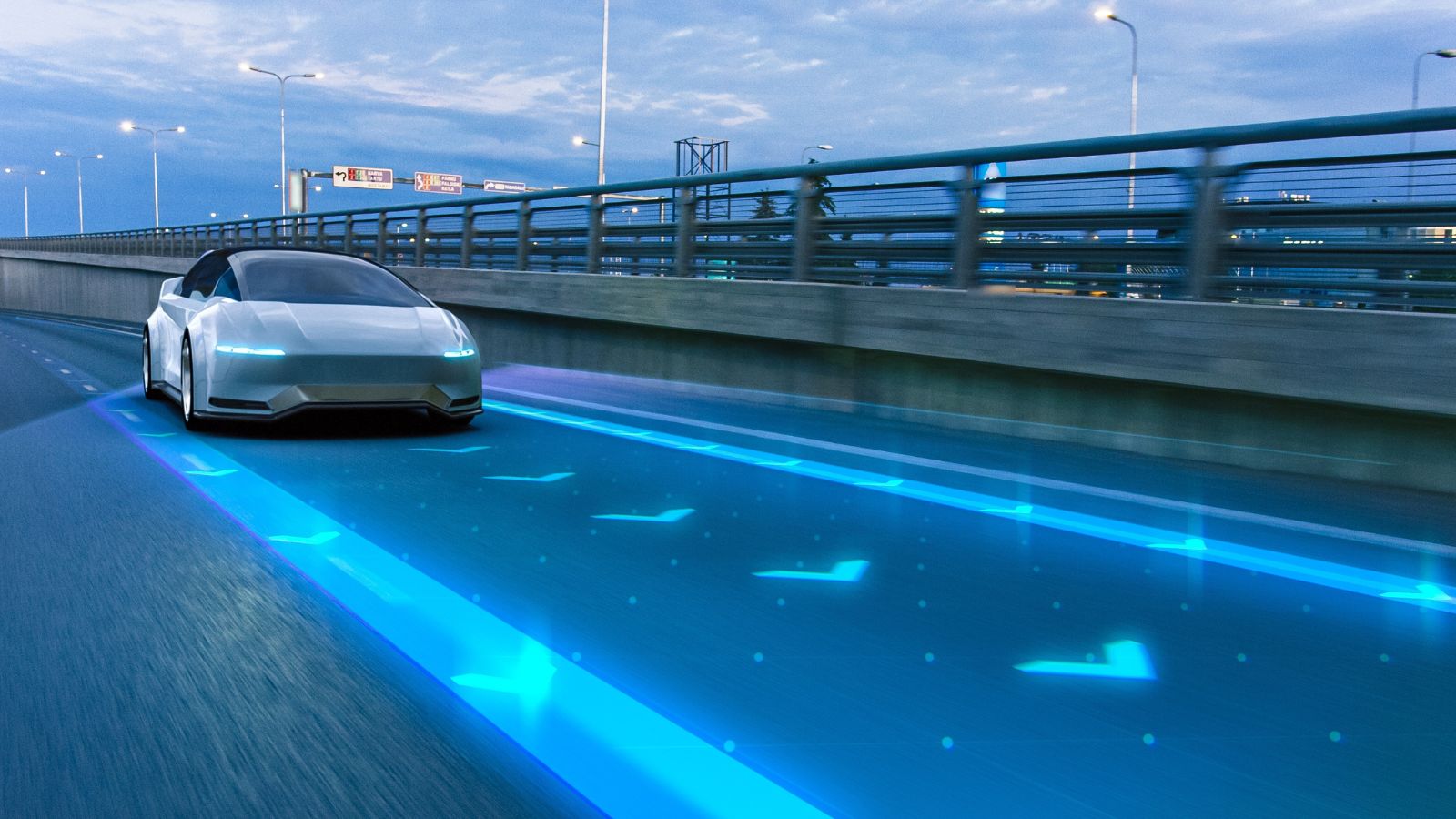
Advanced driver-assistance systems can make a new vehicle feel sophisticated. Lane support, blind-spot warnings, driver monitoring, parking sensors, and collision alerts create an impression of intelligence once limited to expensive models. Yet the experience depends on calibration. J.D. Power’s 2024 U.S. ADAS Quality and Satisfaction Study found that driver-assistance systems accounted for 24.9 problems per 100 vehicles, with alerts the largest problem area at 9.0 PP100. The company said owners complained that alerts were annoying or bothersome.
Repeated warnings can quickly change the emotional tone of a cabin. A chime that seemed reassuring on a demonstration drive may become increasingly irritating when it sounds at every familiar curve, lane marking, or parking maneuver. J.D. Power’s 2026 Initial Quality Study also found 18% of owners who described a distraction-related vehicle problem pointed to driver-assistance alerts. Premium technology should feel calm and well judged; excessive intervention can make it feel crude instead.
A Premium Badge Does Not Guarantee Premium Dependability
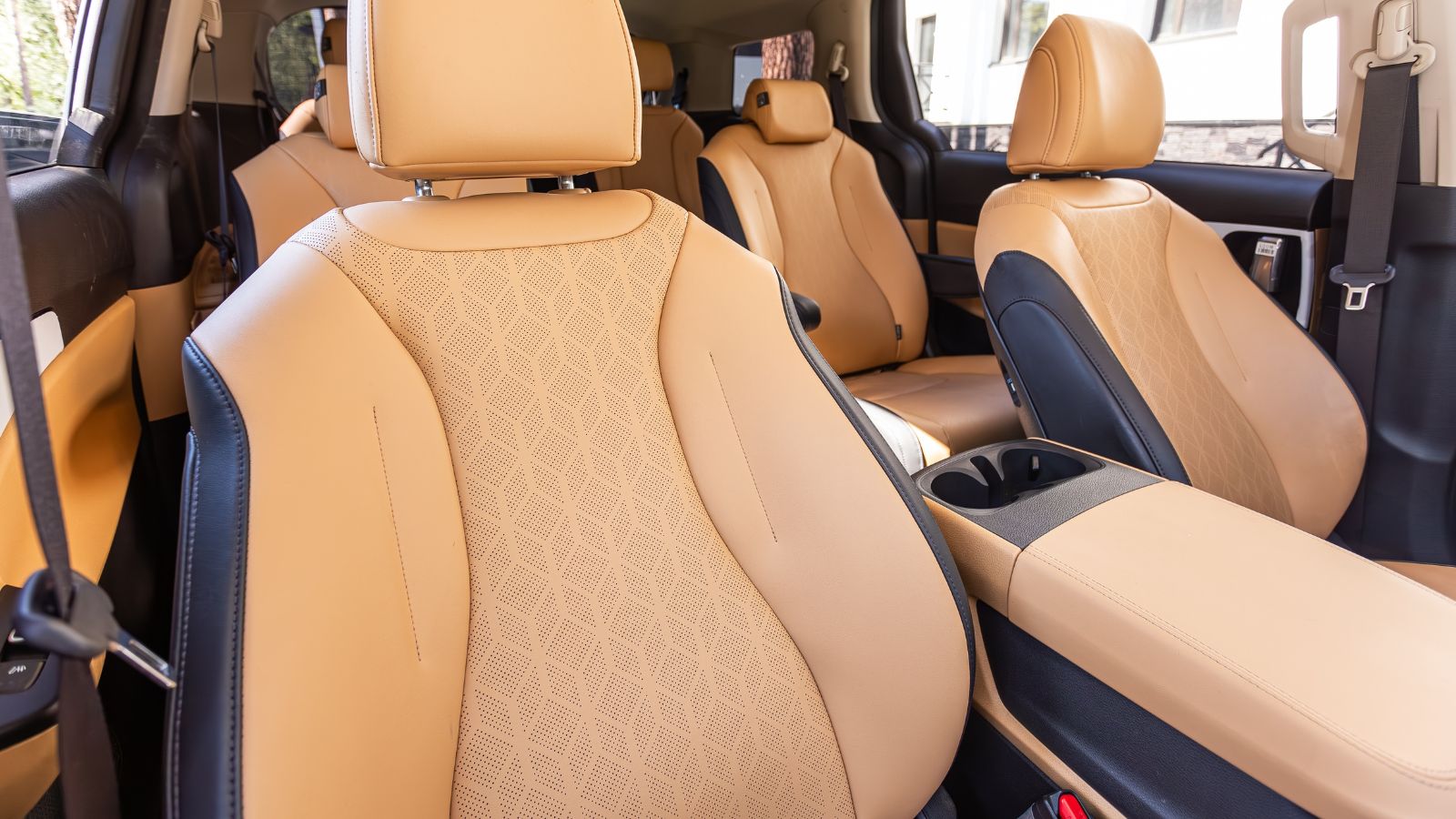
Price and branding clearly shape expectations. Buyers assume that a premium vehicle’s extra cost pays not only for design and performance but also for superior execution over time. J.D. Power’s 2026 U.S. Vehicle Dependability Study found premium vehicles averaged 217 problems per 100 vehicles after three years, 17 PP100 worse than mass-market vehicles. Premium models underperformed mass-market vehicles in seven of the study’s nine problem categories.
That does not mean inexpensive cars are universally better or that every luxury brand ages poorly. Premium vehicles often contain more complex technology, comfort features, displays, and powertrain systems, which can create more opportunities for complaints. Still, the numbers illustrate why a lavish first impression should not be treated as proof of durable quality. A cabin can be lined with leather, screens, and polished trim yet still frustrate its owner later. Long-term luxury is earned through dependable operation as much as visible overall specification.
Mileage Reveals Weaknesses the Showroom Cannot

A new vehicle is evaluated at the easiest point: clean, unworn, freshly assembled. Mileage changes the test. J.D. Power’s Japan dependability research found a relationship between mileage and reported problems, with vehicles under 10,000 kilometres averaging 59 problems per 100 vehicles and those at 70,000 kilometres or more averaging 133. The largest gap there occurred in the interior category, where wear, fading, scuffing, and rattles became visible.
That pattern explains why some cabins lose their premium aura even without a failure. The materials are no longer protected by newness, moving parts have endured thousands of cycles, and small noises or cosmetic defects accumulate. The best interiors are designed for this later stage rather than for the first 15 minutes in a dealership. Durable textures, robust switches, stable software, quiet structures, and easily maintained upholstery may seem less theatrical initially, but they are the details that preserve a sense of quality.
16 Costco Canada Habits That Could Be Costing Shoppers More Than They Save
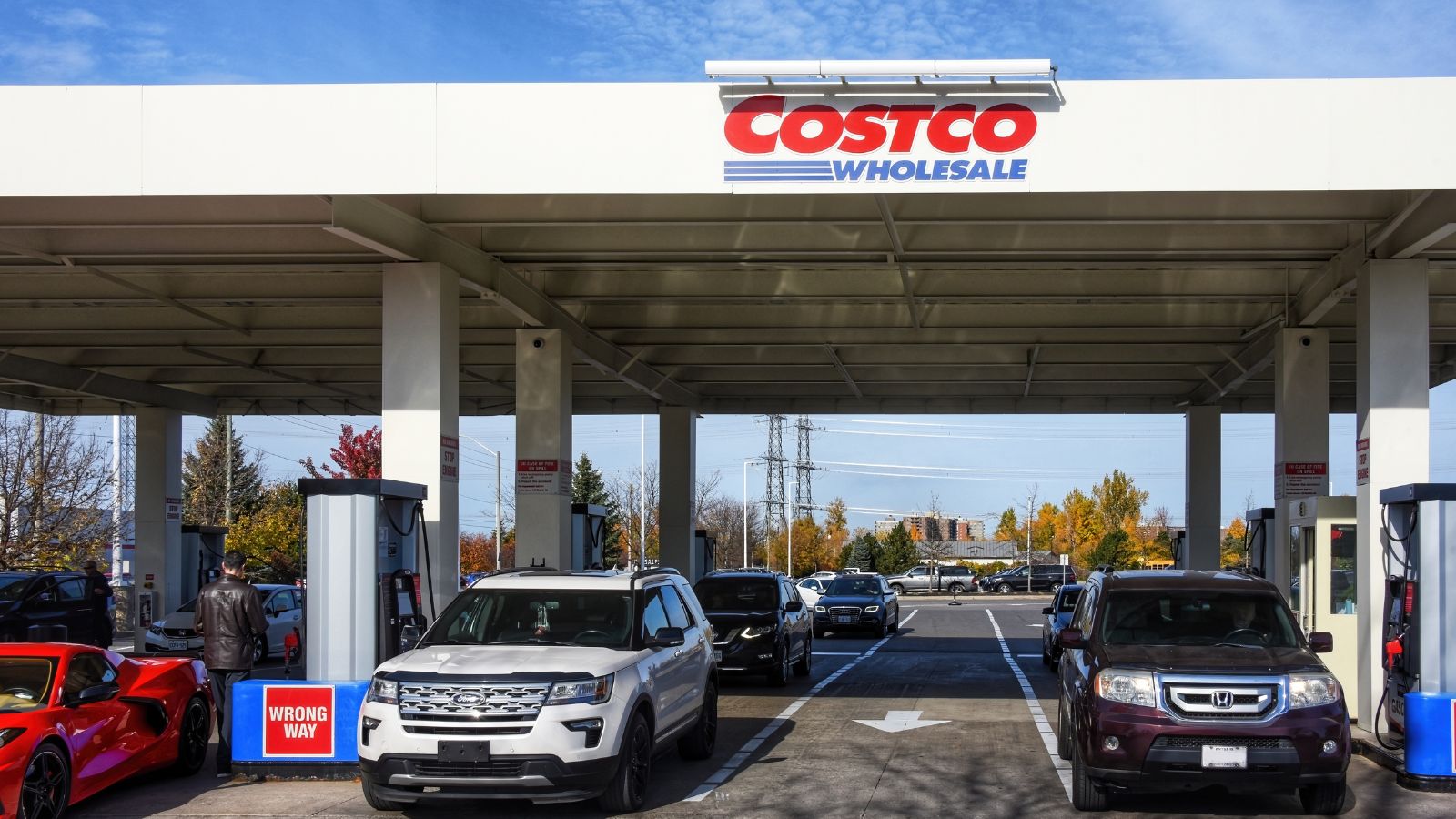
The Executive Membership can feel like an obvious upgrade because the 2% annual reward sounds straightforward. For households that spend heavily at Costco Canada, the extra fee may be easy to justify. But the habit becomes costly when shoppers upgrade first and calculate later. A Gold Star Membership costs less, while Executive costs more and only pays off if eligible annual spending is high enough to offset the difference.
16 Costco Canada Habits That Could Be Costing Shoppers More Than They Save

Alanna Rosen is an experienced content writer that focuses on many EV and educational content. Her articles are regularly published on Get CyberTrucked and syndicated on large publications.