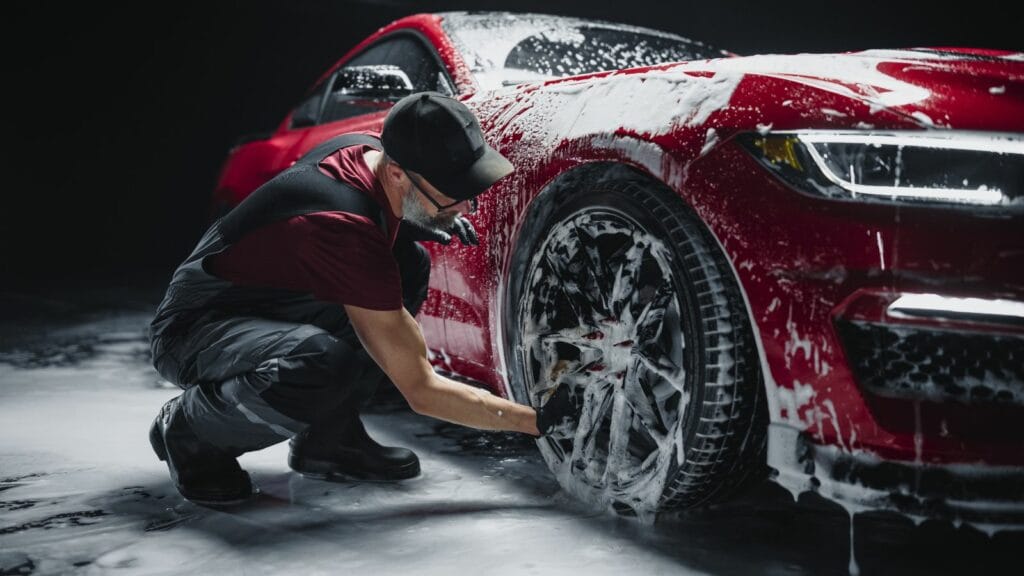
A premium paint colour can make an ordinary driveway moment feel special. Deep metallics, vivid pearls, satin finishes, and carefully layered reds often look richer than no-cost colours in a showroom, where perfect lighting and spotless bodywork do them every favour. Ownership, however, introduces road debris, parking damage, automatic car washes, weather, and eventually resale.
The expensive part is not always the original surcharge. Complex finishes can demand more careful cleaning, broader collision repairs, harder colour matching, and additional protection. These 12 reasons explain why some drivers who happily paid extra for an eye-catching factory colour later discover that preserving that appearance can require more money, time, and compromise than expected.
The Paint Option Already Starts Expensive
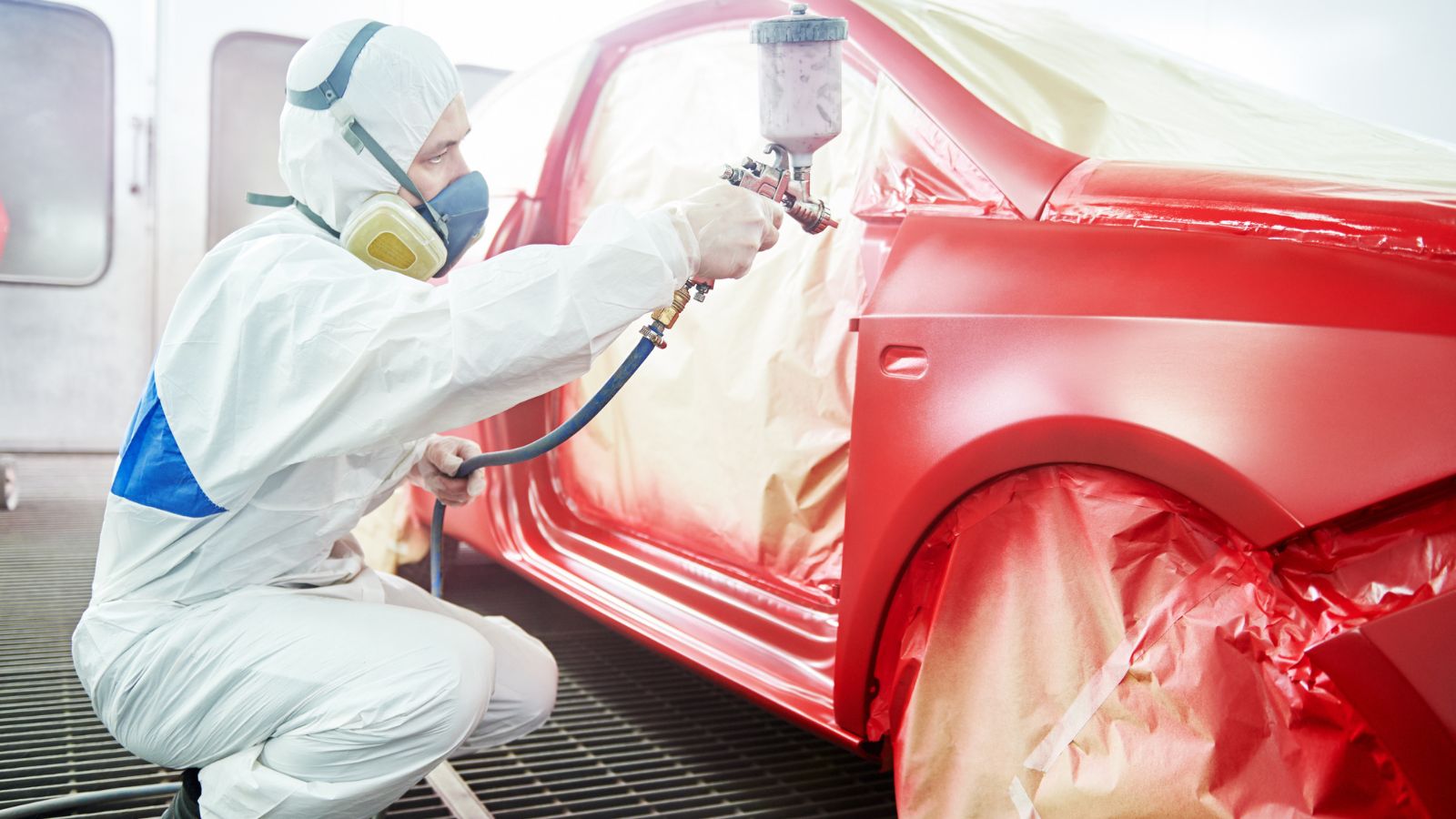
Premium paint can look like a small indulgence beside the total price of a new vehicle, but the surcharge is real money that immediately raises the ownership cost. Mainstream brands commonly charge several hundred dollars for certain metallic, pearl, or matte colours, while luxury and exotic manufacturers can charge thousands. Edmunds lists some 2026 Aston Martin DBX paint options at five-figure prices, illustrating how far customization can go.
That extra charge does not buy a mechanically better vehicle. It buys appearance, exclusivity, and sometimes a more complex finishing process. The regret often arrives later, when an owner realizes the colour premium was only the first payment connected to the finish. A distinctive red, pearl white, satin gray, or custom metallic can be rewarding every morning in the driveway, but the financial equation changes once chips, scratches, parking damage, or resale enter the picture. Alone.
Multi-Stage Finishes Make Repairs More Complicated
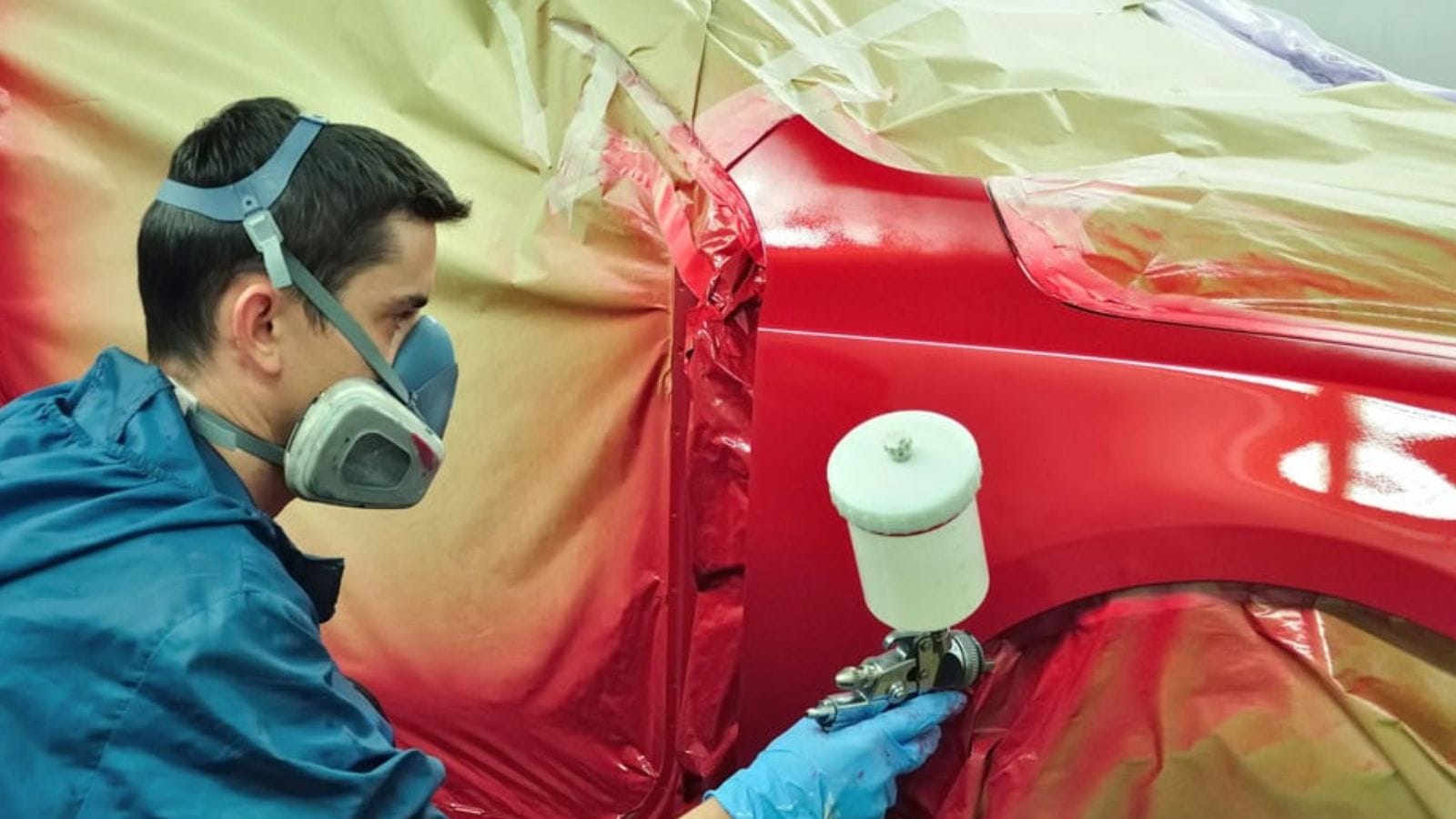
Many premium colours create their depth through more than a simple basecoat and clearcoat. Pearl and tri-coat systems may use a ground colour, a translucent effect layer, and clearcoat, with appearance changing according to film thickness, pigment orientation, and application technique. PPG describes modern translucent OEM finishes as relying on progressive pigments and layered processes to achieve unusual brilliance and depth.
Collision estimating guidance reflects that extra work. MOTOR’s Guide to Estimating says three-stage finishes require additional refinish time beyond basic published operations, adding 70 percent to refinish time for the first major panel and 40 percent for each additional panel. Those percentages are estimating rules, not a universal repair bill, but they show why a seemingly cosmetic colour can matter financially. A bumper scrape on a basic solid finish and the same scrape on a complex pearl may demand very different refinishing procedures.
A Small Repair Can Spread Into Adjacent Panels
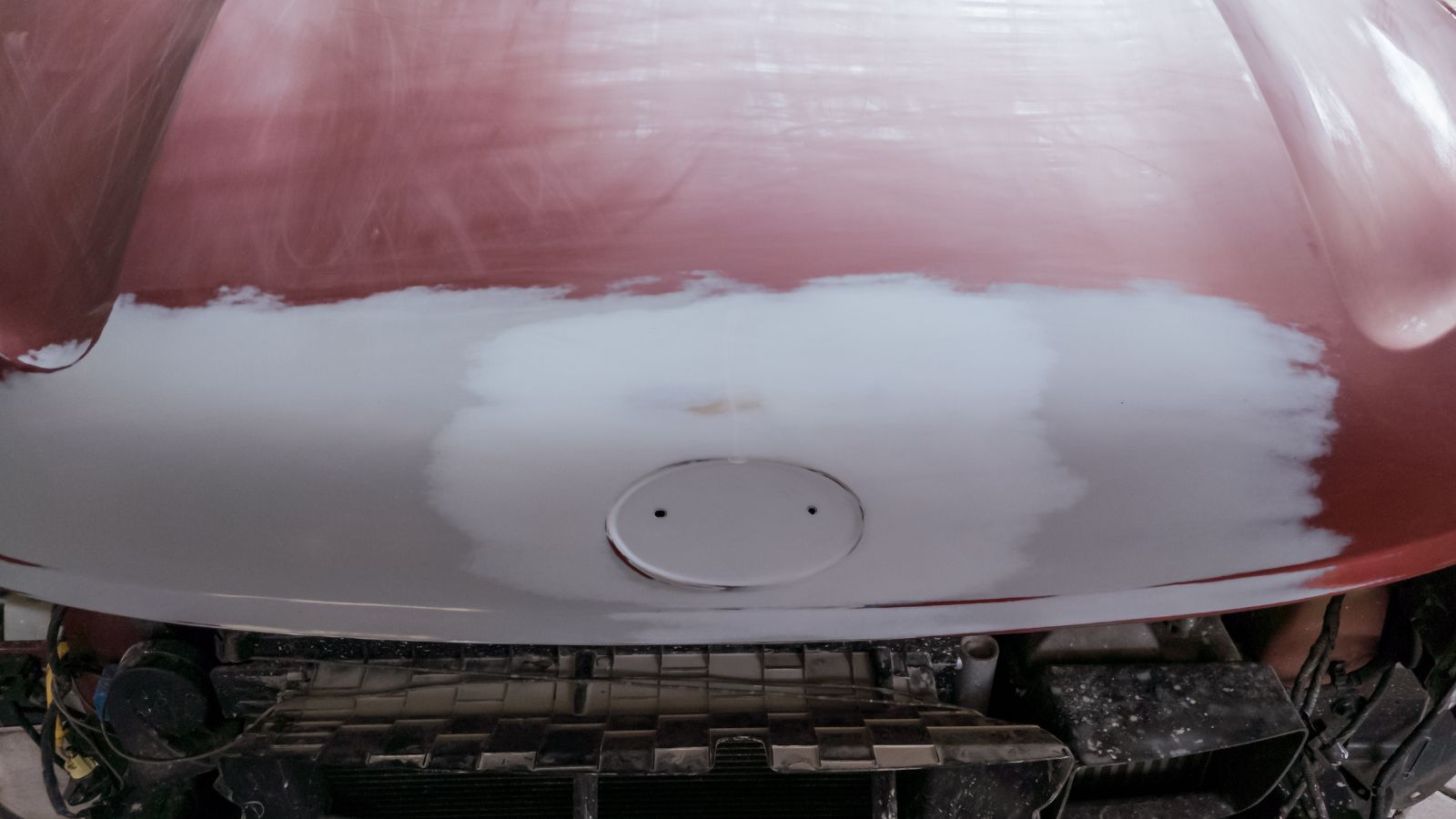
The damaged panel may not be the only panel that gets painted. Refinishers often blend colour into neighboring panels so the transition between fresh paint and the original finish is not obvious. PPG guidance says a full-panel replacement may require colour blending into adjacent panels, while spot repairs near an edge can require the same treatment.
Special-effect colours need even more room. PPG recommends allowing at least 12 inches for a basecoat blend field and at least 24 inches for tri-coat and quad-coat colours from adjacent panel edges. That means a modest dent near the edge of a front door can potentially involve the fender or rear door during refinishing. Owners sometimes expect to pay for one damaged panel and discover that achieving a convincing colour match expands the work area and the amount of preparation, paint, clearcoat, and labor involved. Today.
Matte Paint Can Turn Tiny Damage Into a Full-Panel Job
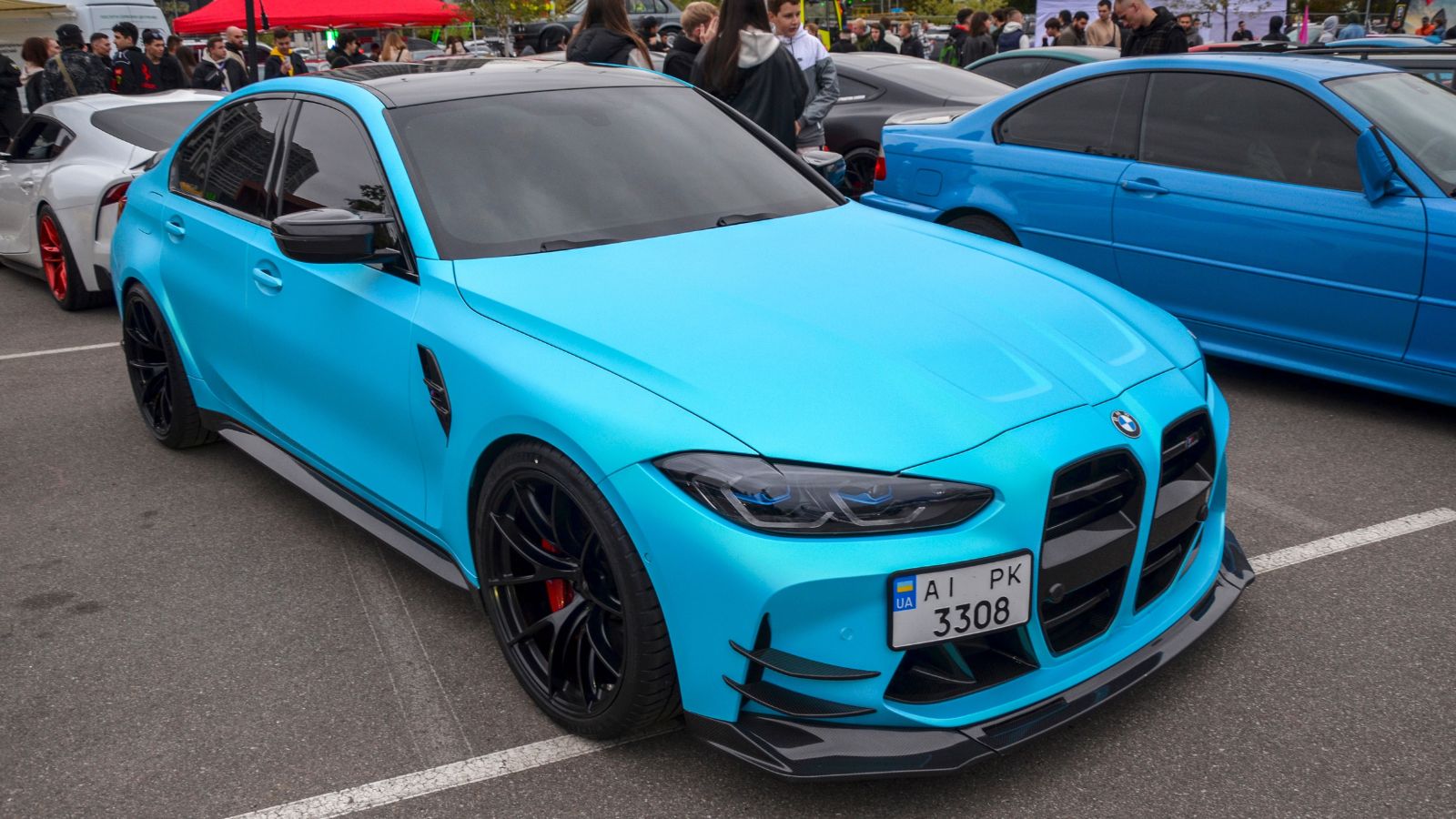
Matte paint looks sophisticated because it behaves differently from conventional glossy paint. Unfortunately, that surface can make localized repair less forgiving. Genesis warns owners that, on its matte-finish vehicles, repairing only the damaged area is not possible and that the whole affected part may need repainting. The company also notes that restoring the original quality after repair can be difficult.
That changes the economics of everyday damage. A small scrape that could be polished, touched up, or locally corrected on a conventional glossy finish may require a larger refinishing operation on matte paint. Parking-lot scuffs, bicycle-handlebar marks, or a minor scrape along a door become more stressful because the owner is protecting a uniform sheen, not merely a colour. The finish may still be worth it for enthusiasts, but the margin for cheap cosmetic fixes is much narrower. For owners.
Ordinary Car-Wash Habits May No Longer Work
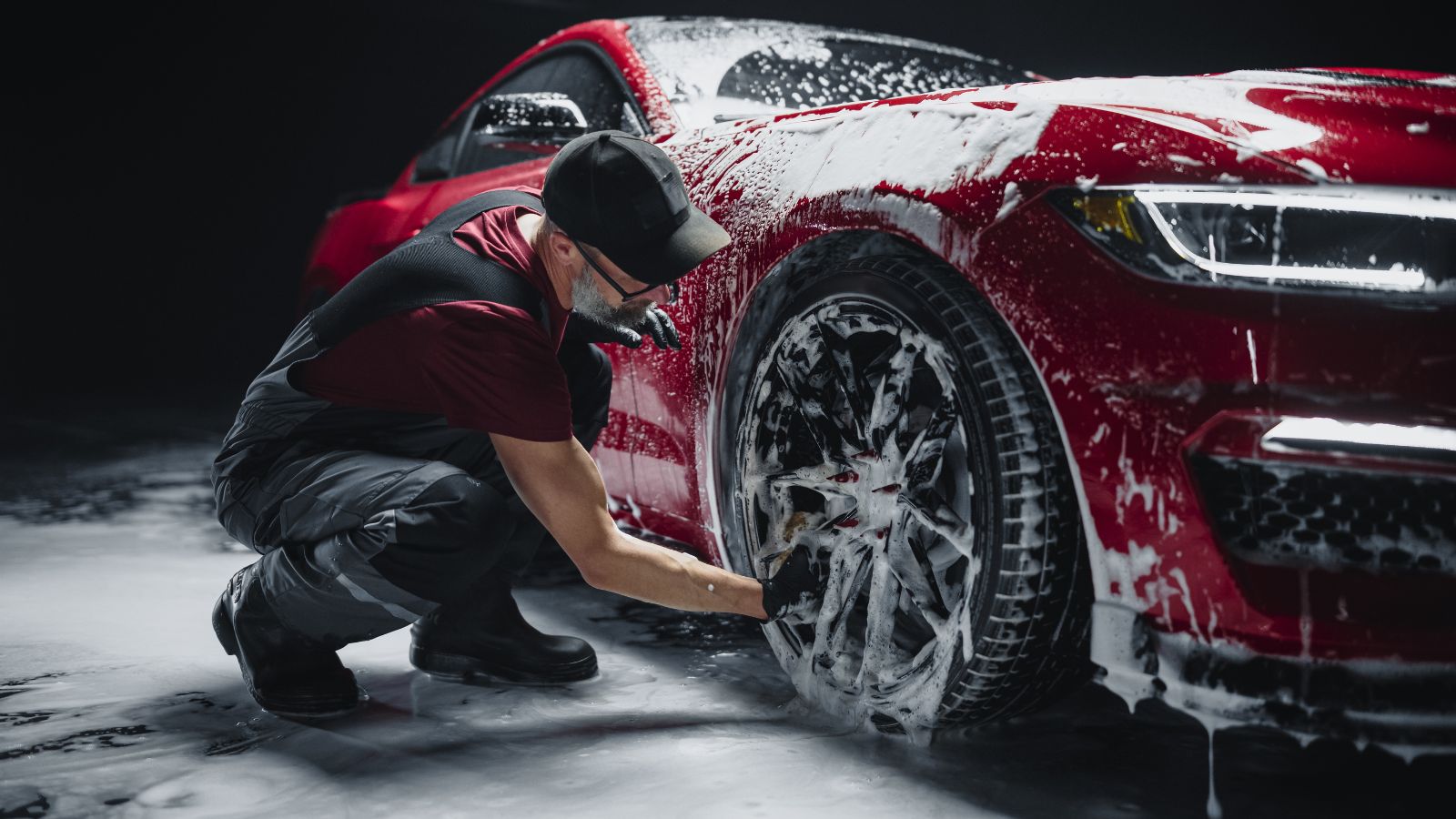
A premium finish can demand a different cleaning routine. Kia’s guidance for matte-painted vehicles recommends hand washing with a soft mitt and products designed for matte finishes. It warns against conventional waxes, polishes, glazes, rubbing compounds, mechanical polishers, and many commercial car washes because they can alter or damage the surface.
The most intimidating detail is that vigorous rubbing can burnish matte paint and create a permanent shiny spot. Kia states such shiny areas cannot be removed. For an owner accustomed to driving through an automatic wash every week, the convenience penalty can become more annoying than the paint surcharge. Maintaining the intended appearance may mean buying specialized cleaners, using careful microfiber techniques, and spending more time washing by hand. The colour remains dramatic, but keeping it consistent can feel more like maintaining a specialty finish than an ordinary commuter car. Over time.
Dark Colours Make Everyday Swirls Harder to Ignore
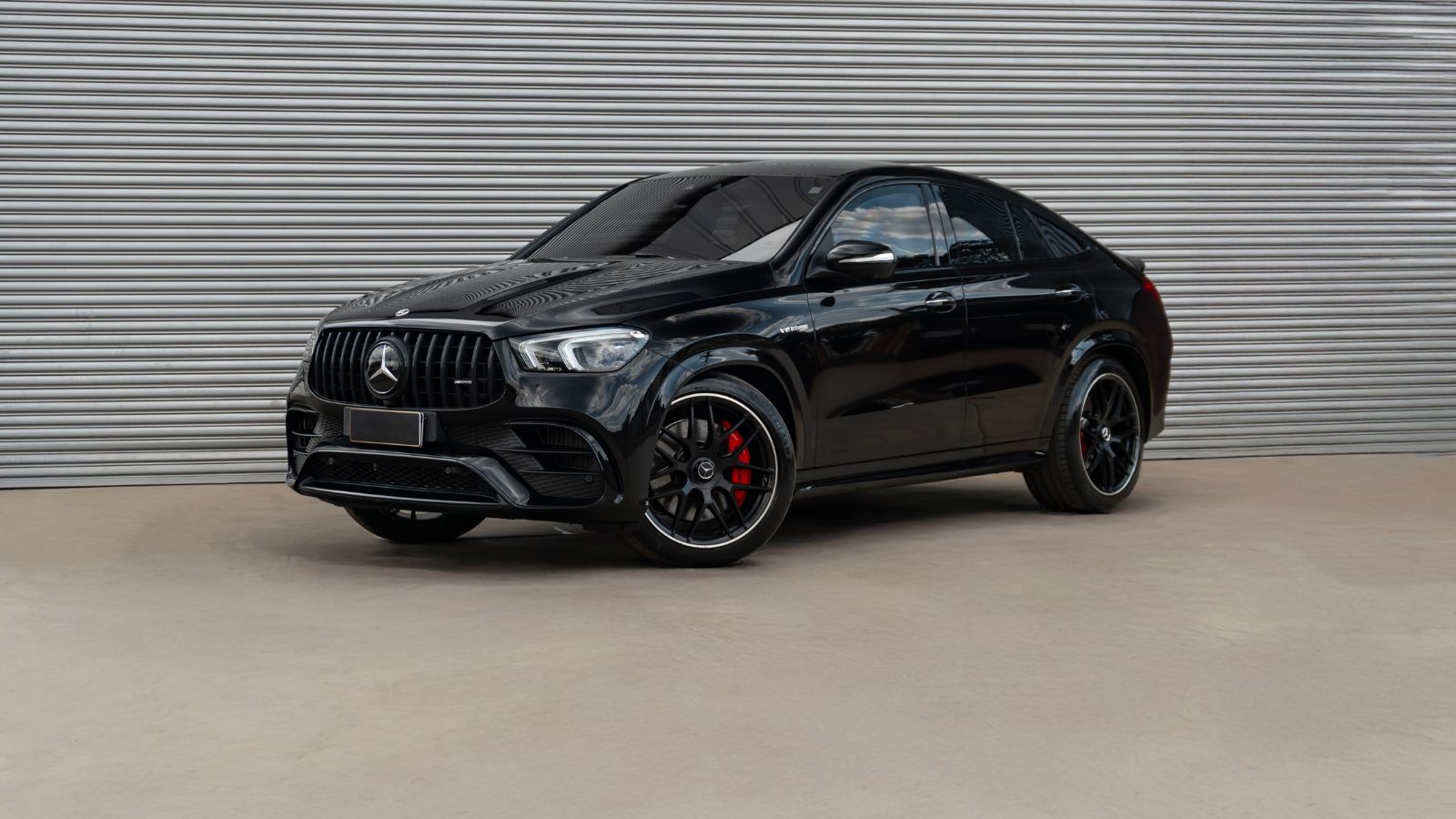
Black and other dark finishes can make body lines look sharp and expensive. They do not necessarily scratch more easily than lighter colours, but defects are easier to see. Cars.com explains that scratches in modern clearcoat can appear light, creating strong contrast against black paint and making swirl marks stand out under direct lighting.
That visibility can change how an owner experiences the vehicle. A wash mitt that picked up grit, a dusty towel, or repeated automatic washes may leave marks that would be less obvious on silver or light gray. Suddenly, a colour chosen for mirror-like depth seems to demand better wash technique and occasional paint correction to preserve the effect. The regret is psychological as well as financial: once the owner notices spiderweb-like marks in sunlight, they can be difficult to stop seeing whenever the car is parked outside.
Bird Droppings and Tree Sap Become Urgent Chores
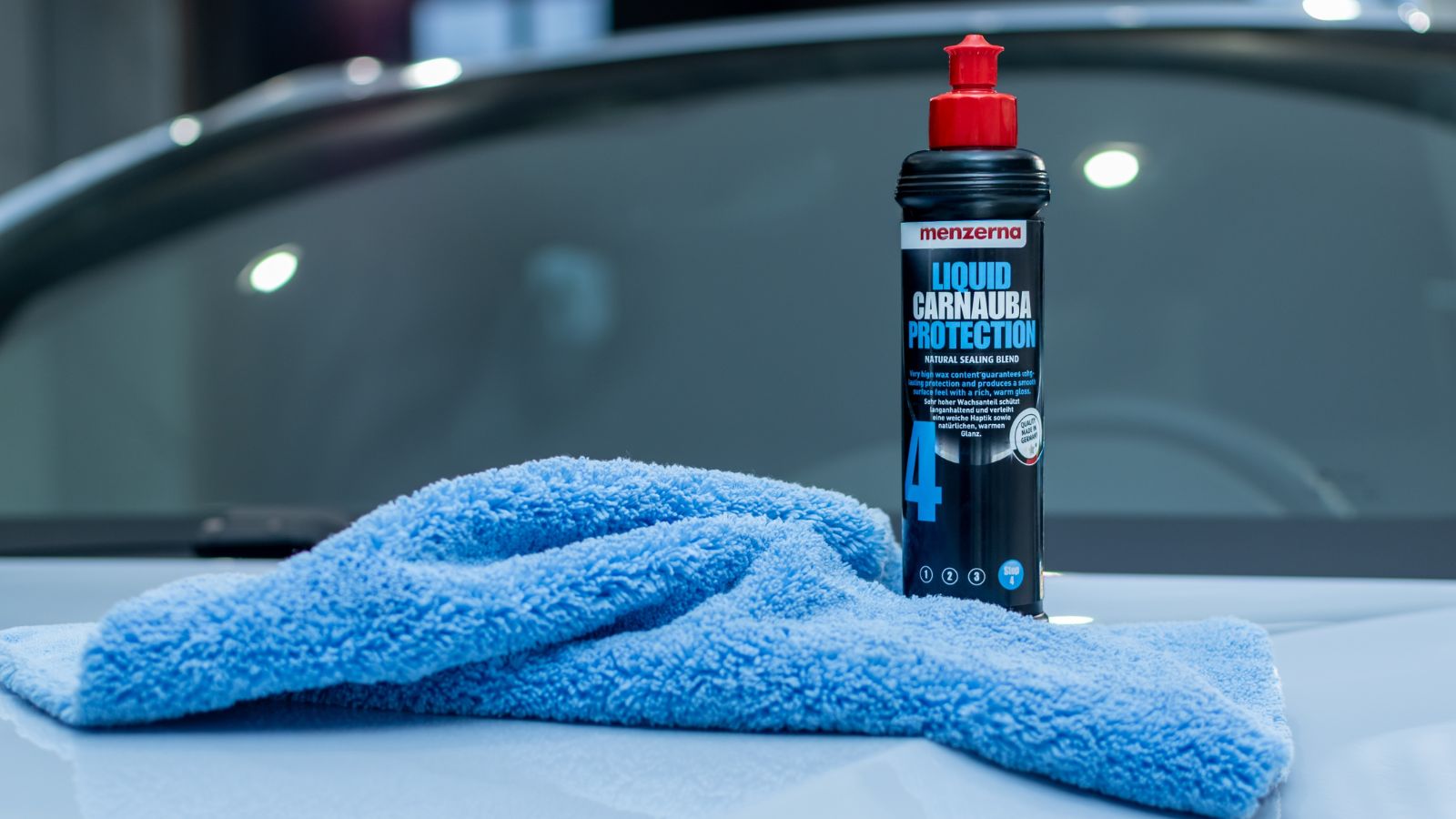
Premium paint gets no exemption from contamination. Manufacturer guidance warns that insects, tar, tree sap, bird droppings, industrial pollution, and similar deposits can damage a vehicle’s finish if they remain in place. Genesis warns that bird droppings are highly corrosive and can damage painted surfaces within hours, so prompt removal is recommended.
That creates an awkward reality for people who park outdoors. A rare metallic or expensive pearl may look spectacular after detailing, yet a tree-lined parking space can turn the finish into a recurring maintenance job. Owners may carry microfiber cloths and cleaner, check the hood after work, or choose parking spots based on sap and birds rather than convenience. The problem is not exclusive to premium colours, but the emotional stakes feel higher after paying extra for appearance, especially when staining or etching threatens the feature that justified the surcharge.
Stone Chips Can Become More Than a Cosmetic Nuisance
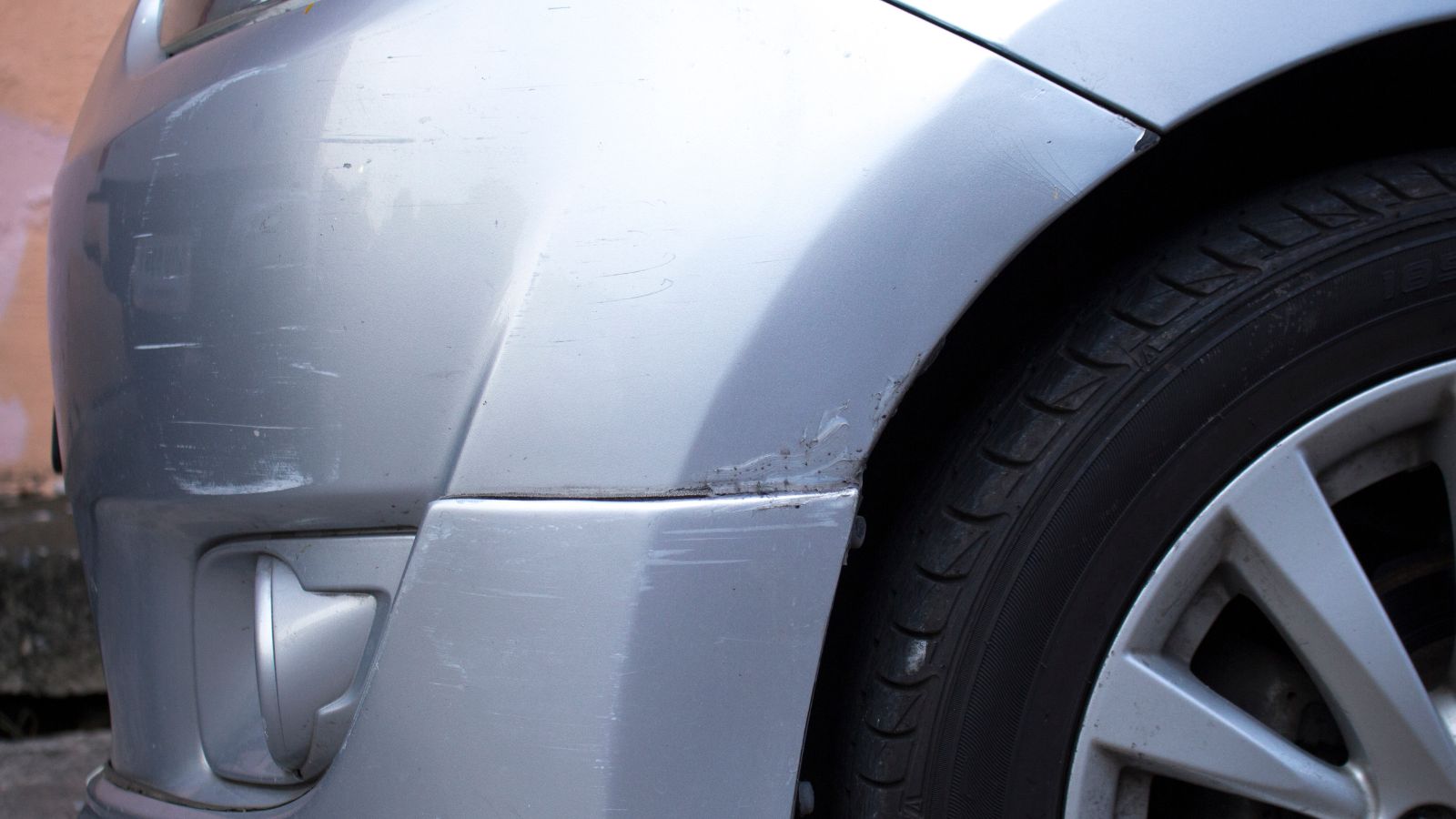
Road debris does not care whether paint was standard or premium. Small stones can chip the hood, bumper, fenders, and rocker panels, and deep damage can expose metal. Genesis advises repairing deep scratches and stone chips promptly because exposed metal can rust and develop into a larger repair expense.
The premium-colour problem appears when the owner wants the fix invisible. A basic touch-up may protect exposed metal, but a dab of paint rarely recreates the depth, metallic orientation, pearl effect, or uniformity of an elaborate factory finish. Owners therefore face a choice between accepting a visible repair and paying for professional refinishing. On a daily-driven vehicle, repeated highway chips can make that decision frustrating. A colour purchased to make the car look special can make every blemish feel disproportionately important, to owners who planned to keep the exterior near showroom condition.
The Factory Paint Code May Not Guarantee a Perfect Match
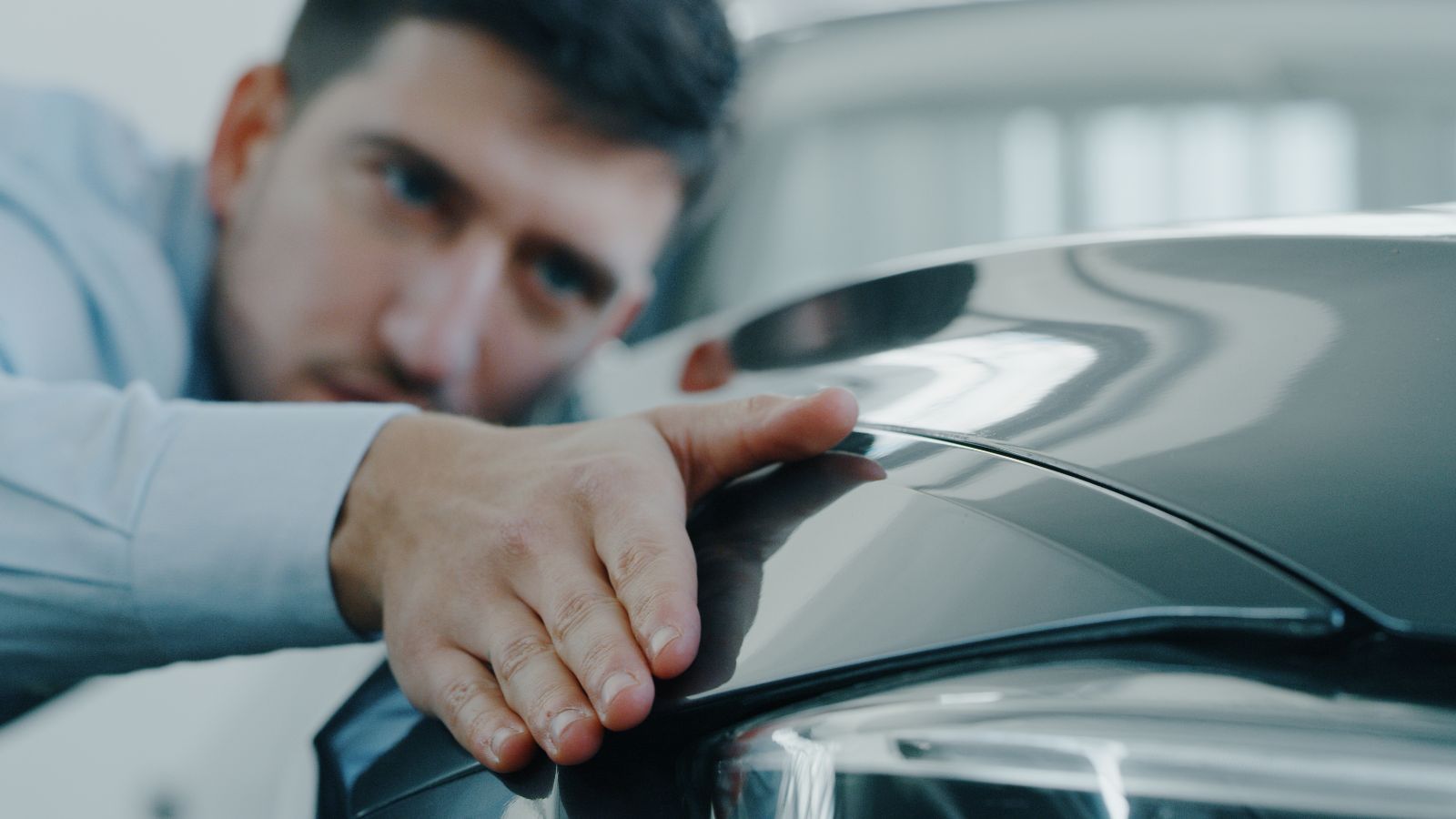
Owners often assume a body shop can enter the factory paint code and reproduce the original colour exactly. In practice, refinishing experts account for production variants, previous repairs, weathering, and surrounding panels. I-CAR lists weathering and unidentified colour variations among factors that complicate matching, while PPG recommends checking variant colours and evaluating them against the vehicle before mixing the final repair colour.
That is why professional shops use spray-out cards, tinting, spectrophotometers, and controlled lighting. The challenge can become more noticeable as a vehicle ages because fresh refinish material must visually integrate with paint that has spent years outdoors. Complex metallic and pearl effects add another variable: colour can look different depending on viewing angle. Premium colours are not impossible to repair, but a convincing match depends heavily on preparation, equipment, painter skill, and enough room to blend the transition.
Special Finishes Can Add Measurable Labor Time
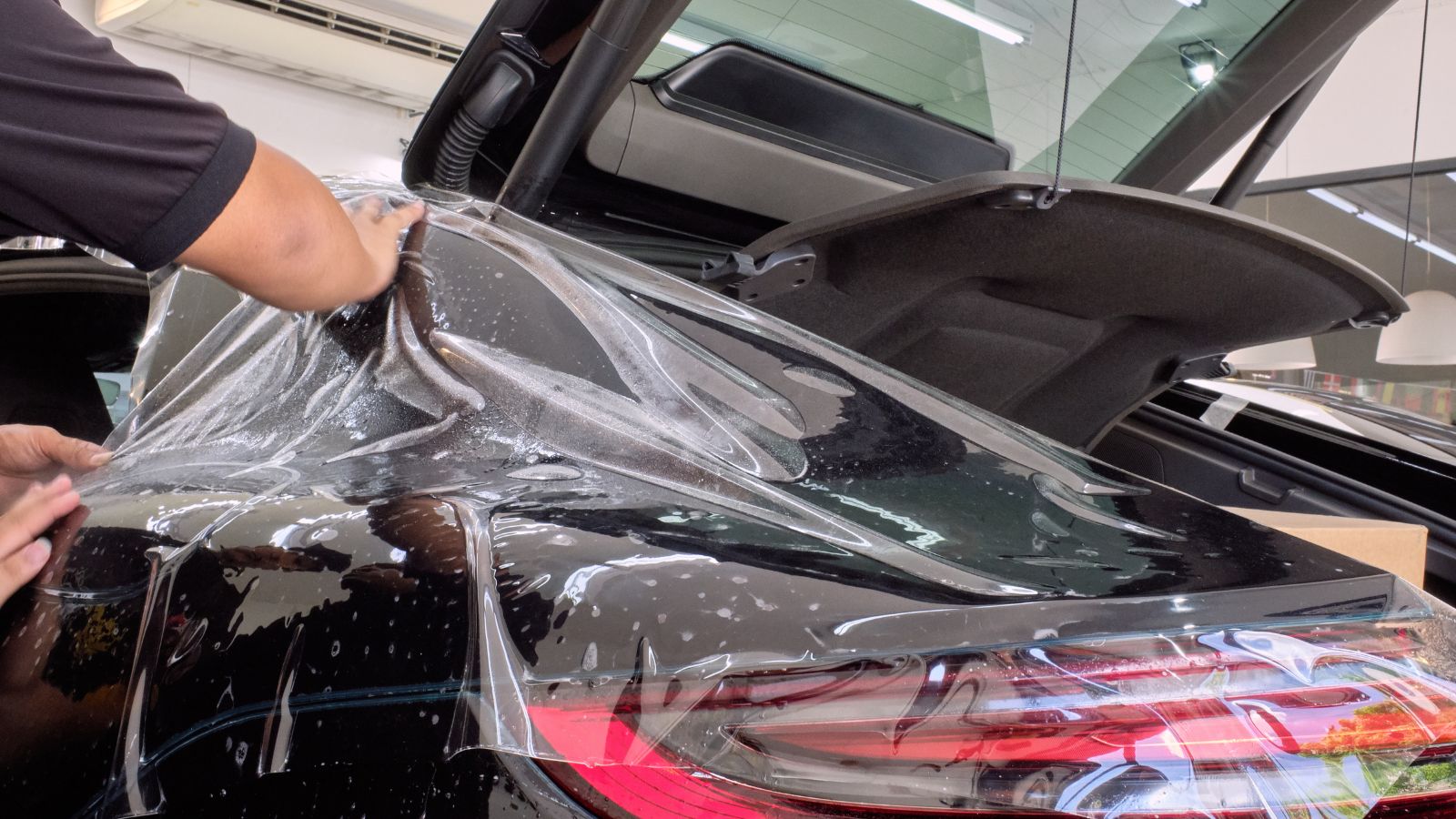
The complexity of premium paint is not merely an aesthetic complaint; collision estimating systems account for it. MOTOR’s three-stage refinish guidance adds labor allowances beyond basic refinish time, and its matte-finish guidance identifies operations such as maintaining a clean environment, producing test spray-outs, adjusting gloss level, and performing extra masking when required.
Those steps help explain why a repair estimate can surprise an owner whose damage seems minor. Matching a satin sheen or layered pearl is a controlled process, not simply choosing the paint. The shop may need test panels, booth work, surface preparation, and time to confirm that colour and gloss agree with surrounding panels. Not every premium colour generates an enormous bill, because repair scope and local labor rates vary. It does mean the finish itself can add operations that do not exist, or are less demanding, on simpler paint systems.
Protecting the Finish Can Become Another Major Expense
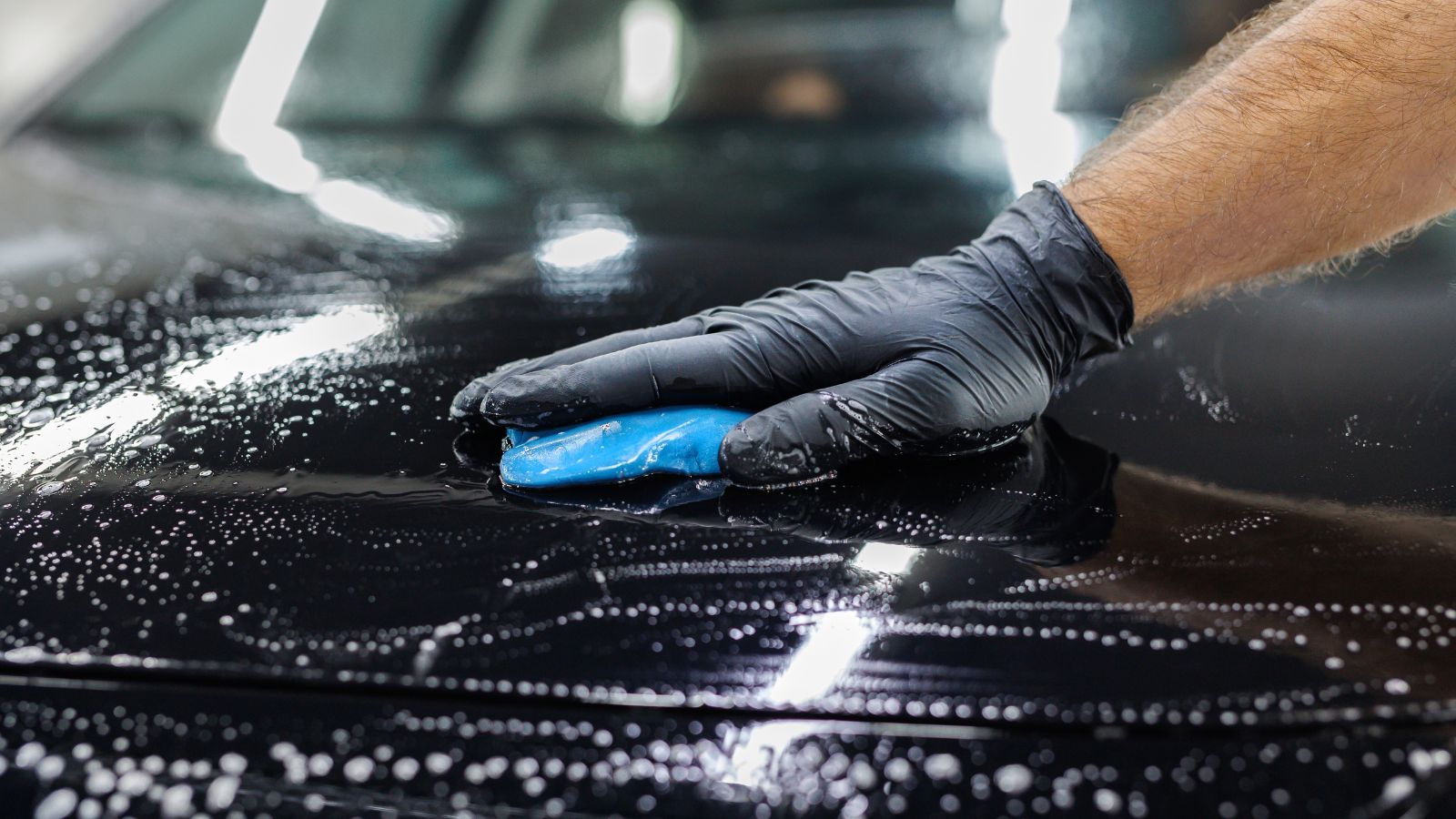
After learning how difficult a favorite colour is to repair, some owners consider paint protection film. PPF is a sacrificial layer designed to shield the finish from rocks and road debris. Edmunds notes that cost varies with vehicle size, coverage, film thickness, and installation difficulty, and says a full installation can reach as much as $8,000.
That protection can make sense for owners, but it changes the budget around an expensive colour. Someone who paid extra for a pearl, custom metallic, or finish may feel pressure to protect the bumper, hood, mirrors, or entire body. The choice becomes another trade-off: spend more now on film, or accept possible chips and cosmetic work later. Paint protection is optional, not a requirement, yet premium finishes can make it feel unusually persuasive because owners have more money and emotion invested in preserving the appearance.
Resale Value May Not Repay the Paint Surcharge
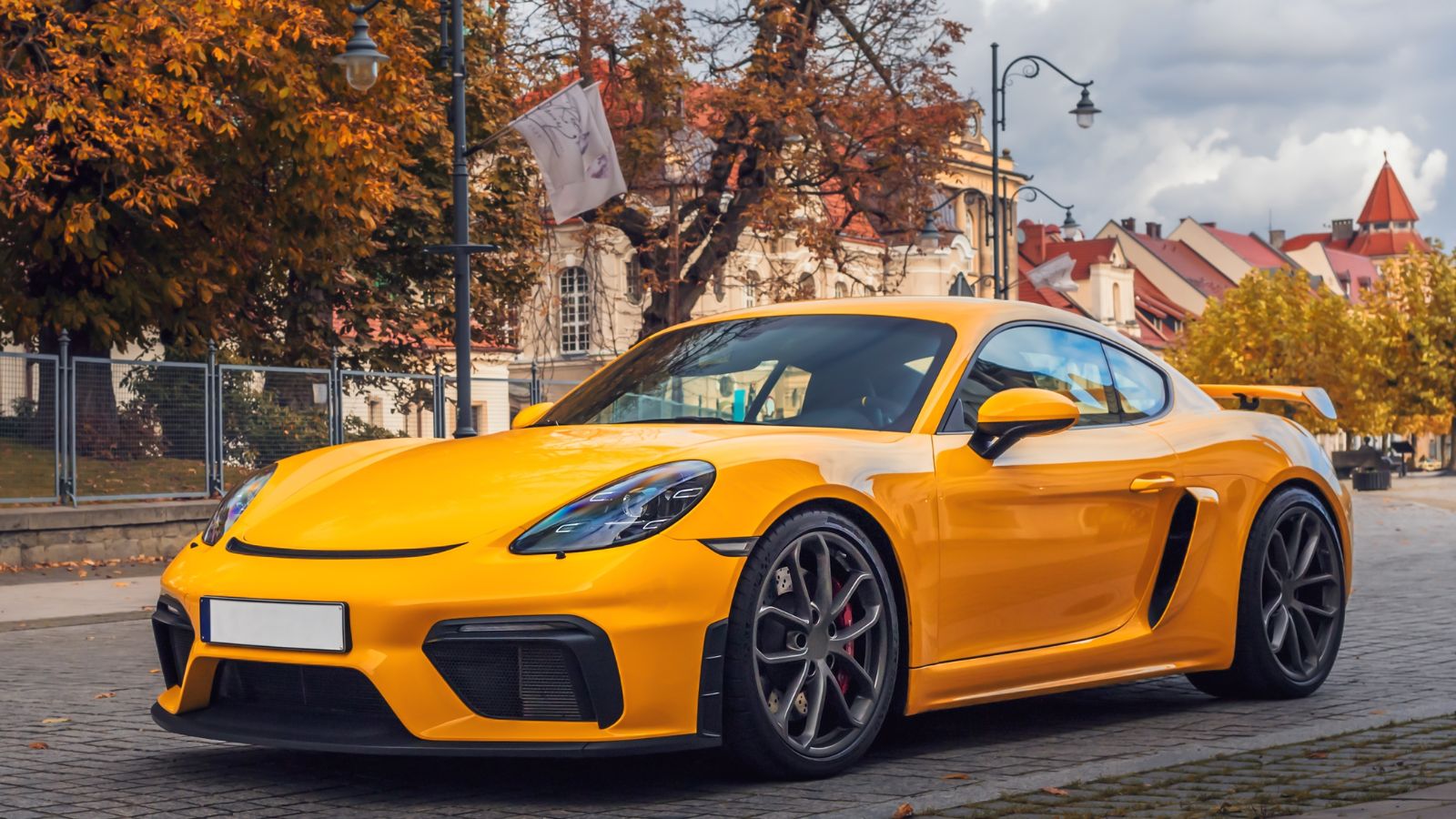
A distinctive colour can help resale in some cases, but expensive paint does not guarantee a higher return. A 2025 iSeeCars study analyzing more than 1.2 million three-year-old used vehicles found that depreciation varied by colour. Yellow, orange, and green performed better than the overall average, while black, white, and gold depreciated more in the broad market sample.
That finding cuts both ways. It shows colour can matter, but scarcity, vehicle type, and used-market demand matter more than the original option price alone. A costly black metallic may not recover its surcharge because it was expensive when new, while an uncommon bright colour can sometimes retain value surprisingly well. Owners who choose premium paint primarily as an investment may therefore be disappointed. The strongest reason to pay extra remains personal enjoyment, with any resale benefit treated as uncertain rather than guaranteed.
16 Costco Canada Habits That Could Be Costing Shoppers More Than They Save
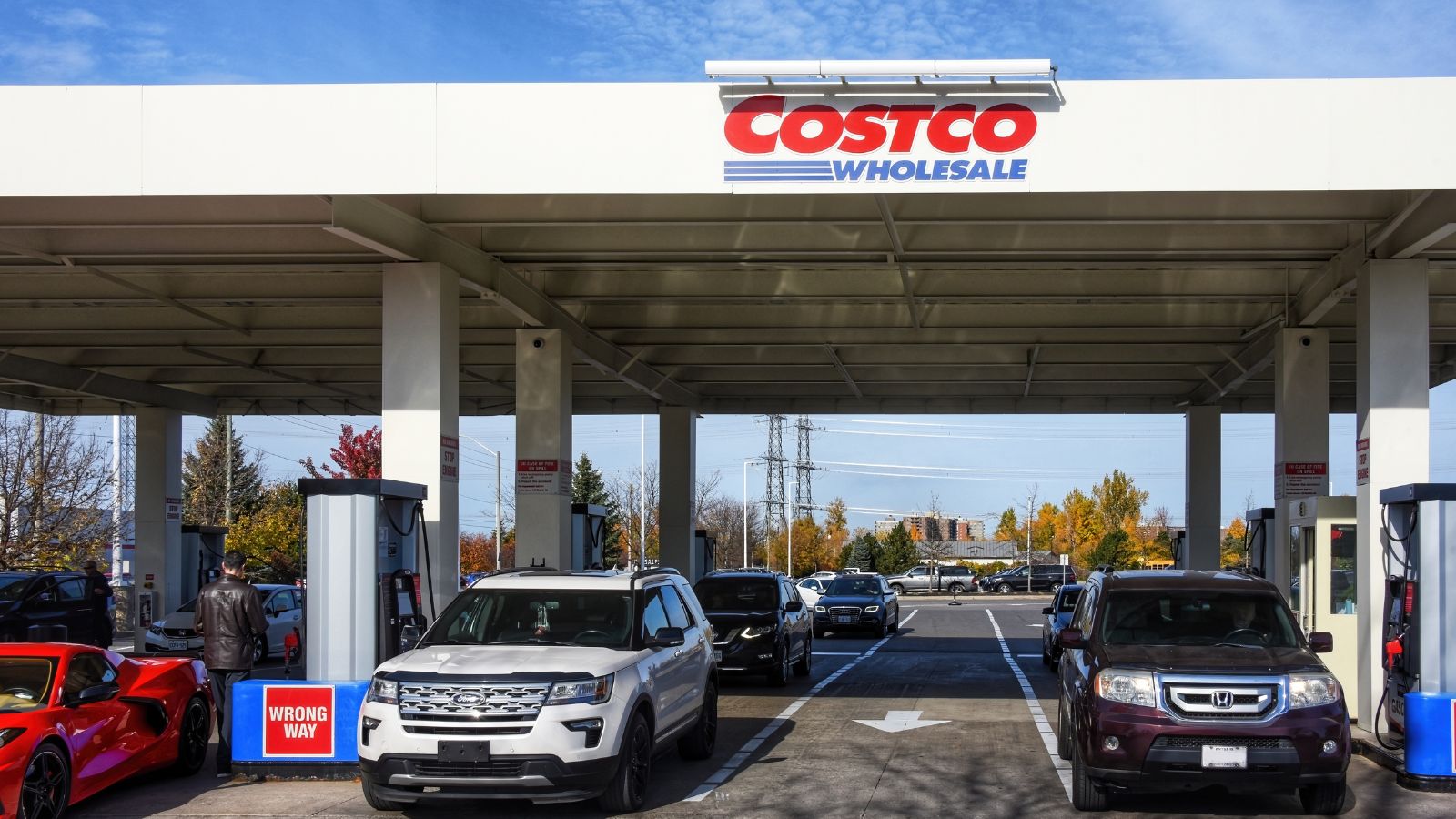
The Executive Membership can feel like an obvious upgrade because the 2% annual reward sounds straightforward. For households that spend heavily at Costco Canada, the extra fee may be easy to justify. But the habit becomes costly when shoppers upgrade first and calculate later. A Gold Star Membership costs less, while Executive costs more and only pays off if eligible annual spending is high enough to offset the difference.
16 Costco Canada Habits That Could Be Costing Shoppers More Than They Save

Alanna Rosen is an experienced content writer that focuses on many EV and educational content. Her articles are regularly published on Get CyberTrucked and syndicated on large publications.