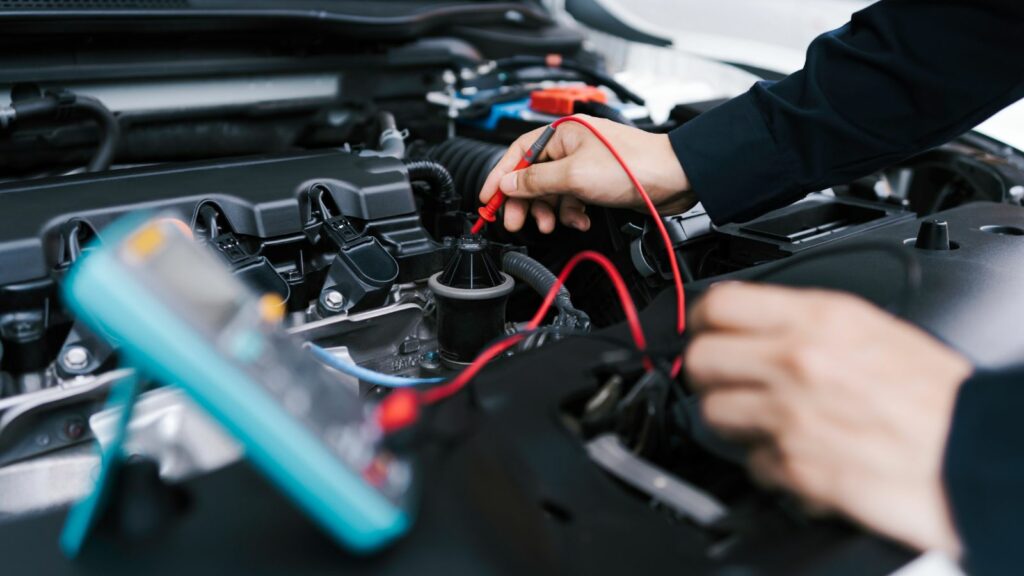
Cold mornings encourage one of the most persistent habits in car ownership: starting the engine and letting it sit for several minutes before driving. It feels protective, especially when frost covers the glass and the temperature is well below freezing. Yet for most modern gasoline vehicles, extended idling is neither the fastest nor the most effective way to bring the vehicle toward normal operating conditions.
The concern is not a brief startup period needed for lubrication, visibility, or unusually severe weather. It is the routine 10- or 15-minute driveway warm-up that happens day after day. These 12 points explain how prolonged cold-morning idling can waste fuel, extend cold-operation conditions, leave important components unwarmed, and ultimately work against the mechanical sympathy it is supposed to provide.
Letting It Idle for 10 Minutes Feels Protective
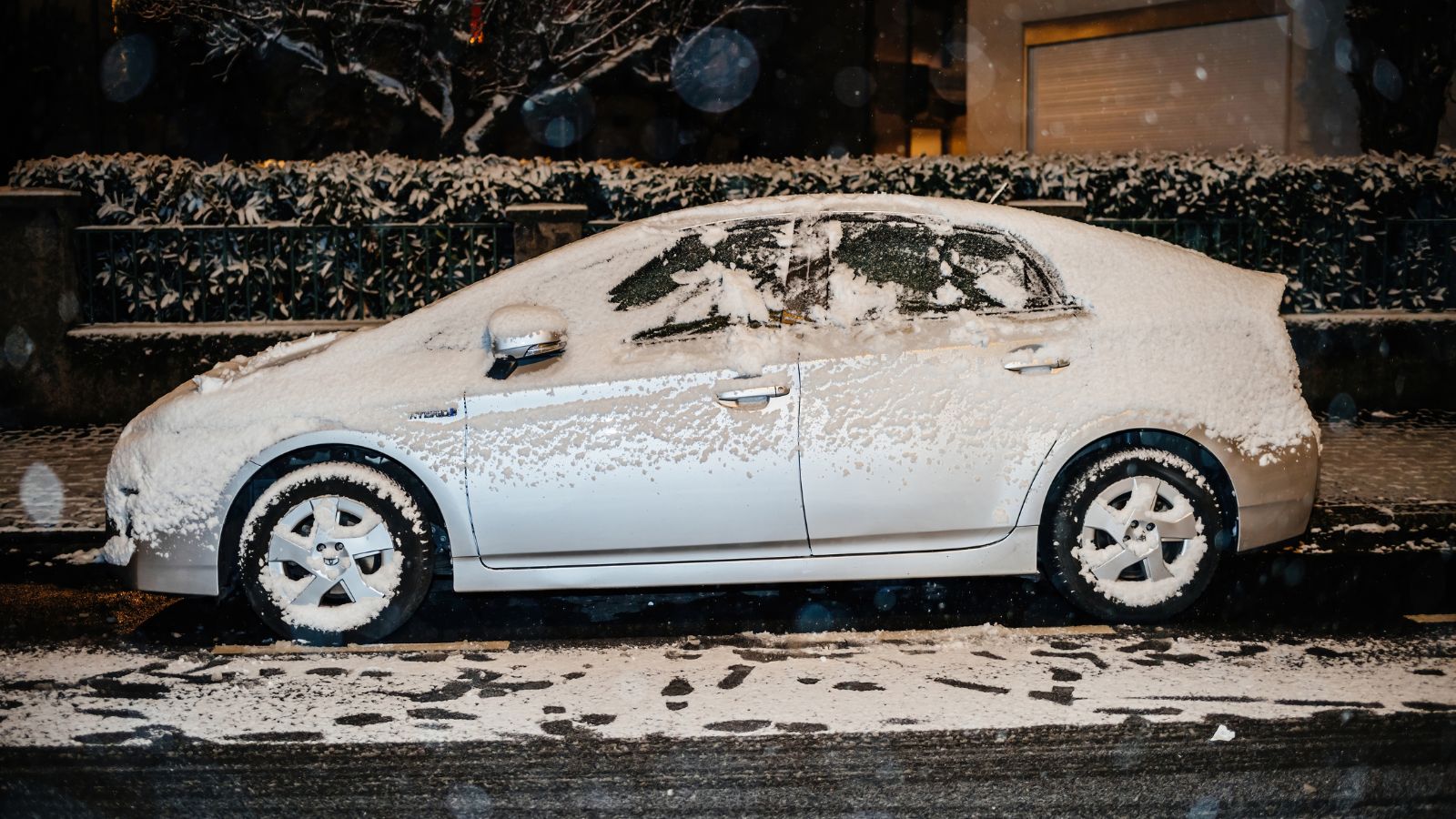
On a freezing morning, the routine is easy to understand: start the car, turn the heat and defroster to maximum, then go back inside while the engine idles. The trouble is that a long stationary warm-up does not treat a modern gasoline vehicle as gently as many owners assume. Natural Resources Canada says idling beyond about 30 to 60 seconds generally offers no vehicle benefit in ordinary winter conditions, once safe visibility is established.
The cost adds up quietly. Natural Resources Canada estimates that ten minutes of idling can burn roughly 0.25 to 0.50 litres of fuel and produce 600 to 1,200 grams of carbon dioxide, depending on the vehicle and conditions. More importantly for longevity, idling keeps the powertrain in its inefficient cold phase longer than necessary. Moderate driving warms the engine, drivetrain and cabin faster, turning a comfort ritual into a habit that can quietly compound over years.
The Advice Came From an Earlier Automotive Era
The belief in long warm-ups did not appear out of nowhere. Carbureted engines often needed extra time after a cold start because a choke restricted airflow and helped create a richer mixture until the engine could run smoothly. In that era, pulling away too quickly could mean rough running, hesitation or even stalling. For drivers who learned on those vehicles, several minutes of idling became a deeply ingrained winter rule.
Modern fuel-injected vehicles work differently. Electronic engine controls automatically adjust fuel and air for temperature and operating conditions, while modern lubrication systems circulate oil rapidly after startup. Consumer Reports says many current engines are fully lubricated within roughly 20 to 30 seconds, and the U.S. Environmental Protection Agency says modern vehicles do not need extended winter warming. The old habit survived the technology that once justified it, which helps explain why a seemingly careful practice can now be unnecessary today.
Cold Oil Needs Respect, Not a Long Parking-Lot Warm-Up
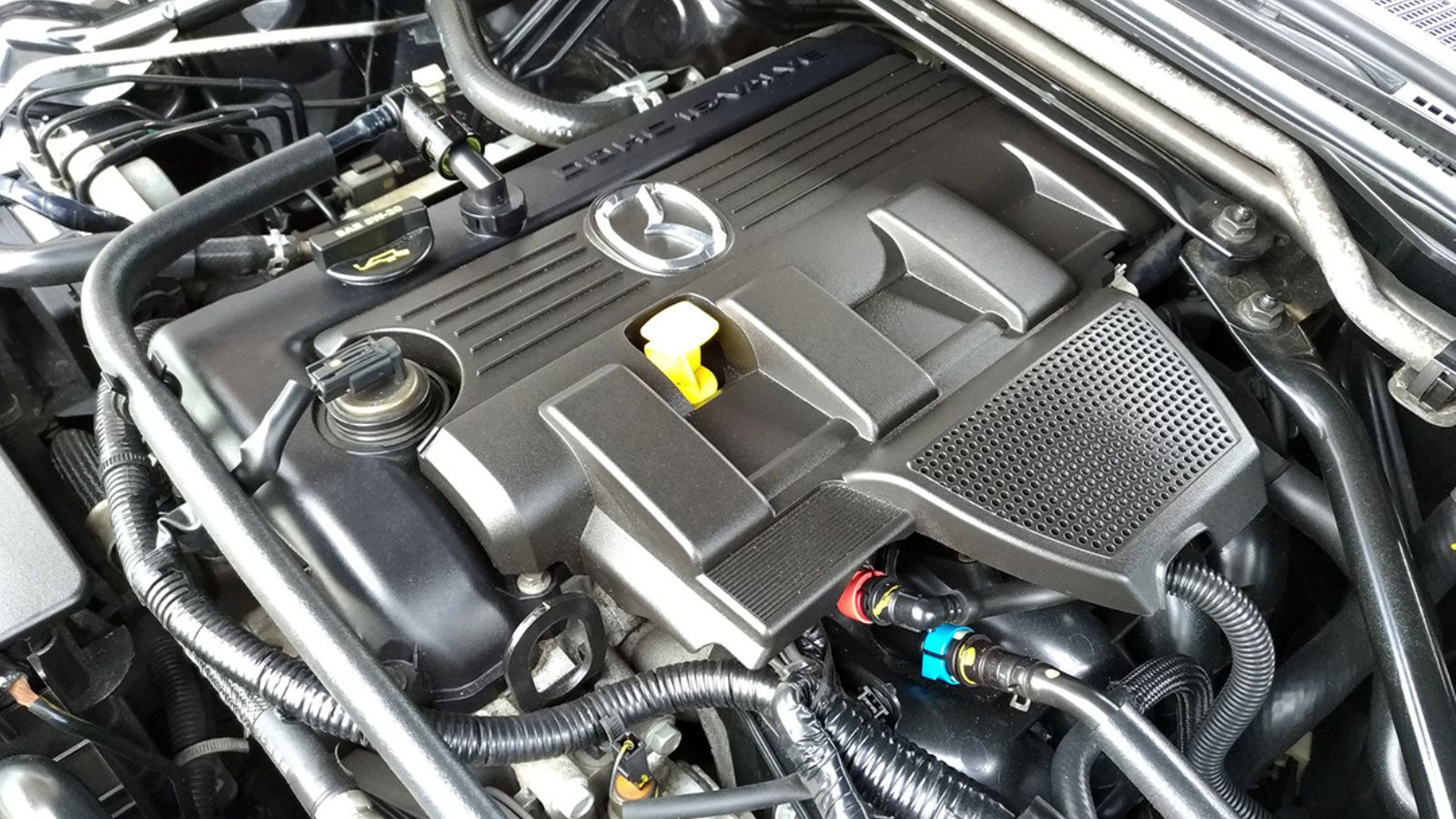
Cold engine oil is more viscous, and cold clearances and lubricants create more friction than they do at normal operating temperature. SAE research documents higher friction losses during cold-start driving cycles, while other low-temperature testing has shown that oil viscosity can affect cranking effort and how quickly pressure develops. That is a strong reason to avoid high engine speed immediately after starting, not a reason to leave the vehicle idling for a quarter hour.
The better approach is to give the oil a brief moment to circulate and then create heat with light, moderate load. Driving gently raises temperatures more efficiently than stationary idling because the engine is doing useful work. The distinction matters: “drive sooner” does not mean “drive hard.” A cold engine should be treated with restraint. Smooth acceleration and moderate rpm allow lubricant, bearings, pistons and other parts to approach their operating conditions without unnecessary cold idling.
Most of the Drivetrain Is Still Cold While the Engine Idles
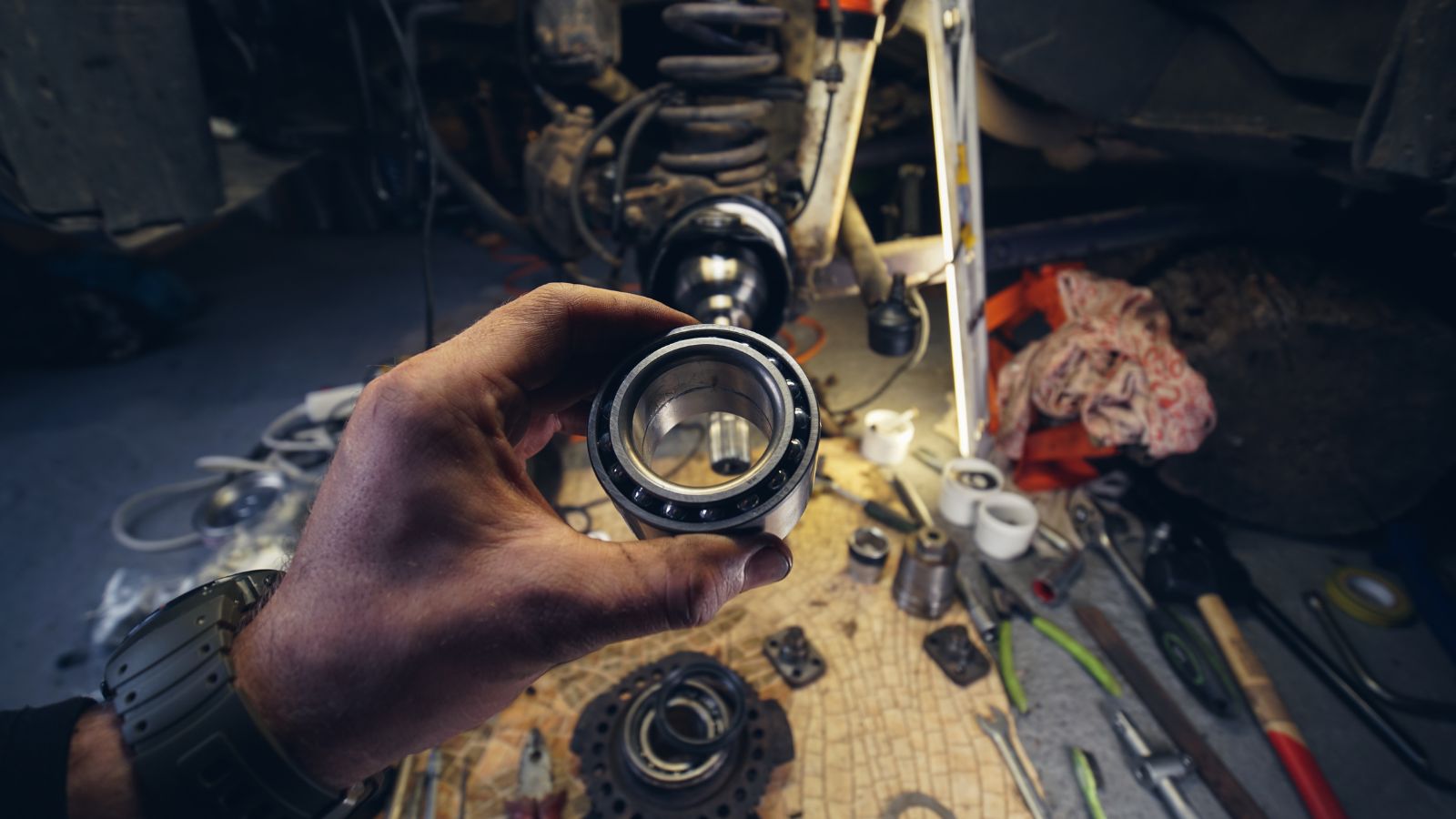
A temperature gauge climbing in the driveway can suggest that the whole vehicle is warming evenly. It is not. While a running engine produces heat, components such as the transmission, wheel bearings, steering parts, suspension and tires gain far less from sitting still. Natural Resources Canada notes these components are best warmed by driving, and that moderate movement warms the engine, drivetrain and cabin efficiently.
A driver may see warm air from the vents and assume the car is ready for aggressive acceleration, yet the transmission fluid, bearings and tires may still be close to ambient temperature. The vehicle is uneven: one system has warmed somewhat while others have barely begun. A short idle followed by gentle driving brings the entire machine toward operating conditions more progressively. It also discourages the false confidence that can come from a warm cabin and a partially warmed engine. That matters on icy mornings.
Cold-Start Fuel Can End Up in the Oil
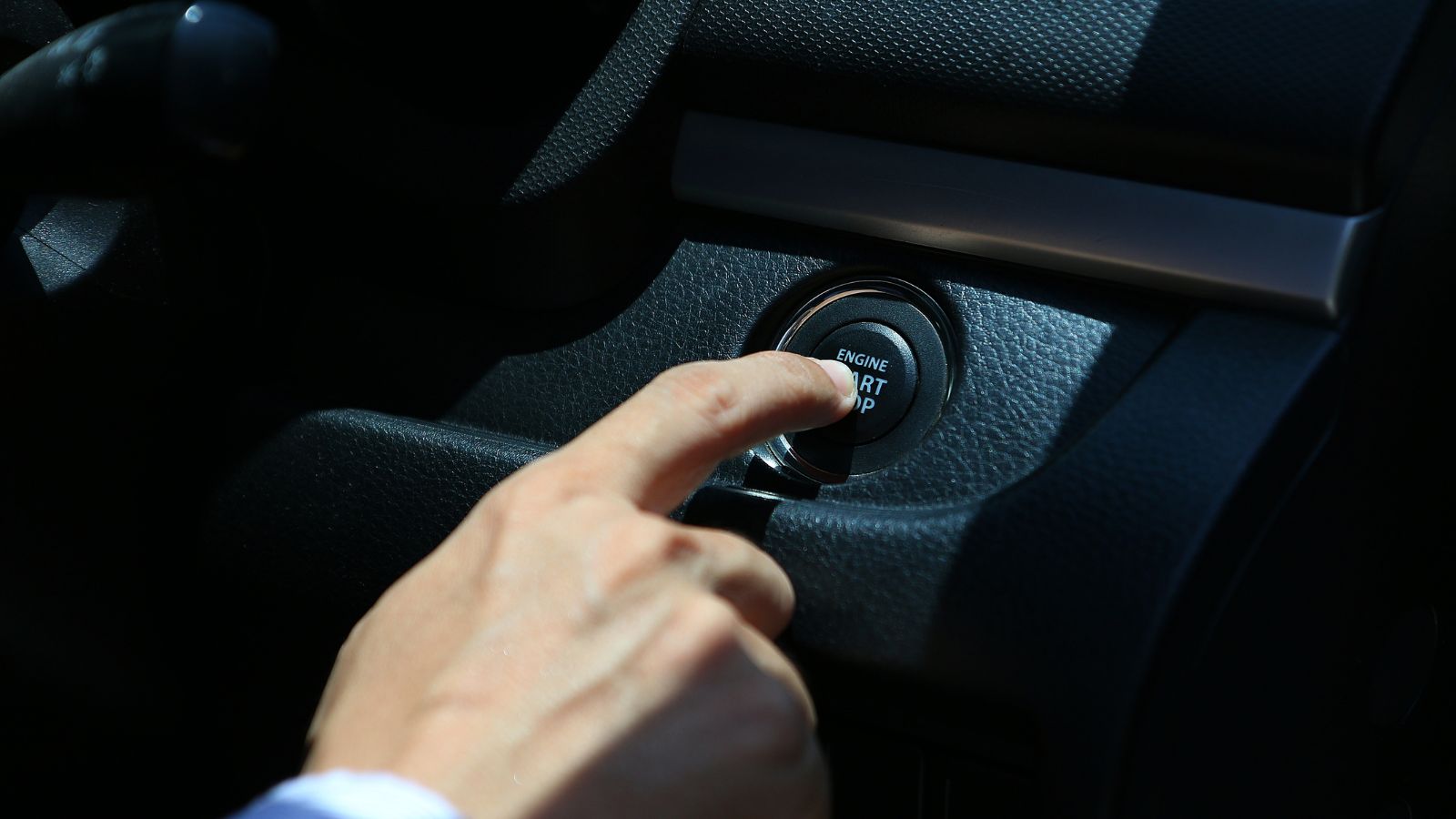
Gasoline engines need special strategies during cold starts because fuel does not vaporize as readily on cold surfaces. Research on spark-ignition and gasoline-direct-injection engines has shown that some fuel can reach the crankcase during cold operation and mix with the engine oil. SAE work on direct-injection engines identifies oil dilution as an issue during cold start, catalyst heating and warm-up, because fuel entering the oil changes its properties.
That does not mean one winter start destroys an engine. The concern is repetition and duration. SAE research found that fuel retention in the oil becomes less significant as the engine reaches higher oil temperatures. Since moderate driving warms an engine faster than extended idling, spending unnecessary time at low temperature can prolong the operating phase in which fuel dilution is most relevant. Avoiding needless warm-up time is a sensible way to reduce exposure. Exposure matters for lubricant performance.
Moisture Is Another Reason Engines Need to Reach Temperature
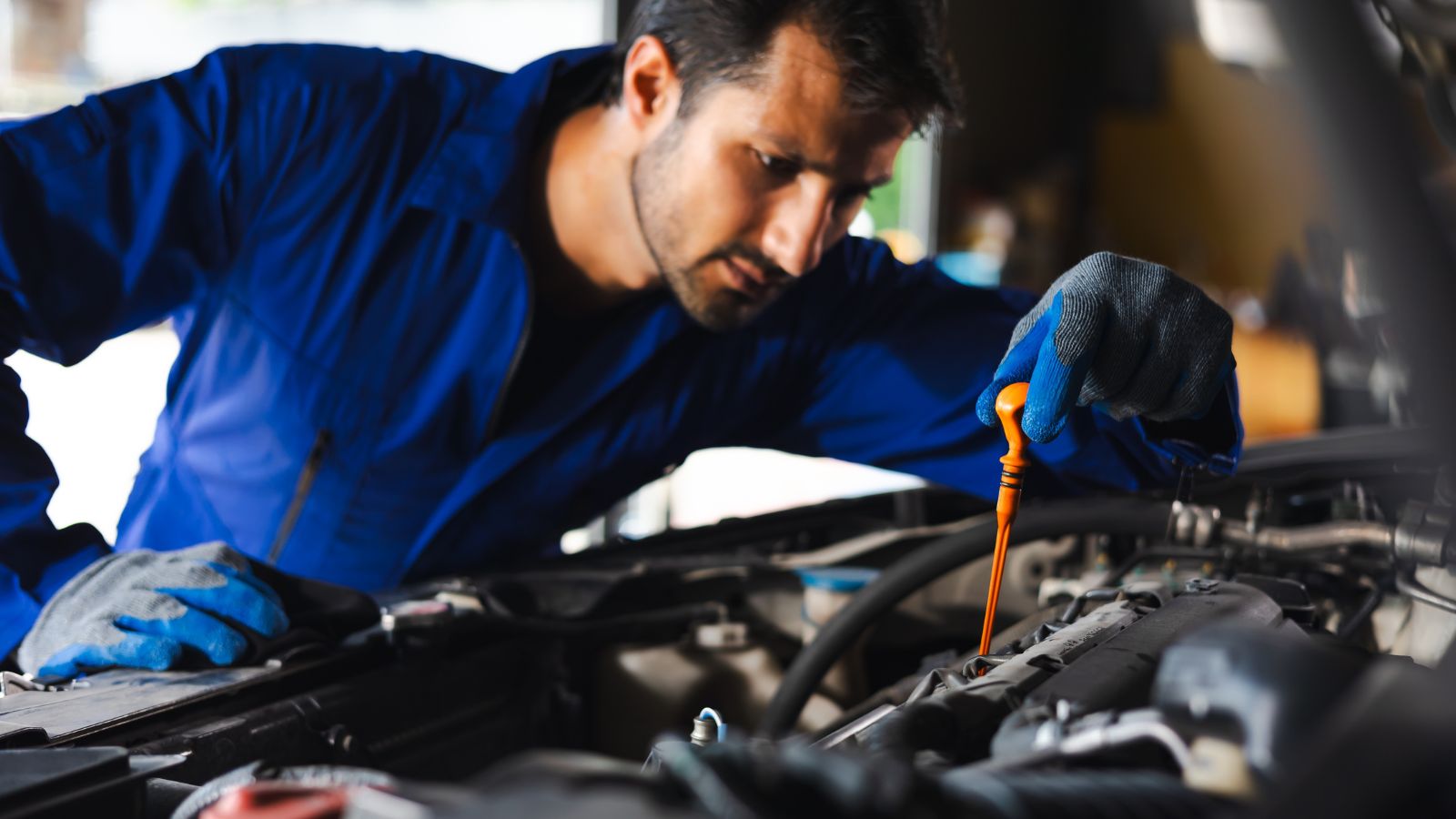
Combustion produces water, and cold engine surfaces encourage moisture to condense inside the crankcase during short, cold operation. SAE research on cold-start, short-trip service found that fuel, water and other contaminants can accumulate in engine oil and that oil degrades more rapidly under those conditions. Studies have observed substantial fuel and water dilution around the piston-ring area during early cold operation.
Warmth helps reverse that problem. In laboratory observations of short-trip service, contaminants decreased as the oil became hotter, while oil properties improved. This is why a morning routine built around long idling followed by a very short trip is not ideal: the engine may spend its running time below temperatures that help drive off moisture. A longer drive when practical is more useful than adding stationary warm-up minutes, because it heats the oil and the rest of the drivetrain under operating conditions. Wintertime.
The Battery Is Working Hardest When the Weather Is Worst
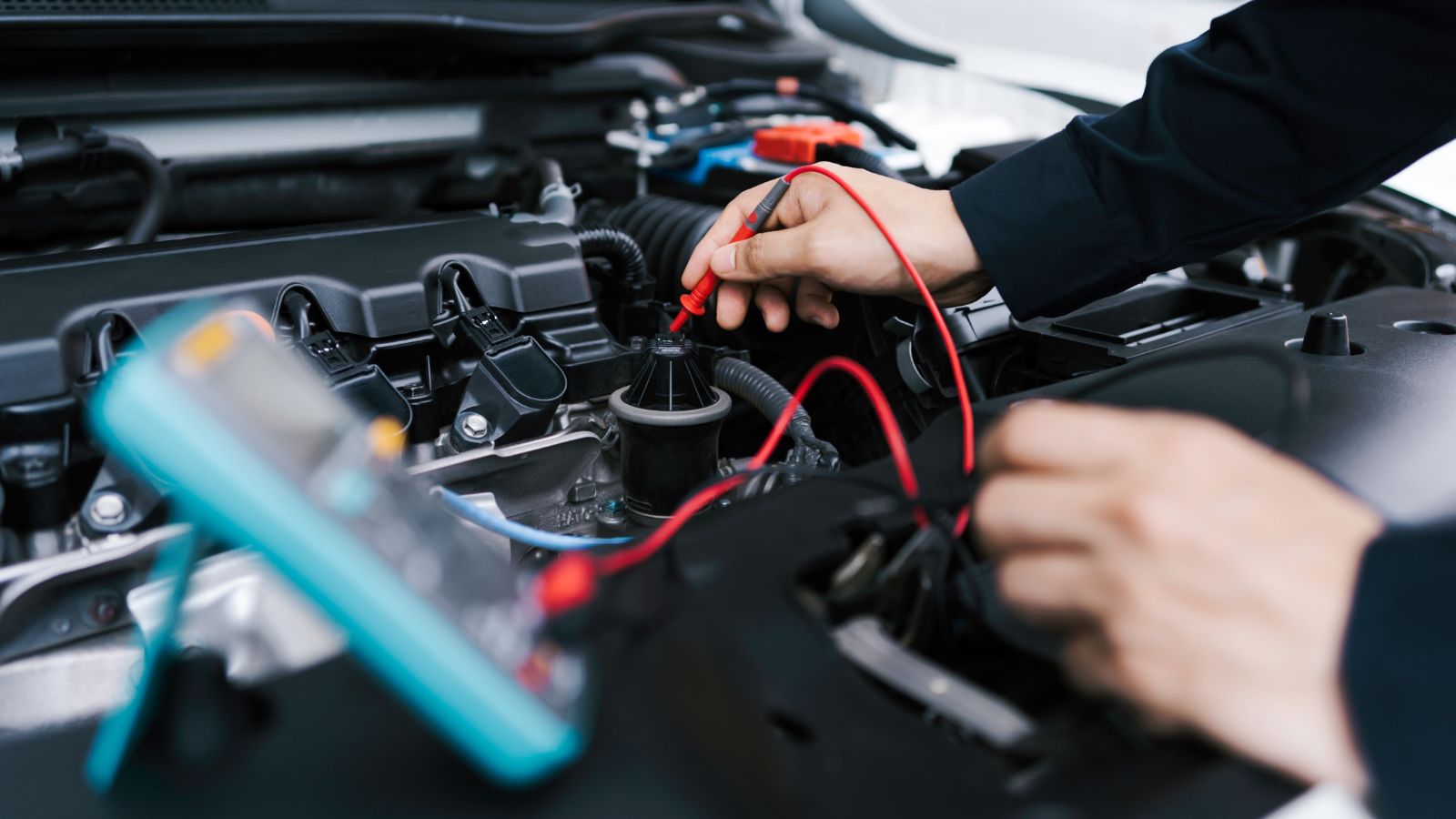
Cold weather is hard on a 12-volt battery. AAA notes that battery capacity drops around freezing temperatures, while thickened lubricants make the engine harder to crank. Winter starts are commonly followed by heavy electrical demand from headlights, blowers, defrosters, heated seats and heated mirrors. An aging battery can face its toughest workload on the morning when a long idle feels most comforting.
Idling is not an effective way to recover that starting energy. AAA guidance says the alternator charges more effectively when engine speed rises above idle, and repeated short trips may not give the charging system enough time to restore the battery fully. That can leave a weak battery chronically undercharged in winter. A sensible cold-weather routine therefore includes battery testing when starting becomes sluggish, limiting unnecessary stationary electrical load, and giving the vehicle enough driving time to replenish energy after difficult starts. That matters more as batteries age.
Defrosters and Heated Features Add Load While the Car Sits
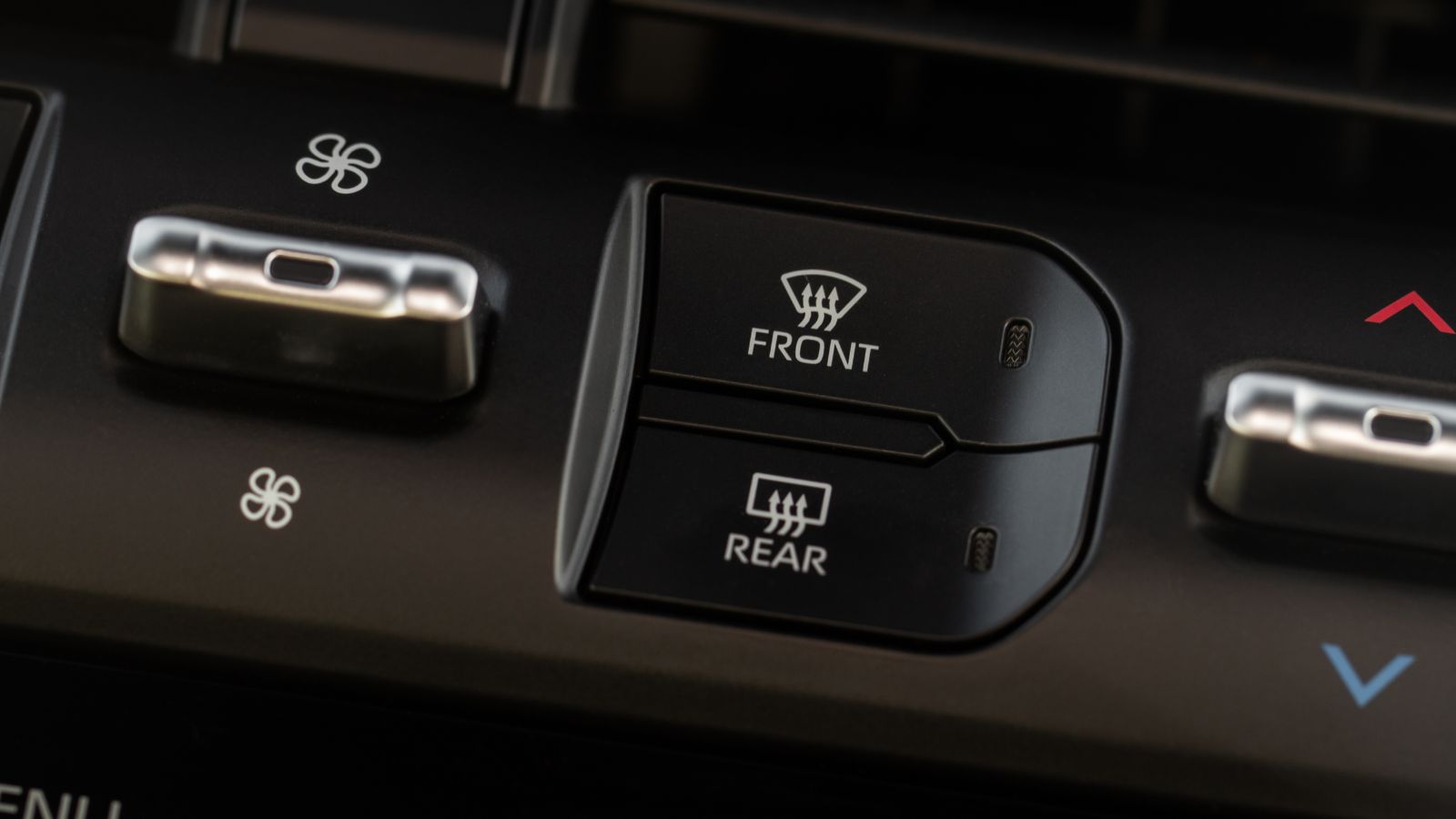
Winter comfort systems are useful and clear glass is essential, but they are not free. Natural Resources Canada notes that cold increases electrical demand as drivers use heating, defrosting, headlights, heated seats, heated mirrors and washer systems more often. In some vehicles, the defrost setting can engage the air-conditioning compressor to dehumidify cabin air, creating additional load on the engine.
When those systems run during an extended idle, fuel is being burned to power accessories while stationary. That does not mean the defroster should be switched off before visibility is safe. The goal should be clear windows, not a fully heated cabin before departure. Scraping snow and ice while the engine briefly idles can shorten the stationary period. Once moving, the engine generates useful heat faster, the cabin warms more quickly, and the charging system works more effectively than during prolonged idling. The difference seems small, but repeats. Repetition matters.
The Catalytic Converter Also Wants the Warm-Up Over Quickly
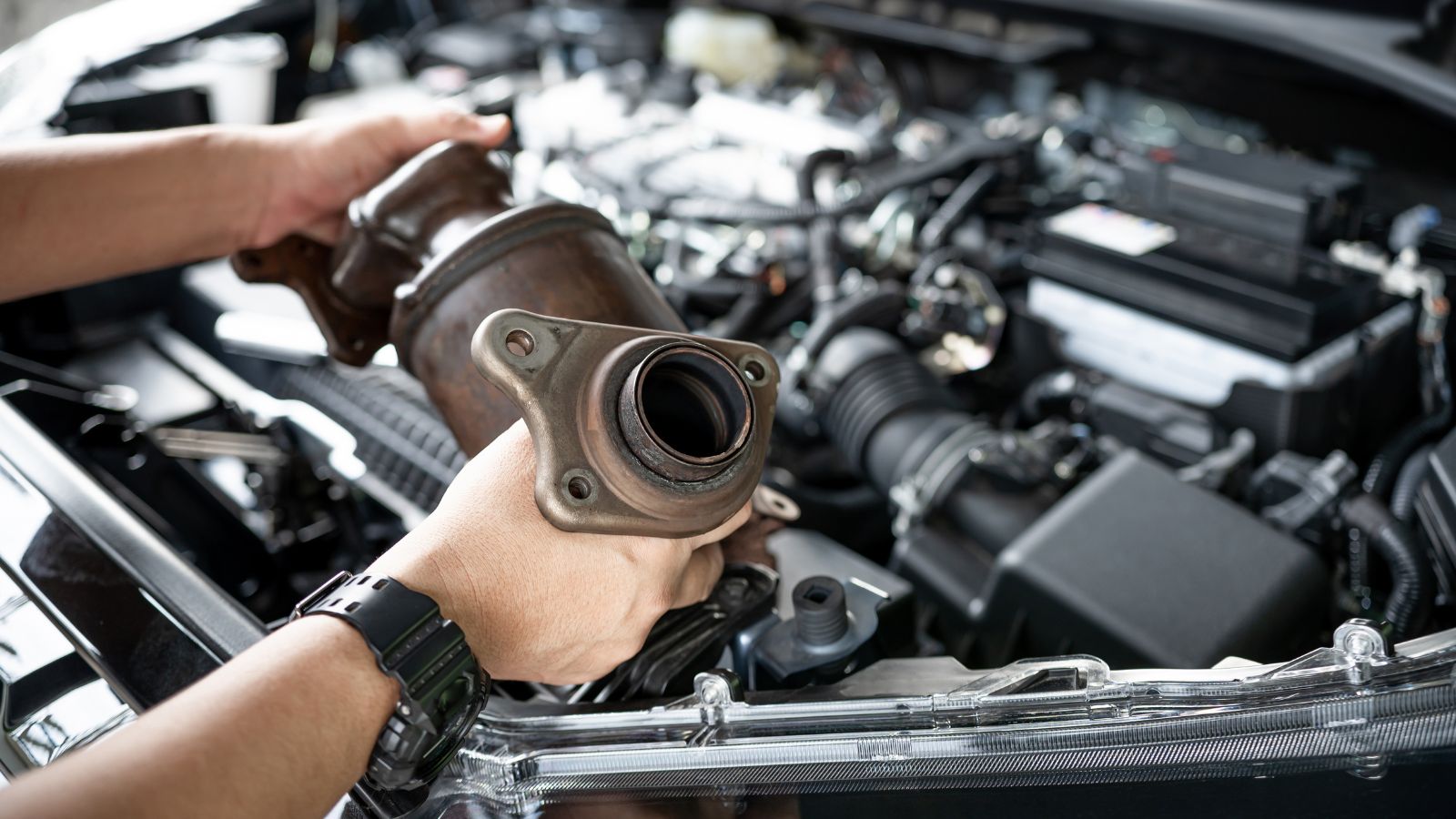
Cold starts are a difficult period for emissions control because a catalytic converter is not fully effective until it reaches operating temperature. The U.S. Environmental Protection Agency describes start emissions during the first minutes after startup, when both the engine and catalyst may be cold. EPA modeling notes that the engine and catalyst heat fairly quickly once the vehicle is driving.
Extended idling is a poor emissions strategy for most modern gasoline cars. Natural Resources Canada says a vehicle warms fastest when driven and that idling a cold vehicle is more polluting than beginning to drive after a brief startup period. Both arguments point the same way: shorten the cold phase rather than stretching it out in the driveway. A catalyst that reaches effective temperature sooner can begin controlling pollutants sooner, while the engine and other components move toward their normal operating ranges. That reduces fuel burned while stationary. Daily.
Driving Away Gently Matters More Than Idling Longer
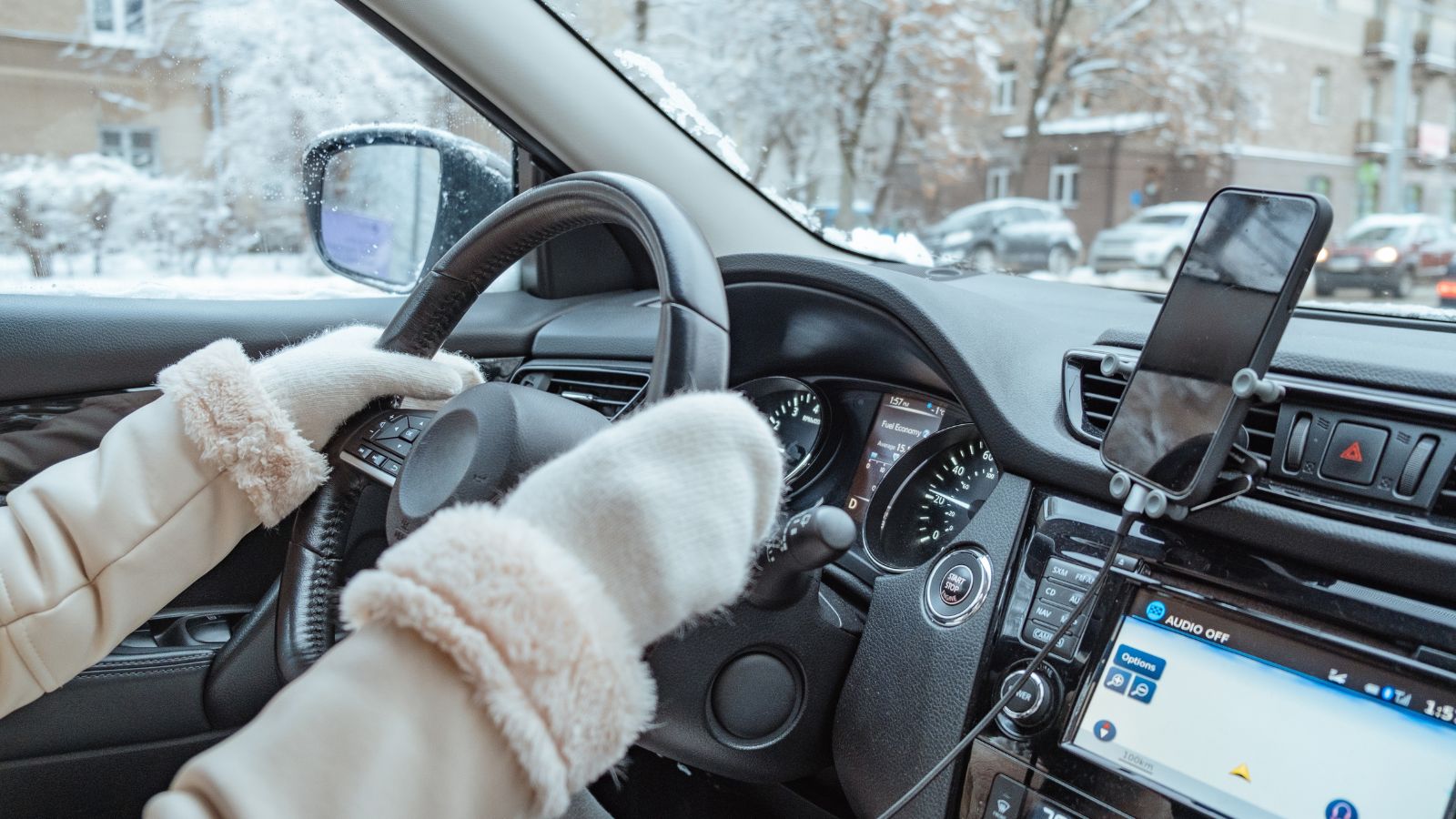
Avoiding a long warm-up does not mean treating a cold engine like a warmed one. Automakers warn against heavy throttle and high rpm after startup. Hyundai instructs drivers not to wait for the engine to warm while stationary, but to begin driving at moderate speeds and avoid rapid acceleration and deceleration. Ford guidance warns against high rpm, full throttle and overloading when an engine is cold.
The first minute is for oil circulation, visibility checks and settling the idle; the next minutes involve gentle driving. Flooring the accelerator after a ten-minute idle is no workaround, because parts of the drivetrain may remain cold. Smooth throttle and moderate speed allow the engine oil, transmission and hardware to warm together. Mechanical sympathy comes from how the vehicle is driven, not how long it sits running. It also gives fluids time to circulate before higher speeds or grades demand more from the powertrain.
A Block Heater Can Do What Idling Is Trying to Do
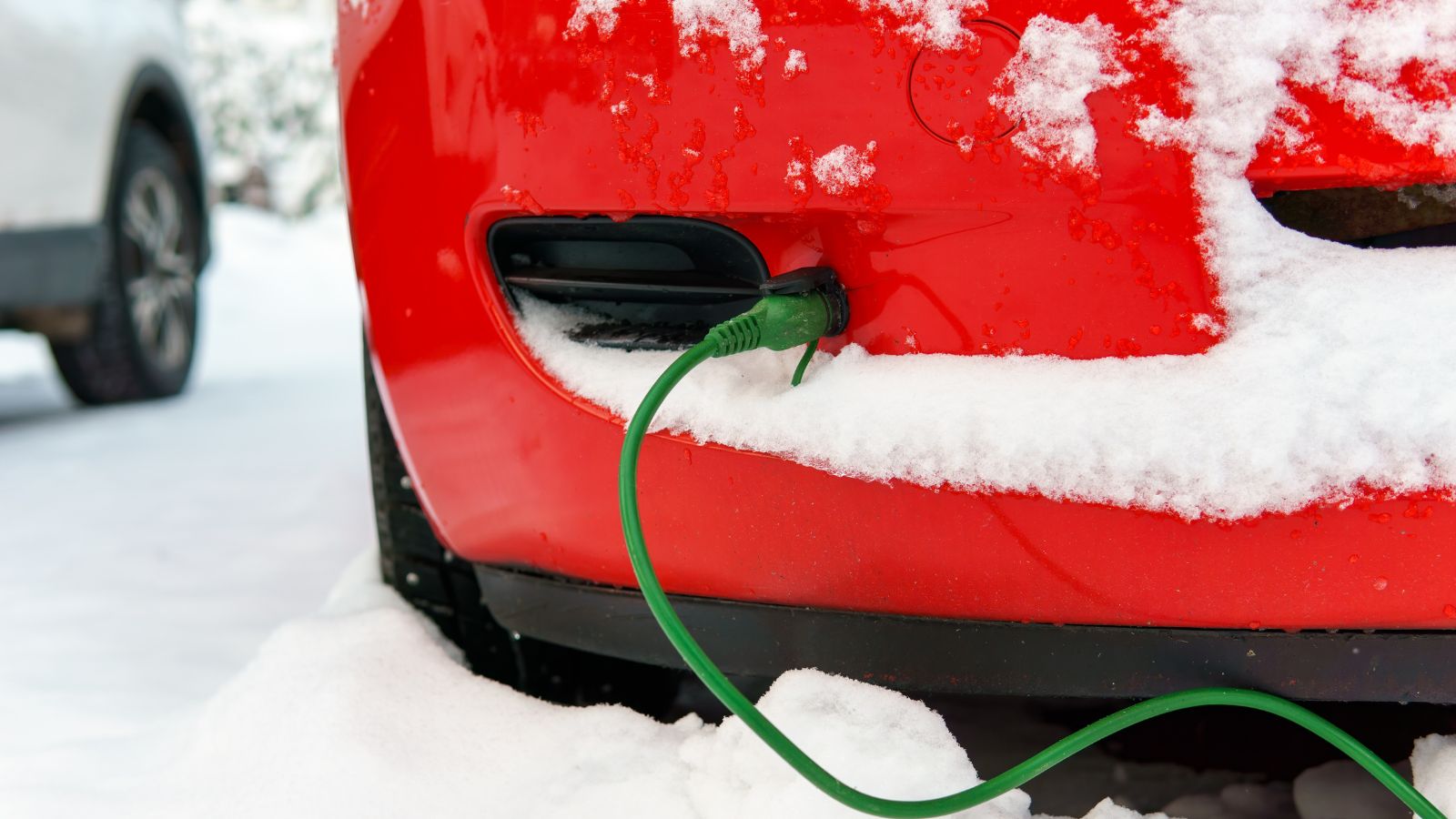
In severe cold, preheating the engine can be useful, but idling is not the only option. Natural Resources Canada recommends block heaters because they warm the engine before startup, helping easier starts and reaching operating temperature faster. Its guidance suggests using a timer rather than leaving it plugged in indefinitely, with roughly two hours of preheating cited for effective use.
Canadian motoring organizations agree. CAA recommends considering a block heater when temperatures fall deep below freezing, while CAA-Quebec notes that preheating can reduce mechanical friction and make starting easier. Timing and temperature thresholds vary by vehicle, heater design and instructions, so the owner’s manual remains the final authority. If extreme cold justifies preparation, warming the engine before startup is more purposeful than letting a cold engine idle unnecessarily afterward. In very cold regions, that can reduce starting effort and shorten the cold-running period without relying on a long driveway idle.
A Better Cold-Morning Routine Is Short and Deliberate
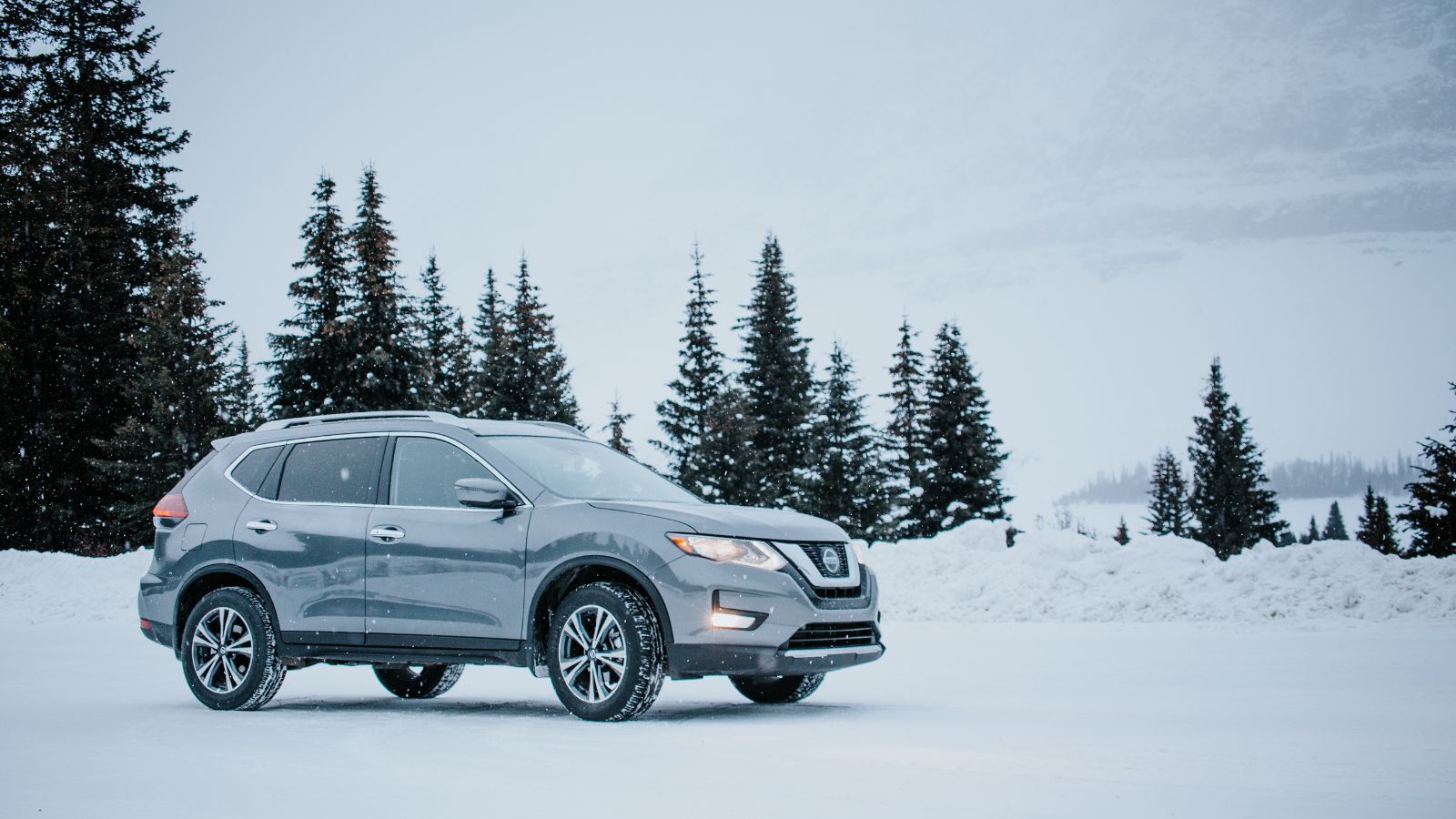
For most modern gasoline vehicles, the routine is simple. Start the engine, fasten the seat belt, adjust mirrors, clear snow and ice, and make sure the windshield is safely defrosted. Natural Resources Canada recommends no more than about 60 seconds of idling from a cold start in ordinary winter conditions, while acknowledging that extreme cold and visibility needs may require more time. Then drive away at a moderate pace.
Manufacturer instructions should override generic rules, because vehicles differ. Some diesels require a preheat cycle, certain turbocharged engines specify a short idle after a cold start, and unusually severe temperatures may trigger special guidance. Hyundai and Kia manuals tell drivers not to warm gasoline engines stationary and to drive moderately, while giving separate instructions for diesel or turbocharged applications. The lasting habit is therefore not “never idle.” It is “idle only as long as the vehicle, weather and safety actually require.”
19 Used Cars Canadians Should Avoid in 2026 (Based on Owner Complaints)

Buying a used car in Canada can feel safe until repair bills start stacking up. Owner complaints tell a different story than glossy listings. Transmission failures, electrical problems, and weak winter reliability show up again and again in consumer reports. Many of these issues appear after warranties expire, when owners least expect them. Some vehicles look affordable upfront, but become expensive to keep on the road. Others struggle in cold weather, urban driving, or long highway commutes. Here are 19 used cars Canadians should avoid in 2026 (based on owner complaints).
19 Used Cars Canadians Should Avoid in 2026 (Based on Owner Complaints)

Alanna Rosen is an experienced content writer that focuses on many EV and educational content. Her articles are regularly published on Get CyberTrucked and syndicated on large publications.