A car can win awards, dominate recommendation lists, earn strong safety scores, and still become an irritating mistake once it reaches a particular driveway. That is because most rankings judge vehicles against competitors, while owners live with them against commutes, children, parking spaces, weather, budgets, hobbies, and routines.
The gap between a highly rated vehicle and the right vehicle is often found in details that disappear inside an overall score. Interior packaging, visibility, seating comfort, fuel use, winter tires, towing limits, technology, repair costs, and charging access can matter more over five years than a glowing verdict after a short road test. These 13 considerations explain why an excellent car in general can still be the wrong car for a specific life.
Popularity Cannot Fix the Wrong Interior
Exterior size creates surprisingly unreliable expectations about usefulness. A vehicle may look substantial in a parking lot yet devote its dimensions to styling, crash structure, a long hood, sloping roofline, thick seats, or mechanical components rather than usable passenger and cargo space. Conversely, a modest-looking hatchback or minivan can make unusually efficient use of its footprint. Federal vehicle classifications themselves recognize interior volume and carrying capacity as meaningful measures of vehicle utility rather than treating exterior bulk as the entire story.
That distinction becomes obvious after purchase. A cargo area that swallowed two suitcases during a test drive may struggle with a stroller, cooler, sports equipment, groceries, and a family dog at the same time. Rear legroom may seem generous until a tall driver moves the front seat back. The sensible approach is less glamorous than reading another ranking: bring the equipment that actually travels regularly. A recommendation can identify an excellent vehicle, but it cannot determine whether awkwardly shaped everyday possessions fit through its hatch.
Child Seats Can Completely Change the Cabin

A rear seat that appears spacious with adults aboard can become dramatically less useful once child restraints enter the picture. The Insurance Institute for Highway Safety evaluates vehicles specifically for LATCH ease of use because anchor location, clearance, accessibility, and tether placement vary. IIHS notes that a poor LATCH rating does not mean a child restraint cannot be installed safely; it means achieving a correct installation can be more difficult.
That difference matters during ordinary family life. A rear-facing seat can force the front passenger seat farther forward than expected. Two child seats can make the middle position nearly unusable, while three-across installations may depend on the exact combination of restraint widths and seat contours. Tether anchors hidden near cargo hardware can add another annoyance. This is why a family vehicle should ideally be tested with the actual restraints that will live inside it. A model praised for refinement, reliability, or fuel economy may remain objectively excellent while being objectively inconvenient every morning when children have to be buckled in.
Visibility Can Matter More Than a High Seating Position

Sitting high above traffic often feels reassuring, but height is not the same thing as visibility. Thick windshield pillars, large mirrors, long hoods, small rear windows, high beltlines, and bodywork around the driver can create substantial blind areas. Recent IIHS research examining 168 vehicle configurations found that larger driver-side blind zones, narrower forward fields of view, and longer distances to the nearest visible point in front were associated with greater risk in left-turn pedestrian crashes.
The issue is particularly relevant in neighbourhoods, crowded parking areas, school zones, and streets filled with cyclists. Cameras and parking sensors help, but drivers still depend heavily on direct vision when scanning through intersections or maneuvering around people close to the vehicle. IIHS has also documented substantial reductions in close-proximity forward visibility across redesigns of several popular vehicles. A vehicle that feels commanding on an open highway may therefore feel cumbersome on a narrow residential street. Before assuming a recommended SUV offers better awareness, it is worth checking what can actually be seen from the driver’s seat.
A Short Test Drive Can Hide Long-Trip Discomfort

Seats are among the most personal components in a car, yet they are often evaluated during one of the shortest parts of the buying process. A cushion can feel pleasantly firm for 15 minutes and uncomfortable after two hours. Lumbar support that suits one body shape may press awkwardly against another. Pedal placement, steering-wheel reach, head-restraint position, thigh support, and the relationship between the seat and armrests can similarly turn minor preferences into persistent frustrations.
Ergonomics research provides a reason for that variation. Studies of automotive seating have found that discomfort increases with driving duration and that different seat designs and road conditions influence perceived discomfort. Research on driving posture also shows substantial variation between individuals rather than one universally comfortable seating geometry. That makes the extended test drive unusually valuable. Someone with a 70-minute commute should evaluate a prospective car for something approaching that environment, not merely circle a dealership. A celebrated chassis and quiet cabin lose much of their appeal when the driver’s hip, back, neck, or leg begins complaining every afternoon.
Fuel-Economy Rankings Do Not Know the Daily Route

An efficient vehicle remains efficient in comparative testing, but the advantage can change depending on where and how it is driven. The U.S. Environmental Protection Agency says its fuel-economy labels provide a standardized comparison rather than a guarantee of the mileage an individual driver will achieve. Temperature, congestion, speed, acceleration, air-conditioning use, vehicle load, hills, road conditions, and maintenance can all affect actual consumption.
Powertrain type matters as well. EPA notes that hybrids can perform particularly well in urban driving because regenerative braking captures energy during deceleration and the gasoline engine can spend less time idling. A driver covering slow, stop-and-go kilometres may therefore experience a vehicle differently from someone spending nearly every commute at highway speed. The same principle works beyond hybrids: roof boxes, frequent short trips, heavy cargo, and aggressive acceleration can alter the operating-cost calculation. Instead of asking which recommended model has the best headline number, buyers should ask which vehicle uses energy most efficiently on the roads they actually travel every week.
Winter Capability Is More Than an AWD Badge
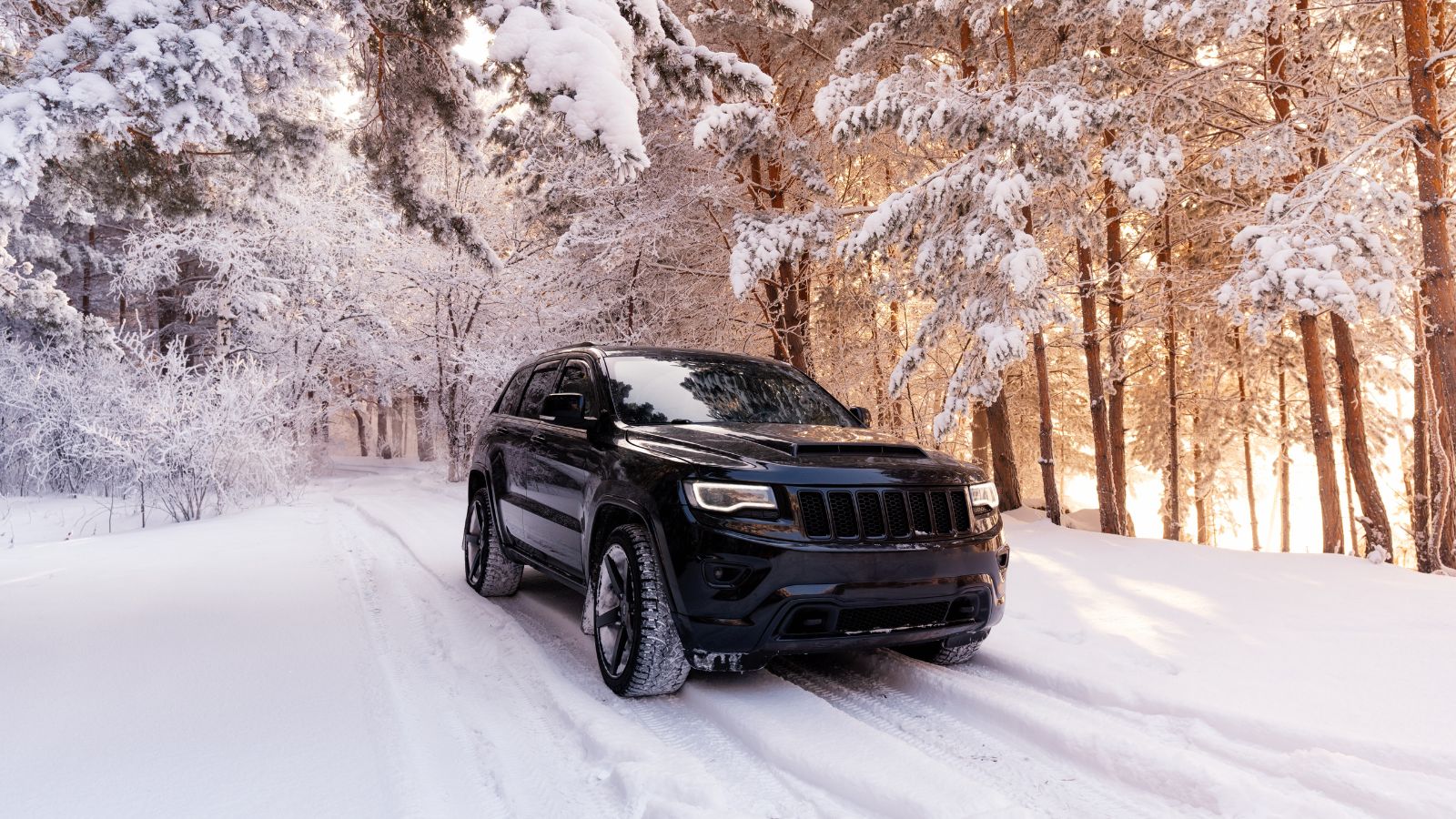
All-wheel drive is easy to market because its benefit can be felt immediately when accelerating on a slippery surface. Winter driving, however, also requires steering and stopping, which means tires remain fundamental. NHTSA says tire selection should reflect the climate in which a vehicle is driven and notes that winter tires are more effective than all-season tires in deep snow. The agency also advises motorists to consider snow tires for winter conditions and warns that stopping and controlling a vehicle becomes harder on slick surfaces.
This can make an otherwise sensible recommendation less attractive. Some vehicles arrive on performance-oriented tires that are poorly suited to cold conditions, while uncommon wheel sizes can make a second winter set expensive. Low-profile tires may also be less appealing on badly damaged winter roads. Ground clearance matters where snow accumulates deeply, but excessive size can make an urban vehicle harder to place between snowbanks. Winter suitability is therefore a package: tires, clearance, heating performance, visibility, traction systems, wheel costs, and local road maintenance all contribute. AWD alone does not settle the question.
Towing Capacity Is Only One Number in a Bigger Equation
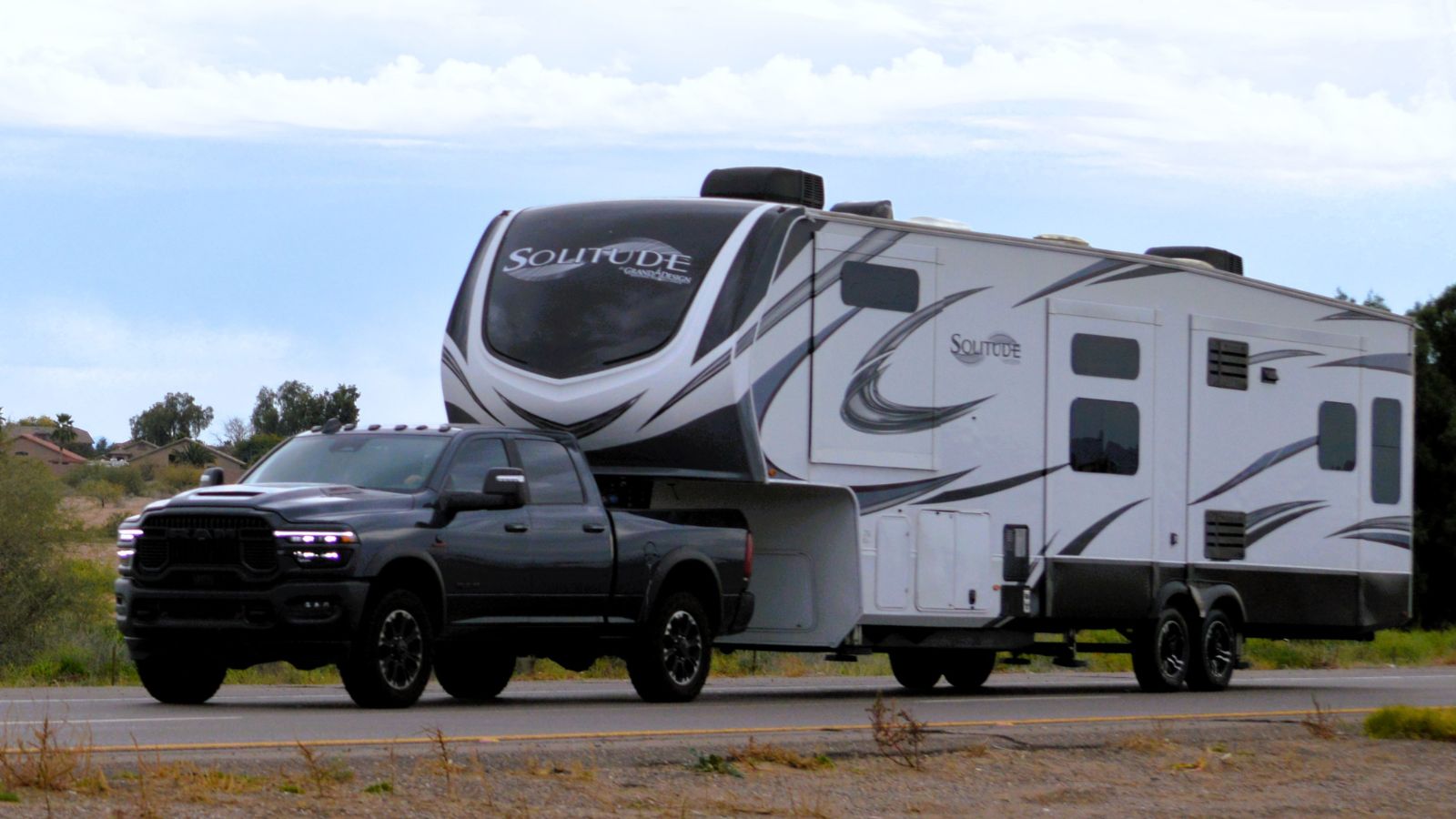
A large towing figure in a brochure can make a vehicle seem ready for boats, campers, or utility trailers, but towing involves more than the headline maximum. Vehicle load ratings must account for passengers, cargo, accessories, and the force applied by the trailer at the hitch. Manufacturer guidance also emphasizes gross vehicle weight, axle limits, tongue weight, trailer weight, and proper load distribution. NHTSA material warns against exceeding gross vehicle and axle ratings.
That can create a surprising real-world mismatch. Imagine a tow vehicle loaded with four adults, luggage, camping gear, a roof box, and several hundred pounds of trailer tongue weight. The vehicle may reach a payload or axle limit even when the trailer itself remains below the advertised towing maximum. Towing also places additional demands on tires, brakes, suspension, cooling systems, and driveline components. Anyone who regularly hauls should therefore work backward from the fully loaded trip rather than forward from a marketing number. A highly recommended crossover may tow occasionally, yet a less fashionable alternative could provide far more comfortable operating margins.
Touchscreens Can Turn Simple Tasks Into Daily Friction

A beautifully integrated display looks impressive in photographs and during showroom demonstrations. The experience changes when the driver wants to adjust temperature, turn on a heated seat, change audio sources, or dismiss a prompt while traveling over broken pavement. If common functions require multiple taps or careful visual targeting, a feature that initially looks sophisticated can become repetitive work.
There is a safety dimension as well. NHTSA describes distraction as anything that takes a driver’s eyes, mind, or hands away from driving. AAA Foundation research on in-vehicle information systems has found substantial differences in the visual and cognitive demands produced by different infotainment designs and tasks. This does not make large screens inherently bad; well-designed systems can make information easier to understand. The crucial question is whether frequently used controls are accessible without prolonged attention. Buyers who value physical climate buttons, simple steering-wheel controls, or uncomplicated menus should treat those preferences as functional requirements rather than resistance to technology. Thousands of tiny interactions accumulate during years of ownership.
Advanced Safety Technology Can Make Minor Damage Expensive
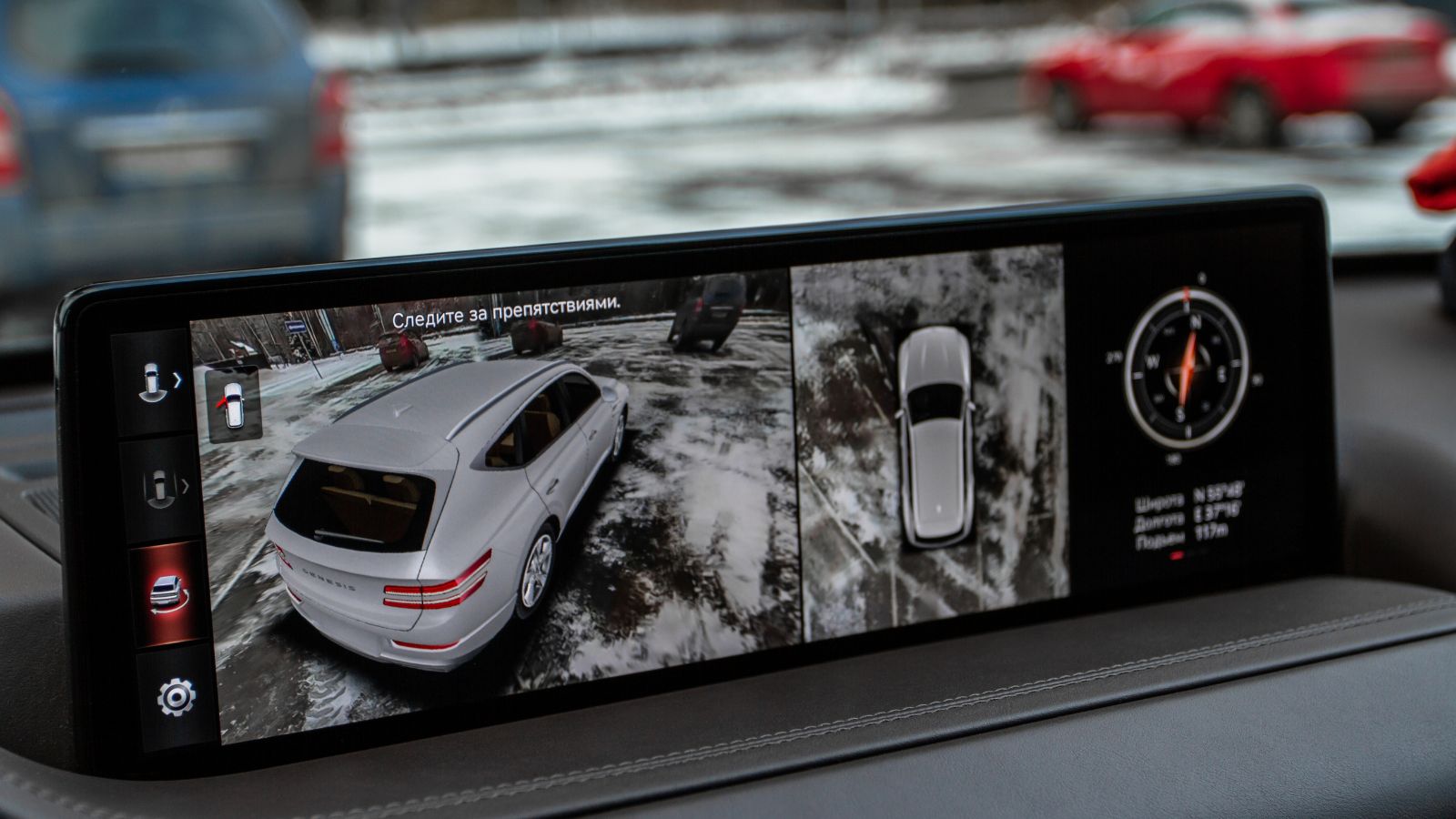
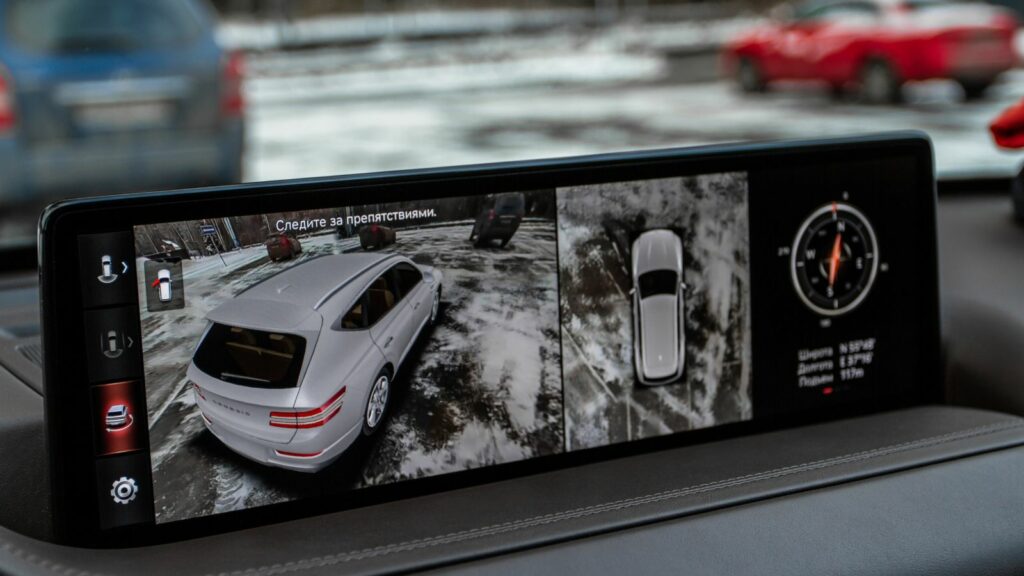
Automatic emergency braking, adaptive cruise control, surround-view cameras, parking sensors, and lane-support systems can provide meaningful assistance, but the hardware enabling those functions often lives in vulnerable places. Radar units can sit behind bumpers, cameras inside mirrors, ultrasonic sensors across painted bumper covers, and forward cameras near the windshield. Damage that once required mostly bodywork can therefore involve sensor replacement or calibration.
AAA studied several 2023 vehicles and estimated that individual ADAS-related repair components could add hundreds or more than a thousand dollars depending on the sensor and scenario. In its examples, front radar repair ranged from about $500 to $1,300, while around-view camera-related repairs could reach roughly $1,600. AAA also found additional costs associated with calibrating windshield-mounted equipment. These figures are not universal repair quotes, but they illustrate why technology content belongs in the ownership calculation. A recommendation may reasonably praise a vehicle’s driver-assistance equipment while an owner with high insurance deductibles, difficult service access, or frequent urban parking may care equally about what that technology costs after a minor collision.
The Purchase Price Is Only the Beginning

Two vehicles priced within a few thousand dollars can produce very different financial outcomes over several years. Fuel receives most of the attention, yet depreciation, financing, insurance, registration, maintenance, repairs, and tires can have equally important effects. AAA’s 2025 Your Driving Costs analysis estimated the average cost of owning and operating a new vehicle driven 15,000 miles annually at $11,577 per year under its assumptions. Depreciation remained the largest ownership-cost category.
That does not mean every driver will spend anything close to that figure. It demonstrates why comparing monthly payments alone can be misleading. A model with inexpensive fuel may have costly insurance. A performance trim can consume expensive tires rapidly. A luxury badge may introduce higher parts and labour costs, while a model with strong resale demand may recover more of its original purchase price later. Financing terms can overwhelm small efficiency gains. The car everyone recommends may still be financially wrong if its strongest qualities are being purchased with money that could have been better allocated elsewhere in the household budget.
Bigger Vehicles Come With Real Trade-Offs
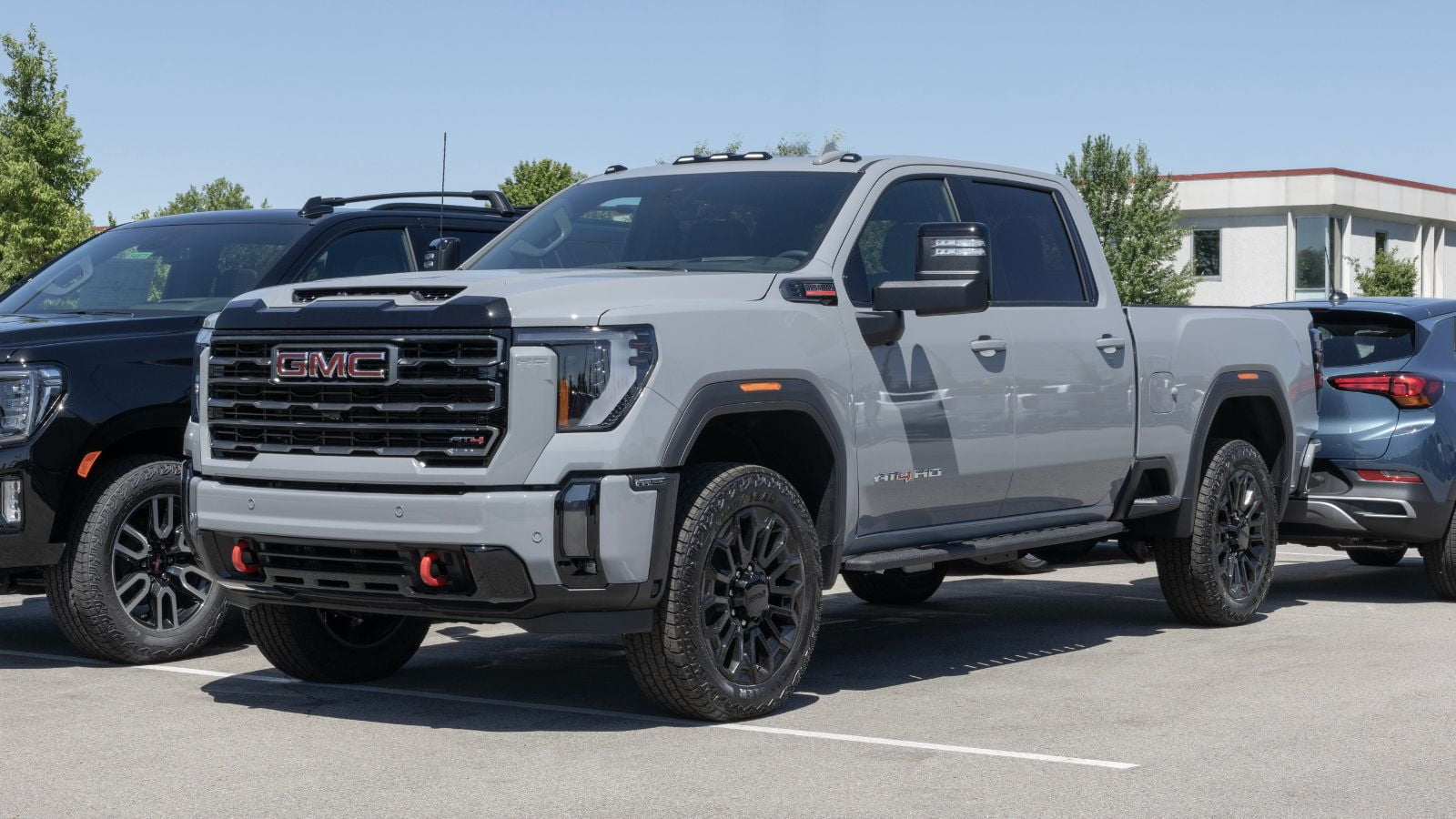
Size can provide legitimate benefits. IIHS explains that, all else being equal, larger and heavier vehicles generally offer occupants more protection in crashes with smaller vehicles because greater mass and longer structures can reduce forces experienced by occupants. That helps explain why buyers often feel that moving into a larger SUV automatically represents an upgrade in safety.
The trade-off is that bigger does not mean better in every context. IIHS also reports that larger SUVs and pickups can pose greater risks to pedestrians and cyclists, partly because tall front ends strike people higher on the body. Greater weight generally requires more energy to move, while larger exterior dimensions can complicate narrow garages, older parking structures, dense streets, and tight driveways. A household carrying six people may reasonably accept those compromises. A household carrying one person most of the time may simply be moving extra material through traffic every day. Recommendations that reward spaciousness and road presence can unintentionally encourage buyers to purchase capability they rarely use.
The Exact Trim Can Matter More Than the Model Name

Vehicle recommendations are often repeated using a model name as though every version were identical. They are not. Wheel and tire packages, seats, headlights, driver-assistance equipment, suspension settings, powertrains, cameras, and convenience features can vary across a lineup. In some cases, even safety results have configuration or production-date qualifications. IIHS vehicle pages identify headlight ratings that vary by trim or option, and certain 2026 Top Safety Pick awards apply only to vehicles manufactured after specified dates.
That makes the phrase “buy this model” incomplete advice. A base version may have smaller, cheaper tires and simpler controls, while the expensive trim praised in a review could introduce larger wheels and features an owner does not need. The reverse can also happen: an important safety or convenience feature may require stepping above the entry version. Production changes during a model year add another layer. Before relying on a recommendation, buyers should identify the precise engine, drivetrain, seat type, tire size, equipment package, and build configuration being evaluated. The badge on the tailgate tells only part of the story.
The Best Powertrain Depends on Where the Car Sleeps
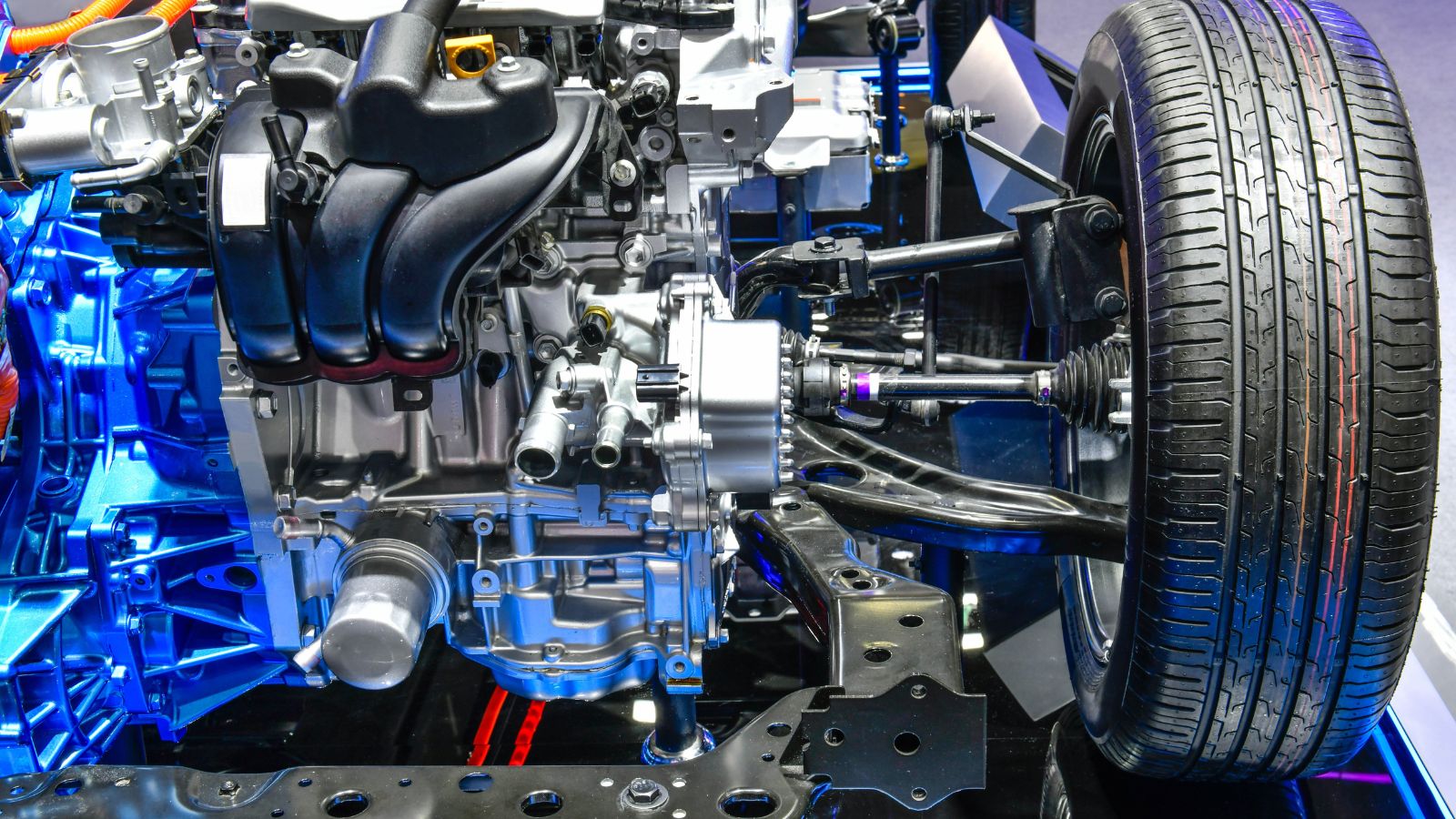
Electric vehicles demonstrate perhaps the clearest example of lifestyle determining whether a highly recommended car works. The Department of Energy’s Alternative Fuels Data Center says most EV owners charge at home, while workplace and public charging can extend practical daily range. Home charging can turn refueling into an overnight routine. Without reliable home or workplace access, the same vehicle may require deliberate trips to public stations and more planning around charging speed and availability.
That does not make an EV unsuitable for apartment dwellers or long-distance travelers, nor does it make gasoline automatically more convenient. It means infrastructure is part of the vehicle. DOE guidance describes Level 1, Level 2, and DC fast charging as serving different use cases, with Level 2 commonly used where vehicles remain parked and fast charging supporting quicker public replenishment. Similar lifestyle questions apply to plug-in hybrids and conventional hybrids. The correct choice depends on commute length, parking access, road-trip frequency, electricity availability, local fuel prices, and where the vehicle spends its nights—not on which powertrain wins the most recommendations.
19 Used Cars Canadians Should Avoid in 2026 (Based on Owner Complaints)

Buying a used car in Canada can feel safe until repair bills start stacking up. Owner complaints tell a different story than glossy listings. Transmission failures, electrical problems, and weak winter reliability show up again and again in consumer reports. Many of these issues appear after warranties expire, when owners least expect them. Some vehicles look affordable upfront, but become expensive to keep on the road. Others struggle in cold weather, urban driving, or long highway commutes. Here are 19 used cars Canadians should avoid in 2026 (based on owner complaints).
19 Used Cars Canadians Should Avoid in 2026 (Based on Owner Complaints)

Alanna Rosen is an experienced content writer that focuses on many EV and educational content. Her articles are regularly published on Get CyberTrucked and syndicated on large publications.