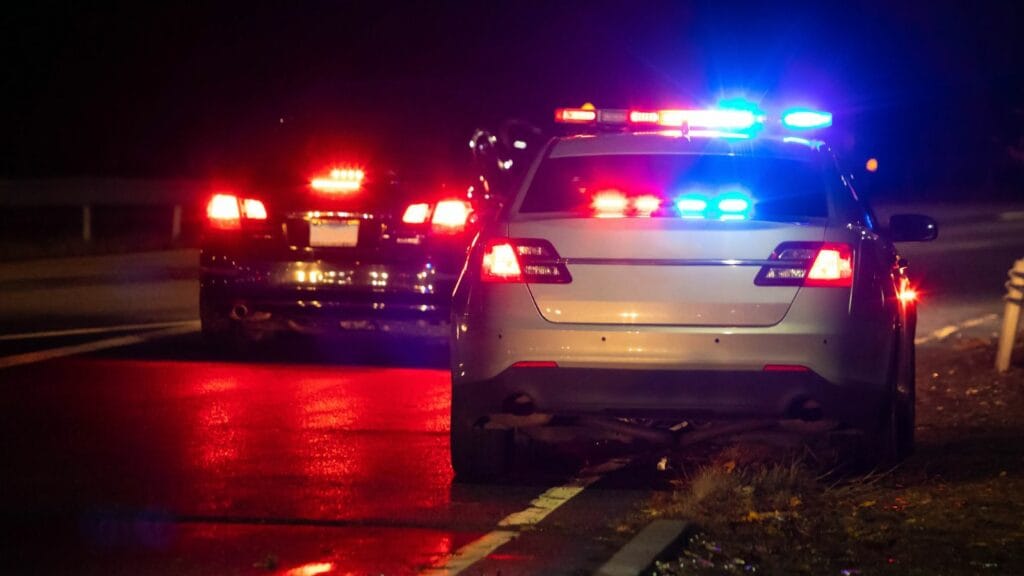
A traffic stop can shift from routine to serious in a matter of seconds. Across Canada, drivers have certain rights, but they also face legal duties involving stopping for police, producing driving documents and complying with lawful screening demands. Provincial rules add another layer, so the exact consequences can differ depending on where the stop occurs.
Many problems begin not with the original reason for being pulled over, but with what happens afterward. A nervous movement, missing document or misunderstood instruction can suddenly complicate an otherwise ordinary encounter. These 18 things show how traffic stops can deteriorate quickly, where Canadian law draws important lines and why calm, deliberate actions often matter as much as the violation that triggered the stop.
Pulling Over Too Abruptly—or Not Soon Enough
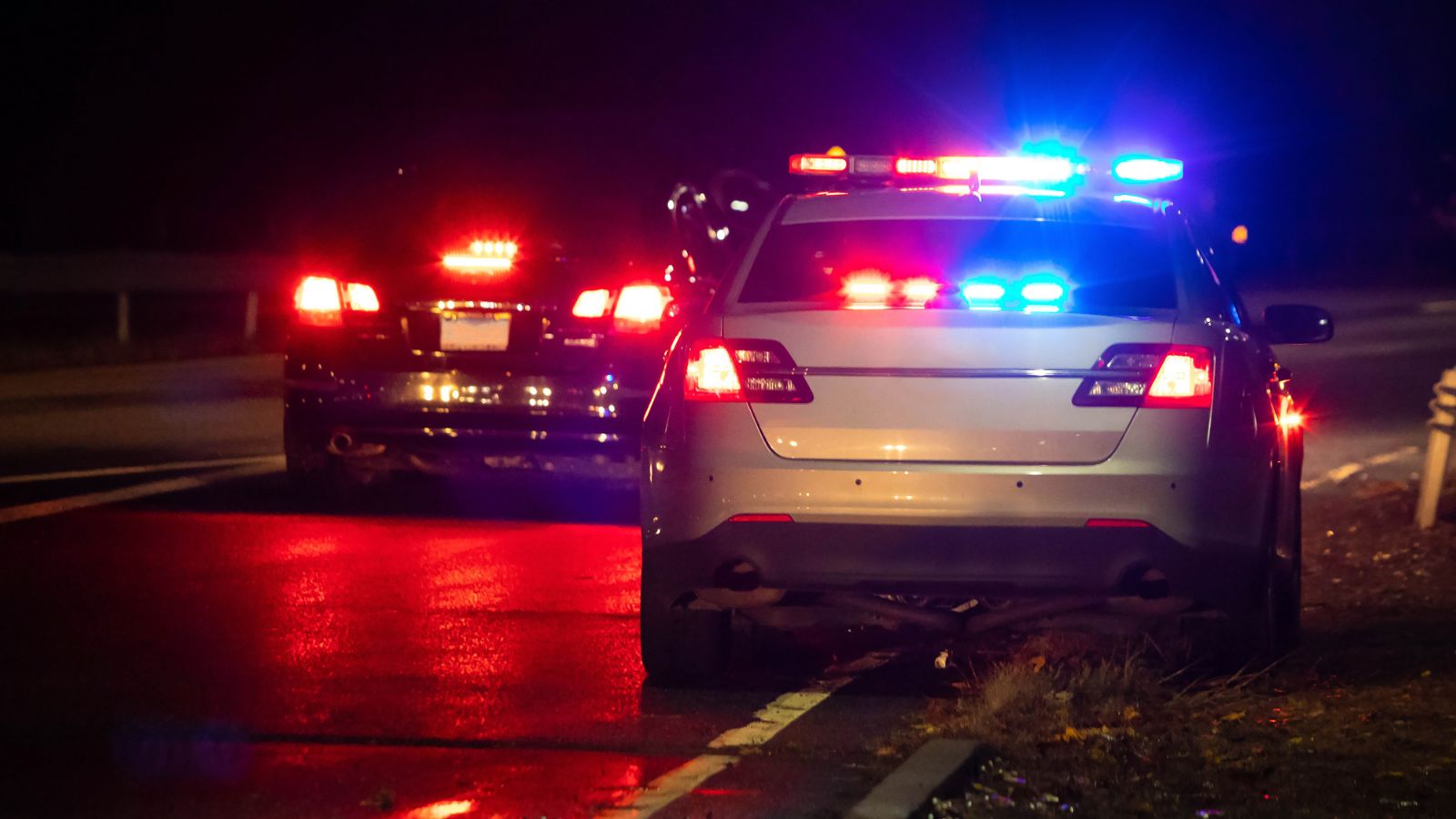
Seeing flashing police lights in the mirror can trigger two opposite mistakes. One driver might slam on the brakes immediately, stopping beside a blind curve or partly in a live traffic lane. Another might keep driving for several blocks without signalling any intention to stop. Neither creates an ideal beginning. Police guidance generally recommends slowing down and moving as far as reasonably possible toward a safe stopping location rather than making a sudden, unpredictable manoeuvre.
A short distance needed to reach a safe place is different from deliberately refusing to stop. The Criminal Code makes flight from a peace officer an offence when someone operating a motor vehicle while being pursued fails, without reasonable excuse, to stop as soon as is reasonable in the circumstances. An ordinary driver looking for a safe shoulder should therefore make intentions obvious: reduce speed, signal and pull over when it can be done safely. That communicates compliance while avoiding a second road hazard.
Getting Out Before Being Told
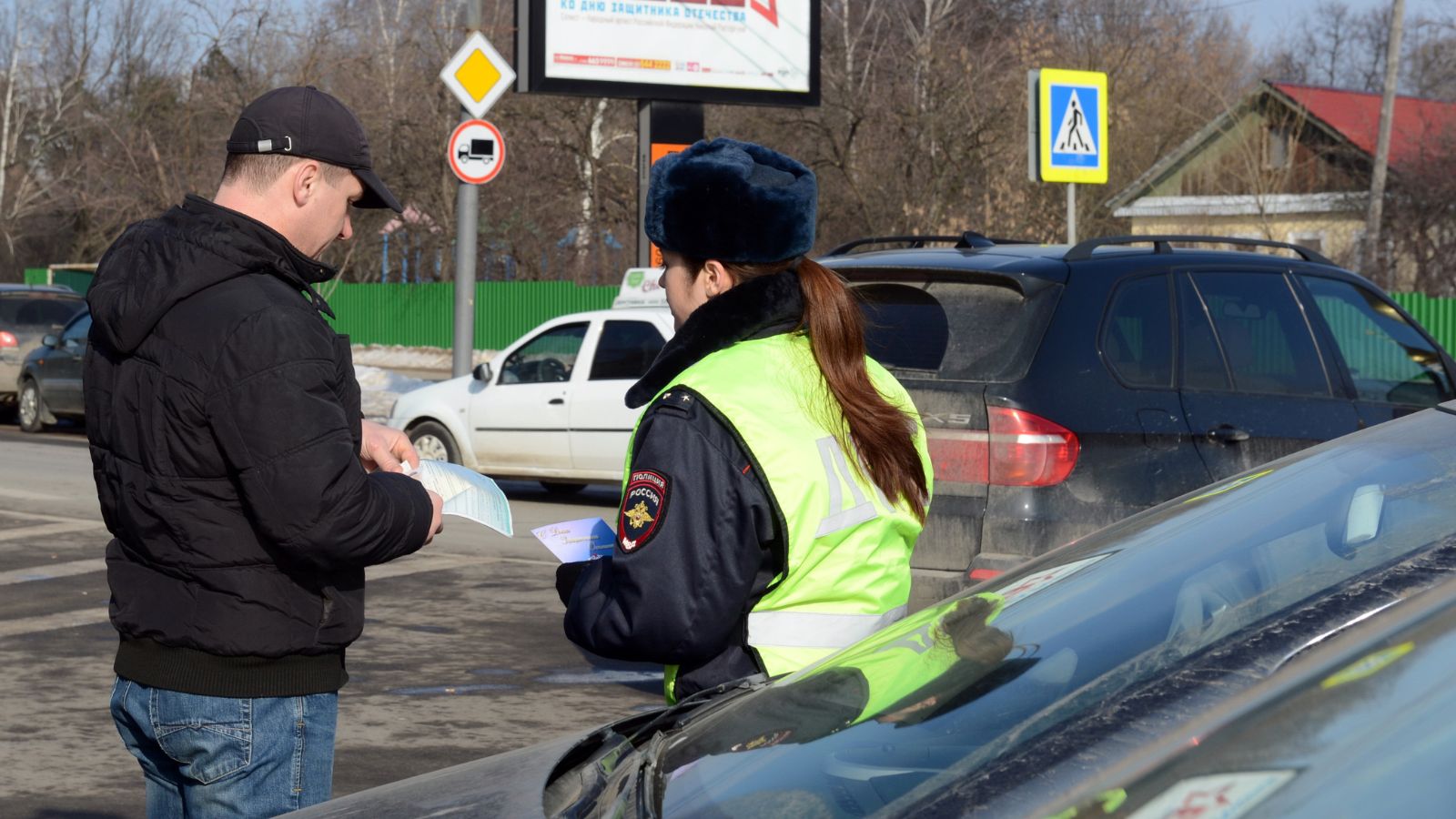
For many drivers, stepping out of the car feels natural. Someone may want to retrieve documents from the trunk, inspect a broken light or simply meet the officer halfway. From the officer’s perspective, however, an unexpected person emerging from a vehicle changes the physical situation immediately. Police guidance commonly tells motorists to remain inside unless instructed otherwise.
Consider a routine nighttime stop with several occupants. The officer initially knows relatively little about who is inside or why someone might suddenly open a door. Staying seated makes movements easier to observe and reduces the number of variables confronting everyone at the roadside. If an officer wants the driver outside, that instruction can be followed when it is given. The broader point is not that leaving a vehicle is automatically an offence in every circumstance; rather, unexpectedly doing so can turn an otherwise predictable encounter into one requiring much greater attention to safety and control.
Making Sudden Movements

Traffic stops are unusual environments because ordinary actions can look very different when viewed through a windshield at night. Reaching rapidly under a seat for a dropped wallet, twisting toward the back seat or pushing a hand deep inside a jacket may be completely innocent. An approaching officer, however, does not necessarily know what the driver is reaching for.
Canadian police guidance has specifically advised drivers to keep their hands visible and avoid sudden movements during a stop. That is particularly useful before the officer has reached the window and explained what documents are needed. A driver who realizes the licence is in a coat pocket or a bag behind the seat can simply wait and explain where it is before reaching. The same idea applies to passengers. Slowing down movements does not surrender any legal right; it reduces ambiguity. In an encounter where both sides may have limited information, predictability can prevent a mundane action from being misinterpreted.
Reaching for Documents Without Explaining
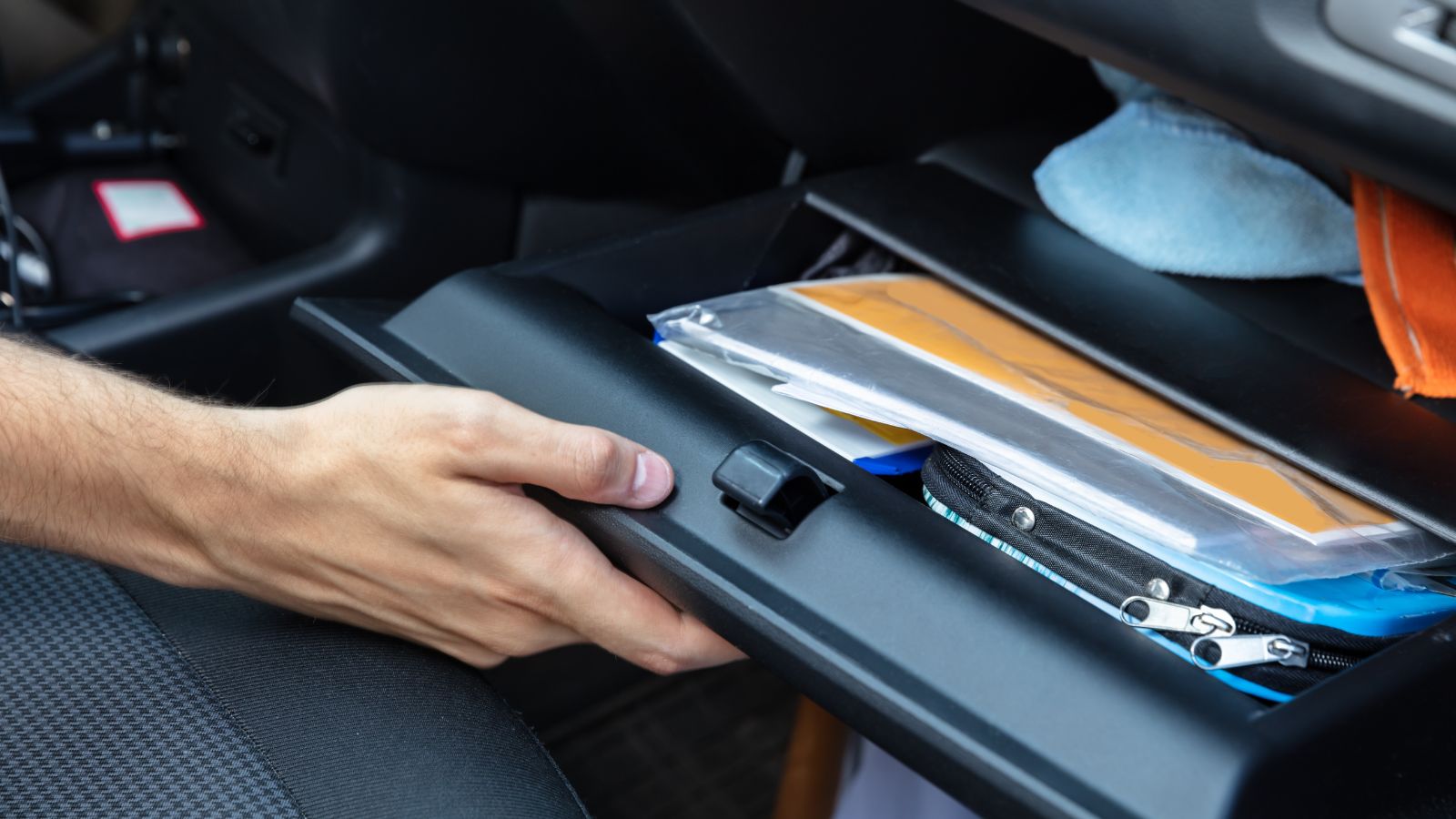
Many drivers begin rummaging through the glove compartment the moment police lights appear. That seems efficient because registration and insurance papers are often kept there. Yet it can produce exactly the kind of hidden hand movement police guidance recommends avoiding, particularly if the compartment is crowded or difficult to open.
A better sequence is straightforward: stop safely, remain where directed and wait until the officer requests documents. If the registration is in the glove box or the insurance card is buried in a purse, telling the officer where it is before reaching removes much of the uncertainty. Edmonton Police Service guidance has specifically advised motorists to explain beforehand when a requested document must be retrieved from a glove compartment, wallet or purse. The advice reflects a simple human factor. A hand disappearing from view without explanation can appear different from the same movement after someone calmly says, in effect, that the requested paperwork is inside that compartment.
Not Having the Required Driving Documents
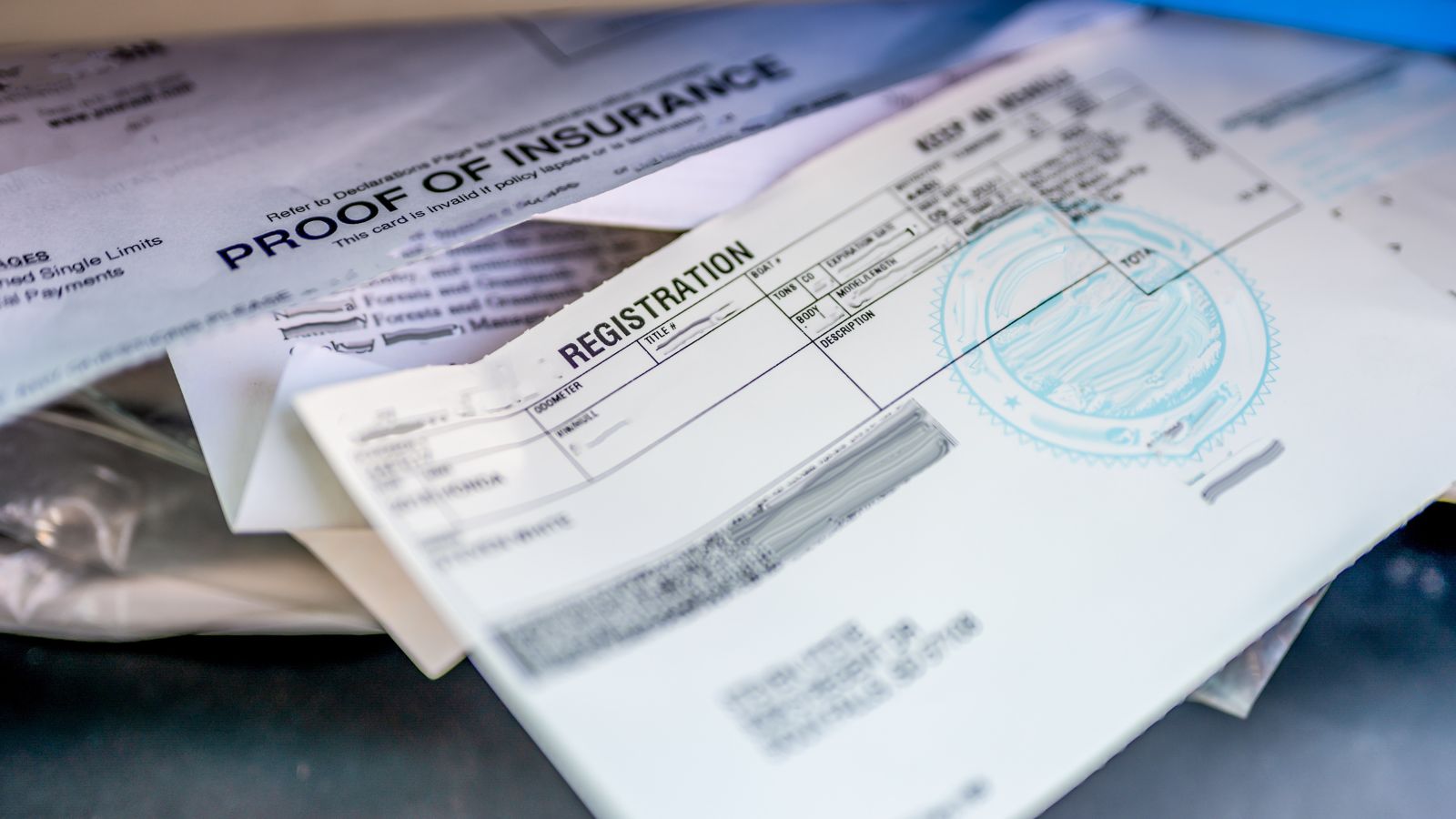
A traffic stop becomes more complicated when a driver cannot produce the documents the law requires. The precise requirements are provincial, but driver’s licences, vehicle registration or permits and proof of insurance are standard parts of roadside enforcement. In Ontario, for example, drivers must carry their licence, and vehicle operators must be able to produce required insurance documentation when demanded by police.
The paperwork itself can create a separate problem from whatever prompted the stop. Ontario says drivers must carry a vehicle permit, while its compulsory insurance legislation requires an insurance card in the vehicle. Failing to produce proof of insurance can carry a fine of up to $400 in the province. That means a motorist originally stopped for something relatively minor can leave with an additional issue because a current insurance card was left at home. Keeping required documents organized, valid and accessible eliminates one of the easiest ways for a straightforward stop to become longer and more expensive.
Giving False Identification
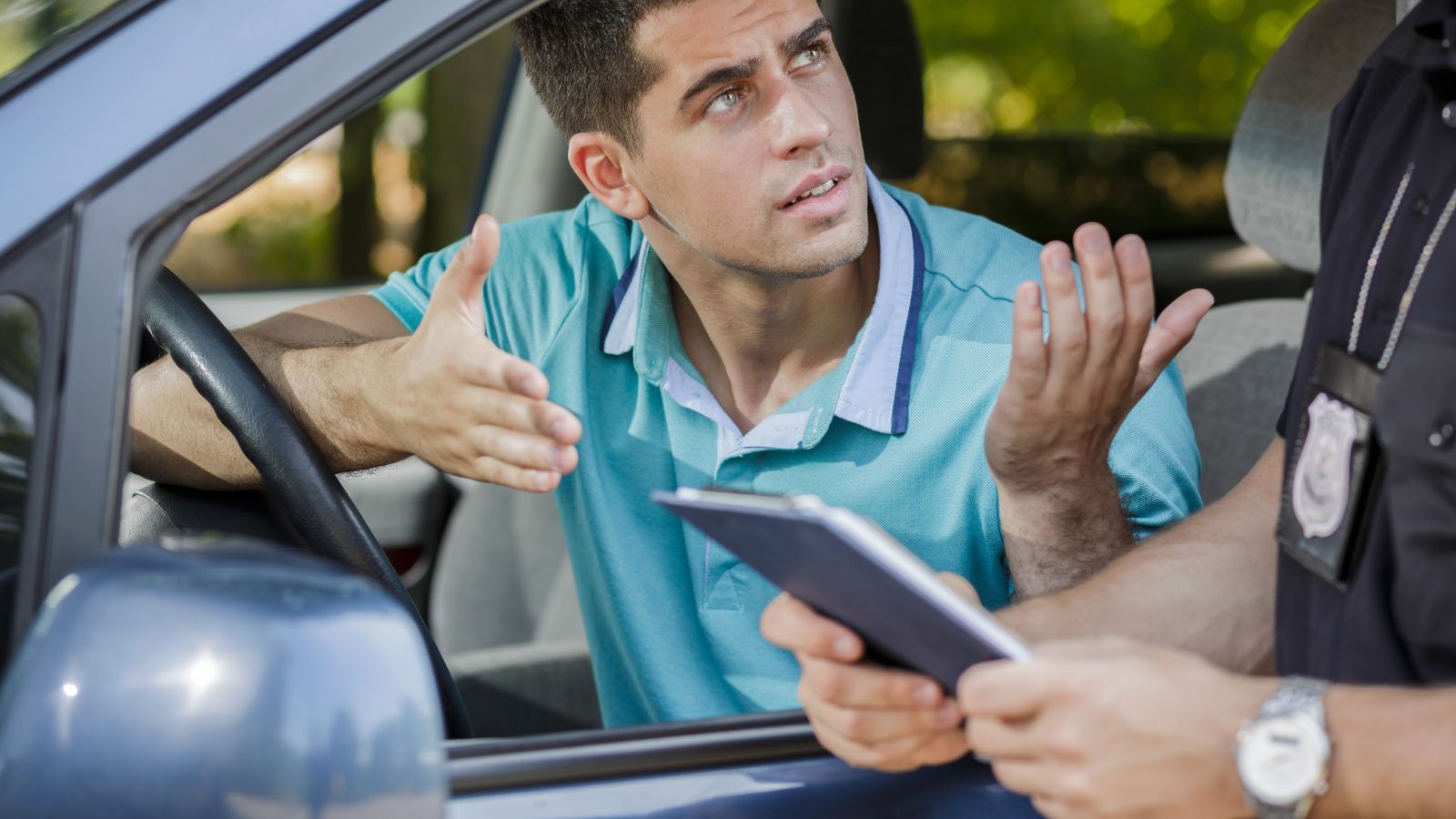
A nervous driver may be tempted to give a shortened name, an old address or someone else’s information, especially when worried about outstanding problems with a licence or driving record. That can create consequences considerably more serious than simply answering accurately. Ontario legal-education guidance notes that lying about a name or address can potentially lead to obstruction-related charges.
Driving also differs from many casual encounters with police because motorists have specific identification obligations. Ontario’s Highway Traffic Act, for example, requires drivers to carry and surrender their licence for reasonable inspection. If a licence cannot be surrendered, the legislation provides for reasonable identification, including the person’s correct name and address. That is an important distinction from the broader right to remain silent. A driver does not necessarily have to provide a running explanation for every question, but required identification is another matter. Turning a traffic stop into a dispute over identity can dramatically expand what police need to investigate.
Letting Passengers Take Over the Stop

Sometimes the person most upset about a traffic stop is not the driver. A passenger may lean across the console, interrupt questions, shout from the back seat or open a door to challenge the officer. That can transform a conversation between one officer and one motorist into a much harder scene to manage.
Police guidance has specifically warned about disorderly passenger conduct during roadside encounters. Even where passengers have their own legal rights—and are not automatically required to identify themselves merely because they are riding in a stopped vehicle—their behaviour can still change the tone and safety dynamics of the stop. Imagine four friends returning from dinner when one passenger decides to conduct the argument while everyone else talks simultaneously. The officer now has to monitor several people instead of concentrating on the original traffic matter. Keeping passengers calm and inside the vehicle unless directed otherwise helps preserve the limited, predictable nature of the encounter without giving up anyone’s legitimate rights.
Turning the Roadside Into a Courtroom

A driver may strongly believe a ticket is wrong. Speed measurements can be disputed, signs can be confusing and officers can make mistakes. The roadside, however, is generally not where the legal merits of a ticket are finally decided. Lengthy arguments rarely make the environment calmer, particularly beside moving traffic.
Police guidance has advised motorists to accept a ticket calmly and notes that accepting the physical ticket is not the same thing as admitting guilt. Drivers retain whatever dispute or court processes are available in the jurisdiction. That distinction can be surprisingly useful. Someone can disagree firmly with an allegation without trying to settle the case through a heated roadside debate. A driver who wants to challenge what happened can preserve the paperwork, make notes afterward and use the prescribed process. The immediate objective during the stop is simply to complete the interaction safely. Turning every disputed detail into an escalating argument can make that task unnecessarily difficult.
Ignoring Clear, Lawful Directions
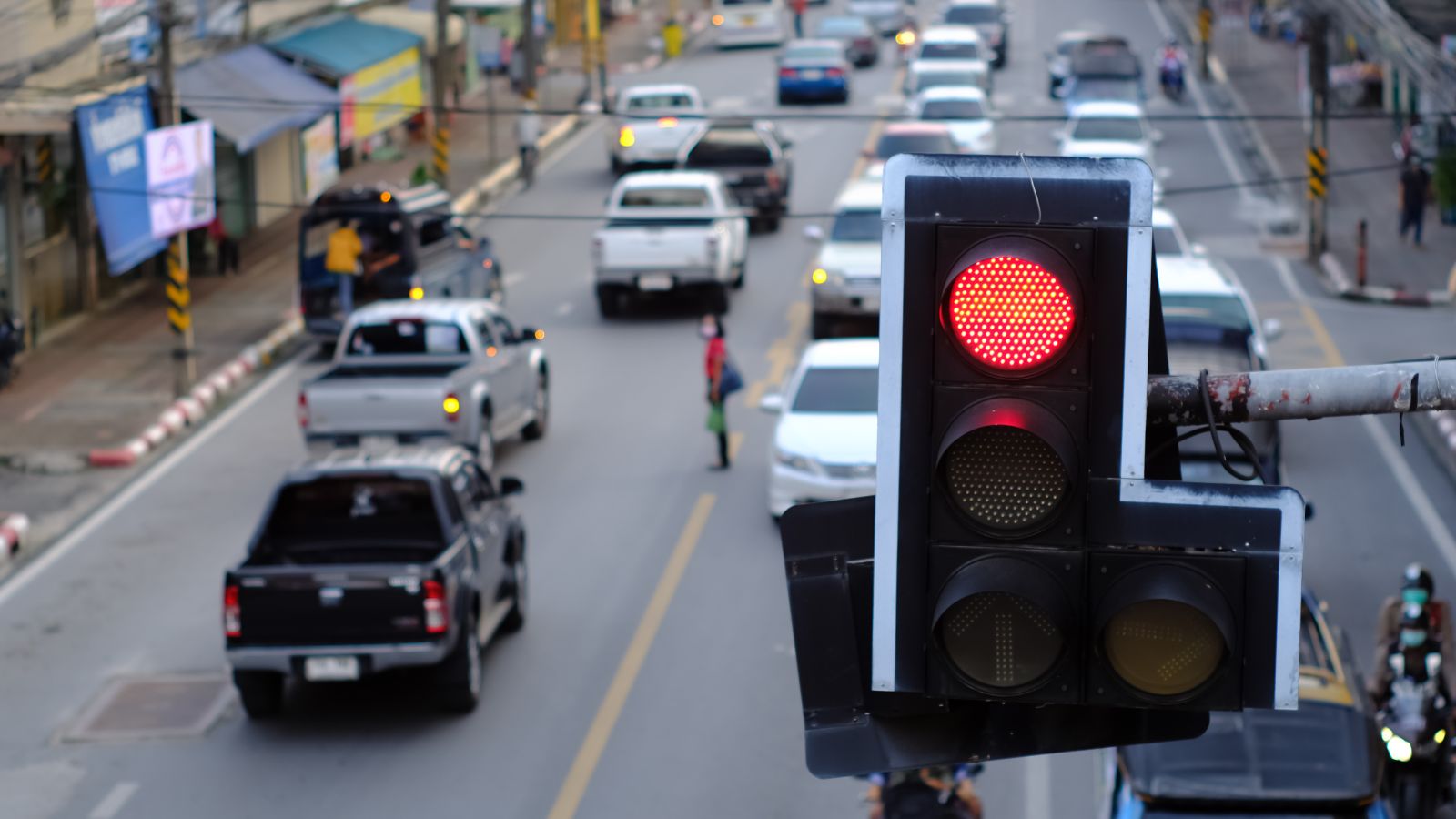
Traffic stops often involve simple instructions: remain in the vehicle, move the car farther onto the shoulder, hand over specified documents or wait while the officer conducts checks. Deliberately refusing lawful directions can change the nature of the encounter, particularly when refusal interferes with an officer carrying out legitimate duties.
Section 129 of Canada’s Criminal Code makes it an offence to resist or wilfully obstruct a peace officer in the execution of duty. That does not mean every disagreement or misunderstood instruction automatically becomes criminal obstruction. Context, lawfulness and intent matter. Still, repeatedly ignoring an officer after understanding what is being required can create a much different situation from calmly asking for clarification. If an instruction is unclear, a simple question can prevent misunderstanding. Drivers can later challenge allegedly improper police conduct through legal or complaint processes. The shoulder of a busy highway is a poor setting for testing how far a confrontation over an otherwise straightforward direction can go.
Refusing a Lawful Breath Demand
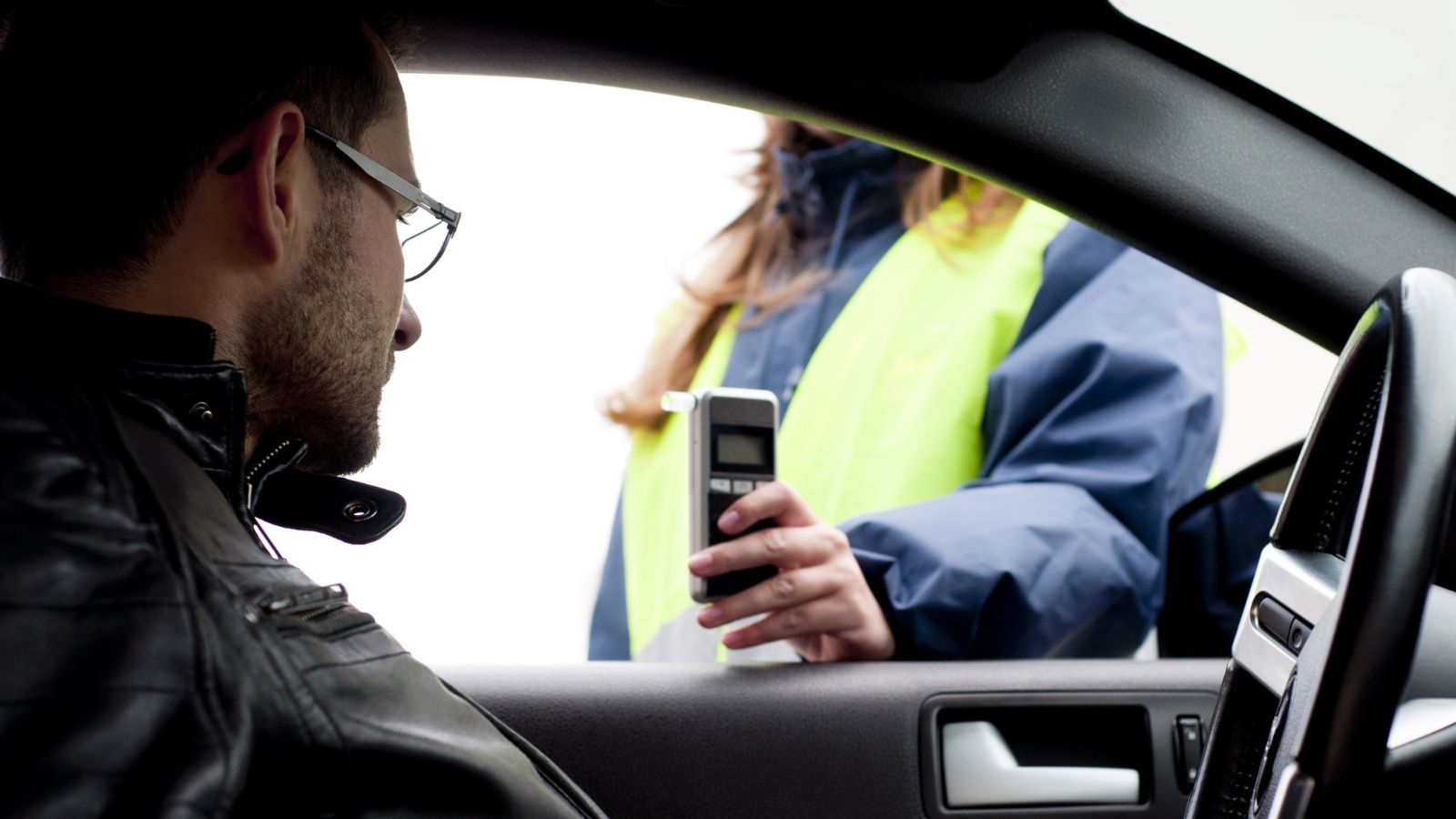
A driver does not have to appear intoxicated before being asked for an alcohol-screening sample in Canada. Under the Criminal Code’s mandatory alcohol-screening provisions, an officer with an approved screening device may demand an immediate breath sample from a motorist who has otherwise been lawfully stopped, even without first developing suspicion that the driver consumed alcohol.
Refusing is not simply the same as declining an ordinary question. Section 320.15 of the Criminal Code makes knowingly failing or refusing to comply with specified lawful alcohol or drug-testing demands an offence when there is no reasonable excuse. RCMP guidance also warns that failure to comply with mandatory roadside alcohol screening can result in criminal charges. That can make the decision to refuse far more consequential than the original reason for the stop. A person who believes a demand was unlawful can obtain legal advice about challenging it afterward; simply refusing a valid demand at roadside can itself create a new and serious legal problem.
Trying to Delay Roadside Screening for a Lawyer
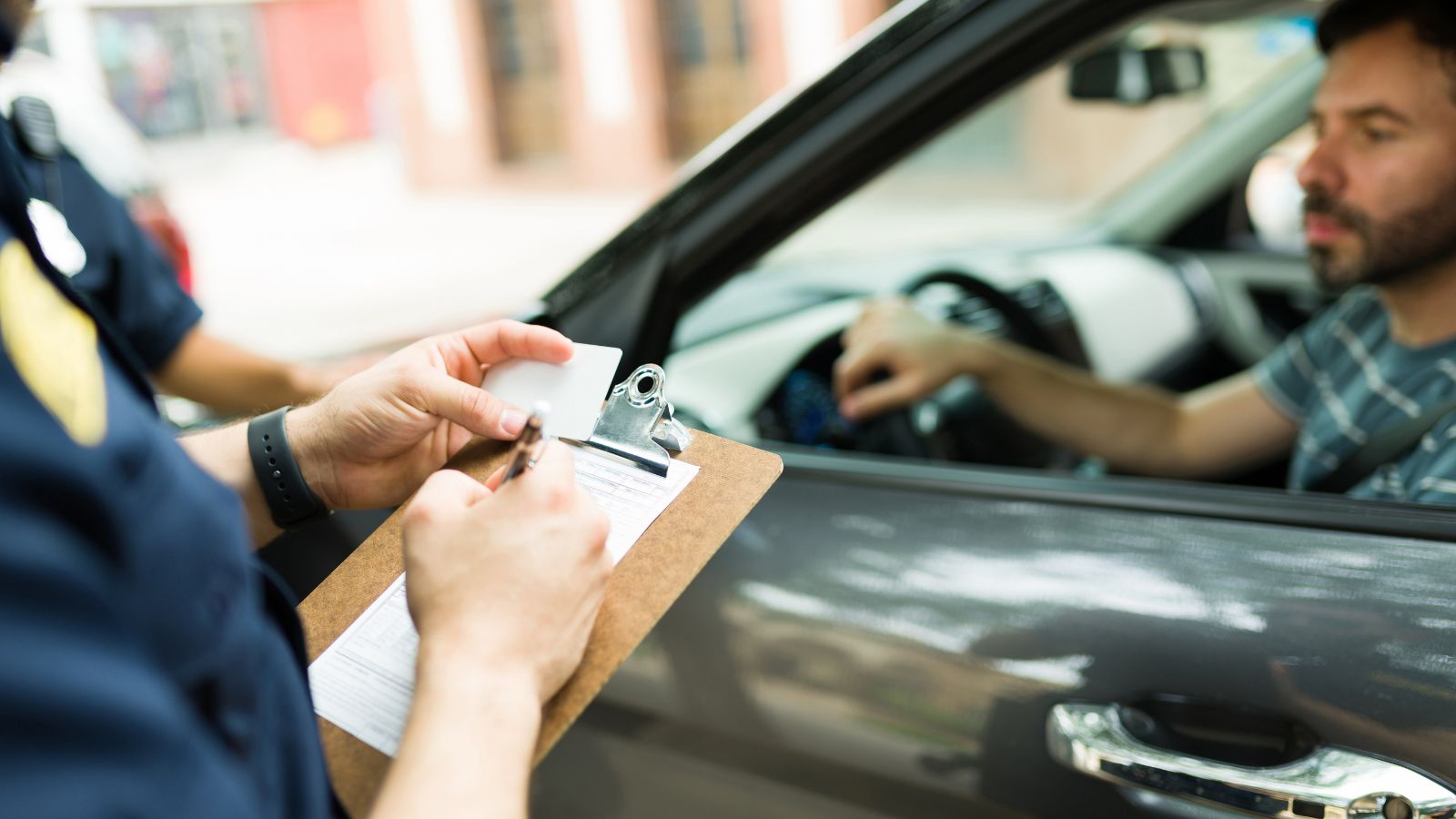
The right to legal counsel is fundamental in Canada, but roadside alcohol screening has an important timing distinction. Courts have recognized a limited delay in access to counsel during immediate roadside sobriety screening because those tests are designed to occur promptly. Federal Justice Department guidance notes that the Supreme Court has upheld this temporary limitation in impaired-driving investigations.
That changes when the investigation moves beyond preliminary roadside screening. Depending on what police are doing and whether a person has been arrested or detained for further testing, Charter rights to counsel become critically important. The mistake is assuming that every roadside screening demand can simply be postponed until a lawyer has been reached. A driver who refuses to provide an immediate sample solely on that assumption can potentially create a refusal allegation. Understanding the difference between preliminary roadside screening and later evidentiary procedures prevents someone from accidentally turning an assertion of rights into non-compliance with a demand the law requires to be carried out immediately.
Driving Away Before the Stop Is Clearly Over
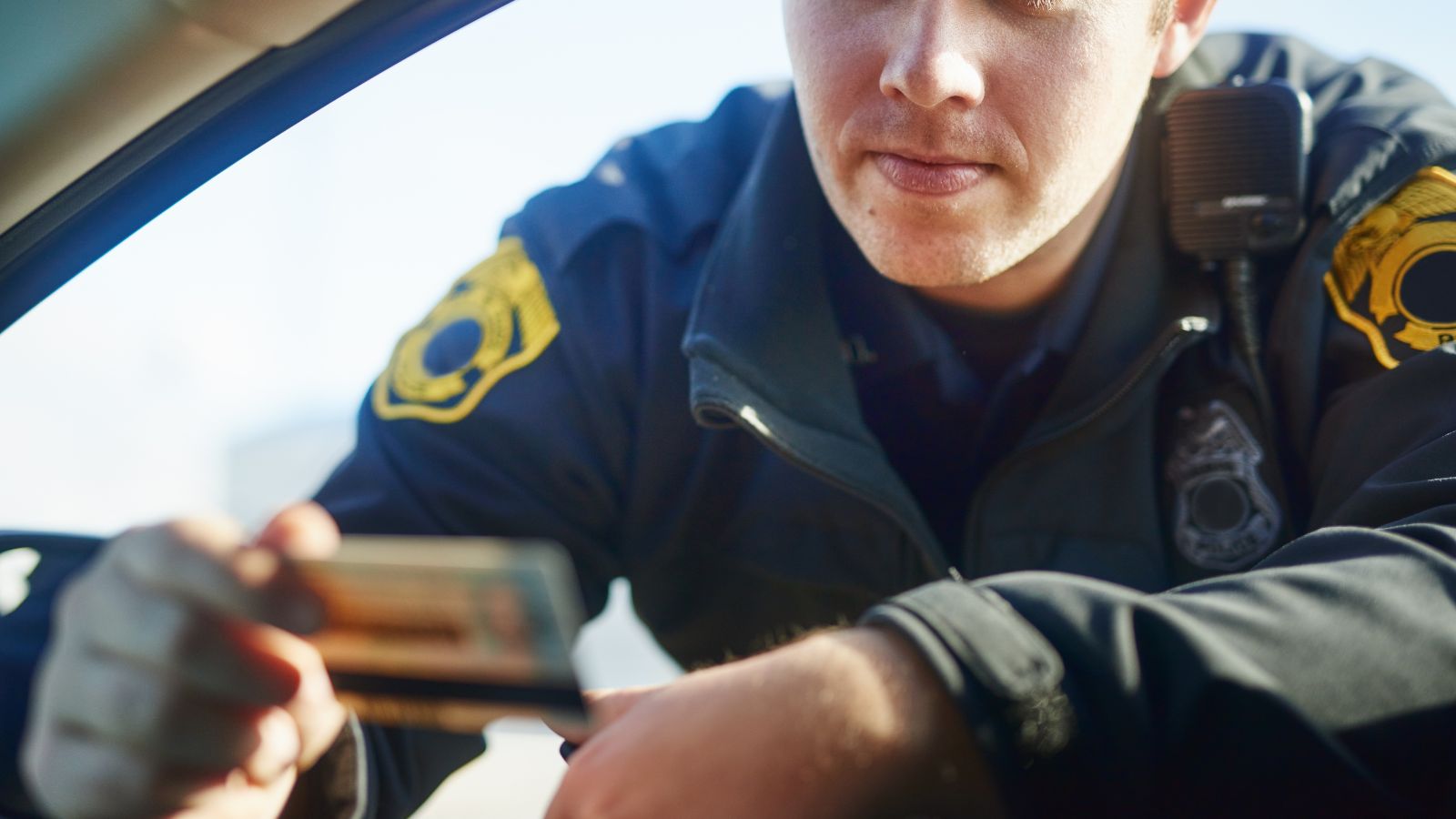
An officer returns the licence, pauses beside the cruiser and appears to be finished. The driver assumes the stop has ended and pulls into traffic. That can be a costly assumption if the officer was still giving directions, preparing paperwork or had not released the vehicle.
Traffic-stop rules differ among provinces, but some provincial legislation expressly requires a driver who has been ordered to stop to remain stopped until permitted to leave. At the federal level, the Criminal Code separately makes flight from police an offence when a motorist being pursued fails, without reasonable excuse, to stop as soon as reasonable. The safest practical approach is to make sure the stop has actually ended before moving. Often that is obvious because the officer says the driver is free to go or clearly concludes the interaction. If it is uncertain, asking whether the vehicle may leave is far less complicated than discovering a few seconds later that the police cruiser is again behind the car with its emergency lights activated.
Making Threats

Frustration is not uncommon during enforcement encounters, particularly when a driver believes a stop is unfair. There is nevertheless a major legal difference between being angry and knowingly threatening violence. Canada’s Criminal Code makes knowingly conveying a threat to cause death or bodily harm an offence.
That means an impulsive statement can create a criminal investigation completely separate from the original traffic matter. A driver stopped over a minor violation could suddenly be dealing with allegations that carry far more serious consequences than the ticket that sparked the argument. Threats can also alter how officers assess the immediate safety of everyone present. Strong disagreement does not require intimidation. A motorist can ask questions, request identifying information where appropriate, dispute a charge through legal channels and later make a complaint without threatening anyone. Once statements cross into threats of bodily harm, the interaction is no longer merely an unpleasant discussion about driving. It can become an entirely different kind of police encounter.
Physically Resisting
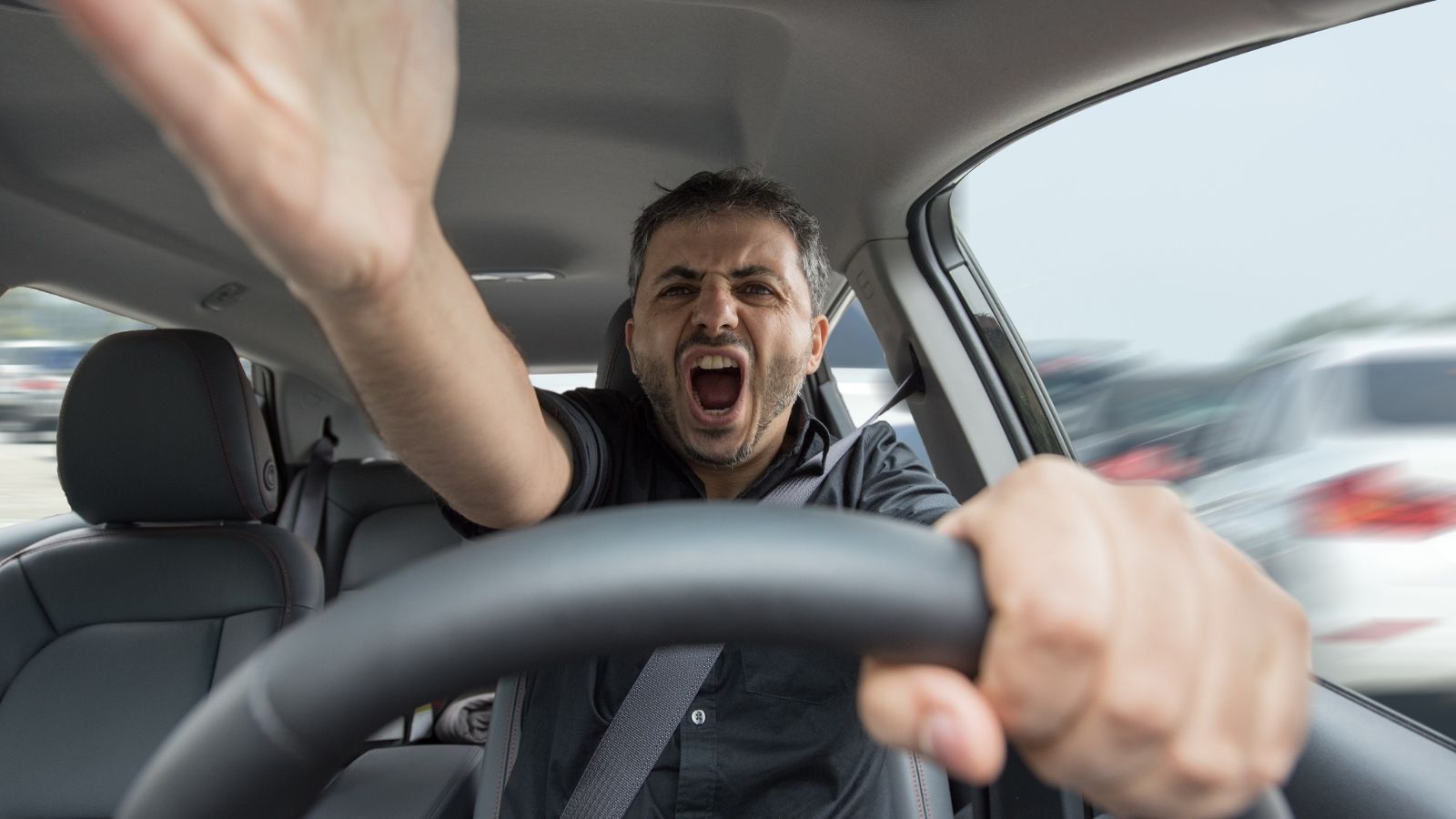
Physical resistance can change a traffic stop faster than almost anything else. Pulling an arm away during a lawful arrest, pushing an officer or attempting to prevent police from carrying out a lawful detention can turn an initial traffic matter into a confrontation involving additional criminal allegations.
Section 270 of the Criminal Code specifically deals with assaulting a peace officer and includes assault committed with the intent to resist or prevent a lawful arrest or detention. More serious provisions apply where weapons or bodily harm are involved. The legality of police actions can still be challenged later; physical resistance is not the mechanism for resolving that dispute. For a driver who believes an arrest is unjustified, the more effective route is generally to state objections without violence, invoke the right to counsel when applicable and let the legal process examine what happened. A minor roadside dispute that ends with a ticket is dramatically different from an encounter that produces an allegation of assaulting an officer.
Willfully Obstructing the Officer’s Duties
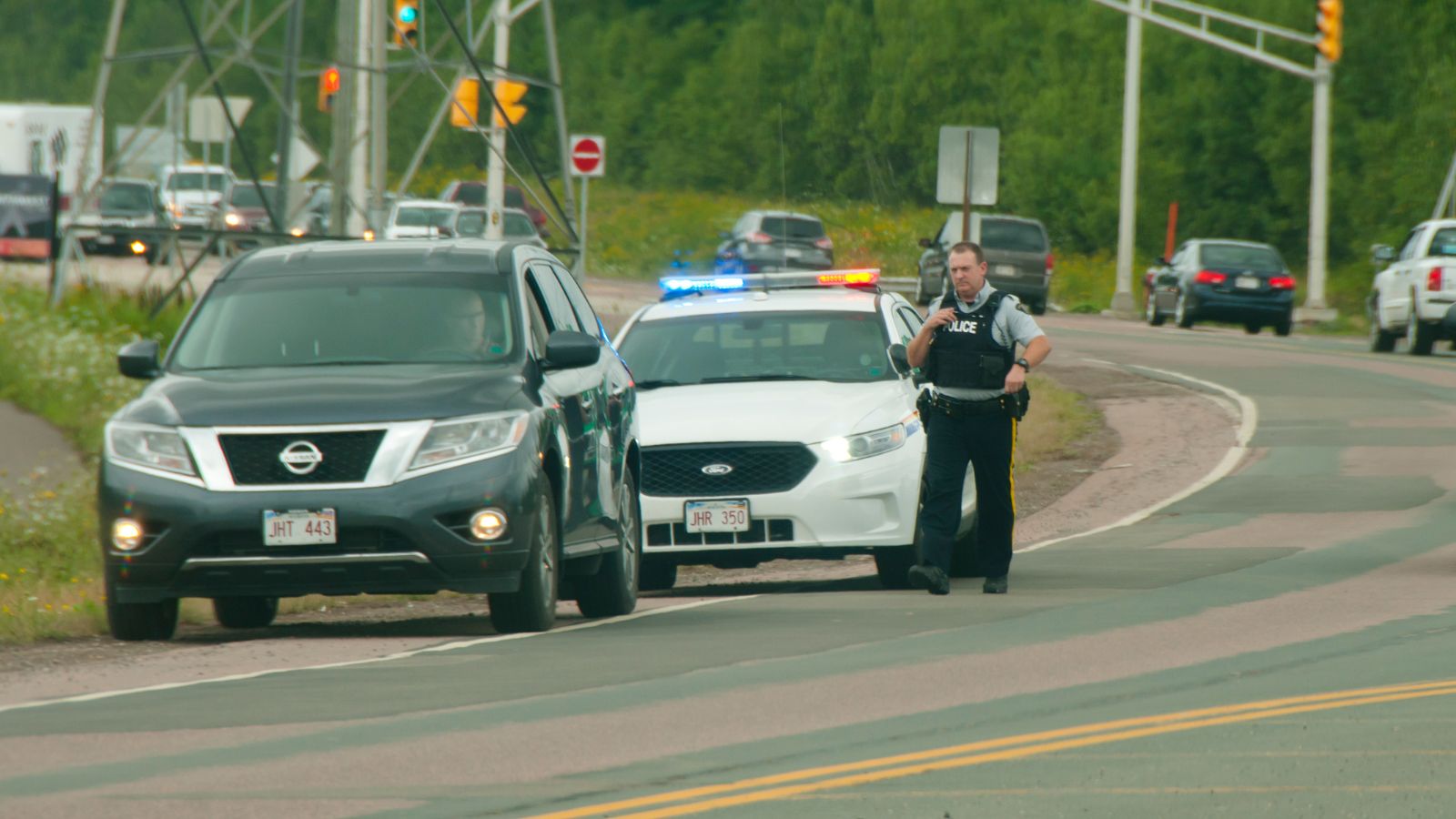
Obstruction can involve more than physically resisting an arrest. Canada’s Criminal Code also prohibits wilfully obstructing a peace officer who is lawfully carrying out duties. The word “wilfully” matters: accidental confusion and intentional interference are not necessarily the same thing.
A traffic stop can therefore become significantly more serious when someone intentionally prevents an officer from performing a lawful task. That might include deliberate conduct designed to frustrate identification or another authorized part of an investigation. It is also why asking a calm question is different from simply deciding that no instructions will be followed. Police powers are not unlimited, and motorists do not lose Charter protections simply because emergency lights appear behind them. But where a driver disputes what an officer is doing, the safer legal distinction is between asserting rights and actively interfering with lawful duties. Crossing that line can add an obstruction investigation to whatever comparatively minor driving issue brought the vehicle to the roadside in the first place.
Talking Far More Than the Situation Requires

Nervous people often fill silence. A driver may start explaining where they came from, how fast they thought they were travelling, what they drank with dinner or why they were looking at a phone. Sometimes those details are meant to be helpful. They can also provide information the officer did not previously possess.
Canadian law recognizes important protections against self-incrimination and a pre-trial right to silence, although driving laws impose specific duties such as producing documents and complying with certain lawful demands. Ontario legal guidance, for example, explains that motorists generally do not have to answer investigative questions merely because police have stopped them, while required driving documents are a separate obligation. The practical lesson is not to become hostile or refuse legal requirements. It is to recognize the difference between required cooperation and voluntarily narrating the incident. A calm driver can provide what the law requires without trying to talk their way out of the stop through increasingly detailed admissions.
Consenting to a Vehicle Search Without Understanding the Request
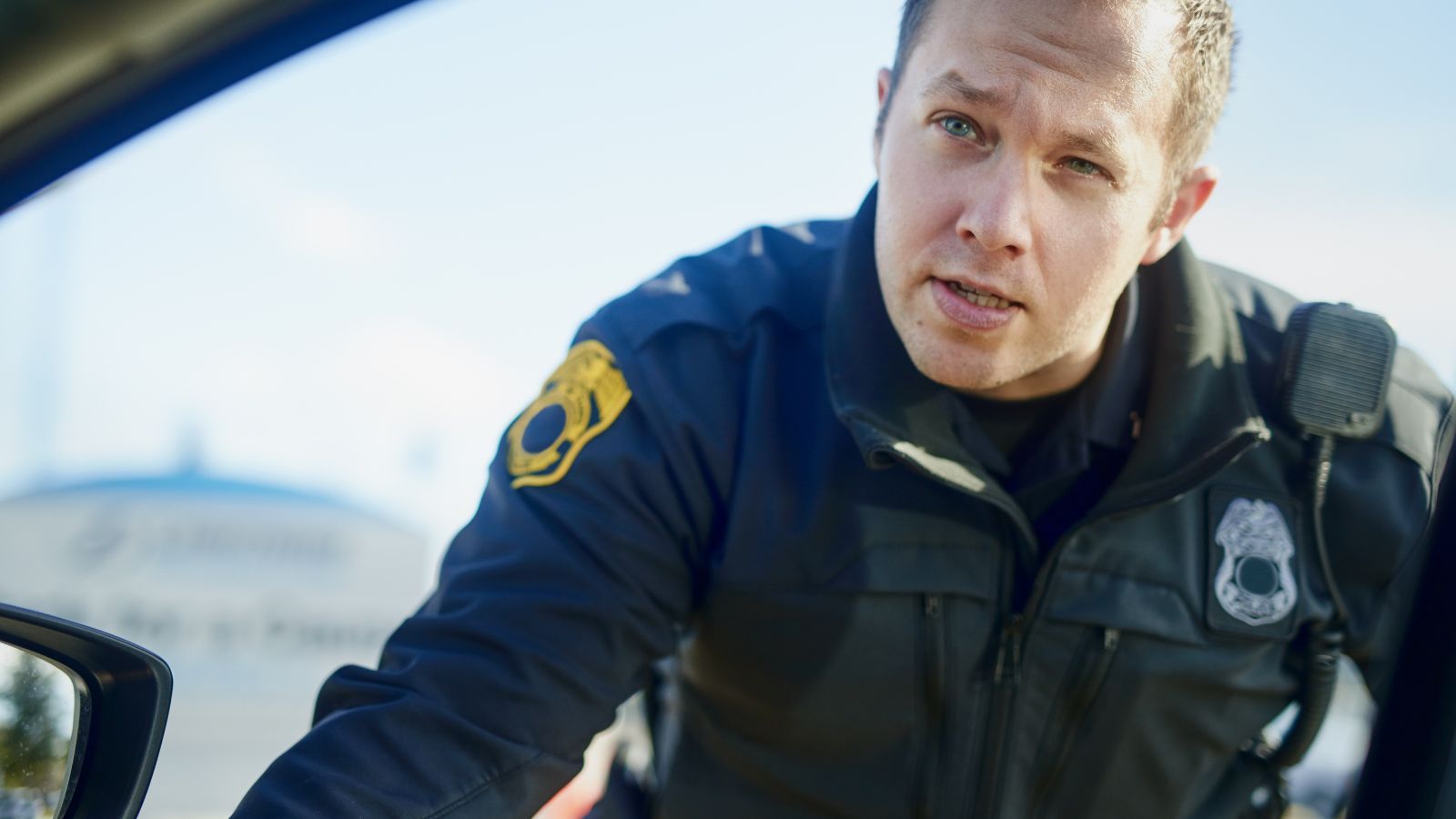
A request to search a vehicle should not automatically be treated as identical to a lawful command. The Canadian Charter protects people against unreasonable search and seizure, while police can nevertheless search in particular circumstances when legal grounds exist. Consent can also matter.
Ontario’s Steps to Justice guidance explains that when police merely ask for permission to search a car, the driver does not automatically have to agree. It advises speaking to a lawyer before voluntarily consenting where possible. That does not mean drivers should physically interfere with a lawful search or assume that saying “no” prevents police from searching when they already possess independent legal authority. The important distinction is understanding whether permission is being requested or whether police say they are exercising an existing power. Agreeing reflexively can expand an encounter into areas that had nothing to do with the original traffic violation. Asking calmly whether consent is required can clarify what kind of situation the driver is actually facing.
Driving While Suspended, Prohibited, or Uninsured
Sometimes the biggest problem at a traffic stop existed before the emergency lights came on. Licence and insurance checks can reveal suspensions, prohibitions or coverage problems that dramatically change what happens next. Police have longstanding authority under provincial road-safety regimes to verify licensing and insurance during traffic enforcement.
Ontario provides a clear example of how serious that discovery can become. The province says a vehicle being driven by someone with a suspended licence can be immediately towed and impounded under applicable rules. Driving without required automobile insurance is considerably more serious than simply forgetting to carry the insurance card: Ontario legislation provides first-conviction fines ranging from $5,000 to $25,000 for owners or lessees who operate or permit operation without the required insurance, with higher ranges for subsequent convictions. Consequences vary across Canada, but the underlying lesson is consistent: a stop that begins with a minor traffic issue can expose an entirely separate licensing or insurance problem within minutes.
19 Used Cars Canadians Should Avoid in 2026 (Based on Owner Complaints)

Buying a used car in Canada can feel safe until repair bills start stacking up. Owner complaints tell a different story than glossy listings. Transmission failures, electrical problems, and weak winter reliability show up again and again in consumer reports. Many of these issues appear after warranties expire, when owners least expect them. Some vehicles look affordable upfront, but become expensive to keep on the road. Others struggle in cold weather, urban driving, or long highway commutes. Here are 19 used cars Canadians should avoid in 2026 (based on owner complaints).
19 Used Cars Canadians Should Avoid in 2026 (Based on Owner Complaints)

Alanna Rosen is an experienced content writer that focuses on many EV and educational content. Her articles are regularly published on Get CyberTrucked and syndicated on large publications.