
Fall can be deceptive for vehicle owners. A battery may still crank, tires may still look serviceable, and a faint brake noise can seem easy to postpone when roads are dry and temperatures remain comfortable. Winter has a way of exposing those small weaknesses quickly.
The bigger maintenance mistake is waiting for freezing temperatures, snow and road salt before dealing with problems that were already visible in autumn. Cold weather increases starting demands, lowers tire pressure and places neglected components in less forgiving conditions. These 12 trouble spots show how seemingly minor fall maintenance delays can contribute to winter breakdowns, roadside emergencies or vehicles that become unsafe to continue driving.
Do Not Wait for the First No-Start
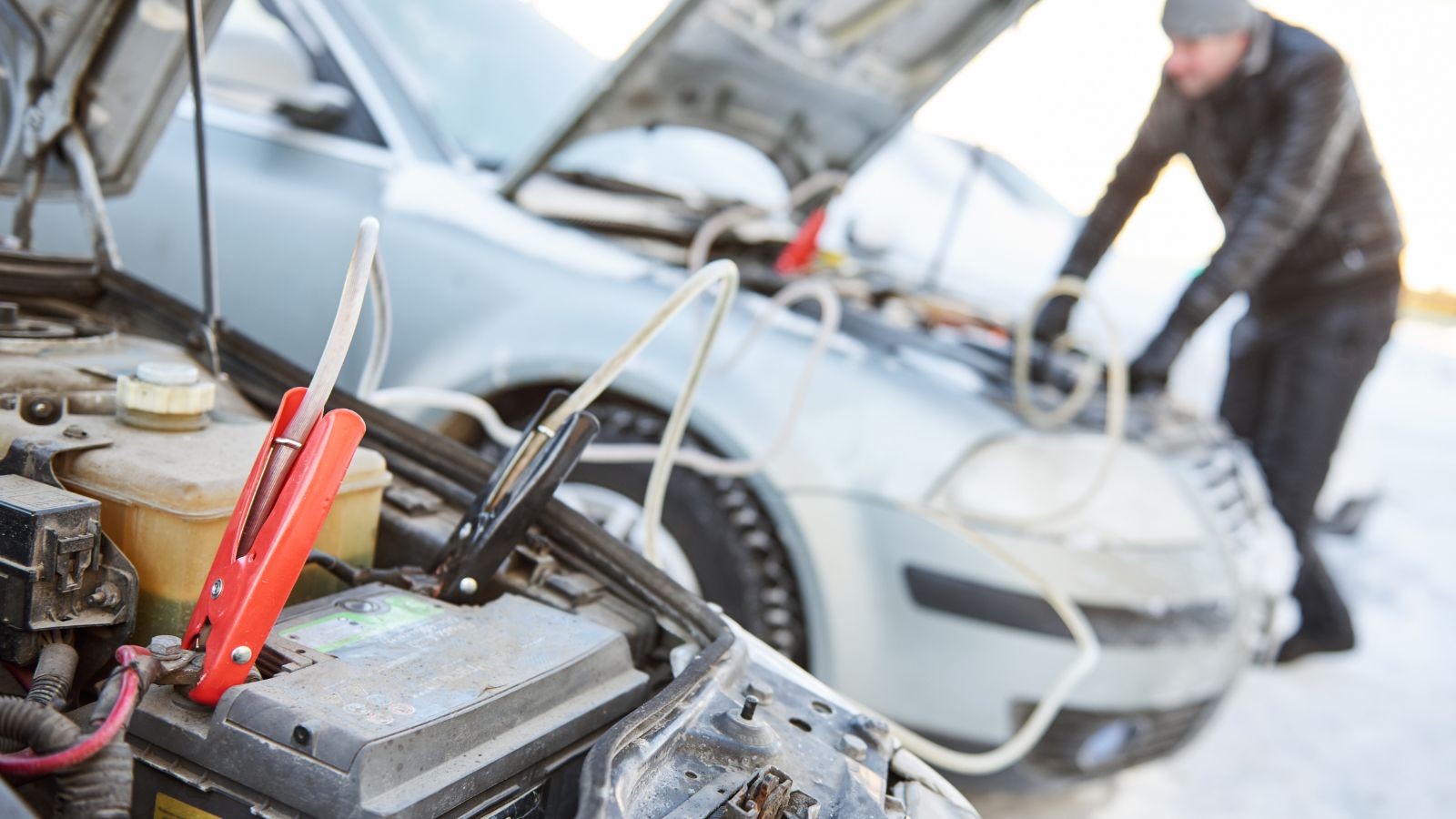
A battery that seems “a little tired” in October can become the winter no-start once temperatures plunge. Cold slows the chemical reactions inside a lead-acid battery while the engine demands more energy to crank. AAA reports that a conventional car battery can lose about 35 percent of its strength at 0°C and roughly 60 percent at about -18°C. A battery with little reserve capacity in mild weather may have none when the first deep freeze arrives.
The fall mistake is assuming successful starts today prove the battery is healthy enough for January. CAA recommends paying attention to batteries roughly three to five years old and watching for slow cranking, corrosion, swelling or other deterioration. A pre-winter battery test can reveal weakness before a commuter discovers it in a dark parking lot. Replacing a failing battery proactively is far less disruptive than arranging a boost or tow during a cold snap.
Battery Terminals and the Charging System Matter Too
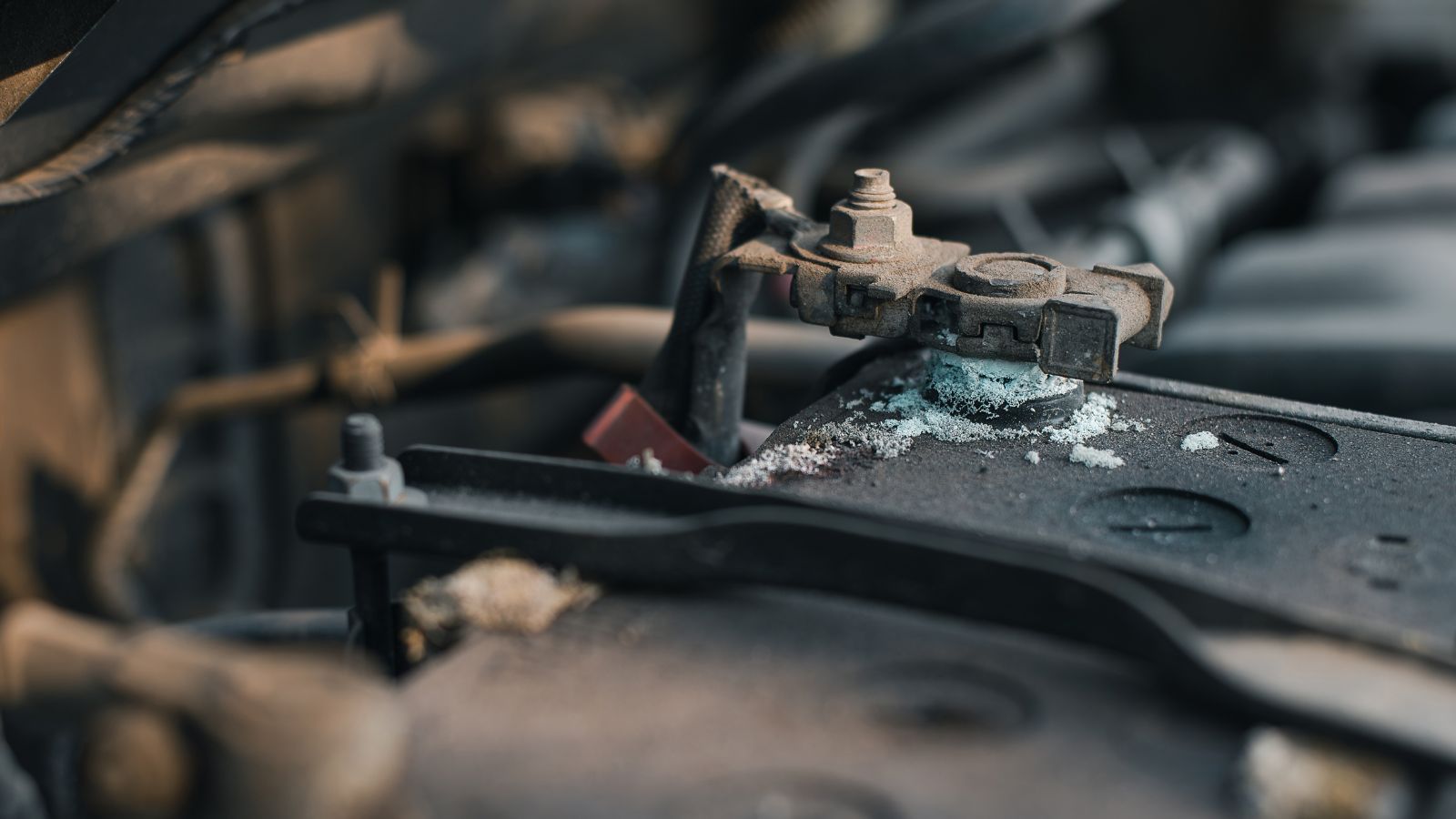
Testing the battery is only part of the electrical picture. Corroded posts, loose cable connections, a weak alternator or a worn drive belt can keep a battery from receiving the charge it needs. Transport Canada includes cleaning battery posts and checking the charging system and belts in its winter-preparation guidance. AAA advises making sure cable ends are clean and tight because corrosion can add resistance and interfere with charging.
A vehicle can pass through fall with vague symptoms—dim lights, slower cranking or an occasional battery warning—then fail when winter electrical demand rises. Rear defrosters, heated seats, blowers and headlights add load during cold commutes. A technician can test charging voltage and battery condition together instead of treating them as separate problems. The battery may get blamed for a January breakdown even when the underlying weakness began elsewhere in the charging system months earlier and became obvious once freezing weather arrived.
Coolant Strength Is Easy to Forget Until It Matters
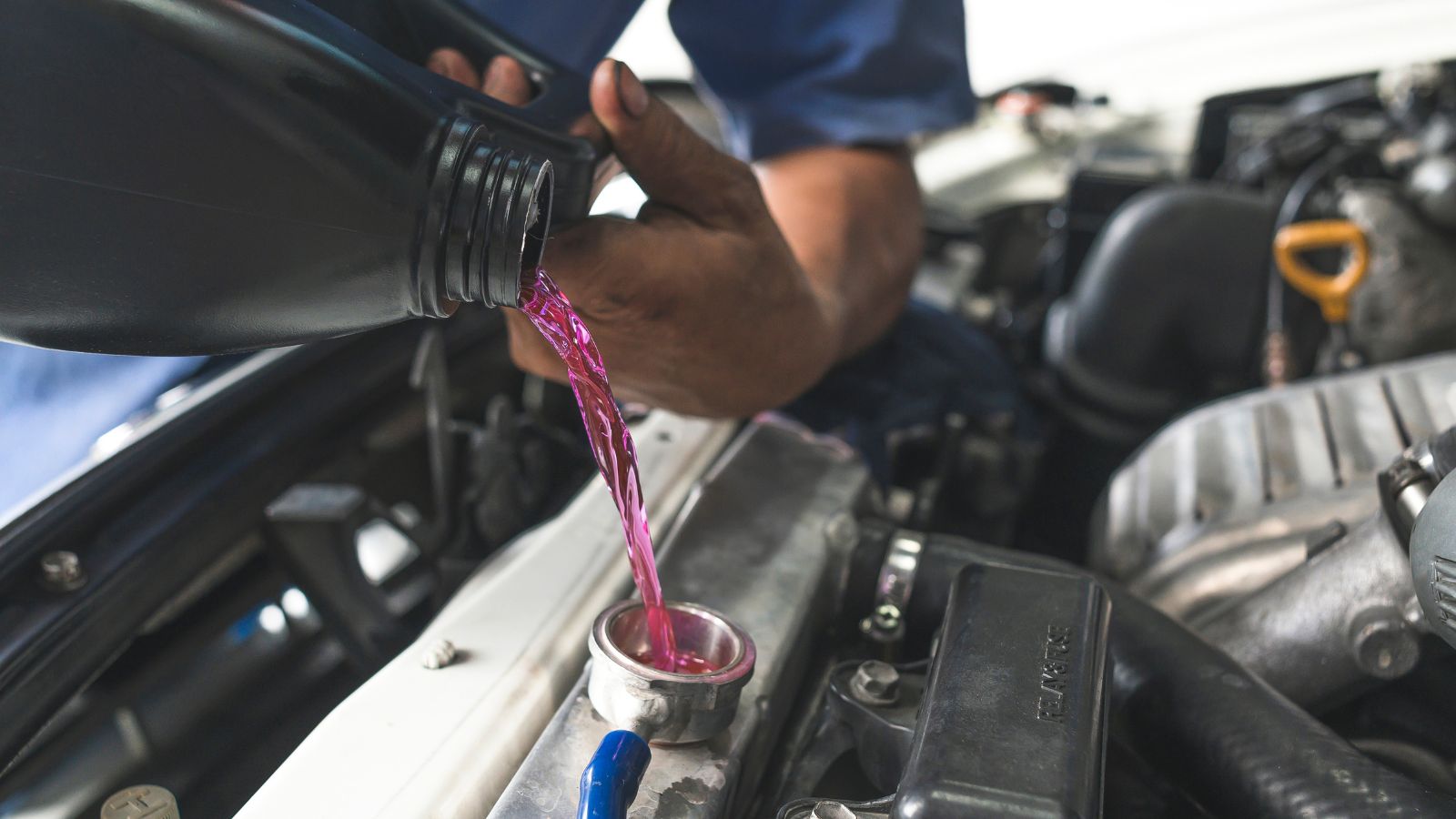
Coolant is associated with summer overheating, but fluid is critical in winter. A coolant-and-antifreeze mixture must circulate through the engine and protect the cooling system at the temperatures the vehicle will encounter. Transport Canada recommends testing coolant strength and level before winter and checking components such as the radiator cap, water pump and thermostat. CAA gives seasonal guidance.
The fall mistake is looking at a reservoir that appears full and assuming the job is done. Level alone does not show whether the mixture offers adequate freeze protection or whether aging fluid still meets the manufacturer’s specification. A leak, weak cap or failing thermostat may remain manageable in mild weather before cold exposes it. A shop can test coolant concentration and inspect for seepage around hoses and connections. That check can help prevent overheating, loss of cabin heat or a vehicle becoming immobilized far from home during a severe cold snap.
Small Belt and Hose Problems Can Become Big Roadside Problems
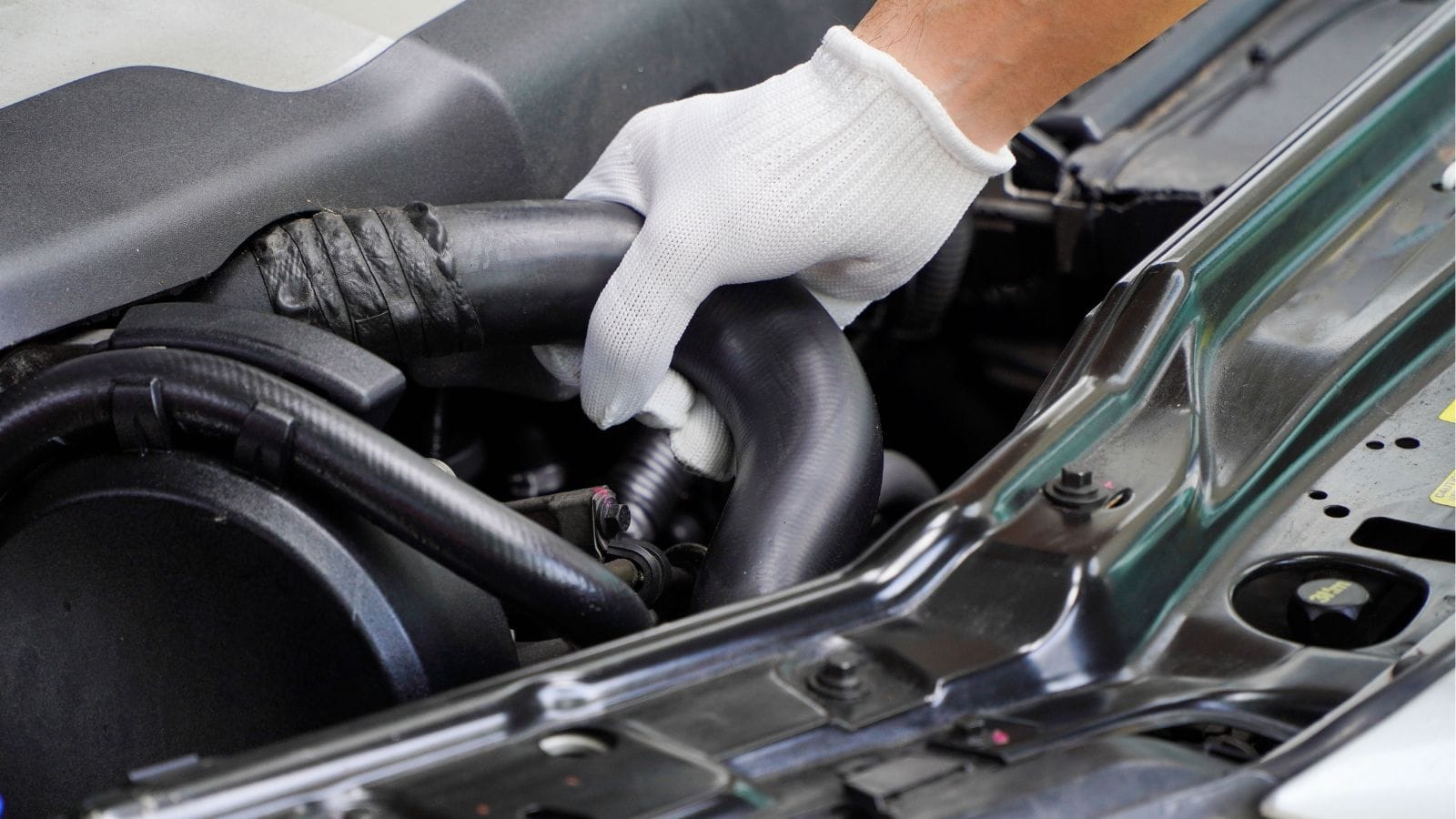
Rubber components rarely fail conveniently. A radiator hose may begin with a soft spot, leak or cracked surface, while a drive belt can show fraying or glazing that looks harmless during fall. Transport Canada recommends inspecting radiator hoses and drive belts for cracks and leaks before winter. AAA notes that worn belts or hoses can leave a vehicle stranded if they fail.
Cold weather is a poor setting for discovering that neglected weakness. A failed coolant hose can dump fluid, while a broken accessory belt may stop an alternator or water pump on vehicles where those components depend on the belt. Either scenario can turn a trip into a tow. The fall approach is to inspect belt surfaces, hose connections and clamps, while leaving components to a technician. A repair in a warm garage is easier than diagnosing steam, warning lights or a dead charging system beside a winter road.
Waiting for Snow to Install Winter Tires Is Already Late
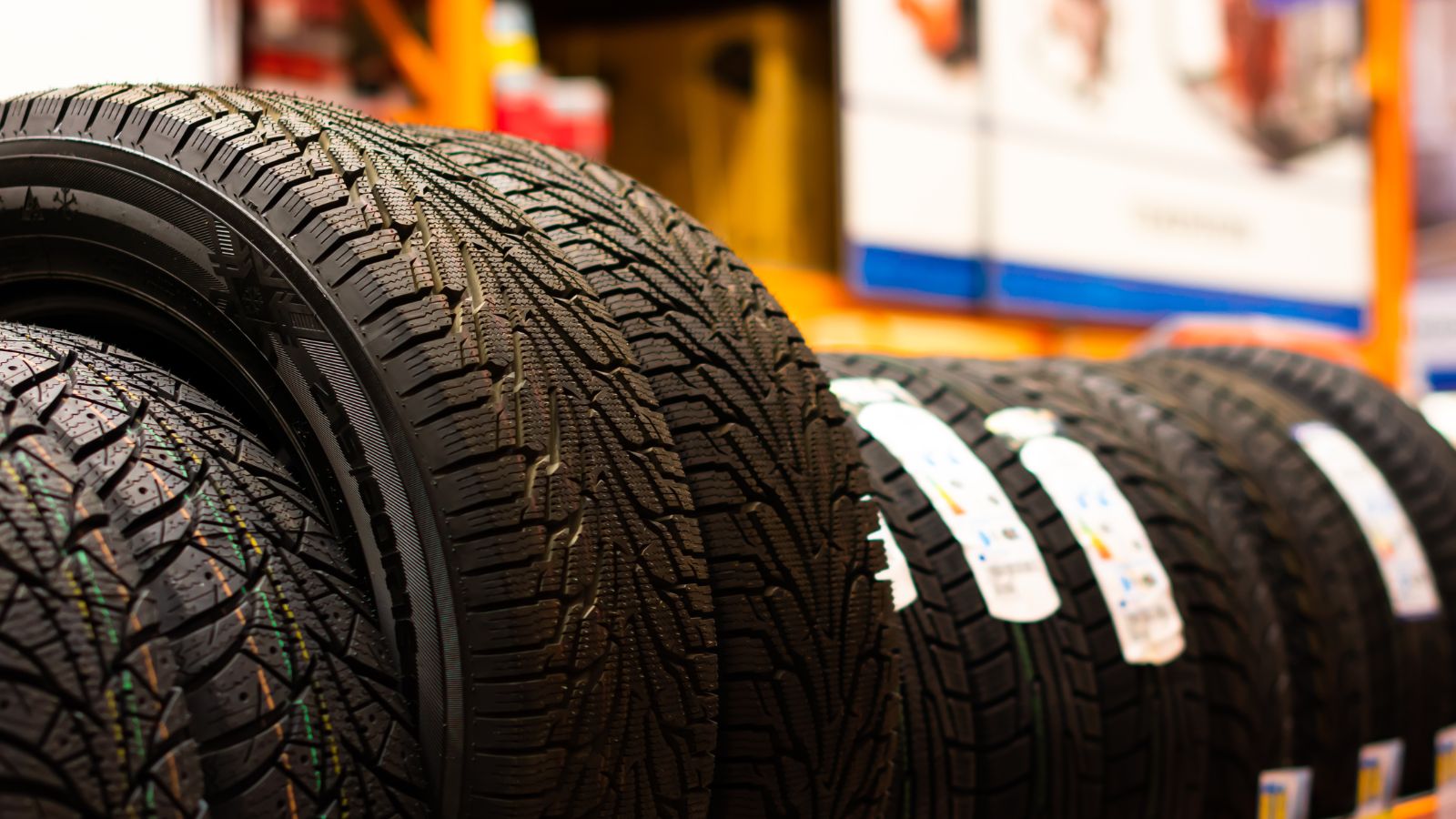
One seasonal delay is treating winter tires as snow-only equipment. Transport Canada says all-season and summer tires begin losing elasticity below 7°C, while winter tires are designed to retain flexibility and grip at lower temperatures. CAA advises drivers not to wait for snowfall before changing them. Cold, dry pavement can arrive weeks before the first storm, overnight in Canada.
That matters because the first drive of the season is often unexpected: frost on a bridge, a sudden squall during the commute or cold rain that turns slick as temperatures fall. Booking the tire change only after the first storm can mean competing with a rush of other drivers. Transport Canada recommends winter tires on all four wheels rather than mixing seasonal tire types. The fall mistake is not forgetting tires completely but scheduling them too late. Changing near the 7°C threshold gives the vehicle winter-capable rubber before conditions demand it.
Winter Tread Depth Deserves More Than a Quick Glance

A tire can look usable yet be a poor choice for winter. Transport Canada advises against using winter tires with less than 4 millimetres of tread depth and notes that traction declines as tread wears. Grooves and tread features help manage snow, slush and water; when worn, the tire has less ability to work properly even if the sidewall carries the mountain-and-snowflake symbol.
The fall mistake is reinstalling last year’s winter set without measuring it. A driver may remember that the tires “looked fine” in spring, but a season of wear can leave them marginal by the time snow arrives. A tread-depth gauge provides a clearer answer than eyesight, and the tread should be checked because uneven wear can expose alignment, balance or suspension issues. Transport Canada recommends matching tire type, size, speed rating and load index across four positions. Winter preparation should include measuring, not mounting, the stored tires.
Cold Air Quietly Steals Tire Pressure
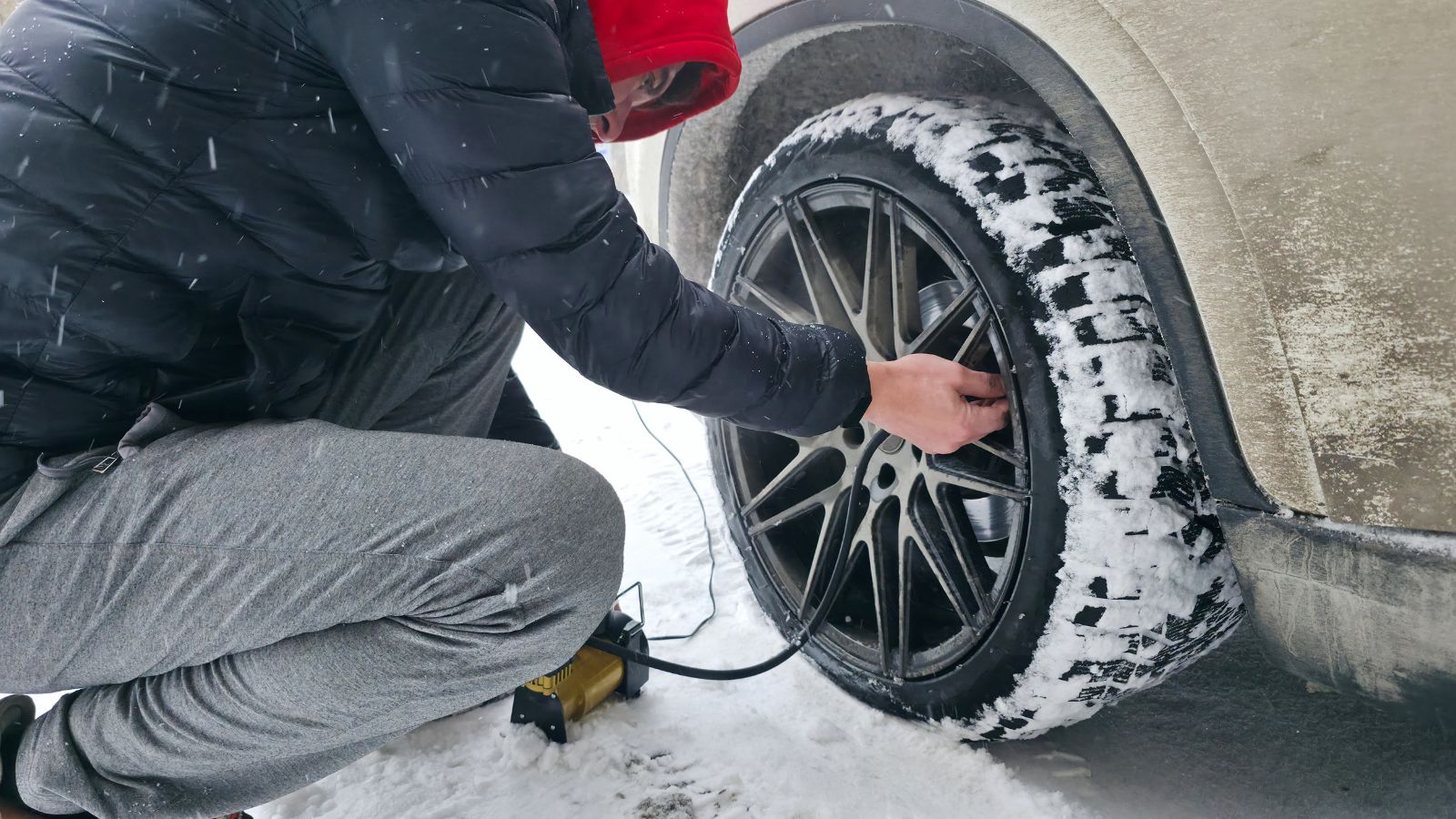
A tire that was inflated on an October afternoon may be underinflated after a temperature drop without a puncture. Transport Canada says tire pressure falls by about 1 psi for every 5°C decrease in air temperature. It recommends checking pressure monthly when the tires are cold. The spare should be checked, since an underinflated spare is little help during an emergency.
The fall mistake is trusting appearance or waiting for a dashboard warning. A tire can be low without looking soft, and pressure-monitoring systems are not a substitute for checks. Underinflation can hurt handling, accelerate wear and increase rolling resistance; in winter, those effects arrive when available traction may be limited. The target is the manufacturer’s cold-pressure specification on the door placard or in the owner’s manual, not the number molded into the tire sidewall. A pressure check after cold snaps can prevent weeks of driving below specification all winter.
An Overdue Oil Service Can Make Cold Starts Harder
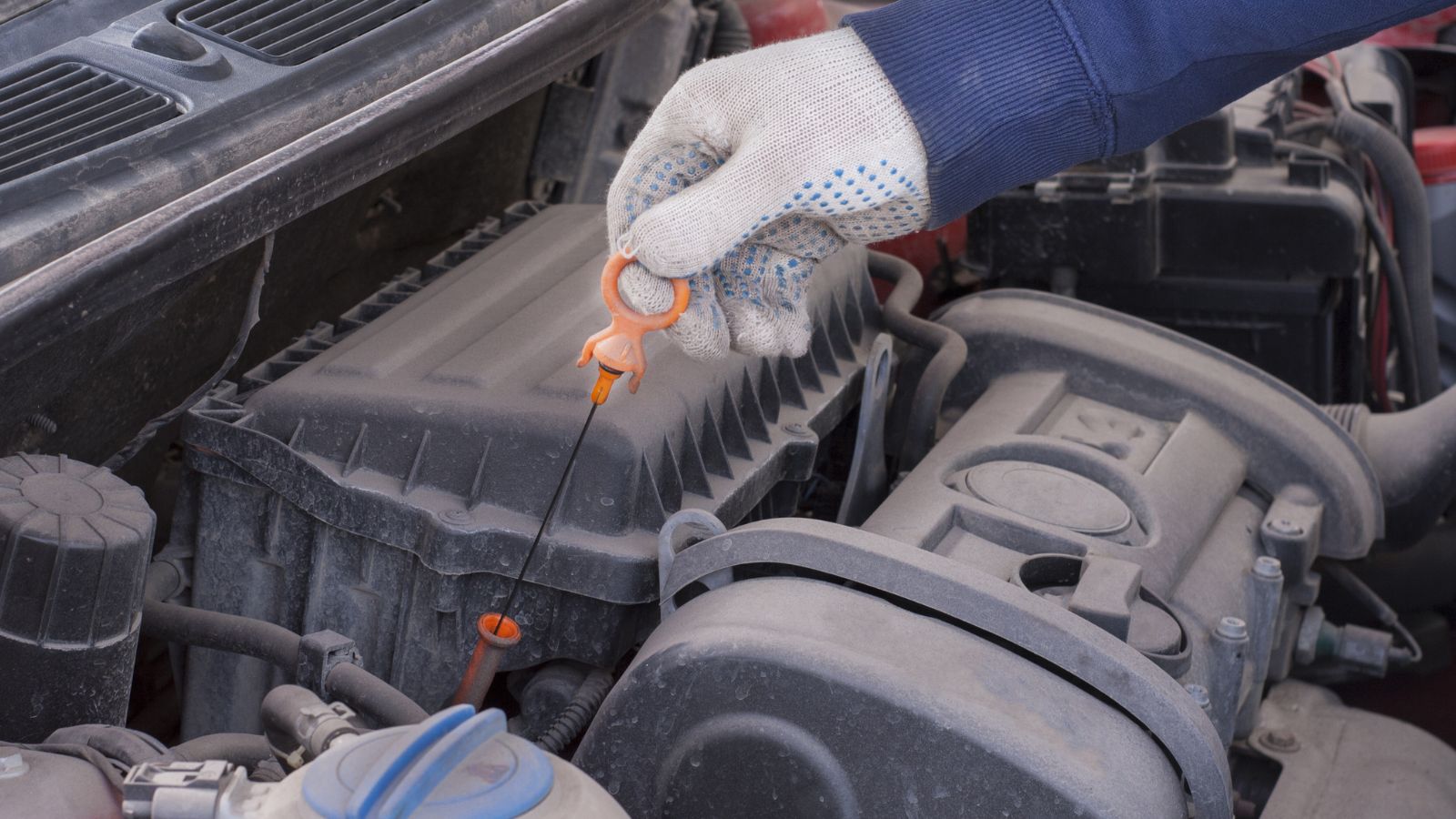
Motor oil becomes more resistant to flow as temperatures fall, which is one reason engines specify multigrade oils with a winter viscosity rating. AAA explains that the number before the “W” describes cold-temperature viscosity and that the owner’s manual should determine the correct grade for an engine. Transport Canada advises following the manufacturer-defined maintenance schedule rather than relying on a seasonal interval.
The fall mistake is assuming every vehicle needs the same “winter oil” or, at the other extreme, ignoring an oil service that is due. Engines vary in viscosity requirements, oil-life monitoring and change intervals. The approach is to check the manual, confirm the specification and complete overdue maintenance before sustained cold arrives. When service is postponed, winter changes the stakes: a sluggish cold start combines thicker fluids, higher starting demand and reduced battery output. Staying on schedule removes one avoidable source of strain during the coldest winter mornings.
Brake Noises Should Not Be Carried Into Winter

A squeal, a pull or a brake pedal that feels different can be easy to postpone when roads are dry. Transport Canada lists pulling, changes in pedal feel and unusual squealing or grinding as signs that brakes may need repair, and recommends a brake check before winter. That matters because snow and ice increase the challenge of stopping safely; the vehicle’s braking system should not enter that environment with a weakness.
The fall mistake is waiting for the noise to become severe. Brake wear can progress, so drivers adapt to changes without realizing how the pedal or stopping response has become. A pre-winter inspection can identify worn pads, damaged rotors, fluid concerns or uneven braking before a slippery road demands maximum control. Fresh brakes cannot defeat ice, but they can avoid stacking a problem on top of poor traction. Small symptoms in September deserve attention before the first icy commute.
Worn Wipers and Summer Washer Fluid Can Disable Visibility
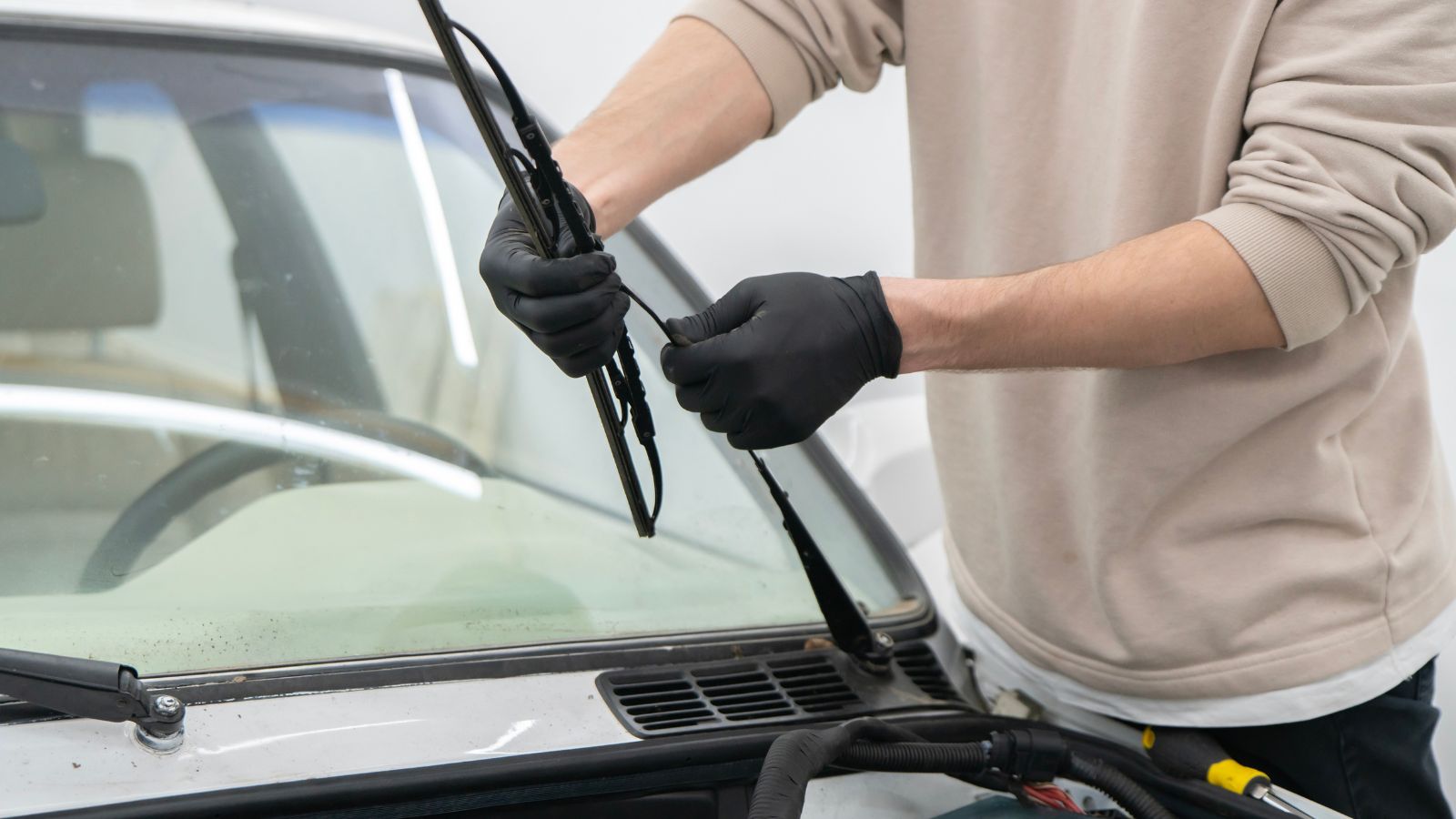
A vehicle does not need an engine failure to become unusable in winter. Streaking wiper blades, washer nozzles or fluid that is not rated for freezing temperatures can obscure a windshield in salt spray, slush and snow. Transport Canada recommends replacing blades that streak, using winter-capable wipers and filling the reservoir with washer fluid rated around -40°C. CAA advises carrying an extra jug.
The fall mistake is treating wipers and washer fluid as cosmetic maintenance. On an autumn day, a worn blade may leave a smear; in January, the same blade may struggle against frozen contamination while road salt repeatedly coats the glass. CAA notes that wiper blades are consumable items and may need regular replacement. Before temperatures drop, the washer system should be tested, the reservoir should contain winter-rated fluid, and deteriorated blades should be replaced. Visibility problems can end a trip just as decisively as a mechanical breakdown.
Rough Starts and Misfires Are Winter Warnings, Not Quirks
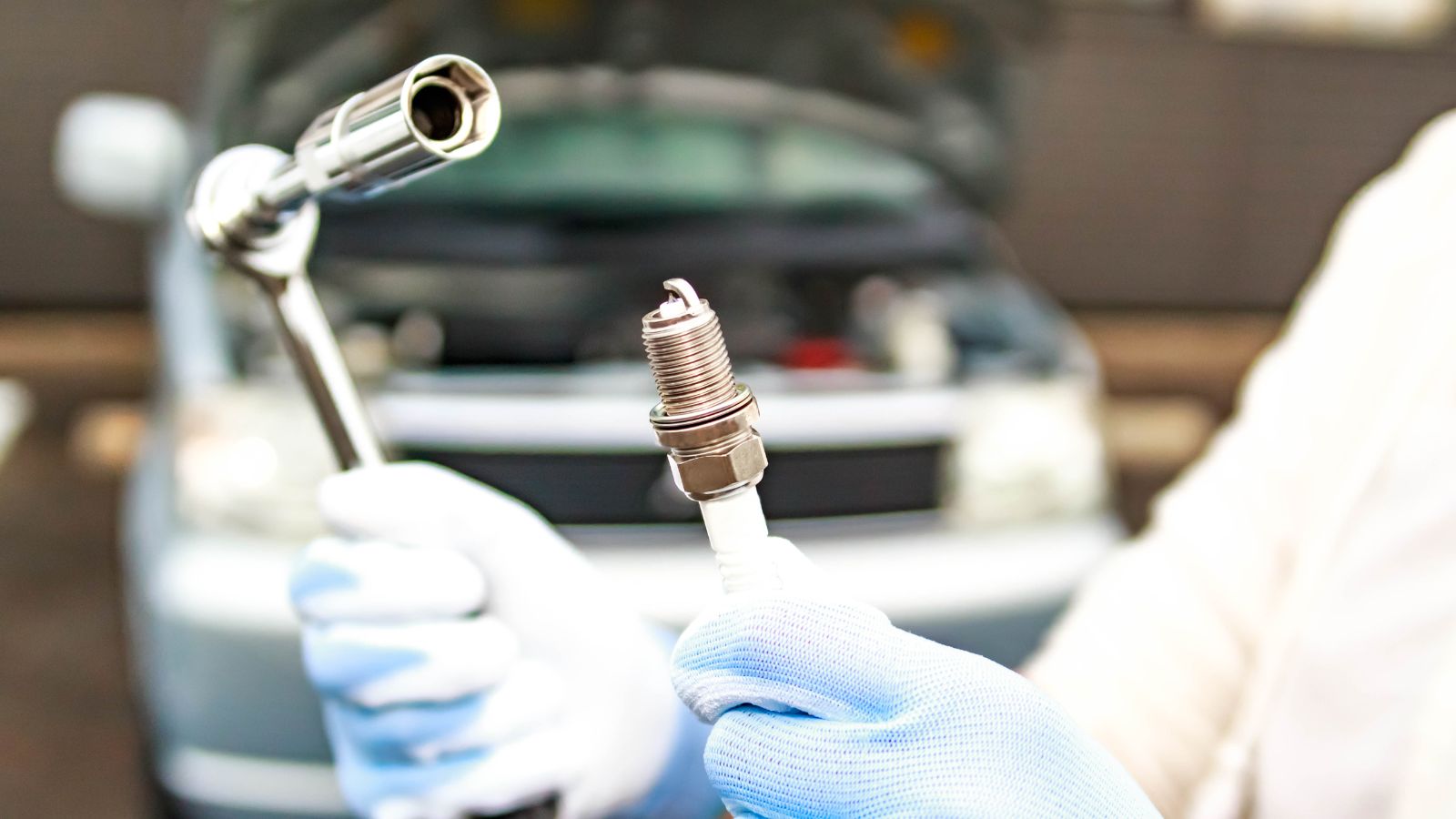
An engine that cranks too long, idles roughly or stumbles under acceleration may get through a fall commute, but cold weather can make ignition problems harder to ignore. CAA warns that faulty ignition components, including worn spark plugs and damaged wiring on vehicles, can make starting difficult and contribute to a breakdown. AAA notes that worn spark plugs may cause misfires and a check-engine warning.
The fall mistake is normalizing those symptoms because the vehicle eventually starts. Spark-plug replacement intervals vary by engine and plug type, so there is no one-size-fits-all mileage rule; the owner’s manual is the reference. The priority is responding promptly to symptoms and overdue service before winter. A flashing check-engine light is serious because it can indicate a misfire. Diagnosing the problem gives a technician time to find the cause. Waiting until a freezing morning can turn a drivability complaint into a no-start or roadside failure.
Skipping the Full Fall Check Is the Mistake Behind the Mistakes

Winter breakdowns often begin as small fall omissions rather than one defect. Transport Canada advises keeping vehicles on the manufacturer’s maintenance schedule and says a facility can perform a winter inspection covering the battery, brakes, cooling system, belts, tires, wipers, lights and exhaust. The approach matters because systems interact: faulty charging stresses the battery, low tire pressure affects handling, and a coolant leak can compromise temperature control and cabin heat.
A fall inspection creates time to prepare for failures maintenance cannot eliminate. Transport Canada recommends carrying winter supplies: booster cables, a shovel, traction aids, warning devices, clothing, food, water and washer fluid. Well-maintained vehicles handle cold weather, but postponement removes the opportunity to catch problems before winter arrives. The maintenance mistake that becomes a winter breakdown is often waiting until winter to discover what fall was trying to reveal, when repairs are less convenient and roadside consequences can be harsher.
19 Used Cars Canadians Should Avoid in 2026 (Based on Owner Complaints)

Buying a used car in Canada can feel safe until repair bills start stacking up. Owner complaints tell a different story than glossy listings. Transmission failures, electrical problems, and weak winter reliability show up again and again in consumer reports. Many of these issues appear after warranties expire, when owners least expect them. Some vehicles look affordable upfront, but become expensive to keep on the road. Others struggle in cold weather, urban driving, or long highway commutes. Here are 19 used cars Canadians should avoid in 2026 (based on owner complaints).
19 Used Cars Canadians Should Avoid in 2026 (Based on Owner Complaints)

Alanna Rosen is an experienced content writer that focuses on many EV and educational content. Her articles are regularly published on Get CyberTrucked and syndicated on large publications.