
Modern vehicles can make an ordinary commute feel surprisingly luxurious. Air suspension smooths rough pavement, massaging seats take the edge off long drives, cameras create a bird’s-eye parking view, and powered doors or liftgates remove small daily inconveniences. The trade-off is complexity. Motors, pumps, sensors, specialized glass, wiring, software modules and calibration procedures can turn a once-simple component into a complicated repair. That does not make these technologies inherently unreliable, but it does change what happens when something goes wrong. These 22 car features show how convenience and sophistication can sometimes bring repair headaches that traditional mechanical alternatives simply did not have.
Air Suspension
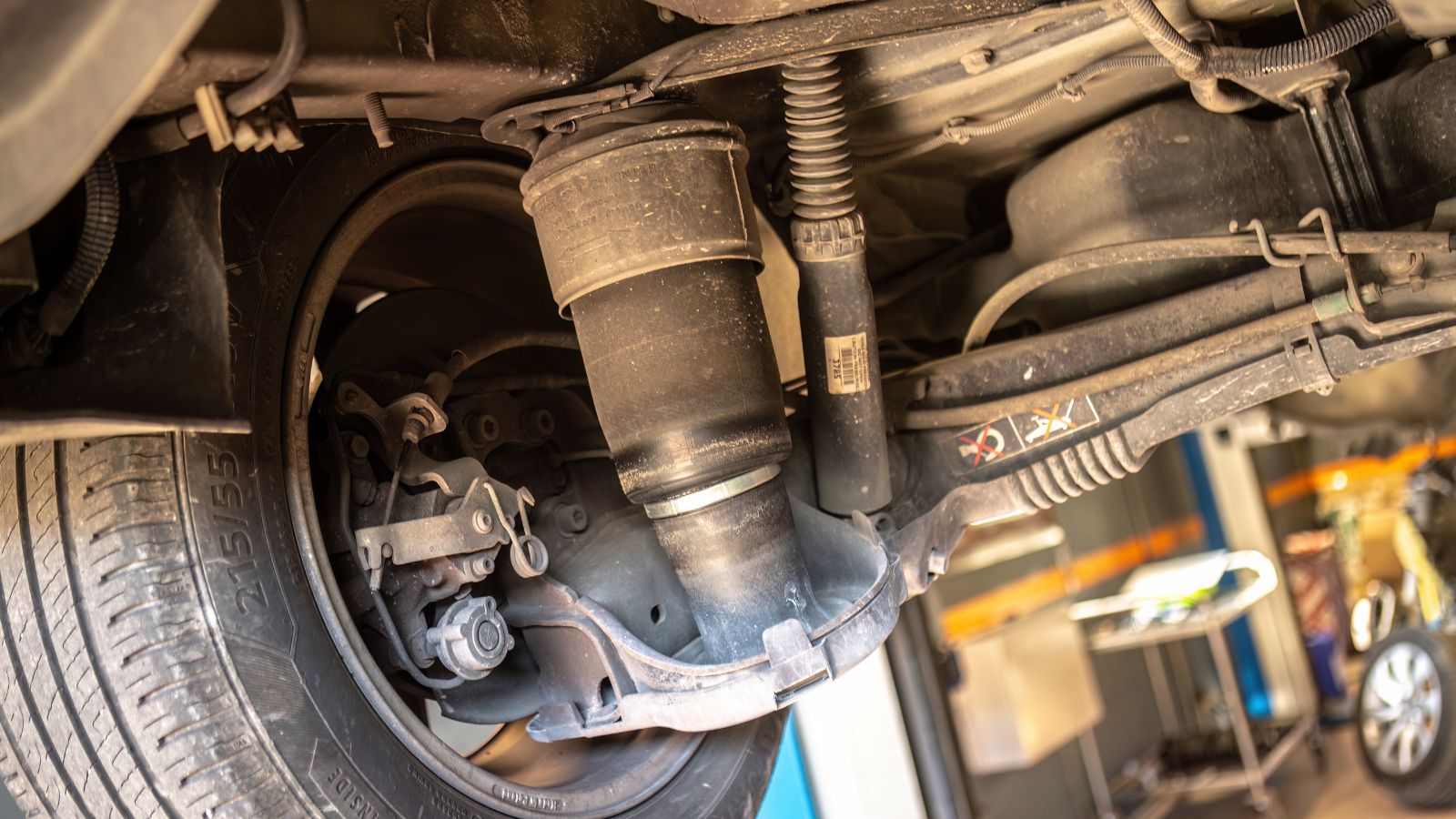
Air suspension can transform the character of a large sedan or SUV. Instead of relying only on conventional coil springs, these systems use air springs, compressors, valves, reservoirs, lines and electronic controls to adjust ride height and comfort. When everything works properly, the vehicle can feel exceptionally composed, sometimes automatically lowering itself at speed or raising itself for extra ground clearance. The problem is that every added pneumatic component creates another possible leak or failure point.
A Bentley technical bulletin illustrates the diagnostic challenge. Its air-suspension troubleshooting procedure directs technicians to inspect not just the air springs but also the compressor, pipes, valve unit and air reservoir when a vehicle appears to sag. A leaking component can leave one corner sitting noticeably lower after the vehicle has been parked overnight. That is very different from diagnosing a conventional steel spring. Instead of one durable mechanical component, a shop may have to trace an entire pressurized system before determining what actually needs replacement.
Panoramic Sunroofs

A panoramic glass roof can make even a dark cabin feel larger and more expensive. The engineering underneath it, however, involves considerably more than a sheet of glass. Large roof openings typically need seals, tracks, drain channels, hoses, moving mechanisms and carefully positioned glass panels. Problems may appear as rattles, wind noise or water entering the headliner, and finding the actual source is not always straightforward.
BMW has documented several potential causes of sunroof water intrusion, including incorrectly adjusted glass, damaged seals, misplaced drip-tray components and clogged, kinked or incorrectly installed drains. Glass itself can create another problem. Volkswagen recalled certain 2013-2015 Beetles with panoramic roofs because manufacturing tolerances could place extra stress on the panel, making it vulnerable to breakage after a jolt such as hitting a pothole. A simple solid steel roof does not need drainage diagnostics or glass-panel alignment. That contrast becomes particularly noticeable once the panoramic roof is outside warranty.
Power-Retractable Running Boards
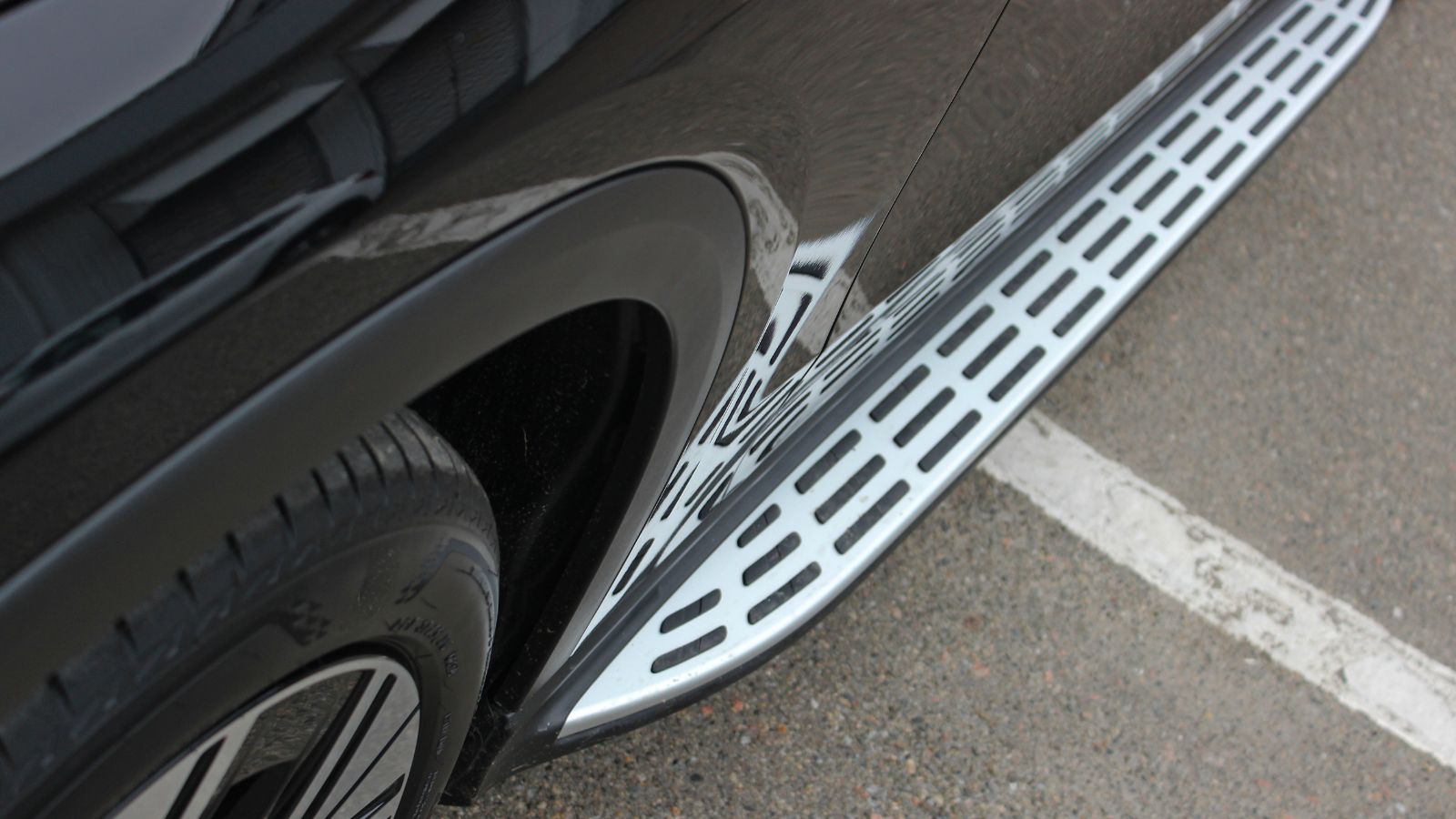
Power running boards create an impressive little ceremony every time a tall SUV or truck is unlocked. The boards swing into position for passengers and disappear underneath the body once the doors close, leaving a cleaner look and sometimes helping aerodynamics. Achieving that effect means adding motors, hinges, wiring, control logic and sensors in one of the least forgiving locations on a vehicle: underneath it, where road grime, water and winter contamination accumulate.
The problems are not always purely mechanical. Ford issued a technical service bulletin involving the 2022 Lincoln Navigator in which the power-running-board setting could fail to remain stored after an ignition cycle. The solution involved software for the vehicle’s accessory protocol interface module. That example highlights how a component that looks like a simple powered step can depend on the vehicle’s broader electronics architecture. Traditional fixed running boards may look less sophisticated, but they generally do not require software updates, electronic diagnosis or module programming simply to remain in the position an owner selected.
Massaging Seats
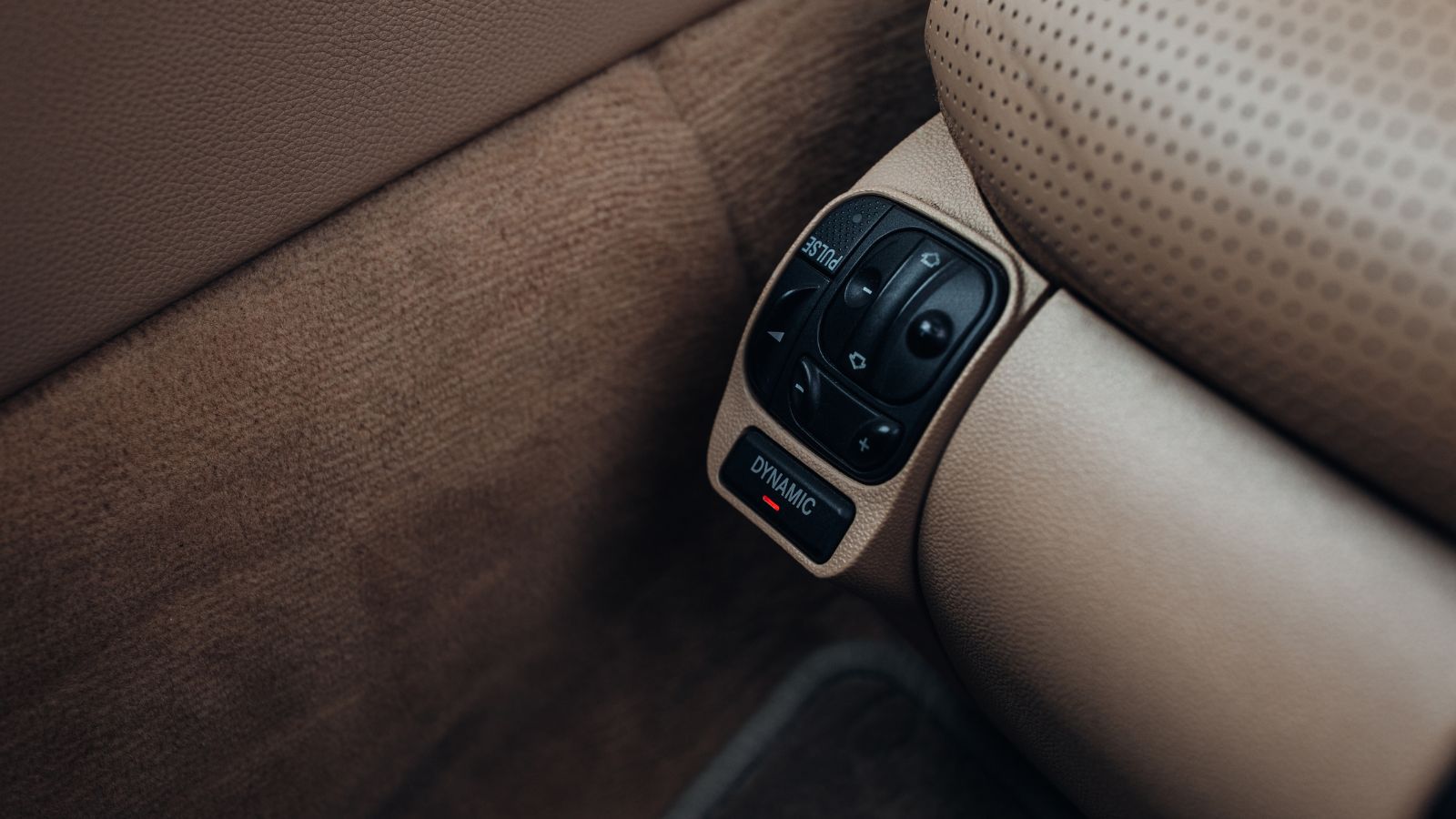
Massaging seats sound almost absurdly luxurious until a long highway trip makes their appeal obvious. Depending on the design, the seat may use inflatable chambers, pneumatic pumps, control modules, motors and elaborate wiring to create moving pressure points across the back and cushion. Many systems combine the massage hardware with power lumbar adjustment and seat-memory functions, meaning one seat can contain a surprisingly large network of electronic and mechanical components.
Ford documented just how interconnected these systems can become in a bulletin covering multi-contour seats across numerous Ford and Lincoln models. Some vehicles experienced intermittent or completely inoperative massage and lumbar functions because of electrical-terminal problems at the seat-module connectors. The repair involved replacing connectors and rerouting wiring rather than simply swapping a seat switch. Mercedes-Benz has also documented failures involving pneumatic pumps and control units in active multicontour seats. A conventional seat may never impress passengers with a rolling back massage, but it also contains far fewer components capable of disabling an expensive comfort feature.
Adaptive LED Headlights
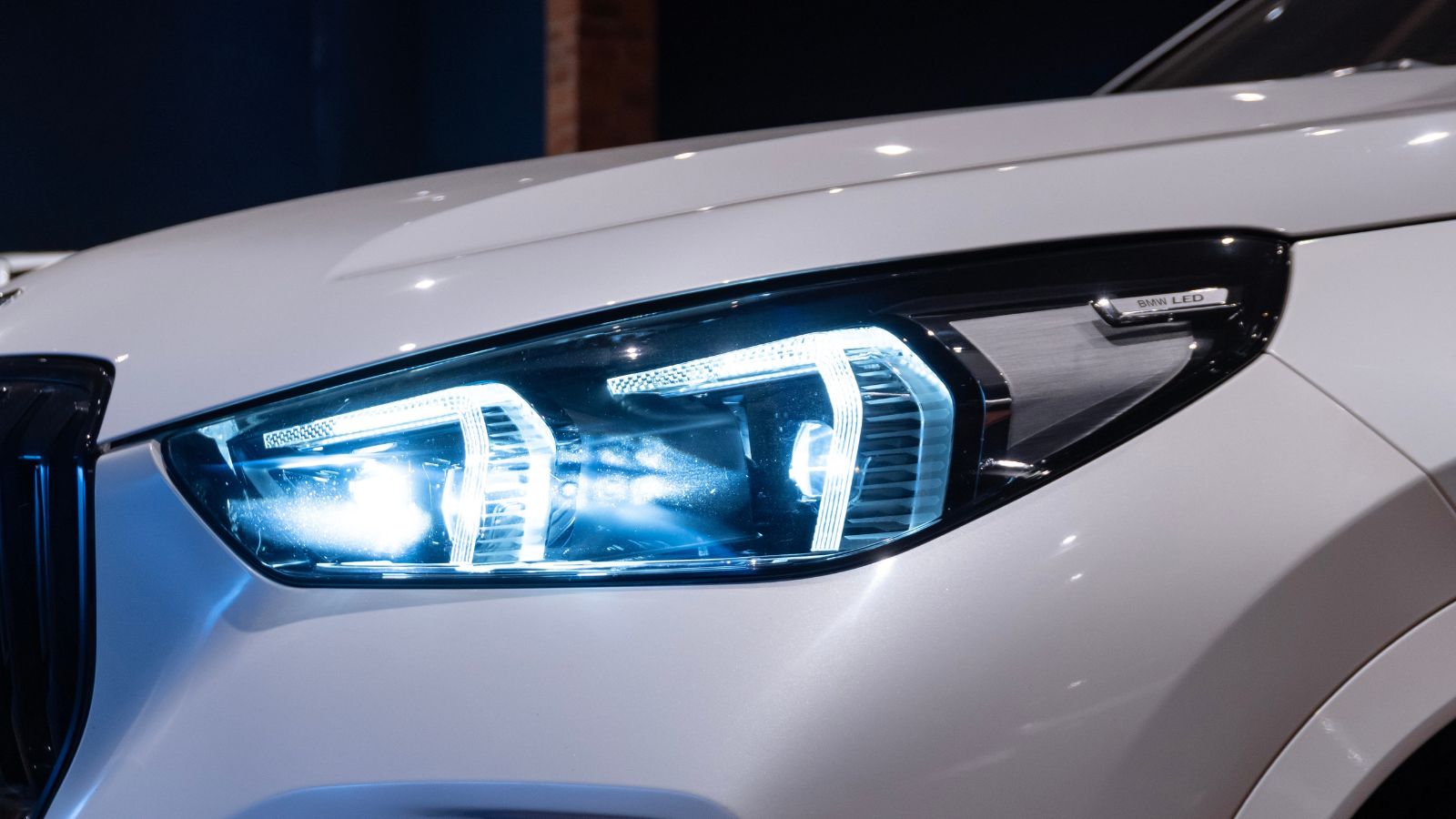
Modern adaptive LED headlights can be dramatically more sophisticated than the replaceable halogen bulbs found in older cars. Depending on the vehicle, electronic controllers can alter beam patterns, steer light through corners or selectively manage high-beam illumination. The improvement in night driving can be substantial, but the headlamp becomes a complete electronic system rather than a housing containing a cheap, removable bulb.
A BMW service bulletin involving adaptive LED headlights on certain 6 Series models demonstrates the difference. The company documented reduced headlight output caused by cooling-fan failure inside the headlamp system. Technicians were instructed to diagnose the lighting module and, when the specified faults were present, replace the LED fans. Even cooling has therefore become part of headlight maintenance. Other modern lighting systems can incorporate modules, actuators and electronics into a single assembly. The feature still has genuine benefits, but a driver accustomed to replacing a conventional bulb in a driveway can face a very different repair process when advanced LED lighting develops a fault.
Soft-Close Doors
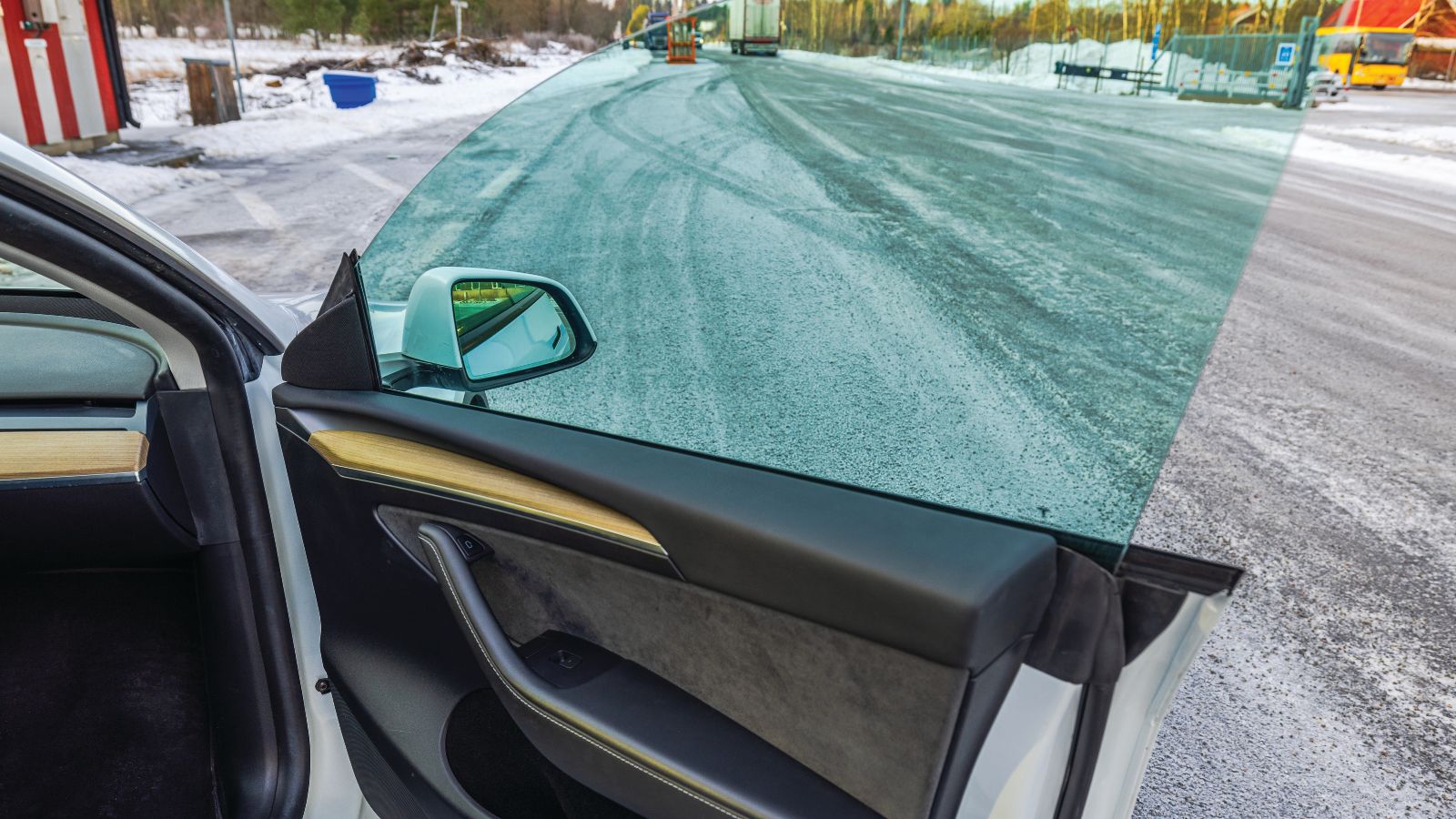
Soft-close doors are designed to eliminate the need for an inelegant slam. Once the door reaches the first latch position, an electric mechanism quietly pulls it fully shut. It feels appropriate in a luxury sedan because the movement is almost invisible, yet that polished effect depends on powered latches, sensors and software taking over a job that historically required only a mechanical catch and a firm push.
BMW’s 2012 recall of certain 2005-2007 7 Series vehicles showed what can happen when the system does not behave correctly. The company said software errors affecting the soft-close function could prevent a door from properly latching. Under certain circumstances, a door that appeared closed could later open unexpectedly. The remedy was a software update. The example does not mean all soft-close systems share that defect; it demonstrates the additional failure modes created by automating a basic mechanical function. When a normal latch fails, the problem is usually mechanical. With soft-close hardware, diagnosis can extend into motors, electronics and software.
Hands-Free Power Liftgates

A power liftgate is easy to appreciate when both hands are carrying groceries. Hands-free versions go further by using sensors to detect a foot movement beneath the bumper, allowing the hatch to open without touching the vehicle. That convenience requires powered struts or drive units, sensors, control modules and anti-pinch logic. Once those components age or malfunction, a feature intended to simplify loading can become an oddly complicated part of the vehicle.
Ford issued a bulletin for certain Edge and Lincoln MKX models after some hands-free liftgates could open or close when the rear bumper area was contacted while the key was nearby. NHTSA records also document earlier recalls involving gas-filled liftgate struts whose loss of pressure could allow a liftgate to close unexpectedly. These are different failure mechanisms, but together they illustrate the number of components involved. A manual hatch needs hinges, struts and a latch. A hands-free powered one adds electronic detection and powered movement, increasing both capability and the number of things a technician may eventually need to troubleshoot.
Proximity Keyless Entry
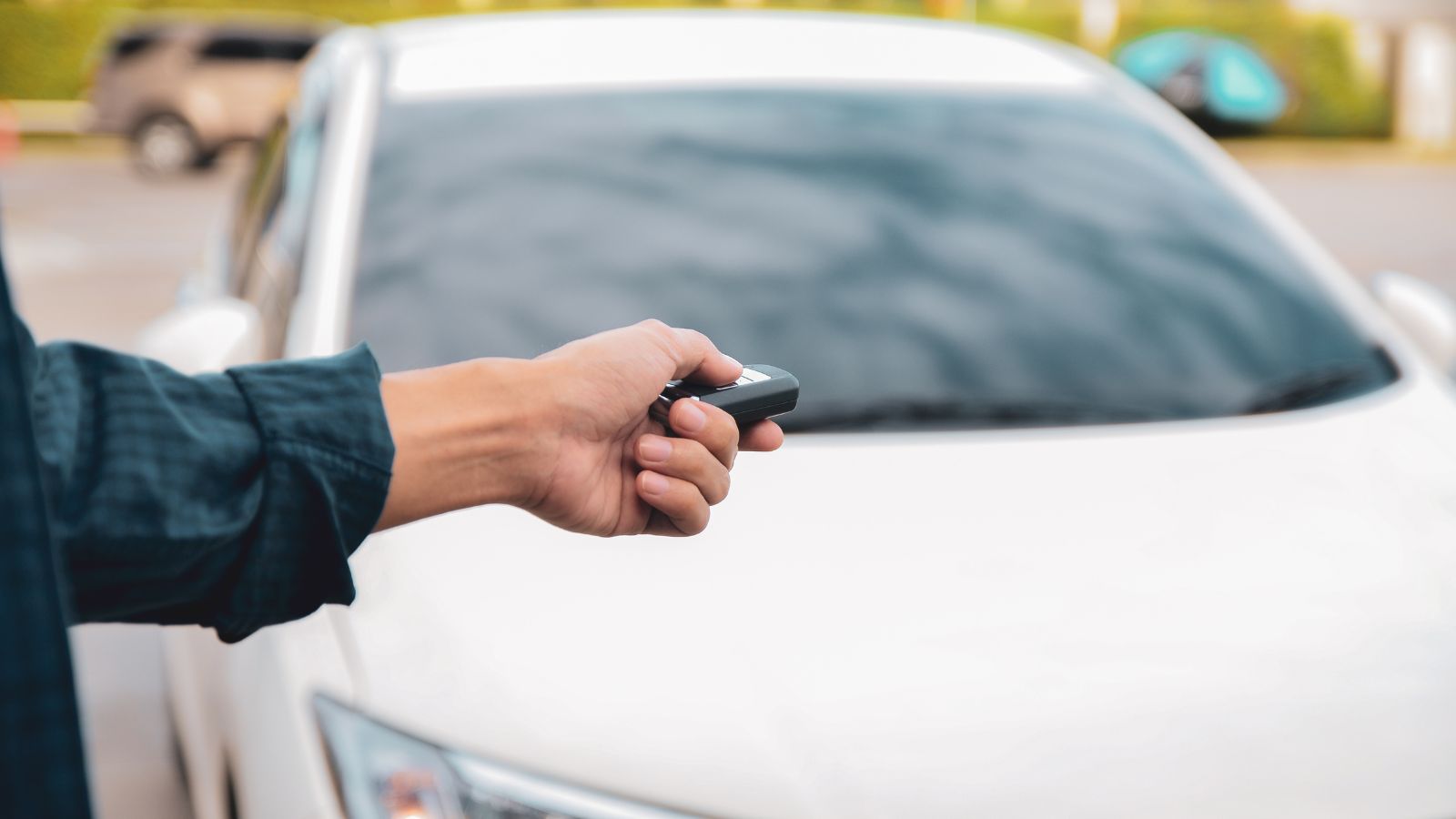
Walking up to a vehicle and having it unlock with a hand behind the door handle quickly becomes a feature people stop noticing—until it stops responding. Proximity-entry systems combine antennas, touch or capacitive sensors, key-fob communication, control modules and wiring hidden inside the doors. The physical key may still exist as a backup, but the seamless experience relies on multiple electronic components recognizing the driver at exactly the right moment.
Bentley issued technical information covering keyless-entry failures linked to touch sensors in exterior door handles. Diagnostic trouble codes could point to open circuits in the left or right handle sensors, and the repair procedure involved checking the wiring routed through the handle and inspecting it for damage or breaks. That is a considerable difference from an old-fashioned metal key turning a mechanical cylinder. The electronic system is unquestionably more convenient, especially when carrying bags or dealing with bad weather, but a failed handle sensor can turn a previously invisible luxury into a very noticeable inconvenience.
Multi-Way Power Seats
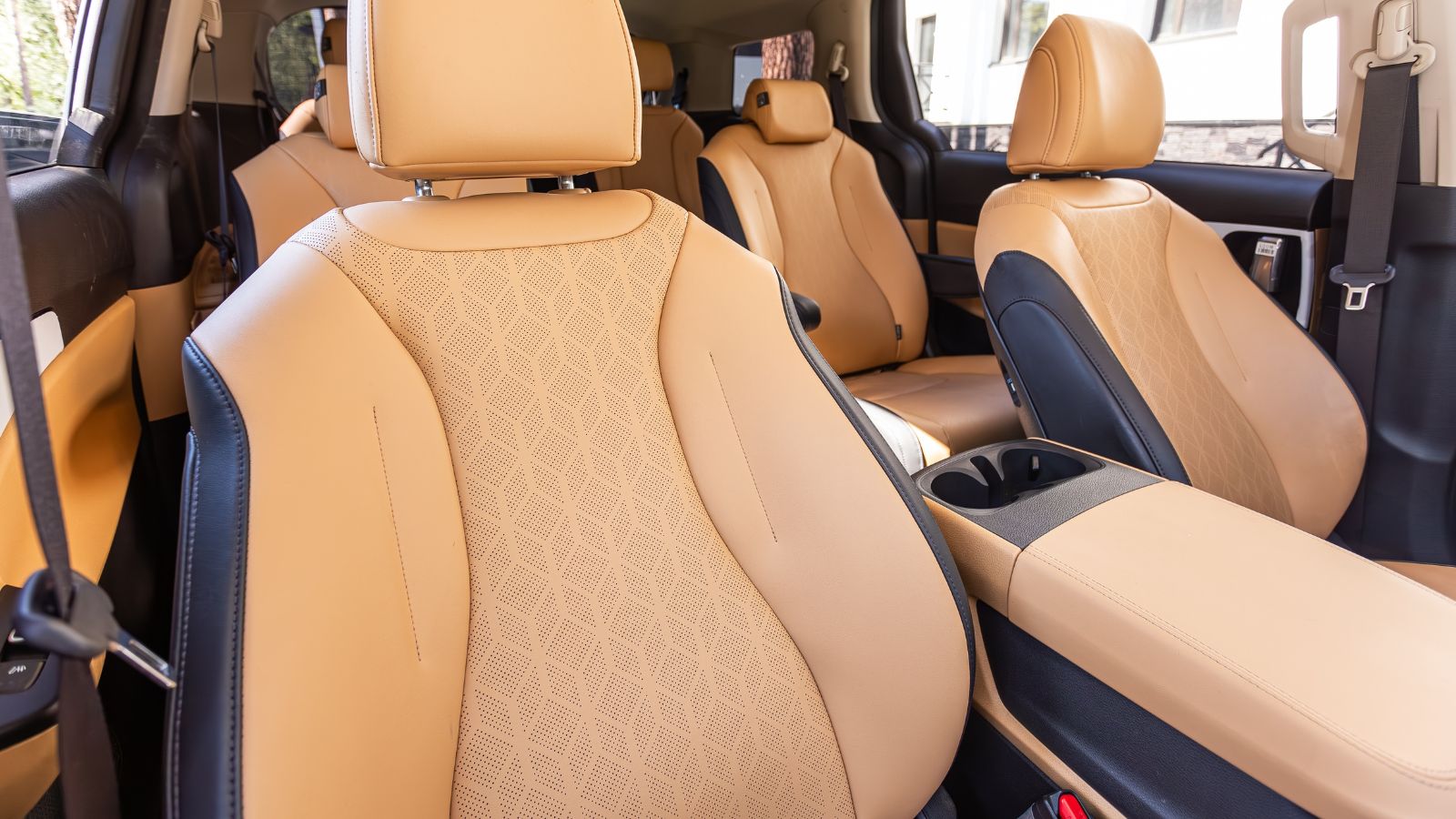
Power seats have evolved far beyond simple forward-and-back adjustment. Luxury models may add electric recline, thigh support, side bolsters, lumbar controls, memory positions and automatic movement linked to individual driver profiles. Each extra axis generally requires an actuator, switch, wiring or control logic. Because the hardware sits underneath and inside the seat, diagnosis can also involve substantial disassembly when something stops moving.
A recent Kia Telluride recall provided an unusually serious example of how power-seat hardware can fail. NHTSA said a damaged or misaligned power-seat switch could allow a seat motor to continue operating, potentially causing it to overheat. In July 2026, the agency announced a renewed park-outside recall covering more than 462,000 Tellurides and reported seven seat fires and 11 cases of seat motors melting. The specific defect is not representative of every power seat, but it demonstrates the complexity hidden under a luxury-looking seat cushion. Manual seat rails are far less impressive, yet their mechanical simplicity leaves fewer electrical failure modes.
Power-Folding Mirrors

Power-folding mirrors are particularly satisfying in narrow garages and crowded parking lots. Some vehicles fold them automatically when locked, creating an instant visual confirmation that the car is secured. Once integrated with heating, blind-spot indicators, cameras, memory adjustment and automatic dimming, however, a modern side mirror can become one of the most electronics-packed components hanging from the vehicle’s exterior.
Stellantis issued a technical service bulletin for certain Jeep Renegade models after owners could experience intermittent failure of the mirrors to fold or unfold. The documented cause involved the folding-mirror switch, and the repair called for replacement of the relevant switch assembly. Porsche service information provides another glimpse into the complexity, instructing technicians to test current flow, door control modules, wiring and the folding motor when diagnosing certain folding problems. A fixed manual mirror may seem dated, but its failure modes are relatively obvious. A powered mirror may require electrical diagnosis before anyone even knows whether the motor, switch, module or wiring is responsible.
Electronic Door Latches
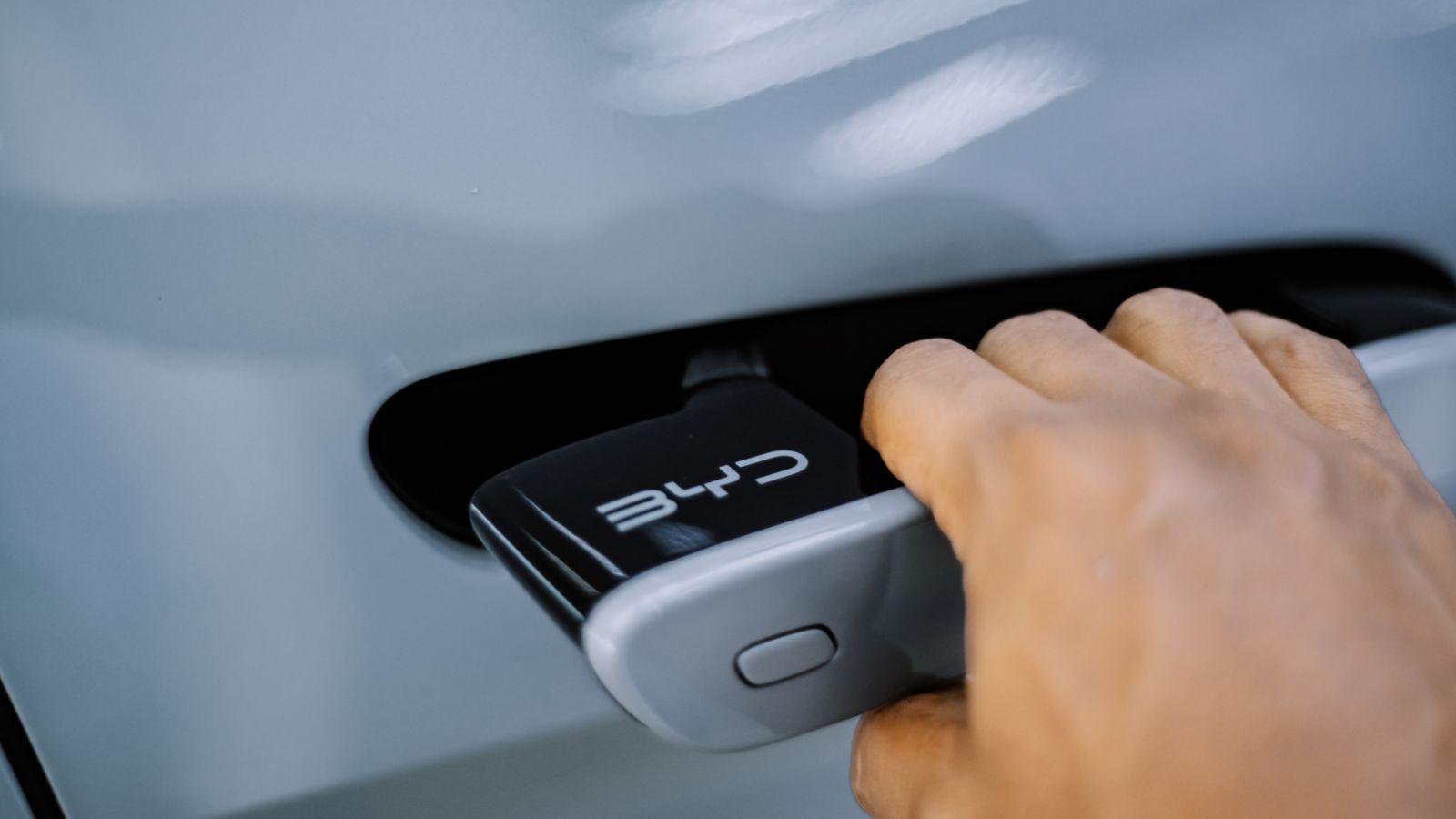
Electronic door-release systems create the clean, minimalist interiors seen in many newer luxury vehicles. A light button press can replace the familiar mechanical pull of an interior handle. Some designs also allow exterior handles to sit flush against the body. The experience feels modern because physical effort has nearly disappeared, but the door now depends on electrical commands reaching powered latch hardware correctly.
Ford’s recall involving certain 2017-2019 Lincoln Continental models offers a concrete example. The company said an electronic door-latch pawl motor could become inoperative, leaving a door unable to close properly. If the latch did not fully engage, Ford warned that the door could potentially open while the vehicle was moving. Dealers were instructed to replace the latches. Again, the issue was limited to specific vehicles rather than electronic latches generally. The broader ownership lesson is mechanical: every time an electric motor replaces a direct physical linkage, the vehicle gains convenience but also adds another component whose failure can affect a fundamental function.
Active Grille Shutters
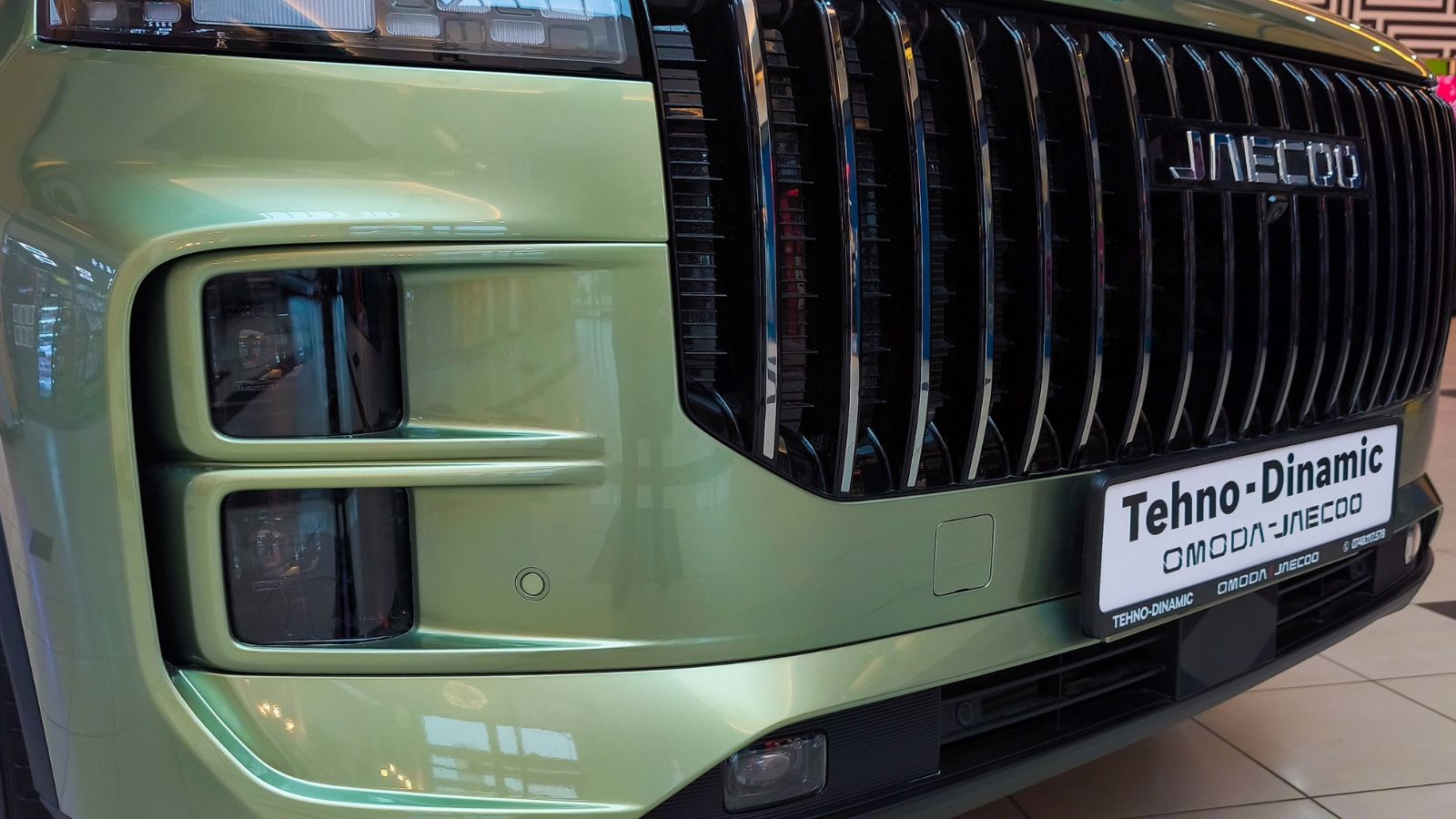
Active grille shutters are almost invisible when working normally. Mounted behind the front grille, the movable vanes can close when the engine does not need maximum cooling, reducing aerodynamic drag, then open when additional airflow is required. The system illustrates how even an apparently decorative grille has become computer controlled. It typically needs an actuator, moving vanes, position logic, wiring and communication with the powertrain-control system.
Stellantis technical material describes active grille shutters using an electric stepper motor and an integrated electronic module that communicates with the powertrain controller. The system performs an initialization movement when the vehicle starts, and diagnostic codes can be generated for problems including mechanical sticking, loss of communication, low voltage and excessive circuit temperature. The documentation even describes attempts by the system to cycle jammed shutters free. None of that exists on a traditional fixed grille. The efficiency benefit is useful, but damage from debris, freezing or an actuator fault can transform an almost unnoticed aerodynamic feature into an electronic diagnostic job.
Automatic Stop-Start Systems
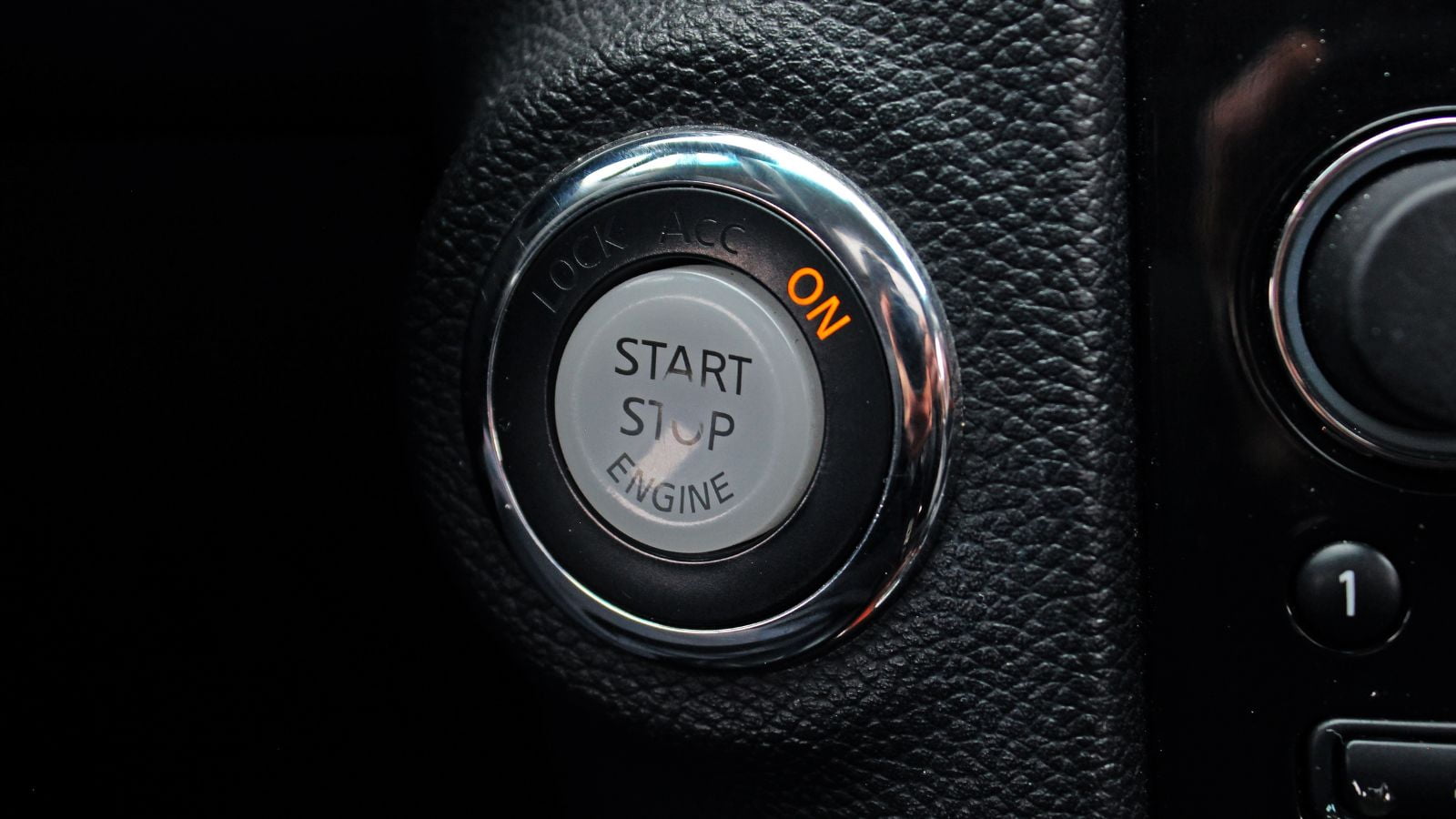
Automatic stop-start can make a vehicle feel technologically advanced by shutting down the engine at traffic lights and restarting it almost instantly when the driver moves off. The feature is intended to reduce unnecessary idling, but it places much greater importance on the battery, charging strategy and starting system than a traditional vehicle that starts its engine only once per trip.
Porsche technical information illustrates the electrical requirements. The manufacturer states that an AGM starter battery is essential for its auto stop-start and energy-recuperation functions and warns that the battery has a limited service life influenced by operating conditions. On the documented system, replacing the battery also requires battery information to be entered into the vehicle’s gateway control unit with diagnostic equipment. In other words, what once looked like a simple battery swap can become a software-assisted service procedure. Stop-start itself may work flawlessly for years, but when the supporting battery ages, owners can discover that the modern starting system demands more specific parts and procedures than older vehicles required.
Electronic Parking Brakes
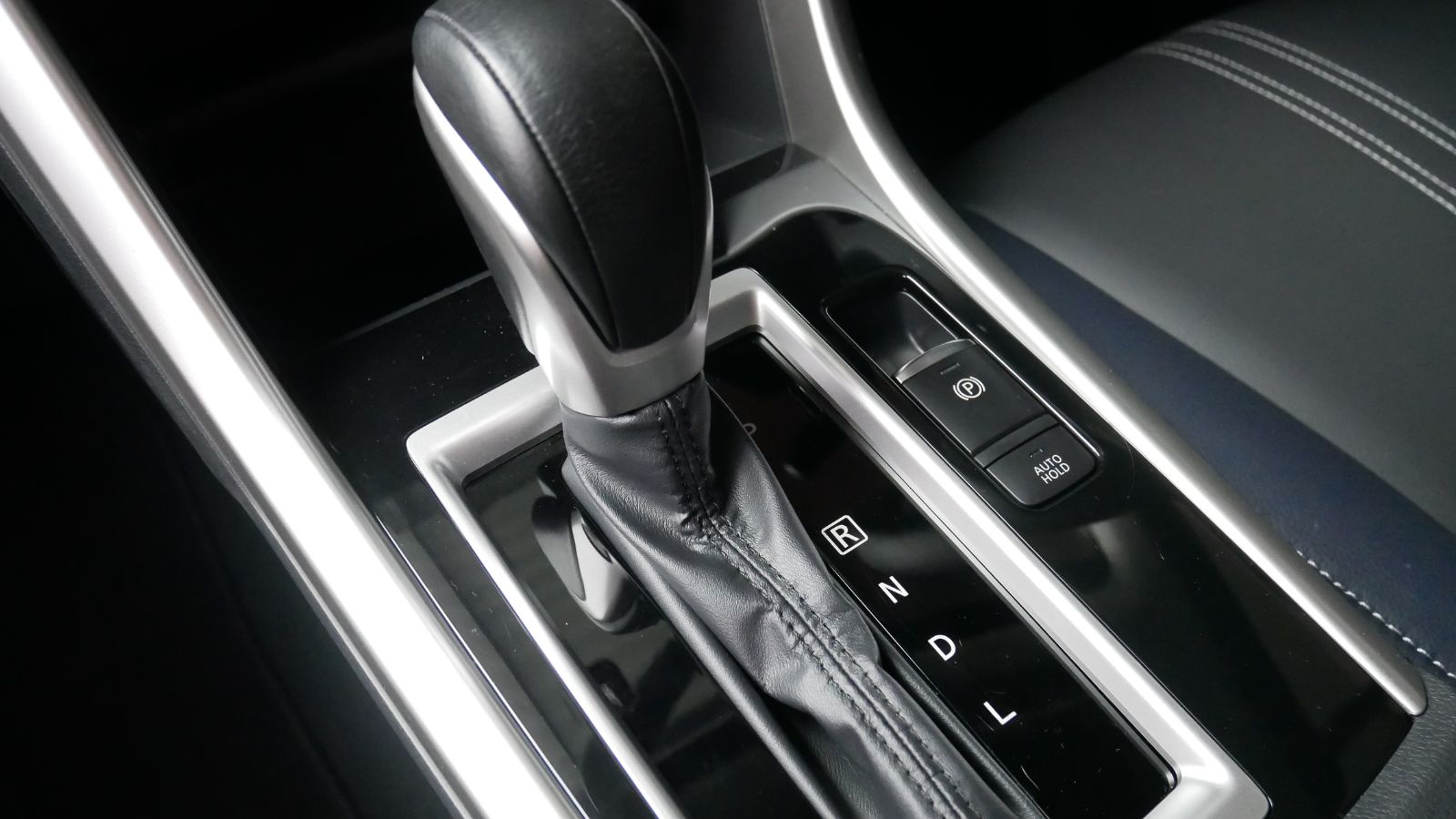
A small electronic parking-brake switch frees up centre-console space and creates a cleaner cabin than a large mechanical lever. Many systems can also release automatically when the vehicle moves or integrate with hill-hold functions. The trade-off is that a cable and hand lever have been replaced—or supplemented—by switches, control electronics and electric actuators mounted at the brakes.
Mazda documented a cold-weather issue affecting certain 2016 CX-5 vehicles in which the electronic parking brake could fail to release at temperatures of roughly -20°C to -10°C. The service bulletin listed several possible diagnostic codes involving the electric parking-brake motor gear units. Subaru separately issued a campaign involving certain Legacy and Outback vehicles after a software condition could continuously power an electronic parking-brake motor, potentially causing it to seize. These examples are model-specific, but they illustrate an important difference. A traditional handbrake may stretch, rust or seize mechanically; an electronic version introduces motors, control logic and diagnostic faults to the same basic parking function.
Touchscreen Climate Controls
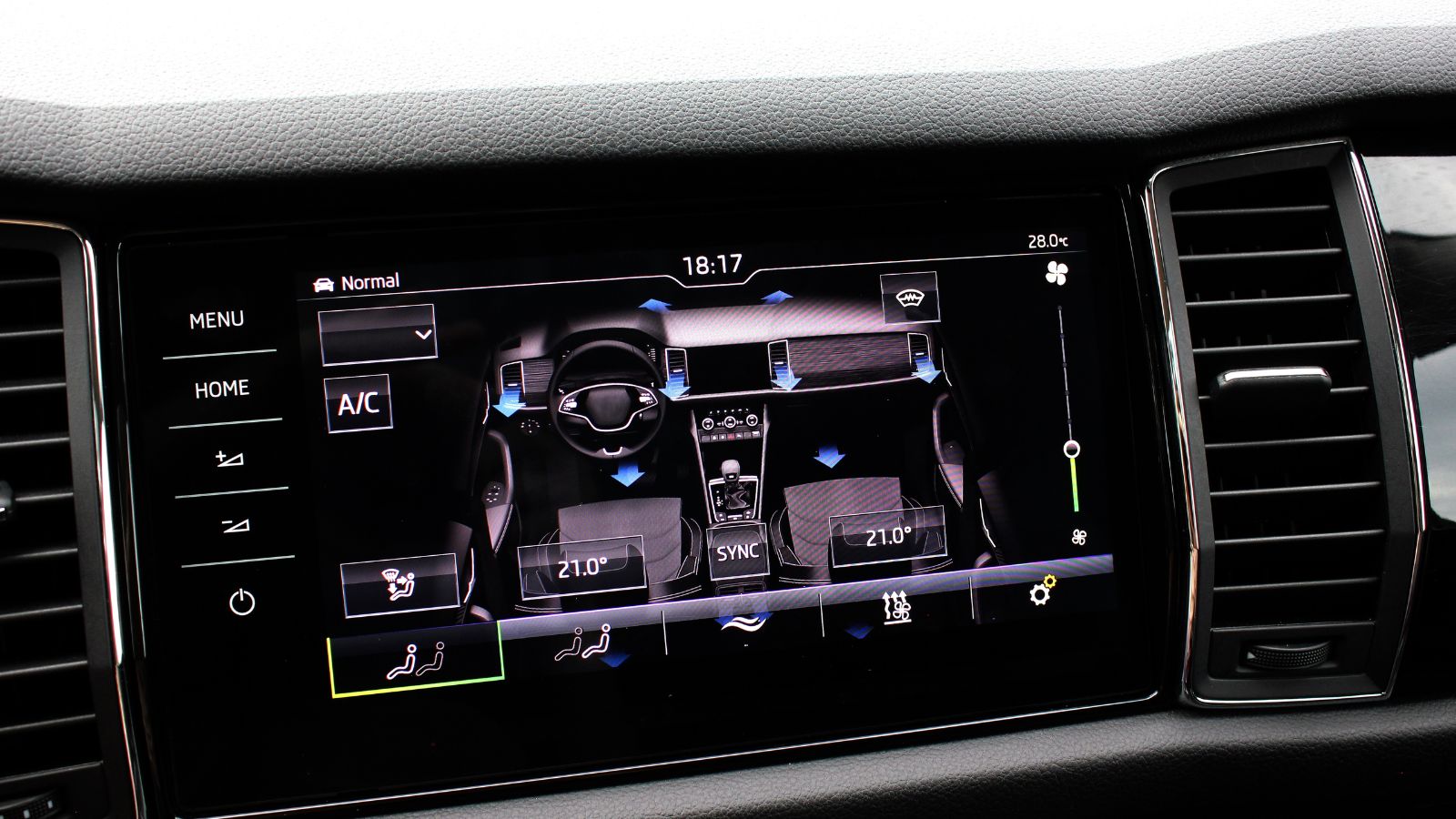
Moving climate controls into a large centre touchscreen gives a dashboard the smooth, uncluttered appearance associated with concept cars. It can also let manufacturers change menus through software instead of installing rows of dedicated switches. The downside becomes obvious when the display hesitates, freezes or stops responding: a screen problem can interfere with functions that once had their own independent knobs and buttons.
J.D. Power’s 2025 U.S. Multimedia Quality and Satisfaction Study found that touchscreen and digital-display problems increased to 4.2 problems per 100 vehicles from 4.0 a year earlier. The organization also reported that multimedia issues remained a significant source of owner complaints. Manufacturer service documentation regularly includes concerns involving frozen or blank centre displays as well. A temporary radio glitch is irritating; a display that also contains temperature, fan or defroster controls can be much more disruptive. Physical switches are not immune from failure, but separating essential climate functions from the infotainment screen can prevent one electronic problem from affecting several unrelated cabin functions at once.
Fully Digital Instrument Clusters
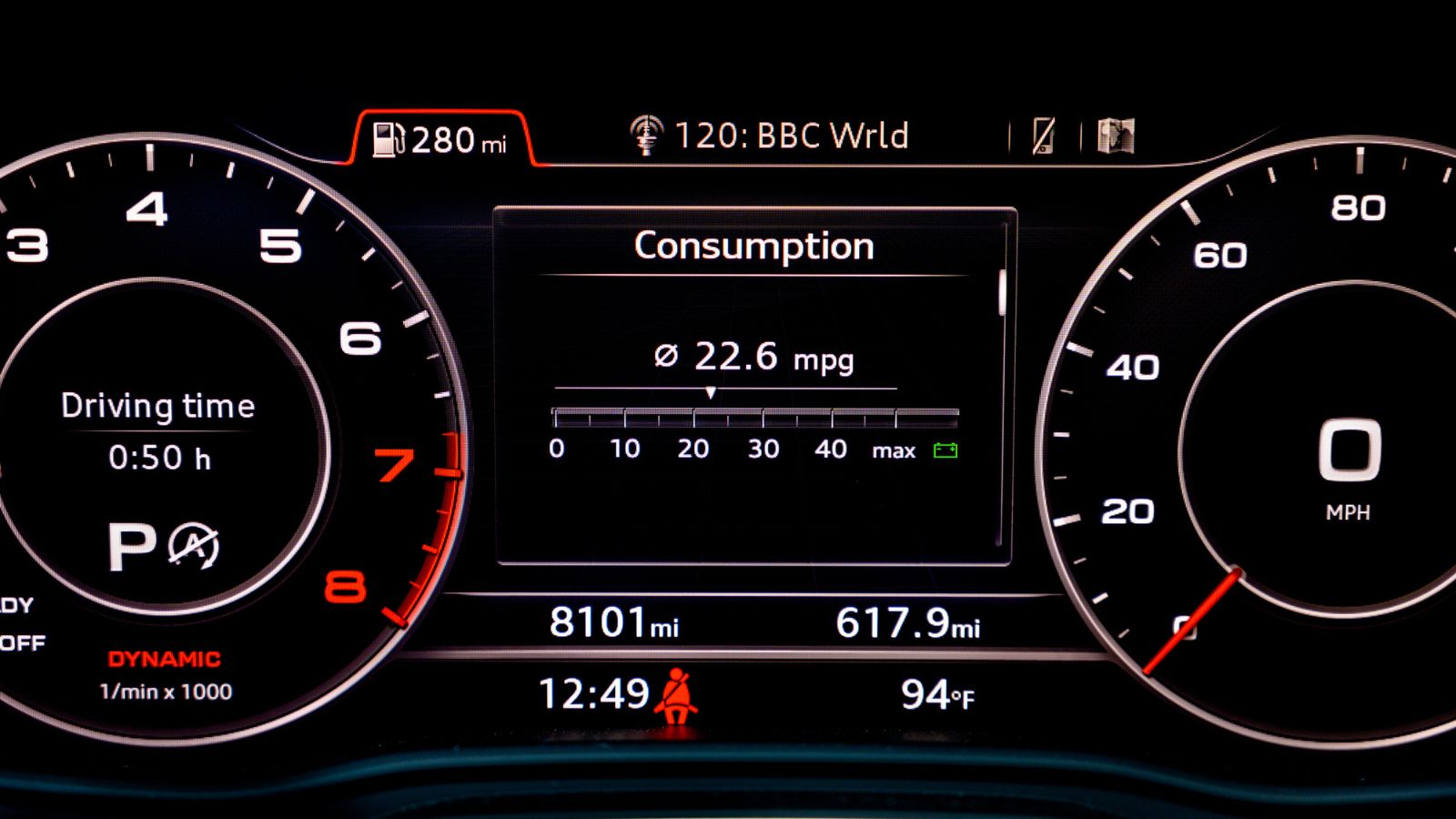
Digital gauge clusters can reconfigure themselves for navigation, driver-assistance information, performance data or different driving modes. They look dramatically more sophisticated than mechanical gauges and allow manufacturers to present far more information in the same space. Yet a traditional speedometer rarely becomes entirely blank because a software process crashes. A fully digital display introduces screens, controllers and communication networks into one of the driver’s most important sources of information.
That distinction became particularly clear in a 2026 Honda recall covering 65,135 2024 Honda Prologue and Acura ZDX vehicles. NHTSA said software defects could cause the instrument cluster and centre infotainment display to go blank, potentially removing information such as vehicle speed, warning indicators and the rearview-camera image. The remedy involved software rather than replacing a mechanical gauge. Digital displays offer enormous flexibility and can often be repaired through updates, but that same software dependence creates failure modes older dashboards never had. When the screen disappears, numerous gauges can effectively disappear with it.
Head-Up Displays
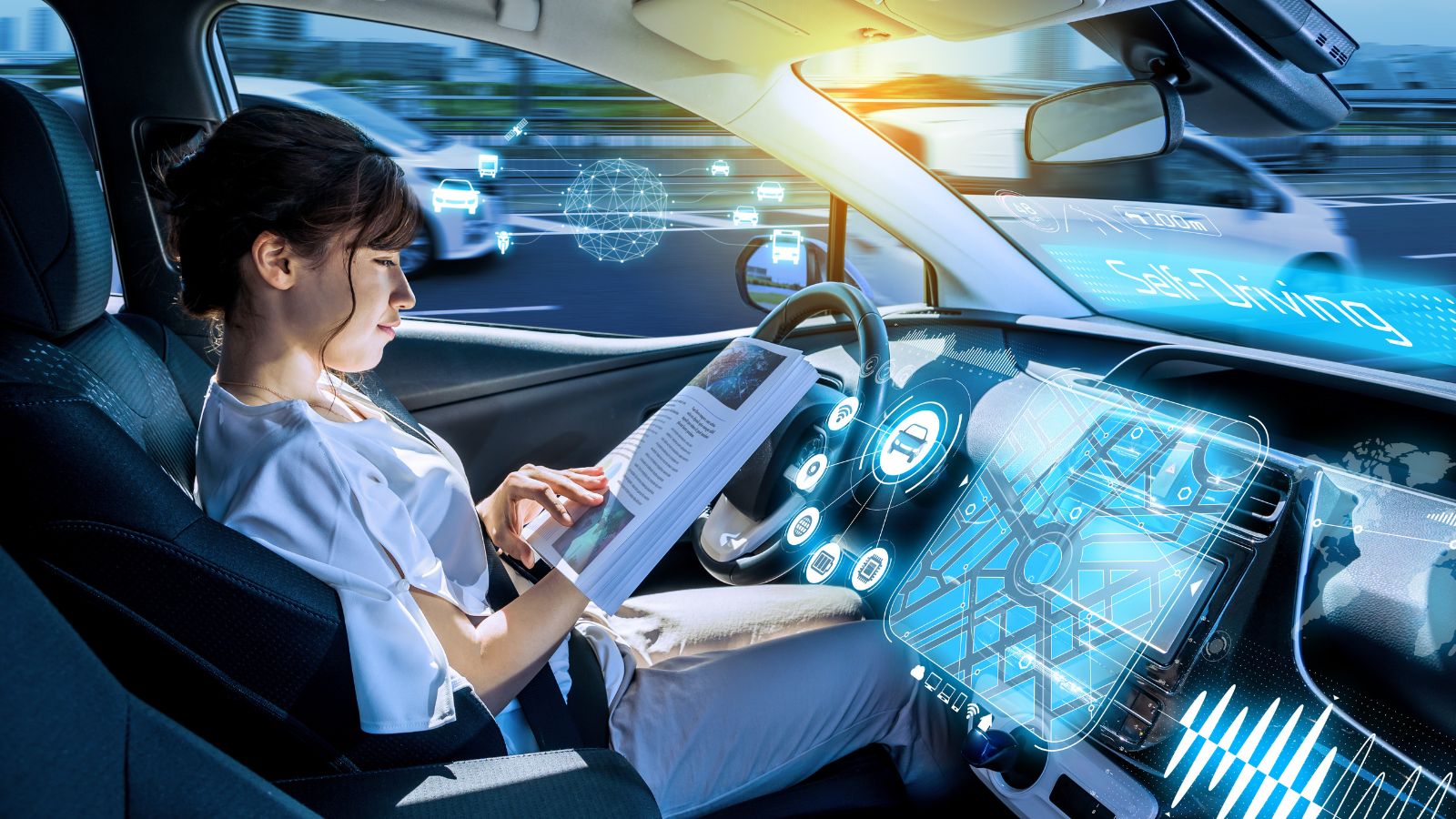
A head-up display can place speed, navigation prompts and driver-assistance information directly in the driver’s sightline. Once someone becomes accustomed to checking speed without looking down, the feature can feel indispensable. The surprise often arrives during an unrelated windshield replacement because the glass itself can be part of the optical system.
General Motors highlighted that relationship in a service update involving certain 2015 Cadillac Escalade and Escalade ESV models equipped with a head-up display. The company found that vehicles fitted with an incorrect windshield could produce a HUD image that appeared blurry or doubled. The repair procedure involved verifying that the correct HUD-compatible windshield was installed. The display therefore depends not only on a projector buried in the dashboard but also on the optical characteristics of the glass in front of it. A stone chip that would once have meant choosing a basic replacement windshield may become a more specification-sensitive repair when head-up-display technology is involved.
360-Degree Camera Systems
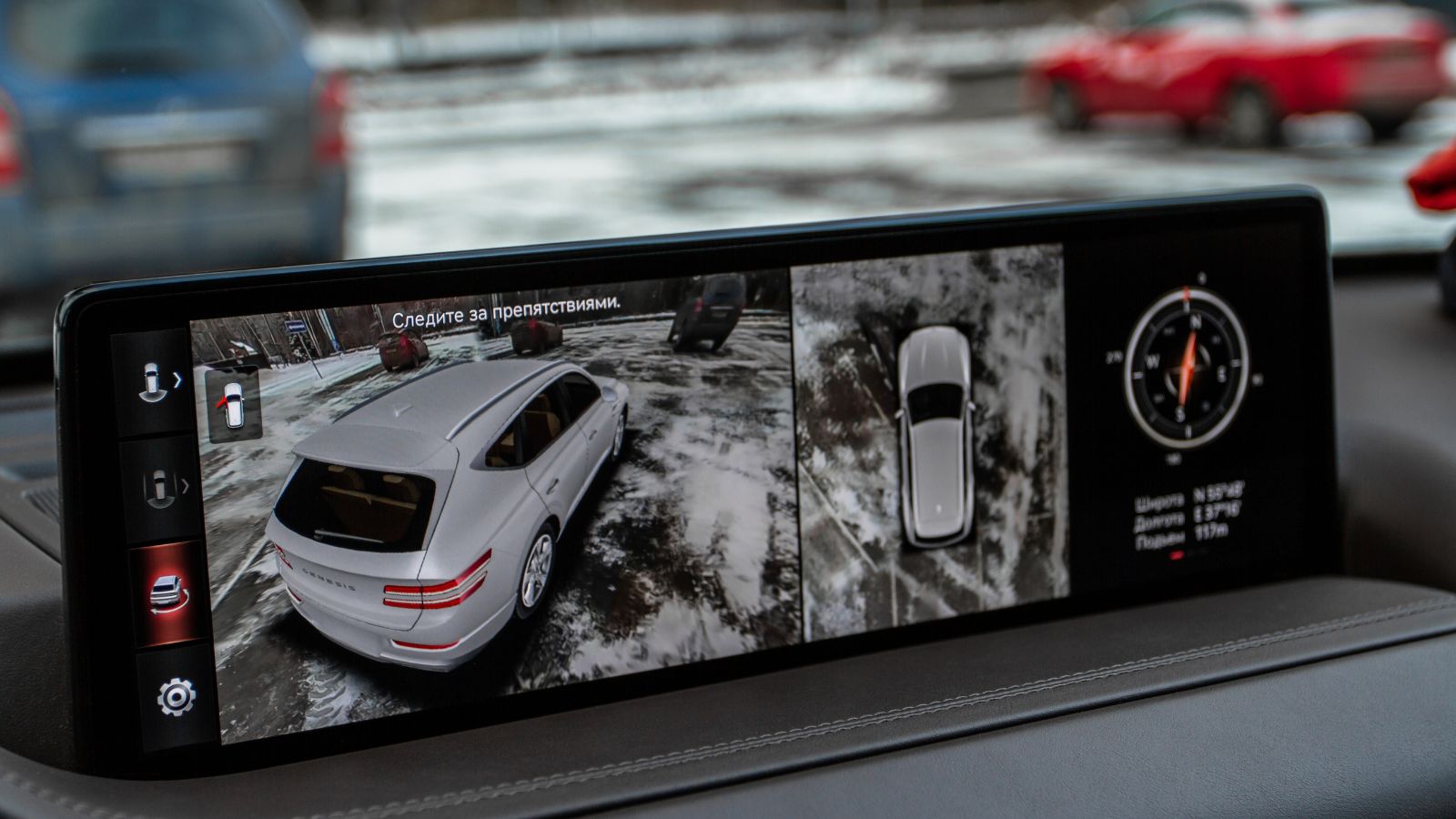
A 360-degree camera view is one of those features that can make a large SUV suddenly feel much easier to park. Images from several cameras are digitally stitched together to create an overhead-looking perspective around the vehicle. The illusion is simple; the hardware is not. Cameras may be positioned in the grille, tailgate and side mirrors, placing expensive electronics exactly where parking scrapes and minor collisions often occur.
AAA quantified the potential consequences in a study of advanced driver-assistance repair costs. Its research found that front, side-mirror or rear camera sensors used for around-view systems could add roughly US$740 to US$1,600 in component-specific repair and calibration expenses in the scenarios examined. Those figures excluded unrelated bodywork. The side mirror is a particularly revealing example because what looks like a mirror shell may now contain a camera as well as heating, folding motors and blind-spot equipment. A parking feature designed to prevent minor damage can therefore become costly when the camera hardware itself is damaged.
Adaptive Cruise Control Radar
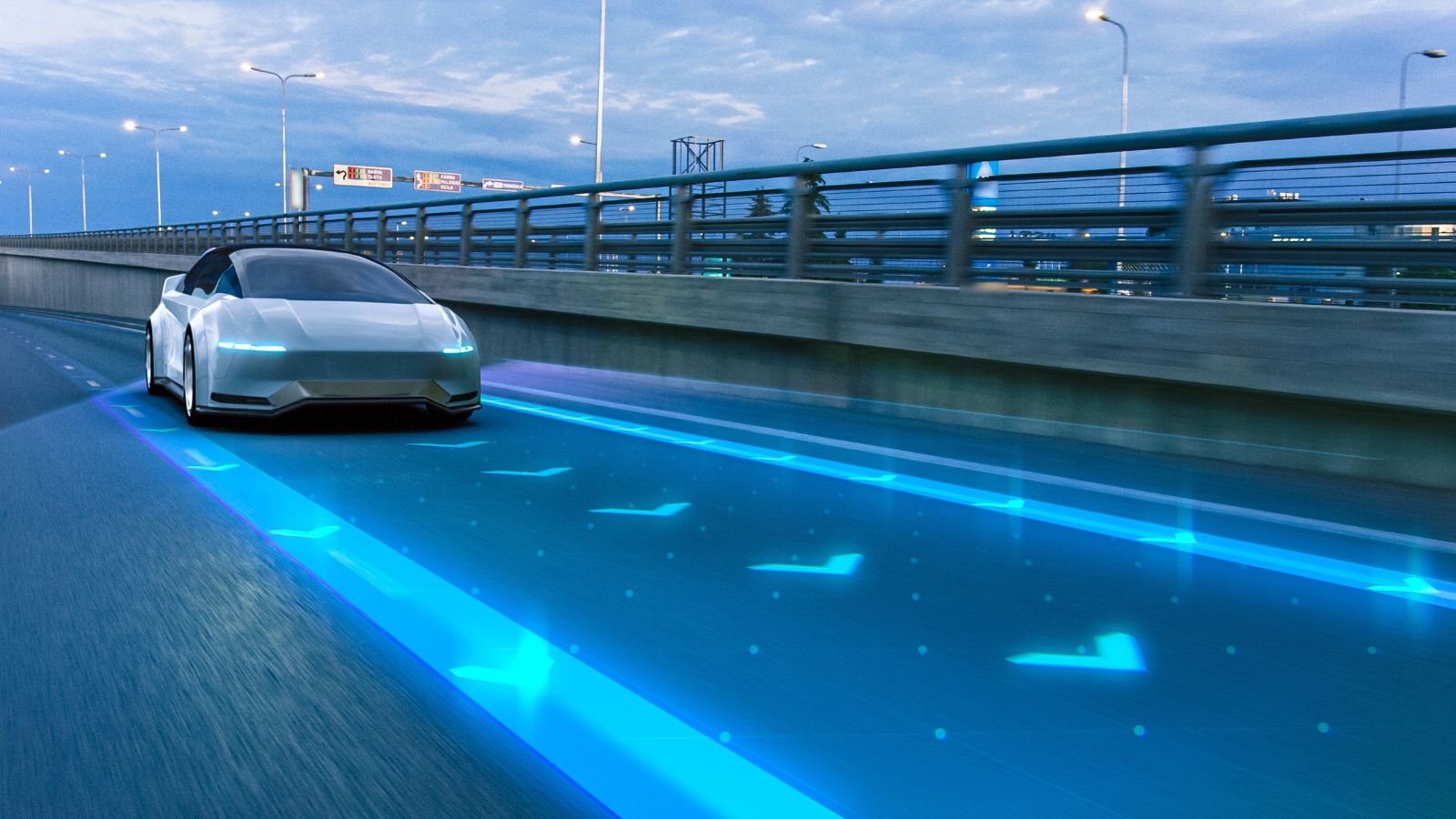
Adaptive cruise control can make long drives considerably less tiring by automatically adjusting speed to maintain distance from traffic ahead. The system usually relies on radar, cameras or both. Because the sensors must measure objects accurately at highway distances, their position and alignment matter. A relatively minor impact to the front bumper can therefore create work that extends well beyond repairing plastic and paint.
AAA’s repair study found that front radar sensors used for automatic emergency braking and adaptive cruise control could add roughly US$500 to US$1,300 in sensor replacement and calibration costs in the situations it examined. The organization also noted that advanced-driver-assistance sensors may require calibration when their position is disturbed, sometimes even after routine work such as alignment or suspension repair. That makes the seemingly invisible radar unit a significant part of collision repair. Conventional cruise control mainly needs to hold a selected speed. Adaptive cruise adds sophisticated sensing, which improves convenience and safety capability while increasing the precision required after something at the front of the vehicle is disturbed.
Lane-Keeping Cameras
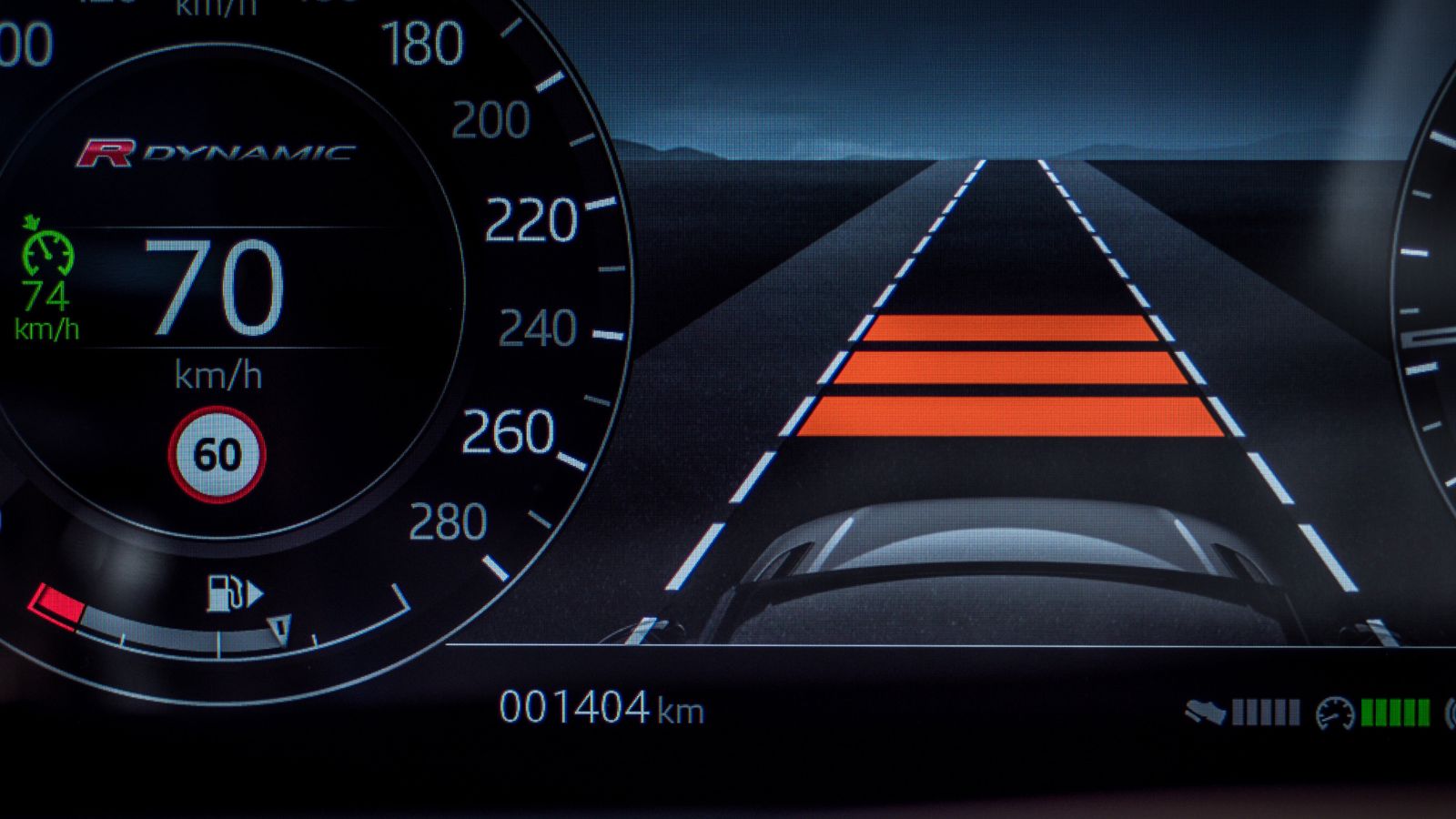
Lane-keeping assistance can gently steer a wandering vehicle back toward the centre of its lane or warn when markings are crossed. Many systems depend on a forward-facing camera mounted near the top of the windshield. From the driver’s seat it may look like a small black housing near the mirror, but its view and alignment can affect several assistance functions at once.
AAA notes that windshield-mounted front cameras can be used for lane departure warning, lane keeping, automatic emergency braking and adaptive cruise functions. Its 2023 research estimated roughly US$600 to US$800 for certain front-camera sensor replacement and calibration work, with additional calibration expenses potentially associated with windshield replacement. The organization emphasizes that sensors may require recalibration when their position changes. This means a cracked windshield can involve more than removing glass and applying adhesive. On an ADAS-equipped car, technicians may also need to ensure the camera is aimed correctly so the software interpreting lane markings receives accurate information after the new windshield is installed.
Active Rear Spoilers
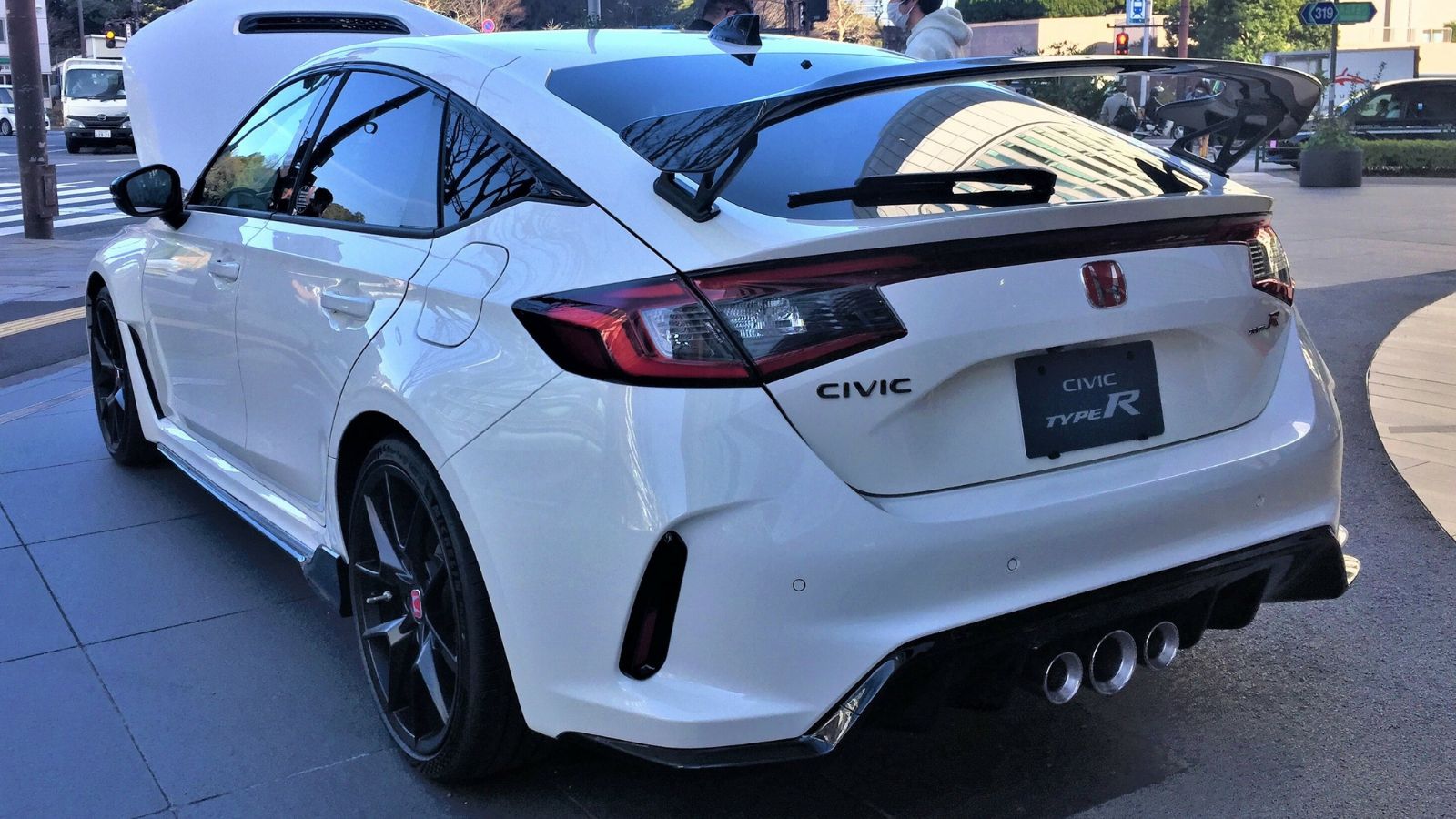
A spoiler that rises automatically at speed is one of the most theatrical features a performance car can have. Instead of remaining fixed, the aerodynamic surface can extend or retract depending on speed and driving conditions. It looks like a simple piece of bodywork moving upward, but underneath may be motors, gears, position sensors and an aerodynamic control module.
Audi issued a technical bulletin covering rear spoilers that could become intermittently or permanently inoperative because of poor electrical contact inside the drive motor. The documentation identified faults involving an open motor circuit or blockage while the spoiler was extending and noted that the motor design was revised. Lexus has also documented an active rear wing becoming stuck in its raised position on certain vehicles, with repair procedures involving the spoiler control computer. A fixed spoiler may never perform a dramatic deployment in the rear-view mirror, but it has almost nothing electronic to fail. Active aerodynamics trade that simplicity for adjustability and visual theatre.
Rear-Wheel Steering
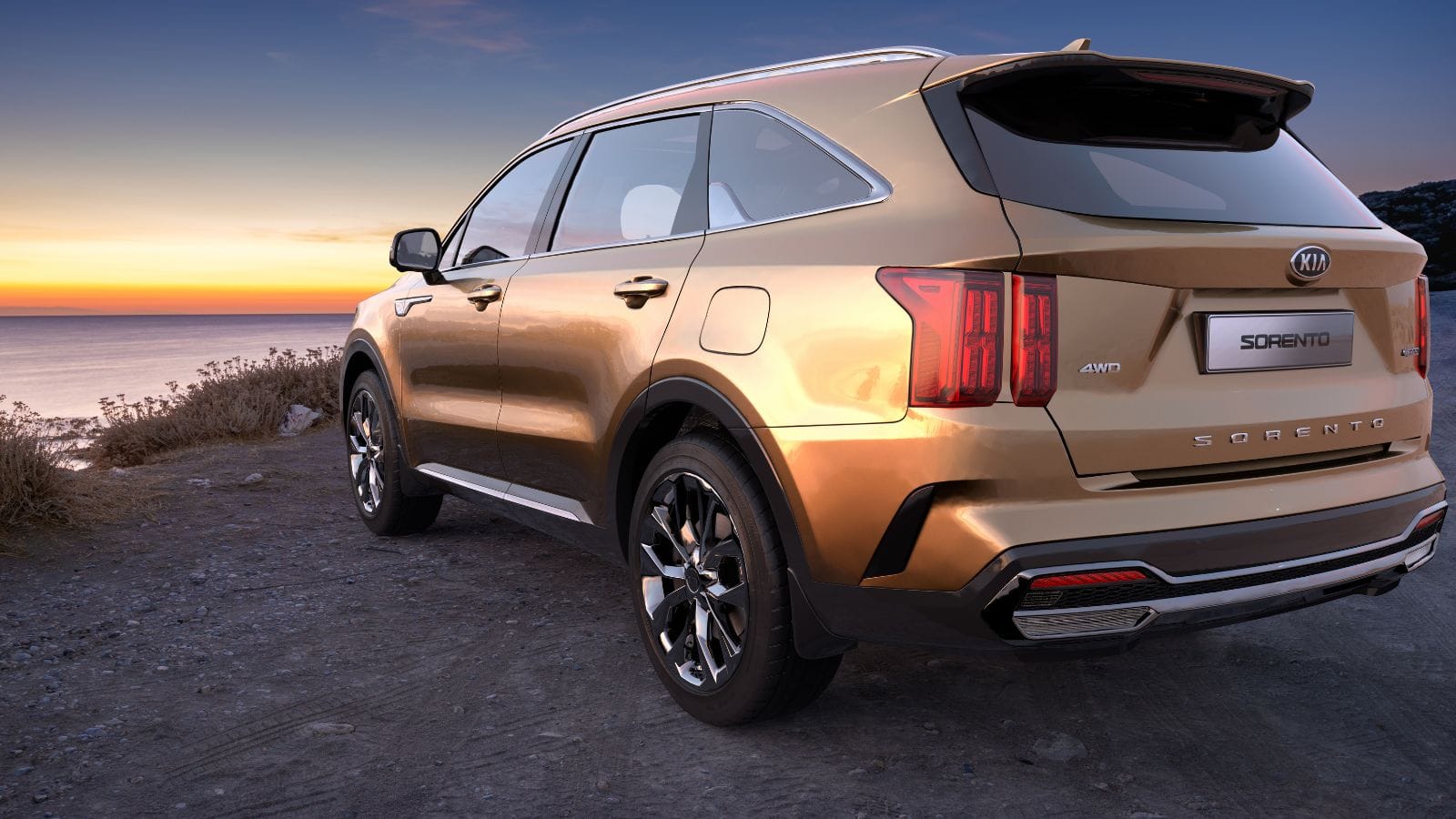
Rear-wheel steering can make a long luxury sedan or SUV feel surprisingly agile. Depending on the design, the rear wheels turn slightly opposite the fronts at low speeds to tighten manoeuvring or move in the same direction at higher speeds to improve stability. Drivers may barely notice the mechanism working, which is precisely the point. Underneath, however, the system requires actuators, position sensing and software capable of coordinating two steering axles.
Acura’s service documentation for certain 2013-2014 RLX models equipped with Precision All-Wheel Steer shows what repair can involve. The company extended warranty coverage on rear toe-control actuators after manufacturing-related problems could cause abnormal noises or warning codes. Replacing an actuator was not the end of the job: the procedure included registering the new actuator, performing steering and sensor learning procedures and completing a wheel alignment. Conventional rear suspension has no powered steering actuator to register. Rear-wheel steering can make a large car feel remarkably sophisticated, but that sophistication follows the vehicle into the workshop when something fails.
19 Used Cars Canadians Should Avoid in 2026 (Based on Owner Complaints)

Buying a used car in Canada can feel safe until repair bills start stacking up. Owner complaints tell a different story than glossy listings. Transmission failures, electrical problems, and weak winter reliability show up again and again in consumer reports. Many of these issues appear after warranties expire, when owners least expect them. Some vehicles look affordable upfront, but become expensive to keep on the road. Others struggle in cold weather, urban driving, or long highway commutes. Here are 19 used cars Canadians should avoid in 2026 (based on owner complaints).
19 Used Cars Canadians Should Avoid in 2026 (Based on Owner Complaints)

Alanna Rosen is an experienced content writer that focuses on many EV and educational content. Her articles are regularly published on Get CyberTrucked and syndicated on large publications.