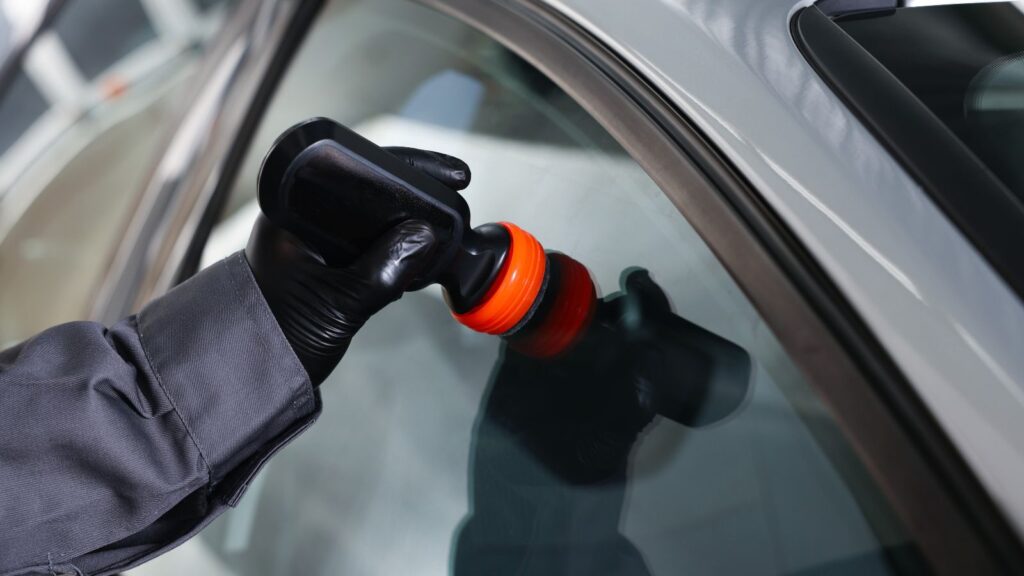
VIN etching can sound like one of the more sensible extras in a dealership finance office. The idea is straightforward: mark a vehicle’s identification number on its glass so the car becomes less attractive to thieves and easier to identify if stolen. The catch is not that the concept is meaningless. The problem is that a low-tech deterrent can be packaged, marked up, financed and presented with a sense of urgency that makes the value hard to judge.
In Canada, where auto theft remains costly even after recent declines, that sales pitch can feel especially persuasive. These 12 considerations explain what VIN etching actually does, where its limitations begin, how dealership pricing can change the equation, and when the add-on may still make sense at the right price.
What VIN Etching Actually Does
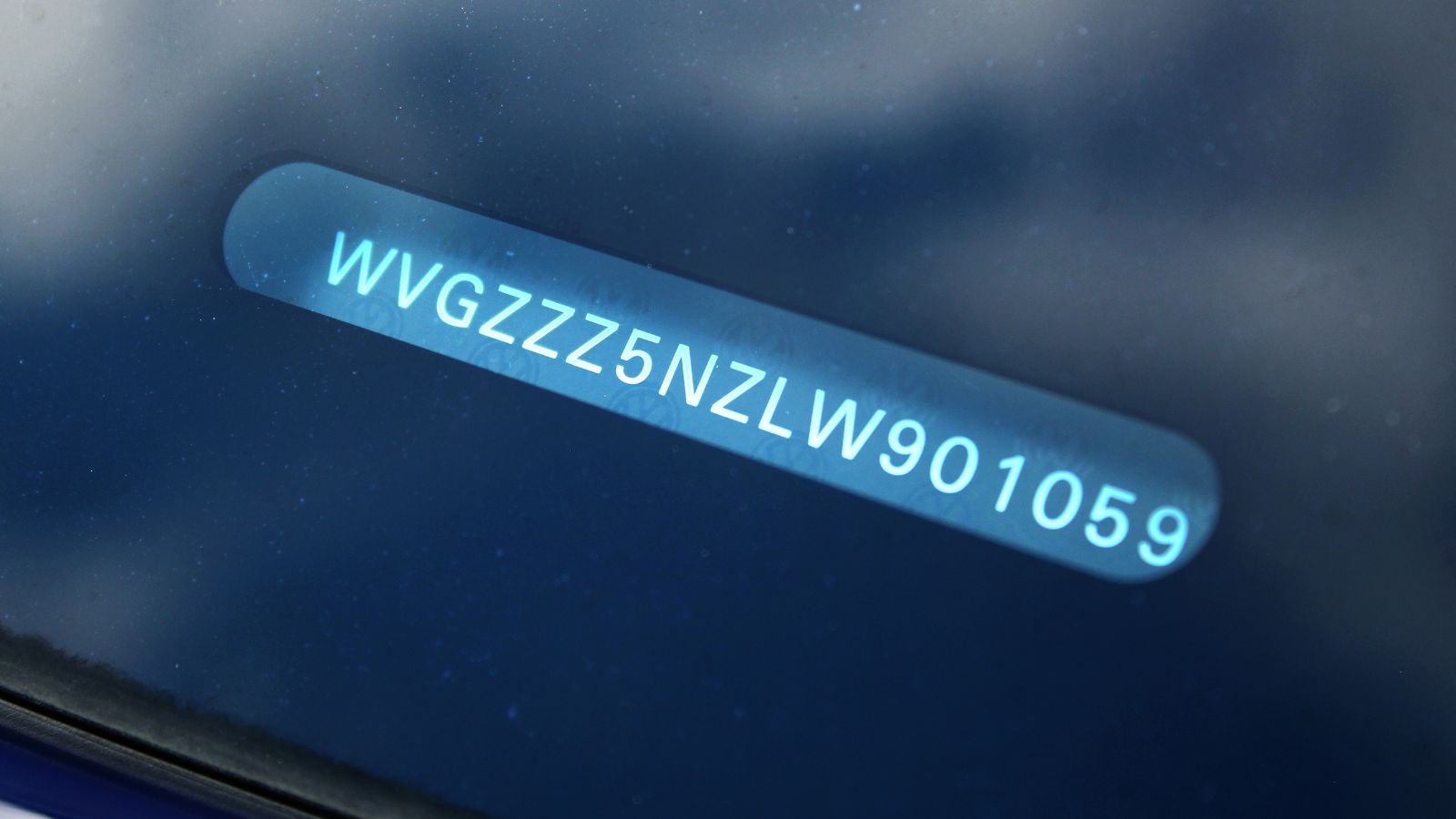
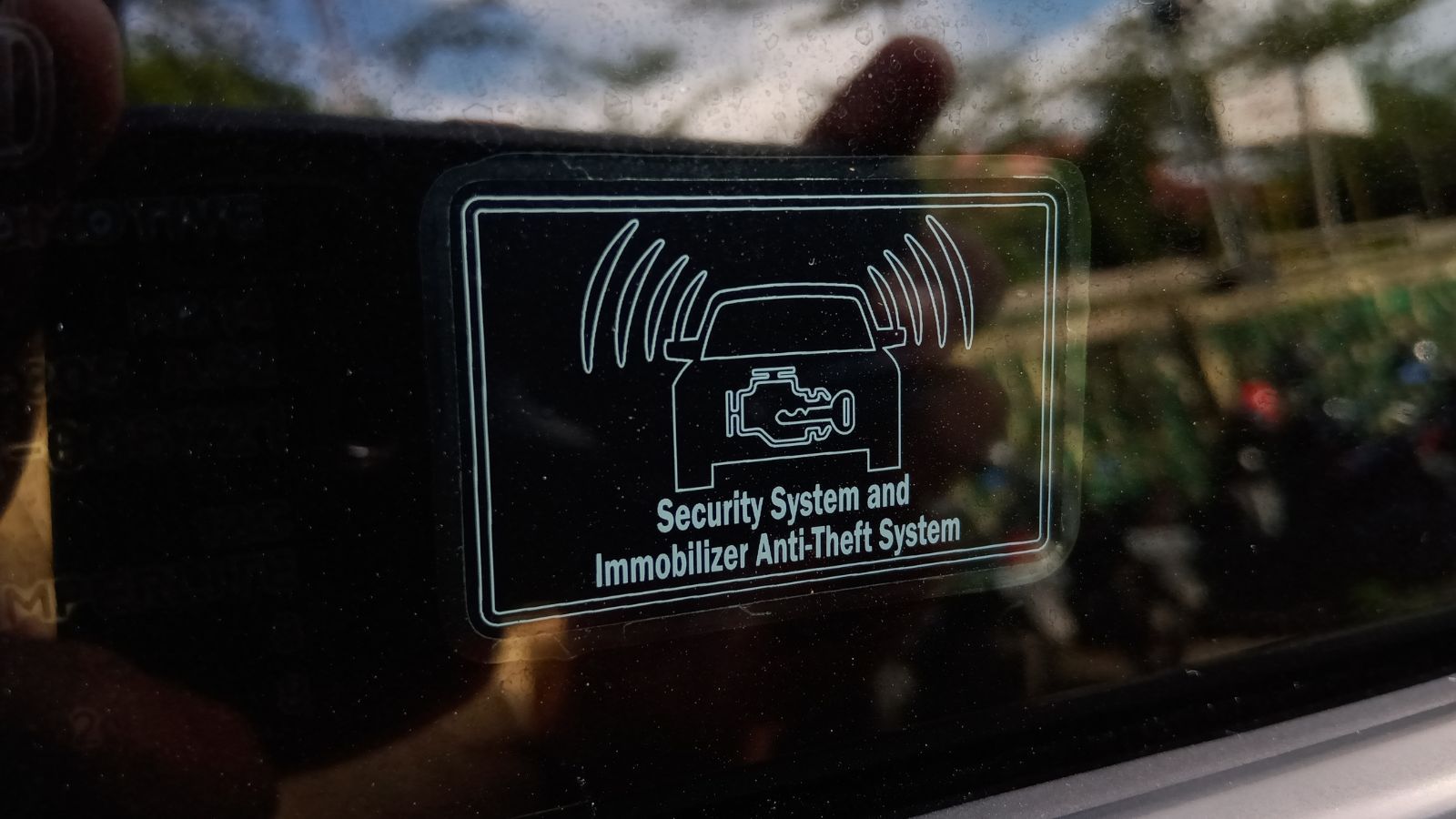
VIN etching is exactly what the name suggests: the vehicle identification number is permanently marked onto windows or other glass surfaces. The purpose is partly visual. A thief who notices the markings may see the vehicle as harder to disguise or break down for parts, while police can use the number to help identify the vehicle or components. U.S. safety regulators classify window etching as a visible theft-deterrent device, alongside measures such as steering-wheel locks and theft-deterrent decals. That gives the product a legitimate anti-theft purpose rather than making it pure dealership theatre.
The limitation is just as important. Etching does not physically immobilize the engine, block a stolen key signal, disable an on-board diagnostic programmer or transmit the vehicle’s location. It is identification, not a force field. Consumer Reports notes that modern vehicles already carry VIN information in multiple locations, which reduces the uniqueness of the service. The practical question is therefore not whether etching does anything, but whether the incremental deterrence is worth the price being charged.
The Price Can Be Much Bigger Than the Product

The sharpest criticism of dealer-sold VIN etching is usually about price rather than chemistry or engraving. Consumer Reports’ 2026 guidance says dealers commonly charge roughly US$200 to US$300 for the service. AAA has cited the same general price range and advises shoppers to check whether the product actually produces an insurance benefit before paying for it. At that level, a small anti-theft measure can become a meaningful line item, especially when it is added after a buyer has already negotiated the vehicle itself.
Older research shows why consumer advocates remain wary. A 2017 analysis cited by Consumer Reports found an average markup of 325% on window etching, and it documented one dealership charging dramatically different prices for the same product. That study is not a current price survey, so it should not be treated as a description of every dealership today. It does, however, illustrate why an etching charge deserves the same scrutiny as any other negotiable accessory rather than being accepted as a standard cost of buying a car.
It Is a Deterrent, Not a Theft-Proofing System

There is a reason police agencies and safety organizations still list window etching among theft-prevention tools: visible identification can increase the effort or risk involved in reselling a stolen vehicle or its parts. NHTSA places window etching in its category of visible deterrents. That means dismissing the idea as completely useless would go too far. For an opportunistic thief, an extra identifying mark may be one more reason to move on to another target.
But modern vehicle theft often operates at a different technical level. Canadian federal programs now explicitly identify relay attacks, key programming, code grabbing and other electronic techniques as major concerns. Those methods are aimed at gaining access to and starting the vehicle, not at hiding the VIN etched into a side window. Etching therefore works best as one layer among several, not as a substitute for immobilization or recovery technology. A buyer paying hundreds of dollars for the service should understand that the product changes identification and visibility, not the electronics that actually control whether the vehicle can be driven away.
Canada’s Auto-Theft Problem Has Changed
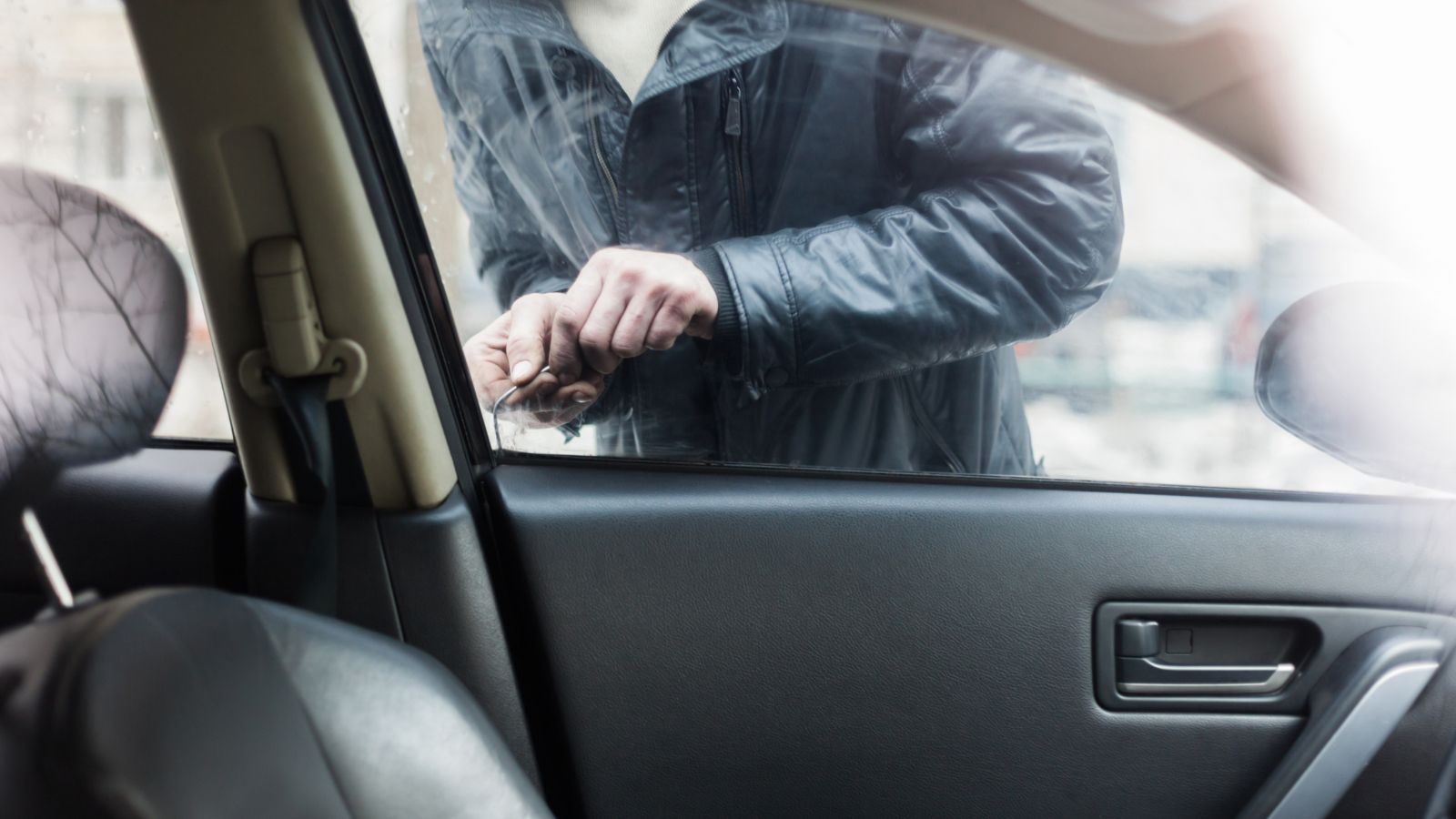
The fear behind the pitch is understandable because auto theft remains a costly Canadian problem. Équité Association reported that thefts fell 10.1% nationally in the first half of 2026 compared with the same period in 2025. Its 2025 report also estimated roughly $900 million in insurance-claim costs for the year. The trend is improving, but the financial impact remains large enough that a theft-prevention add-on can feel like cheap peace of mind in the finance office.
The methods are changing too. Canadian authorities and industry investigators have highlighted organized theft, re-VINing, exports, chop shops and increasingly sophisticated electronic attacks. That matters when evaluating an old-school deterrent such as etched glass. A product designed to make a vehicle easier to identify may still have value, yet it does not directly address many of the techniques now worrying regulators. The more the sales presentation leans on the general seriousness of auto theft, the more important it becomes to ask whether the specific product being sold actually targets the risks facing that vehicle.
Etching Is Not the Same as an Immobilizer or Tracker
Dealership presentations can compress several ideas into the phrase “theft protection,” even though the technologies do very different jobs. NHTSA separates visible deterrents, immobilizing devices and vehicle-recovery systems into distinct categories. Window etching belongs in the first group. An immobilizer is designed to prevent unauthorized operation of the vehicle. A tracking or recovery system is designed to help locate it after theft. Those functions are far more active than simply placing an identifier on glass.
Canada’s current policy direction reinforces the distinction. Federal anti-theft work has focused heavily on modernizing immobilization standards and developing technology that can resist relay attacks, key programming and other electronic methods. Transport Canada has also funded projects involving biometric authentication, smart locks and systems that can disable vehicle components when theft is detected. None of that makes etching pointless, but it does put the product in perspective. A buyer comparing anti-theft spending should not assume that every item carrying a “security” label offers the same level or type of protection.
Any Insurance Saving Should Be Confirmed Before Buying
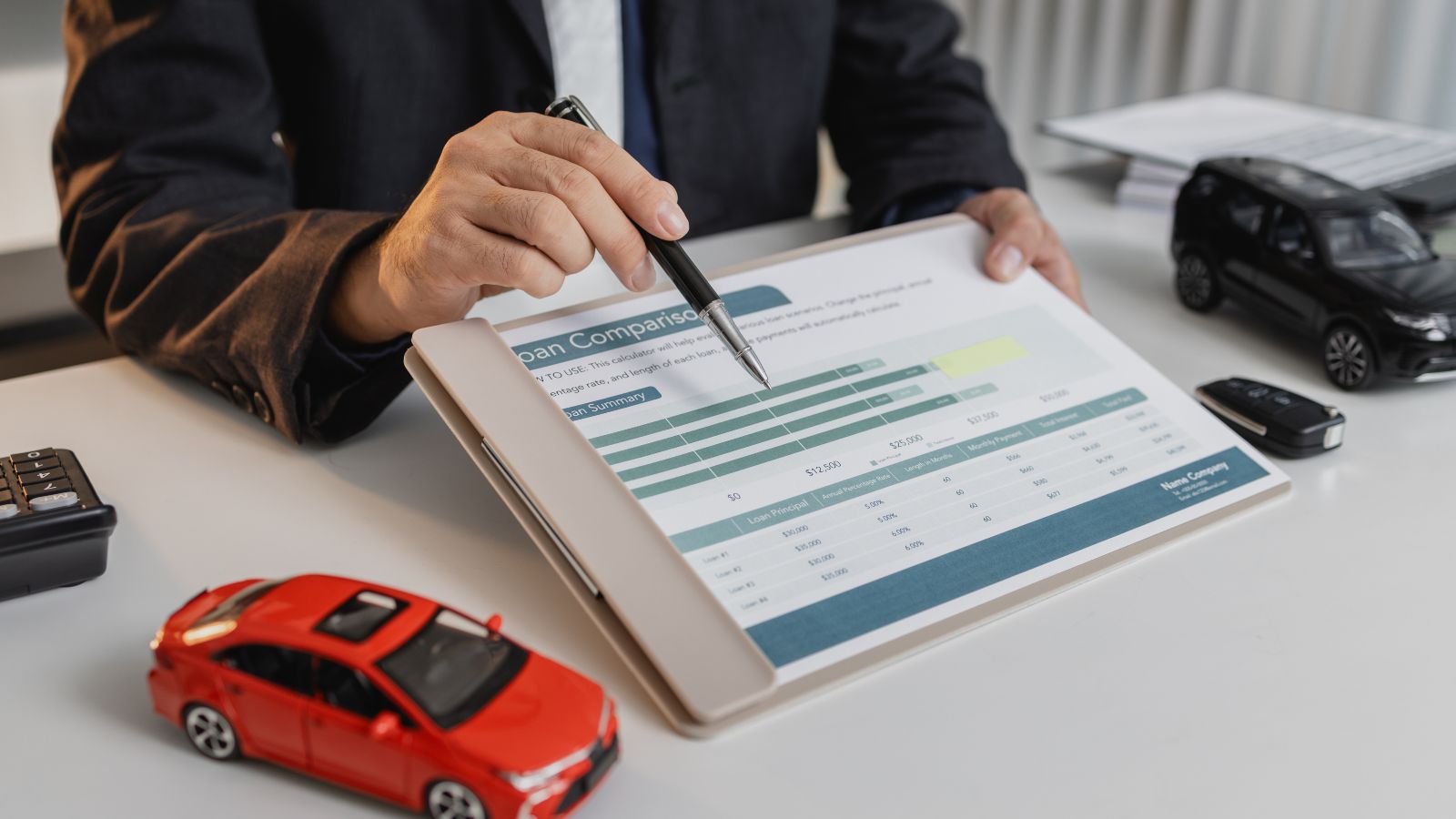
A dealership may suggest that VIN etching could reduce insurance costs, but the useful number is not the theoretical discount. It is the actual quote from the insurer covering that specific driver and vehicle. AAA advises consumers to contact their insurer before purchasing etching to find out whether it will lower the premium. That simple check can turn a vague sales benefit into a concrete dollar figure—or reveal that there is no meaningful saving at all.
Canadian insurance pricing also depends on far more than one accessory. Insurance Bureau of Canada explains that rates can reflect a vehicle’s make, model, year, value, repair costs, theft frequency and safety or anti-theft features, among other factors. In other words, a small deterrent does not automatically translate into a large premium change. If a $250 etching package saves only a trivial amount, the payback may be poor. If an insurer confirms a worthwhile reduction, the calculation changes. The important point is to verify the benefit before signing, not after the charge has already been folded into the purchase agreement.
Financing the Add-On Makes the Real Cost Higher

The finance office can make a three-digit add-on feel small by translating it into a few dollars per month. That presentation hides an obvious reality: when an optional product is rolled into the auto loan, it becomes part of the amount being financed. The U.S. Consumer Financial Protection Bureau warns that dealer add-ons increase both the loan balance and the amount a borrower ultimately repays. The Federal Trade Commission similarly advises buyers to look at an add-on’s total cost over the life of the loan rather than focusing only on the monthly payment.
A simple example shows why. A $300 add-on financed for 72 months at 7% interest would cost about $368 by the end of the loan, assuming the rate and term remained unchanged. That is not a catastrophic difference, but it makes the value question sharper. The same logic applies when etching is bundled into a larger protection package. A buyer who would hesitate to hand over several hundred dollars in cash should not become comfortable with the same purchase merely because the cost has been spread across six years of payments.
“Already Installed” Does Not Always Mean a Separate Charge Is Unavoidable
One of the strongest sales arguments is that the vehicle has already been etched, so the buyer supposedly has no choice but to pay for it. In Ontario, that claim runs into clear advertising rules. OMVIC says that if a dealer intends to charge for a pre-installed security or theft-deterrent product such as window etching, the cost must be included in the advertised all-in price. Ontario dealers cannot advertise one price and then treat a pre-installed etching charge as a surprise mandatory extra at signing.
That does not mean every Canadian province uses identical language or remedies. Vehicle sales are regulated provincially, and the details differ. The broader lesson is to separate the physical fact from the pricing question. A VIN may already be etched onto the glass, but the existence of the etching does not by itself prove that a new, undisclosed fee is proper. The original advertisement, written quote and bill of sale matter. In Ontario, OMVIC also requires charges in the advertised price to be itemized on the bill of sale.
Provincial Rules Differ, but Surprise Mandatory Fees Deserve Scrutiny
Canada does not have one single dealership-pricing rule for every province, yet several jurisdictions require strong upfront disclosure. Alberta’s AMVIC says advertised vehicle prices must include the total cost, including accessories and optional equipment physically attached to the vehicle, apart from specified exclusions such as GST and financing-related charges. British Columbia’s Vehicle Sales Authority similarly says the displayed price must include dealer fees and physically attached optional equipment. Quebec requires dealers advertising a vehicle price to show an all-inclusive price that can be increased only when the buyer requests additional products or services.
There is also a national backdrop. The Competition Bureau says drip pricing—advertising an unattainable price and then adding mandatory fixed charges later—can violate the Competition Act, subject to limited exceptions such as government-imposed charges. None of this means every disputed etching fee is automatically unlawful. It does mean that a last-minute “mandatory” charge should not be treated as routine. Documentation, timing and the applicable provincial rules determine what the dealer is allowed to do.
The Contract Matters More Than the Sales Pitch
Even when the etching itself is simple, the product being sold may be described with broader language such as “security package,” “theft protection” or “vehicle protection.” That label can create expectations that go beyond what is physically being installed. Consumer agencies repeatedly advise shoppers to ask what an add-on actually includes, what it costs, what limitations apply and whether the promises are written into the contract. The FTC specifically warns that add-ons can carry conditions that leave buyers with less coverage than they expected.
That makes the paperwork especially important when the product comes with any reimbursement promise, replacement benefit or other contractual feature. A verbal statement made across the finance desk is much less useful than a written definition of eligibility, exclusions, claim procedures and duration. The same caution applies to cancellation terms. Some add-on products can be cancelled under certain contracts or jurisdictions, while others cannot be undone once performed. A buyer should therefore judge the package that is actually written on the purchase agreement, not the reassuring shorthand used to sell it.
The Same Basic Deterrent May Be Available for Less

The strongest reason to question dealer pricing is that the dealer is rarely the only possible source of an add-on. The FTC notes that many vehicle extras can be purchased later from independent retailers, and Consumer Reports has specifically advised that a local mechanic may charge less for VIN etching. AAA makes the same broader point: if an add-on is appealing, shopping around can reveal comparable products at lower prices. That flexibility weakens the pressure to decide in the final minutes of a vehicle purchase.
There is also a long history of community and police programs offering etching at nominal prices. For example, police-sponsored initiatives have at times charged only a small fee, illustrating how inexpensive the basic process can be when it is not bundled into dealership financing. Availability varies widely by location and over time, so an old event price should not be treated as a current quote. The lesson is simply that etched glass is not a uniquely dealership-supplied technology. Comparing alternatives before signing can reveal whether the dealer is selling convenience or genuine added value.
There Are Situations Where Etching Can Still Make Sense

Calling VIN etching a potential waste should not be confused with saying nobody should ever buy it. A modestly priced service can add a visible deterrent, and official theft-prevention guidance still recognizes window etching as one layer of protection. It may be easier to justify when the price is low, when an insurer confirms a meaningful premium benefit, or when the owner values a permanent identifying mark as part of a broader anti-theft strategy. In those circumstances, the product is being purchased for a specific, verified reason rather than because of showroom pressure.
The weak case is the opposite: a heavily marked-up charge, financed for years, sold as essential and presented without a clear explanation of what it does. Modern theft prevention increasingly emphasizes stronger immobilization, electronic resistance and recovery technology, so etched glass should not be mistaken for comprehensive security. The smart decision is not an automatic yes or no. It is to separate the real function from the marketing, compare the price with alternatives, confirm any insurance benefit and make sure the written deal matches what was promised.
19 Used Cars Canadians Should Avoid in 2026 (Based on Owner Complaints)

Buying a used car in Canada can feel safe until repair bills start stacking up. Owner complaints tell a different story than glossy listings. Transmission failures, electrical problems, and weak winter reliability show up again and again in consumer reports. Many of these issues appear after warranties expire, when owners least expect them. Some vehicles look affordable upfront, but become expensive to keep on the road. Others struggle in cold weather, urban driving, or long highway commutes. Here are 19 used cars Canadians should avoid in 2026 (based on owner complaints).
19 Used Cars Canadians Should Avoid in 2026 (Based on Owner Complaints)

Alanna Rosen is an experienced content writer that focuses on many EV and educational content. Her articles are regularly published on Get CyberTrucked and syndicated on large publications.