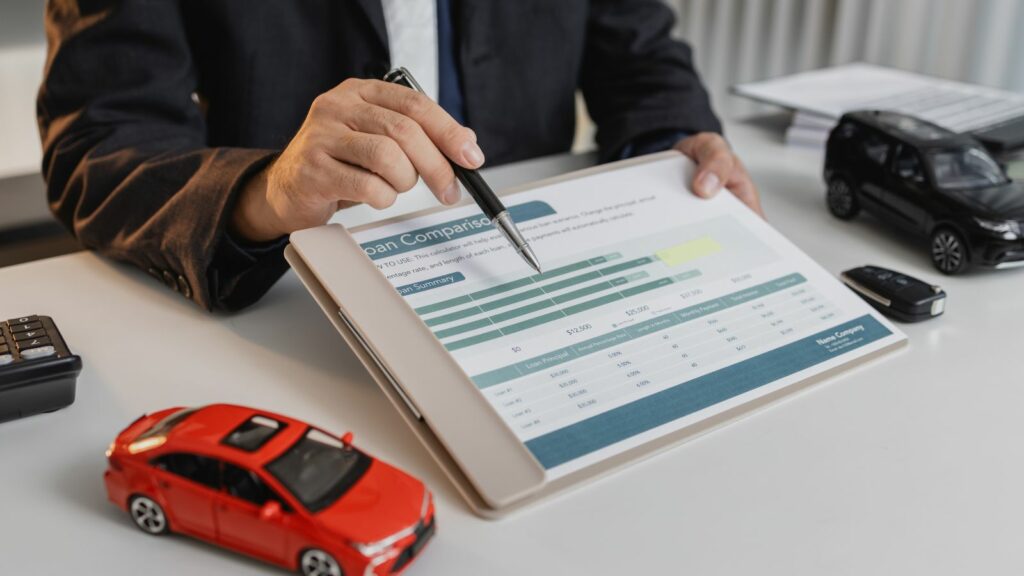
A vehicle sitting hundreds or thousands of kilometres away can look like the deal that finally makes the numbers work. Canadian buyers regularly shop beyond provincial borders for lower prices, rare trims, cleaner used vehicles, or simply better selection. The complication is that buying the vehicle is only one part of the transaction. Tax rules, inspections, insurance, temporary permits, registration requirements and consumer protections can change once a provincial border is crossed.
A bargain can therefore become considerably less attractive by the time it is legally parked at home. These 22 mistakes show where interprovincial vehicle purchases most often become complicated, expensive or unexpectedly time-consuming—and what buyers should investigate before committing money.
Looking Only at the Advertised Price
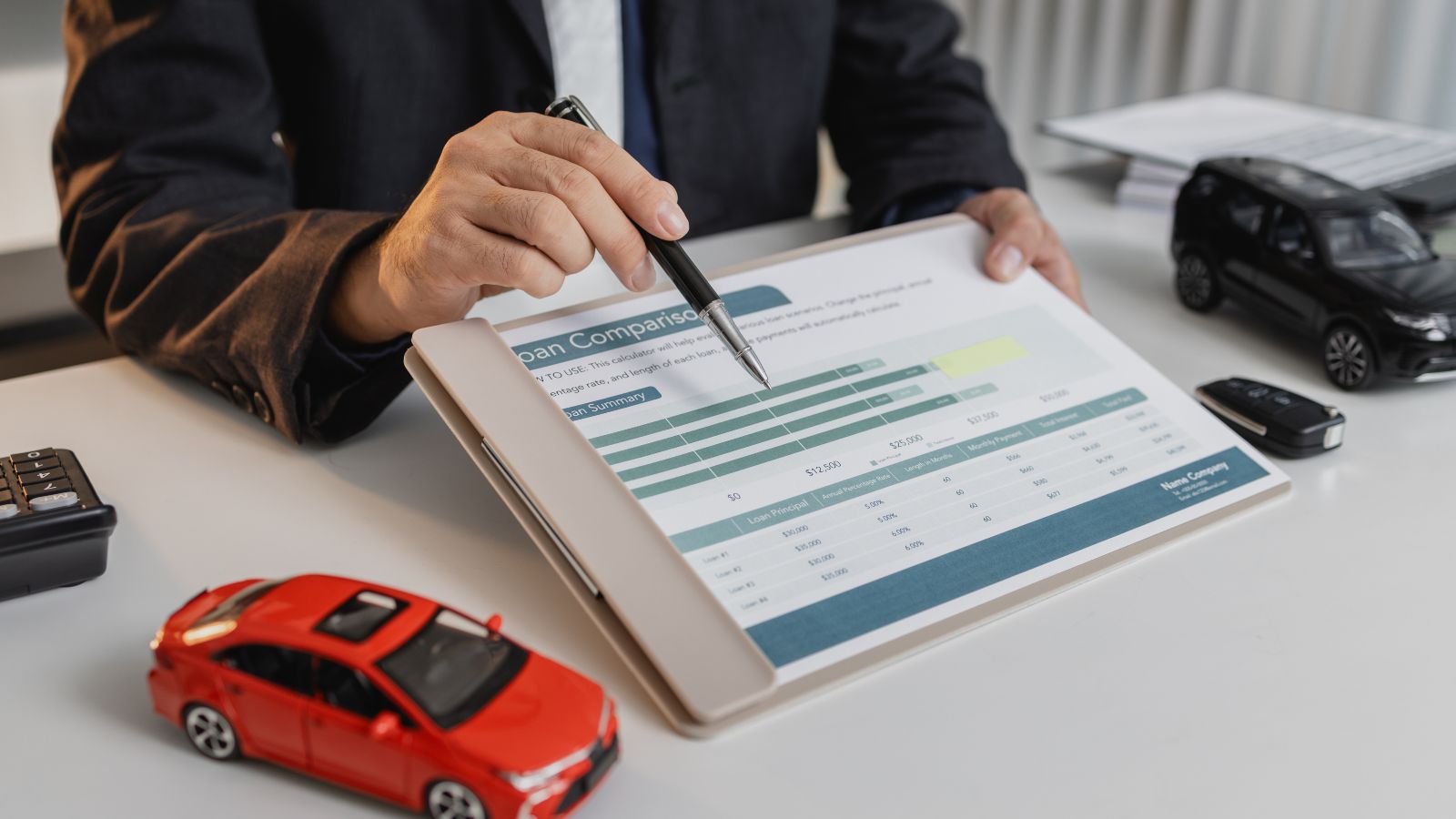
A $35,000 vehicle in another province does not necessarily cost $35,000 by the time it reaches the buyer’s driveway. Transportation, temporary registration, insurance, inspection charges, registration fees, taxes and repairs required to pass the destination province’s inspection can all enter the calculation. For someone travelling several hundred kilometres to collect the vehicle, fuel, accommodation and a possible second trip can increase the difference further.
Provincial tax treatment makes the advertised figure particularly misleading as a comparison tool. Ontario, for example, may require 13% retail sales tax when an Ontario resident registers a vehicle purchased privately in another Canadian province. New Brunswick applies a 15% provincial vehicle tax to private purchases made elsewhere in Canada and brought into the province, subject to applicable rules and exemptions. B.C. has its own PST treatment for vehicles acquired elsewhere and brought into the province. The useful comparison is therefore the landed and registrable cost, not merely the number displayed in an online listing.
Assuming Tax Paid in the Seller’s Province Settles Everything

Crossing a provincial border does not necessarily mean the tax printed on the seller’s invoice is the buyer’s final tax bill. Canada’s GST/HST rules contain specific provisions for motor vehicles delivered in one province and permanently registered in another. Depending on the provinces involved, additional provincial HST may become payable during registration, while certain buyers who paid a higher provincial portion elsewhere may qualify for a rebate if the required conditions are satisfied.
The situation becomes even more complicated where provincial sales taxes operate separately from the GST/HST system. B.C., for instance, can assess PST when a B.C. resident purchases a vehicle outside the province and brings it home. New Brunswick applies its Provincial Vehicle Tax to qualifying private transactions, including vehicles privately purchased elsewhere in Canada. That is why asking the selling dealer only, “How much tax will I pay?” can be inadequate. Before signing, the buyer should calculate the treatment both where the sale occurs and where permanent registration will occur.
Forgetting About the Destination Province’s Inspection
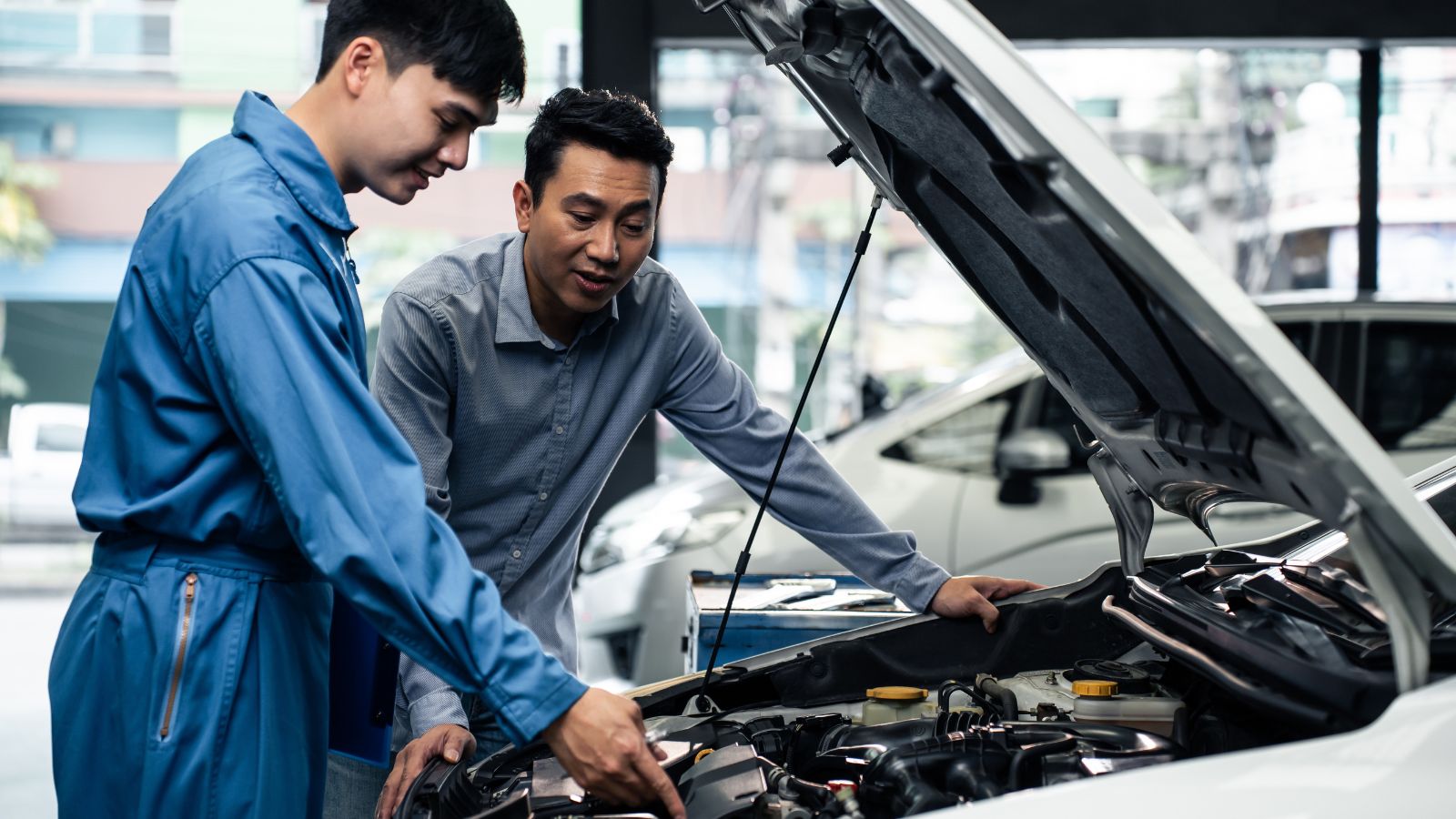
A vehicle can be perfectly legal in the province where it is purchased and still need another inspection before it can be registered at home. Alberta generally requires vehicles last registered outside the province to pass its Out of Province Vehicle Inspection before licence plates can be issued. B.C. also generally requires imported vehicles from other provinces to undergo a provincial safety inspection, although exemptions apply in specific circumstances.
Quebec requires most used vehicles arriving from outside the province to obtain a mechanical inspection certificate before registration. Newfoundland and Labrador also requires an inspection when registering qualifying used vehicles, while Nova Scotia has inspection requirements for vehicles entering from elsewhere. The practical problem is that an inexpensive used vehicle can fail over brakes, steering, structural components, lighting or other defects after the purchase is already complete. Buyers who investigate the destination inspection standard before travelling can price that risk into the deal instead of discovering it after the vehicle is already theirs.
Assuming an Existing Inspection Automatically Transfers
A seller may proudly advertise that the vehicle “just passed inspection,” but that certificate may not satisfy the province where the buyer intends to register it. Provincial inspection systems are not universally interchangeable. Manitoba, for example, accepts valid certificates of inspection from certain government-approved programs in British Columbia, Alberta, Saskatchewan, Ontario and Quebec, but does not accept certificates from every Canadian jurisdiction.
Other provinces have their own reciprocity arrangements and exemptions. Nova Scotia regulations recognize qualifying inspections from jurisdictions that have reciprocal agreements, while B.C. provides exemptions for some qualifying vehicles coming from Alberta, Saskatchewan or Manitoba under the New West Partnership framework. This creates an easy trap: a perfectly legitimate inspection can still be unusable for the buyer’s specific registration. Before treating an inspection certificate as valuable, buyers should confirm the certificate type, issuing jurisdiction, expiry date and whether the destination registry will recognize it. Otherwise, the car may need to be inspected again immediately after arriving home.
Leaving Temporary Permit Planning Until Pickup Day
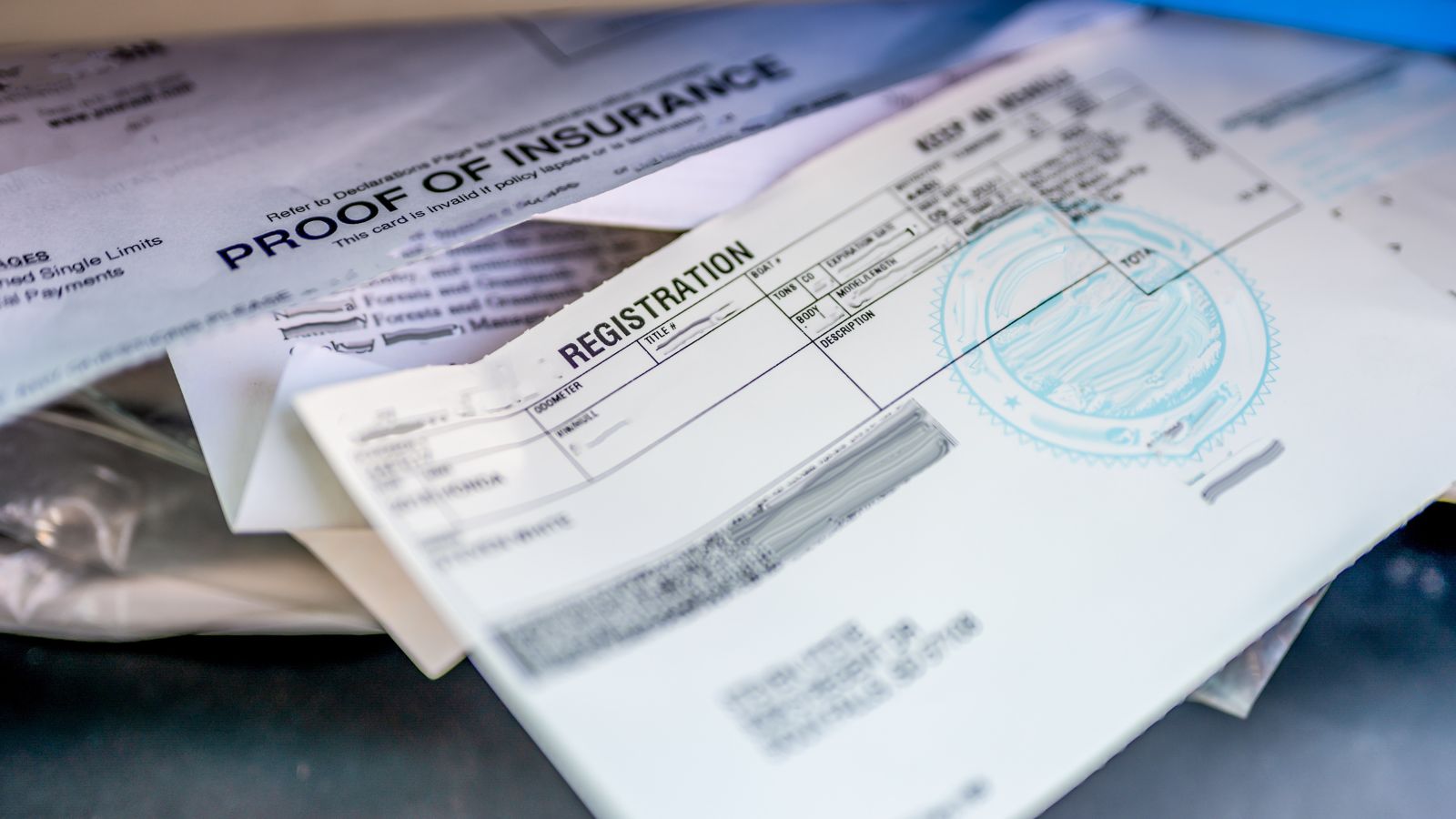
The journey home deserves as much planning as the purchase itself. A buyer cannot simply assume the seller’s licence plate stays with the vehicle or that a handwritten bill of sale creates permission to drive through several provinces. Temporary registration and transit-permit requirements depend on the jurisdictions involved, and the necessary documentation can be difficult to arrange after registry offices have closed for the day.
B.C.’s guidance is a useful example. A resident driving an imported vehicle home generally needs temporary insurance from ICBC and an in-transit permit issued by the jurisdiction where the vehicle was purchased. Manitoba advises people purchasing vehicles outside Manitoba that they will need a Temporary Registration Permit to bring the vehicle into the province. Nova Scotia also makes temporary permits available in certain private-sale situations. A weekend pickup scheduled for late Saturday can therefore turn into a Monday hotel stay if the paperwork was never arranged. Transport logistics should be confirmed before the purchase date, not in the dealership parking lot.
Driving Home Without Confirmed Insurance
The excitement of finding the right vehicle can overshadow a basic question: exactly what insurance covers it during the trip home? Coverage attached to an existing vehicle or licence plate should never be assumed to automatically protect a newly purchased out-of-province vehicle. Provincial systems and individual insurers have their own requirements, and proof of coverage is commonly required when permanent registration is eventually completed.
B.C. specifically directs residents bringing vehicles home from another province to obtain an interim insurance binder through an Autoplan broker. Alberta requires proof of Alberta insurance before an out-of-province vehicle can receive Alberta registration and a plate. Newfoundland and Labrador likewise requires proof of insurance for vehicle registration and states that public-liability insurance must be in place before a vehicle is transferred or driven on the highway. The safest sequence is to provide the insurer with the exact VIN in advance, confirm the effective time and date, and understand what documentation must be carried during the trip.
Accepting Incomplete Ownership Paperwork

A vehicle can be mechanically excellent and still become a registration headache because one document is missing. Requirements vary, but registries commonly ask for original ownership or registration documents, a properly completed bill of sale and, for new vehicles, a New Vehicle Information Statement or similar manufacturer’s document. Leased vehicles can require additional authorization from the leasing company.
B.C. asks buyers registering vehicles imported from another Canadian province to provide the previous registration or an NVIS, the original bill of sale and, where required, the passed inspection report. Quebec requires documents including the sales or leasing contract and the previous province’s registration certificate for a used Canadian vehicle. Ontario likewise requires out-of-province ownership information and other supporting documents depending on the vehicle. Newfoundland and Labrador requires a registration certificate and bill of sale for used vehicles. A missing signature or ownership document can leave an otherwise usable vehicle sitting in a driveway while the buyer tries to reach a seller several provinces away.
Failing to Match the VIN Across the Car and Documents
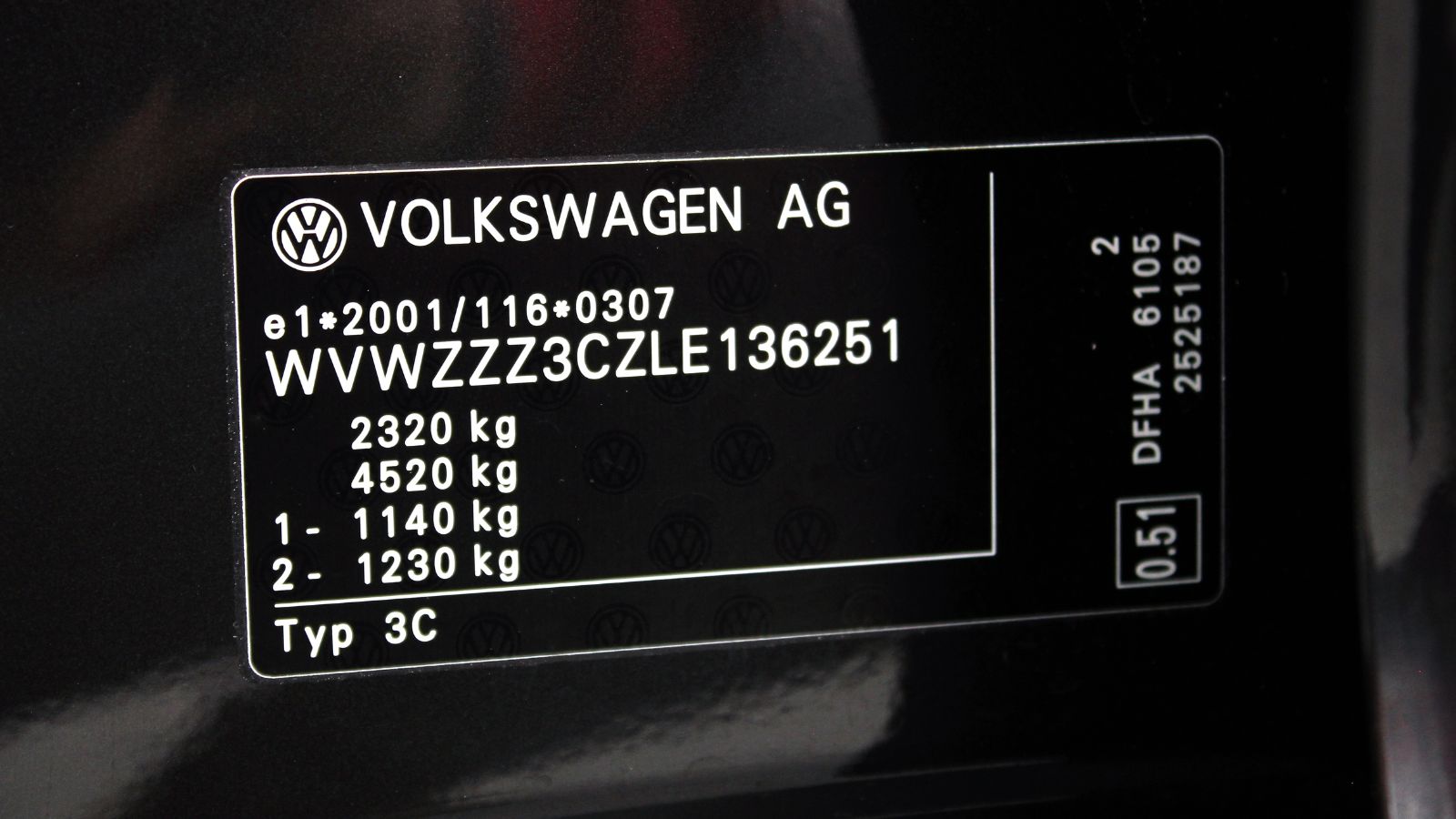
The vehicle identification number should be treated like the vehicle’s fingerprint. Before payment changes hands, the VIN visible on the vehicle should be checked against the registration, bill of sale, history report, financing documents and any other paperwork associated with the transaction. A single incorrect digit can create administrative trouble; evidence that the VIN itself has been altered can signal something considerably more serious.
Ontario specifically advises used-vehicle buyers to physically inspect the VIN and compare it with the documentation, noting that inconsistencies can be warning signs of fraud or theft. When an out-of-province vehicle is brought into B.C., the Autoplan broker must see the vehicle and confirm details including the VIN and odometer reading. Long-distance transactions make this check especially important because buyers may have relied heavily on photos and emailed paperwork before travelling. The sensible approach is to obtain the VIN before sending money, research it independently, and verify the physical identifier again before accepting the vehicle.
Skipping the Lien Search
A clean-looking registration document does not automatically mean the vehicle is free of debt. A lender or other secured party may have a registered financial interest in the vehicle, potentially creating serious problems for the new owner. The exact search process varies by province, which makes an interprovincial purchase more complicated than simply asking the seller whether anything is owing.
Ontario’s Used Vehicle Information Package includes lien information for qualifying Ontario vehicles. Saskatchewan’s Financial and Consumer Affairs Authority advises private buyers to search the Saskatchewan Personal Property Registry for liens and warns that a vehicle subject to a lien may potentially be seized to satisfy the previous owner’s debt. An interprovincial buyer should therefore determine where the vehicle has been registered and financed and use the appropriate provincial registry or professional lien-search service. If money is still owing, the payoff arrangement should involve the lender directly rather than relying solely on a seller’s promise that the loan will eventually be cleared.
Ignoring Salvage, Rebuilt or Flood History
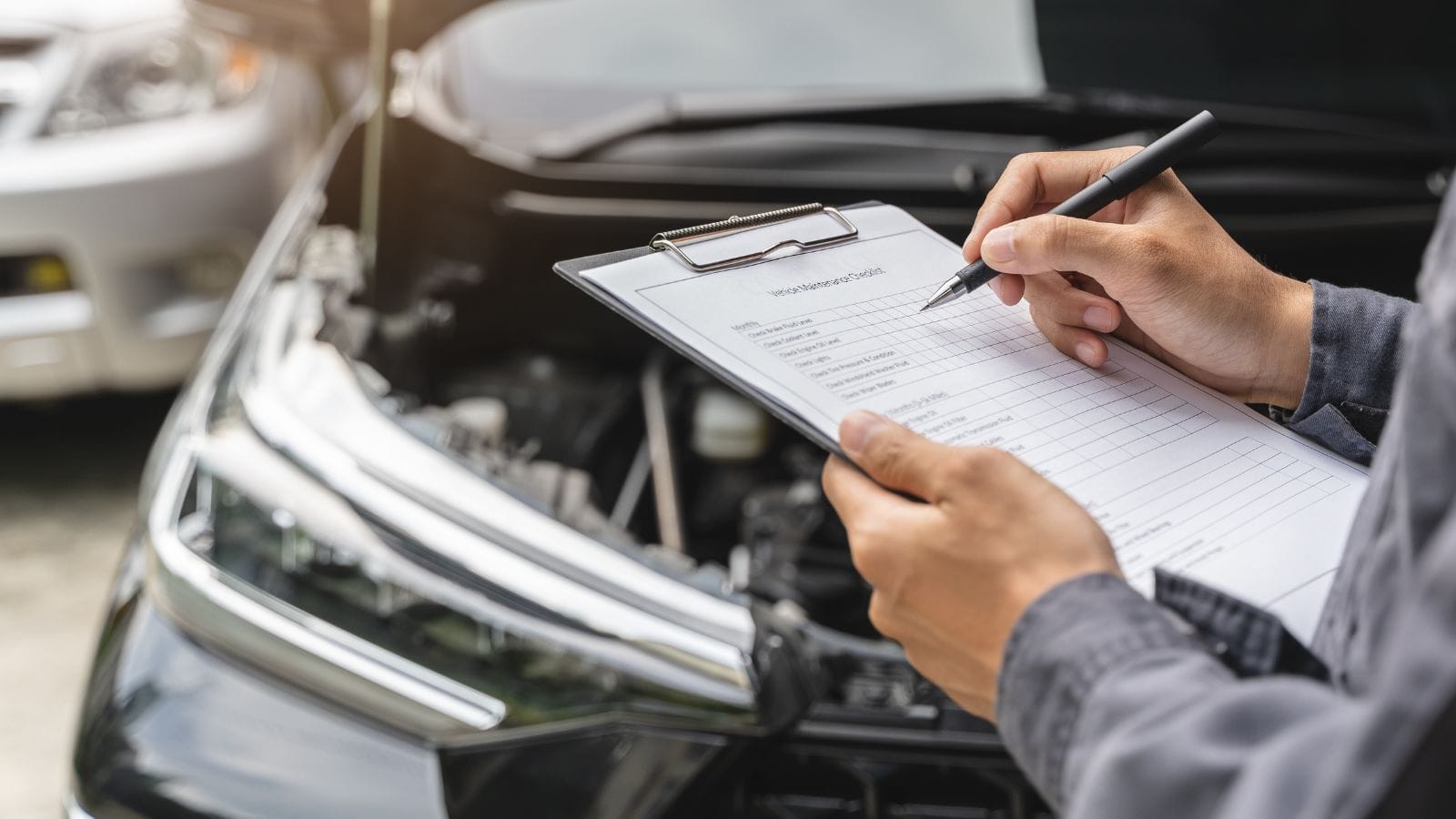
A low price can sometimes be explained by a history that is far more expensive than it initially appears. Provinces use branding systems to identify severely damaged vehicles, and a vehicle that has been written off, rebuilt or exposed to flooding deserves substantially more investigation than an ordinary used car. Branding can also affect registration, inspection requirements, insurance and eventual resale value.
Ontario’s used-vehicle records can show important status and wreck information, while Ontario dealers have specific disclosure duties involving vehicles classified as irreparable, salvage or rebuilt. Quebec warns that a vehicle declared unrebuildable—for example, because of severe flood damage—cannot simply be returned to the road there. Newfoundland and Labrador requires salvage vehicles to undergo a more extensive inspection process that includes mechanical and structural checks before registration can proceed. Buyers should therefore examine both a commercial history report and official provincial records when available. A rebuilt bargain may still be worthwhile, but only when the history, repair quality and registration consequences are fully understood before payment.
Skipping an Independent Pre-Purchase Inspection
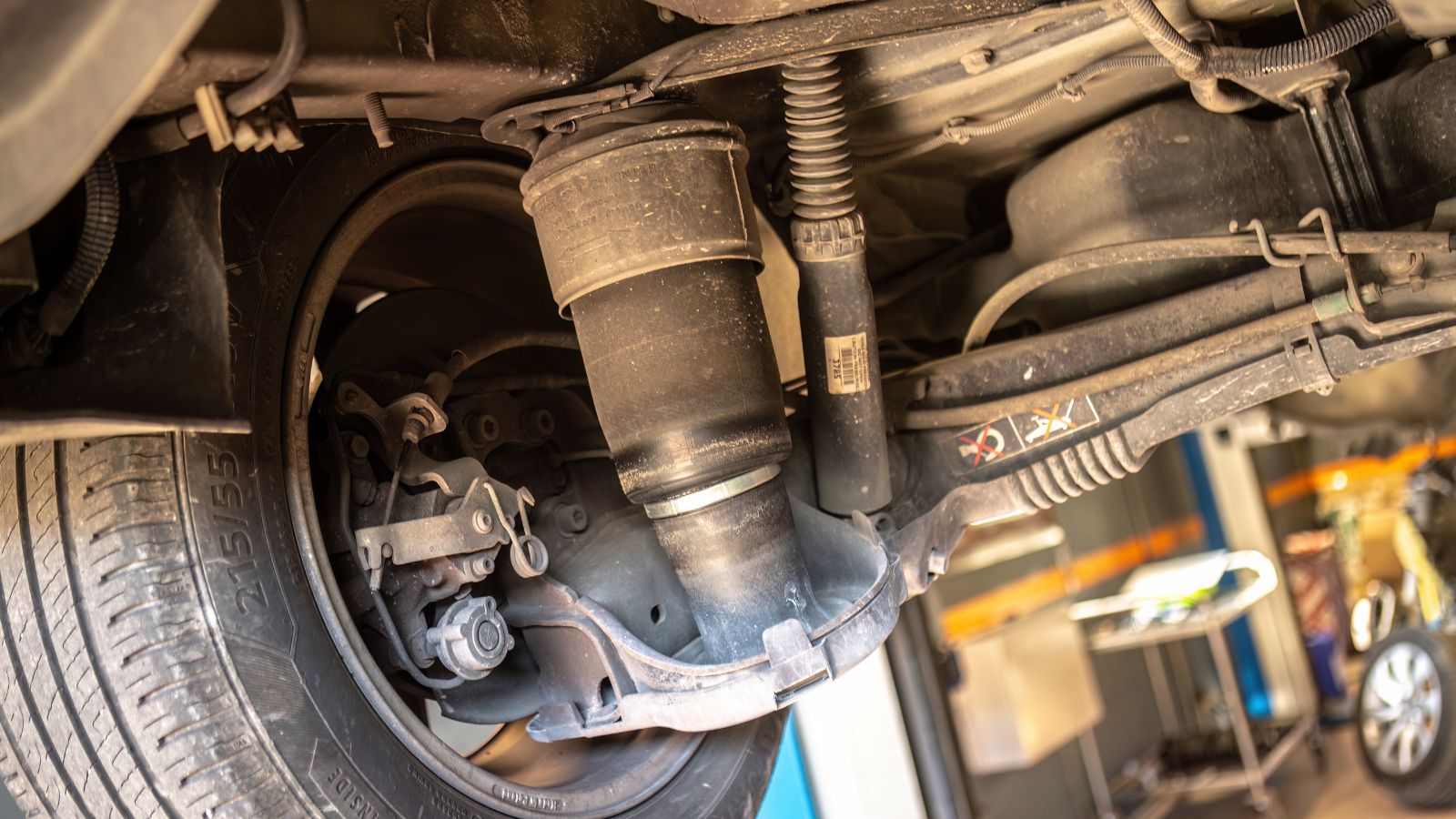
A long drive to inspect a vehicle can make buyers reluctant to spend another few hundred dollars on a mechanic. That is precisely when an independent inspection can be most valuable. Photographs hide fluid leaks, uneven tire wear, worn suspension parts, corrosion and evidence of poor collision repairs surprisingly well. A brief test drive by an excited buyer is not a substitute for putting the vehicle on a lift.
Ontario’s motor-vehicle regulator recommends that used-car buyers have vehicles inspected by a trusted mechanic, particularly when manufacturer warranty coverage has ended. New Brunswick’s Financial and Consumer Services Commission similarly recommends an independent mechanical inspection when buying used. Quebec goes even further in explaining that its mandatory mechanical inspection is limited to specific components and recommends a mechanic for a deeper assessment of overall condition. When the vehicle is several provinces away, buyers can arrange an inspection locally before travelling. If the seller refuses reasonable access to an independent shop, the inconvenience of walking away may be much cheaper than discovering major defects at home.
Treating a Safety Inspection as a Mechanical Guarantee
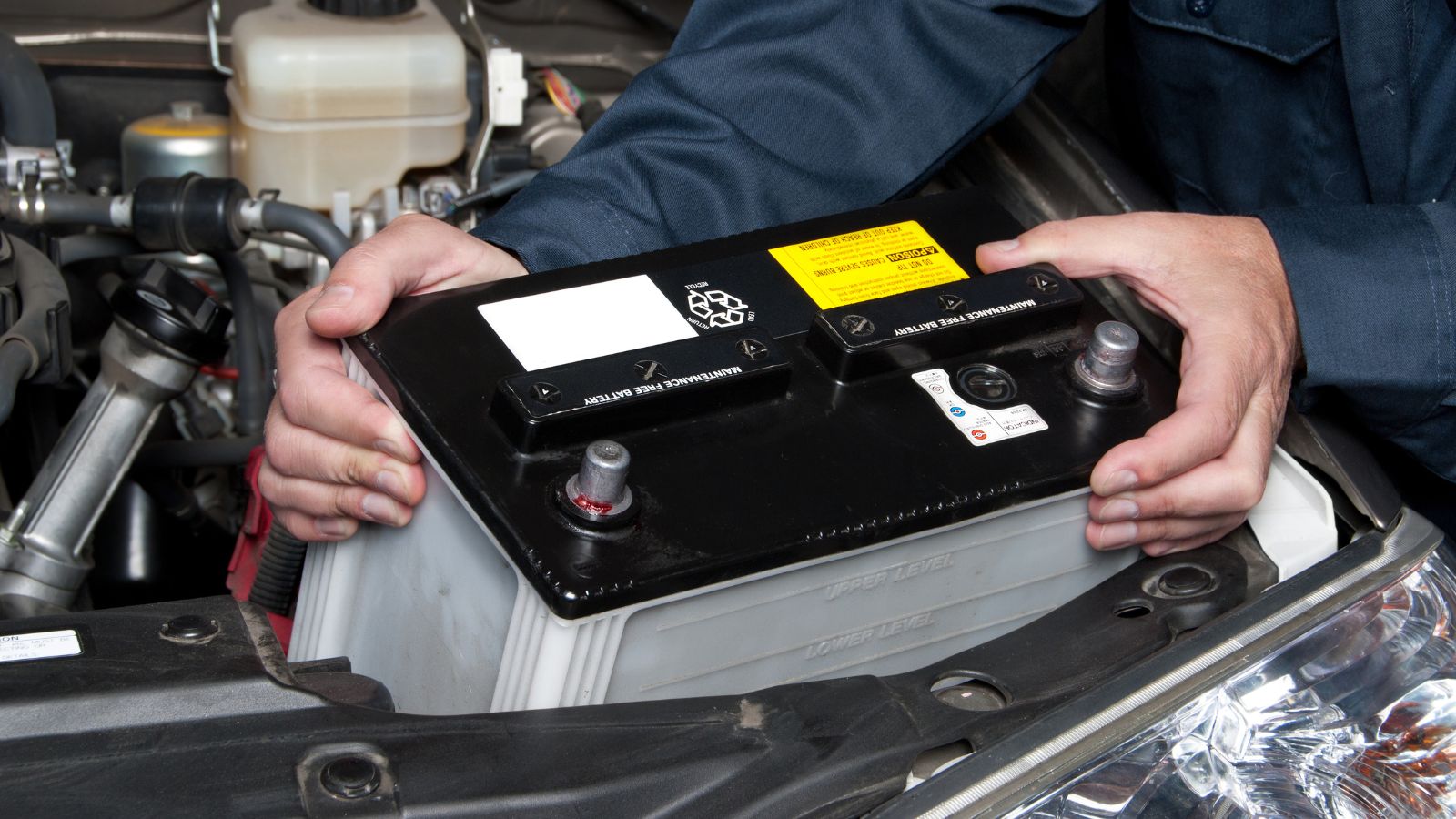
Passing a government-required safety inspection does not mean a used vehicle is trouble-free. Inspections are designed around specified regulatory standards, not around predicting whether an engine, transmission, battery pack, air-conditioning compressor or infotainment system will need a costly repair six months later. Confusing the two can create false confidence during an expensive purchase.
Ontario states explicitly that its Safety Standards Certificate confirms the vehicle met minimum safety standards when inspected and is not a warranty or guarantee of overall condition. Quebec similarly describes its mechanical inspection as a visual examination of designated components and recommends an additional inspection by the buyer’s own mechanic for a more thorough assessment. This distinction matters even more with an out-of-province purchase because returning to the seller can be difficult. A car may legally pass its provincial safety check while still having significant maintenance needs. Buyers should use the mandatory inspection as one piece of information rather than treating it as a substitute for due diligence.
Forgetting to Check for Open Safety Recalls
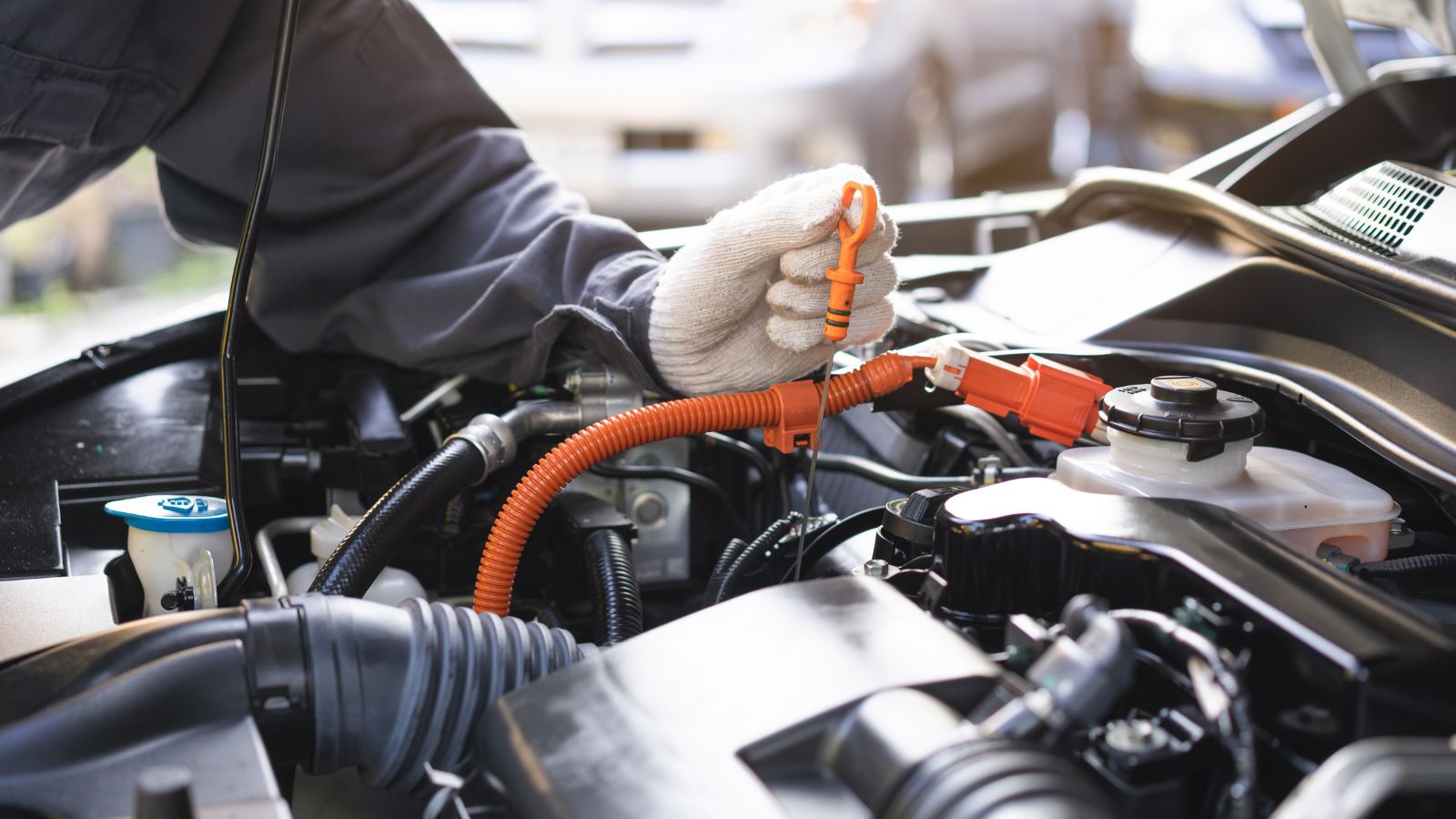
Used-car shopping often focuses on kilometres, collision history and service records, while open safety recalls receive far less attention. Yet recalls can involve braking systems, airbags, electrical components, fuel systems and other equipment with direct safety implications. Because vehicles move between provinces during their lives, relying on the seller to know every outstanding campaign is unnecessary when the VIN can be checked independently.
Transport Canada maintains recall information and provides tools for searching motor-vehicle safety recalls, including VIN-based resources. A recall does not necessarily make a vehicle a poor purchase; manufacturers commonly complete recall repairs without charging the owner. The more important questions are whether an outstanding repair exists, whether parts are currently available and whether the vehicle can conveniently be serviced near the buyer’s home. A buyer travelling across Canada for an uncommon model may discover that the nearest authorized service location is hours away. A five-minute recall check before purchase can prevent an inconvenient surprise after the vehicle has changed provinces.
Buying a Modified Vehicle Before Checking Home-Province Rules
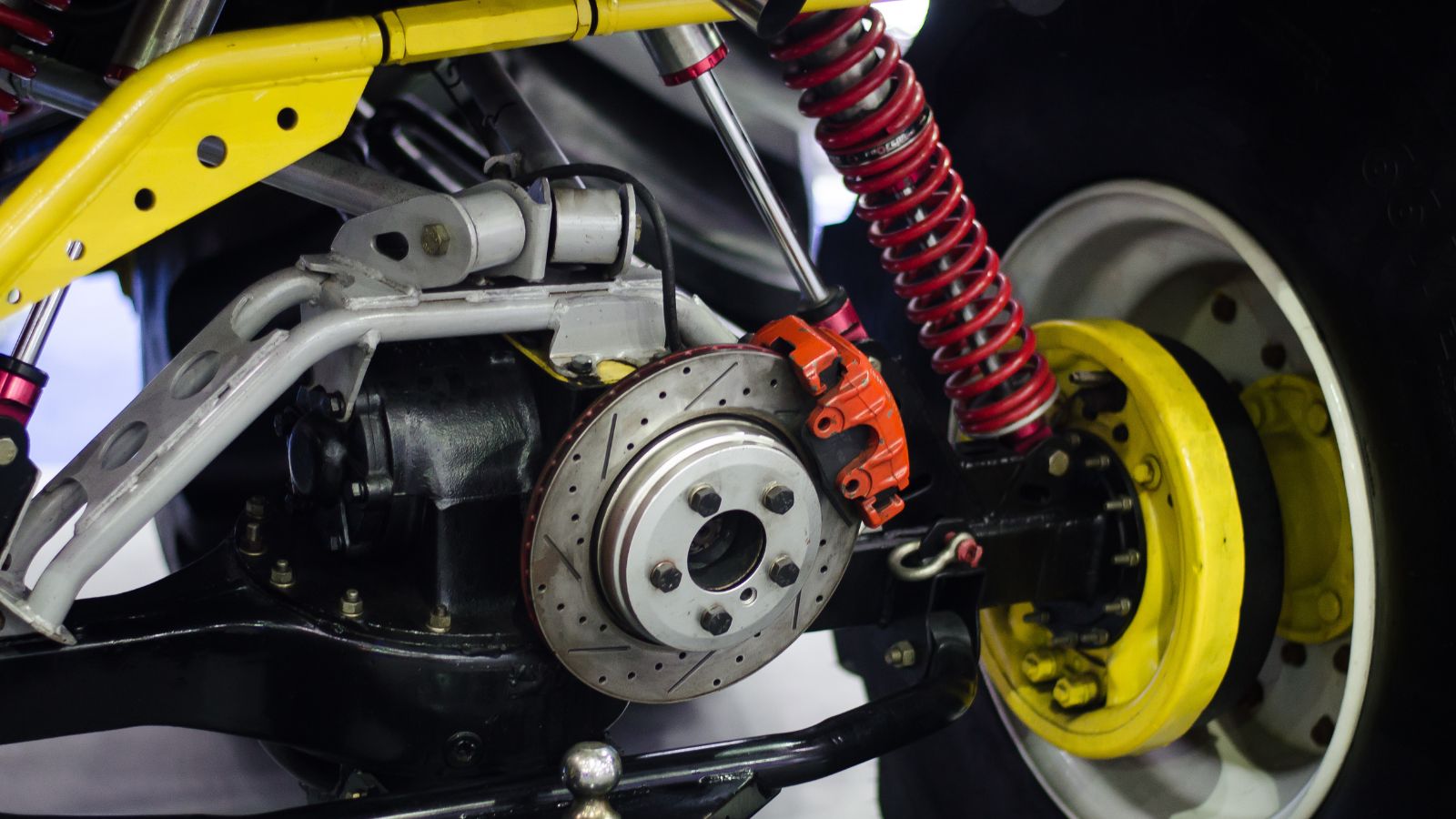
Lift kits, suspension changes, unusual lighting, aftermarket wheels, right-hand-drive conversions and other modifications can make a vehicle appealing to an enthusiast. They can also create complications when that vehicle must satisfy another province’s inspection rules. A modification tolerated or previously accepted in the seller’s jurisdiction is not automatically guaranteed to pass the standards applied at the buyer’s destination.
Alberta’s out-of-province inspection program requires vehicles to meet applicable safety and equipment standards and says vehicles must remain within relevant original-equipment-manufacturer service limits to pass. Alberta also warns that right-hand-drive vehicles can require modifications, including changes to lighting equipment. Quebec advises buyers of vehicles from outside the province that unusual or modified vehicles may not satisfy provincial requirements and recommends checking before purchase. This is a particularly expensive mistake when specialized aftermarket parts must be removed and replaced with compliant components. Before paying a premium for modifications, the buyer should confirm that those modifications will survive the destination province’s registration process.
Assuming the Home Province’s Consumer Regulator Will Handle the Deal

Buying from a licensed dealer usually provides protections that do not exist in a purely private transaction, but those protections are administered provincially. An Ontario resident buying from a dealership in another province should not automatically expect Ontario’s motor-vehicle regulator to supervise that dealer simply because the buyer lives in Ontario. The relevant sales regulator will generally be connected to the jurisdiction where the dealership operates and where the transaction occurred.
Ontario’s OMVIC makes this distinction clear by tying its consumer-protection framework to OMVIC-registered dealers. B.C. has its own Vehicle Sales Authority, while Alberta regulates automotive businesses through AMVIC. Quebec and other provinces have separate consumer-protection systems and legal warranties. Before buying at a distance, it is worth identifying which regulator licenses the business, what complaint process applies and whether any compensation fund or statutory remedy is available. Cross-border shopping is not inherently risky, but buyers should know where they would need to turn if the advertisement, disclosure or sales agreement later becomes disputed.
Treating a Private Sale Like a Dealer Sale

Private sellers and licensed dealerships do not always carry the same legal obligations. That distinction can become easy to overlook when a polished online advertisement makes a private transaction look professional. A buyer travelling across a provincial border may assume that familiar dealer protections—mandatory disclosures, regulator assistance or compensation mechanisms—still apply when the seller is simply an individual.
Ontario’s regulator states that its dealer-focused consumer protections do not cover ordinary private transactions in the same way and that buyers purchasing privately do not have access to OMVIC’s compensation framework. New Brunswick likewise explains that protections under its Consumer Product Warranty and Liability Act apply to qualifying goods sold by dealers but not to private sales between individuals. Private transactions therefore place more weight on the buyer’s own lien search, history report, inspection and documentation. Saving money by buying privately can still make sense, but the price should reflect the extra due-diligence burden and the potentially narrower remedies available if something goes wrong.
Sending a Deposit Without Written Conditions
A deposit can feel like a harmless way to stop another buyer from taking a rare vehicle, particularly when the car is far away. The problem begins when the buyer later discovers unacceptable inspection results, cannot arrange financing or learns that the destination province will not register the vehicle without expensive work. Whether the money comes back can depend heavily on the agreement and the law applying to the transaction.
B.C.’s Vehicle Sales Authority recommends written deposit terms spelling out the amount, purpose, refundability and conditions attached to the payment. It also notes that dealership vehicle-sale agreements are generally binding and there is no automatic legal right to return a vehicle merely because the buyer changes their mind. Ontario likewise has no general cooling-off period for dealership vehicle purchases once a binding contract has been signed, subject to specific statutory cancellation rights and contractual conditions. For an interprovincial deal, inspection, financing and registration conditions should therefore be written down before money is transferred.
Failing to Verify That the Dealer Is Properly Licensed

Distance makes it easier for a questionable seller to appear legitimate. A professional website, polished vehicle photos and a business-like invoice do not prove that the seller is authorized to operate as a motor-vehicle dealer. Unlicensed operators can present themselves as private sellers or businesses, leaving buyers with far fewer options when the transaction goes wrong.
Ontario requires motor-vehicle dealers and salespeople operating within its regulated system to be registered with OMVIC, and the regulator provides a search tool buyers can use to verify them. B.C. similarly operates a provincial licensing framework through the Vehicle Sales Authority. Other provinces maintain their own dealer regulators or licensing systems. This check becomes especially important before sending a wire transfer or deposit to a business that has never been visited in person. The dealership’s legal name, address and licence status should match the contract and payment instructions. A ten-minute licence search can reveal whether the business is actually part of the regulatory system it claims to operate under.
Assuming Advertised-Price Rules Are the Same Everywhere
The words “plus tax” do not tell the full story about dealer pricing across Canada. Provinces regulate vehicle advertising differently, so a buyer accustomed to the rules at home may misinterpret an advertisement from another jurisdiction. Charges for administration, freight, accessories and other dealer fees can be treated differently depending on the applicable provincial legislation.
Ontario requires advertisements from registered dealers to include the fees and charges the dealer intends to collect, with HST and licensing being notable exclusions when properly disclosed. Alberta also has all-in advertised-pricing requirements, but its framework excludes GST and financing-related costs while requiring other applicable dealer charges to be incorporated into the advertised price. These rules can make two seemingly identical advertisements difficult to compare without a written purchase breakdown. Before making the trip, buyers should request an itemized, out-the-door quotation showing the vehicle price, dealer charges, accessories, taxes collected by the seller and anything expected to be paid later in the home province.
Assuming Warranty Rights and Service Arrangements Are Identical

The word “warranty” can describe several different protections: a manufacturer’s remaining warranty, a dealer warranty, a purchased service contract or statutory rights created by provincial law. Buyers should not treat those categories as interchangeable, particularly when the seller and buyer live in different provinces. The question is not merely whether the advertisement says “warranty included,” but who is responsible, what is covered and where repairs can be performed.
Quebec provides a particularly clear example of province-specific protection. Used automobiles purchased from merchants may carry statutory legal warranties, and qualifying newer used vehicles can receive a prescribed warranty of good working order based on age and kilometres. New Brunswick also provides statutory protections for qualifying consumer goods purchased from dealers. Those laws illustrate why an out-of-province buyer should read the actual contract rather than assuming every Canadian dealership offers identical remedies. Manufacturer coverage should also be confirmed with the manufacturer, including transfer requirements and authorized service locations near home.
Missing Registration and Inspection Deadlines
Interprovincial purchases often create several clocks at once. A temporary permit expires. An inspection certificate may have a limited validity period. The destination province may require ownership to be transferred within a specified period. Missing one of those dates can force the buyer to repeat an inspection, buy another permit or leave the vehicle parked until the paperwork is corrected.
Ontario requires a buyer of a used vehicle to register the transfer within six days of purchase. Alberta’s rules provide another illustration of how quickly paperwork can expire: once a vehicle passes an Alberta Out of Province Vehicle Inspection, the certificate generally must be presented to a registry agent within 14 days. If a failed vehicle is not repaired and presented for reinspection within the applicable 10-day period, another full inspection may be required. These deadlines make procrastination costly. Buyers should create a timeline before collection day covering insurance activation, transit authorization, inspection appointments, tax payment and permanent registration.
Assuming the Selling Dealer Will Handle the Home-Province Paperwork

Local dealership purchases often feel seamless because the dealer handles much of the registration process. That convenience can disappear across a provincial border. A dealership may know its own province’s requirements perfectly while having limited responsibility for the buyer’s permanent registration hundreds of kilometres away. The buyer can therefore arrive home with a legitimate invoice but still need to complete several government steps personally.
B.C. residents bringing in Canadian vehicles generally visit an Autoplan broker with the previous registration, original bill of sale and required inspection documentation. Quebec directs people registering vehicles from outside the province to confirm required documents with the SAAQ and present the appropriate ownership and inspection records. Ontario also has specific procedures for out-of-province vehicles and notes that ServiceOntario may need to confirm a new-vehicle sale with the out-of-province dealership. Before paying, buyers should identify exactly who obtains each document, who pays each tax and fee, and what must still be completed after the vehicle reaches home.
19 Used Cars Canadians Should Avoid in 2026 (Based on Owner Complaints)

Buying a used car in Canada can feel safe until repair bills start stacking up. Owner complaints tell a different story than glossy listings. Transmission failures, electrical problems, and weak winter reliability show up again and again in consumer reports. Many of these issues appear after warranties expire, when owners least expect them. Some vehicles look affordable upfront, but become expensive to keep on the road. Others struggle in cold weather, urban driving, or long highway commutes. Here are 19 used cars Canadians should avoid in 2026 (based on owner complaints).
19 Used Cars Canadians Should Avoid in 2026 (Based on Owner Complaints)

Alanna Rosen is an experienced content writer that focuses on many EV and educational content. Her articles are regularly published on Get CyberTrucked and syndicated on large publications.