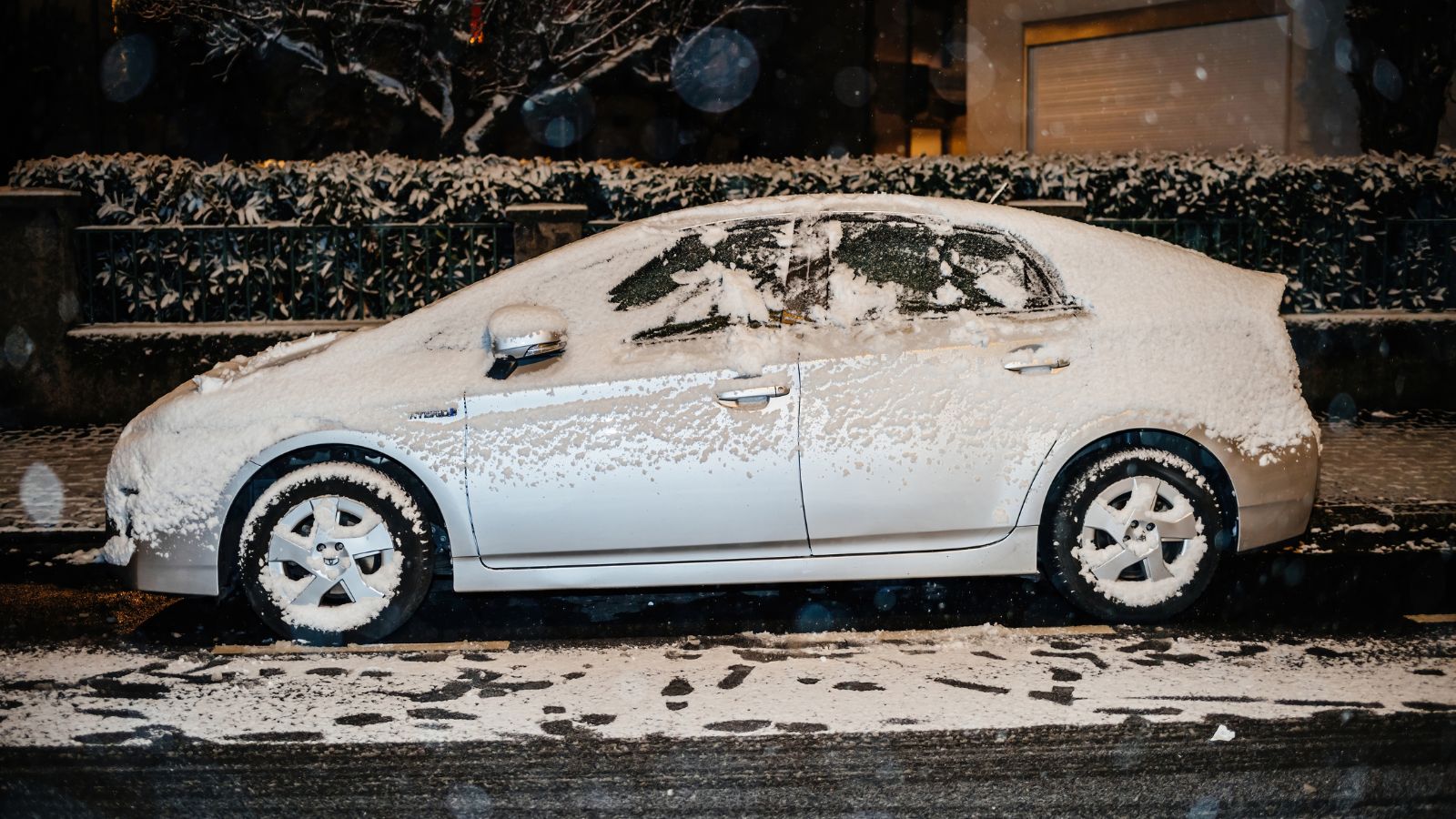
The first frosty morning of the season has a way of exposing problems that went unnoticed through warmer weather. A battery that seemed merely tired in September can suddenly refuse to crank. A marginal ignition system can turn a routine commute into repeated attempts at the starter button, while low tire pressure, weak coolant protection, worn belts and aging rubber components can become much more consequential as temperatures fall.
Cold weather does not automatically damage a properly maintained vehicle, but it places extra demands on several systems at once. These 19 warning signs can indicate that a car is heading into colder weather with a weakness that deserves attention before a chilly morning turns it into a breakdown.
Slow Cranking Before the Weather Turns Cold
An engine that has begun turning over more slowly than normal is one of the clearest early warnings that the starting system may struggle once temperatures drop. Drivers tend to become accustomed to small changes, so an extra second or two of cranking can be easy to dismiss. Yet a healthy vehicle that once fired almost immediately should not gradually sound as though the starter is labouring through every revolution. The battery is often responsible, although cables, connections, the starter motor and other electrical components can produce similar symptoms.
Cold weather makes the problem more obvious because conventional lead-acid batteries become less effective as temperatures fall while the engine simultaneously requires more electrical effort to crank. AAA has reported substantial reductions in battery output around and below freezing. That means a marginal battery may start the vehicle perfectly well after a warm afternoon but fail after sitting overnight during the season’s first serious temperature drop. Slow cranking is therefore worth investigating before it becomes silence in the driveway.
Clicking at Startup That Is Becoming More Frequent
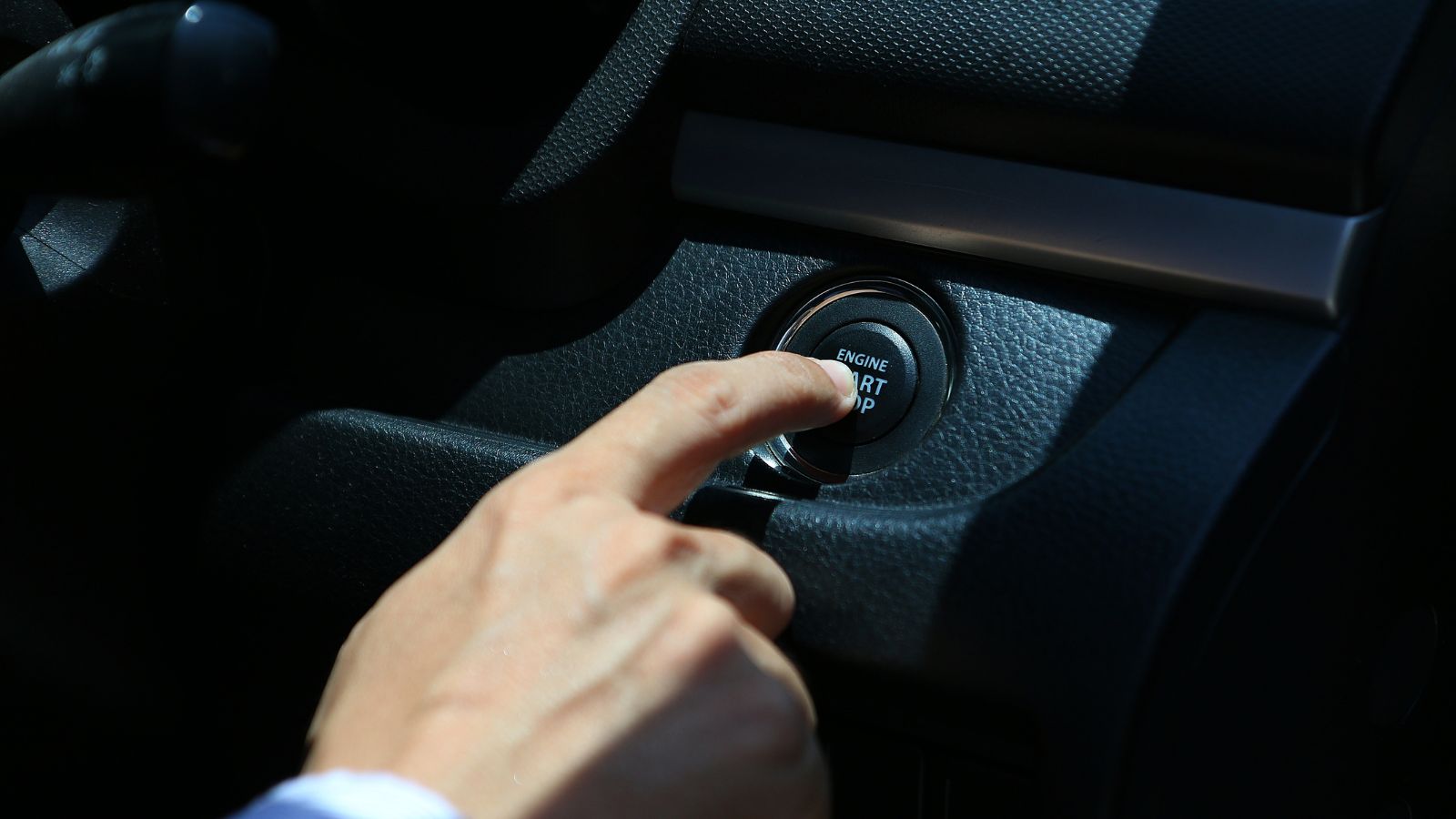
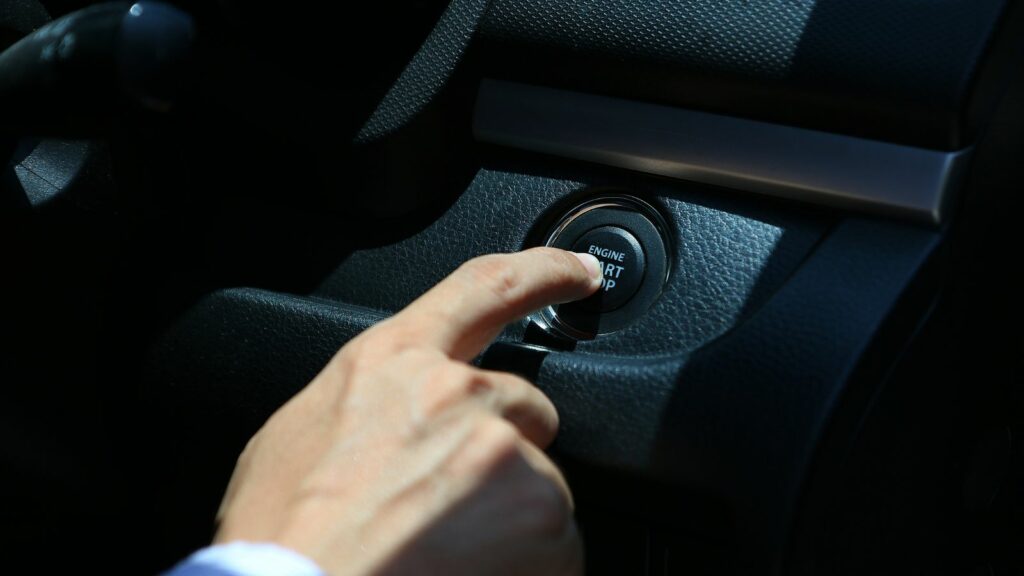
A click when the key is turned or start button is pressed can be more than an irritating sound. Rapid clicking commonly occurs when the starter is attempting to engage but the electrical system cannot supply enough power. A weak battery is a frequent cause. A single click with functioning dashboard lights, however, can also point toward the starter or another part of the starting circuit, which is why the sound should be diagnosed rather than automatically blamed on the battery.
The warning becomes more important when it is intermittent. A car might click twice on Tuesday morning, start normally for three days and then refuse to turn over after the first overnight frost. Cold temperatures can reduce the amount of energy an already weak battery can deliver, taking a marginal condition and pushing it past the point where the starter will operate properly. Repeated clicking, even when the vehicle eventually starts, is therefore an opportunity to have the battery, connections and starter system tested while the car is still mobile.
Headlights and Electronics That Seem Weaker at Idle
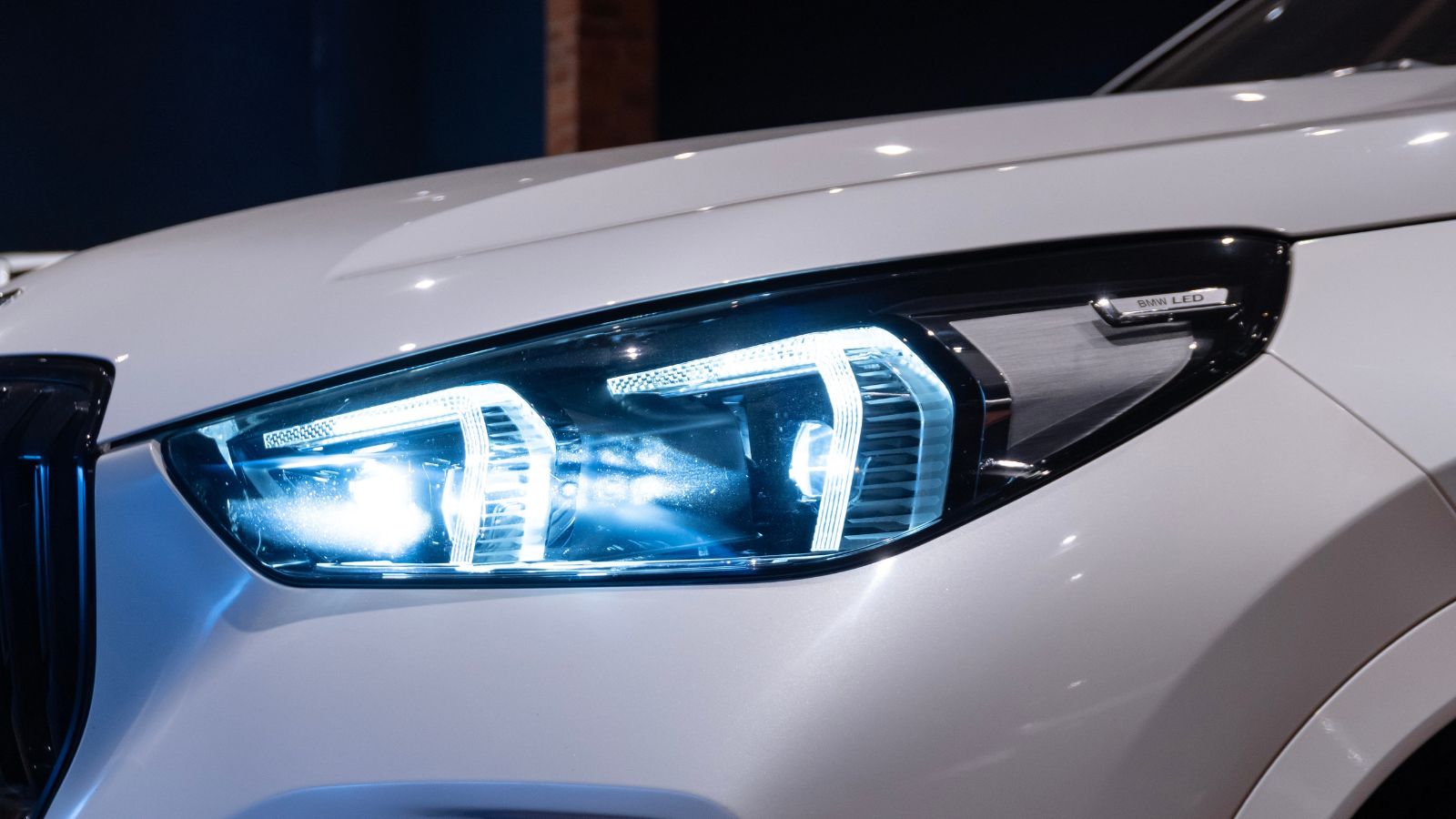
Electrical problems often reveal themselves before a vehicle actually refuses to start. Headlights that appear unusually dim, dashboard illumination that flickers, power windows that move more slowly or a radio that unexpectedly resets can all indicate unstable electrical supply. These symptoms do not identify one component by themselves, but they can signal a battery that is losing its ability to hold a charge or a charging system that is no longer supplying consistent voltage.
The effect can be particularly noticeable in autumn because electrical demand begins climbing. Lights are used for longer periods, heated seats and rear-window defoggers return to service, and the blower motor may spend every commute clearing condensation from the glass. A system that barely kept up during warm, bright summer afternoons suddenly has more work to do. If the headlights brighten dramatically when the engine is revved or dim while idling, the charging system deserves attention. Waiting for the first frosty morning to provide the final diagnosis can mean discovering the problem only after the battery is too depleted to restart the engine.
A Battery Already in the Three-to-Five-Year Window
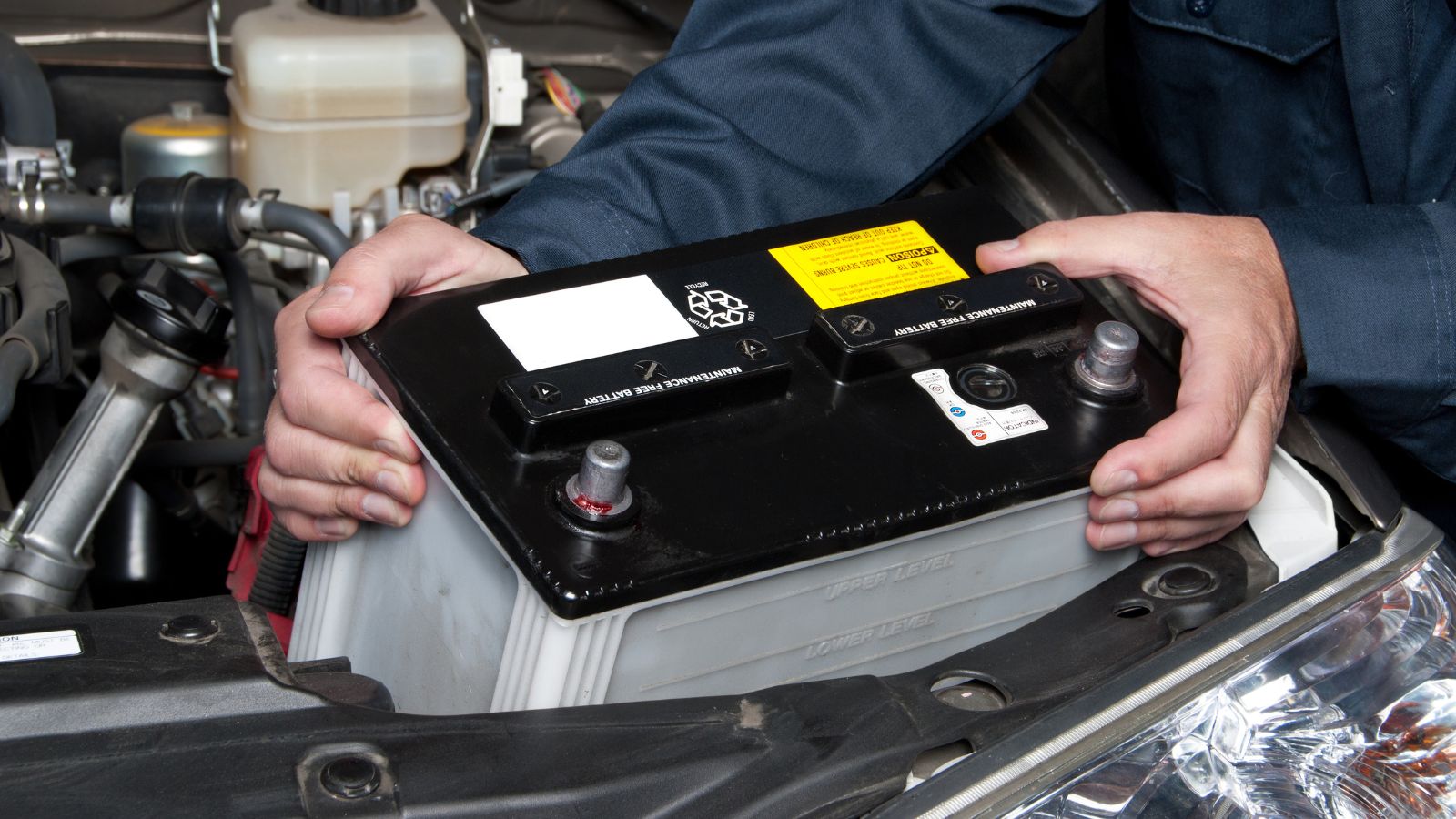
Sometimes there is no dramatic symptom at all. The warning sign is simply the calendar. Automotive organizations commonly describe roughly three to five years as a typical service-life range for conventional vehicle batteries, although climate, driving patterns, electrical loads and battery design can move the actual lifespan considerably in either direction. A four-year-old battery that still starts the car should not automatically be thrown away, but heading into cold weather without testing it amounts to relying on an increasingly uncertain component.
The first frost can be when accumulated battery deterioration finally becomes visible. Summer heat can accelerate battery degradation, while colder temperatures reduce available starting power. That combination explains the familiar experience of a battery appearing healthy throughout summer and suddenly failing on an autumn or winter morning. A professional load or conductance test provides far more useful information than age alone. For a battery already several years into service, testing before cold weather is relatively inexpensive compared with discovering its condition while the vehicle is stranded in a parking lot.
Corrosion, Wetness or Swelling Around the Battery
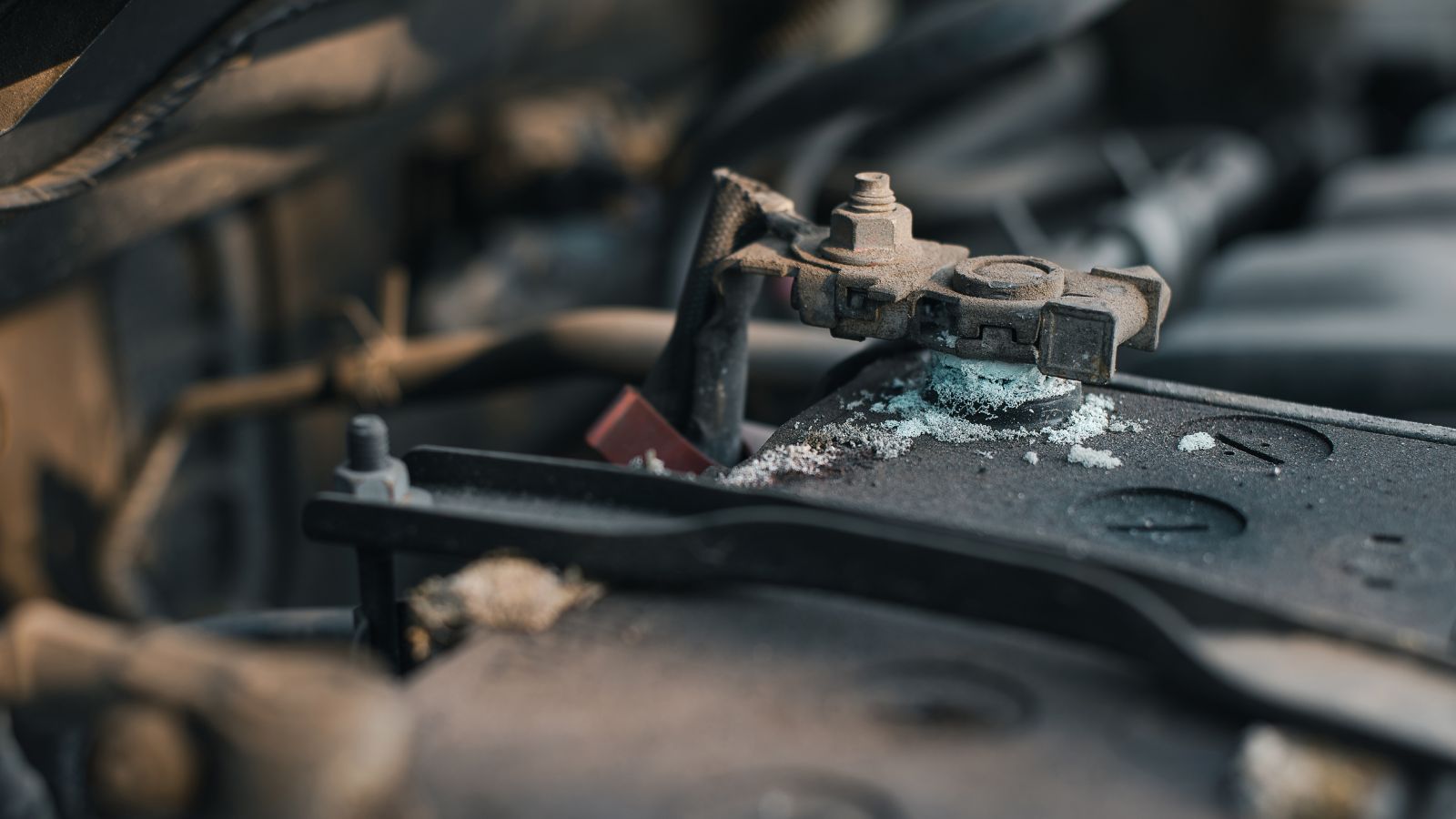
Opening the hood can reveal warning signs that require no diagnostic scanner. Powdery white, green or bluish material around the battery terminals can interfere with the electrical connection between the battery and the rest of the vehicle. Loose or contaminated connections increase resistance, making it harder for the battery to deliver the substantial current demanded by the starter. A vehicle with marginal connections may start inconsistently in mild conditions and become considerably less cooperative once cold weather reduces available battery performance.
Wetness, cracks or a visibly swollen battery case deserve even more attention. CAA includes corrosion, wetness and bulging among conditions worth checking before winter, while AAA warns that swelling or leakage can indicate battery damage. These are not situations where repeatedly jump-starting the vehicle is a sensible long-term solution. A technician can determine whether the problem is limited to dirty terminals or whether the battery itself needs replacement. The important clue is that the starting system is already advertising trouble before temperatures have reached their coldest point.
A Battery Warning Light or Electrical Behaviour That Changes With Engine Speed
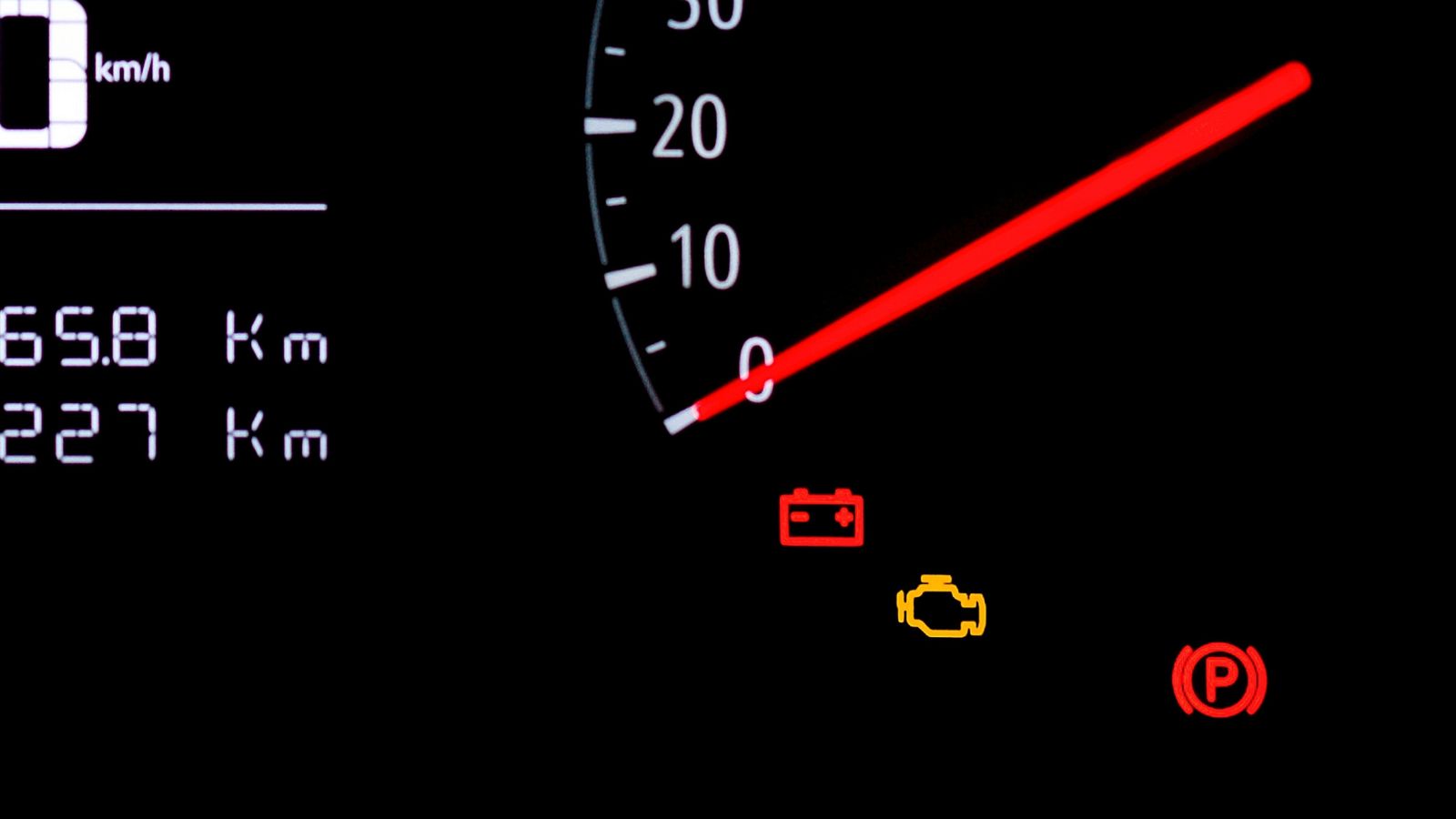
Despite its familiar battery-shaped symbol, the charging-system warning light does not necessarily mean that the battery itself is defective. It can indicate trouble anywhere in the system responsible for maintaining electrical voltage, including the alternator. That distinction matters because a vehicle with a healthy battery but failing alternator may start normally, run for a short period and then stall once the stored battery energy is exhausted.
Other clues can appear alongside the warning light. Headlamps may become brighter as engine speed rises, interior lighting can fluctuate, or several electrical systems may behave erratically at the same time. AAA notes that alternator problems can cause abnormal lighting behaviour and can prevent a vehicle from staying running after a jump-start. Cold weather raises the stakes because the battery has less performance margin and electrical loads increase. A dashboard warning that appears occasionally in autumn should therefore not be treated as something to revisit in January. A charging-system test can distinguish a weak battery from alternator, connection or wiring trouble before either causes a roadside shutdown.
Recent Jump-Starts or a Life of Short Trips
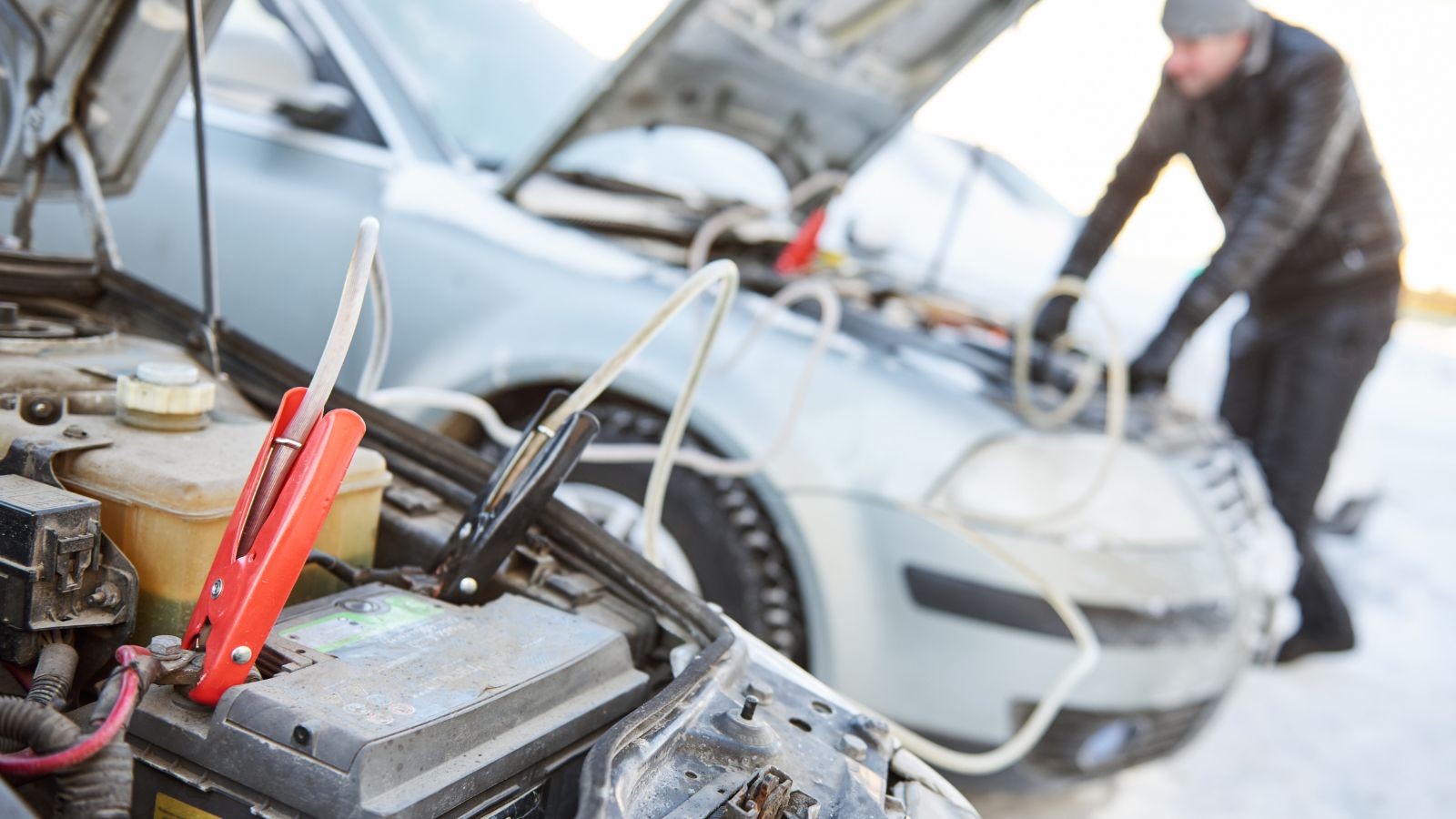
A car that required a jump during summer or early autumn has already provided valuable information. Unless the discharge had an obvious one-time explanation, such as headlights accidentally being left on, a jump-start can indicate a battery that is no longer holding energy properly or a charging problem that has not been resolved. Repeated jump-starts are an even stronger warning. Restoring enough charge to start the engine does not repair the condition that caused the battery to become depleted.
Driving patterns matter as well. Frequent five- or ten-minute trips can demand a large burst of battery energy for starting without giving the charging system much time to replace it. AAA specifically identifies repeated short trips as a situation in which a battery may not become fully recharged. Add colder temperatures, longer use of lights, the cabin blower and defrosters, and the energy balance becomes less forgiving. A vehicle used almost exclusively for brief urban errands may therefore benefit from a charging-system and battery check even when it currently starts normally.
Hard Starts, Rough Idling or Misfires in Mild Weather
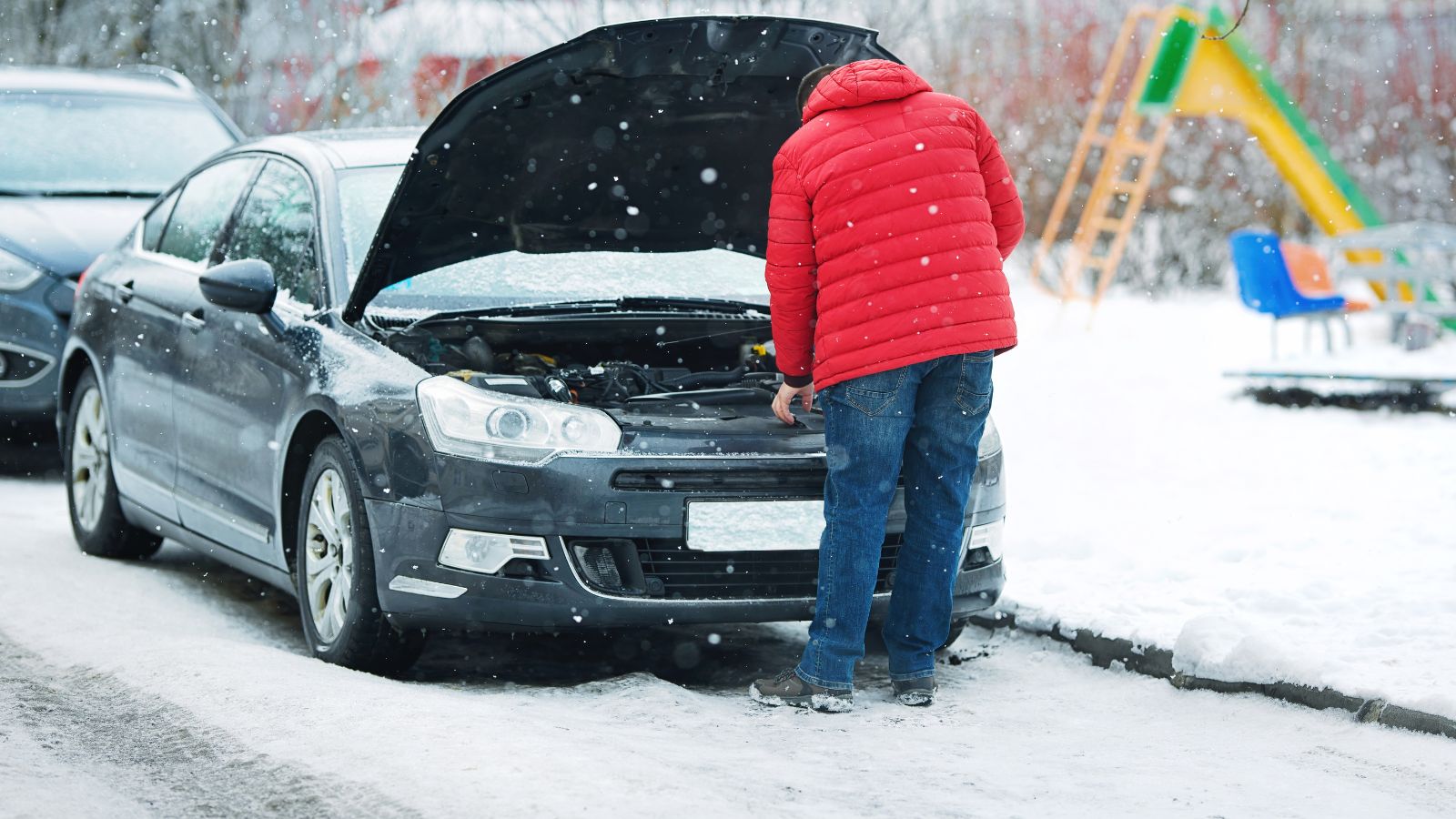
Cold weather is particularly good at exposing an engine that was already running imperfectly. Hard starting, rough idling, occasional stalling, hesitation or noticeable misfires during relatively mild weather can point toward ignition or engine-management problems that deserve attention before temperatures fall further. Spark plugs are a common maintenance item in this category because worn or fouled plugs can make ignition less reliable and contribute to rough running or starting difficulty.
CAA specifically recommends checking ignition components before winter, while AAA advises repairing drivability problems such as hard starting, rough idling, stalling and reduced power because colder conditions can exacerbate them. Imagine an engine that already requires two attempts to start on a 12°C morning. That inconvenience may become a no-start condition when the battery is weaker, oil is thicker and combustion conditions are less favourable at several degrees below freezing. The important point is not to diagnose every stumble as a spark-plug problem, but to treat declining cold-start behaviour as something worth investigating rather than normal aging.
A Squealing or Visibly Cracked Drive Belt
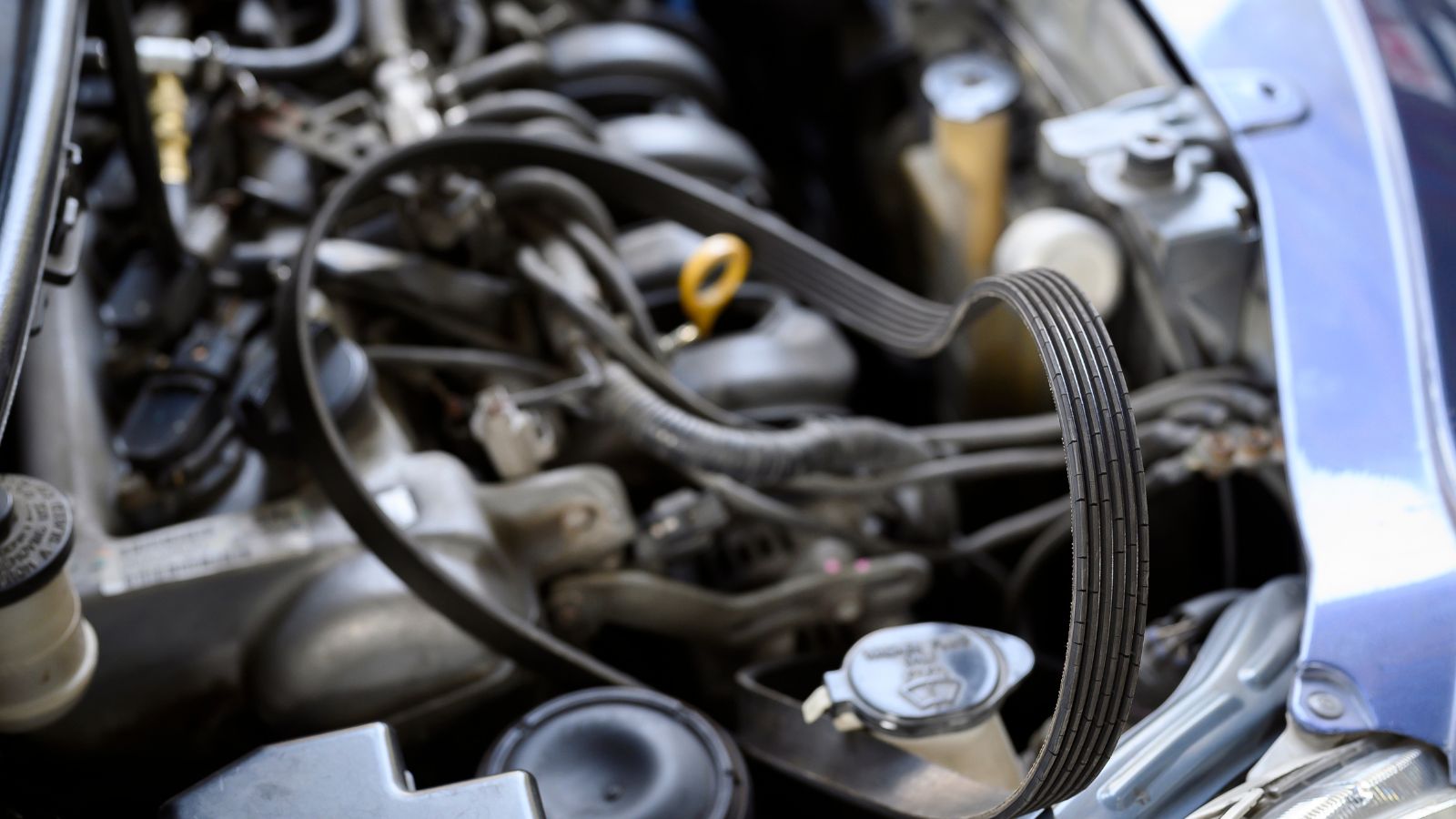
Rubber components deserve attention before freezing weather because belts perform jobs that can be critical to keeping an engine running. Depending on vehicle design, a serpentine or accessory belt may drive the alternator, water pump, power-steering pump or other equipment. A belt that breaks can therefore cause anything from loss of battery charging to engine overheating. Newer cars may use different layouts, including electric accessories, but conventional belt-driven systems remain widespread.
Warning signs can include cracking, fraying, glazing or persistent squealing from the engine bay. Some noise can come from a tensioner, pulley or accessory rather than the belt itself, making visual inspection and proper diagnosis important. Both CAA and Transport Canada recommend checking drive belts as part of winter preparation, while AAA notes that belts transmit power to important engine accessories. A belt already showing obvious deterioration should not be expected to become healthier as temperatures fall. Replacing a worn component in a warm service bay is considerably easier than discovering its limits on a freezing roadside.
Radiator Hoses That Are Cracked, Soft or Seeping
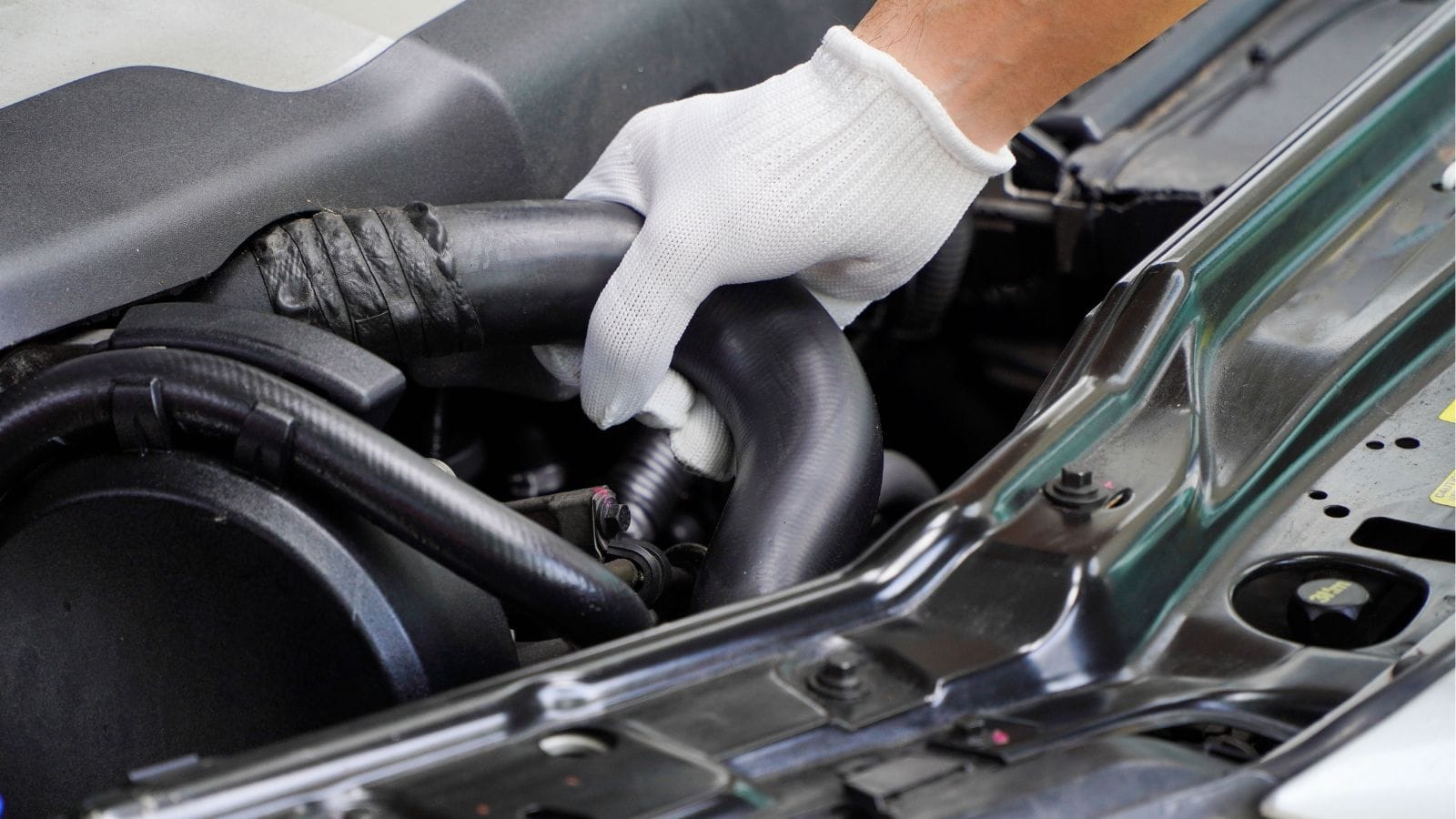
Cooling-system hoses quietly spend their lives carrying hot, pressurized fluid between major engine components. Over time, heat cycles and material aging can leave rubber hoses cracked, swollen, excessively soft or prone to leaking around clamps and connections. A few dried coolant marks around a fitting may seem minor when the car is still driving normally, but any loss of coolant can become important once the vehicle enters a season of repeated heating and cooling cycles.
Transport Canada specifically recommends checking radiator hoses for cracks and leaks before winter, and AAA identifies worn belts and hoses as potential sources of vehicle failure. A small leak can lower the coolant level enough to affect both engine temperature control and cabin heat. Severe loss can eventually lead to overheating regardless of how cold the air outside feels. Drivers sometimes assume that an engine cannot overheat in winter because the weather is cold, but the cooling system must still remove large amounts of combustion heat. Visible seepage, cracking or deteriorated hoses are therefore useful advance warnings rather than cosmetic imperfections.
Coolant That Is Low or Has Unknown Freeze Protection
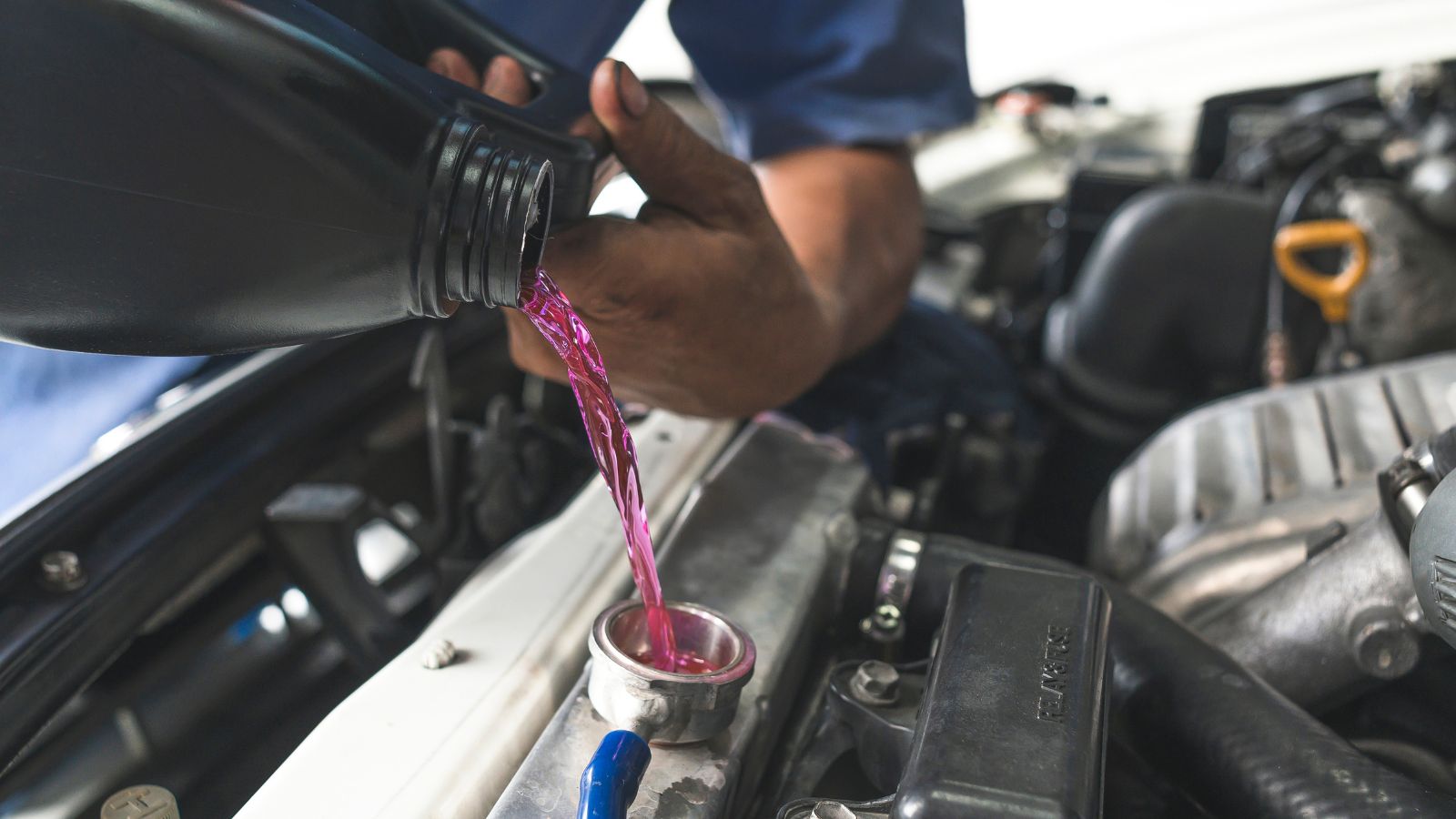
Engine coolant has to do more than prevent overheating. Its antifreeze properties also lower the freezing point of the fluid circulating through the engine and radiator. That is why a cooling system containing too much plain water, the wrong coolant or an unknown mixture deserves attention before freezing temperatures arrive. Transport Canada recommends checking both coolant strength and level as part of winter vehicle preparation.
Low coolant is also a clue that should not simply be corrected and forgotten. Modern cooling systems are designed to contain their coolant, so a level that repeatedly drops may indicate leakage somewhere in the system. In extreme cold, inadequate freeze protection can allow coolant to freeze and expand, potentially causing expensive damage. The safest approach is to use coolant that meets the vehicle manufacturer’s specification rather than relying on colour alone, since different coolant technologies may not be compatible. A car that has an unknown maintenance history or repeatedly needs its reservoir topped up is signalling that its winter protection deserves verification.
A Heater or Defroster That Barely Gets Warm
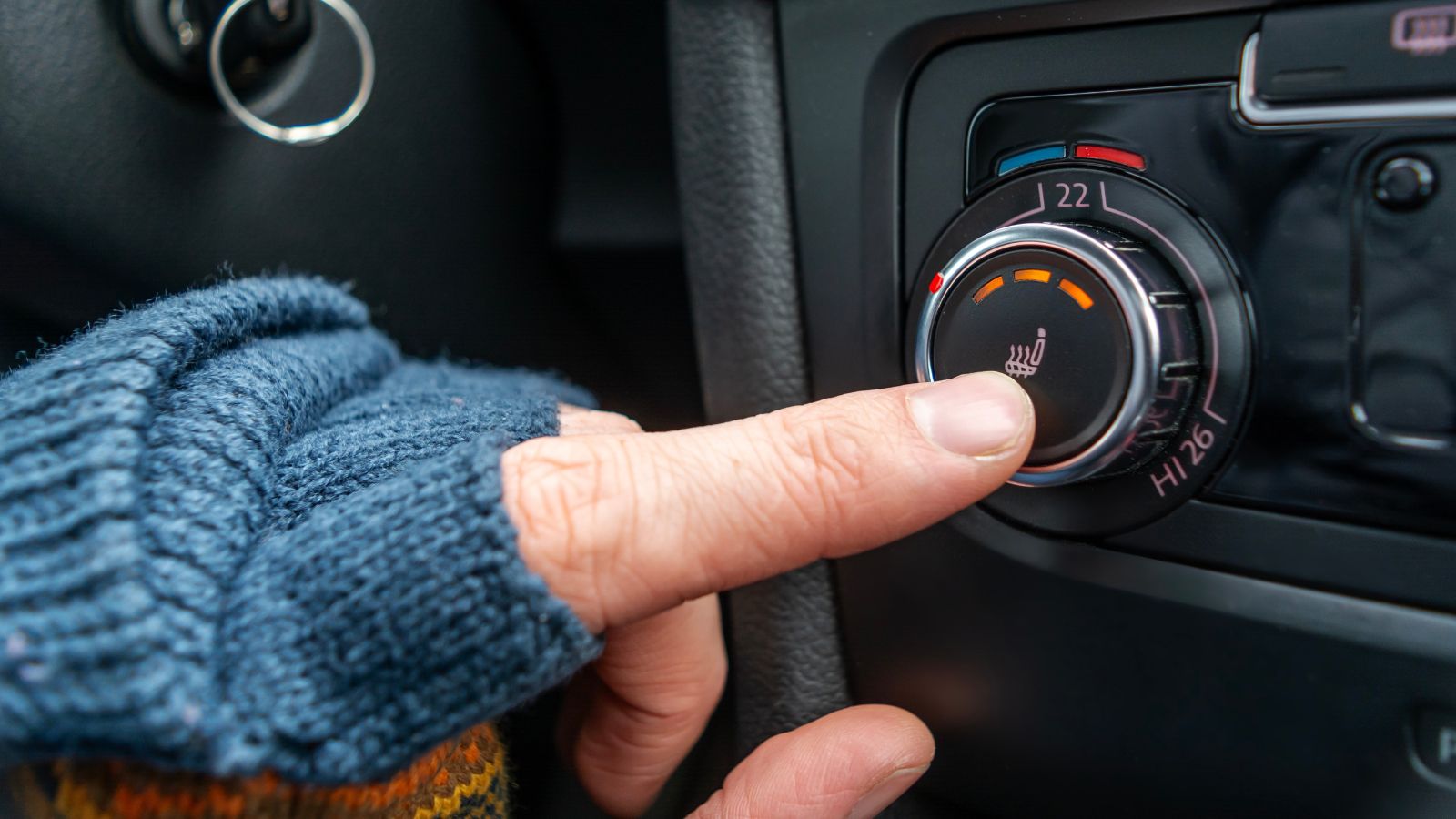
A weak heater is easy to tolerate during a cool autumn evening. Once frost coats the windshield, it becomes much more significant. The cabin-heating system in most internal-combustion vehicles depends on hot engine coolant passing through a heater core. Low coolant, a thermostat problem, restricted coolant flow or other heating-system faults can therefore produce little or no warm air inside the cabin.
That makes poor heat more than a comfort complaint. The defroster relies on heated, conditioned air to help clear condensation, frost and ice from the windshield. Transport Canada specifically recommends confirming that both the heater and defroster operate properly before winter. A car that takes unusually long to produce heat, never becomes properly warm or blows cold air despite a warmed-up engine may deserve cooling-system diagnosis. Something as basic as a restricted cabin filter can also reduce airflow. The first frosty morning is a bad time to discover that the windshield cannot be cleared adequately enough for safe driving.
A Temperature Gauge That Wanders or Behaves Strangely
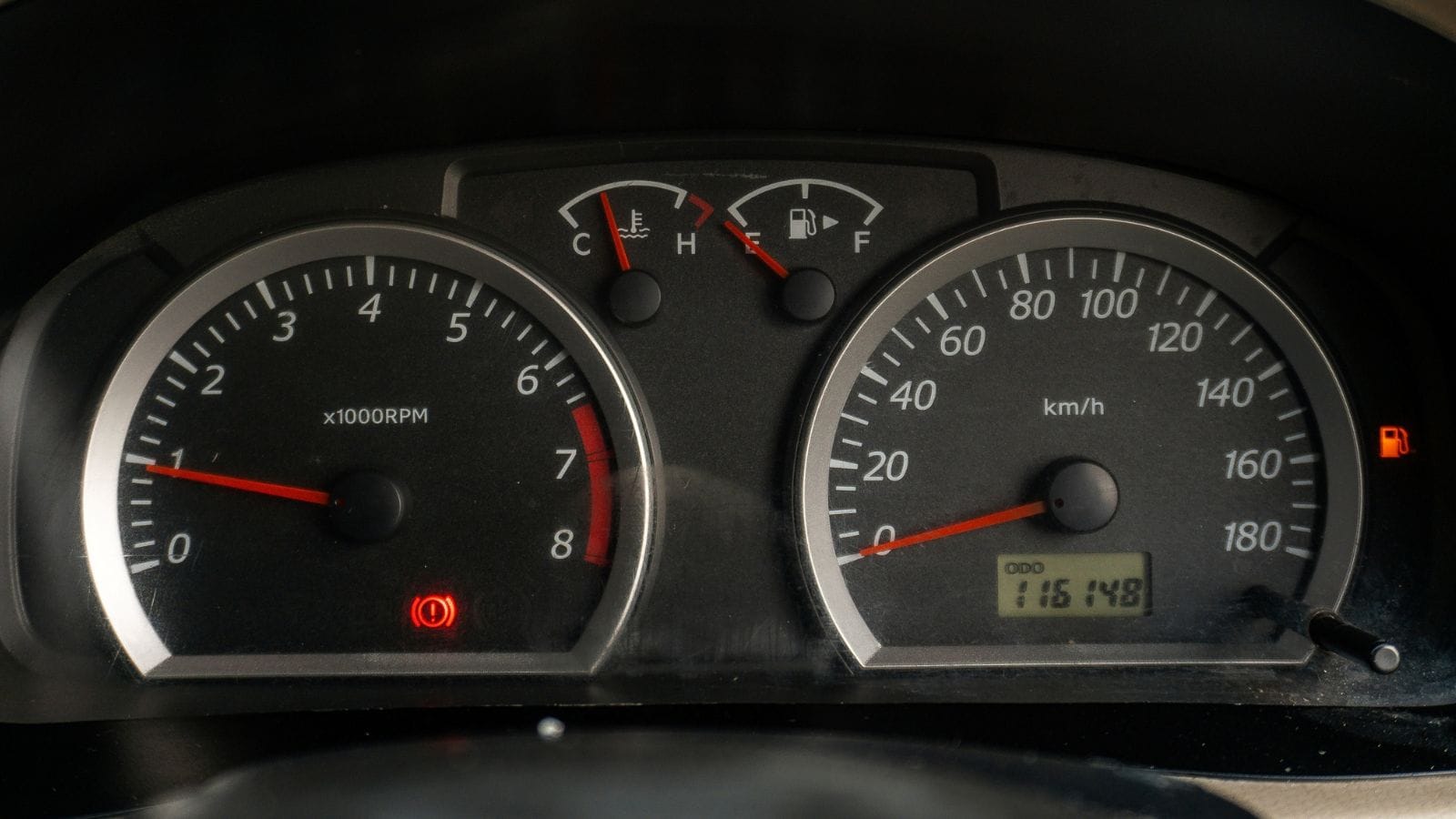
A temperature gauge that no longer behaves normally can provide an early warning about the cooling system. Perhaps the engine suddenly takes far longer to reach operating temperature, the gauge falls while travelling at highway speed, or it begins creeping upward in traffic. These patterns can have several causes, including thermostat trouble, insufficient coolant, radiator problems or water-pump faults, and a proper diagnosis is more useful than guessing based on the gauge alone.
A malfunctioning thermostat is particularly relevant to colder weather because it regulates coolant flow as the engine warms. A thermostat stuck open may prevent an engine from warming normally, contributing to weak cabin heat, while other cooling-system failures can cause overheating. Transport Canada recommends checking the thermostat and water pump before winter, and AAA identifies thermostat faults as a recognized cause of temperature-control problems. If the gauge has recently begun acting differently from its long-established pattern, the first frost should not be treated as a test to see whether the condition gets worse.
Oil Service That Is Overdue or the Wrong Viscosity for the Engine
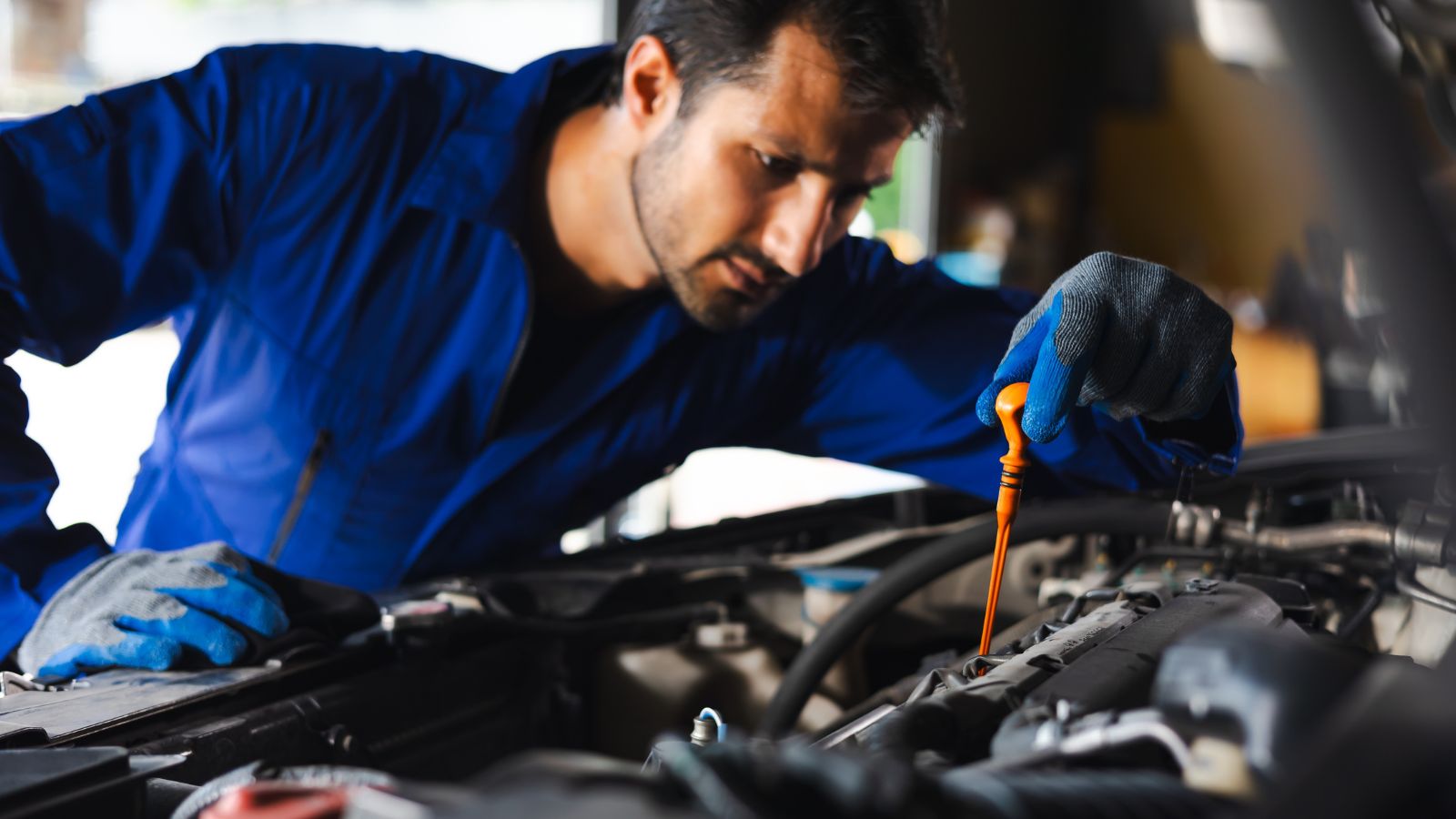
Engine oil becomes more viscous as temperatures fall, which is one reason modern oils carry cold-temperature performance ratings. The number before the “W” in a multigrade oil designation relates to low-temperature behaviour. That does not mean every cold-climate driver should simply switch to the lowest number available. The correct viscosity and specification are determined by the vehicle manufacturer and can vary considerably between engines.
The warning signs are an overdue oil service, a low oil level or uncertainty about what oil was installed previously. Cold starts already ask more from the battery and starter, so an engine lubricated with oil unsuitable for its design or operating temperature can add unnecessary resistance during cranking. Industry guidance from Mobil, Pennzoil and Valvoline emphasizes that oils become thicker in the cold and that manufacturer specifications should be followed. A bargain used car with no service history, for example, deserves an oil-level and maintenance check before winter rather than assuming whatever is in the sump is appropriate for colder mornings.
Tire Pressure That Is Already Borderline
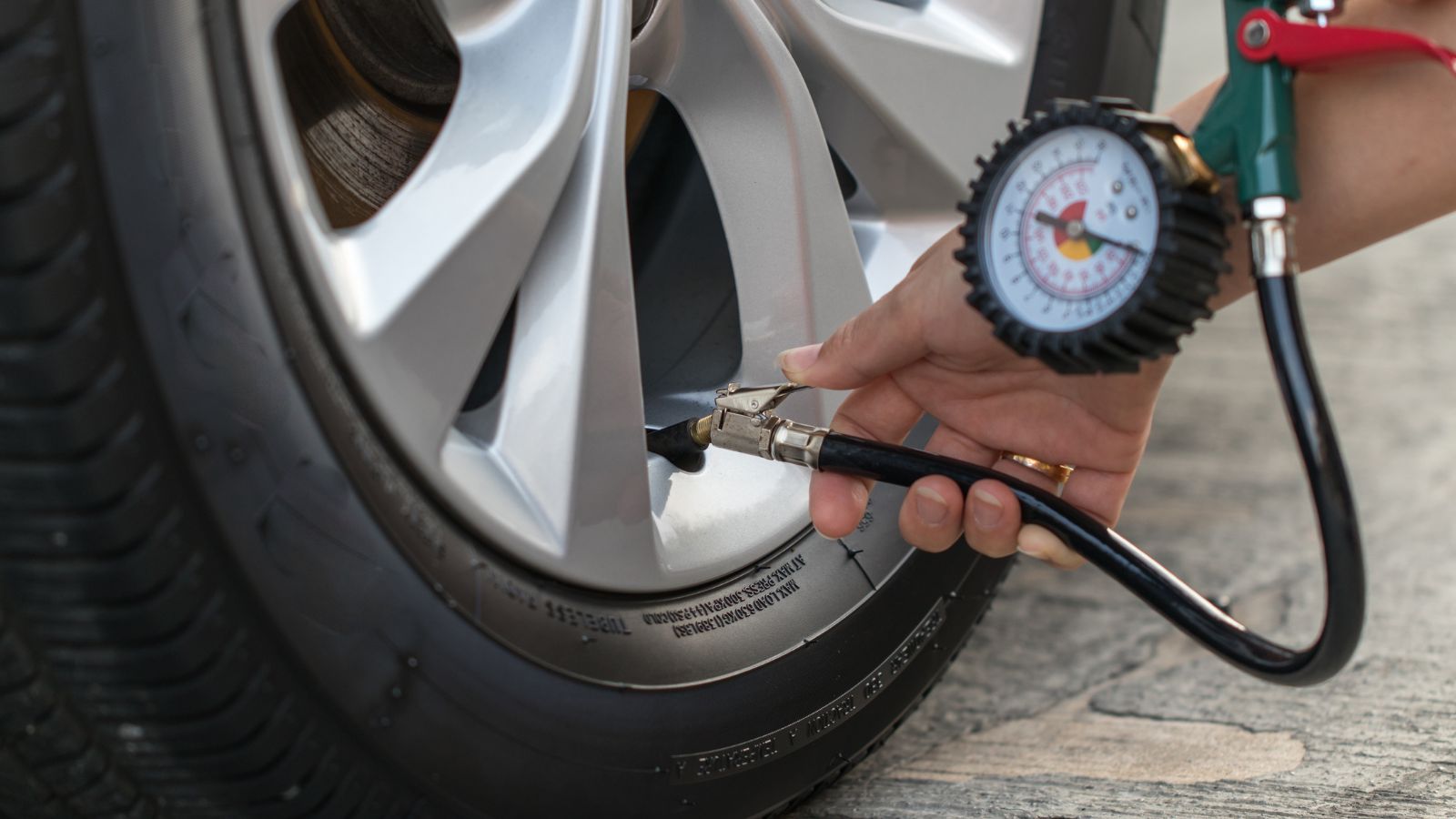
One of the most predictable consequences of falling temperatures happens inside the tires. Transport Canada states that tire pressure decreases by roughly 1 psi for every 5°C drop in air temperature. That means a tire sitting only slightly above the vehicle’s minimum recommended pressure during a warm autumn afternoon can become noticeably underinflated after a sharp overnight temperature change.
The first clue may be a tire-pressure warning light that appears on a cold morning and disappears later after driving warms the tires. That behaviour should prompt a pressure check rather than simply being dismissed as a seasonal quirk. Transport Canada warns that some monitoring systems alert only once a tire is already significantly underinflated. Correct pressure should be measured when the tires are cold and compared with the vehicle manufacturer’s tire-information label or owner’s manual. Underinflation affects handling and tire durability, while significant underinflation can contribute to tire failure. Frost may not puncture a tire, but it can reveal how little pressure margin was there beforehand.
Tires That Are Worn or Poorly Suited to Cold Pavement
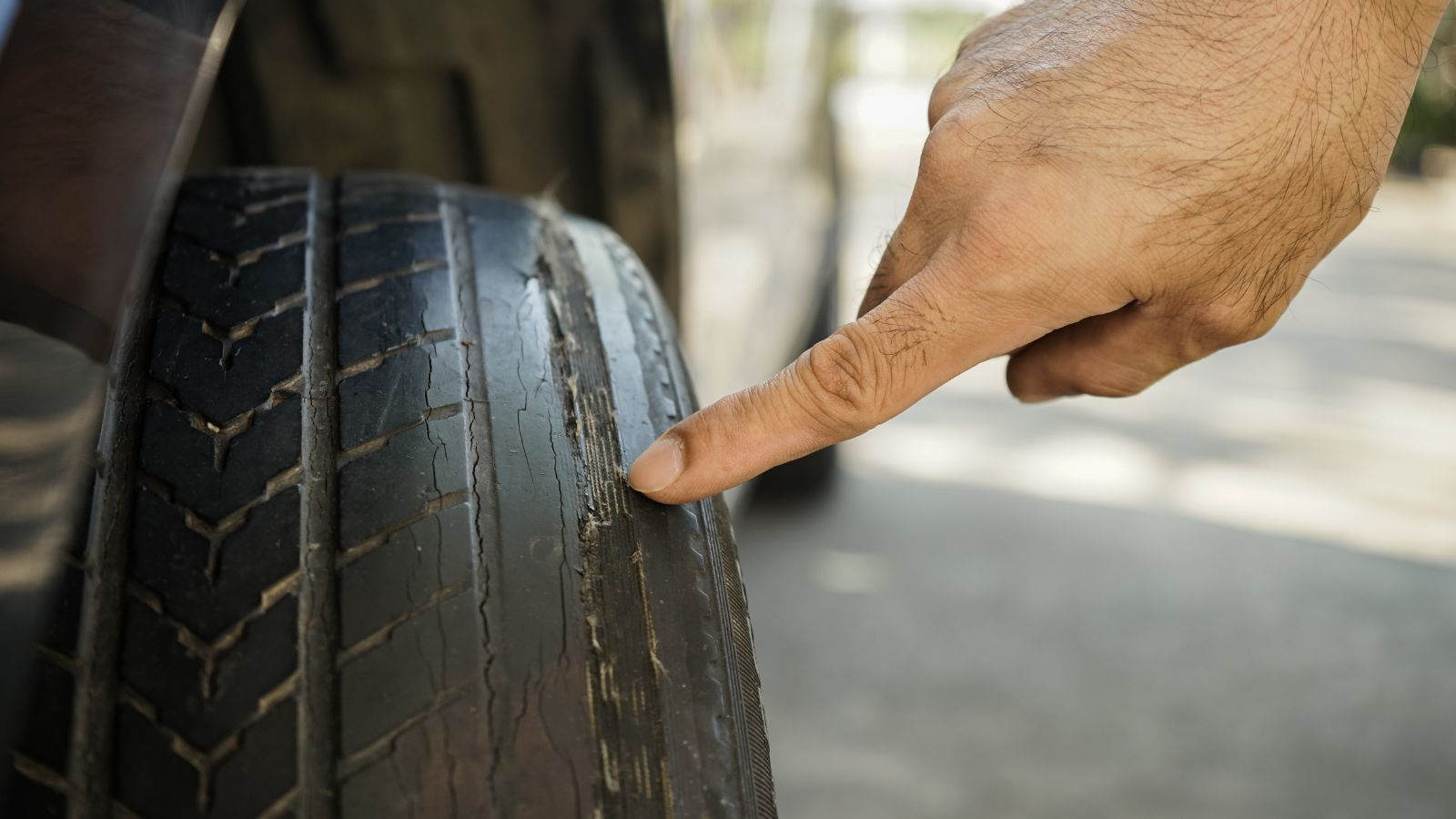
The first frost can create a traction problem before the first substantial snowfall arrives. Transport Canada states that all-season and summer tires begin losing elasticity below about 7°C, while winter tires are designed to retain flexibility at lower temperatures. That means a vehicle can feel noticeably less secure on a cold, damp morning even when the road appears mostly bare.
Tread depth matters too. Transport Canada advises against using tires worn close to 4 mm of tread on snow-covered roads because traction decreases as the tire wears. Cracks, cuts or bulges provide additional reasons for inspection or replacement. A car that already spins its tires easily on wet pavement, struggles for grip during brisk acceleration or has tires close to their wear limits is unlikely to become more capable once frost and black ice appear. All-wheel drive can help a vehicle accelerate, but it cannot manufacture tire grip during braking or cornering. The condition and type of all four tires remain fundamental.
Brakes That Squeal, Grind, Pull or Feel Different

Cold weather does not make worn brakes healthy. Instead, slippery conditions reduce the margin for ignoring a braking system that is already behaving differently. Squealing can have several causes and does not automatically mean a serious defect, but persistent grinding, pulling during braking or a noticeable change in pedal feel deserves prompt attention. Transport Canada specifically identifies those symptoms as reasons the brakes may need repair before winter.
The human consequence is easy to picture. A vehicle that pulls slightly to one side during a dry September stop may become much harder to control when one wheel encounters frost or thin ice. Likewise, a brake system that requires unusually long pedal travel gives a driver less confidence when stopping distances are already extended by slippery pavement. A proper inspection can determine whether the issue involves worn friction material, hydraulic components, corrosion or something less serious. What matters is that changing brake behaviour is not a seasonal nuisance. It is a warning sign that becomes more consequential as road grip deteriorates.
Wipers That Streak and Washer Fluid Not Rated for Winter
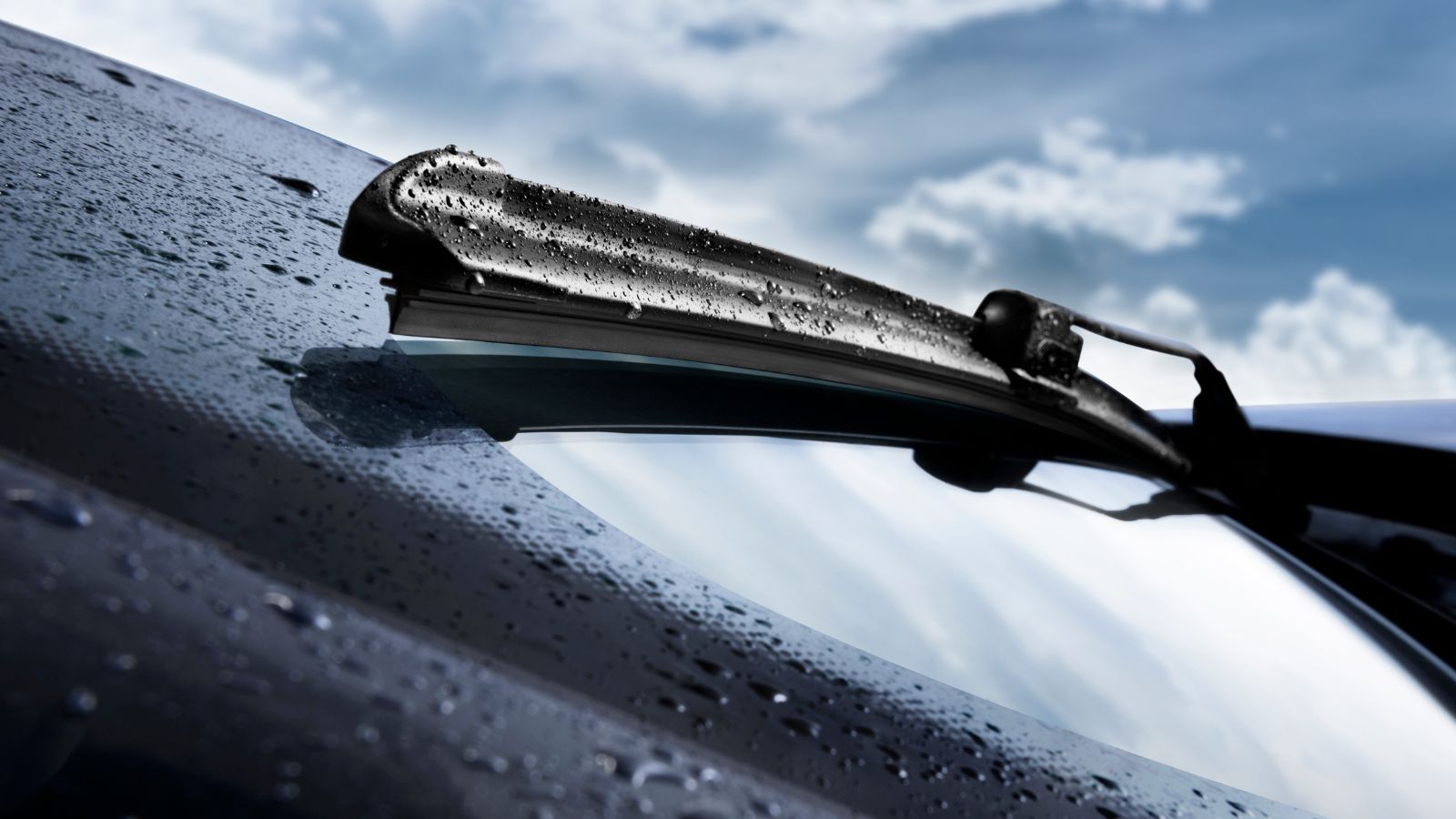
Visibility systems can fail before the engine ever does. Wiper blades that leave streaks, skip across the glass or miss sections of the windshield may be manageable during light autumn rain, but frost, road spray and salty slush demand much more from them. Transport Canada recommends replacing blades that streak and suggests using winter-appropriate wipers where needed.
Washer fluid deserves equal attention. Summer formulas may not provide adequate freeze protection when temperatures fall below zero. Transport Canada recommends winter washer fluid rated around -40°C for Canadian conditions, while NHTSA similarly advises using winter fluid with de-icing capability before severe weather arrives. A reservoir full of unsuitable fluid can become useless at exactly the point when windshield contamination is at its worst. The situation can force a perfectly functional vehicle off the road because the driver can no longer see safely. Streaking blades and questionable washer fluid are inexpensive warnings compared with the consequences of discovering the problem during the first freezing commute.
A Parking Brake That Already Sticks or Releases Slowly
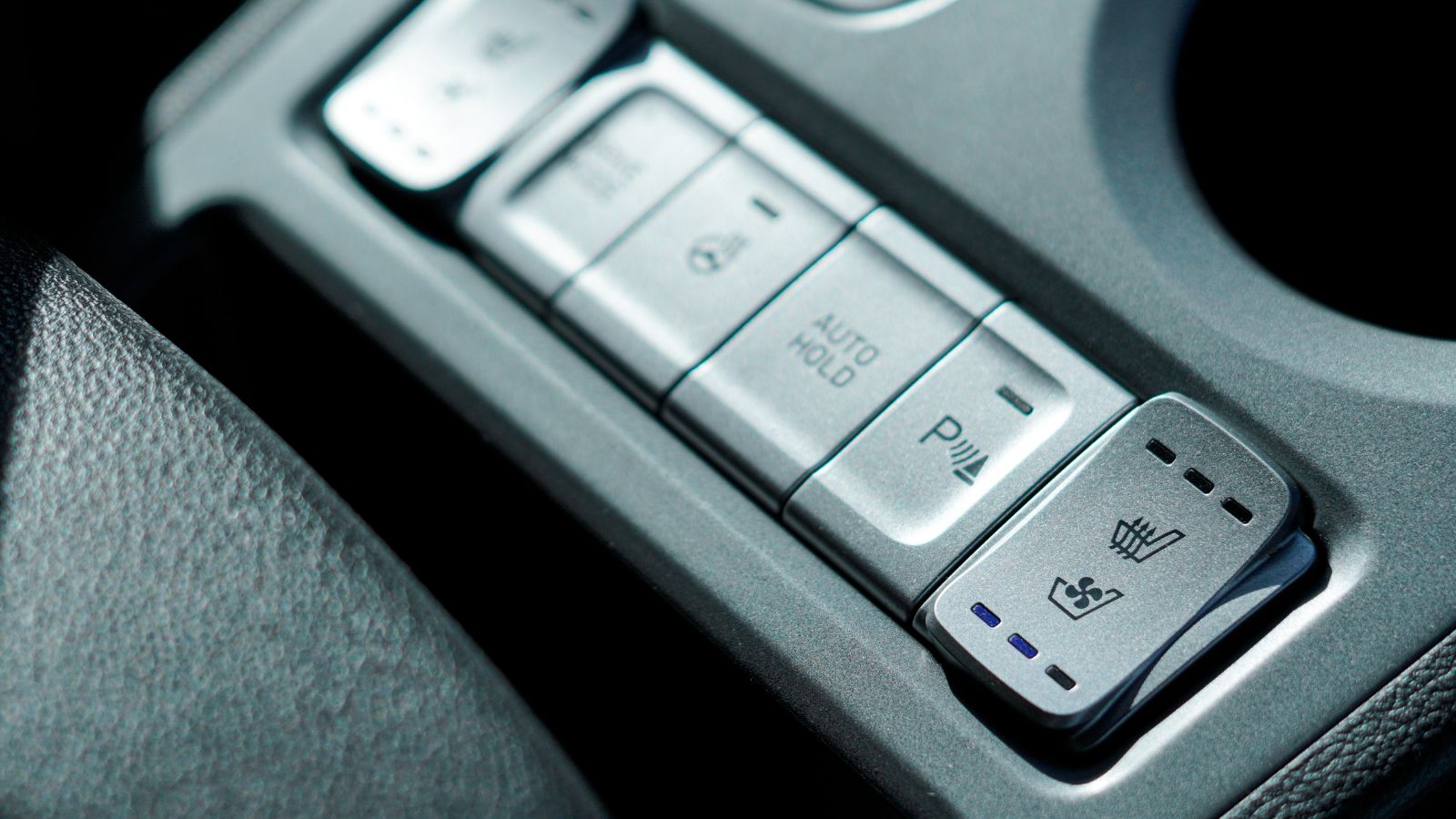
A parking brake that feels reluctant to release in mild weather deserves attention before moisture and freezing temperatures enter the equation. Mechanical parking-brake systems commonly use cables and linkages, and corrosion or water intrusion can make movement increasingly difficult. Some vehicles use electronic parking brakes with different hardware, so symptoms and service procedures vary by model.
AAA notes that cable-operated parking brakes can freeze or lock in below-freezing conditions and advises particular caution during cold, wet or snowy weather. The more useful lesson is not to abandon the parking brake universally, but to address a system that already sticks, feels unusually tight or fails to release normally. Owners should follow the procedure specified by the manufacturer, especially because parking-brake designs differ substantially between vehicles. A driver who already has to tug the lever twice or cycle the switch repeatedly has received an early warning. Frost can turn that nuisance into a vehicle that cannot easily move from its parking space.
19 Used Cars Canadians Should Avoid in 2026 (Based on Owner Complaints)

Buying a used car in Canada can feel safe until repair bills start stacking up. Owner complaints tell a different story than glossy listings. Transmission failures, electrical problems, and weak winter reliability show up again and again in consumer reports. Many of these issues appear after warranties expire, when owners least expect them. Some vehicles look affordable upfront, but become expensive to keep on the road. Others struggle in cold weather, urban driving, or long highway commutes. Here are 19 used cars Canadians should avoid in 2026 (based on owner complaints).
19 Used Cars Canadians Should Avoid in 2026 (Based on Owner Complaints)

Alanna Rosen is an experienced content writer that focuses on many EV and educational content. Her articles are regularly published on Get CyberTrucked and syndicated on large publications.