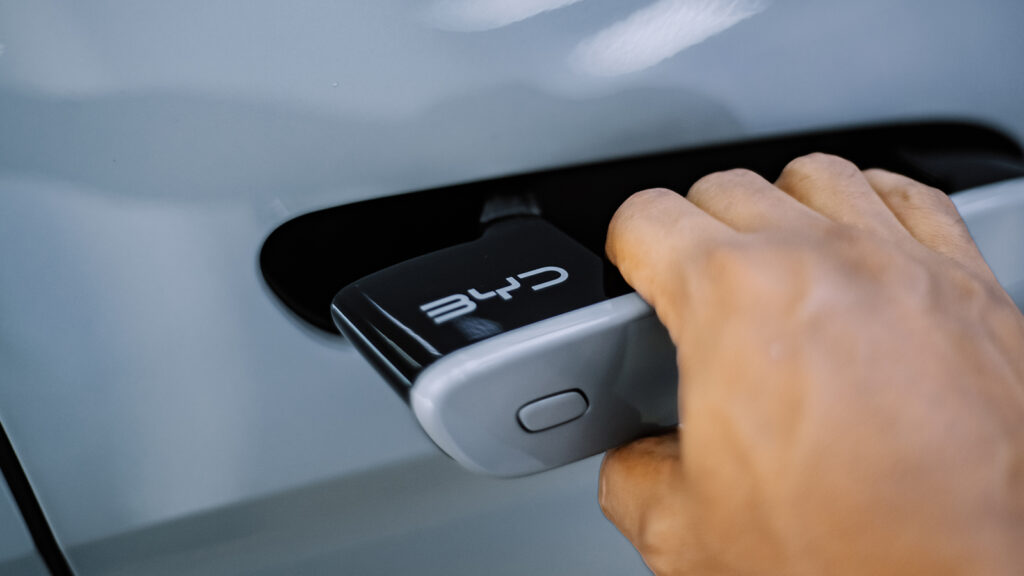
Door handles were once among the least complicated parts of a vehicle. That is changing as flush, retractable and electronically operated designs spread from luxury cars and EVs into mainstream models. Their cleaner appearance and aerodynamic advantages are easy to understand, but real-world use has exposed trade-offs involving winter weather, dead batteries, emergency access and simple everyday convenience.
Those concerns have become significant enough to attract attention from safety regulators, testing organizations and consumer groups. These 12 reasons explain why some drivers are looking past the futuristic styling and deliberately choosing vehicles with more conventional door handles.
Opening a Door Has Become More Complicated Than It Needs to Be
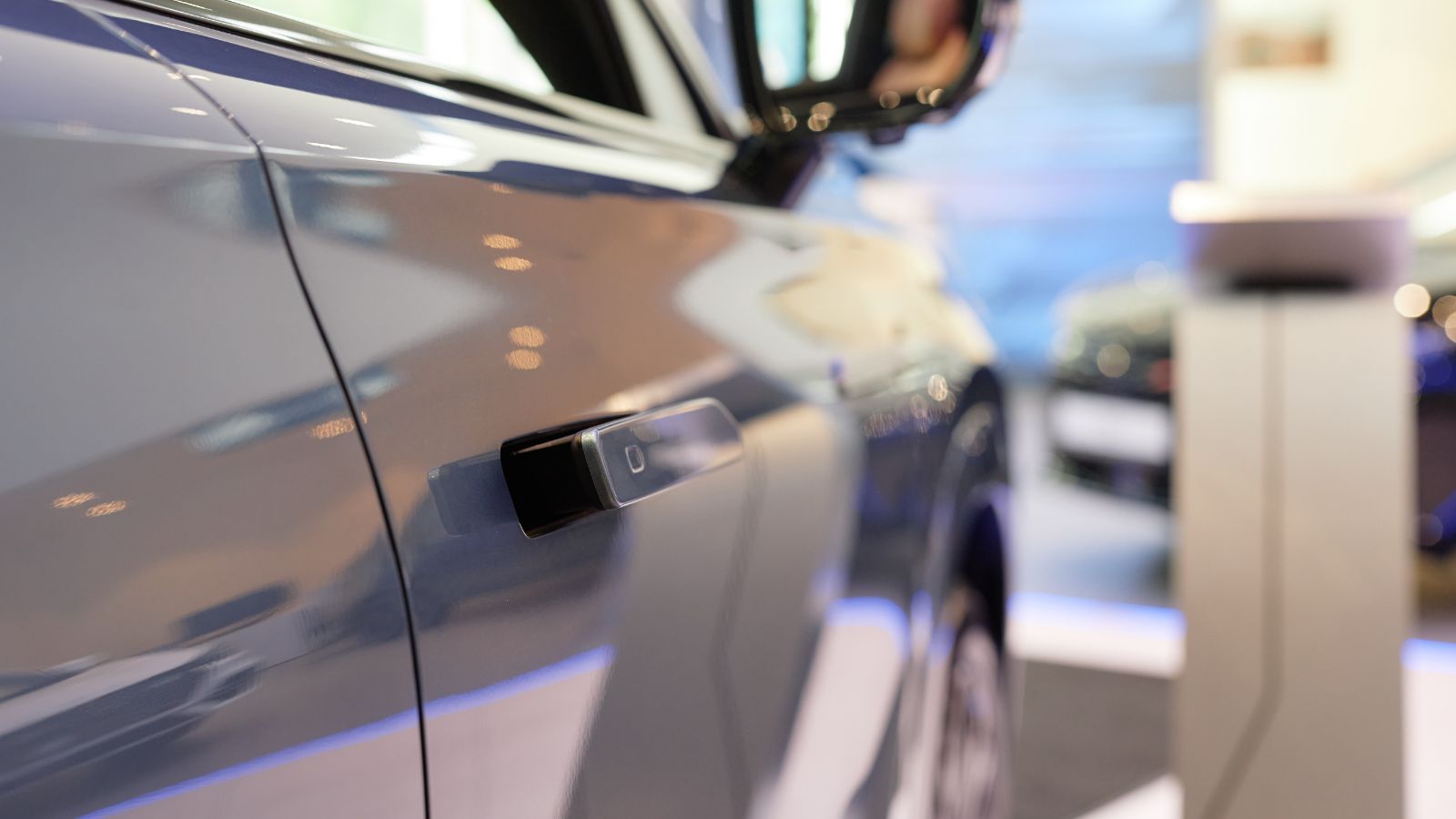
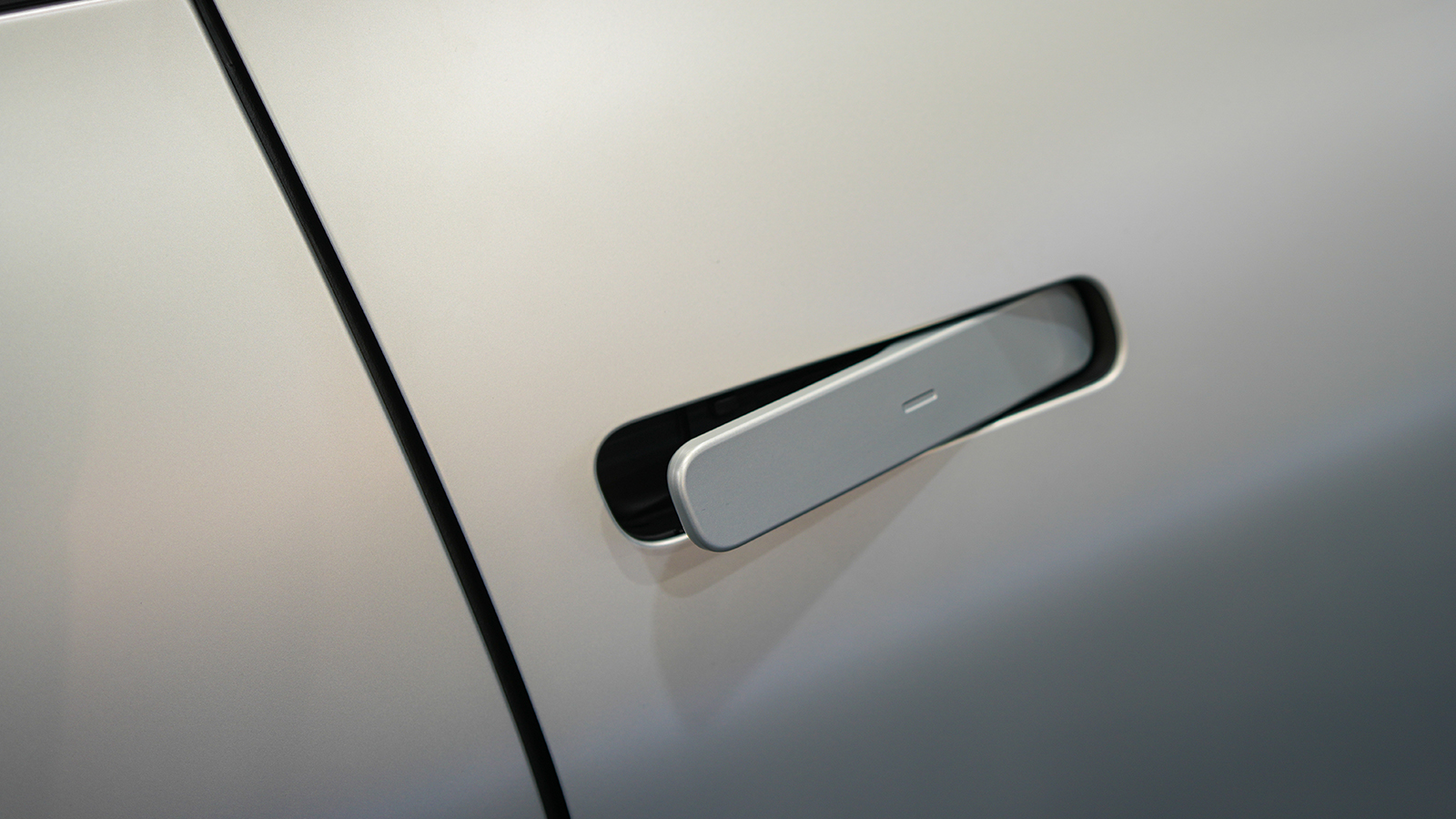
For decades, a car door handle did not require anyone to learn a technique. A hand reached out, pulled, and the door opened. Flush and retractable handles change that basic interaction. Some pivot when one end is pressed, some motor outward when a key is detected, and others depend on touch sensors or electronic unlatching. That extra choreography can seem clever in a showroom but become less appealing when repeated several times every day.
The frustration is more than anecdotal. J.D. Power’s 2023 U.S. Initial Quality Study identified redesigned door handles as a growing problem area and reported that seven of the 10 models with the most door-handle problems were battery-electric vehicles. Consumer Reports has also criticized awkward flush handles on vehicles including the Tesla Model Y, Kia EV6 and Chevrolet Equinox EV. For drivers who value controls that simply disappear into the background, a conventional pull handle can increasingly feel like a feature rather than an outdated compromise.
Winter Weather Can Turn a Sleek Handle Into a Frozen One
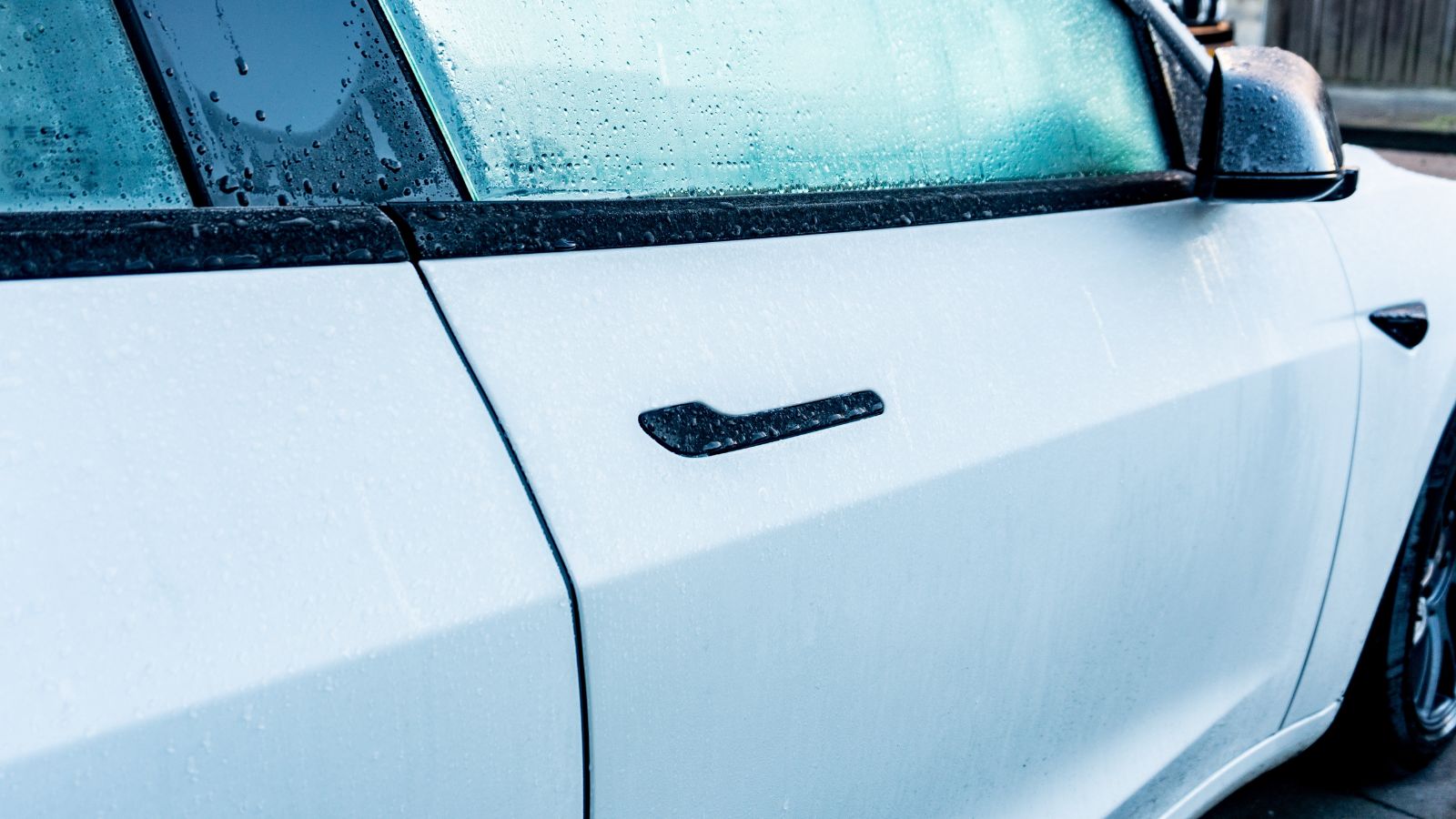
Cold weather exposes one of the most obvious weaknesses of a handle designed to sit level with the bodywork. When snow melts and refreezes around its seams, the handle may have little room to move. That matters in regions where freezing rain, wet snow and large overnight temperature swings are routine. A design that performs perfectly inside a warm garage can behave very differently after sitting outside through a winter storm.
Tesla’s own service guidance acknowledges that severe winter conditions can allow ice to accumulate around Model 3 and Model Y door handles and prevent normal opening. The company provides a specific procedure involving pressure on different areas of the handle and warns owners not to use tools or excessive force. Consumer Reports has also described dealing with ice around flush handles during vehicle testing. For someone already brushing snow from the roof and scraping the windshield before work, a door handle requiring its own winter routine can make traditional hardware seem surprisingly attractive.
A Weak Low-Voltage Battery Can Suddenly Become a Door Problem
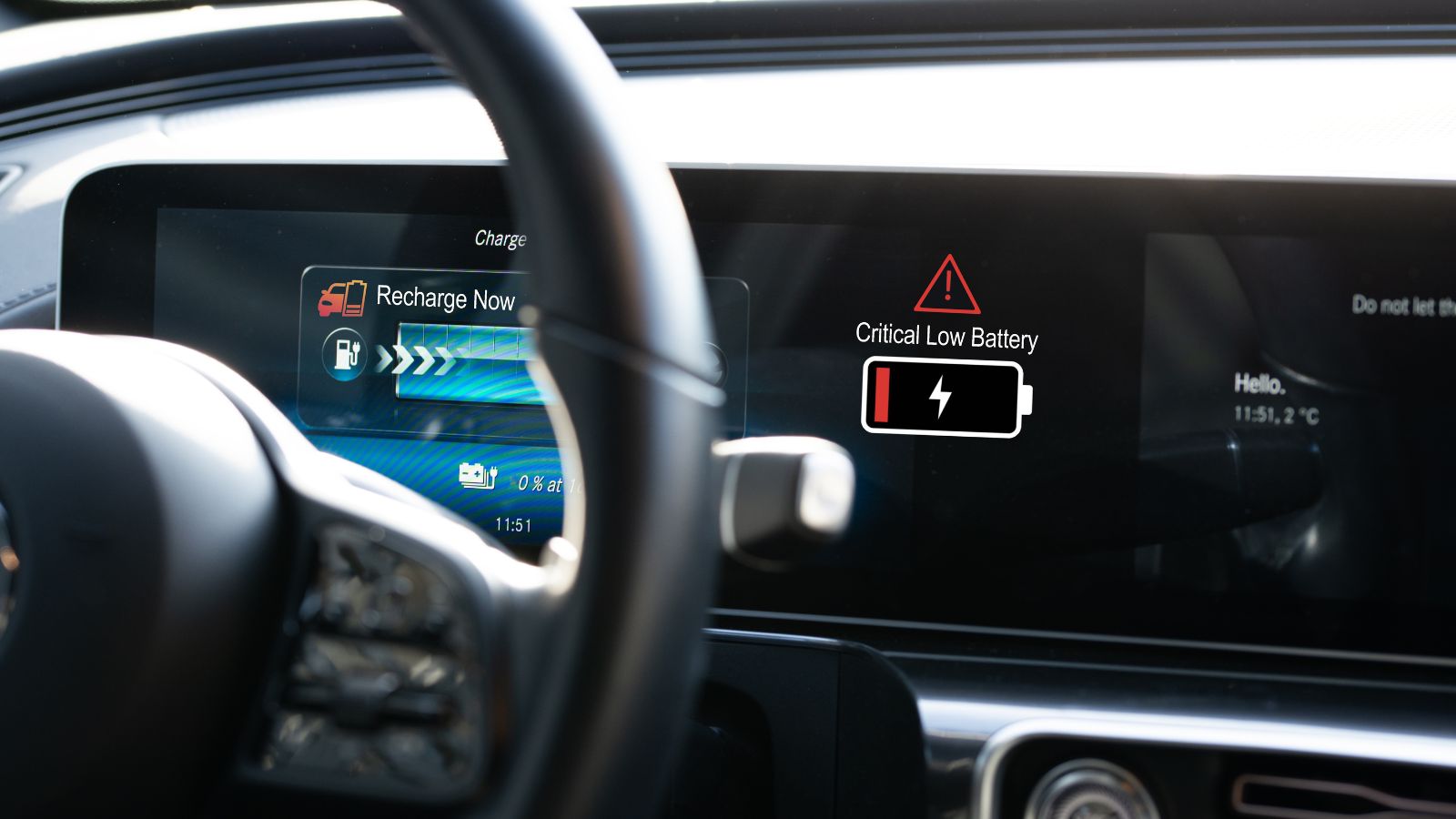
An electric vehicle can have plenty of energy remaining in its large traction battery while still experiencing problems with its smaller low-voltage electrical system. That system operates numerous accessories and body functions, which can include door locks and electronically activated handles. It means a driver concerned about reliability has more to consider than the percentage displayed beside the battery-range indicator.
NHTSA opened a preliminary evaluation involving 2021 Tesla Model Y vehicles after receiving reports that exterior door handles became inoperative when low-voltage battery power was insufficient. By October 2025, the agency said it had received 16 reports during the investigation. Several involved parents who could not reopen doors to reach children in the rear seat, while four reports said windows were broken to regain entry. The investigation does not establish that electronic handles generally fail, but it demonstrates why some shoppers place considerable value on an entry system that retains a straightforward mechanical path when electrical power is unavailable.
Crash Damage Can Make Electrical Dependence More Concerning
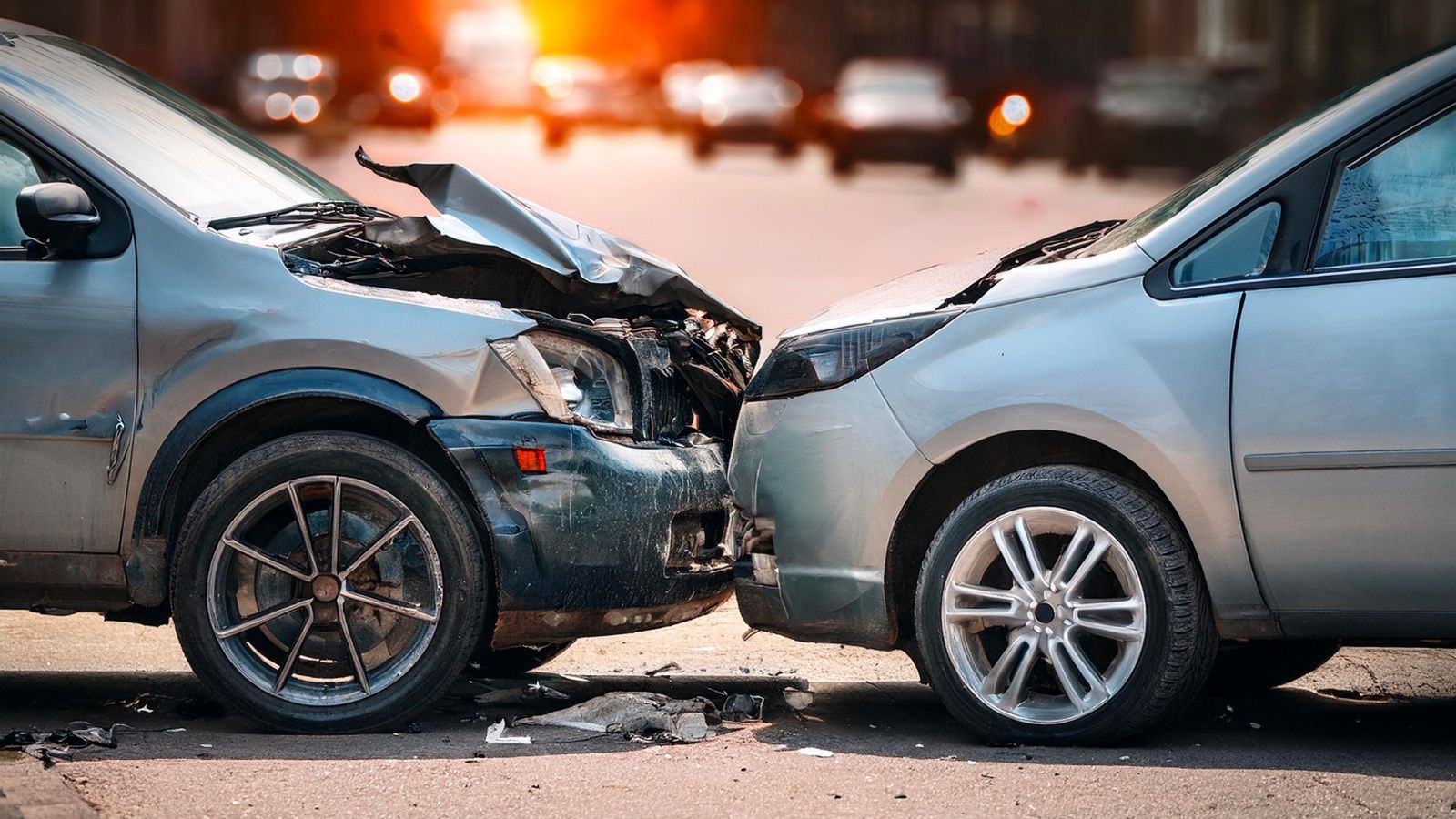
The biggest worry is not being inconvenienced in a grocery-store parking lot. It is what might happen after a serious collision, when electrical systems could be damaged at precisely the moment occupants need a quick way out. Many electronically operated doors include manual backups, but those releases can be located somewhere different from the normal button or handle. Under stress, an unfamiliar emergency control can be harder to identify.
A 2026 NHTSA Federal Register notice described a petition involving a 2022 Tesla Model 3 crash in which electrical power was lost and the electric door mechanism stopped functioning. The petitioner reported being unable to locate the mechanical release and eventually exiting through a rear window. NHTSA did not open a defect investigation based on that petition, but the agency separately granted a rulemaking petition seeking a more robust and obvious vehicle-egress standard. For buyers uncomfortable with complicated emergency procedures, a handle that remains mechanically intuitive after a crash carries obvious appeal.
First Responders Also Need to Understand the Door Immediately
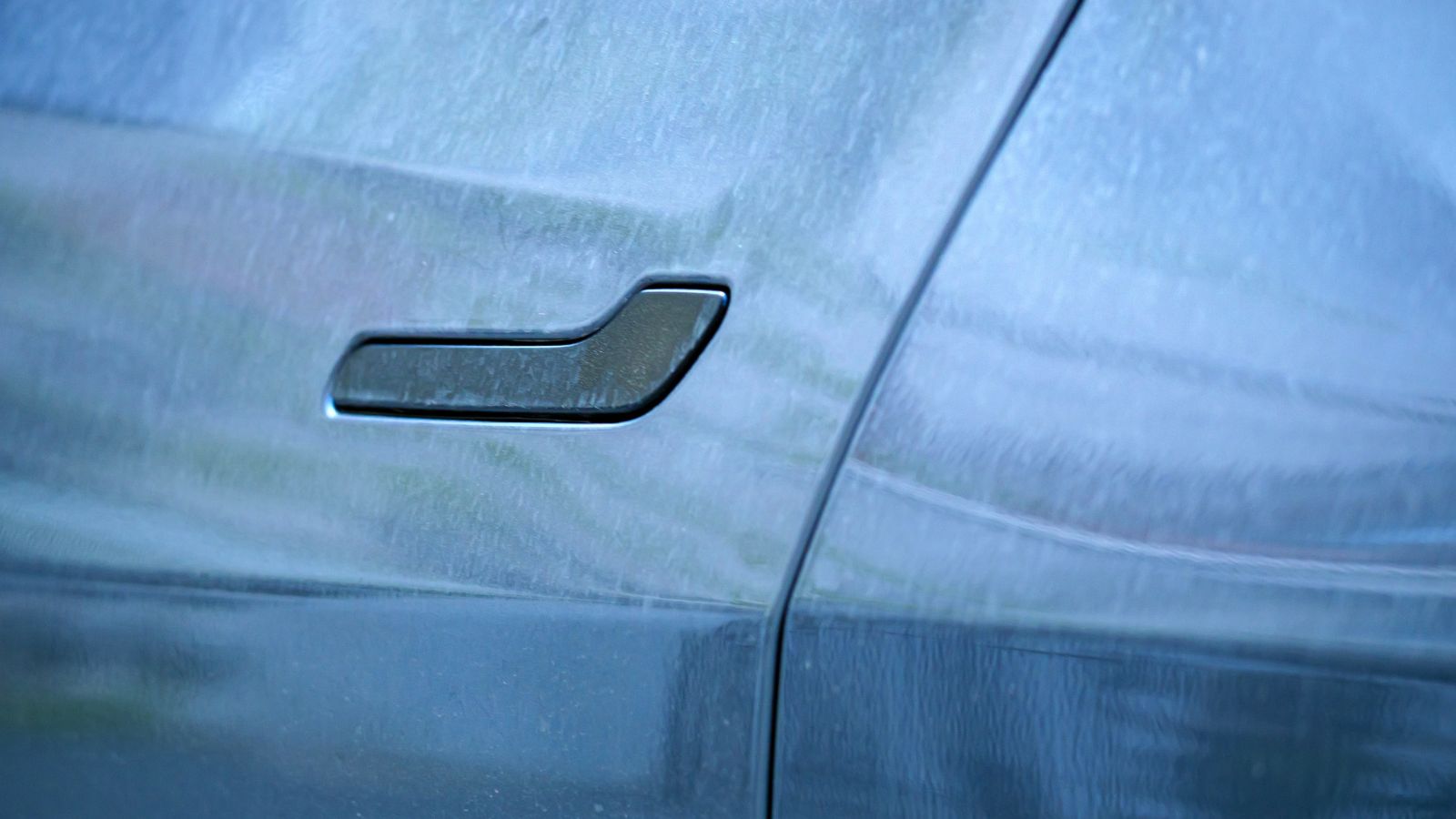
Hidden handles are not only an issue for the people sitting inside a vehicle. After a collision, firefighters and other first responders may need to open doors from outside while dealing with damaged bodywork, traffic, smoke, deployed airbags and injured occupants. A visible gripping point removes one small uncertainty from an already time-sensitive situation. That explains why post-crash door access has increasingly become part of vehicle safety assessment.
Euro NCAP’s protocols specifically address electrically operated and retractable handles. Its testing considers whether side-door handles remain extended or otherwise accessible after certain crashes, and the organization does not consider it acceptable for rescuers to have to connect an external battery merely to deploy a door handle. Post-impact door-opening forces are also assessed. None of this means every flush handle becomes unusable in a collision; many are engineered with crash-detection functions and backups. The concern is simpler: when normal vehicle systems are damaged, rescuers should still have an immediately understandable way to reach occupants.
The Emergency Release May Be Harder to Find Than Expected
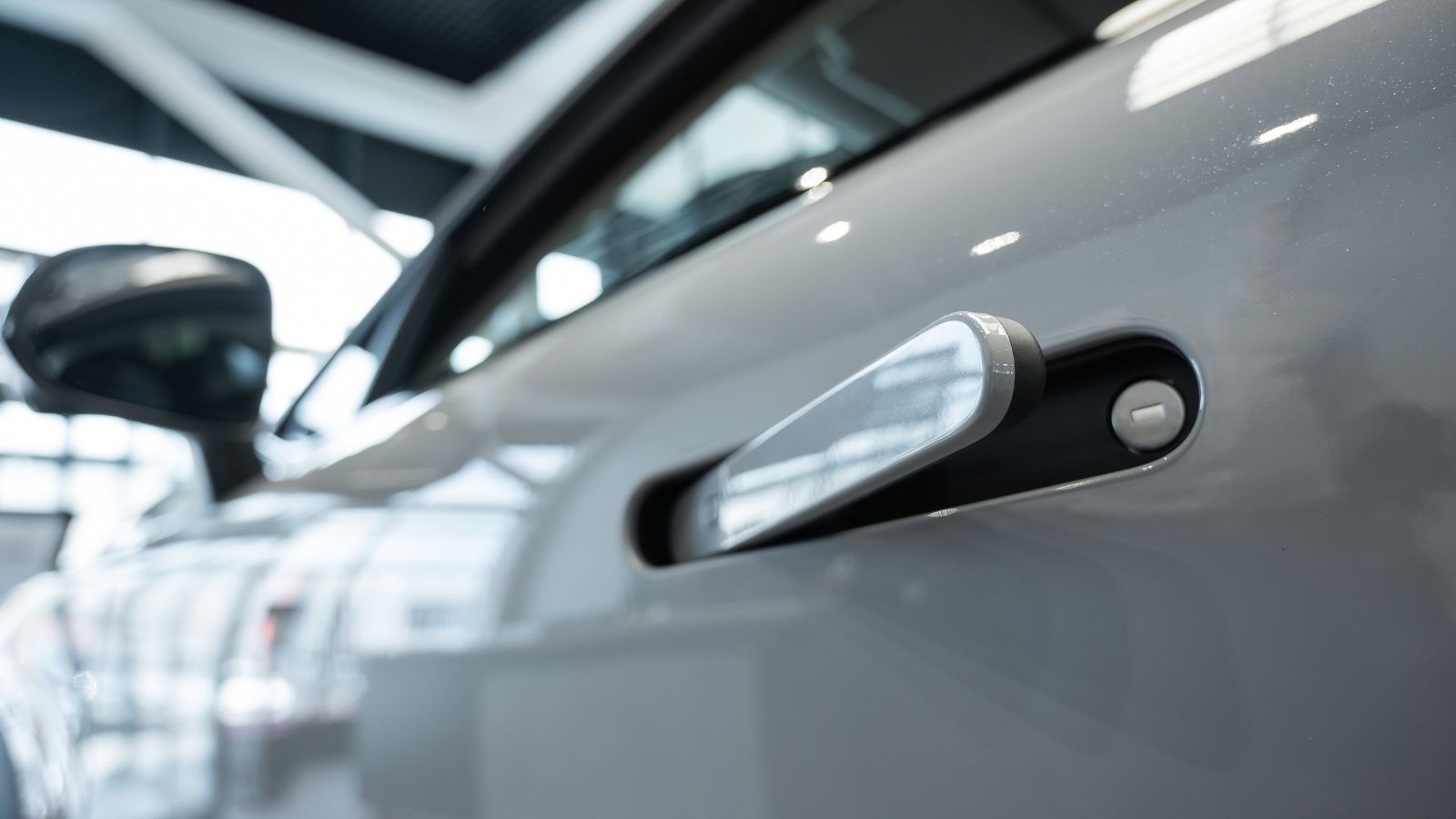
A backup system only provides protection when occupants can actually find it. In cars with electronic interior door buttons, the mechanical release may be positioned somewhere less obvious, hidden within trim or activated in a way that bears little resemblance to normal operation. An owner might remember where it is after reading the manual, but passengers, relatives or occasional drivers may never have learned the procedure.
Consumer Reports advises owners of vehicles with electronic releases to locate and practise using the manual mechanism before an emergency occurs because configurations vary considerably between vehicles. NHTSA has raised similar concerns about the potential risk presented by concealed or difficult-to-locate releases when electrical operation fails. This is especially important because emergencies are precisely when people have the least time to search through an unfamiliar cabin. Some drivers therefore see a conventional mechanical handle as more than nostalgia. They like the idea that the backup way out of the vehicle looks and behaves substantially like the ordinary way out.
Passengers and Valets May Have No Idea How the Handle Works
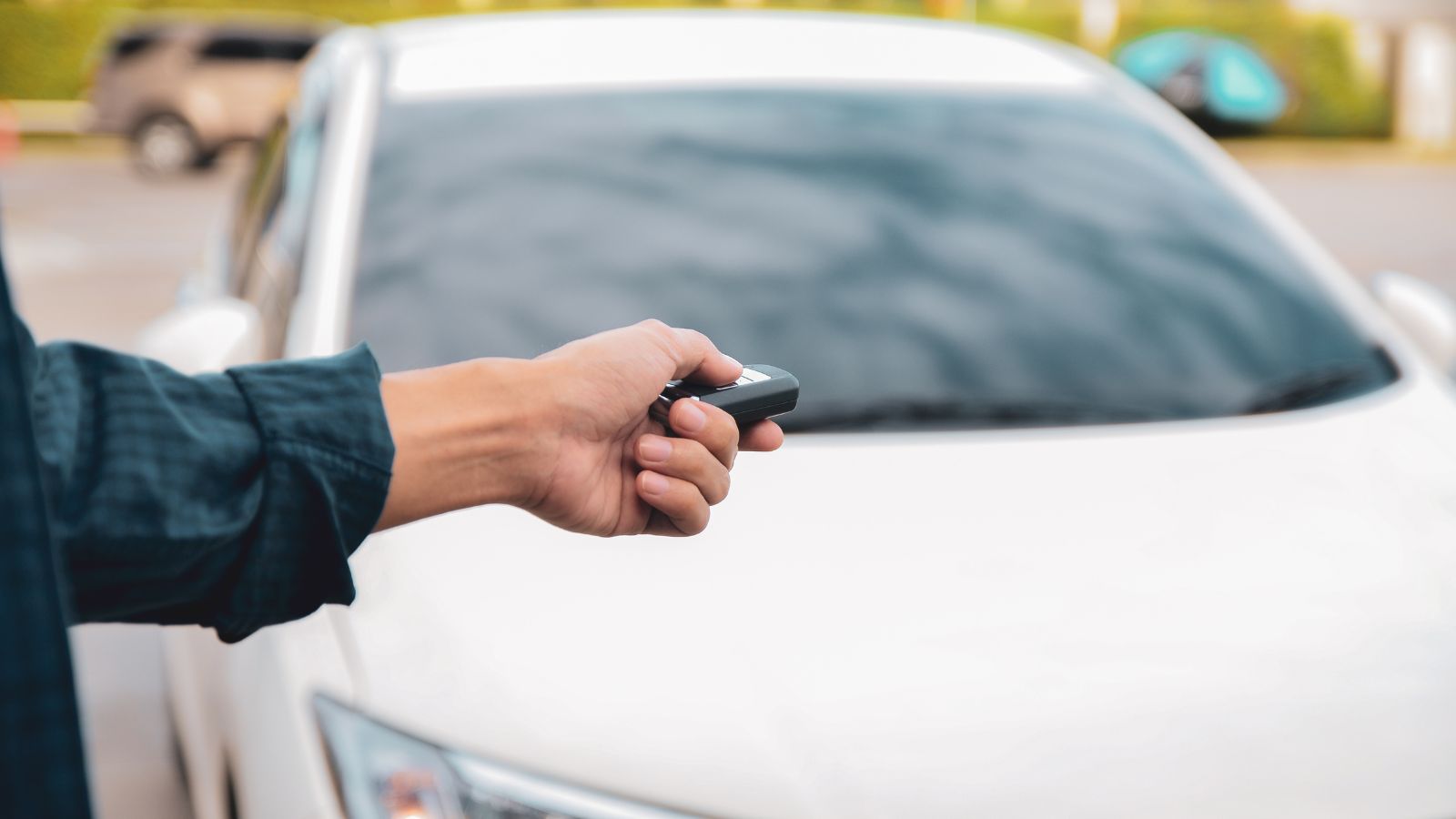
Automakers generally design hidden handles around an owner who already understands the vehicle: approach with the key, wait for the handle to present itself, press a particular section, then pull. Real cars are used by more than their owners, however. Friends, mechanics, parking attendants, relatives and passengers may encounter the design without any instructions. Suddenly, something as basic as getting into a car can require a brief demonstration.
Consumer Reports has repeatedly encountered this usability problem. Its testers have described the Kia EV6’s exterior handle as requiring a push on one end before the other side can be pulled, while its reviews have also criticized the operation of flush handles on the Chevrolet Equinox EV and Tesla Model Y. The organization has even described having to show friends, family members and valets how electronically handled cars open. Those experiences do not automatically make the technology unsafe, but they illustrate why some buyers value controls that almost any person can recognize and operate immediately.
A Thin Hidden Handle Does Not Always Provide a Satisfying Grip
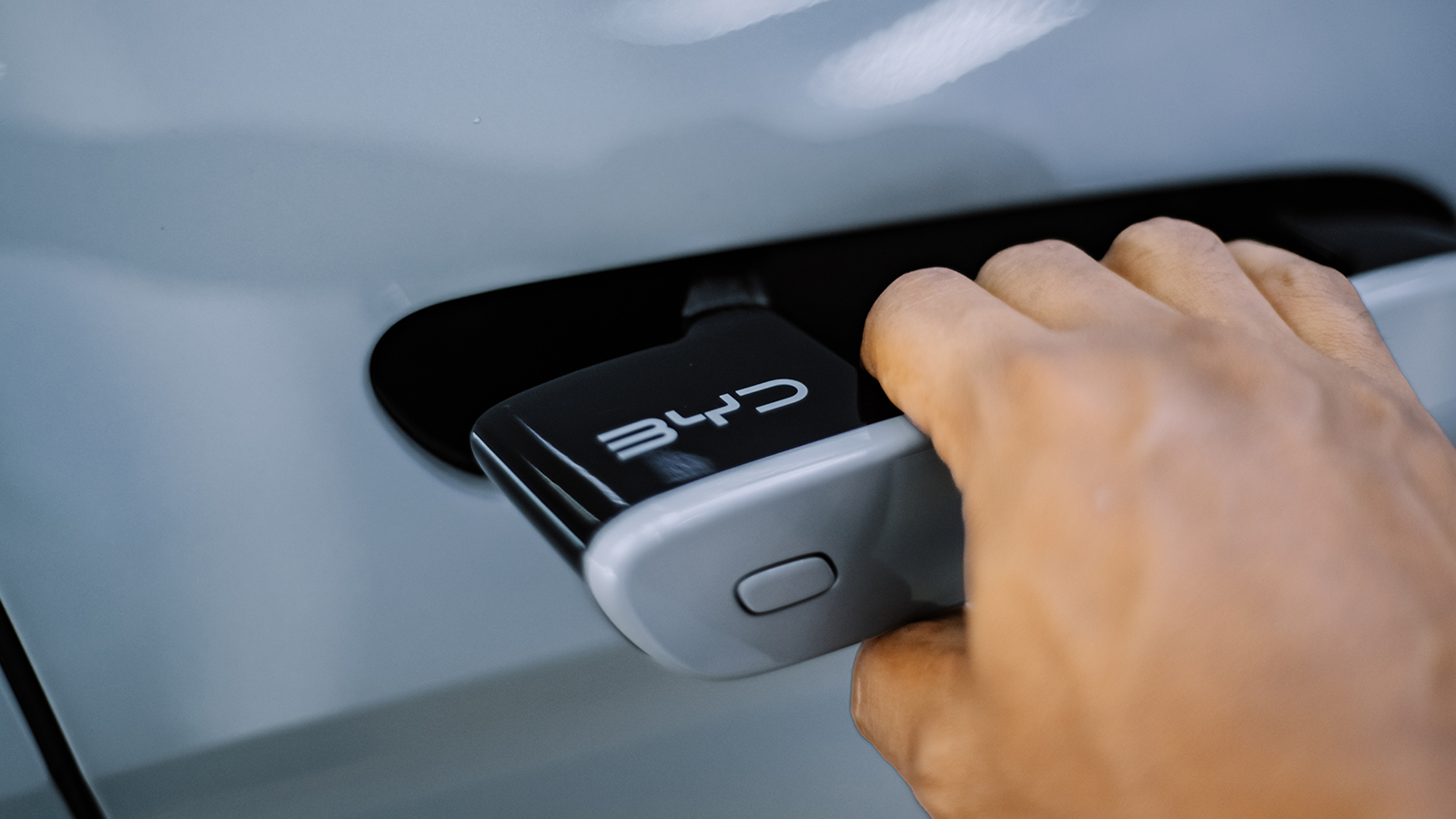
A conventional loop or lever gives a hand an obvious place to wrap around. Some flush designs instead expose a relatively narrow piece of material after being pushed or electronically deployed. That difference becomes more noticeable with winter gloves, wet hands, reduced dexterity or an armful of groceries. Even when the mechanism works perfectly, the interaction can feel less secure than grabbing a substantial mechanical handle.
Ergonomics research has long established that the shape of a handle influences perceived effort and usability. One study involving 180 participants across multiple age groups found that different handle geometries produced different perceptions of operating effort. That research was not specifically testing modern automotive flush handles, so it cannot prove one vehicle design is universally harder to use. Still, the underlying principle applies: shape matters when people interact physically with a control. Recent Consumer Reports testing has similarly criticized narrow powered automotive handles for providing an awkward or limited grip, giving comfort-focused buyers another reason to favour conventional designs.
More Electronics Mean More Components Involved in Opening the Door
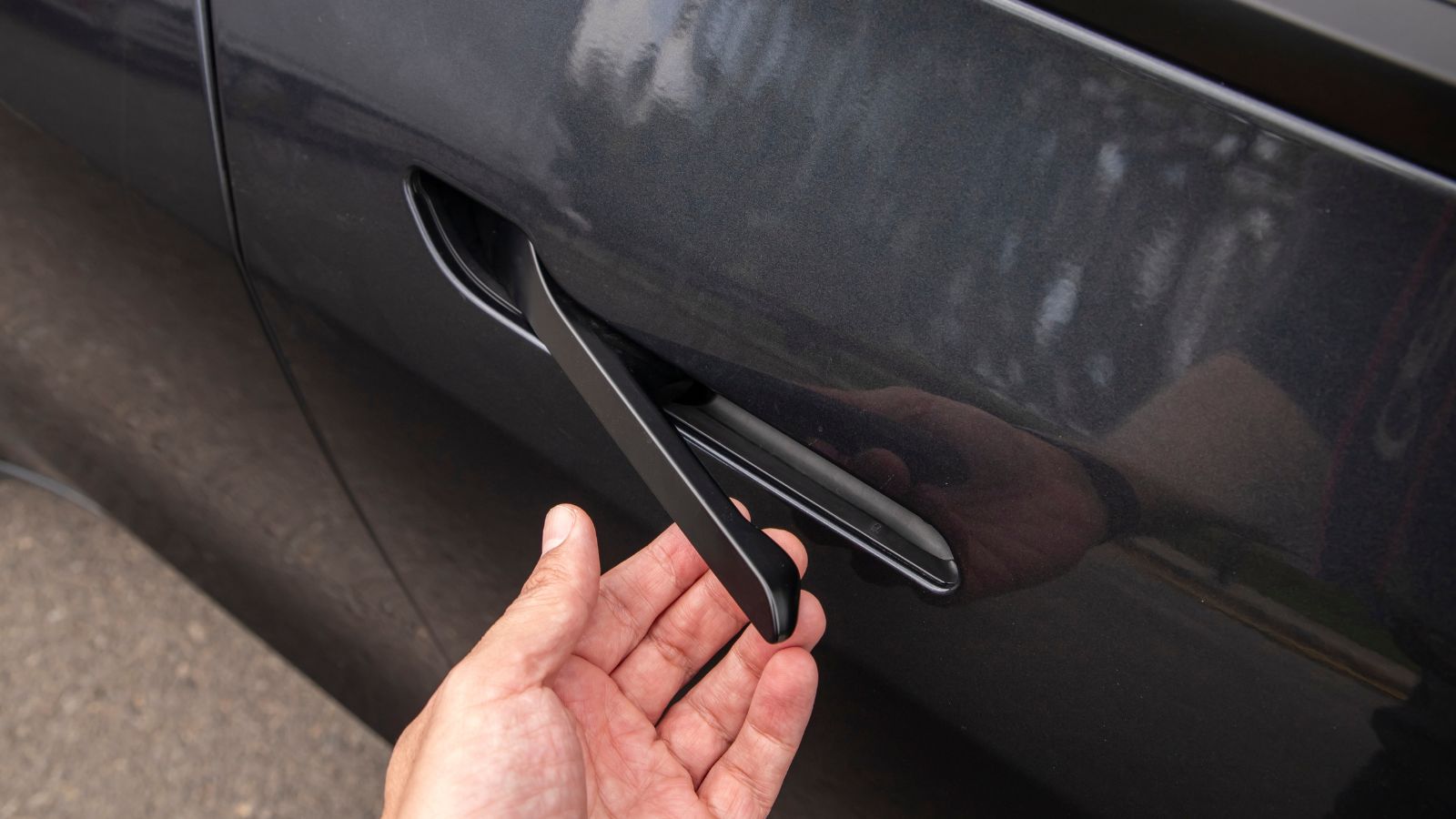
An electronically presenting handle can involve sensors, switches, wiring, control modules, actuators and weather sealing in addition to the mechanical latch itself. Those components enable features that an ordinary pull handle cannot provide, but they also make the overall system more complicated. Drivers who prize long-term simplicity sometimes question whether an everyday task such as opening a door benefits enough from that additional hardware.
The Volkswagen ID.4 offers an example of how door-handle electronics can create an unusual failure mode. NHTSA records from an investigation said water ingress could interfere with communication between the handle and the door-control system and contribute to doors opening unexpectedly while vehicles were moving. Volkswagen ultimately issued a recall covering affected vehicles, with remedies including replacement door-handle assemblies, revised moisture protection and a software update. That problem involved a particular design and should not be generalized to every hidden handle. Still, it demonstrates how adding electronics to a traditionally mechanical component can introduce failure modes that conventional systems never had to manage.
The Aerodynamic Benefit Comes With a Usability Trade-Off
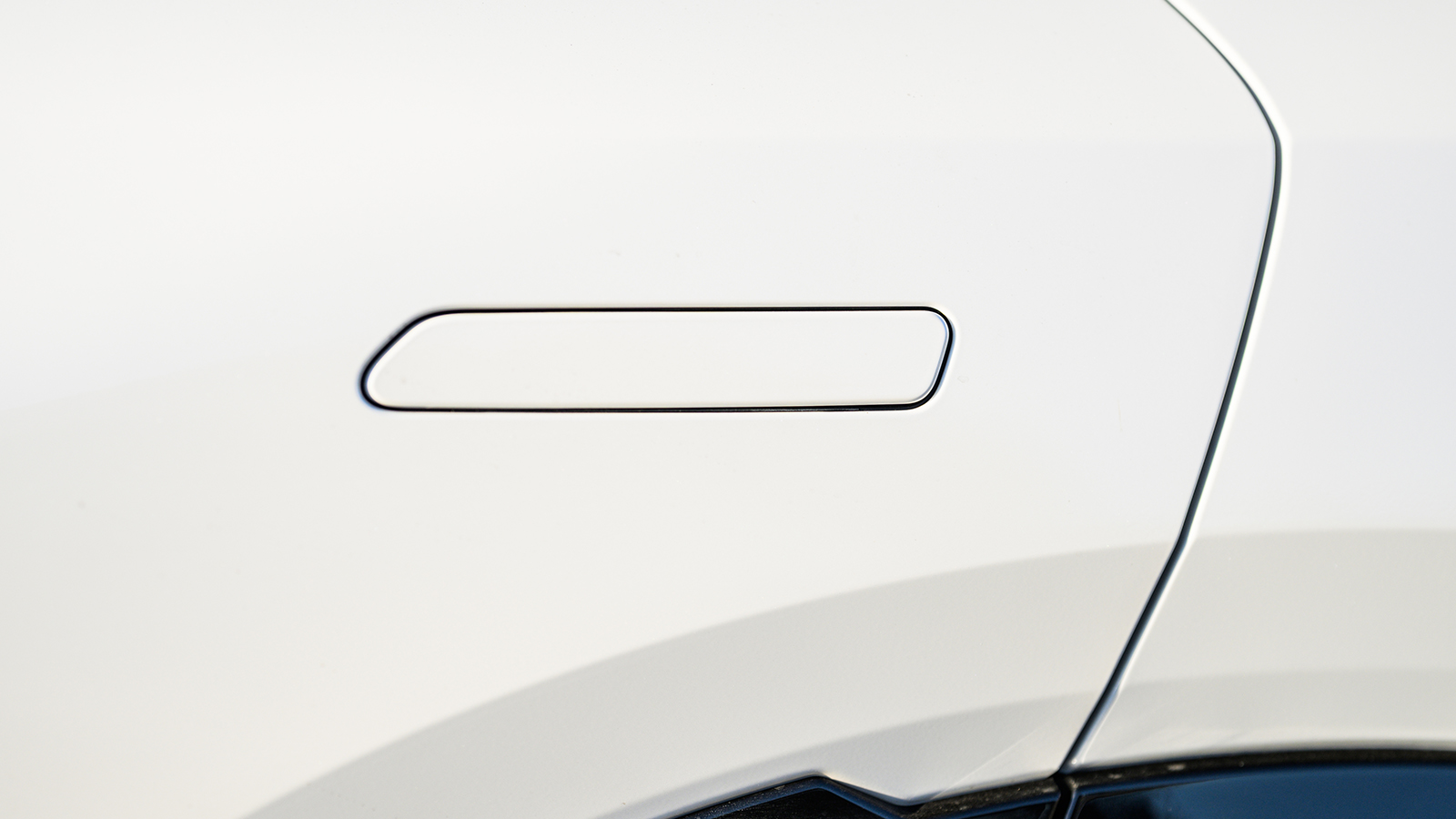
Flush handles are not merely styling gimmicks. Integrating them into the side of a vehicle produces a smoother exterior surface, reducing one source of aerodynamic disturbance. Small reductions in drag can be particularly valuable for EV engineers because greater efficiency can contribute to driving range without adding battery capacity. There is therefore a legitimate engineering reason why so many electric models have adopted the design.
The question for buyers is whether that advantage is important enough to justify the compromises. Reuters has noted both the aerodynamic and styling motivations behind electronic flush handles, while Consumer Reports has similarly acknowledged their contribution to smoother airflow on vehicles such as the Tesla Model Y. Some customers will consider that worthwhile. Others may prefer tactile simplicity, easier winter operation and an obvious mechanical interface, even if the alternative is marginally less aerodynamic. Hidden handles neatly illustrate a wider tension in modern automotive design: a feature can improve one measurable performance characteristic while simultaneously making ordinary ownership slightly less convenient.
A Dead Battery Can Turn Getting Into the Car Into a Procedure
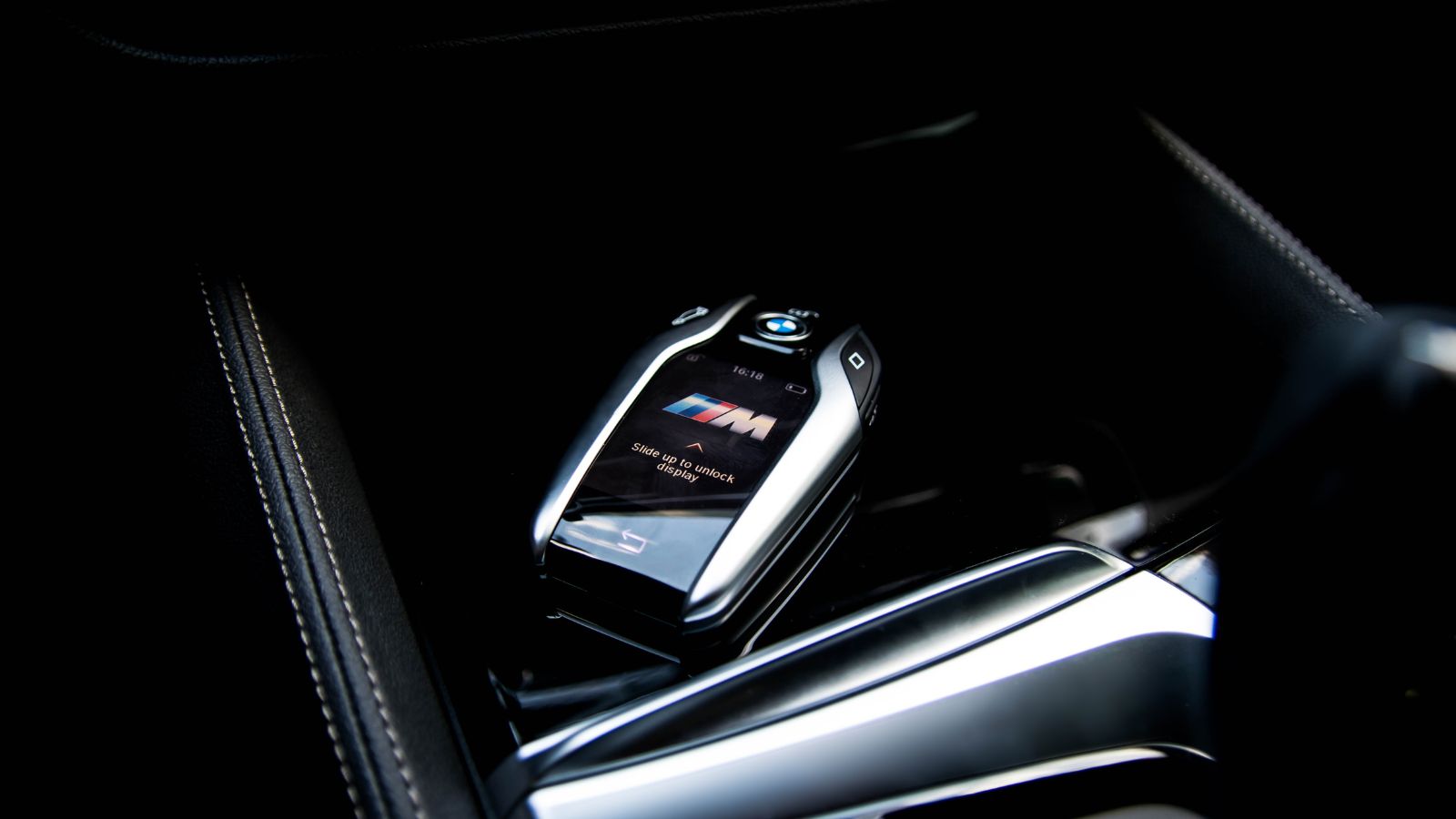
When a conventional vehicle battery dies, many drivers instinctively reach for the physical key concealed inside the fob. With increasingly elaborate door designs, finding where that key actually goes can be less obvious. The lock cylinder may sit behind trim, beneath a cover or inside a handle that must first be manipulated. Some electronically operated vehicles require an external low-voltage connection before normal locks and handles can be energized again.
Consumer Reports has documented the wide variety of backup methods used on cars with electronic and flush handles. Some provide a concealed traditional lock that becomes accessible after moving the handle or removing a cover. Others may require external power when the 12-volt system has failed. The procedures are generally documented, but that offers limited comfort to someone encountering the situation for the first time in a dark parking lot. Some owners are perfectly willing to learn the backup process. Others increasingly ask why access to a disabled vehicle needs to be another piece of specialized knowledge in the first place.
Regulators Are Starting to Ask the Same Questions as Drivers
The clearest indication that hidden-handle concerns have moved beyond personal preference is the attention now coming from regulators and safety organizations. The conversation has shifted from whether flush handles look modern to whether power-independent access, emergency labeling and post-crash operability should be treated as basic safety requirements. Manufacturers can continue pursuing aerodynamic designs, but regulators increasingly expect those designs to retain straightforward mechanical safeguards.
Reuters reported in August 2026 that China plans to prohibit concealed door handles beginning in 2027. The same report said Tesla and eight other automakers were recalling roughly 4.3 million vehicles in China amid concerns about emergency door operation. In the United States, NHTSA has started a rulemaking process after granting a petition seeking a more obvious vehicle-egress standard, while Euro NCAP has strengthened its assessment of powered and retractable handles after crashes. For drivers already skeptical of the technology, those developments reinforce a simple conclusion: sometimes the least futuristic component is the one they trust most.
19 Used Cars Canadians Should Avoid in 2026 (Based on Owner Complaints)

Buying a used car in Canada can feel safe until repair bills start stacking up. Owner complaints tell a different story than glossy listings. Transmission failures, electrical problems, and weak winter reliability show up again and again in consumer reports. Many of these issues appear after warranties expire, when owners least expect them. Some vehicles look affordable upfront, but become expensive to keep on the road. Others struggle in cold weather, urban driving, or long highway commutes. Here are 19 used cars Canadians should avoid in 2026 (based on owner complaints).
19 Used Cars Canadians Should Avoid in 2026 (Based on Owner Complaints)

Alanna Rosen is an experienced content writer that focuses on many EV and educational content. Her articles are regularly published on Get CyberTrucked and syndicated on large publications.