
Putting a vehicle away for winter sounds simple: park it somewhere sheltered, shut the door and return when the roads are clear. That approach can create surprisingly expensive problems. A stored car continues to lose battery charge, its tires remain under load, fuel ages, moisture collects and small animals may discover a remarkably comfortable place to spend the winter.
The biggest mistake is essentially parking a car and forgetting about it. Proper storage is a process rather than a parking spot. These 12 winter-storage issues explain how several months of inactivity can turn a perfectly healthy vehicle into a frustrating spring repair bill—and why a relatively small amount of preparation can make such a difference.
Putting the Car Away While It Is Still Dirty

A final wash can seem unnecessary when a vehicle will not move for several months, but storing a dirty car can leave potentially corrosive contamination sitting against paint, wheels and underbody components all winter. This is especially relevant in Canada, where vehicles may arrive at their storage location carrying road salt, brine, mud and other winter grime.
Cleaning the vehicle before storage is therefore about preservation rather than appearance. Washing the body, wheel wells and accessible areas underneath helps remove material that would otherwise remain in place for months. The car should also be thoroughly dried before being covered or enclosed. Wax or another appropriate paint protectant can provide an additional barrier for finished surfaces. A driver who parks a salty vehicle in November may be surprised in April to find staining, corrosion or deteriorated finishes that developed while the vehicle appeared to be safely tucked away.
Leaving the Battery to Slowly Discharge
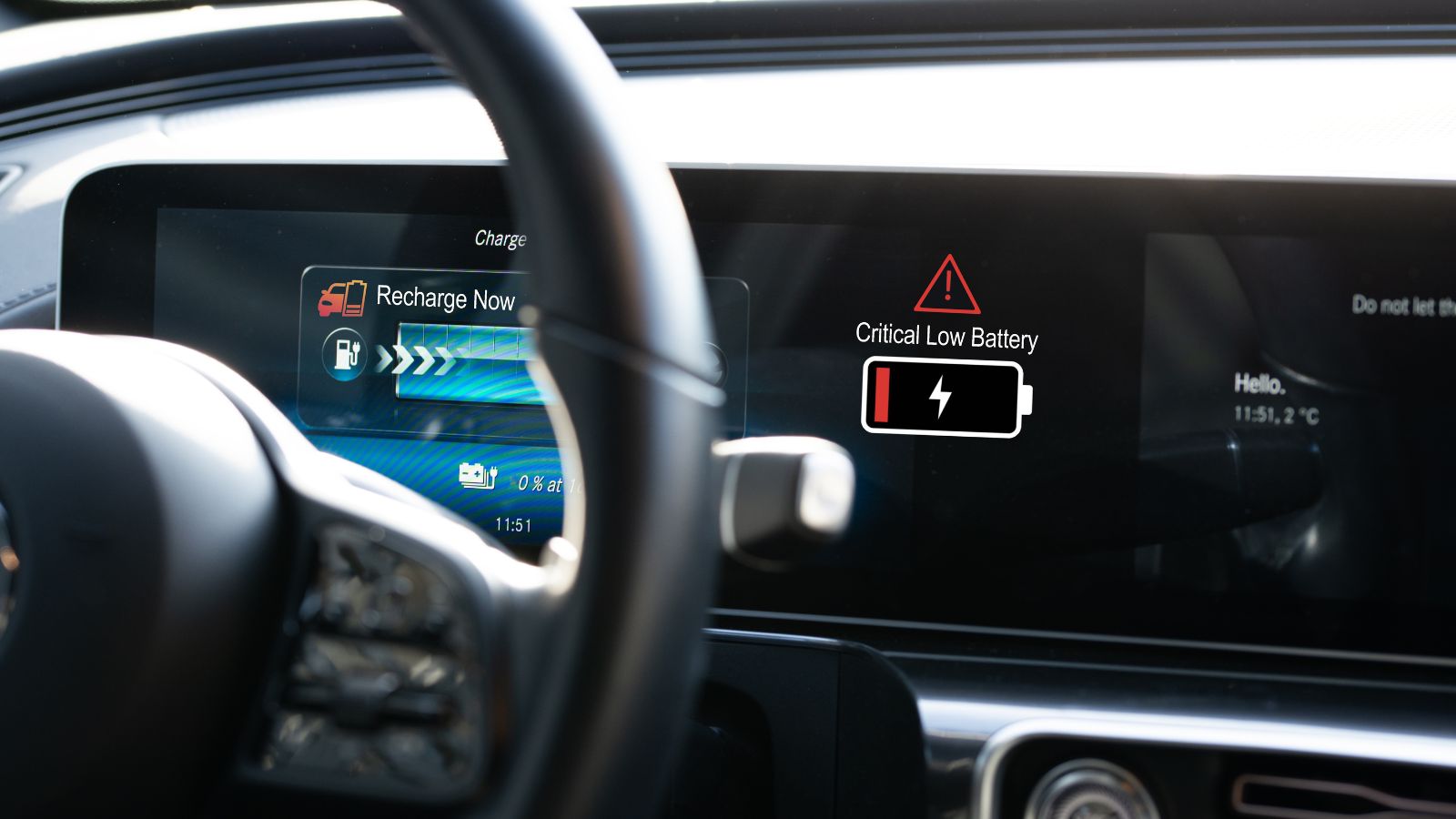
Modern vehicles continue consuming small amounts of electricity even when switched off. Alarm systems, keyless-entry receivers, computers, clocks and other electronics can create parasitic loads. Over several weeks or months, that background consumption may leave a conventional 12-volt battery too weak to start the engine.
Cold conditions make the situation less forgiving because battery performance falls as temperatures decline. For a vehicle being stored for an extended period, automotive organizations and battery manufacturers commonly recommend an appropriate battery maintainer rather than simply hoping enough charge remains until spring. Depending on the vehicle and manufacturer instructions, battery disconnection or removal may also be an option. The important distinction is that a maintainer regulates charging rather than continuously forcing maximum current into the battery. Without a plan, the first spring drive can end before it starts—with clicking from the starter and a battery that may no longer recover fully.
Parking It With Aging Fuel in the Tank

Gasoline does not remain chemically unchanged forever. During lengthy storage, volatile components can evaporate and fuel can oxidize, potentially affecting how well an engine starts and runs when the vehicle returns to service. Ethanol-blended gasoline also introduces additional storage considerations because ethanol can absorb moisture under certain conditions.
Long-term vehicle-storage recommendations commonly call for fresh fuel and, when appropriate, a fuel stabilizer used according to its manufacturer’s directions. Many storage guides also recommend keeping the fuel tank relatively full to reduce the amount of humid air space inside it, although the vehicle manufacturer’s guidance should take priority. Simply leaving whatever fuel happens to remain in the tank can create an unnecessary spring troubleshooting problem. A vehicle that ran perfectly when parked can emerge months later with difficult starting, rough operation or fuel-system concerns. Storage preparation should therefore treat the fuel system as something that continues ageing even though the odometer is not moving.
Ignoring Fluids Before the Car Goes Away
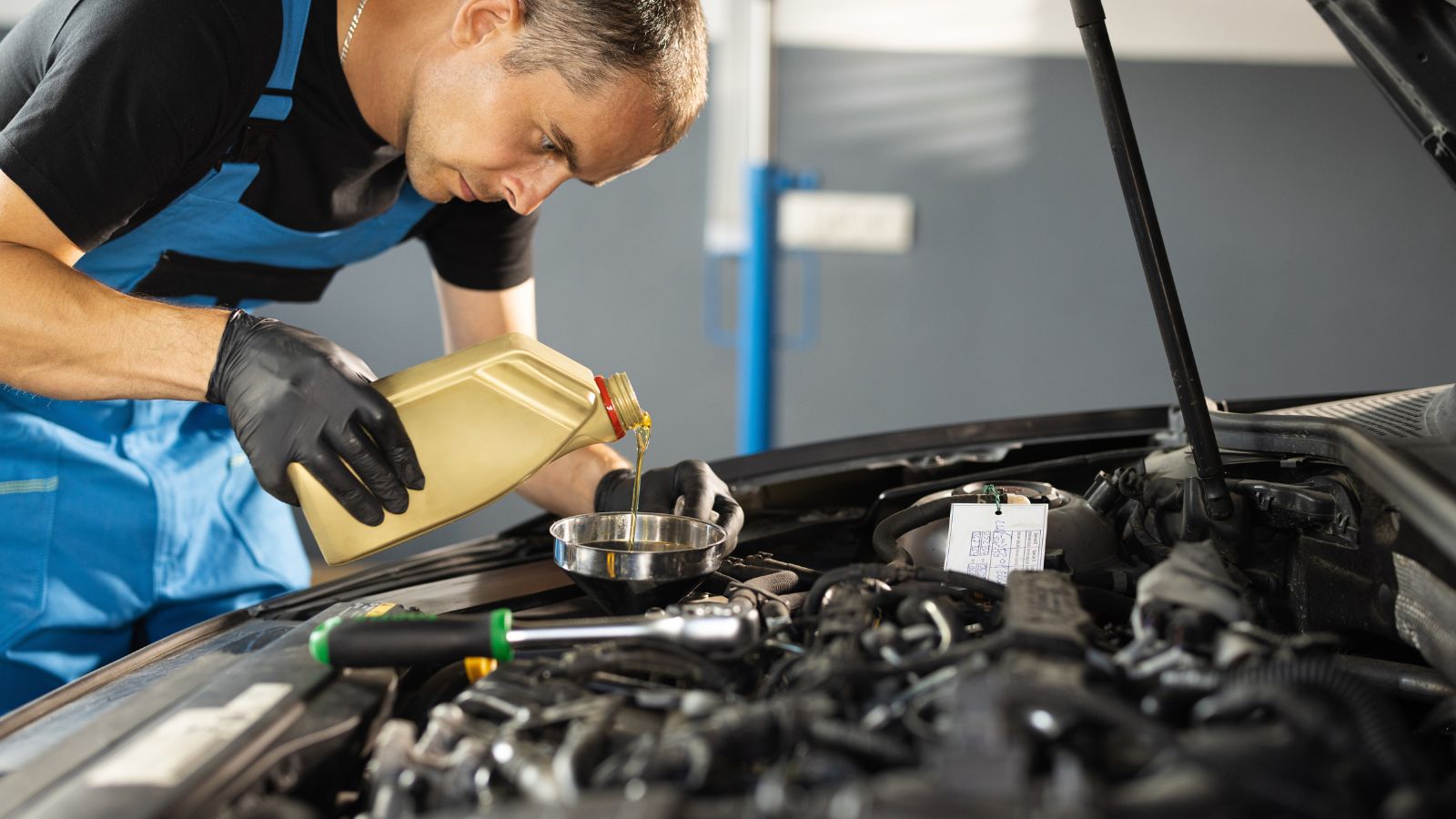
Winter storage is often treated as an extended parking session, but fluids deserve attention before the vehicle disappears into a garage for months. Engine oil accumulates contaminants during normal operation, while coolant must retain the proper concentration and condition to protect an engine in low temperatures. Other fluids should also be checked for leaks or abnormal levels.
That does not mean every stored vehicle automatically requires every fluid to be replaced. Service intervals and manufacturer recommendations remain the better guide. However, a car already due for an oil change or coolant service should not necessarily have that maintenance postponed until spring simply because it will not be driven. This becomes particularly important in an unheated Canadian garage where temperatures can fall well below freezing. Checking underneath the vehicle periodically can also reveal leaks before a minor seep becomes an empty reservoir. Storage works best when the car enters hibernation mechanically healthy rather than carrying overdue maintenance into several months of inactivity.
Forgetting That the Tires Are Still Carrying the Car
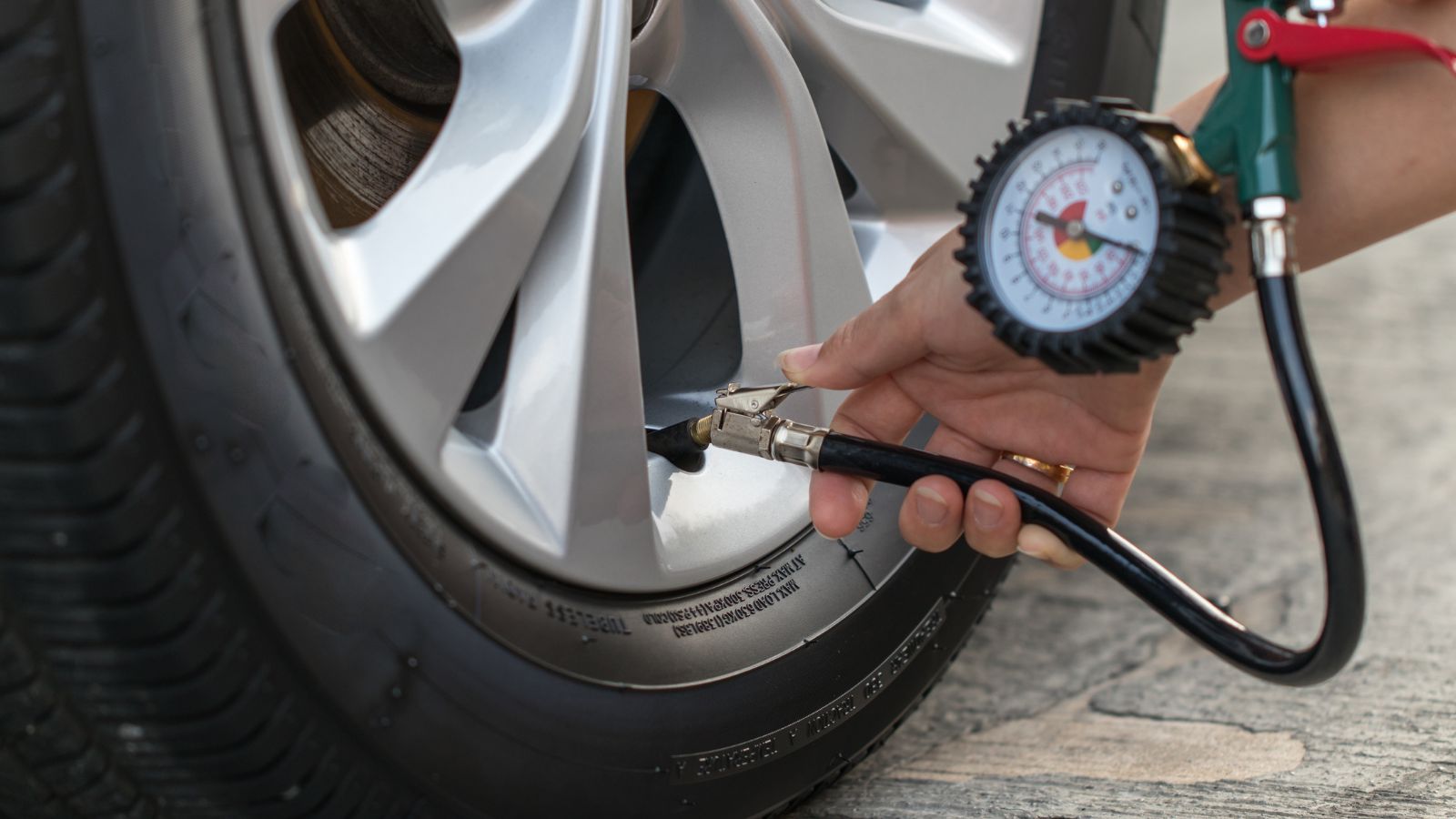
The engine may be resting, but four small patches of tire continue supporting the entire vehicle throughout storage. When a car remains in exactly the same position for months, temporary flat spotting can occur, particularly when tire pressures are low or temperatures are cold. Some flat spots disappear after driving and warming the tires, while more severe cases may take longer to resolve.
That makes tire pressure an important part of winter preparation. Tires should generally be inflated to the vehicle manufacturer’s specified pressure, with pressures checked when appropriate during storage. Storage guidance sometimes suggests moving a car slightly or using specialized tire supports for valuable vehicles stored for long periods. Owners should be cautious about improvised methods that conflict with vehicle or tire-manufacturer recommendations. In spring, tire pressure should be checked before normal driving resumes. Months of storage are not a reason to ignore tires; they are a reason to pay closer attention to the components carrying several thousand pounds without taking a single rotation.
Leaving the Parking Brake Applied for Months

Pulling the parking brake before walking away feels natural. During long-term storage, however, many vehicle-storage guides advise against leaving a mechanical parking brake engaged continuously. Moisture and corrosion can cause parking-brake components or brake surfaces to stick, potentially making the vehicle difficult to move when storage ends.
The alternative depends on the vehicle, transmission and storage location. Wheel chocks may be appropriate on a level surface, while automatic vehicles are typically left in Park according to manufacturer guidance. Electronic parking-brake systems can have different procedures, making the owner’s manual particularly important. The concern is not that every applied parking brake will seize during one winter. It is that months of uninterrupted contact can create conditions that normal daily use avoids. Discovering a stuck brake in spring is particularly frustrating because the car may start perfectly and look immaculate yet still refuse to roll freely. Properly securing the vehicle without unnecessarily loading storage-sensitive components can prevent that unpleasant surprise.
Giving Mice an Unplanned Winter Home
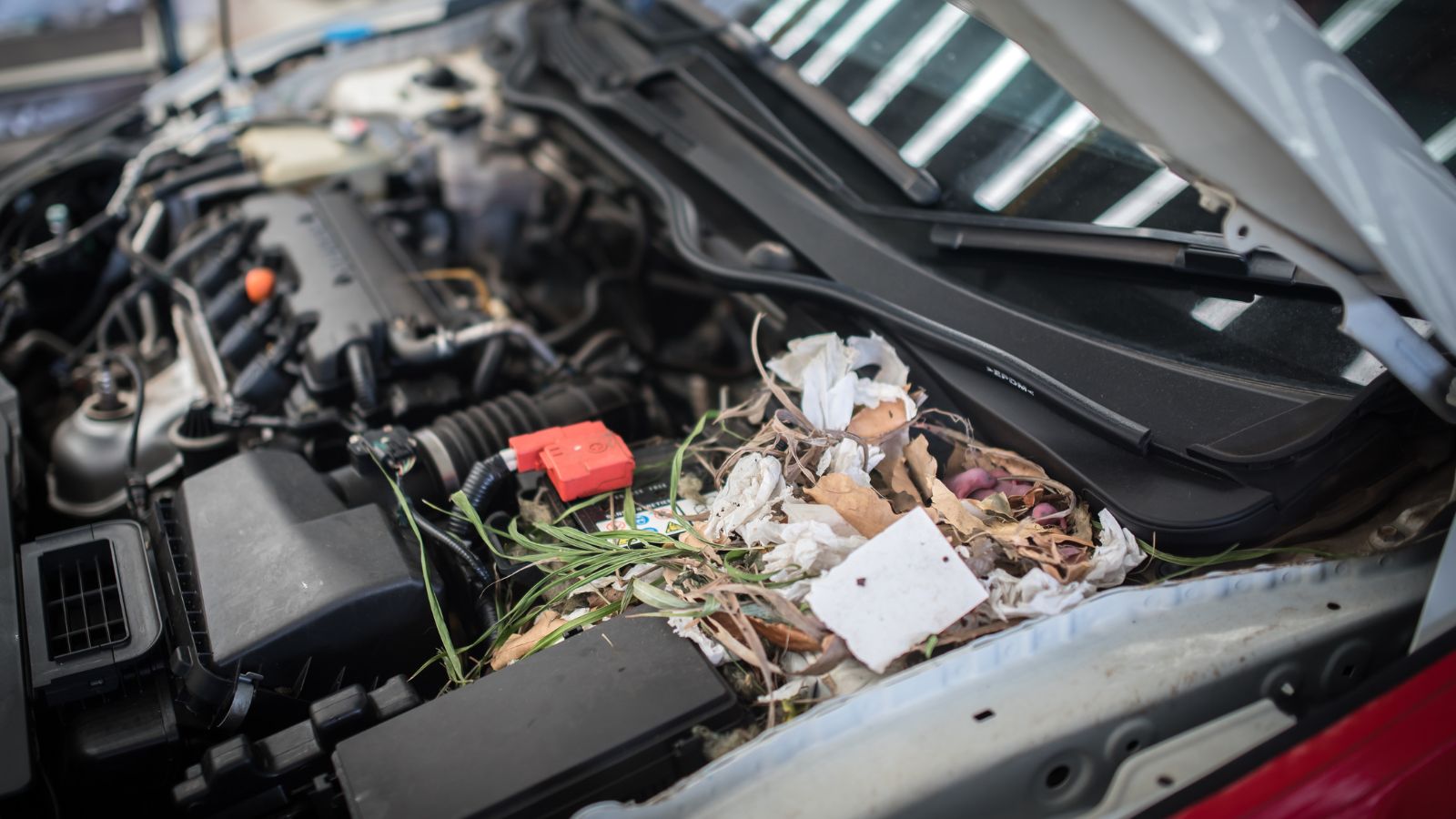
A quiet garage and a warm-looking engine compartment can be attractive to rodents. Cars contain nesting material, secluded spaces and, unfortunately, electrical wiring that animals may damage. Rodent problems can affect wiring harnesses, insulation, air filters and cabin areas, sometimes creating repair bills far larger than the preventive effort required before storage.
Food should be removed from the passenger compartment, trunk and nearby storage area. The garage itself should also be kept as unattractive to rodents as reasonably possible. Some owners inspect potential entry points or use approved deterrent strategies, although methods that could damage the vehicle or create a fire hazard should be avoided. Care is also necessary with anything placed in an exhaust or intake opening; a forgotten obstruction could be dangerous when the engine is restarted. A spring inspection is worthwhile even when no obvious evidence exists. Chewed material, nesting debris or unusual odours can be warning signs that someone—or something—used the vehicle during winter after all.
Wrapping the Vehicle in a Moisture-Trapping Cover
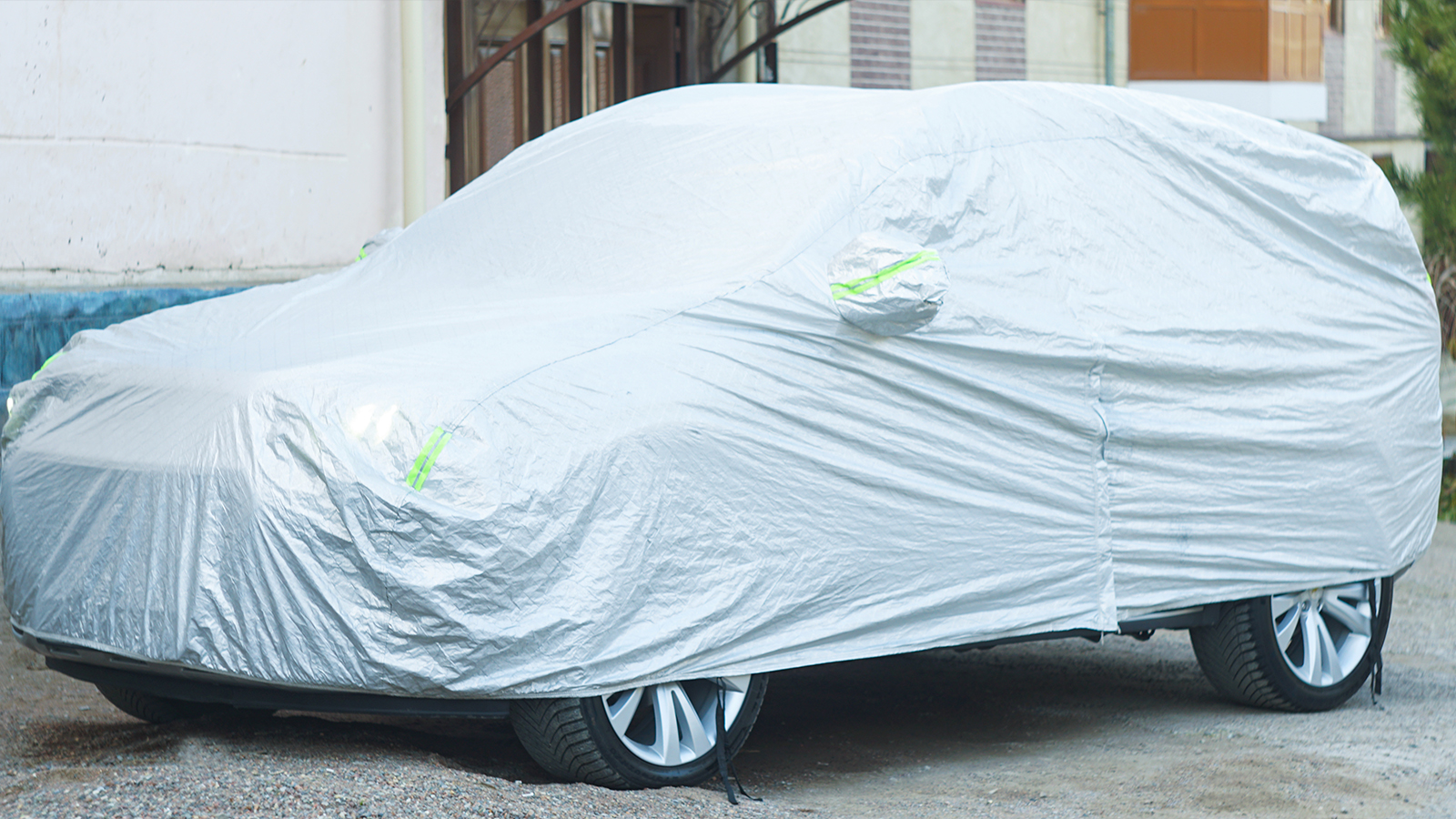
A car cover sounds like obvious protection, but the wrong cover can create another problem. A non-breathable material can trap condensation and moisture against paint or metal surfaces, especially where temperatures repeatedly rise and fall. Outdoor tarps can also move in the wind and rub against dirty paint, potentially producing scratches.
Indoor storage usually calls for a clean, appropriately fitted and breathable cover designed for automotive use. Outdoor storage requires a product intended to handle weather while still managing moisture correctly. Just as importantly, the vehicle itself should be clean and dry before the cover goes on. Covering damp bodywork does not make the moisture disappear. Canadian shoulder seasons can bring dramatic swings between freezing nights and comparatively mild afternoons, creating conditions in which condensation becomes important. A good cover keeps dust and contamination away without turning the space beneath it into a damp enclosure. The goal is protection from the environment, not sealing moisture beside the vehicle for several uninterrupted months.
Storing It in a Damp Space and Calling It Protection
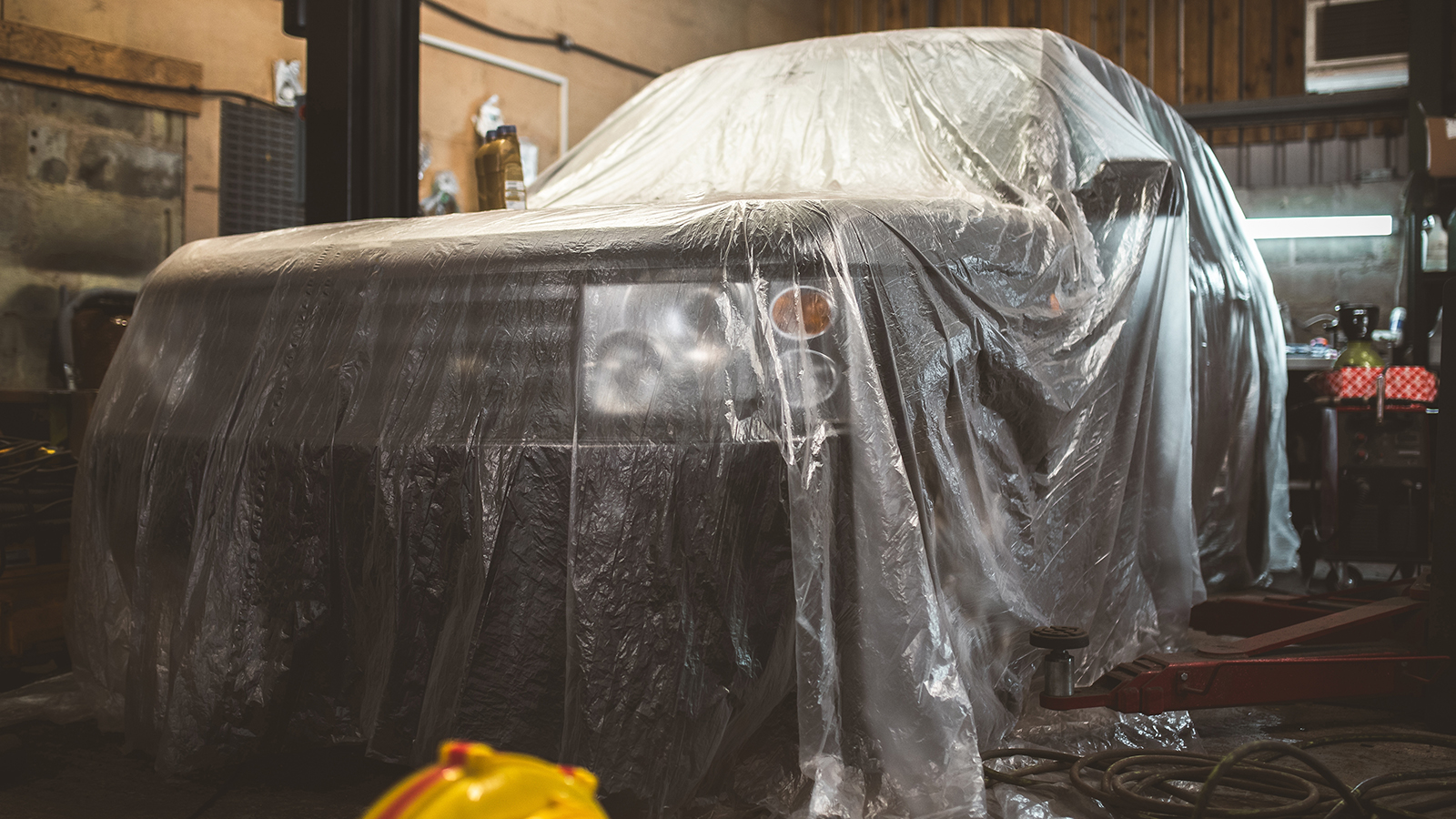
A roof overhead is valuable, but not every garage provides ideal storage conditions. Damp floors, water intrusion and poor ventilation can expose a parked vehicle to persistent moisture. Repeated temperature changes may also create condensation on cold metal components, including parts that are difficult to inspect without putting the vehicle on a lift.
A dry, secure and reasonably ventilated location is preferable for long-term storage. Owners using detached garages, barns or other unheated buildings should look for roof leaks, standing water and persistent humidity before assuming the vehicle is protected simply because snow cannot fall directly onto it. Parking on bare soil or chronically damp surfaces can be particularly undesirable because moisture can remain beneath the vehicle. Collector-car owners often pay close attention to storage humidity for exactly this reason. Corrosion does not require the car to be driven through a snowstorm; time and moisture can do their own work. Keeping the storage environment dry is therefore just as important as keeping the vehicle stationary.
Starting the Engine Briefly Every Few Weeks
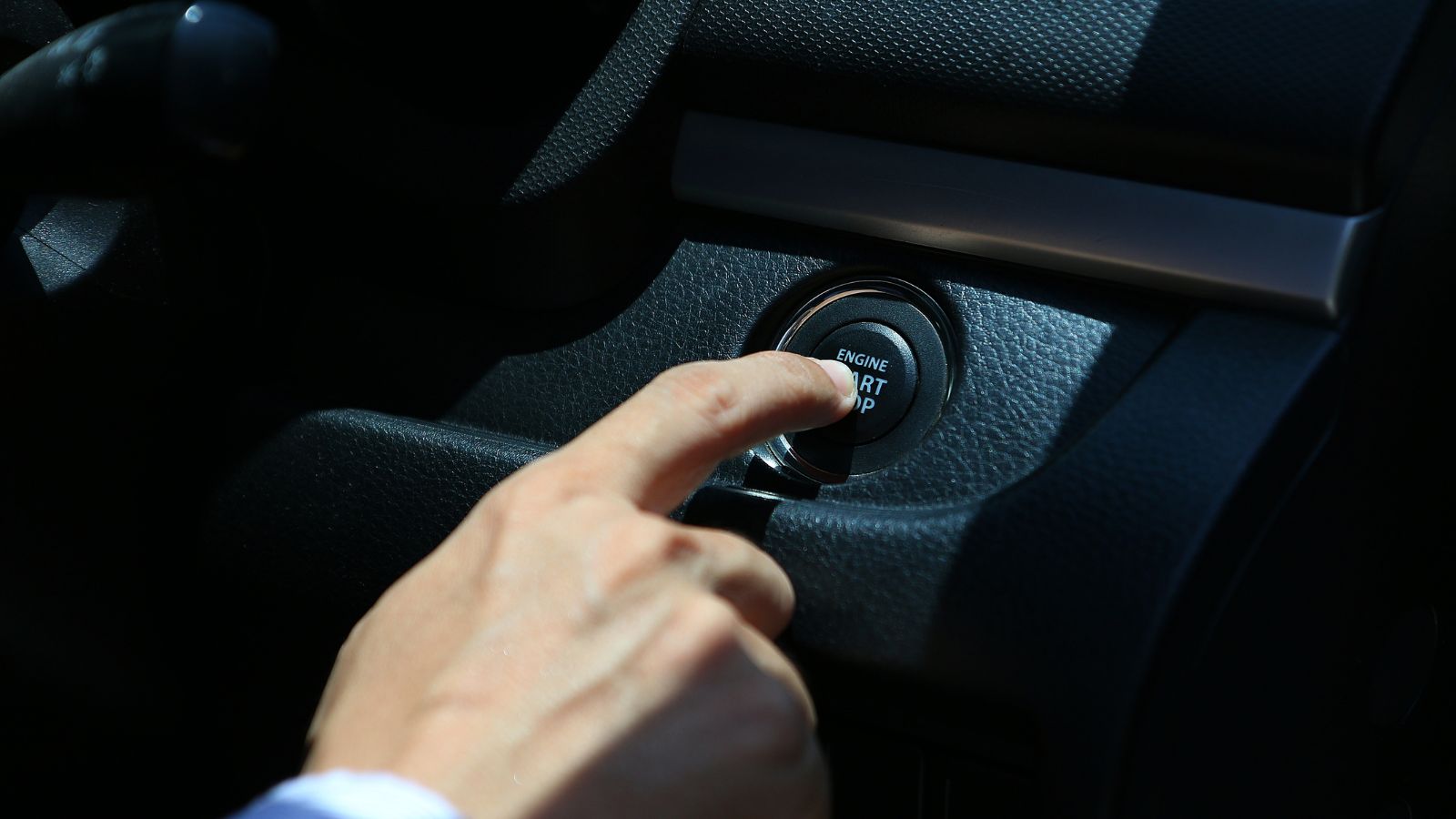
Starting a stored car for five or ten minutes may feel like responsible maintenance. It can actually be counterproductive if the engine never reaches full operating temperature. Combustion creates water vapour, and short periods of idling may leave moisture in the exhaust and engine rather than allowing the vehicle to become fully warmed.
That is why many long-term-storage specialists advise against repeatedly starting a properly prepared vehicle solely to let it idle briefly. If a vehicle genuinely needs to be operated during storage, the manufacturer’s recommendations should be followed and it may need to be driven long enough for major systems to reach normal operating temperature—assuming weather, insurance, tires and road conditions make that safe. Otherwise, correct battery maintenance and proper storage preparation can be preferable to ritualistic short starts. The familiar winter routine of firing up a summer car, listening to it idle and shutting it down again may provide reassurance to the owner while offering the machinery much less benefit than expected.
Leaving Food, Moisture and Clutter Inside
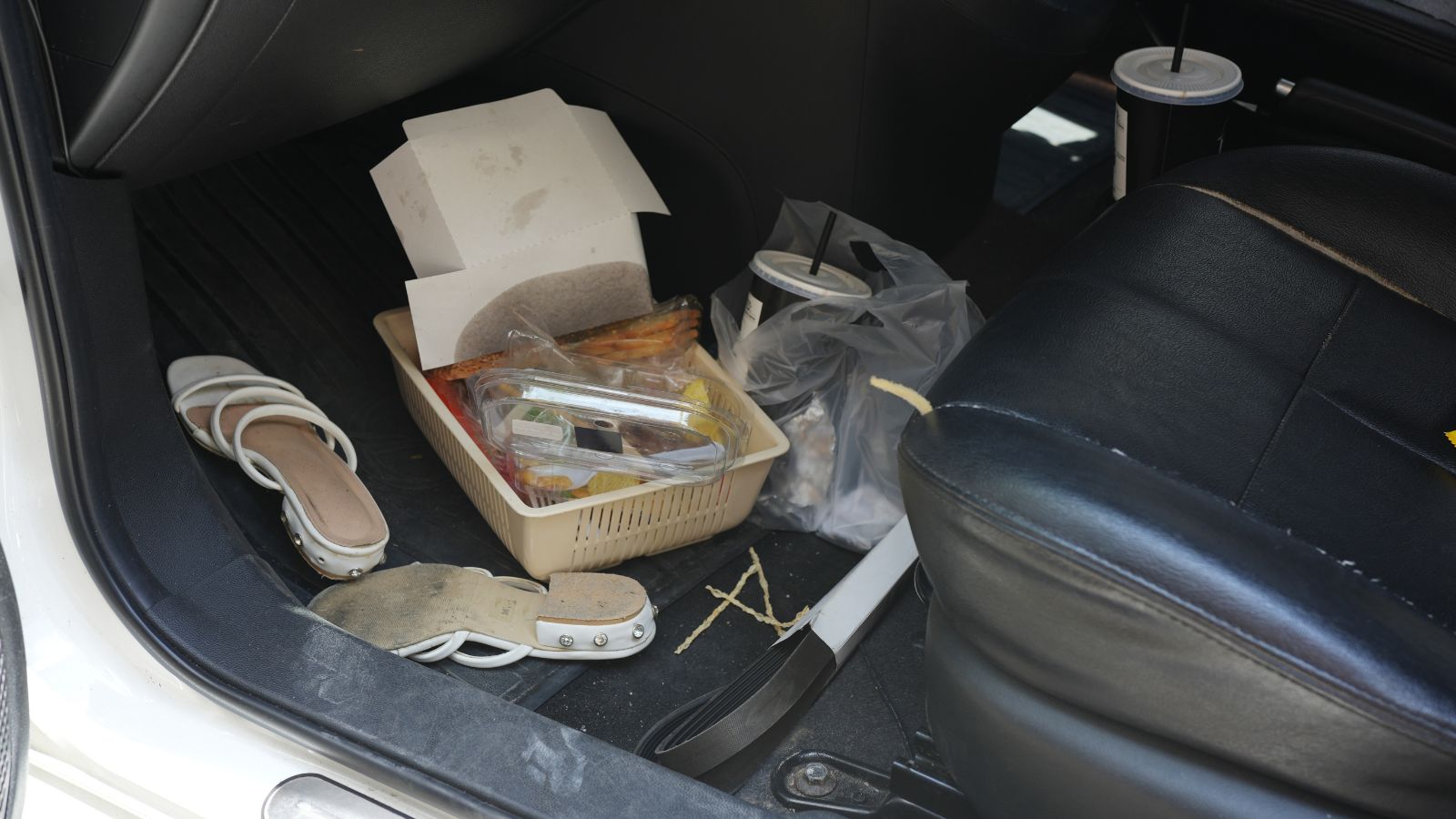
A forgotten coffee cup, snack wrapper or damp floor mat seems insignificant compared with fuel and battery maintenance, but the interior is part of winter storage too. Food residue can attract pests, while wet carpeting or mats can contribute to unpleasant smells and moisture problems during months with little airflow.
The cabin should be cleaned and allowed to dry before storage. Garbage and food should be removed, and obvious moisture sources should be dealt with rather than sealed inside. Convertible tops, weather seals and windows should also be inspected for signs of water entry. Depending on the storage conditions, owners sometimes use automotive-safe moisture-control products, but these should not substitute for fixing an actual leak. Springtime mould, mildew or rodent damage can transform what should have been an enjoyable first drive into a cleaning and repair project. A spotless exterior means little if the closed cabin has spent four months holding moisture, crumbs and an unnoticed leak beneath the carpet.
Driving Away in Spring Without Inspecting Anything
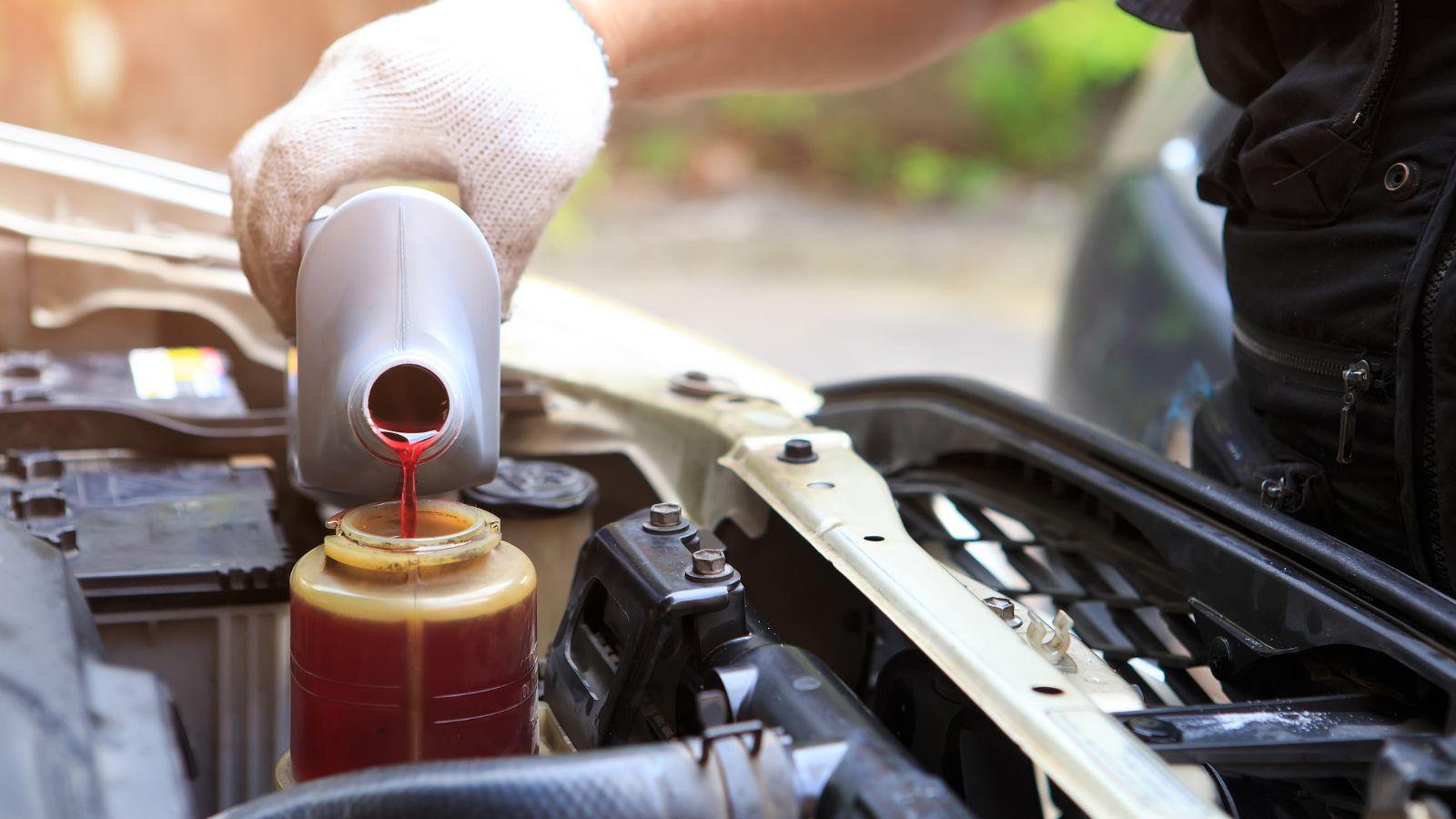
Proper winter storage does not end when the cover comes off. Several months can change tire pressures, battery charge, fluid levels and brake-surface condition even when the vehicle has not travelled a kilometre. Evidence of rodents or leaks may also appear while the car is sitting.
Before normal spring driving, the vehicle deserves a basic inspection. Tire pressure and visible tire condition should be checked, along with fluid levels, the battery, lights and the area underneath for leaks. Any exhaust or intake protection installed for storage must be removed before starting. Brakes may show light surface rust after sitting and should be evaluated carefully as the vehicle begins moving. Unusual noises, warning lights, smells or poor braking should not be dismissed as normal simply because the car was stored. The smartest winter-storage routine therefore has two halves: preparing the car before it disappears and carefully recommissioning it when spring finally arrives.
19 Used Cars Canadians Should Avoid in 2026 (Based on Owner Complaints)

Buying a used car in Canada can feel safe until repair bills start stacking up. Owner complaints tell a different story than glossy listings. Transmission failures, electrical problems, and weak winter reliability show up again and again in consumer reports. Many of these issues appear after warranties expire, when owners least expect them. Some vehicles look affordable upfront, but become expensive to keep on the road. Others struggle in cold weather, urban driving, or long highway commutes. Here are 19 used cars Canadians should avoid in 2026 (based on owner complaints).
19 Used Cars Canadians Should Avoid in 2026 (Based on Owner Complaints)

Alanna Rosen is an experienced content writer that focuses on many EV and educational content. Her articles are regularly published on Get CyberTrucked and syndicated on large publications.