
Car insurance has a habit of becoming background paperwork: the renewal arrives, the payment changes slightly, and another year begins. October is a useful time to give that routine a closer look. Winter preparations are starting, driving habits may have changed since summer, and several provinces have insurance or seasonal rules that make an autumn check especially worthwhile.
A review does not automatically mean switching insurers or cutting coverage. In some cases, the better decision may be adding protection that has quietly become more important. From mileage and deductibles to winter tires, theft coverage and major provincial reforms, these 20 reasons explain why a Canadian driver’s current policy may deserve more attention this October.
Last Year’s Best Insurance Price May Not Be the Best Anymore

Remaining with the same insurer can certainly be convenient, but convenience does not guarantee that a renewal remains competitive. Insurers price risk differently, and those calculations can change as claims experience, repair costs and underwriting strategies evolve. Ontario’s insurance regulator specifically advises consumers not to assume that every company charges the same amount for comparable benefits and notes that an insurer offering good value last year may not provide the same value now.
That makes the renewal premium a starting point rather than a final answer. A driver can compare several quotes while keeping liability limits, deductibles and optional protections as similar as possible. Otherwise, a cheaper quote may simply contain less coverage. In competitive insurance markets such as Ontario and Alberta, regulators actively encourage consumers to shop around. Even when a driver ultimately stays put, the comparison can reveal whether the existing policy remains reasonably priced.
A Premium Can Increase Even Without an Accident

A spotless year behind the wheel does not guarantee a flat renewal premium. Insurance pricing reflects more than one person’s claim history. Insurers also consider the cost and frequency of claims across larger groups of drivers, along with inflation, repair expenses, vehicle values, fraud and broader changes in driving activity. Ontario’s Financial Services Regulatory Authority has specifically identified inflation and increased driving as factors putting upward pressure on insurance costs.
That distinction can be frustrating for a household that has not filed a claim in years. The renewal may still be higher because the insurer’s underlying rates have changed. October provides a good opportunity to separate those market-wide increases from changes caused by a driver’s own circumstances. Asking an insurer or broker to explain the increase can identify whether it came from a new rate filing, a changed discount, a different vehicle classification, an address change or another factor that deserves a closer look.
The Car May Be Travelling Far Fewer Kilometres Than Before

Annual mileage is a common insurance-rating factor because greater time on the road generally means greater exposure to collisions. A policy that was originally priced around a lengthy daily commute may therefore be outdated if the driver now works from home several days a week, retired, changed jobs or moved closer to the workplace. The opposite matters too: a new commute may need to be disclosed so the insurer has accurate information.
Some insurers and provincial systems even provide specific low-mileage options. ICBC, for example, asks customers preparing for renewal to report odometer information when they may qualify for distance-based discounts. Ontario’s regulator similarly notes that annual kilometres and whether a vehicle is driven to work or school can affect premiums. Rather than estimating mileage from habits that existed several years ago, an October odometer check can provide a much more realistic picture of how the vehicle is actually being used today.
A Move Can Change the Insurance Calculation

Moving across town can change more than the commute. Location is one of the factors insurers may use when assessing automobile risk because collision frequency, theft patterns and other claims experience differ between areas. Ontario’s regulator notes that premiums are generally higher in urban areas where collisions and vehicle theft are more frequent, while Alberta’s regulator also identifies where a vehicle is driven and kept as a rating consideration.
That means an old address should never simply remain on a policy because changing it seems inconvenient. Even a move that occurred months earlier deserves attention if the insurance documents were never updated. In B.C., ICBC explicitly identifies the territory where a vehicle is normally kept as something that can affect premiums. A correct address is not only about the price; accurate policy information helps prevent confusion when a claim occurs. October is therefore a sensible time to compare the policy documents with the vehicle’s actual home and parking location.
The People Driving the Car May Have Changed

A household’s driving arrangements can change surprisingly quickly. A teenager may have obtained a licence, an adult child may have moved home, a partner may now use the vehicle regularly or someone previously listed may no longer drive it. Those changes matter because insurers need an accurate picture of who is using the vehicle, particularly when someone has become a regular rather than occasional driver.
B.C.’s system provides a clear illustration. ICBC asks policyholders to list drivers and identifies a principal driver, with driving experience and crash history helping determine the premium. It also asks that learner drivers be listed. Rules are not identical across Canada, but the broader lesson travels well: household members are not necessarily covered in exactly the same way simply because they live at the same address. A fall insurance review can catch old driver information before the snowy season creates more situations in which family members share vehicles.
Food Delivery or Ridesharing Can Change the Kind of Coverage Needed

The family car can quietly become part of a side business. Someone may begin delivering meals on weekends, carrying passengers through an app or using the vehicle for another paid activity without thinking of it as commercial driving. Insurance companies do make that distinction. The Insurance Bureau of Canada warns that commercial coverage can be necessary when a personally owned vehicle is used for activities such as food delivery or ridesharing.
The details depend heavily on the province and platform. Some rideshare and delivery companies carry blanket insurance that applies during particular stages of a trip, while a driver’s personal policy may apply at other times. Ontario, for example, maintains a list of approved insurance products for certain rideshare, car-sharing and delivery services. B.C. has separate ride-hailing requirements as well. Anyone whose vehicle use has shifted since the policy was purchased should therefore verify exactly when personal, platform and commercial coverage begin and end.
October Is When Winter-Tire Rules and Discounts Become More Relevant
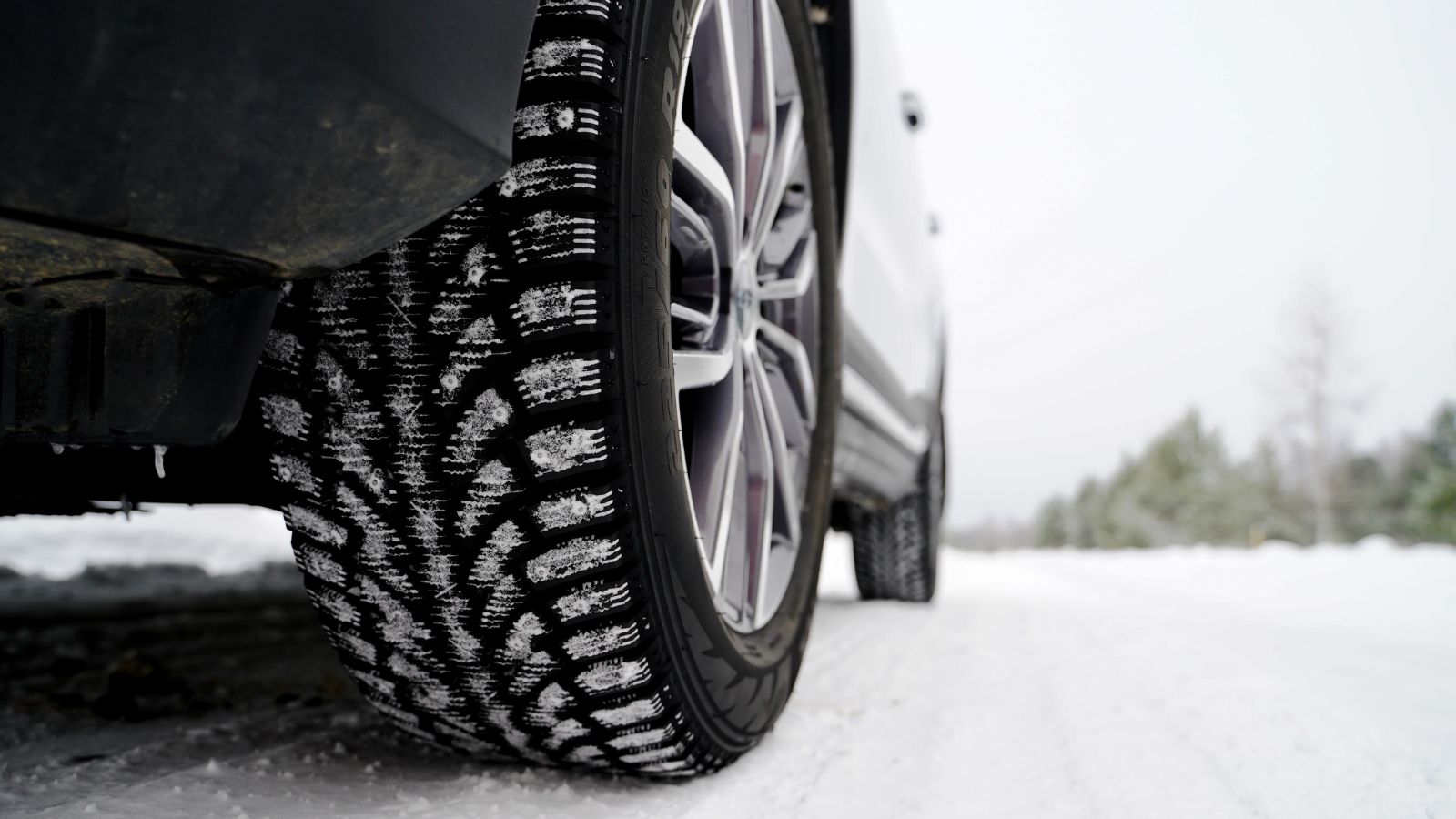
Tire season is not merely a maintenance issue. In Ontario, insurers are required to provide a winter-tire discount for qualifying private-passenger vehicles, although each company determines its discount and documentation requirements. Drivers who installed qualifying tires but never notified the insurer could therefore be missing a price reduction that is specifically recognized in provincial insurance rules.
Elsewhere, October has regulatory significance even when the rule is not an insurance discount. Most designated B.C. routes require winter tires or chains beginning October 1, with requirements continuing until March 31 or April 30 depending on the route. Quebec requires winter tires on most Quebec-registered motor vehicles from December 1 through March 15 and recommends preparing before the deadline because winter conditions can arrive earlier. The rules differ substantially across provinces, making October an ideal time to confirm both the legal tire requirements and any insurance savings tied to winter preparation.
The Deductible May No Longer Fit the Household Budget

A deductible is the portion of an insured loss that the policyholder pays before applicable insurance proceeds cover the remainder. Choosing a larger deductible can generally reduce the premium because the policyholder is agreeing to absorb more of a potential claim. That trade-off can make sense for someone with sufficient savings, but it becomes uncomfortable when a deductible that looked manageable several years ago would now create a serious cash-flow problem.
The reverse is also worth considering. A driver with a strong emergency fund may be paying extra every year for a very low deductible that is no longer necessary. Ontario and Quebec regulators both identify deductibles as an important factor affecting auto-insurance costs. Rather than automatically accepting the same figure at every renewal, October is a useful opportunity to ask a practical question: if the vehicle were damaged tomorrow, could the current deductible be paid without financial strain? The answer may justify adjusting the policy in either direction.
An Older Car Can Change the Value of Collision Coverage

Collision and comprehensive protection can be extremely important, but the economics change as a vehicle ages. Insurance settlements for a total loss are generally tied to the vehicle’s insured or actual value under the policy rather than what it cost when new. Eventually, the potential payout on an older vehicle may become small enough that a driver wants to compare that benefit with the annual premium and deductible.
Ontario’s regulator gives a deliberately simple example, warning that optional collision or comprehensive coverage may not be cost-effective on a vehicle worth less than $2,000 because a claim may not substantially exceed the deductible. That is not a universal cutoff, and dropping coverage should never be automatic. Theft risk, weather exposure and the ability to replace the vehicle out of pocket all matter. For a ten- or fifteen-year-old car, however, October is a sensible moment to calculate what the coverage is actually protecting today rather than what the vehicle was worth years ago.
Theft and Severe Weather Still Make Comprehensive Coverage Important

Removing comprehensive insurance simply because a vehicle is paid off can create a different kind of financial risk. Comprehensive coverage is commonly designed for non-collision losses such as theft, vandalism, hail, wind and certain other perils. Those risks remain significant in Canada. Insurance Bureau of Canada data showed that theft claims fell 24 per cent from 2024 to 2025, yet theft losses still totalled roughly $724 million in 2025.
Weather adds another dimension. Vehicle damage caused by events such as hail, wind, ice or water is generally associated with optional comprehensive or all-perils coverage rather than basic collision protection. A vehicle parked outdoors every night may therefore have a very different risk profile from one kept in a secure garage. Before removing comprehensive coverage to save money, a driver should understand what would no longer be insured and whether replacing a stolen or badly weather-damaged vehicle without insurance would be realistic.
New-Vehicle Replacement Protection May Have Changed or Expired

The first years of vehicle ownership present a particular insurance problem: depreciation can happen quickly, while a loan or lease obligation can remain substantial. Standard settlement rules may compensate based on the vehicle’s value at the time of the insured loss. Replacement-cost, limited-depreciation or waiver-of-depreciation products are designed to reduce some of that gap, although their names and conditions vary by province and insurer.
These protections should not be assumed to last for the entire ownership period. Eligibility can depend on vehicle age and policy conditions. ICBC, for example, limits several new-vehicle protection products to relatively new vehicles, while Ontario offers an endorsement that can remove an insurer’s right to deduct depreciation in eligible claims. Quebec also distinguishes between a replacement-cost endorsement and separate replacement insurance. Drivers who purchased a new car a few years ago should therefore check whether the protection remains active, what it costs now and what settlement would apply if the vehicle were written off.
Rental-Car and Loss-of-Use Coverage May Be Missing

A collision can take a vehicle off the road for days or weeks even when the repair itself is fully insured. The overlooked expense is often transportation during that period. Rental cars, taxis and public transit can become expensive quickly, particularly for households that rely on a vehicle for commuting, school runs or medical appointments. Loss-of-use coverage exists specifically to address some of these costs after an eligible insured loss.
There is a separate question when a driver rents or borrows someone else’s vehicle. In Ontario, for example, OPCF 20 addresses transportation replacement while OPCF 27 can extend certain physical-damage protection to non-owned vehicles such as rentals or borrowed cars. Quebec has a comparable FAQ 27 endorsement for eligible rentals in Canada and the United States. October travel plans, holiday rentals and winter repair delays make this a useful time to identify whether the policy already includes such protection instead of discovering the gap at a rental counter.
The Liability Limit May Deserve a Second Look

Every province and territory sets mandatory automobile insurance requirements, but the legal minimum is not necessarily the amount a household wants protecting its finances. Liability coverage can respond when an insured driver is legally responsible for covered injuries or property damage. Serious crashes can produce expenses far beyond the price of repairing two ordinary vehicles, particularly when multiple people, expensive property or out-of-province travel are involved.
The numbers illustrate why limits deserve attention. Ontario’s minimum third-party liability coverage is $200,000, while higher limits such as $500,000, $1 million or $2 million can be purchased. B.C.’s Basic Autoplan also includes $200,000 in third-party liability, with optional extended coverage available. Provincial systems are different, so one figure should never be presented as the Canadian standard. The useful October question is simpler: what liability limit is actually written on the current policy, and would the household be comfortable bearing financial responsibility for a covered loss that exceeded it?
Ontario’s Accident-Benefit Rules Changed in July 2026

For Ontario drivers, this autumn review carries unusual importance because the province changed its accident-benefit structure on July 1, 2026. Medical, rehabilitation and attendant-care benefits remain mandatory, but other accident benefits became optional under the revised system. Those optional benefits can include income replacement, caregiver benefits, housekeeping and home maintenance, death and funeral benefits, dependant care and other protections.
That means an Ontario policy renewed in the second half of 2026 deserves more than a quick premium comparison. Drivers should look at which optional benefits are actually included and consider how those choices interact with employer health plans, disability coverage, family responsibilities and household income. FSRA has specifically encouraged consumers to understand the new choices and discuss them with an insurer, agent or broker. For someone accustomed to treating accident benefits as a fixed part of the policy, October 2026 may be the first time a detailed review of those selections becomes especially important.
Alberta Drivers Are Approaching a Major 2027 Insurance Change

Alberta has another reason for drivers to pay attention this autumn. The province’s new Care-First automobile insurance system is scheduled to begin January 1, 2027. The government says the new model will change access to medical, rehabilitation and income-support benefits and reduce reliance on litigation for many injury claims. Standard insurance forms are being amended for the transition.
Alberta is also changing the way rate protections operate in 2027. Provincial information says a new adjusted rate cap will accompany Care-First, while eligibility for certain protections can be affected by changes such as an at-fault collision, conviction, added driver, different vehicle or altered coverage. None of that means drivers should automatically change policies in October. It does mean that a renewal extending into 2027 deserves closer reading than usual. Understanding today’s coverage makes it easier to identify what actually changes when the new provincial system comes into force.
Discounts Can Disappear—or Go Unclaimed

Auto insurance discounts are easy to overlook because they may appear as small lines on a renewal document rather than dramatic reductions in the headline premium. Depending on the insurer and province, discounts may be available for bundling home and auto insurance, insuring several vehicles, belonging to an eligible group, installing theft-deterrent equipment, maintaining certain driving records or meeting other underwriting criteria.
The important point is that discounts are not identical from one company to another. Insurance Bureau of Canada encourages drivers to ask about multi-policy discounts, loyalty programs and theft-deterrent savings, while Ontario’s regulator also lists several discount categories that may be available. A household that recently bought tenant insurance, purchased a second vehicle, installed an approved security device or changed professional associations may now qualify for something that did not apply at the last renewal. October’s review should therefore include the discounts themselves, not just the total premium printed at the bottom of the page.
Telematics May Make More Sense Than It Used To

Usage-based insurance has moved well beyond the experimental stage. Depending on the program, a smartphone app or connected device can measure factors such as distance travelled, time of day, speed, acceleration and hard braking. Some products focus on how a person drives, while others are structured around how much the vehicle is driven. For low-mileage or consistently cautious drivers, that can create a different pricing option from a conventional policy.
It is not automatically the right choice. Alberta’s insurance regulator notes that some usage-based programs can adjust premiums upward or downward and may collect information including location and driving behaviour. Privacy, data use and the possibility of surcharges therefore deserve just as much attention as the advertised discount. Ontario’s regulator and Insurance Bureau of Canada also encourage consumers to consider telematics options where available. A driver whose commute or habits have changed substantially may find that a program dismissed several years ago is worth examining again.
A Driving Record Does Not Stay Frozen Forever

Insurance pricing commonly reflects driving history, including at-fault collisions, convictions and years of experience. That means the record underlying a premium can change even when the vehicle and address stay the same. A new speeding conviction may increase the price with some insurers, while additional years of clean driving can gradually improve a driver’s risk profile under certain provincial systems or company rating plans.
The exact look-back periods and consequences vary, which is why broad rules such as “a ticket disappears after exactly three years everywhere” are misleading. Alberta’s rating framework, for example, uses specific periods for convictions and at-fault claims in some calculations, while ICBC has its own crash-history and driving-experience approach. A driver approaching renewal should therefore ask which incidents are currently influencing the quote rather than relying on memory. October is a practical time to check whether an old event still matters—or whether a new event has altered pricing more than expected.
Financing or Leasing Can Limit How Much Coverage Can Be Removed

Drivers sometimes reach the point where they would prefer to drop collision or comprehensive coverage to reduce the premium, only to discover that the vehicle is not fully theirs to insure as they please. A lender or leasing company has a financial interest in the vehicle and may require specific physical-damage coverage under the financing or lease agreement.
Alberta’s insurance regulator explicitly notes that lenders may require optional coverage such as collision on financed or leased vehicles. Quebec’s financial regulator gives similar guidance, explaining that financing or long-term leasing agreements will probably require insurance for damage to the vehicle even though that protection is not otherwise mandated by provincial law. The contract should therefore be checked before coverage is removed. Saving on premiums by violating a financing requirement can create a much larger problem later. An autumn policy review is a chance to compare the insurance certificate with the current loan or lease conditions.
The Car Itself May Now Be More Expensive to Insure

Drivers often think of insurance as a judgment about the person behind the wheel, but the vehicle’s own claims history matters too. Make, model, model year, repair cost, theft experience and collision losses can all influence insurance pricing. Two similarly priced vehicles can therefore generate surprisingly different premiums because insurers have seen different loss patterns for each one.
Insurance Bureau of Canada’s 2026 How Cars Measure Up data illustrates how detailed that information can be. Its latest edition uses actual Canadian insurance claims and includes models from 1998 through 2026 where enough vehicles were insured to produce usable data, covering areas such as collision, comprehensive and theft claims. That means a vehicle that seemed inexpensive to insure when purchased may develop a less favourable claims profile over time. If October’s renewal looks unexpectedly high, comparing the model’s insurance experience—and obtaining quotes from other insurers—can help determine whether the car itself is part of the explanation.
19 Used Cars Canadians Should Avoid in 2026 (Based on Owner Complaints)

Buying a used car in Canada can feel safe until repair bills start stacking up. Owner complaints tell a different story than glossy listings. Transmission failures, electrical problems, and weak winter reliability show up again and again in consumer reports. Many of these issues appear after warranties expire, when owners least expect them. Some vehicles look affordable upfront, but become expensive to keep on the road. Others struggle in cold weather, urban driving, or long highway commutes. Here are 19 used cars Canadians should avoid in 2026 (based on owner complaints).
19 Used Cars Canadians Should Avoid in 2026 (Based on Owner Complaints)

Alanna Rosen is an experienced content writer that focuses on many EV and educational content. Her articles are regularly published on Get CyberTrucked and syndicated on large publications.