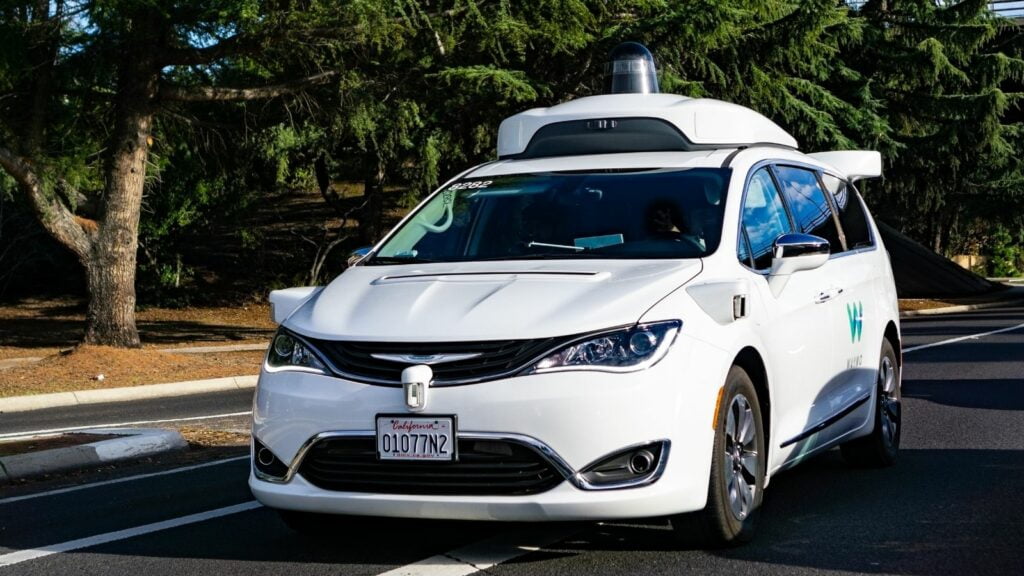
Toronto is preparing for a transportation experiment that could change how Canadians move around their cities. On October 16, 2026, Alphabet-owned Waymo announced plans to launch its fully autonomous ride-hailing service in Toronto, making Canada’s largest city the company’s first planned Canadian market. Its goal is to welcome passengers in 2028.
The announcement also brings a significant economic commitment. Waymo and its Canadian partners plan to support hundreds of jobs over time, ranging from fleet maintenance to customer service, while building the infrastructure needed to operate driverless vehicles.
But fully autonomous taxis will not appear overnight. Human-driven testing is scheduled to begin in the coming days, with Toronto’s complicated roads, winter weather and regulatory requirements providing important tests before passengers can begin taking rides.
Waymo Selects Toronto for Its First Canadian Robotaxi Service
Waymo confirmed on October 16 that Toronto will become the starting point for its expansion into Canada, marking another milestone in the company’s international growth. The California-based business, owned by Google’s parent company Alphabet, already operates commercial driverless transportation services in numerous American cities. Its Toronto operation is expected to follow a phased approach, beginning with supervised testing before progressing toward public passenger service in 2028. The announcement establishes a target rather than a guaranteed launch date.
Waymo co-CEO Tekedra Mawakana described Toronto as an attractive destination because of its innovation, diversity and business community. The company also emphasized opportunities to work with local transportation and accessibility organizations. For Toronto residents, the eventual experience could resemble booking an ordinary ride-hailing vehicle, except that no human driver would be sitting behind the steering wheel. However, Waymo has not announced which neighbourhoods will receive service first, how many vehicles will be deployed or what passengers will pay.
Waymo Vehicles Will Begin Mapping Toronto Streets With Human Drivers
The first vehicles arriving in Toronto will not be carrying paying passengers or operating independently. Waymo says its cars will begin driving manually through the city in the coming days, collecting detailed information about intersections, traffic signals, road markings and other features. Trained autonomous specialists will remain behind the wheel during the initial validation period. This stage is intended to help the company’s automated driving technology understand Toronto’s street network before any driverless commercial operations begin.
Waymo uses highly detailed digital maps together with cameras, radar, lidar sensors and artificial intelligence to interpret its surroundings. Lidar measures distances using laser pulses, while radar provides information about the movement and speed of surrounding objects. Cameras help identify road signs, signals, pedestrians and cyclists. The combined system enables vehicles to make driving decisions without constant human intervention. Still, operating safely on unfamiliar streets requires substantial local validation. A robotaxi that performs well in Phoenix or Los Angeles cannot automatically be assumed to handle every Toronto traffic situation without further testing.
Hundreds of Jobs Are Planned Across Maintenance and Customer Operations
The employment commitment is among the most significant elements of Waymo’s Canadian announcement. The company says it will invest in hundreds of roles over time alongside Element Fleet Management and other partners. These positions are expected to involve vehicle maintenance, supervised validation driving, customer support and the daily operational work required to keep a fleet functioning. Despite the absence of drivers during future passenger trips, running an autonomous transportation service will still require substantial human involvement.
For workers, the opportunities could extend beyond traditional automotive maintenance. Autonomous vehicles need technicians familiar with sophisticated sensing systems, charging infrastructure, vehicle diagnostics and specialized maintenance procedures. Customer support teams will also remain important when passengers encounter unexpected situations. However, Waymo has not provided an exact employment target, hiring schedule, salary information or commitment that every proposed position will be filled by 2028. The announcement describes investment in hundreds of roles as the operation develops, rather than a fixed number of guaranteed jobs by the launch date. That distinction matters when assessing the project’s immediate economic impact.
Toronto-Based Element Fleet Management Will Support Daily Operations
Waymo is partnering with Element Fleet Management, a Toronto-headquartered company specializing in vehicle fleet services. Element announced the expanded partnership on October 16, confirming that it will provide comprehensive operational support for Waymo’s future Canadian business. The relationship is not entirely new. In June 2026, the companies announced a multiyear agreement beginning with autonomous fleet operations in San Diego, California. Toronto represents another step in that existing collaboration.
Element’s responsibilities will include coordinating facilities, charging infrastructure, maintenance, cleaning, vehicle readiness and energy management. The company says it manages more than 1.5 million vehicles globally, providing experience in keeping large fleets operational. A driverless taxi returning from a passenger trip still requires inspections, cleaning and sufficient battery power before accepting another customer. These routine tasks become especially important when vehicles are expected to operate throughout the day. By assigning much of this work to an established Canadian partner, Waymo is attempting to build a reliable local operation rather than manage every aspect of the expansion independently.
Toronto’s Congested Roads Offer a Major Test for Autonomous Technology
Toronto provides a demanding environment for any self-driving system. Its downtown streets combine frequent construction, dense traffic, cyclists, pedestrians and streetcars operating alongside ordinary vehicles. The city’s transportation pressures are substantial. TomTom’s 2025 Traffic Index estimated Toronto’s average congestion level at 47.7%, with approximately 100 hours lost to rush-hour delays over the year under its standardized commuting calculation. Those conditions create opportunities for detailed testing, but they also make safe automated navigation more complicated.
The challenge is not simply avoiding collisions. A successful robotaxi must understand where to stop for passengers, how to move around delivery vehicles and when to yield to vulnerable road users. It must also navigate intersections where traffic patterns change because of construction or special events. Toronto has been preparing for automated transportation for years, approving an Automated Vehicles Tactical Plan in October 2019. That earlier work emphasized safety, public transit integration and responsible innovation. Waymo’s arrival will test how those preparations translate into real-world operations involving a major commercial provider.
Canadian Winters Could Be One of Waymo’s Toughest Challenges
Winter weather is likely to be a defining part of Waymo’s Toronto development process. Snowbanks can obscure curbs, road markings may disappear beneath snow, and freezing rain can affect both traction and visibility. Vehicles must also account for salt, slush and road spray that accumulate on cameras and sensors. These conditions present different challenges from the warm-weather environments associated with several of Waymo’s original American service areas.
Waymo says its sixth-generation autonomous driving technology was designed to operate across more varied weather conditions, including severe winters. The system combines high-resolution cameras with lidar and advanced imaging radar, while built-in cleaning systems help keep sensors functioning when exposed to moisture and road debris. Its February 2026 technology announcement specifically emphasized improvements in winter-weather perception. Nevertheless, improved hardware does not guarantee uninterrupted service during every storm. Toronto testing will help establish which conditions the vehicles can handle reliably and when operations may need to be restricted. Those limits will be important for passengers who expect dependable transportation during Canadian winters.
Ontario Has Approved Initial Testing, but Commercial Rules Remain Unresolved
Waymo’s entry into Toronto comes through Ontario’s Automated Vehicle Pilot Program, which has permitted controlled autonomous vehicle testing since 2016. The Canadian Press reported on October 16 that Waymo had received provincial approval to participate in the program. Its initial authorization covers supervised testing and manual driving. Ontario’s framework also permits driverless testing under stricter conditions, but permission to begin mapping should not be confused with unlimited approval to operate a commercial robotaxi fleet.
The regulatory timeline presents an additional challenge. Ontario’s current automated vehicle pilot is scheduled to expire on October 13, 2027, before Waymo’s targeted passenger launch in 2028. Future operations will therefore depend on the applicable regulatory framework and any additional authorizations required. Under existing testing rules, participants must maintain substantial liability insurance, report collisions and provide safety information to provincial authorities. Toronto also requires coordination concerning construction zones, emergency services and testing locations. These obligations reflect the complexity of introducing vehicles without human drivers into a transportation system originally designed around human responsibility.
Waymo Points to Strong Safety Results From Its American Operations
Safety is central to Waymo’s argument for expanding robotaxi services. In its October 16 Toronto announcement, the company said its vehicles had travelled more than 400 million kilometres in fully autonomous operation. According to Waymo’s analysis, its technology was involved in 95% fewer crashes causing serious injuries or worse compared with estimated human-driver benchmarks in the American cities where it operates. The company has also published separate comparisons covering pedestrian, cyclist and other injury-related crashes.
These results are encouraging, but they require careful interpretation. The comparisons are based on existing operating regions and statistical benchmarks; they do not establish how Waymo vehicles will perform on Toronto streets. Safety evaluations must also account for unusual situations such as emergency vehicles approaching an intersection, temporary road closures and unpredictable behaviour from other motorists. Toronto officials have already examined questions involving autonomous vehicle liability, traffic enforcement and privacy. A successful launch will depend not only on demonstrating favourable crash statistics but also on clear procedures for managing incidents when no driver is available to respond directly.
Accessibility Could Improve Mobility, but Questions Remain for Taxi Drivers
Waymo is placing considerable emphasis on accessibility as it prepares to enter Canada. Its October announcement identified relationships with organizations including BALANCE for Blind Adults, CNIB, Community Living Toronto, Connected Canadians and Epilepsy Ontario. The company hopes its technology can provide greater independence for people who cannot drive. Existing Waymo services offer accessibility features such as screen-reader support, audio instructions and assistance locating vehicles during pickup.
However, accessibility cannot be measured solely by whether a passenger can request a ride through an app. Wheelchair accommodation, safe pickup locations, physical assistance and affordability also matter. Waymo’s current American wheelchair-accessible vehicle options rely on human-driven vehicles, and the company has not confirmed how equivalent services would operate in Toronto. The arrival of robotaxis may also create concerns for existing taxi and ride-hailing drivers whose livelihoods depend on passenger transportation. Toronto’s vehicle-for-hire policies already consider employment, congestion, public transit and equity. Determining whether autonomous vehicles complement existing services or displace some of their business will become an important public discussion.
Toronto’s Launch Forms Part of Waymo’s Expanding Global Ambitions
The Canadian announcement arrives during an aggressive period of international growth for Waymo. The company has established services in 15 American cities and is preparing operations in additional markets, including Tokyo, London and Singapore. In September, Waymo announced plans to welcome public riders in Tokyo during 2027, subject to regulatory approval and safety validation. Singapore is also targeting a 2028 commercial launch. These developments suggest Toronto is part of a broader international strategy rather than an isolated Canadian experiment.
Waymo is investing heavily to support that expansion. On October 8, the company announced a US$5 billion term loan, its first debt financing, following a US$16 billion equity investment earlier in 2026. The additional capital is intended to strengthen its capacity to expand autonomous services across multiple markets. Yet Toronto’s timetable still depends on practical progress. Before passengers can book rides, Waymo must establish operating facilities, validate its technology, secure the necessary approvals and clarify pricing, service coverage and vehicle availability. For Canadians, the next meaningful milestone will be successful local testing—not simply the arrival of cars carrying the Waymo logo.
