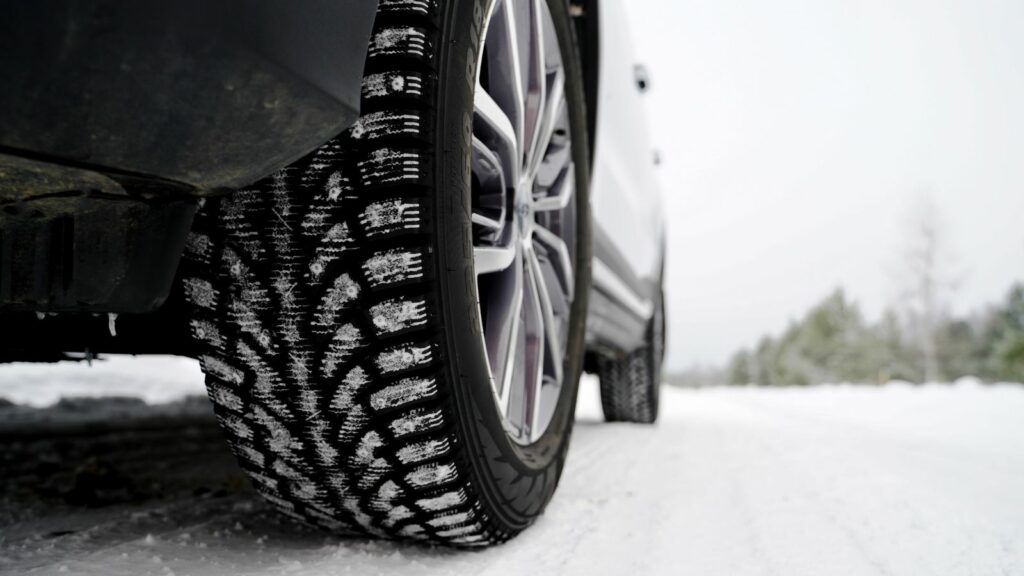
Ontario drivers are facing an important winter-tire deadline as November begins, but not every insurance company is following the same schedule. While some insurers expect winter tires to be installed by November 1 to qualify for premium discounts, CAA Insurance gives eligible customers until November 20.
The difference matters for households trying to manage rising vehicle expenses, secure tire-change appointments, and prepare for unpredictable early-winter weather. Ontario has required automobile insurers to offer winter-tire discounts since 2016, but individual companies establish their own eligibility conditions.
For drivers, understanding those conditions could mean keeping an annual insurance saving that might otherwise be lost. It also raises questions about what happens when an installation is late, which tires qualify, and whether missing a discount deadline could affect insurance coverage.
November 1 Marks an Important Insurance Deadline for Some Drivers
November 1 has become an important date on Ontario’s winter driving calendar, particularly for motorists hoping to qualify for insurance discounts. Sonnet Insurance explains that most insurers expect winter tires to remain installed from November 1 until April 1, although individual requirements vary. That distinction is important because many drivers mistakenly assume the province has established one mandatory installation deadline for everyone.
Ontario’s actual regulations are different. Since January 1, 2016, automobile insurers have been required to provide discounts for qualifying vehicles equipped with winter tires. However, the provincial rules do not establish a universal installation date or a fixed discount percentage. Insurers determine their own eligibility requirements within the regulatory framework.
This creates a situation in which two neighbours could face different insurance deadlines despite driving on the same roads. One motorist might need winter tires installed at the beginning of November, while another could have several additional weeks. The practical consequence is straightforward: drivers need to check their individual policies rather than rely on a general provincial deadline.
CAA Insurance Customers Have Until November 20 to Qualify
CAA Insurance offers a noticeably different installation window. According to its published eligibility requirements, customers can receive a 5% automobile insurance premium discount when their vehicles are equipped with four qualifying winter tires. Those tires must be installed no later than November 20 and remain on the vehicle until at least April 15. The discount is subject to underwriting requirements.
The additional time could be valuable for motorists who have not yet arranged their seasonal tire changes. A household juggling work schedules, school transportation, and garage availability may find that a later November appointment is considerably easier to accommodate. However, the deadline applies specifically to eligible CAA Insurance policies, not automatically to everyone holding a CAA roadside-assistance membership.
CAA’s conditions also make the spring removal date important. Drivers cannot simply install winter tires before November 20 and remove them whenever temperatures briefly rise. Maintaining eligibility means respecting the required winter-use period. The longer installation window is an insurance benefit, but it should not be mistaken for a guarantee that Ontario roads will remain free of winter driving hazards until late November.
Insurance Companies Follow Different Winter-Tire Schedules
CAA’s November 20 deadline is only one example of how winter-tire insurance requirements differ across Ontario. TD Insurance states that Ontario customers may qualify for its discount when their vehicles are equipped with four winter tires from December through March. Square One publishes another arrangement, offering a 3% premium discount when winter tires remain installed from December 1 through March 31. These differences show why a deadline that applies to one insurer should never automatically be applied to another.
The variation also extends to the dates when winter tires can be removed in spring. Some insurance arrangements require tires to remain installed until April, while others specify the end of March. Motorists who change insurance companies should pay particular attention because their previous insurer’s rules may no longer apply.
For example, someone accustomed to installing winter tires in late November could discover that a new insurer expects an earlier changeover. The safest approach is to confirm both dates directly with the insurance provider before scheduling seasonal appointments, especially when renewing or switching policies.
The Insurance Savings Can Be Worth Claiming
Winter-tire discounts generally represent a modest but useful reduction in annual vehicle expenses. CAA Insurance advertises a 5% discount for eligible customers, while Square One lists a 3% reduction for qualifying Ontario policies. The Co-operators also describes potential winter-tire savings of up to 5%, depending on the province. The exact amount depends on the insurer, the policy, and the applicable discount calculations.
Consider a hypothetical motorist paying $2,000 annually for automobile insurance. If a 5% reduction applied to the entire premium, the saving would amount to $100 per year. A 3% reduction on the same amount would equal $60. Those figures are illustrative rather than guaranteed savings, because discounts may apply only to specific portions of an insurance policy.
For families insuring multiple vehicles, even relatively small savings can become worthwhile. However, insurance discounts rarely cover the entire cost of purchasing winter tires, particularly during the first season. The financial benefit is better understood as an additional reward for equipment that also improves winter driving safety.
Four Properly Rated Tires Are Essential for Qualification
Meeting an installation deadline is only part of the insurance requirement. Drivers must also ensure their vehicles are equipped with qualifying tires. Transport Canada recommends choosing tires displaying the three-peaked mountain and snowflake symbol, which indicates that they meet specific snow-traction performance standards. This designation is more meaningful than simply assuming a tire is suitable for winter because its packaging mentions cold weather or snow.
Most winter-tire insurance programs also expect a complete set of four qualifying tires. Installing winter tires only on the front or rear wheels can create differences in traction between the vehicle’s axles. Those differences may affect stability during braking, steering, or sudden manoeuvres. Transport Canada consequently recommends installing winter tires on all four wheels and avoiding combinations with different tread patterns or constructions.
The distinction matters for motorists trying to reduce costs by replacing only two tires. Although that approach may initially appear cheaper, it can compromise winter handling and fail to meet the requirements for an insurance discount. Proper tire selection should be treated as both an insurance consideration and a vehicle safety decision.
All-Weather Tires Can Create Confusion About Eligibility
A particularly confusing issue involves the difference between all-season, all-weather, and dedicated winter tires. Many modern all-weather tires carry the three-peaked mountain and snowflake symbol, indicating that they meet recognized snow-traction requirements. However, that marking does not automatically guarantee eligibility for every insurance company’s winter-tire discount. Some insurers specifically require a separate set of winter tires rather than tires used throughout the year.
Industry reporting has highlighted this difference. Aviva Canada has distinguished dedicated winter tires from all-weather alternatives when determining eligibility for its discount. CAA Insurance, meanwhile, has been reported as recognizing qualifying tires carrying the three-peaked mountain and snowflake designation. Square One’s published guidance also accepts certain tires with M+S or mountain-snowflake markings under its program.
This leaves drivers with an important responsibility: confirming that their particular tire model meets their insurer’s requirements. A motorist using premium all-weather tires year-round should not assume those tires automatically qualify. Obtaining confirmation from the insurer or broker is especially important before claiming a discount or switching insurance providers.
Winter Tires Offer Benefits Before the First Snowfall
Although insurance deadlines are attracting attention, the safety benefits of winter tires extend beyond satisfying an insurer’s requirements. Transport Canada explains that summer and conventional all-season tires begin losing elasticity when temperatures fall below approximately 7°C. Winter tires use compounds designed to retain flexibility in colder conditions, helping improve traction even when roads appear clear of snow.
Ontario’s Ministry of Transportation says winter tires can reduce braking distances by as much as 25% in appropriate winter conditions. That difference can become critical when a driver approaches an icy intersection, encounters sudden congestion, or needs to avoid an unexpected obstacle.
Public awareness of these benefits has grown. The Tire and Rubber Association of Canada’s 2025 winter-tire study found that 77% of surveyed Ontario drivers reported using winter tires, compared with 74% in 2024. Nationally, reported usage reached 80%.
These findings suggest winter tires have become an established part of seasonal vehicle preparation for many Canadian households. Nevertheless, drivers should remember that improved traction does not eliminate winter driving risks. Lower speeds, greater following distances, and careful braking remain essential whenever road conditions deteriorate.
Drivers May Need Proof That Their Winter Tires Were Installed
Qualifying for a winter-tire discount does not always mean the saving will automatically appear on an insurance policy. Some insurers ask customers to declare that qualifying tires have been installed, while others may request supporting documentation. Sonnet Insurance, for example, allows existing customers to update their vehicle information through their online accounts and indicate that they have winter tires. Aviva Canada also identifies winter-tire installation receipts among the documents that can support insurance discount eligibility.
For drivers, keeping records is a relatively simple precaution. A dated installation invoice can help establish when the tires were fitted, while purchase receipts and photographs of the tire markings may provide additional supporting information if requested. The exact evidence accepted depends on the insurer.
This becomes particularly important when a driver changes tires at home rather than visiting a garage. Without a professional installation receipt, the policyholder may need to ask the insurer what alternative evidence is acceptable. Drivers should also confirm that their insurer has recorded the discount correctly instead of assuming that purchasing and installing winter tires automatically reduces their premiums.
Missing an Insurance Deadline Does Not Automatically Mean Losing Coverage
One of the biggest concerns surrounding winter-tire deadlines is whether a driver could have an insurance claim denied after missing the required installation date. The distinction between discount eligibility and insurance coverage is important. Ontario does not legally require winter tires on ordinary passenger vehicles, and missing an insurer’s discount deadline is not the same as driving without legally required automobile insurance.
However, inaccurate information provided to an insurer can create more serious consequences. Ontario’s Financial Services Regulatory Authority emphasizes that policyholders must provide truthful information and report relevant changes in their circumstances. Knowingly claiming a discount for equipment that does not meet an insurer’s requirements could lead to a premium adjustment or potentially more significant contractual consequences.
A driver who misses an installation deadline should contact the insurer or broker promptly, explain the circumstances, and request clarification about the discount and coverage. Drivers should not assume that a late installation automatically invalidates their entire policy, but neither should they assume an insurer will overlook incorrect declarations. Written confirmation offers greater certainty than relying on general advice.
The November Deadline Is Also a Reminder to Prepare Vehicles for Winter
With November underway, Ontario motorists have an opportunity to address more than their insurance discounts. Drivers should confirm their policy’s installation and removal dates, inspect the condition of their winter tires, and arrange installation before deteriorating weather makes travel more difficult. Transport Canada recommends winter tires with at least four millimetres of tread depth for safe winter driving, along with regular tire-pressure checks because colder temperatures can reduce inflation pressure.
Additional preparation can help households avoid unexpected winter breakdowns. Ontario recommends checking vehicle batteries, brakes, lighting, and windshield-washer systems before severe weather arrives. Drivers should also carry an emergency kit with supplies such as warm clothing, a flashlight, food, water, and equipment for dealing with slippery conditions.
Ultimately, the difference between a November 1 requirement and CAA’s November 20 deadline highlights why drivers need to understand their individual insurance policies. The premium reduction is useful, particularly when household expenses are already stretched. But the greater benefit comes from having properly equipped vehicles before freezing temperatures, snow, and icy roads turn an ordinary commute into a potentially dangerous journey.
