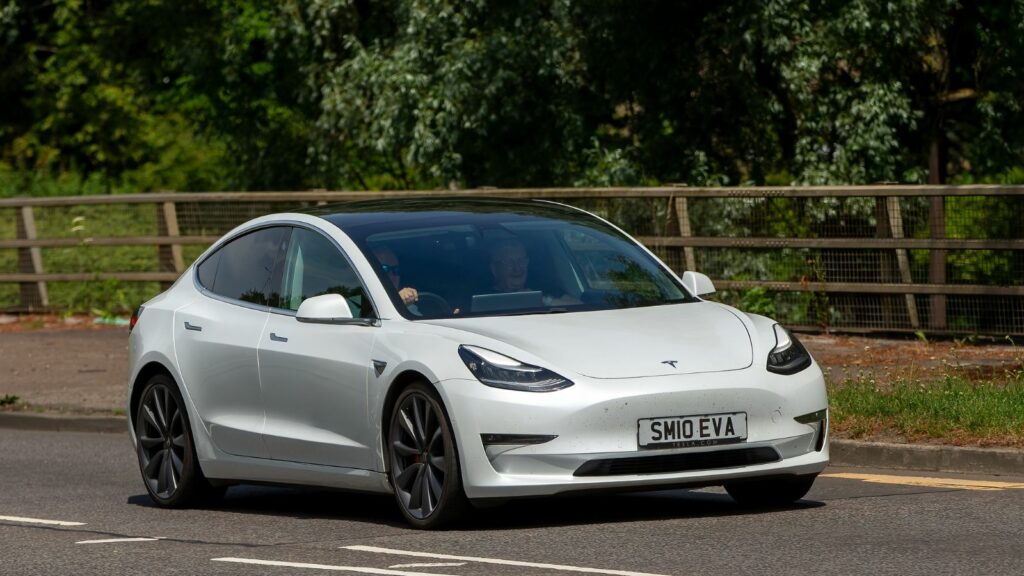
For some Tesla buyers, the most important feature was the one they expected to arrive later. Now an international campaign is gathering owners who say that future still has not materialized on older vehicles.
A November 26 report identified 50 Canadian participants who collectively reported spending more than C$280,000 on Full Self-Driving technology. They joined a Dutch-led initiative challenging what Tesla promised about the capabilities of its earlier onboard computers.
The campaign is seeking financial compensation, but it has not secured a judgment, and Canadian registrations do not automatically qualify for any Dutch lawsuit. Behind the headline is a larger question about how long a customer can reasonably wait for technology sold with promises of future upgrades.
Fifty Canadians Put a Price on Their Disappointment
The Canadian count emerged in a November 26, 2026 snapshot of HW3 Claim, an online registry built around owners of Teslas with older self-driving computers. At that point, 50 Canadian participants had reported more than C$280,000 in collective Full Self-Driving purchases. The figures describe money owners said they had spent, not a verified pool of damages and not a payment Tesla has agreed to return. They also should not be mistaken for the number of Canadian owners potentially affected, which the campaign has not established.
There is a personal financial issue beneath the aggregate total. Some customers bought FSD as an expensive option with their vehicle, while others added it through their Tesla account later. For anyone who made that purchase believing a greater level of automation would eventually arrive, the passage of years changes the meaning of the expense. HW3 Claim’s figures are self-reported and its live counts continue to change, making the 50-owner total a dated milestone rather than a final tally.
The Initiative Has Spread Well Beyond the Netherlands
The campaign started in the Netherlands in April 2026, initiated by Tesla owner Mischa Sigtermans after he said two formal notices to Tesla’s Dutch business had been rejected. By June 18, its registry was approaching 7,000 sign-ups. The organizers reported 8,668 verified registrations on November 6. A November 26 Canadian report put the total at 9,558 participants across 41 countries, representing roughly €15.9 million in reported FSD purchases. Because the registry updates continuously, those dated figures should not be treated as permanent totals.
The expanding registry gives scattered complaints a shared platform, but scale alone does not prove Tesla broke a contract. The organizer collects information about vehicles, hardware and purchases to identify common experiences and potential legal routes. The Dutch case remains the focus; participants elsewhere, including Canada, are currently contributing to a broader international record. That approach can make an individual owner’s concern more visible without establishing that everyone has identical legal rights or losses.
Tesla’s Earlier Hardware Promises Are Central to the Dispute
The controversy reaches back to October 2016, when Tesla began promoting vehicles equipped with hardware it said was necessary for eventual full self-driving capability. Its 2016 annual filing described new cameras, sensors and an onboard computer as the foundation for future improvements through software updates. Later Model 3, Model S, Model X and Model Y buyers encountered an evolving mix of driving features, purchase options and expectations. The crucial distinction is between hardware represented as future-ready and software that was actually ready to use when a vehicle left the showroom.
HW3 Claim argues those older marketing messages influenced what customers thought they were buying, even when they did not pay separately for FSD. Its evidence includes language from Tesla’s Dutch marketing in 2019 describing the car’s ability to gain greater autonomy in the future. Tesla’s current descriptions emphasize active supervision and warn that availability depends on technical development and regulators. Whether particular statements amounted to enforceable promises will depend on the contract, marketing and jurisdiction involved, not simply the product’s name.
Hardware 3 Has Become a Difficult Technical Divide
Hardware 3, often shortened to HW3 or called AI3, is an earlier generation of Tesla’s onboard computing system. More recent vehicles use Hardware 4, also known as AI4. The distinction moved beyond enthusiast discussions in April 2026, when Elon Musk told investors that HW3 could not achieve unsupervised Full Self-Driving. He said it had one-eighth the memory bandwidth of Hardware 4 and described the need to replace both computers and cameras for an upgrade. Tesla also discussed discounted trade-ins, but those remarks did not settle how every affected owner would be treated.
That admission does not mean HW3 vehicles have stopped receiving meaningful software. Tesla has developed a lighter version of its FSD v14 software for older hardware, incorporating changes to navigation, parking and road interactions. Those are real improvements, yet a supervised update is not equivalent to a vehicle driving without a human supervisor. For owners who expected the older computer to support the more ambitious future product, that gap is the heart of the dispute.
A Dutch Approval Brought the Hardware Gap Into Focus
On April 10, 2026, the Netherlands became the first European country to approve Tesla’s FSD Supervised driver-assistance system for use on public roads. Its vehicle authority, RDW, stressed that the approved system remained under the driver’s control after more than 18 months of testing. The decision mattered because it put a version of the long-awaited technology on European roads. But the regulatory pathway did not extend equally to every Tesla that had been sold with earlier computing hardware.
Finland’s transport regulator subsequently said the approval under consideration covered the latest hardware generation and that Tesla had not begun a corresponding process for older cars. The Dutch authority’s November 16 update likewise explicitly covered Hardware 4 or newer vehicles. That supports the organizers’ concern about a regulatory split, although a European type approval is not a ruling on consumer compensation. Tesla has also renamed the approved European system Tesla Assisted Driving. The regulatory story establishes what was authorized, not who might win a refund case.
What Canadian Tesla Drivers Can Use Is Not Driverless Operation
In Canada, Tesla describes Full Self-Driving (Supervised) as a collection of advanced driver-assistance functions. According to its support material, the system can navigate intersections, change lanes, turn and park in supported circumstances, while a human remains responsible for the car. Tesla’s Canadian subscription page lists FSD at C$99 per month and says vehicles with the FSD 3.0 computer or newer may subscribe. Specific capabilities still vary by model, hardware, software version and region, and drivers must remain alert and ready to intervene.
That current offering is important when examining historical purchases. A monthly subscriber can reassess the service and stop paying under the relevant terms; someone who paid for an outright package years ago made a different financial decision. Neither situation automatically proves non-delivery. Tesla has provided features and updates over time, but the campaign is focused on the difference between supervised assistance and the future autonomous capability some buyers say was promised. The distinction, rather than whether any software works at all, is where the disagreement lies.
The Campaign Wants More Than Refunds for Software Purchases
HW3 Claim has outlined two proposed categories of compensation. The first seeks repayment of the FSD purchase price for owners who bought the package. The second concerns an alleged reduction in vehicle value caused by older hardware not fulfilling expectations of future autonomy. Organizers argue that this second category could include people who never paid for FSD separately, because they believe the hardware promise was attached to the vehicle itself. Those are proposed legal arguments, not findings by a judge that a specific loss occurred.
This distinction helps explain why the group accepts owners of Hardware 3 and some earlier versions, regardless of whether they bought FSD. An owner who purchased an expensive software option may have different documentation and a different financial claim from someone who merely bought a car marketed as future-ready. The initiative has an indicative damages calculator for Dutch-registered vehicles, but its figures do not establish a payout for Canadians. Any recovery would depend on a successful legal path, proof and the terms of a judgment or settlement.
Signing Up Is Not the Same as Joining a Canadian Lawsuit
For Canadians, the most important fine print is geographical. HW3 Claim says people around the world may register, but the proposed court action targets Tesla’s Dutch entities under the Netherlands’ collective-action framework, known as WAMCA. The organizers warn that someone who bought from a non-Dutch Tesla seller probably would not be covered by that particular case. Foreign buyers who contracted with the relevant Dutch entity could face a separate opt-in process if proceedings eventually reach that stage. Registration alone creates no lawyer-client relationship or automatic entitlement to compensation.
The case also remains in preparation. Organizers say legal groundwork is nearly complete, an independent foundation is expected to represent claimants and litigation financing is being finalized. Dutch courts impose requirements on representative organizations before hearing the merits of a mass-damages claim. No lawsuit had been filed as of the November 26 report, and there is no announced Canadian compensation award. For a Canadian owner, the registry is therefore best understood as a way to document concerns and follow developments, rather than confirmation that money is coming.
Other Courts Show Why a Payout Is Far From Certain
The dispute is not unique to Europe. On October 29, a South Korean court dismissed a refund lawsuit brought by 88 Tesla owners. According to Reuters, the court found that the purchase terms did not promise unsupervised Level 5 driving and that Tesla had supplied some functions while others depended on technical and regulatory progress. The decision illustrates a central defence available in these cases: software that arrives gradually may still satisfy what an individual contract required, even if owners expected more.
An American case took a different procedural turn. On October 16, the U.S. Ninth Circuit vacated an order certifying consumer classes in a lawsuit over Tesla’s self-driving statements. The judges focused on whether customers had actually seen the allegedly misleading hardware claims, rather than deciding the underlying allegations were false or true. The case was returned for further proceedings. Neither result settles a Canadian dispute, but both show why advertisements, purchase records, legal wording and jurisdiction matter as much as dissatisfaction with a product’s progress.
What Happens Next Depends on Evidence and a Legal Route
On November 6, the Dutch organizers said their registry contained 1,937 uploaded documents, including 795 purchase contracts, as they prepared their proposed case. They have asked participants to record which Tesla entity sold the vehicle, whether FSD was purchased, what hardware is installed and any relevant communications with the company. For an owner who may have to explain a purchase made several years ago, the invoice and original sales wording could become more useful than a general recollection of a promise.
The organizers also advise care with trade-in documents, particularly any language that might waive a claim, and suggest checking relevant time limits with a lawyer. Registration remains free and non-binding, although the group says outside litigation funding would take a share of successful proceeds. Much is still unresolved: whether proceedings will be filed, which purchasers could be represented and how Tesla will address older vehicles. The Canadian participation figures show sustained interest, but they cannot yet be translated into refunds, upgrades or court victories.
