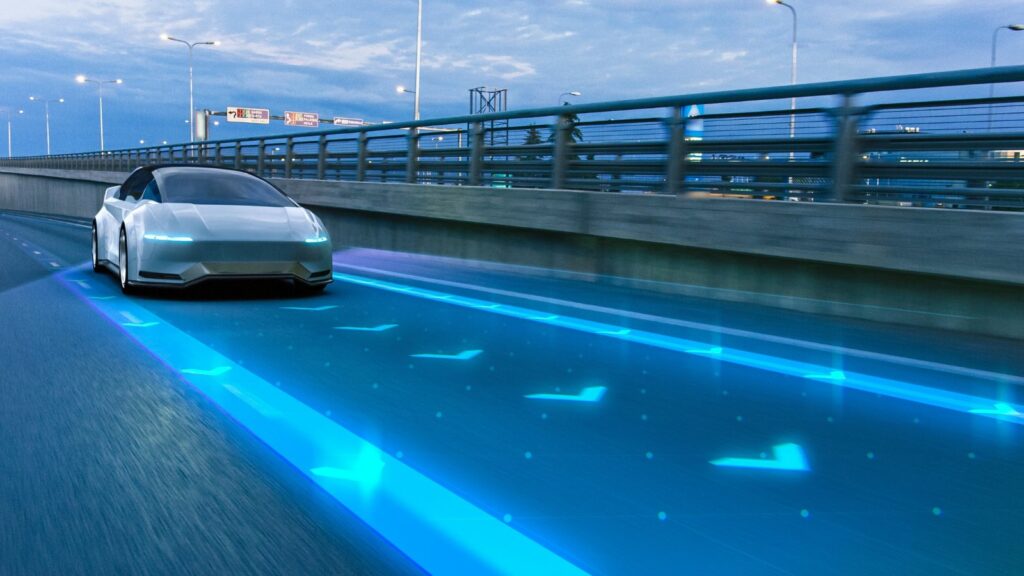
Autonomous driving is no longer a distant dream. Carmakers are steadily slipping advanced features into everyday vehicles, building a bridge between traditional driving and a future where the car takes on more of the workload. These systems boost safety, reduce fatigue and make commuting less of a grind. As cars become smarter, these ten features are set to become standard across Canadian showrooms sooner than most drivers realize.
Adaptive Cruise With Predictive Speed Control

Adaptive cruise already maintains a set distance from the vehicle ahead, but the next evolution will predict traffic patterns. Cars will slow before reaching congestion and accelerate smoothly as lanes open. Cameras and radar work together to create a far calmer drive on busy highways. It feels like having a co pilot that reads the road faster than you can.
Lane Centering That Feels Natural
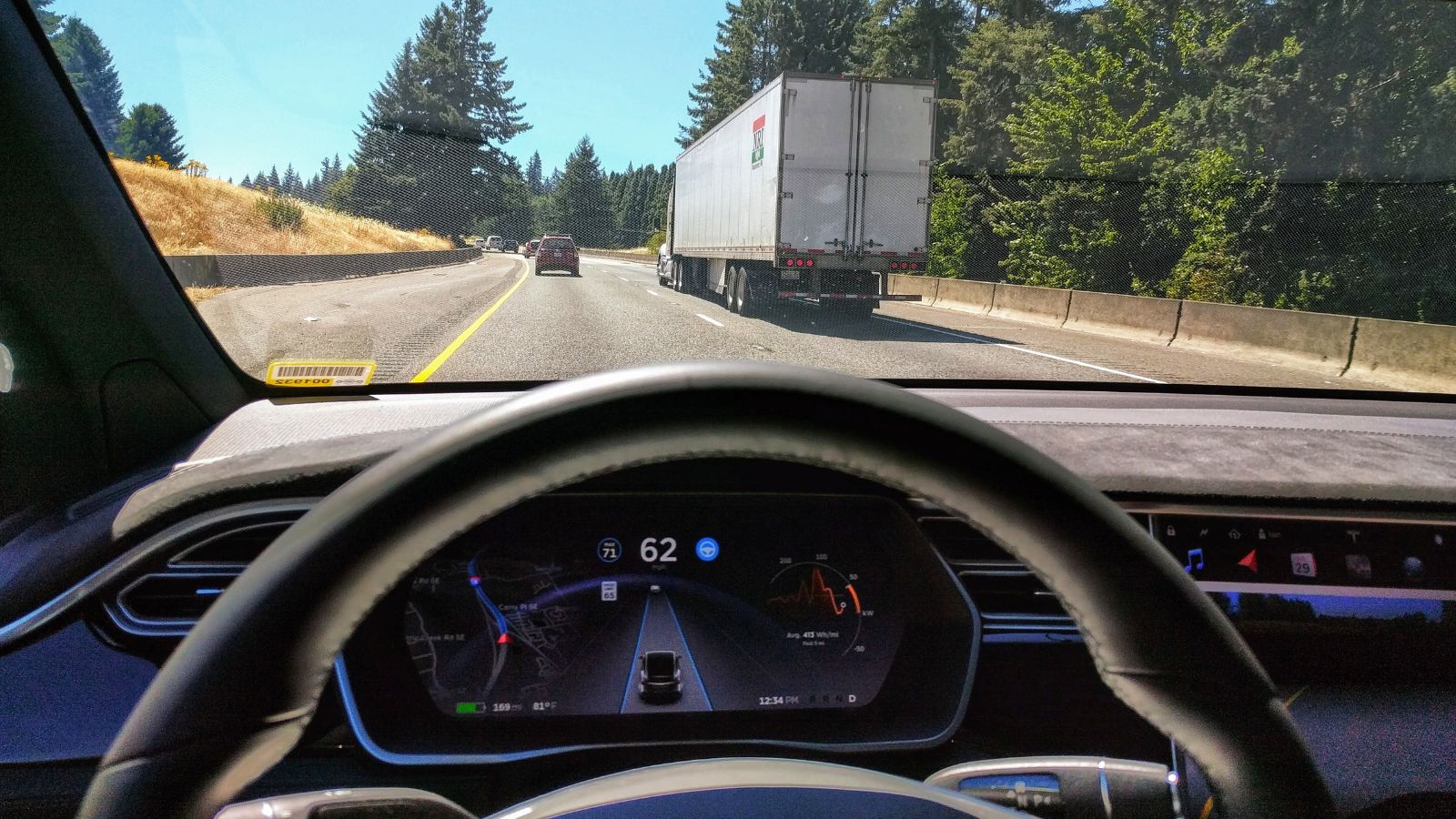
Lane keeping systems used to tug the wheel awkwardly, but the latest versions apply gentle, subtle corrections that feel more like a skilled driver at work. Sensors map lane markings and follow curves with surprising accuracy. It reduces fatigue on long drives and helps keep the car steady when wind or uneven pavement tries to push it off line.
Smart Traffic Jam Assist
Stop and go commuting is brutal, but traffic jam assist takes over crawling duties. It handles braking, creeping forward and keeping pace with surrounding cars. The system works best under fifty kilometres per hour and is designed to ease the mental load of inching along in rush hour. You still supervise, but the car handles the monotony.
Automated Lane Changes With Driver Approval
Modern vehicles are learning how to perform smooth lane changes once the driver signals approval. Cameras scan blind spots, radar checks closing speeds and the steering system guides the car into the next lane. The goal is not full autonomy but a more precise and predictable manoeuvre. It takes the edge off highway driving.
Predictive Blind Spot Avoidance
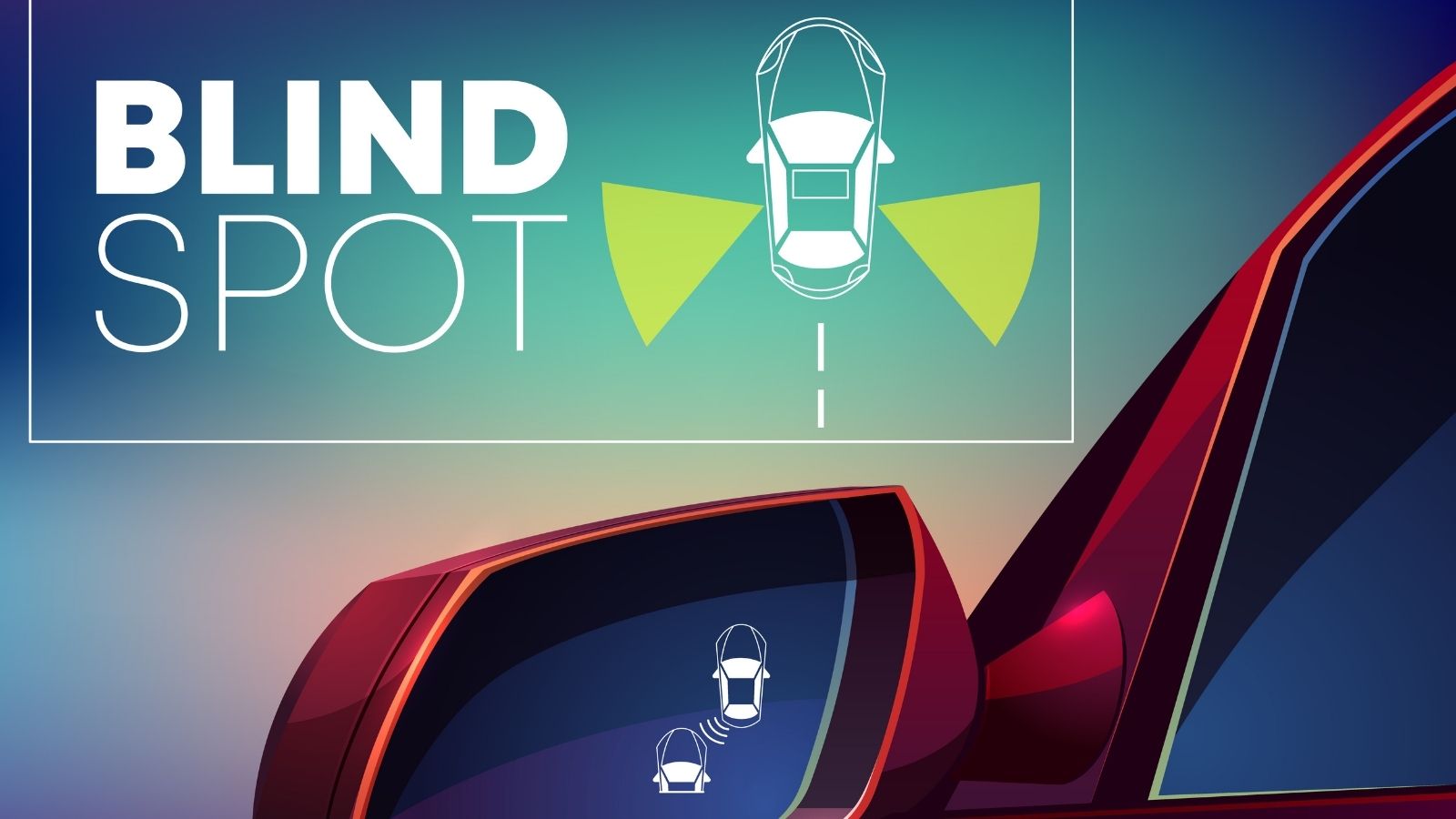
Blind spot monitoring already warns you, but the next generation goes further by actively steering away if a collision is imminent. These systems track fast approaching vehicles and anticipate dangerous merges. When combined with rear cross traffic protection, the car becomes significantly better at reacting to surprises than humans alone.
Intersection Collision Prevention
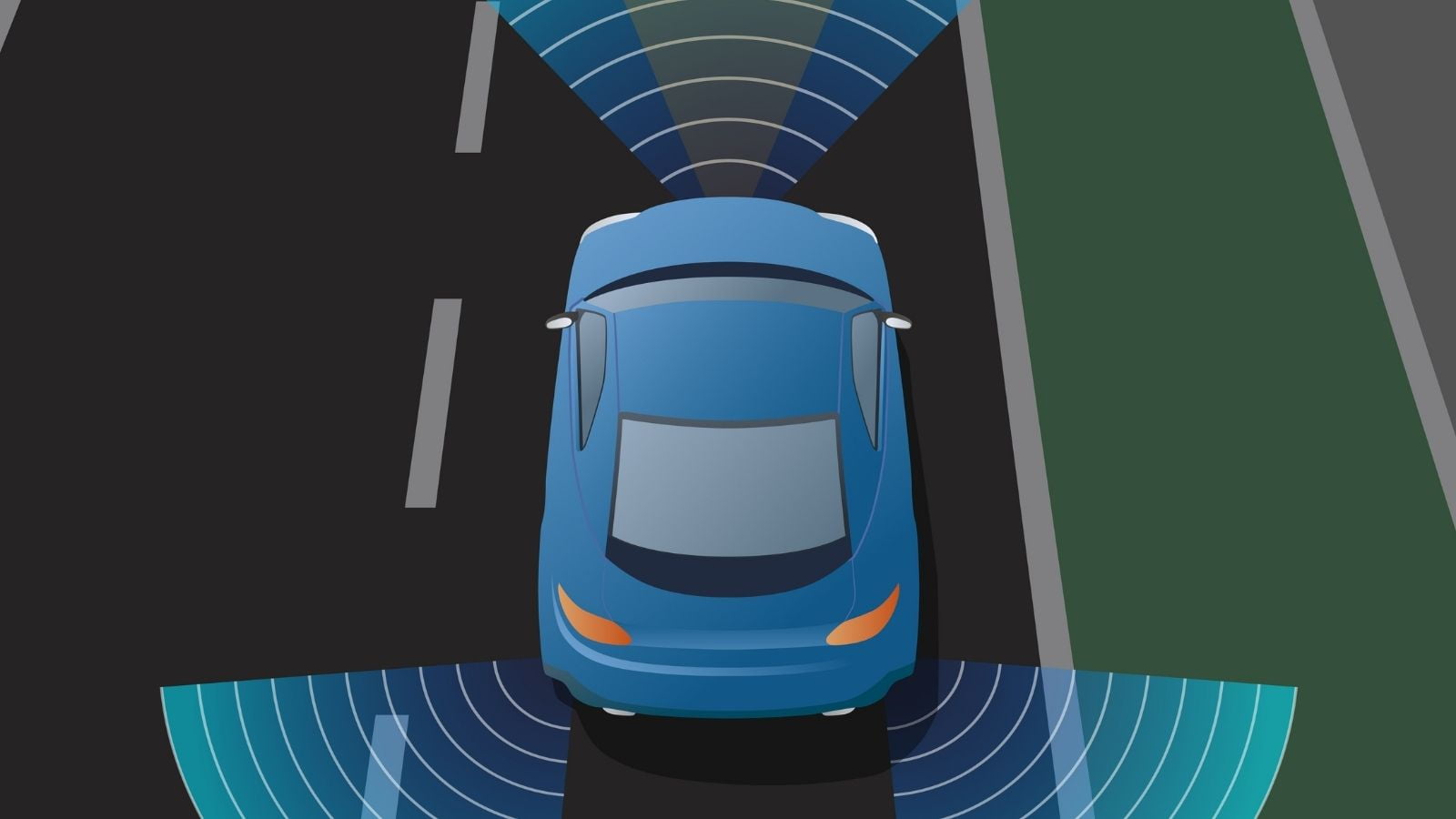
One of the biggest breakthroughs arriving soon is intersection scanning. Vehicles will watch for cross traffic, cyclists and pedestrians while you roll toward a busy junction. If you misjudge a gap, the car can hit the brakes faster than human reflexes allow. This technology has the potential to cut a huge portion of urban collisions.
High Definition Map Assistance
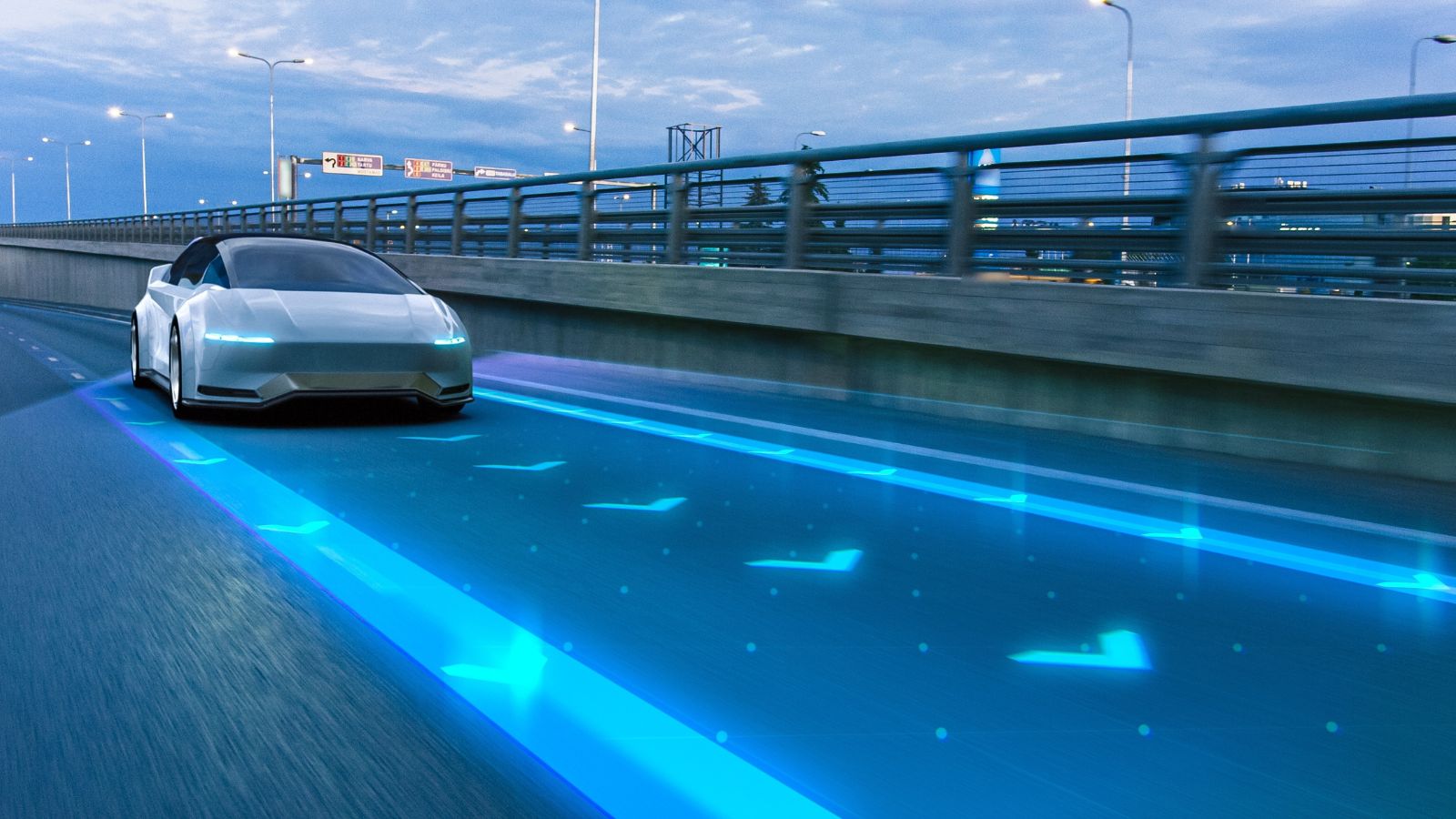
Autonomous features rely heavily on ultra detailed maps that include lane widths, elevation changes, curvature and traffic signs. Cars equipped with these maps deliver smoother control during semi autonomous driving and more confident behaviour on unfamiliar roads. The system updates in real time and blends seamlessly with onboard sensors.
Driver Monitoring for Safety and Confidence
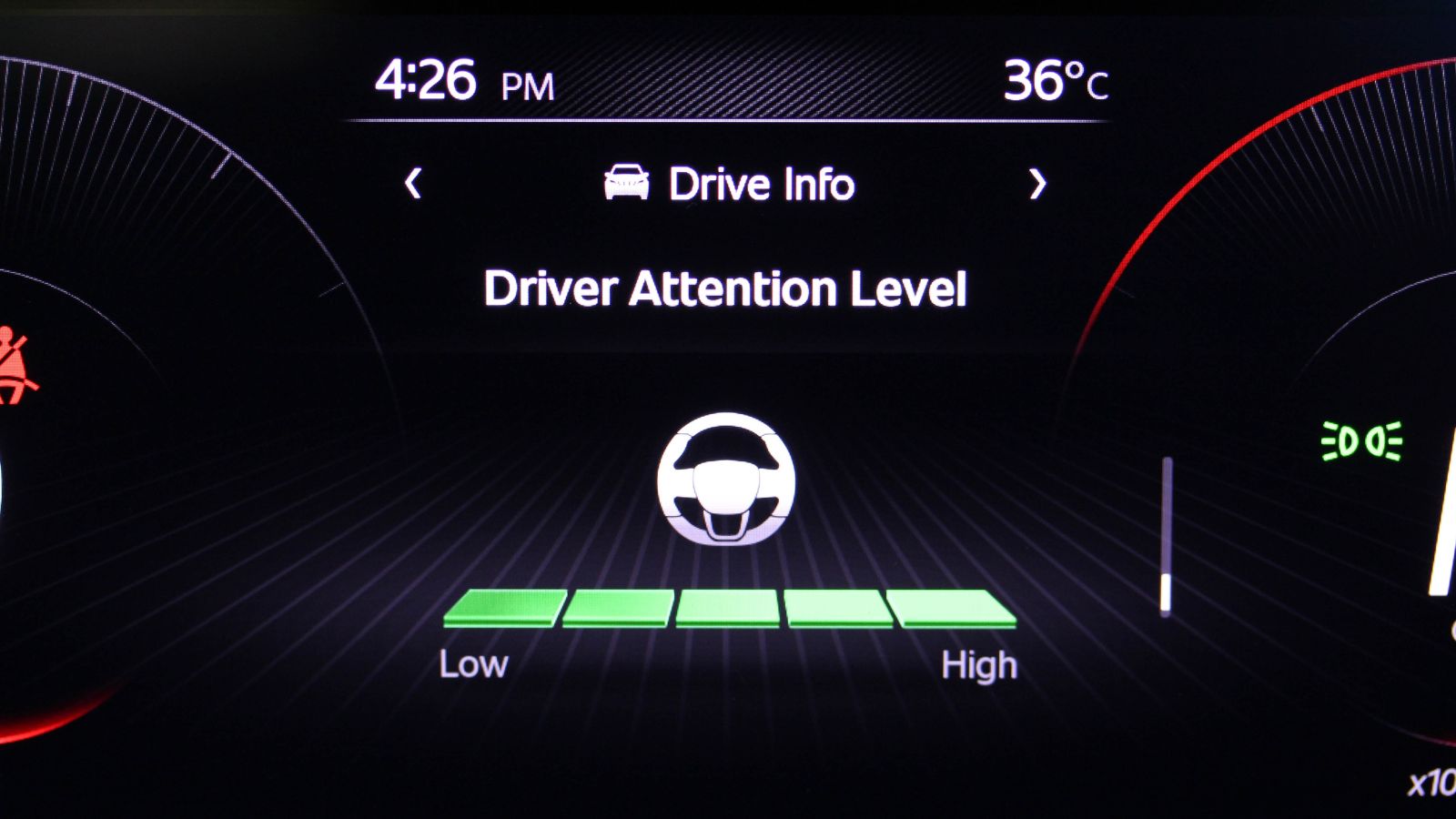
As the car takes on more tasks, it must also confirm that the driver is paying attention. Modern monitoring systems track eye movement, reaction speed and hand position. If the driver becomes drowsy or distracted, the system sounds alerts or even slows the car. It is not about scolding the driver but ensuring every autonomous function remains safe.
Intelligent Parking That Moves Beyond Simple Assistance
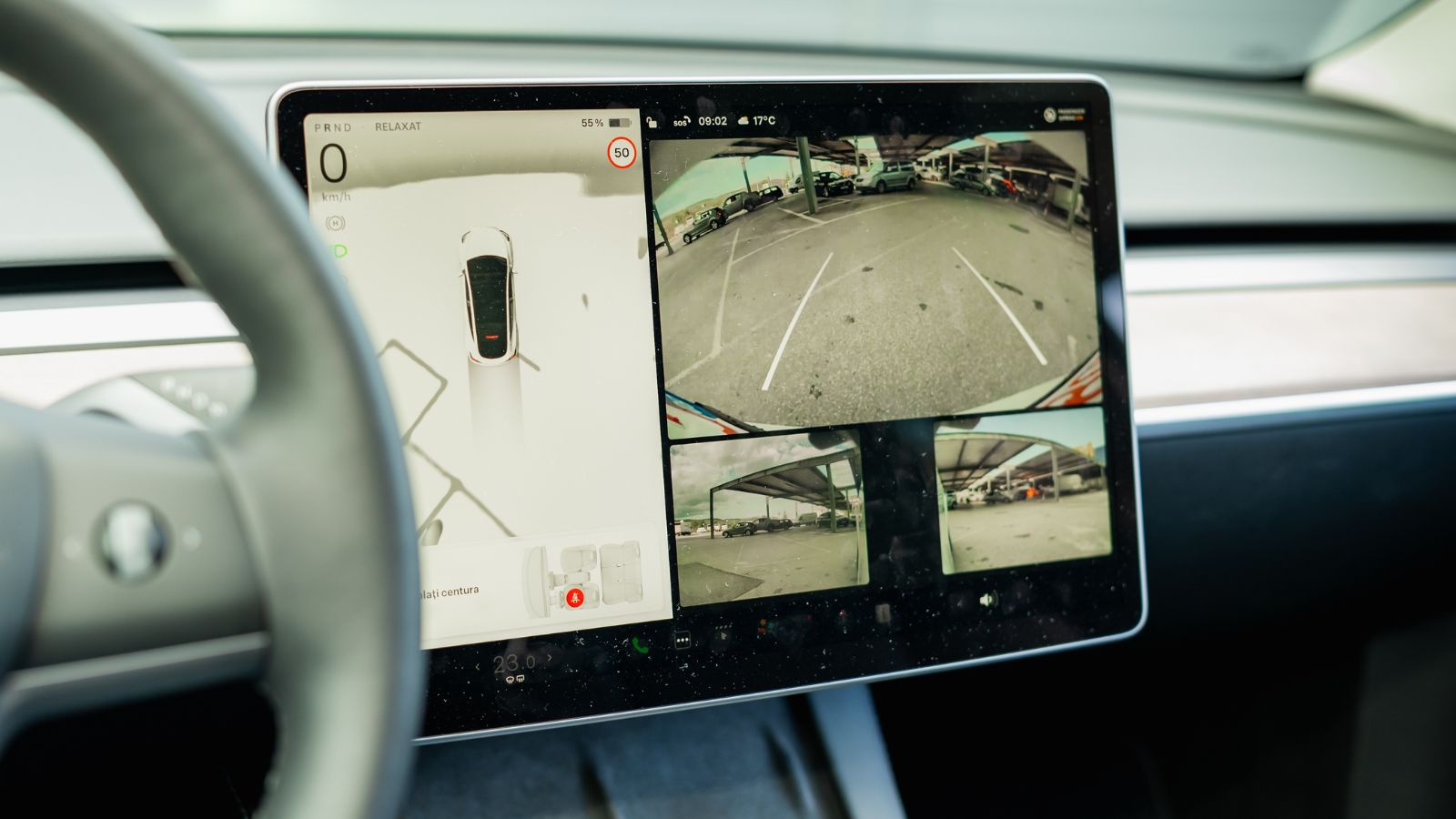
Parking aids used to be simple beepers, then cameras and sensors. Now cars are learning to perform entire parking manoeuvres while you watch. Upcoming systems will map tight underground garages, identify available spaces and slot the car in with remarkable accuracy. Parallel parking stress will become a distant memory.
Hands Free Driving Zones on Approved Highways
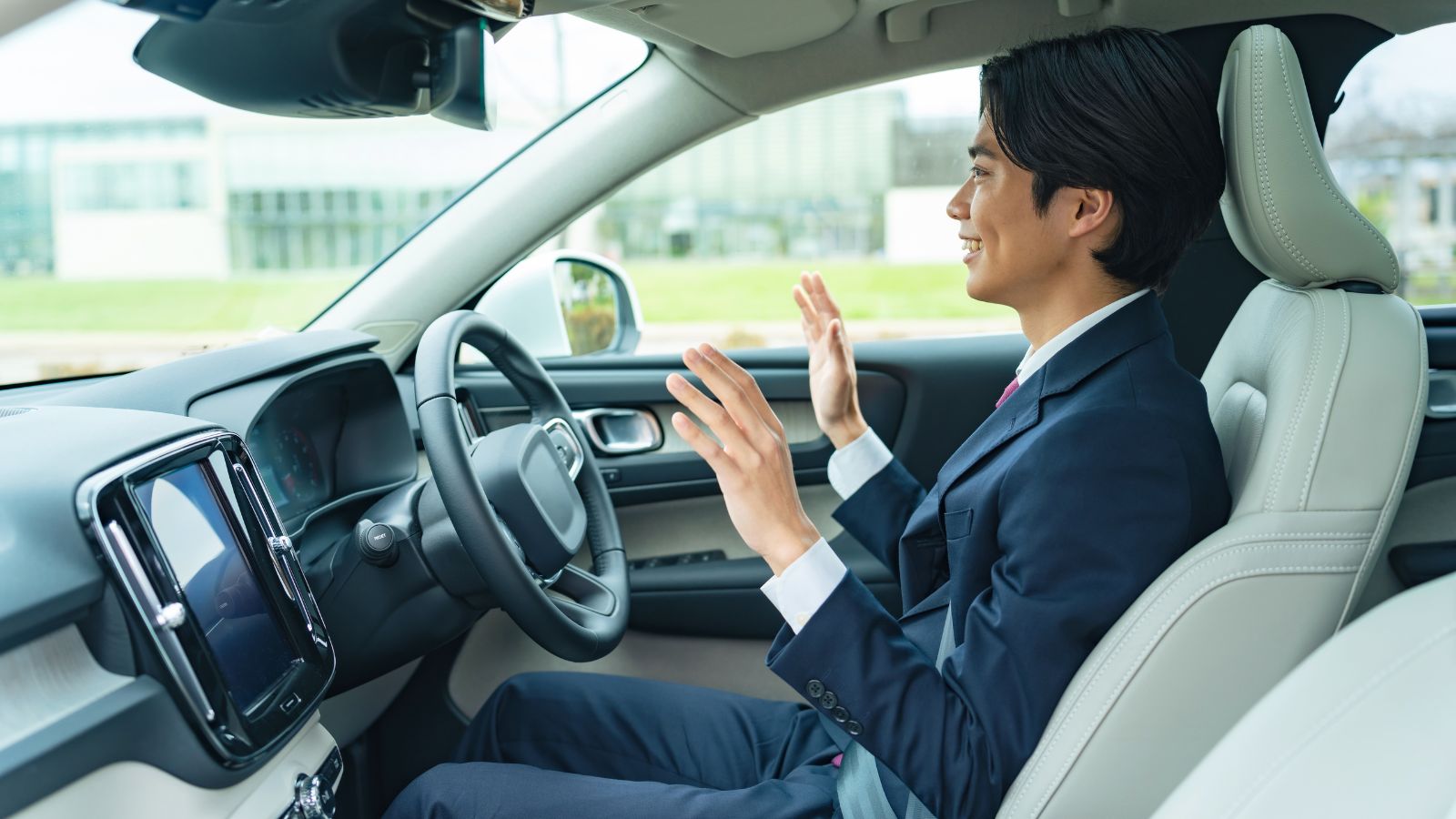
Several automakers are preparing systems that allow fully hands free driving on designated highways. Cameras track your gaze to ensure attention remains forward, while radar and lidar handle lane control and spacing. This is not sci fi. It is the first true step into a world where your car can manage long stretches of highway without your hands on the wheel.
25 Facts About Car Loans That Most Drivers Don’t Realize

Car loans are one of the most common ways people fund car purchases. Like any other kind of loan, car loans can have certain features that can be regarded as an advantage or a disadvantage to the borrower. Understanding all essential facts about car loans and how they work to ensure that you get the best deal for your financial situation is essential. Here are 25 shocking facts about car loans that most drivers don’t realize:
25 Facts About Car Loans That Most Drivers Don’t Realize
