The auto industry loves innovation, but not every idea ages gracefully. Some features were popular for years before lawmakers stepped in and said enough. Safety concerns, environmental rules and shifting public expectations all played a part in sending these once common options into retirement. These nine features disappeared not because people stopped wanting them, but because regulation finally caught up.
Pop Up Headlights Stylish but Too Dangerous

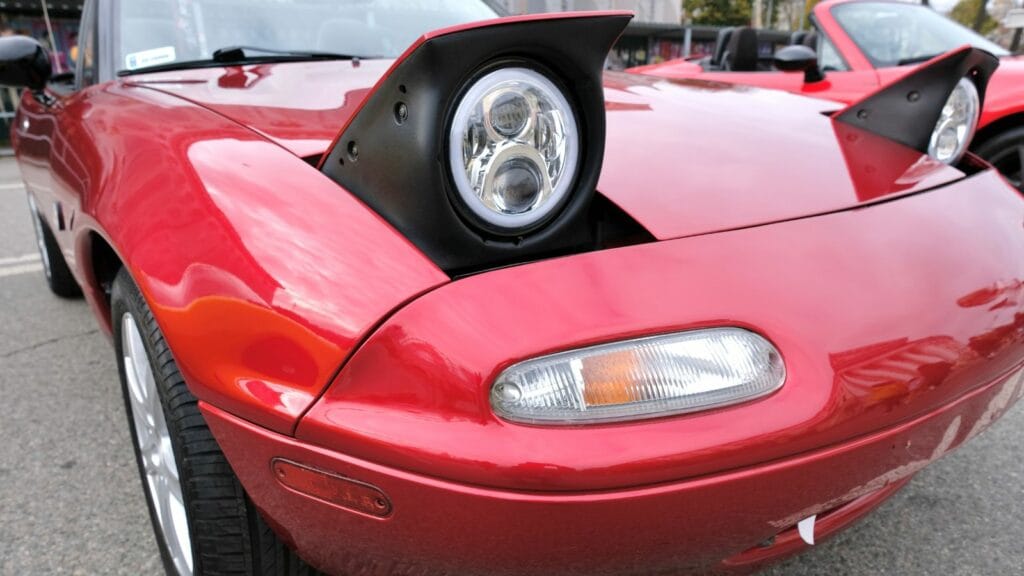
Pop up headlights defined sports cars from the 70s through the 90s. Drivers loved the way they transformed a car’s face with the flick of a switch. Regulators did not. Pedestrian safety rules made them nearly impossible to certify because raised housings acted like hard impact points. Manufacturers quietly dropped them as new standards took over, leaving them as symbols of a more carefree automotive era.
Leaded Gas Engines Powerful but Toxic
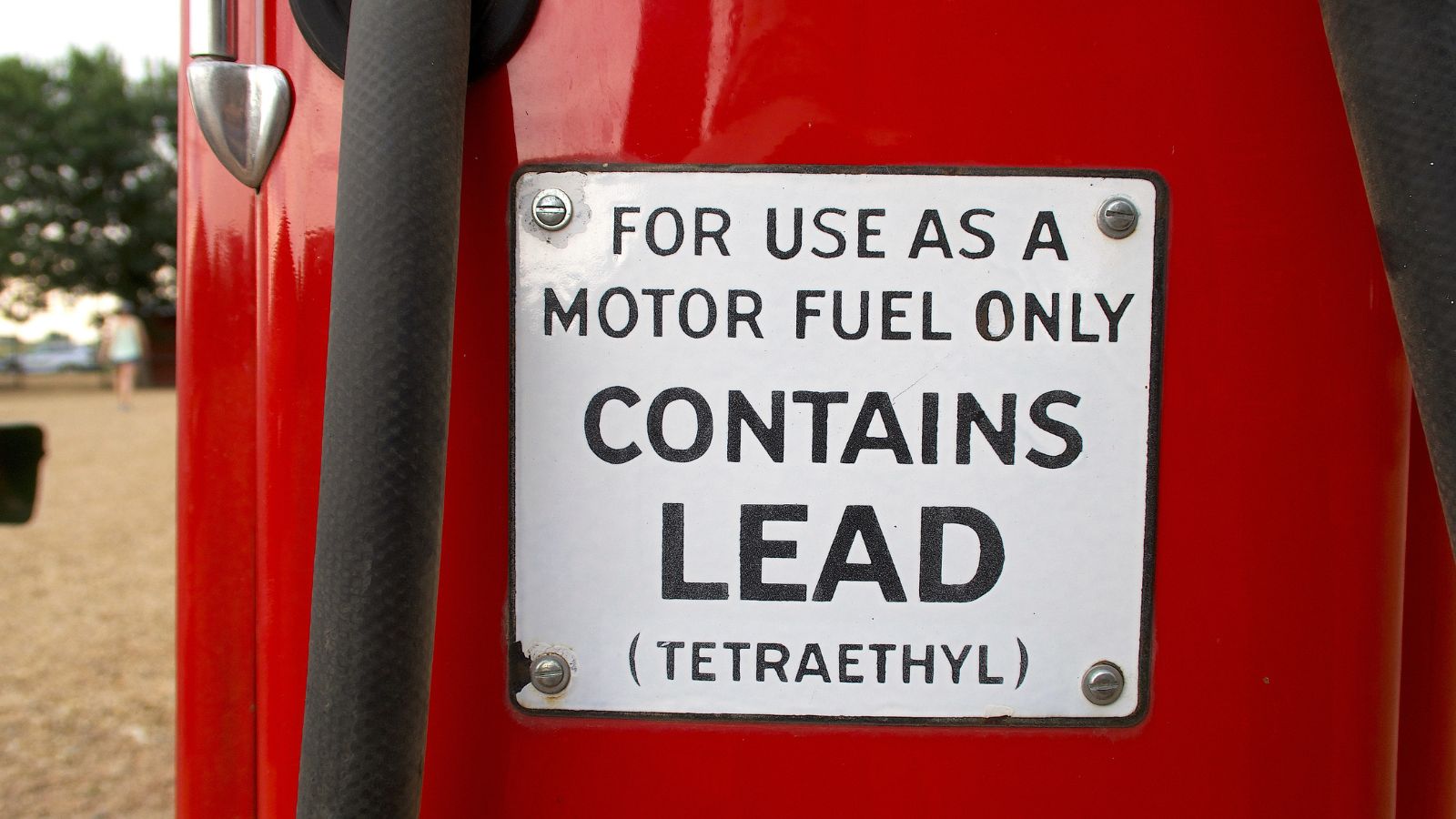
Leaded gasoline allowed higher compression and more performance, particularly in early muscle cars. The environmental cost was enormous. Lead emissions caused widespread air contamination which pushed governments to ban leaded fuel in passenger vehicles. Engines designed for it faded away, and cars were forced into cleaner, safer formulations. Today the idea of pumping lead into the atmosphere feels unthinkable.
Carburetors Replaced by Emissions Rules
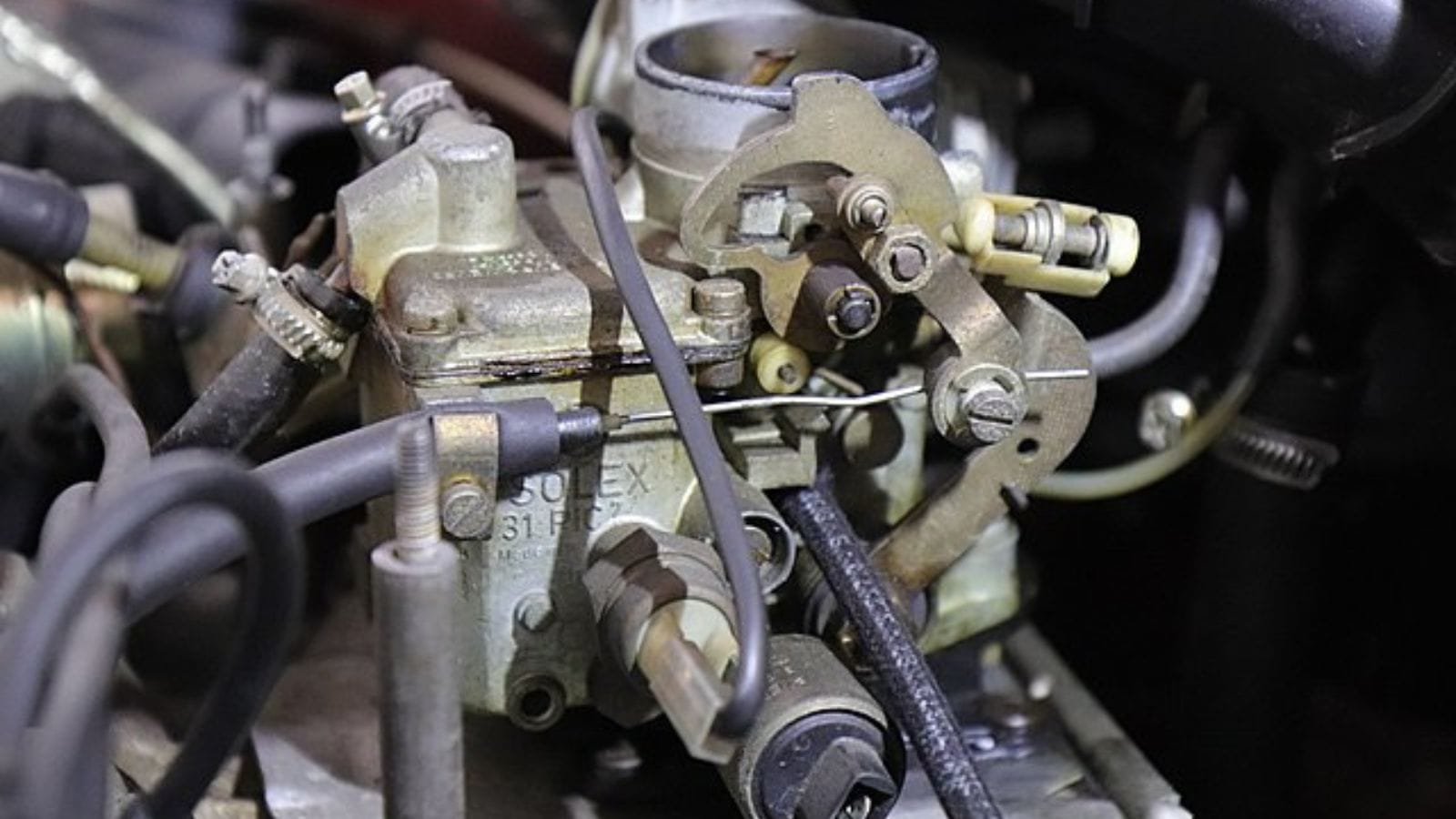
Carburetors controlled fuel delivery for decades, and many drivers still swear they produced better sound and character. But emissions laws demanded far more precision than a carb could ever provide. Fuel injection became mandatory in most markets as stricter standards rolled out. Carbs still exist in classic machines, but on new cars they became outlawed technology.
Smoking Packages A Time Capsule of Bad Habits
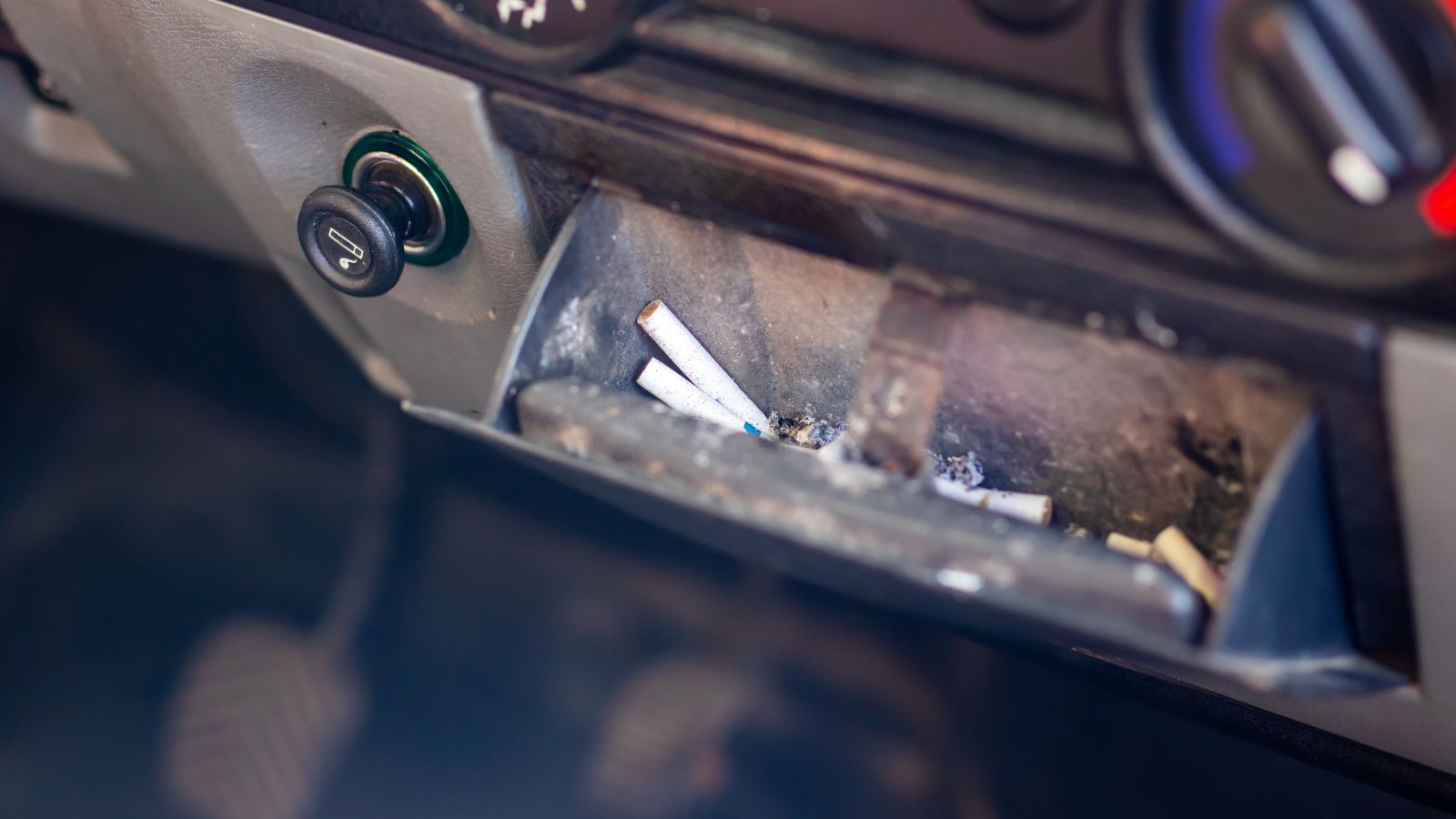
Not long ago, many cars offered ashtrays, cigarette lighters and even full smoking kits as official options. As health regulations tightened and smoking bans spread across public spaces, automakers phased them out. Some jurisdictions discouraged in car smoking when children were present, accelerating the decline. Today, a factory installed lighter is considered ancient history.
Bull Bars on Passenger Cars Banned for Pedestrian Safety

Bull bars once appeared on everything from SUVs to family cars because they looked tough and offered bumper protection. Regulators saw something else, increased pedestrian injury rates. Many regions outlawed metal bull bars on new vehicles, requiring softer impact friendly designs instead. Off road versions still exist, but everyday passenger cars can no longer legally use the old heavy steel versions.
Rear Facing Third Row Seats Loved by Kids, Hated by Lawmakers
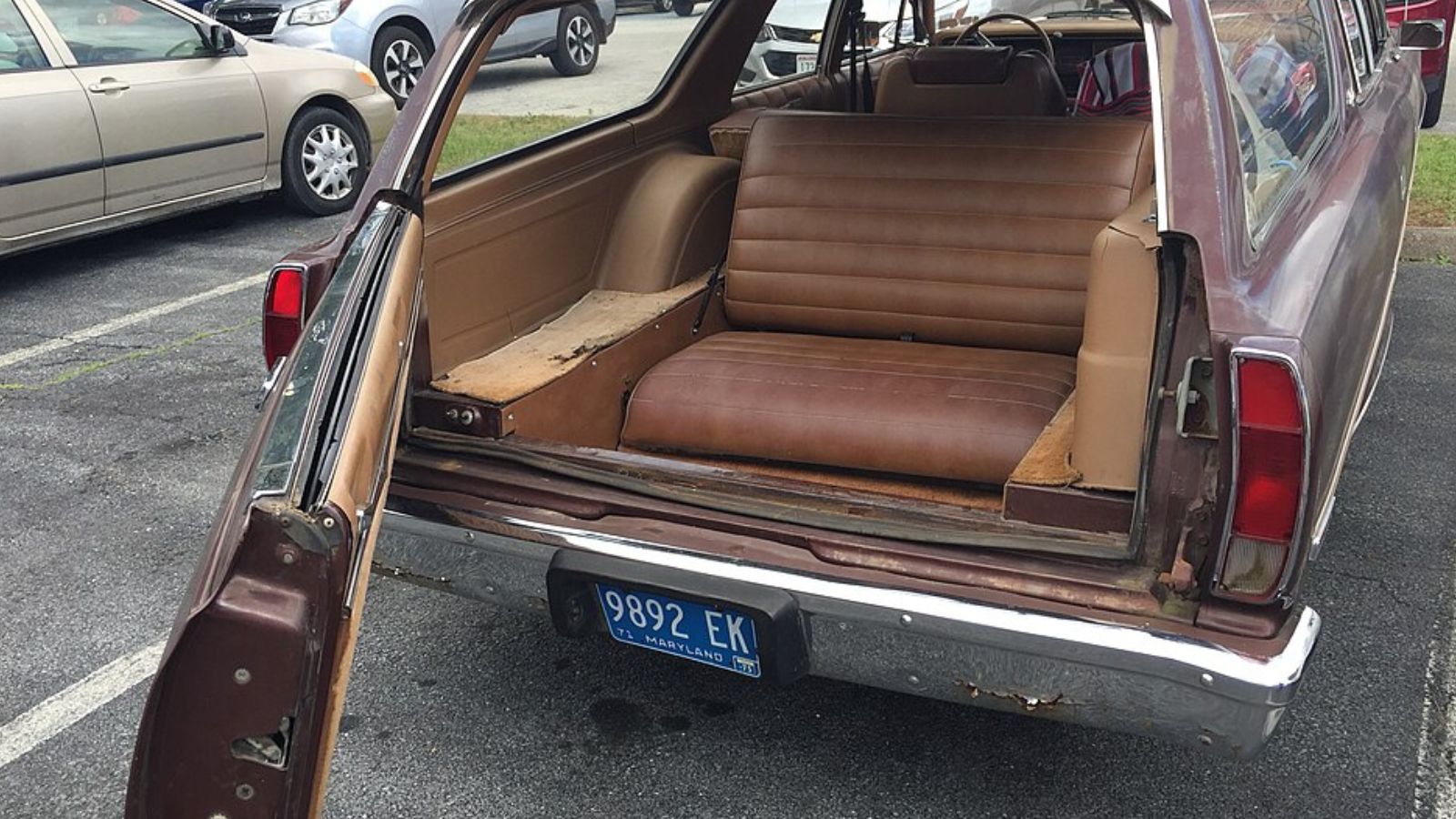
Station wagons in the 70s, 80s and early 90s often included rear facing third row seats. Kids adored them because they felt like secret hideouts. Safety agencies took a different view. Rear impact concerns and updated restraint laws made these seats impossible to certify. They vanished from catalogs as crash standards tightened.
Manual Choke Controls Gone for Emissions Compliance
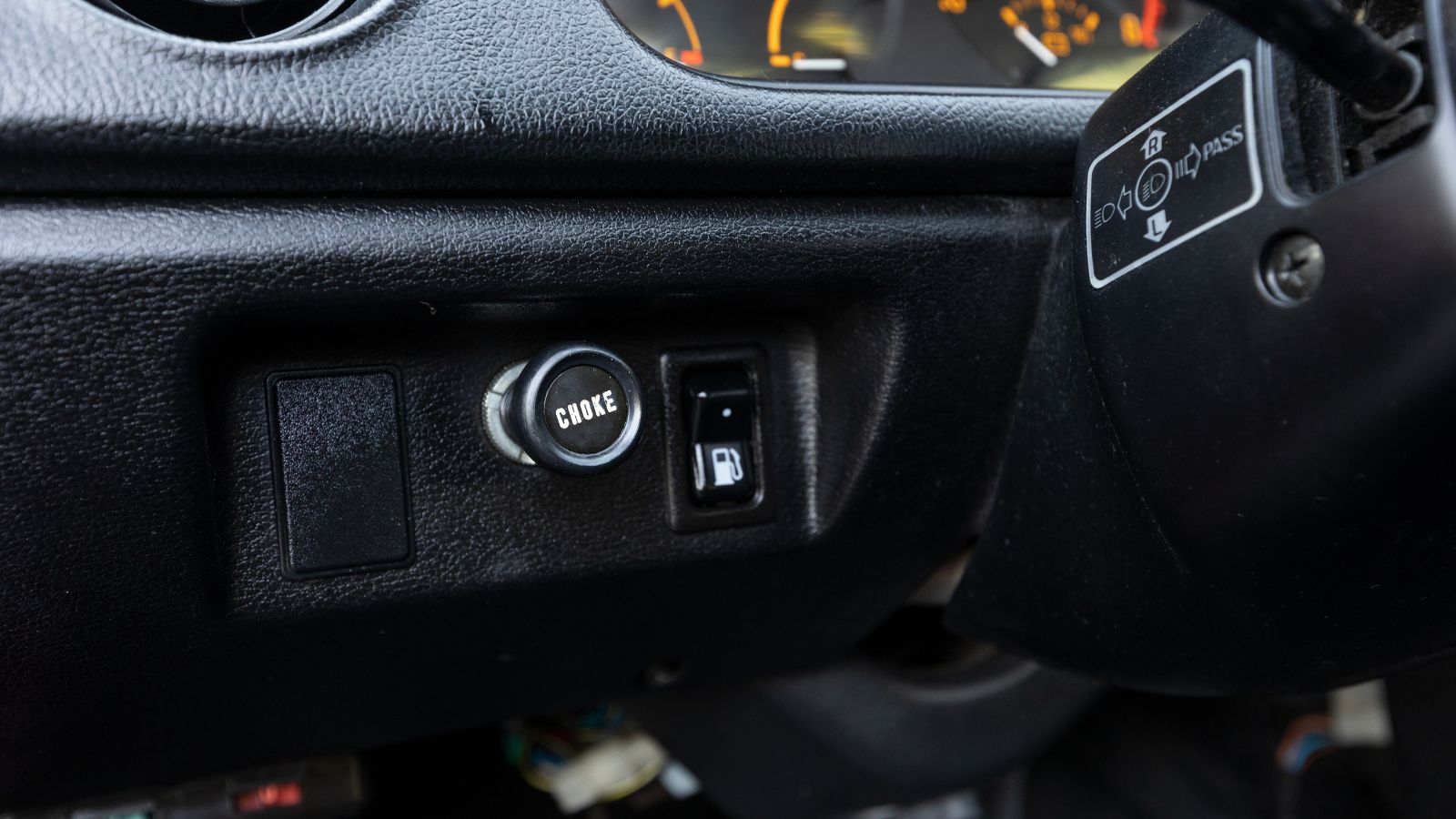
Older cars required a choke lever to manage cold starts. Drivers pulled it out, adjusted airflow and hoped the engine behaved. As emissions rules demanded cleaner, more consistent combustion, manual chokes became obsolete and eventually outlawed on new vehicles. Electronic cold start management took over, offering smoother and far safer operation.
High Strength Tint on Front Windows Too Dark for the Law
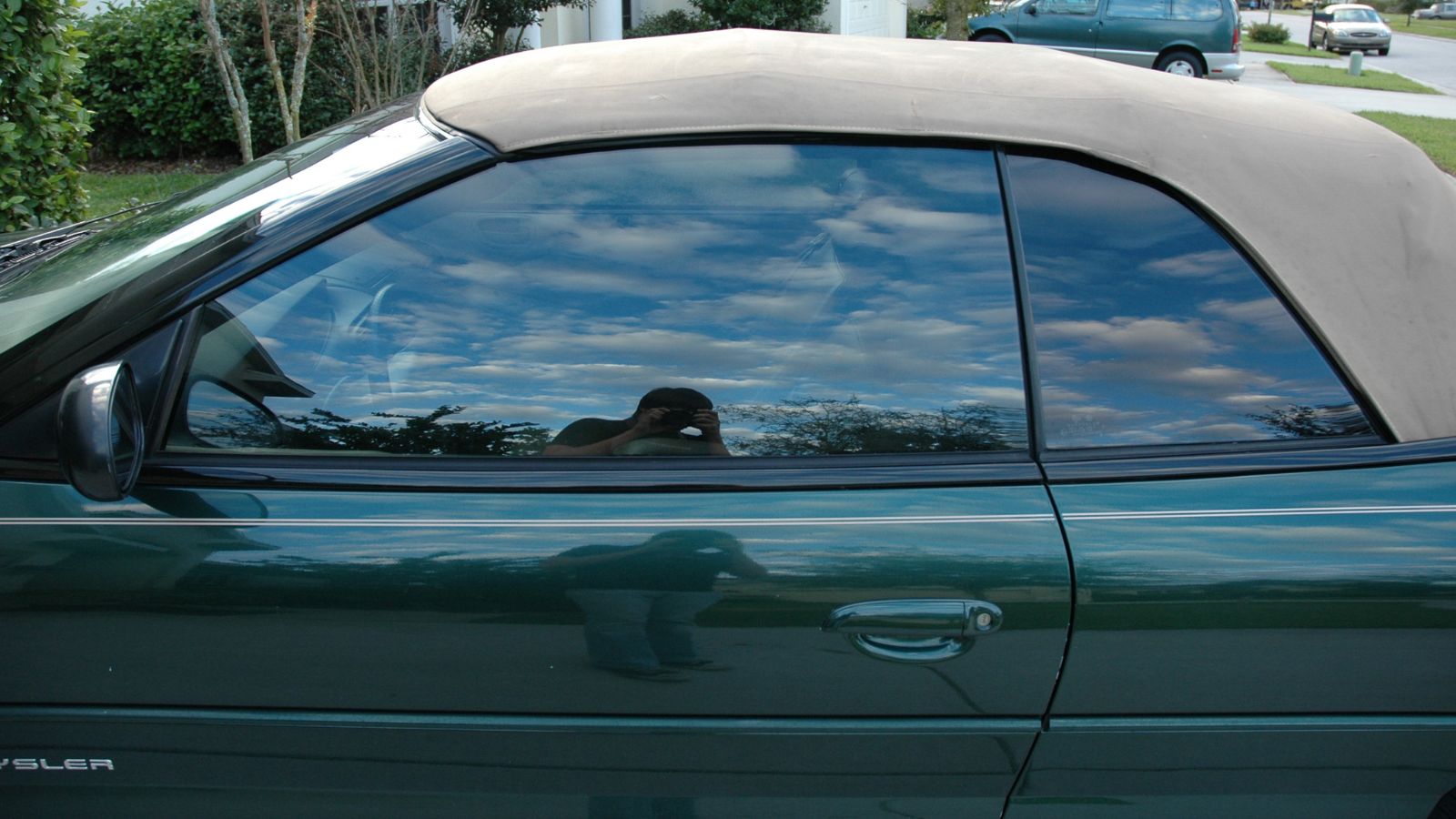
Dark window tint became a fashion statement for decades. The problem was visibility. Police forces and safety agencies argued that extremely dark tint made it impossible to see drivers or detect hazards. Provinces across Canada restricted the allowable tint on front windows, effectively banning the darkest films. Rear tint remains flexible, but limo level darkness on front glass became illegal.
Loud Exhaust Cutouts Street Legal Mischief No More
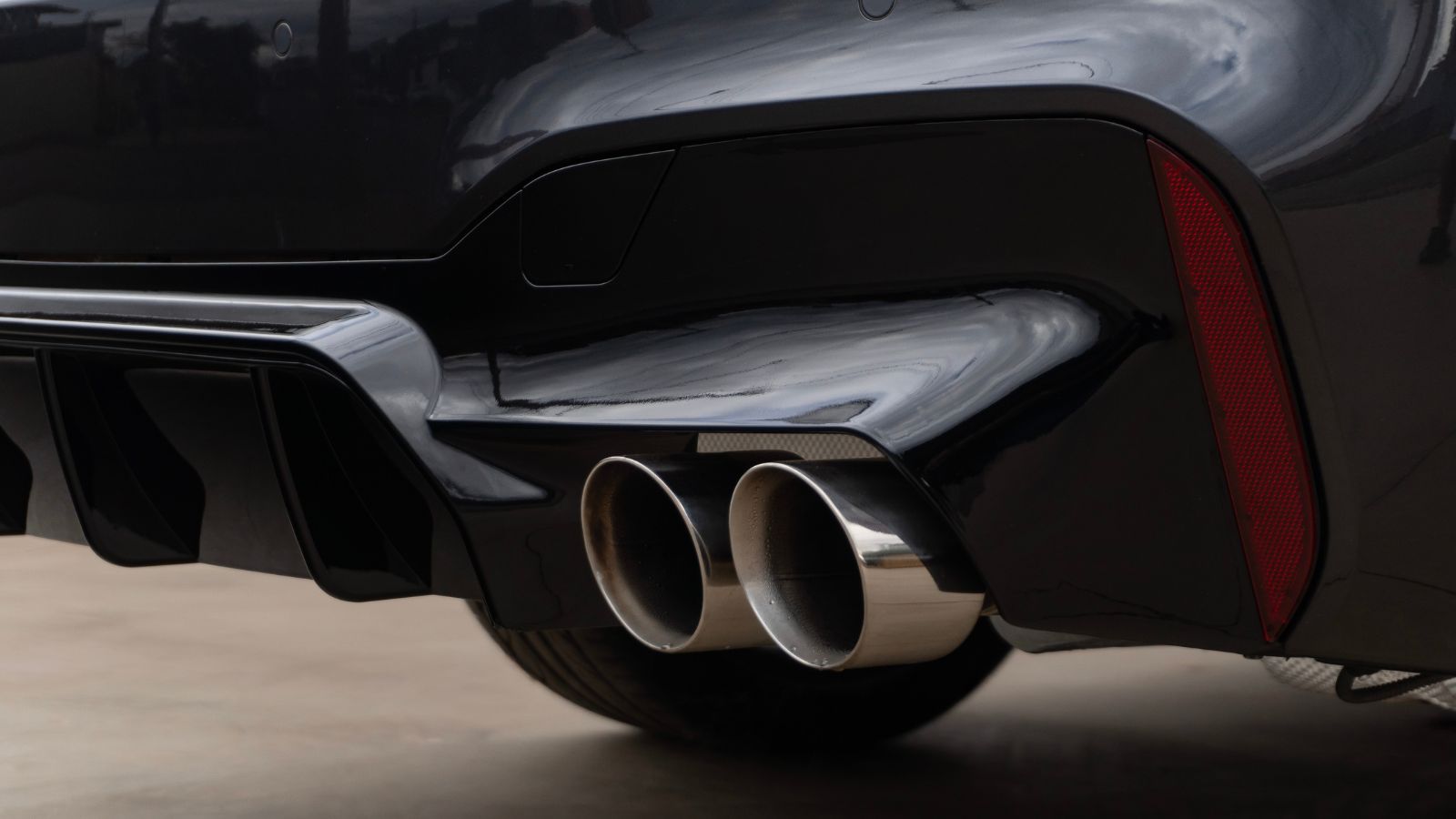
Mechanical exhaust cutouts let drivers flip a switch and unleash full unmuffled sound. They were popular in tuner circles but drew noise complaints everywhere they appeared. Provinces began tightening noise bylaws and enforcing equipment laws that effectively banned cutouts on road going vehicles. Enthusiasts now hide them on track only cars where they remain legal and celebrated.
25 Facts About Car Loans That Most Drivers Don’t Realize

Car loans are one of the most common ways people fund car purchases. Like any other kind of loan, car loans can have certain features that can be regarded as an advantage or a disadvantage to the borrower. Understanding all essential facts about car loans and how they work to ensure that you get the best deal for your financial situation is essential. Here are 25 shocking facts about car loans that most drivers don’t realize:
25 Facts About Car Loans That Most Drivers Don’t Realize
