
Buying a new car used to mean ownership. You paid once, drove away, and whatever buttons were in front of you were yours to use for as long as the car survived. That assumption is quietly disappearing. A growing number of automakers are moving toward a pay to play model, where features and performance you already paid for can be switched off if you stop paying monthly fees.
This shift is changing what ownership actually means, and many drivers are only realizing it after the fact.
How Cars Became Subscription Platforms
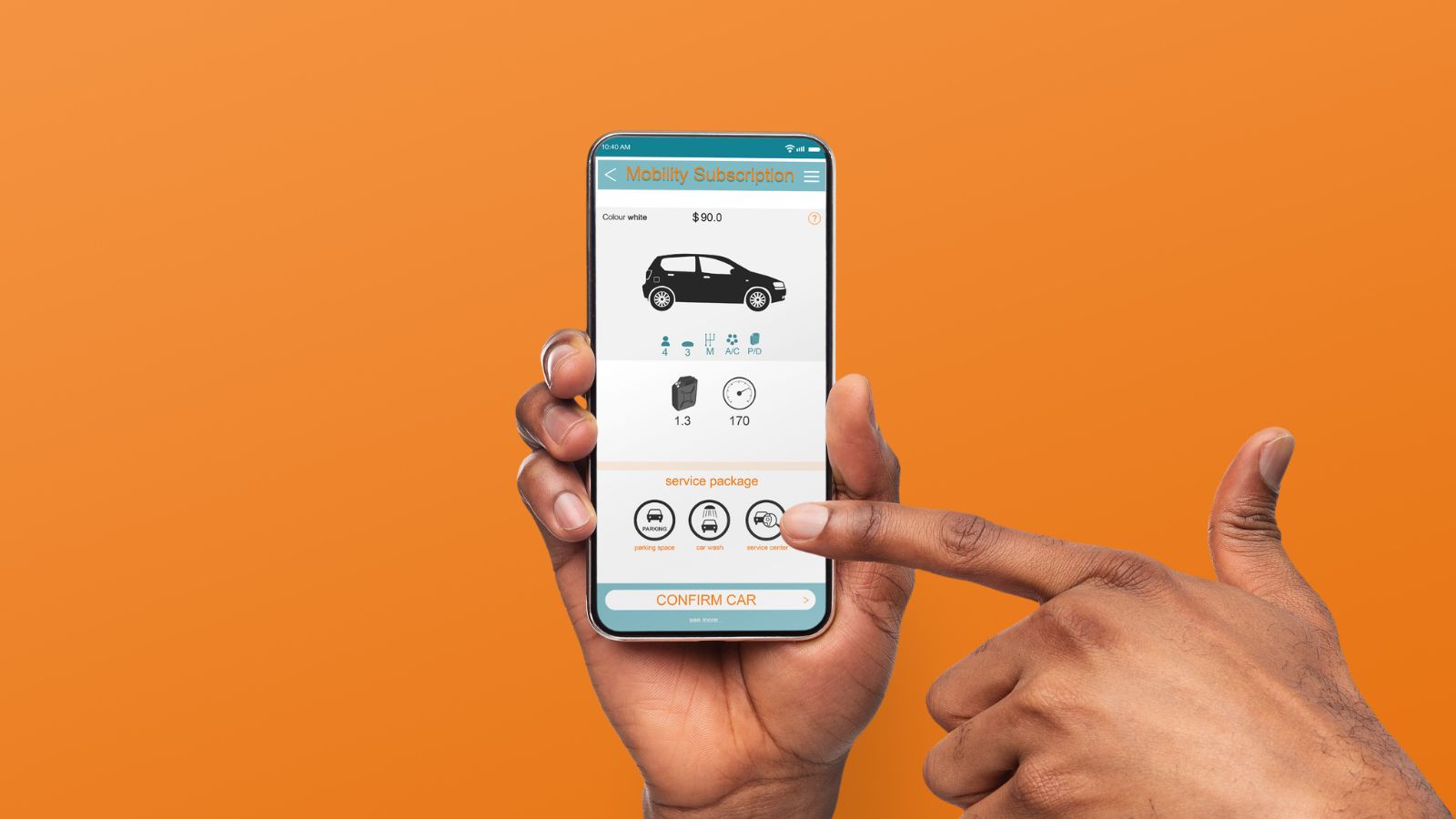
Modern vehicles are now rolling computers. Hardware is installed at the factory, but software determines what you are allowed to use. Heated seats, adaptive cruise control, advanced headlights, remote start, drive modes, and even performance boosts can all be locked behind digital paywalls. Automakers discovered that selling the hardware once and charging repeatedly for access is far more profitable than traditional option packages.
Features That Can Be Taken Away

What surprises buyers most is not that subscriptions exist, but that features can be disabled remotely. Miss a payment or let a subscription expire, and your car can revert overnight. Heated seats stop heating. Navigation disappears. Driver assistance functions downgrade. Nothing physically changes in the car, but your experience does.
Ownership Without Control

Drivers still pay full purchase prices, taxes, insurance, and maintenance. Yet control over the vehicle is no longer absolute. Software licenses determine access, not ownership. In effect, buyers own the shell and hardware but rent the functionality. That distinction becomes painfully clear when a feature you relied on suddenly vanishes.
Used Car Buyers Are Hit Even Harder
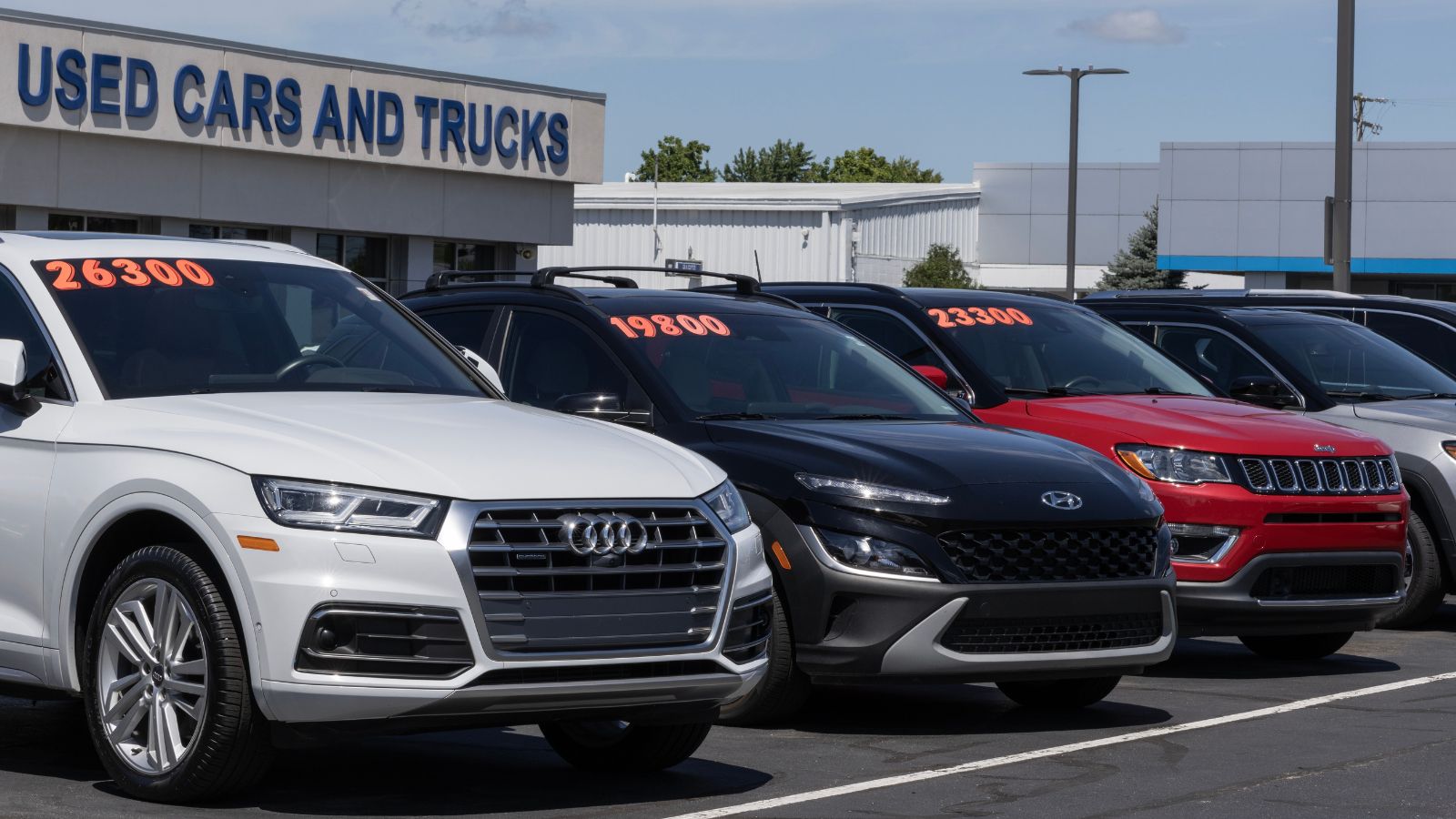
The subscription model does not stop at the first owner. Used buyers are discovering that features advertised in listings may require reactivation fees. A car that physically has premium audio or advanced safety hardware may ship in a downgraded state unless the new owner agrees to monthly payments. That undermines resale value and creates confusion in the used market.
Safety Features Behind Paywalls
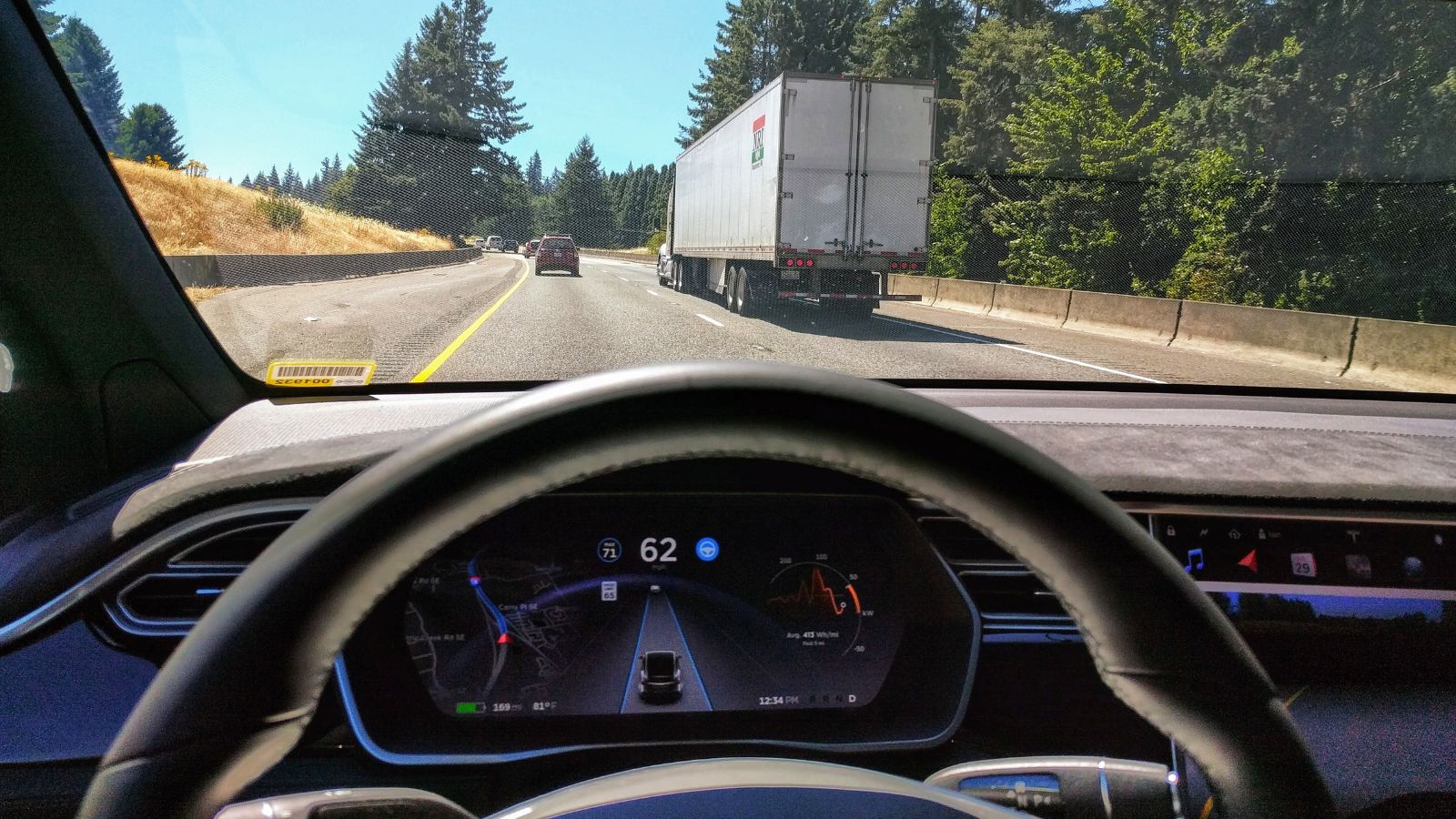
Perhaps the most controversial move is locking safety related systems behind subscriptions. Lane assist, adaptive cruise, blind spot monitoring enhancements, and advanced emergency braking are increasingly treated as optional services rather than standard protections. Critics argue that safety should never be conditional on ongoing payments.
Performance as a Service

Some automakers now sell performance upgrades digitally. Extra horsepower, quicker acceleration, or sharper throttle response can be unlocked temporarily or permanently for a fee. In extreme cases, a car is physically capable of higher output but deliberately limited unless the owner pays again.
Why Automakers Love This Model

Recurring revenue is predictable and lucrative. Subscriptions smooth income between vehicle launches and keep customers financially tied to the brand. Automakers also gain leverage, since software control allows them to manage features remotely long after the sale. From a business perspective, it is difficult to ignore.
Why Drivers Are Pushing Back

Drivers see it differently. Paying monthly for features installed at the factory feels like double billing. The idea that a car can lose functionality over a billing dispute or expired subscription creates resentment. Many fear a future where basic comfort and safety are treated like streaming services.
Legal and Consumer Challenges Ahead

Consumer protection agencies are beginning to pay attention. Questions around advertising transparency, ownership rights, and resale disclosures are emerging. If buyers are not clearly informed that features are temporary licenses rather than permanent options, legal pressure is likely to follow.
What This Means for the Future of Car Buying

The pay to play model is still evolving, but the direction is clear. Cars are becoming platforms, not products. Buyers will need to read option lists more carefully than ever and ask which features are permanent and which are rented. Some will accept the tradeoff. Others will actively seek brands that still believe ownership should mean ownership.
Feeling Ripped Off
The danger for automakers is not technical. It is trust. Once drivers feel like their car can be downgraded at any moment, loyalty erodes fast. A vehicle is not a phone or an app. It is a major purchase, often relied on daily. Turning ownership into a subscription gamble may prove far more costly than manufacturers expect.
25 Facts About Car Loans That Most Drivers Don’t Realize

Car loans are one of the most common ways people fund car purchases. Like any other kind of loan, car loans can have certain features that can be regarded as an advantage or a disadvantage to the borrower. Understanding all essential facts about car loans and how they work to ensure that you get the best deal for your financial situation is essential. Here are 25 shocking facts about car loans that most drivers don’t realize:
25 Facts About Car Loans That Most Drivers Don’t Realize
