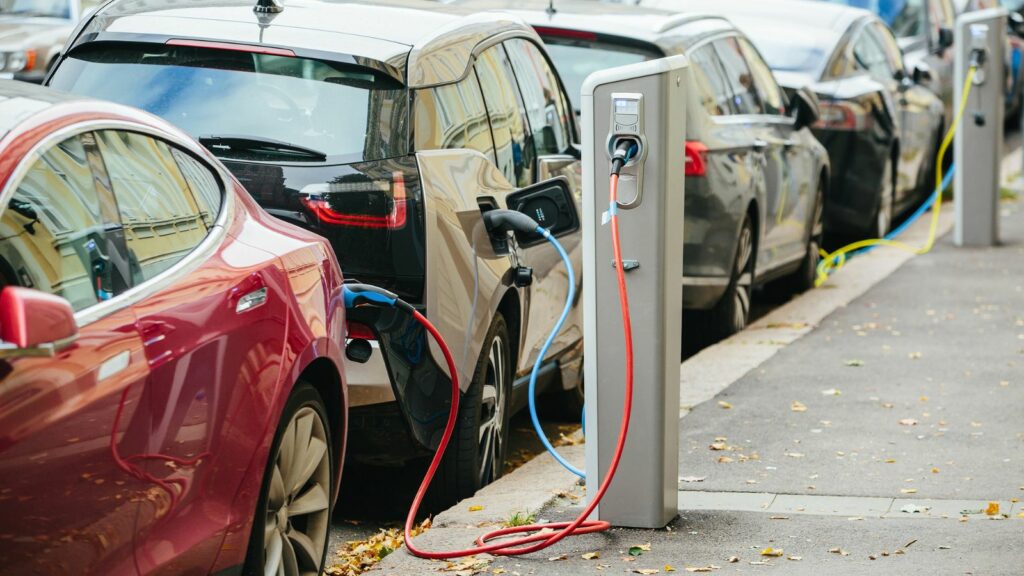
Canada’s auto industry is heading into its most dramatic transition in decades. New government mandates, shifting market demand and rapid technological development are rewriting the rules faster than most drivers realize. In the next five years, Canadians will see major changes not just in the vehicles they buy, but in how those vehicles are powered, maintained, insured and even updated. Some changes will benefit drivers. Others may spark frustration. All of them will reshape the Canadian driving experience.
More Electric Vehicles Whether Canadians Are Ready or Not
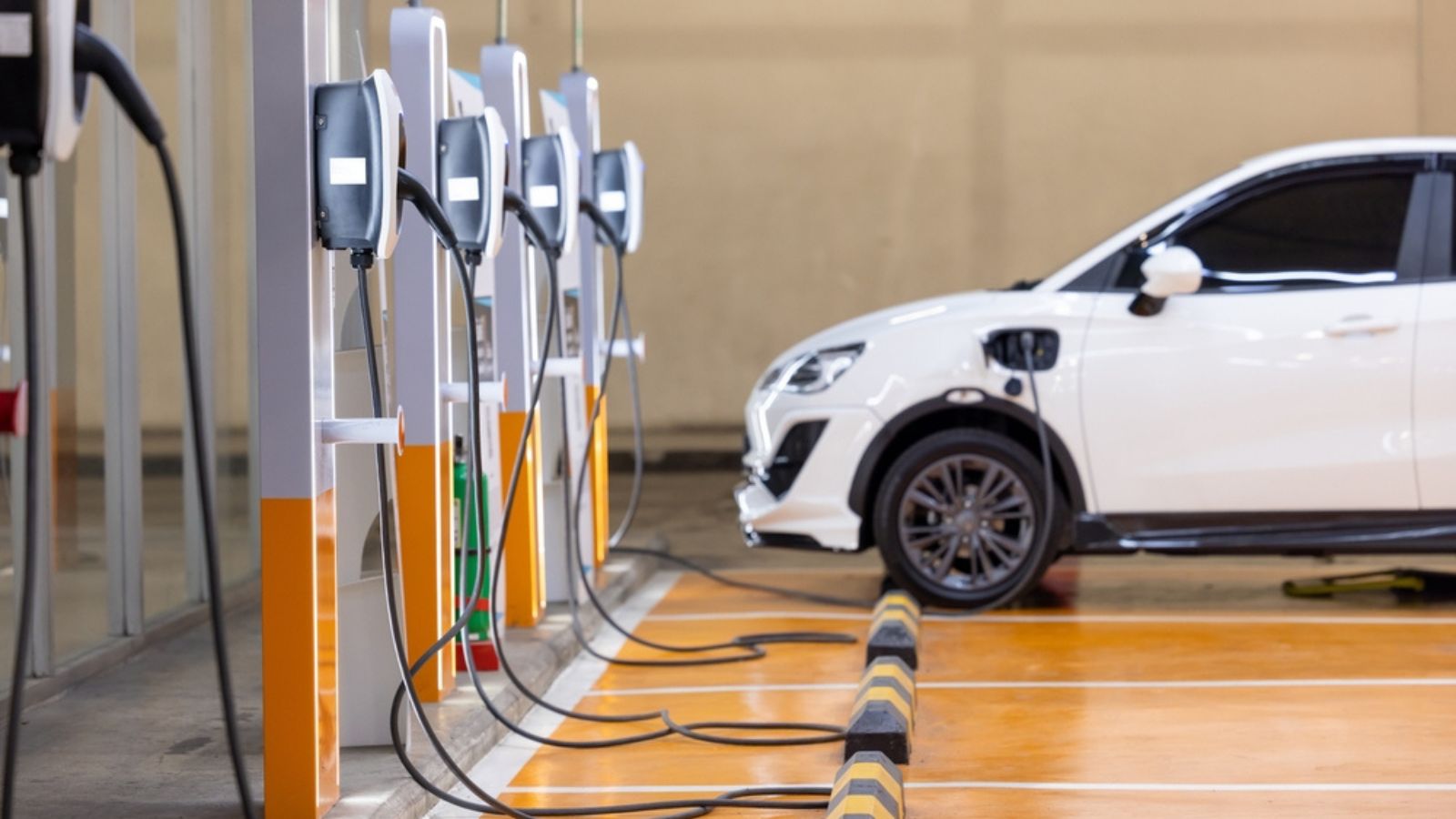
The federal government has already announced aggressive timelines to phase in cleaner vehicles, and automakers are adjusting their entire product strategies around those targets. EVs will move beyond niche city cars and high end models and into the mainstream. Expect more compact electric crossovers, mid size family EVs and even electric work trucks aimed directly at Canadian trades. This shift will also push manufacturers to offer more cold weather battery solutions, improved heat pump systems and stronger warranties to win over skeptical buyers. Whether or not the average Canadian is ready for a plug in lifestyle, the industry is preparing to make EVs the default choice.
Gas Engines Will Shrink and Become More Efficient
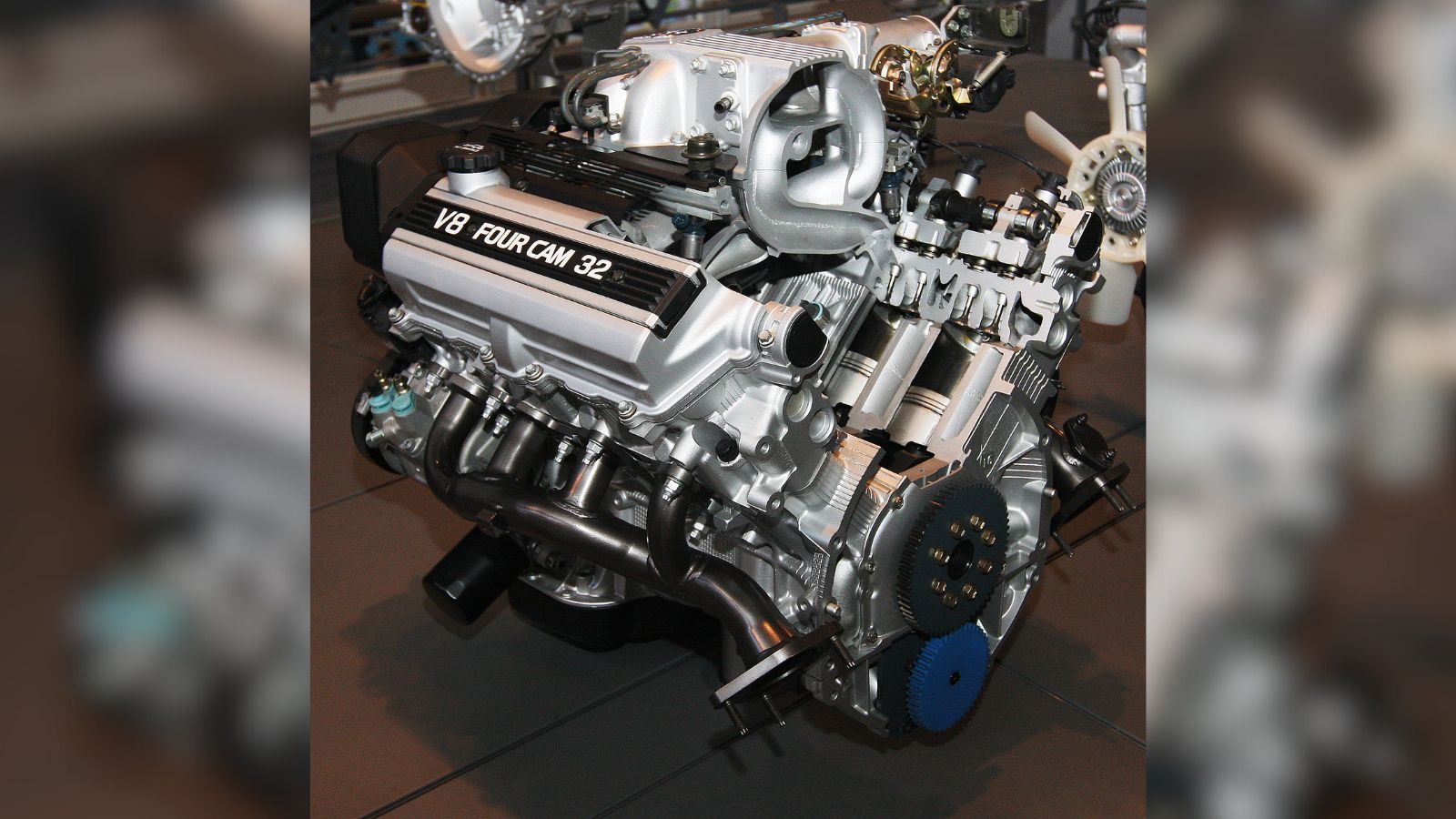
The era of big displacement engines is fading fast. Automakers are investing heavily in smaller, turbocharged engines with smarter fuel delivery and hybrid assistance. Canadians will see more three and four cylinder powertrains replacing traditional V6 and V8 engines. The goal is simple, lower emissions without crippling performance. Even trucks will adopt more advanced fuel management and mild hybrid systems to meet upcoming standards. These downsized engines will feel punchy, but drivers may notice they depend more heavily on regular maintenance and premium fluids to stay reliable.
Subscription Based Features Will Become More Common

The idea of paying a monthly fee for features your car already has is controversial, but automakers see it as the future. Heated seats, remote start, high end lighting systems and even horsepower boosts could all become optional services billed monthly. Brands love the predictable income stream. Drivers, however, are not nearly as enthusiastic. In the next five years, Canadians will see far more vehicles built with locked features that can be activated with a payment. Expect a growing number of buyers to push back, especially in a country where extreme climates make certain features feel essential, not optional.
Safety Tech Will Become Standard on Almost Everything

Advanced safety features are moving from luxury models to the entry level market. By 2030, nearly every new vehicle in Canada will include automatic emergency braking, lane keeping systems, adaptive cruise and driver monitoring cameras as standard equipment. These systems will become more sensitive, more accurate and more intrusive. The benefit is obvious. Fewer collisions, safer highways and lower insurance costs. The downside is that drivers may experience more beeping, warnings and automated corrections than ever before. Cars will be far more involved in decision making, and the learning curve will be noticeable.
Connected Cars Will Track More Data
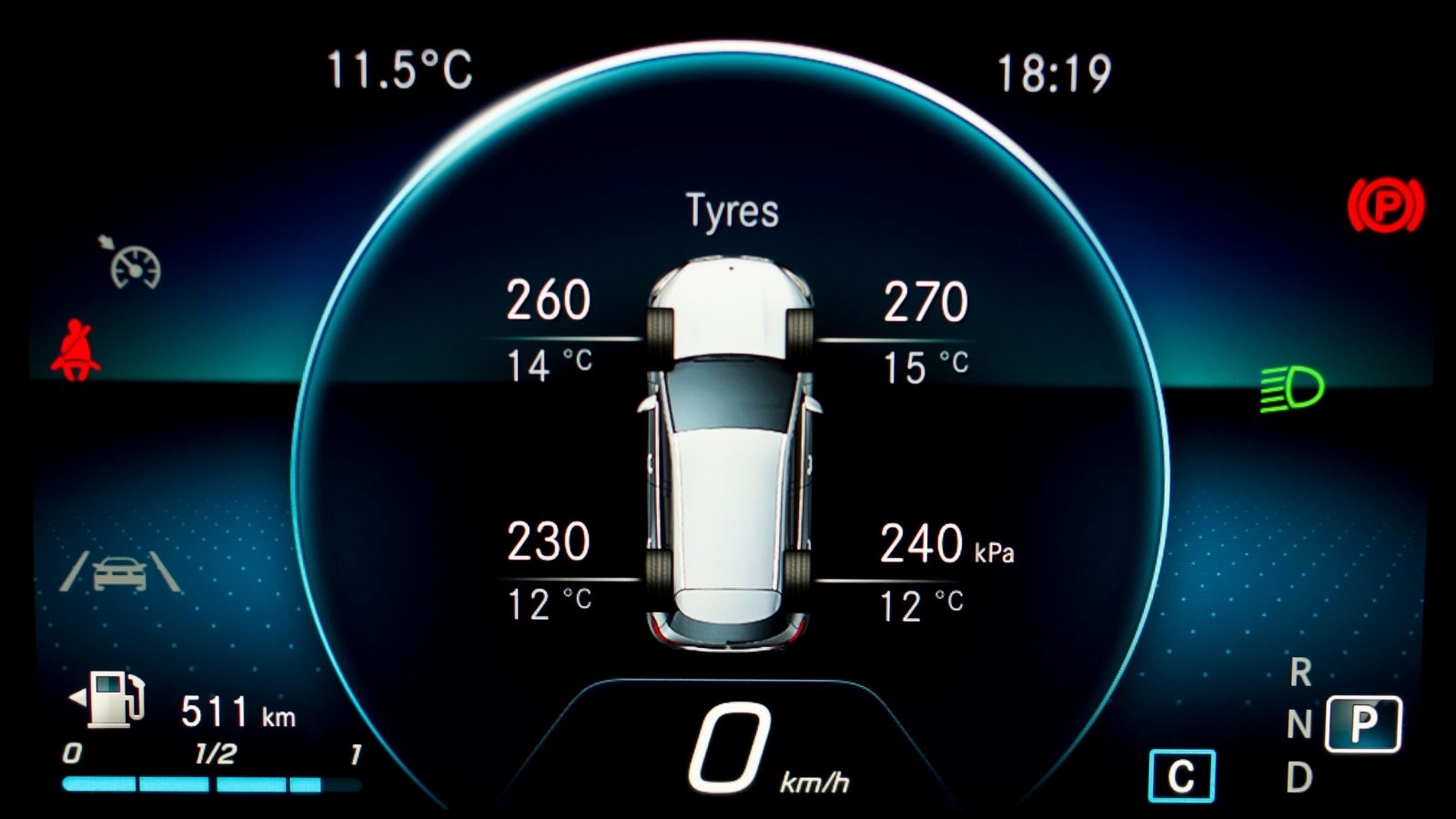
Modern cars already monitor driving habits, location and mechanical health, but the next generation of connected vehicles will collect far more detailed information. Automakers want real time data to improve maintenance intervals, predict failures and analyze how customers use their vehicles. Insurance companies will offer stronger incentives to drivers who opt into monitored programs. Municipalities may even explore using connected data for traffic planning. The benefit is smarter technology. The tradeoff is reduced privacy. Data transparency and security will become major topics for consumers.
Prices Will Keep Rising

Vehicle prices have surged over the past five years, and unfortunately that trend is not slowing down. The combination of advanced electronics, expensive batteries, global supply chain constraints and rising labor costs ensures that even modest vehicles will continue to climb in price. Canadians will lean more heavily on extended loan terms, used car purchases and leasing. Expect more drivers to downsize, delay replacement or keep older vehicles longer. The days of affordable new cars under thirty thousand dollars are quickly fading.
Charging Networks Will Expand Into Smaller Towns
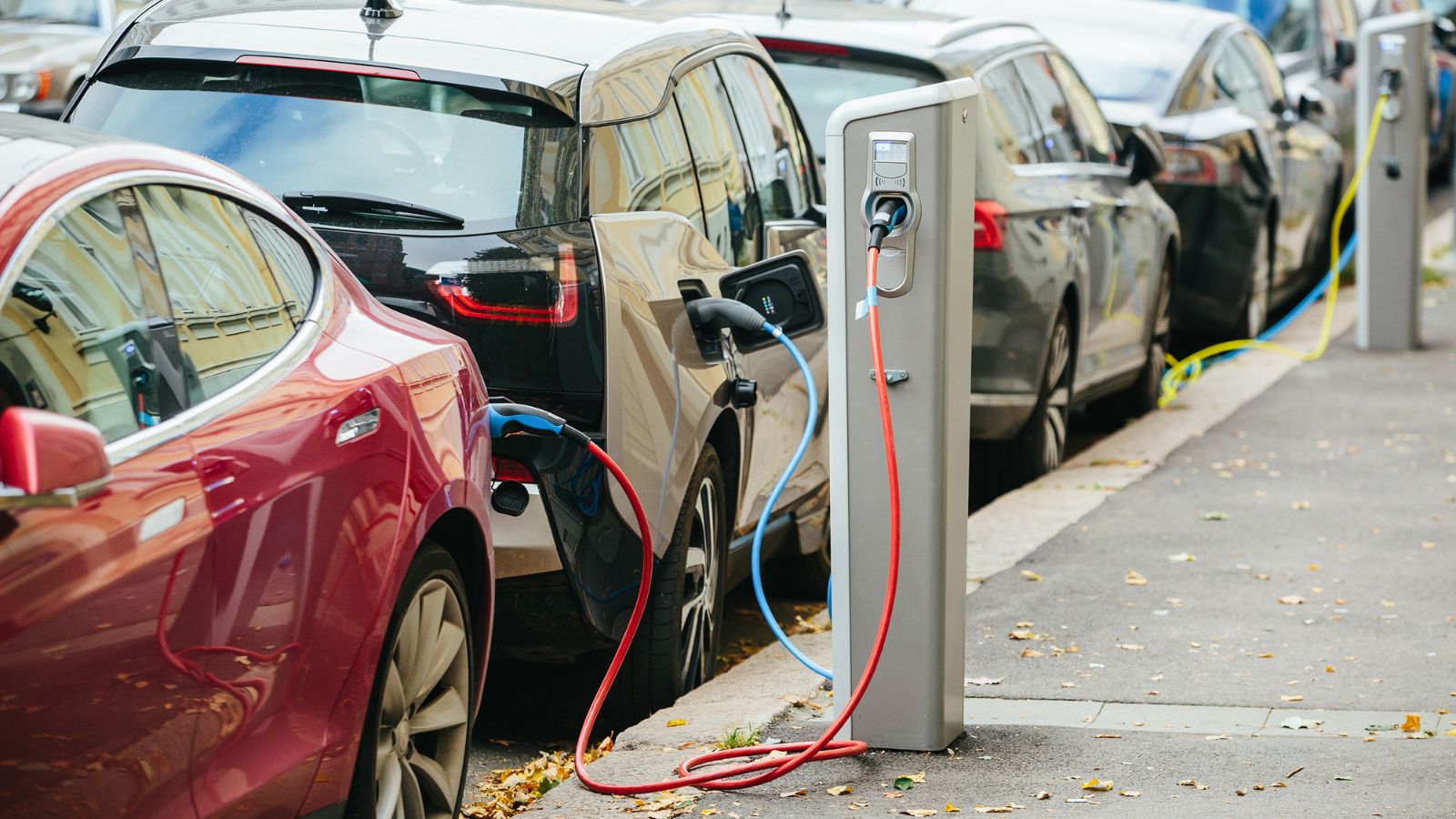
Right now, EV ownership in rural Canada can feel impractical. That will change. The federal government is funding thousands of new chargers, and private companies are racing to build fast charging corridors between major and mid sized cities. Smaller towns, tourist routes and remote highways will slowly gain more charging access. Apartment buildings and workplaces will also install more charging stations as demand increases. This expansion is essential for widespread EV adoption, but growing pains will continue until infrastructure catches up to the number of vehicles on the road.
Dealerships Will Adopt a More Digital Sales Model

Buying a vehicle is about to feel more like ordering a phone. Automakers are shifting to streamlined online configurators, transparent pricing and pre built inventory rather than traditional haggling. Physical dealerships will remain important, but many will shift their focus toward service and delivery instead of negotiations. Younger buyers prefer this model, and the industry is adapting rapidly. Expect to browse, finance, insure and schedule delivery almost entirely online and complete the purchase with far less paperwork.
The Road Ahead

The next five years will reshape Canadian car ownership from the moment buyers walk into a dealership to the moment they plug in, maintain or trade in their vehicles. Some changes promise convenience. Others introduce new challenges, especially in a country with long distances and harsh winters. Understanding these trends now helps every Canadian prepare for a future where vehicles are smarter, cleaner and more connected than ever before.
25 Facts About Car Loans That Most Drivers Don’t Realize

Car loans are one of the most common ways people fund car purchases. Like any other kind of loan, car loans can have certain features that can be regarded as an advantage or a disadvantage to the borrower. Understanding all essential facts about car loans and how they work to ensure that you get the best deal for your financial situation is essential. Here are 25 shocking facts about car loans that most drivers don’t realize:
25 Facts About Car Loans That Most Drivers Don’t Realize
