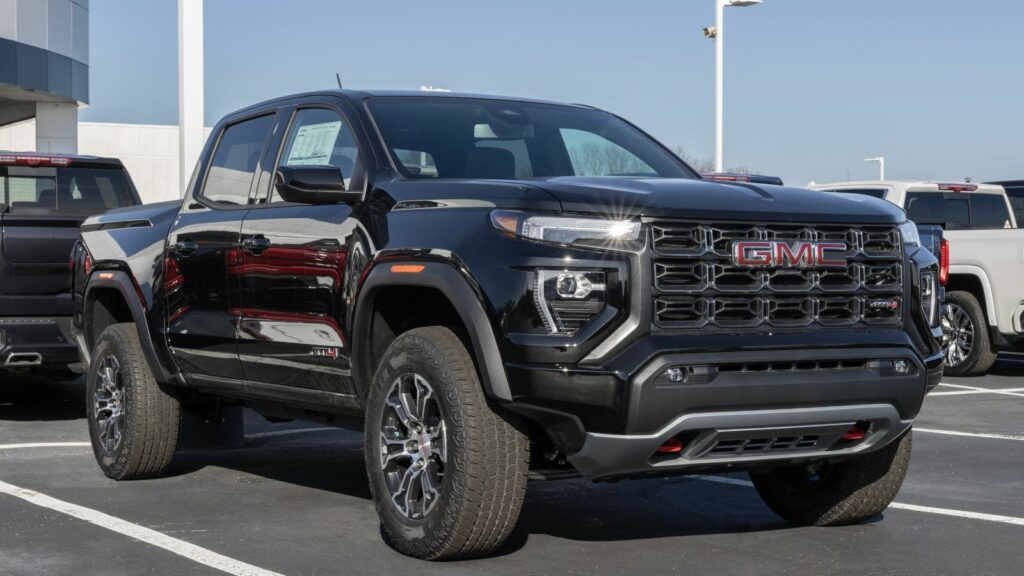
Canada allows surprisingly large vehicles to be driven on an ordinary Class 5 licence. From towering SUVs to heavy pickups and giant vans, many of these machines are bigger and heavier than some commercial rigs from decades past. Critics argue they have no place in crowded city centres, while drivers love them for space, capability and status. If certain groups get their way, some of these giants may soon face new restrictions.
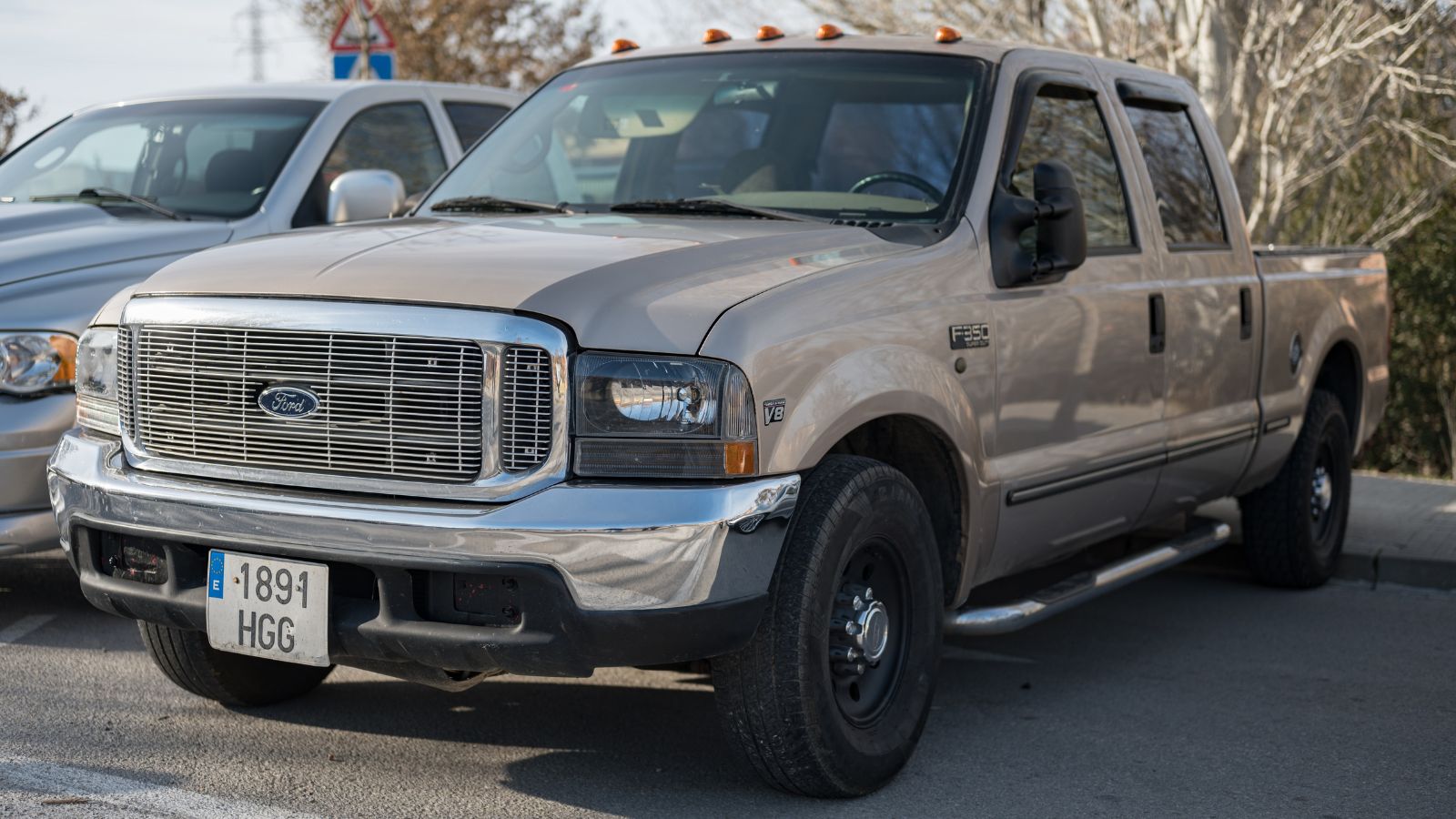
Ford F-350 Super Duty A Heavy Hitter Hiding Under a Class 5
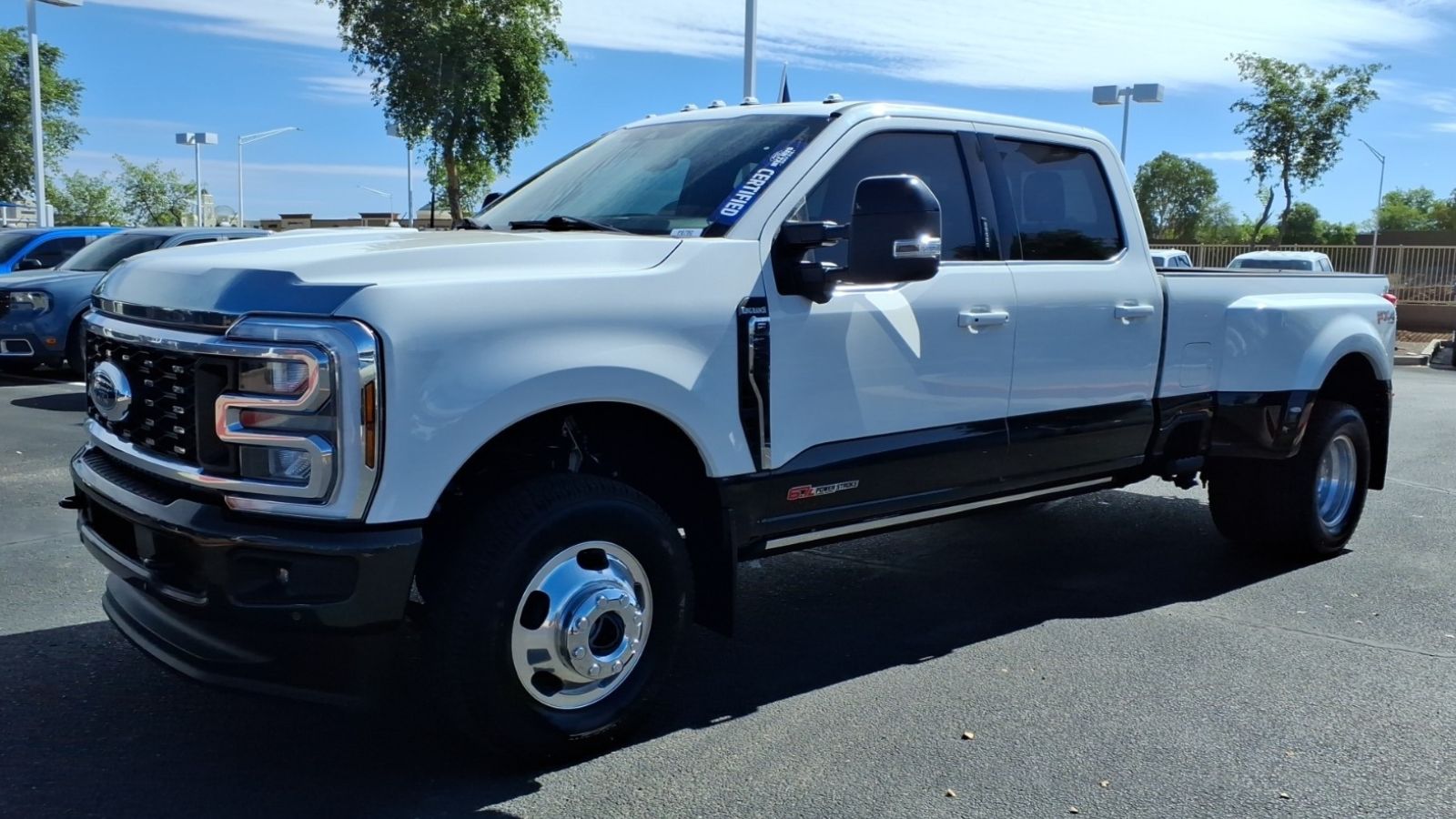
The Ford F-350 stretches the limits of what most people imagine a standard licence covers. Its wide stance, long wheelbase and heavy frame make it feel more like a commercial truck than a personal vehicle. Yet anyone with a normal licence can legally operate one. As cities debate visibility standards and weight limits, trucks like the F-350 sit squarely in the spotlight for possible downtown restrictions.
Ram 3500 The Towering Pickup With Serious Muscle
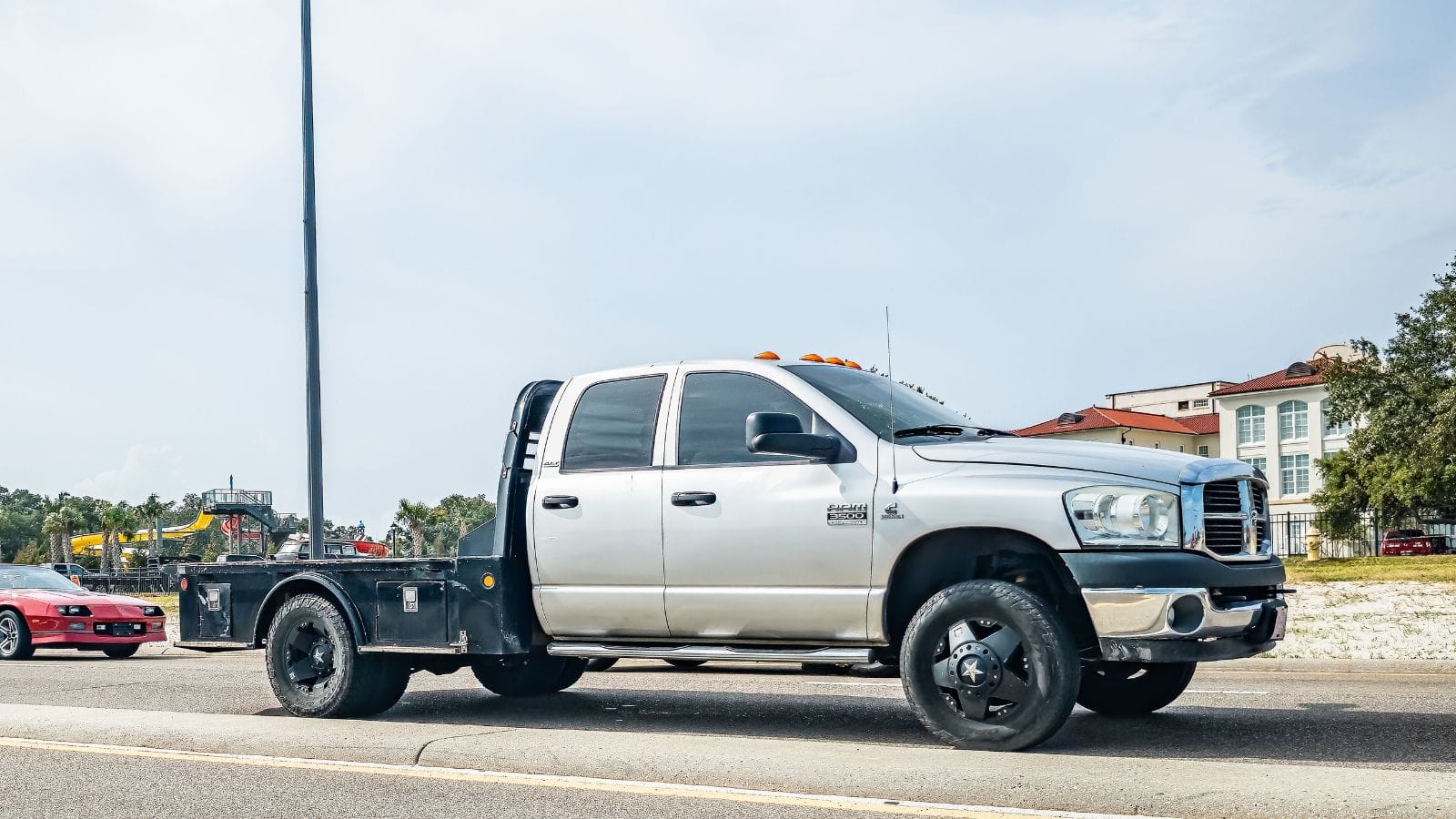
The Ram 3500 brings massive towing ability and a footprint that dominates any parking space. Its height, weight and engine options push the boundary of what urban streets can comfortably accommodate. Many municipalities are eyeing trucks like this as candidates for restricted zones because of their visibility blind spots and road wear impact. Still, for rural and suburban Canadians, the Ram remains a dependable workhorse.
Chevrolet Silverado 3500 A City Block on Wheels
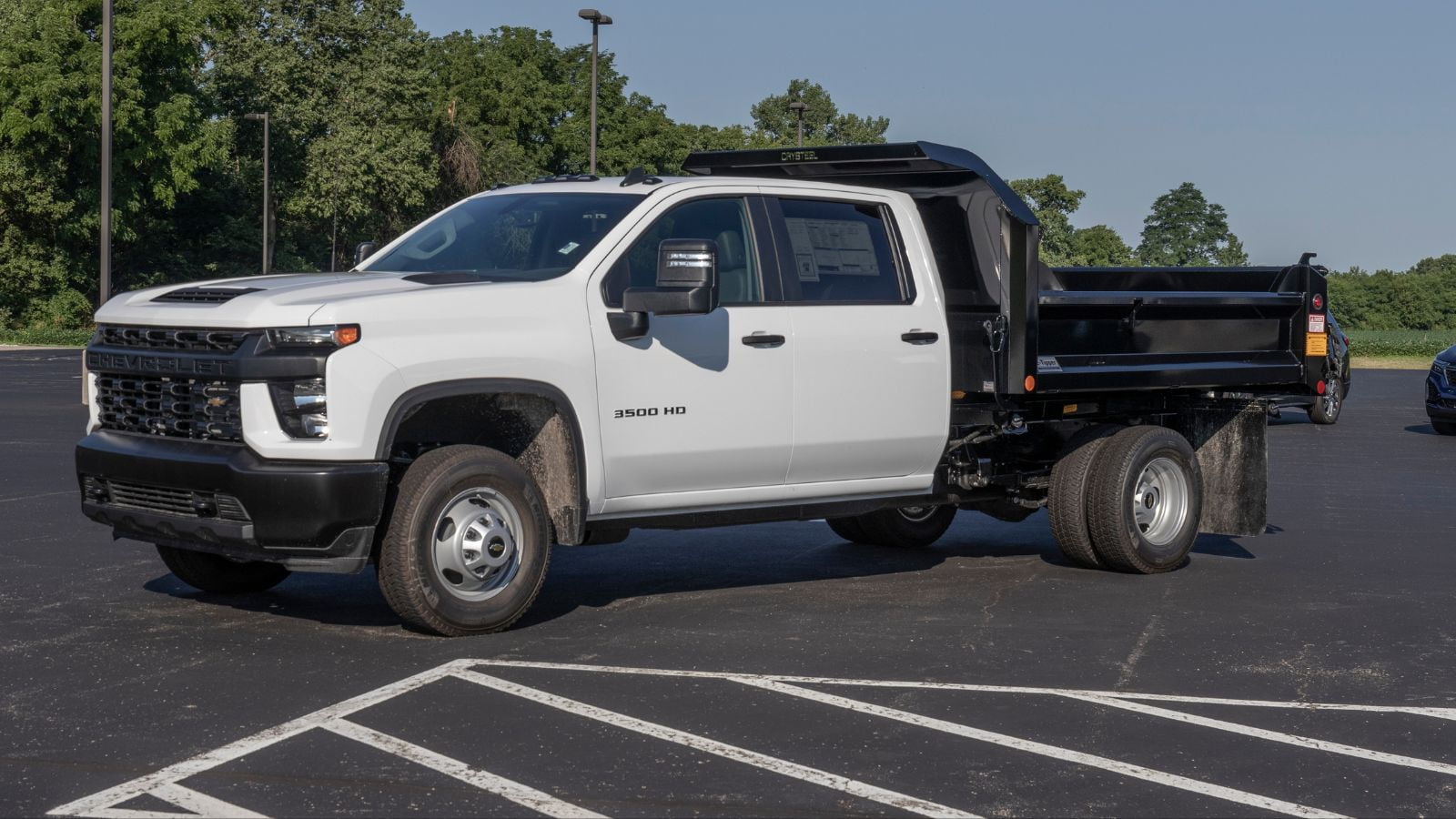
Silverado 3500 models stretch well over six metres in many configurations, yet they remain entirely legal for Class 5 drivers. These trucks are perfectly suited for farm life, towing and construction, but are less at home navigating tight city lanes. Critics say their enormous width makes bike lanes and pedestrian crossings more dangerous. Urban policy watchers believe trucks this size may be the first to face downtown road bans.
GMC Yukon XL A Family Wagon the Size of a Small Apartment
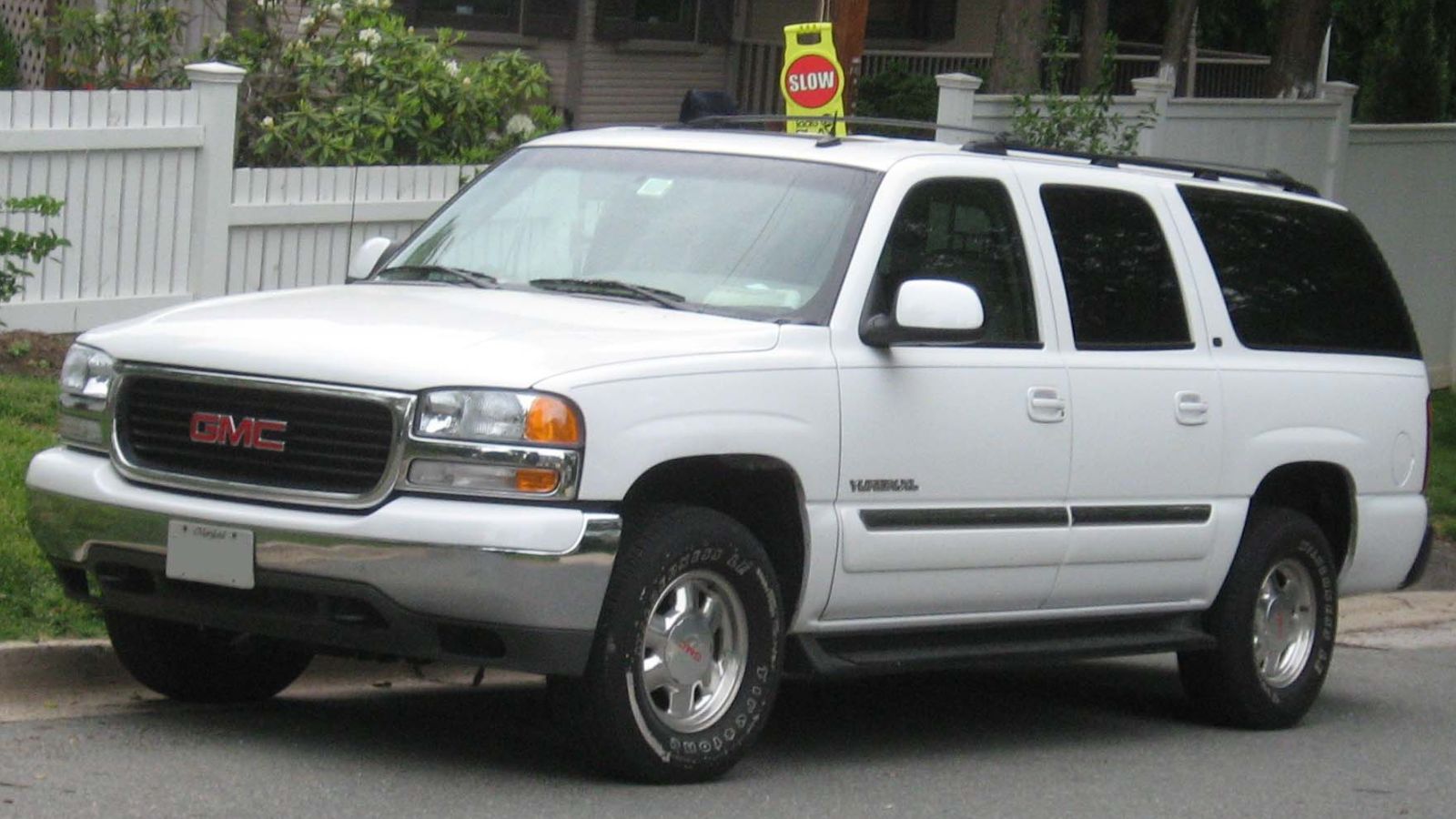
The Yukon XL is a favourite for big families and long road trips, but its size intimidates those who share narrow streets with it. Its long body, tall stance and three row layout give it real presence. As discussions grow about vehicle footprint taxes and congestion rules, full size SUVs like the Yukon XL are often cited as examples of vehicles that may need exclusion zones in large cities.
Chevrolet Suburban The Grandfather of Extra Large SUVs
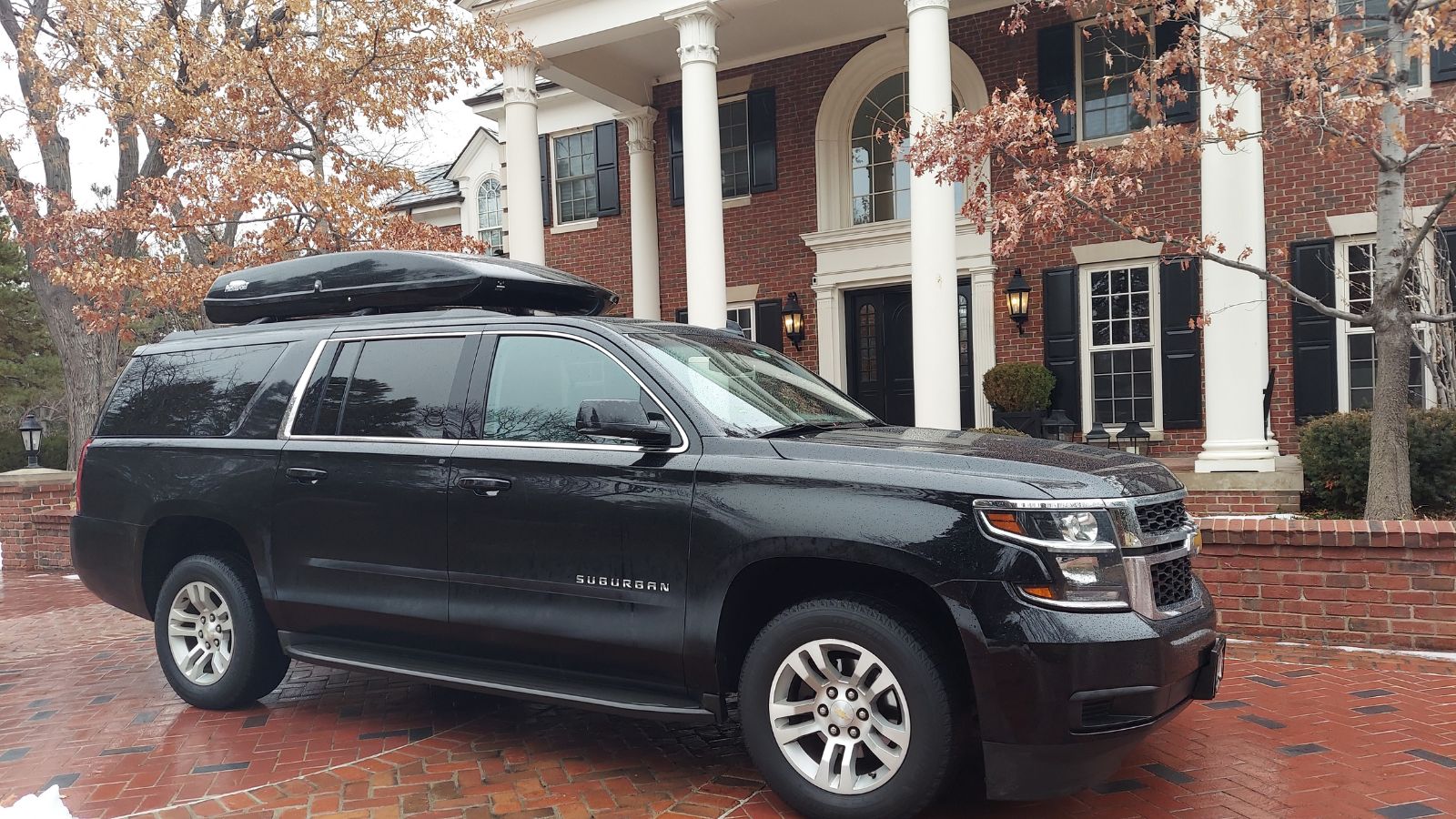
The Suburban has always been one of the biggest personal vehicles on the road. Its length rivals some delivery vans and it carries eight passengers with ease. Yet it still qualifies for a basic licence. Urban planners frequently use the Suburban to illustrate the challenge of oversized vehicles in tight downtown grids. While popular across Canada, it is almost certainly on the radar for future city restrictions.
Mercedes Sprinter 2500 Cargo or Passenger Van Built Like a Bus
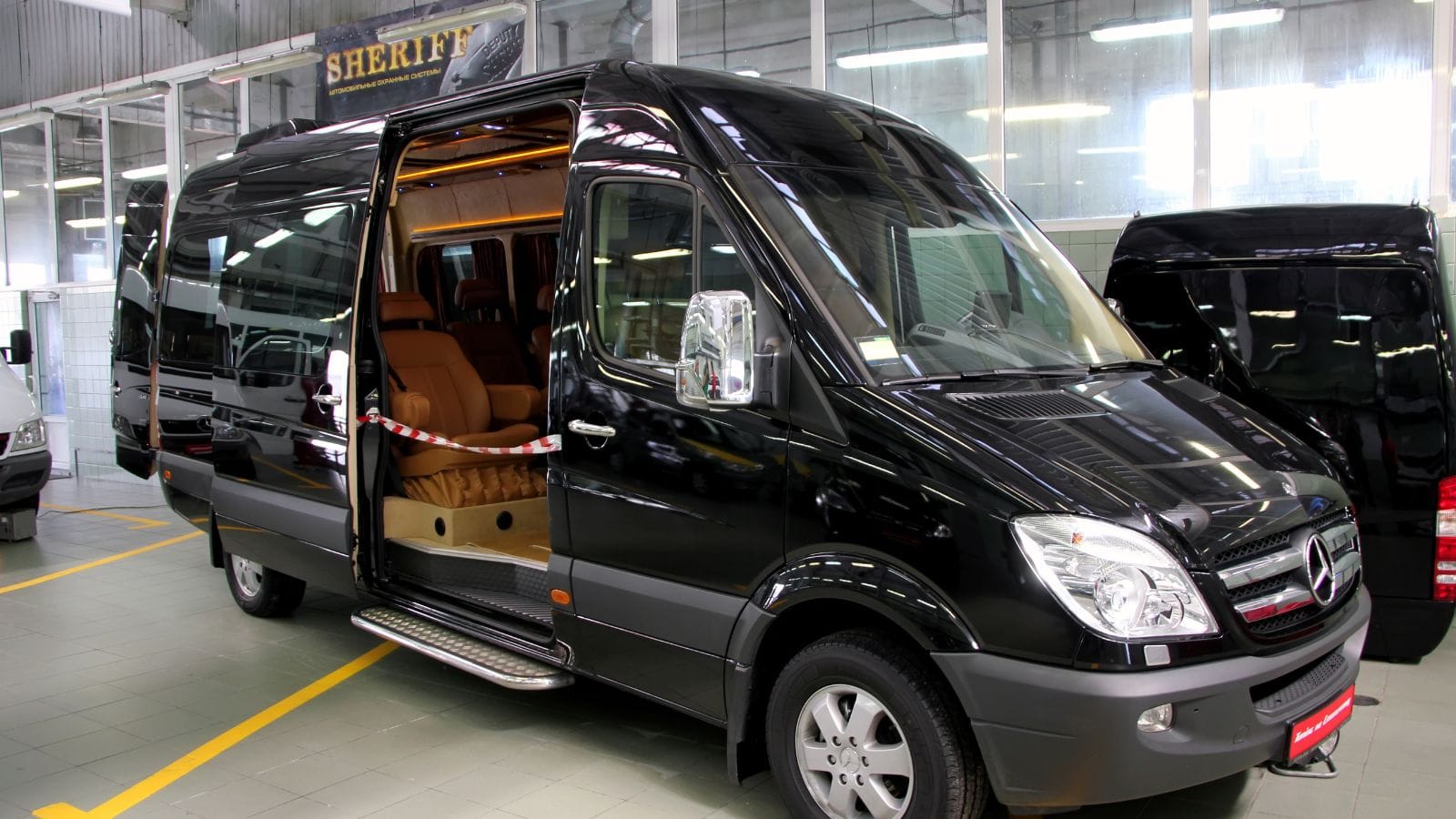
Many Canadians are surprised to learn that large Sprinter vans fall under Class 5. Their tall profiles, high seating position and extended wheelbases make them feel like small commercial trucks. As courier fleets and camper conversions grow, cities are debating whether vans of this size should have limited access to dense shopping districts. They offer immense space, but their sheer height concerns safety advocates.
Ford Transit 250 Extended A Rolling Cargo Bay
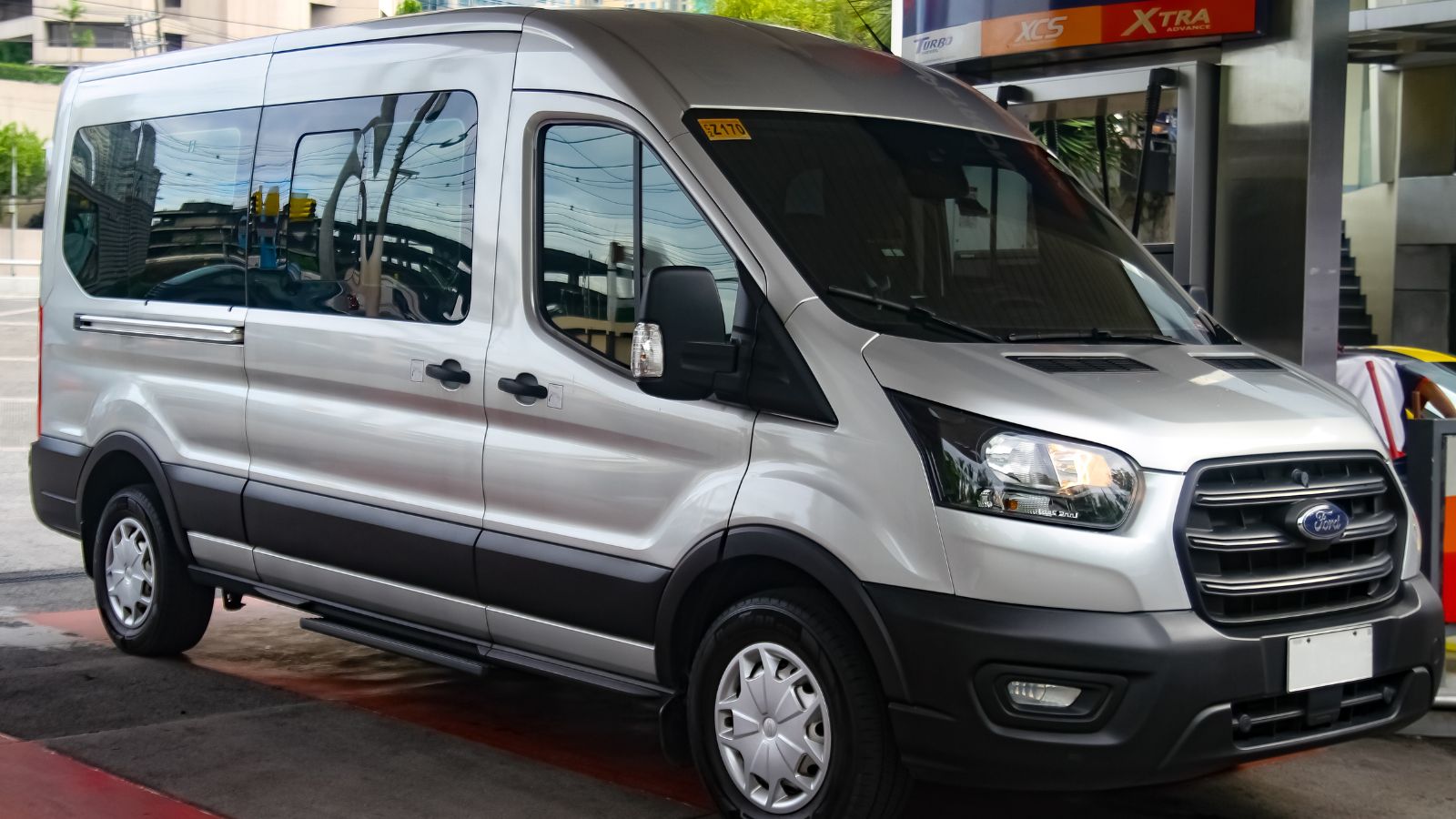
The Ford Transit in extended form pushes the limits of what a personal vehicle can be. It is long, heavy and commands a massive road presence. Tradespeople love the cargo room, and families converting them into campers appreciate the freedom they offer. Critics argue that vehicles of this size should not mix with bicycles and pedestrians in busy downtown corridors. That debate is heating up quickly.
Toyota Tundra CrewMax A Full Size Pickup With Full Time Bulk
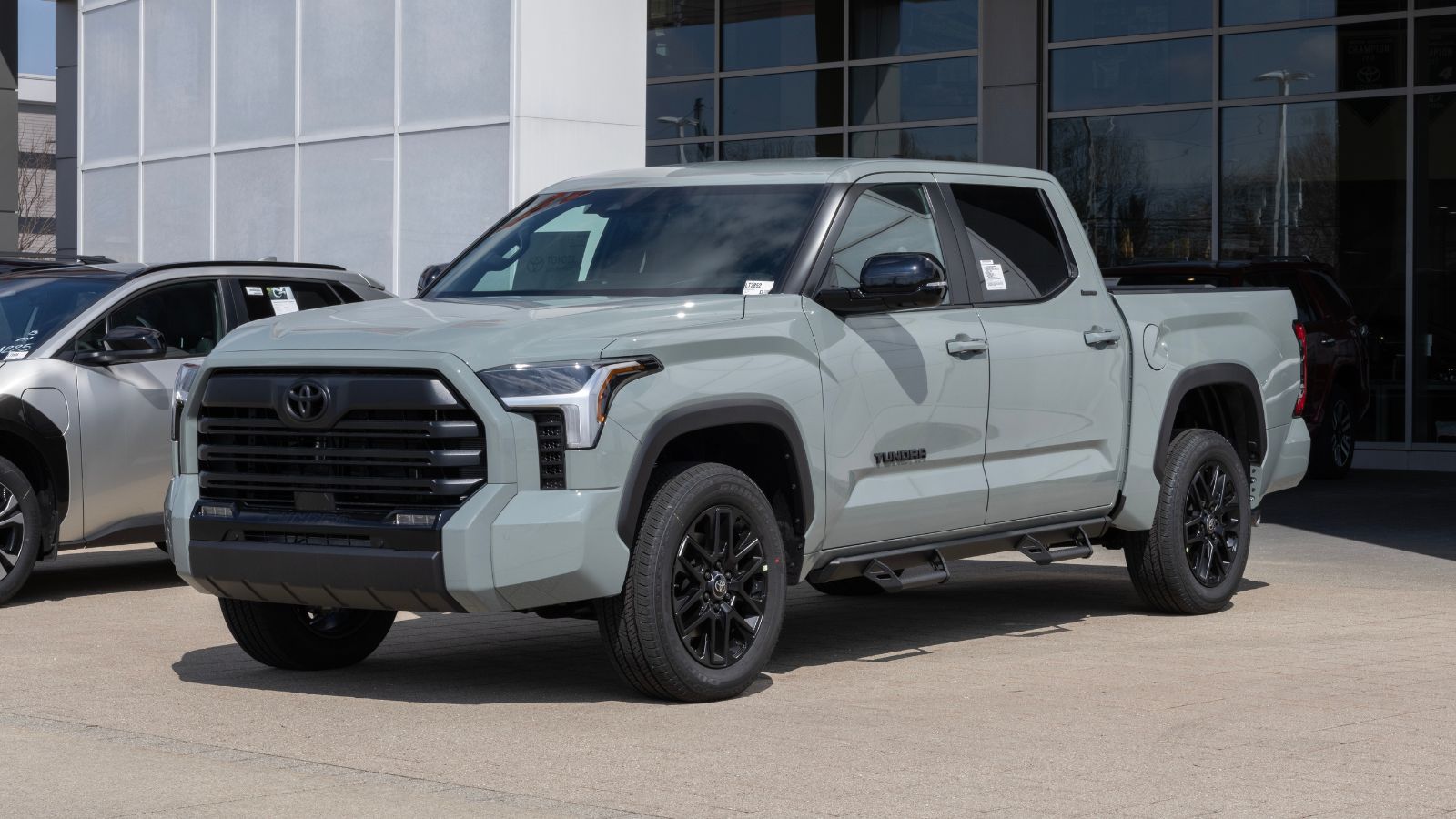
The Tundra CrewMax may not be as heavy as a one ton truck, but its wide body and long bed options make it one of the biggest vehicles driven on a regular licence. While it’s beloved for reliability and cabin comfort, some city advocates claim large pickups reduce visibility and worsen congestion. If Canadian cities copy European approaches, trucks like the Tundra might soon see restricted access zones.
Nissan Armada A Giant SUV With Highway Cruiser Comfort
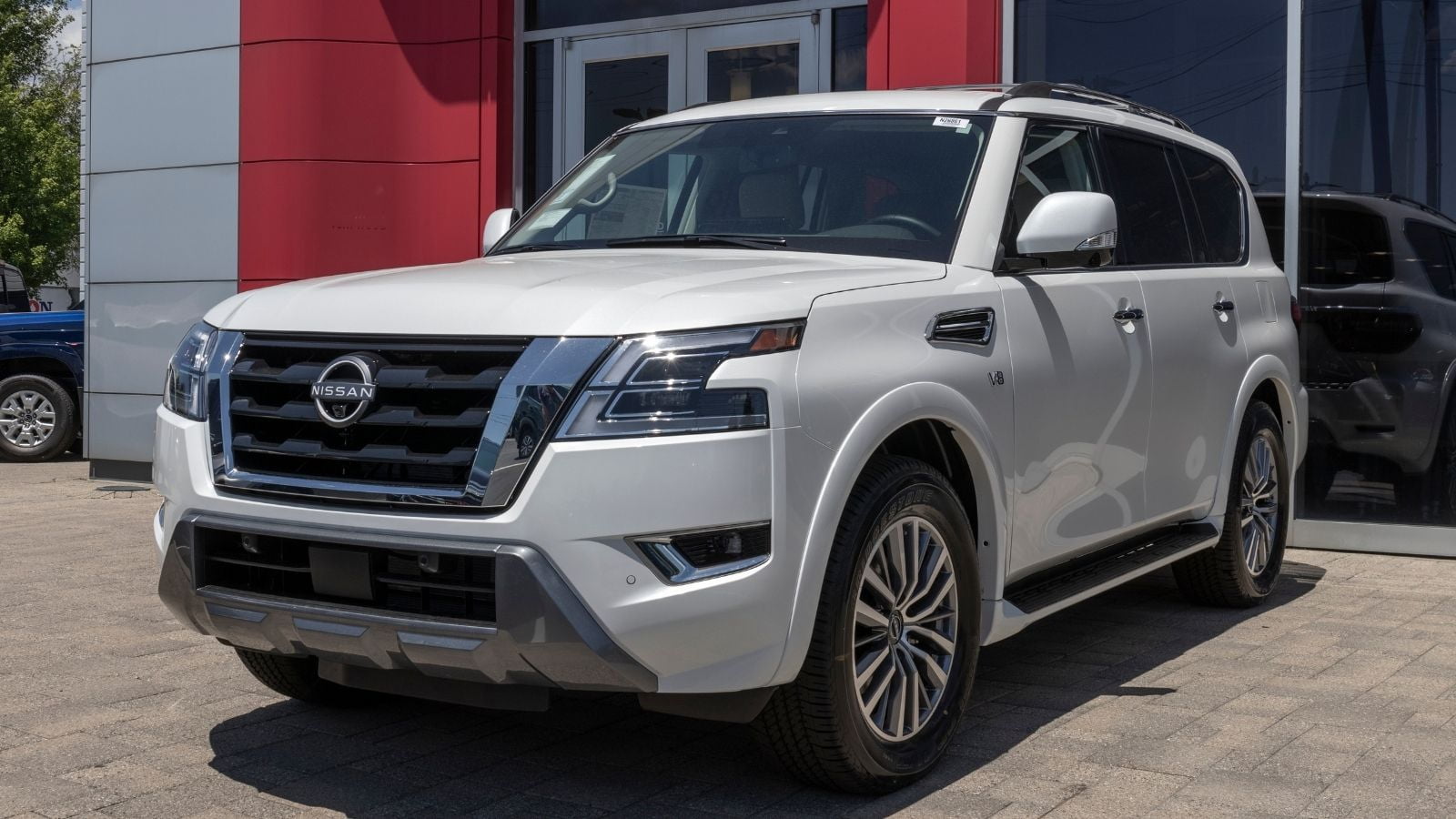
The Armada’s full size platform gives it serious weight and a footprint that feels enormous on tighter streets. Despite this, it’s easily driven on a Class 5 licence. Families enjoy the power and space, but critics point to its large turning radius and intimidating presence near bike lanes. In many urban discussions, vehicles like the Armada are cited as the type of SUV that might eventually face downtown limitations.
Ford Expedition Max The King of Oversized Family Haulers
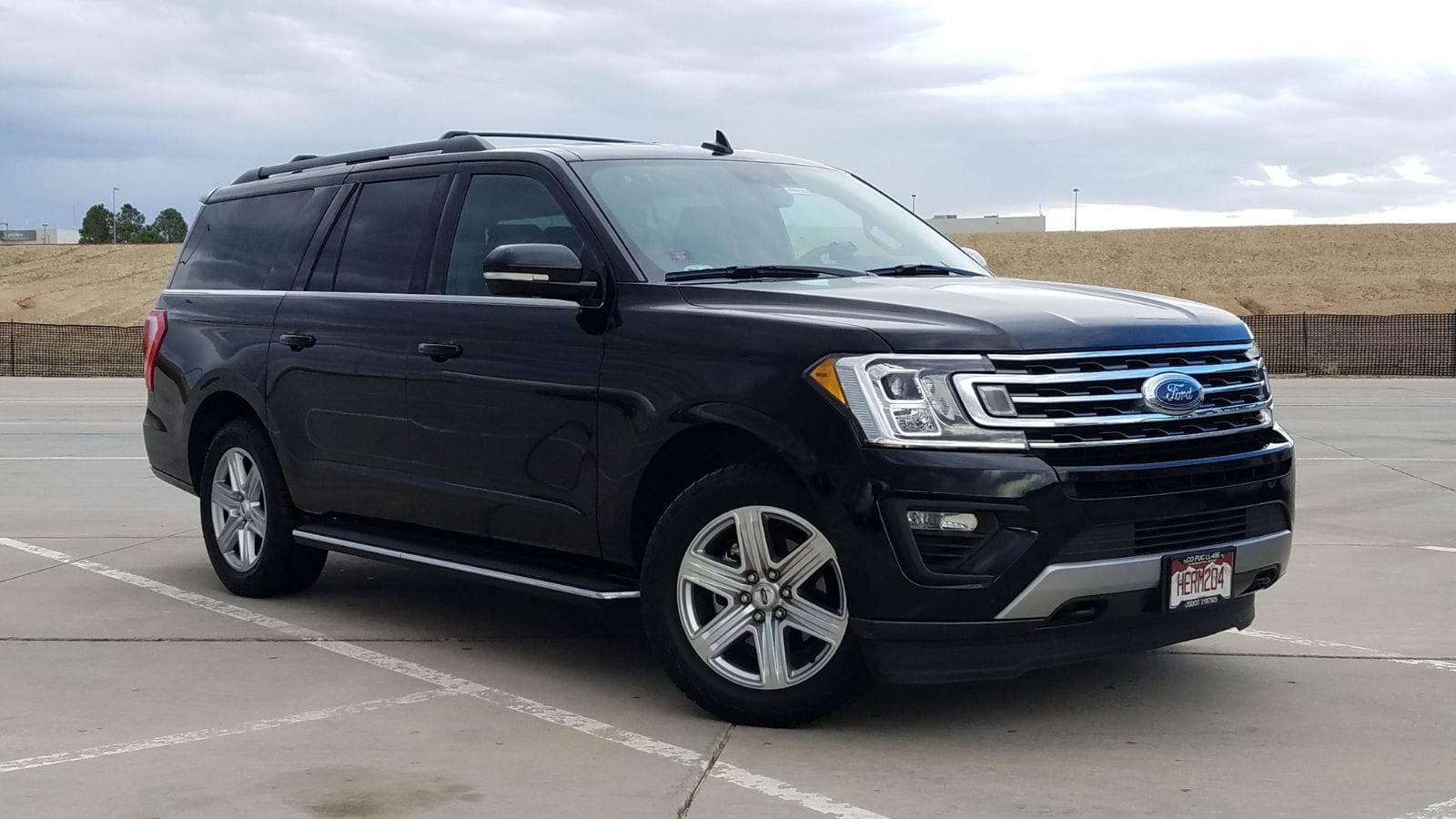
The Expedition Max stretches even further than the standard Expedition, making it one of the largest non commercial vehicles in Canada. Its size rivals small buses, yet it remains fully legal under standard licensing. With its weight, height and broad stance, it is a prime example used by safety activists pushing for footprint restrictions in dense city cores. If new rules emerge, vehicles like this would be first in line.
Could These Giants Be Banned from City Centres
Several Canadian cities are already studying policies similar to those in Europe, where oversized personal vehicles face access fees, parking surcharges or complete downtown bans. Concerns include pedestrian safety, parking shortages, emissions and road wear. Nothing is approved yet, but discussions are happening more frequently as personal vehicles grow larger every year.
25 Facts About Car Loans That Most Drivers Don’t Realize

Car loans are one of the most common ways people fund car purchases. Like any other kind of loan, car loans can have certain features that can be regarded as an advantage or a disadvantage to the borrower. Understanding all essential facts about car loans and how they work to ensure that you get the best deal for your financial situation is essential. Here are 25 shocking facts about car loans that most drivers don’t realize:
25 Facts About Car Loans That Most Drivers Don’t Realize
