
As SUVs and pickup trucks grow larger every year, Canadian cities are starting to push back. Streets parking spaces and neighbourhood layouts were designed decades ago for much smaller vehicles. Today those same spaces struggle to handle the width height and weight of modern trucks. In response several cities are quietly experimenting with rules that discourage oversized vehicles without banning them outright. The goal is safety fairness and keeping cities functional for everyone.
Montreal Is Using Parking Fees to Influence Vehicle Size

Montreal has become one of the first major cities to directly link parking costs to vehicle size. Certain boroughs now charge higher residential parking permit fees for heavier and larger vehicles. The logic is straightforward. Bigger vehicles take up more space reduce parking availability and place more strain on local streets. Instead of banning trucks the city is using pricing to reflect their real impact. It is an early example of size based policy rather than brand or vehicle type targeting.
Vancouver Treats Large Personal Vehicles Like Commercial Ones

Vancouver already has rules that restrict oversized vehicles from regular street use without special permits. Vehicles above certain length height or weight limits face limits on where and when they can park. In many neighbourhoods large trucks cannot remain on residential streets overnight. While originally designed for commercial vehicles these rules now affect large personal trucks as well. The result is a city where vehicle size directly affects everyday convenience.
Toronto Is Studying Size and Weight as Safety Factors

Toronto has not introduced direct bans but city planners are actively studying how larger vehicles affect pedestrian safety and traffic flow. Taller hoods reduce visibility of children and cyclists while heavier vehicles increase stopping distances. These findings are shaping discussions around future zoning rules school zone restrictions and parking design. The city is laying the groundwork for regulations that focus on physical impact rather than vehicle class.
Victoria Limits Street Space for Oversized Vehicles

Victoria has taken a space first approach. With narrow streets and limited parking the city restricts where larger vehicles can park and for how long. Oversized trucks often exceed posted limits in residential zones. Enforcement focuses on physical dimensions rather than vehicle purpose. This quietly discourages daily use of very large trucks in the urban core while still allowing them in appropriate areas.
Quebec Cities Are Watching Montreal Closely

Several Quebec municipalities are monitoring Montreal’s experiment with size based parking fees. Smaller cities face the same pressure of shrinking parking supply and rising vehicle dimensions. Local councils see size based fees as a politically safer option than outright bans. It allows choice while shifting costs toward those using the most space.
Why Size Rules Are Easier Than Bans

Bans are blunt tools and difficult to enforce. Size based rules are simpler. They rely on measurable factors like weight width and length. Cities already use similar standards for commercial vehicles and infrastructure planning. Applying them to personal vehicles avoids arguments about lifestyle or identity. The policy focuses on fit rather than judgment.
Safety Is the Unspoken Driver

Pedestrian deaths and cyclist injuries are rising in many Canadian cities. Larger vehicles with tall front ends increase the severity of collisions. While size rules are often framed around parking or congestion safety concerns sit just beneath the surface. Cities know reducing the presence of the largest vehicles in dense areas can lower risk without rewriting traffic law entirely.
Urban Infrastructure Is Reaching Its Limits
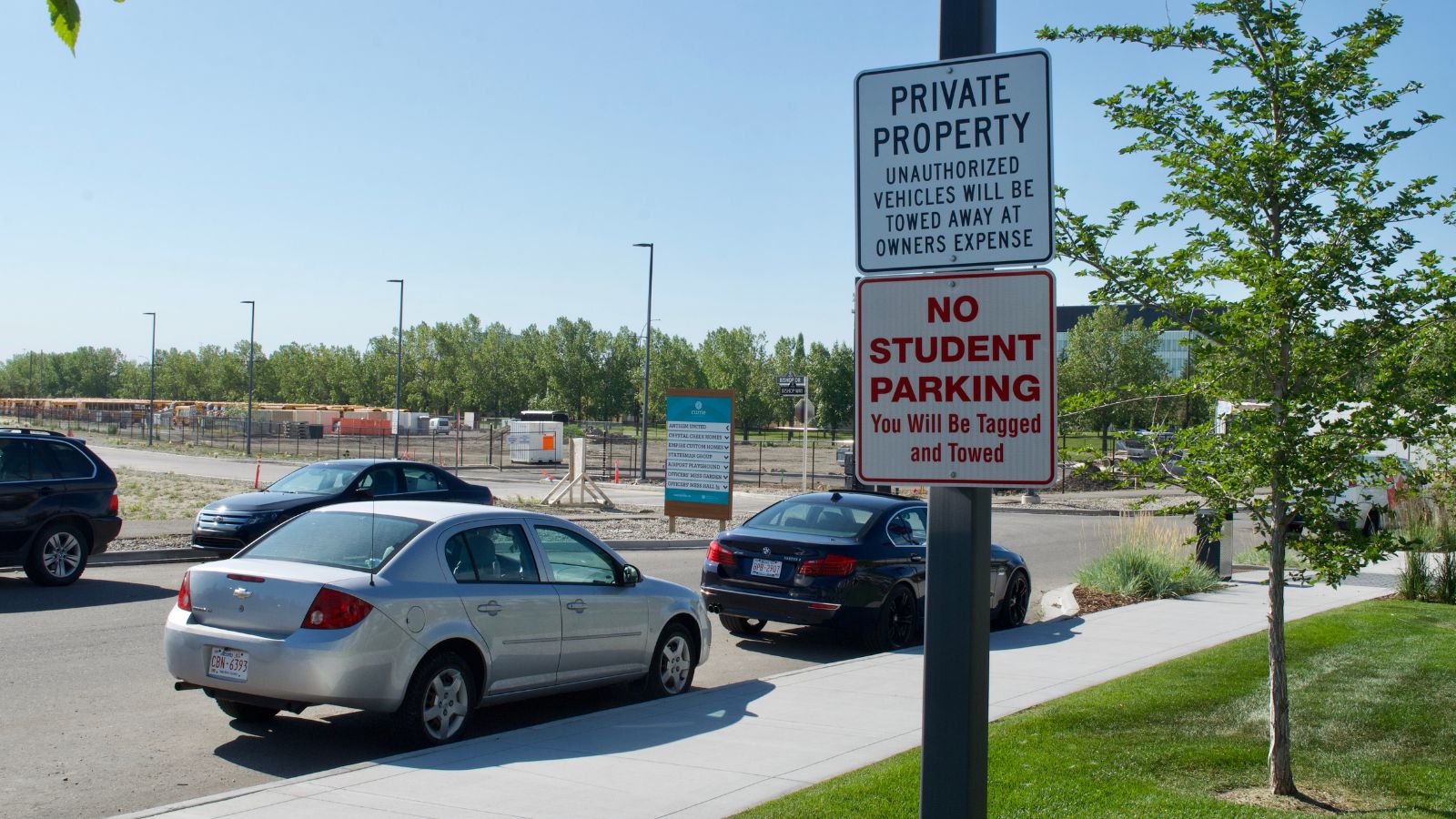
Roads bridges parking garages and underground utilities were not built for today’s vehicle weights. Heavy trucks accelerate wear even when used casually. Cities facing high repair costs are beginning to factor vehicle mass into policy discussions. Size rules become a way to protect infrastructure budgets without raising taxes across the board.
What Comes Next for Canadian Cities
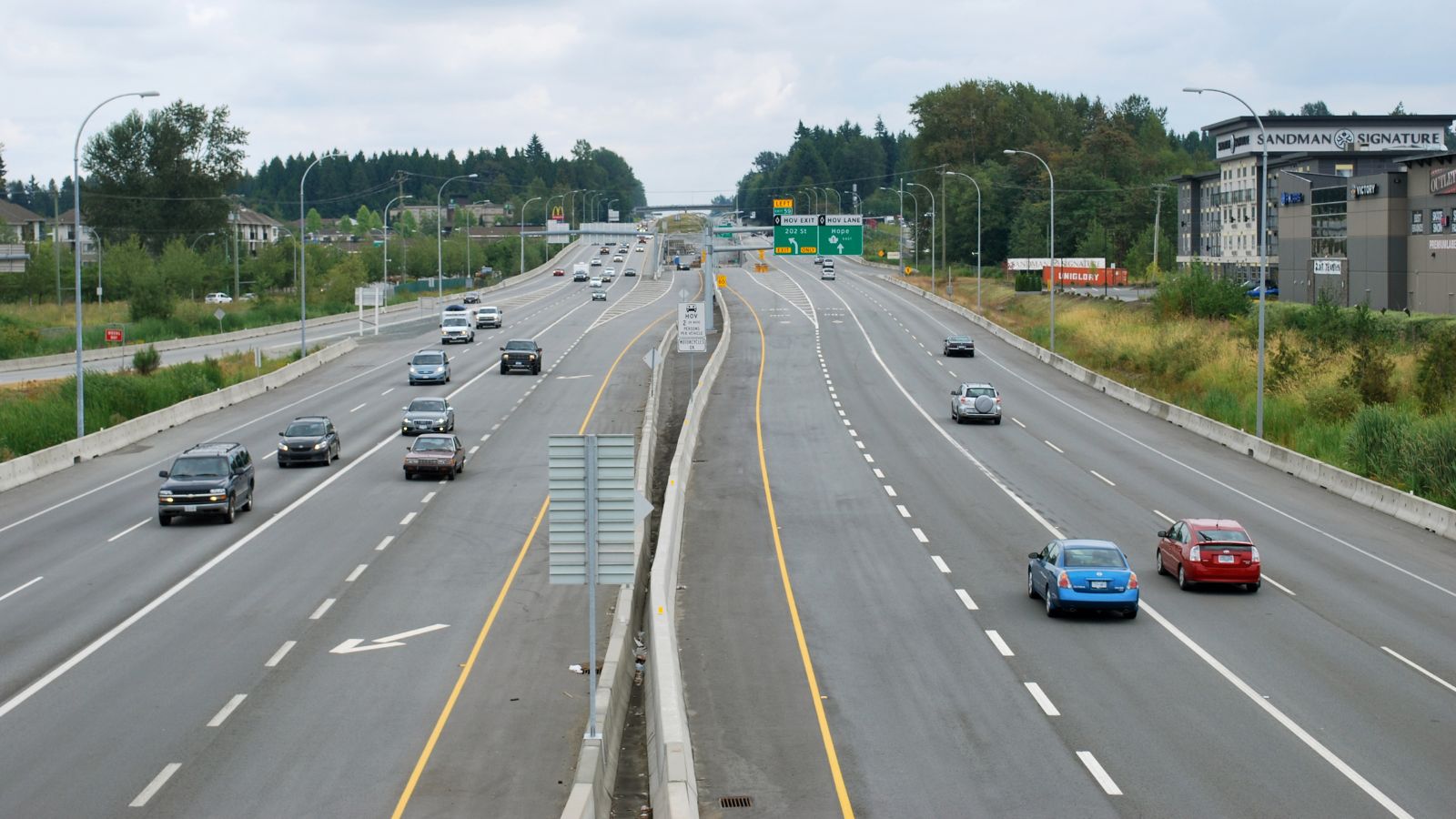
More cities are likely to adopt quiet restrictions before loud bans. Expect size based parking fees restricted access zones and tighter residential parking limits. These policies allow cities to adapt gradually while giving drivers time to adjust. The trend suggests that vehicle size will matter more in urban Canada than it ever has before.
25 Facts About Car Loans That Most Drivers Don’t Realize

Car loans are one of the most common ways people fund car purchases. Like any other kind of loan, car loans can have certain features that can be regarded as an advantage or a disadvantage to the borrower. Understanding all essential facts about car loans and how they work to ensure that you get the best deal for your financial situation is essential. Here are 25 shocking facts about car loans that most drivers don’t realize:
25 Facts About Car Loans That Most Drivers Don’t Realize
