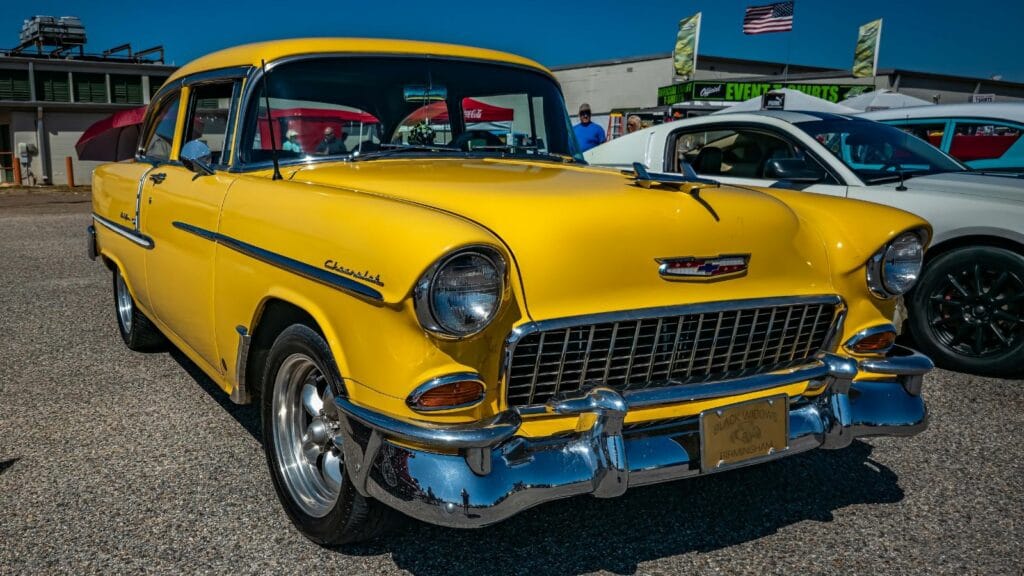
The 1950s were about style, comfort, and optimism. Cars were built to cruise, not rush, and that makes many of them perfect Sunday drivers today. Big steering wheels, soft suspensions, and engines tuned for smooth torque create a relaxed pace that fits quiet roads and coffee stops. These ten classics deliver charm, sound, and presence without demanding constant attention.
Chevrolet Bel Air 1955 to 1957
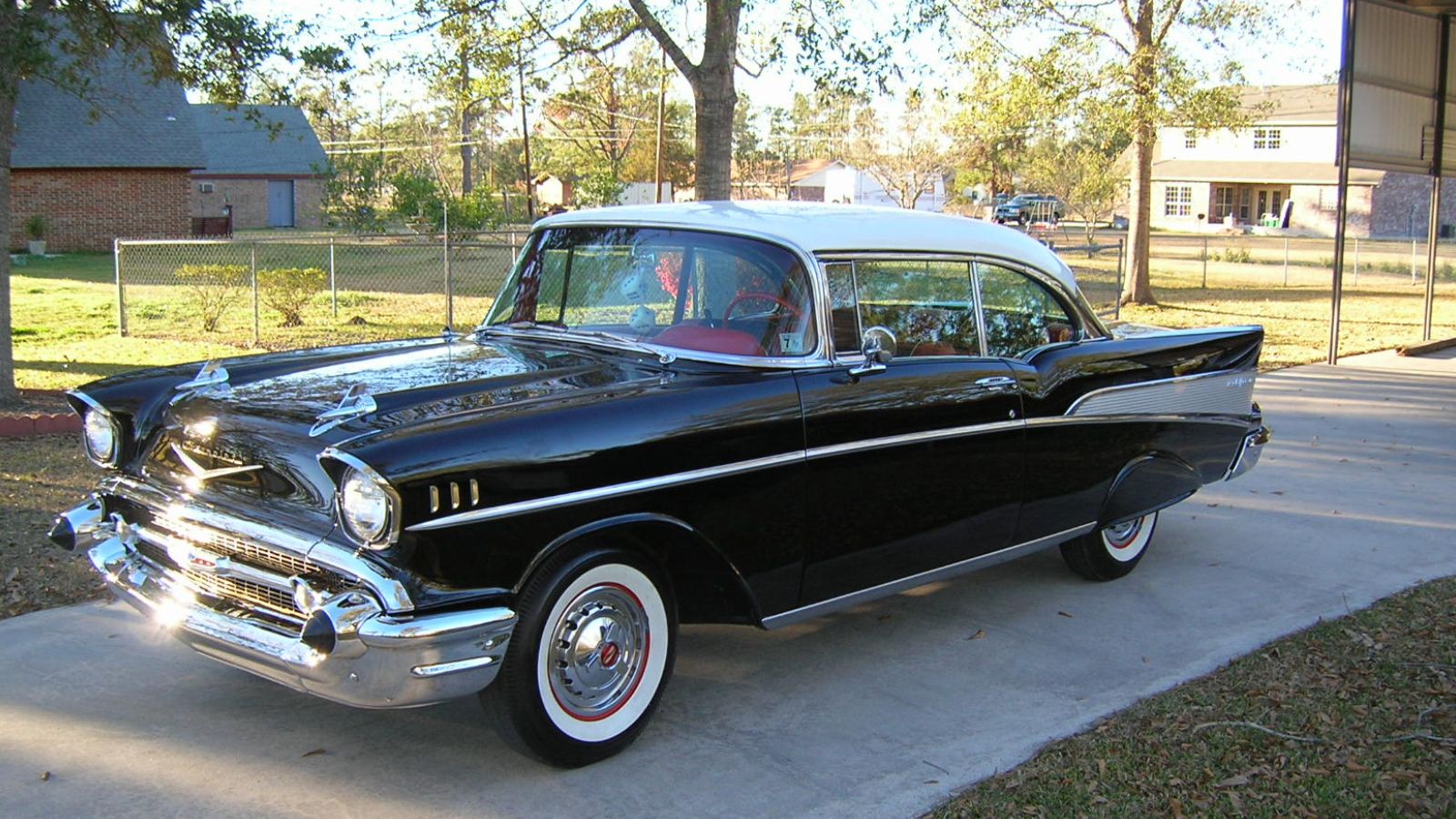
The Bel Air defines the idea of a Sunday cruiser. Light steering, a smooth V8, and a compliant ride make it easy to enjoy at low speeds. Visibility is excellent, the cabin feels airy, and the styling still turns heads everywhere. Parts support is massive, which keeps ownership stress low and enjoyment high.
Ford Fairlane 1955 to 1959
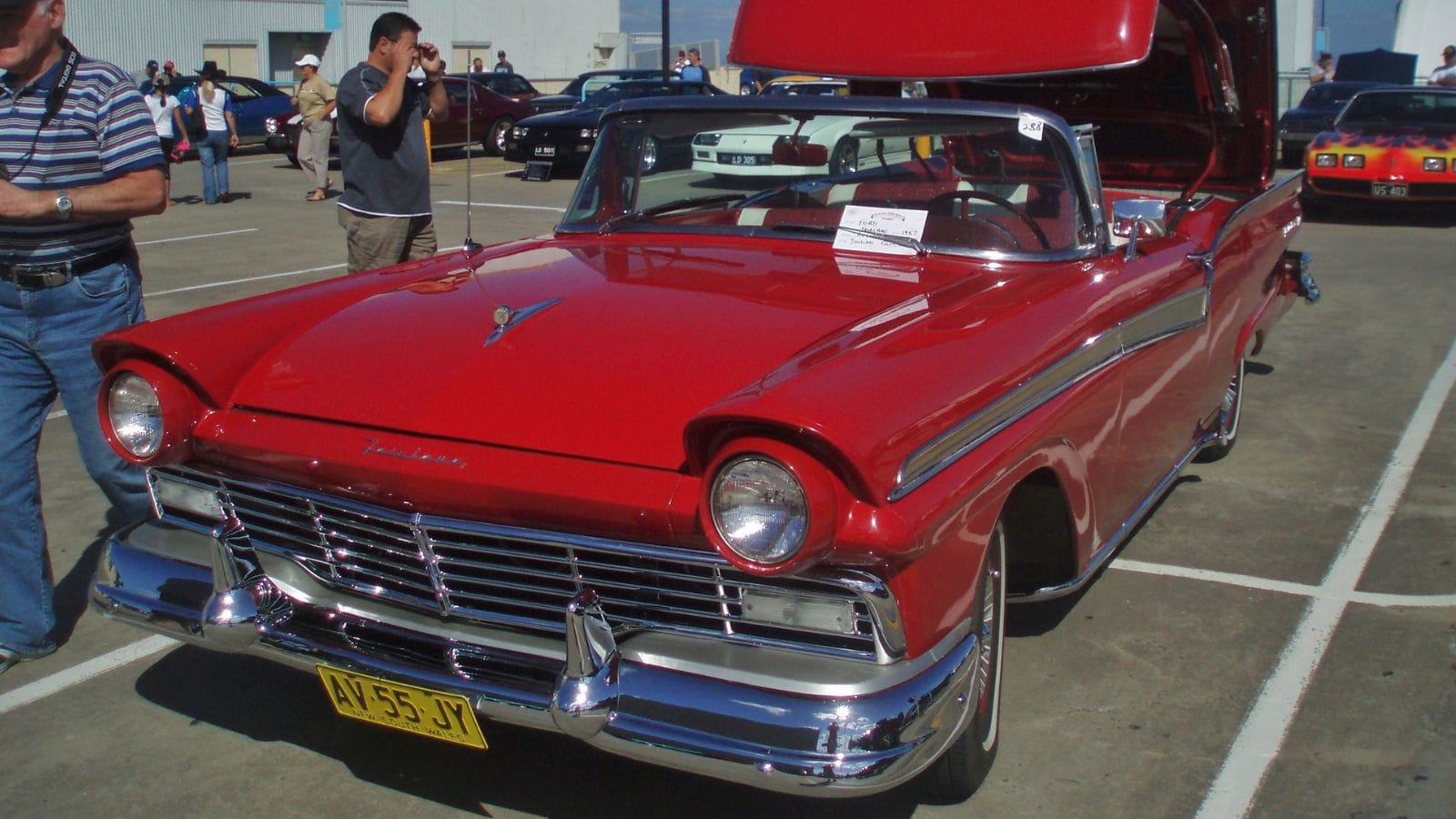
The Fairlane delivers classic American cruising without excess. It feels balanced and predictable on back roads, with engines tuned for torque rather than revs. Interiors are comfortable and simple. It is the kind of car that invites long relaxed drives rather than aggressive inputs.
Chevrolet Corvette C1 1953 to 1957
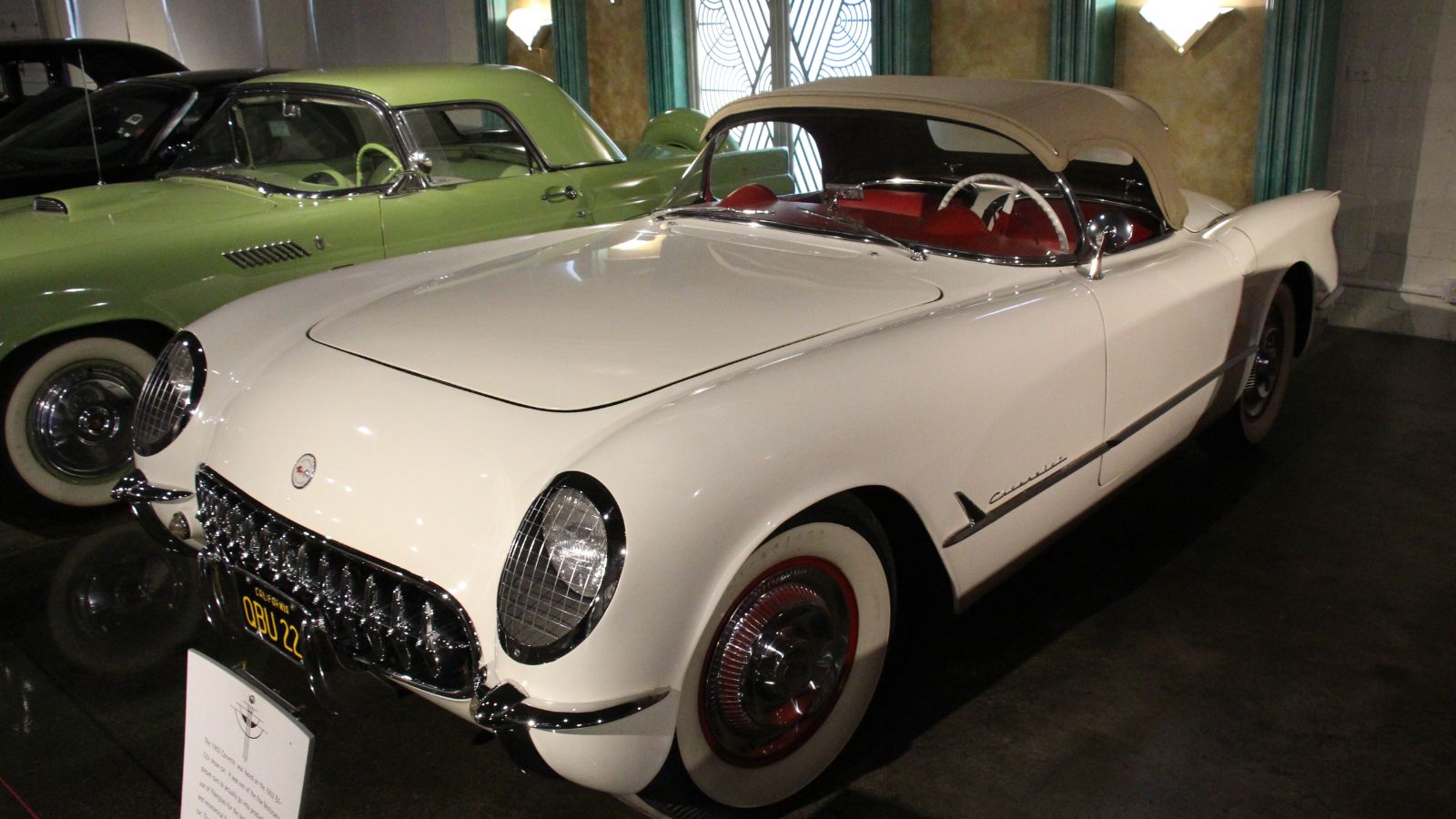
Early Corvettes are far more about style and sound than outright speed. With a V8 under the hood and a low seating position, they feel special without being demanding. On a calm Sunday morning, few cars feel as celebratory. The experience is pure and mechanical, not rushed or tense.
Cadillac Series 62 1950 to 1959
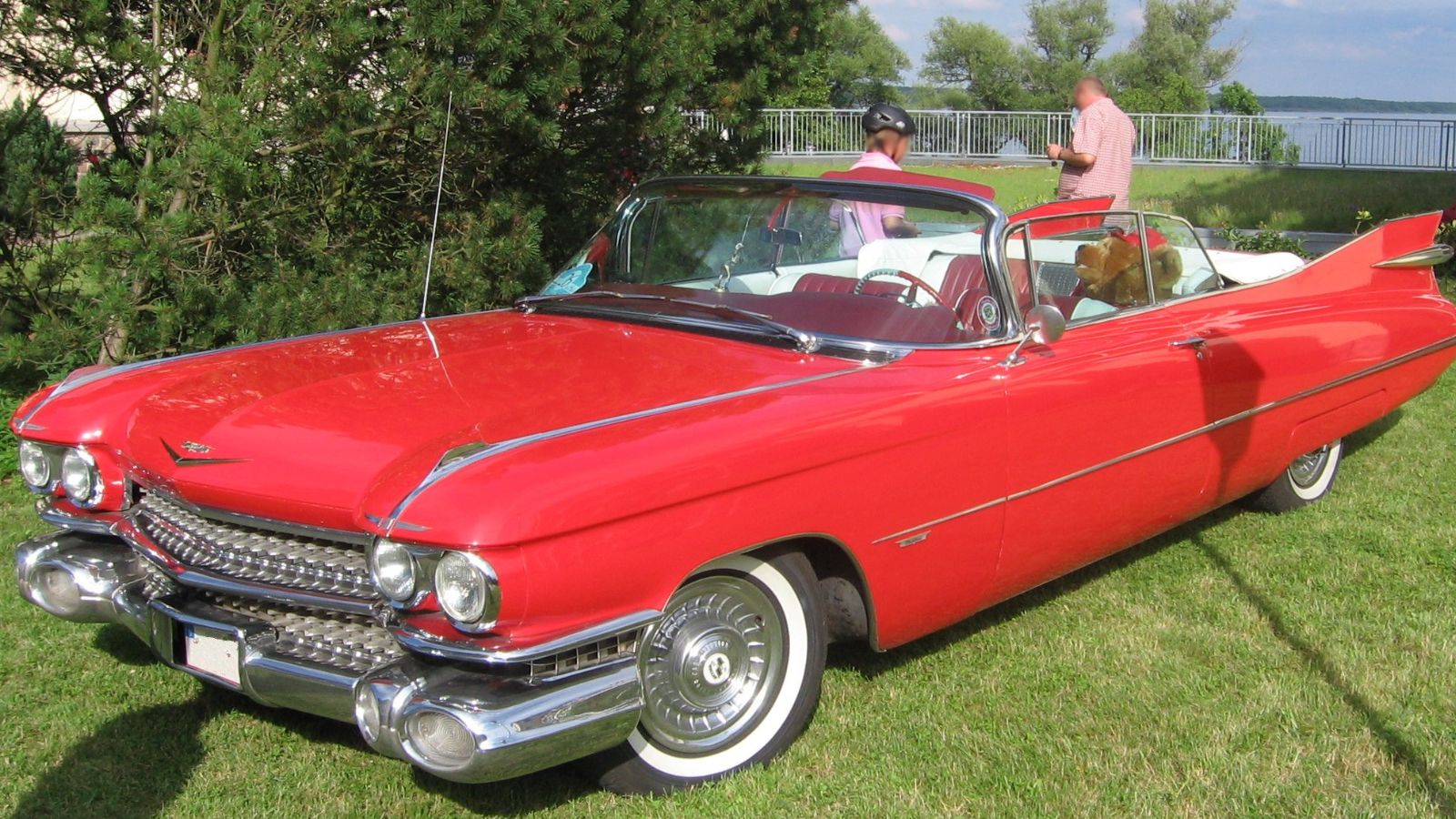
This is cruising elevated to an art form. The Series 62 floats over pavement and isolates occupants from road noise. Steering is light, the ride is plush, and the presence is unmistakable. It rewards slow thoughtful driving and makes even short trips feel like an event.
Buick Roadmaster 1953 to 1958

The Roadmaster blends muscle with refinement. Big displacement engines deliver effortless motion, and the suspension smooths imperfect roads with ease. It feels solid and confident without being heavy handed. This is a car that thrives on gentle momentum rather than sharp inputs.
Plymouth Fury 1956 to 1959
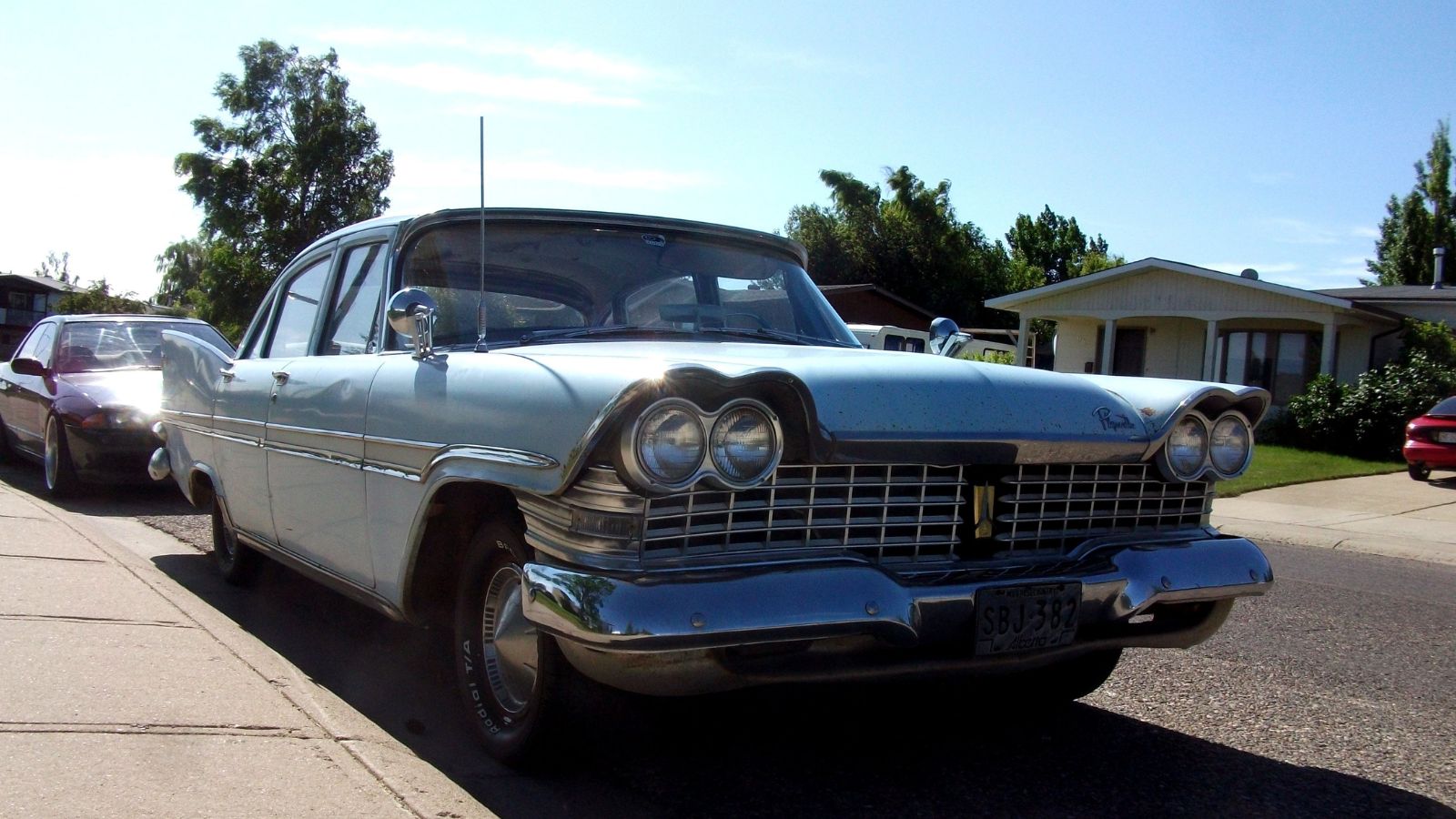
The early Fury offered style and personality in a lighter package than most rivals. It feels more manageable on narrow roads and rewards relaxed cruising. With a V8 rumble and distinctive looks, it brings personality to every drive without feeling overwhelming.
Studebaker Hawk 1956 to 1959
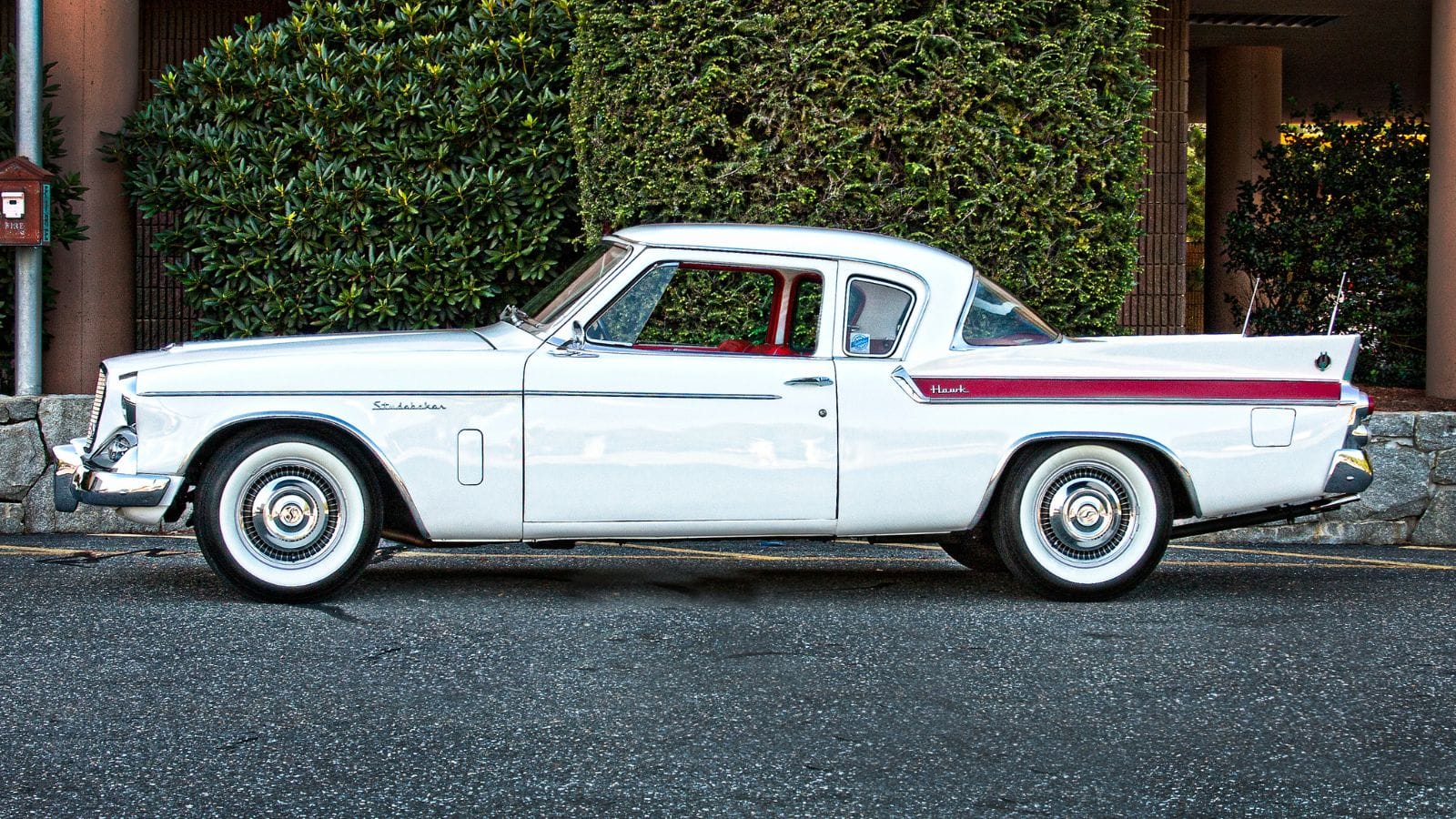
Studebaker styling felt futuristic in its day and still looks fresh now. The Hawk offers good visibility, manageable size, and a pleasant driving position. It feels more agile than many contemporaries while retaining comfort. For Sunday drives, it strikes a perfect balance.
Ford Thunderbird 1955 to 1957
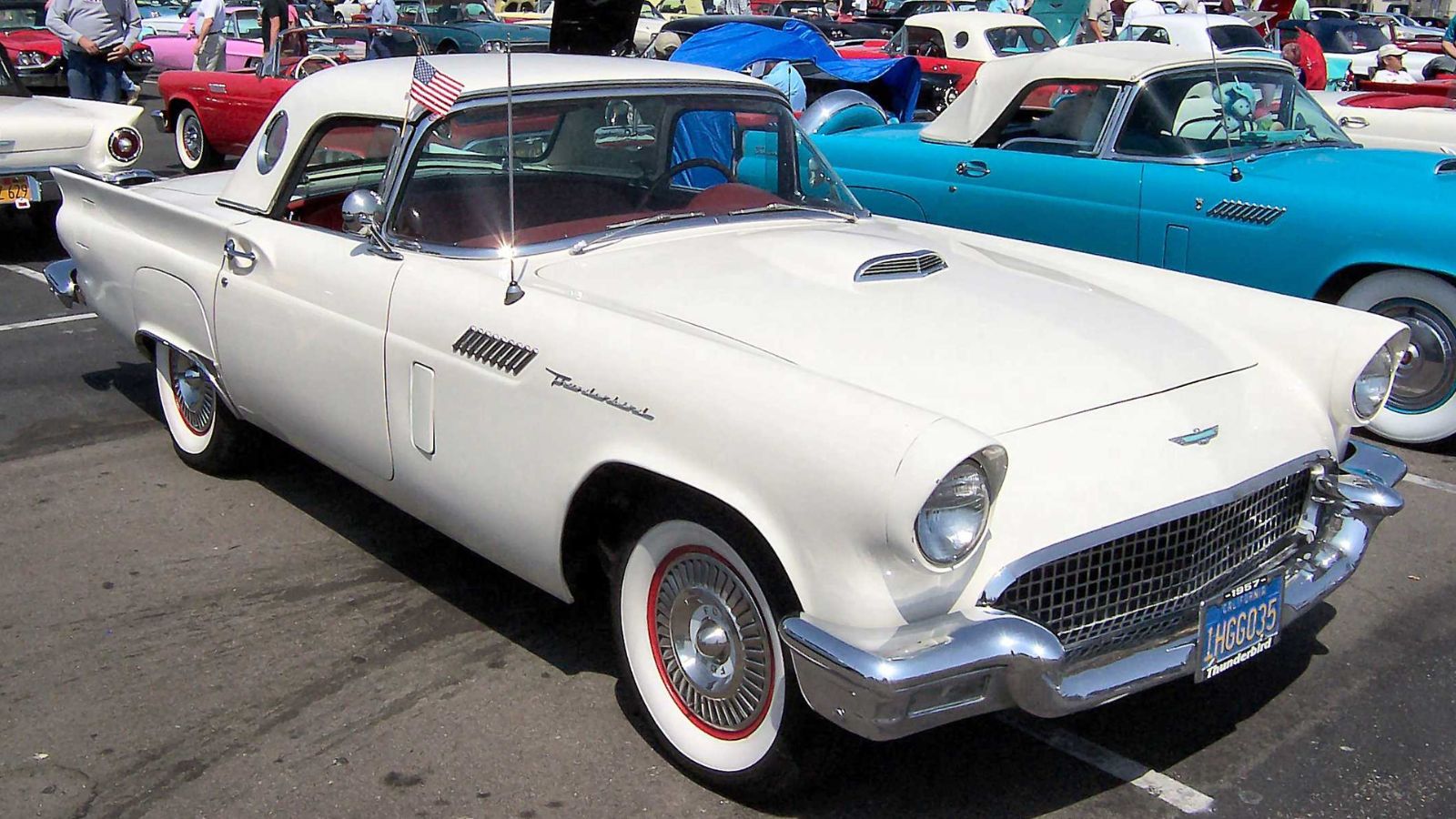
The early Thunderbird was never meant to be a sports car. It was designed for stylish relaxed driving. That intention shows on modern roads. Comfortable seating, smooth power delivery, and a quiet cabin make it ideal for unhurried weekend cruising.
Oldsmobile 88 1950 to 1959
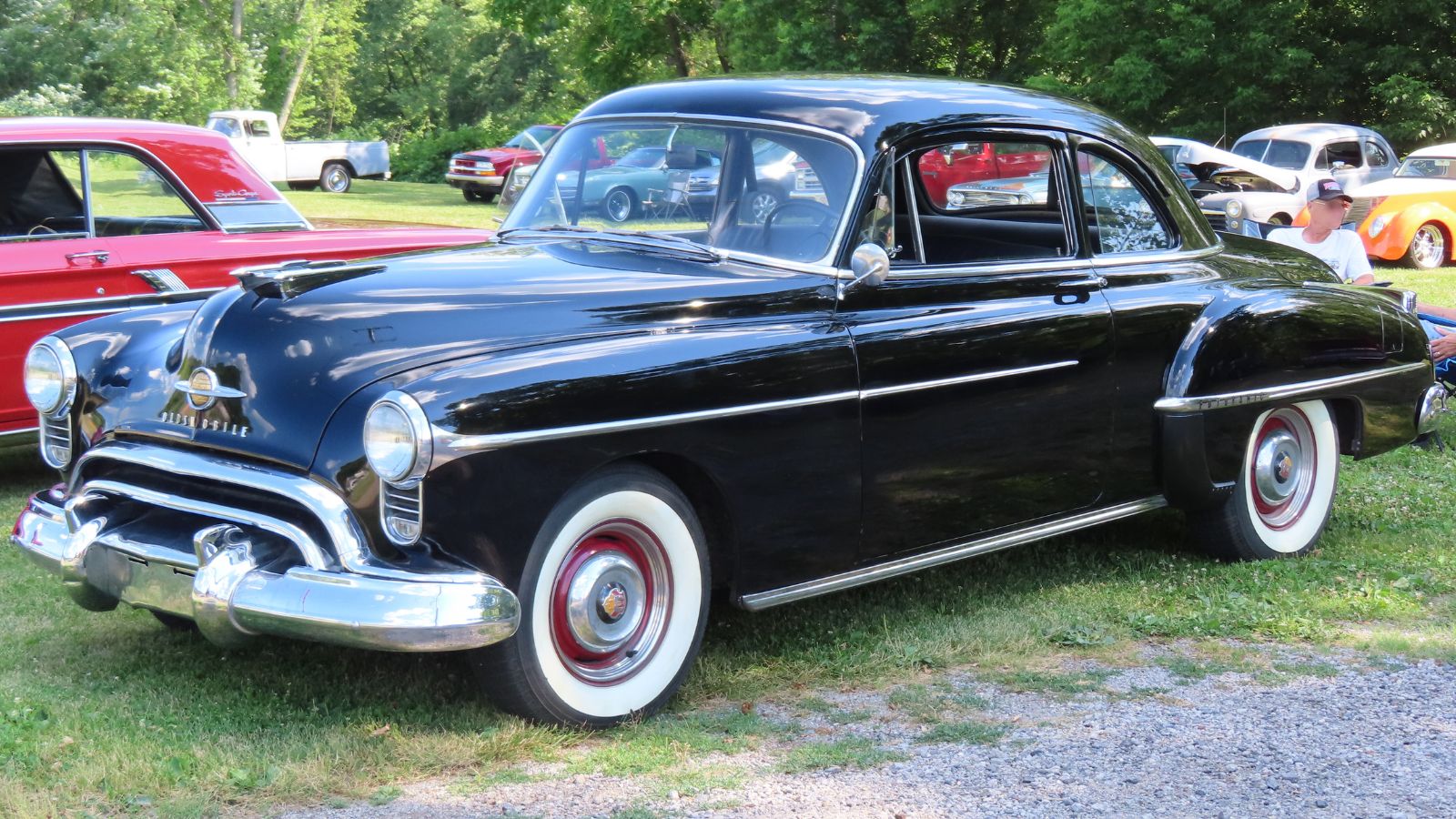
The 88 earned a reputation for combining lighter weight with strong V8 power. It feels lively without being demanding. Steering and brakes are predictable, which builds confidence on casual drives. It is a great choice for drivers who want a little extra energy without sacrificing comfort.
Mercury Monterey 1952 to 1959
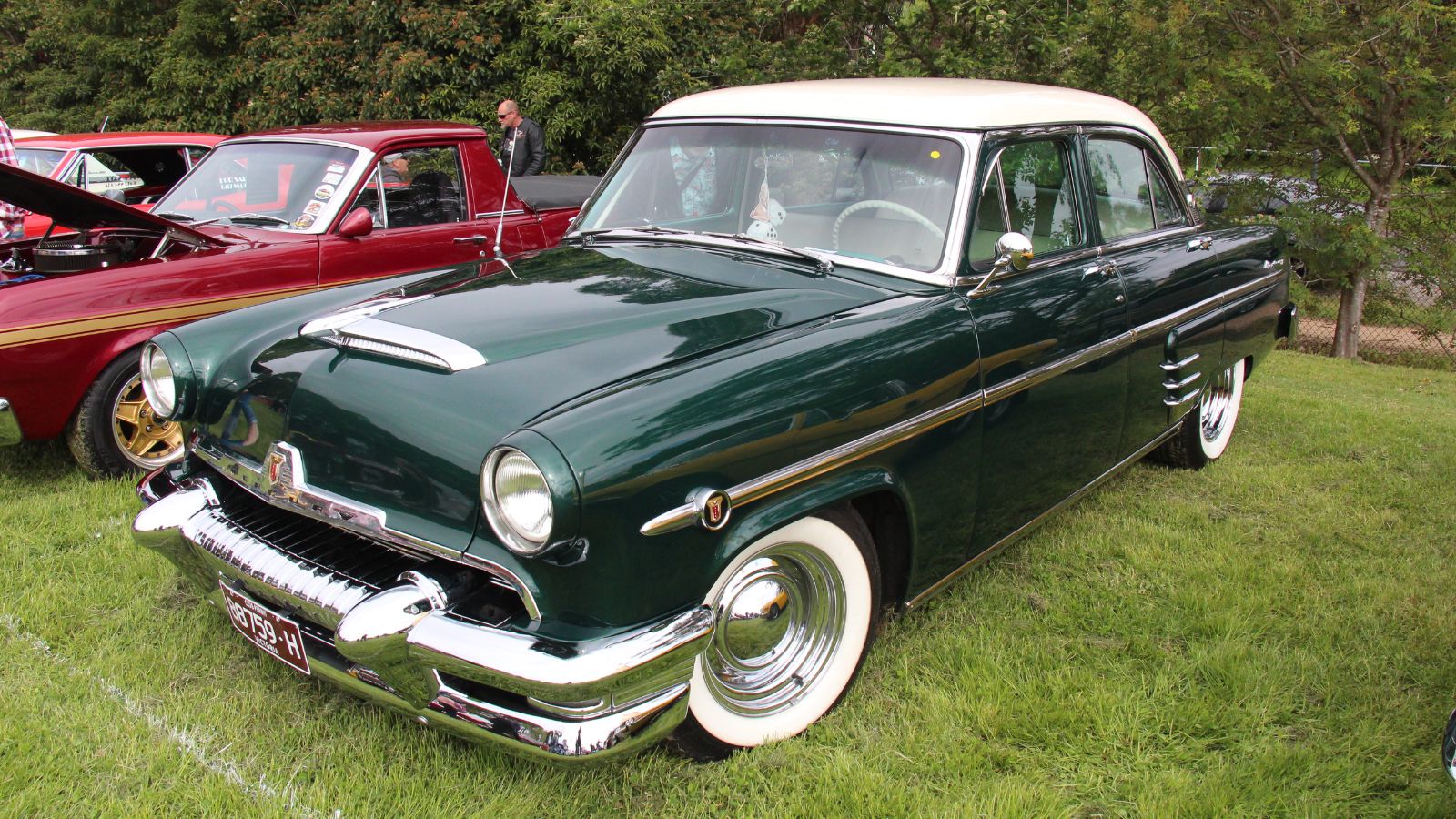
The Monterey often gets overlooked, which makes it a pleasant surprise. Ride quality is smooth, styling is elegant, and engines are relaxed and durable. It suits long scenic routes and rewards steady driving. As a Sunday car, it feels unpretentious and satisfying.
25 Facts About Car Loans That Most Drivers Don’t Realize

Car loans are one of the most common ways people fund car purchases. Like any other kind of loan, car loans can have certain features that can be regarded as an advantage or a disadvantage to the borrower. Understanding all essential facts about car loans and how they work to ensure that you get the best deal for your financial situation is essential. Here are 25 shocking facts about car loans that most drivers don’t realize:
25 Facts About Car Loans That Most Drivers Don’t Realize
