
For years automakers treated touchscreens like the answer to everything. Bigger screens, more menus and fewer physical buttons became the default design language. But customers are pushing back. Drivers are tired of digging through layered menus just to change fan speed or adjust heated seats. Car makers have finally noticed the complaints and some are reversing course. The touchscreen era is not ending, but it is definitely changing as customers demand something more human friendly.
Drivers Want Controls They Can Use Without Looking Down
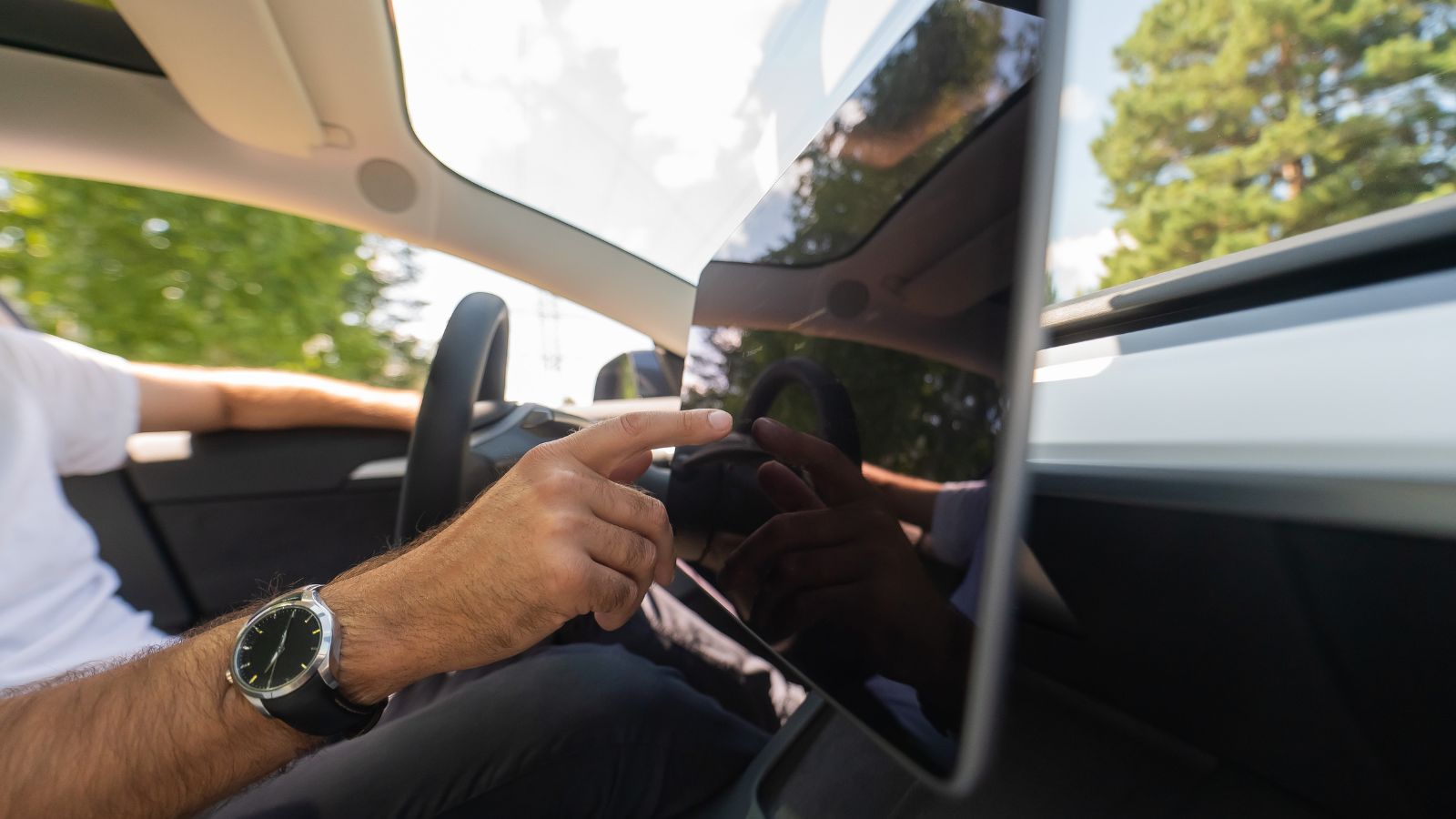
force drivers to take their eyes off the road. A physical knob gives feedback. A touchscreen demands attention. That is a problem in real world driving where Canadian roads throw potholes, snow ruts and sudden traffic surprises your way. Even simple tasks like turning down the radio become awkward when the control is buried inside digital menus. Customers are choosing cars with real buttons because they let drivers make adjustments by feel alone, the way driving used to be.
Winter Driving Makes Touchscreens Even More Frustrating

Cold weather exposes one of the biggest annoyances of digital only interiors. Touchscreens hate gloves. They also hate cold fingers, slow response times and moisture from snow covered jackets. Canadians discovered quickly that relying on a screen during January feels like trying to use a phone with frozen hands. Physical temperature dials and heated seat buttons never had that problem. Automakers building cars for four season climates are finally acknowledging that touch only cabins simply do not work in winter.
Menu Diving Turns Simple Tasks Into Digital Mazes
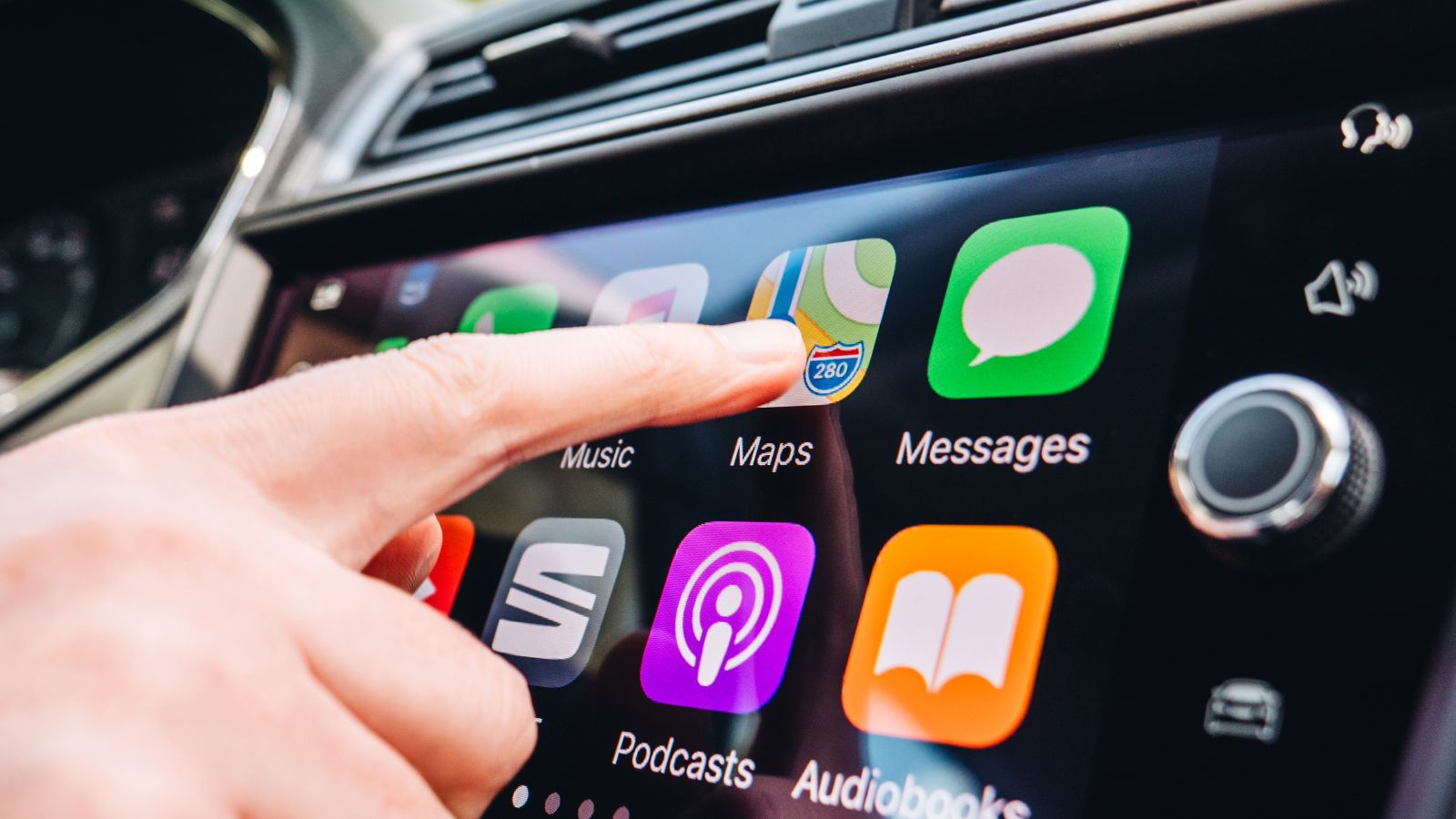
Drivers do not want to sort through three menus and two submenus just to adjust cabin airflow. Yet many modern cars hide basics behind touchscreen layers because designers wanted cleaner dashboards. Customers now say those clean dashboards are not worth the frustration. Even premium brands have learned this the hard way. Reviews and owner surveys consistently show that people lose patience with overly complicated menu systems. The technology did not simplify the experience, it complicated it.
Physical Buttons Are Making a Quiet Comeback
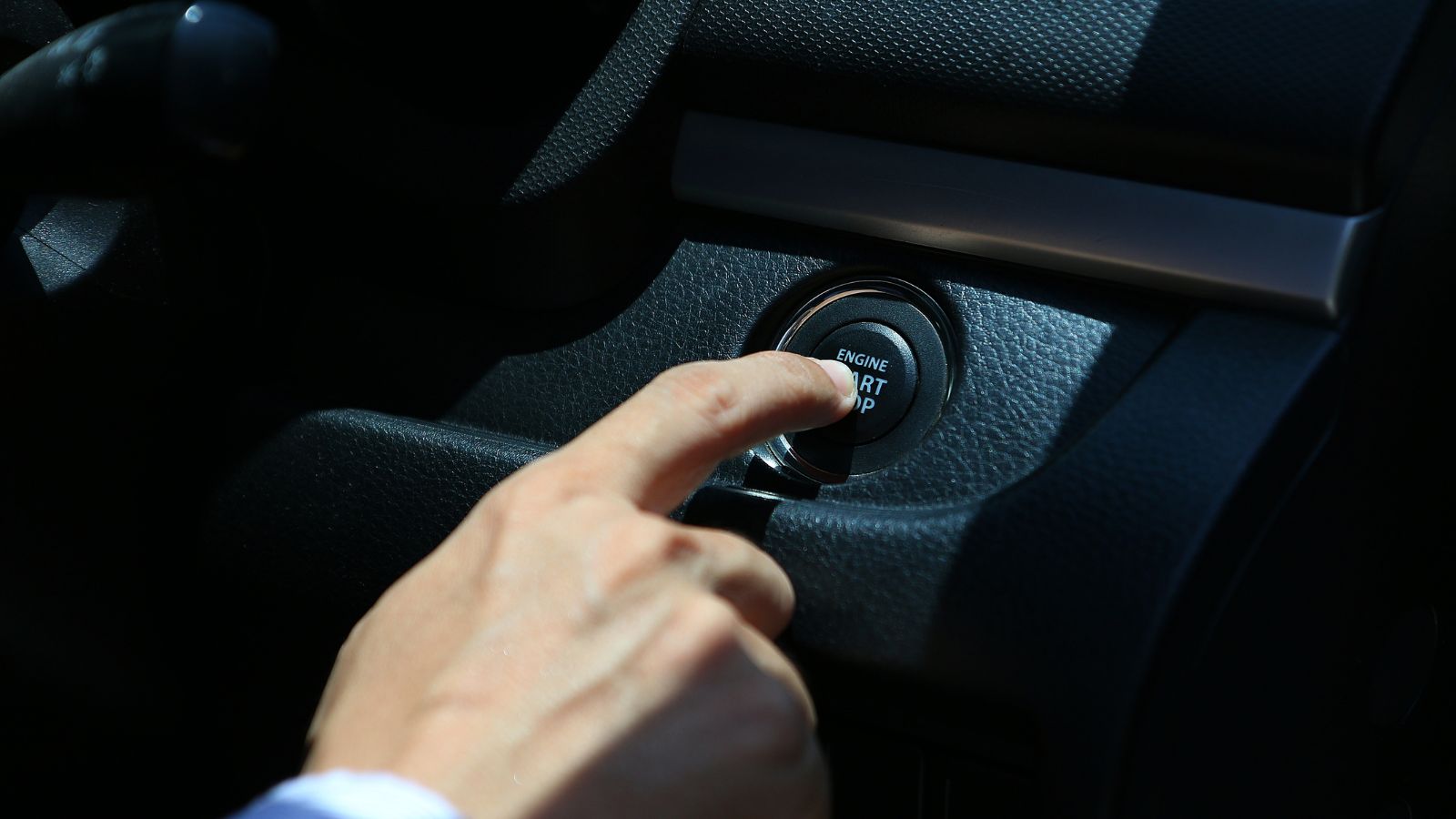
Some brands now openly admit they went too far. You see more physical controls returning in new models as manufacturers respond to customer complaints. It turns out knobs, switches and buttons never stopped working. They deliver instant reaction, muscle memory location and honest durability. When automakers proudly announce the return of real buttons, drivers treat it like a victory in a battle they never asked to fight.
Safety Concerns Are Impossible to Ignore
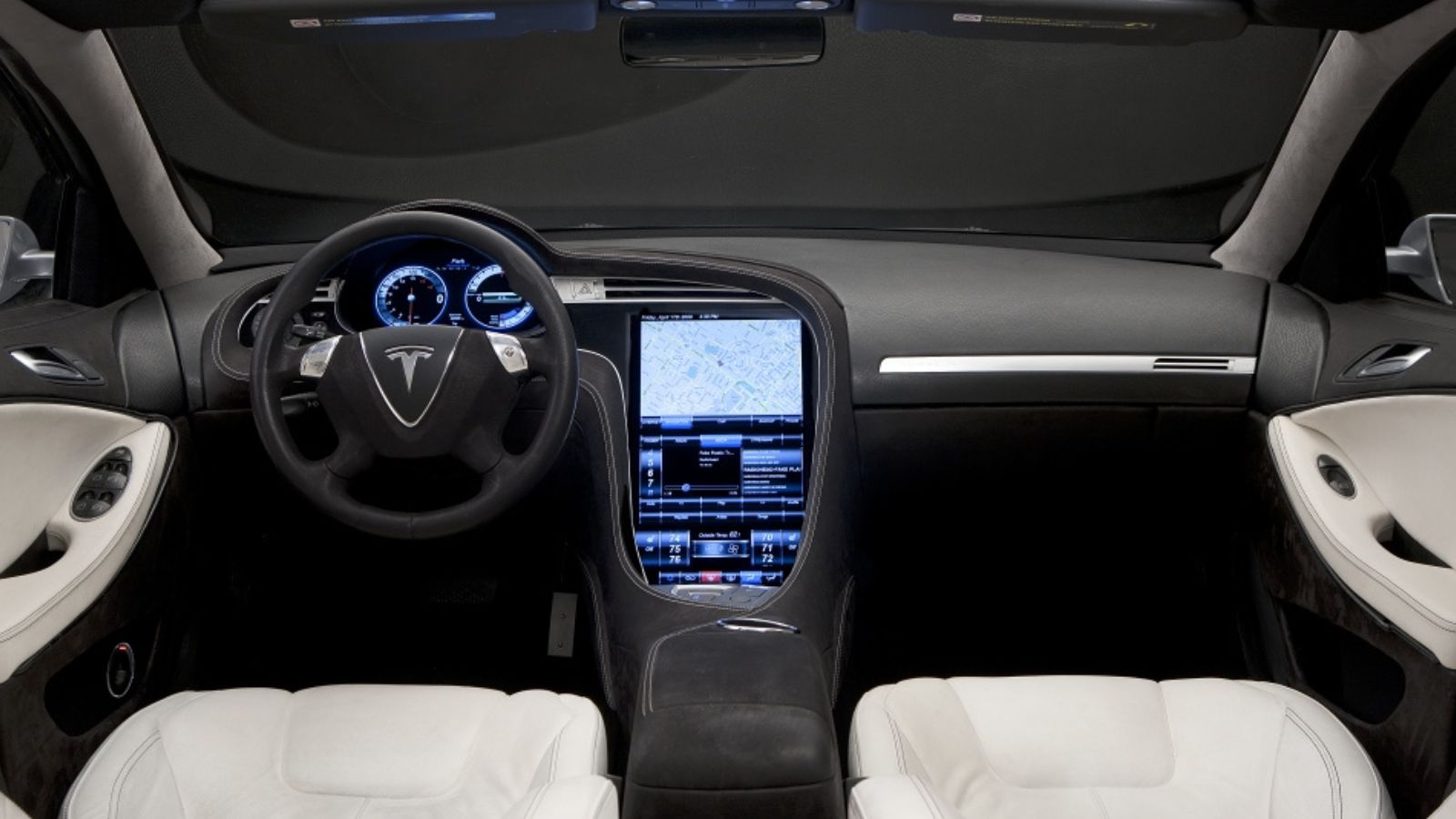
Governments and safety organizations have begun raising questions about touchscreen dependency. If a touchscreen requires the same attention as a phone, does it create the same distraction risks Traffic studies say yes. Physical controls reduce glance time significantly which matters on busy urban streets. Car makers know that if they do not solve the problem voluntarily, regulators may solve it for them. Returning buttons is cheaper than rewriting safety laws.
Luxury Buyers Are Leading the Pushback
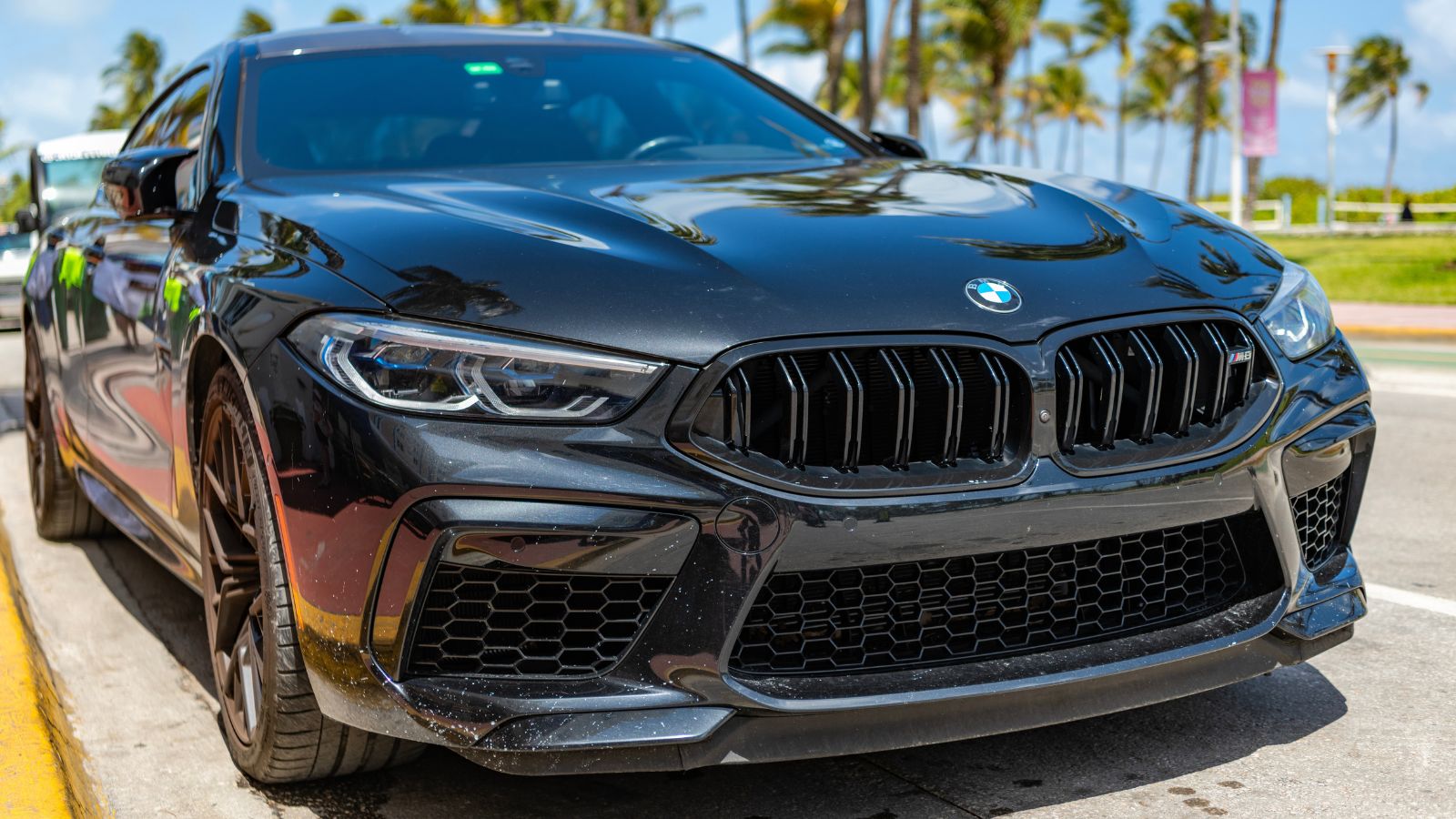
Premium car owners were the first to complain. They expected their vehicles to feel polished yet found themselves jabbing at screens like frustrated toddlers. Luxury brands listen closely to customer feedback because brand loyalty matters. That is why companies like Porsche, BMW and Mercedes are bringing back more physical controls or redesigning interfaces to feel less like tablets taped onto dashboards. The message is clear. Luxury is not about giant screens. It is about ease of use.
Touchscreens Still Have a Place but Not Everywhere
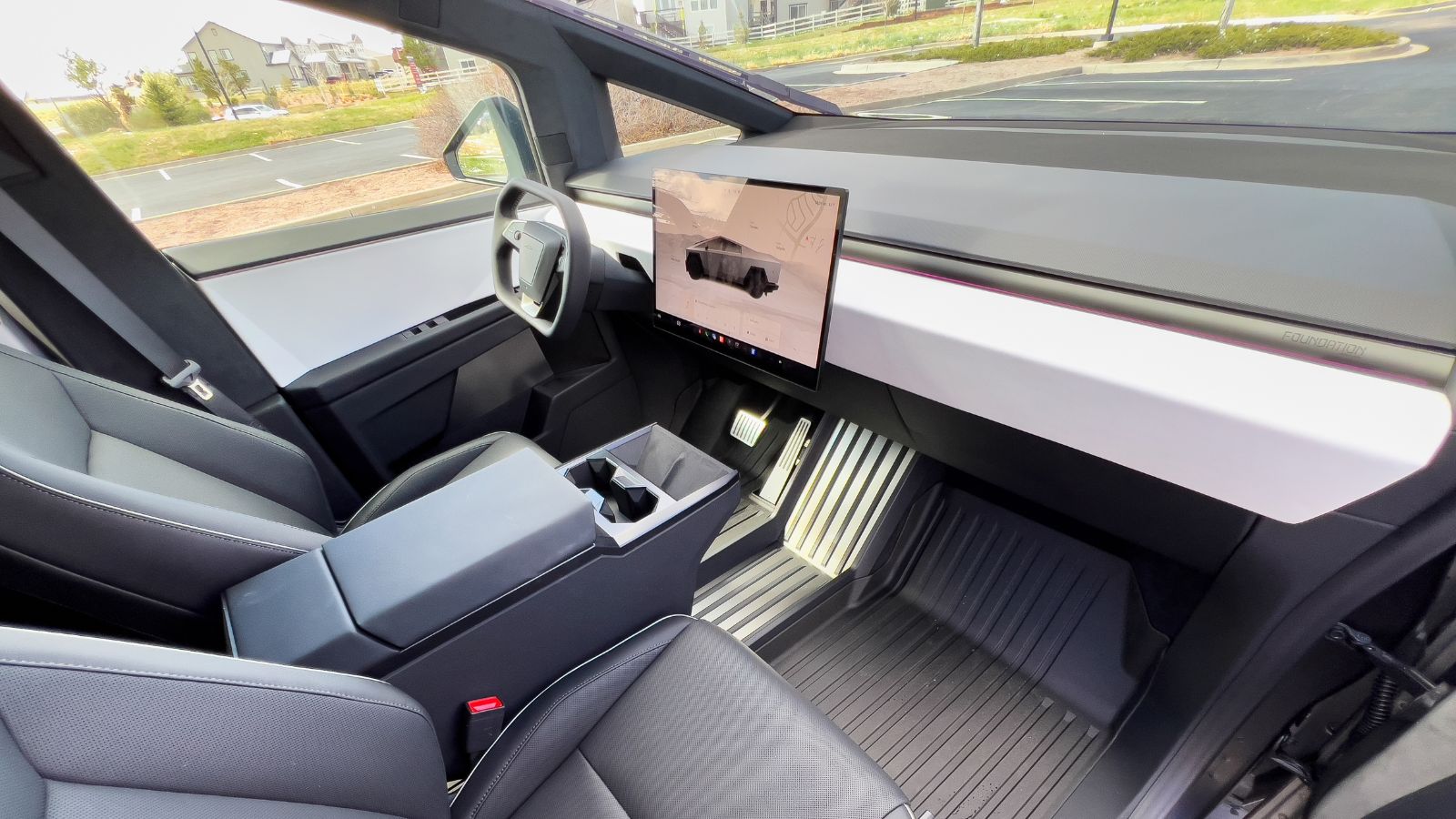
Drivers do not hate touchscreens completely. They hate poorly designed ones. Navigation, backup cameras and smartphone features work well on screens. Climate control and volume sliders do not. The future is not screen free. It is screen balanced. A smart combination of tactile controls and digital displays offers the best of both worlds. Car makers finally understand that not every task belongs on a glowing rectangle.
Carmakers Realize Design Trends Cannot Ignore Real Drivers
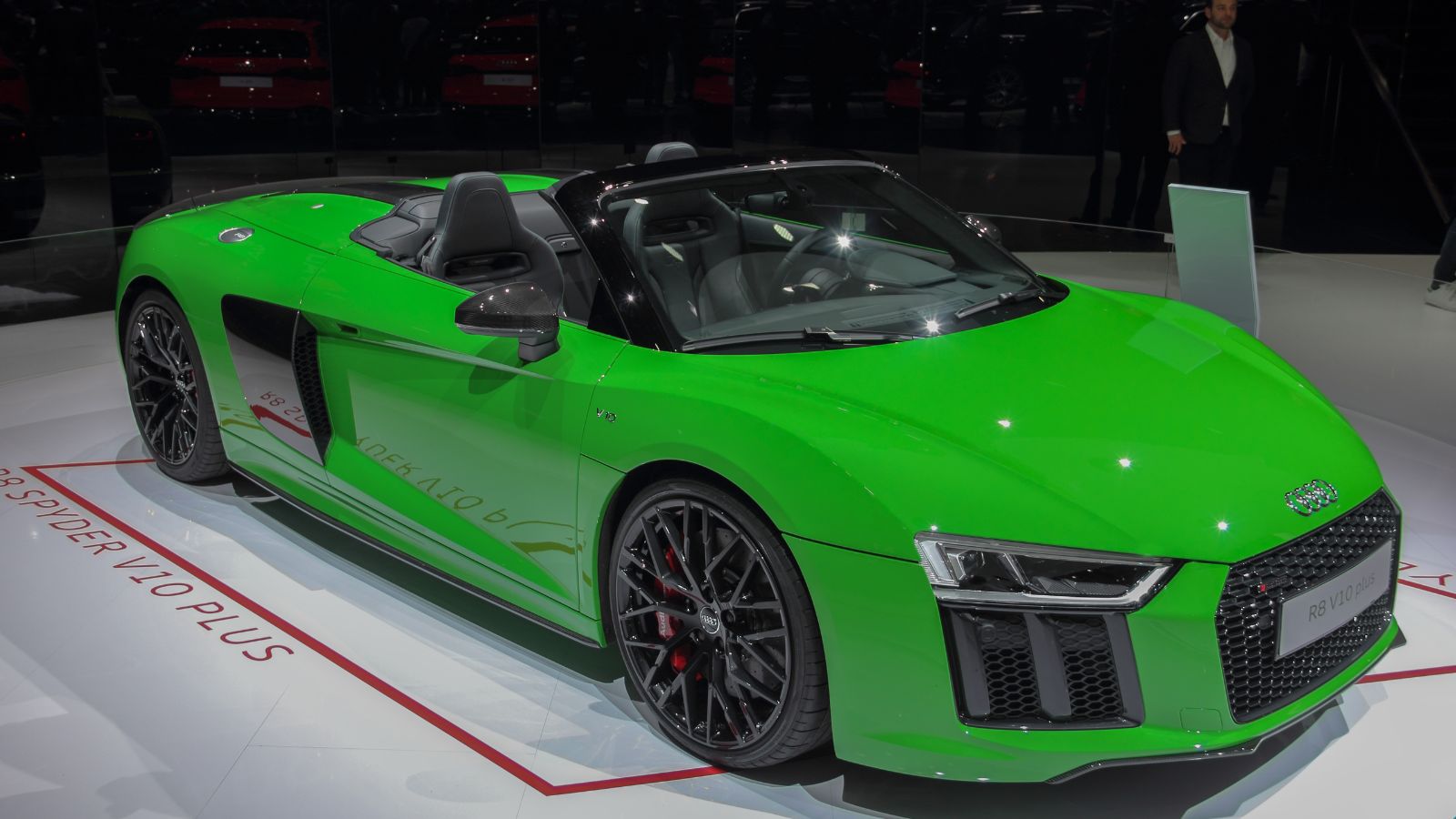
Automakers spent years chasing minimalist design trends that looked great in press photos but frustrated actual customers. Now they are rediscovering a basic truth. Cars are not tablets. Cars are tools used in motion. Drivers want ergonomics that match the real world, not the design studio. The return of buttons and simpler interfaces shows that manufacturers are listening to the people who actually sit behind the wheel.
The Future Interior Will Look More Familiar Than Expected
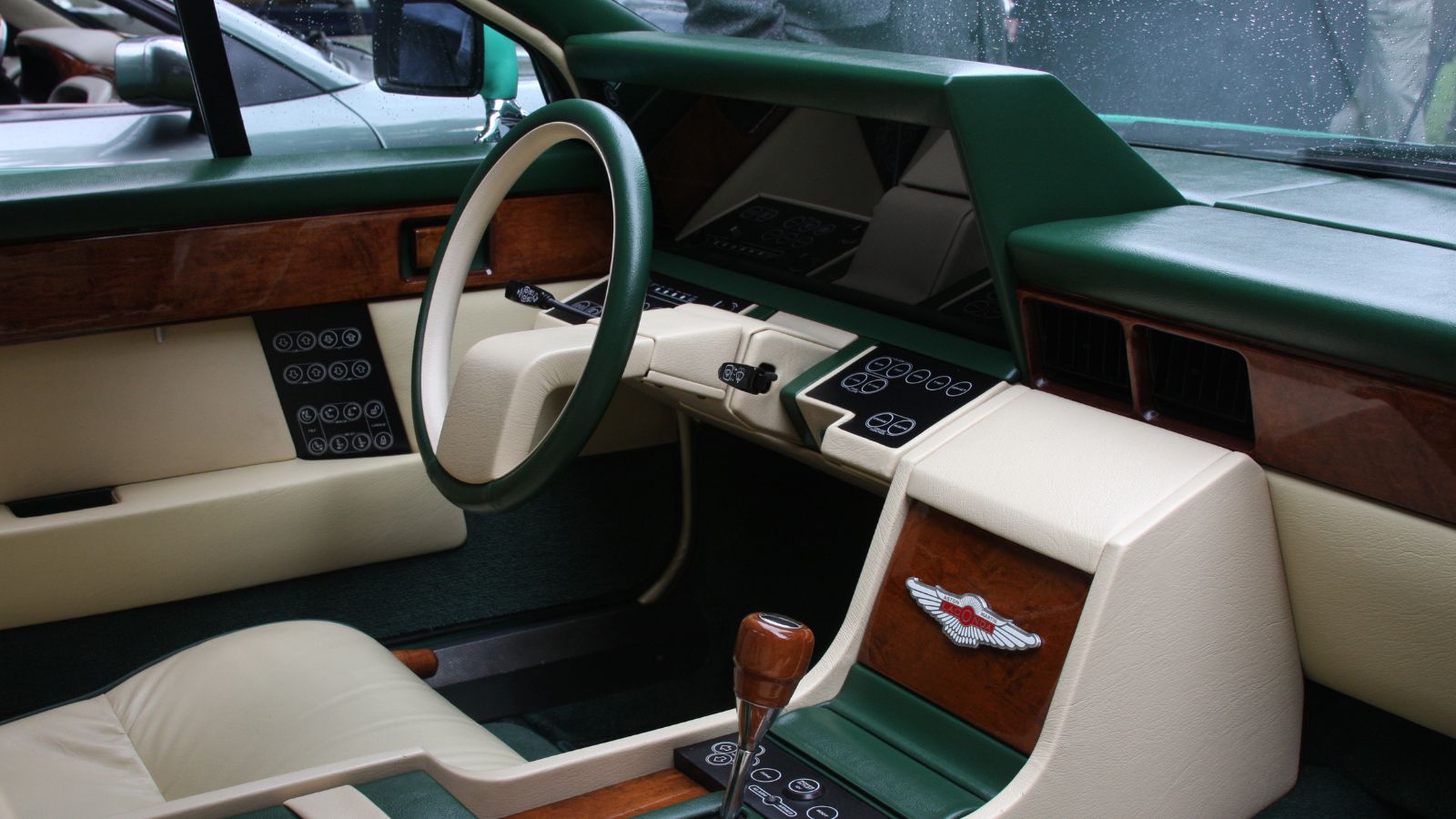
As customer complaints grow louder, the industry is quietly making a shift. Expect future models to mix digital displays with thoughtful physical controls placed exactly where your hands expect them. Touchscreens will stay, but they will shrink in influence. The era of buttonless cabins is fading. The next wave of car interiors will give drivers back the control they never should have lost in the first place.
25 Facts About Car Loans That Most Drivers Don’t Realize

Car loans are one of the most common ways people fund car purchases. Like any other kind of loan, car loans can have certain features that can be regarded as an advantage or a disadvantage to the borrower. Understanding all essential facts about car loans and how they work to ensure that you get the best deal for your financial situation is essential. Here are 25 shocking facts about car loans that most drivers don’t realize:
25 Facts About Car Loans That Most Drivers Don’t Realize
