
There was a time when buying a car meant owning everything inside it forever. You paid for heated seats, you got heated seats. You paid for navigation, you got navigation. Now cars are basically laptops on wheels, and ownership has quietly changed without most drivers noticing. Automakers can now control the software inside a vehicle from anywhere. They can activate features, deactivate them or lock them behind paid subscriptions. And it isn’t a future prediction. It has already started.
Ownership Isn’t What It Used to Mean

Most drivers still assume that if a car contains the hardware, they own the ability to use it. But today many cars are built with features that stay disabled until a payment unlocks them. The equipment is physically in the vehicle from day one. Whether it works depends on the automaker’s software switch, not the owner’s wallet. Instead of buying a fully loaded vehicle, drivers are being offered temporary access to the things that used to be permanent.
Remote Feature Control Has Already Started
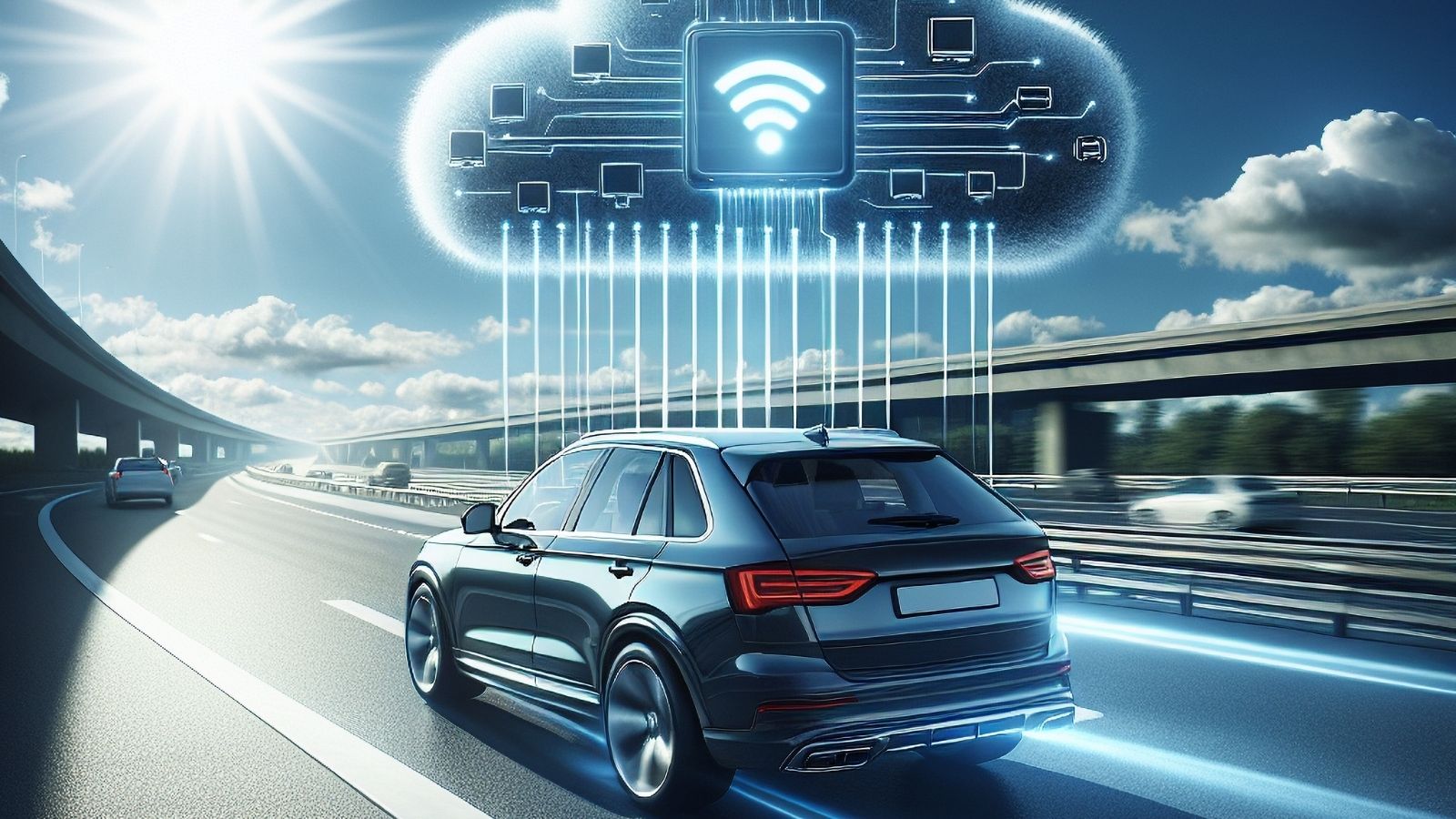
Some drivers have already watched features disappear after ownership changes, subscription lapses or software resets. Heated seats, adaptive headlights, premium sound settings, driving modes and even battery performance can now be controlled remotely. A dealership doesn’t have to plug in a cable to make a change. Someone sitting in an office can do it with a few clicks. The car might look the same in the driveway, but the automaker now decides what parts of it actually function.
The Subscription Car Is Becoming Reality

The auto industry is pushing hard toward subscription based driving. A car can come preloaded with dozens of features, but many stay locked behind recurring fees. Pay to unlock remote start in winter. Pay to unlock fast charging on an EV. Pay to unlock performance modes. Automakers defend the idea by saying “customers only pay for the features they want.” Critics point out that customers already paid for the hardware when they bought the car — they’re now paying twice.
Automakers Can Now Punish Missed Payments

Some manufacturers have discussed tying loan payments to remote feature access. If the owner falls behind on financing, certain features can shut off. In some pilot programs, cars could disable remote start or climate control, or send location data to repossession companies. Some technology even allows remote starters to become remote stoppers. It creates an uneven power dynamic where automakers gain control that drivers never agreed to 20 years ago.
Used Cars Just Got More Complicated
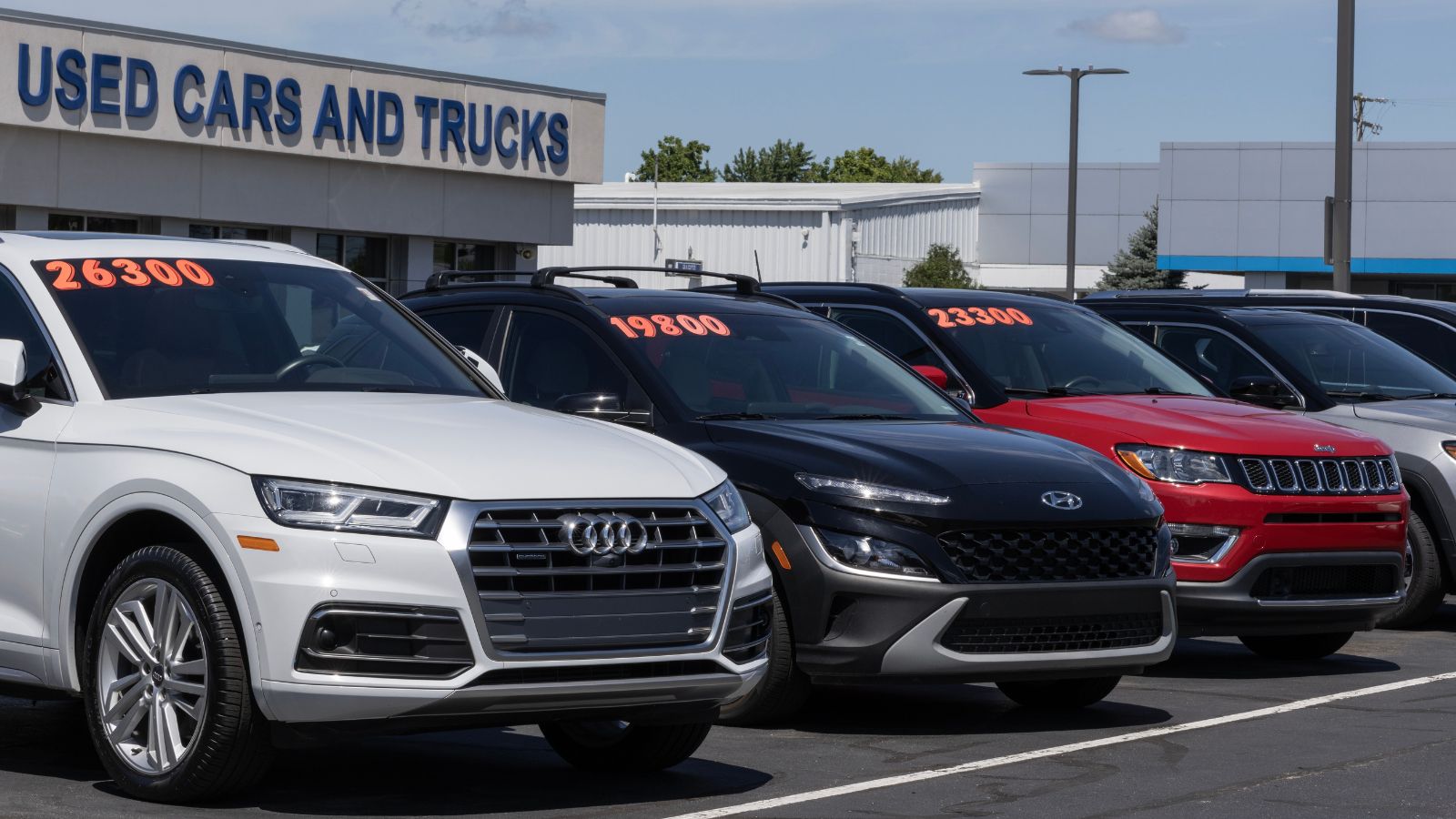
A used vehicle might appear fully loaded, with heated seats, upgraded lighting and extra tech. But if those features were activated by subscription, the next owner might lose them instantly. A buyer could drive home thinking they scored a bargain, only to discover that half the features stay locked until monthly payments begin again. The hardware didn’t fail. It’s just hidden behind a paywall.
Dealers Aren’t Always Upfront About It

Salespeople showcase features the moment you sit inside a car. Heated seats, digital cockpit, cameras, driver modes. They are trained to show value. But they are not always clear about which features are permanent and which expire after a free trial. Some owners only discover the truth when the trial ends and a message pops up on the screen asking for a monthly subscription. People aren’t losing features because of wear. They’re losing features because of billing.
Software Updates Can Take Things Away

Updates used to be a benefit. Now they are a wildcard. Some owners have reported that a routine update removed or restricted features that used to be included. No warranty dispute. No explanation. Just a new software version with fewer perks. Cars update quietly overnight, and drivers wake up to a different ownership experience — and no choice in the matter.
Automakers Defend the System
Companies explain that software based activation keeps upfront pricing lower and allows owners to customize their vehicle experience. They call it flexibility. Drivers call it renting equipment inside a product they already bought. And while pricing is supposed to stay affordable, vehicle costs are rising faster than ever, making the “savings” argument a tough sell.
The Slippery Slope Is Real
Right now the subscription trend focuses on comfort and convenience features. But once the system becomes normal, there is nothing preventing safety systems, towing performance, battery capacity or even horsepower from being locked behind paywalls. The first step has already happened — ownership has been replaced with access. When automakers decide that “access” becomes “paid access,” drivers don’t get much say in the matter.
Why This Matters

Cars used to be the last big purchase where ownership was simple. You paid for it. You maintained it. You controlled it. Remote disabling changes that forever. The automaker still holds power even after the sale. Whether someone loves or hates subscription models is irrelevant because the industry isn’t asking permission. Companies are already building vehicles for this system. Drivers are only now starting to realize it.
25 Facts About Car Loans That Most Drivers Don’t Realize

Car loans are one of the most common ways people fund car purchases. Like any other kind of loan, car loans can have certain features that can be regarded as an advantage or a disadvantage to the borrower. Understanding all essential facts about car loans and how they work to ensure that you get the best deal for your financial situation is essential. Here are 25 shocking facts about car loans that most drivers don’t realize:
25 Facts About Car Loans That Most Drivers Don’t Realize
