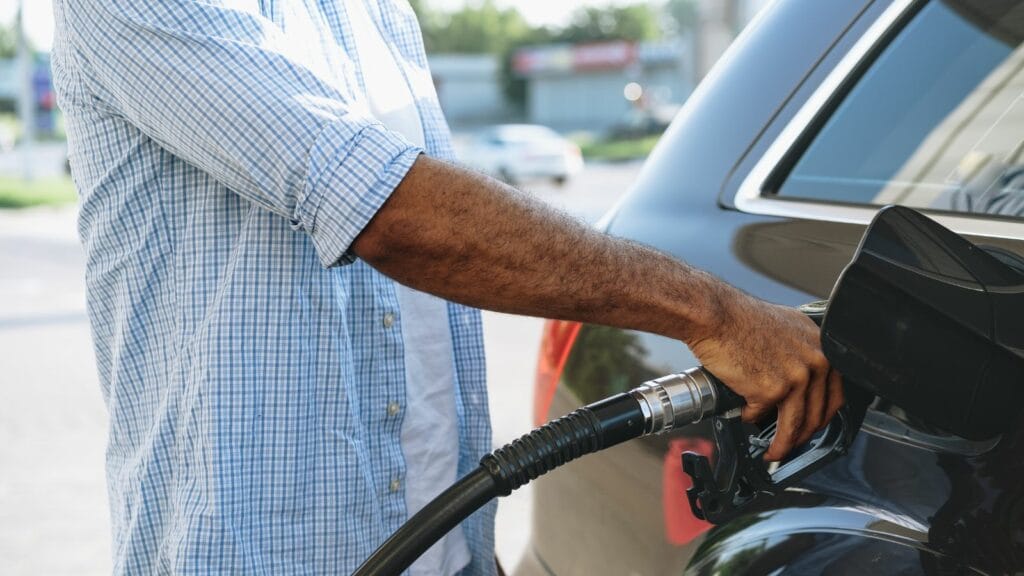
Filling up at the pump is something we do so often that it feels automatic. Most drivers never stop to wonder whether their fueling habits are helping the car or slowly damaging it. There is one extremely common move almost everyone makes while refueling that mechanics say is responsible for countless expensive repairs. It is so widespread that many drivers do not even realize it is a problem until it is too late.
Topping Off the Tank Is the Habit That Just Will Not Go Away
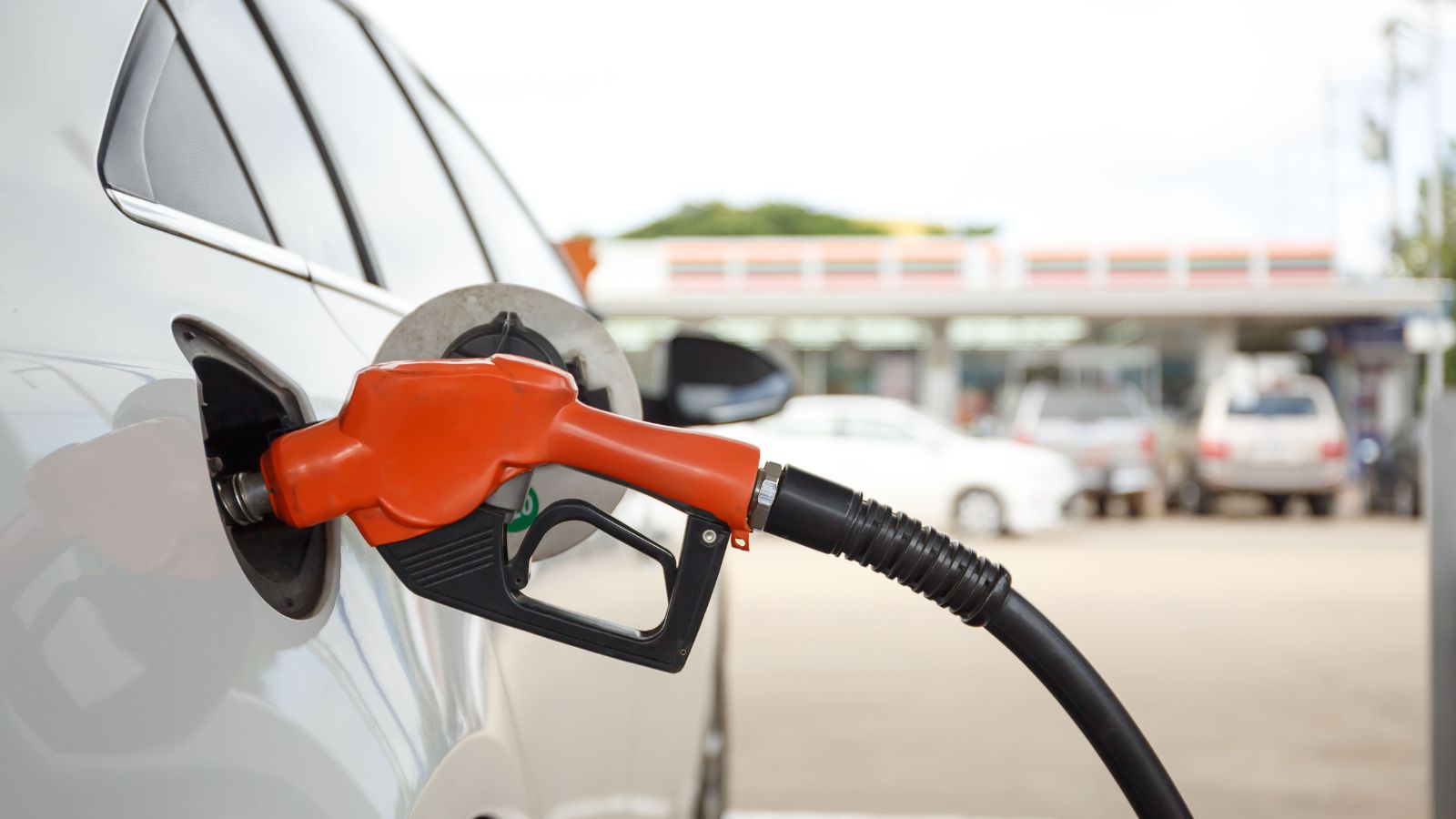
Drivers squeeze the pump until it clicks, then pull the handle one or two extra times trying to round the price up to a neat number. It has become almost a ritual and feels like a clever way to get just a little more fuel. Mechanics say it is the worst fueling habit on the road. The automatic shutoff is not designed to stop because the tank is full. It is designed to protect the vapor recovery system, which needs space for air and fumes. Every extra squeeze forces raw fuel into a part of the system that is never meant to store liquid. The damage is slow and silent, which is why the habit refuses to die.
How the Evaporative System Takes the Hit
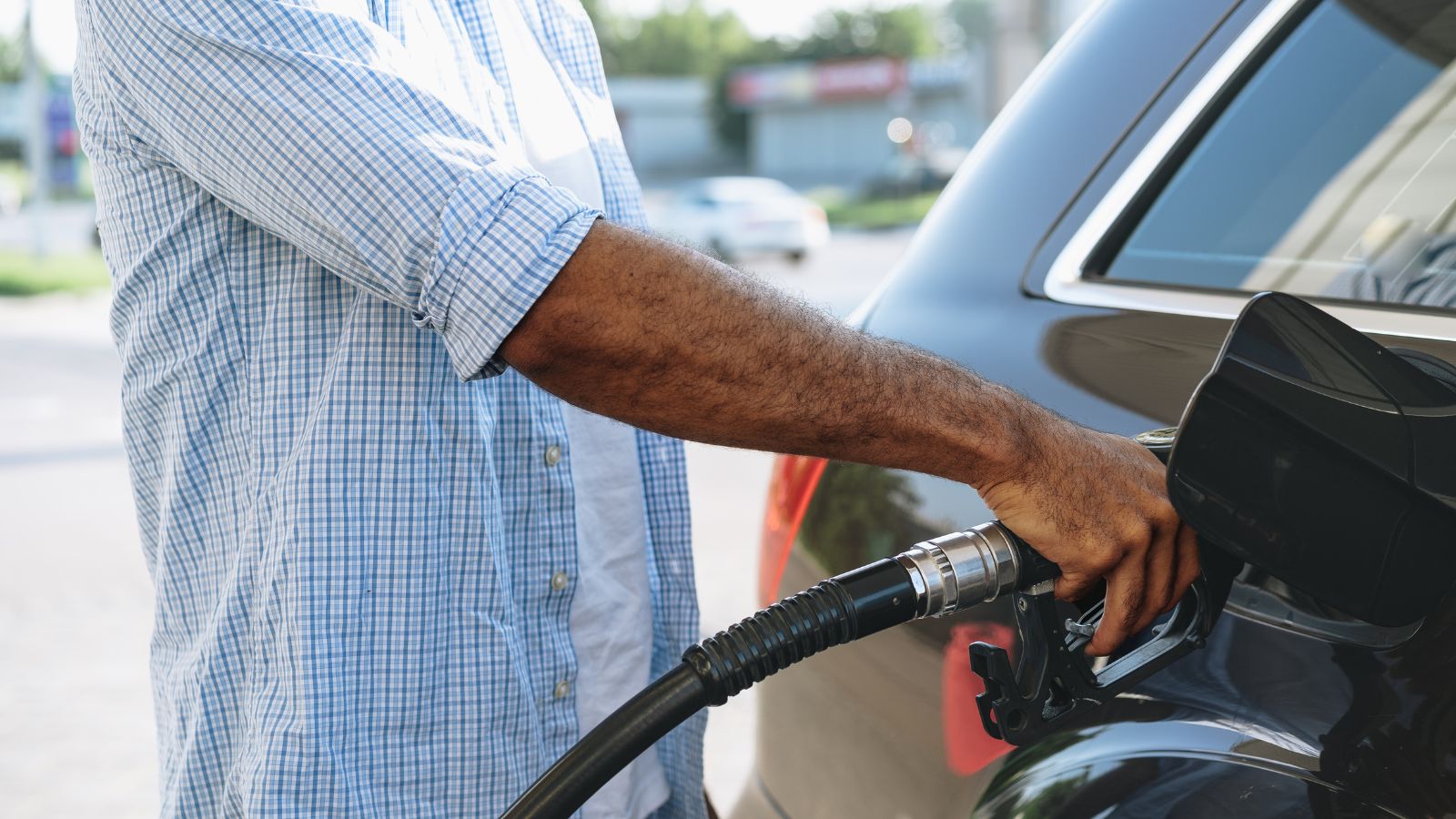
Modern vehicles have a charcoal canister that captures fuel fumes so they do not escape into the environment. This small component is engineered to absorb vapor only, not gasoline. When a driver keeps topping off the tank, fuel spills into the canister and overwhelms the vapor lines. Over time this causes the purge valve to malfunction, pressure to spike in the tank and warning lights to appear on the dash. Drivers sometimes notice the fuel pump shutting off repeatedly during future fill ups, or the engine idling rough because the system cannot regulate vapor flow anymore. What started as a few extra squeezes turns into a major emissions and drivability problem.
Why the Consequences Sneak Up Months Later
Topping off does not break anything instantly, which is why most people keep doing it. The first few incidents may not show any symptom at all. It is repeated topping up that slowly saturates the charcoal and restricts the system. Drivers often forget about their fueling habits by the time the check engine light comes on. They schedule a diagnostic thinking it is a minor sensor issue and are shocked when they find out the evaporative system needs new parts. Depending on the design of the vehicle, replacing a canister, purge valve and related components can cost hundreds or even over a thousand dollars once labor is included.
New Cars Are Even More Vulnerable Than Old Ones

Older cars from decades past were simpler and generally did not have sensitive emissions hardware in the fueling system. Modern vehicles, no matter the brand or price point, must meet strict regulations. That means every fuel system relies on precise pressure management and vapor capture. Even rugged trucks and off road SUVs now use charcoal canisters that do not tolerate liquid fuel. Drivers who used to top off older vehicles without consequences often assume new models can handle it too. The reality is that technology has changed behind the scenes while the fueling process at the pump still looks exactly the same, creating a perfect environment for outdated habits to stick around.
Why Leaving Space at the Top of the Tank Does Not Cost You Anything
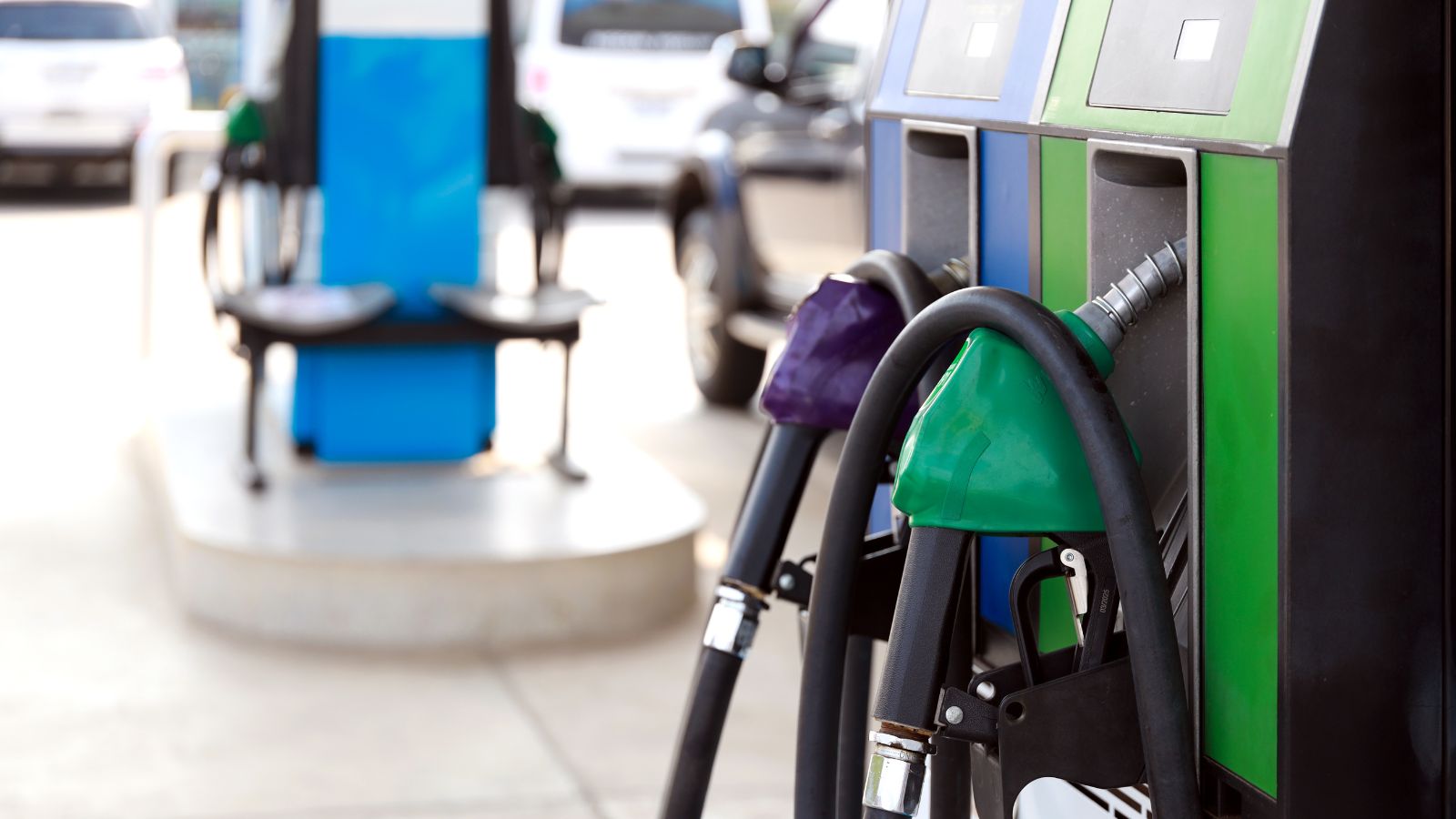
Many drivers believe that stopping when the pump first clicks leaves fuel capacity unused and wastes money. It is the opposite. Modern gauges are calibrated to show full as soon as the fuel reaches the proper level for normal operation. That last few cents of fuel that drivers try to jam in does not increase range in any meaningful way. It simply goes into areas that are not designed to hold liquid. Mechanics say the best way to protect the fuel system is extremely simple. When the pump shuts off, stop pumping. The engine and the emissions system were engineered to function with that small amount of vapor space left in the tank.
Real World Examples From the Shop Floor
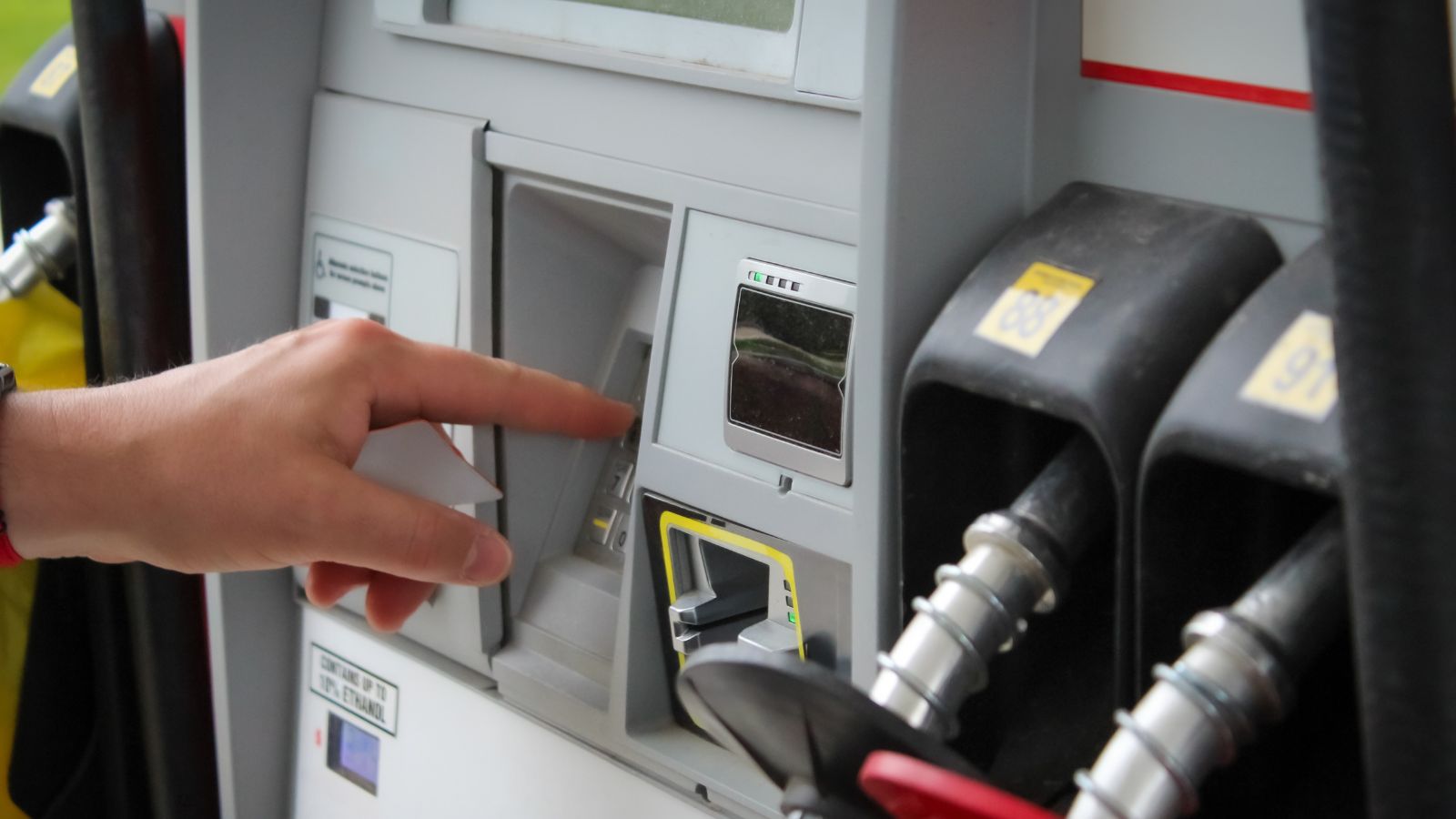
Technicians regularly see the same pattern. A driver comes in with a check engine light related to the evaporative system. Diagnostics reveal a saturated canister or a stuck purge valve. The shop replaces parts, clears codes and the customer drives away frustrated by an unexpected expense. Many of those drivers admit later that they used to top off every time they filled up and simply assumed it was harmless. Some even did it because family members taught them it was a smart trick to get more gas. Mechanics call it one of the most preventable repair expenses on the road.
Final Click
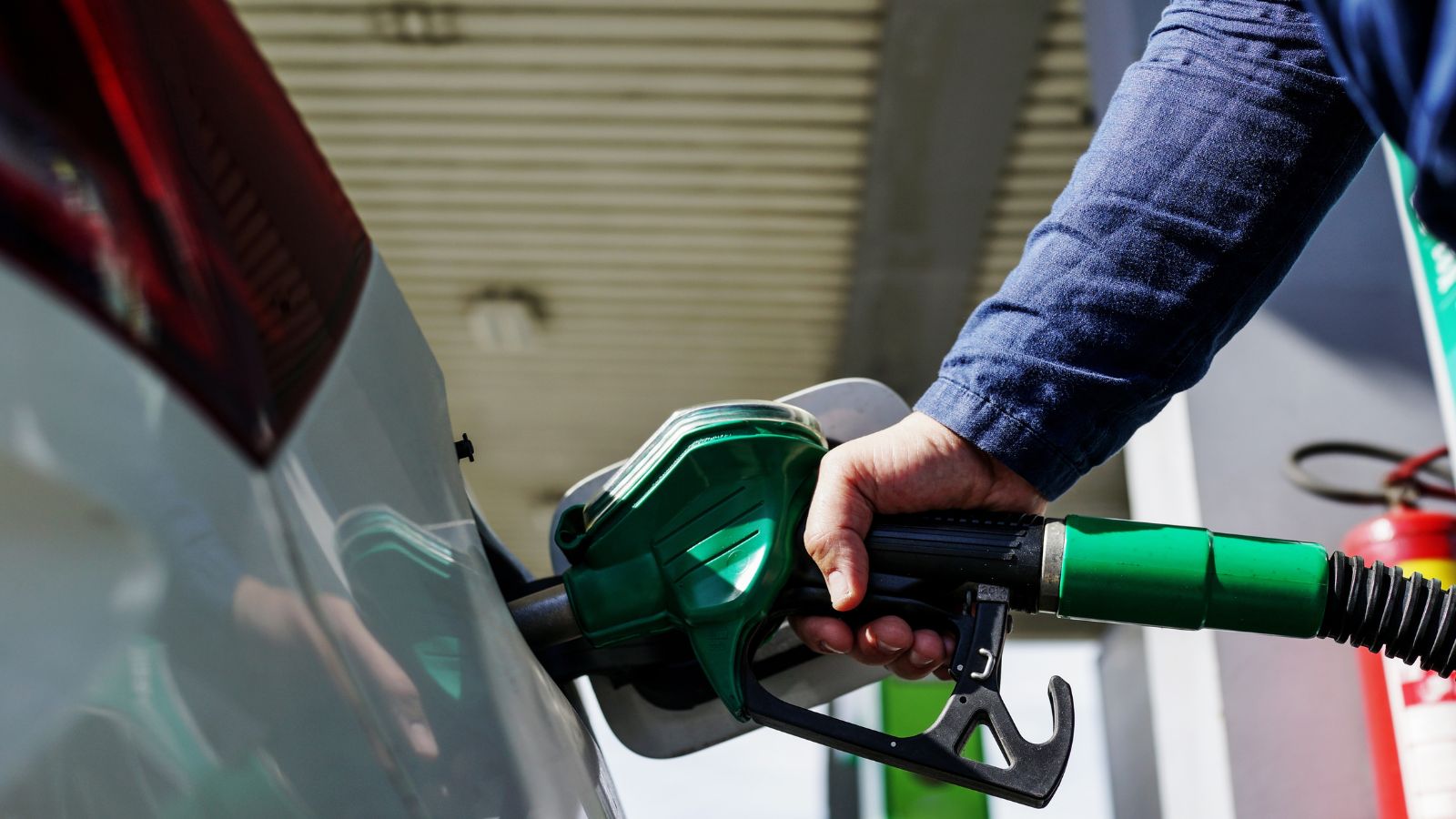
Topping off the tank seems like a harmless habit, but it slowly overwhelms the evaporative system and leads to expensive repairs. The fix could not be easier. When the pump clicks off, you are done. Stopping at that moment protects the fuel system, prevents warning lights and ensures the car stays healthy without sacrificing range or money.
25 Facts About Car Loans That Most Drivers Don’t Realize

Car loans are one of the most common ways people fund car purchases. Like any other kind of loan, car loans can have certain features that can be regarded as an advantage or a disadvantage to the borrower. Understanding all essential facts about car loans and how they work to ensure that you get the best deal for your financial situation is essential. Here are 25 shocking facts about car loans that most drivers don’t realize:
25 Facts About Car Loans That Most Drivers Don’t Realize
