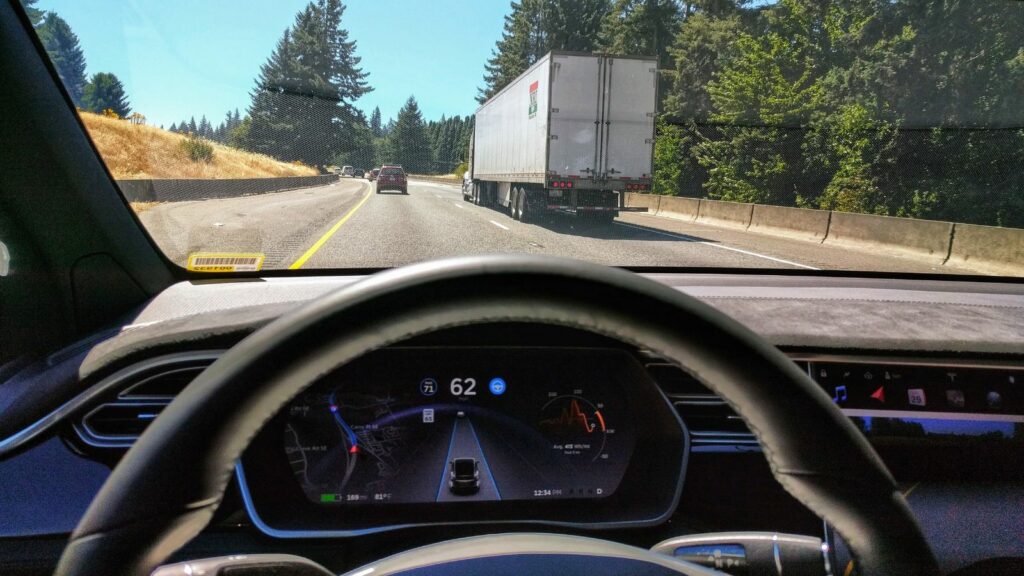
Highway driving in Canada is a unique challenge. One moment the pavement is dry and wide open. The next you hit lake effect snow, construction zones, rock cuts or wildlife darting from the trees. Distances are long, weather is unpredictable and traffic ranges from slow moving trucks to impatient drivers blasting past at twenty over the limit. Staying safe requires more than basic driving skills. It takes awareness, good habits and a calm approach that respects how Canadian highways behave. These eight expanded tips help keep every trip safer and far less stressful.
Keep a Generous Following Distance

Canadian highways reward patience. A long following distance gives you the time needed to react when traffic slows suddenly or when weather reduces visibility. In winter, that extra space becomes essential because ice, slush and packed snow can double or triple stopping distances. Many rear end collisions start with drivers following too closely on roads that look clear but hide icy patches. Leaving more room also reduces the constant braking and accelerating that wears out your engine and transmission. A steady, relaxed pace is not only safer. It keeps your vehicle happier too.
Stay Out of Blind Spots
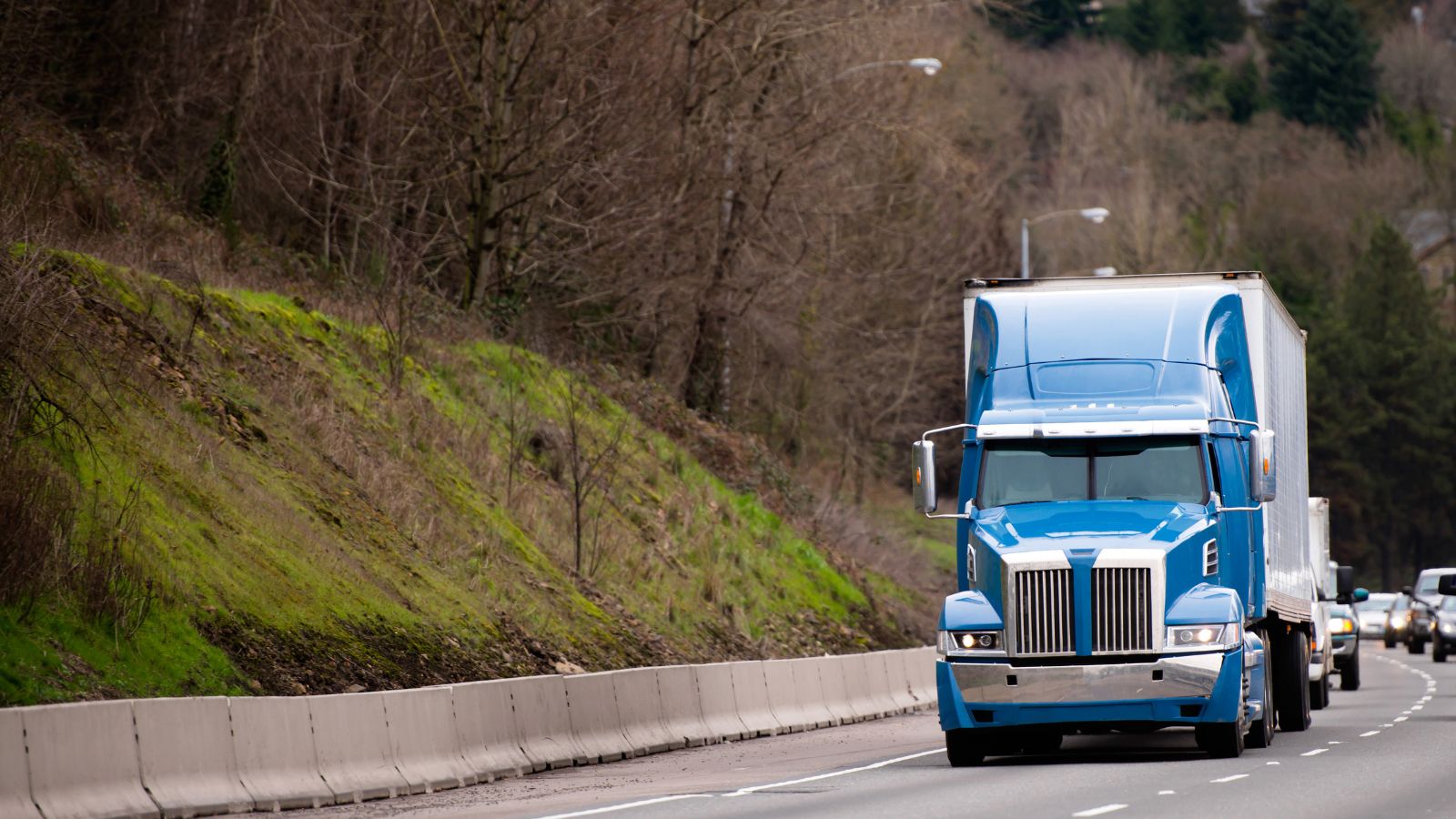
No driver enjoys merging beside a semi trailer only to realize the driver cannot see them. Big rigs have enormous blind spots, especially along the right rear corner of the trailer. Even smaller vehicles like SUVs have blind zones that stretch farther than people expect. Hovering beside another vehicle leaves you vulnerable to sudden lane changes. The safest strategy is to pass cleanly or fall back until you are clearly visible in their mirrors. On multi lane highways, drifting in blind spots is one of the most avoidable risks, yet many drivers do it without realizing the danger.
Use Signals Early and Clearly
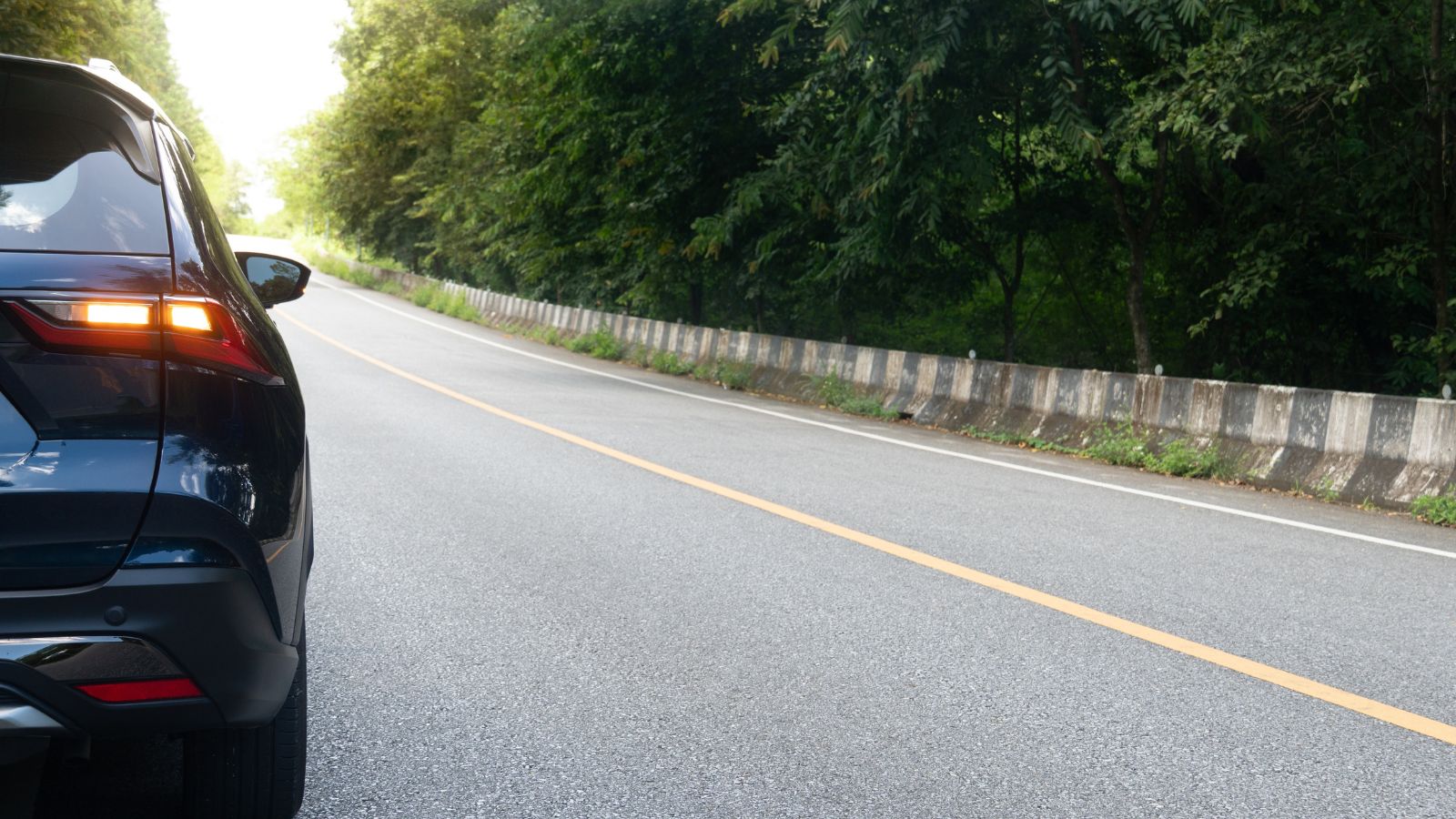
A turn signal is one of the simplest tools for highway safety, yet drivers often treat it like an optional decoration. Signaling early gives everyone around you time to adapt. Truckers can adjust their speed. Drivers behind can create space. And vehicles already in the lane you want can anticipate your move rather than panic braking. On Canadian highways where speeds vary widely between vehicles, clear communication reduces tension and lowers the chance of misunderstandings that lead to collisions. Make signaling early an automatic habit, not an afterthought.
Keep Your Speed Reasonable for Conditions
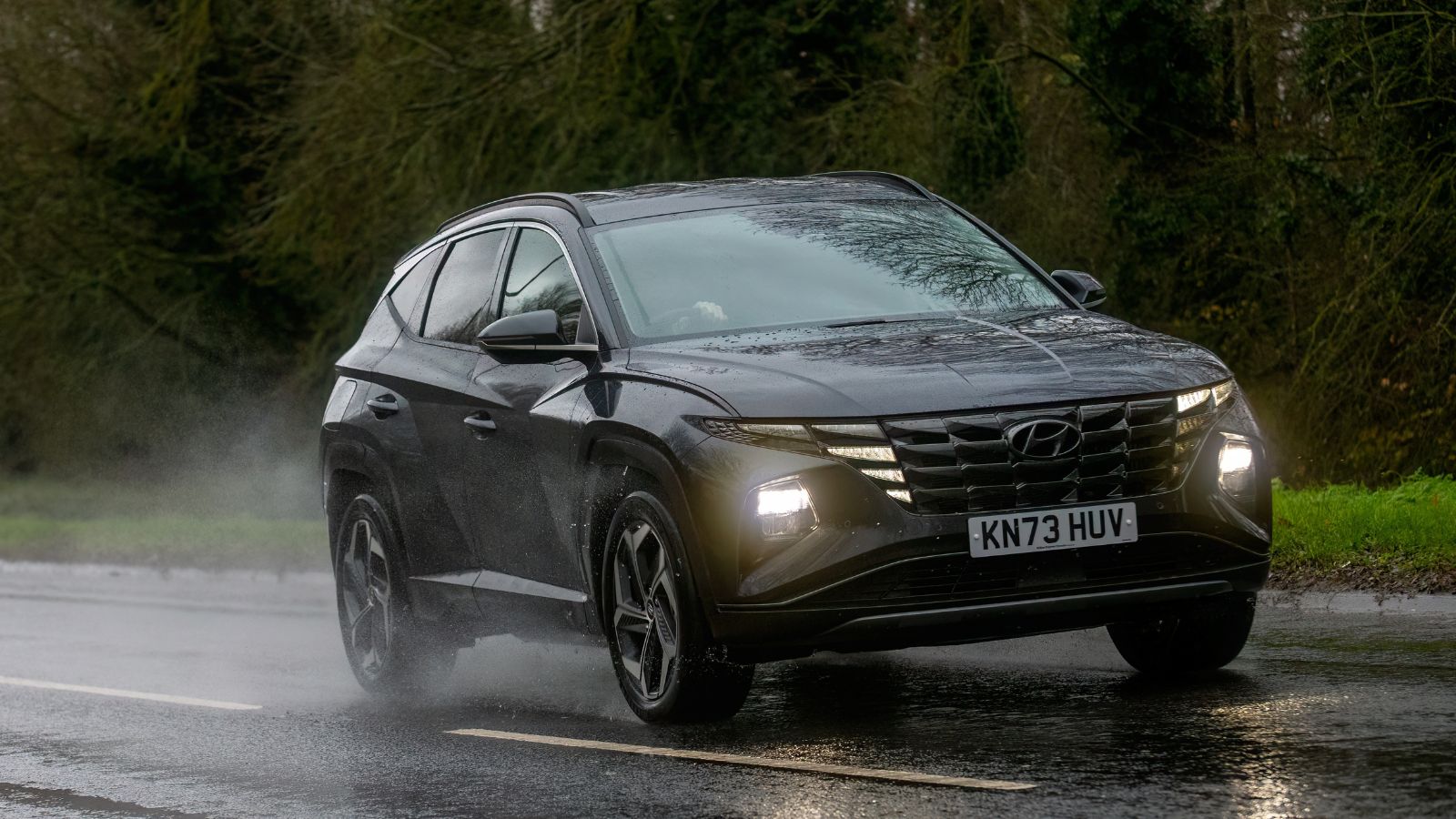
Driving the posted limit makes sense in perfect weather, but Canada rarely offers perfect weather. Rain, snow, freezing drizzle, black ice and strong crosswinds appear quickly. A safe driver adjusts speed based on grip, not the number on the sign. Slowing gently during deteriorating weather gives you more control, more time to react and keeps your tires planted. Even dry pavement can be risky when temperatures dip near freezing. Canadian roads demand flexibility. Speed should always reflect conditions, not pride or pressure from traffic behind you.
Check Mirrors More Often Than You Think

Highway awareness is all about understanding your surroundings, not just what is ahead. Frequent mirror checks help you build a mental map of nearby vehicles. You notice who is approaching quickly, who is drifting in their lane and who might merge unexpectedly. This habit prevents surprises, especially near on ramps where vehicles accelerate aggressively to join traffic. Mirror checks every few seconds keep you aware enough to avoid being boxed in or cut off. The more information you have, the safer and smoother your drive becomes.
Stay in the Right Lane Unless Passing
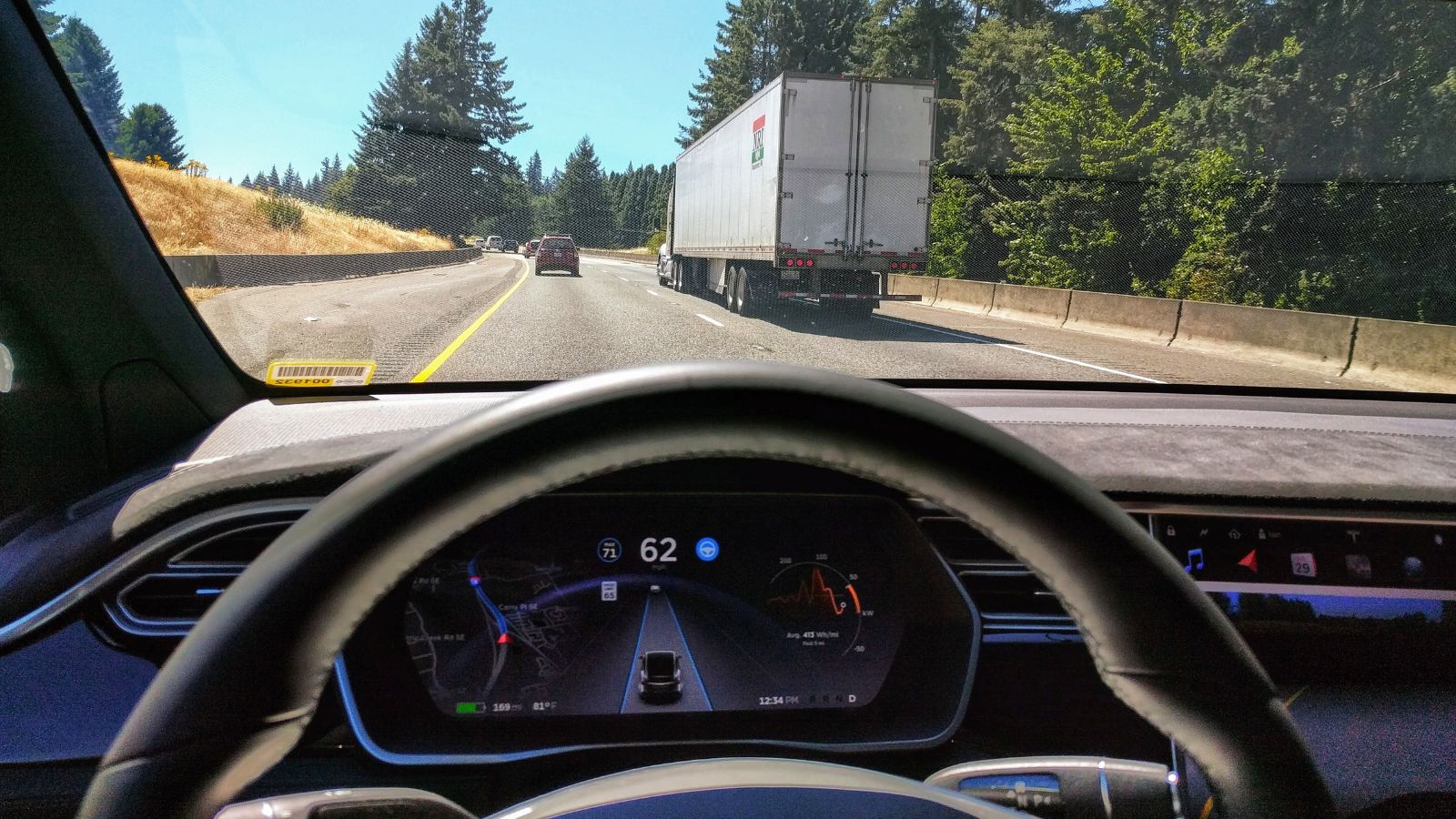
Canada’s left lanes are intended for passing, not cruising. Staying planted in the left lane forces faster traffic to weave around you, which increases the risk of collisions. Remaining in the right lane until you need to overtake keeps traffic flowing naturally and reduces tension between drivers. Once you pass, moving back right is the courteous and safer choice. It also helps avoid tailgaters and aggressive drivers who get frustrated by left lane blockers. When everyone uses lanes properly, the entire system works as intended.
Be Ready for Wildlife
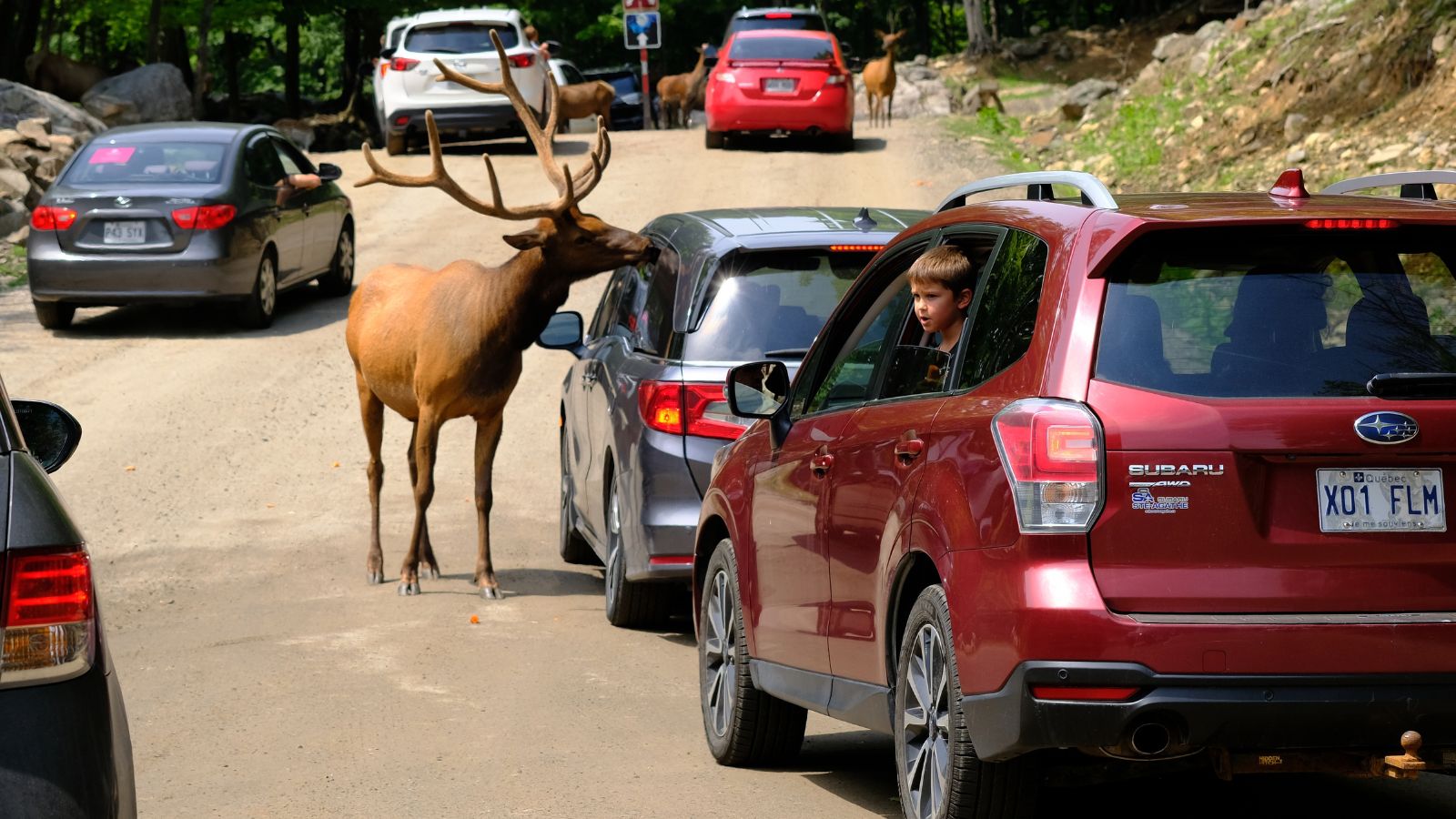
Moose, deer and even smaller animals present serious risks at highway speeds. A moose is especially dangerous because it stands tall enough for the body to hit the windshield instead of the bumper. Staying alert near forest edges, slowing slightly at dawn and dusk and scanning ahead for movement all buy you valuable reaction time. On rural routes in places like northern Ontario or British Columbia, wildlife encounters are common enough that seasoned drivers adjust their mindset automatically. Expect animals, watch for them and react smoothly instead of abruptly.
Do Not Drive Fatigued, Ever
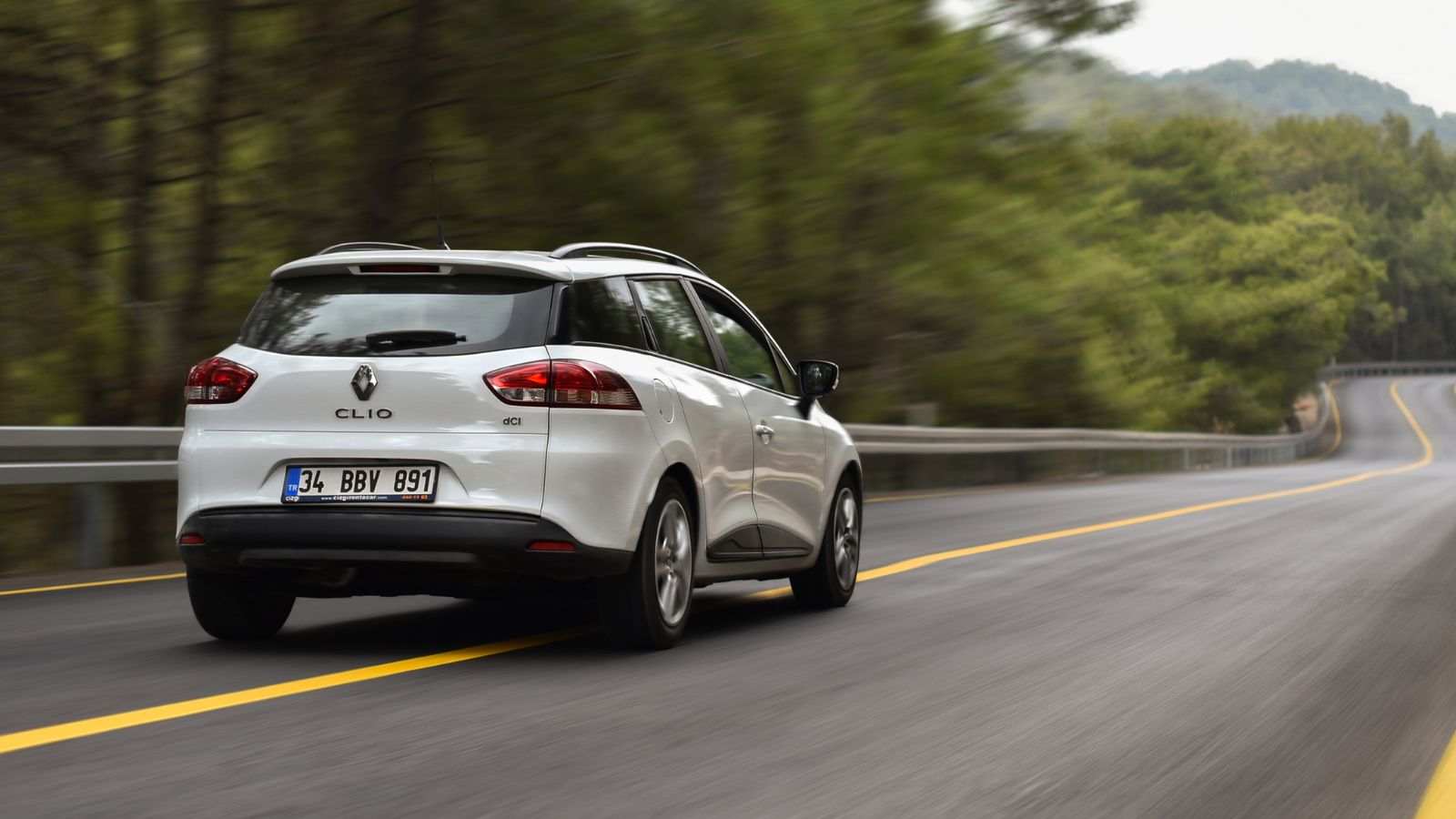
Fatigue creeps up slowly and dulls your senses. Long Canadian stretches can lull drivers into a trance, especially with cruise control engaged. Fatigue reduces reaction time, narrows focus and increases the likelihood of drifting out of your lane. Taking breaks every couple of hours, staying hydrated and switching drivers when possible all help maintain concentration. Rolling down the window or cranking the radio is not a real solution. The only fix for fatigue is rest. Leaving earlier and pacing your trip prevents the late night desperation that leads to dangerous decisions.
The Highway Mindset

Safe highway driving is a combination of confidence and caution. When you give yourself room, stay visible, adapt to conditions and recognize the unique risks of Canadian roads, you turn long drives into smooth, predictable experiences. The best highway drivers are the ones who stay relaxed, communicate clearly and respect the rhythm of fast moving traffic. Master these eight habits and the road will reward you with safer travels every time you head out.
25 Facts About Car Loans That Most Drivers Don’t Realize

Car loans are one of the most common ways people fund car purchases. Like any other kind of loan, car loans can have certain features that can be regarded as an advantage or a disadvantage to the borrower. Understanding all essential facts about car loans and how they work to ensure that you get the best deal for your financial situation is essential. Here are 25 shocking facts about car loans that most drivers don’t realize:
25 Facts About Car Loans That Most Drivers Don’t Realize
