
Many Canadians who learned to drive decades ago were taught habits that made sense at the time but do not fit today’s roads, traffic or technology. Cars changed, laws evolved and road design improved. Yet some of those old school lessons still pop up in daily driving. These eight tips were once considered normal, but modern instructors now spend time undoing them.
Keep Both Hands Low on the Wheel A Habit from the Bench Seat Era
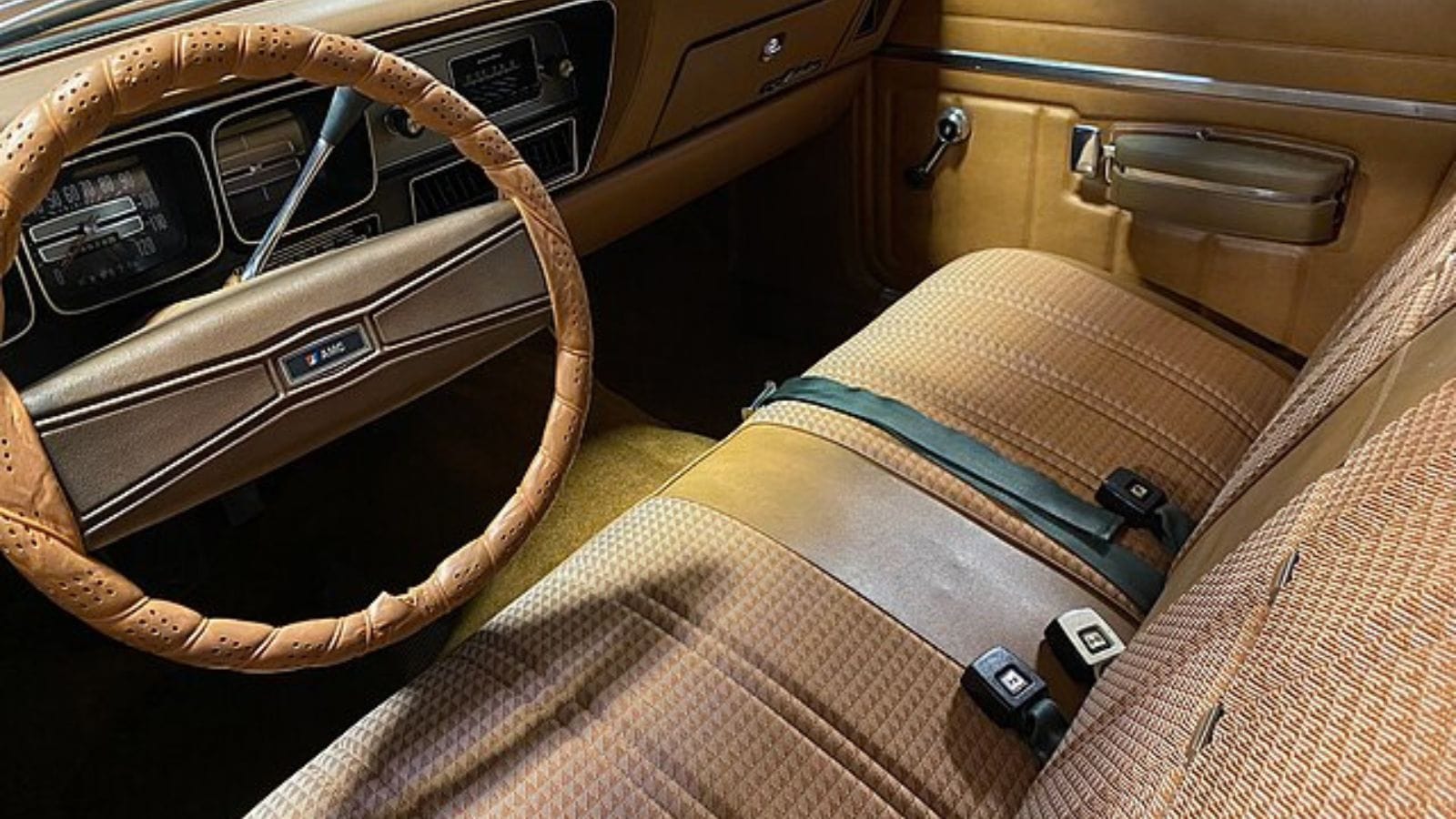
Boomers were often taught to hold the wheel low, sometimes even resting a hand inside the lower spokes. It felt relaxed and suited big, slow steering systems of the day. Modern airbags changed everything. Low hands place wrists and arms directly in the deployment path which can cause serious injury. Today’s 9 and 3 position gives better control and keeps hands clear of the airbag.
Pump the Brakes on Slippery Roads Outdated After ABS Arrived
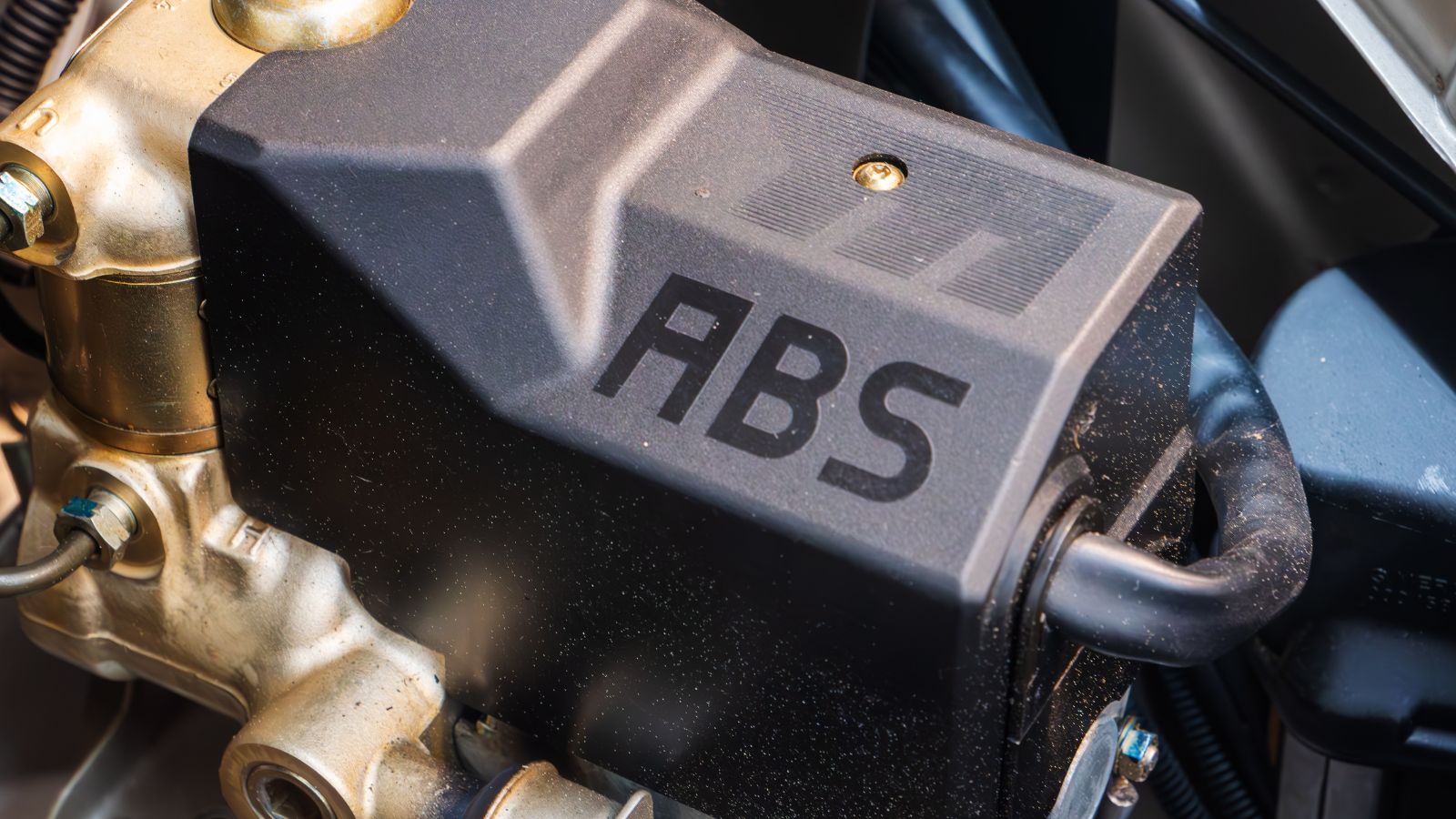
Before anti lock brakes existed, drivers had to pump the pedal to prevent wheel lockup on ice or snow. Boomers mastered the rhythm, but ABS made the technique obsolete. Pumping the brakes now reduces stopping power because the car already pulses each wheel individually. Modern instructors teach firm, steady pressure instead of the rapid pumping boomers once relied on.
Always Change Lanes Early on the Highway Not True with Modern Traffic
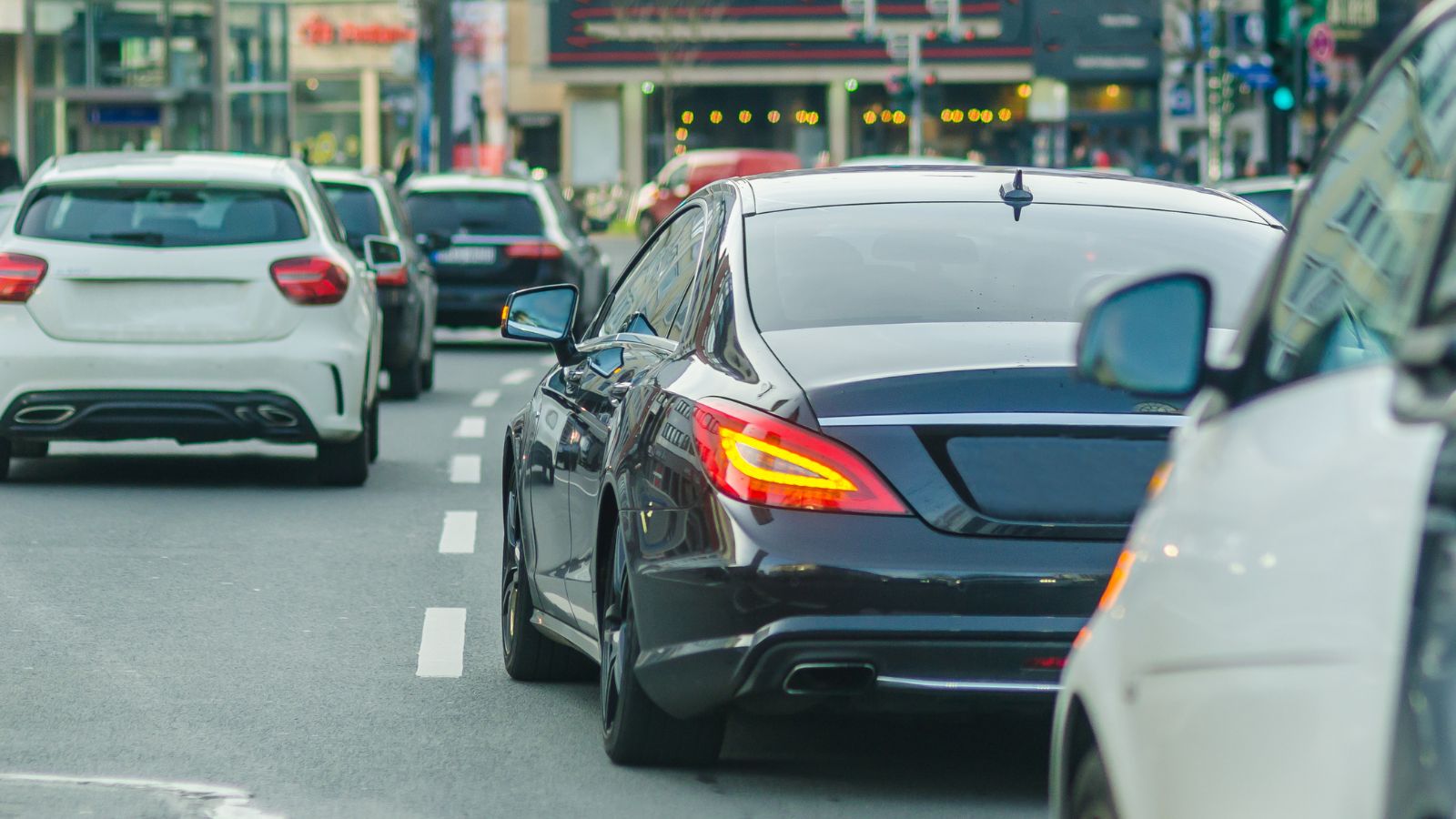
Drivers in the 60s and 70s were taught to merge or exit far earlier than needed because traffic volumes were lower and vehicles accelerated slowly. Today’s highways are busier and faster. Merging too early can clog lanes or force unnecessary slowdowns. Modern lessons encourage smoother, later and more predictable lane changes that match the flow rather than disrupt it.
Ride the Clutch on Hills A Technique That Wrecks Modern Transmissions
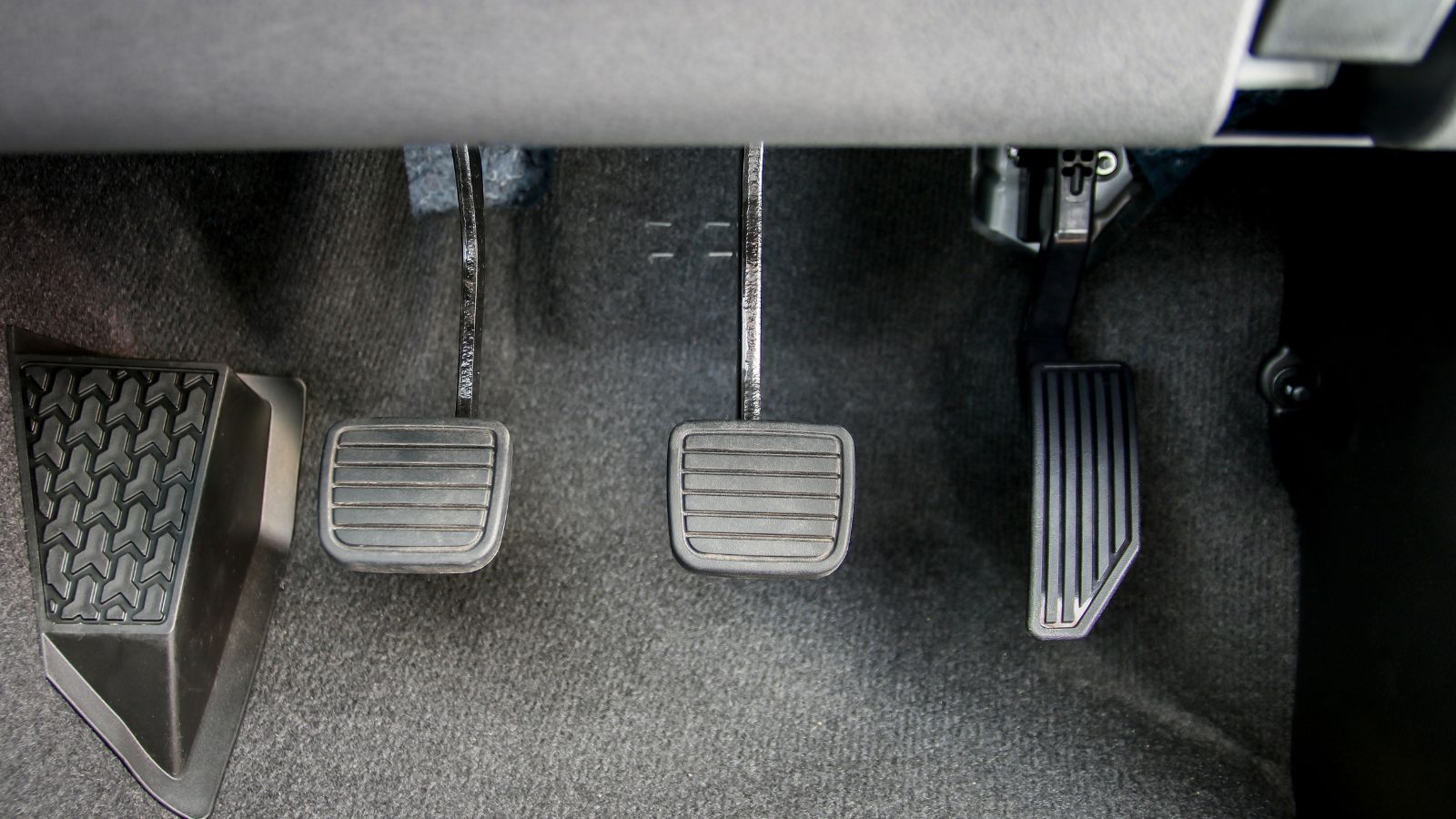
Hill starts used to be tricky, especially on older manuals with weaker parking brakes. Some instructors taught drivers to hold the car with half clutch engagement. It worked, but it destroyed clutch plates. Modern training uses the handbrake or hill start assist, both of which reduce wear and make the move safer. Riding the clutch is now a habit instructors try hard to eliminate.
Use the Left Lane Whenever Possible Old Highway Logic That No Longer Fits
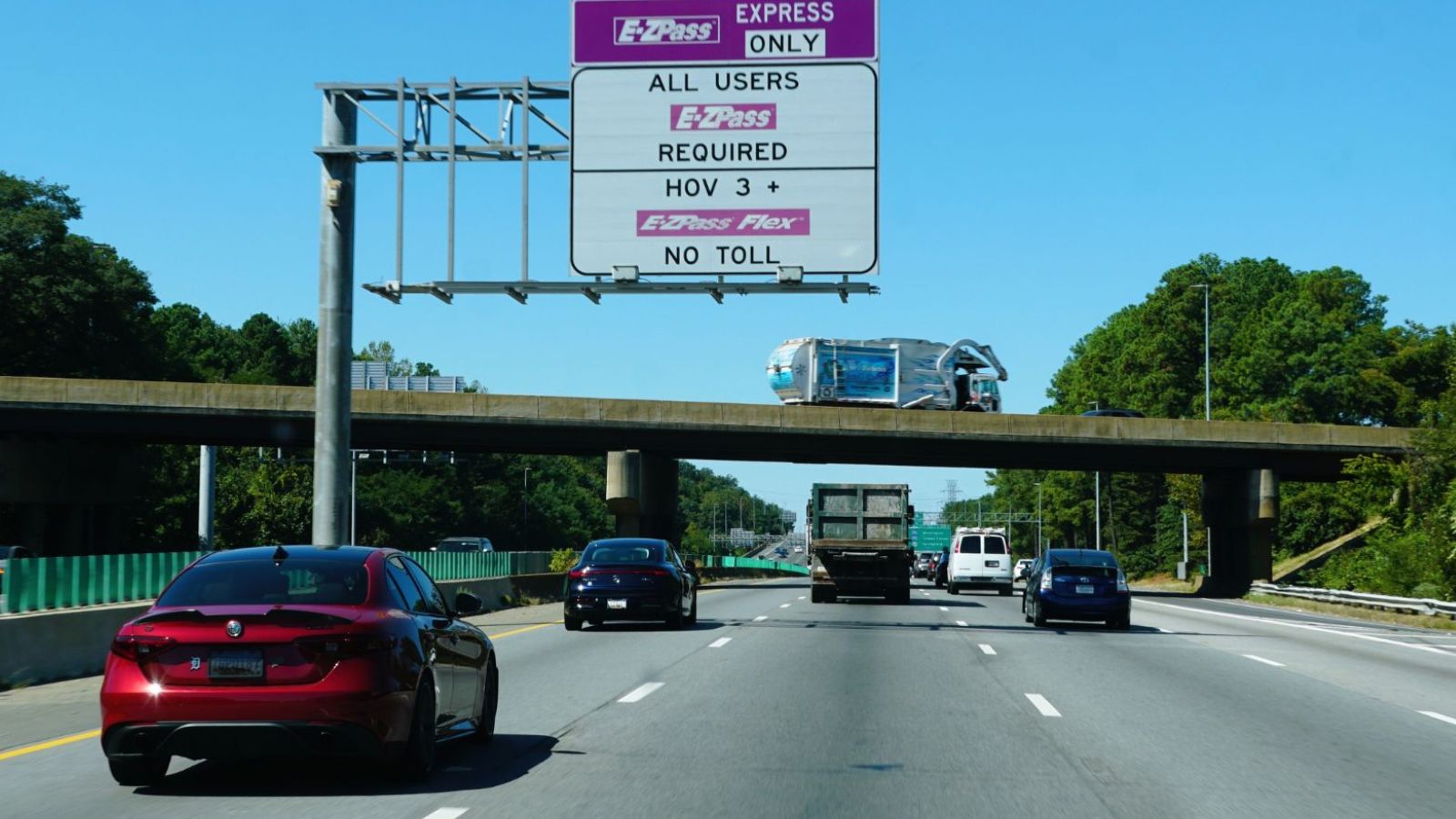
Many boomers learned that the left lane was simply the “fast lane,” something you could sit in as long as you were quicker than the right. Modern laws and dense traffic changed that entirely. The left lane is now for passing only. Staying there causes backups, road rage and unsafe weaving. Today’s drivers are taught to return right unless overtaking.
Keep a Car Length per Ten Miles Rule Replaced by Time Based Gaps

Older instructors taught boomers to judge safe following distance by car lengths. The rule collapsed the moment vehicles grew larger and brake systems advanced. Now Canada uses a time based system, usually two to three seconds behind the car ahead. It adapts to speed, road conditions and vehicle type far better than the old car length method.
Do Not Use Air Conditioning on Hills Outdated Fuel Saving Advice
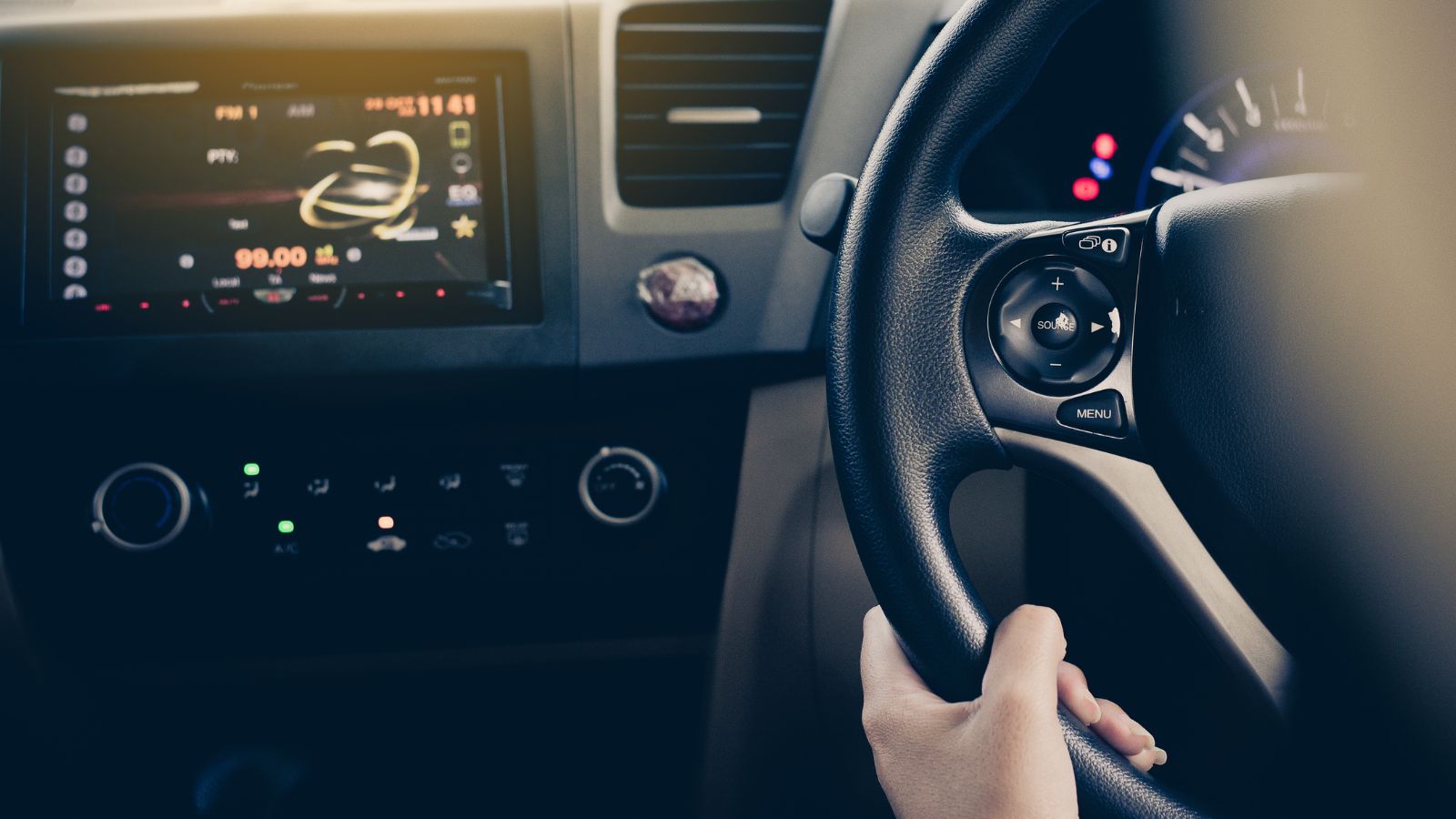
Boomers often learned to switch off A/C when climbing hills to preserve engine power. Early compressors dragged down small engines noticeably. Modern engines barely feel the difference, and many cars run electric compressors. Turning A/C on and off now creates distractions without meaningful savings. Instructors teach maintaining steady driving instead of toggling comfort features.
Rest Your Hand on the Gear Lever A Common Habit That Damages Gearboxes
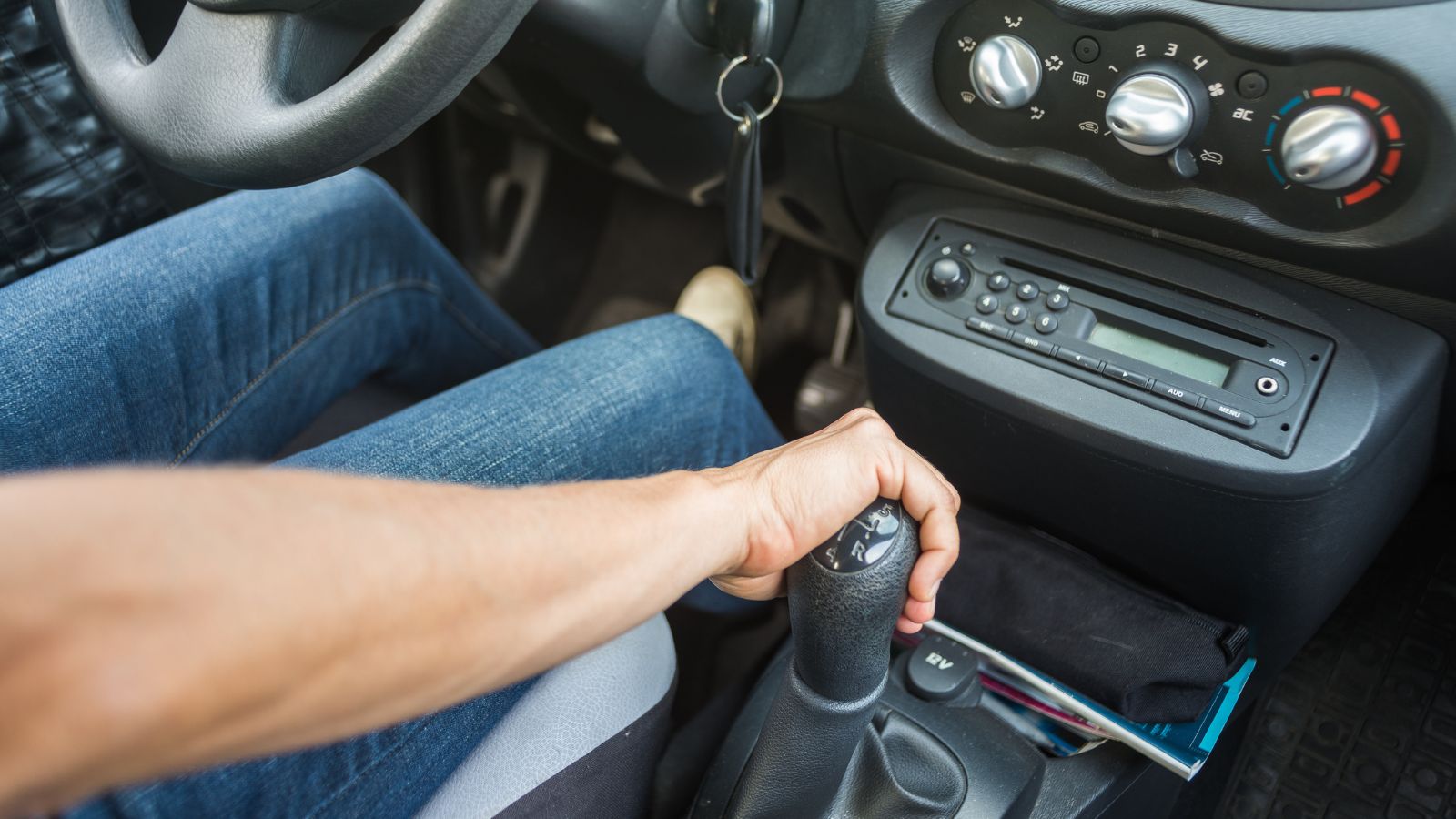
Manual driving once came with the casual tradition of keeping a hand on the shifter. In older cars it felt natural because drivers shifted frequently. Modern transmissions use tighter tolerances, and resting your hand applies pressure on internal components. That tiny load accelerates wear. Today, both hands return to the wheel after each shift to protect the drivetrain and improve control.
25 Facts About Car Loans That Most Drivers Don’t Realize

Car loans are one of the most common ways people fund car purchases. Like any other kind of loan, car loans can have certain features that can be regarded as an advantage or a disadvantage to the borrower. Understanding all essential facts about car loans and how they work to ensure that you get the best deal for your financial situation is essential. Here are 25 shocking facts about car loans that most drivers don’t realize:
25 Facts About Car Loans That Most Drivers Don’t Realize
